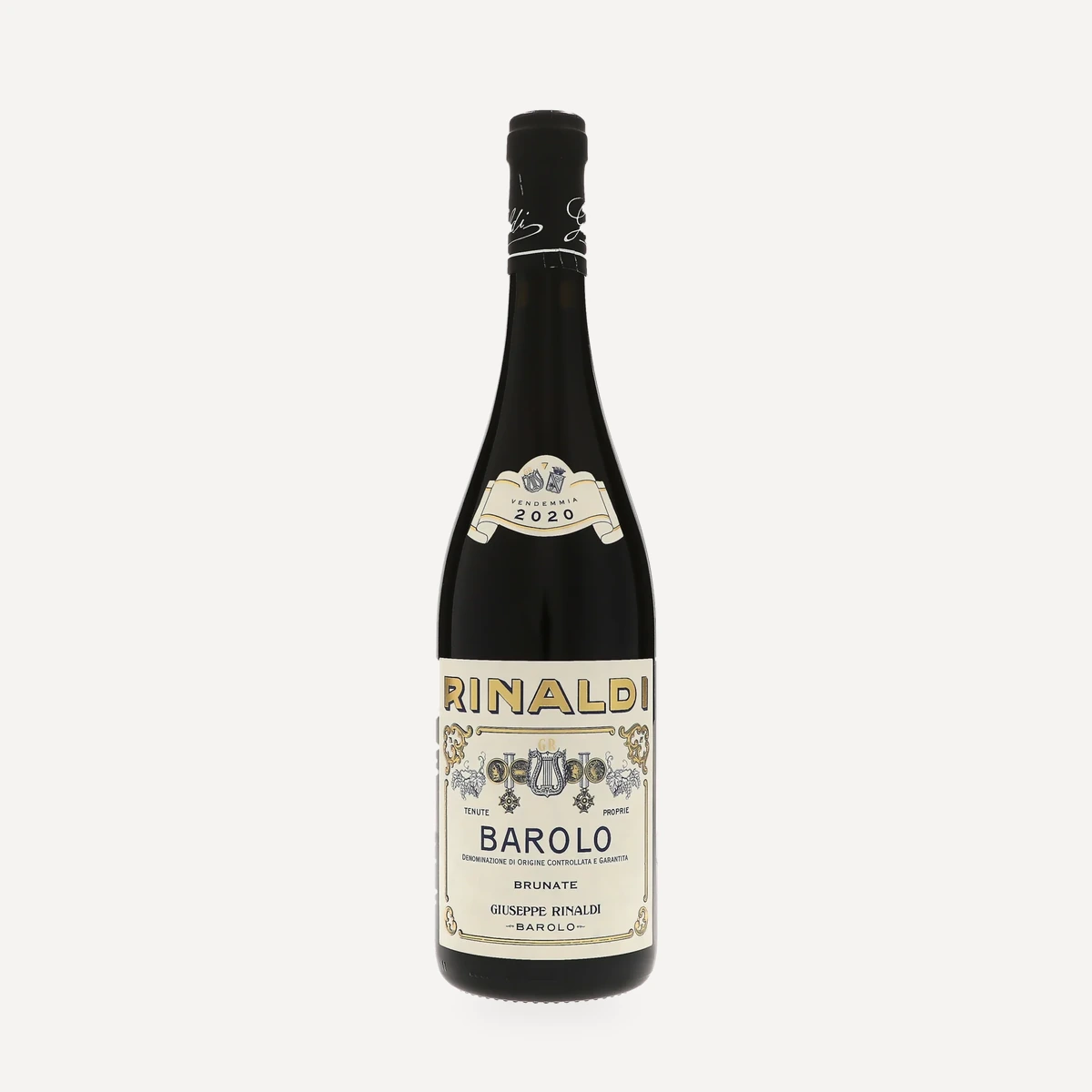
About this wine
A traditionally made Nebbiolo from Giuseppe Rinaldi’s Brunate holding, classified as Barolo. The estate’s 1.2-hectare parcel lies on Brunate’s lower slopes within the commune of Barolo, although the wider cru extends predominantly into La Morra. Its soil is chiefly clay-limestone blue marl. The wine also incorporates Nebbiolo from Le Coste: the current formulation was designed around the full Brunate crop with the maximum permitted 15% contribution from Le Coste.
Vineyard and terroir
Across the estate, grass is managed mechanically without herbicide, while copper and sulphur provide the principal vineyard treatments. Cover crops are introduced where needed to enrich the soil. Since 2014 the vineyards have been converted to Simonit & Sirch pruning; instead of trimming the canopy, the shoots are folded over to restrain vegetative growth and help preserve acidity in the berries.
The 2021 vintage was severely affected by frost, reducing production of Barolo Brunate by approximately 50%.
Grapes
Nebbiolo from Brunate, complemented by up to 15% Nebbiolo from Le Coste.
Vinification
The grapes are destemmed and the constituent vineyard parcels remain separate during fermentation. Fermentation begins spontaneously in truncated-conical vats. Maceration generally lasts 23–30 days, with two pump-overs each day and a daily manual punch-down once the cap begins to rise. After racking, the pomace is pressed in a vertical press fitted with a wooden cage.
Ageing
The Barolo spends three years in large Slavonian-oak casks ranging from roughly ten to forty years of age. Malolactic fermentation takes place in cask. The wine is clarified through natural settling, with few rackings, and rests until the final blend is assembled. Bottling is carried out in summer before the following harvest.
Tasting profile
The 2020 Barolo Brunate has a comparatively deep colour and an aromatic profile led by ripe fruit, spice, cocoa and woodland notes. The palate combines freshness and lively acidity with a savoury edge and a persistent finish.
Label and history
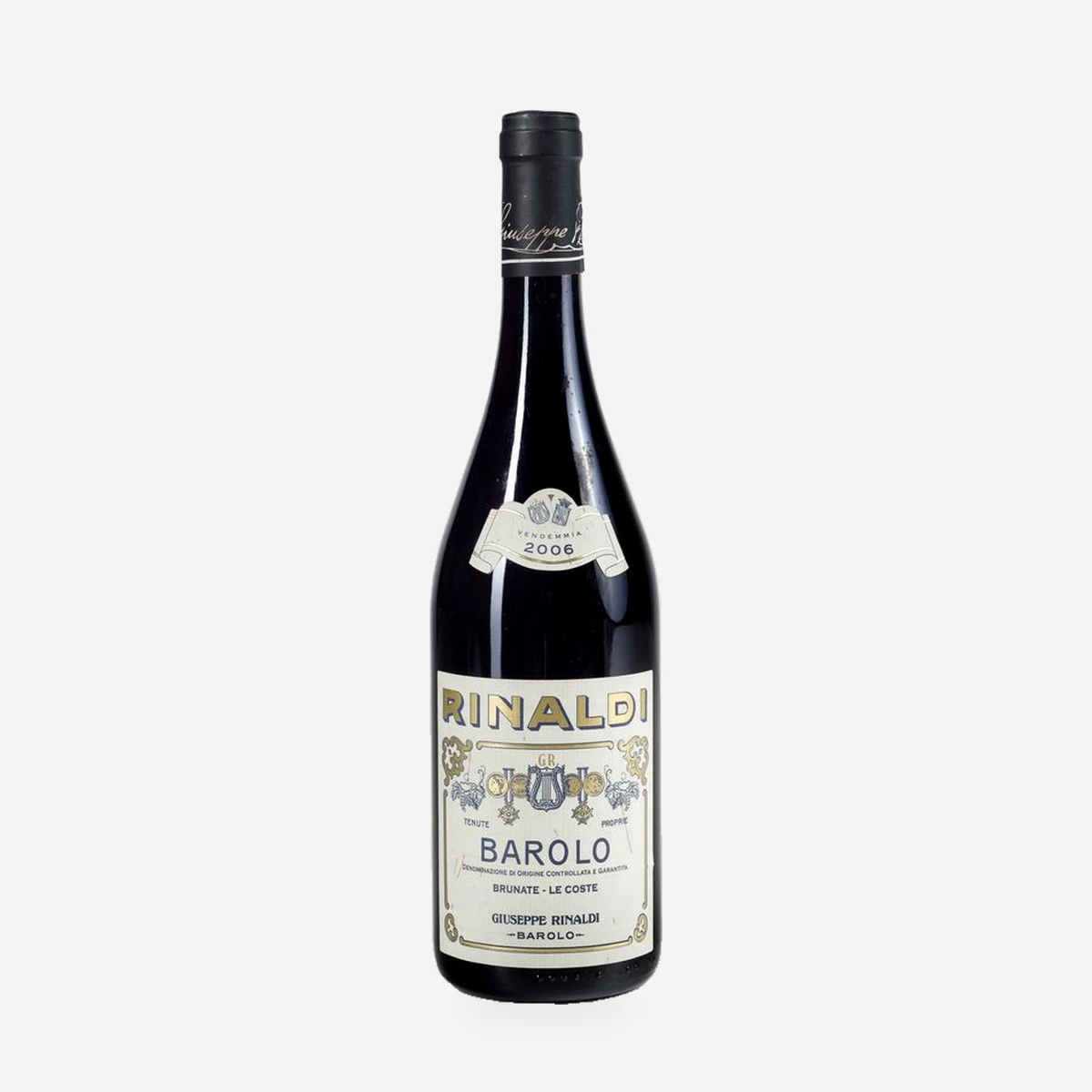
From 1992, the estate’s Brunate fruit was traditionally combined with Le Coste and bottled as Barolo Brunate–Le Coste. That label was discontinued after the 2010 change in rules governing the use of two cru names. The successor retained Brunate as its named site while preserving a smaller Le Coste component—up to 15%—to maintain the balance of the historic blend.