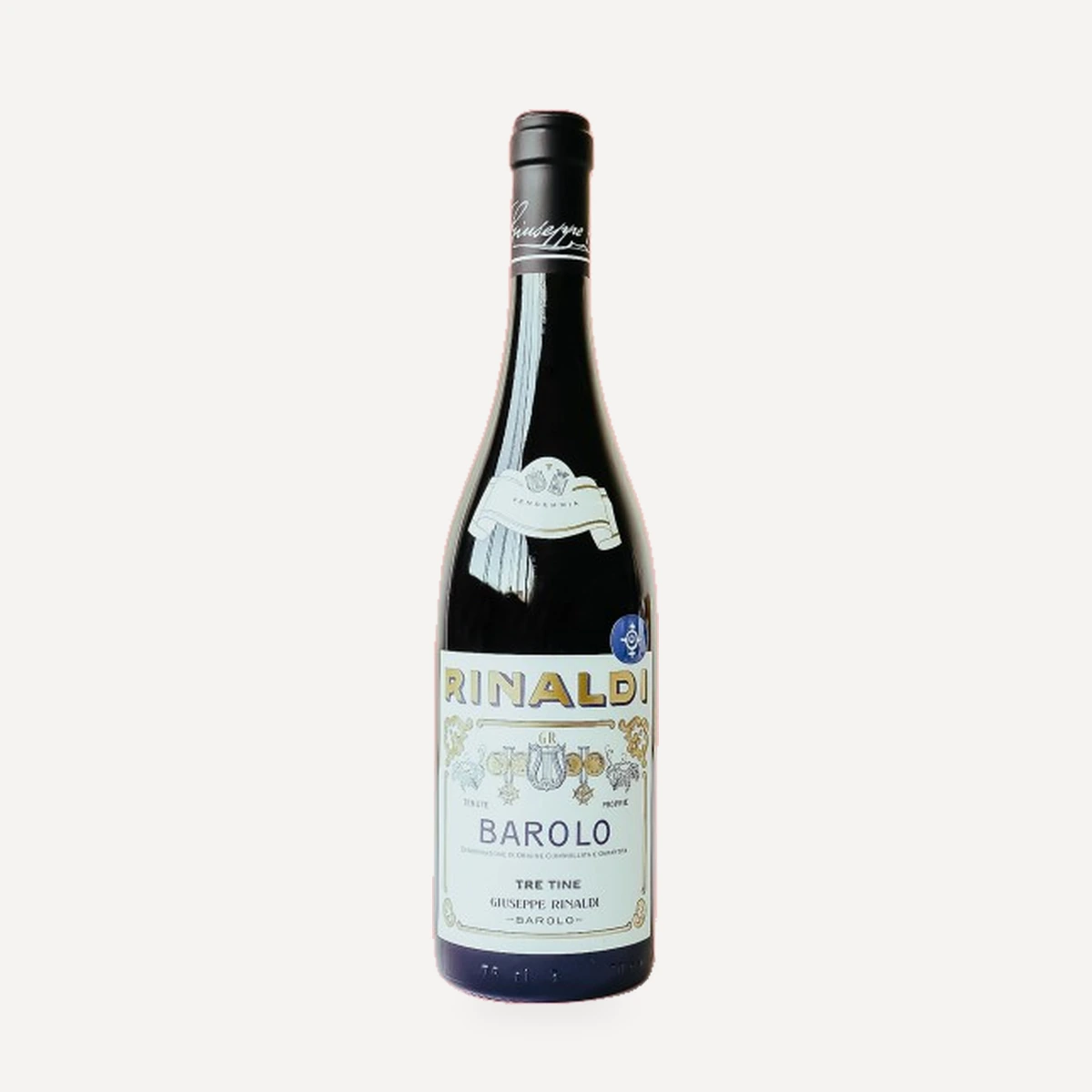
About this wine
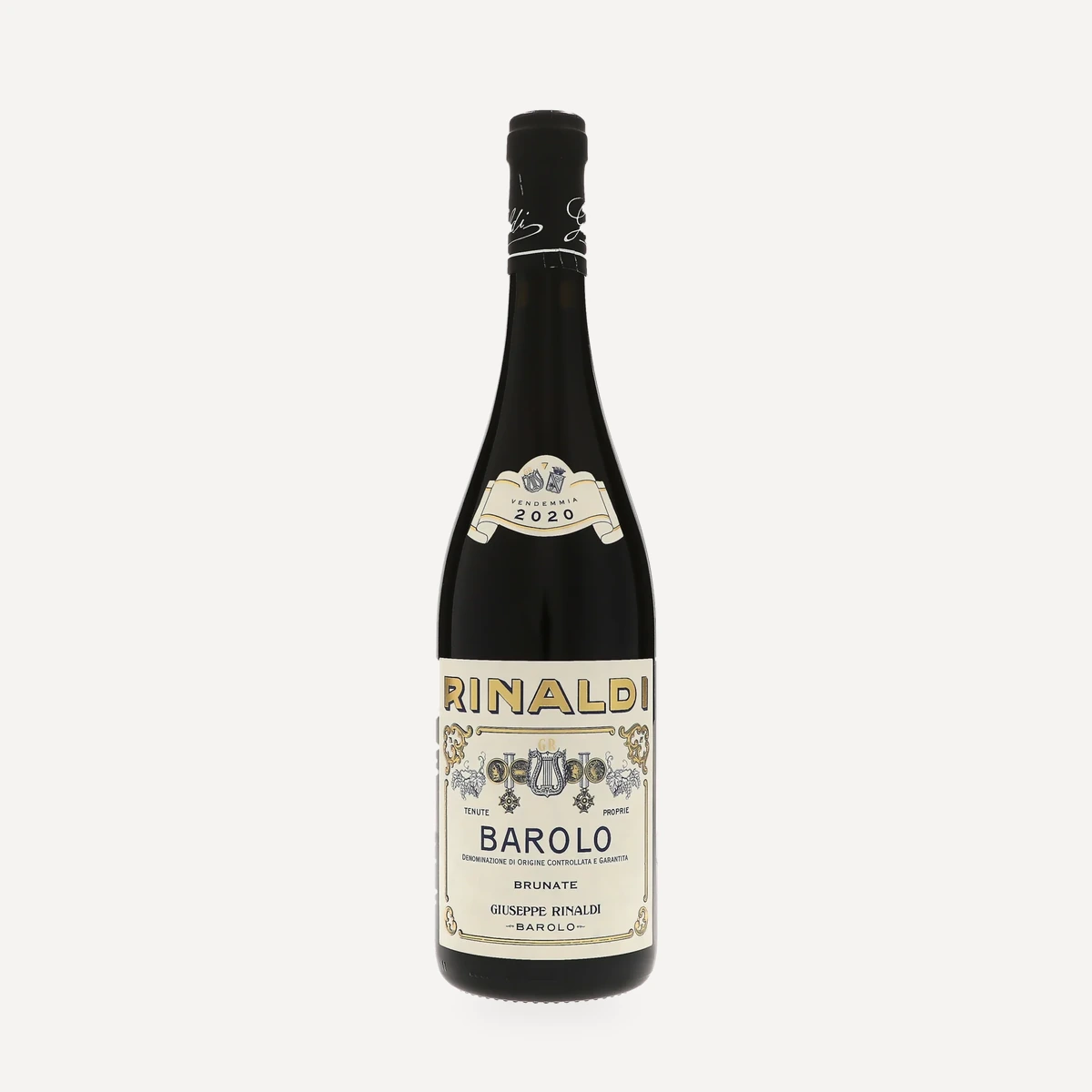
Barolo DOCG made from Nebbiolo grown in three vineyards: Ravera, Cannubi San Lorenzo and Le Coste. Blend proportions vary by vintage. The 2020 release comprised 60% Ravera, with Le Coste and Cannubi contributing approximately equal shares of the balance.
Vineyard and terroir
Ravera faces southeast and has clay-and-sand soils beside woodland; it is generally the last of the three sites to be harvested. Cannubi San Lorenzo lies near the village of Barolo on looser, sand-rich soils. Le Coste is immediately beside the cellar outside Barolo.
No herbicides are used. Grass is managed mechanically, and cover crops are planted where needed. Since 2014, the vines have been pruned using the Simonit & Sirch method. The shoots are gathered into a high canopy instead of being trimmed, limiting major pruning wounds and helping the grapes retain acidity.
Vinification
The grapes are destemmed, and the three parcels undergo separate spontaneous fermentations in truncated-conical vats. Maceration usually lasts 23–30 days, with two pump-overs daily and one manual punch-down each day once the cap begins to rise. After the wine is run off, the skins are pressed in a vertical press fitted with wooden cages.
Malolactic fermentation occurs during maturation. Clarification is achieved by settling, with few rackings. The parcel wines are blended before bottling in summer.
Ageing
Tre Tine matures for three years in large Slavonian oak casks approximately 10–40 years old. The seasoned large-format wood avoids introducing a pronounced new-oak character.
Tasting profile
The 2020 release has pronounced red-fruit and strawberry aromas accompanied by rhubarb and a light woodland note. The palate is mineral and savoury, with silky tannins, measured acidity and good persistence.
The 2018 is dry and full-bodied, with 14% alcohol. Redcurrant and blood orange dominate its restrained, leafy aromatic profile. Firm, muscular and grainy but ripe tannins create an austere, classical structure, balanced by tension and a degree of roundness. It has the structure for extended development in bottle.
Vintage notes
The comparatively late 2019 harvest began after the middle of October. Fermentation took place in vats with a very long maceration. Tre Tine showed a relatively open, immediately expressive character while retaining the structure associated with a long-lived vintage.
Label and history
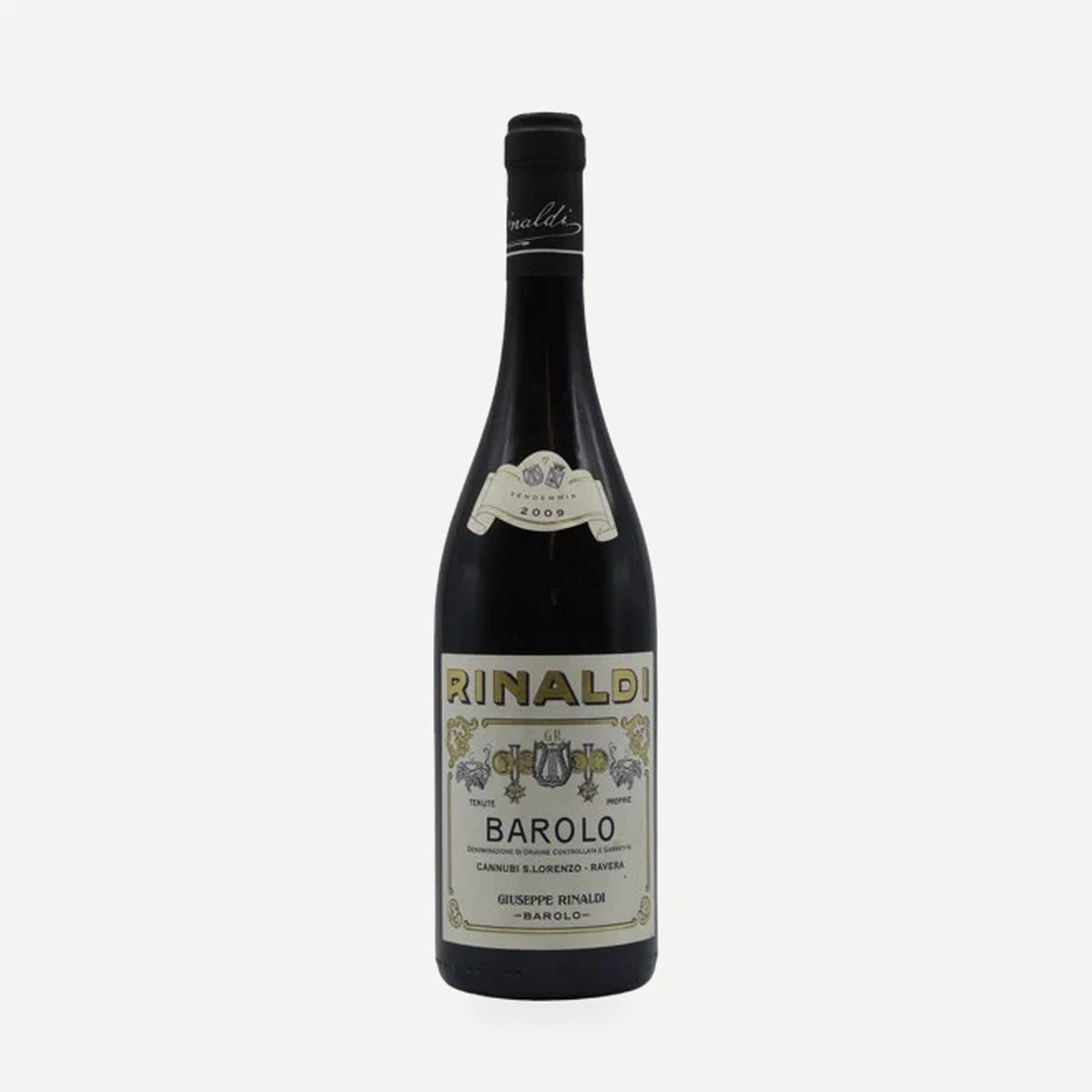
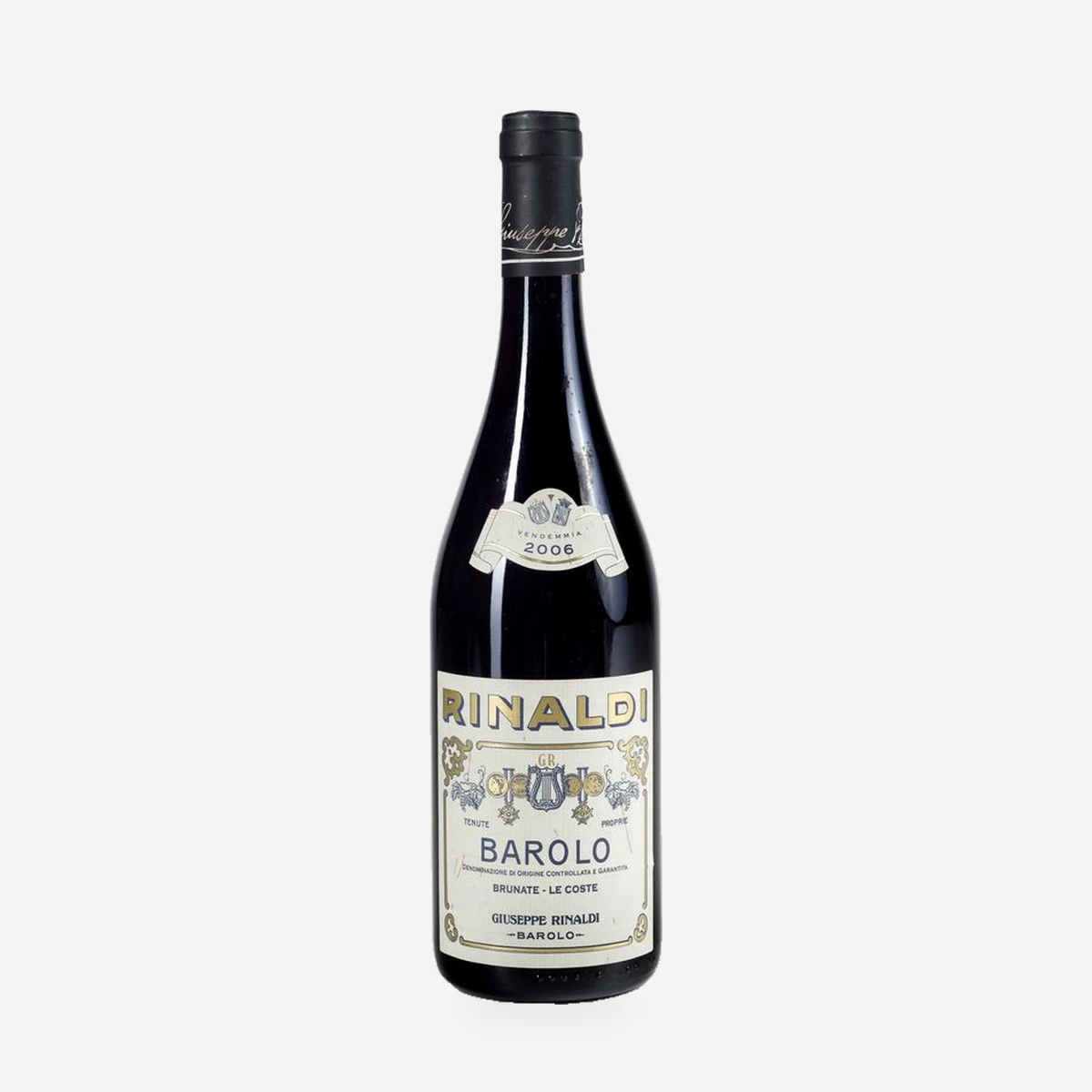
Tre Tine succeeded the former Cannubi San Lorenzo–Ravera bottling after revised labelling rules prevented both vineyard names from continuing to appear together. Le Coste joined the new three-vineyard blend, while Brunate became a separate Barolo. Tre Tine consequently combines complementary sites rather than presenting each vineyard as an individual bottling.