About this wine
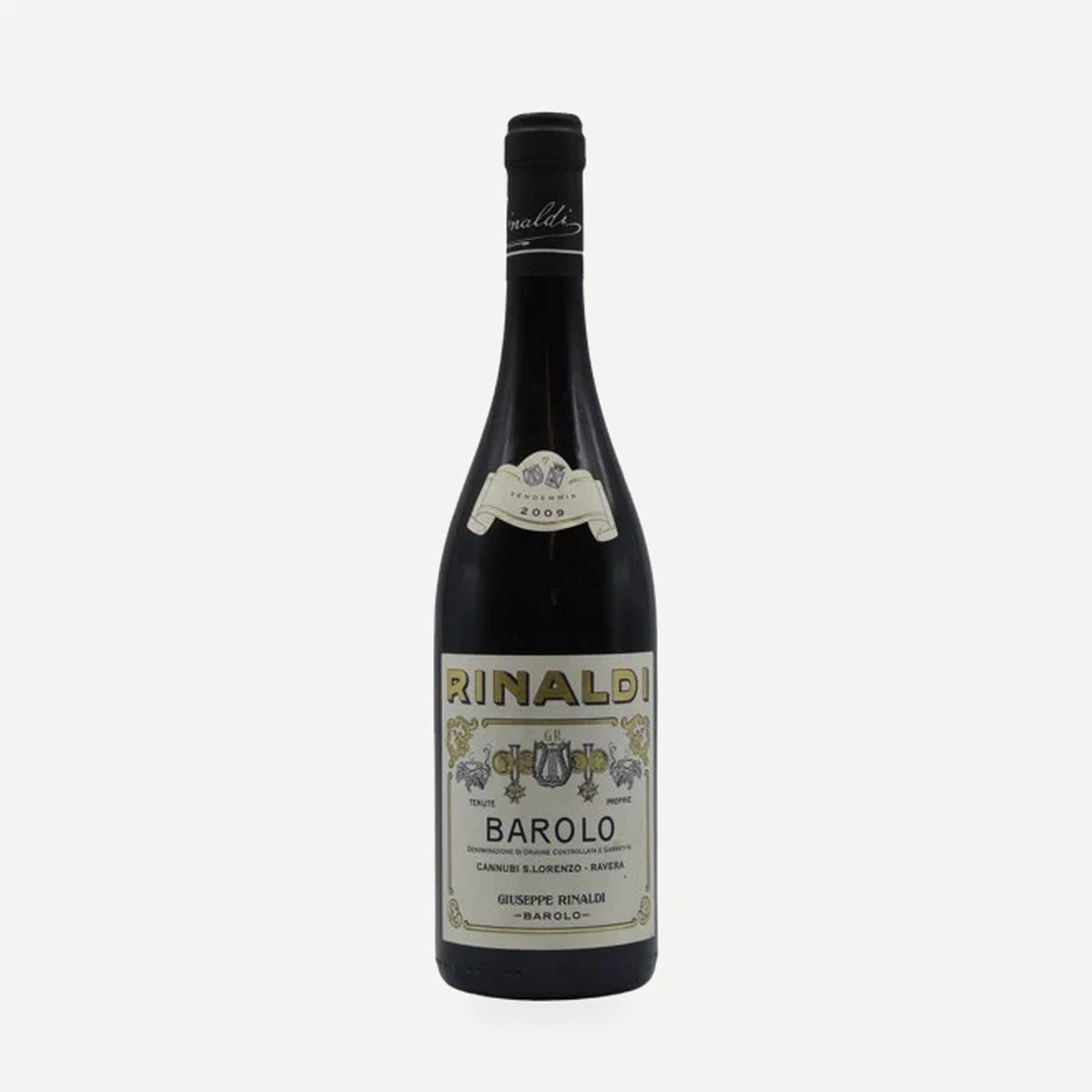
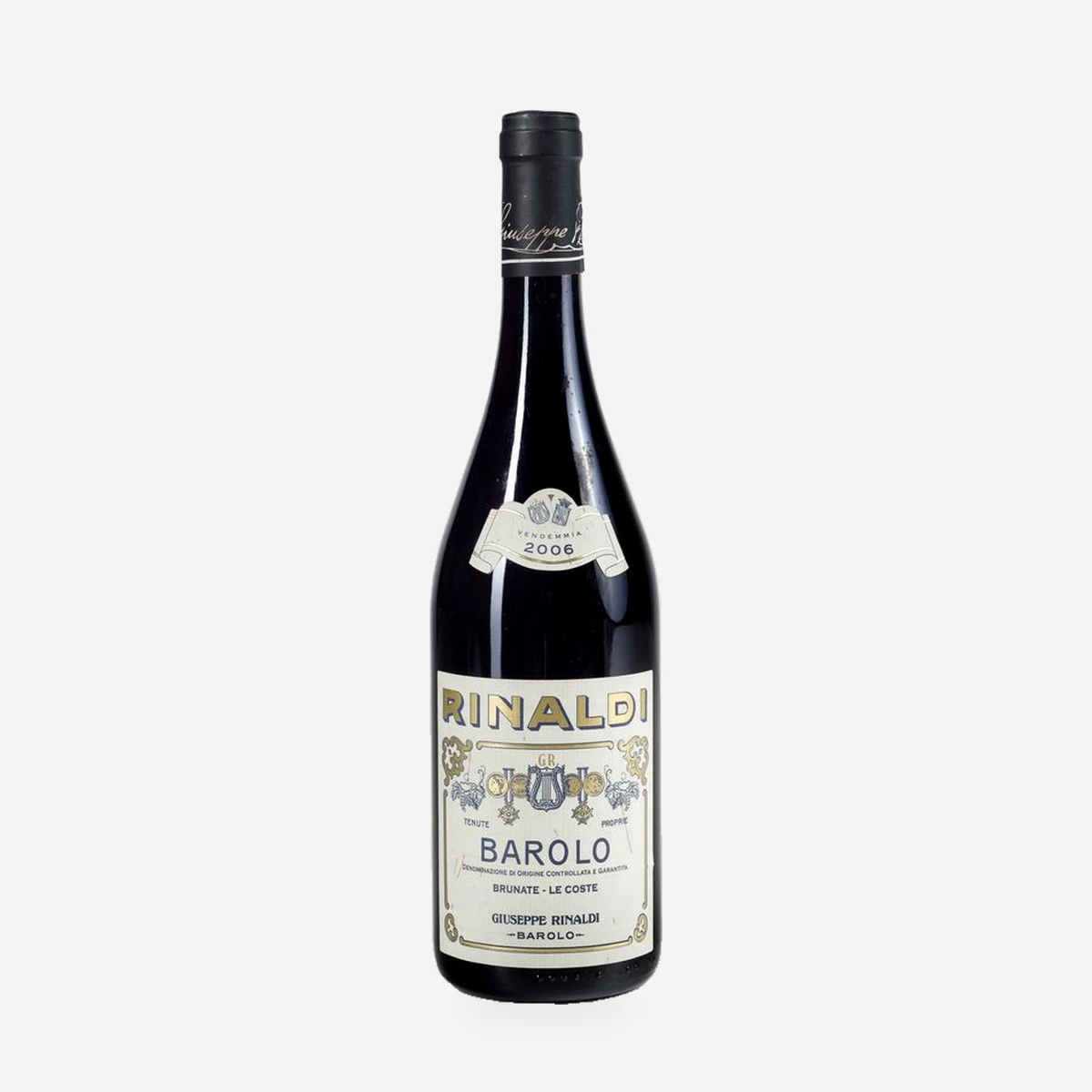
Barolo Brunate–Le Coste was Giuseppe Rinaldi’s historical Barolo blending Nebbiolo from the Brunate and Le Coste vineyards. It reflected Beppe Rinaldi’s preference for balancing the differing characteristics of vineyards rather than treating an individual cru as a complete expression in isolation. Brunate contributed austerity, while the sandier soils of Le Coste produced softer wine.
Vinification and ageing
Fermentation and maceration took place for 20–30 days in a century-old, open wooden vat, without temperature control or selected yeasts. The wine subsequently matured exclusively in cask for three and a half years.
Style and development
Brunate–Le Coste was generally the broader, rounder and more powerful of Rinaldi’s two historical Barolo blends. It was made for extended development, with firm tannins and an austere youth followed by increasingly complex aromas and tertiary nuances in bottle.
Vintage character remained important. The 1999 showed focused cherry fruit, freshness, length and considerable capacity to improve. The structured 2000 combined spice, menthol and tar with cherry liqueur, liquorice, mineral and balsamic nuances. The 2001 was comparatively round and supple, with ripe fruit, spice, liquorice and minerals. The difficult 2002 yielded only a single cask and showed fresh red-strawberry character, while the hot 2003 was unusually massive and rich, with very ripe, jam-like fruit.
Label history
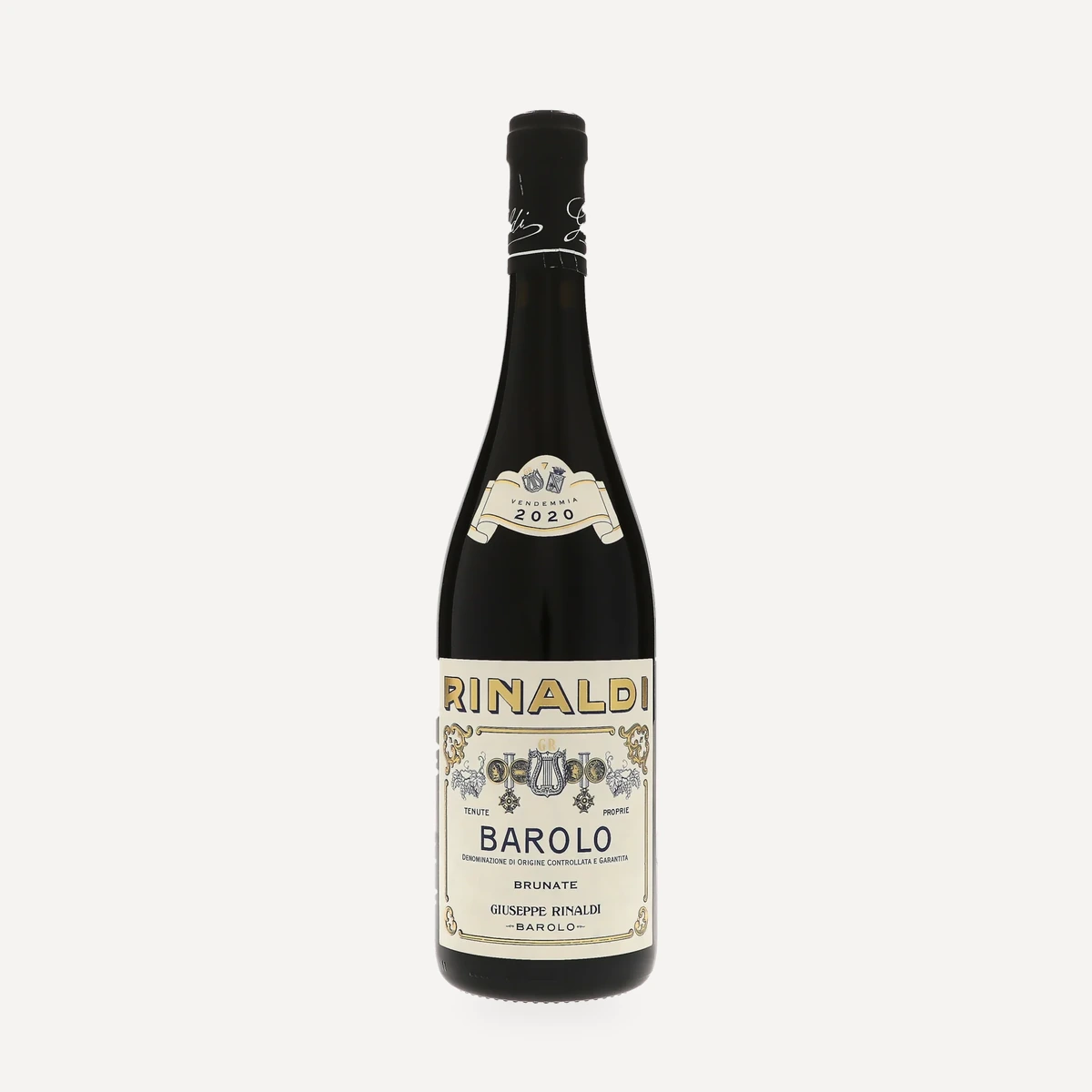
The 2009 vintage was the final release under the Brunate–Le Coste name. New labelling rules applying from 2010 permitted only one vineyard name when at least 85% of the wine came from that site. Giuseppe Rinaldi consequently replaced the historical blend with Barolo Brunate, containing the permitted proportion of Le Coste, while the remaining Le Coste fruit joined other vineyards in a separate Barolo blend.