About this wine
Vineyard and terroir
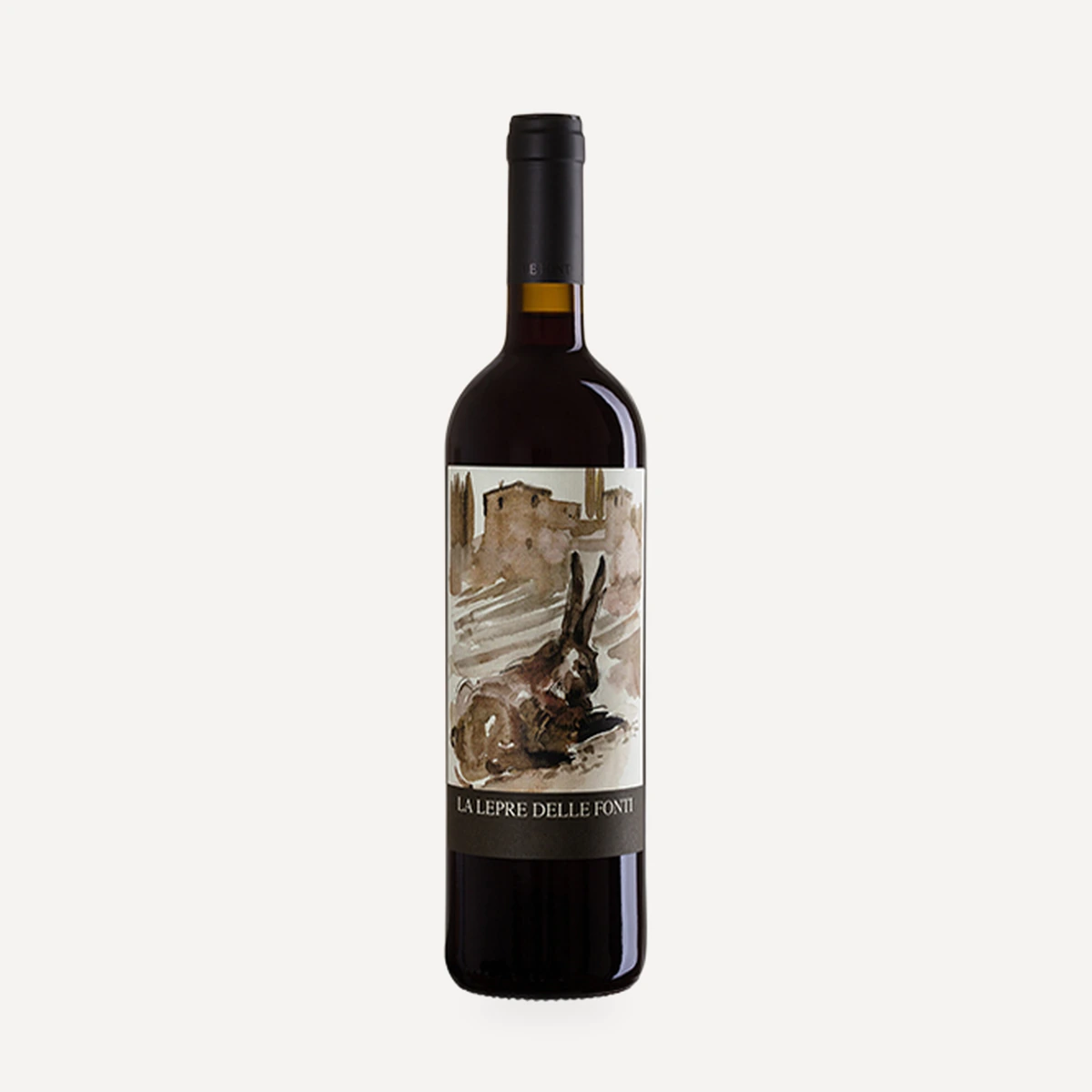
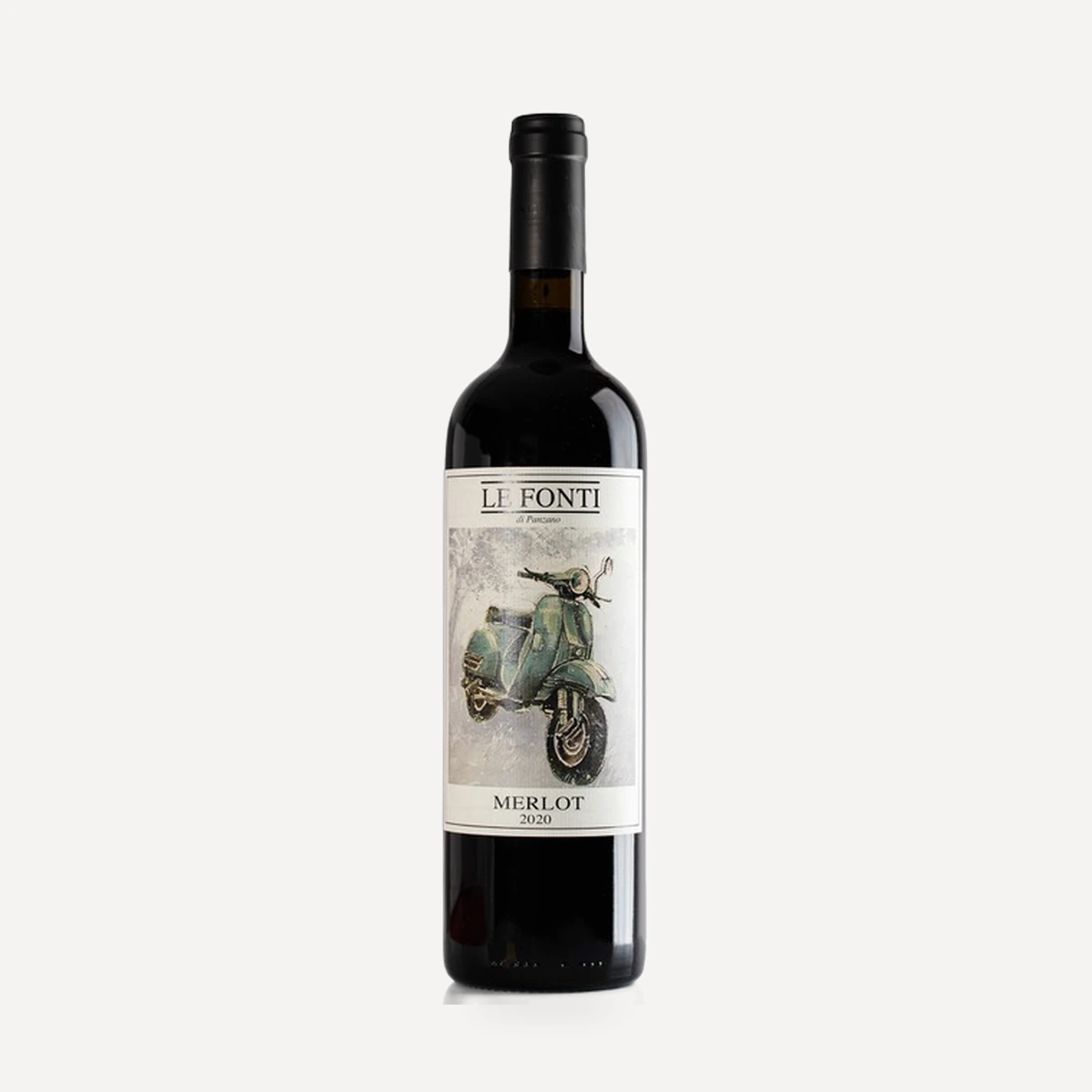
The wine is drawn from a top selection of Merlot grown in the Le Fonti estate vineyards. The vineyards occupy a southeast-facing hillside at 450 m above sea level in Panzano in Chianti, with soils comprising limestone, sand, volcanic stone, schist and clay. They were certified organic and trained to cordone speronato when the 2017 technical information was prepared.
Grapes
100% Merlot, without Sangiovese.
Vinification
The 2017 Merlot was harvested on 18–19 September. Slow fermentation proceeded at 28–29°C with daily pump-overs. Skin contact continued until pressing at the end of October, followed by malolactic fermentation.
Ageing
The individual wine page specifies 12 months in French oak before bottling. The 2017 technical sheet also gives 12 months, describing 400- and 500-litre barrels in its vinification section, although its summary refers to 500–700-litre vessels. A separate current-wines description gives a longer period of 18 months in French oak without identifying the vintage.
Technical data
The 2017 contained 14% alcohol, with 4,000 bottles produced.
Tasting profile
Cherry and blackberry lead the aromatic profile. The palate is fresh, fruity and juicy, with lively acidity, a soft, balanced shape and a long finish. The current description characterizes it as smooth, lean and elegant.
Serving and pairing
Serve at 18°C. Pair with Italian pasta, lamb or other roasts, saltimbocca, chicken and cheese, or enjoy informally with friends.
Vintage notes
The 2017 season opened with a cold winter but no snow. Warm spring weather was interrupted by frost in late April, though strong winds limited the damage. Hot, dry conditions from late June brought the fruit to full ripeness. Rain returned in September, relieving vines affected by the prolonged drought.