About this wine
Vineyard and terroir
Greco and Falanghina come from north-facing Irpinian vineyards at approximately 400 m above sea level. Greco grows on stony clay-limestone soils, while Falanghina is planted in loose, well-drained ground. The vines average 20 years old, with approximately 4,000 plants per hectare, Guyot-pruned vertical trellising and a yield of about 80 quintals per hectare or 2 kg per vine.
Grapes
Greco and Falanghina.
Vinification
The grapes are harvested manually in early September. Whole bunches undergo gentle, selective pressing so that only the free-run must is used. White vinification takes place in temperature-controlled stainless steel, while a portion of the base wine matures in 500 L tonneaux and 225 L barriques. Secondary fermentation occurs in bottle by the traditional method in a temperature-controlled environment.
Ageing
The sparkling wine remains on its lees for 30 months and is finished Pas Dosé.
Tasting profile
Bright straw yellow with golden highlights and an exceptionally fine, continuous perlage. Layered aromas combine Renetta apple and pear with fresh almond, hazelnut, bread crust and subtle yeast, followed by thyme, marjoram, iodine and mineral nuances. The palate is taut and vertical, driven by vibrant freshness and a fine, continuous texture. An elegant saline line carries the wine into a long, crystalline and harmonious finish with citrus and mineral echoes.
Serving and pairing
Serve at 10–12°C. Pair with raw scampi, red prawns, amberjack or meagre tartare, oysters, sea urchins, shellfish platters, seared scallops, white-fish carpaccio, buffalo mozzarella, burrata and fresh soft cheeses. Further matches include spaghetti with clams, citrus risotto with prawns and lemon zest, gnocchi with creamed salt cod, light fish soups, baked sea bream, sea bass or dentex, seared amberjack or tuna, crisp octopus, salt cod, delicate white meats and refined vegetable dishes. Ageing potential is 15 years or more.
Label / history
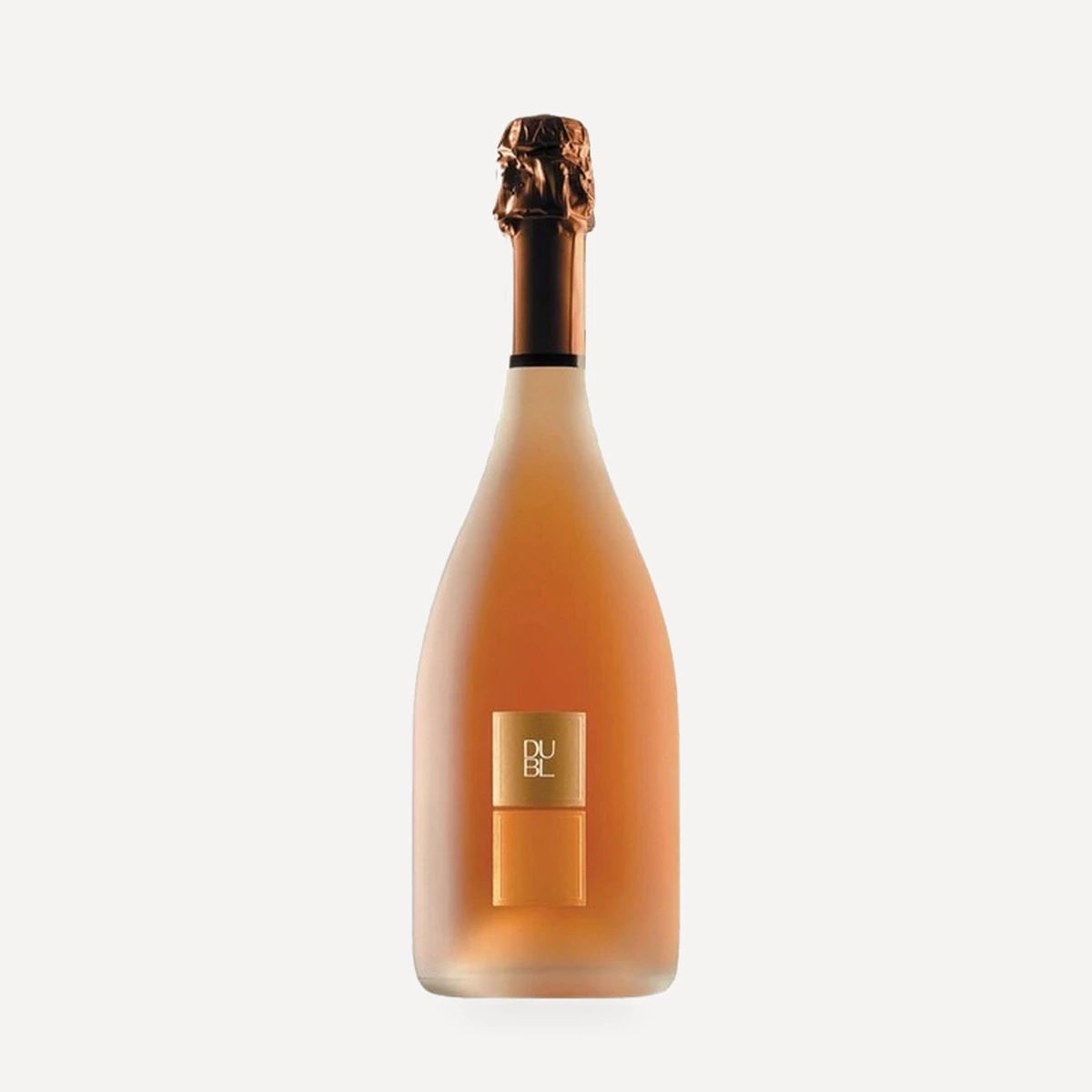
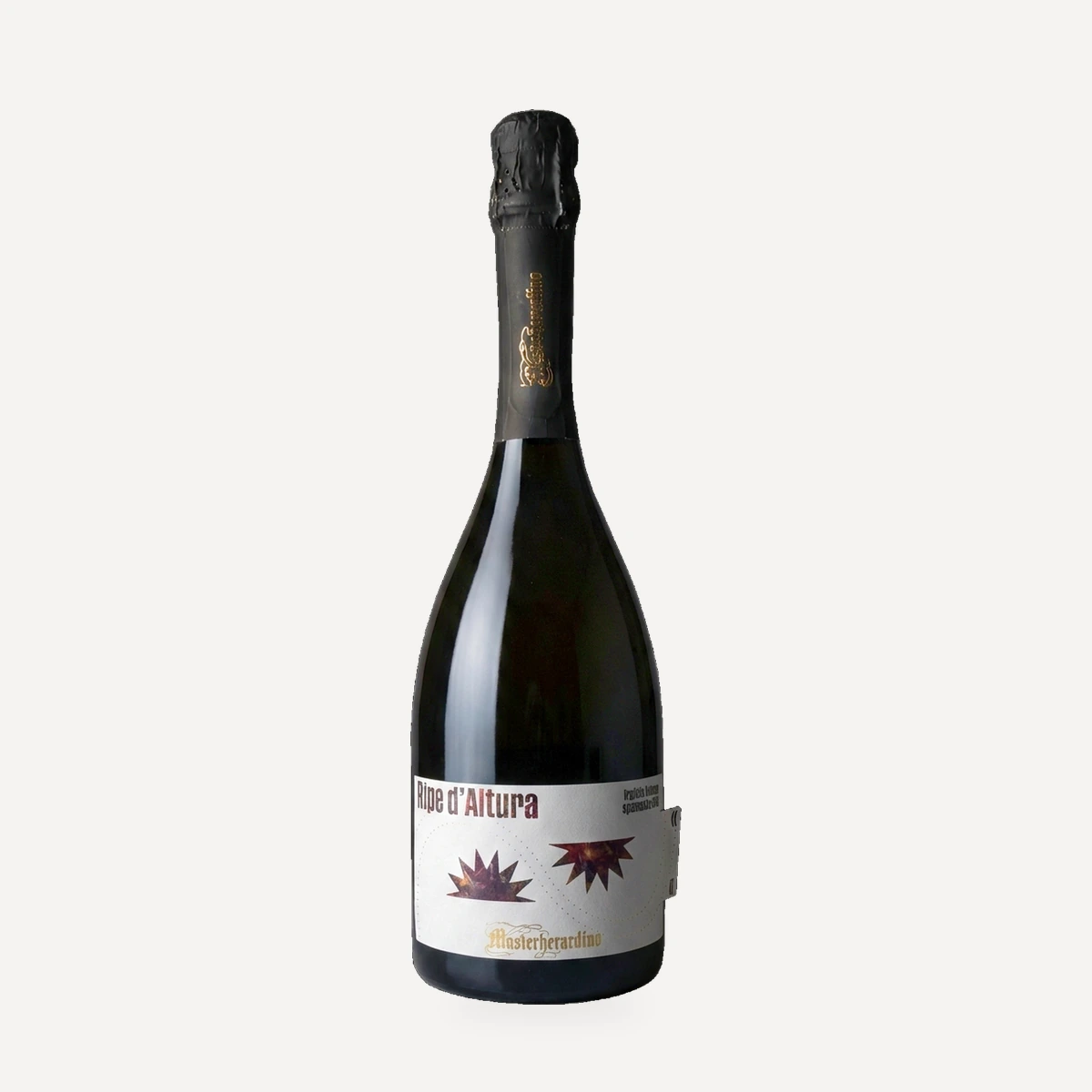
The bottle uses a double label whose upper layer can be lifted or torn away to reveal an artwork beneath. The concealed image is one of two depictions of Dionysus from Baccanale II and Baccanale III by Romanian artist Doina Botez. The works belong to the Mastroberardino Art Gallery and form part of the triptych Il colore di Dioniso, created between 1993 and 1998.