History
Identity and historical inspiration
Rotari takes its identity from the story of the Lombard king Rotari, remembered in the brand narrative as a valiant ruler who fought battles in Trentino-Alto Adige. The related name Flavio derives from the honorific title adopted by King Rotari to evoke the prestige of the Roman and Byzantine imperial traditions.
The sustainability programme begun in the 1980s
Since the 1980s, Rotari and the Mezzacorona Group have promoted a Protocol for quality wine production in Trentino. The protocol was devised to govern the care of vineyard greenery, cultivation and production systems, and interventions intended to make agriculture safer and more sustainable. This programme established the foundations of the integrated approach subsequently applied across the vineyard and cellar supply chain.
Certifications and institutional development
The operating organisation obtained AEO — Operatore Economico Autorizzato status in 2008 and DLG GM Wine certification in 2011. BRC Global Standard for Food Safety and IFS International Food Standards certifications followed in 2012.
In 2016, all winegrower members of the Mezzacorona Group obtained the Italian ministerial SQNPI — Sistema di Qualità Nazionale per la Produzione Integrata certification for grapes, coordinated through the Consorzio di Tutela Vini del Trentino. Certification was extended to the wine in 2017, placing both viticulture and vinification within a controlled integrated-production system.
In 2020, the organisation added the Equalitas — Modulo Organizzazione Sostenibile certification. Rotari also participates in the Mezzacorona Group’s role as an Ambassador Company of Wine in Moderation, combining environmental commitments with the promotion of responsible consumption.
Terroir
Cantina Rotari works with Chardonnay and Pinot Nero grown in Trentino for the production of Trentodoc. The vineyards are shaped by high-altitude breezes, pronounced differences between daytime and nighttime temperatures, the mineral influence associated with the mountains to the north, and Mediterranean influences arriving from Lake Garda to the south.
The broader growing environment comprises a varied mosaic of Alpine, continental and Mediterranean microclimates. The rocks of the Alps and Dolomites descend into mineral soils, while peaks, deep valleys, lakes and forests contribute to the diversity of conditions within the mountain landscape.
These conditions support the freshness, acidity and structure sought in the base wines. The Trentino pergola is used to make the most of the local environment while giving the vineyards their characteristic visual rhythm.
Winemaking
Viticulture follows an integrated approach developed from the quality-production protocol promoted since the 1980s. Expert agronomists assist the growers with vineyard decisions and keep them informed of technical advances.
The vineyards are cultivated and harvested manually. The system employs Trentino pergolas and certified rootstocks or planting material. Organic matter—including residues from pruning and leaf removal—is returned as plant nutrition. Mating disruption is used to limit recourse to plant-protection products, while synthetic pesticides and fertilisers are used sparingly.
Drip systems provide targeted relief irrigation and reduce water consumption. Hedges and dry-stone walls are retained as shelter for species within the vineyard ecosystem. Grass cutting is scheduled with attention to the maturity of the resident plant species.
Grape selection and harvest are conducted by hand. The fruit used for Trentodoc is grown in Trentino and is processed within the denomination’s origin and production requirements.
All associated winegrower members have held SQNPI integrated-production certification for grapes since 2016. The wine has been SQNPI-certified since 2017.
Base wine
Chardonnay and Pinot Nero are harvested by hand and subjected to gentle pressing to release their varietal aromas. Following sedimentation, the must is transferred to large stainless-steel tanks, where the first fermentation takes place at a controlled temperature of approximately 18°C.
Tirage and second fermentation
In spring, sugar and yeast are added to the base wine. It is then bottled under crown cap and stored horizontally. The second fermentation, or prise de mousse, takes place in the bottle. Subsequent contact with the lees develops Rotari’s fine mousse and contributes to the maturation of the sparkling wine.
Remuage
During riddling, bottles are rotated daily and progressively inclined until they reach a vertical, inverted position, concentrating the fermentation sediment in the neck. The operation was traditionally performed by hand on wooden pupitres; it is now carried out with giropalettes, each capable of moving 504 bottles.
Disgorgement and dosage
Still held vertically, the bottles enter a cooling solution that freezes the neck to approximately −25°C to −30°C. Removing the crown cap allows the internal pressure to expel the frozen plug of sediment, leaving the wine clear. A liqueur d’expédition made from specially selected wines matured in barriques is then added where the intended style calls for dosage.
Cellar layout and maturation
The production complex contains separate winemaking and bottling cellars as well as dedicated areas for tirage and bottling, bottle fermentation, lees ageing, remuage and disgorgement. Its central space is the ageing room, where bottles rest until they reach the required maturity before disgorgement.
Much of the cellar is underground, naturally supporting appropriate temperatures and humidity. The building also makes extensive use of daylight and LED illumination. Photovoltaic equipment produces electricity, while solar panels provide thermal energy. Cleaning procedures are designed to reduce water consumption; low-impact detergents are used, waste is separated completely, and production residues—including wine used for conditioning operations and defective bottles—are recovered and reprocessed.
Philosophy
Rotari defines its style through the methodical pursuit of beauty, flair and lightness, interpreting mountain-grown fruit through the long, patient cycle of Metodo Classico. The declared aim is to unite the prestige of bottle-fermented sparkling wine with Alpine nature and a contemporary aesthetic—the idea expressed by the phrase Classic from the Mountains.
Sustainability is treated as an operating principle rather than a separate initiative. Vineyard and cellar practices are intended to maintain harmony with the territory and to leave the land in better condition for the future. This encompasses integrated viticulture, biodiversity features, careful water use, renewable energy, efficient architecture and waste recovery.
The social dimension extends to responsible consumption. Safety, moderation, informed choices, respect for other people and the enjoyment of wine alongside food and water form part of this approach.
Wines
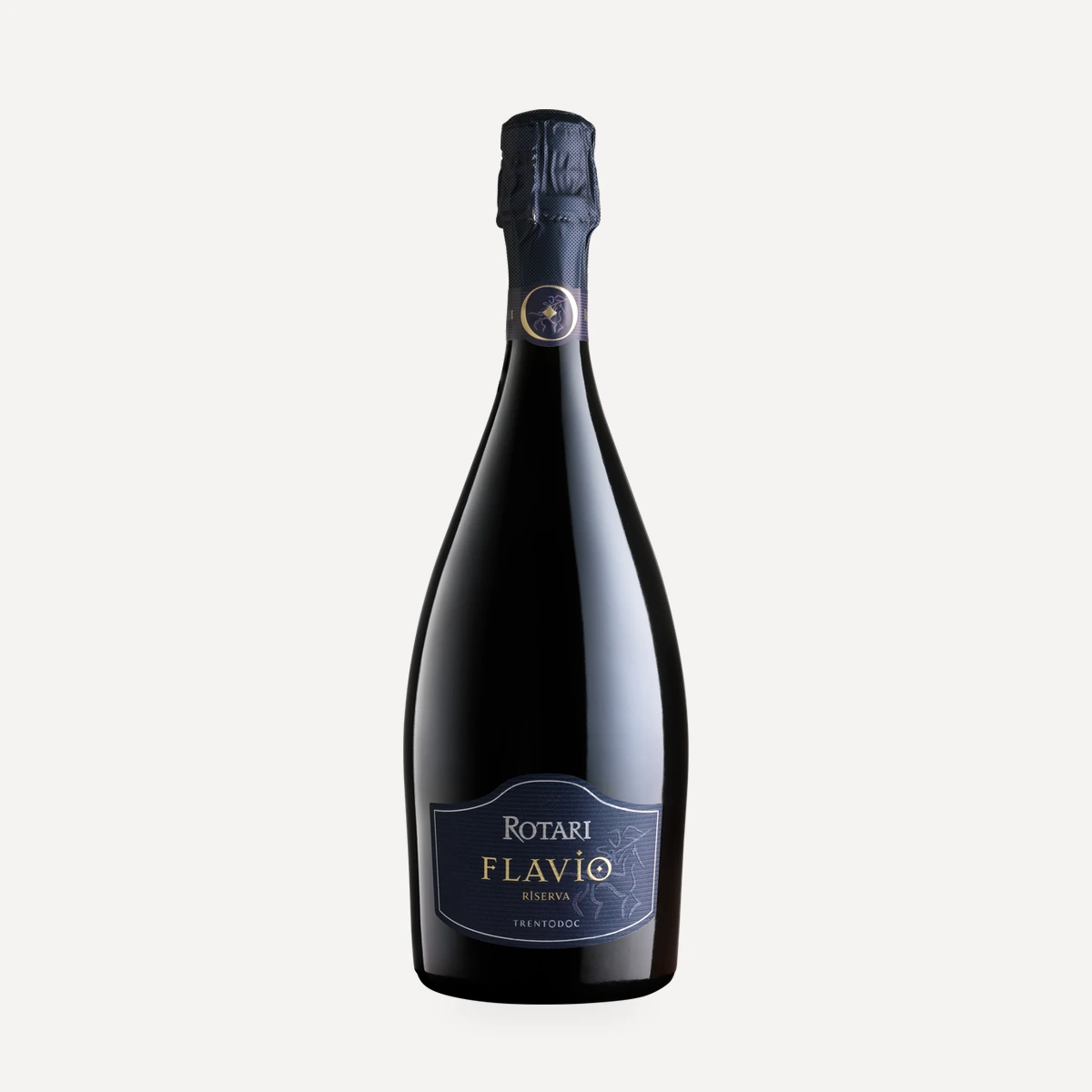
Flavio Trentodoc
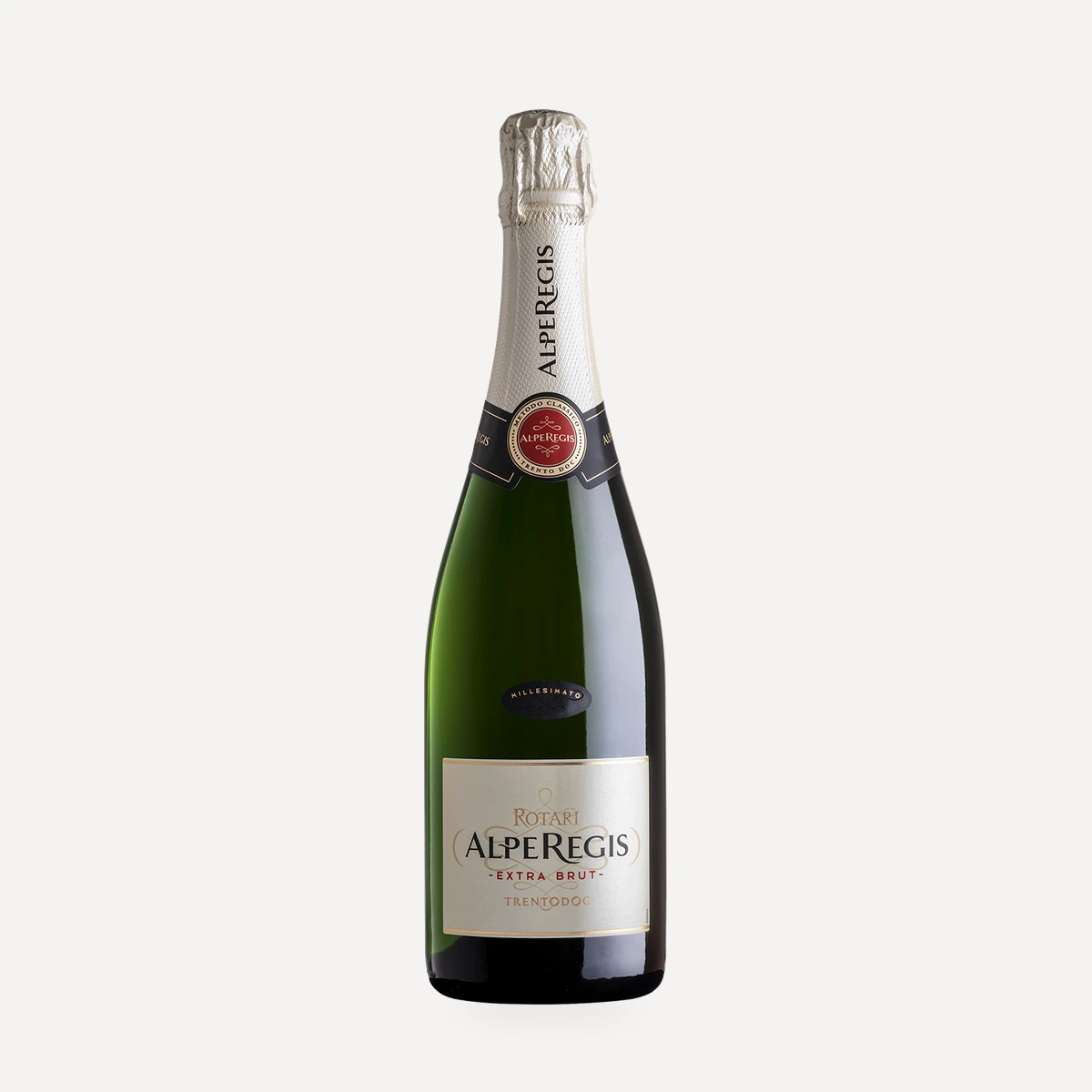
AlpeRegis Extra Brut
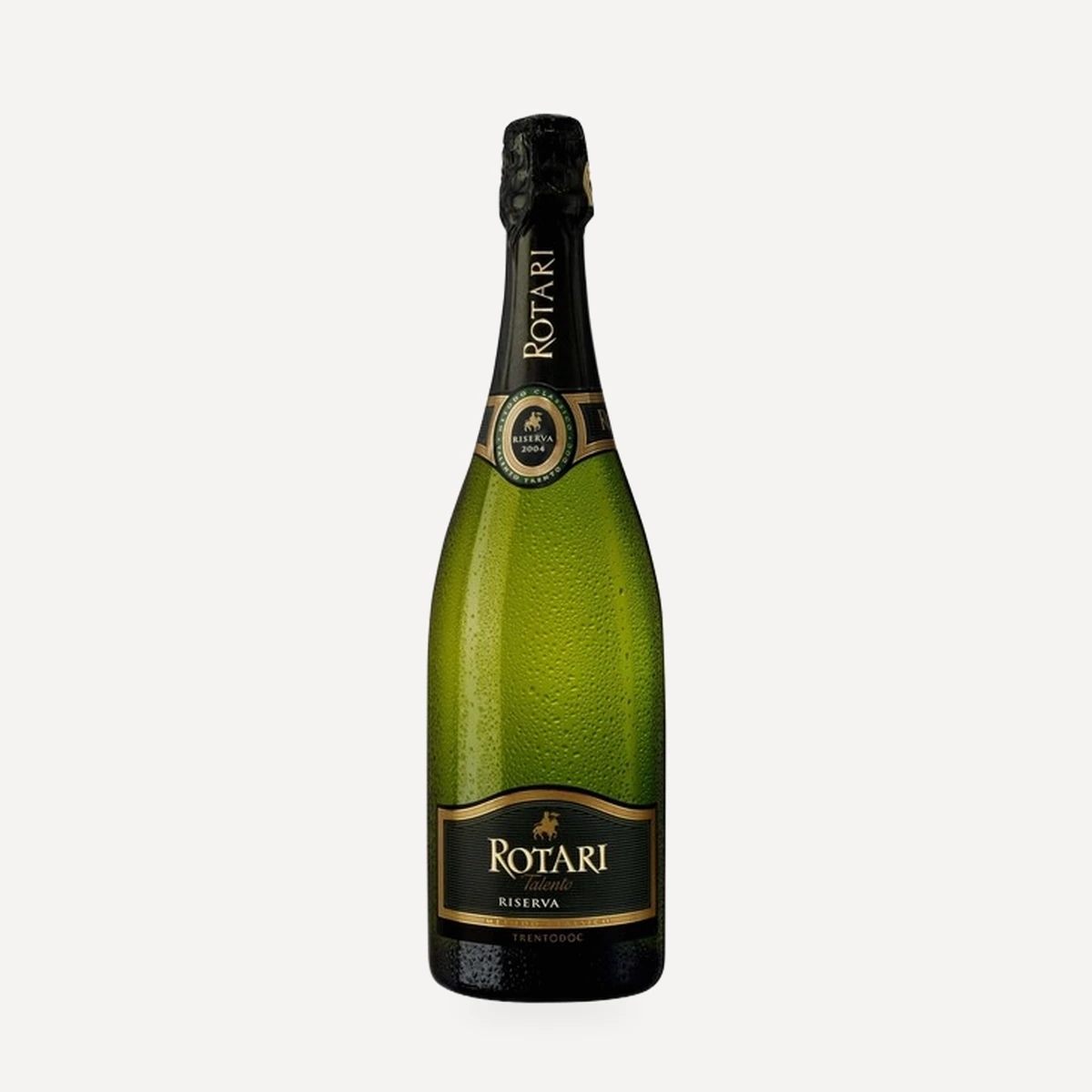
Talento Riserva Trento DOC
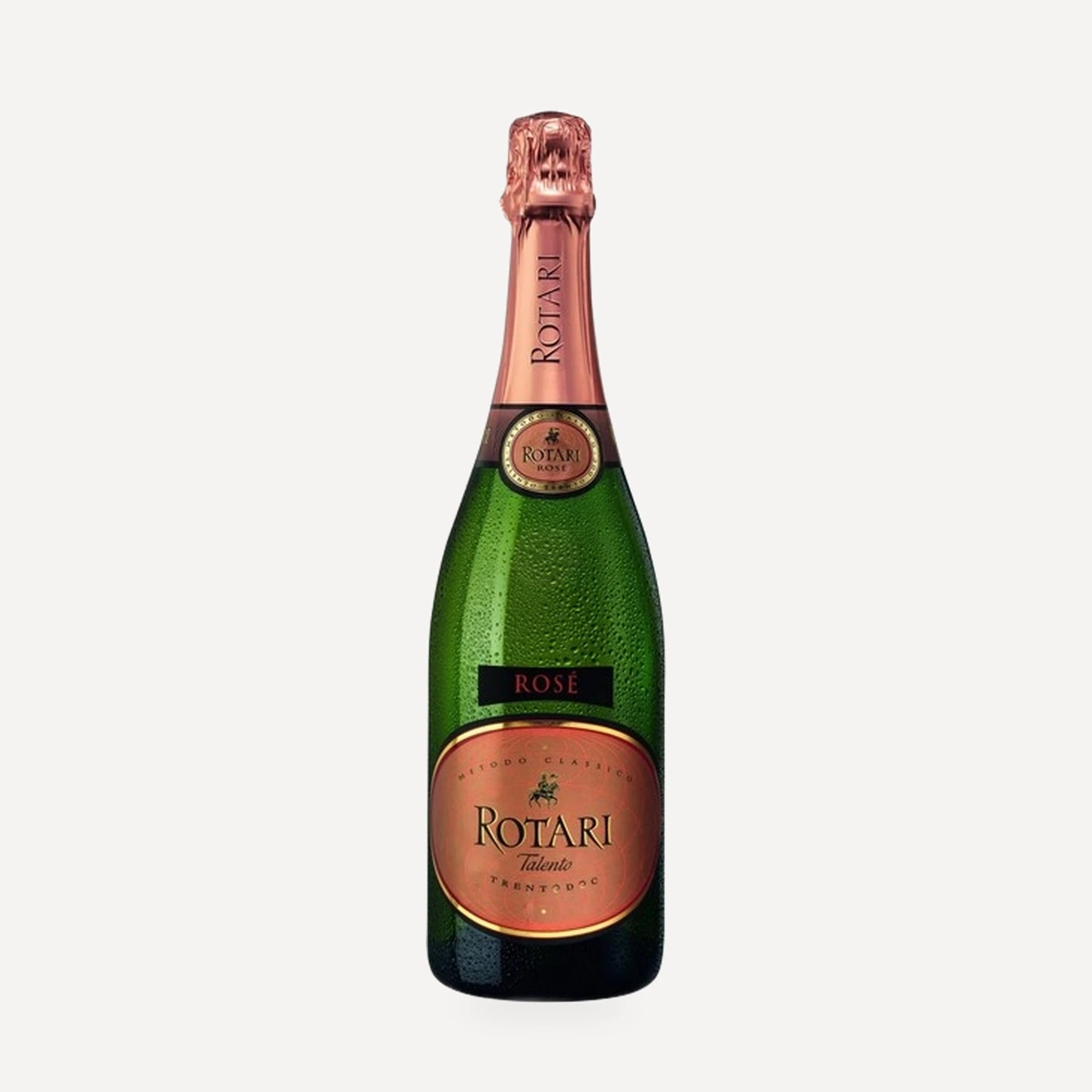
Talento Rose Trento DOC
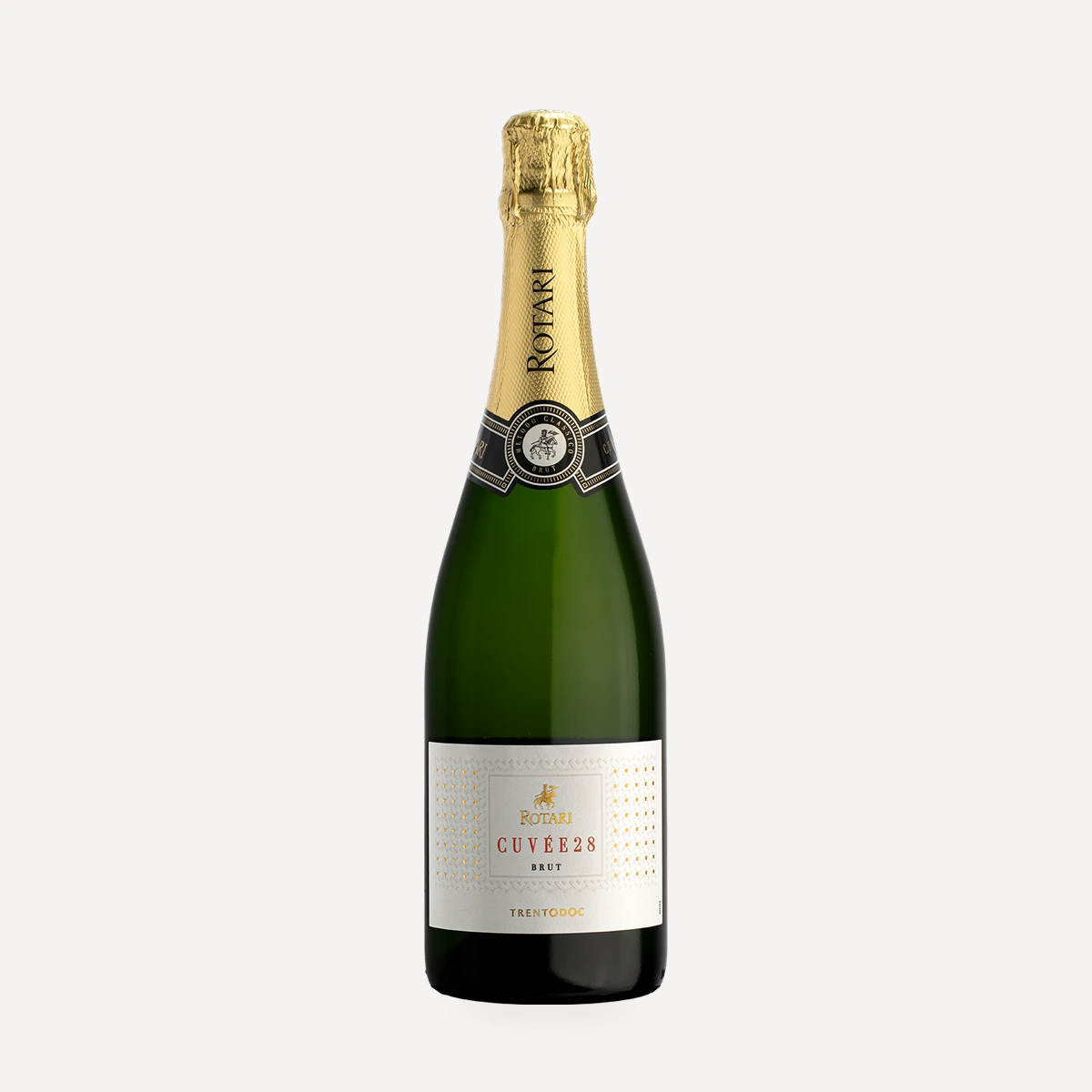
Cuvée 28
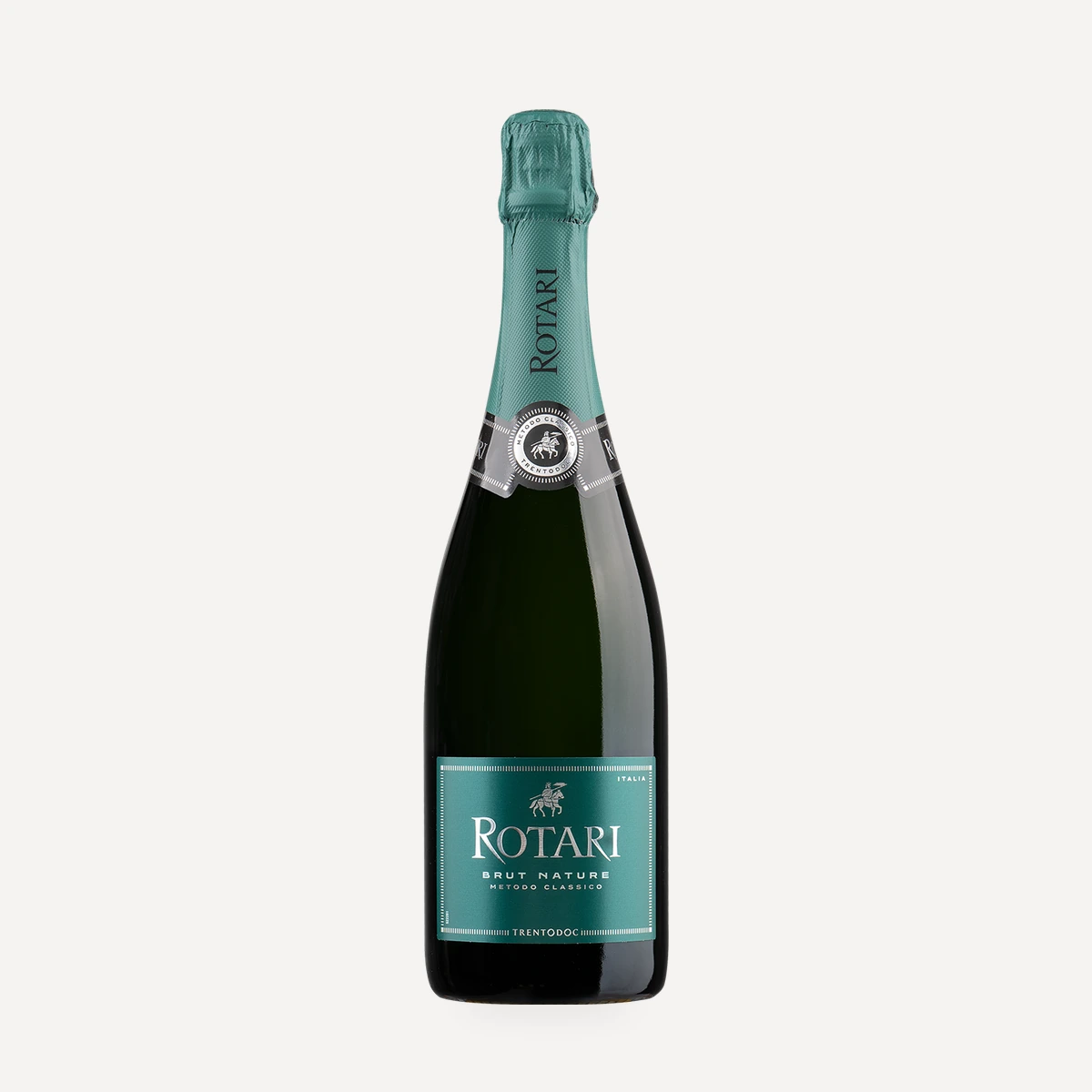
Rotari Brut Nature Trento DOC
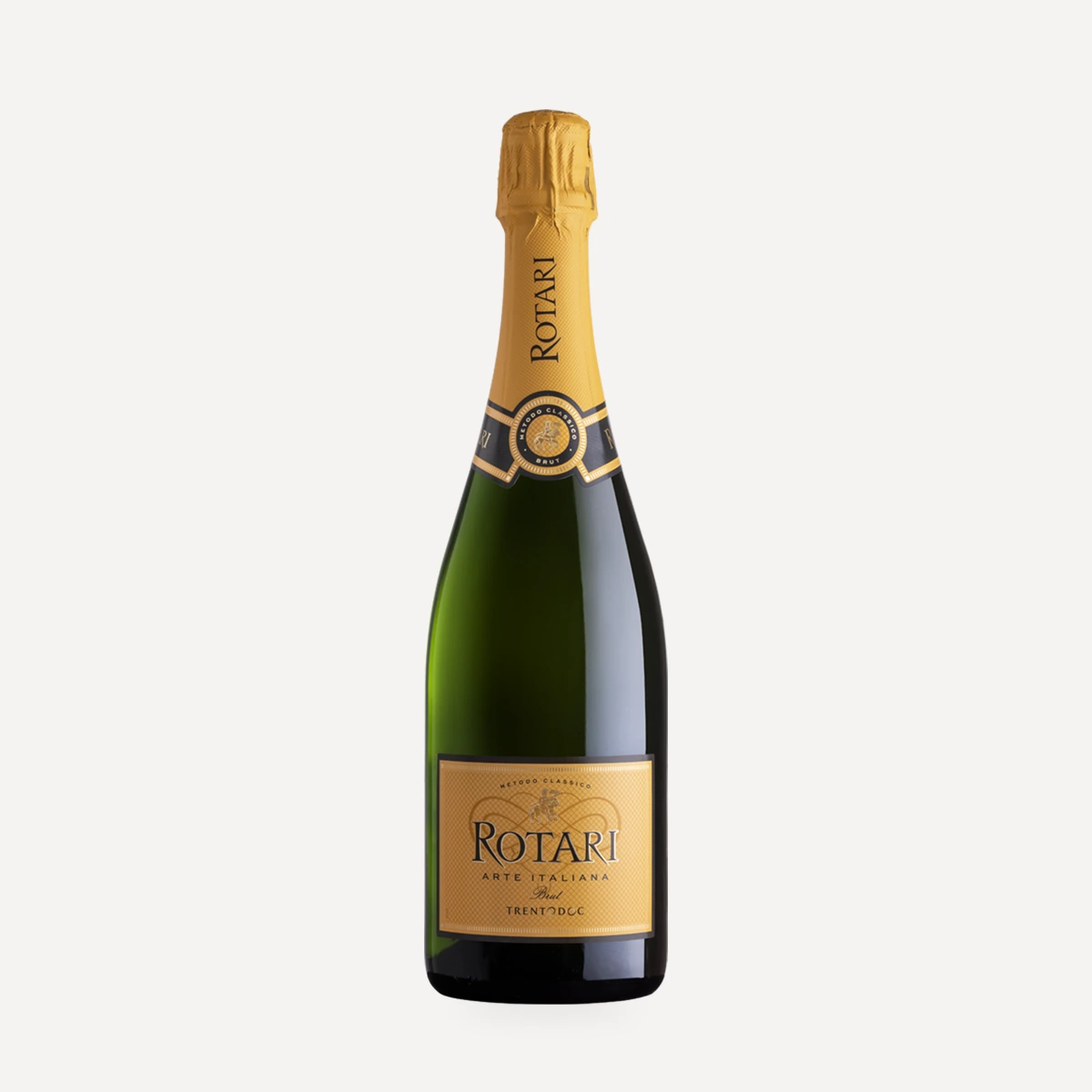
Arte Italiana Brut Trentodoc
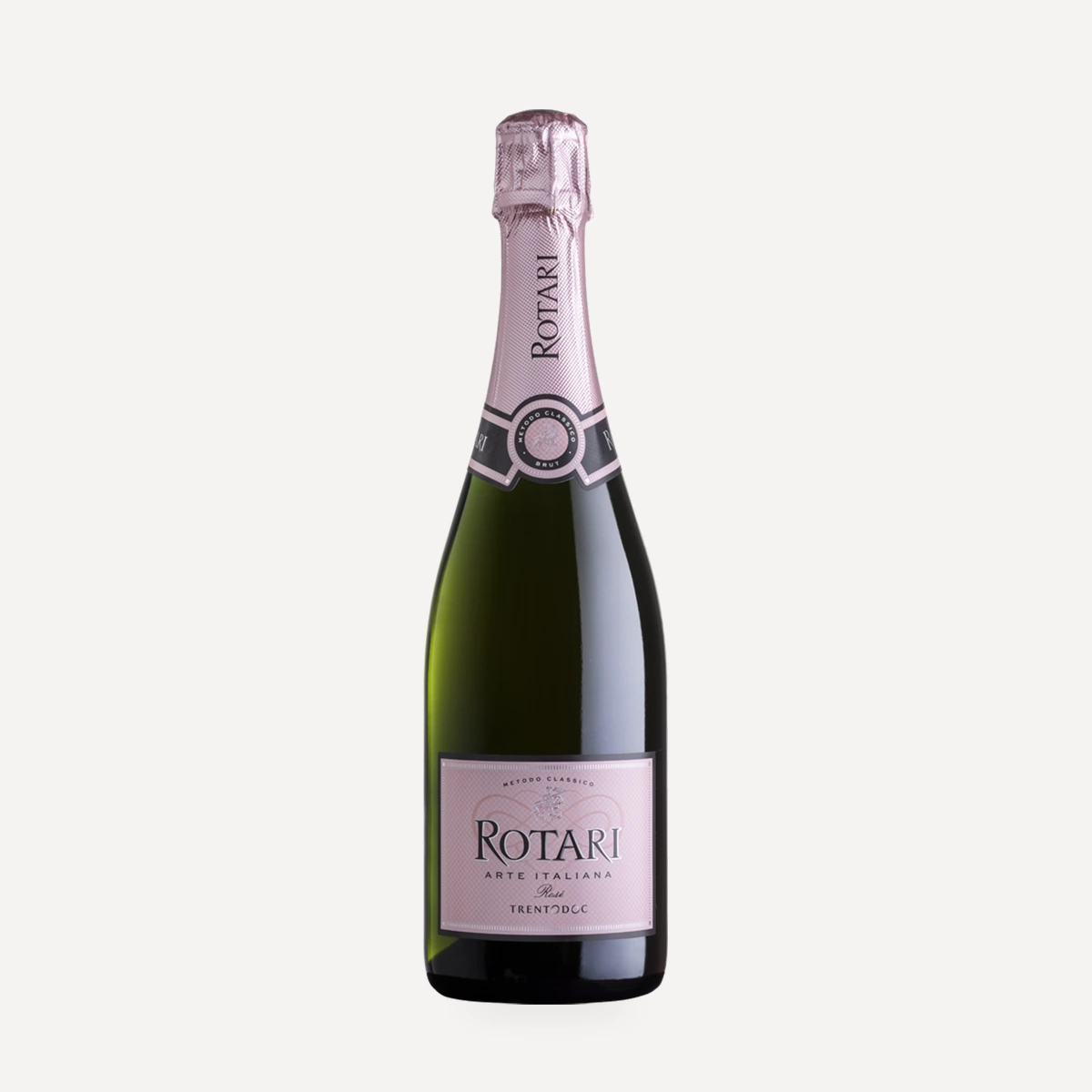
Arte Italiana Brut Rosé Trentodoc