History
Documentary origins: 1440–1718
The earliest documented member of the family is Toniolo Armani, born in 1440. On 7 December 1607, Simone Armani bequeathed plots described as having trees and vineyards to his son Domenico. This document marks the beginning of the family’s recorded winegrowing history in the Adige Valley. In 1718, the Armani family left Val di Gresta and moved to Chizzola di Ala in Trentino.
From subsistence farming to commerce: 1889–1962
In 1889, an ancestor named Albino and his wife Enrica began selling wine that had previously been made for family consumption within a subsistence economy. Antonio Armani expanded the commercial activity in 1950 by supplying local cellars with bulk wine. In 1962, Antonio moved from the Trentino section of Valdadige to the Veronese section and founded the winery at Dolcè, which became the company headquarters.
Bottling and research: 1990–2002
Antonio’s son Albino Armani began bottling Valdadige wines in 1990. This change placed greater emphasis on wines carrying the identity of their place of origin. Research begun during the 1980s into endangered Adige Valley varieties led to the creation of Foja Tonda in 1992. The variety, locally named for its round leaf and otherwise known as Casetta, had nearly disappeared as growers adopted more productive grapes. Continued genetic and oenological work culminated in its admission to the register of officially cultivable varieties in 2002.
Albino expanded into Friuli-Venezia Giulia in 1996. The Friulian work eventually encompassed Sequals, Lestans and Valeriano, combining established regional grapes with the recovery of nearly lost varieties such as Sciaglin, Ucelut and Piculit Neri.
New territories and projects: 2009–2012
In 2009, Albino Armani and winemaker Maurizio Donadi established Casa Belfi, a separate project in the Marca Trevigiana inspired by organic and biodynamic practice. Construction of the Marano di Valpolicella winery began in 2012. The building was excavated into a hill and designed around local stone, passive temperature control and the natural movement of the north wind through the grape-drying rooms.
Sustainability and continuing research: 2016 onward
Albino Armani became president of the Consorzio del Pinot Grigio DOC delle Venezie in 2016. In 2019, the company completed SQNPI certification of its grape production under the National Quality System for Integrated Production.
Research into local biodiversity produced 80 vineyard yeast colonies. Twenty-one strains were evaluated, four were ultimately selected, and those four remain in use. Work on endangered grapes also continued through the Conservatoria vineyard, which now holds 13 ancestral varieties. Foja Tonda has accumulated more than 30 bottled vintages, while Nera dei Baisi was recovered from a few surviving rows at Baisi in Terragnolo, studied, officially recognized and replanted in a vineyard of approximately 0.5 ha.
Terroir
A high-elevation Triveneto identity
The vineyards occupy mountain and high-hill environments across Trentino-Alto Adige, Veneto and Friuli-Venezia Giulia, generally at the foothills of the Dolomites and Lessinia Mountains. Rivers, mountain winds, marked day–night temperature changes and varied glacial or alluvial deposits recur across the estates, but each area has a distinct geological profile.
Monte Baldo and Vallagarina
Southern Trentino’s section of the Adige Valley is Vallagarina. Vineyards flank the Adige at the foot of Monte Baldo and the Lessinia Mountains, descending on terraces from the mountains toward the river. Morainic and alluvial deposits, the influence of Lake Garda and pronounced diurnal temperature shifts create a complex range of exposures.
At Crosano on Monte Baldo, narrow, steep terraces rise through the altitude zone associated with chestnut and fir trees. The vines stand at 600–700 m on black basalt with a rocky surface and are trained to Pergola Trentina. The climate is predominantly cool to cold. Newer descriptions of the Brentonico plateau place some vineyards above 800 m on lean, skeletal soils rich in basalt; the wider geology also includes limestone, dolomia and scaglia rossa.
South of Rovereto, Vallagarina contains sediments carried by Pleistocene glaciations and subsequent glacial retreat: dolomite, limestone, porphyry and basalt, together with fluvial limestone and fertile material deposited by the Adige. Flat and sloping formations create intricate viticultural zoning. The climate is cool, very windy and marked by strong day–night temperature changes.
Valdadige and Valpolicella
Valdadige runs through a narrow gorge between Monte Baldo and the Lessinia Mountains, watched over by eight ancient fortifications. Limestone walls reflect light into the vineyards, while prevailing winds keep the air clear and prolong effective daylight. Glacial moraines contribute ancient, gravelly, freely draining soils. The continental climate is moderated by winds from Lake Garda and experiences marked thermal variation; soils are both morainic and alluvial.
At Marano, the vineyards occupy the uppermost cultivable belt of Valpolicella Classica before the mountain limit. They form a natural amphitheatre with long exposure to sunlight. Evening winds descend from the Lessinia Mountains, and the local volcanic soils are rich in minerals. Stone-walled terraces and old hamlets form part of the cultivated landscape.
Friuli Grave and the Magredi
At Sequals, in the Friuli Grave DOC, the lean ground contains more than 80% gravel and stones, locally called claps. The vineyards lie in the northernmost part of Friuli at the foot of the Carnic Alps. Adriatic breezes cool as they approach the mountains, producing wind and pronounced day–night temperature changes.
The holdings extend across contrasting sites. Lestans preserves peat sediments associated with vanished ancient lakes. Valeriano includes clay-rich ground, while the broader Magredi ranges from stony fluvial bands of limestone pebbles to predominantly clay soils. Vines produce small clusters as they search for nutrients among stones and sparse vegetation. Valeriano, in the municipality of Pinzano al Tagliamento, is hilly, rainy and subject to strong thermal shifts; its soils are principally silt, sand and clay.
Winemaking
Soil fertility and cover management
Vineyard nutrition is based on 100% natural cattle manure purchased from nearby farmers, including livestock farms in the Lessinia Mountains. The manure supplies nutrients and microorganisms and supports soil biological activity. Green-manure mixtures, including legumes, are sown in alternating rows in successive years. They are incorporated after flowering to increase soil permeability and encourage beneficial insects. Summer vegetation beneath and alongside the vines is mown instead of being controlled with herbicides. Long-term use of manure and green manure has increased subterranean fauna and improved rooting.
Pest management and resistant vines
Mating disruption has been applied across 330 ha for more than a decade. Natural pheromones prevent harmful moths, including Tignola, from mating, removing the need for environmentally hazardous insecticide sprays against these pests. Resistant varieties have progressed beyond the experimental stage: Joanniter, Solaris and Cabernet Volos are cultivated and vinified with no pesticides and only very rare anticryptogamic treatments.
Water and energy in the vineyard
Vineyards are planted in non-arid northeastern Italian environments with adequate natural rainfall. Emergency irrigation is used during dry summer periods. Flood irrigation has been replaced by low-consumption drip and subsurface systems, with pipes positioned close to the roots to reduce evaporation, runoff and percolation. Sensors and remote controls manage irrigation zones and duration. This transition produced an average 70% reduction in water consumption.
The company helped fund WineGraft, a University of Milan spin-off that developed four M-series rootstocks resistant to drought and saline soils. Productive vineyards have been planted on these low-water-demanding rootstocks, which are distributed through Vivai Cooperativi Rauscedo.
Lower-power, lower-consumption machinery reduces energy use. Pest-control and harvesting equipment can work as many as four rows simultaneously. Five harvest centres in Trentino, Veneto and Friuli stand close to the vineyards, shortening transport and protecting grape quality.
Biodiversity and certification
The Conservatoria preserves 13 ancestral varieties. Laboratory and university collaboration supports the conservation and improvement of endangered germplasm. All grapes have carried SQNPI certification and its bee mark since 2019. The protocol follows integrated-production methods intended to reduce external chemical treatments progressively and return cultivation to equilibrium. The Treviso vineyards and cellars also hold organic and biodynamic certification.
Estate yeasts
Biodiversity surveys in the vineyards yielded 80 distinct yeast colonies. The selection programme isolated yeasts from grapes, identified strains molecularly, conducted laboratory fermentations, tested them in must, and then multiplied and inoculated the successful cultures. Twenty-one strains entered detailed evaluation and four were ultimately retained. These vineyard-selected yeasts continue to be used as organisms tied to the estates’ individual environments.
Cellars and grape reception
Five harvest centres are distributed close to the vineyards in Trentino, Veneto and Friuli, limiting transport between harvest and processing. Dolcè has served as the headquarters since 1962 and coordinates production through an approach combining tradition with scientific planning.
At Marano di Valpolicella, the winery is excavated into rock beneath a hill. The subterranean position removes the need for artificial heating or cooling. Its roof carries 80 cm of soil and a flowering meadow. Rosemary and ivy insulate the south-facing walls, while large local-stone slabs are installed approximately 15 cm in front of the structural walls to create a ventilated cavity and maintain cool interior conditions. Water seeping from the rock is collected in an underground irrigation tank.
The Marano drying rooms are positioned so that the north wind descending from the hills performs much of the grape drying, reducing mechanical energy requirements. Drying therefore takes place naturally beside the cellar.
Energy management
The cellars use self-generated solar power, supplemented substantially by wind-generated electricity from turbines in the Adige Valley. Heat recovered from refrigeration is integrated into temperature-control systems, reducing cellar electricity use by 40%. The bottle warehouse is not mechanically temperature-controlled; jasmine and other vegetation shade and cool its walls.
Technical details such as general maceration regimes, vessel programmes, barrel specifications, filtration and bottling practice vary by wine and are not presented as a single estate-wide protocol.
Philosophy
Albino Armani defines wine as an inheritance received from earlier generations and entrusted to those who follow. Tradition provides method, respect and tenacity, but it is not considered sufficient on its own: research, knowledge and human responsibility must continually improve the land and make wine a recognizable expression of place.
The estate’s territorial outlook centres on mountain and high-hill communities in Trentino-Alto Adige, Veneto and Friuli-Venezia Giulia. Each winery is intended to interpret its native landscape rather than impose a uniform house identity. Albino’s own guiding principle is respect for the places where he grew up and for the territories—Valpolicella, the Marca Trevigiana and Friuli—that later became part of his work.
The declared values are territorial identity, transparency, ethics, sustainability and long-term thinking. Environmental, social and economic sustainability are treated as interconnected: ecosystem protection is paired with responsibility toward workers, growers, suppliers and surrounding communities. Quality is framed as the consequence of detailed research into every production stage and of safeguarding the value already present in the landscape.
Ancient-traditional viticulture is distinguished from farming driven primarily by market fashion. Its purpose is to retain collective memory through old vines, forgotten flavours and endangered germplasm. This outlook underpins the Conservatoria, Foja Tonda, Nera dei Baisi and the recovery of historical Friulian grapes.
The broader ambition is to create wines that are sustainable, locally identifiable and open to the world. On Monte Baldo, this has developed into the proposed “Modello Brentonico”: viticulture as a source of local economic development that protects landscape integrity and biodiversity through cooperation among growers, institutions and residents.
Wines
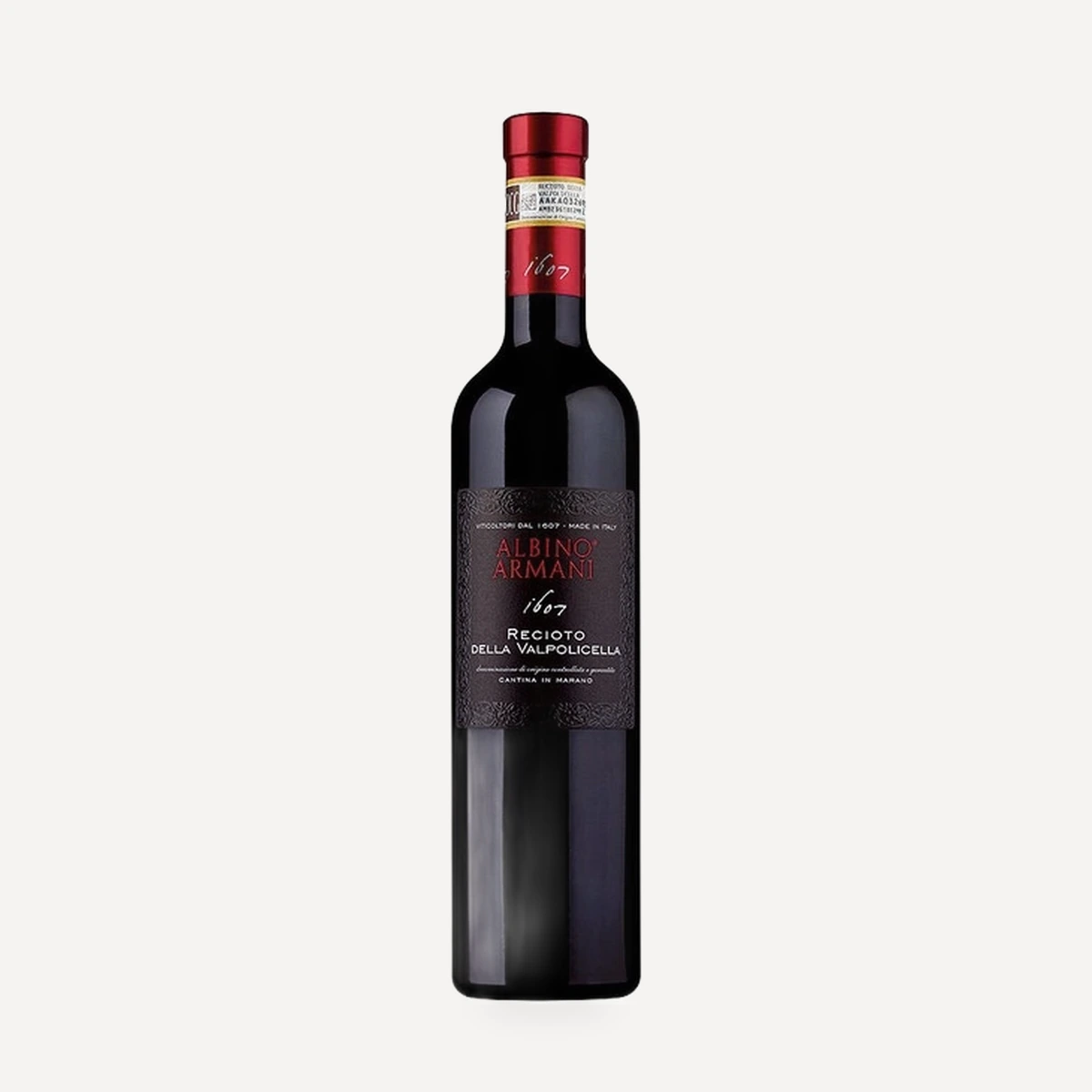
Recioto
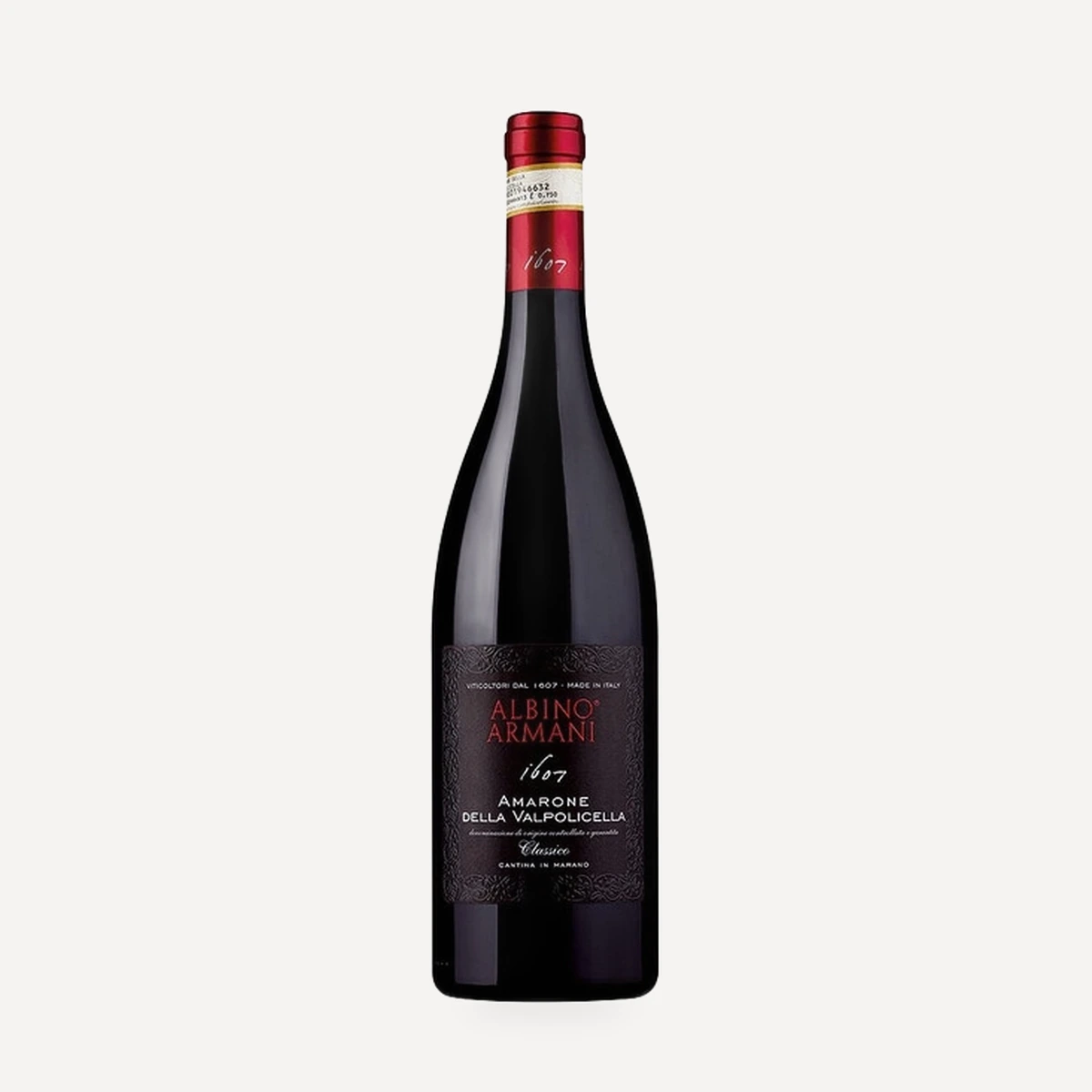
Amarone
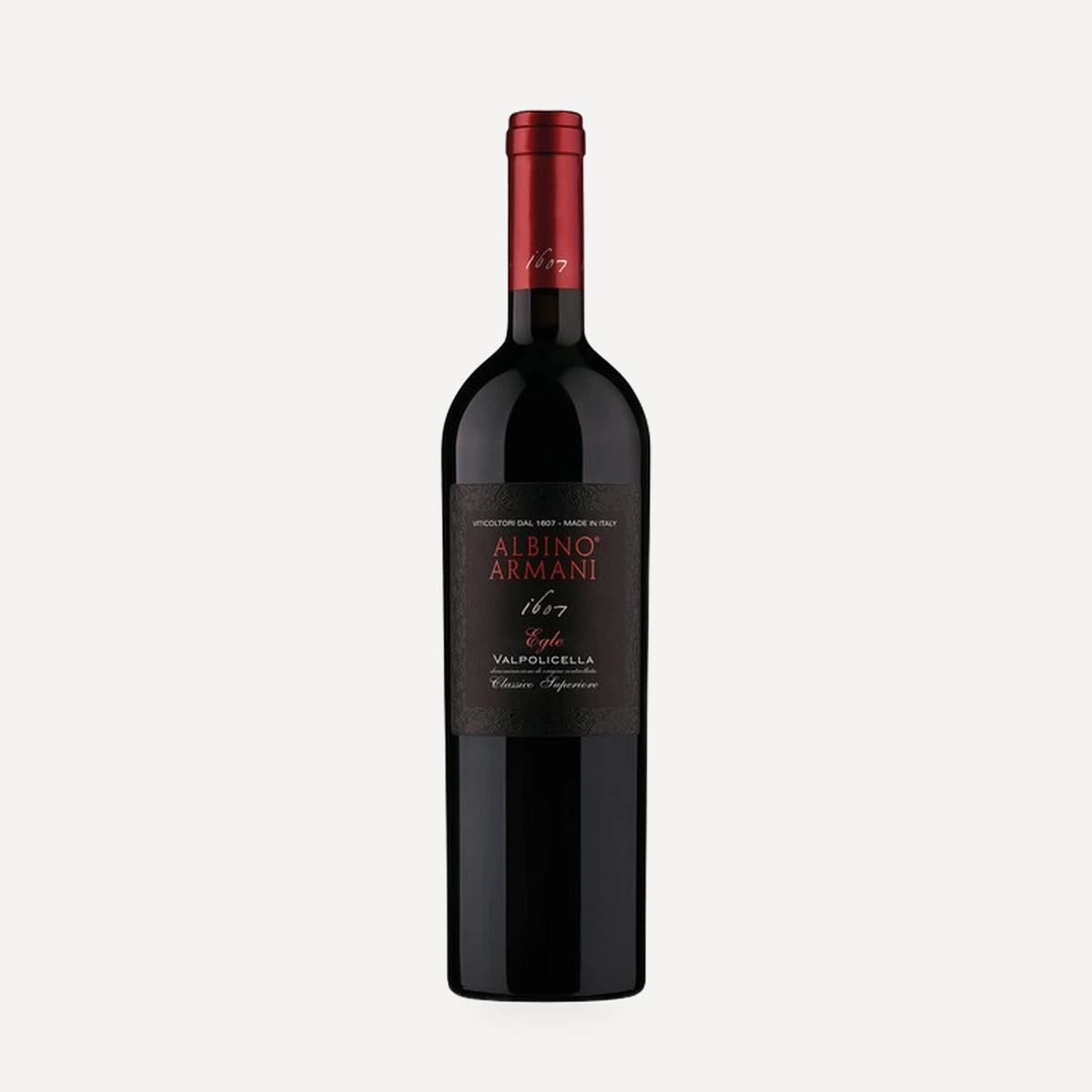
Valpolicella Classico Superiore Egle
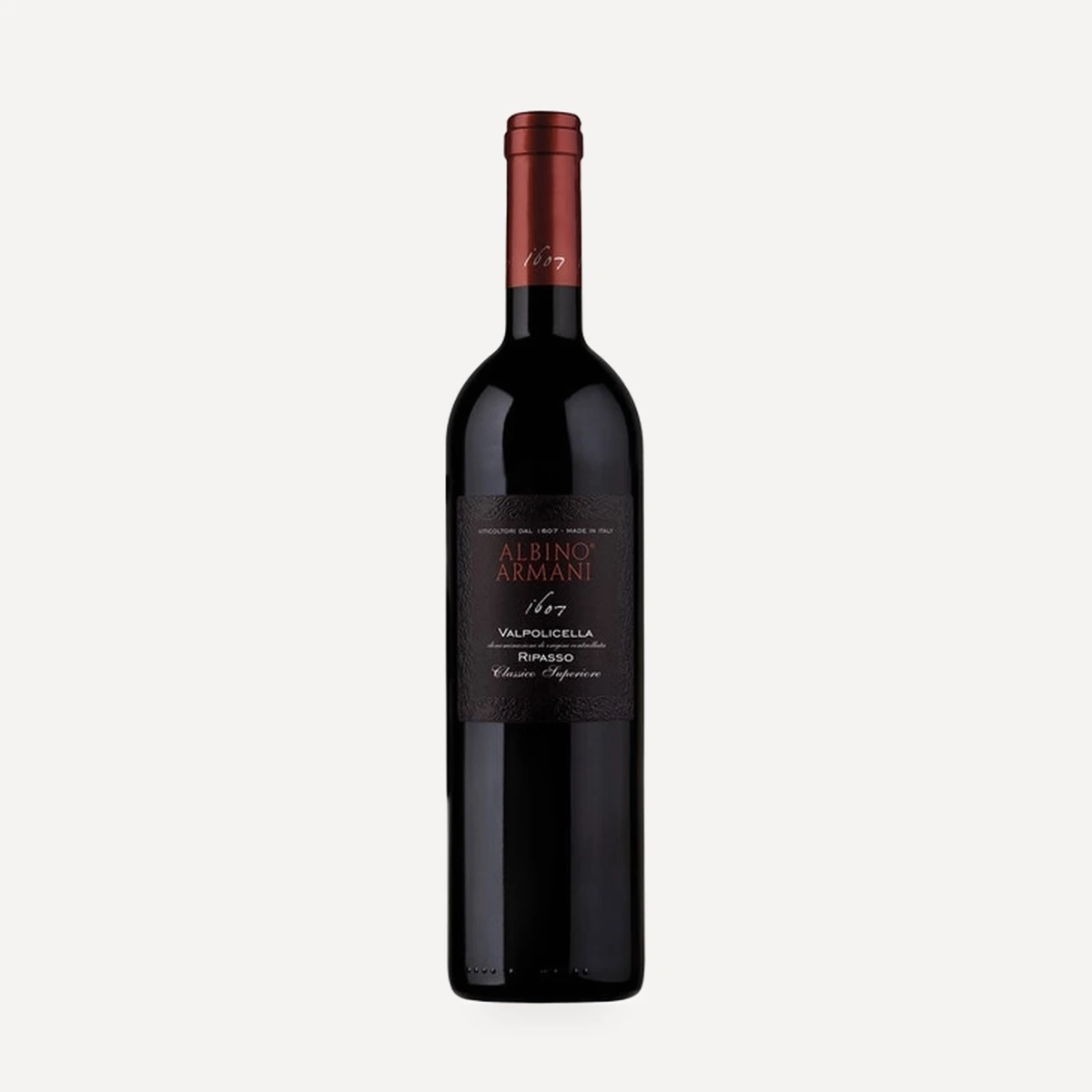
Ripasso
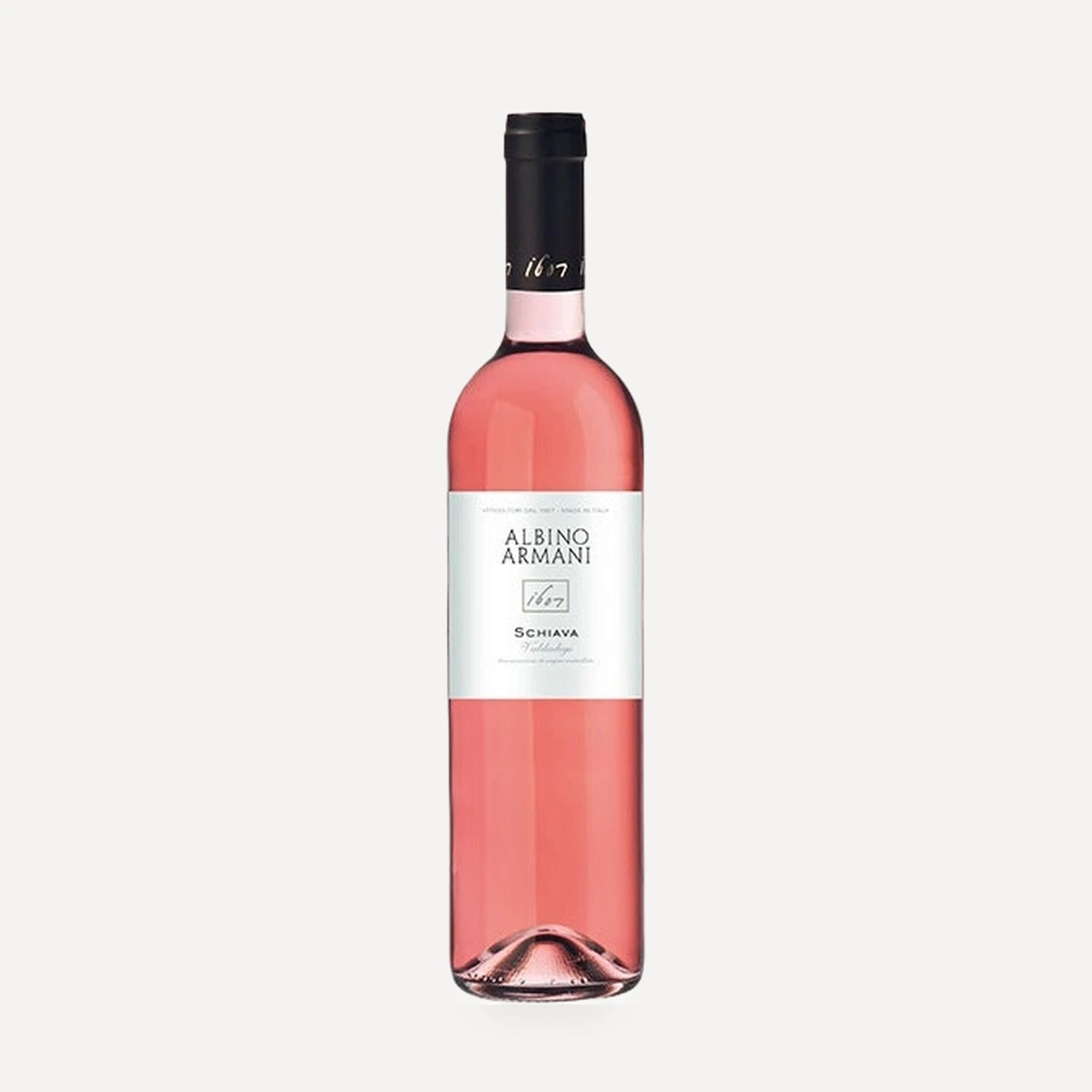
Schiava Valdadige DOC
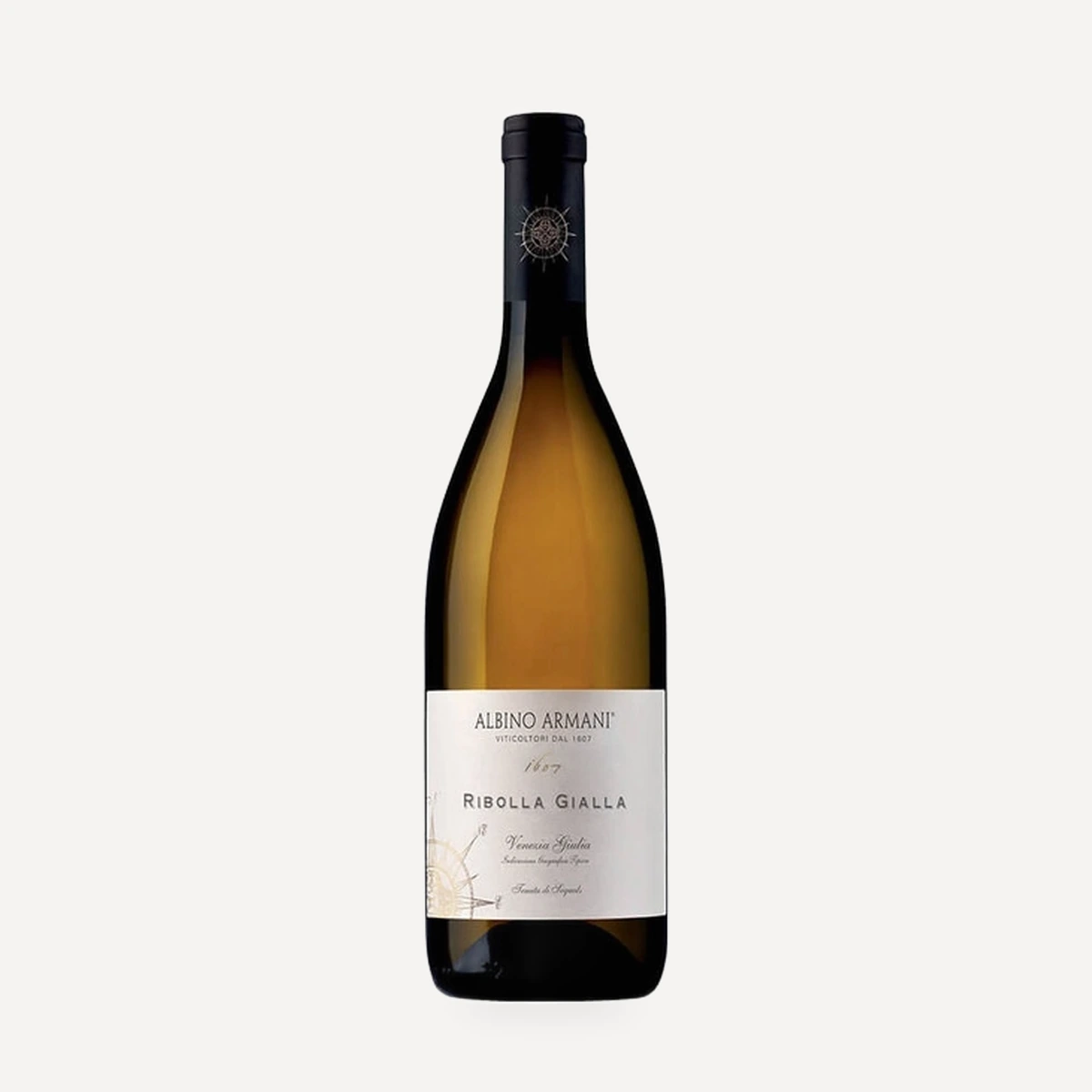
Ribolla Gialla Venezia Giulia IGT
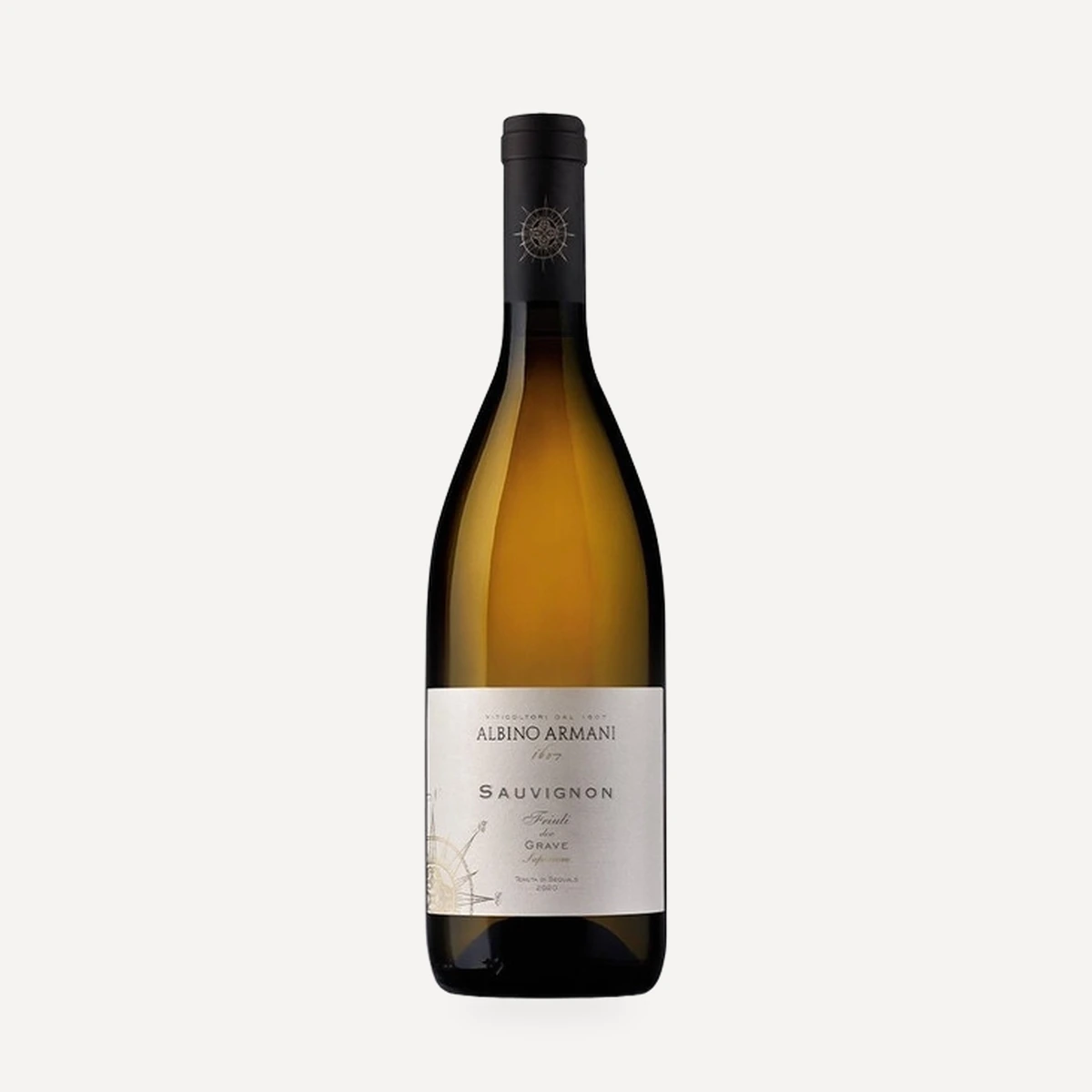
Sauvignon Friuli Grave
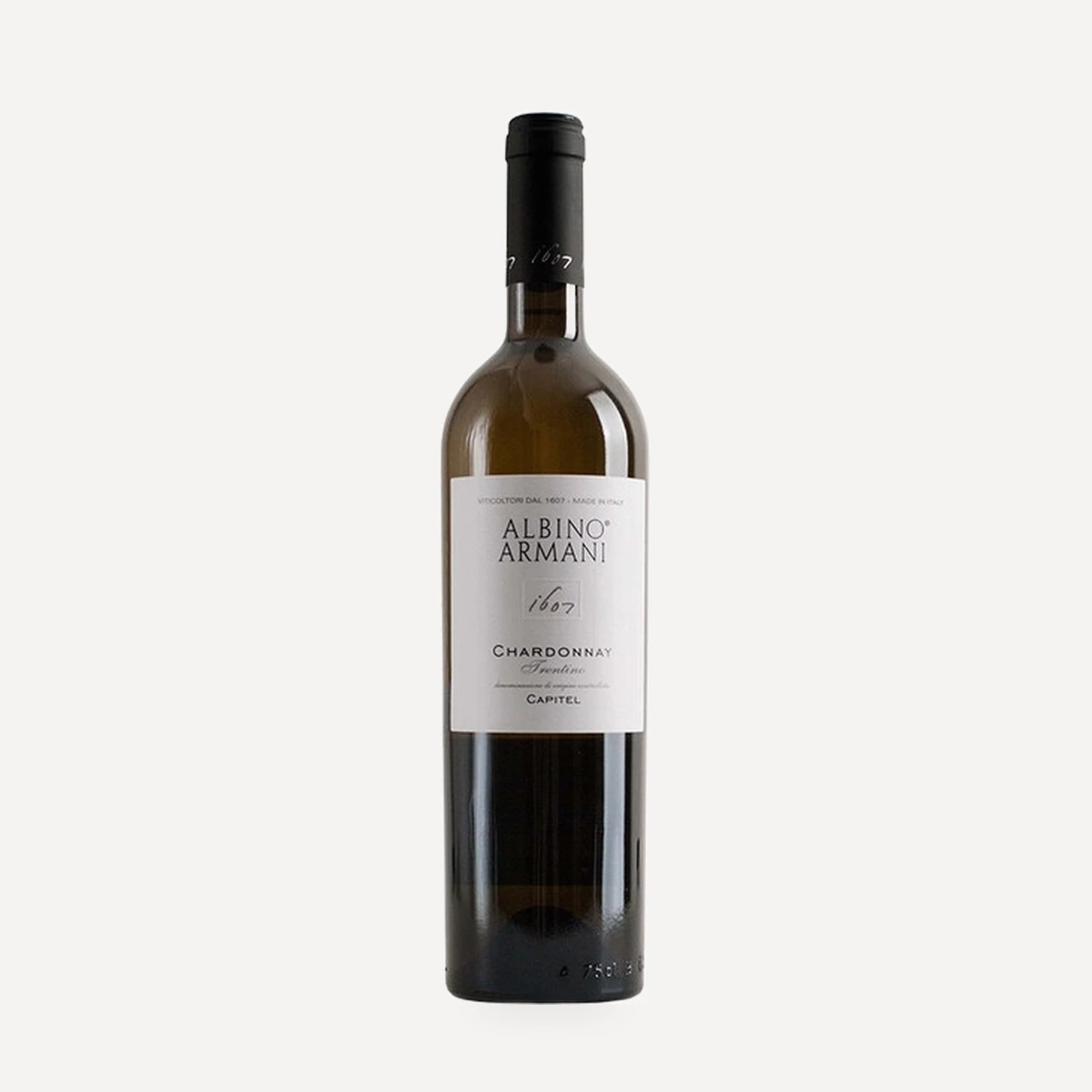
Chardonnay Capitel
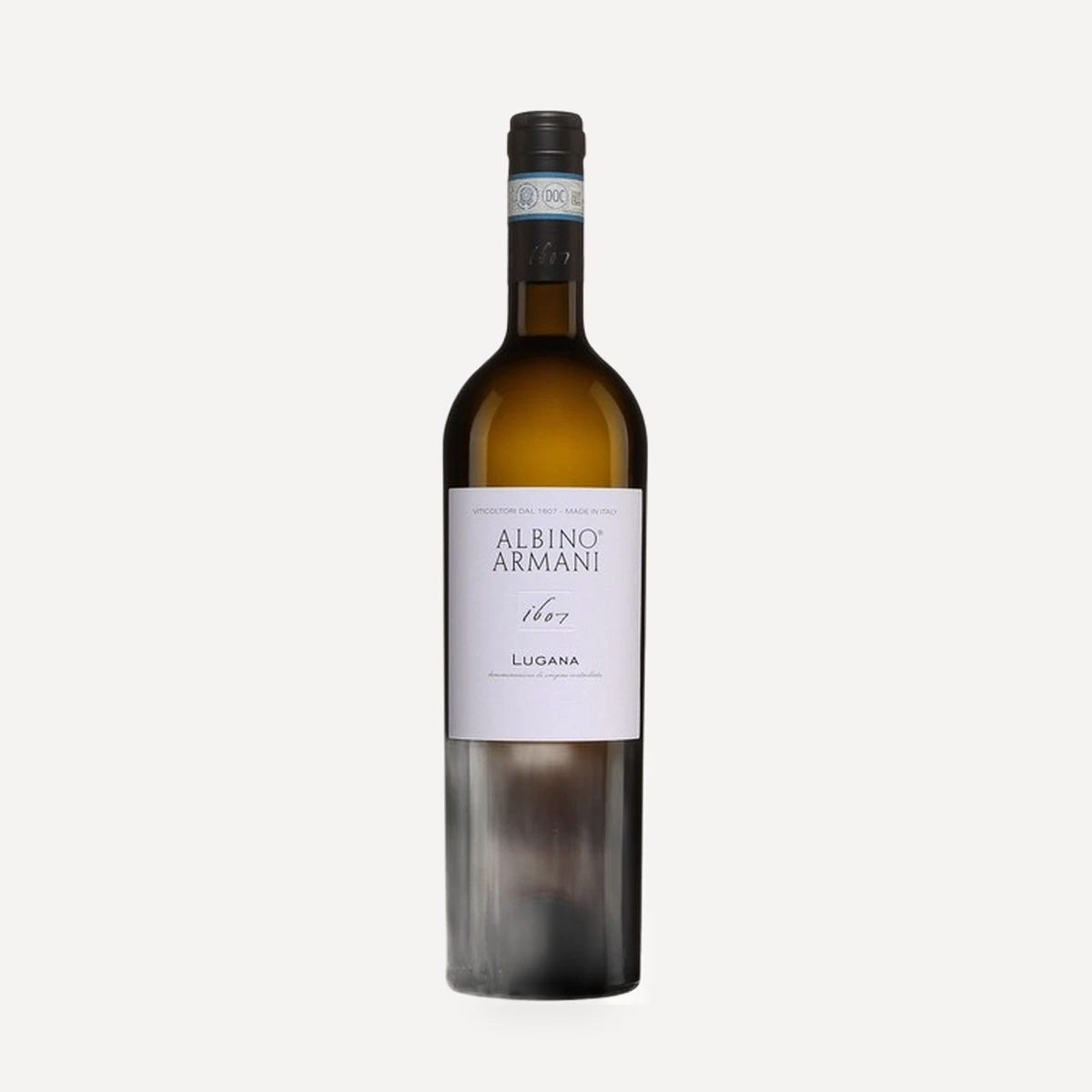
Lugana
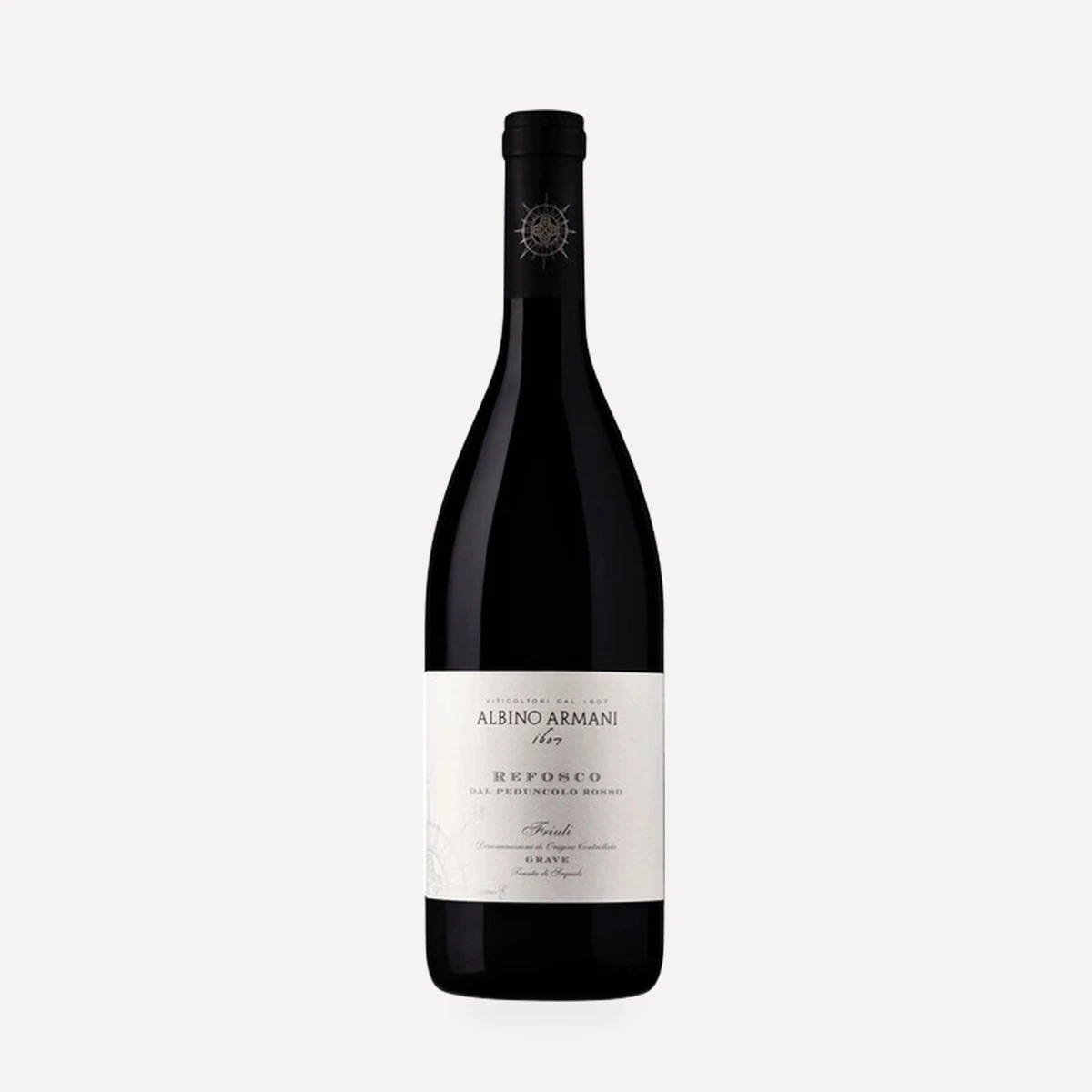
Refosco dal peduncolo rosso
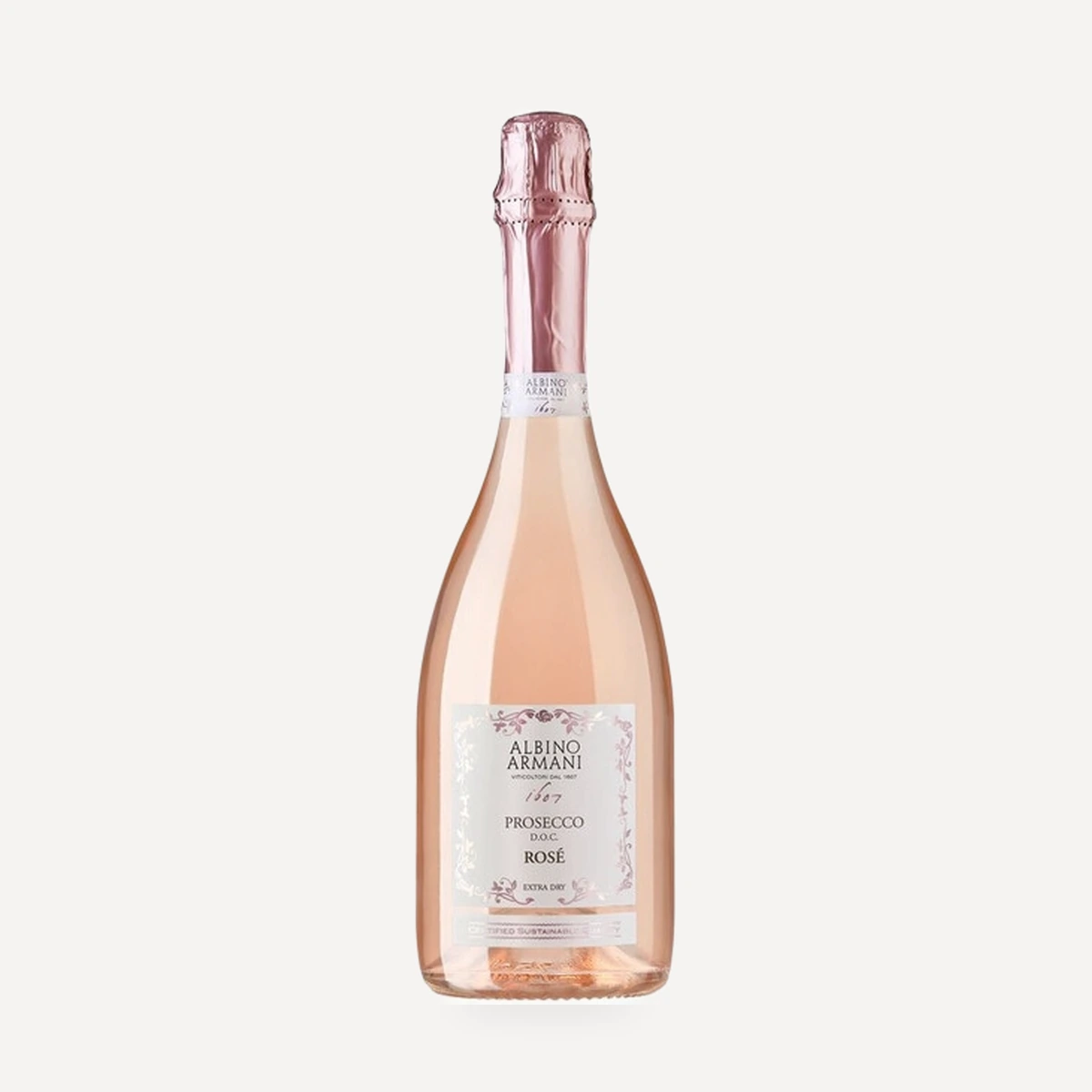
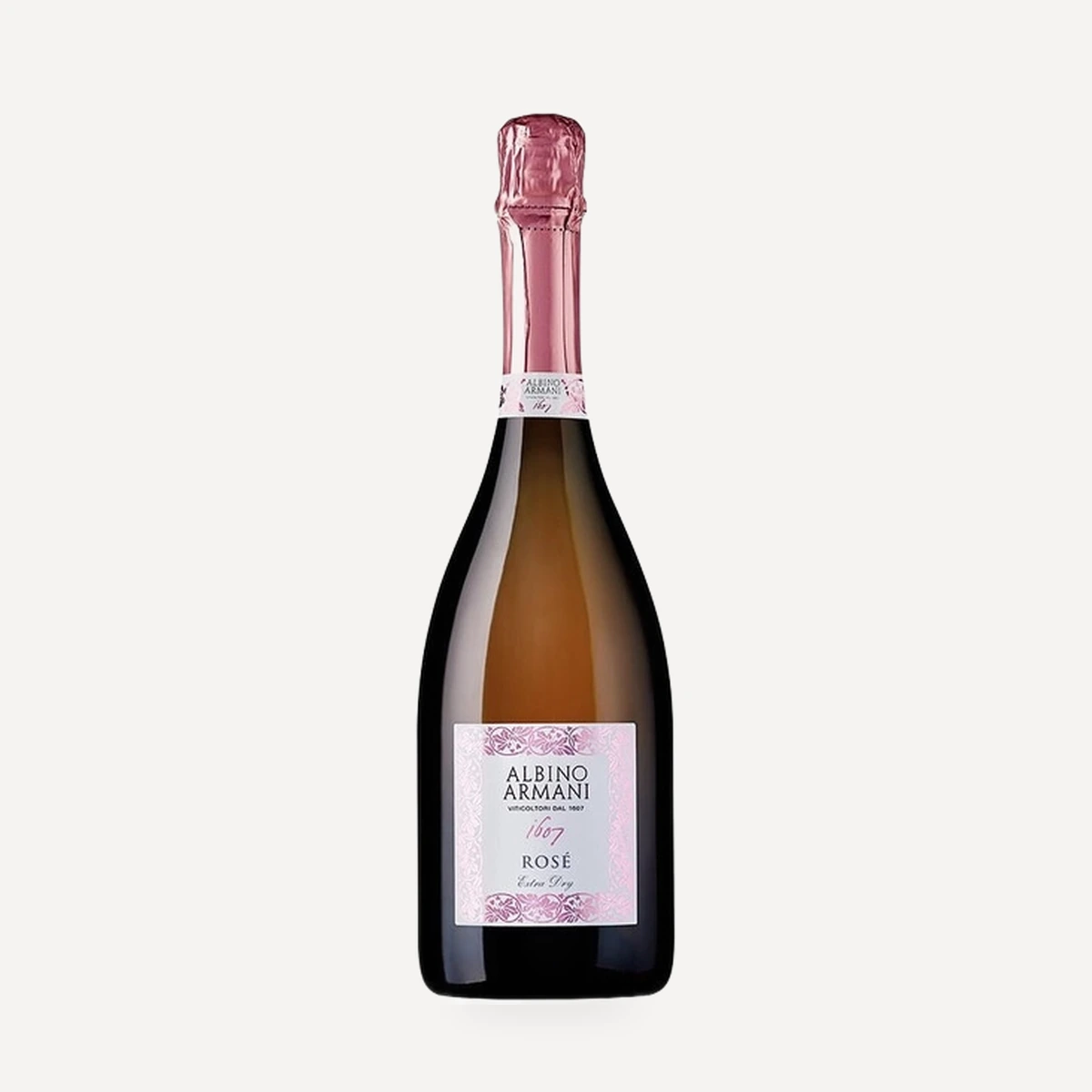
Prosecco Rosé
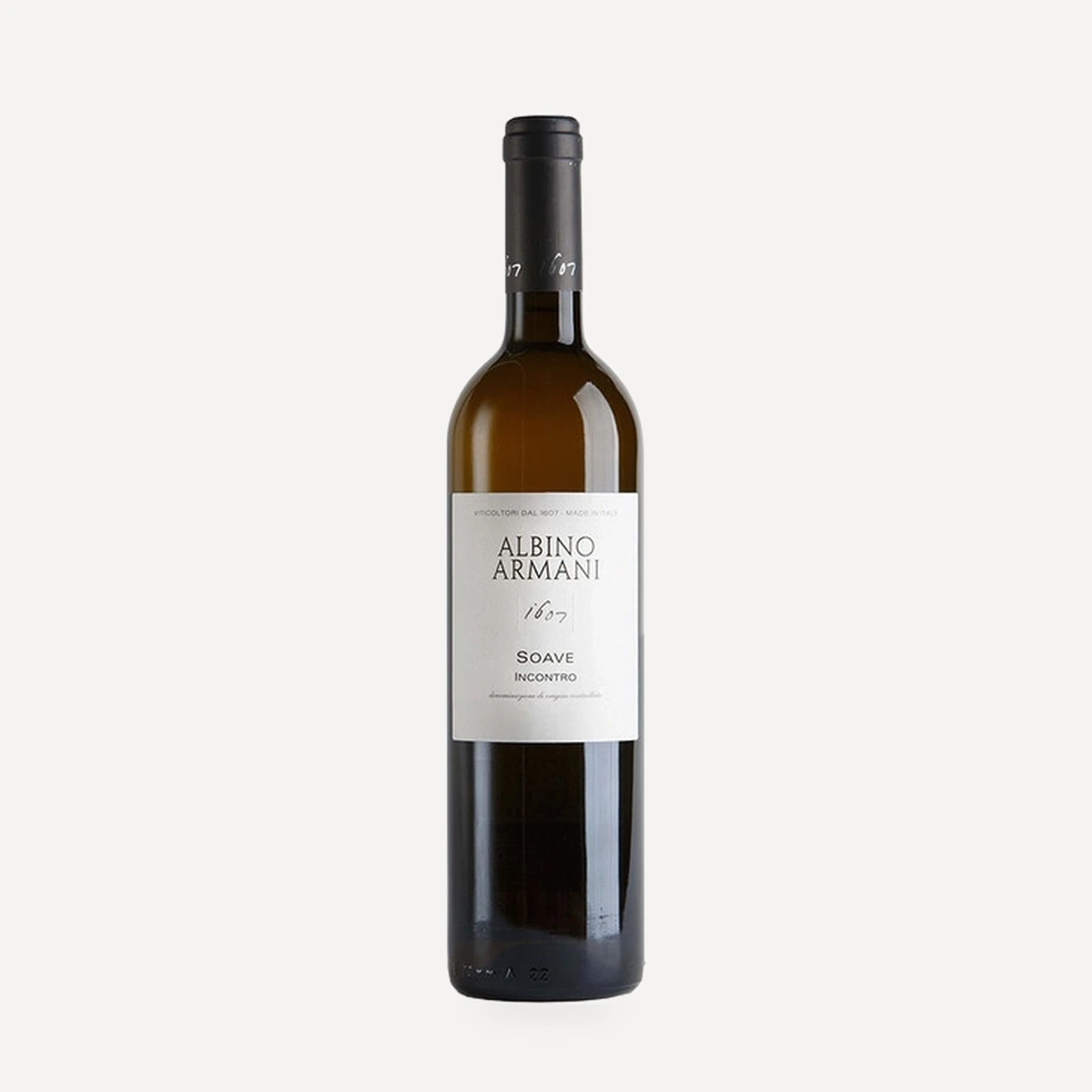
Soave Incontro DOC
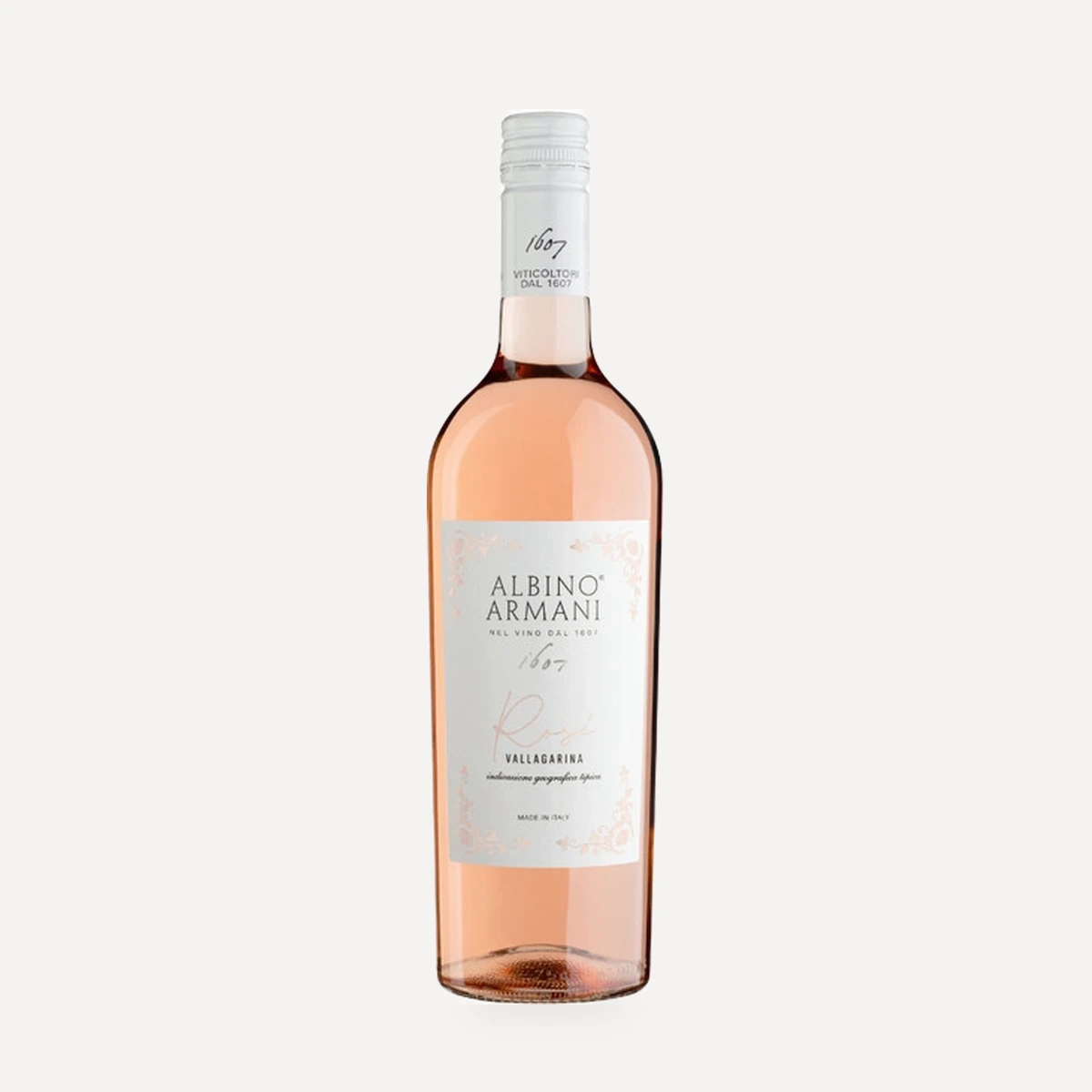
Rosé Vallagarina
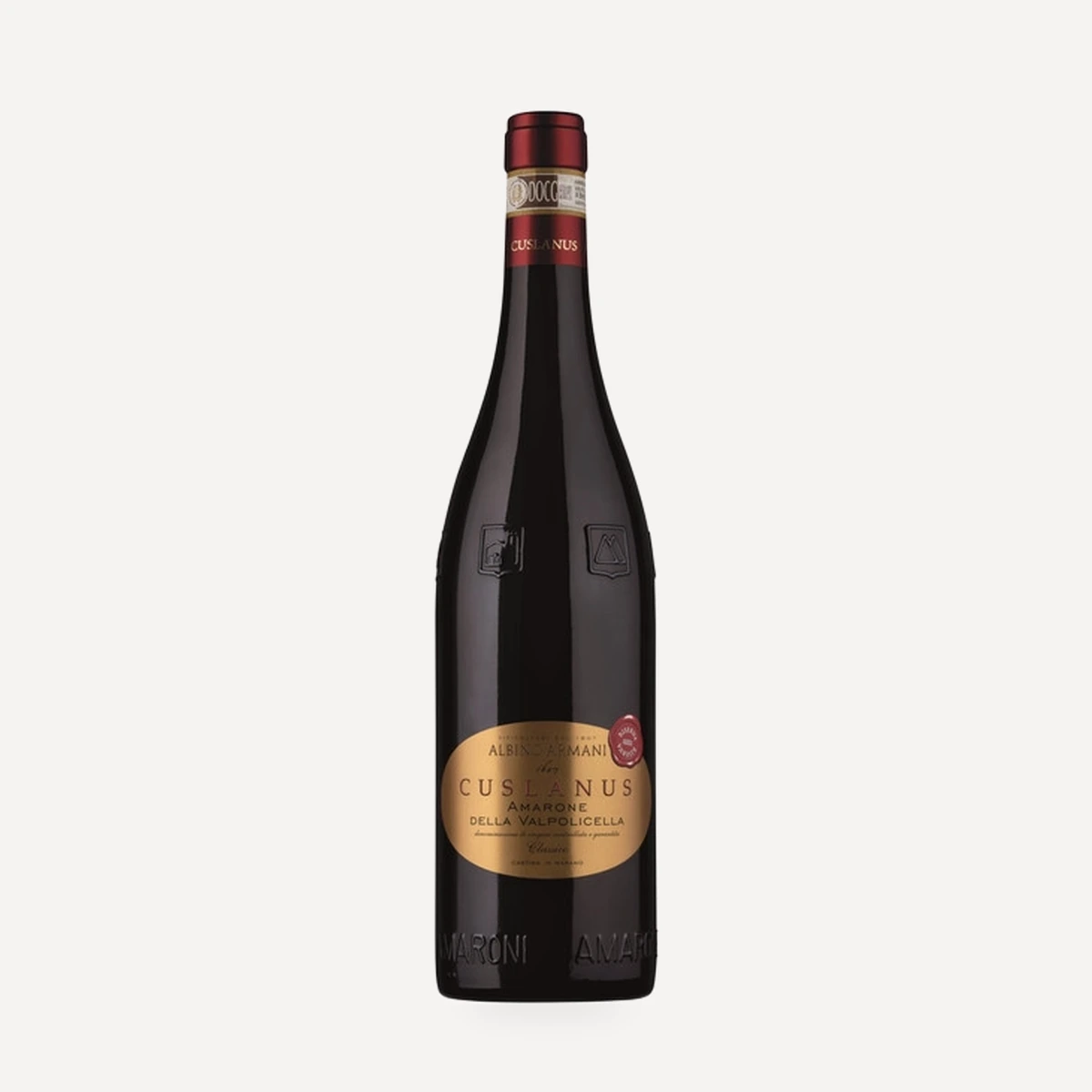
Amarone Cuslanus
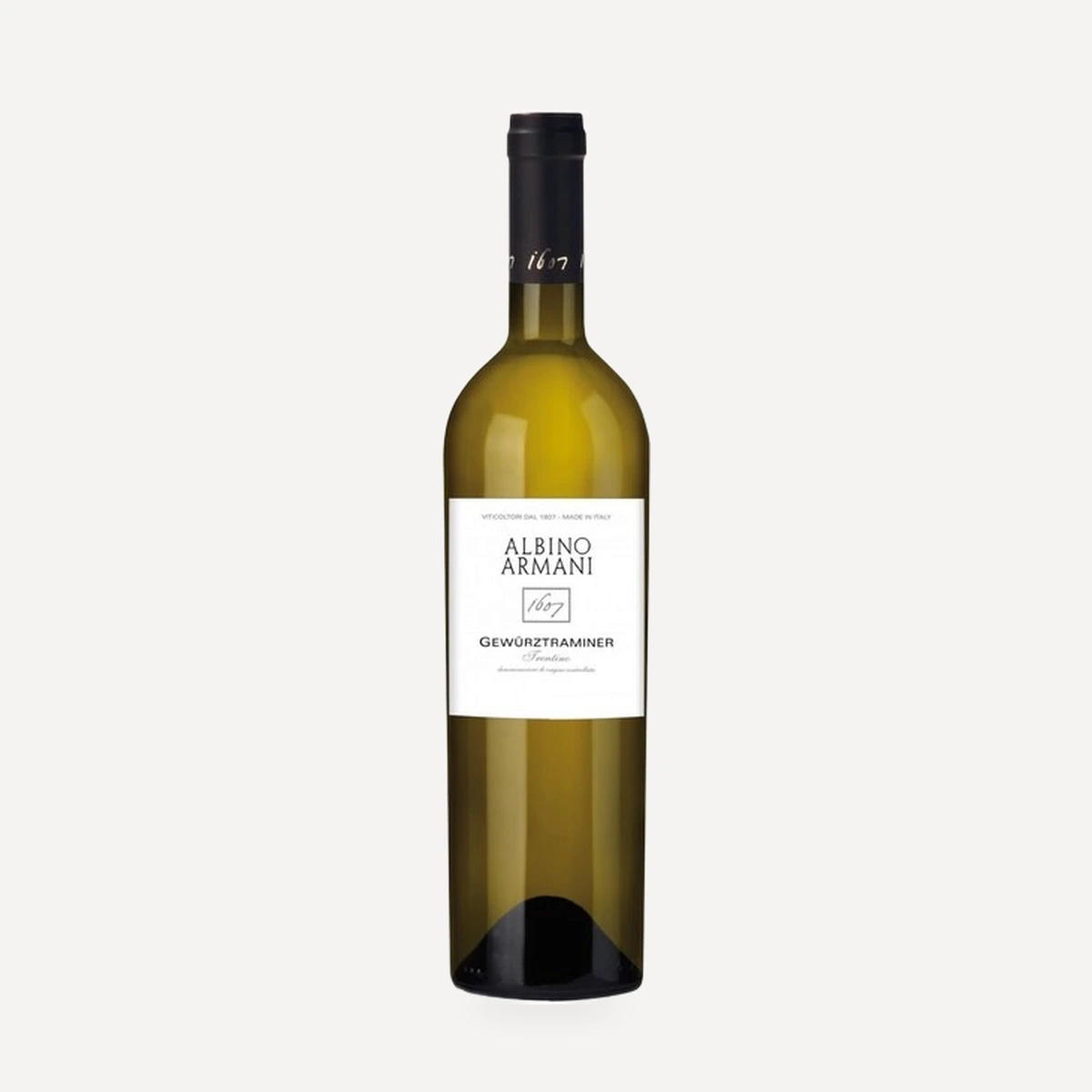
Gewürztraminer Crosano
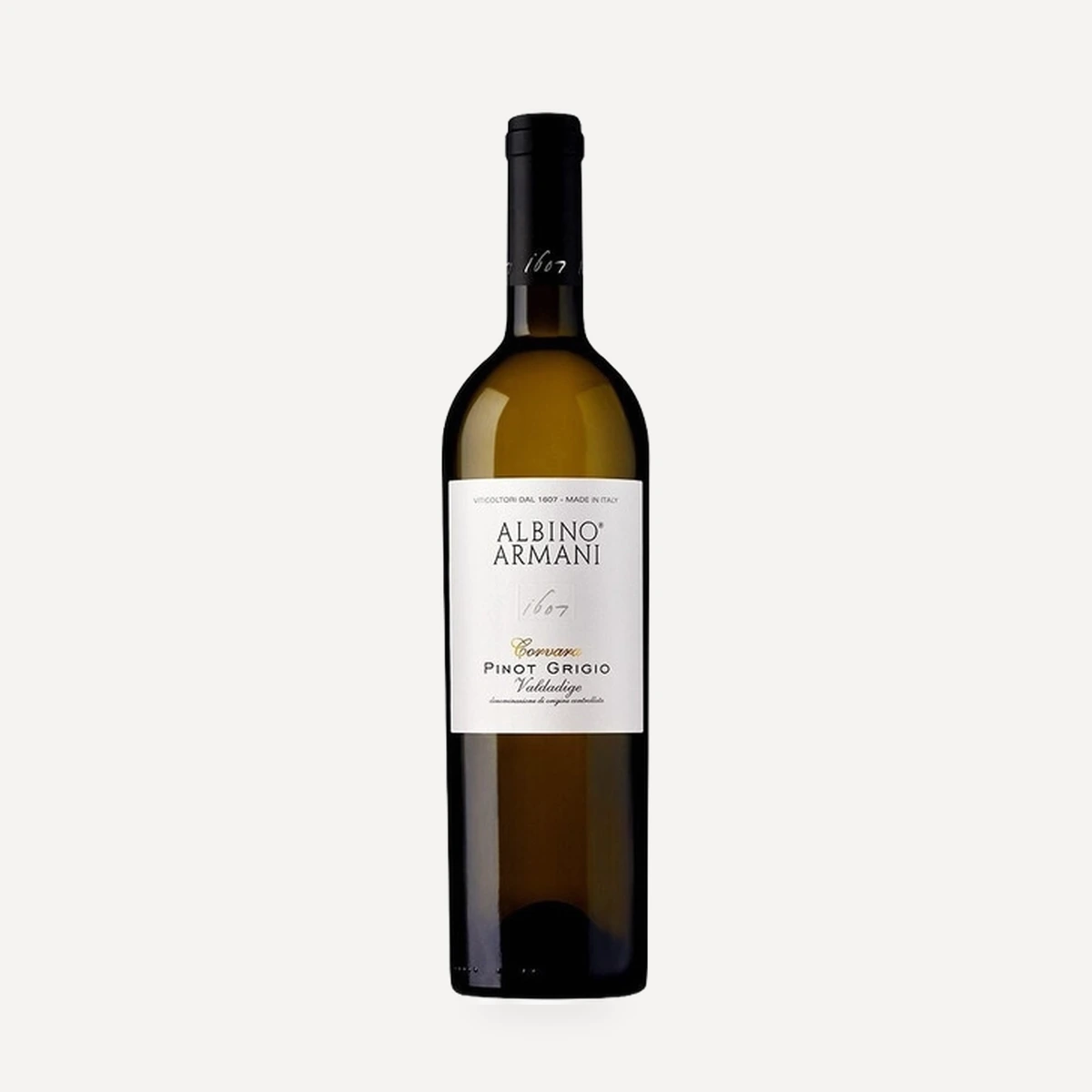
Pinot Grigio Corvara
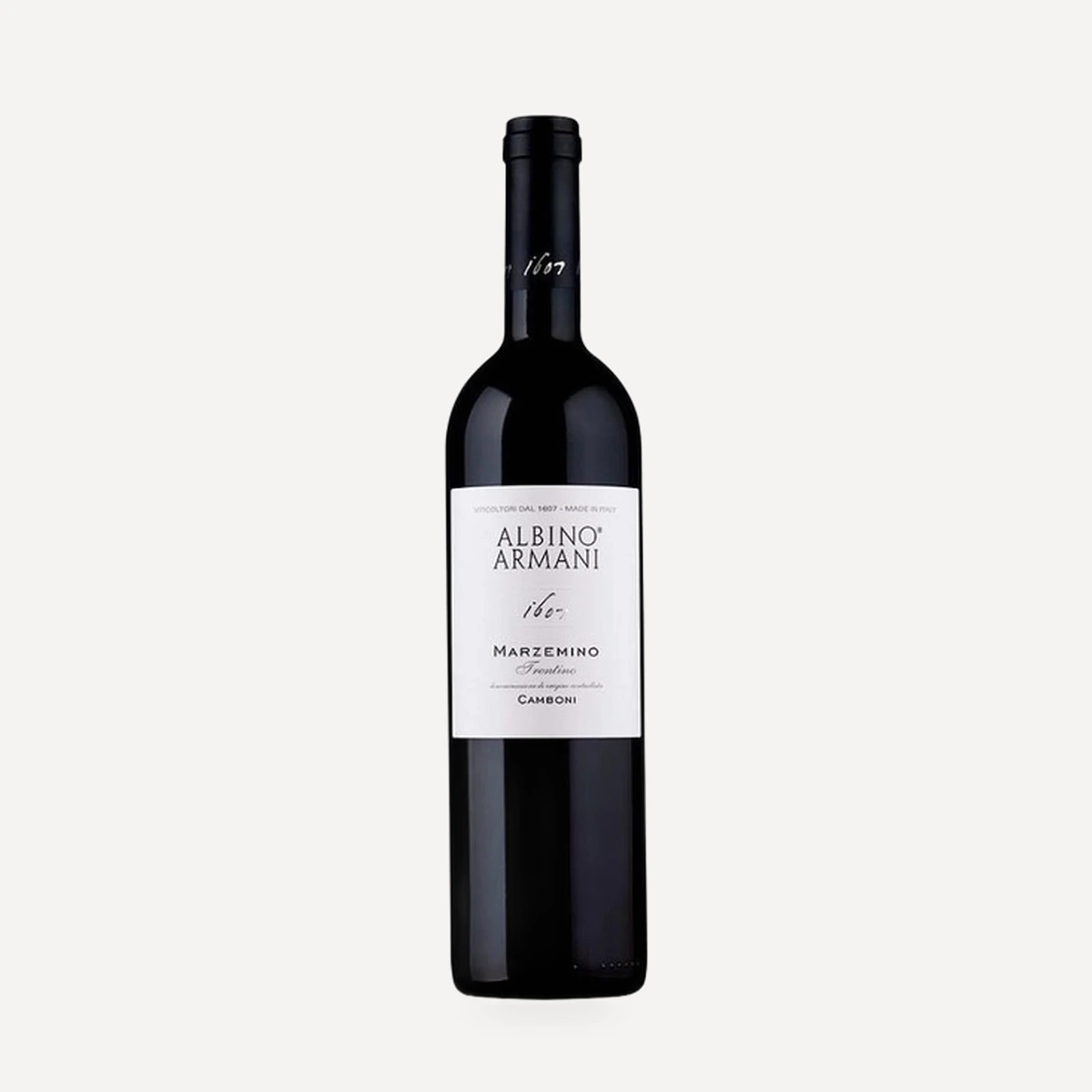
Marzemino Camboni
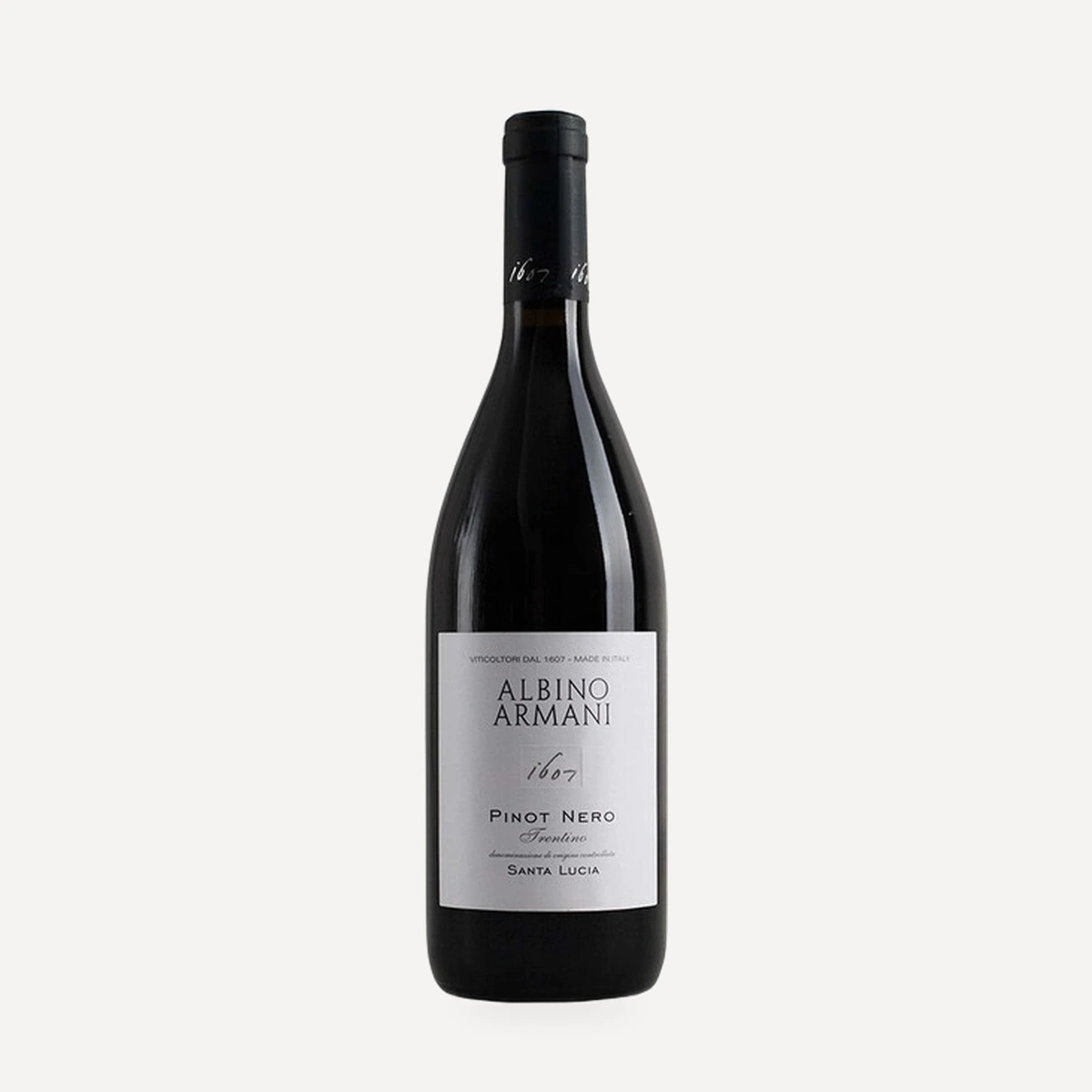
Pinot Nero Santa Lucia
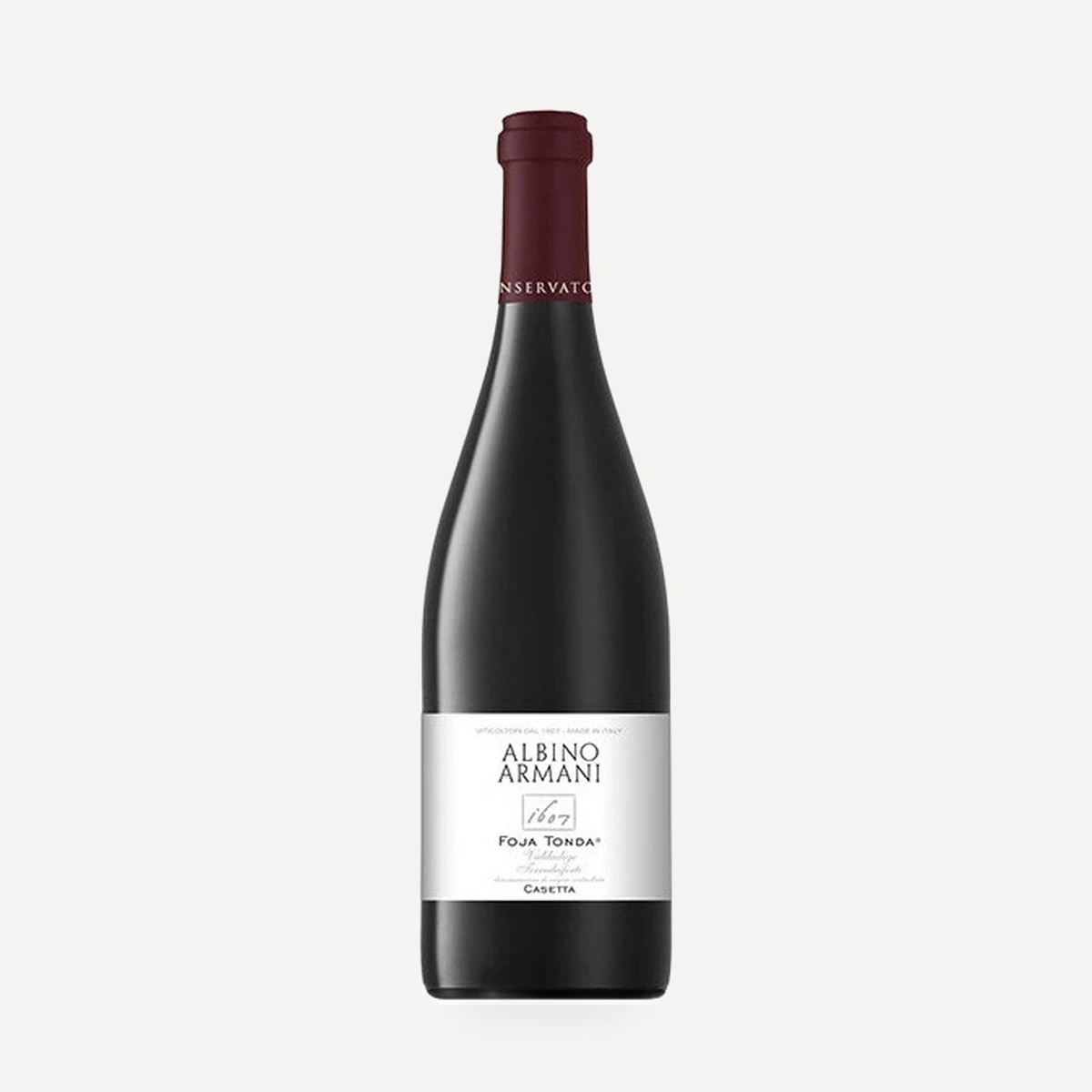
Foja Tonda
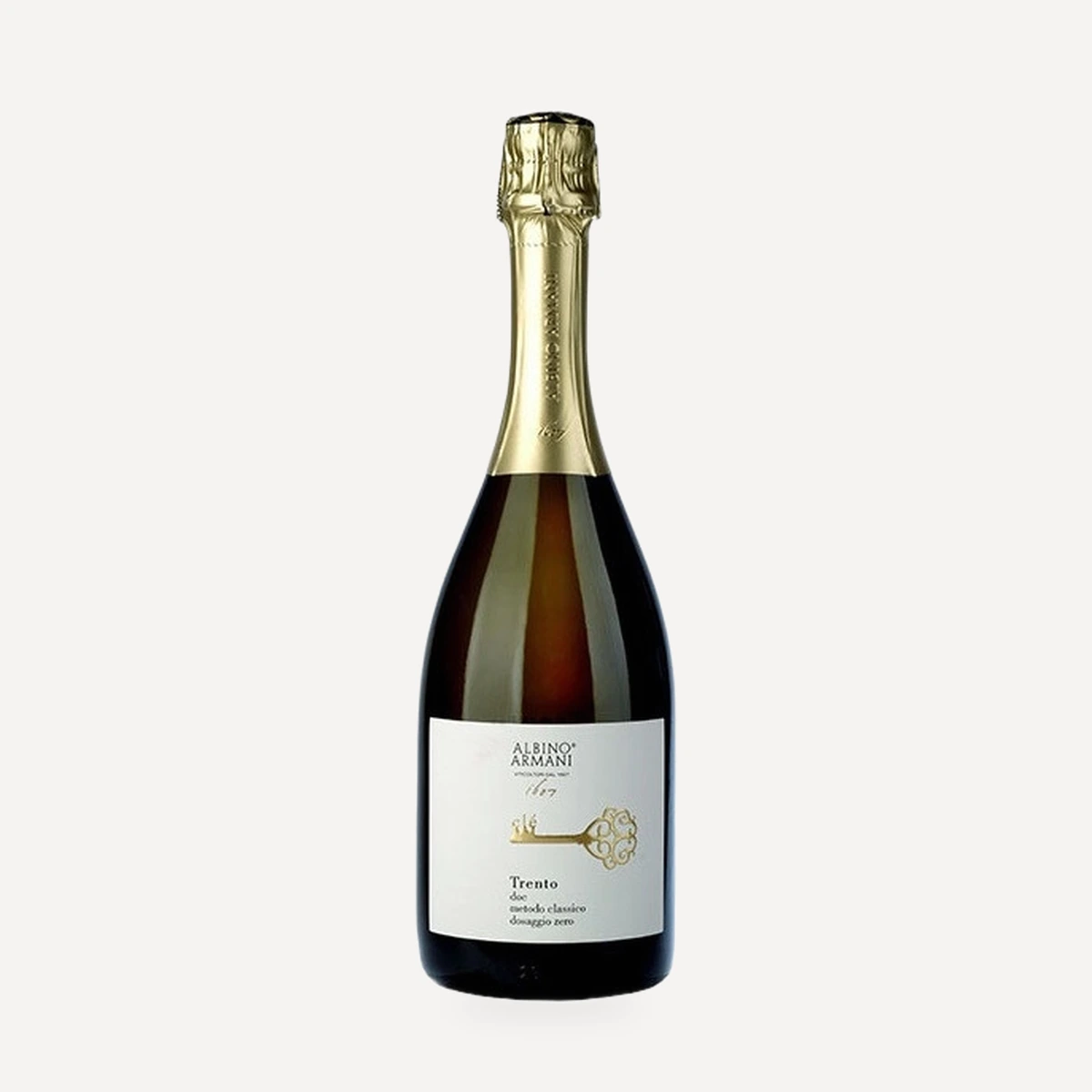
Clé
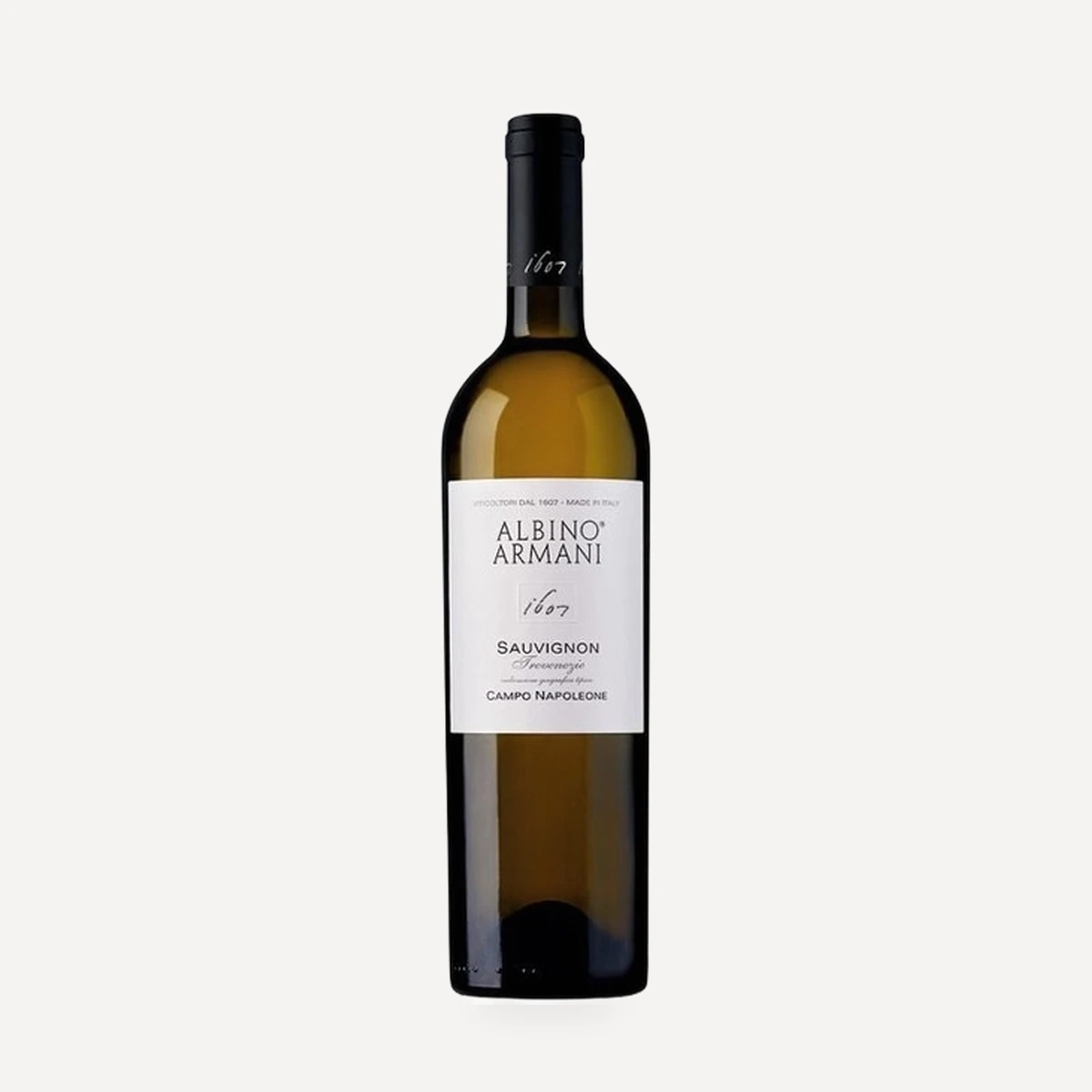
Sauvignon Campo Napoleone
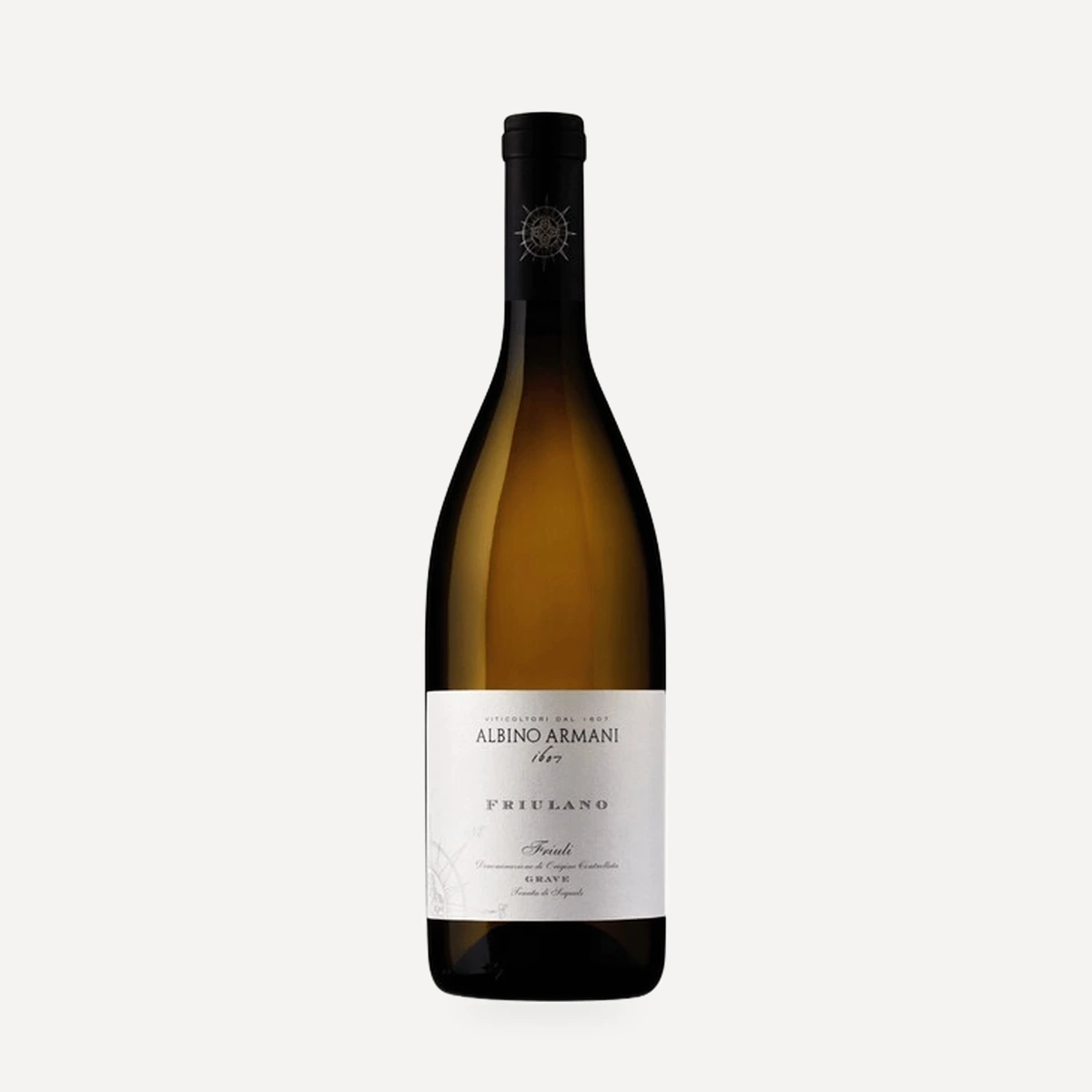
Friulano
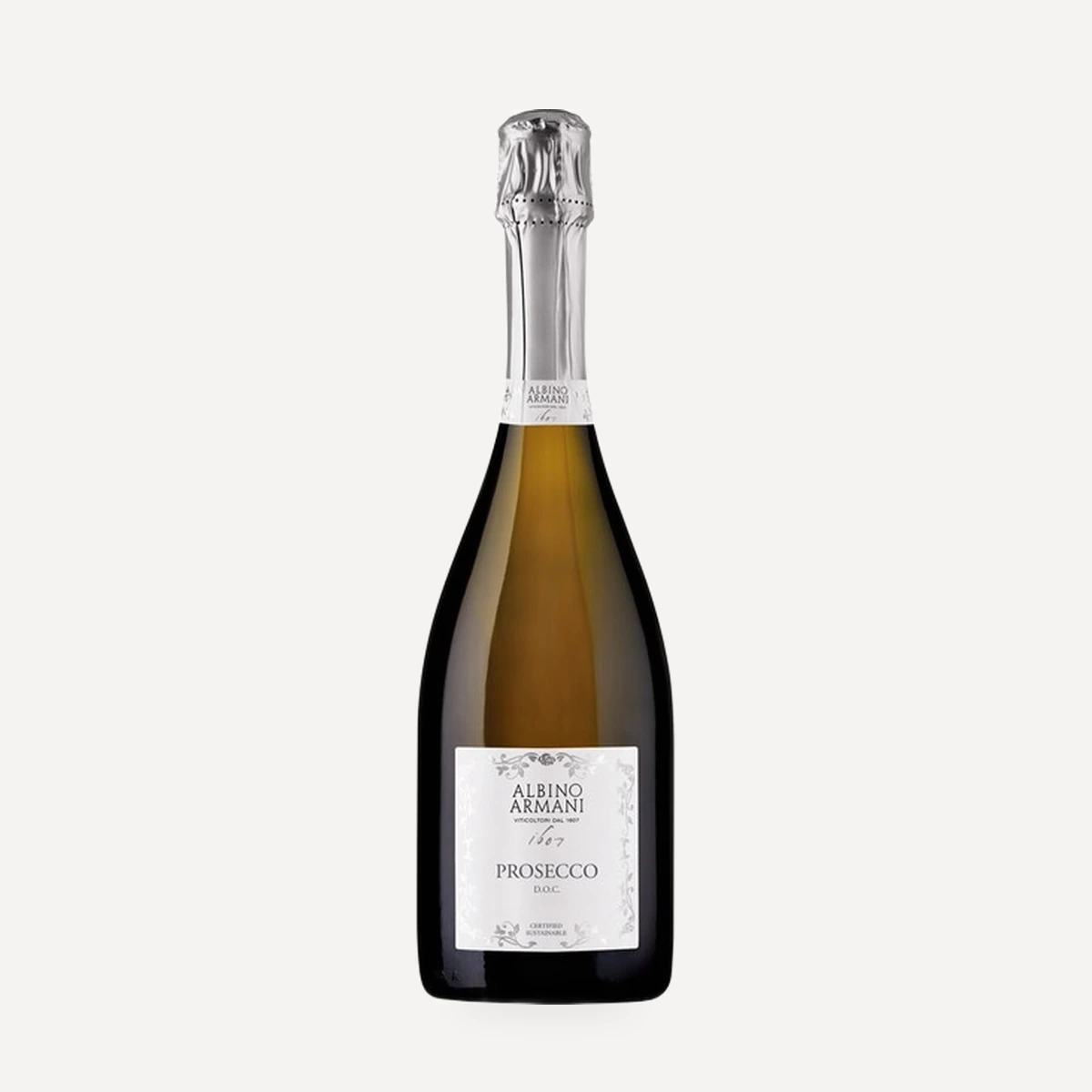
Prosecco DOC