History
Roots in Pressano
The earliest documentary reference to the Cesconi family in Pressano dates to 1751, when the surname appeared in the village parish archives. The family’s roots subsequently developed alongside viticulture on the surrounding Trentino hills.
The nineteenth century and the Olivar vineyard
At the beginning of the nineteenth century, the family acquired the historically important Olivar vineyard and began cultivating Nosiola. A surviving deed records the transfer of Olivar into family ownership. The plot takes its name from the close association between vines and an old olive tree that still overlooks the rows.
Great-grandfather Bernardino developed a trade in Nosiola, transporting the wine across the Alps to Innsbruck in ox-drawn carts. His activity established a commercial dimension alongside the family’s work in the vineyard.
Rinaldo and Paolo: from growing grapes to making wine
In the following generation, Bernardino’s son Rinaldo and Rinaldo’s son Paolo added winemaking to viticulture. They produced wine and supplied several taverns in nearby Trento, beginning a period of steady growth based on detailed knowledge of the vineyards and regular work in the field.
Paolo and the modern family estate
Paolo Cesconi was born in 1938. With the support of his wife, Adelina, and later the participation of their four sons—Alessandro, Franco, Roberto and Lorenzo—he expanded the cultivated area. The family’s combined work led to the official establishment of the Cesconi winery in 1995.
The four brothers continued the family enterprise, carrying forward the viticultural inheritance received through Bernardino, Rinaldo and Paolo. Family solidarity, attachment to Pressano and responsibility for the surrounding environment became central principles of the modern estate.
Organic conversion
In 2009, the family began converting both the vineyards and the winery to organic production. The change was intended to remove synthetic chemical products from the production chain, improve the health of the working environment and the finished product, and obtain grapes that more faithfully express their vineyards and the conditions of each vintage. Organic certification followed in 2013.
Terroir
Two contrasting Trentino environments
The vineyards are divided between the hills of Pressano and Valle dei Laghi. The two zones differ markedly in climate, geological origin, morphology and natural landscape.
Pressano hills
The winery stands at Pressano, north of Trento, with 6 ha of vines immediately around it. The landscape consists of gentle, favourably exposed slopes between approximately 300 and 500 m above sea level. The name Pressano is associated with the Latin expression per sanum, meaning “healthy place.”
The vines root in the Werfen formation, a sequence of sedimentary strata formed during the Early Triassic approximately 260 million years ago. Sandstone and limestone are recurring components; individual sectors also contain gypsum or chalk veins. The soils are deep, fertile and mineral-rich, with the characteristic reddish colouring of the formation. Some vineyard descriptions place their geological origin at approximately 250 million years.
Pressano has a continental climate with pronounced differences between daytime and nighttime temperatures. The combination of elevation, exposure and temperature variation supports fruit associated with structure, sapidity, freshness and ageing capacity.
Valle dei Laghi
Valle dei Laghi lies in south-western Trentino between the Paganella and Bondone massifs. It is a glacial landscape named for its numerous lakes. The Sarca crosses part of the valley after rising in the Adamello–Brenta glacial area and reaches Lake Garda after approximately 78 km; together with ancient glaciers, the river helped shape the terrain.
Despite the Alpine setting, the valley has a sub-Mediterranean microclimate moderated by its lakes, particularly Lake Garda. The Ora del Garda blows regularly from the lake, moderating temperatures while drying the grape clusters and restricting conditions favourable to fungal disease.
The soils vary within the valley. Repeated alluvial activity created the loose, sandy soils of Prabi, while the morainic Pivier sector near Ceniga contains abundant silt and yellow clay. These climatic and geological conditions also support olive trees and other Mediterranean plants.
Winemaking
Organic farming
Conversion of both vineyard and winery began in 2009, and organic certification was obtained in 2013. Synthetic chemical products were removed from the estate’s work in pursuit of healthier plants, a healthier working environment and fruit that retains the character of its place and growing season.
Observation and measured intervention
Daily vineyard observation guides precisely targeted action and allows treatments to be kept to a minimum. The family allocates approximately 700 working hours per hectare to following vine development in detail. Older material also records the partial use of biodynamic principles when weather conditions permit.
Biodiversity and site adaptation
The estate treats biodiversity as a priority. Its vineyards coexist with olive trees and other Mediterranean vegetation in Valle dei Laghi. Around 200 old Frantoio and Leccino olive trees grow within Pivier on a morainic hill near Lake Garda.
Training systems and planting densities are adapted to individual sites. These include simple and traditional Trentino pergolas at approximately 3,500 vines per hectare, alongside Guyot-trained sectors ranging from about 5,500 to 8,000 vines per hectare. The estate retains old pergolas of more than 45 years and a Lagrein plot whose vines average approximately 65 years.
Ventilation is an important natural form of protection. High, open sites benefit from air movement, while the Ora del Garda regularly dries clusters in Valle dei Laghi and limits fungal pressure. Selection in the vineyard and hand harvesting are employed for the estate’s parcel selections, with some lots undergoing a second selection on a sorting table after arrival at the winery.
The production approach begins with healthy, carefully observed organically grown fruit. Detailed knowledge of each vineyard and sustained work during the growing season are intended to reduce corrective cellar operations to a minimum.
Winemaking is adjusted to the identity of each grape variety, vineyard and vintage rather than imposed through a single uniform recipe. Across the cellar, the estate works with stainless-steel tanks, unlined concrete vessels, large wooden vats, large oak or acacia casks, used barriques and tonneaux. Depending on the lot, techniques include brief or overnight skin contact, gentle whole-bunch pressing, spontaneous fermentation, fermentation in steel or wood, malolactic fermentation, maturation on fine lees and prolonged lees ageing in bottle for Metodo Classico production.
The organic conversion begun in 2009 included the winery as well as the vineyards. The guiding objective is to retain the distinction of the growing season and vineyard while limiting additions and unnecessary intervention.
Philosophy
The Cesconi family defines wine as an expression of both territory and vintage. Its approach places the vineyard and its ecosystem at the centre of quality, with the character of each season retained rather than standardized.
Respect for nature and inherited traditions underpins the estate’s vision of viticulture. Plant health, environmental health and human wellbeing motivated the conversion to organic farming. Close observation, patient work and restrained intervention are intended to produce grapes and wines that remain faithful to individual sites.
Family is treated as both an inheritance and a working structure. The present enterprise carries forward the experience transmitted through Bernardino, Rinaldo and Paolo, together with a shared attachment to Pressano and responsibility for protecting its landscape.
The family also emphasizes collaboration beyond the estate. Membership of FIVI and Consorzio Vignaioli del Trentino reflects the principle that demanding objectives are better pursued collectively. The Cru range expresses another aspect of the philosophy: individual plots are selected for their viticultural aptitude and interpreted only in suitable vintages, giving seasonal variation a determining role.
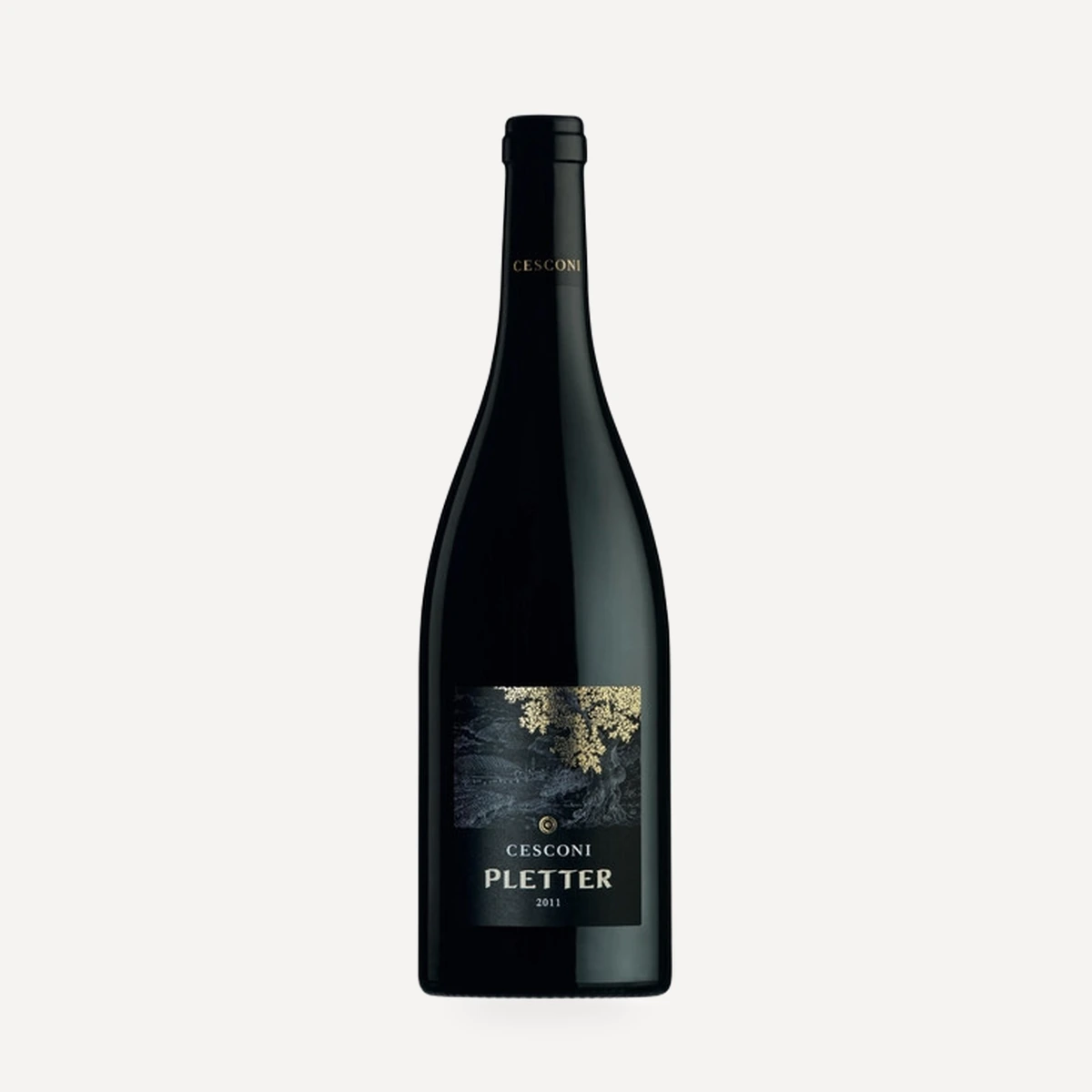
Wines
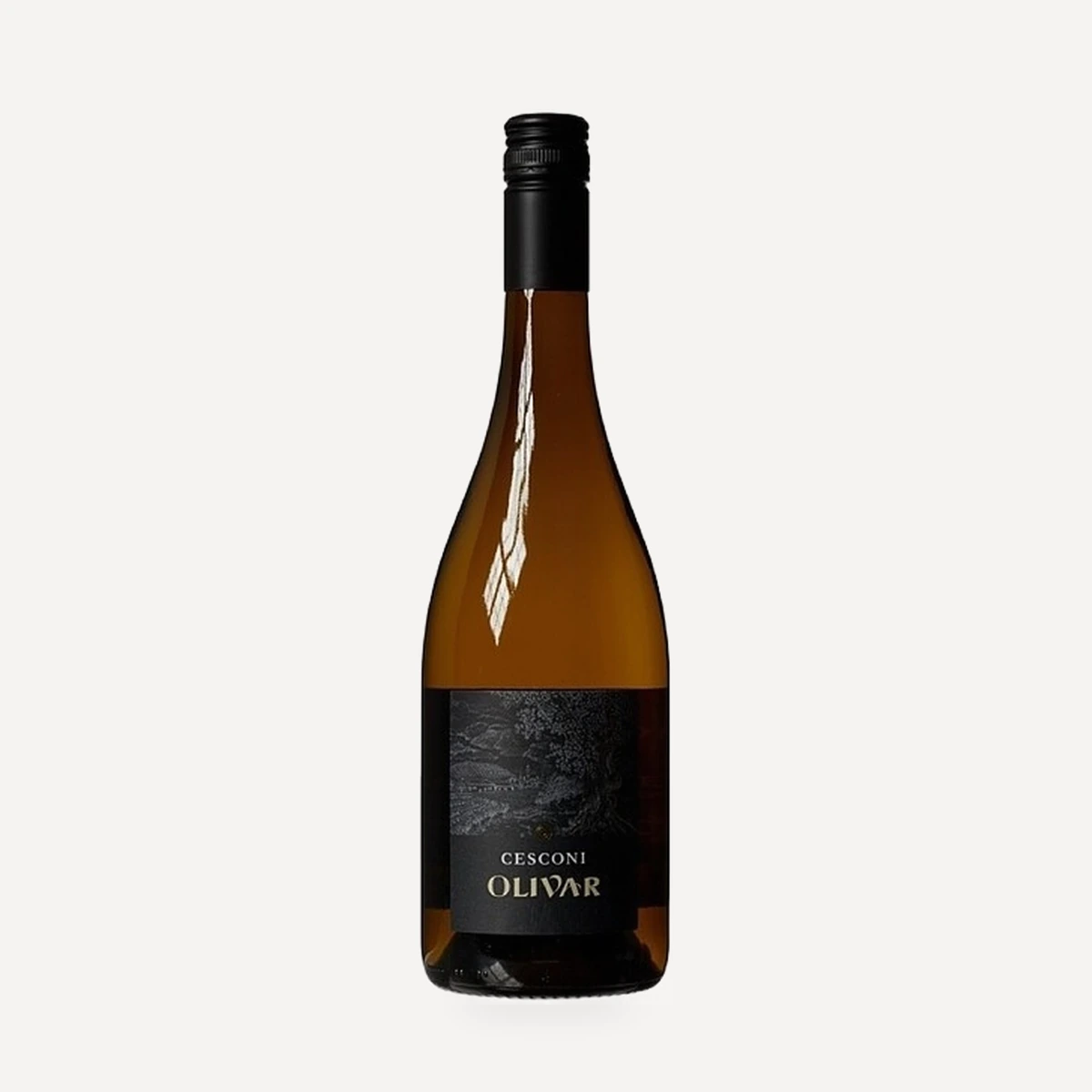
Olivar Vigneti delle Dolomiti Bianco IGT
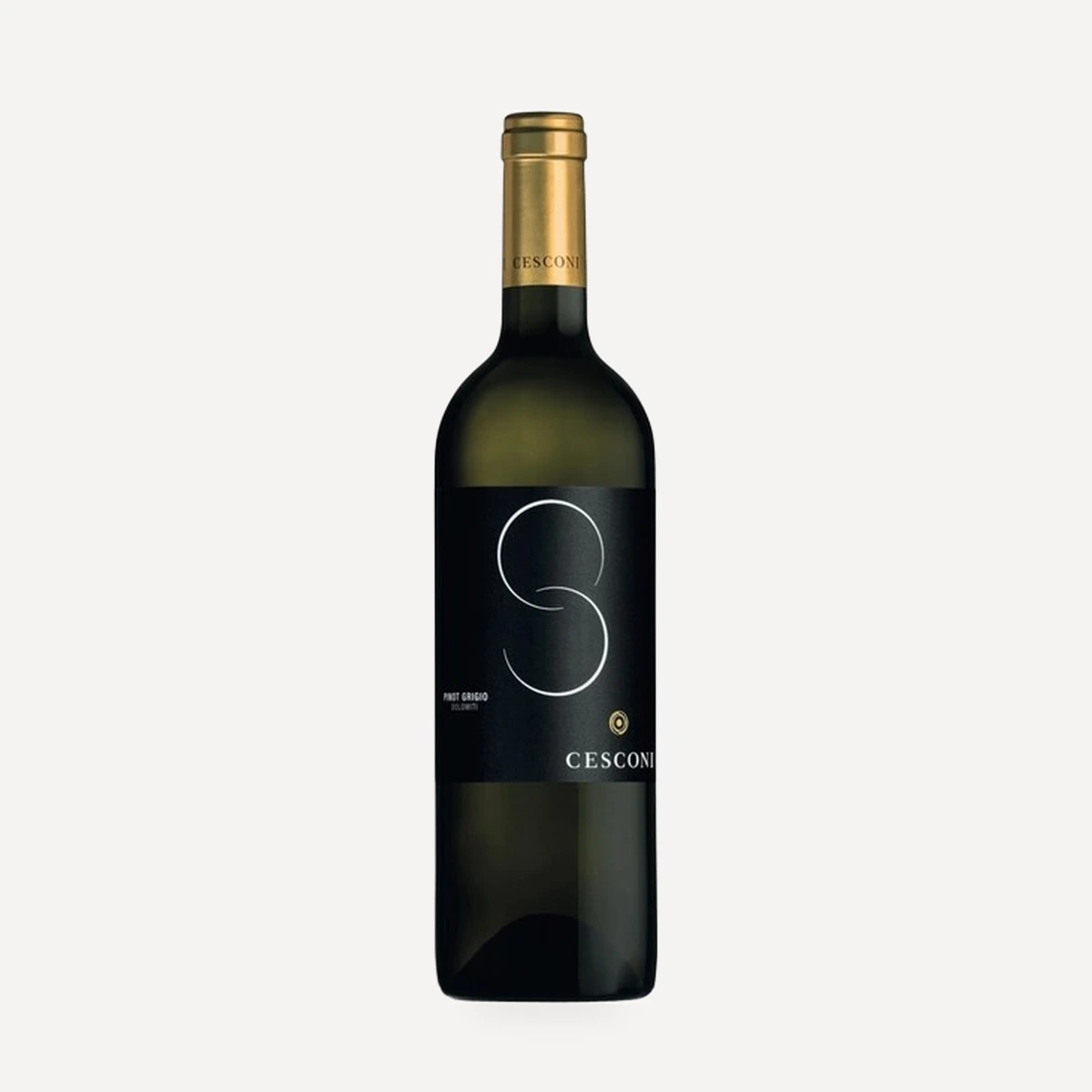
Pinot Grigio Vigneti delle Dolomiti IGT
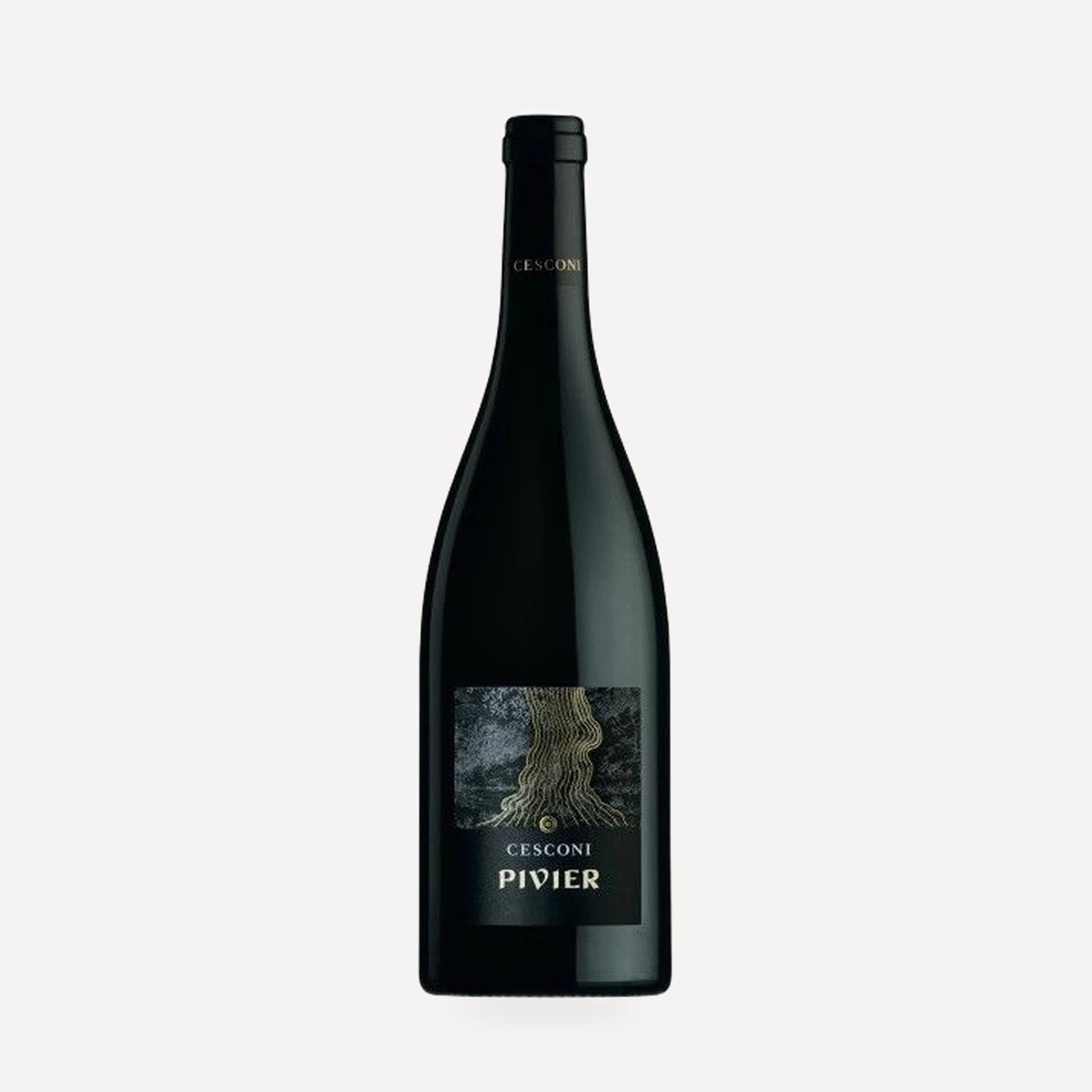
Pivier Vigneti delle Dolomiti IGT