History
The place before the winery
The identity of Santa Barbara begins with the history of Barbara itself. In the 6th century, when Senigallia was Byzantine, a Lombard—and therefore “barbarian”—outpost was established in a nearby settlement. That settlement subsequently became known as Barbara. Saint Barbara later became its patron, and local devotion remains associated with an ancient statue in the town’s Baroque church and a 17th-century altarpiece displayed in Barbara’s town hall.
The winery takes its name from this place, its traditions and its religious heritage. Its production premises occupy an old monastery. The building had been used for wine fermentation from its earliest period; its naturally stable temperature and humidity later made it suitable for maturation and ageing.
Family origins and the first wines
Stefano Antonucci grew up in Barbara. His father, Nicola Antonucci—known to friends as Arnaldo—ran a bakery, where Stefano’s mother also worked while pursuing her primary profession as an elementary-school teacher. Stefano credits both parents with instilling an attachment to his origins together with a desire to innovate and look forward.
Le Vaglie, subsequently described as the estate’s historic wine, had its first vintage in 1992. Around 1994, Stefano left his banking career and returned to Barbara to pursue wine professionally. His stated objective was to make wines conceived for people who enjoy drinking wine, beginning with wines that appealed to his own palate.
The white and red Pignocco wines marked his transition from banker to winegrower. Through that project he transformed the family’s cooperative cellar into the present Azienda Santa Barbara. Pignocco remained an important part of the business and became the starting point for further experiments.
Expansion and experimentation
From the beginning, the estate pursued two parallel objectives: reviving local grapes—Verdicchio dei Castelli di Jesi, Montepulciano and Lacrima di Morro d’Alba—and creating original wines with an international profile from Merlot, Syrah and Cabernet Sauvignon.
In 1997, the union of Cabernet, Merlot and Syrah became the basis of Pathos. Its development involved continuing work to find the balance among the three varieties. Later projects expanded into organic and skin-contact wines, sparkling and dessert wines, distillates, spirits, extra-virgin olive oil and, more recently, alcohol-free products. Arnaldo was dedicated to Stefano’s father and developed as an organic Verdicchio fermented with indigenous yeasts, extended skin contact and no filtration. Grappa Lina was dedicated to his mother.
The winery also established collaborations beyond conventional wine production. Catia Uliassi began creating a new artwork-label for each vintage of Tardivo ma non Tardo, linking the wine with support for Fondazione Dr. Dante Paladini Onlus. Baldo Baldinini collaborated with Stefano Antonucci on Bitter Le Vaglie and Gin Mossi, applying a perfumer’s approach to botanicals, spices, distillates and essences.
Community work and recent milestones
Charitable projects have formed part of the estate’s activities for more than a decade. The partnership with IOM Jesi Vallesina Onlus financed a portable electrocardiograph and two vehicles used by the association’s personnel. Proceeds from the 2019 estate celebration financed a Citroën C3 Aircross for the care of cancer patients and their families.
In 2018, Santa Barbara and IOM Jesi Vallesina won the eighth Volontariato & Imprese award for the project “Per star bene e far del bene.” The project used the winery’s network, staff and equipment to organize fundraising and public-awareness events.
Following the Marche floods, the “Bevi Solidale” campaign began in November 2022 in partnership with Fondazione Caritas Onlus di Senigallia, assigning part of the proceeds from selected labels to the affected territory. The collaboration continued through limited-edition shirts produced with Memory’s by Alessandro Marchesi for the thirtieth anniversary of Le Vaglie.
On 10 July 2023, the winery hosted Thirty Together, celebrating the 1992–2022 thirty-vintage span of Le Vaglie. The evening involved chefs Mauro Uliassi, Moreno Cedroni and Massimo Biagiali, the Montecucco restaurant, OutOf’s American Bar, Minuz, Matteo Verdini and Jimmy Sax. Donations and proceeds from the limited-edition shirts were given to Caritas di Senigallia and IOM.
Today the business works 45 hectares of vineyards and produces approximately 900,000 bottles annually, half of which are exported. Its markets extend across Europe, the United States, Canada, Mexico, Brazil, Australia, Japan, Singapore, China, Hong Kong and Thailand.
Terroir
The winery lies in the hills of Barbara, approximately 25 km from the Adriatic Sea, between the Misa and Nevola rivers. Its vineyard area extends from Barbara through Serra de’ Conti, Montecarotto and Arcevia to Morro d’Alba and Cupramontana.
This strip of hilly land is enclosed by the Adriatic Sea to the east and the Apennines to the west. The vineyard soils are characterized as clay-rich and well supplied with water. Individual wine descriptions also identify sandy-tuff sites and medium-textured soils, with vineyard elevations documented between 230 and 300 metres and aspects ranging from east and southeast to northwest.
Winemaking
Vineyard work runs from January through October and is carried out manually under the direction of technicians and experienced farmers. Crop thinning is used to improve raw-material quality, while particular emphasis is placed on maintaining healthy grapes.
Verdicchio is principally trained to Guyot, while Montepulciano, Sangiovese, Merlot, Syrah and Cabernet Sauvignon use spur-pruned cordon. Individual sites and projects also use inverted counter-espalier and espalier systems.
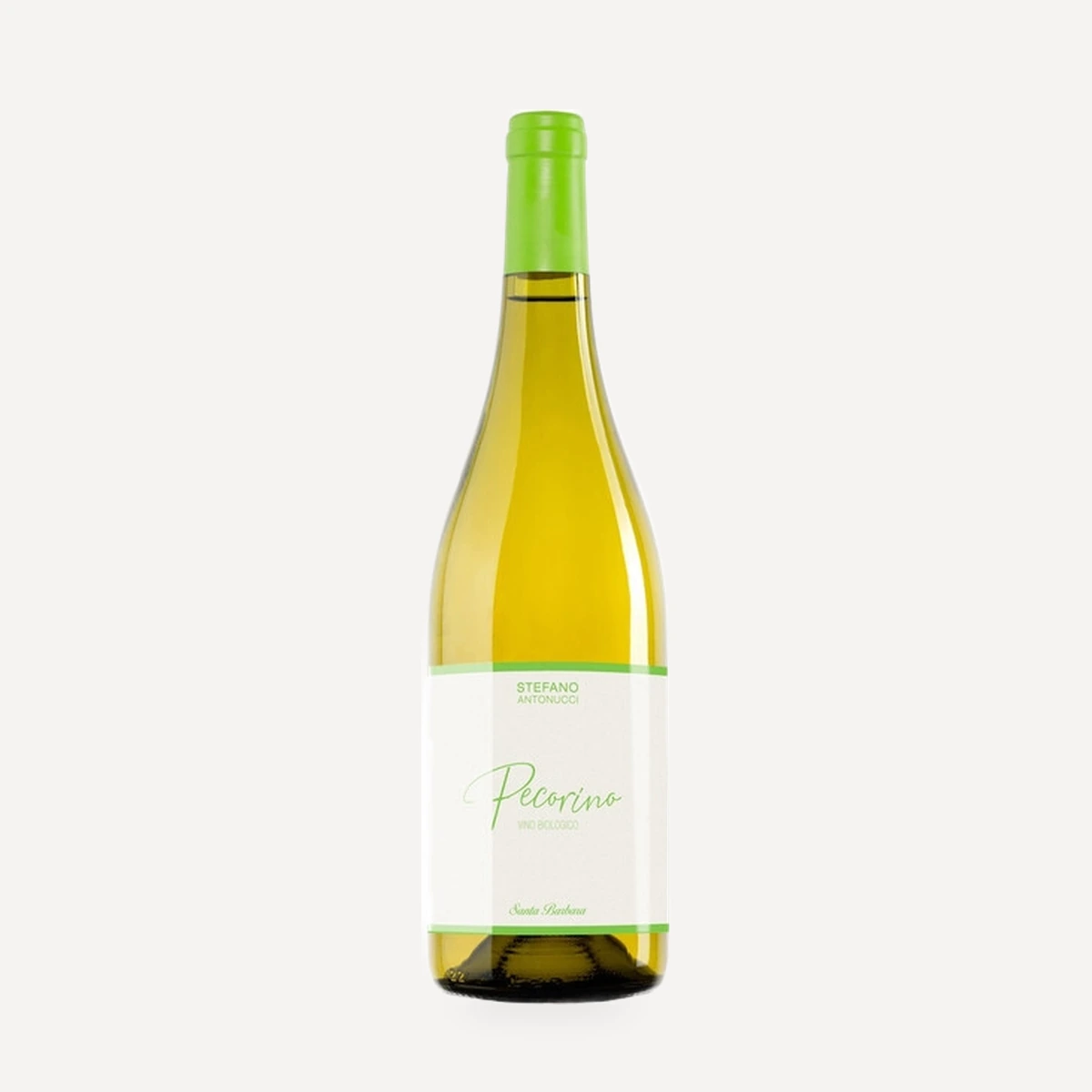
The estate produces an organic range that includes Verdicchio, Passerina, Pecorino and red wines. Some organic Verdicchio projects employ indigenous yeast, skin contact, extended lees contact and bottling without filtration. No estate-wide certification body, certification date or conversion status is identified.
Production takes place in premises that include an old monastery. Modern temperature-controlled equipment is used for newly harvested grapes, including 50- and 100-hectolitre stainless-steel tanks and temperature-controlled concrete tanks. Concrete provides thermal insulation, while the steel vessels permit controlled fermentations.
The monastery houses the barrel cellar. Its naturally stable temperature and humidity create conditions used for maturation and ageing in 225-litre French barriques and 450-litre tonneaux.
The broader range employs several distinct approaches. These include temperature-controlled stainless-steel fermentation with selected yeasts; low-temperature fermentation; gentle destemming; natural skin maceration continuing through fermentation; indigenous yeast; lees ageing without racking; and bottling without filtration. Pecorino receives gentle pressing, low-temperature fermentation with selected yeast, several rackings and bottling without filtration. A fresh red-wine project uses three days of maceration at 8°C to retain aromatic character.
The estate also works with collaborators on distillation and spirits. Verdicchio pomace for Grappa Lina is softly pressed and distilled by the traditional discontinuous method in small copper stills with Distilleria Berta, followed by wood ageing. Bitter Le Vaglie begins with a Verdicchio wine base and was developed through the study of more than 30 plants and spices without artificial colouring. Gin Mossi blends several distillates, alcoholates and essential oils from selected raw materials.
Philosophy
The estate defines its work through passion, respect for the land and a willingness to innovate. Each harvest is treated as a test of the condition of the grapes and vineyards. Its objective is to raise the standard of the raw material year after year while respecting local tradition and the history of the soils.
Stefano Antonucci’s personal principle is to make a “wine for drinkers”: a wine that first satisfies his own palate and is intended to give pleasure to wine lovers. Travel provides ideas, but those ideas must find equilibrium in Barbara and in the place where the wine is made.
This approach brings together the recovery of native grapes and experiments with international varieties, organic winemaking, skin contact, unfiltered bottlings, sparkling wine, distillation, spirits and alcohol-free products. Creativity and technology are used alongside manual vineyard work, crop thinning and close control of grape health rather than being presented as substitutes for the territory.
Community responsibility is another declared part of the estate’s identity. Wine sales, celebrations, art labels and special merchandise have been used to support flood recovery, home care for cancer patients and research and treatment relating to neuromuscular disease.
Wines
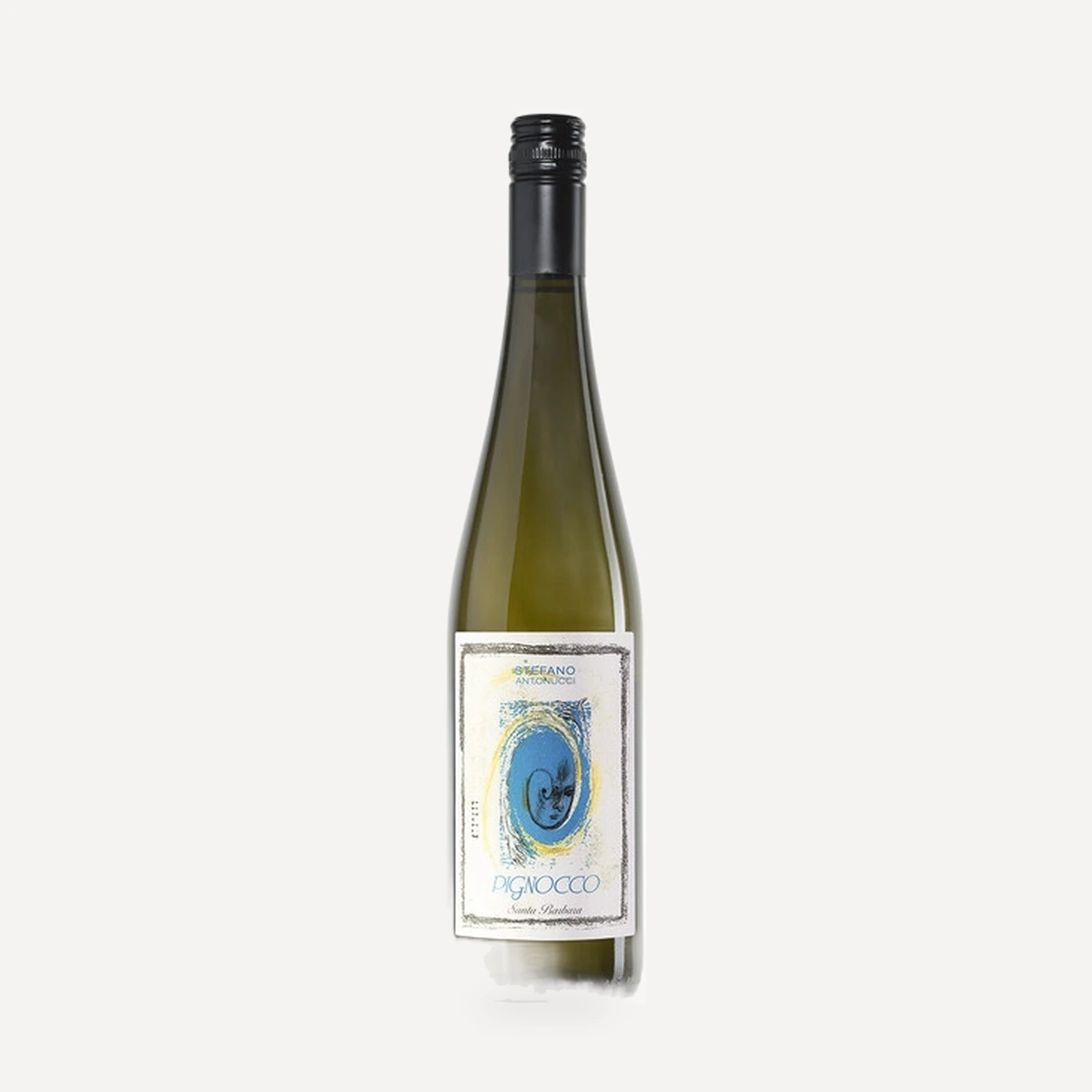
Pignocco Bianco Verdicchio dei Castelli di Jesi DOC
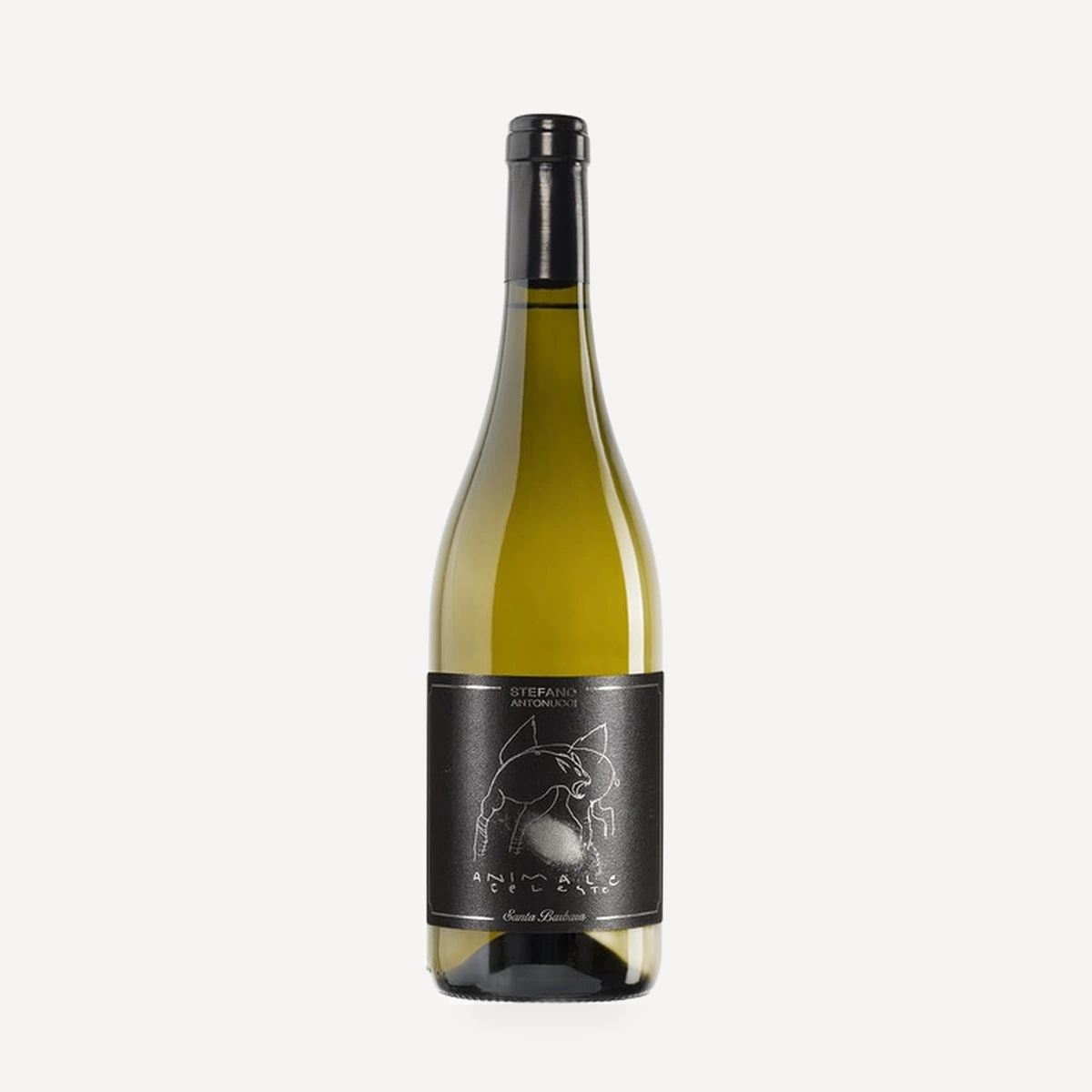
Animale Celeste
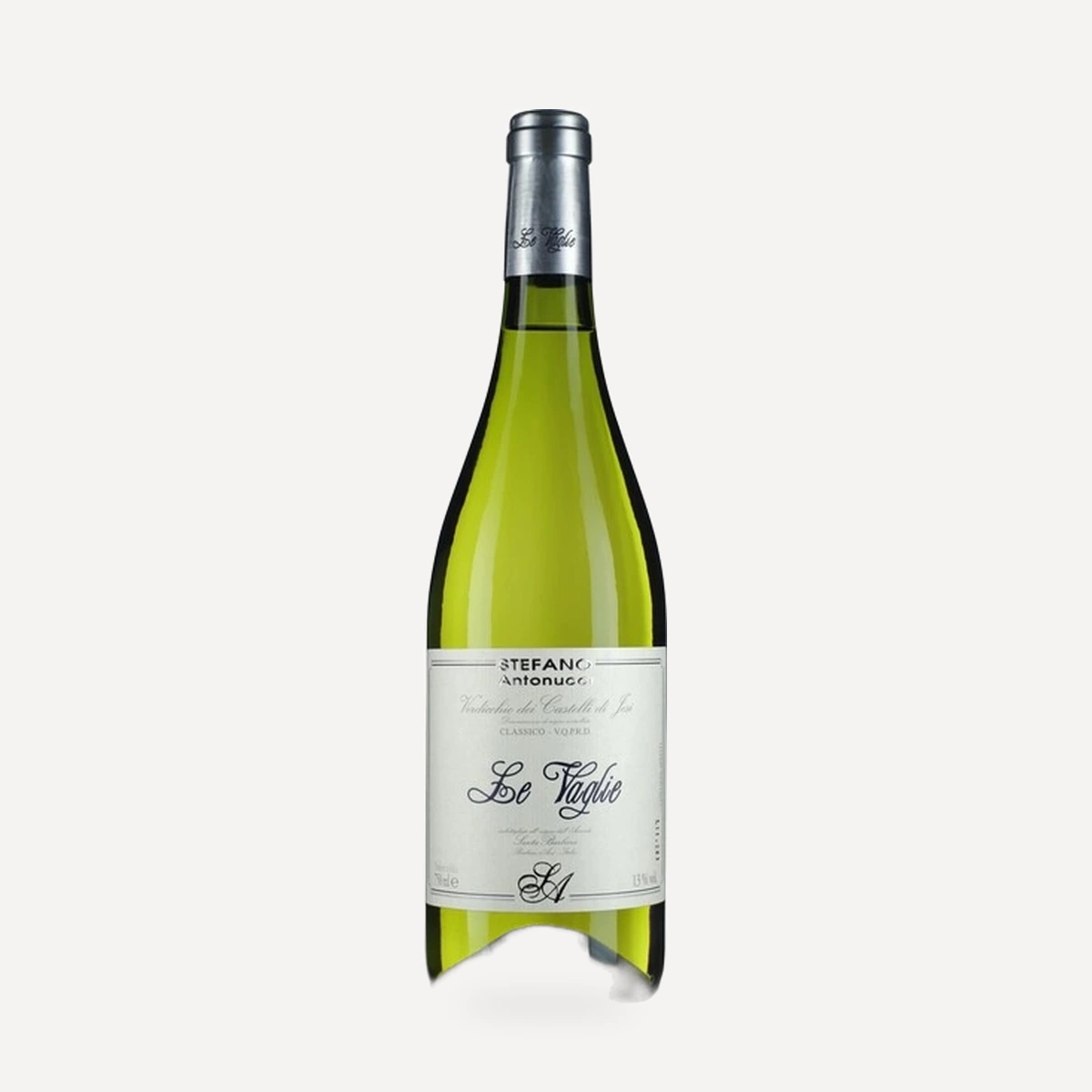
Le Vaglie
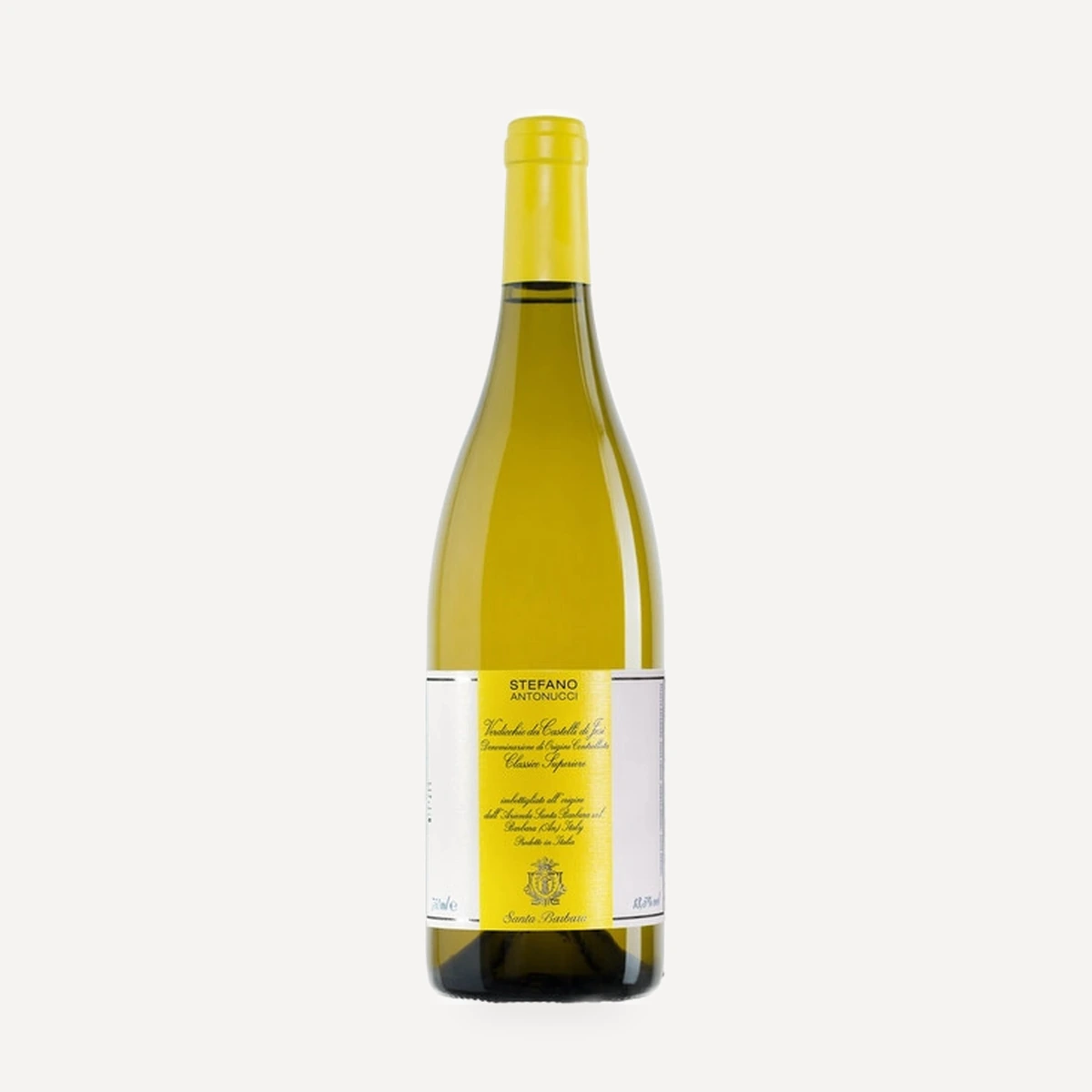
Stefano Antonucci
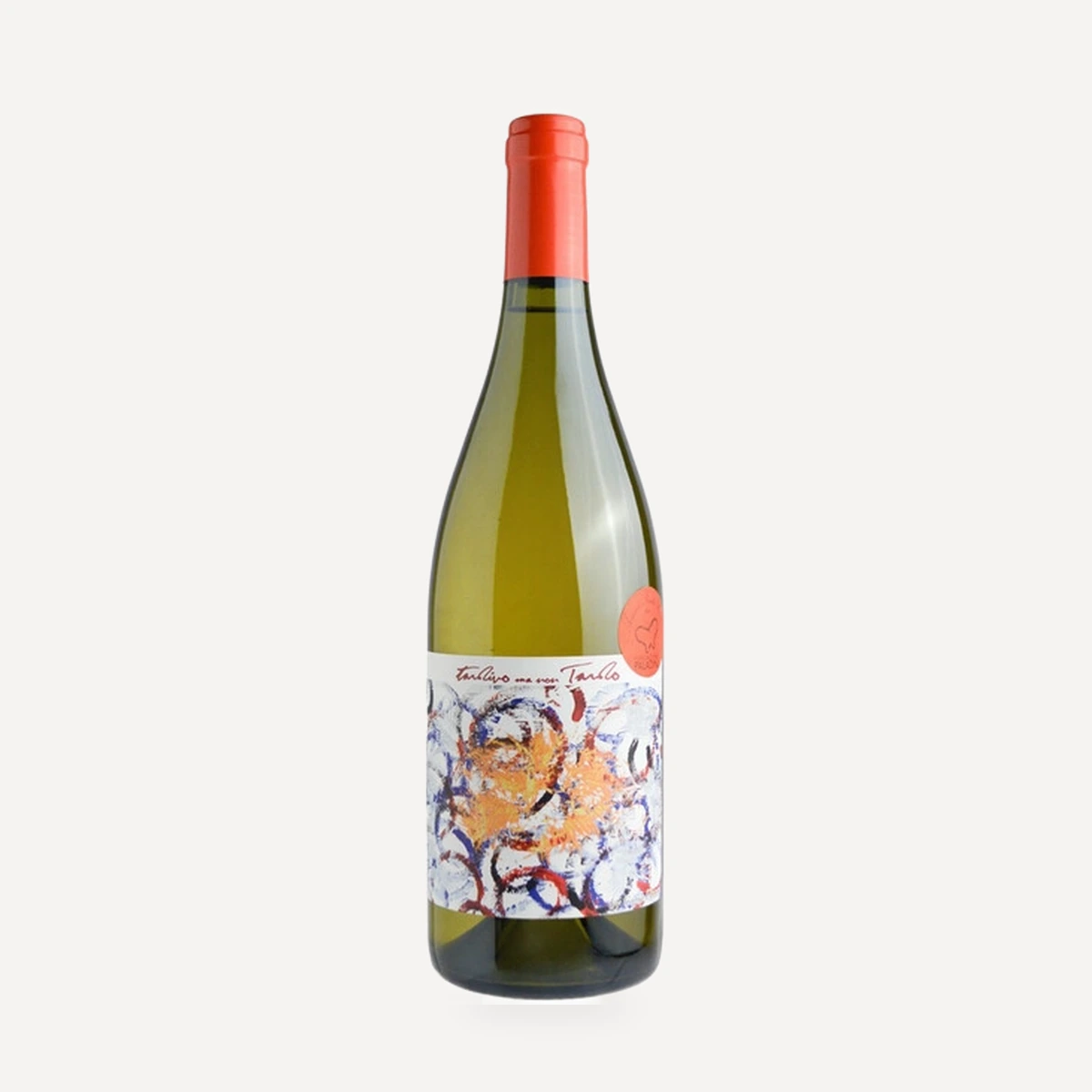
Tardivo ma non Tardo
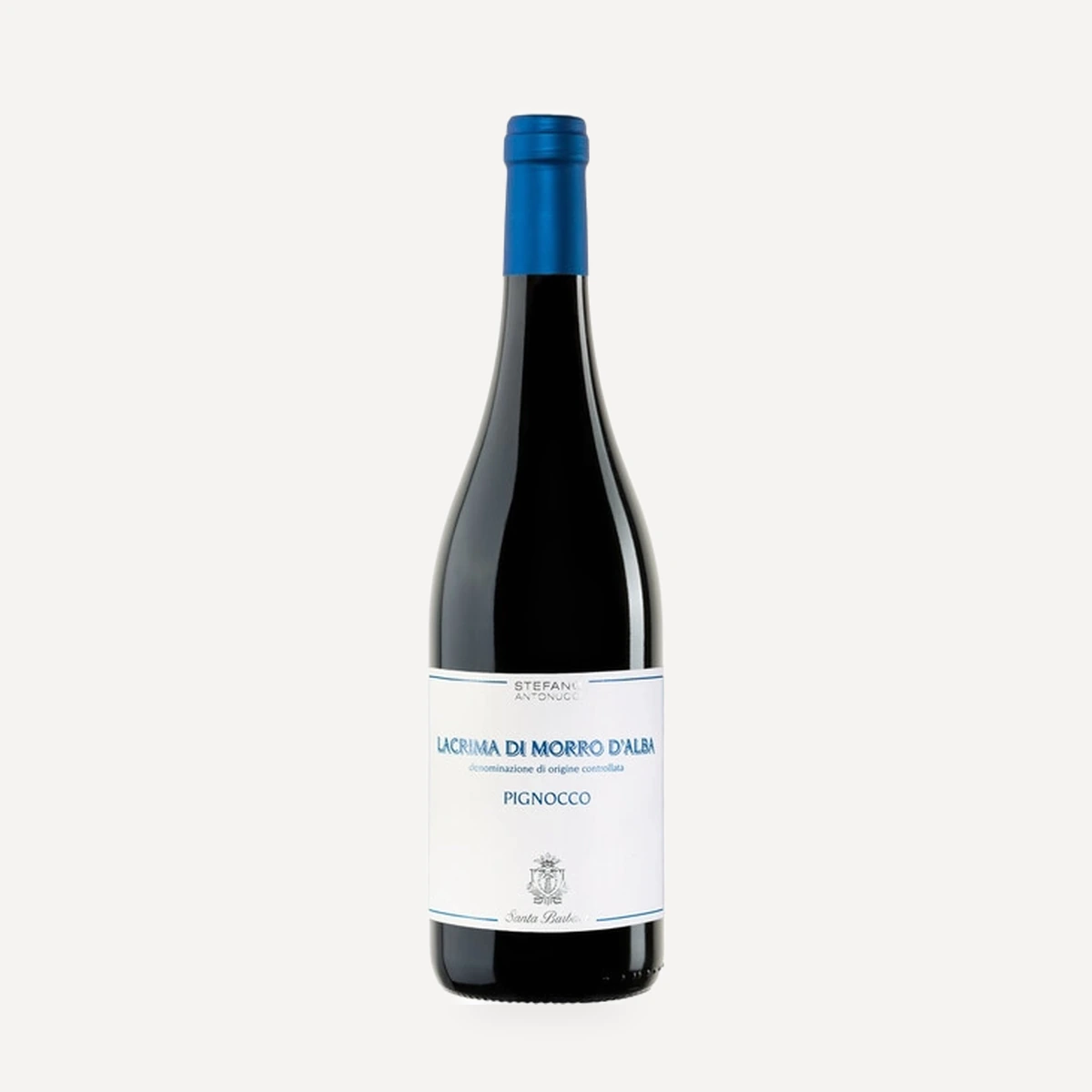
Pignocco Lacrima di Morro d'Alba DOC
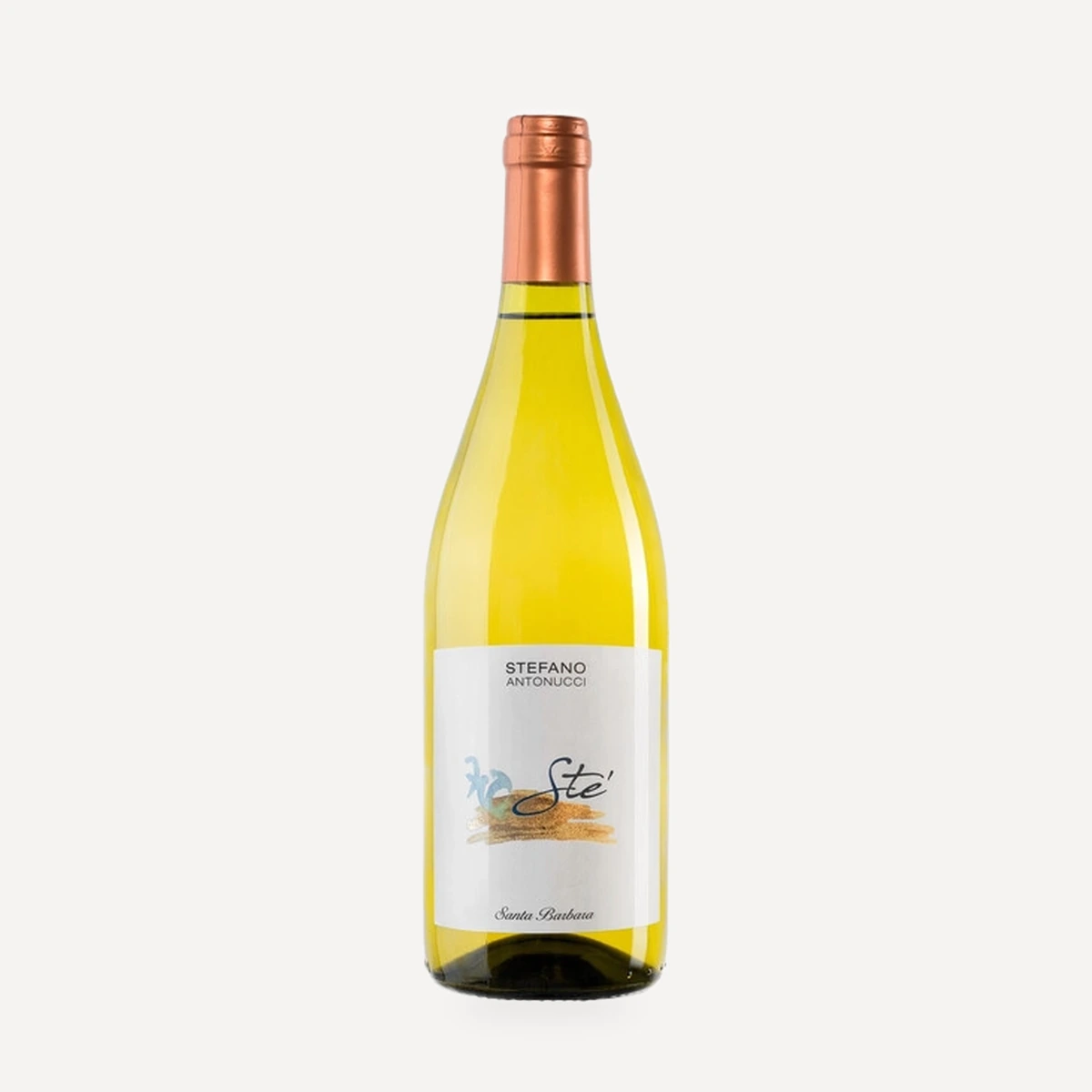
Ste Verdicchio dei Castelli di Jesi DOC
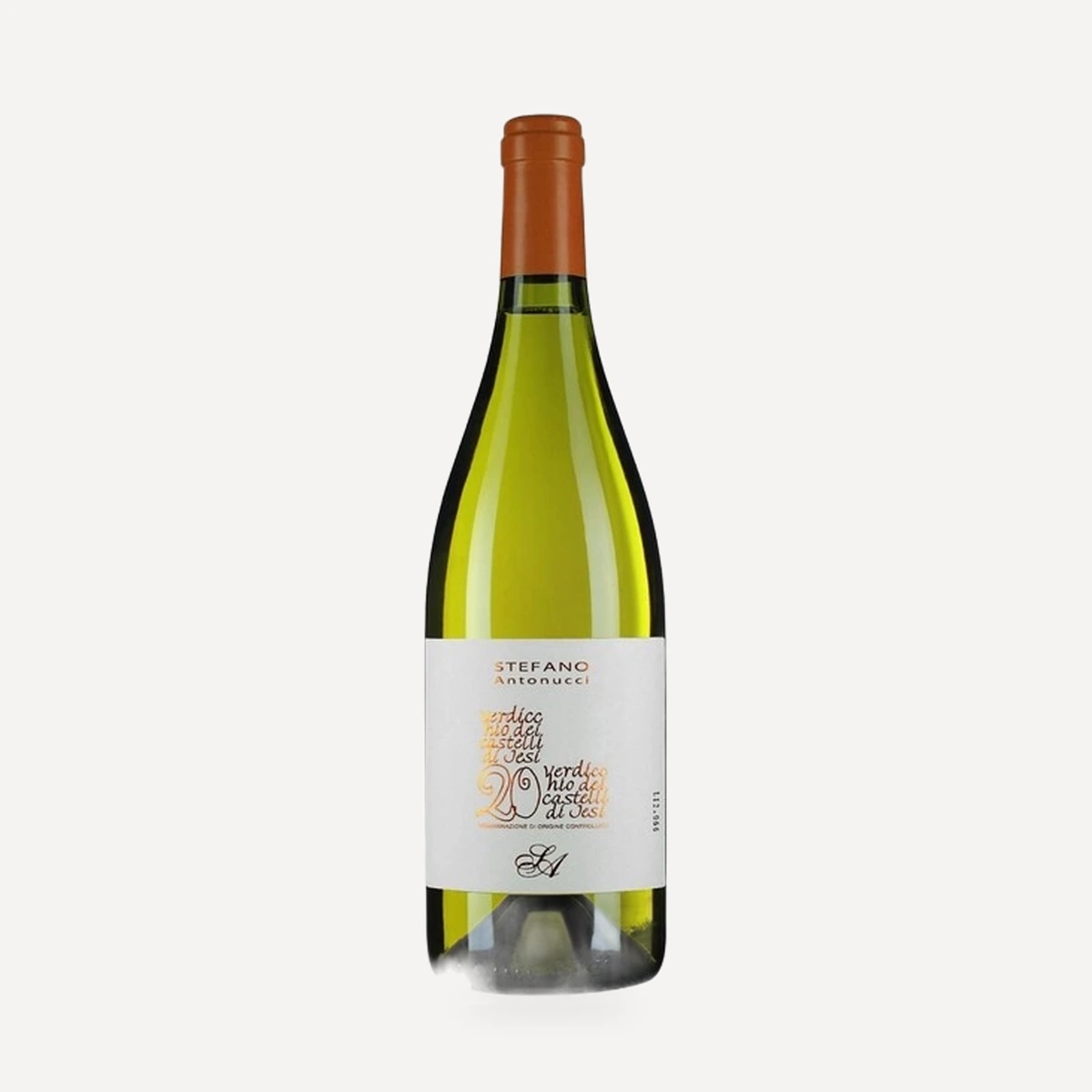
Verdicchio dei Castelli di Jesi DOC
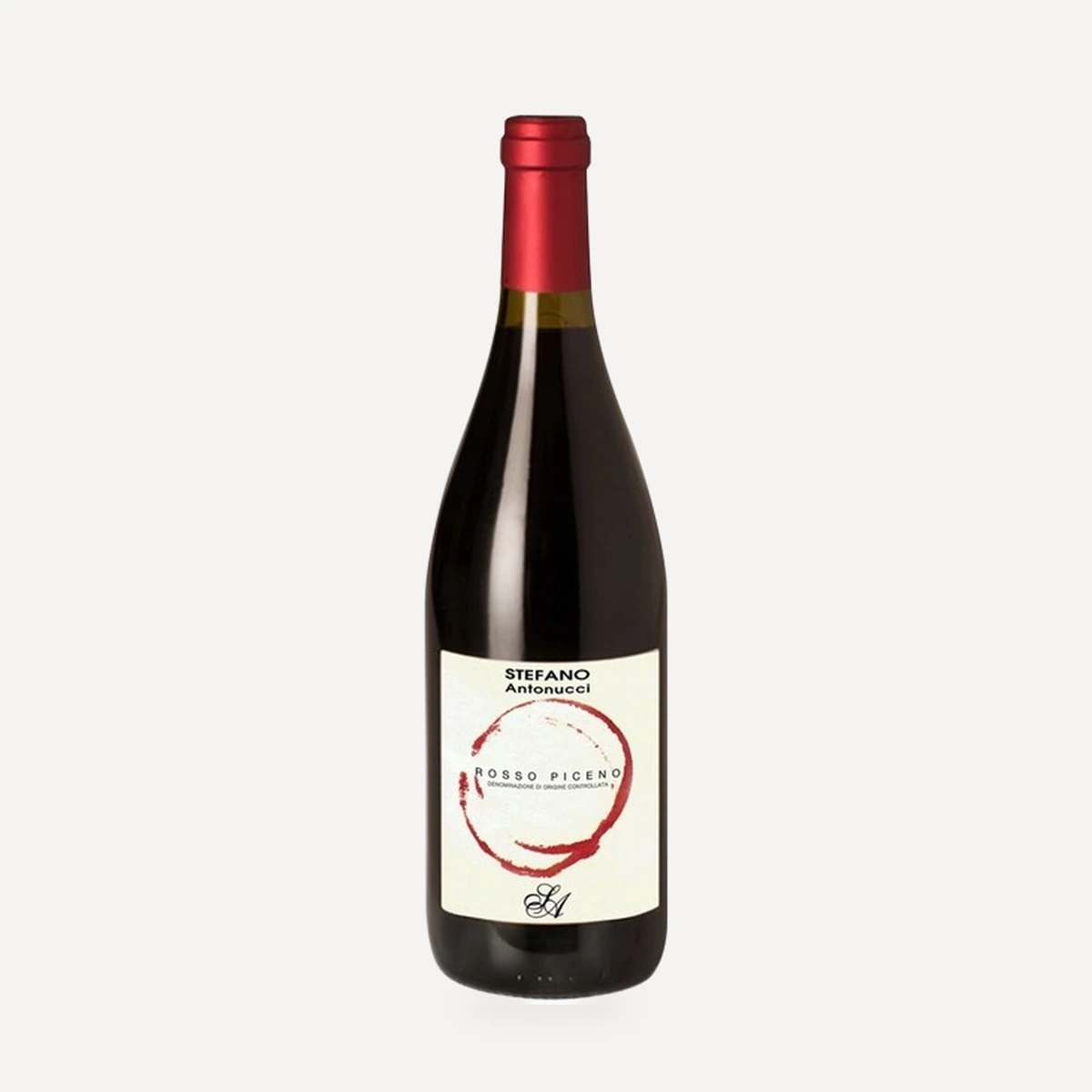
Rosso Piceno DOC
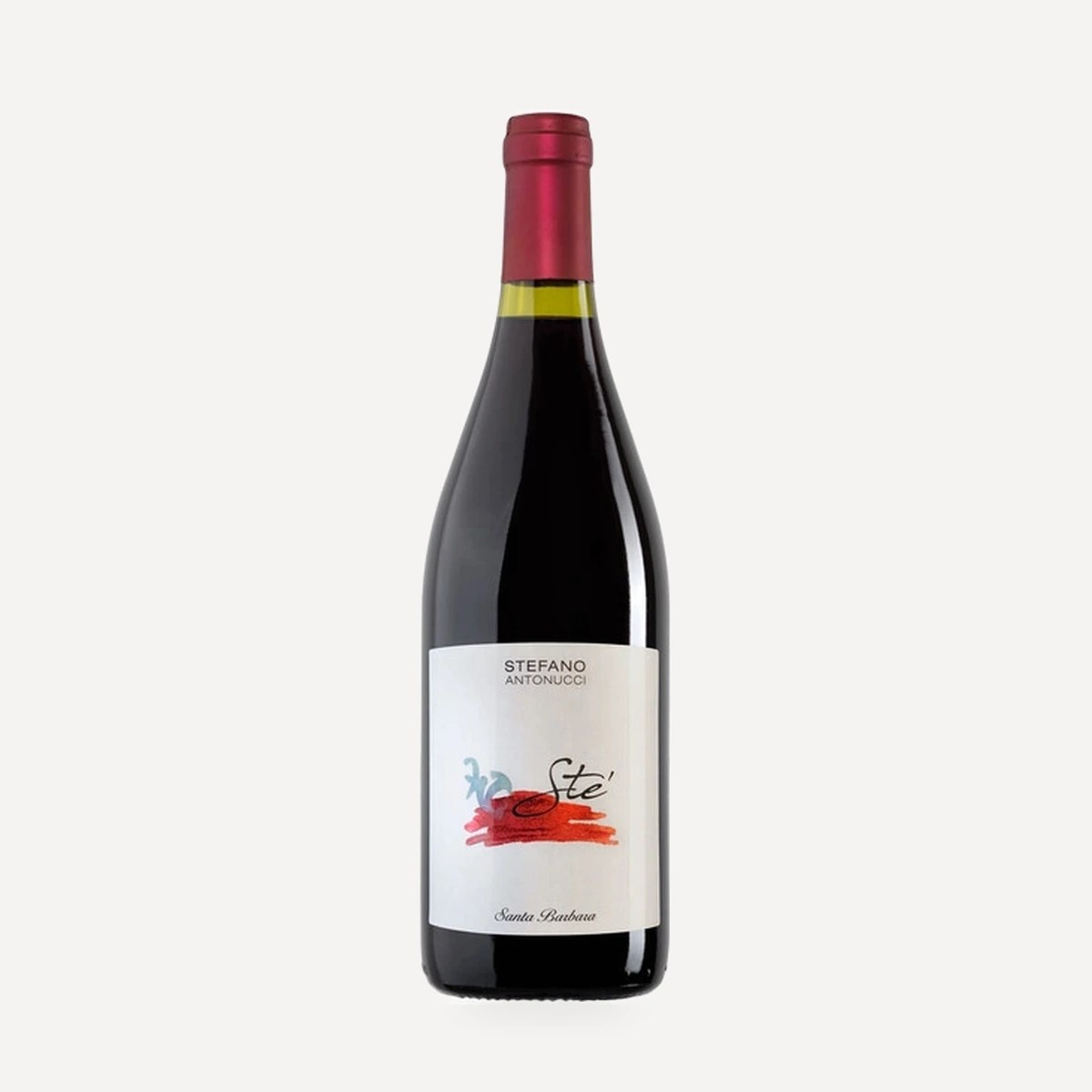
Ste Rosso Piceno DOC
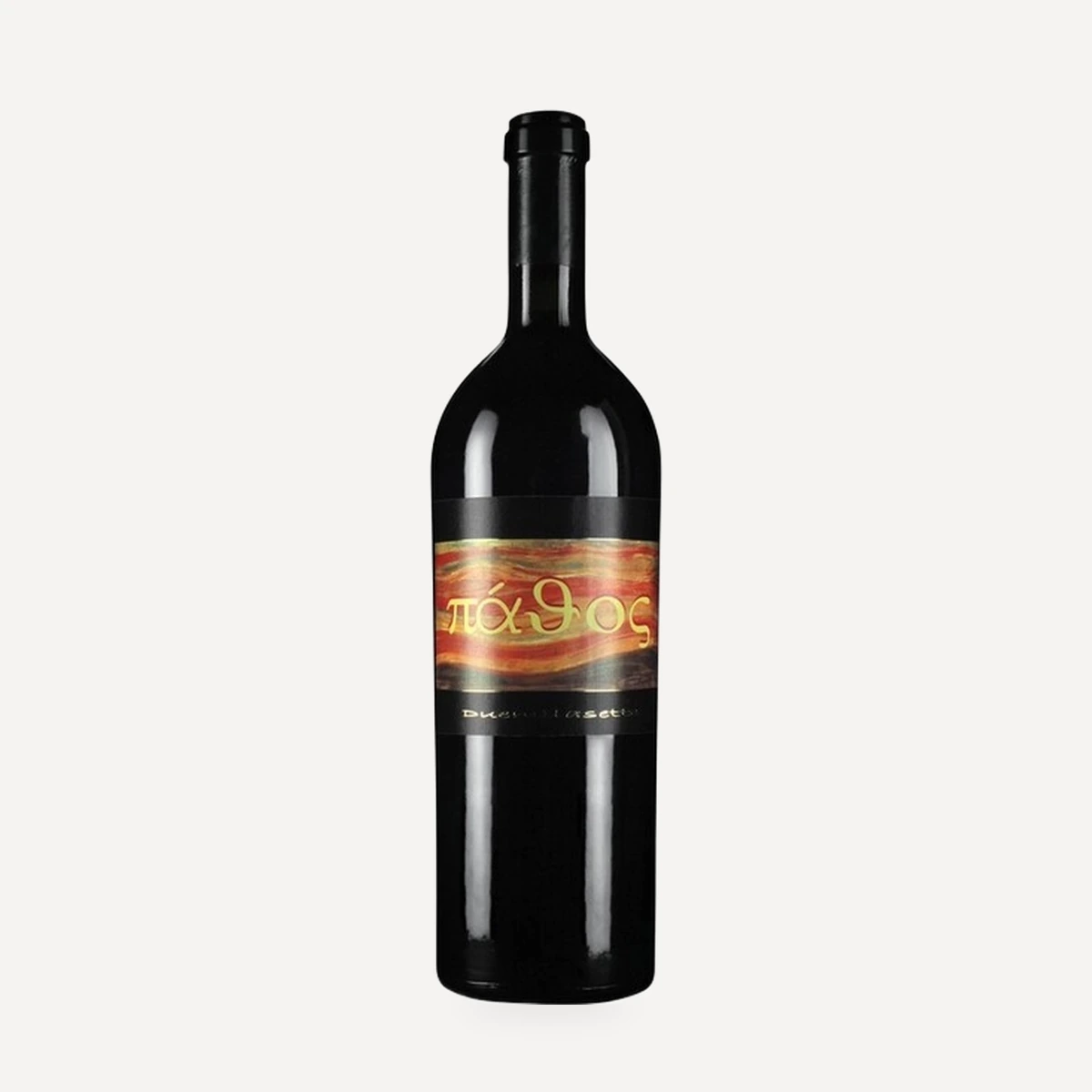
Pathos
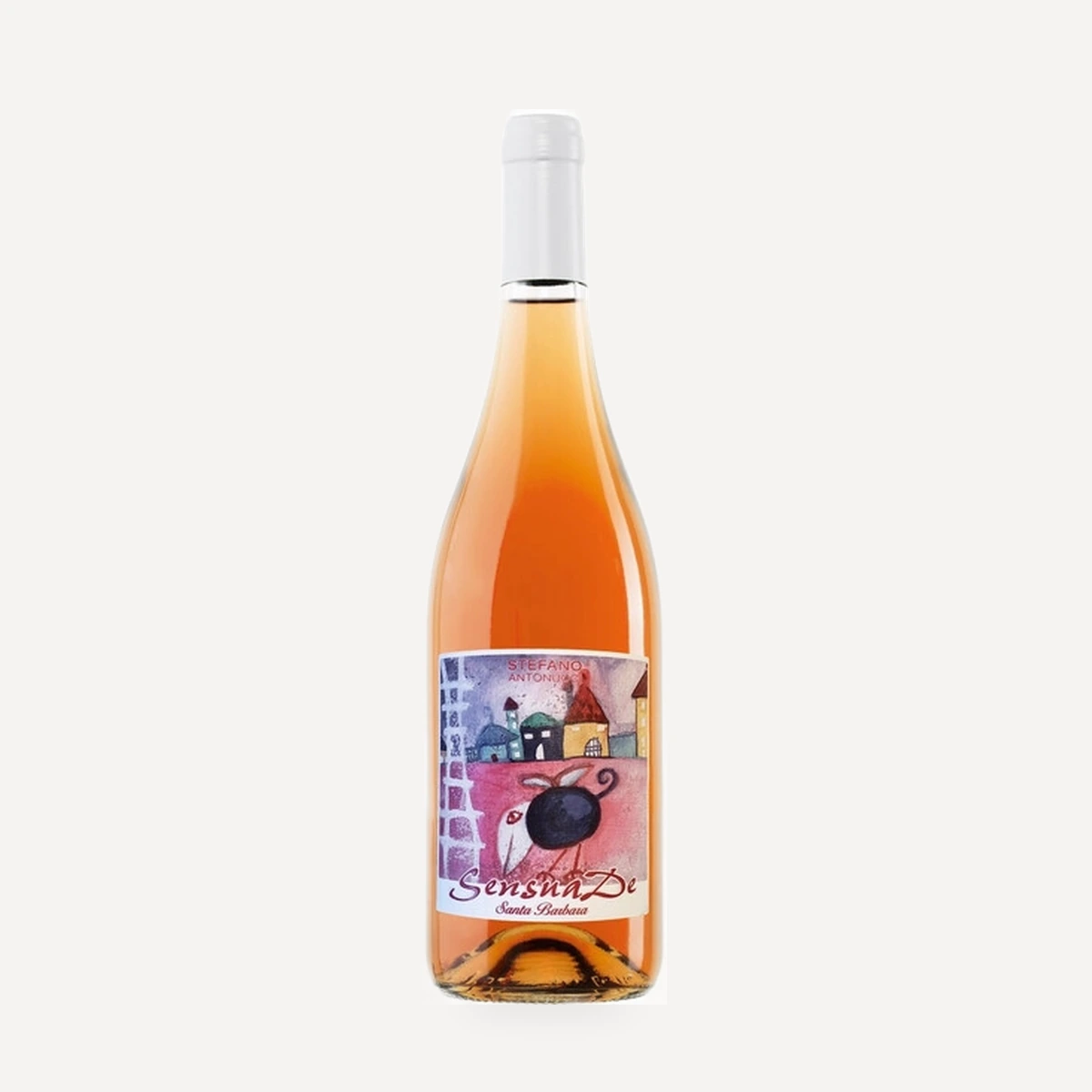
Sensuade
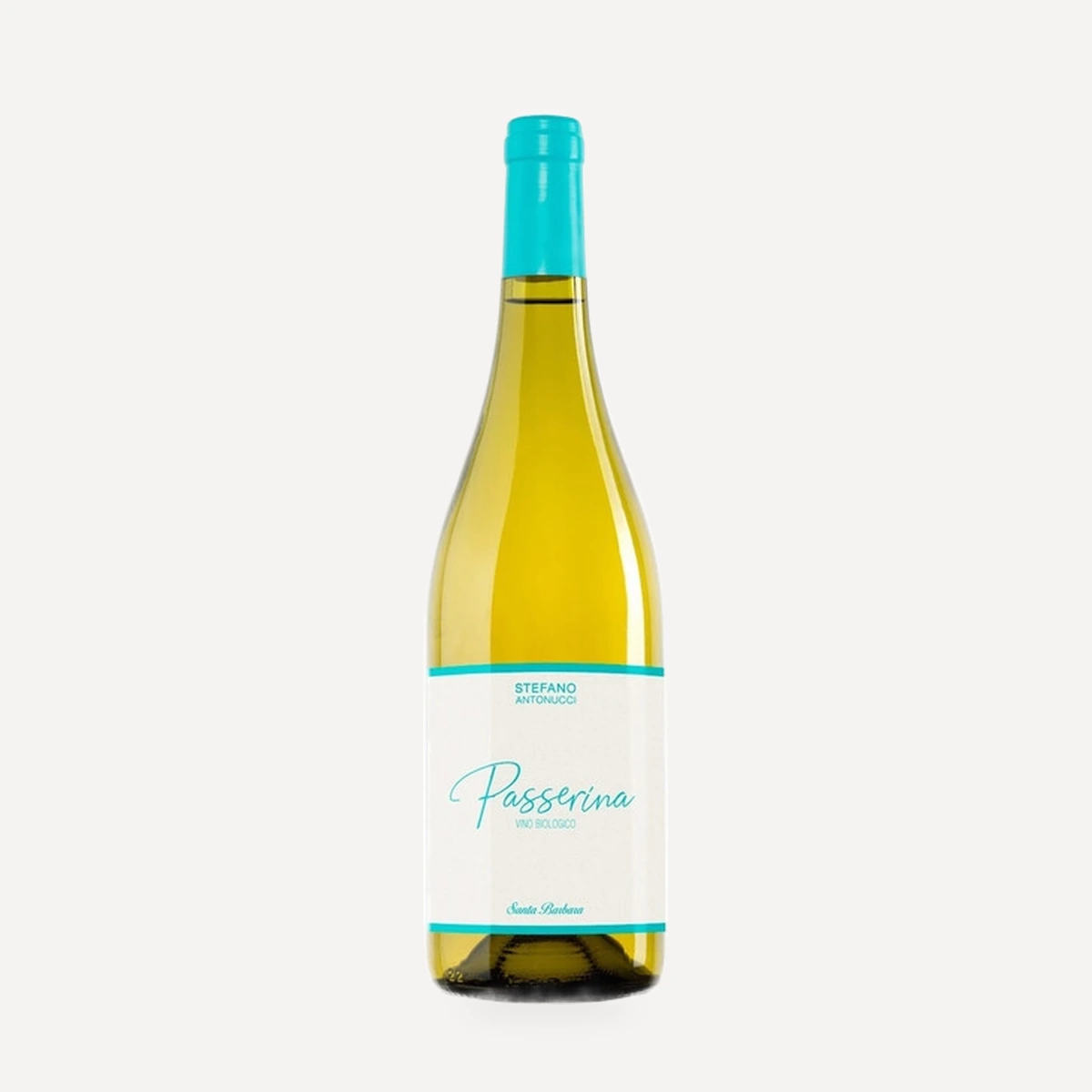
Passerina Marche IGT