Storia
The first wines
Adagio developed around the experience of a particular moment—a sip of wine capable of expressing and preserving the singularity of that occasion—and the decision to turn that inspiration into an agricultural project in the Colli Berici around Barbarano Mossano. Andrea and Marcella are the two people presented with the project.
The first Adagio wine was Venerdì, made in the 2016 vintage from Garganega. Its name refers to Friday as a moment of release, when work gives way to personal interests and shared time.
New plantings and experimental projects
In 2017, Adagio planted a small parcel of Ribolla Gialla outside the variety’s traditional area. The aim was to explore the grape’s skins, freshness and versatility under the conditions of Barbarano Vicentino.
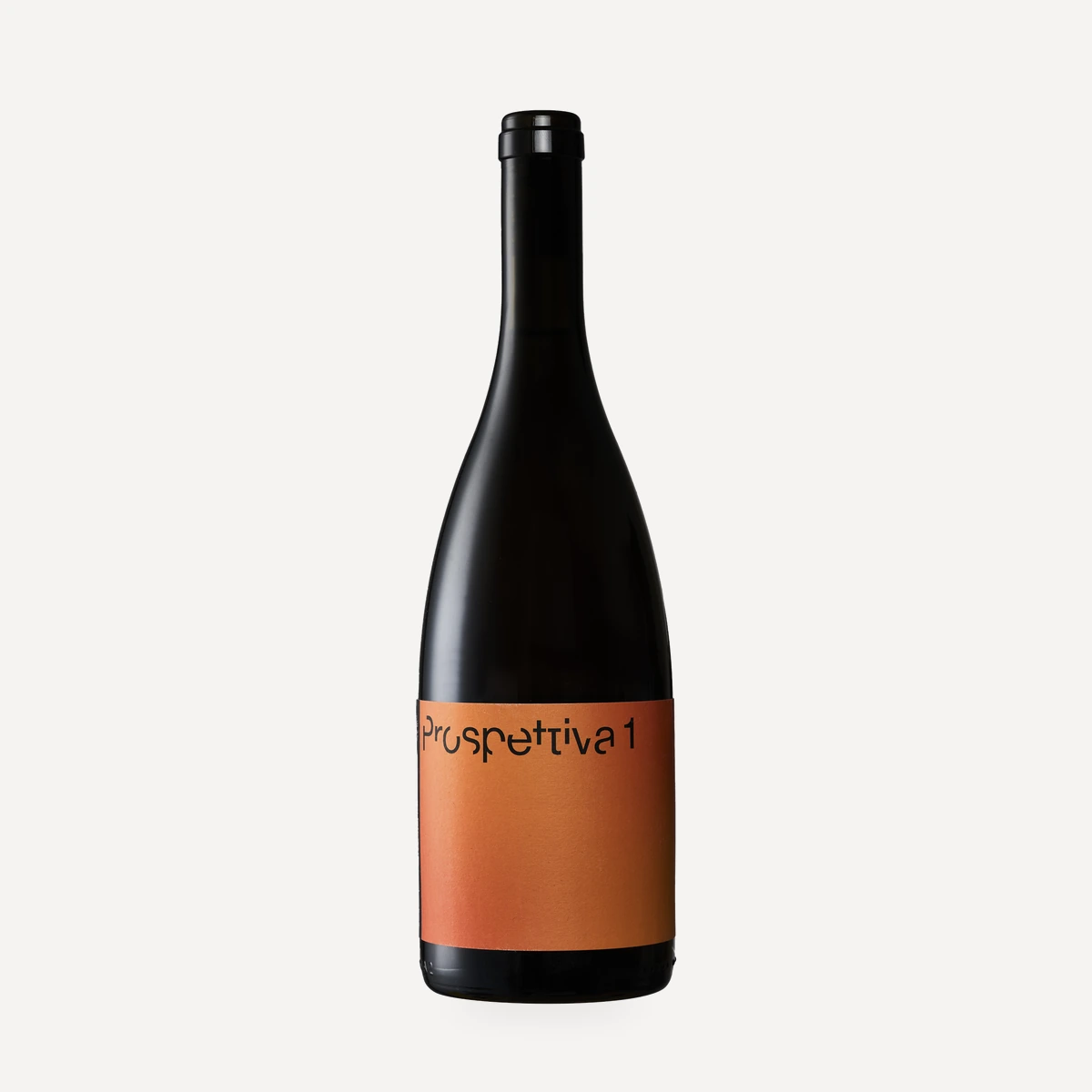
Prospettiva1 began with the 2018 vintage. Adagio chose to give a small Chardonnay parcel a distinct identity by fermenting and ageing the wine in unlined, above-ground terracotta amphorae from Impruneta, with prolonged skin contact. The project subsequently became an annual production.
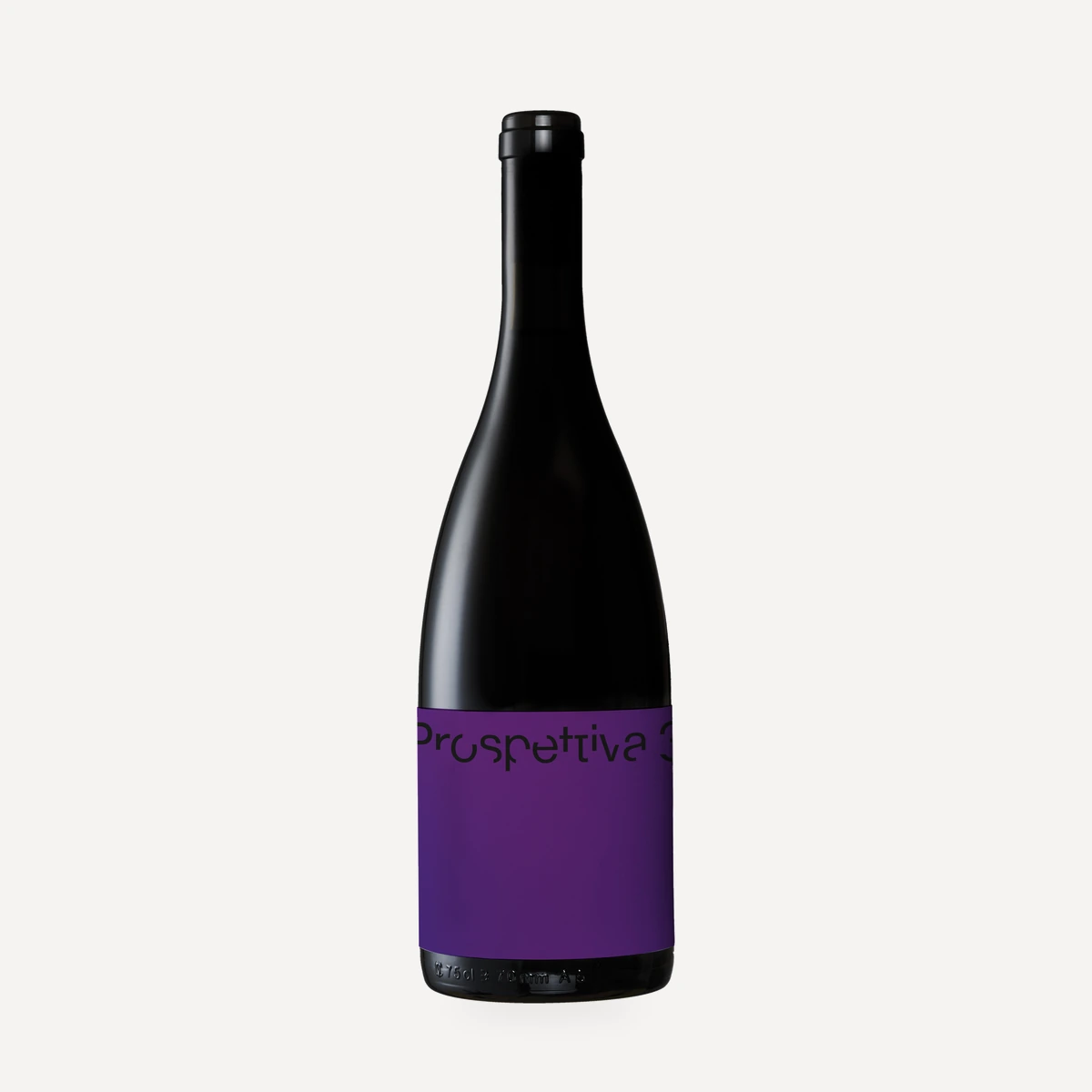
The warm 2019 season supplied Cabernet Sauvignon in the condition sought for Prospettiva3, a project combining steel with extended maturation in used oak.
Giardini Rurali
In 2022, Adagio began studying how to restore and enhance part of its land, with particular attention to deteriorated dry-stone walls and to making the agricultural landscape more enjoyable to experience. This work led to the creation of the Giardini Rurali Adagio. The restoration received partial funding through PNRR M1C3, Investment 2.2, for the protection and enhancement of rural architecture and landscape. Initial walls were rebuilt with certified local stone and traditional techniques to retain soil, reduce erosion, support biodiversity and conserve the functional and cultural character of the landscape.
The 2023 season
The 2023 vintage produced the first varietal vinification of Ribolla Gialla from Adagio’s young parcel. A short maceration was used to explore the structure contributed by the grape’s skins.
In the old mixed vineyard at Mossano, Tocai Bianco and Garganega were harvested separately in 2023 and vinified by the same method in steel with brief skin contact. The wines were blended the following spring in a composition of 70% Tocai Bianco and 30% Garganega.
Adagio’s extra-virgin olive oil from the 2022 harvest took first place in the 19th Colli Berici, Euganei e Lessini Vicentini competition in 2023.
Landscape installations and the 2024 season
In June 2024, the first stages of dry-stone-wall restoration had been completed. Further work was planned to improve agricultural efficiency while preserving the area’s natural and cultural heritage.
The first Folie, the Panca di Livello, arrived in August 2024 after six seasons of design work, administrative discussions, colour trials and practical encounters with wildlife. Shaped to follow the land’s contour lines, it opened a new phase in the Giardini Rurali landscape project. The installation formed the first step toward a planned group of immersive interventions among the vineyards, olive trees and woodland.
The second and third Folies were presented in September 2024. The pink steel Stanza Aperta and its matching staircase were conceived as an elevated observatory, directing attention toward different portions of the agricultural landscape and encouraging visitors to change viewpoint as they move through the structure.
In the vineyard, Tocai Bianco and Garganega from the old mixed Mossano planting were harvested together in 2024, rather than separately as in 2023. Part of the 2024 Ribolla Gialla remained in contact with its skins for longer, continuing the investigation begun with the first varietal vinification.
Continuing direction
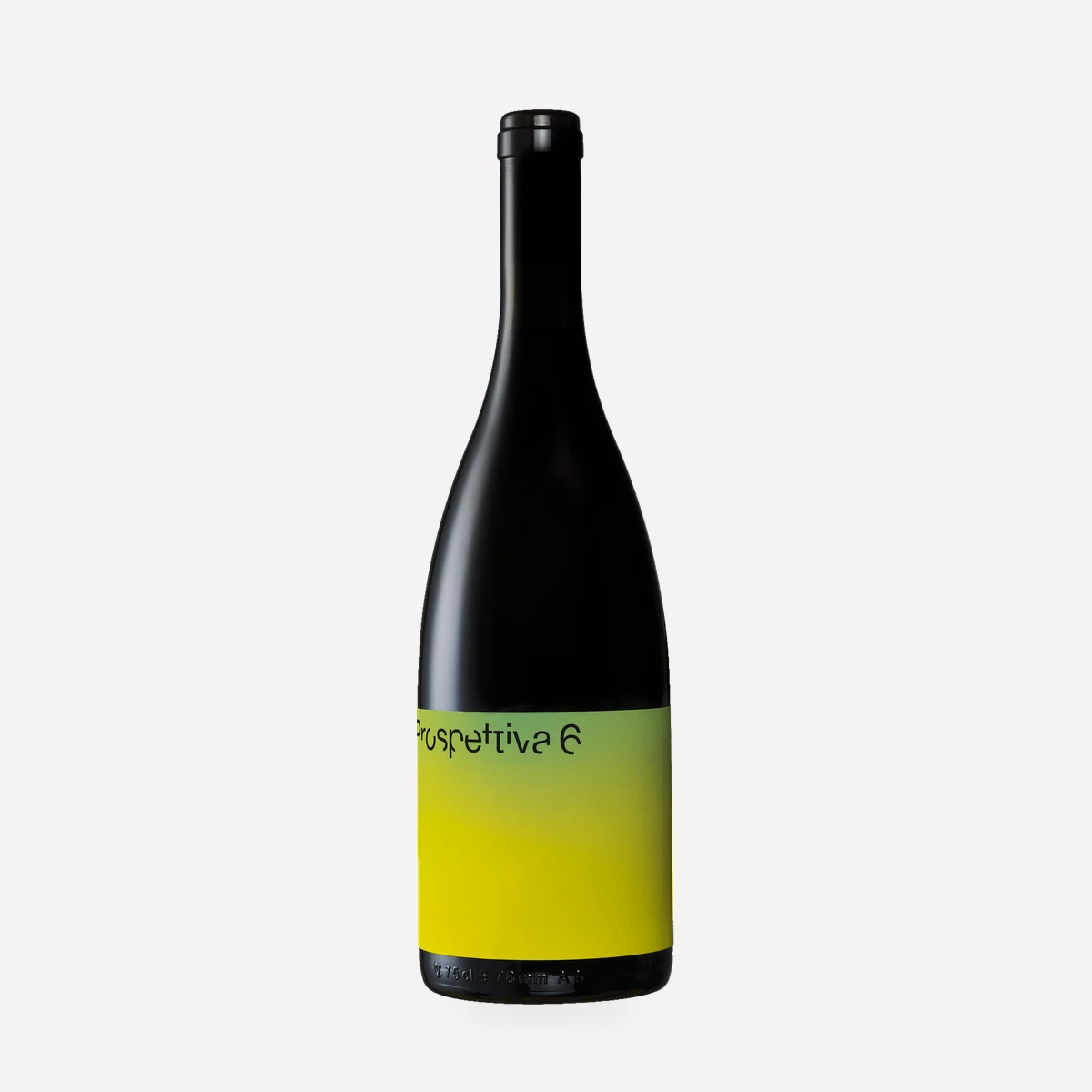
Adagio now organizes its wines around two complementary ideas. The Terra line emphasizes the Colli Berici, selected vineyards and native varieties, with neutral production entirely in steel. The limited Prospettive projects explore an idea, grape, technique or collaboration, including amphora, oak and different lengths of maceration. Some are tied to a single vintage, while others return when the project remains relevant.
Terroir
Adagio is based in the Colli Berici around Barbarano Mossano. The Giardini Rurali bring together vineyards, olive groves, woodland and clearings within a hilly agricultural landscape marked by slopes, elevation changes, terraces, dry-stone walls, exposed rock and fossils. The hills are characterized by calcareous terrain, while individual vineyard descriptions also identify clay and mixed limestone-clay soils.
The documented vineyards extend across Barbarano Vicentino/Barbarano Mossano, Mossano, Villaga and Nanto. Recorded elevations range from approximately 100 to 280 metres. Exposures include east, south, south-east, south-south-east and south-west, creating distinct conditions among the sites.
The Garganega vineyard associated with Venerdì lies at about 280 metres in Barbarano Vicentino and faces south-south-east. The Chardonnay parcel is also around 280 metres, with southern exposure and limestone-clay soil. Ribolla Gialla grows at approximately 250 metres on clay, facing south to south-east. The old mixed Tocai Bianco and Garganega vineyard at Mossano lies at about 100 metres and faces east on clay soil. Tai Rosso comes from several sites, including first-hill vineyards in Villaga and parcels around Barbarano Mossano and Mossano. Cabernet Sauvignon used for the estate’s extended-ageing experiment grows at approximately 250 metres in Villaga on clay with southern exposure.
Vinificazione
Adagio follows certified-organic farming and seeks to reduce intervention beyond the basic organic requirements. Sulfur use is being lowered, with particular attention to reducing copper. Algae and mycorrhizae are used to stimulate plant self-defence and to anticipate problems before they require treatment.
Herbicides are not used; vegetation is controlled by working the soil. Insecticides are also excluded except for pyrethrum where mandatory control of flavescence dorée requires it. The objective is to reduce the total number of interventions further.
Grapes are harvested by hand, allowing attention to individual bunches. The vineyards are not currently irrigated, although emergency irrigation is being evaluated. Wildlife pressure is managed exclusively through deterrents and physical protection.
Landscape care extends beyond the productive rows. Dry-stone walls are being restored with certified local stone and traditional techniques to protect soil against erosion, provide habitat for plants and animals and preserve the working rural landscape. The vineyards coexist with olive groves, woodland, clearings, spontaneous vegetation and other habitats within the Giardini Rurali.
Fermentations are spontaneous and are intended to preserve the character of the vintage and the work carried out in the vineyards. Some lots are initiated with a pied de cuve, while others ferment in the full mass. No substances intended to alter the grapes’ original character are added. Still wines receive sulfites at bottling and remain below 30 mg/L total sulfur dioxide; filtration is not used.
The Terra line is made only in stainless steel, using a deliberately neutral and non-invasive approach so that vineyard and vintage remain central. Individual steel-fermented lots may remain on their lees for approximately 8–10 months.
The Prospettive projects provide a space for experimentation with wood, terracotta amphorae and skin maceration. Unlined, above-ground Impruneta terracotta amphorae have been used for spontaneous fermentation and approximately five months of skin-contact maturation, followed by a period in steel. Used large oak or tonneaux have been employed after an initial period in steel, including an 18-month oak maturation. Brief macerations of roughly four to five days are used for some white varieties, while longer skin contact is explored according to the project and vintage.
For sparkling Garganega, the base wine undergoes spontaneous fermentation, followed by secondary fermentation in an autoclave for about five months. The base wine may spend approximately eight months on its lees in steel between fermentations, followed by bottle ageing of at least one year.
Filosofia
Adagio treats wine as a connection rather than an end in itself: a means of bringing together people, places, emotions and memories. A wine becomes complete through the setting, moment and people with whom it is experienced. The goal is therefore not to impose a fixed interpretation but to leave room for the drinker’s own perspective.
Cultivation is framed as care for the conditions in which vines and experiences can develop. Observation, respect, curiosity, experimentation and dialogue with other people guide decisions. Adagio does not seek a formula to reproduce unchanged; direction may shift when a vintage, experiment or exchange suggests a better balance for the particular place and moment.
Each vintage is accepted as different. The estate describes its wines as proposals rather than definitive answers—expressive, living products that accompany an experience instead of dominating it.
This thinking shapes the two wine lines. Terra focuses on origin, roots and memory in the Colli Berici, favouring native grapes, selected sites and neutral steel production. Prospettive creates limited, sometimes collaborative projects in which tradition can be reinterpreted through a grape, technique or new combination. Variability and unpredictability are accepted as part of natural, artisanal wine rather than standardized away.
The same values extend to the landscape. The Giardini Rurali are designed as a place to cross, inhabit and interpret, allowing vineyards, olive groves, woodland, art, agriculture and visitors to enter into dialogue. The Folies are intended to slow movement, focus attention and reveal different viewpoints rather than function as conventional monuments.
Vini
Prospettiva1
Prospettiva3