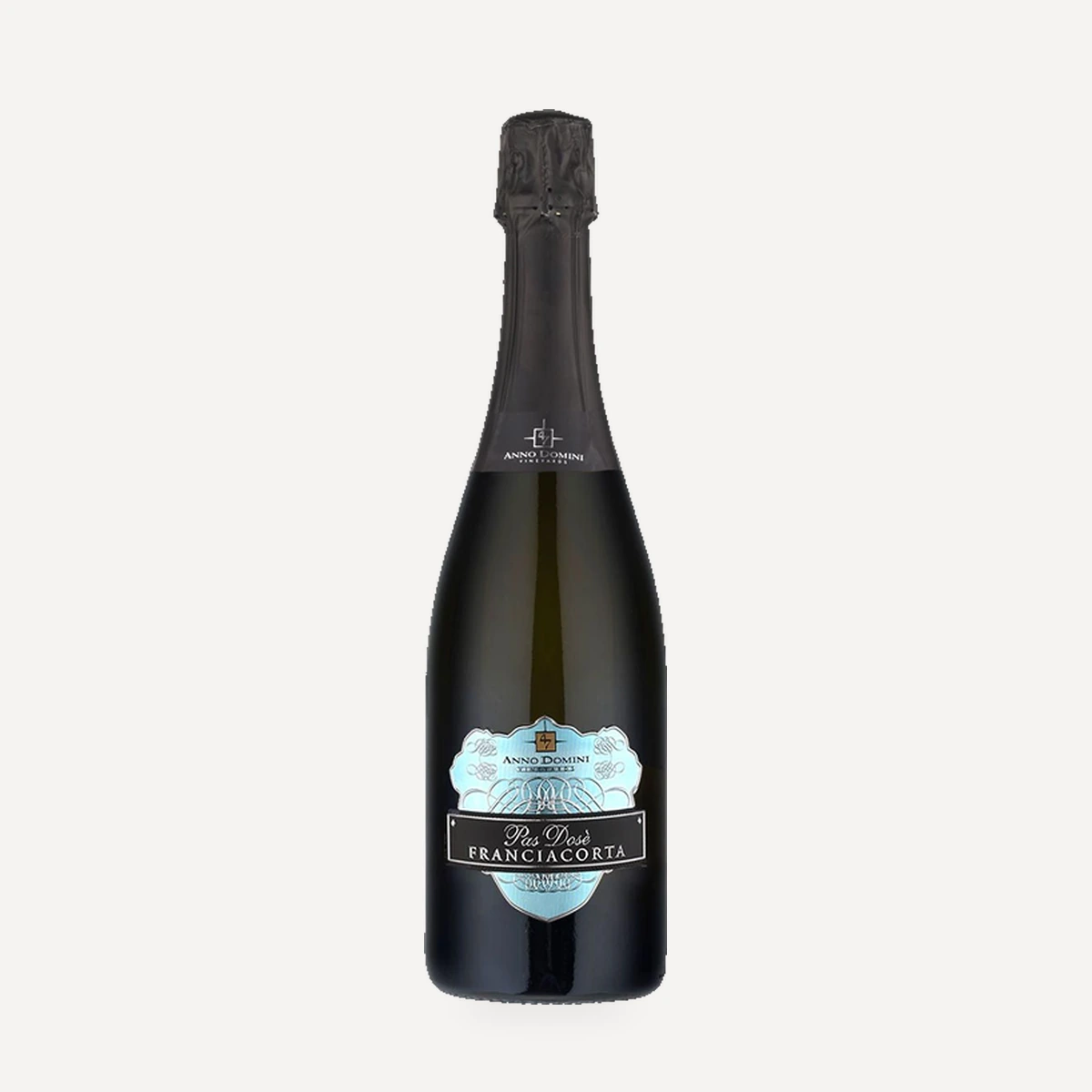
Storia
Batista and the family’s agricultural beginnings
The family story begins with Batista, who had long intended to become an agricultural entrepreneur. He returned from military service at the front with few material resources but established his own business through persistence and a willingness to take risks. His children later joined the enterprise, followed by his grandchildren. The Tombacco family’s broader winemaking tradition now extends over approximately a century.
Second and third generations
Management and the family’s agricultural vocation passed to the second and third generations. Batista’s grandsons Cristian and Andrea founded 47 Anno Domini as the family’s third and youngest winery, developing it as a distinct project combining wine production, contemporary design, visual identity and hospitality.
The origin of 47 Anno Domini
The winery stands along the route of the Via Claudia Augusta. Construction of the Roman road began under Emperor Augustus to connect Venice with the plains beyond the Brenner Pass and was completed under Emperor Claudius in AD 47. The winery’s name takes its number from the road’s inauguration year. A walkway at the property traces the point where the ancient route once passed.
A contemporary winery at Roncade
The Roncade winery was conceived as a meeting point between rational production needs and architectural aesthetics. Wood, glass and steel were combined in a building intended to evoke materials derived from nature. Its defining feature is The Eye, a large cantilevered window set into the façade and projecting toward the vineyards. Natural light enters through this window and illuminates the reception and hospitality spaces.
The project developed around the idea of “wine by design”: machinery, architecture, bottles, labels and visitor spaces form part of the same visual language. An Ethics Code was subsequently adopted to formalize commitments concerning quality and relationships with partners and collaborators.
Recent production and sustainability development
Between 2023 and 2025, wine processed declined from 25,190.06 hl in 2023 to 20,513.03 hl in 2024, then stabilized at 20,730.13 hl in 2025. Bottled volume, managed through specialized external partners, was 2,245.17 hl in 2023, 2,512.52 hl in 2024 and 2,238.47 hl in 2025. Its share of processed volume consequently moved from 8.91% to 12.25% and then 10.80%.
The company formalized an ESG-based sustainability framework covering environmental performance, workplace practices and governance. Its 2025 Sustainability Report documented 84 ha under vine, ten employees, SQNPI vineyard management, SQNPI and organic certification for the winery, renewable-energy production, resource monitoring, complete recovery of monitored waste and measurable targets through 2027.
Terroir
The vineyards are centred on Roncade in the province of Treviso, with the estate’s wider viticultural territory extending across the provinces of Treviso and Venice. The vines grow in fertile clay soil rich in mineral salts. The soil is also described as difficult and demanding to cultivate; its combination of fertility, clay and minerals contributes sweetness, intensity and a distinct personality to the grapes.
A defining climatic influence is the Garbin, the Venetian name for the Libeccio. This warm wind reaches the countryside from the Venetian lagoon at different times of year and with varying intensity. It can warm or cool the air and mixes atmospheric layers, reducing differences in carbon dioxide, oxygen and water-vapour concentrations. By lowering relative humidity, it can increase vine evapotranspiration and water demand, but it also inhibits conditions favourable to powdery mildew, botrytis, other fungal diseases and certain insects or virus vectors.
The Garbin is presented as a link between the vineyards and the lagoon: it carries maritime air toward the rows and helps shape the local microclimate affecting soil, vines and grapes. Raboso vineyards surrounding the Roncade winery and those around Tezze di Piave are particularly associated with the production of grapes suitable for drying and extended maturation.
Vinificazione
Integrated and low-impact management
The 84 ha of vineyards are managed according to the SQNPI — Sistema di Qualità Nazionale di Produzione Integrata protocol. Interventions are calibrated to balance production with reduced environmental impact and preservation of soil vitality. Agronomic decisions are based on observation of the soil, climate and seasonal conditions.
Soil and fertility
Spontaneous vegetation is retained between the rows and alternated with controlled mowing. Soil cultivation is reduced to the minimum considered necessary. Herbicide use is limited and regulated under the applicable production protocol. Fertilization follows soil observation and analysis rather than a fixed schedule: additions are made only where and when required. The estate also describes the use of plant-derived fertilizers rather than materials of animal or synthetic origin.
Vineyard protection and canopy work
Disease and pest management combines prevention, monitoring and targeted intervention. Sexual-confusion techniques are used for insect control. Treatments are recorded, controlled and applied only when necessary, with materials such as copper and sulphur. Pruning, shoot thinning, trimming and leaf removal are used to balance the vines, improve aeration and grape quality, reduce disease pressure and limit subsequent corrective treatments.
Water management
Irrigation is treated as an exceptional response rather than a routine operation. A suspended Israeli-type drip network runs for approximately 300 km across all rows. Water is delivered precisely at the base and root zone of individual vines only when monitoring indicates a deficit. This improves distribution and limits unnecessary consumption.
Biodiversity
Bees are present in the vineyards and are treated as indicators of biodiversity. Hunting is prohibited within company properties. The Garbin wind further reduces relative humidity and helps limit moulds and certain pests.
Resource intensity
Agricultural diesel use increased from 24,541 litres in 2023 to 33,000 litres in 2024 and 39,000 litres in 2025, equivalent to 292, 393 and 464 litres per hectare respectively. The increase reflects greater mechanical activity associated with climatic and agronomic conditions. A 2027 target calls for a 10% reduction in fuel consumption per hectare through better coordination of passes, improved work planning and evaluation of more efficient machinery.
Scope of production
47 Anno Domini directly manages the vineyards and the initial transformation of grapes. Work performed on site encompasses grape reception, crushing, initial fermentation and controlled storage. Bottling is outsourced to selected specialist partners, while the company retains oversight of quality and continuity. In 2025 it processed 20,730.13 hl of wine; 2,238.47 hl, or 10.80% of the processed volume, was bottled through external partners.
Reception and transformation
Incoming grapes are identified, checked and transferred rapidly to processing. Every lot and operation is recorded so that the path from vineyard to tank can be reconstructed. Crushing and pressing are deliberately gentle to reduce mechanical stress and protect delicate components. Inert gases and targeted technologies are used to preserve aromas and prevent unwanted oxidation.
Fermentations are followed through continuous parameter monitoring and temperature control. Protocols vary by wine type and are intended to combine process precision with the characteristics of each variety. Following initial transformation, wine is stored under controlled conditions until the subsequent production stages.
Clarification, stabilization and vegan practice
The production process uses enzymes, yeasts, fermentation nutrients, clarifying agents, bioprotective products, tannins, sulphur dioxide and stabilizers according to the requirements of the vintage and individual lots. Total oenological inputs were 1,745 kg in 2023, 1,739 kg in 2024 and 1,386 kg in 2025. The 2025 total included 211 kg of enzymes, 34 kg of yeasts, 50 kg of nutrients, 800 kg of clarifying agents, 7 kg of bioprotectors, 50 kg of sulphur dioxide, 230 kg of tannins and 4 kg of stabilizers.
Only plant- and mineral-derived materials are used during filtration and clarification. The exclusion of animal-derived processing aids underpins certification by The Vegan Society.
Hygiene, storage and by-products
Cleaning and sanitation are integrated into cellar quality control. Equipment is maintained in suitable condition and workspaces are managed to prevent contamination. Estimated detergent use remained broadly stable at 650 kg in 2023, 666 kg in 2024 and 660 kg in 2025.
Pomace and lees are collected separately and sent for recovery rather than treated as undifferentiated waste. Pomace is also reused through a bio-liquefaction process to make natural cosmetics. Refrigeration groups are relatively new, receive regular maintenance and have no recorded technical-gas leakage.
Process control and future objectives
The governing principle is to intervene as little as possible while monitoring as closely as possible. Technology supports experience through lot identification, documented controls, temperature management and wine-specific protocols. Targets for 2027 include a 5% increase in production yield, a 10% reduction in process losses, expanded departmental KPI monitoring and greater digitalization of production data.
Filosofia
47 Anno Domini defines sustainability as a daily operating principle rather than a separate endpoint. Its approach begins with observing the land before intervening, respecting natural timing and seeking balance between production and the ecosystem. Nature is treated as an ally, the soil as a living system and quality as the result of a healthy production environment.
The cellar’s guiding formula is minimal intervention supported by intensive control. Technology is intended to reinforce, rather than replace, experience: vineyard decisions continue into the cellar through gentle transformation, precise monitoring and wine-specific protocols.
The identity of the winery also joins wine with aesthetics, architecture and culture. “Wine by design” is expressed through the building, production equipment, labels, bottles and visitor experience. Wine is treated not simply as a commodity but as an experience and a means of connecting people, place, art and memory.
Its ESG framework links environmental resource management with safe work, staff development, transparent governance and measurable improvement. Employees participate in establishing performance indicators and objectives. Supplier assessment considers quality, reliability, environmental attention and ethical conduct as well as commercial terms.
Priorities through 2027 include lower specific energy and water consumption, reduced agricultural-fuel use and waste, lighter and more recyclable packaging, improved production efficiency, digitalized data and annual safety and sustainability training for all employees.
Vini
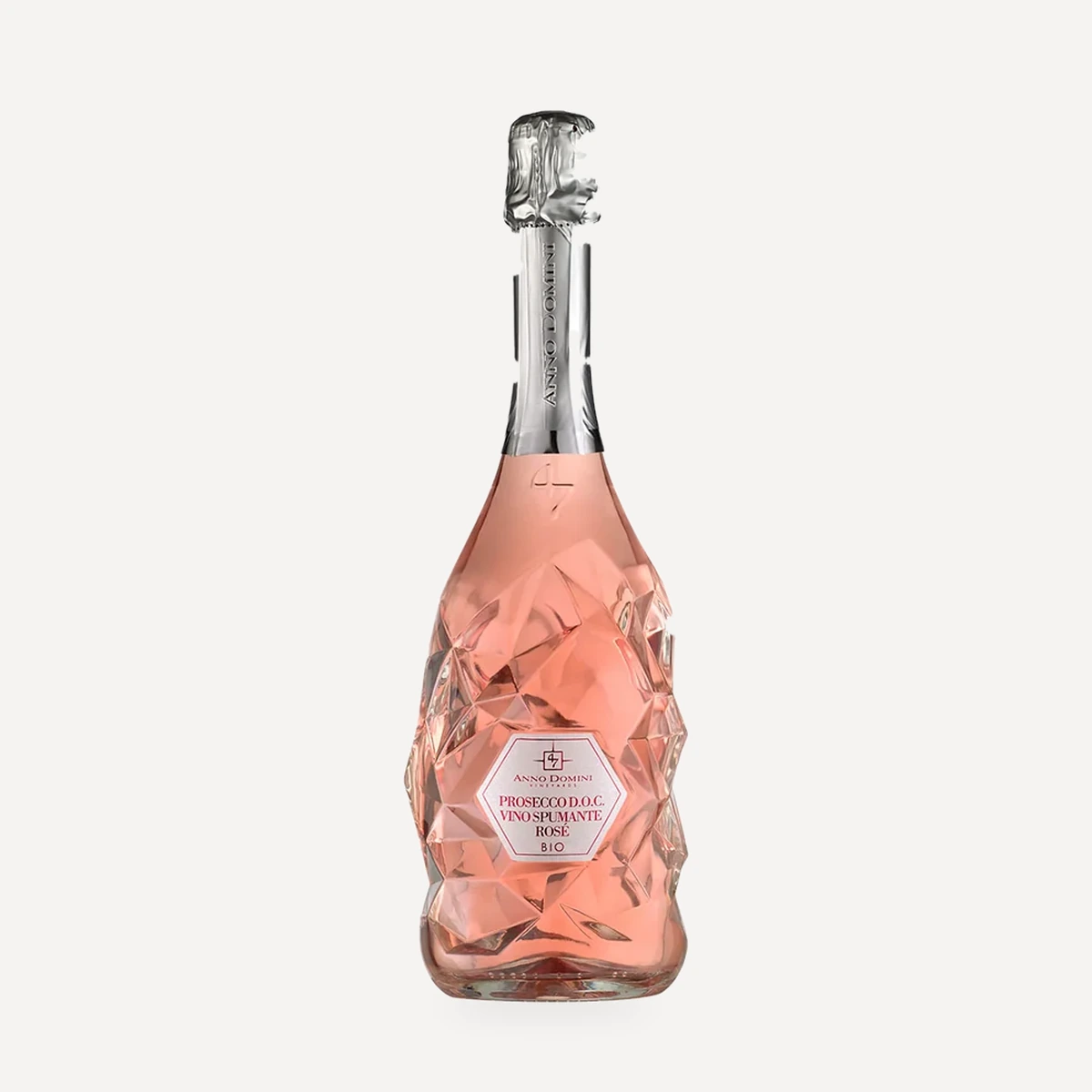
Prosecco Rosé DOC Spumante
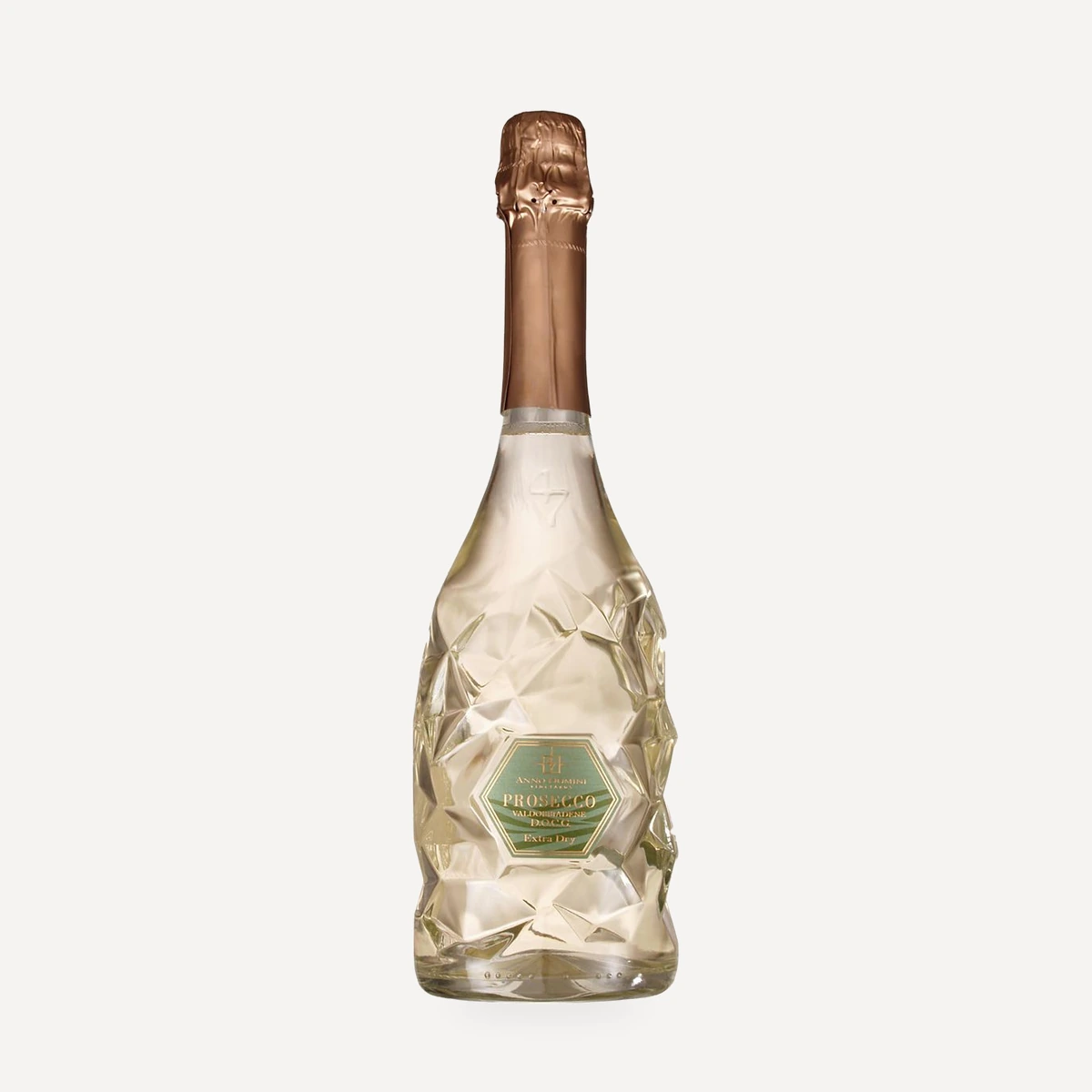
Prosecco Valdobbiadene DOCG Spumante Extra Dry
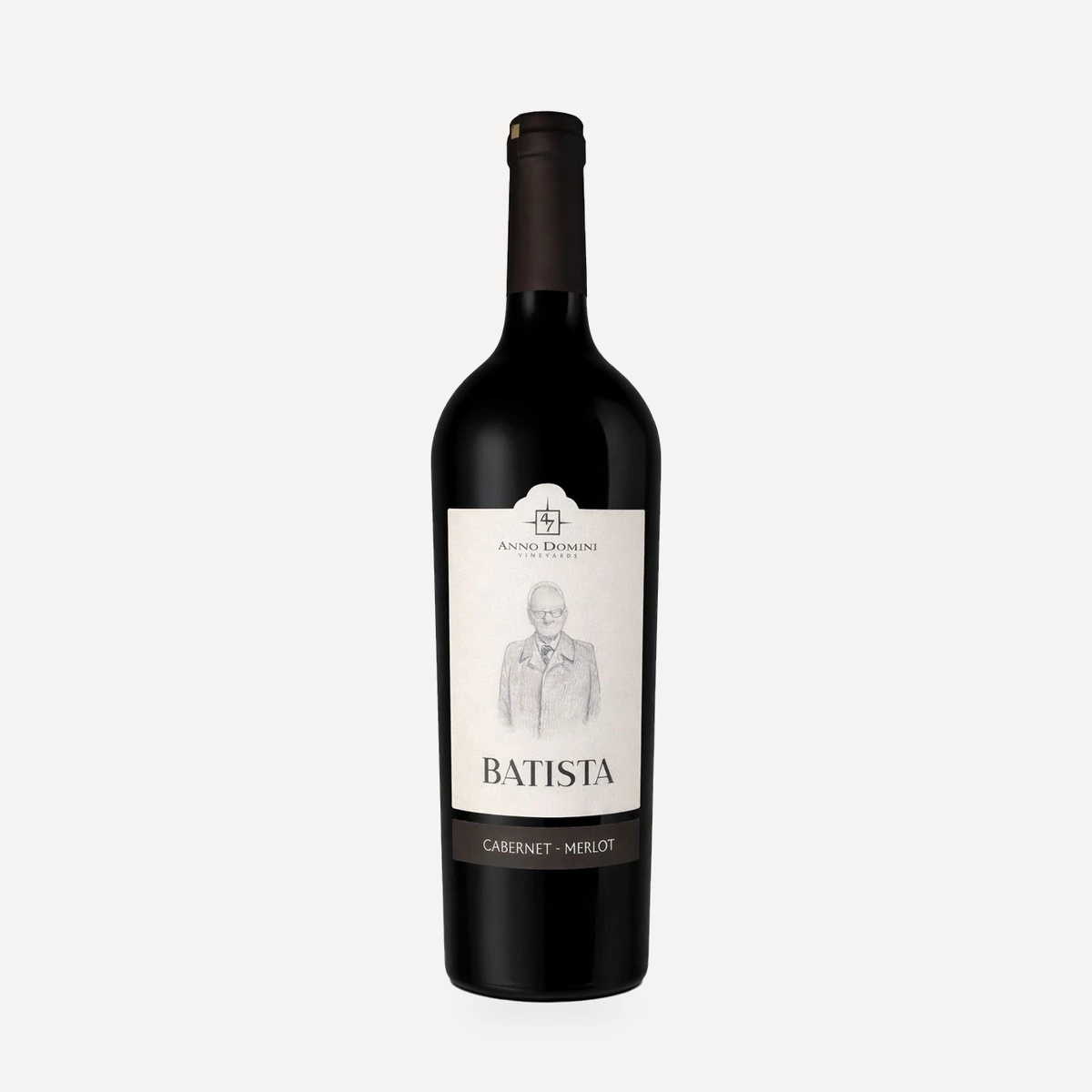
"Batista" Cabernet Merlot IGT Veneto
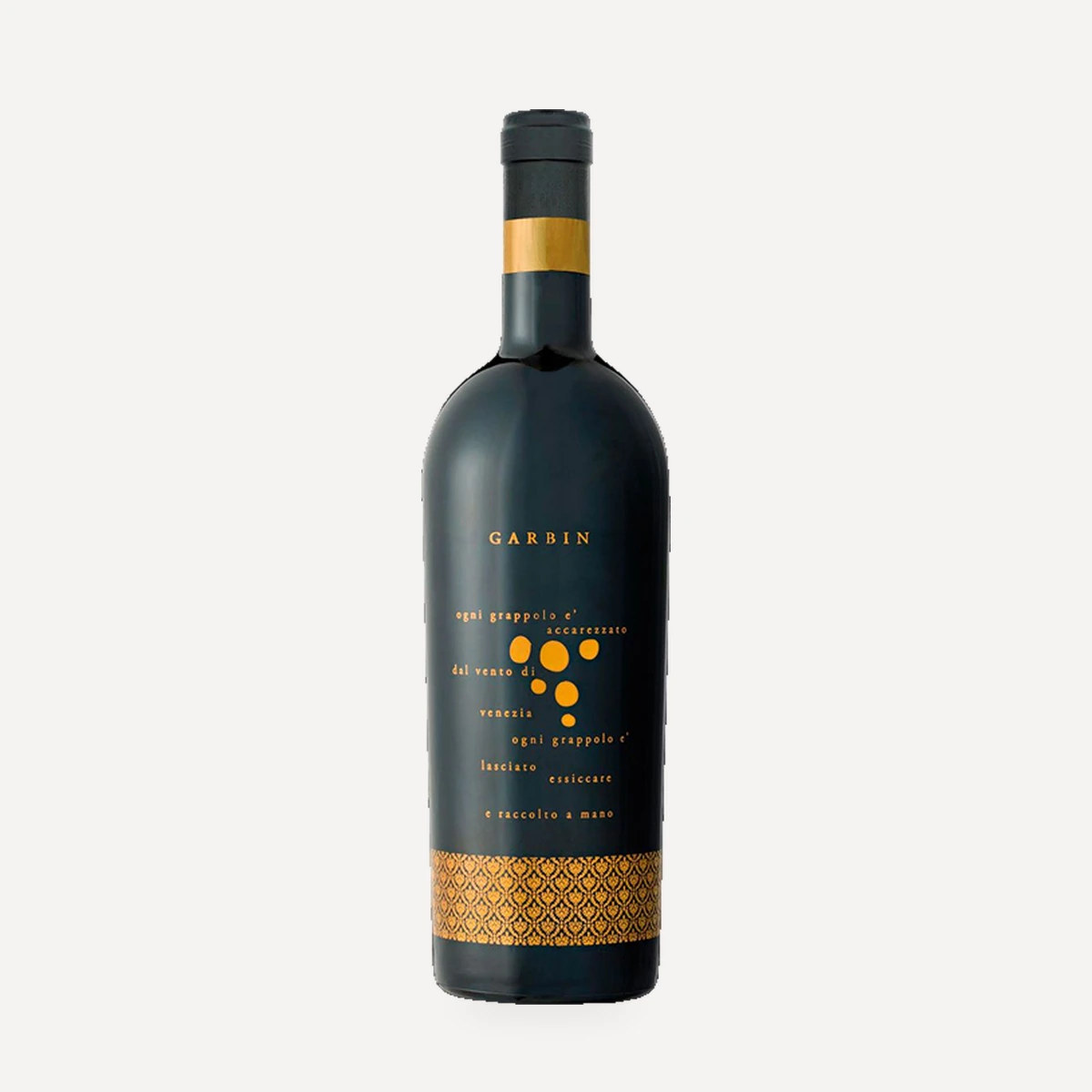
"Garbin" Vino Rosso
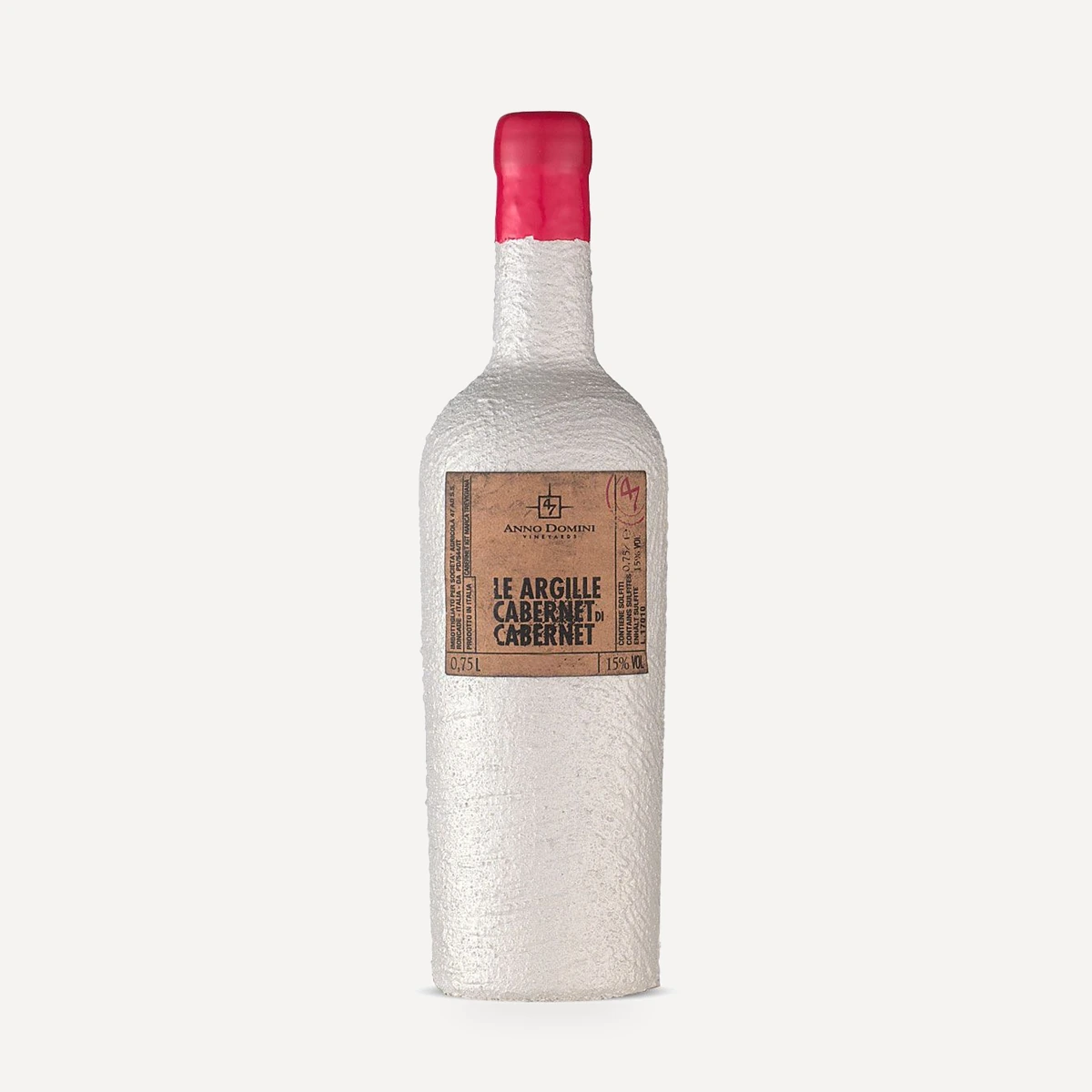
"Le Argille" Cabernet IGT Veneto
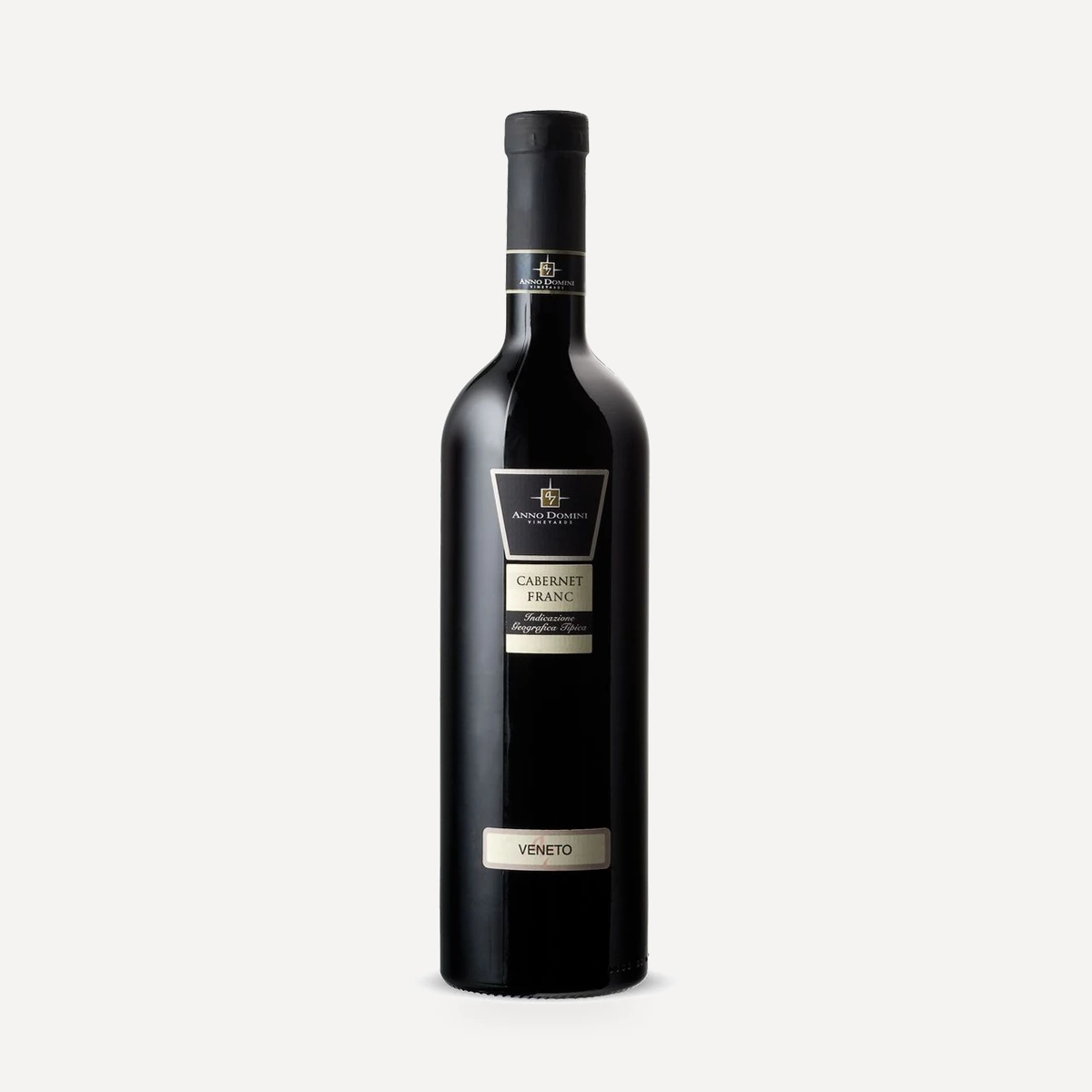
Cabernet Franc IGT Veneto
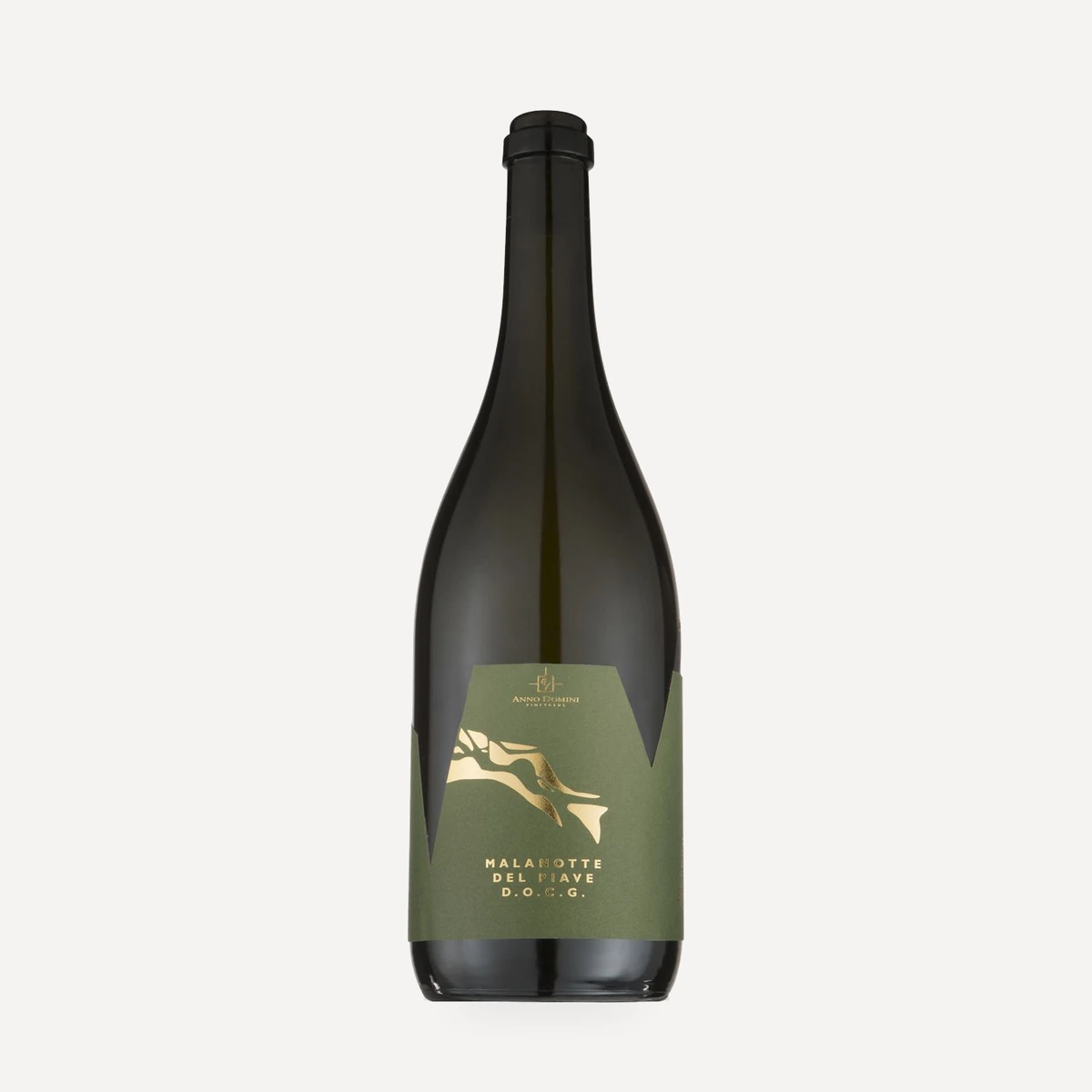
Malanotte del Piave DOCG
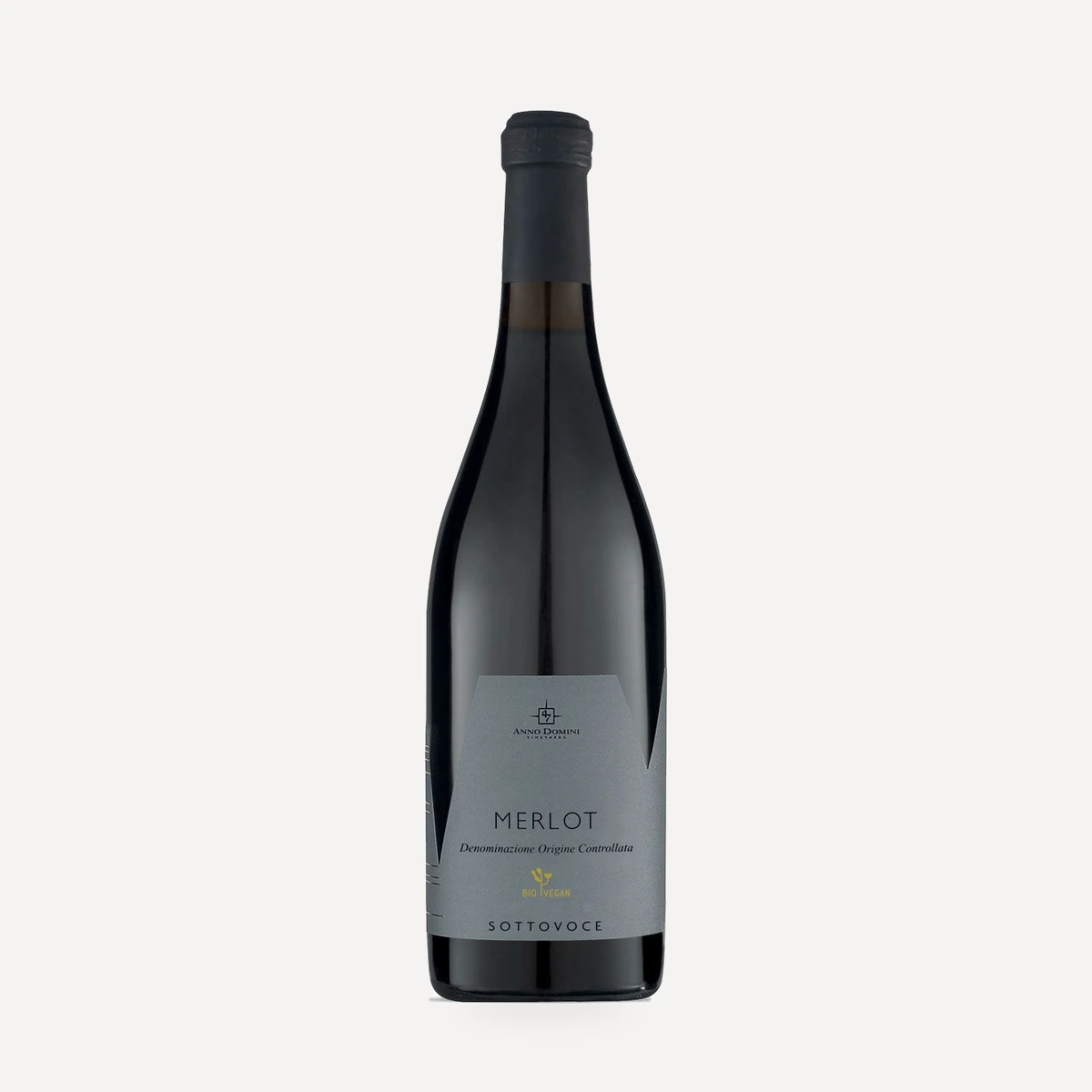
Merlot DOC Venezia
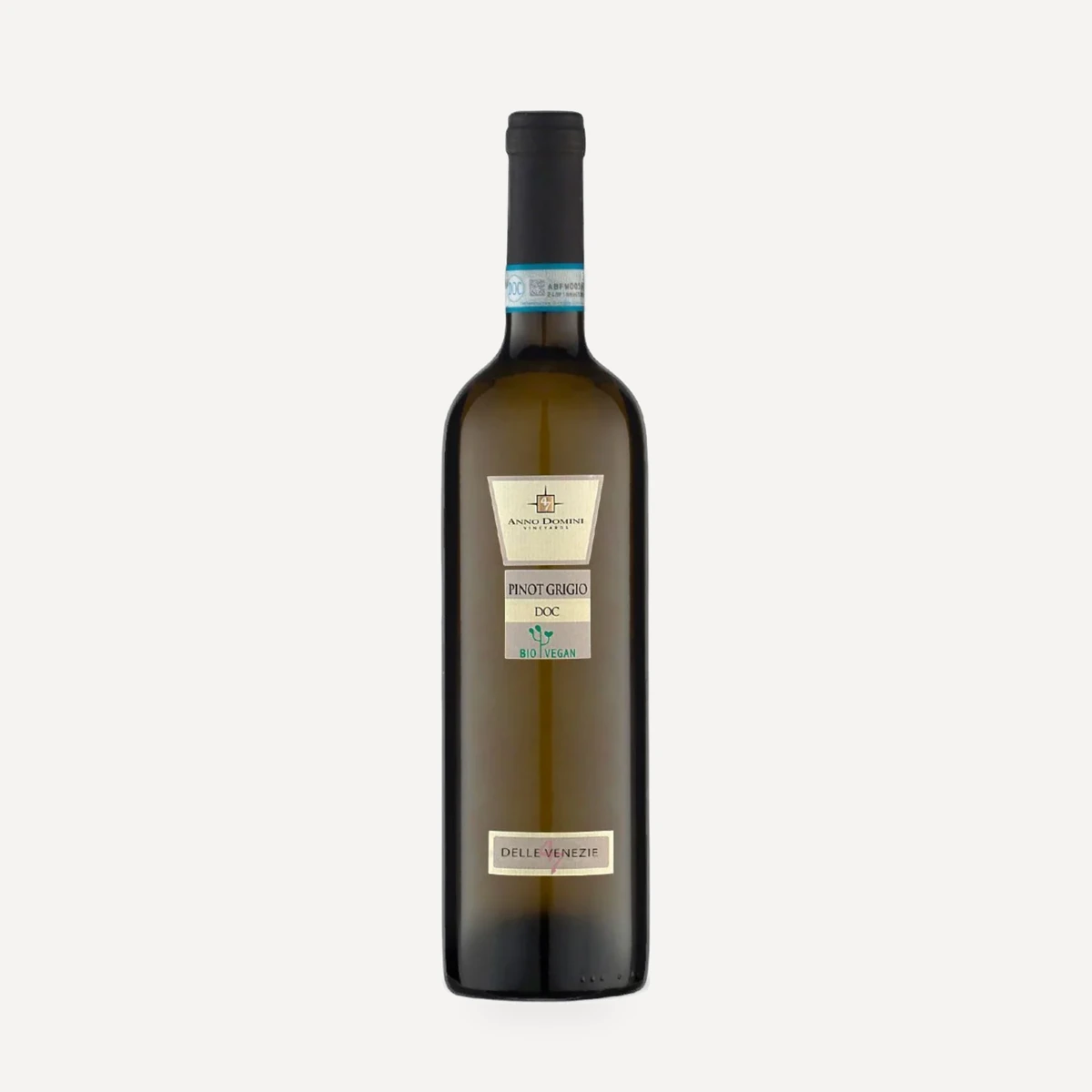
Pinot Grigio DOC Delle Venezie
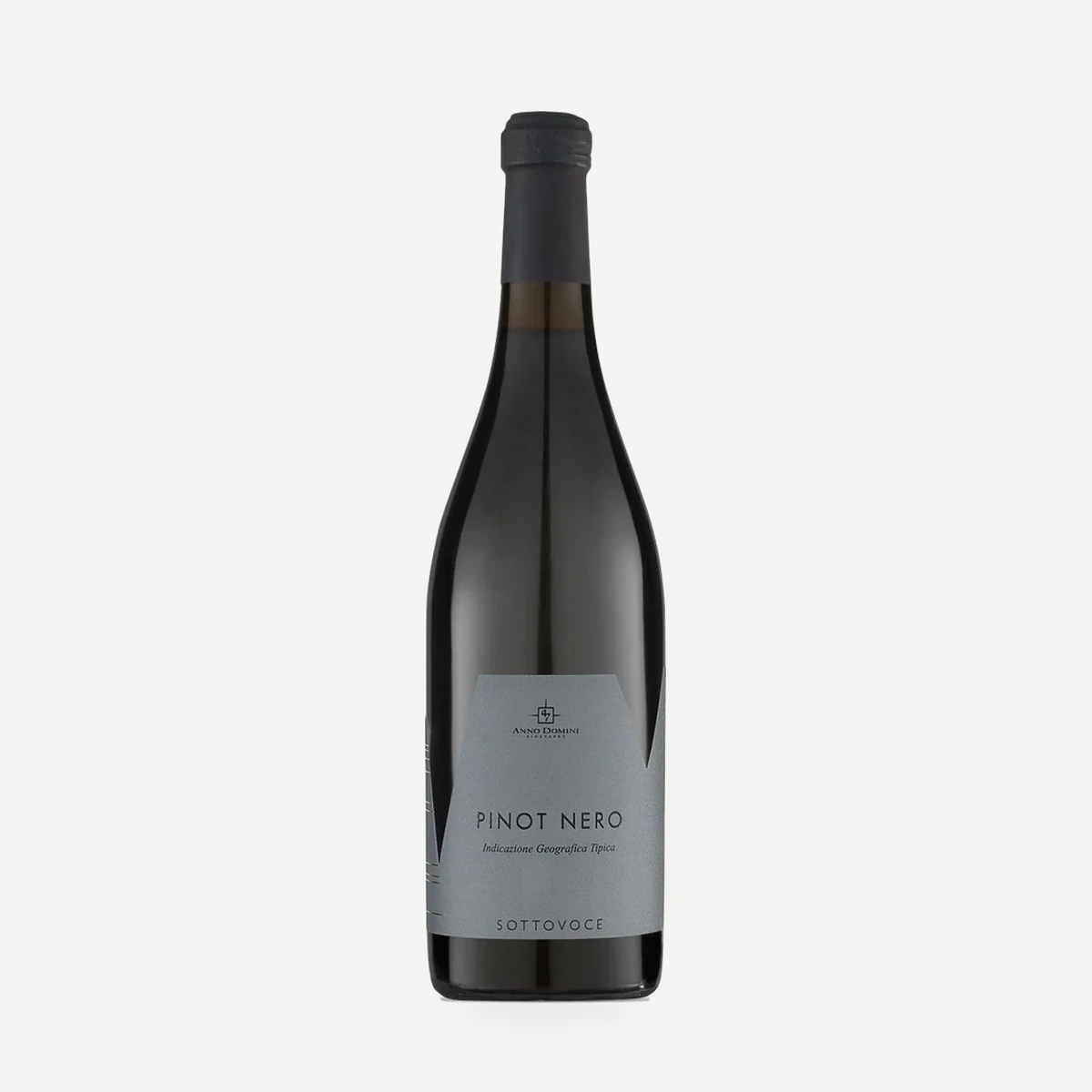
Pinot Nero IGT Veneto
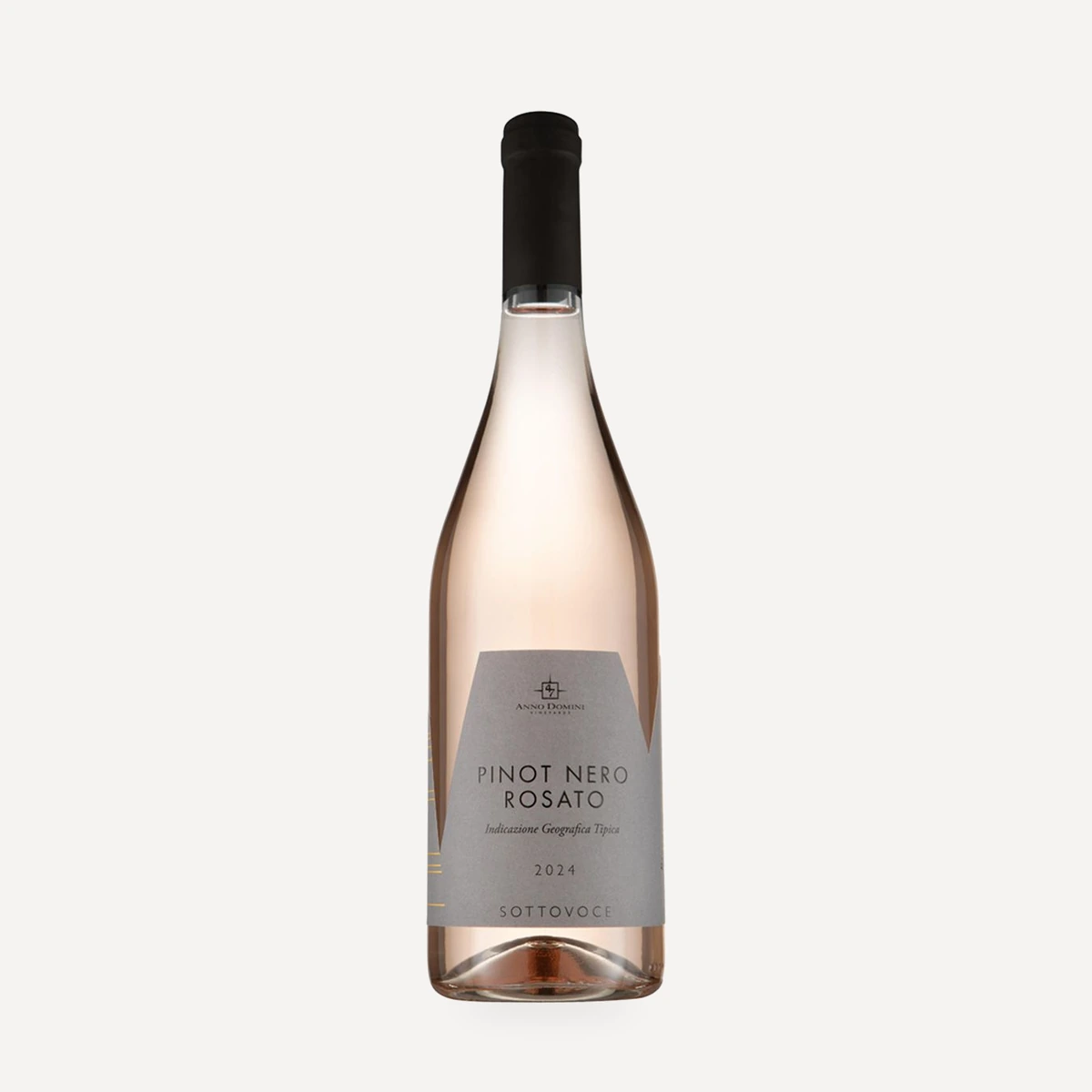
Pinot Nero Rosato IGT Veneto
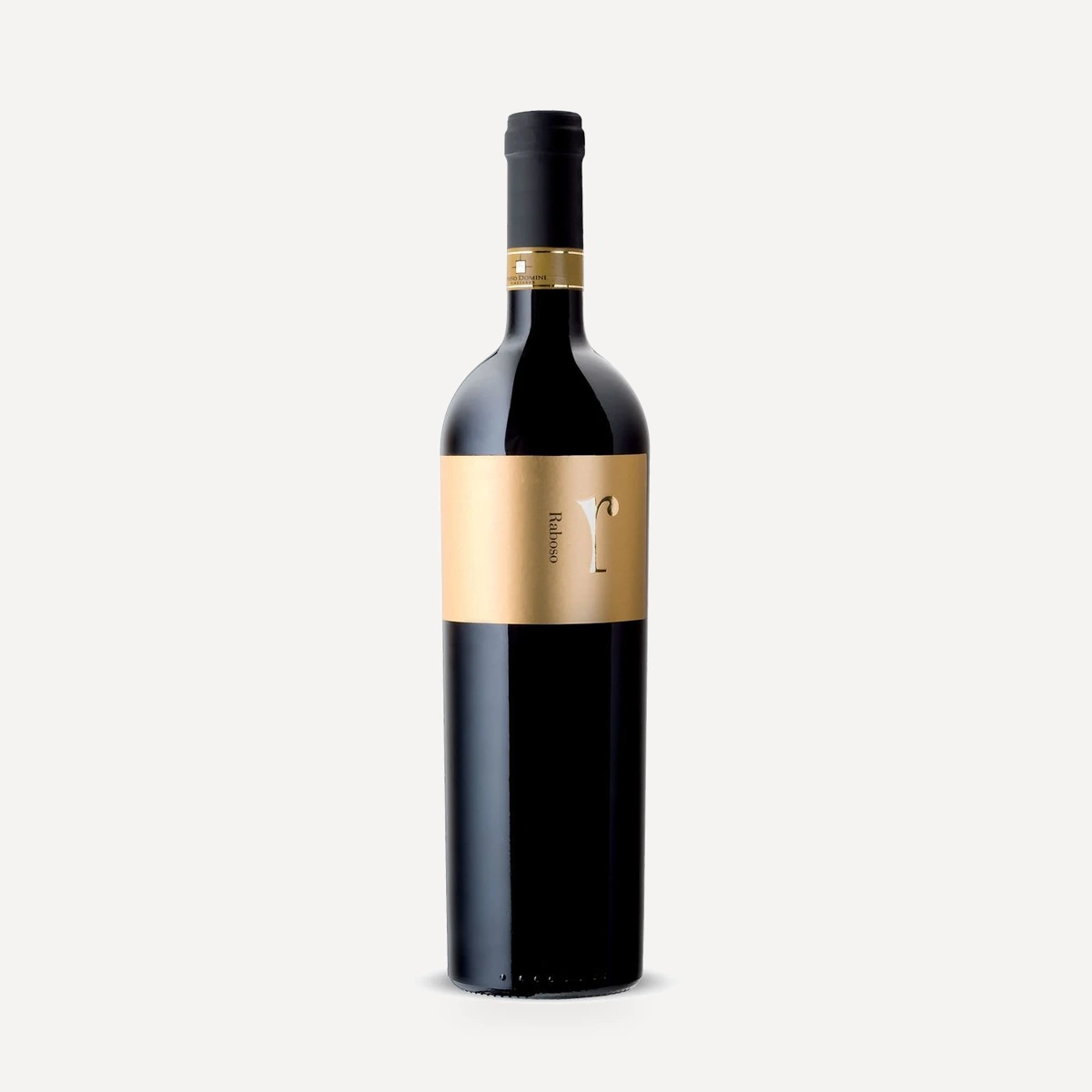
Raboso DOC Piave
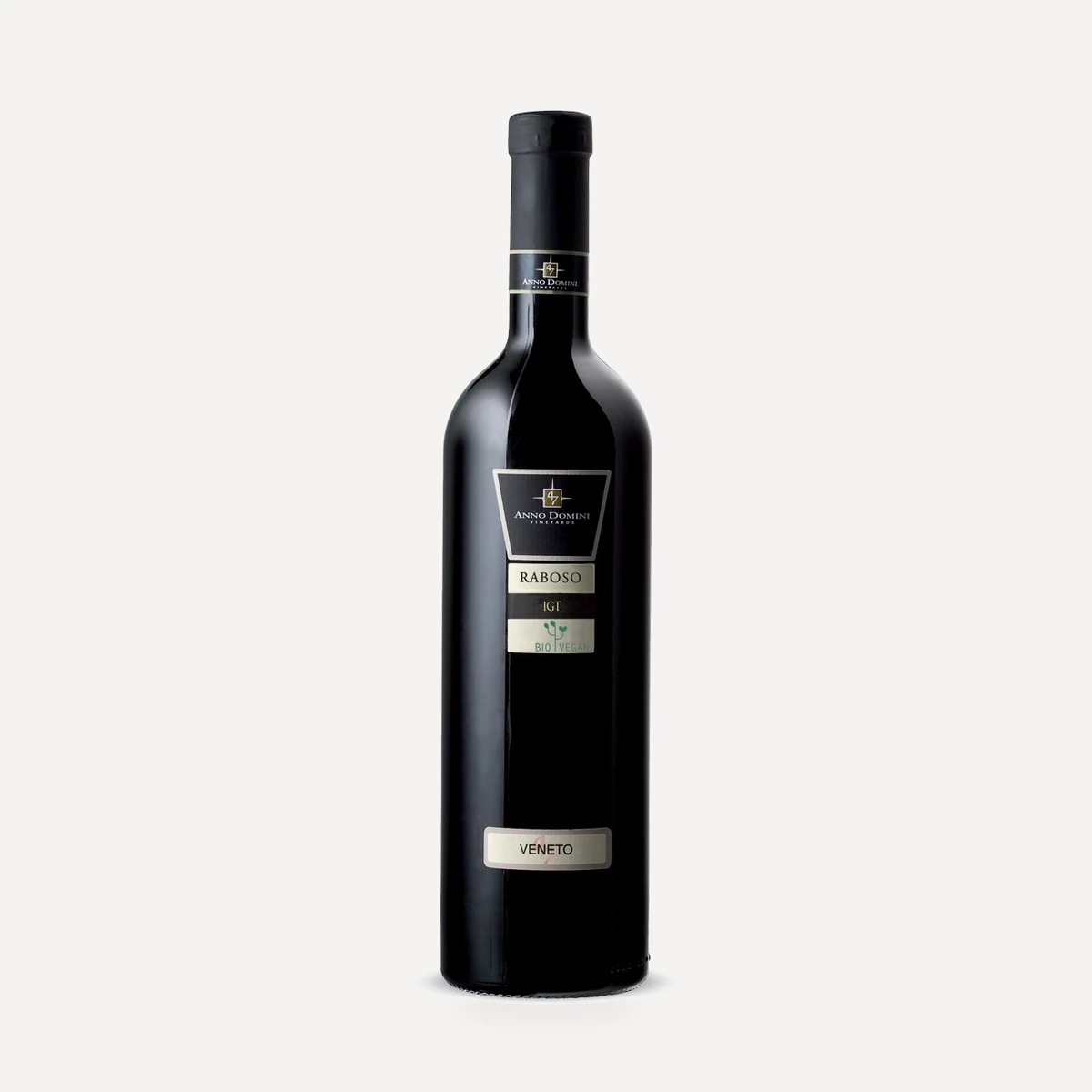
Raboso IGT Veneto
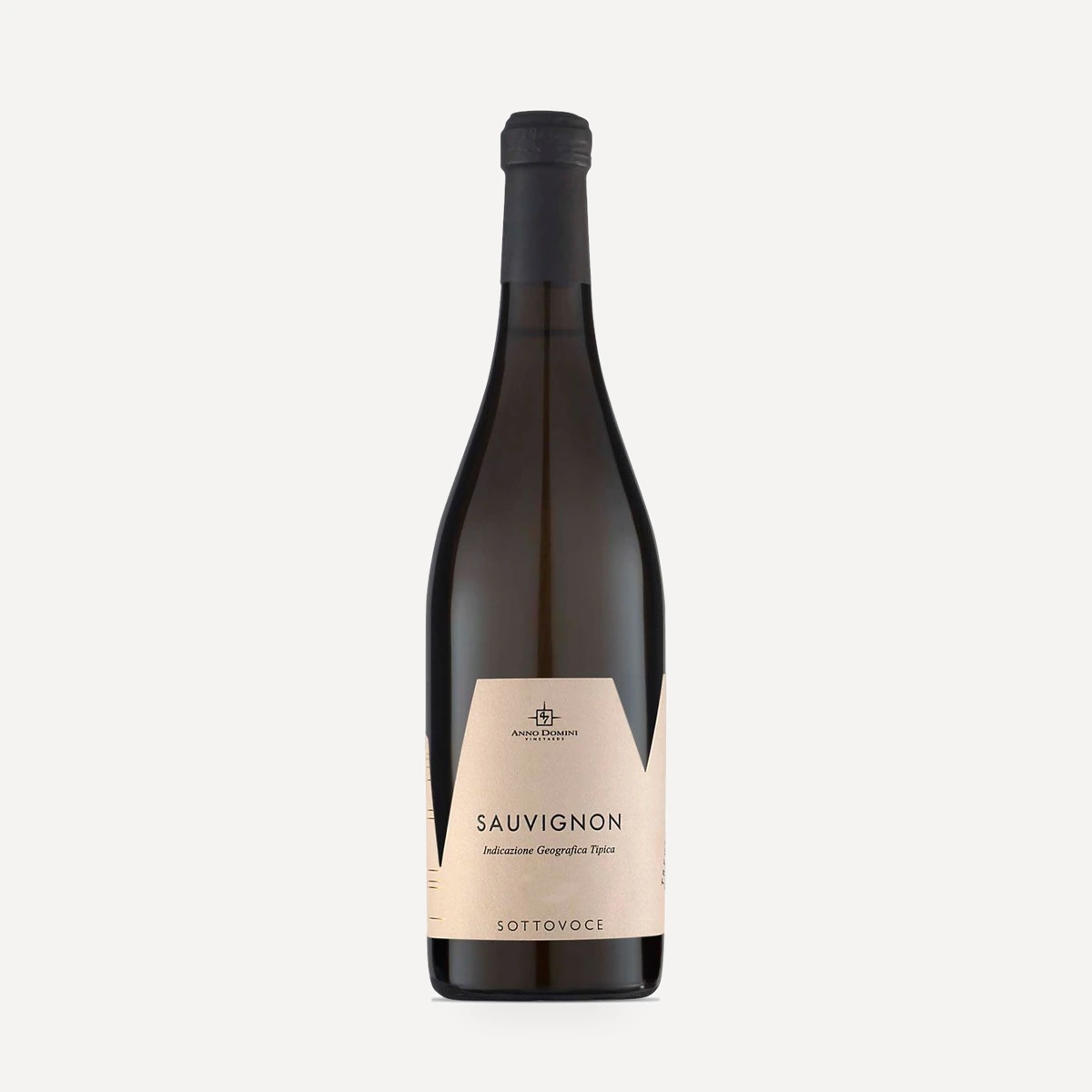
Sauvignon IGT TreVenezie
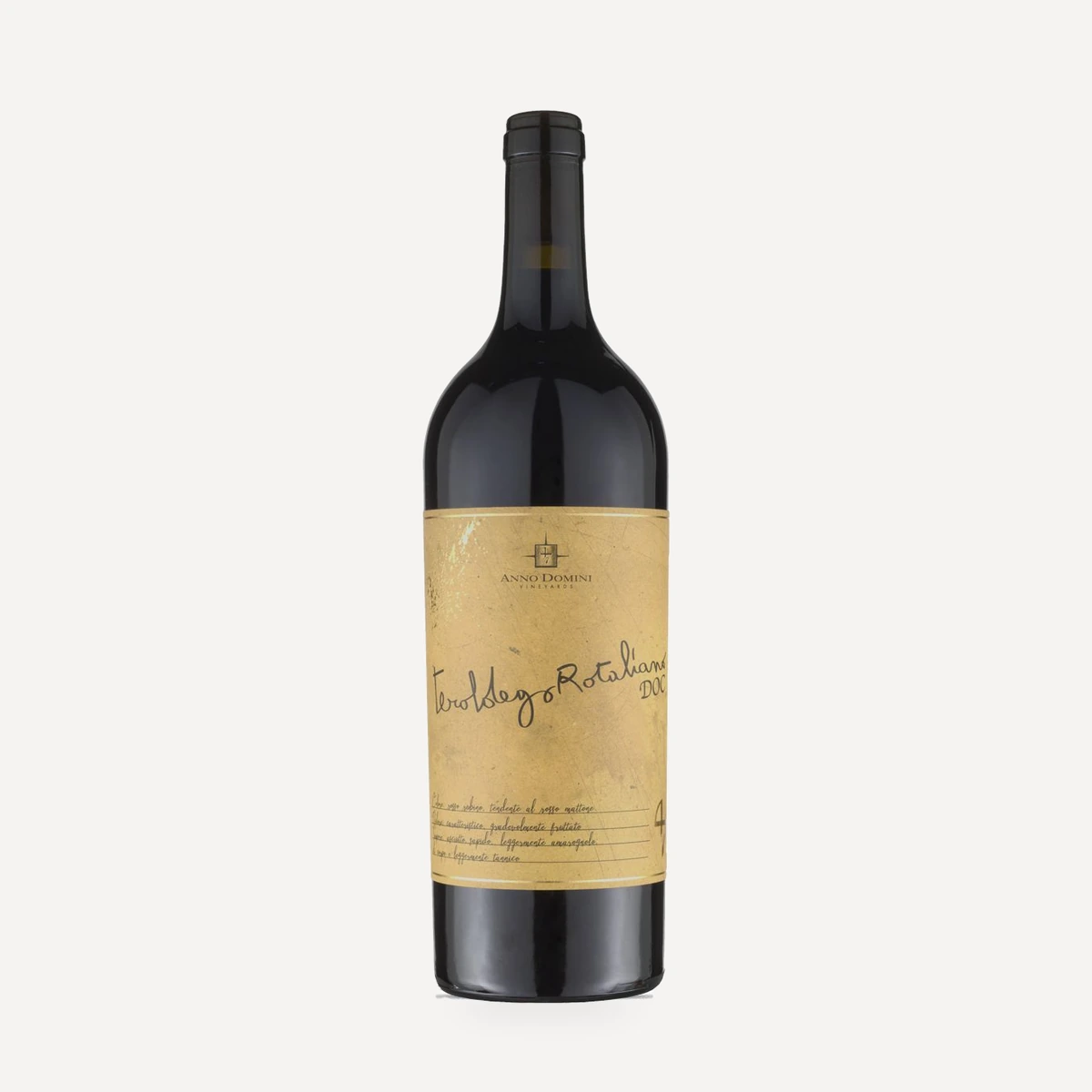
Teroldego Rotaliano DOC
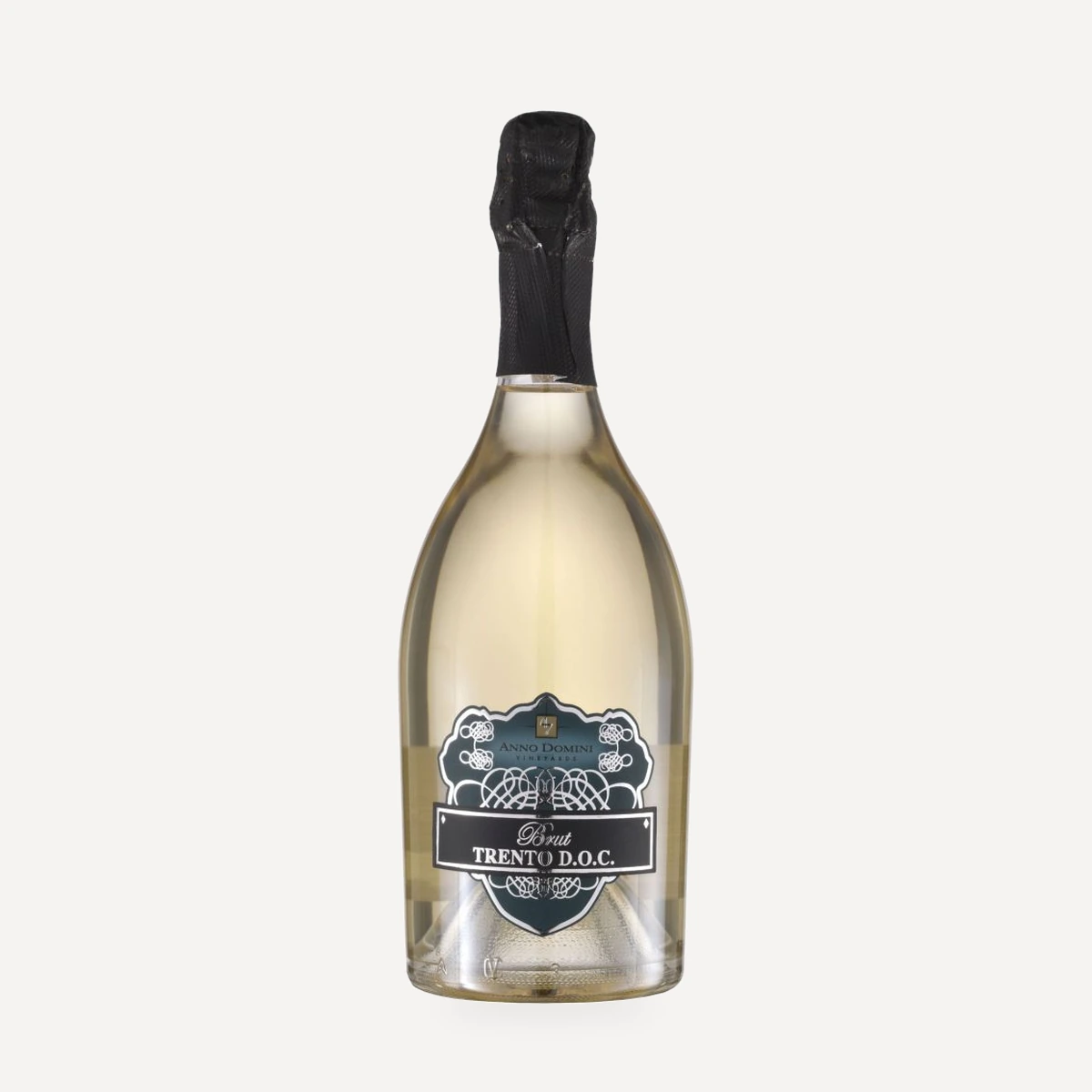
Trento DOC Brut
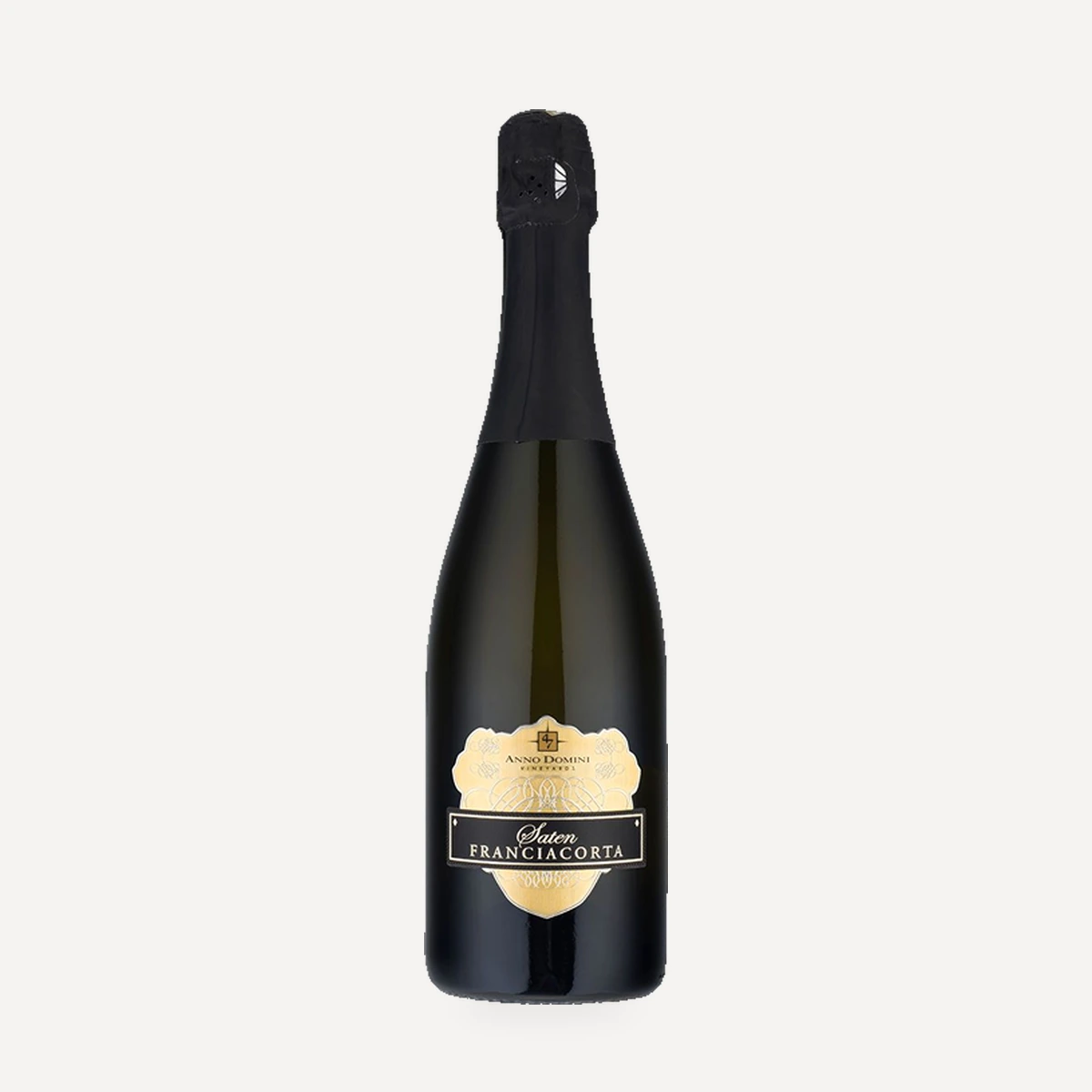
Franciacorta DOCG Satèn
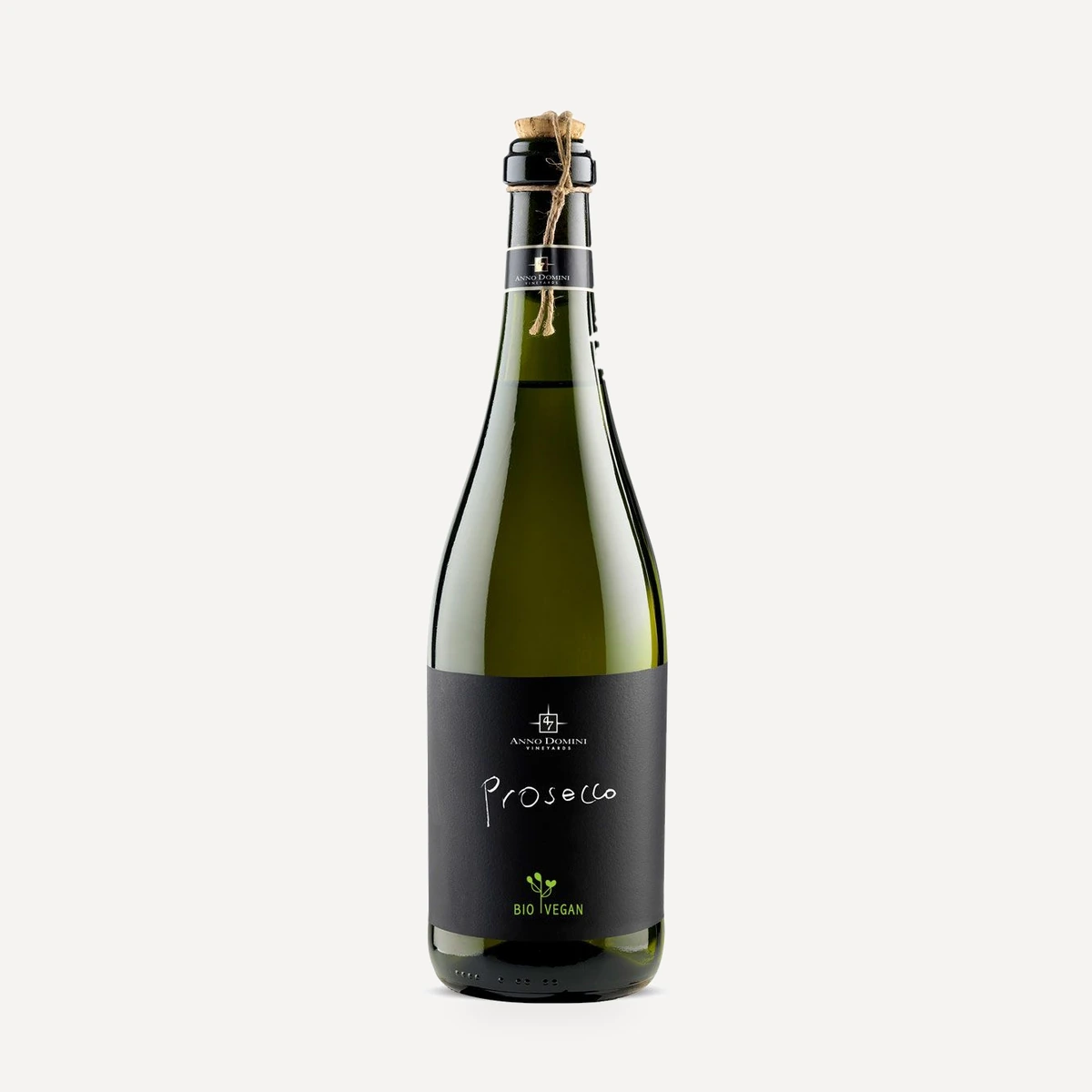
Prosecco DOC Frizzante Bio Vegan
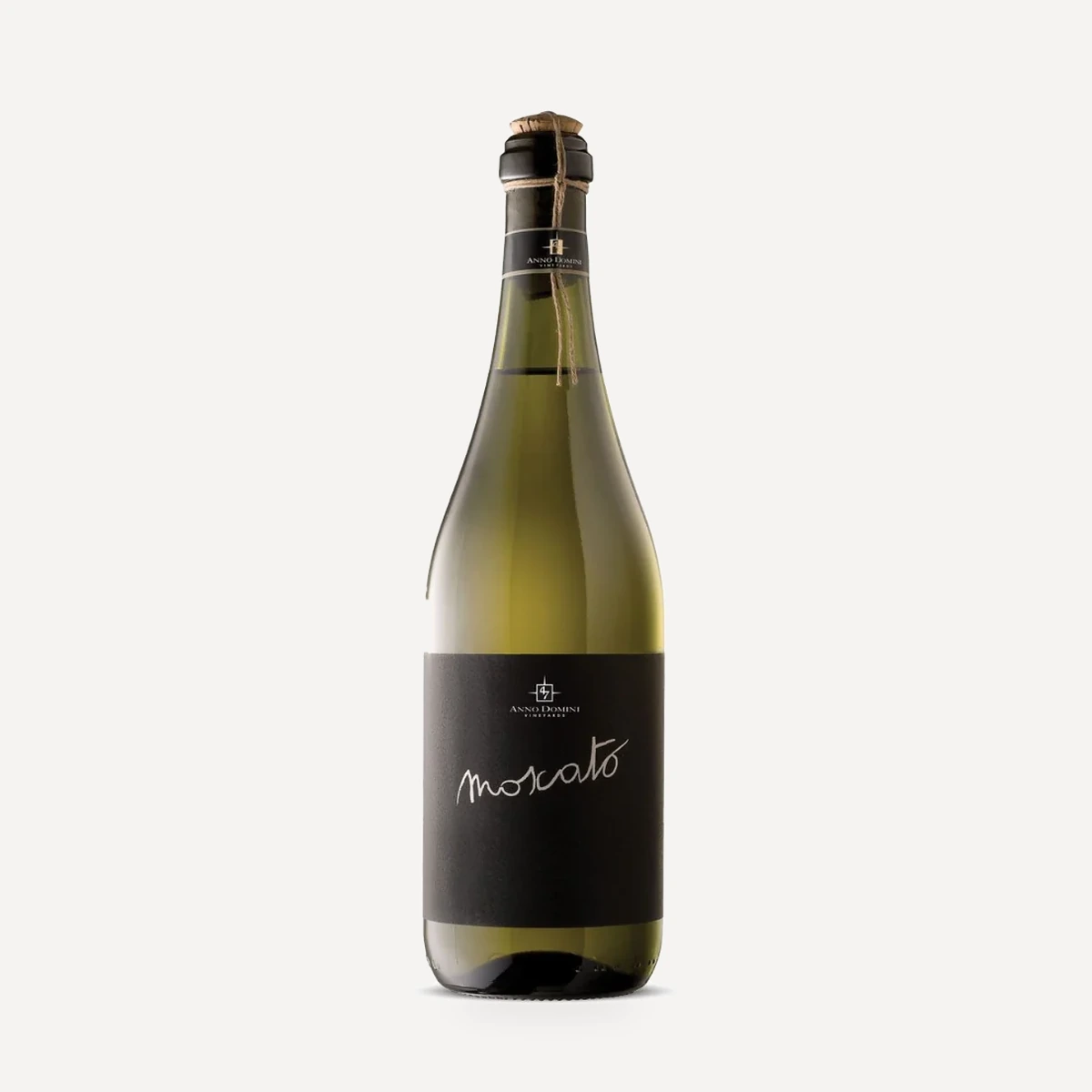
Moscato IGT Veneto Frizzante

Spumante Rosato Bio Vegan
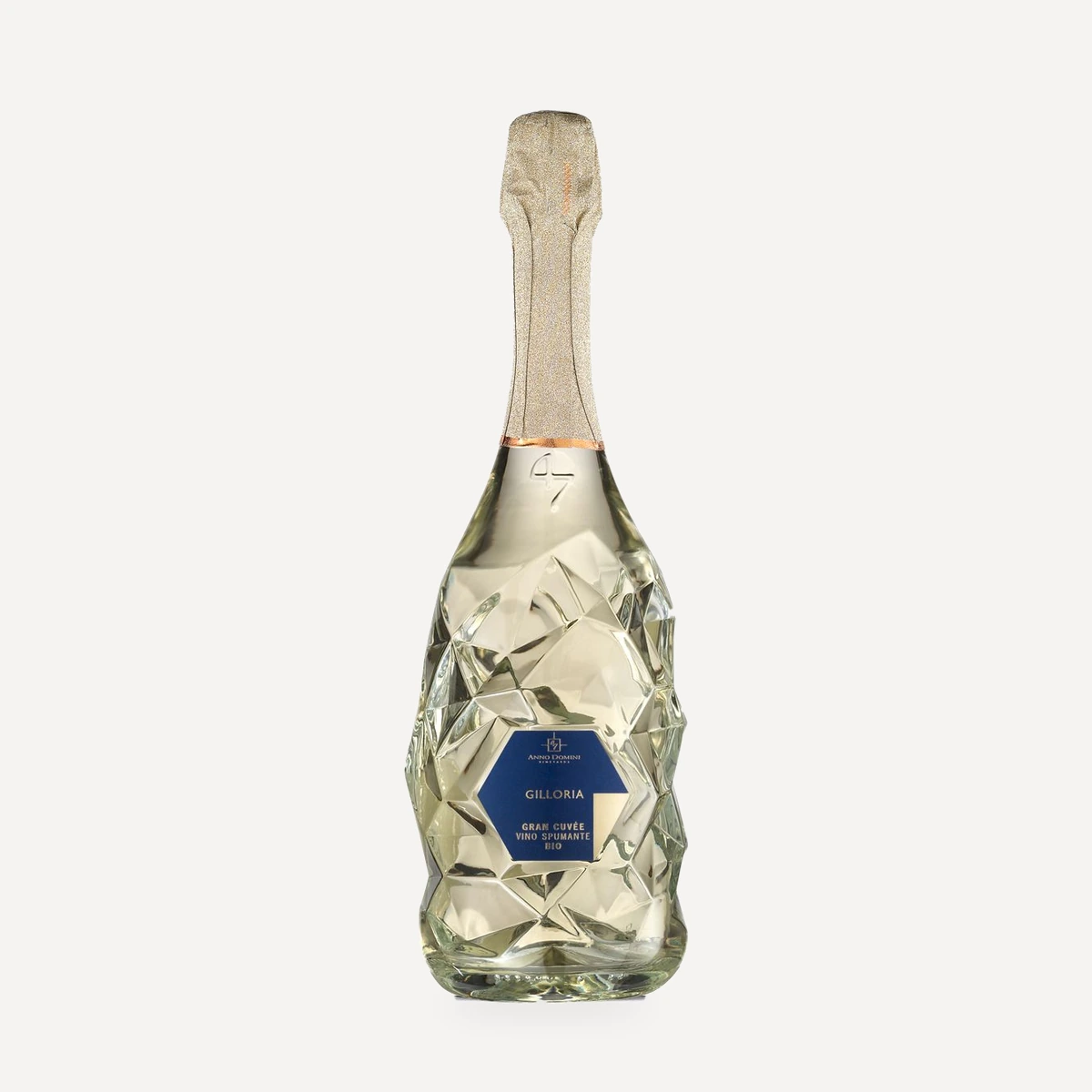
Gran Cuvée Vino Bianco Spumante
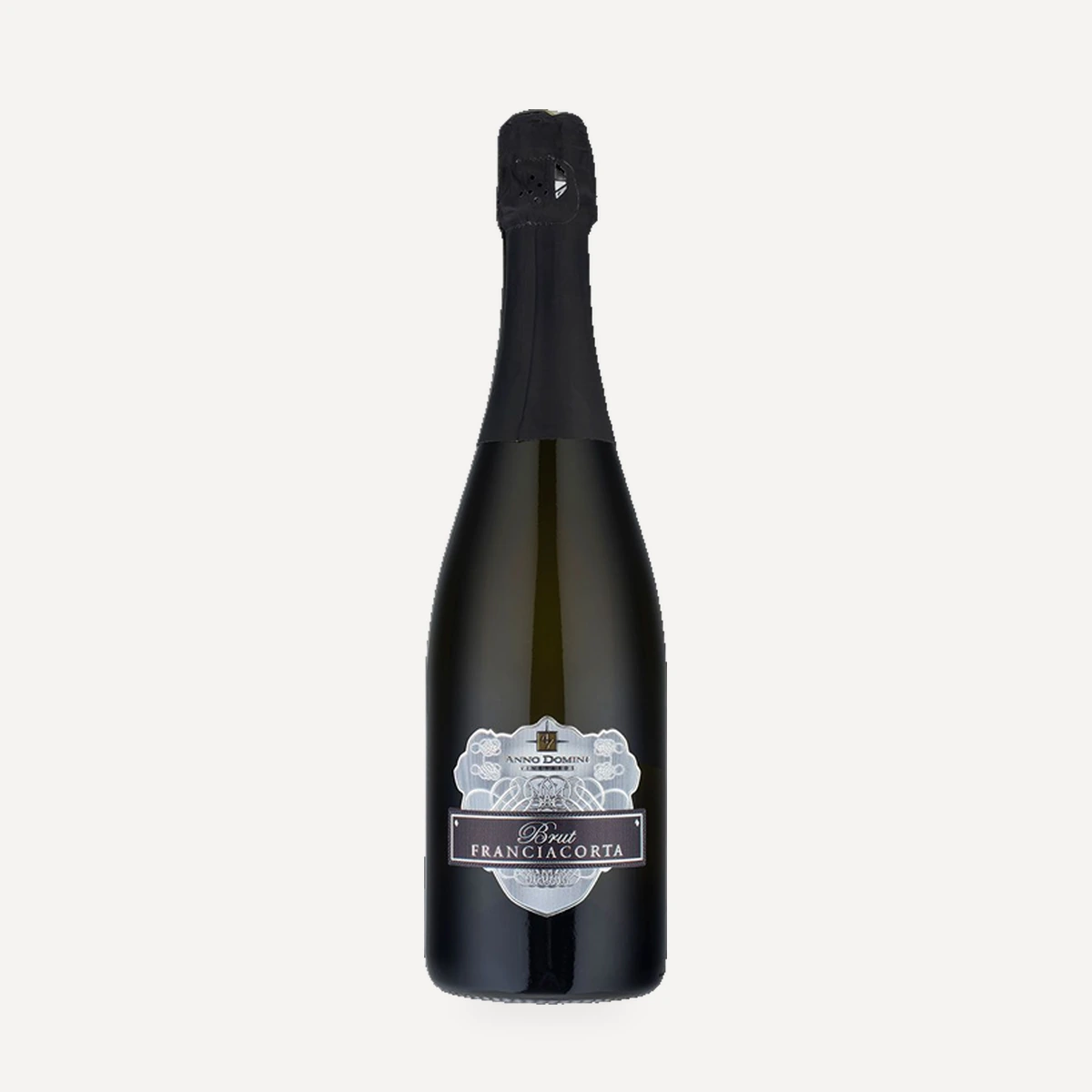
Franciacorta DOCG