Storia
Deep viticultural roots
Ai Galli’s territory lies between Veneto and Friuli Venezia Giulia. Viticulture in the Lison-Pramaggiore area was already established in Roman times and developed substantially under the Venetian Republic. The surrounding landscape retains traces of this history in Roman remains, medieval-walled settlements and old farmhouses.
The area’s historic white grape was long known as Tocai Bianco or Friulano. Following a dispute concerning the Tokaj name that had begun in the 1950s, European rules prohibited Italian producers from using Tocai Friulano and Tocai Italico on labels from 2007. The corresponding names became Friulano in Friuli Venezia Giulia, Tai in Veneto and Lison for the DOCG expression produced in the restricted historic zone. Within that zone, the additional Classico designation identifies an even smaller group of historic Tocai-producing municipalities and imposes tighter production restrictions.
More than forty years of Ai Galli
For over forty years, Ai Galli has pursued a consistent objective: producing wines defined by elegance, balance and territorial identity. Its working culture brings together inherited knowledge, traditional practices, research and modern vineyard and cellar technology.
During this period, the estate developed more than 60 hectares of vineyards across the Veneto–Friuli Venezia Giulia border area. Its focus evolved toward preserving and enhancing its oldest vineyards and toward interpreting individual vineyards as distinct crus, with grapes selected separately on arrival at the winery.
Contemporary direction
Ai Galli’s present approach connects the vineyard, cellar and finished wine as a single progression. Fruit is followed through fermentation, maturation and ageing in steel, concrete, wood and glass. The estate continues to emphasize patience, careful selection, the conservation of old vineyards and the expression of vintage and site differences.
Terroir
Position and landscape
The estate occupies more than 60 hectares of vineyards near Pramaggiore, where eastern Veneto meets Friuli Venezia Giulia. This is a broad plain extending from the Prealps and the foothills of the Dolomites toward the Adriatic, crossed by large rivers and supplied by springs originating in the Dolomites. The vineyard landscape includes old farmhouses, medieval-walled settlements and places preserving Roman remains.
Documented estate-grown parcels stand at approximately 25–40 metres above sea level.
Soils and water
The vines grow principally in mineral-rich clay soils with a thin surface layer of calcium carbonate known as Caranto. This layer is of alluvial origin, formed through detrital material carried by nearby rivers. The soils retain water effectively, an important reserve during dry periods.
Within Venezia DOC, the prevailing soil composition is a balanced combination of clay and silt. Around Pramaggiore, at the heart of Lison-Pramaggiore DOC, the soils are particularly rich in calcium and calcareous clay. Estate technical profiles also characterize relevant vineyard soils as medium-textured and clayey.
Wind and temperature
Prevailing evening winds lower temperatures and produce a marked difference between day and night. This thermal excursion contributes freshness, while the soil’s water reserves support the vines through dry conditions.
The Prosecco DOC area is protected by mountains to the north and influenced from the south by sea breezes that bring frequent rainfall. During the September harvest, day–night temperature variation supports the aromatic ripening of Glera.
Territorial expressions
Ai Galli associates the combination of soil and microclimate with three recurring traits: elegance, freshness and minerality. The mineral character is particularly evident in white wines and may be expressed through sensations recalling silica, flint, marine salinity or hydrocarbons.
The estate’s concept of terroir also includes human knowledge accumulated over decades. Its cru approach treats the individual vineyard as the basis of a recognizable wine, with the objective of carrying the site’s identity from soil to bottle.
Vinificazione
Ai Galli treats grape quality as the essential starting point for wines of elegance and balance. Vineyard work combines inherited knowledge with contemporary techniques and technology, while seeking to respect natural cycles and the integrity of the land. Particular attention is given to conserving and enhancing the oldest vineyards because of their capacity to transmit the character of the terroir.
The annual cycle begins with winter pruning in January and February, while the vines are dormant. Pruning establishes the plant’s future shape, regulates its productive load and selects the fruiting canes from which the new season’s shoots will develop. In March, rising temperatures restart sap flow; the resulting “vine tears” at the pruning cuts precede budbreak by about a month. Buds open and the first shoots emerge through April and May, followed by flowering in June, fruit set and berry formation in July, and véraison in August.
Harvest begins when the fruit reaches the required balance between sugar and acidity, normally entering its principal phase in September. After the harvest, falling autumn temperatures lead to leaf fall in October and November, followed by deep winter dormancy in December.
The 2023 season illustrates the estate’s vintage-responsive work. A regular, cold and relatively dry winter was followed by a rapid rise in spring temperatures and accelerated vegetative growth. High temperatures and concentrated rainfall in June and July complicated phytosanitary management and delayed ripening by about 14 days compared with the preceding year. White varieties ripened in close succession, concentrating work in the first two weeks of harvest. Stable weather later allowed the red grapes to be picked by the first half of October. The complete harvest ran for 45 days, from 30 August to 13 October, and produced fruit judged to be of high quality despite the difficult season.
The cellar is conceived as a place where inherited experience and traditional methods of transforming grapes are preserved and combined with modern technology. Time and patience govern the process: each stage follows the wine’s own evolution, with elegance, harmony and balance as the intended result.
Grapes are carefully selected on arrival. This selection supports the cru approach by keeping the expression of individual vineyards distinct. The fruit then progresses through transformation into must, fermentation, maturation and ageing.
Four materials structure this journey. Steel is associated with preserving fruit expression; concrete with structure and breadth of flavour; wood with aromatic elegance; and glass with depth and integrity during final development. The estate’s production range consequently uses steel tanks, concrete vats, wooden vessels and bottle ageing according to the intended expression.
Across the production range, white grapes may be softly pressed before temperature-controlled fermentation in steel. Selected yeasts are used in documented vinifications, with maturation on fine lees also employed. Red grapes may ferment on their skins in temperature-controlled steel tanks, followed in some cases by malolactic fermentation and maturation in concrete or wood. Sparkling production includes the Charmat method, fermentation in pressure tanks, controlled cooling, maturation on yeasts, filtration and isobaric bottling.
Filosofia
Ai Galli defines its identity through passion, research, dedication and respect for tradition. Its stated goal is to create wines whose character rests on elegance, balance and fidelity to their place of origin.
The philosophy connects respect for the land with respect for time. Vineyard work follows the seasonal cycle, while cellar work avoids forcing maturation before the appropriate moment. Traditional knowledge is not treated as an alternative to technology: the estate combines both in pursuit of consistent quality.
Old vineyards occupy a central place in this outlook. Ai Galli seeks to preserve them for their ability to deliver intact fruit and communicate the estate’s terroir. The same principle underlies its cru concept, in which an individual vineyard is capable of producing a distinct and recognizable expression.
Human continuity is considered part of terroir alongside soil and climate. The bond between people and land, knowledge passed down over decades, care for natural integrity and a continuing desire to improve form the estate’s declared understanding of territorial wine.
Vini
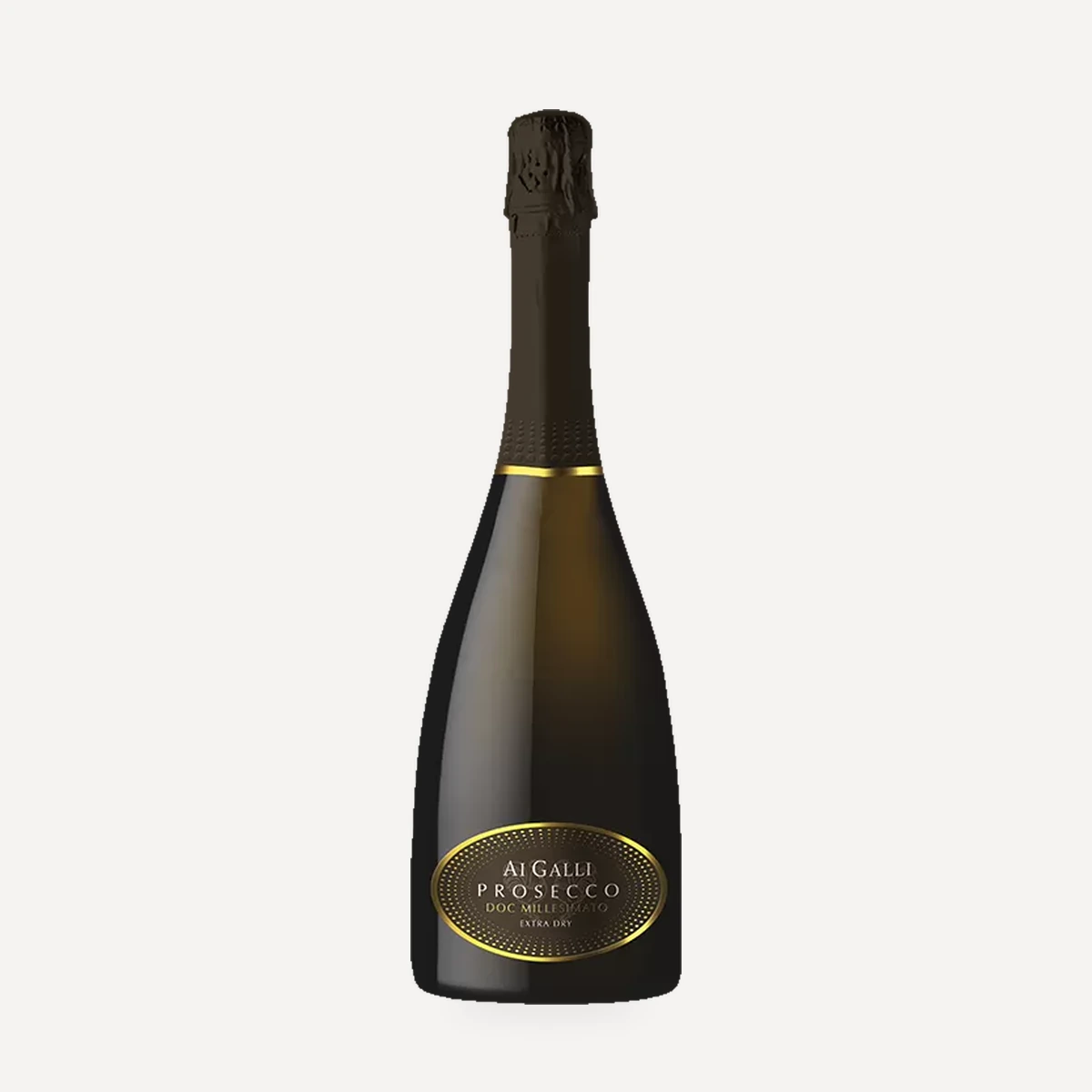
Prosecco Extra-Dry Millesimato DOC
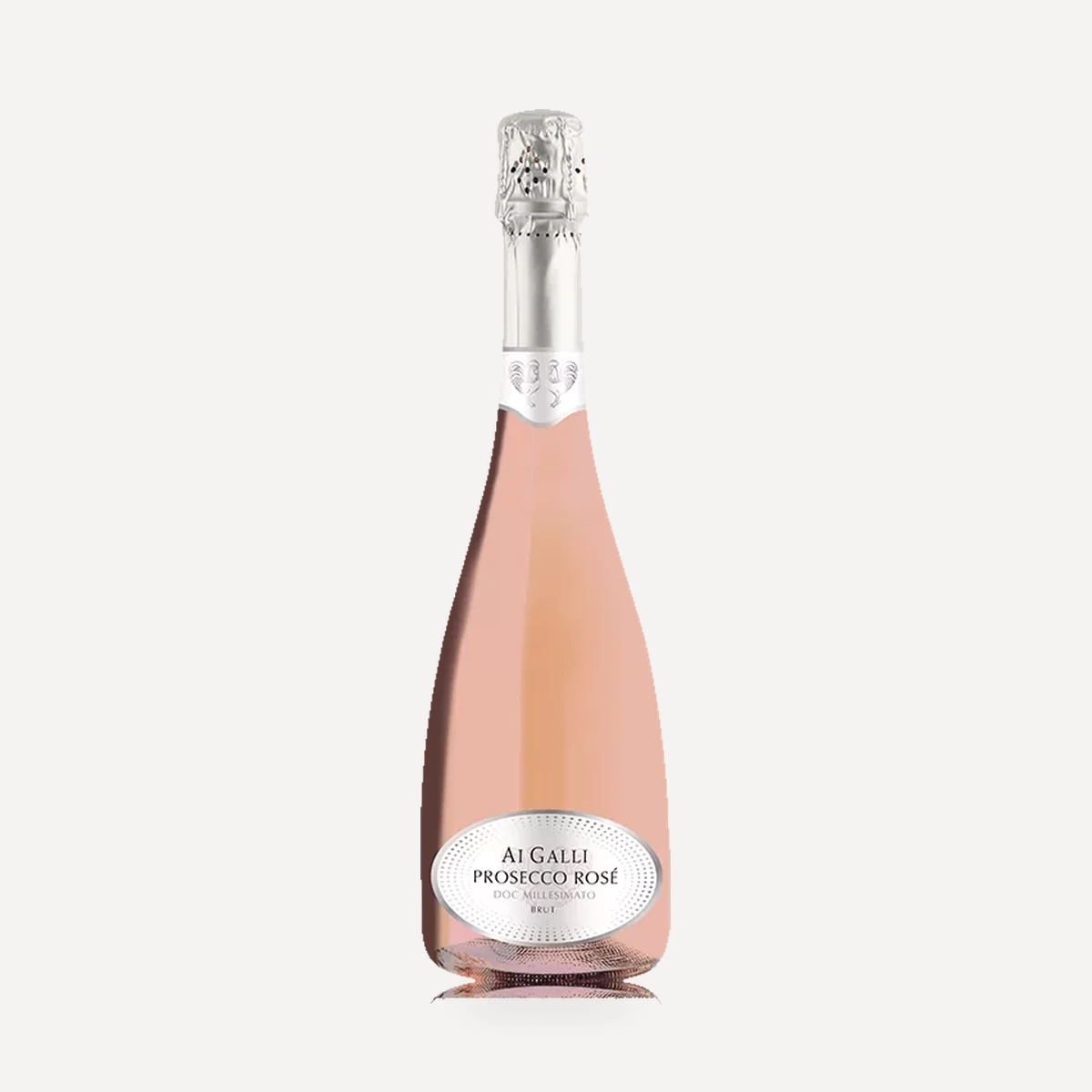
Prosecco Rosè Millesimato Brut DOC
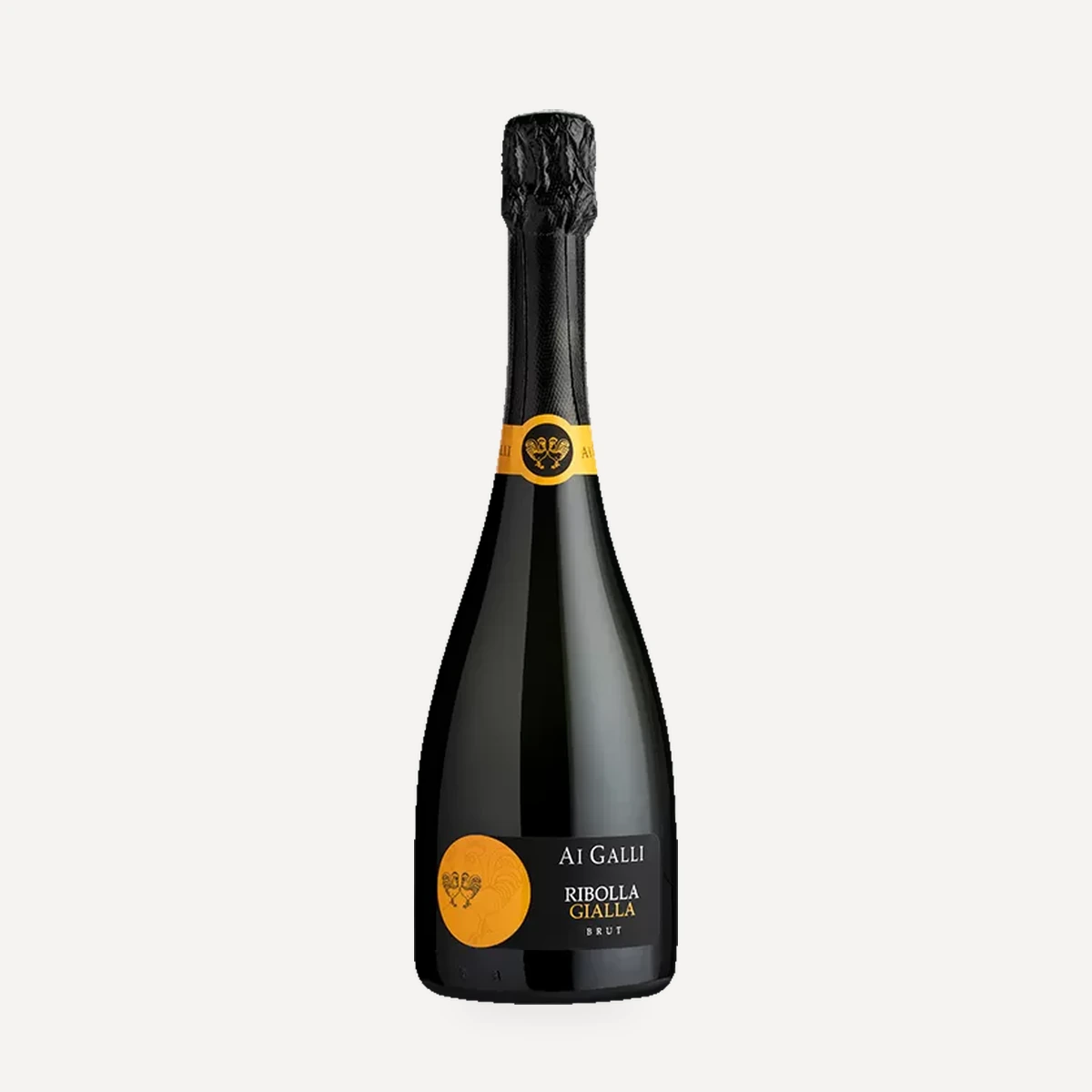
Ribolla Spumante Brut
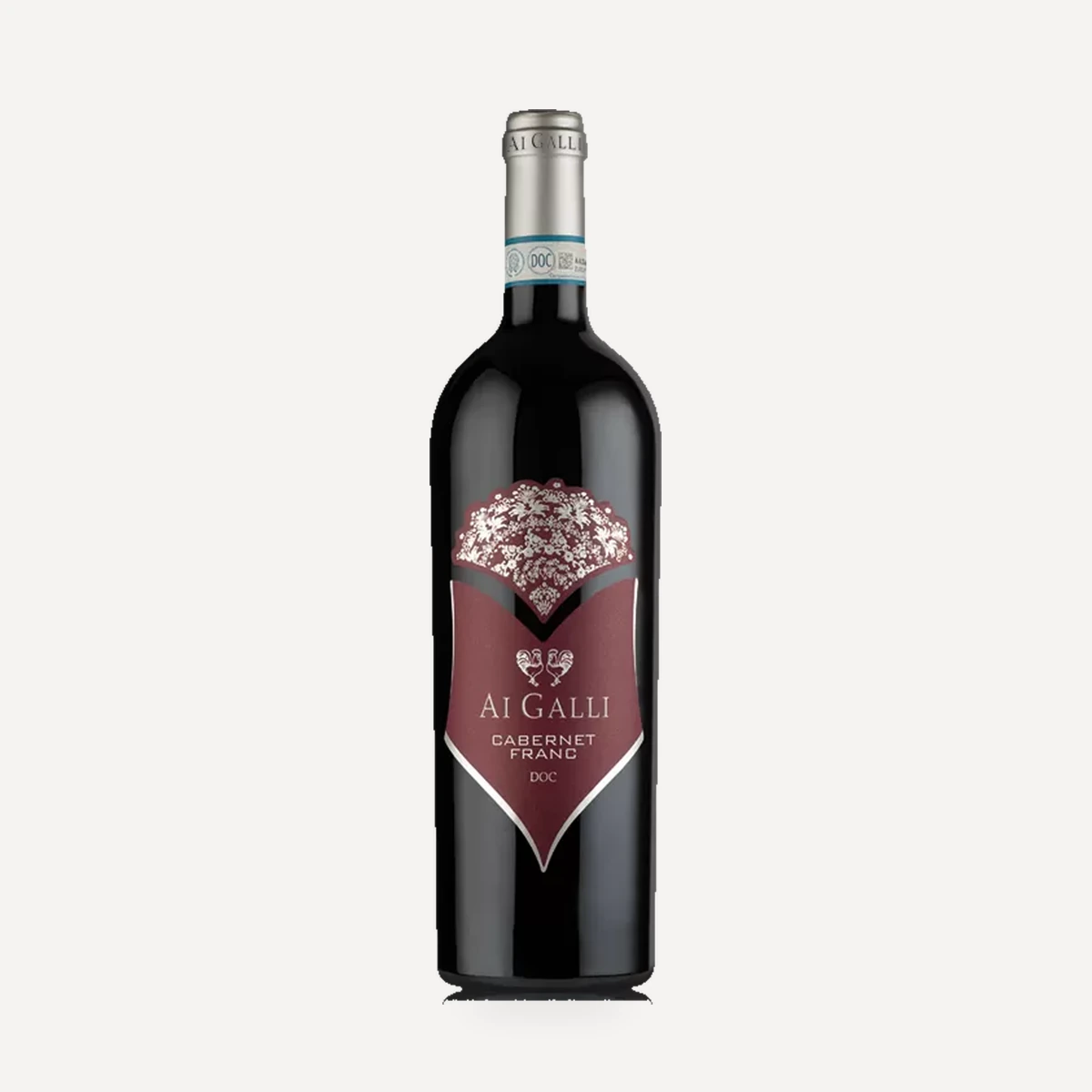
Cabernet Franc DOC Venezia
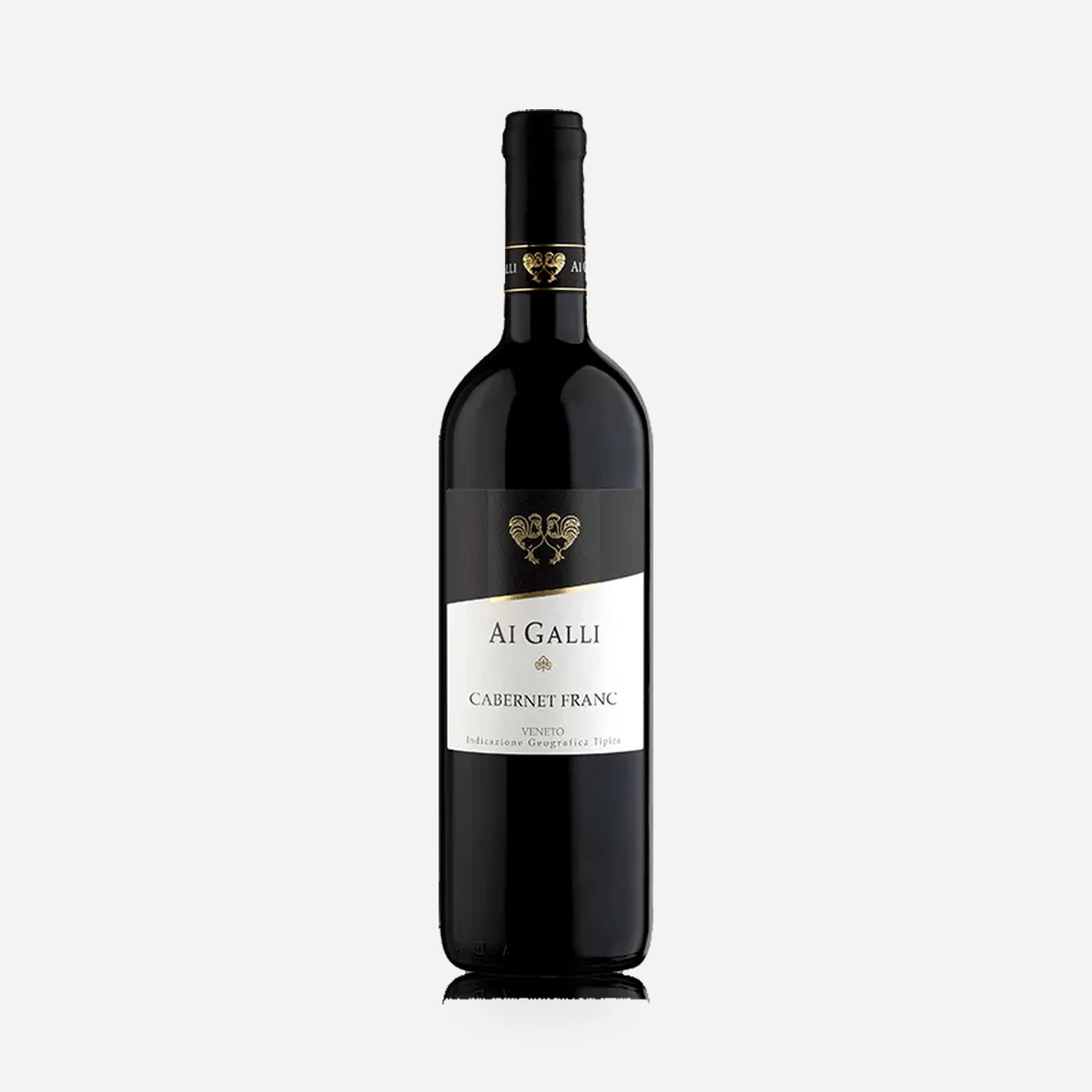
Cabernet Franc Veneto IGT
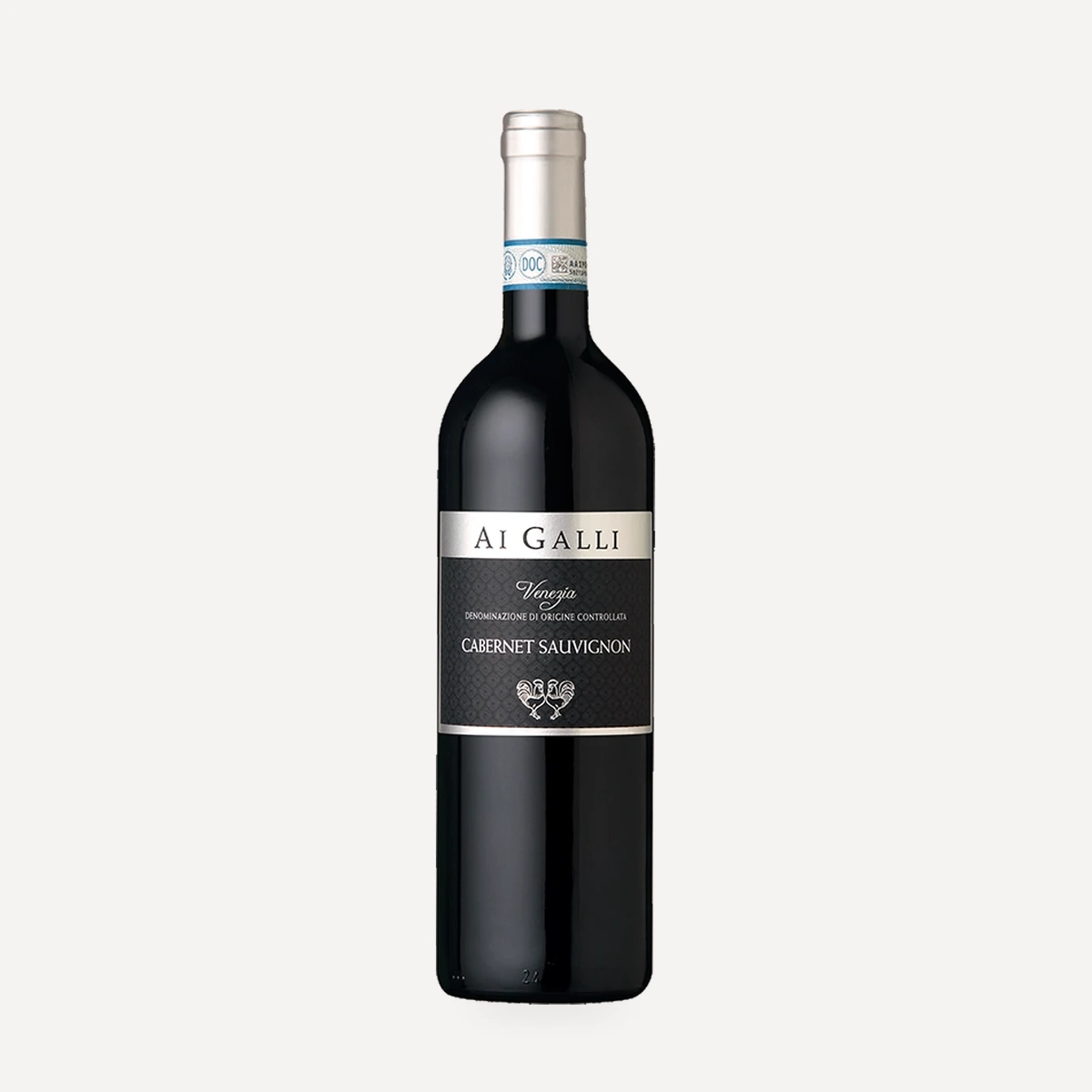
Cabernet Sauvignon DOC Venezia
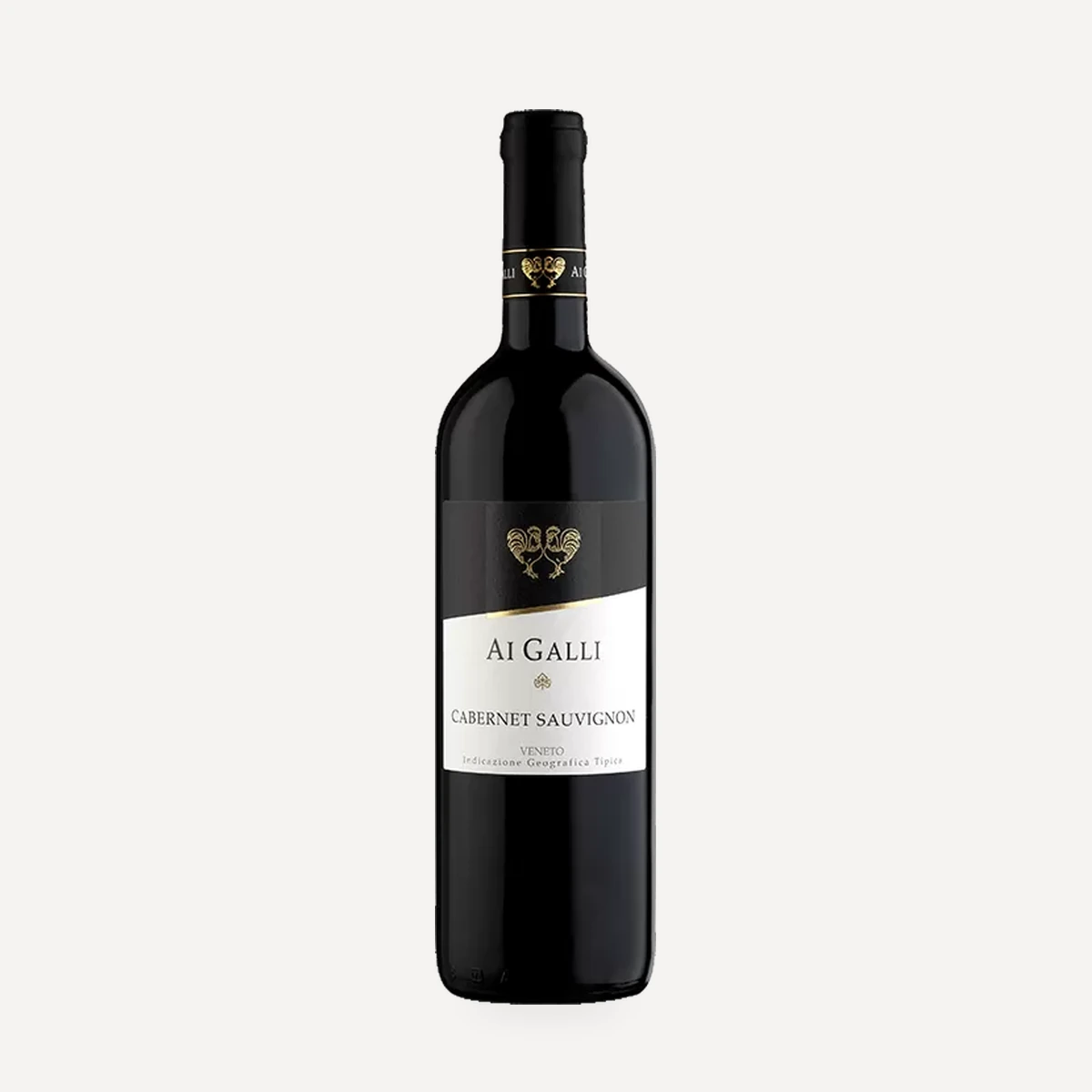
Cabernet Sauvignon Veneto IGT
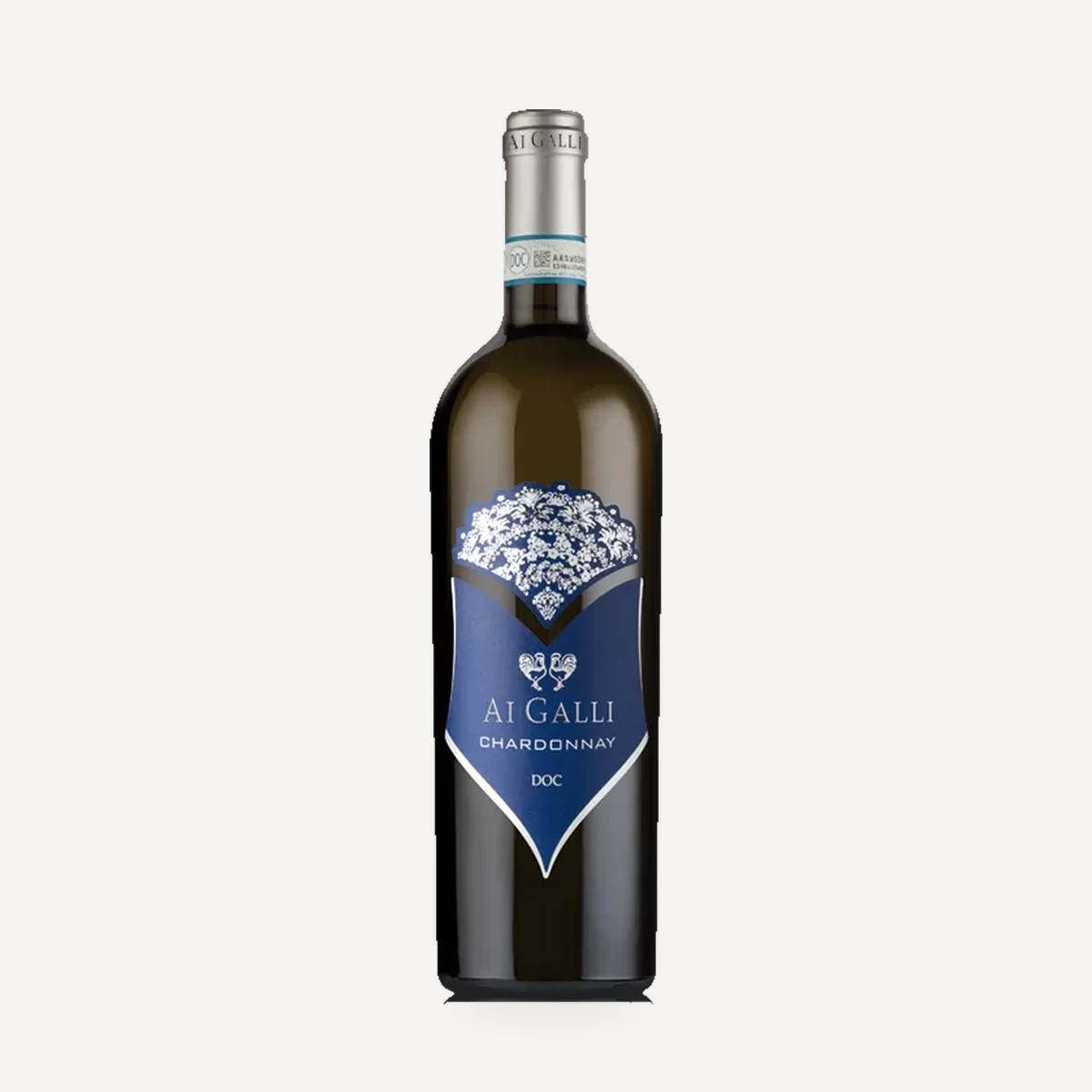
Chardonnay DOC Venezia
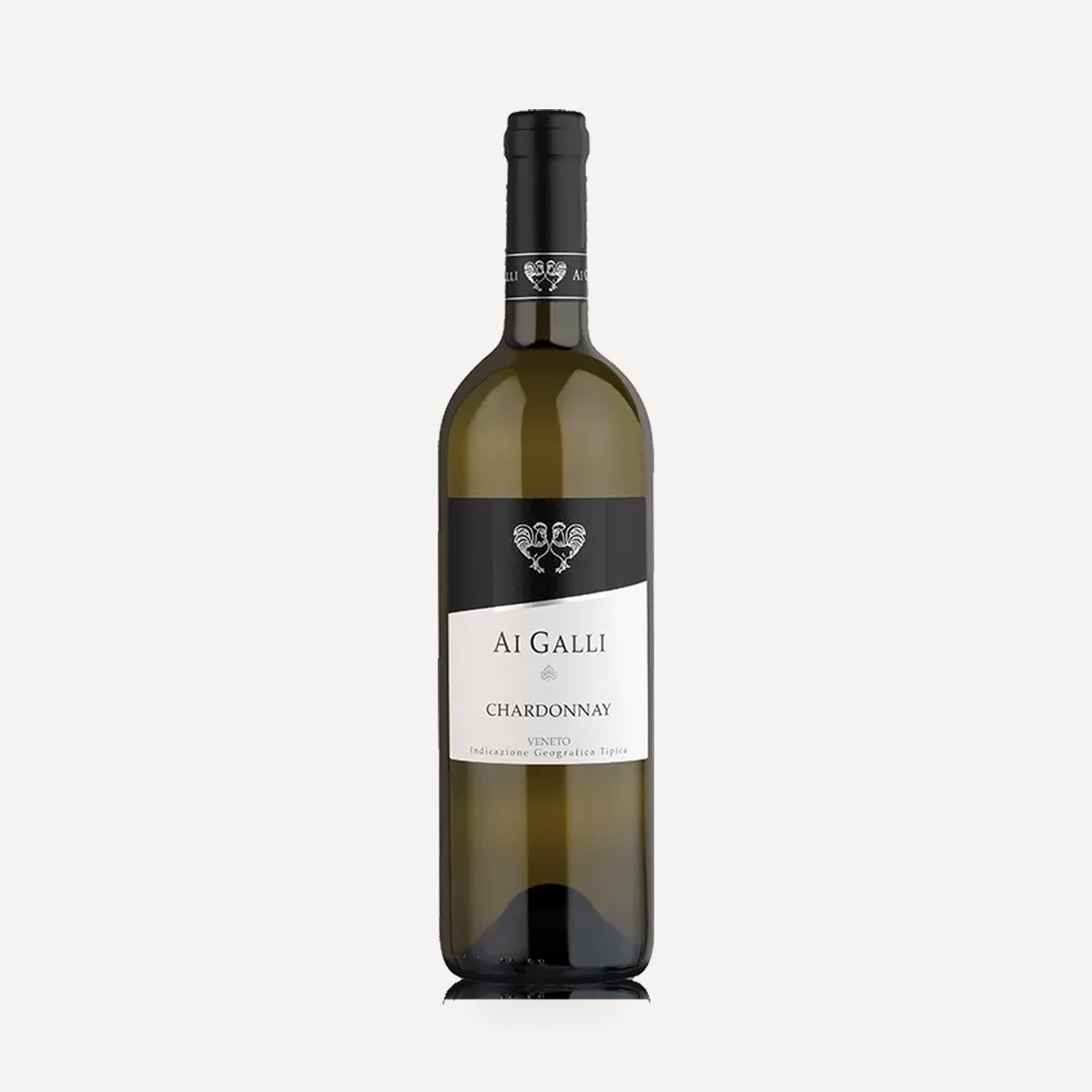
Chardonnay Veneto IGT
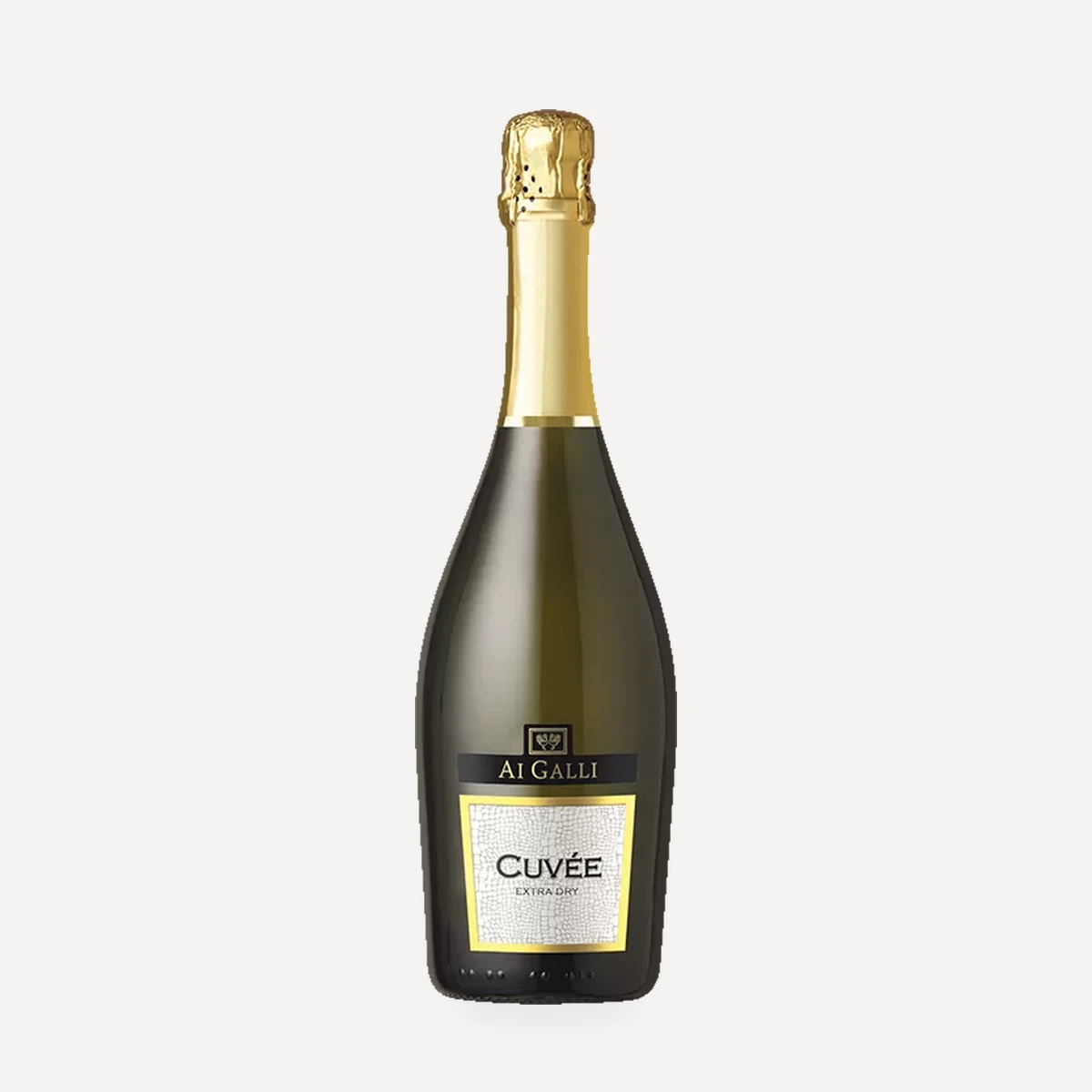
Cuvèe EXTRA DRY
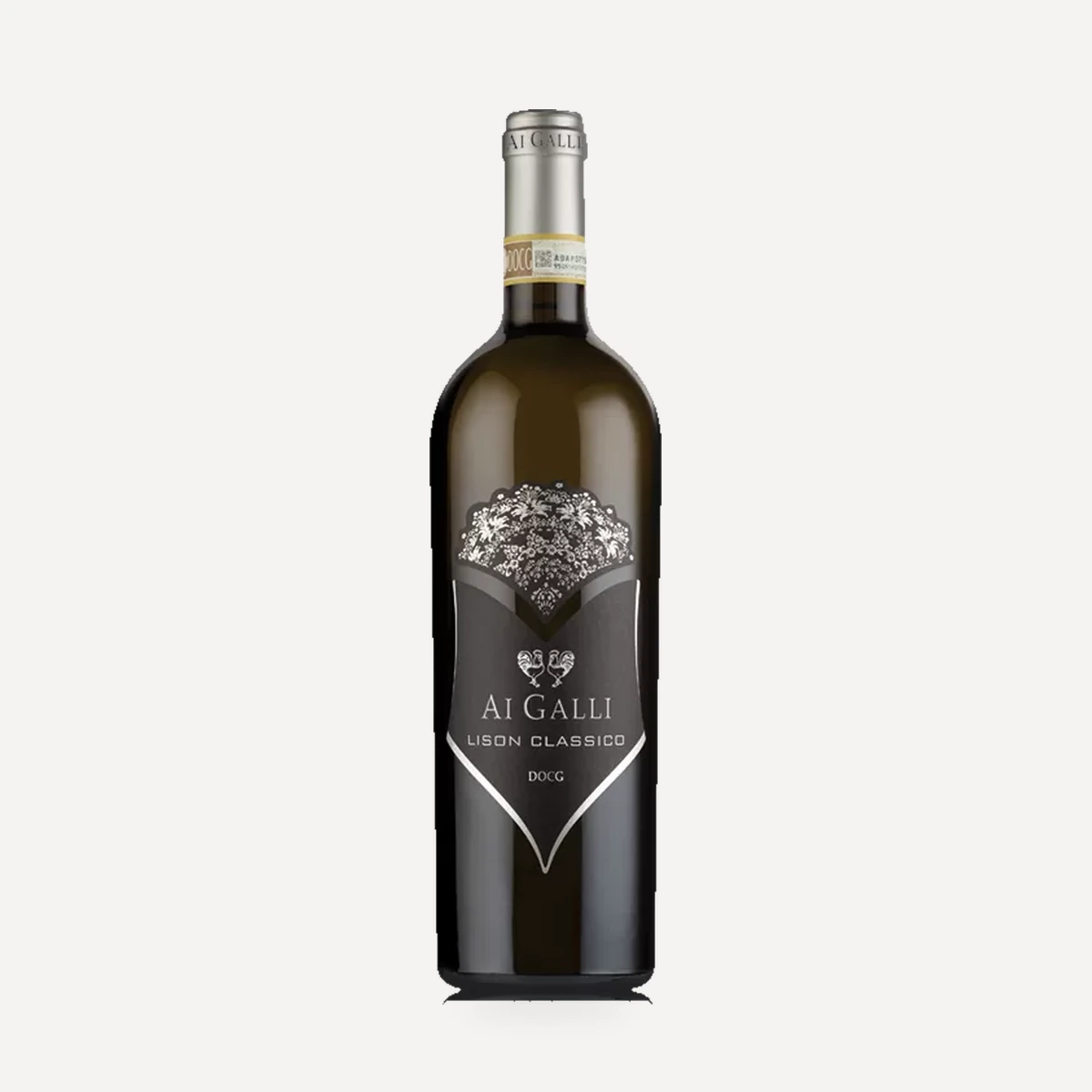
Lison Classico DOCG
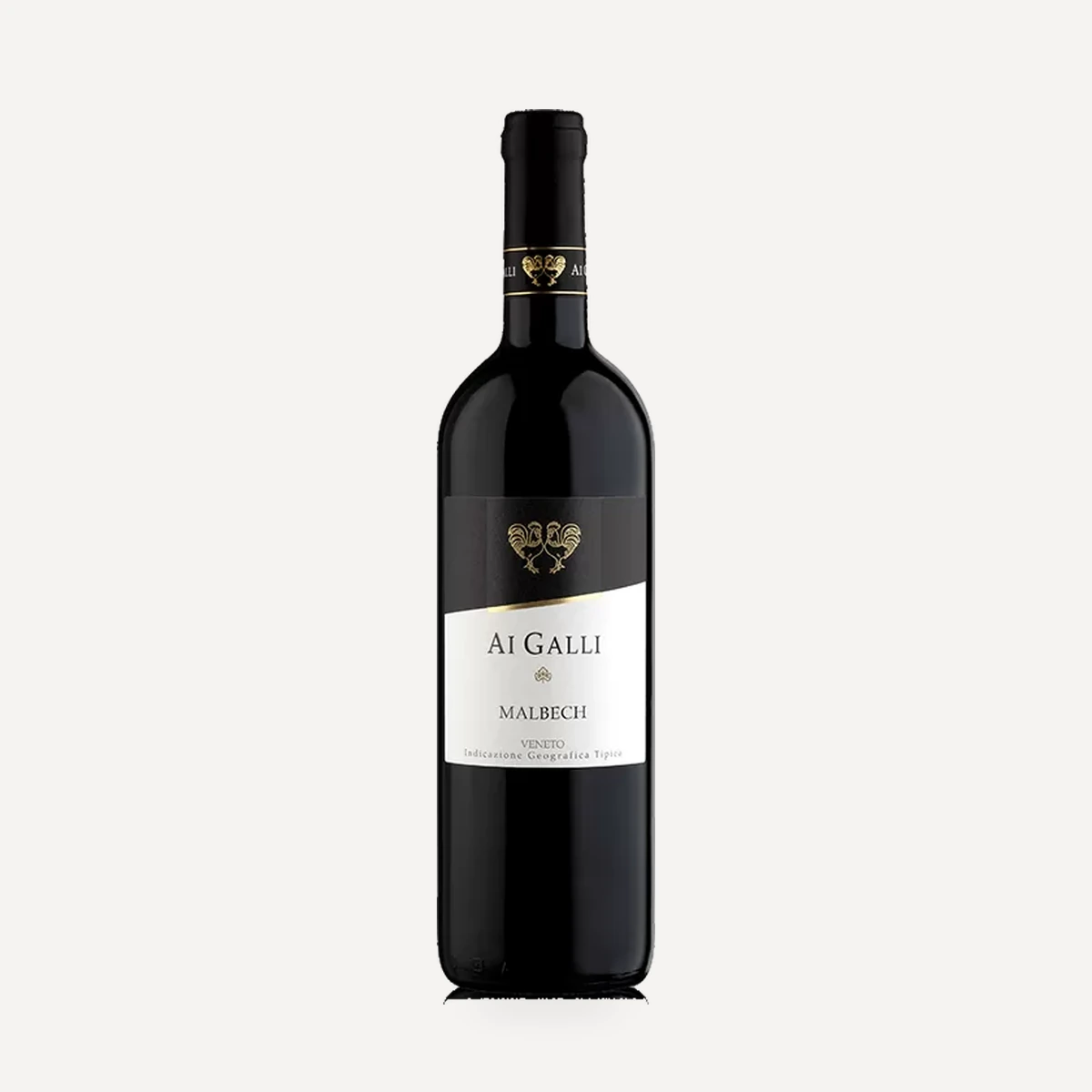
Malbec Veneto IGT
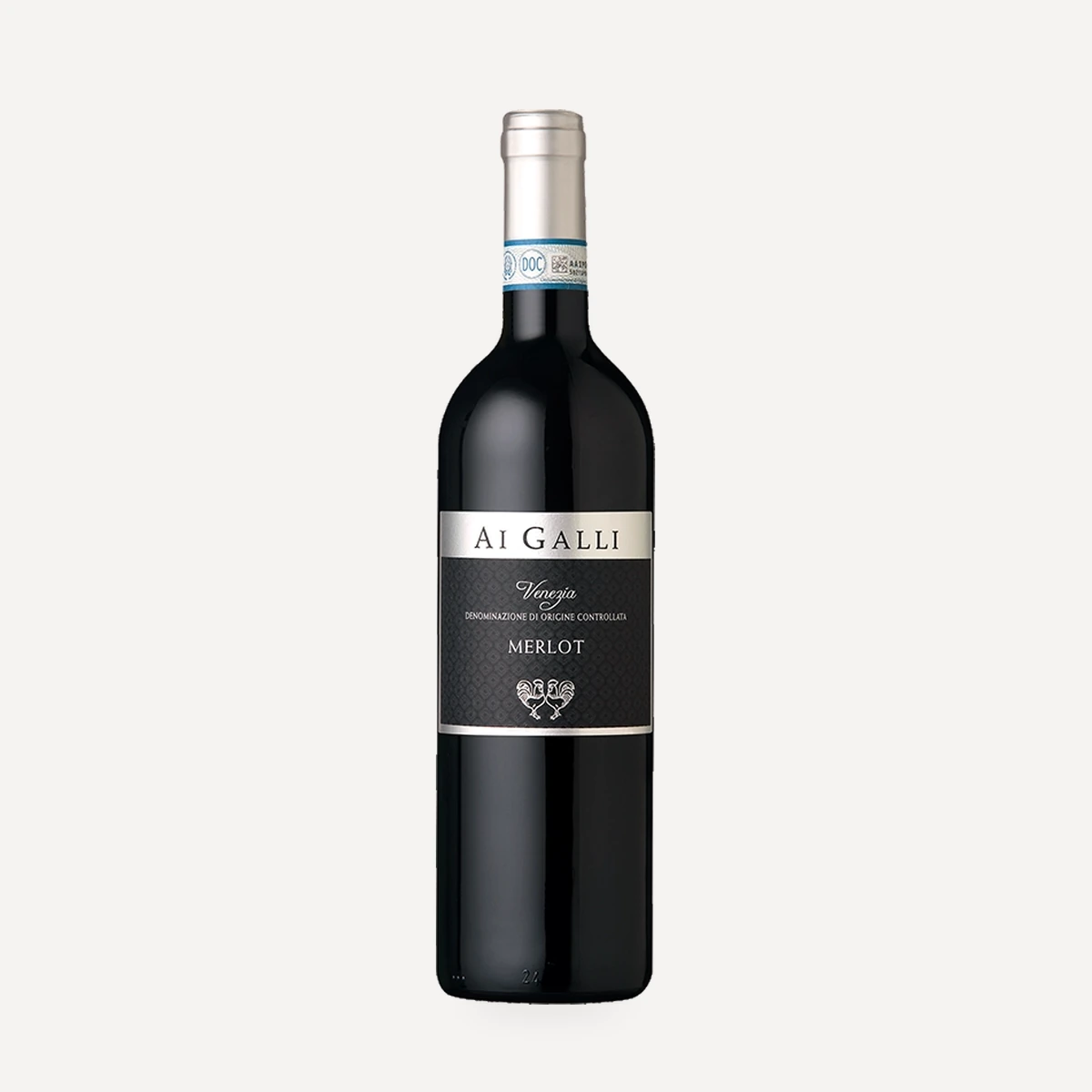
Merlot DOC Venezia
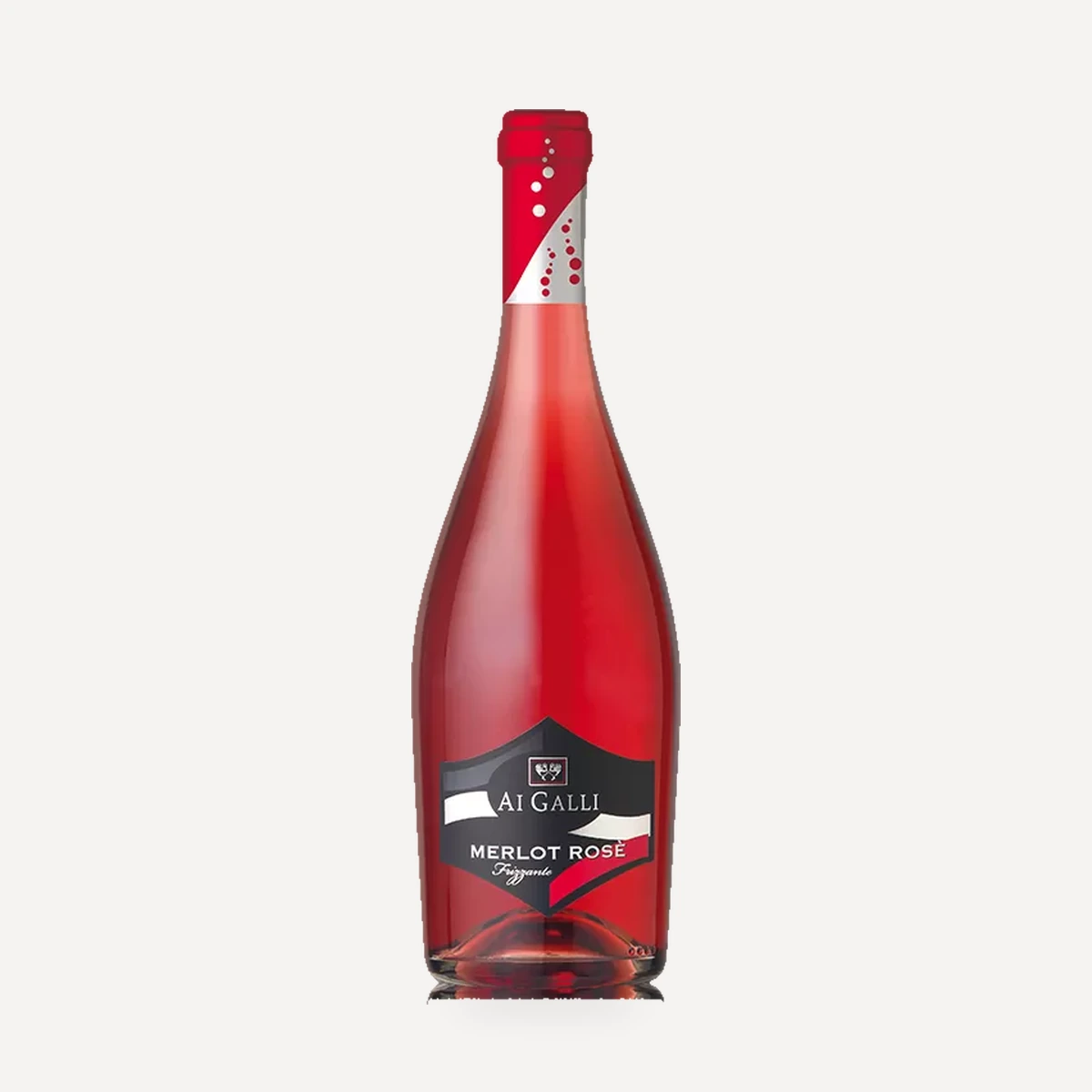
Merlot ROSè Veneto IGT
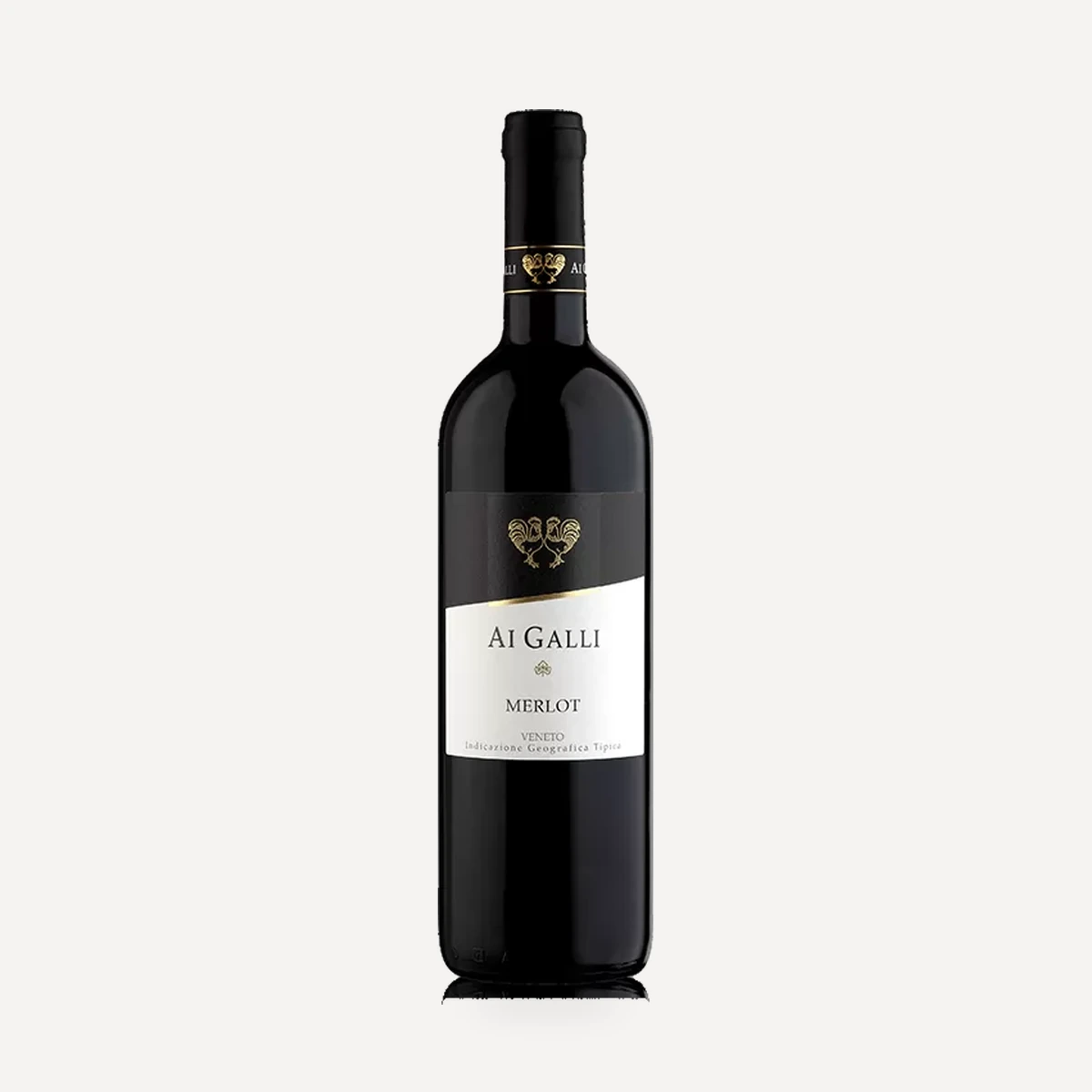
Merlot Veneto IGT
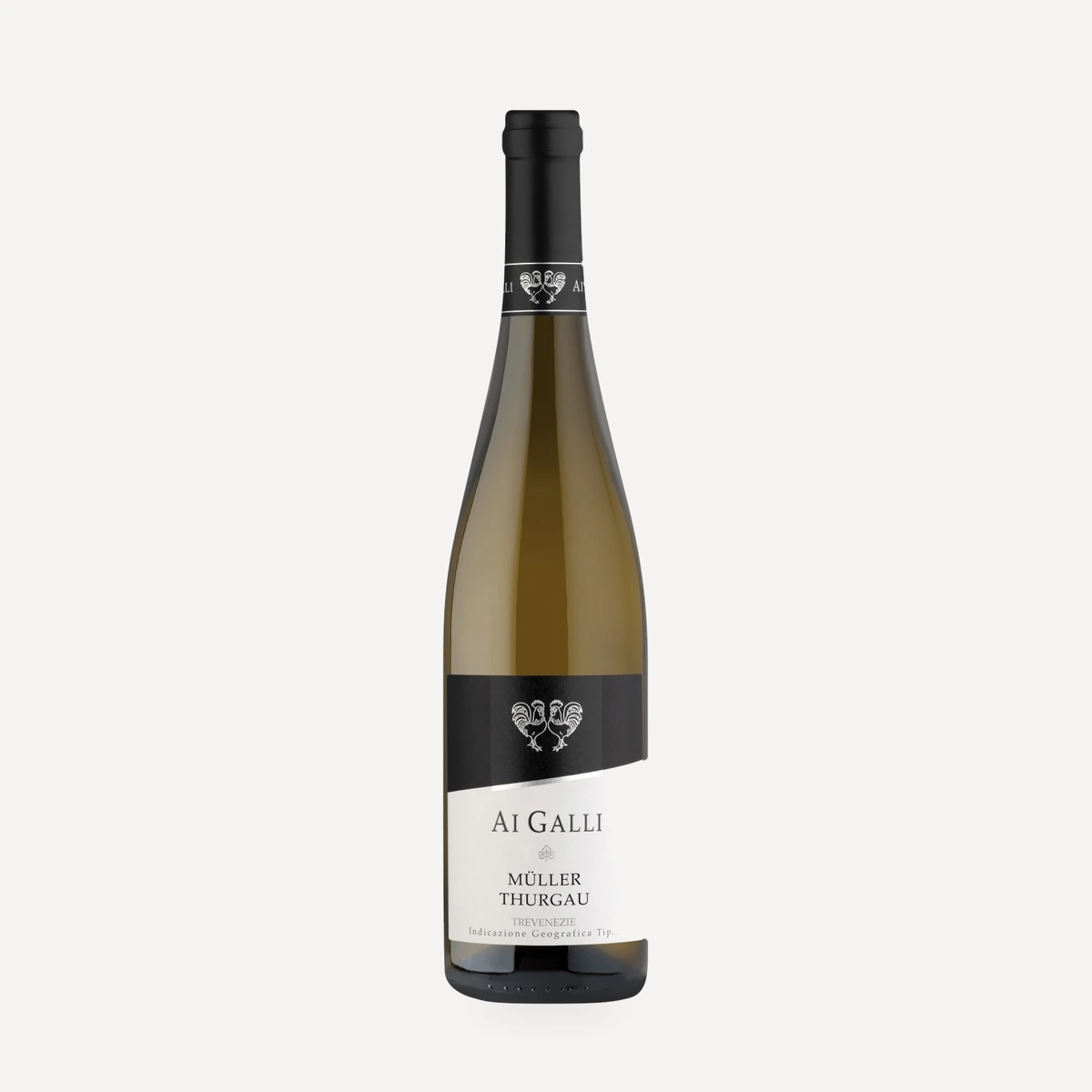
Muller Thürgau TREVENEZIE IGT
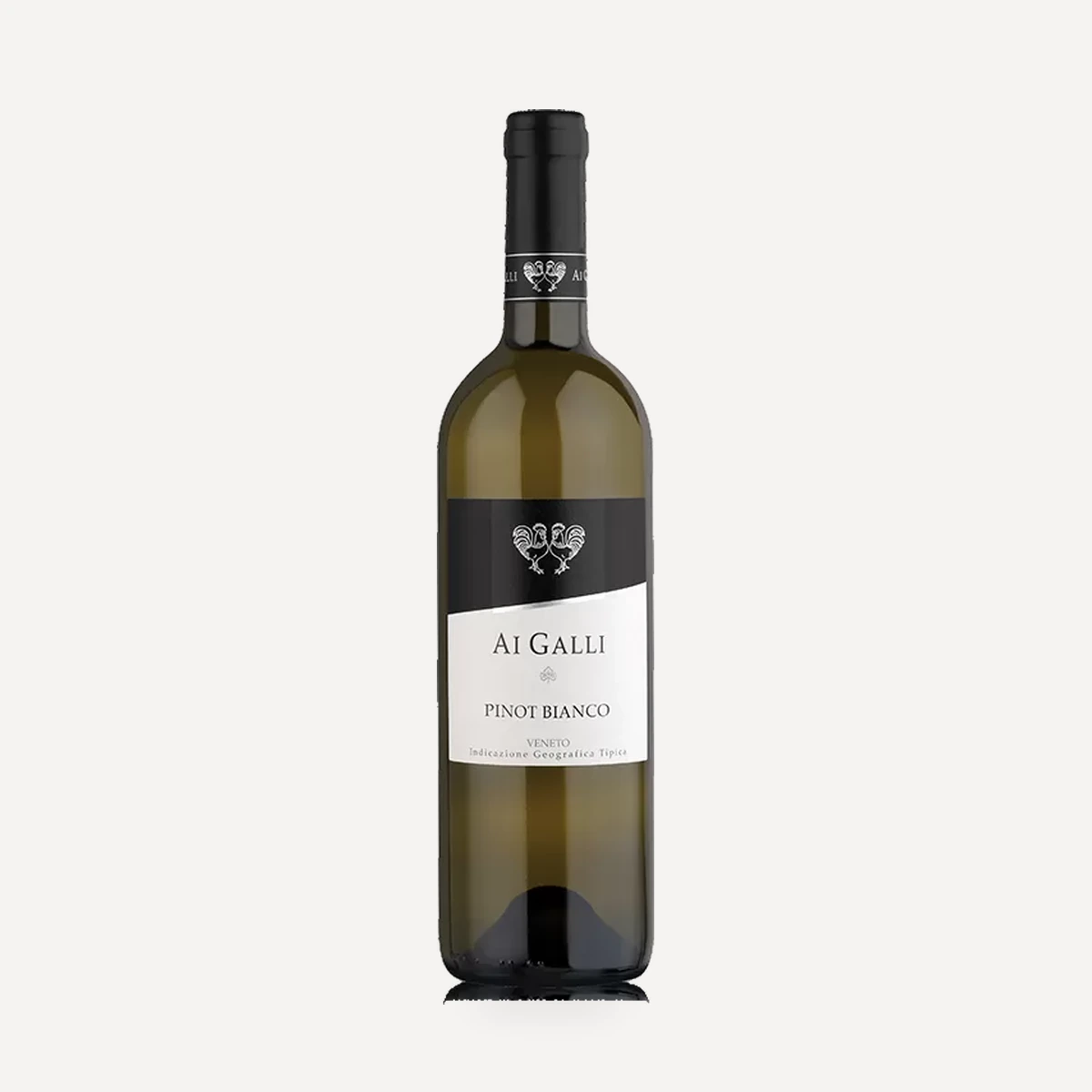
Pinot Bianco Veneto IGT
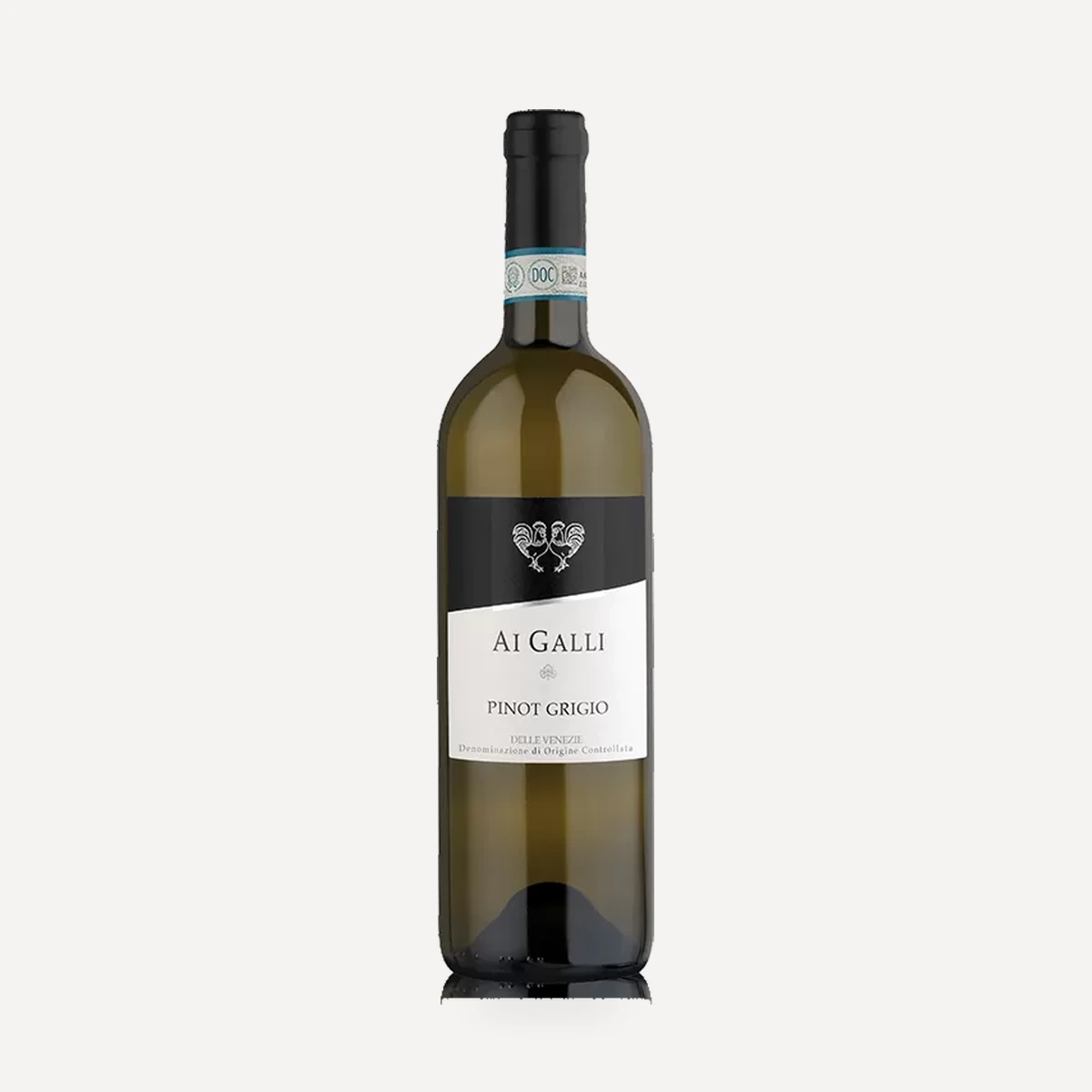
Pinot Grigio DOC delle Venezie
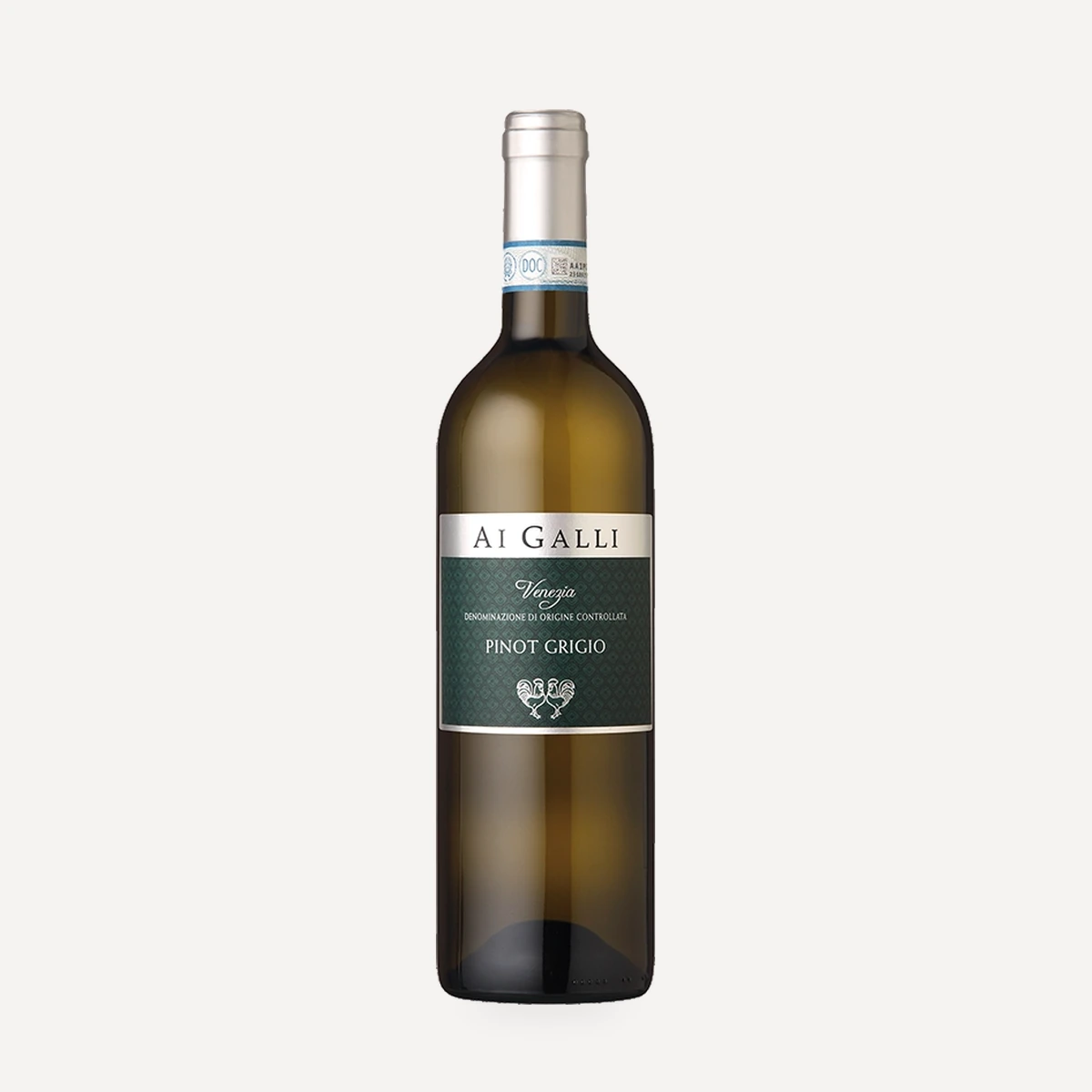
Pinot Grigio DOC Venezia
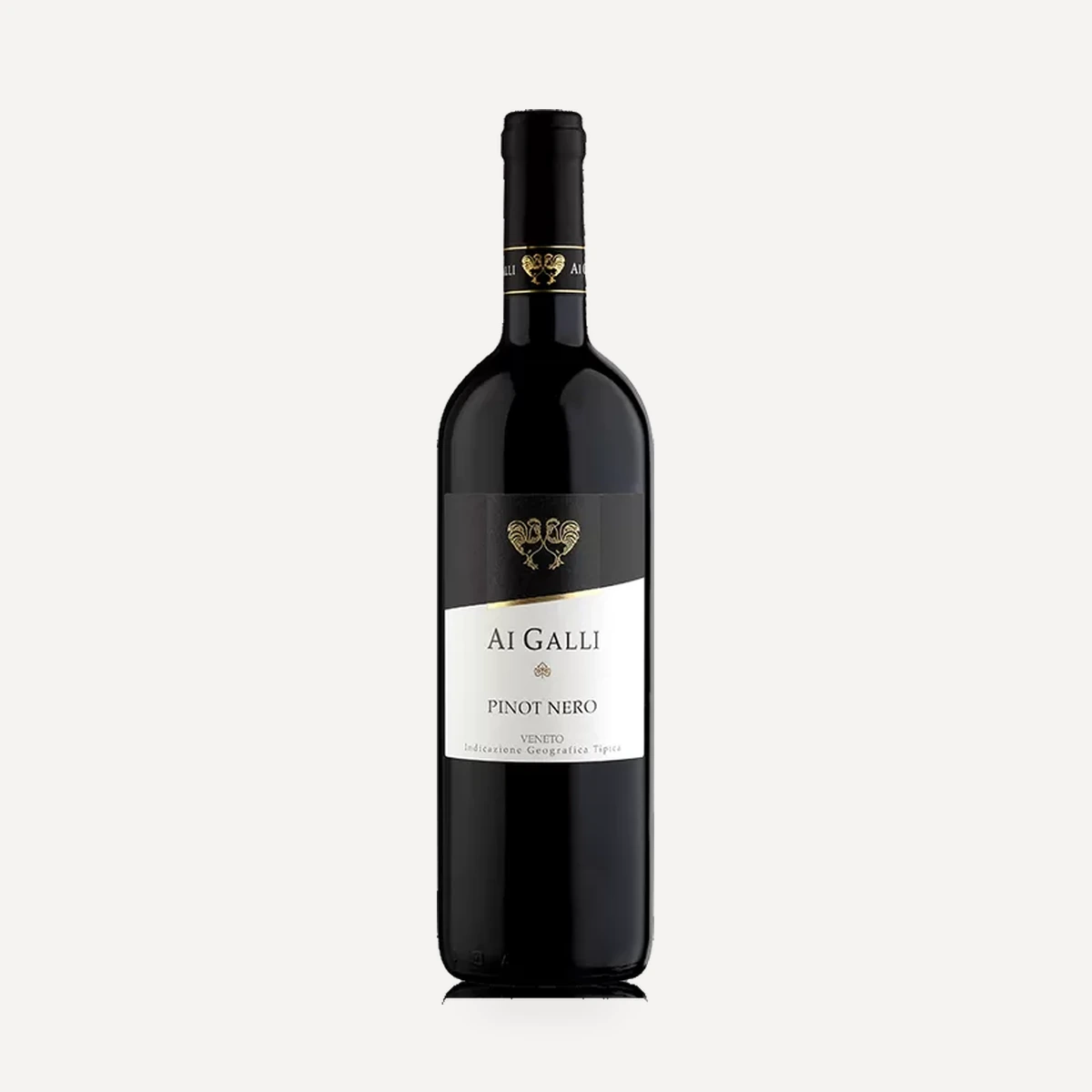
Pinot Nero Veneto IGT
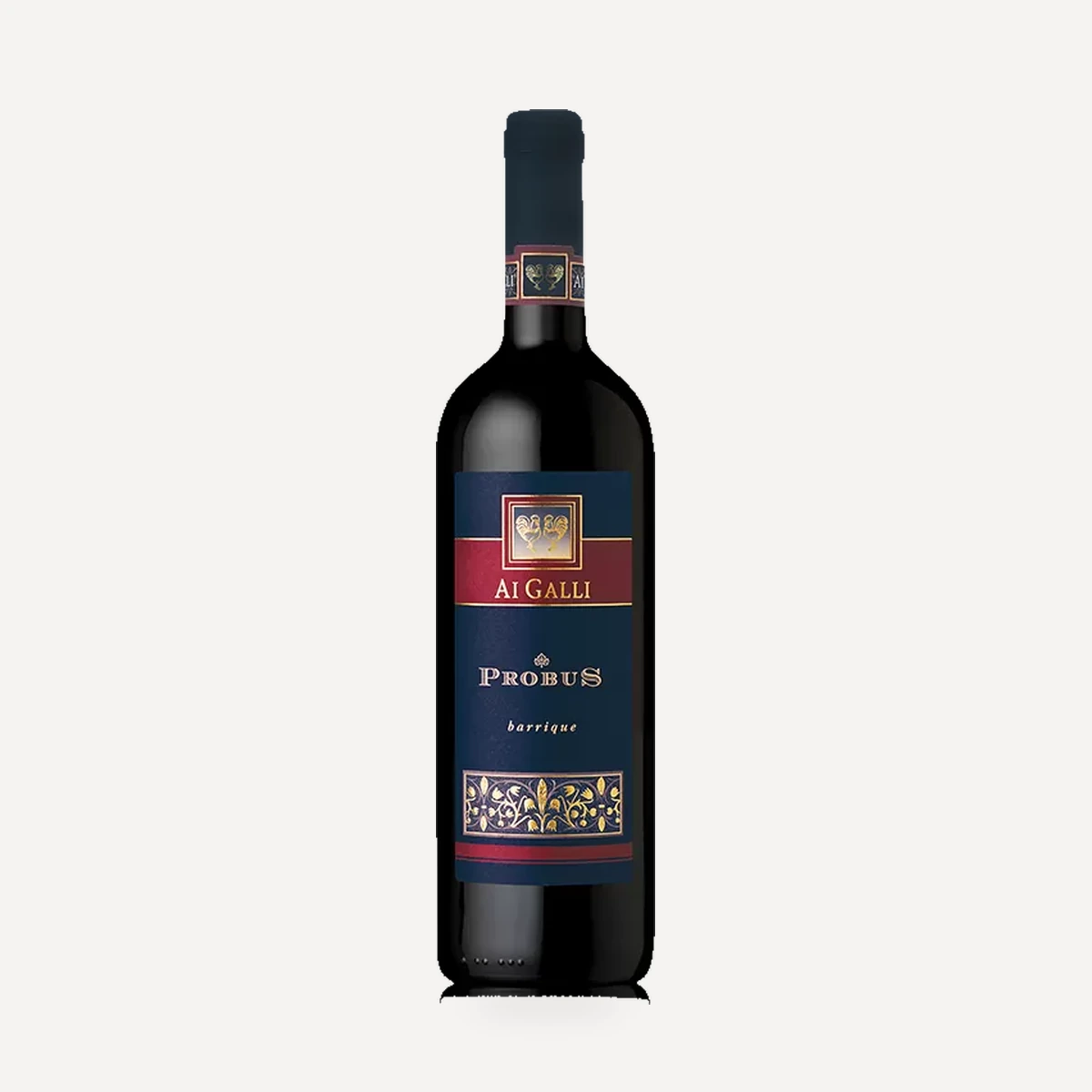
Probus Rosso DOC Lison-Pramaggiore
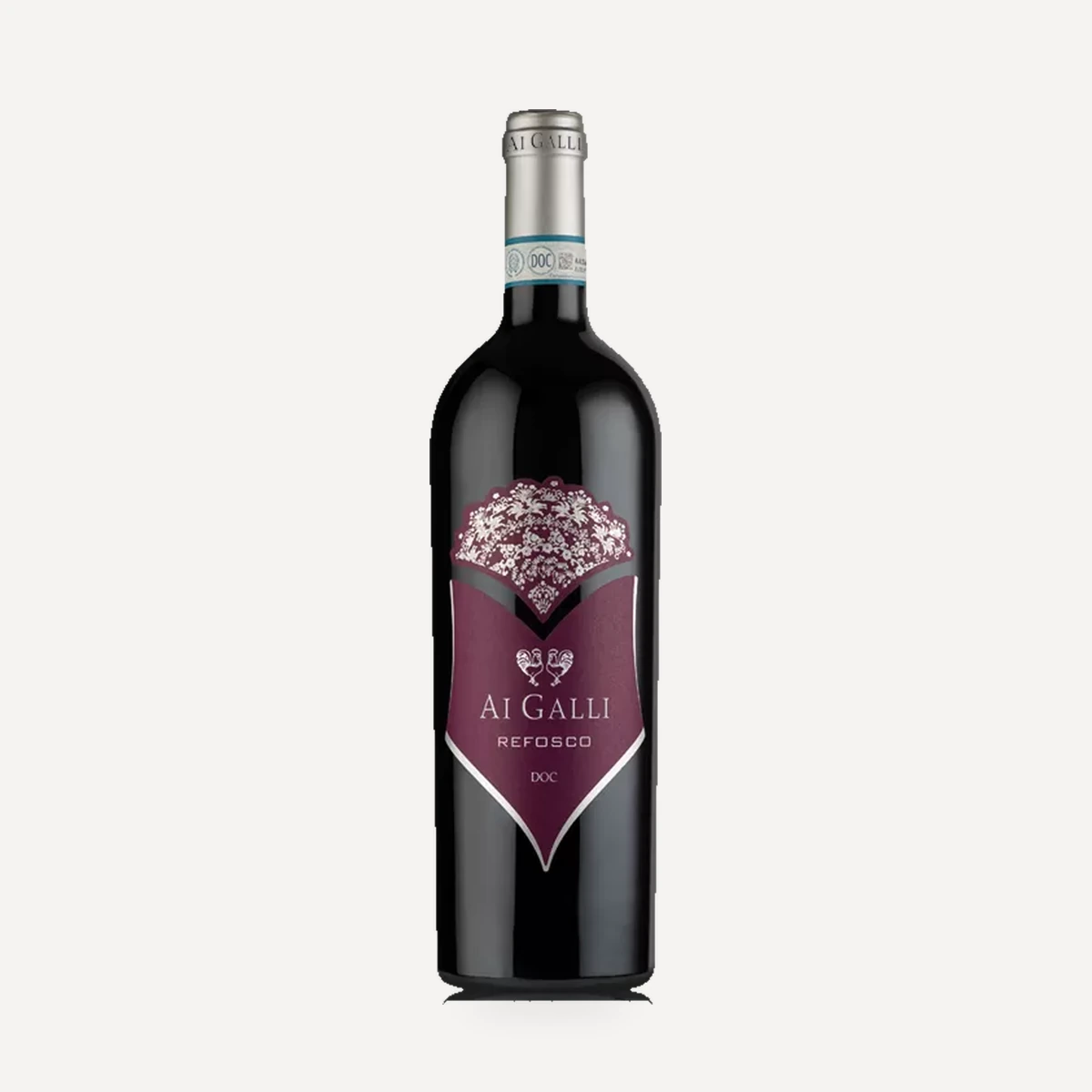
Refosco dal P. Rosso DOC Lison-Pramaggiore
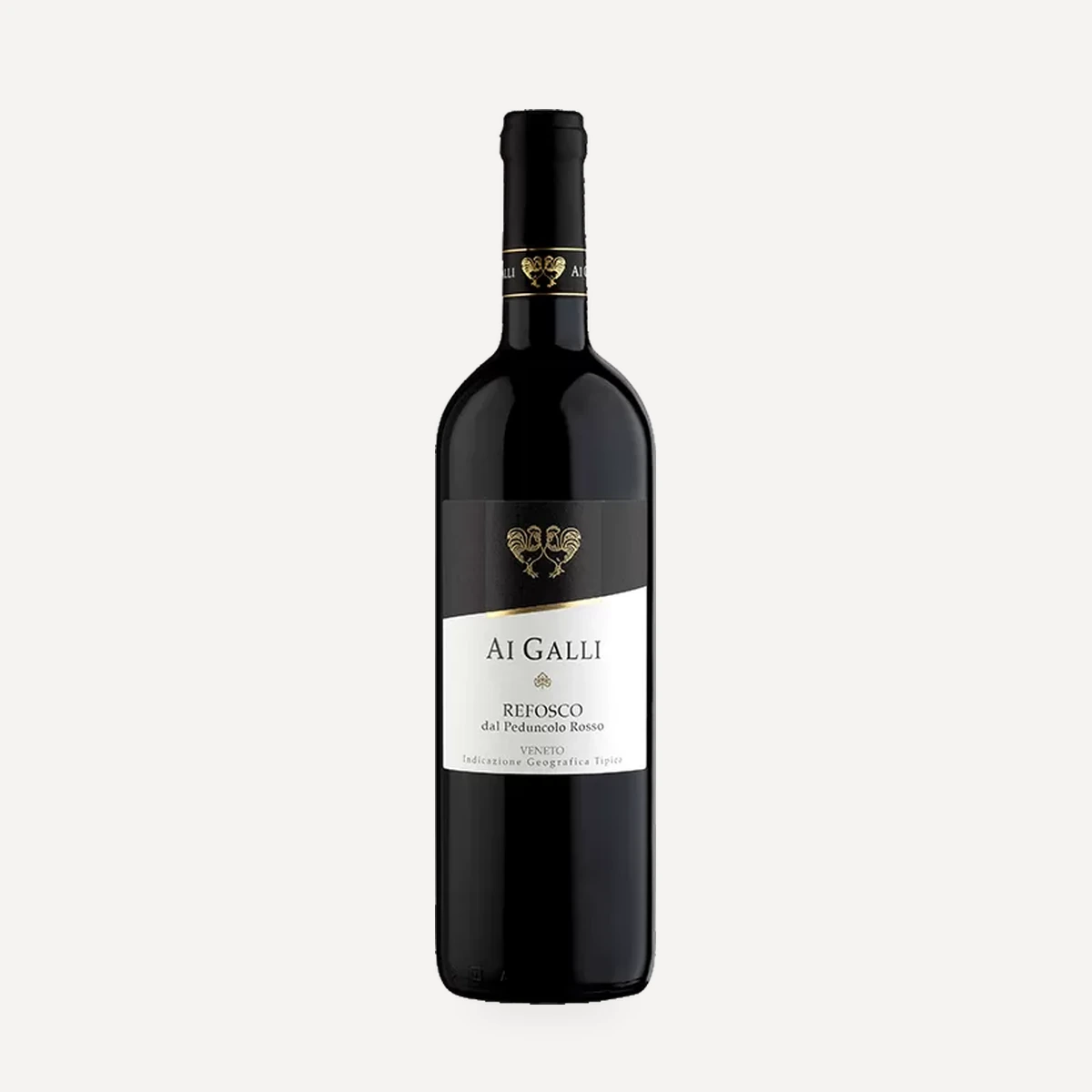
Refosco dal P. Rosso Veneto IGT
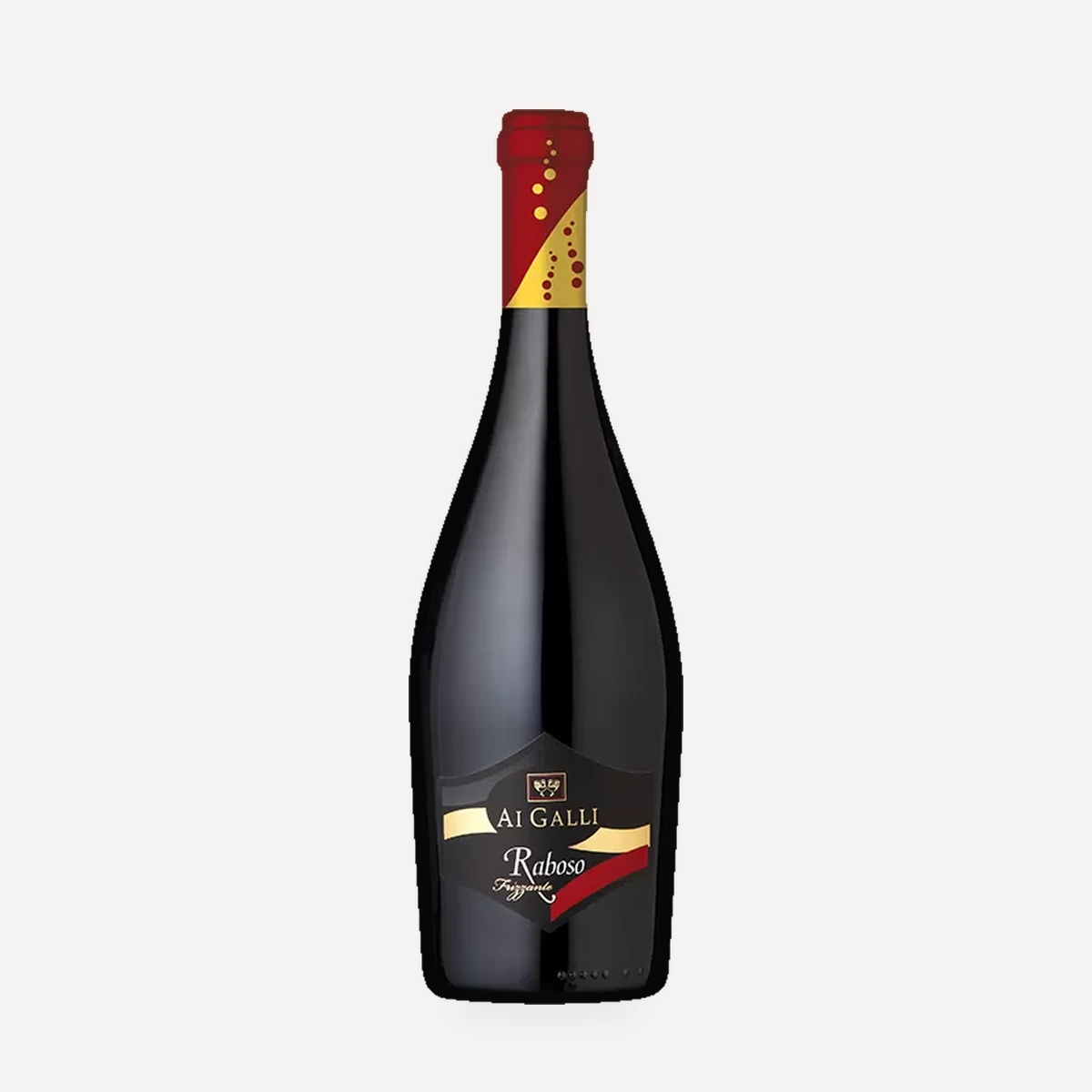
Raboso VENETO IGT
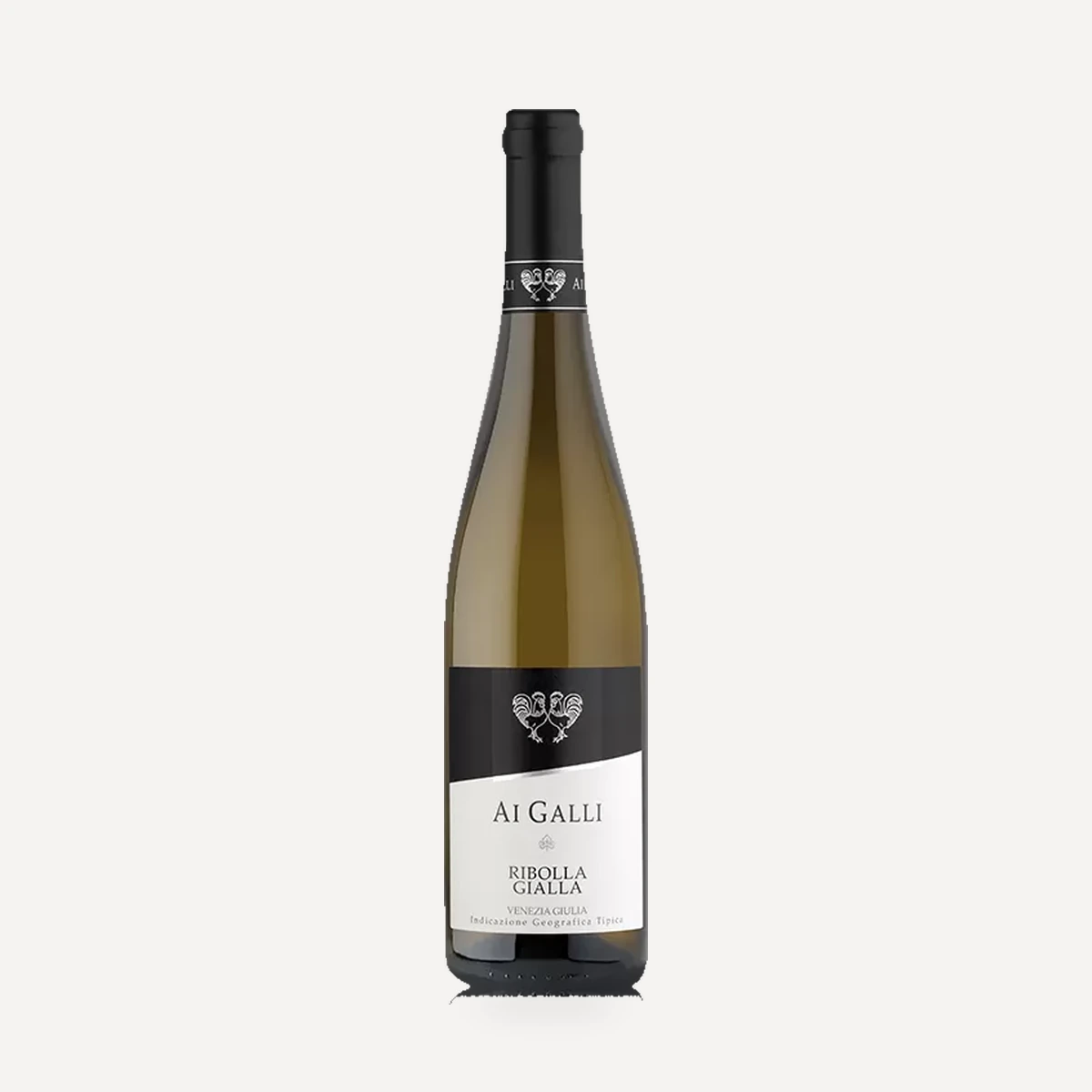
Ribolla Gialla Venezia Giulia IGT
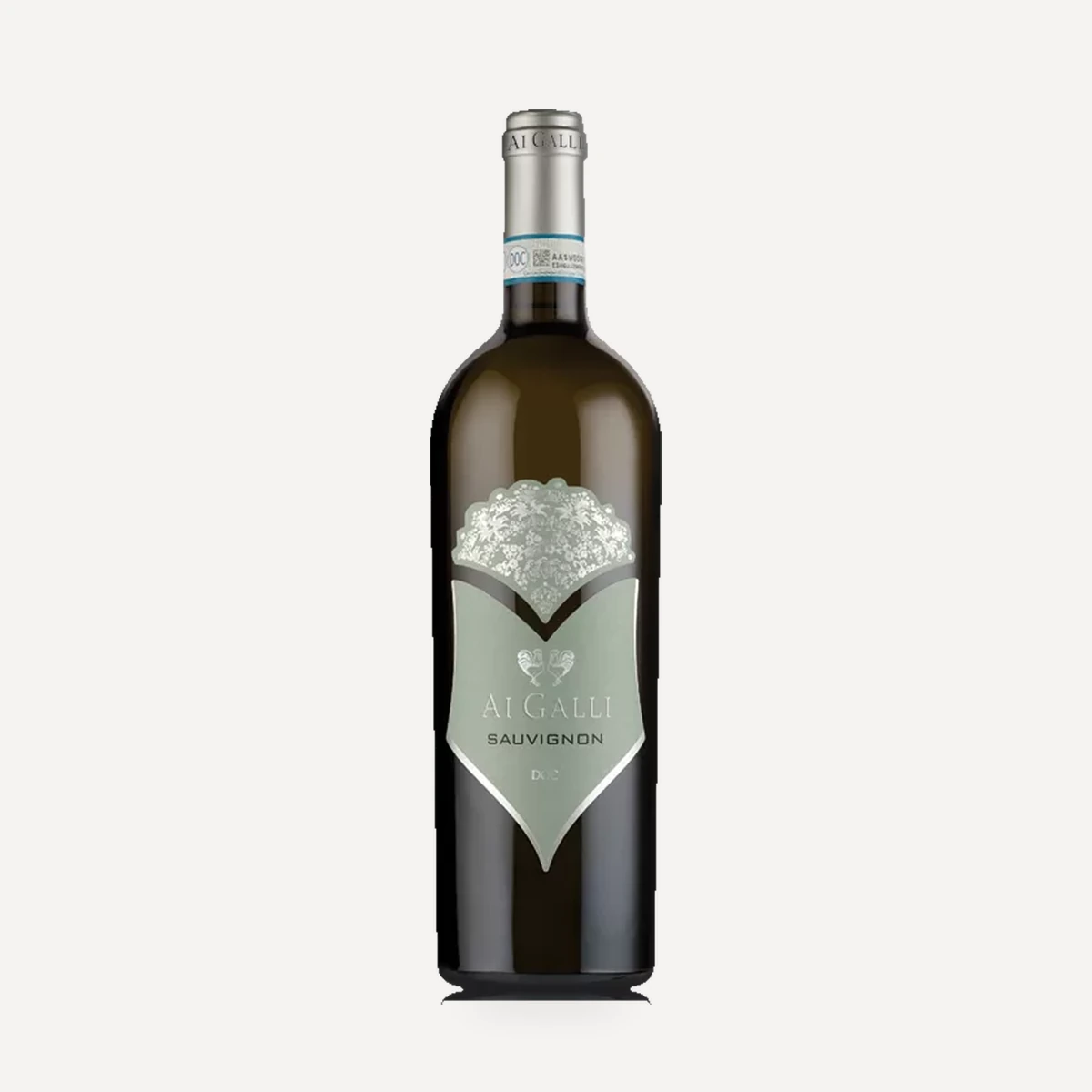
Sauvignon DOC Lison-Pramaggiore
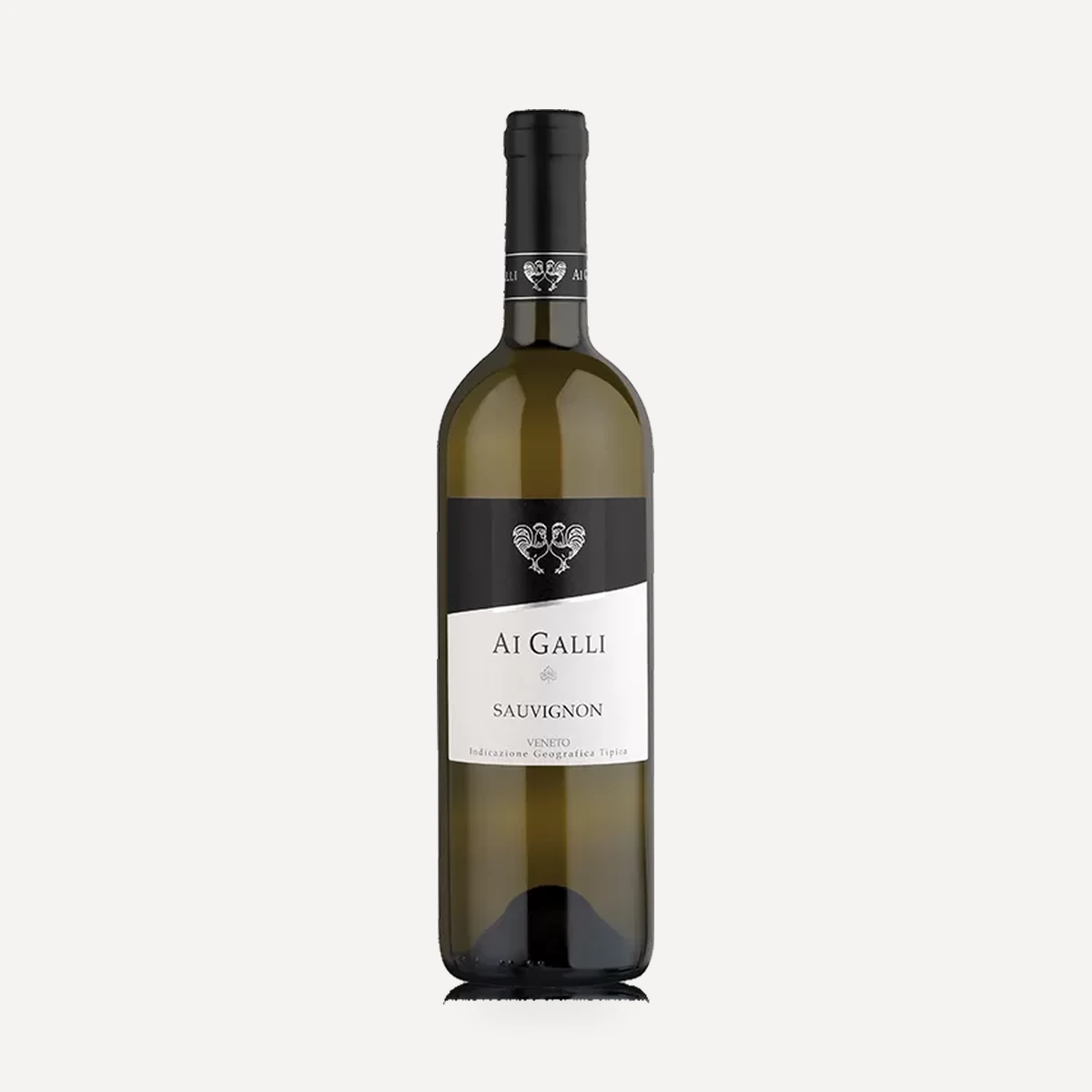
Sauvignon Veneto IGT
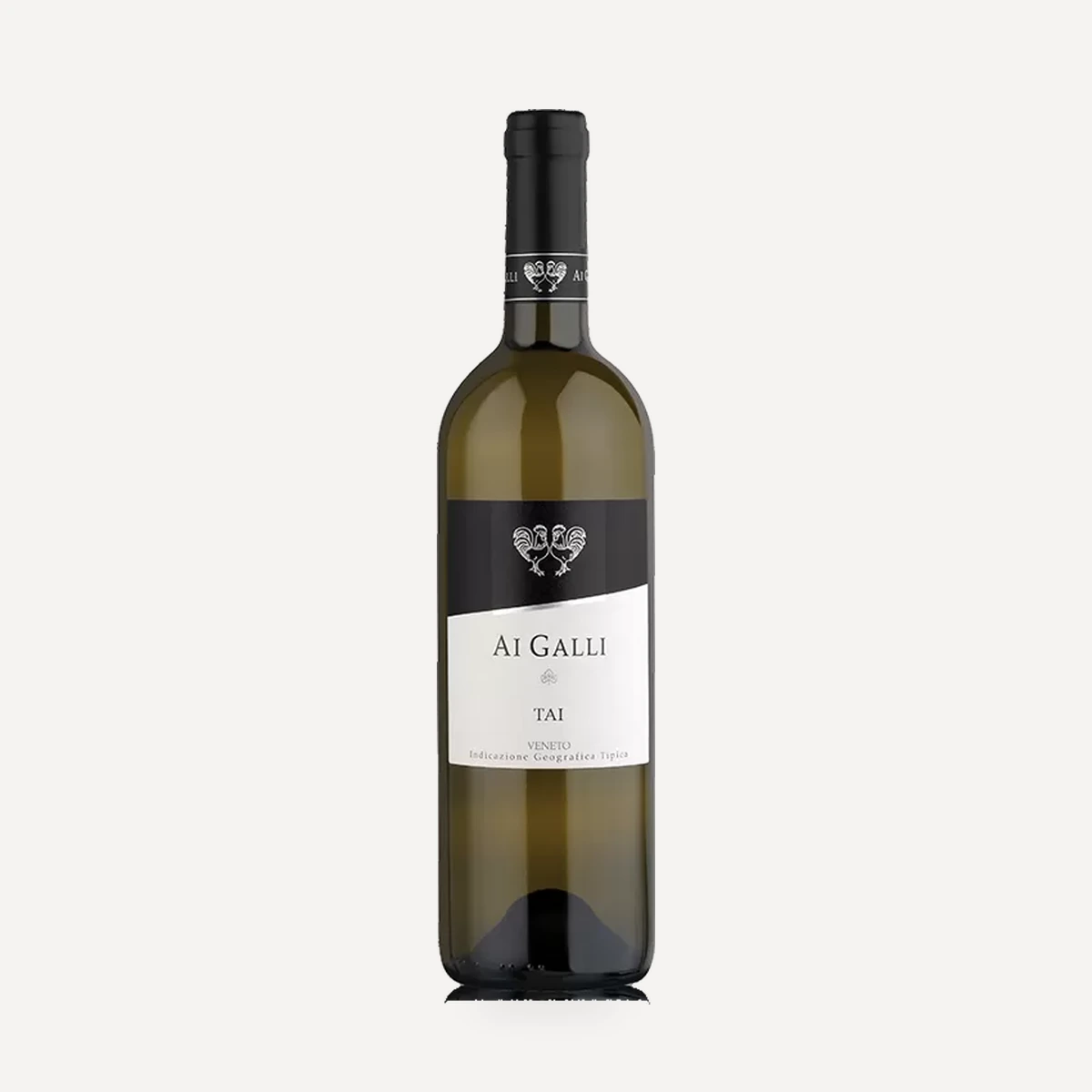
Tai Veneto IGT
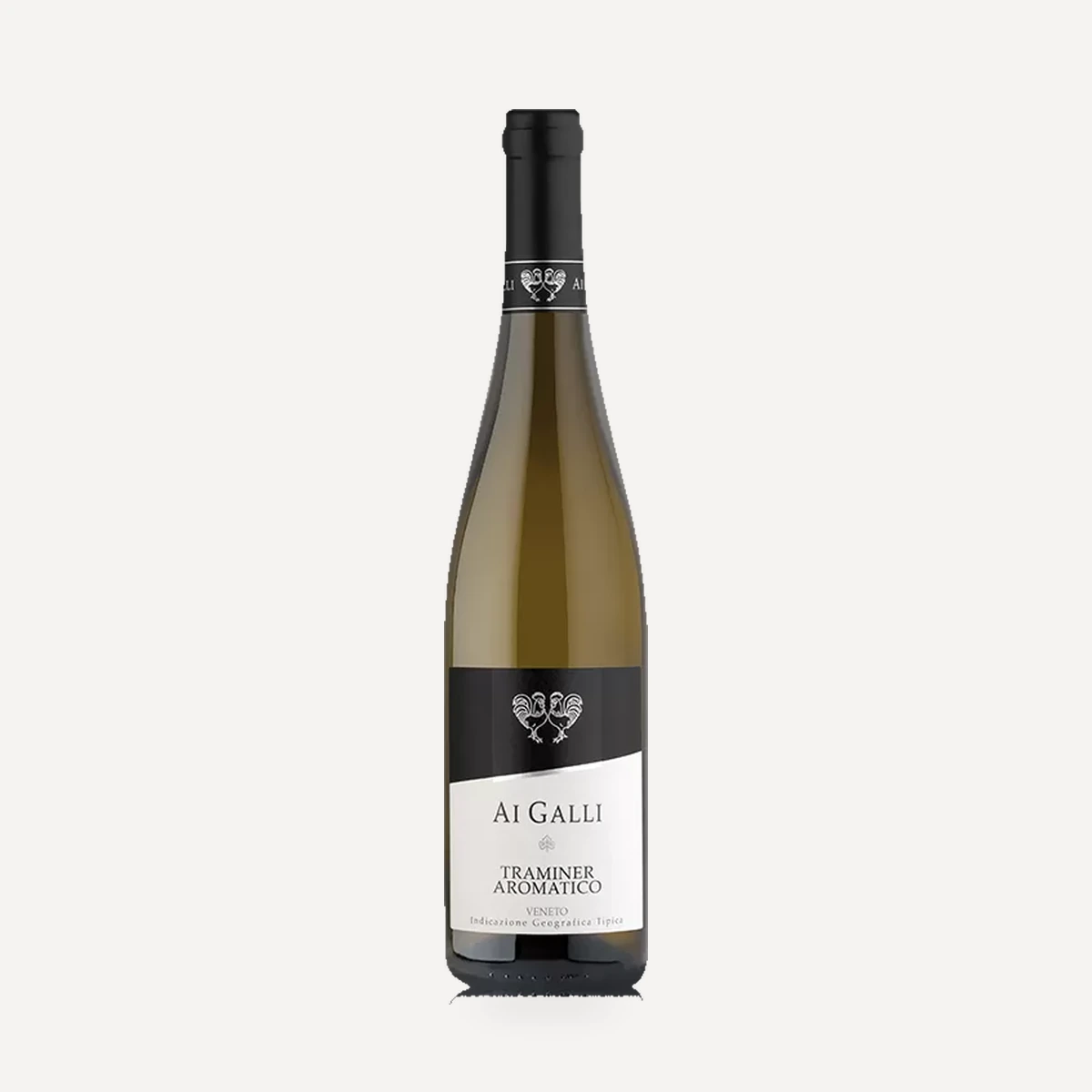
Traminer Aromatico Veneto IGT
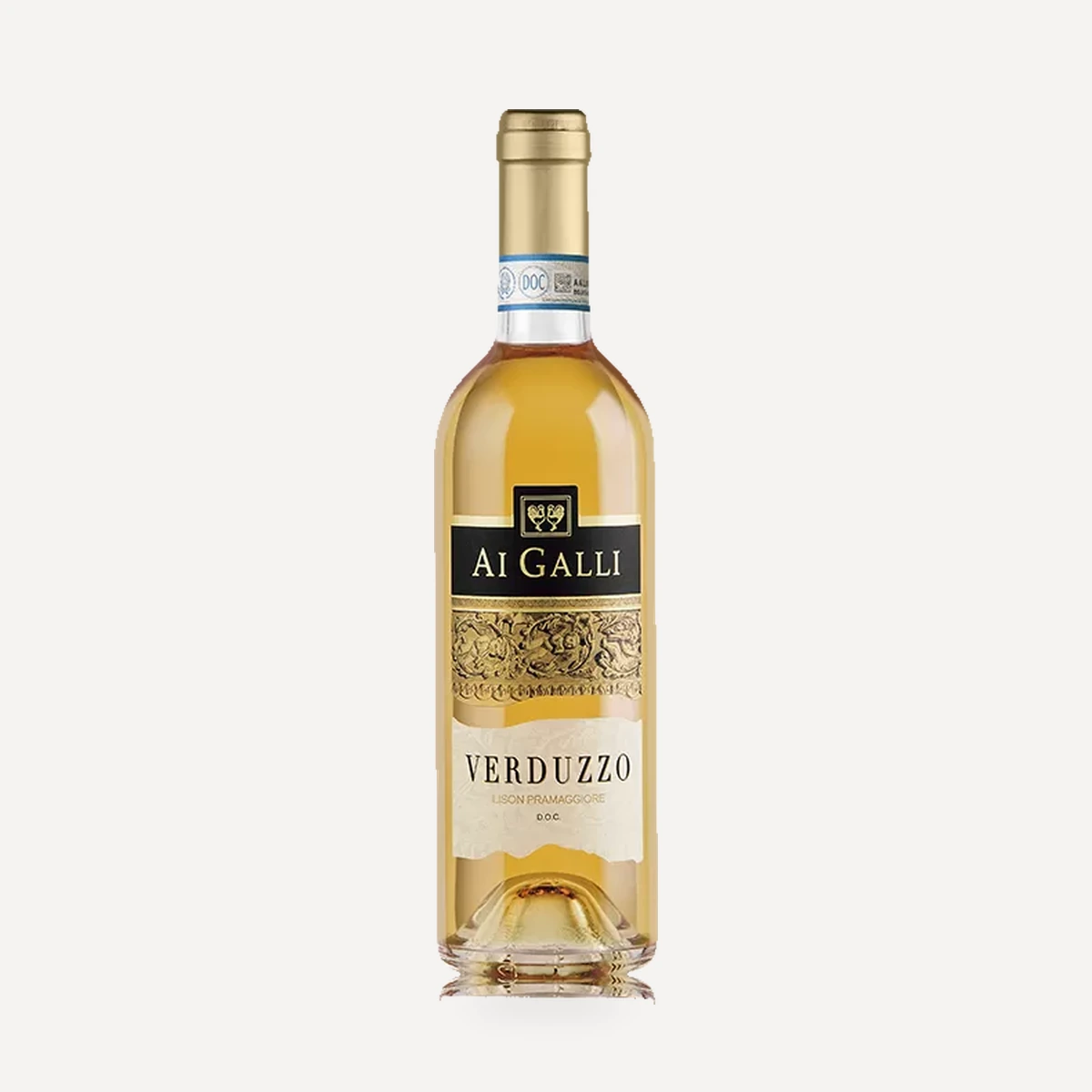
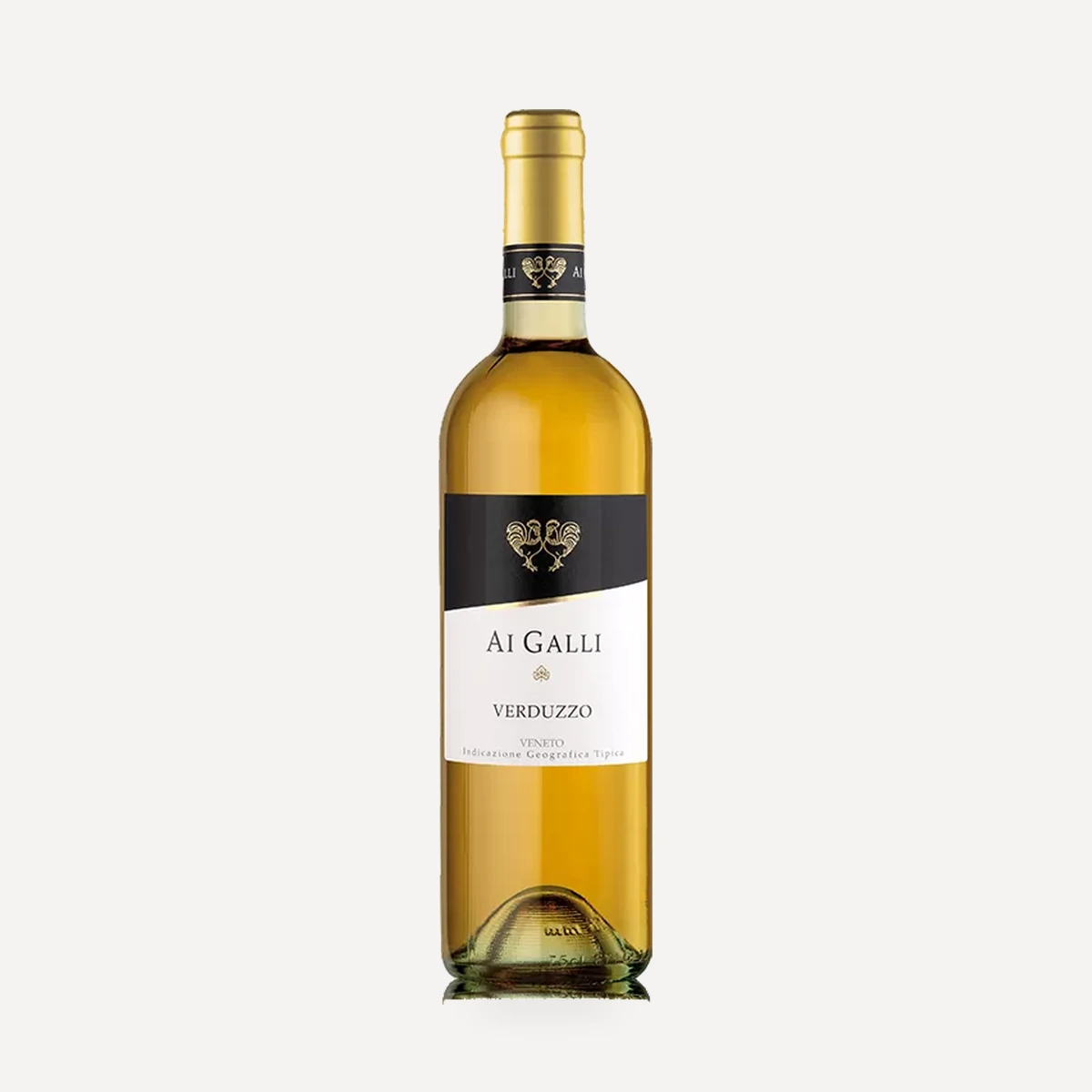
Verduzzo Passito DOC Lison-Pramaggiore