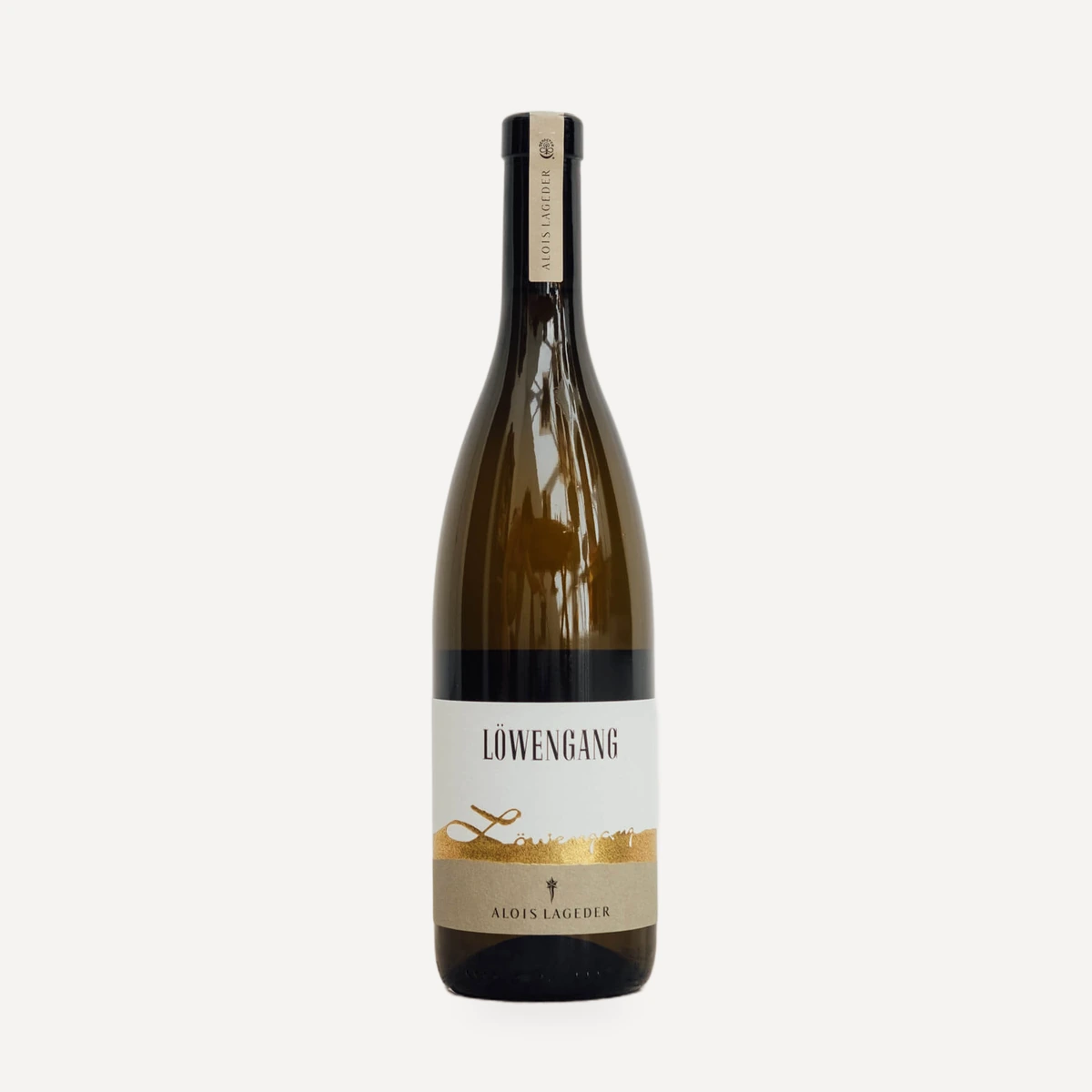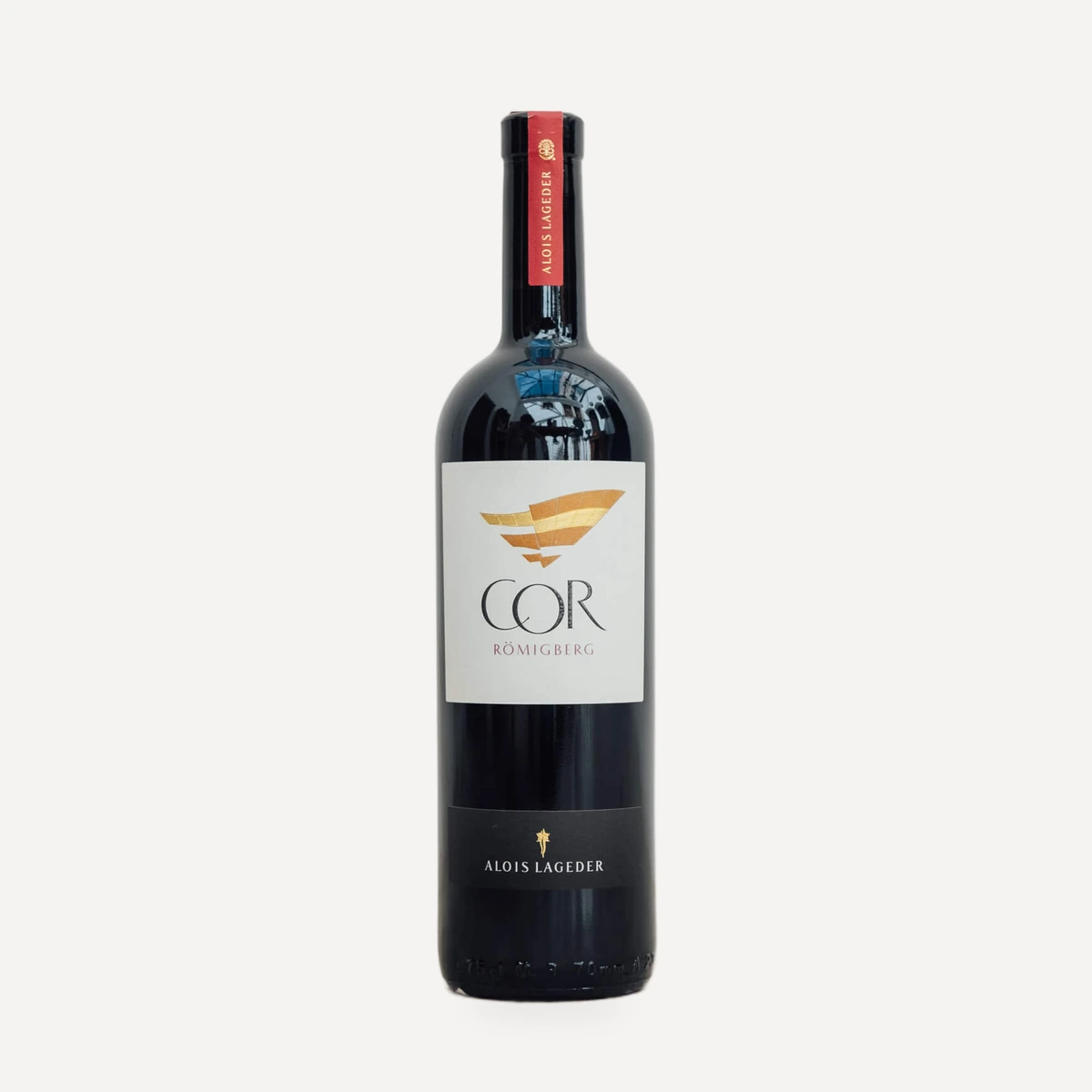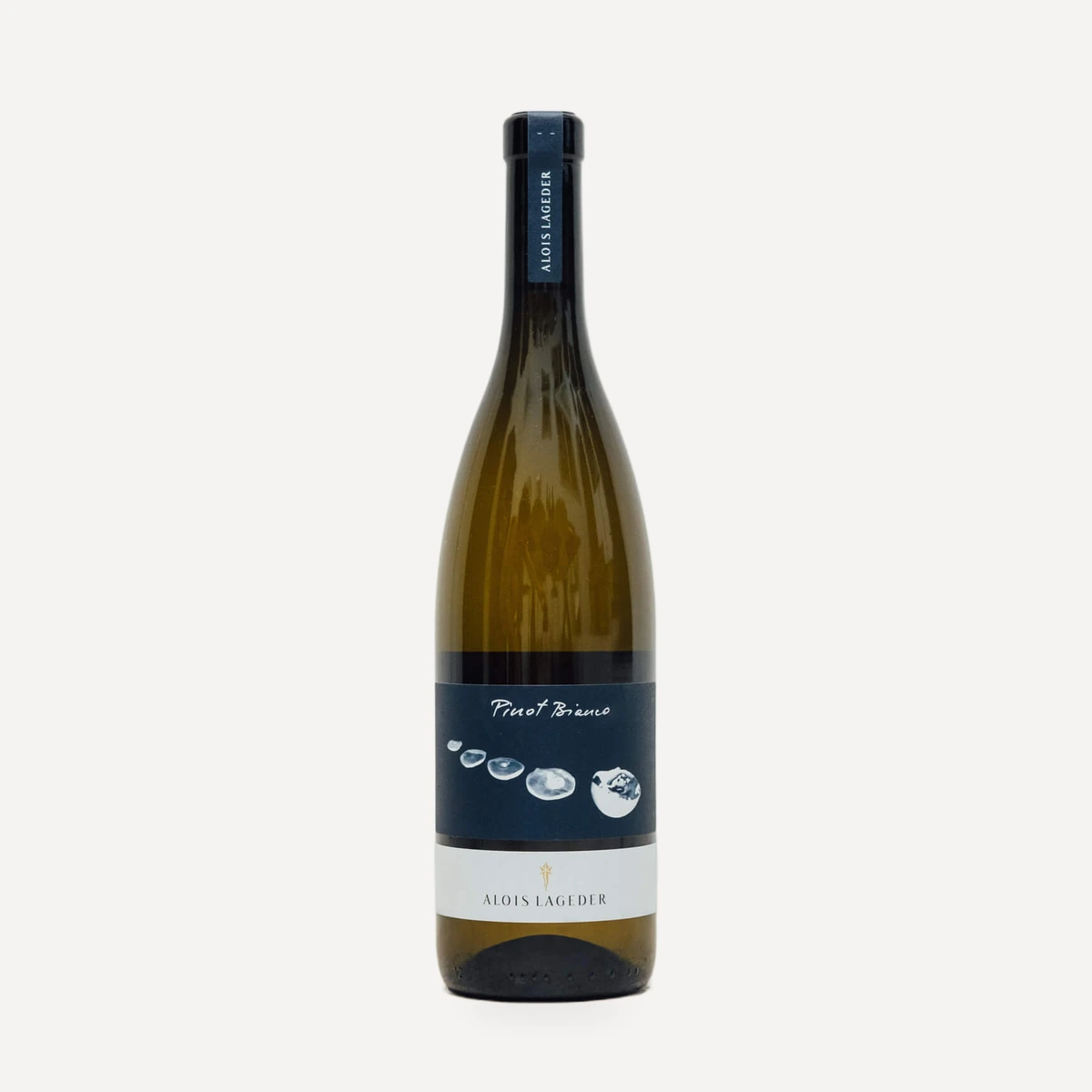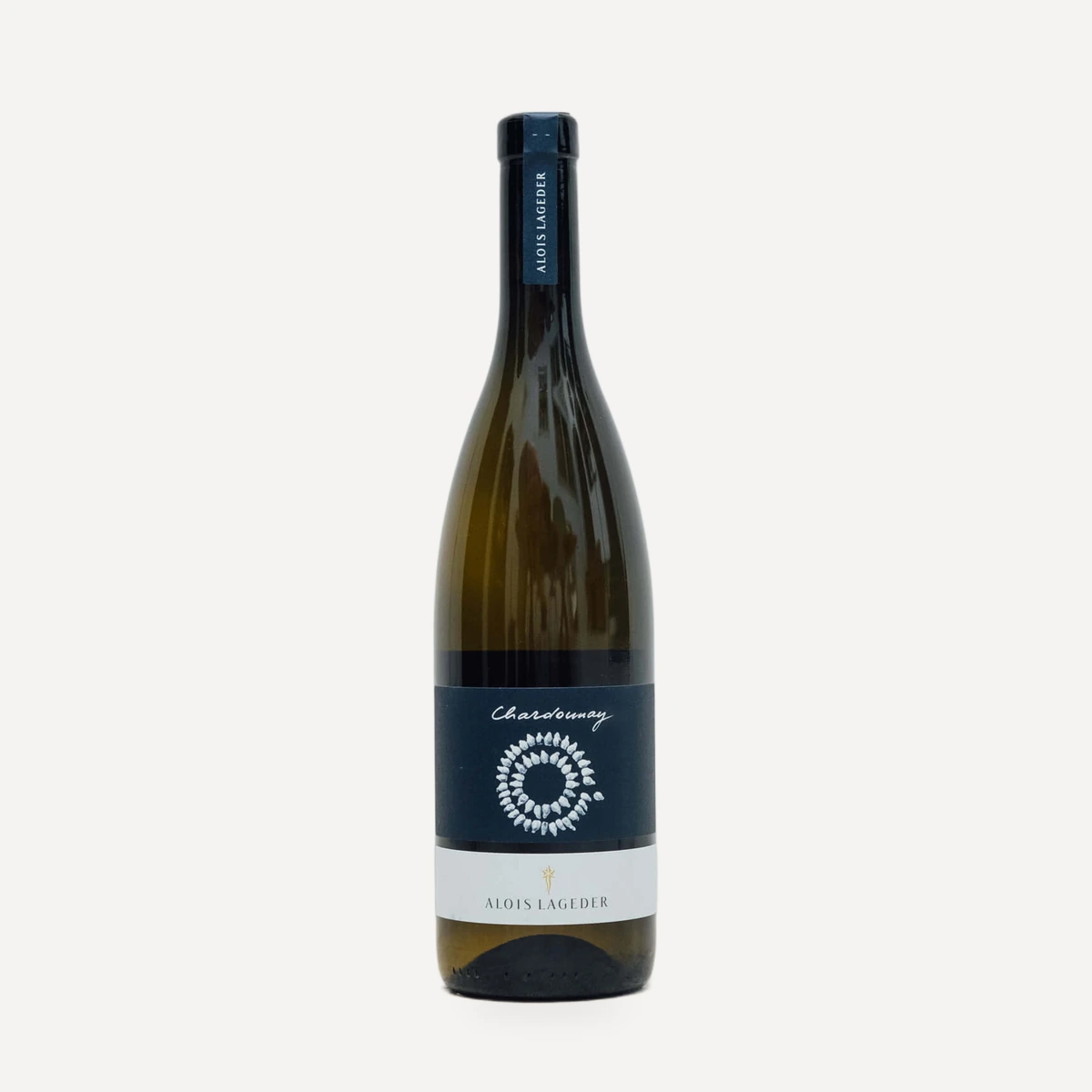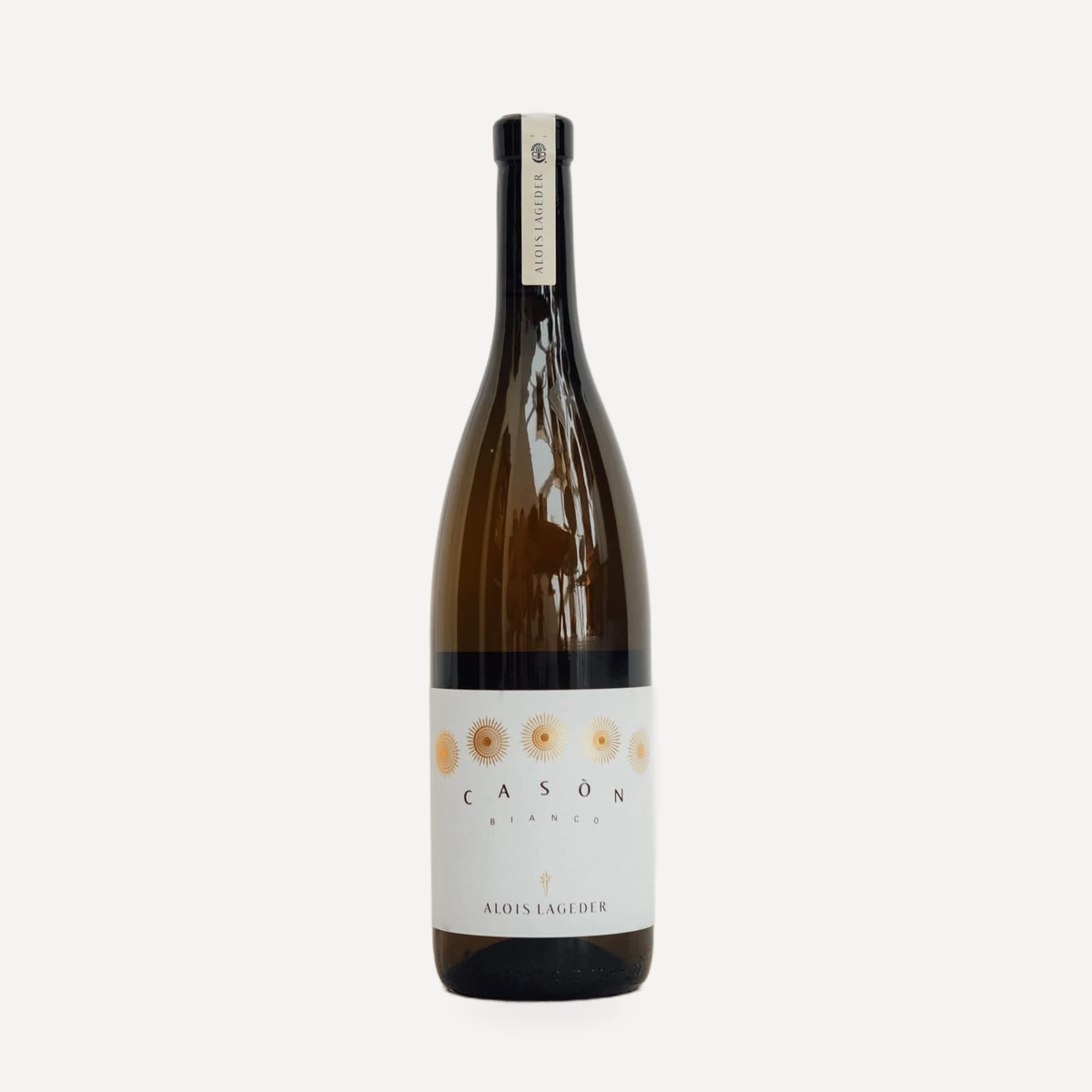
Questo vino
Vineyard and terroir
The grapes come from the Casòn Hirschprunn estate in Magrè, at elevations of 230–360 metres above sea level. The vineyards have sandy, rocky soils with dolomitic limestone.
Grapes
Viognier and Petit Manseng are the principal varieties. Experimental plantings began in the 1980s in response to early projections of significant climate change. Petit Manseng has loose clusters and thick-skinned berries, characteristics associated with resistance to disease and adverse weather. Viognier, a variety generally associated with warmer southern regions, develops a distinctive character in Alto Adige.
Vinification
Spontaneous fermentation and vinification take place in large and small wooden casks. The individual components remain on their lees for several months and are then blended.
Ageing
Following blending, the wine matures in bottle for about one year.
Technical data
Latest presented vintage: 2022. Alcohol: 12.5% vol.
Tasting profile
Clear gold-yellow in colour. The bouquet is intense and lightly aromatic, combining orange fruit, exotic spices, vanilla and woody notes. The palate is full-bodied, rich, saline and fresh, with a very persistent finish.
Serving and pairing
Pairs with fish and seafood, white meat and poultry. Its indicated drinking window is 2–10 years.
Label / history
Casòn Hirschprunn was acquired in 1991 with more than 30 hectares of vineyards and several historic buildings in the centre of Magrè. Experimental cultivation of new grape varieties begun in the 1980s ultimately provided the foundation for the two CASÒN wines.