Storia
Ancilla and the acquisition of the estates
Ancilla, the grandmother after whom the winery is named, was born in 1909. She was an energetic agricultural entrepreneur whose working day began at 3 a.m. In the mid-1970s, assisted by her daughter Maria Teresa, she bought two vineyard properties: La Ghidina at Lugana di Sirmione, close to Lake Garda, and Cadellora at Villafranca di Verona.
Maria Teresa Rossi assumed responsibility for La Ghidina’s vineyards from the beginning. She personally supervised grape production, while the fruit was sold to established Lugana cellars rather than bottled under the family’s own name.
The transition to estate wine production
At the beginning of the 2000s, Maria Teresa decided to hand responsibility to her daughter, Luisella Benedetti. Luisella then faced a choice between selling the properties and turning the family from grape growers into Lugana producers. Although she was working in finance, she had remained involved in the agricultural cycle and regularly scheduled her holidays during harvest. She left finance and chose the estates.
Luisella entered the cellar without previous technical experience and spent a year working as an apprentice. Her practical training included handling hoses, racking wine, cleaning tanks, preparing yeast cuvées, monitoring fermentations and following bottling operations. She subsequently built the family cellar at Villafranca, among the Cadellora vineyards. The winery therefore united the family’s established experience as grape growers with estate vinification and bottling.
Luisella continues to work directly alongside her team. The business carries her grandmother’s name because she regards the present winery as the continuation of Ancilla’s original agricultural vision.
Development of the range and related projects
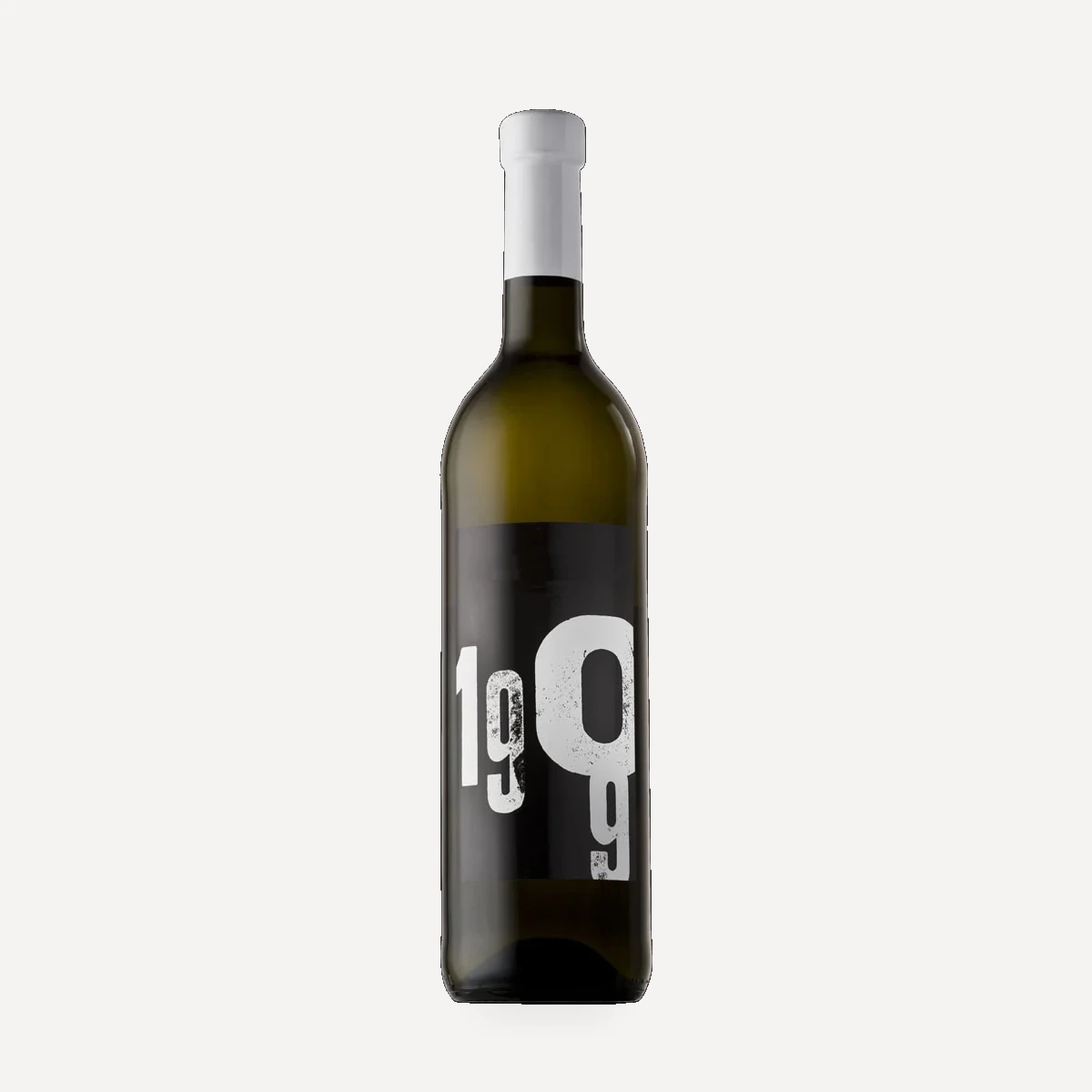
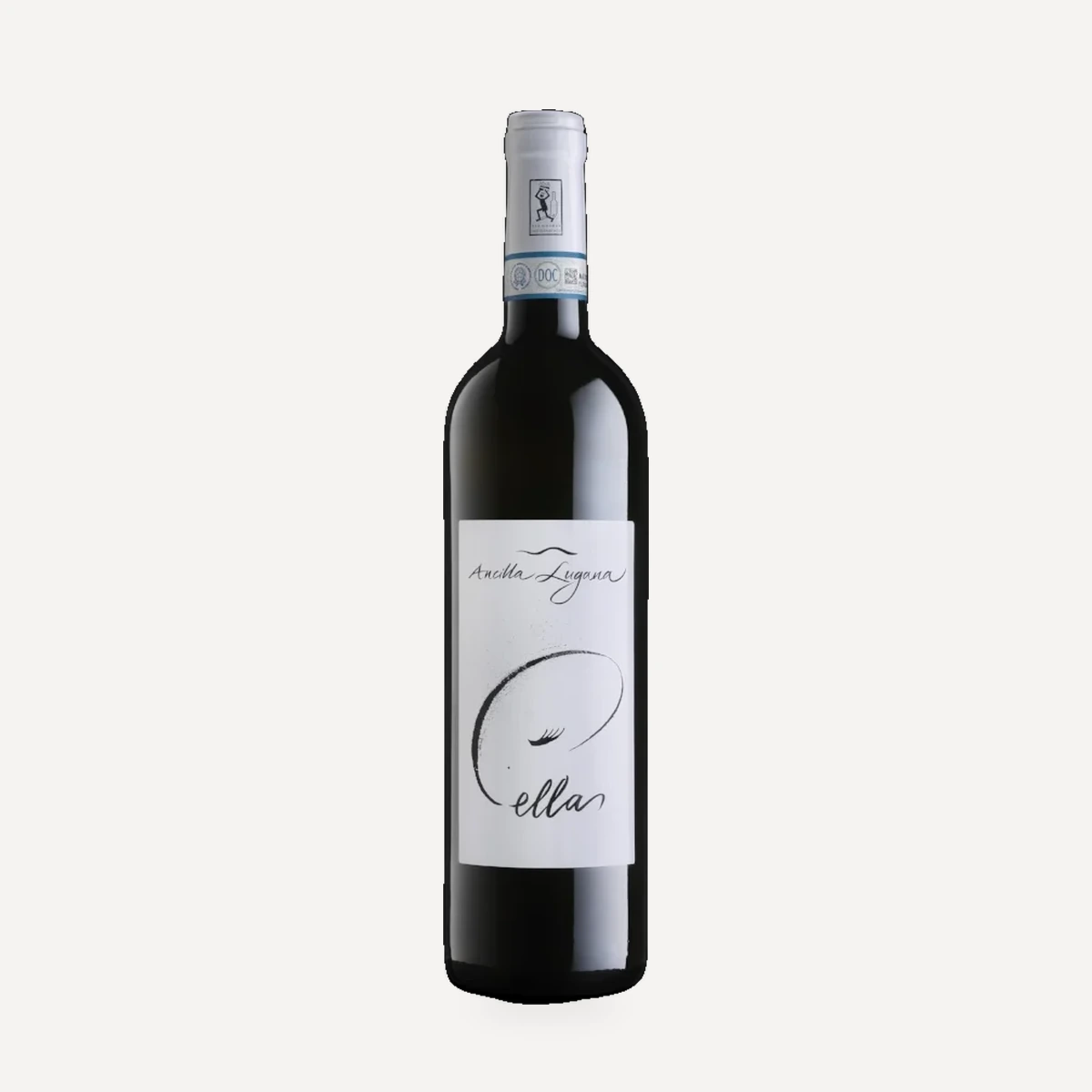
The wines were given names connected to family members or personally significant dates. Ancilla’s birth year, 1909, became the name of a wine made without added sulphites. “ella” is derived from Luisella; “Effe” takes the initial of her son Filippo; the sparkling-wine line “A” refers to Ancilla and to Luisella’s sister Antonella; and the long-aged Maria Teresa Rossi cuvée honours Luisella’s mother.
In 2011, a meeting with two biologists from Boario Terme led to the Ancilla Wine Skin Care project, combining wine and grape derivatives with thermal water. More than three years of development and scientific consultation preceded a range of 15 cosmetic products.
In 2016, Ancilla–La Ghidina received an Ecofriendly Diploma, in collaboration with Verallia, for its commitment to environmental sustainability values. The estate subsequently continued presenting its wines at Vinitaly, ProWein, FIVI markets and other trade and public events.
Terroir
La Ghidina
La Ghidina lies at Lugana di Sirmione, almost facing Lake Garda. Its 6 ha of Turbiana grow in clay-rich silt. In dry weather the soil becomes extremely hard; in rain it turns slippery, sticky and muddy.
The lake’s proximity helps prevent stagnant humidity, promotes ventilation and creates a pronounced difference between daytime and nighttime temperatures. The property contains vines ranging from approximately 8–10 years to 40–50 years old.
Cadellora
Cadellora surrounds the winery near Villafranca di Verona. The estate covers 17 ha, of which 4 ha are planted with Chardonnay and Pinot Nero. Its rich, medium-textured soil is alluvial in origin and contains a substantial stony component. Drainage is good, reducing the danger of moisture accumulating around the vines.
Cadellora is exposed to hail risk, which has led to the installation of a manually operated anti-hail system. The vineyards of both estates are bordered by white roses.
Vinificazione
Viticulture differs between the two properties. La Ghidina is managed traditionally with integrated pest management. Its vines span several age groups, from approximately 8–10 years to 40–50 years, and average yields range from 8 to 10 tonnes per hectare.
Cadellora combines manually operated anti-hail protection with emergency drip irrigation in the driest years. Irrigation water comes from an estate well and is analysed annually. Yields are approximately 5–7 tonnes per hectare. The vineyard contains nearly 12,000 Chardonnay vines and 5,000 Pinot Nero vines.
Vine age and bunch structure guide the separation of the La Ghidina fruit. Older vines produce looser bunches and wines intended for longer maturation, while younger vines produce more compact bunches and fresher wine profiles. White roses grow around the vineyards of the estates.
The winery stands at Villafranca among the Cadellora vineyards. Luisella Benedetti developed her cellar experience through a year of practical apprenticeship that included racking, tank cleaning, preparing yeast cuvées, monitoring fermentation and following bottling.
La Ghidina’s Turbiana grapes are vinified and matured separately according to vine age. Fruit from older vines, whose bunches are looser, is directed toward wines requiring longer maturation; younger, more compact bunches are associated with fresher expressions.
The production range employs several approaches. Effe Chardonnay is handled simply and matured exclusively in steel, while Effe Zero follows the same steel-based approach without added sulphites. The 1909 cuvée is also made without added sulphites and is conceived around excellent fruit and limited reliance on technology.
For La Ghidina, the grapes are lightly dried before vinification. The wine is made only in selected years and limited quantities, matured in barriques and then given extended bottle ageing. Ancilla Lugana receives at least 18 months of bottle maturation before release.
Sparkling production includes both Metodo Classico and Metodo Charmat. The “A” Blanc de Blanc is made from Chardonnay, while “A” Blanc de Noir and the rosé expressions use Pinot Nero. The Maria Teresa Rossi cuvée is a single-vintage Metodo Classico wine from Cadellora grapes and spent approximately 60 months on its lees.
Filosofia
Ancilla is presented as a family project grounded in continuity, direct work and personal responsibility. Luisella Benedetti chose agricultural life over finance, learned cellar work from the ground up and continues to assist her team wherever needed.
The estates and wines are treated as extensions of the family. Wine names preserve relationships and memories: Ancilla honours the founding grandmother; 1909 records her birth year; ella refers to Luisella; Effe to Filippo; the “A” sparkling wines to Ancilla and Antonella; and Maria Teresa Rossi to Luisella’s mother.
The approach varies with the intended expression. Vineyard age is preserved through separate vinification and maturation. Wines from older vines receive more time, while fruit from younger vines is used for fresher styles. The 1909 project expresses a preference for simple winemaking, excellent grapes, restrained use of technology and no added sulphites. Long maturation is treated as essential when the intended wine requires patience and longevity.
Vini
Ancilla Lugana DOC ella