Storia
Foundation in 1984
Feliciana was created in Pozzolengo in 1984 by the brothers Massimo and Giorgio Sbruzzi, with the experienced assistance of their father, Sergio. The family initially made fine wine for its own consumption and for a small circle of friends. Winegrowing was then combined with dairy-cattle farming, an activity widely practised locally at the time.
From mixed farming to a winery
As experience accumulated and production methods improved, the family gradually converted land previously cultivated to feed livestock into vineyards. Wine moved beyond private consumption into commercial production and export, and Feliciana developed into a working winery. Vineyards and olive groves became the agricultural core of the property.
Continuity of family management
Massimo and Giorgio subsequently became the owners of the agricultural business. They continued the principles learned from Sergio, centring cultivation on respect for local traditions and the surrounding land. This approach took practical form through the exclusion of chemical fertilizers and herbicides from the vineyards, the establishment of cover crops between vine rows and minimal cultivation of the soil.
The business now combines its winery and agricultural production with hospitality. Its accommodation and restaurant operations are integrated into the vineyard setting, while photovoltaic power and geothermal heating provide almost all the energy used by the hospitality facilities.
Terroir
Feliciana is based at Località Feliciana in Pozzolengo, in the immediate hinterland of the lower part of Lake Garda. The property lies between Desenzano and Sirmione, near the southern shore of the lake and in the vicinity of the Torre di San Martino della Battaglia.
The agricultural and hospitality buildings are surrounded by vines. Estate fruit is identified principally with private vineyards in Pozzolengo, while some production also draws on private vineyards in Desenzano.
The vineyard soils are described as medium-textured, with clay-rich areas. No single uniform soil profile is assigned to every holding, but this combination of medium texture and clay is repeatedly associated with the estate's vineyards.
Vinificazione
Feliciana's vineyard work is founded on the principles of tradition and respect for the land passed from Sergio Sbruzzi to his sons Massimo and Giorgio.
Chemical fertilizers and chemical herbicides are excluded from the vineyards. Cover crops are maintained between the vine rows, while soil cultivation is kept to a minimum. These measures are intended to reduce intervention in the vineyard floor and preserve the agricultural environment around the vines.
The estate's portfolio also reflects selective control of production: several bottlings are made from grapes grown at low yields, while hand harvesting into 18 kg boxes is employed for part of the range. Harvest timing varies with grape and intended wine style, extending from early picking for sparkling production to September and October harvests for still wines.
Feliciana produces still white, rosé and red wines as well as sparkling wines. The documented cellar repertoire includes soft pressing, white vinification under temperature control, short maceration and draining of red grapes for rosé production, and temperature-controlled fermentation on the skins for red wines.
Stainless-steel tanks are used for fermentation and maturation across the portfolio. Selected wines also mature partly in small oak or durmast casks. Bottle maturation takes place in temperature-controlled rooms for several still wines.
Sparkling production encompasses both bottle refermentation and the Charmat method. The bottle-refermented Lugana is held in steel until spring, undergoes its second fermentation in bottle and is disgorged after 24 months. Charmat-method wines are held in steel before their second fermentation.
Filosofia
Feliciana's agricultural philosophy places tradition and the surrounding territory at the centre of cultivation. These principles were transmitted by Sergio Sbruzzi and are continued by his sons, Massimo and Giorgio.
Respect for nature is expressed through concrete vineyard choices: chemical fertilizers and herbicides are not used, cover crops grow between the rows, and soil cultivation is minimized. Vineyards and olive groves form the agricultural heart of the property.
Environmental responsibility extends to hospitality. The restaurant and guest accommodation rely almost entirely on renewable energy, notably photovoltaic power and geothermal heating.
Vini
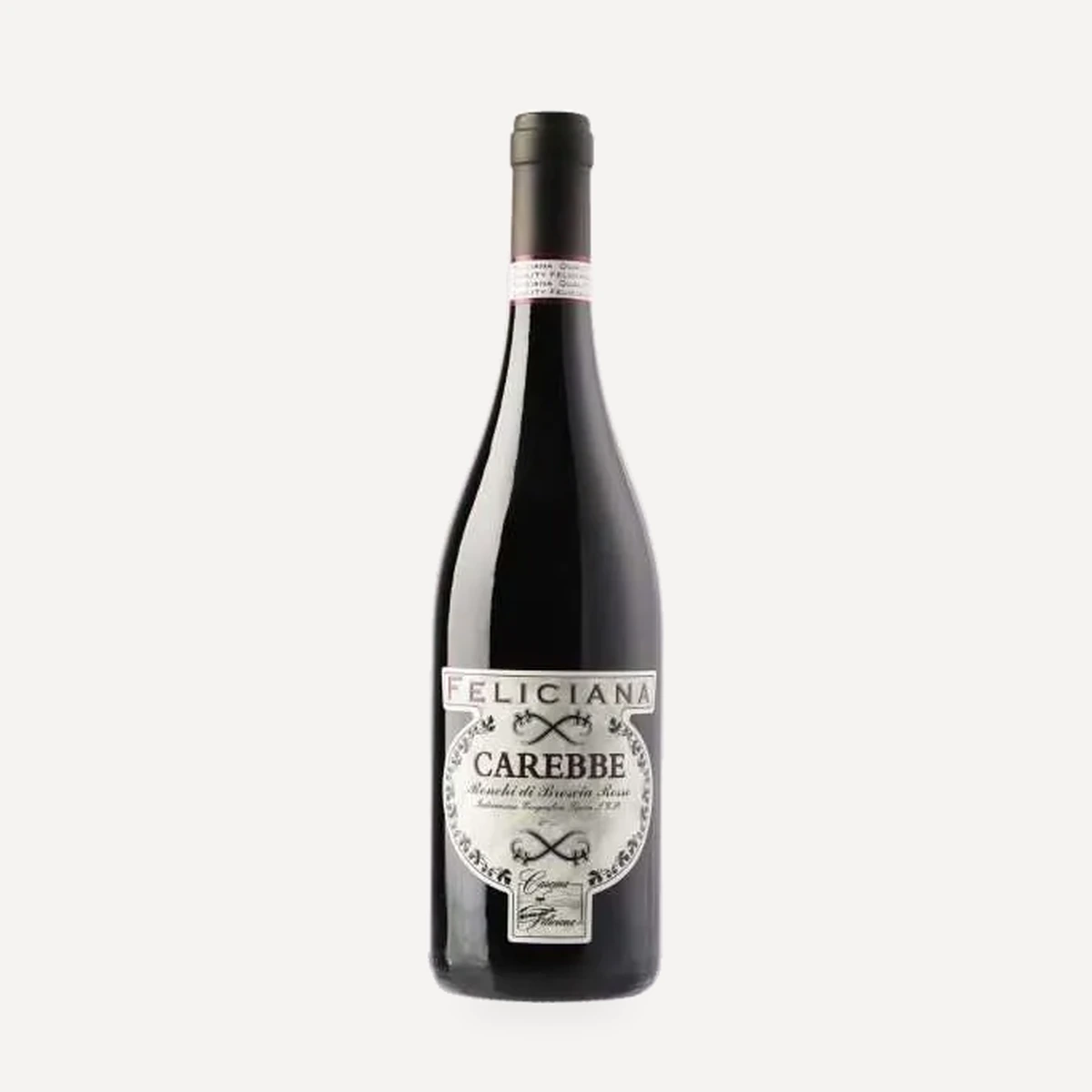
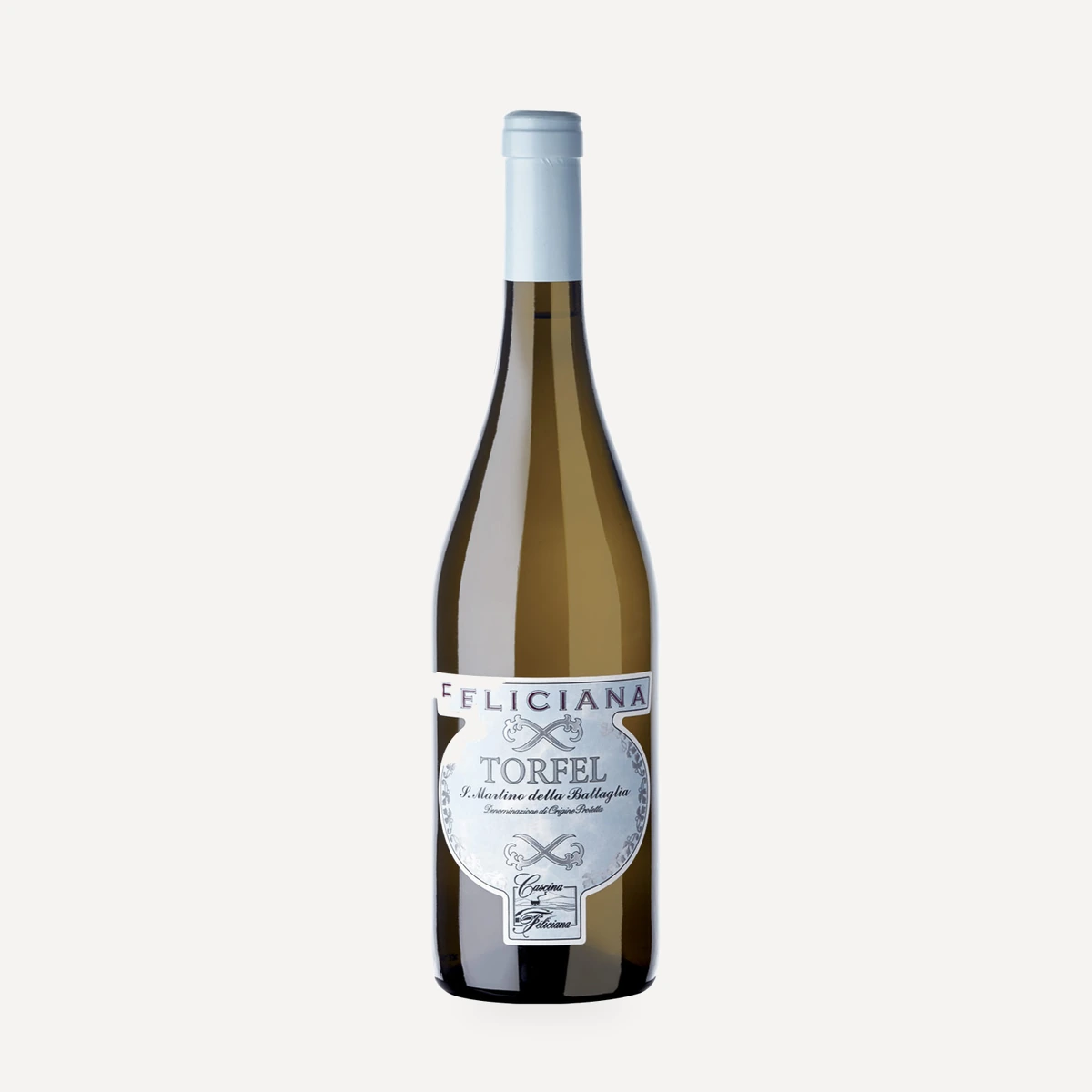
Carebbe Ronchi di Brescia Rosso IGT
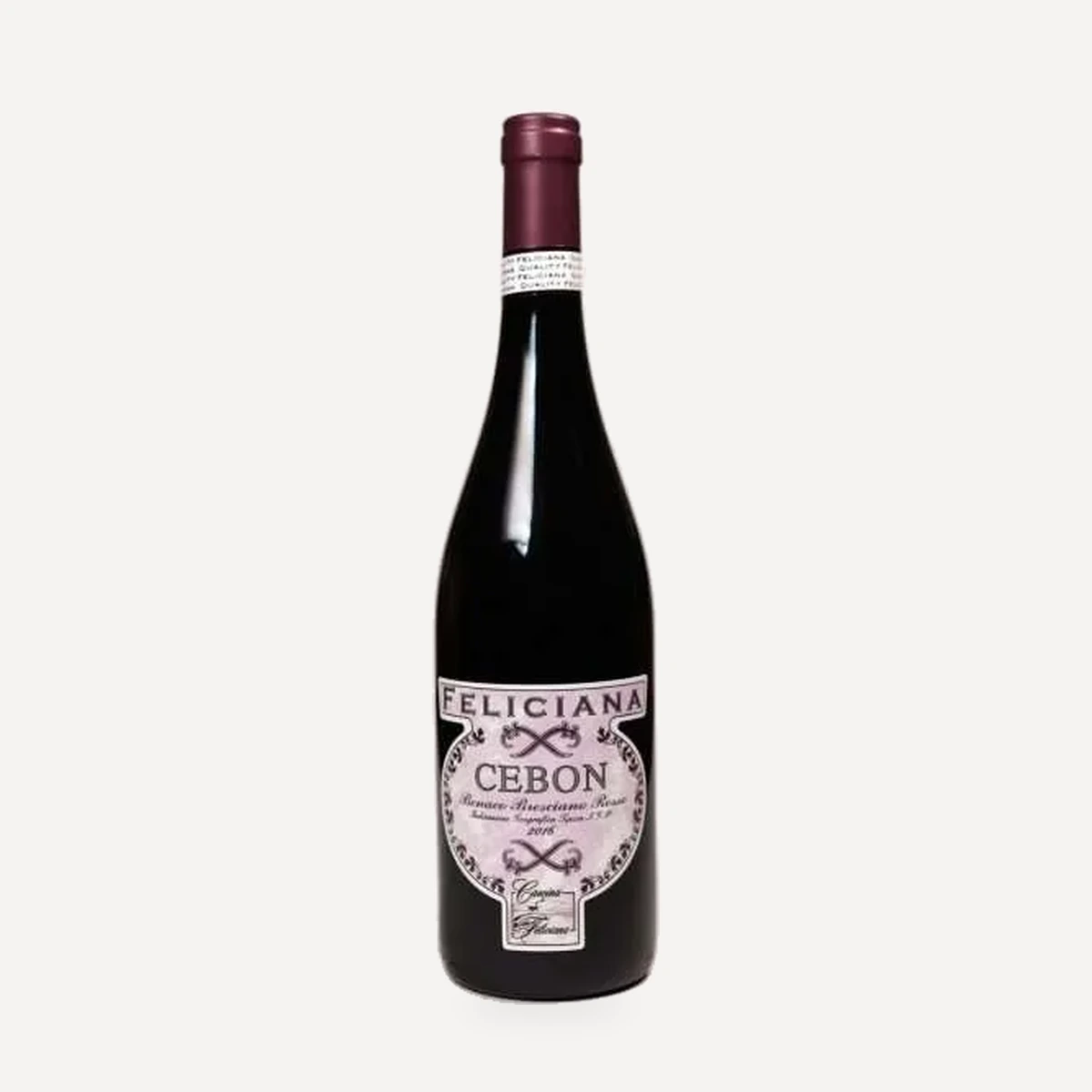
Cebon Benaco Bresciano Rosso IGT
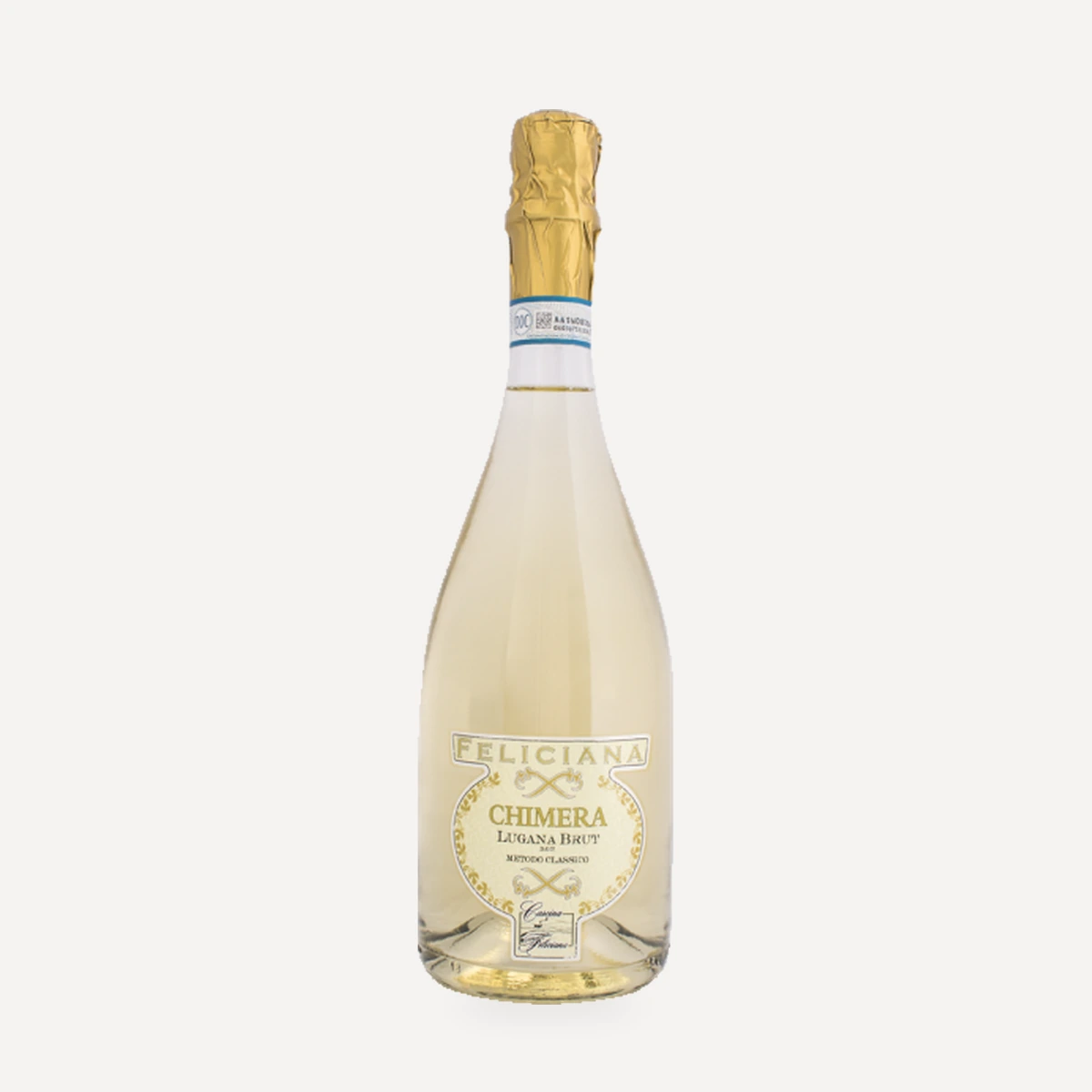
Chimera Lugana Brut
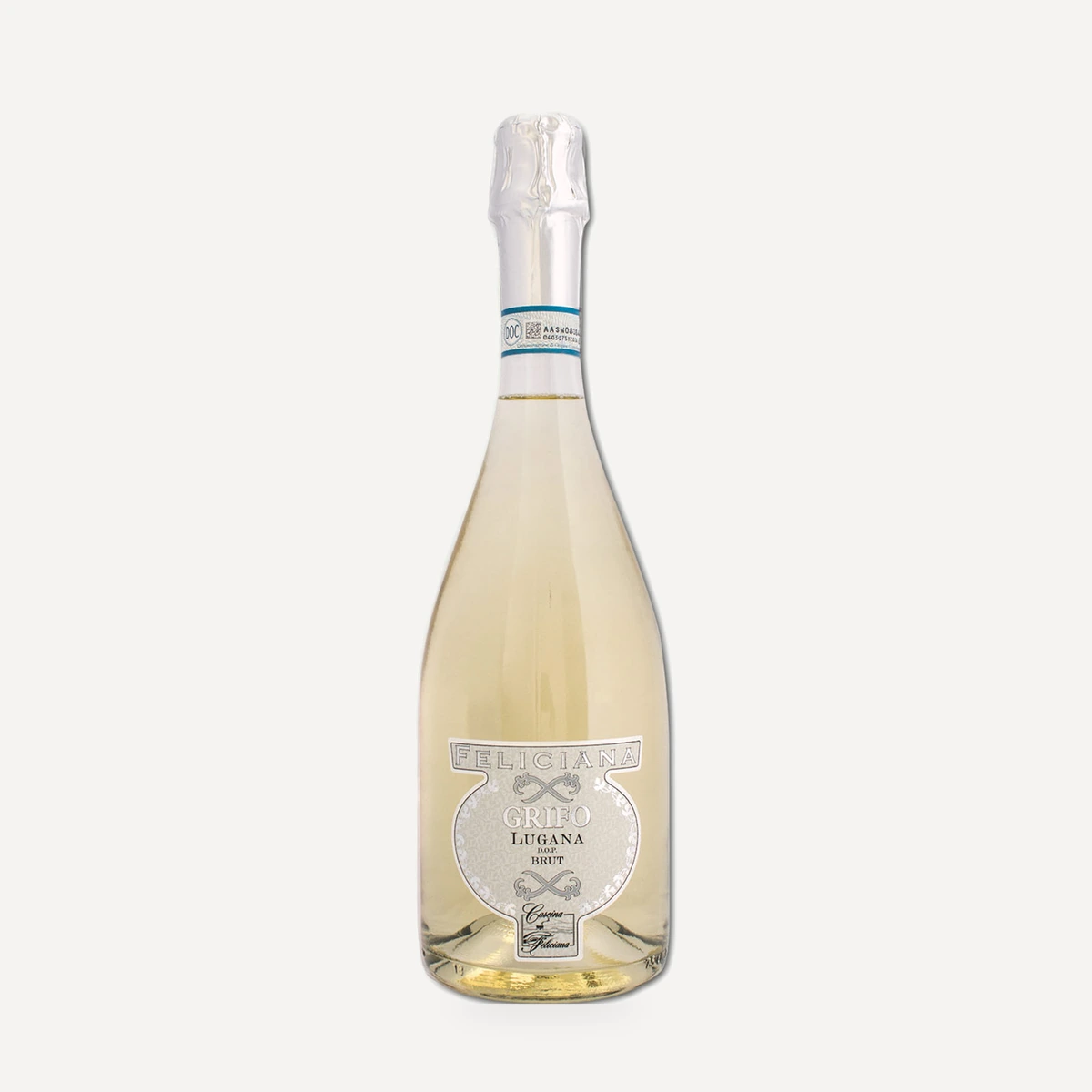
Grifo Lugana Brut
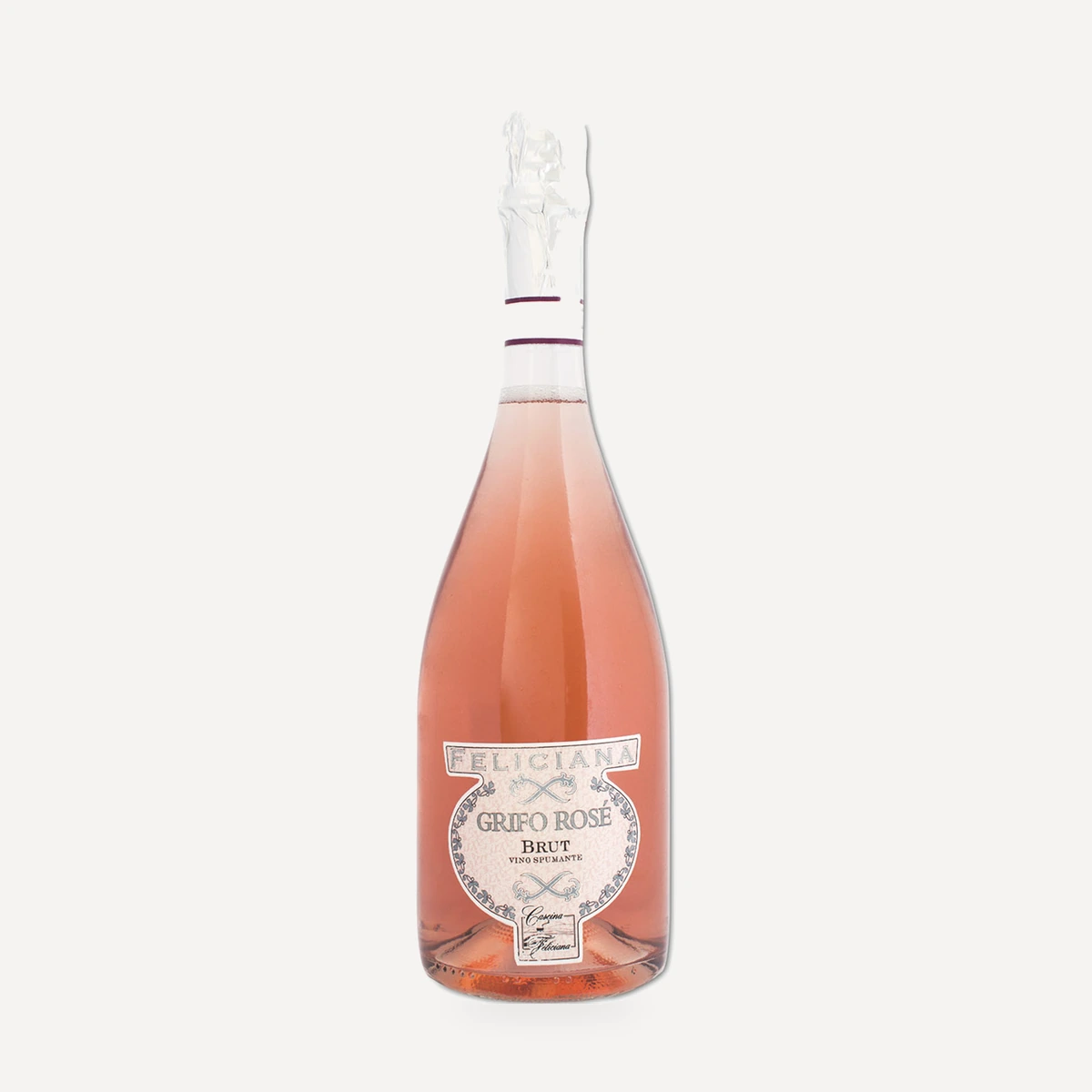
Grifo Rosé Brut
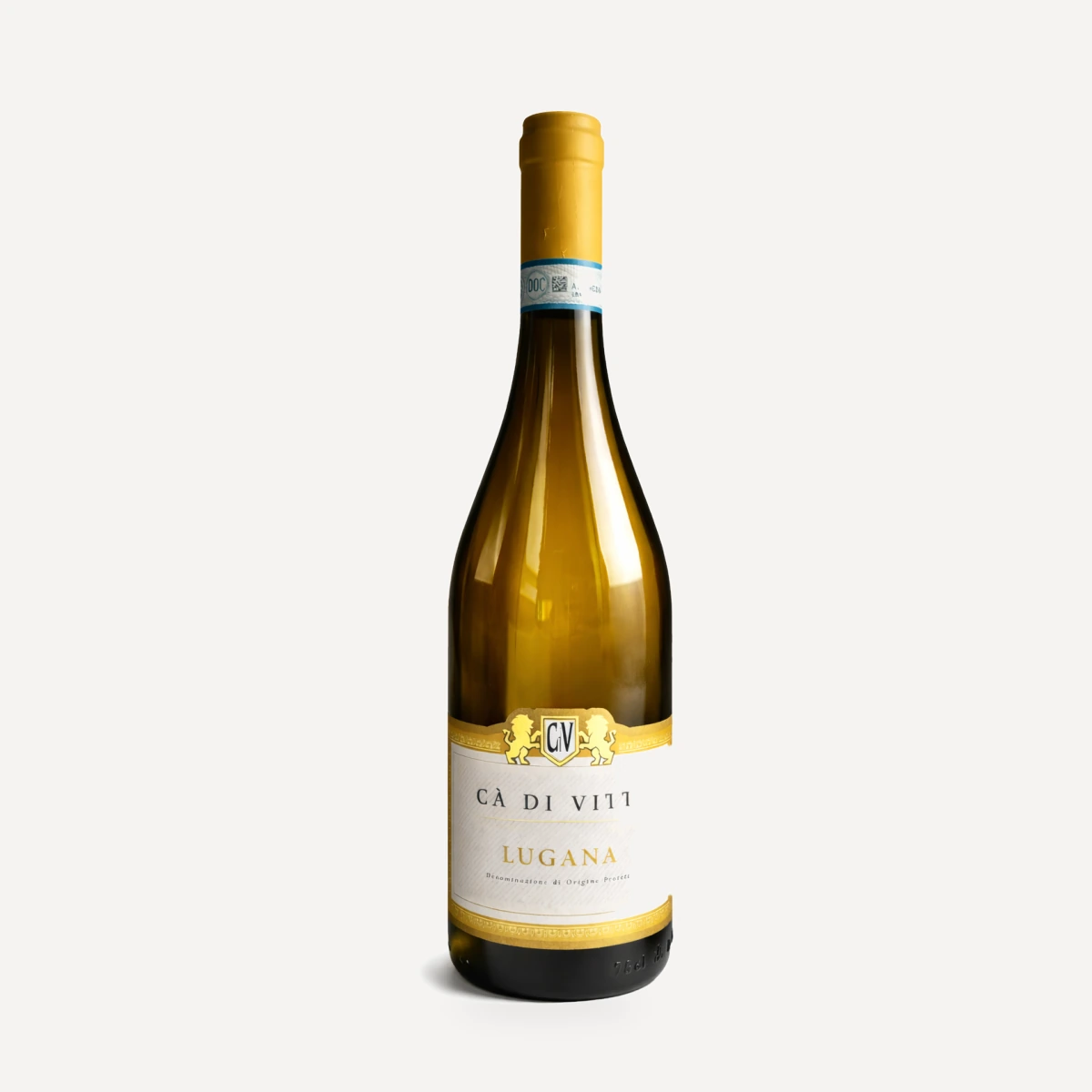
Ca' di Vitti Lugana DOP
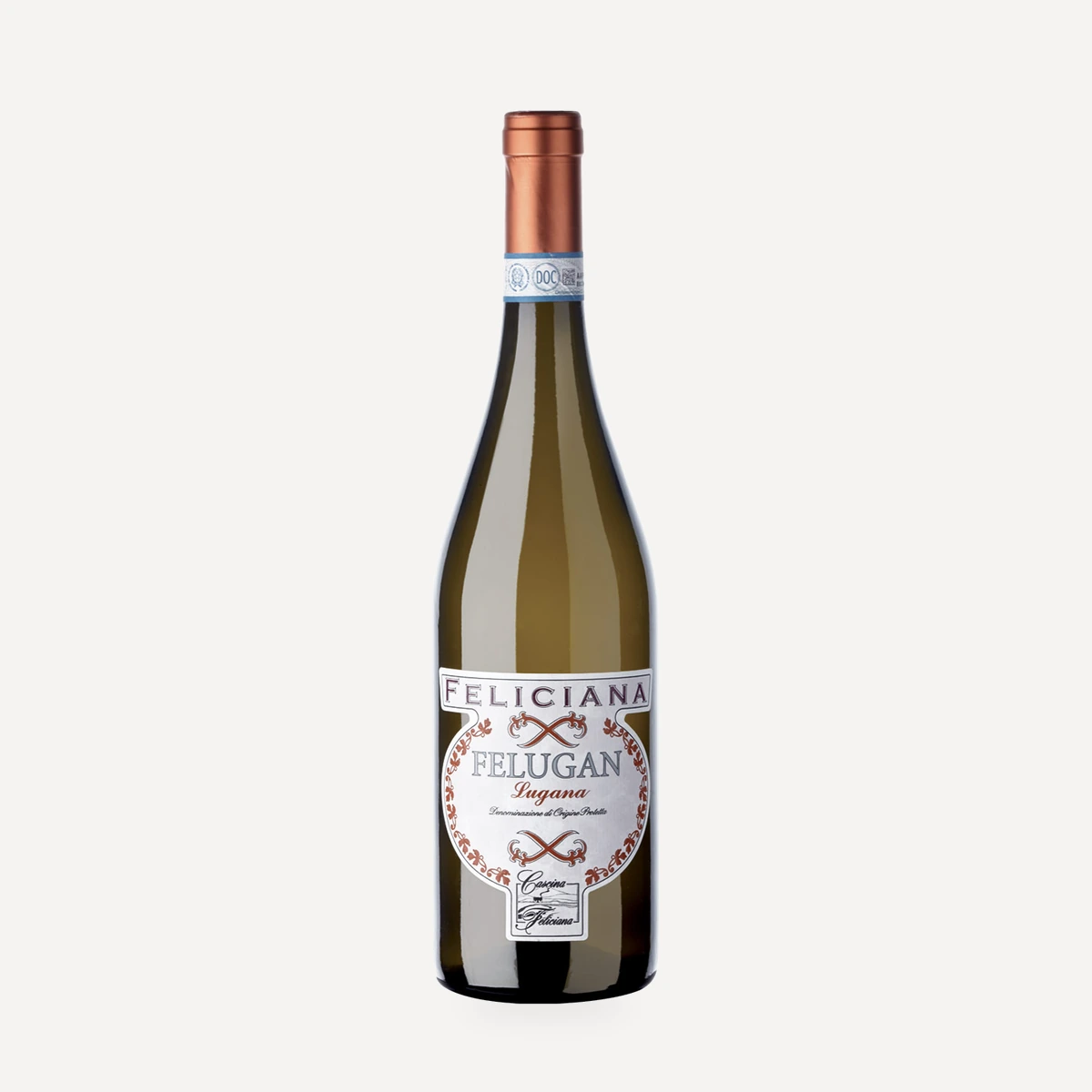
Felugan Lugana DOP
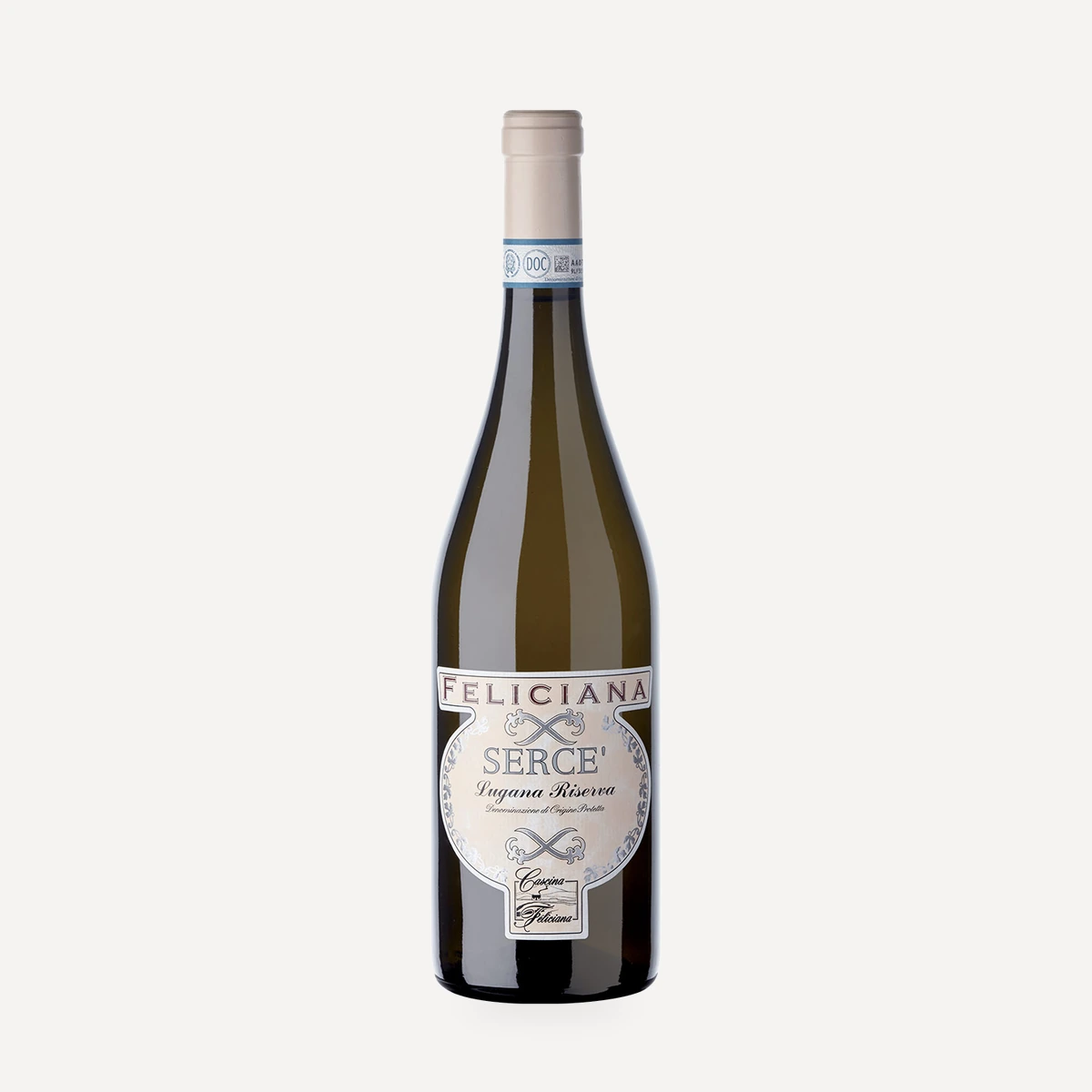
Sercè Lugana Riserva DOP