Storia
Foundation and the first generation
Pratello’s agricultural history began in 1867, when Vincenzo Bertola founded the business. Remembered as a hard-working pioneer, he set about transforming and improving land whose agricultural identity was still taking shape. He worked alongside his family, combining close attention to the land with a strong ethic of labour. The Bertola family continued to care for the property and develop the original project across subsequent generations.
Dante, Bortolo and Caterina
In 1967 responsibility passed to Vincenzo Bertola’s sons, Bortolo and Dante. Dante’s wife, Caterina, joined them in safeguarding the inherited knowledge of farming, land management and the use of the farm’s produce. They preserved these practices and transmitted them to the following generation, becoming central figures in the continuity of the estate.
The emergence of modern Pratello
In 1980 the inherited agricultural business became part of the enterprise now known as Pratello. Under Vincenzo and Cristina, the estate expanded while retaining its emphasis on family continuity, agricultural work and respect for its origins. Its activities grew beyond wine to encompass food crops, livestock, olive oil and hospitality. The business ultimately developed more than 120 ha and began exporting wines and spirits to 53 countries.
The fifth generation
Vincenzo and Cristina entrusted the future to their children, Nathan and Naike. Raised among vineyards and oak barrels, both entered the business as young winemakers. Working with a growing team, they developed Pratello’s presence in the Lugana, Valtènesi, Garda and San Martino della Battaglia DOC areas.
Organic farming and Idea Pratello®
After establishing organic management, the family began developing Idea Pratello®, an estate protocol extending beyond the use of natural products in vineyards and the cellar. Its scope includes vineyard biodiversity, renewable energy, ecological compensation, energy efficiency, cooperation between plants and animals, reduced copper and sulphite use, bioarchitecture and treatment of soil as a living system.
Biodiversity and field research, 2020–2022
In autumn 2020 Pratello began cover-crop trials in the Brusadilì vineyard as part of a two-year collaboration with Azienda Mille1 and Fondazione Edmund Mach. The wider project examined reduced-copper disease control, soil fertility, possible soil contaminants, drought resilience, wild pollinators and educational biodiversity infrastructure.
In spring 2021 an apiary house was completed, while five bee hotels were installed around the estate. During the same year a DigitEco weather station was established beside the Rebo vines at Fornaci and connected to the Rimpro plasmopara forecasting model. Comparative downy-mildew trials and sprayer-calibration studies were conducted during the difficult, wet 2021 season.
The trials continued through 2022. The dry season allowed copper inputs to be reduced substantially in the experimental plots. Work also covered bunch-zone leaf removal, cover crops, green manure, manure application, soil analysis, the biological quality of vineyard, olive-grove, arable and woodland soils, and monitoring of wild Apoidea. Results from the project were presented at Italian and international viticulture, soil-science and apidology events during 2021 and 2022.
Terroir
Lake Garda and the moraine hills
Pratello occupies moraine hills on the Brescia side of Lake Garda, described as the lake’s D’Annunzio shore. Lake Garda moderates the local microclimate, allowing Mediterranean scents and flavours to occur in a setting close to the Alps.
Lugana
The Lugana vineyards lie south of Lake Garda on soils of glacial origin. Descending ice created stratified clays of moraine and sedimentary origin, with abundant mineral salts. Close to the lake, the matrix is predominantly clay; on higher ground, clay merges with moraine bands to produce a mottled, “leopard-spot” pattern. The ground is compact and hard during drought but soft and muddy after rain. These conditions are associated with the aromatic complexity, acidity and savoury character of Turbiana.
Valtènesi
Valtènesi occupies the Brescia side of Lake Garda. Its rolling terrain was formed by melting glaciers and consists mainly of stones with substantial active limestone. The area faces sunrise and experiences cool nights, light breezes and sunny mornings. Pratello associates this gentle climate with finesse and salinity. The native Groppello is treated as a delicate variety that has found a particularly suitable habitat here.
San Martino della Battaglia
This small enclave south of Lake Garda has clay soils rich in mineral salts and supports Tuchì. The vines have been present around the lake for more than a century; Pratello works with vines more than 80 years old. The estate connects the name Tuchì with a historical comparison to Tokaji made by an Austro-Hungarian emperor and with a local expression meaning something pleasant to touch or a small thing, reflecting the size of its grapes and bunches.
Garda DOC
The Garda DOC vineyards occupy moraine hills with pebbly, limestone-rich soils. Across its Garda holdings Pratello grows Riesling, Pinot Grigio, Chardonnay, Rebo and Merlot, linking the varied wines of the area through a common saline character.
Vinificazione
Organic management and Idea Pratello®
Pratello is managed as an organic farm. Idea Pratello® expands the estate’s approach beyond natural products in the vineyard and cellar to encompass the biodiversity of the entire vineyard ecosystem. Its objectives are to eliminate copper because of its persistence as a heavy metal; halve total sulphites relative to the organic method; establish multivarietal ground cover; plant shrubs and other vegetation for insects and birds; integrate extensive outdoor livestock with the production of organic manure; use renewable energy and ecological compensation; improve vineyard energy efficiency; and treat soil as a living system whose organisms must be nourished rather than constrained.
Bioarchitecture forms part of the same programme: concrete is to be minimized in favour of wood, stone, iron, glass and straw. Rows of old fruit varieties have been inserted among the vines, while forgotten fruit trees have been added to the olive groves. Animals live outdoors, graze the estate’s meadows and receive supplementary grain produced on the farm. Their manure contributes to the farm’s nutrient cycle.
Two-year agroecosystem project
Pratello, Azienda Mille1 and Fondazione Edmund Mach collaborated on a two-year programme designed to improve environmental sustainability, soil fertility, biodiversity and resilience to climate change. The work examined alternative disease-control strategies using lower copper doses, possible contaminants associated with land formerly treated with sewage sludge, phytoremediation plants, cover crops, drought mitigation, soil biological quality and wild pollinators.
Disease forecasting and copper reduction at Fornaci
The trial site was a level, Guyot-trained Rebo vineyard at Fornaci. At the beginning of the 2021 season Pratello installed a DigitEco weather station beside the vines. Sensors recorded minimum, average and maximum air temperature and relative humidity, rainfall, leaf-wetness duration and wind speed. With support from Fondazione Edmund Mach, the station fed the Rimpro plasmopara decision-support model, allowing downy-mildew risk and disease development to be followed against field conditions.
The 2021 comparison included the estate’s usual strategy, copper supplemented with sweet-orange oil, copper doses adjusted through Rimpro, and an untreated control. Fifteen downy-mildew treatments were required during a season marked by repeated rain and prolonged leaf wetness. The average copper dose was 268 g/ha per treatment, for an annual total of 3.75 kg/ha. Severe pressure caused important crop losses. The Rimpro-managed and orange-oil treatments achieved better control than the usual programme, principally because preventive applications were timed more effectively.
In 2022 the experiment added comparisons involving bunch-zone leaf removal and different Rimpro strategies. April and May brought only 66 mm of rain. Four preventive treatments were made under the estate programme and three under the DSS programme through May; seasonal totals were seven and five treatments respectively. Copper use fell to 1.78 kg/ha in the estate programme and 1.18 kg/ha in the Rimpro treatments. Neither treated nor untreated plots developed downy mildew, while powdery mildew remained limited.
Bunch-zone leaf removal exposed clusters to light, improved their microclimate and facilitated spray coverage. A 500 g/ha copper application was made on 1 August 2022, followed by 71 mm of accumulated rainfall before sampling on 20 August. Copper residues on grapes fell from an average of approximately 2 mg/kg to 1 mg/kg in both defoliated and non-defoliated treatments.
Sprayer calibration
Two estate sprayers were tested on 24 June and 13 July 2021. Leaves were sampled from three canopy positions before and after a 400 g/ha copper application, and water-sensitive papers measured coverage on both leaf surfaces. The first assessment identified weak deposits within the canopy and in upper growth. After the machines were adjusted, copper distribution became more even and coverage of the lower leaf surface improved. The work demonstrated the importance of calibration when available copper quantities are restricted and disease pressure is high.
Soil fertility and green manure at Fornaci
A section of the young Fornaci Rebo vineyard had previously received sewage sludge. Treated and untreated zones were analysed for PAHs, PCBs, PFAS, hexavalent chromium, heavy metals and other regulated elements. Concentrations remained below the applicable legal thresholds, while chemical fertility and soil-biological-quality measurements showed good overall fertility and no meaningful difference between the two zones.
In winter 2021 and again in autumn, vineyard alleys were sown with two green-manure mixtures: one rich in grasses to build the soil’s carbon component and another enriched with legumes to increase available nitrogen. Both mixtures included species with potential phytoremediation functions. Some rows received fresh horse manure at 300 q/ha, while spontaneous vegetation served as the control.
Drought-resilience work at Brusadilì
A dry, hillside Chardonnay sector at Brusadilì was sown in autumn 2020 and 2021. One cover-crop mixture combined grasses with additional legumes; a second balanced grasses, legumes, Brassicaceae and Boraginaceae. Spontaneous vegetation formed the control. In 2022 some cover crops were flattened with a roller crimper, while others were mown and left on the surface. Severe drought prevented statistically meaningful differences from developing between these two forms of residue management.
Initial soil analysis described a loam to sandy-loam soil with low-to-moderate water-holding capacity, abundant limestone, good chemical fertility and organic-matter reserves, and moderately good biological quality. Both sown mixtures produced significantly more dry biomass than spontaneous vegetation in each research year, showing that autumn sowing could establish useful cover even in the dry hillside position.
Pollinators and landscape biodiversity
Wild Apoidea were monitored at Brusadilì and Fornaci. Each transect comprised five plots placed 5 m apart, with yellow, blue and white UV-reflective pan traps in every plot. Sampling ran from April through July in 2021 and from March through September in 2022. Researchers collected 257 non-Apis Apoidea in 2021 and 457 in 2022.
An apiary house was completed in spring 2021. Five bee hotels were installed and partly colonized by Osmia and Megachile. An initial planting of nectar-bearing herbs and shrubs around the apiary house was unsuccessful, but educational panels were prepared using the genera most frequently encountered during the 2021 and 2022 surveys.
Pratello describes its wines as being made exclusively from local grapes through traditional methods refined with modern technology. The broader production philosophy emphasizes natural products in both vineyard and cellar and manual processing intended to preserve the flavours and aromas of the estate’s raw materials.
The property includes a working cellar and a dedicated barrique cellar, both incorporated into guided visits. Beyond these general principles, production differs among the ancestral-method, traditional-method, still-white and red-wine ranges.
Filosofia
Pratello’s philosophy is organized around tradition, sacrifice and respect for nature. Tradition means continuity across five generations, respect for the past, attachment to the land and the transmission of working practices. Sacrifice is understood as the sustained labour required by agriculture and as the source of its satisfaction.
The family treats the farmer as a guardian of the earth. Dante Bertola’s reflections connect farming with family, land, livestock, honest work and perseverance through drought, infestations and economic uncertainty. This perspective underpins an estate identity in which agriculture is more than an occupation: it is a responsibility and a source of pride.
Idea Pratello® represents the estate’s attempt to carry those inherited principles into a more systematic environmental programme. Its holistic view regards soil as a living system and seeks cooperation among vines, other plants, animals, insects and birds. The protocol’s goals combine lower chemical inputs, renewable energy, ecological compensation, greater biodiversity and architecture based on natural or durable materials.
Family remains the organizing principle. Members are presented as having different personalities, skills and passions but sharing affection for their work, home and family. Nathan and Naike’s role is framed as continuity rather than rupture: inherited agricultural knowledge is retained while research, monitoring and modern technology are incorporated into vineyard management.
Vini
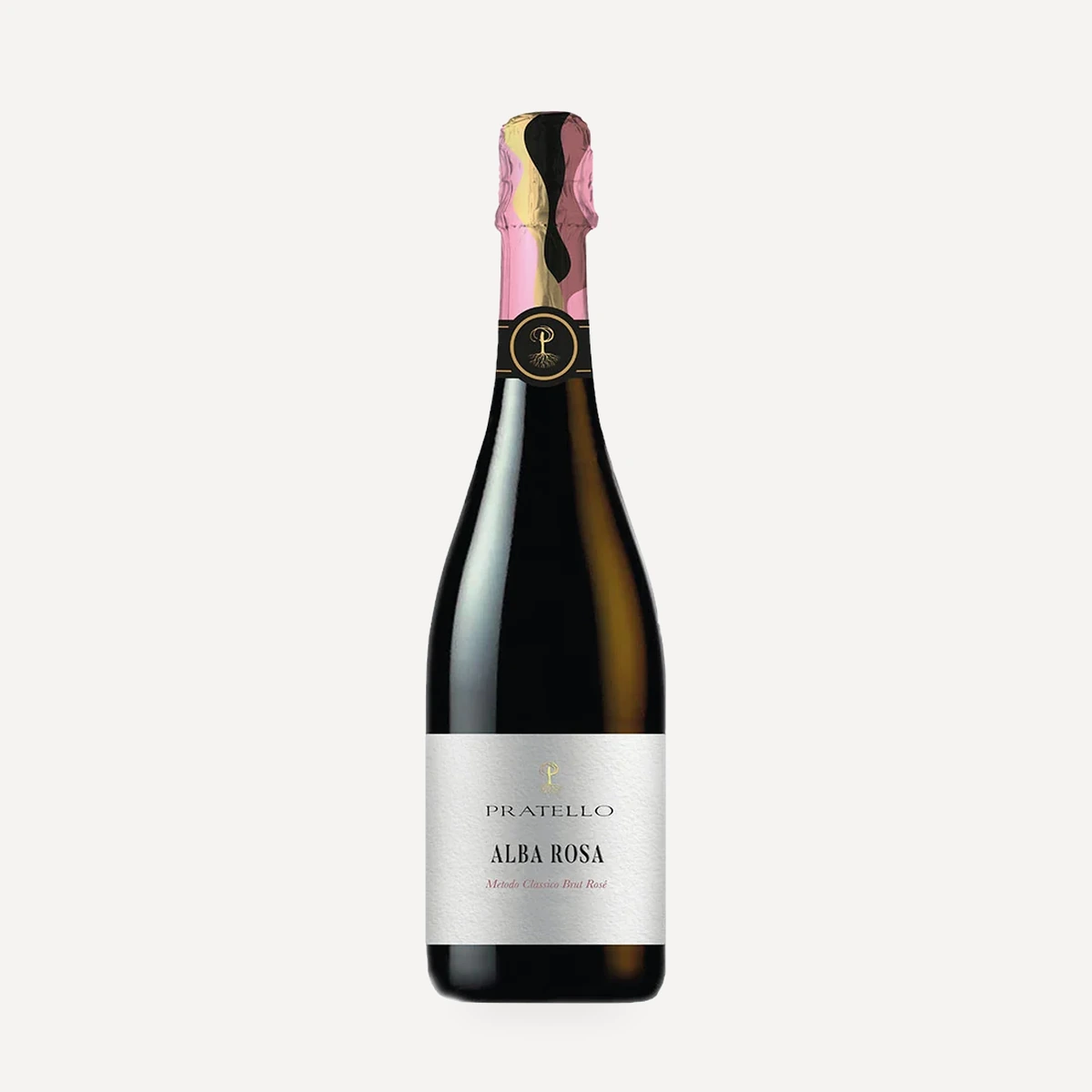
Albarosa
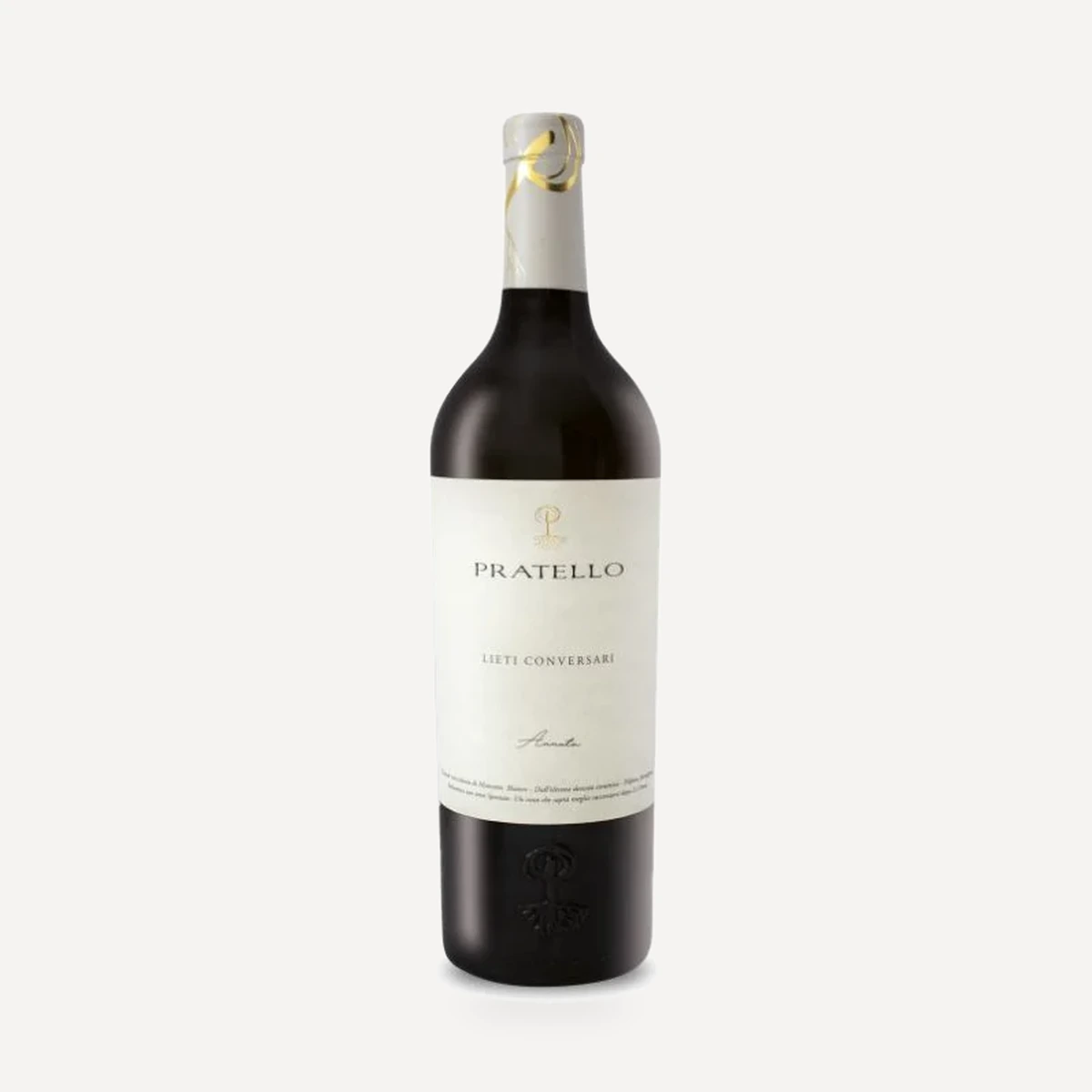
Lieti Conversari
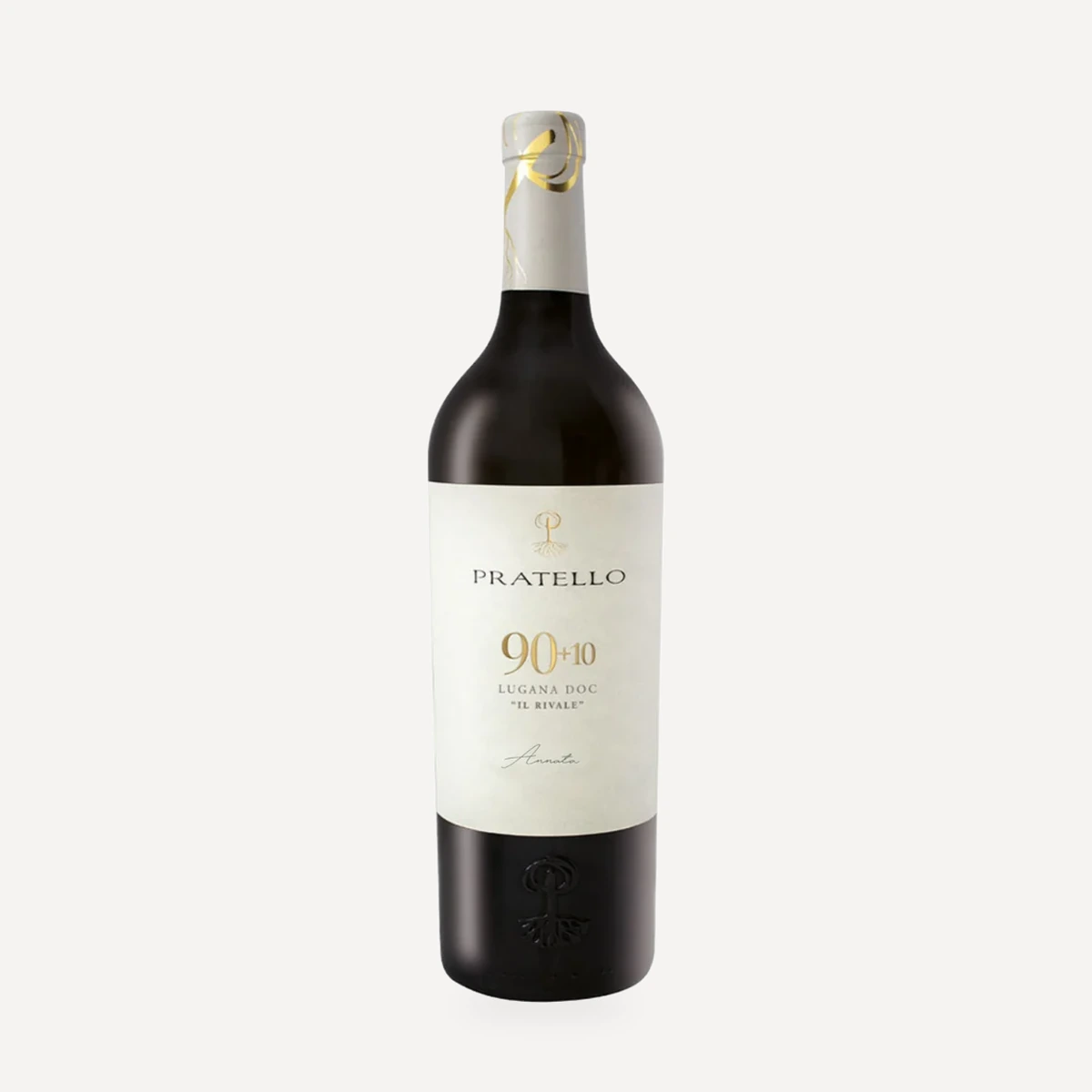
Lugana 90+10
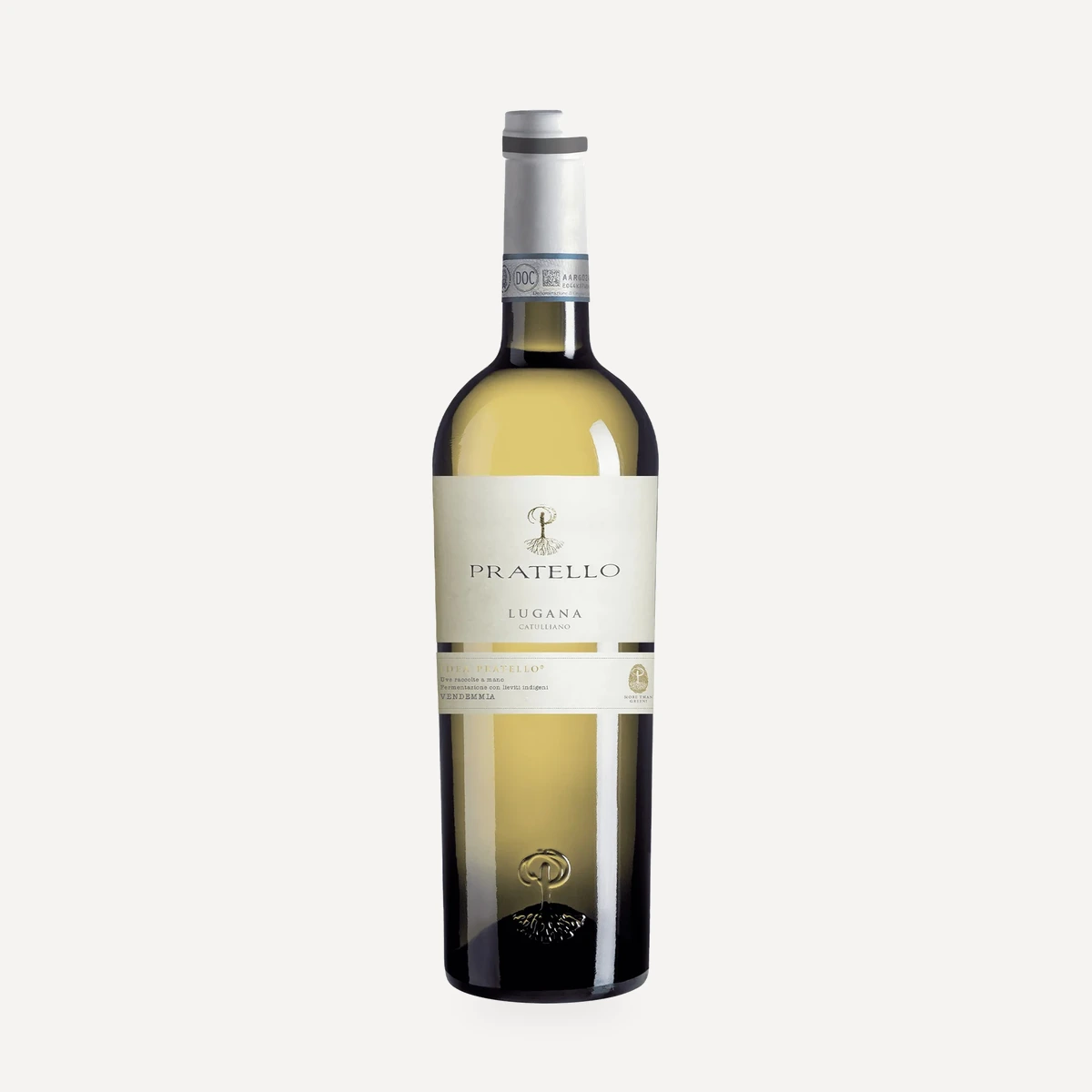
Lugana Catulliano
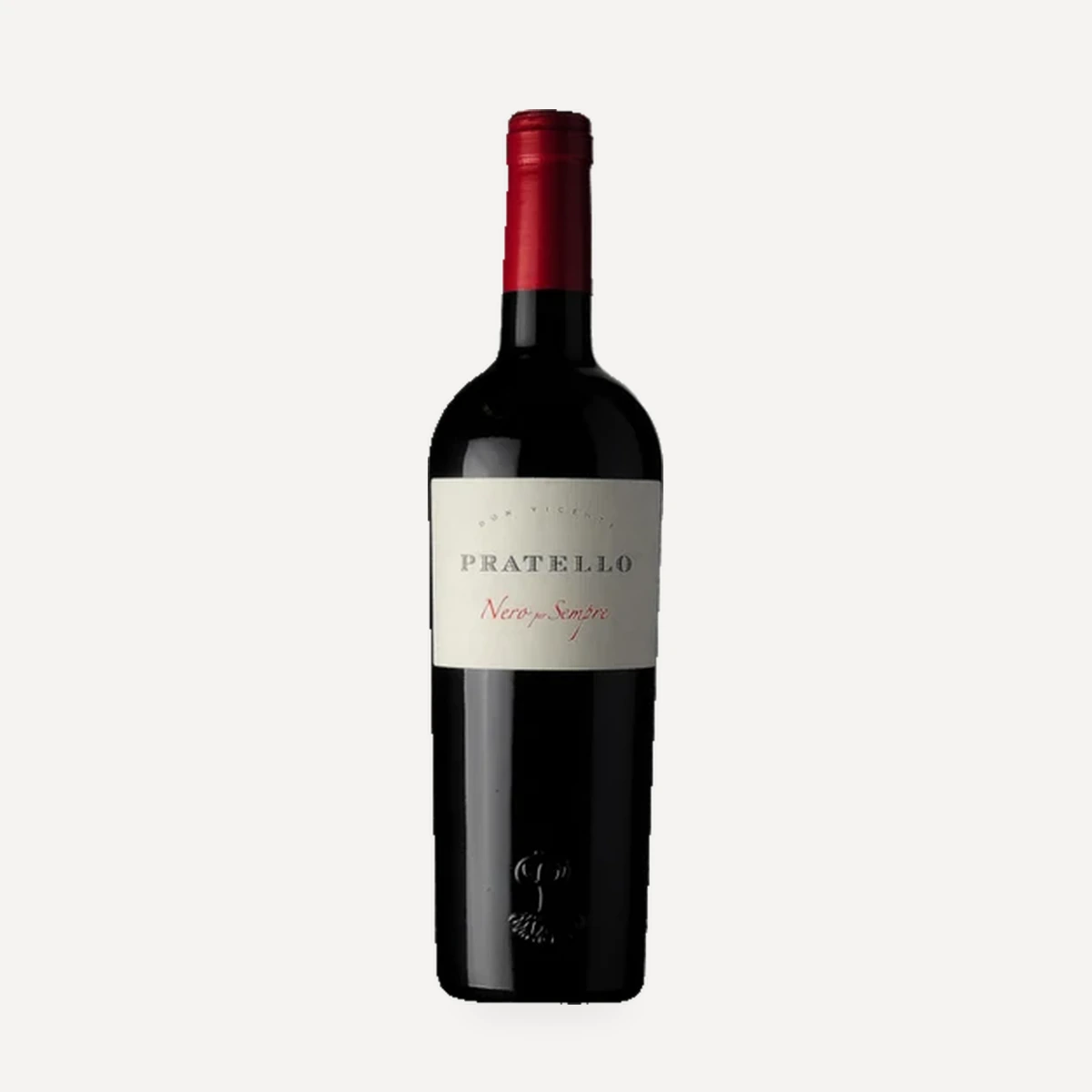
Nero per Sempre
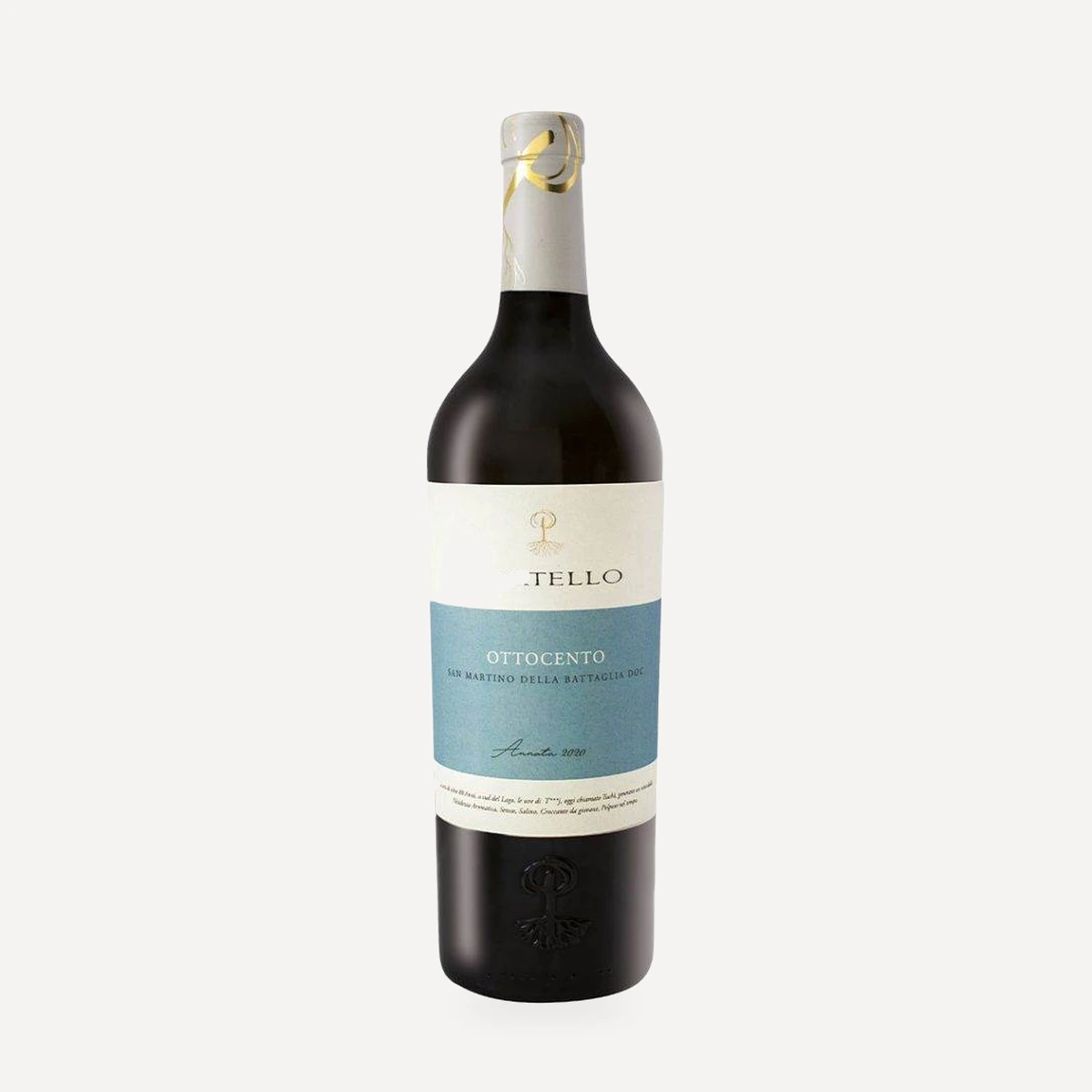
Ottocento
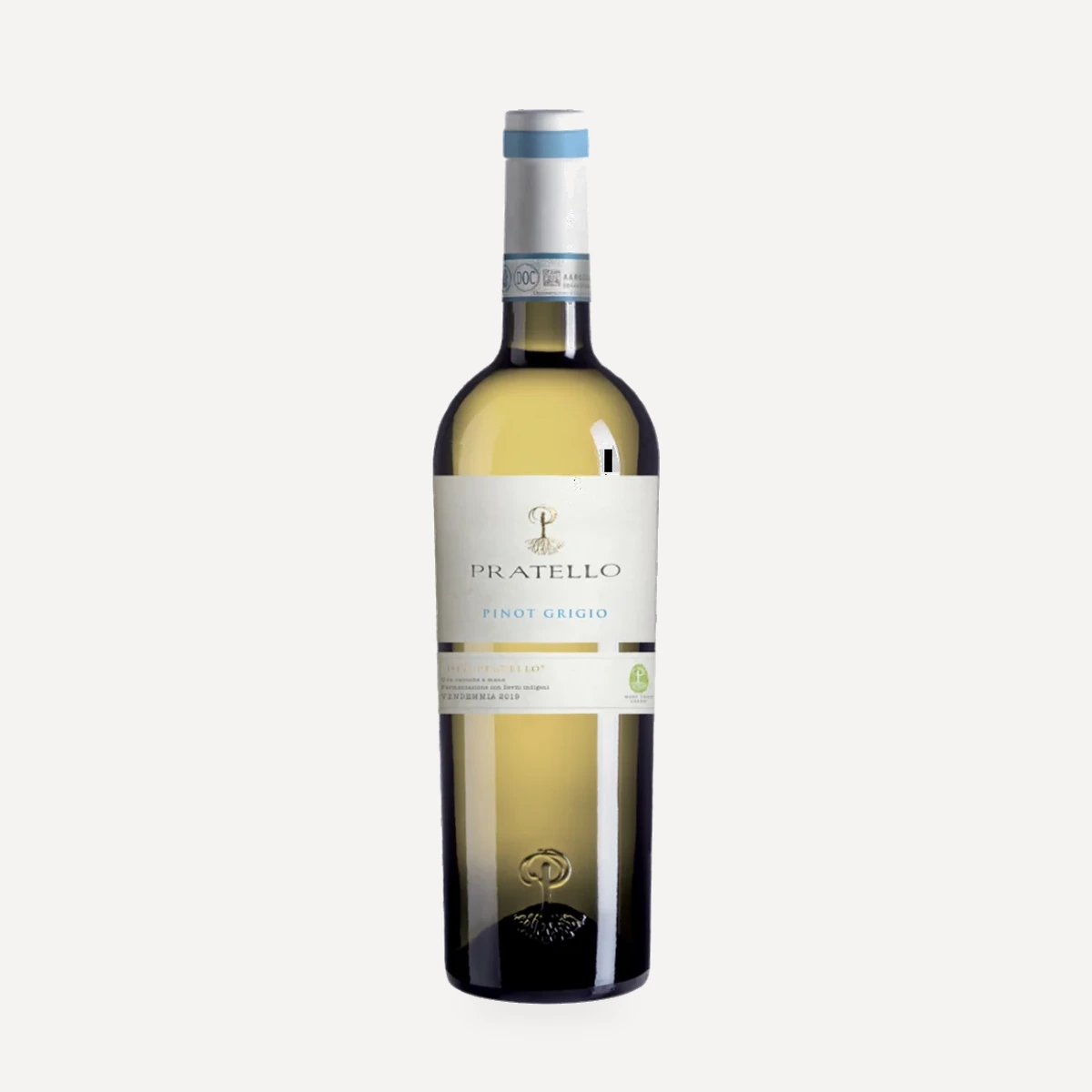
Pinot Grigio
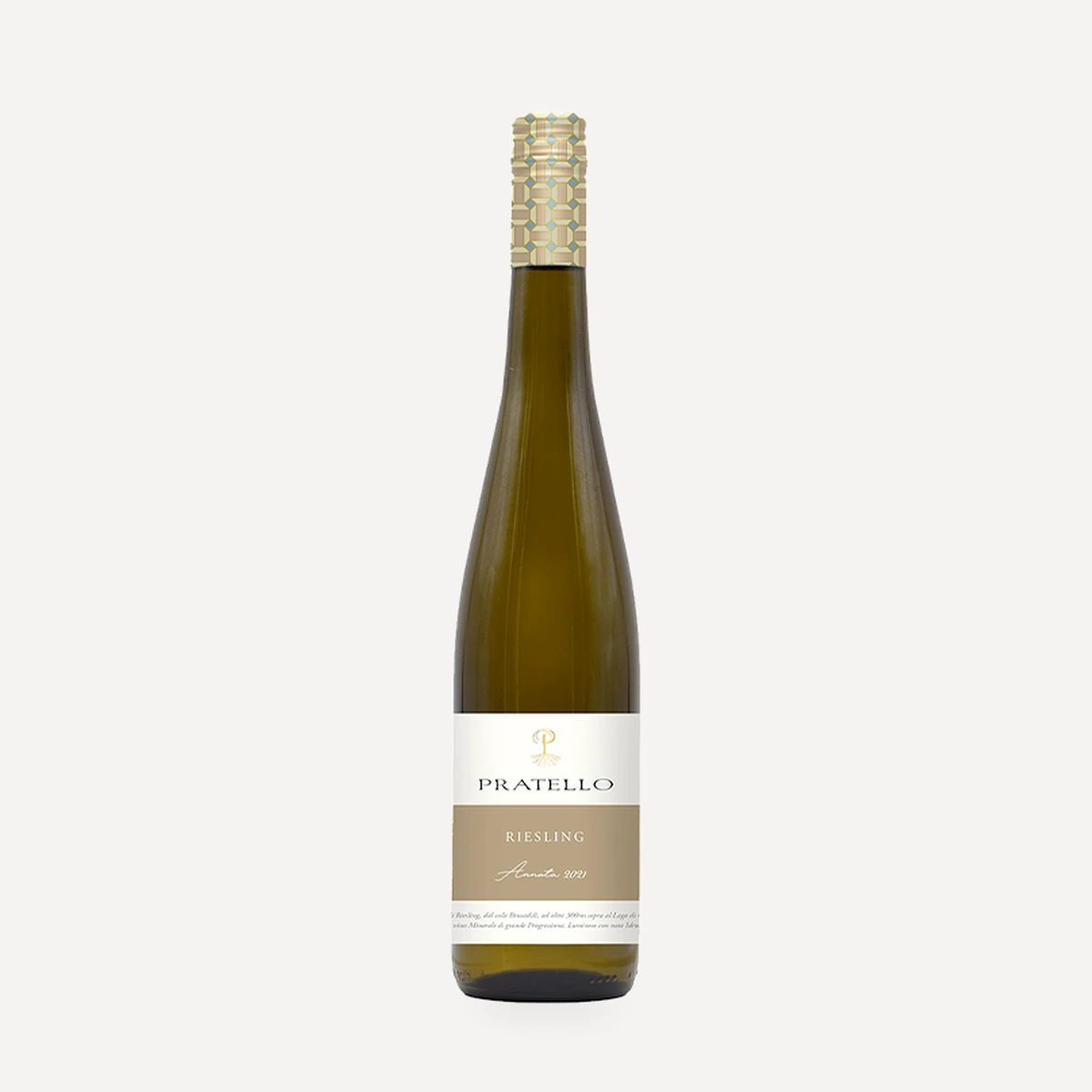
Riesling
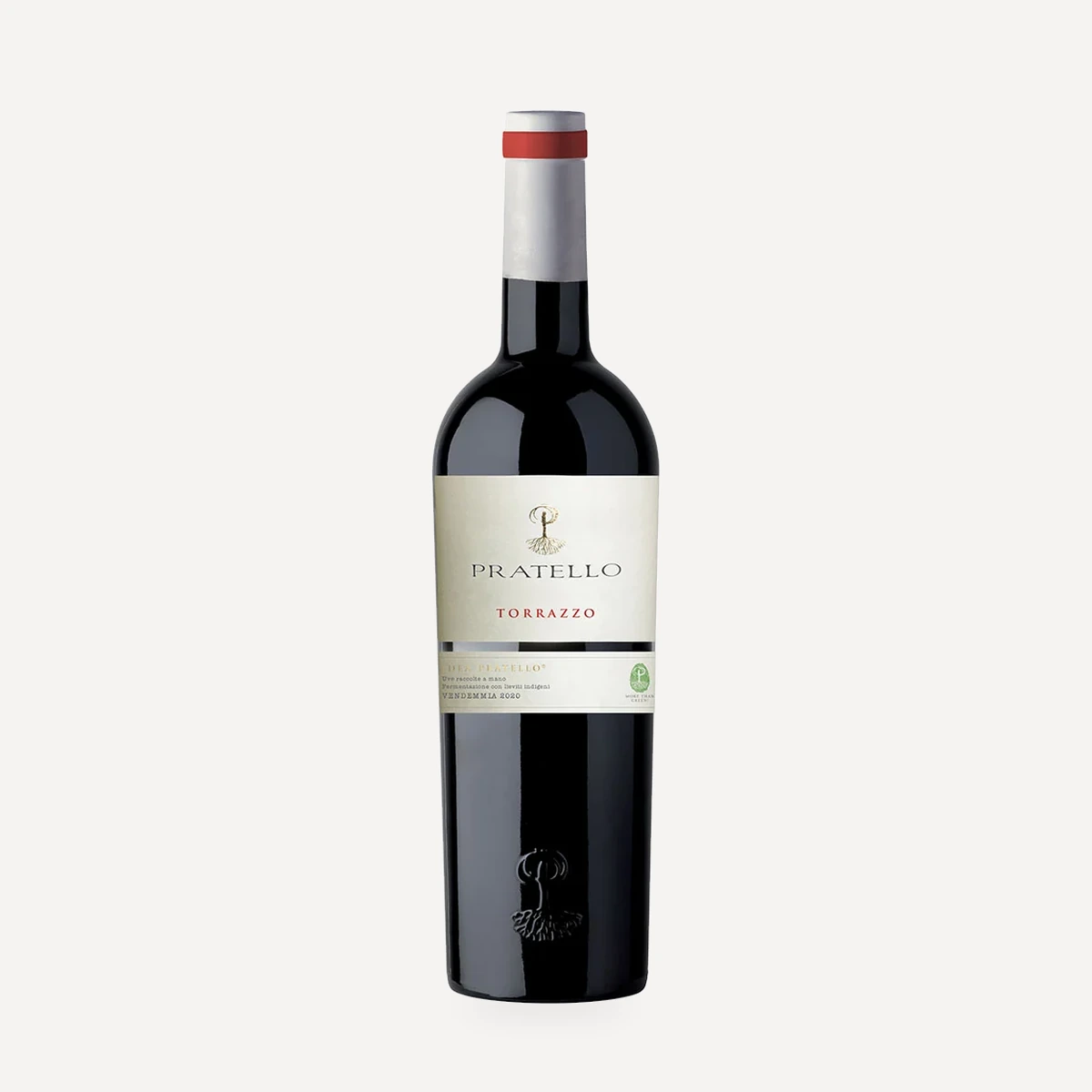
Torrazzo
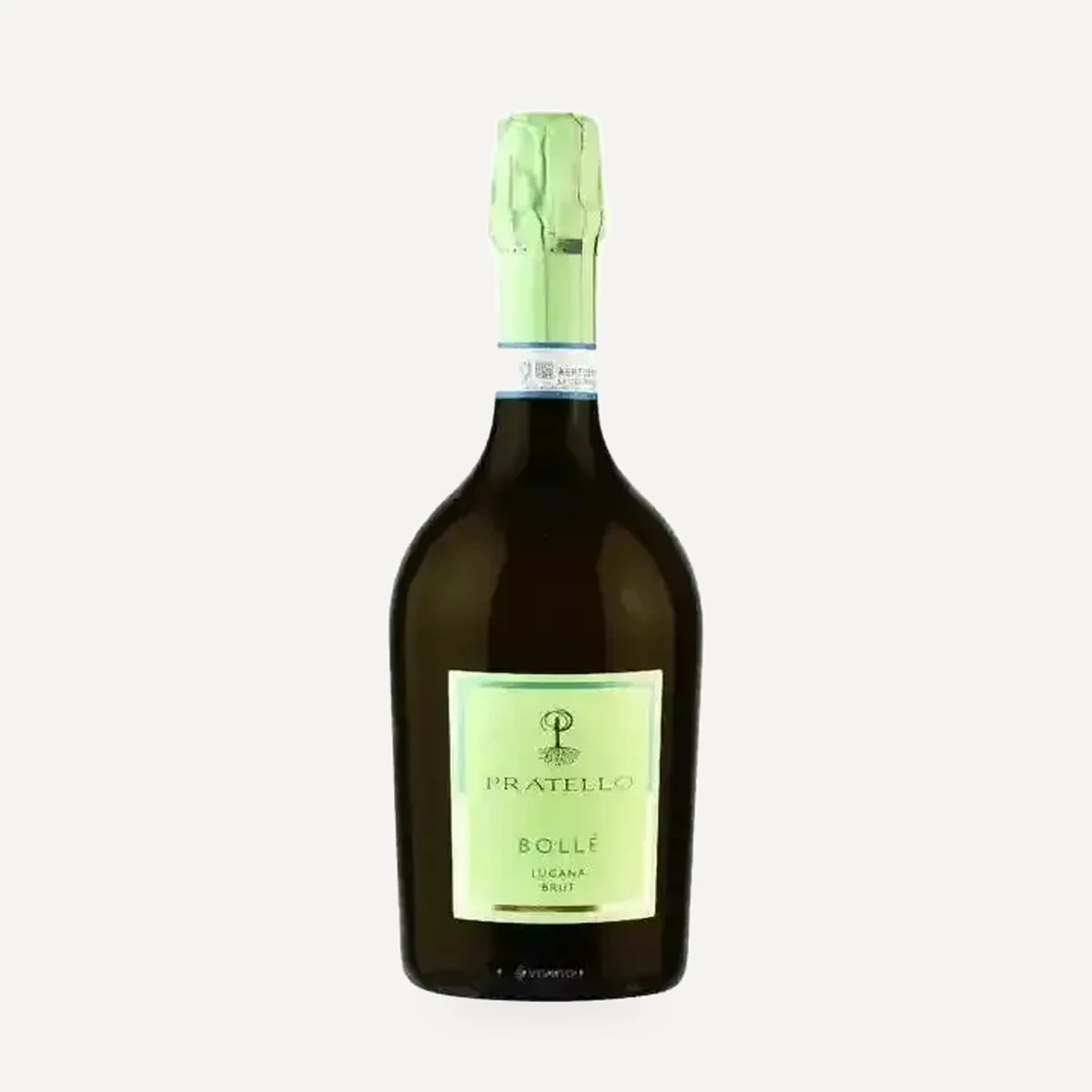
Bollè
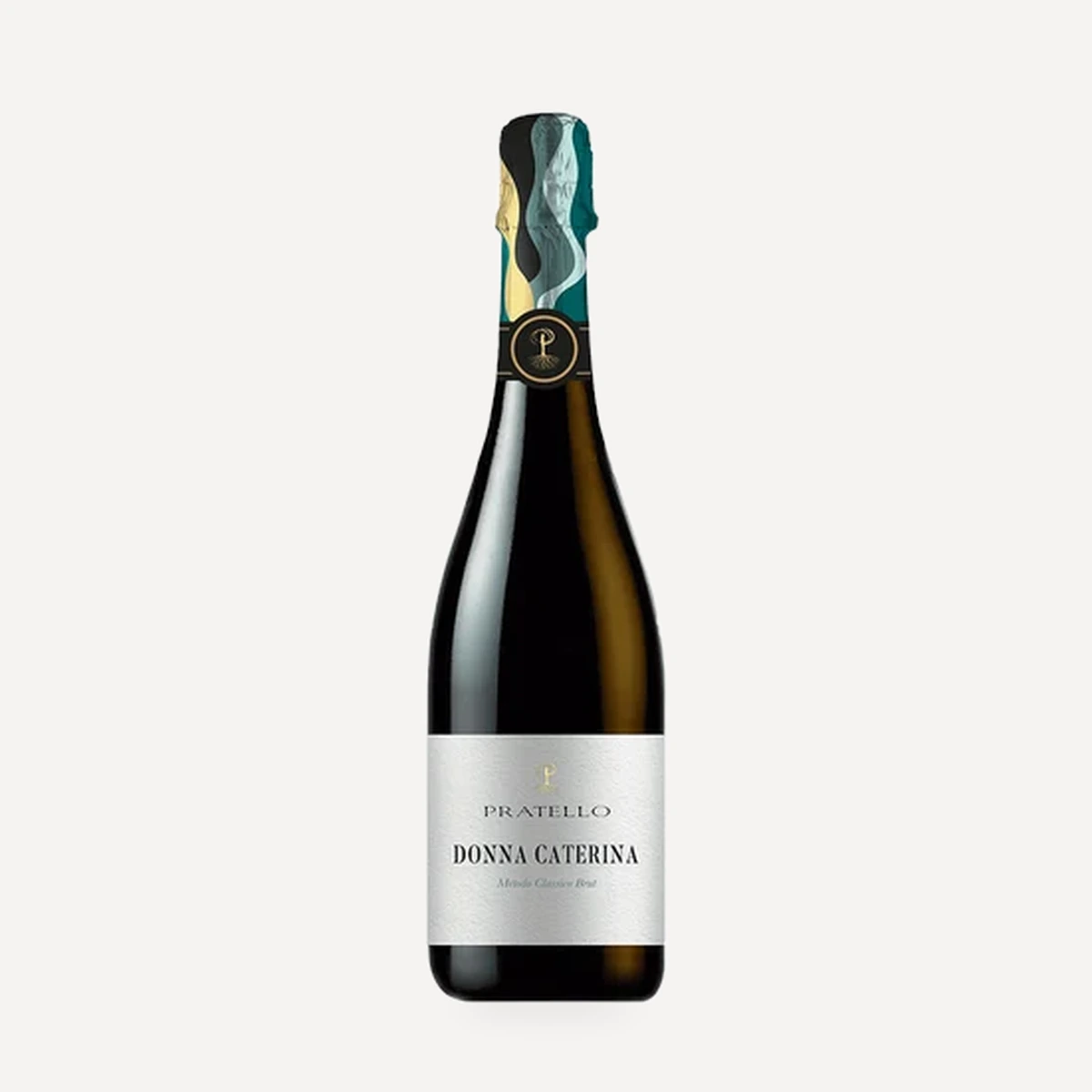
Donna Caterina
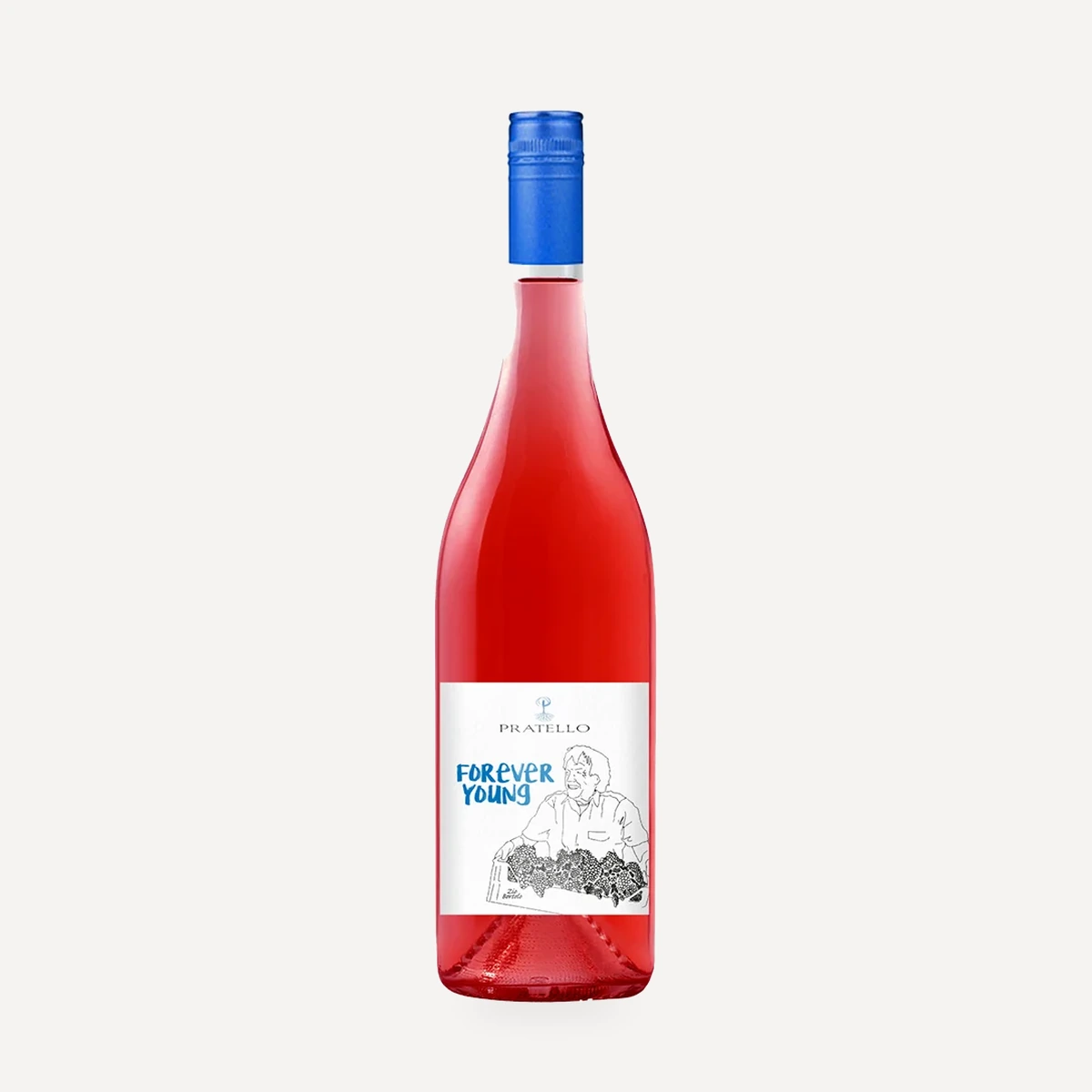
Forever Young
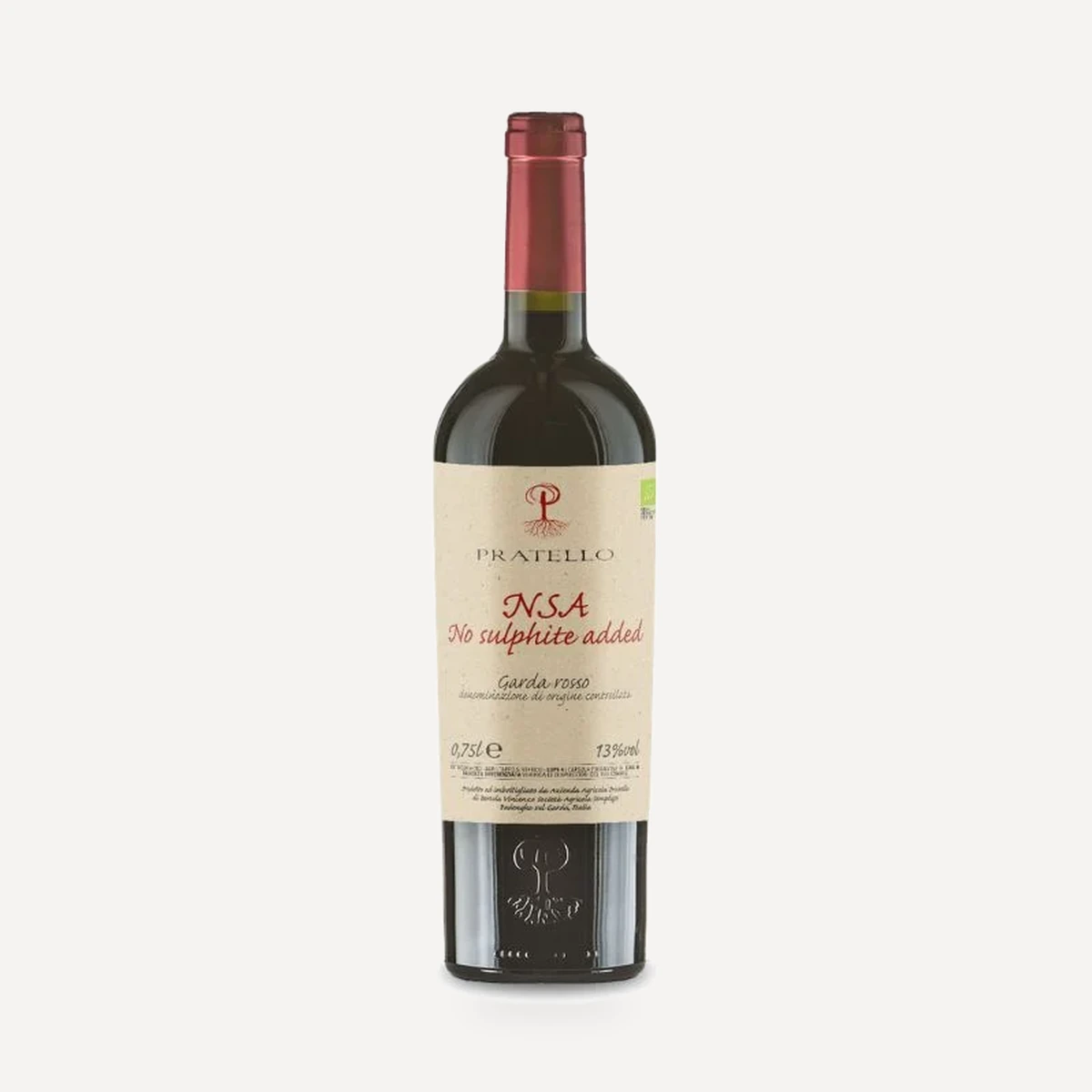
NSA – No Sulphite Added
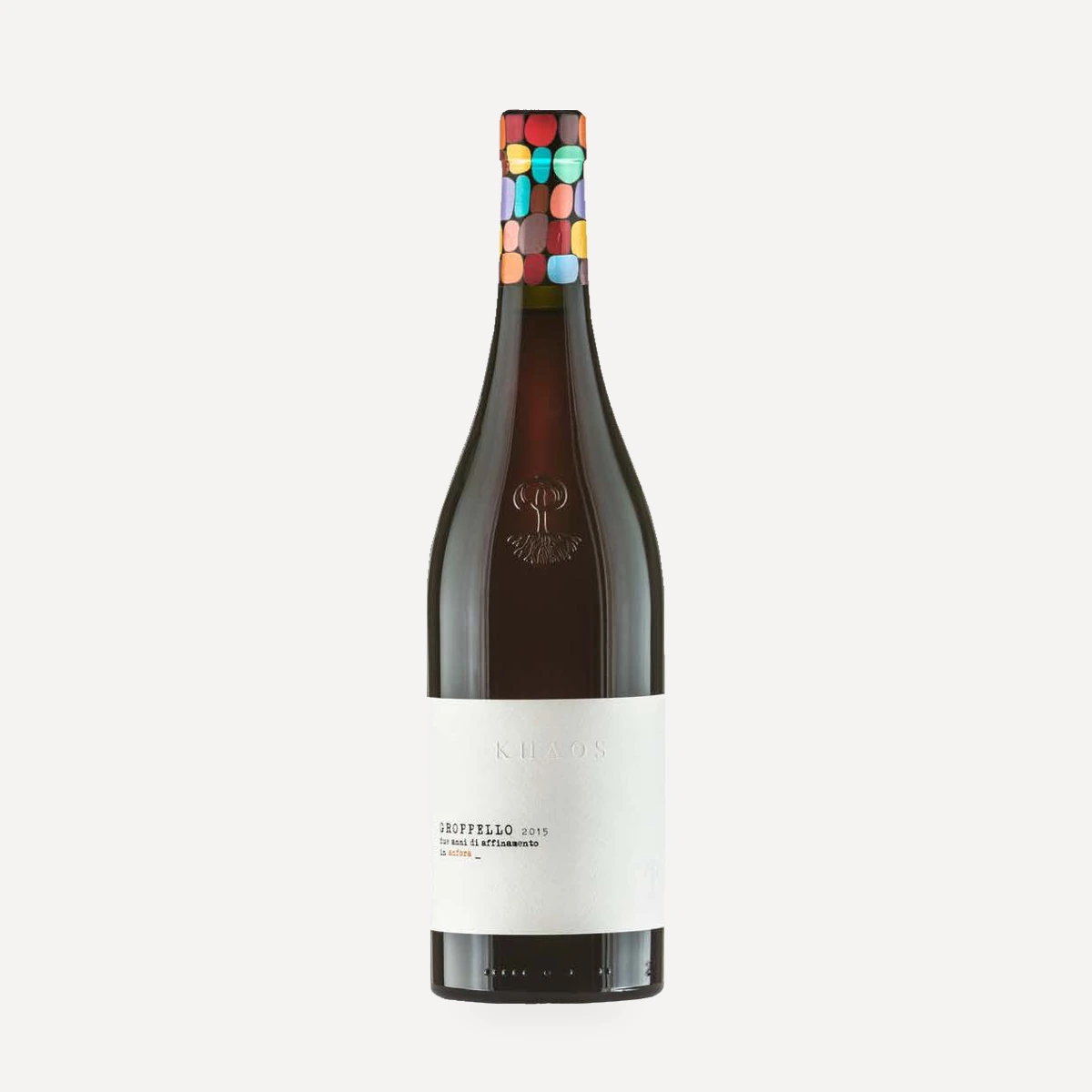
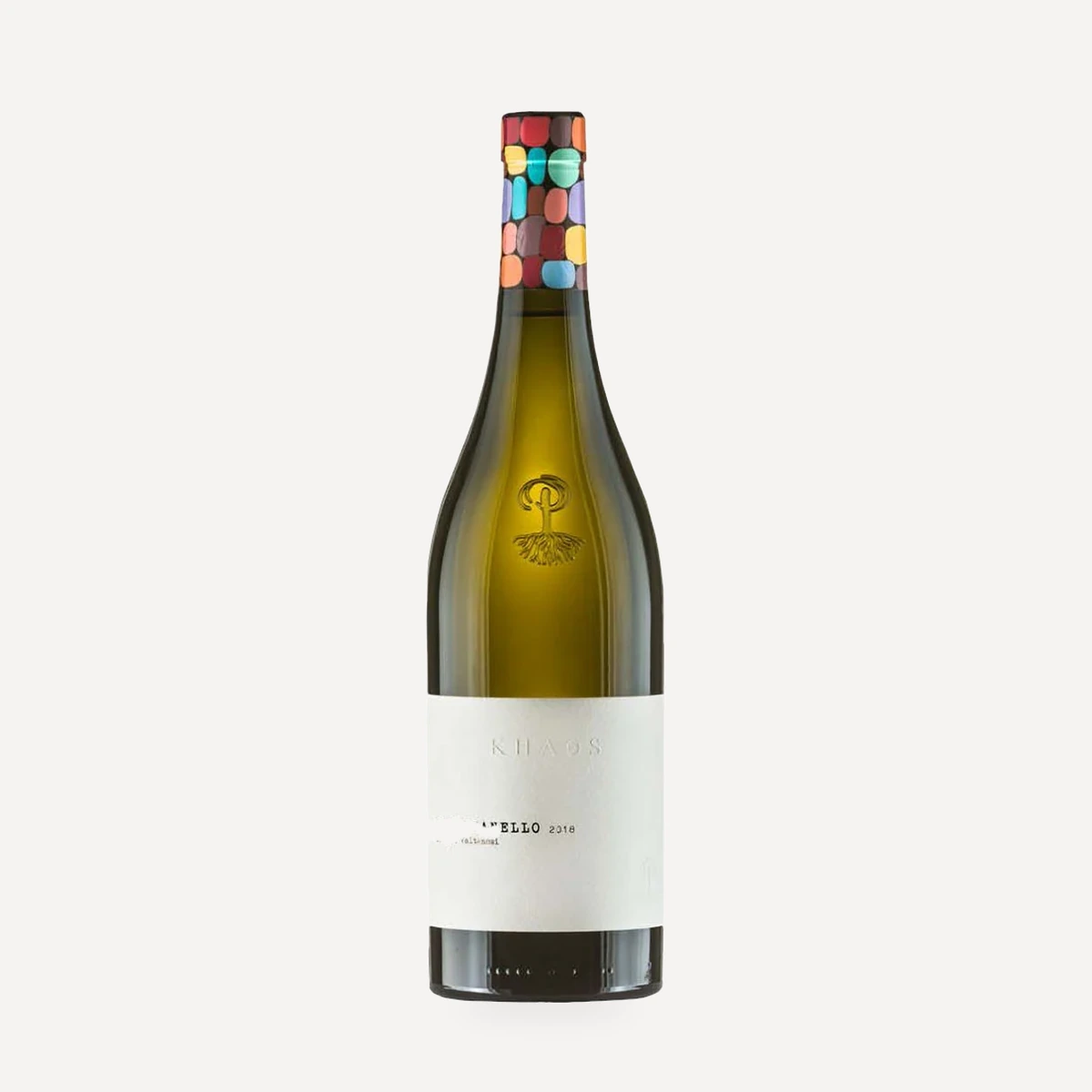
Khaos Groppello Anfora
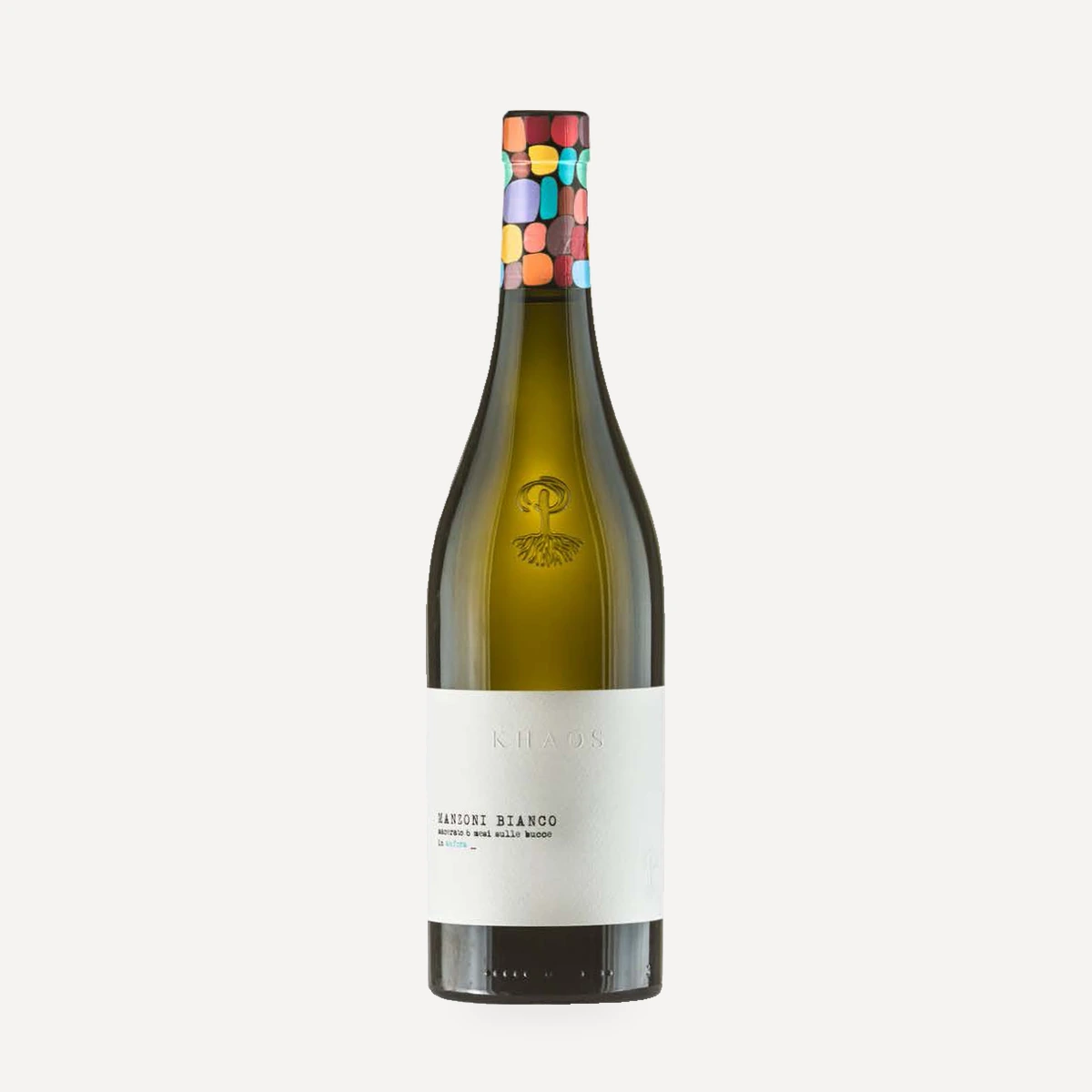
Khaos Manzoni Bianco Anfora
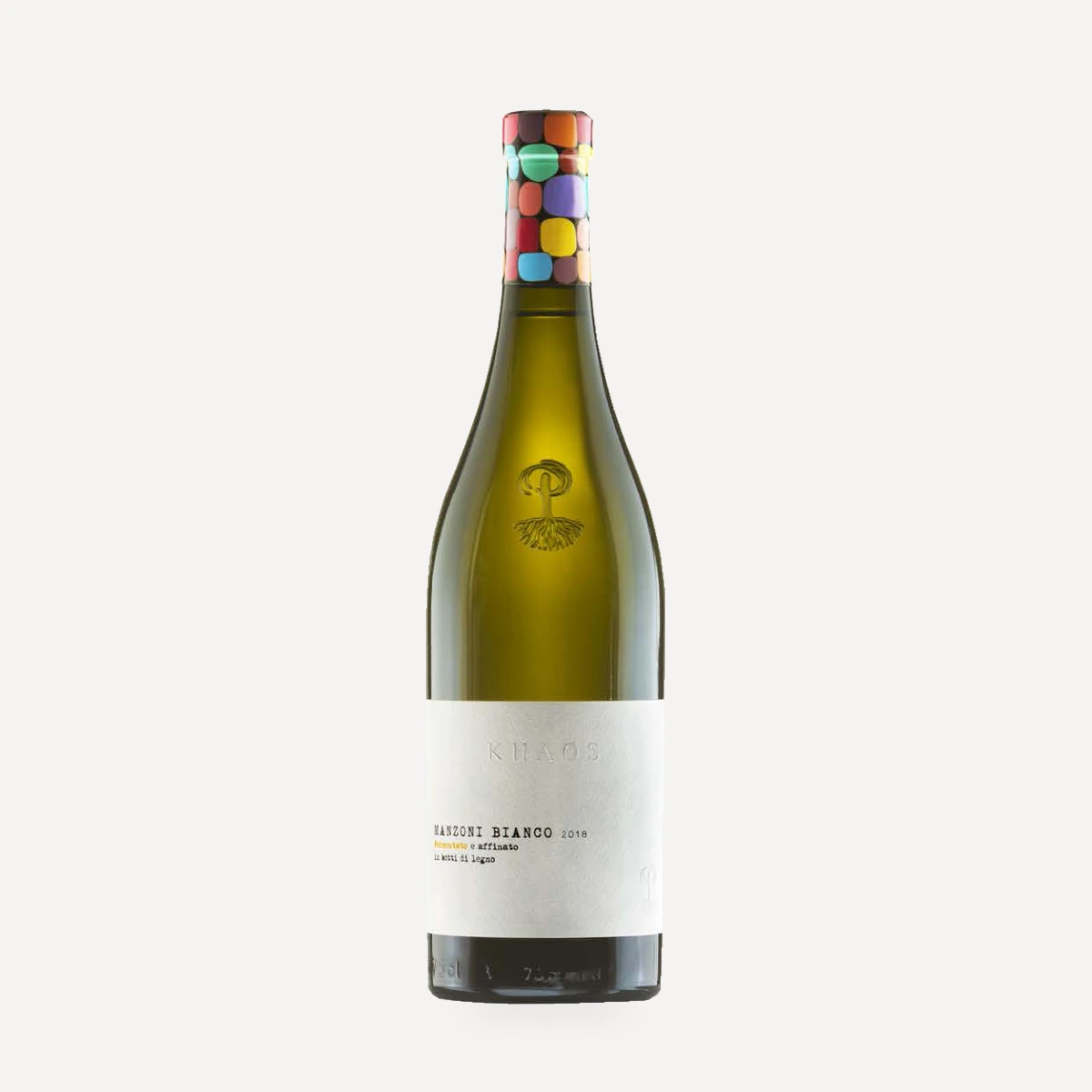
Khaos Manzoni Bianco Legno
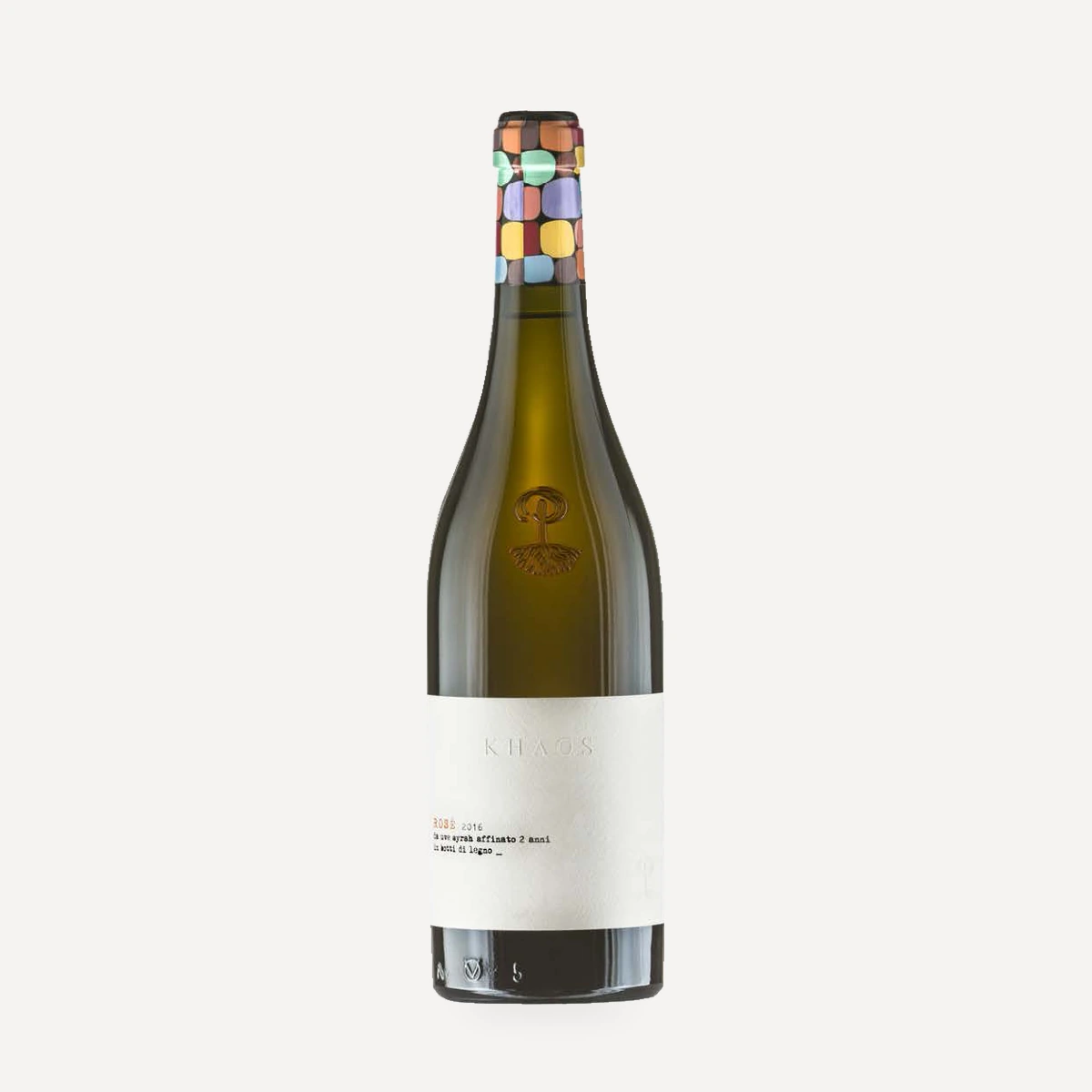
Khaos Rosé Syrah