Storia
The origins: 1648
Angoris traces its history to 1648, when Holy Roman Emperor Ferdinand III of Habsburg rewarded Locatello Locatelli for his service in the Thirty Years’ War by granting him 300 fields in an area known as “Langoris,” near Cormòns. The estate’s name preserves the memory of that place.
Villa Locatelli subsequently became the historical residence at the heart of the property. The house and its centuries-old park remain physical links with the people who lived and worked at Angoris over the ensuing centuries.
Return to the Locatelli name: 1968–1969
In 1968, exactly 320 years after the imperial grant, the property was acquired by Giulio Locatelli, a member of another Locatelli family sharing the original owner’s surname. Giulio began managing Angoris with an entrepreneurial approach and permanently reconnected the estate with the Locatelli name.
In 1969, Angoris assumed responsibility for the historic Stabili della Rocca holding in Premariacco. Its 15 hectares of vineyards occupy four southeast-facing hills in DOC Friuli Colli Orientali.
Sparkling-wine development: 1973–2006
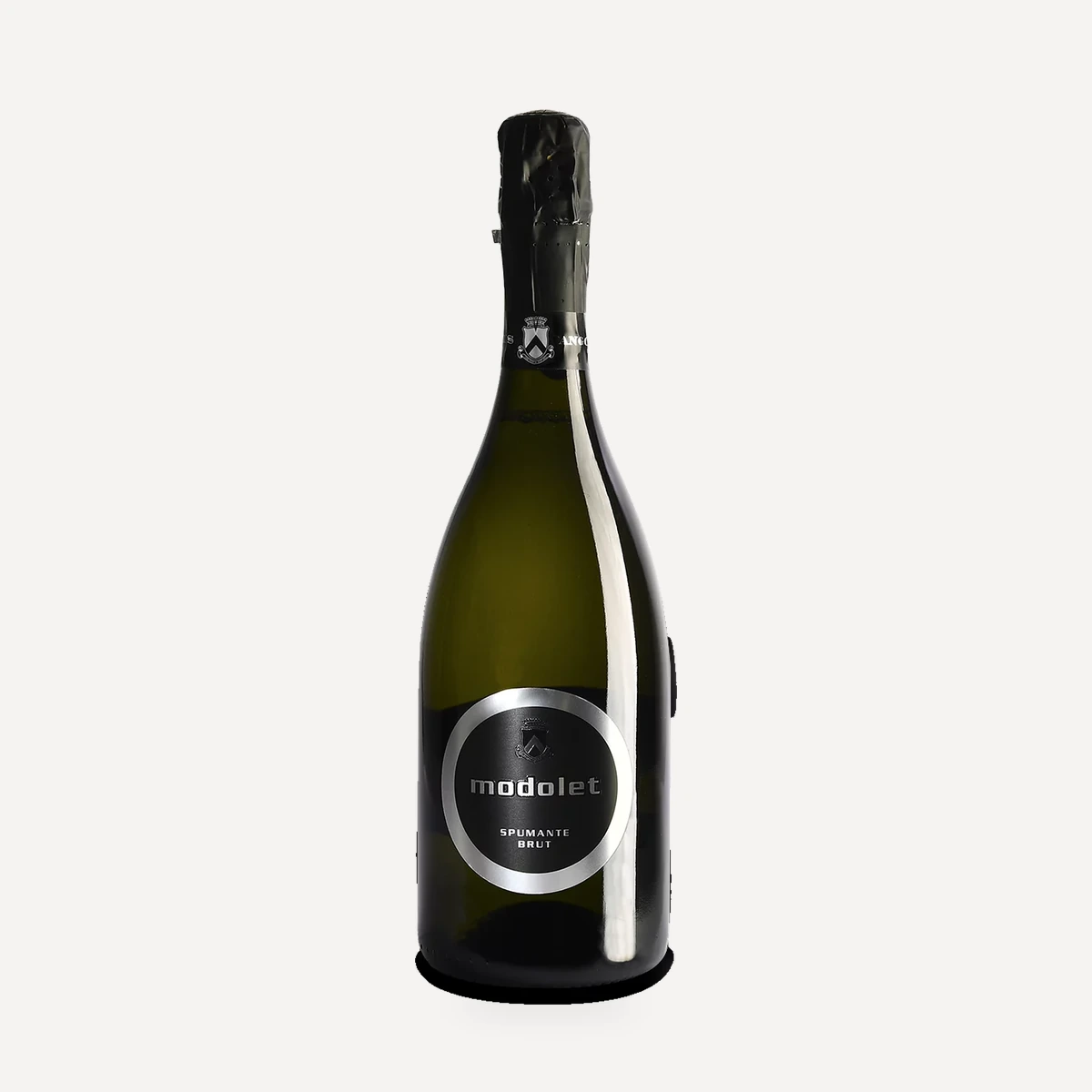
Angoris became an early specialist in sparkling-wine production in Friuli and installed its own sparkling-wine facility. Modolet was created in 1973 as a Charmat-method cuvée of Chardonnay and Pinot Bianco, taking its name from the vineyard that supplied the grapes.
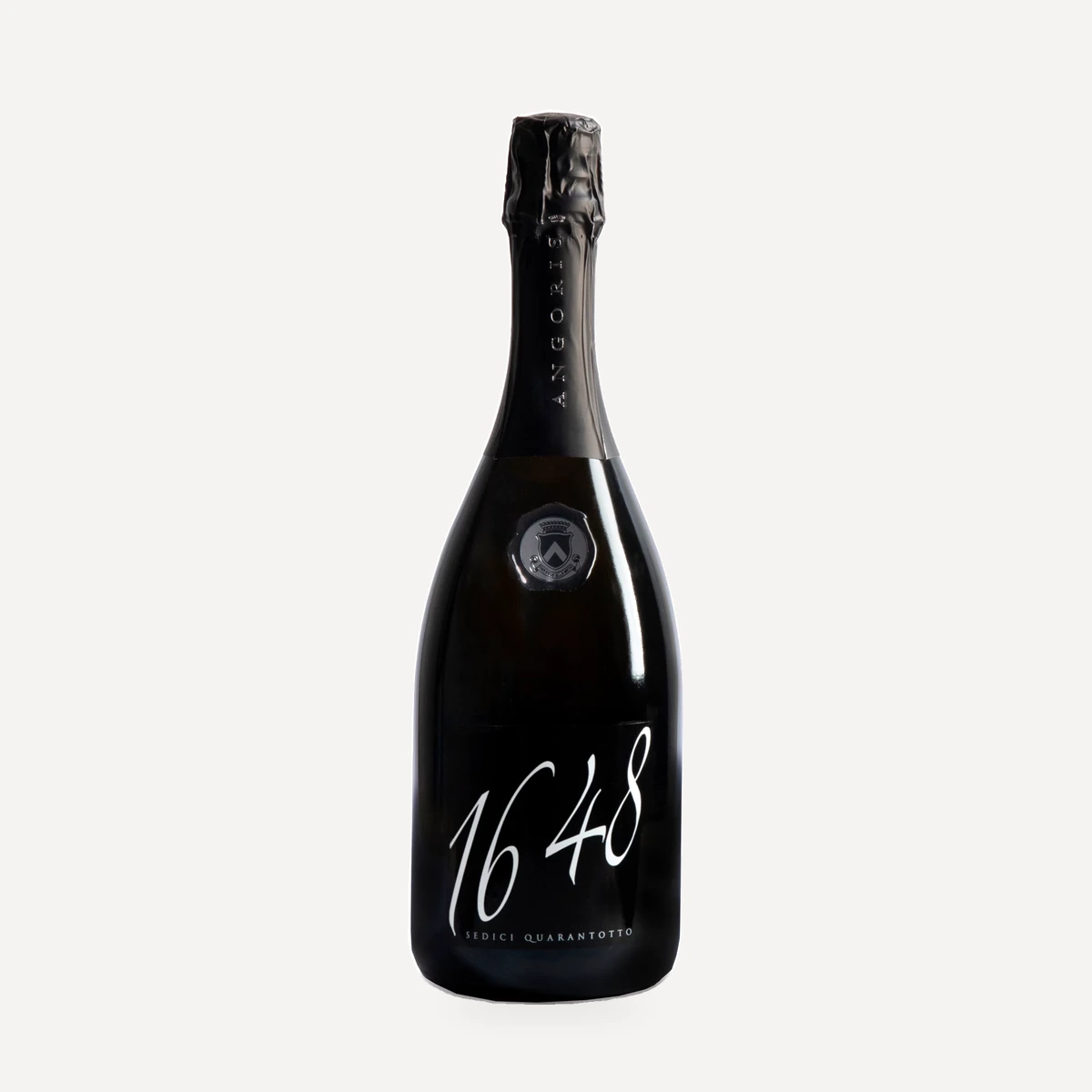
Production of the traditional-method sparkling wine later known as 16 48 was suspended in 1996. The estate resumed its production in 2006, using selected Chardonnay and limiting output to 2,000 bottles per year as a tribute to the estate’s founding date.
Environmental programme: 1997 onward
In 1997, Angoris began a structured programme to improve energy efficiency and protect natural resources. Reforestation expanded woodland within the estate to approximately 40 hectares, planted with multiple species. Vineyard investments included recovery sprayers and machinery for mechanical under-vine weed control, reducing pollutant use and eliminating chemical herbicides.
The cellar programme added an estate well, a water-treatment plant, a 1,800 m² photovoltaic installation and modern filtration equipment to reduce water consumption, waste and harmful discharges. Angoris joined the SQNPI integrated-production system in 2017 and obtained renewed certification for both grapes and hazelnuts in 2023.
The present family management
Luciano Locatelli passed responsibility to his daughters Marta and Claudia Locatelli. The sisters renewed the wines and the company’s image, working with oenologist Alessandro Bologna and the estate team. Marta serves as sole director. The business now encompasses 600 hectares of fields and woods, including 75 hectares of vineyards distributed among DOC Friuli Isonzo, DOC Friuli Colli Orientali and DOC Collio.
Historical record and identity projects
In 2019, Stefano Cosma’s Langoris. Storie di vini e di cavalieri presented the estate and the wider history of Cormòns from 1648 to the present. The historical novel was constructed from private and public archives, correspondence and diaries, supplemented by previously unpublished images. Its only fictional narrator is a Red Cross nurse serving at Angoris’s field hospital during the First World War.
A solidarity partnership with the Centro Medico Pedagogico Santa Maria dei Colli was presented in 2023. Grapes harvested by the centre’s participants were to be vinified at Angoris without charge for a production of 2,500 bottles supporting awareness of the centre’s work.
In 2024, the Angoris range was renamed Linea Locatelli. The project placed the family name on the label and registered the names Stabili della Rocca and Ronco Antico to connect each wine more precisely with its vineyard of origin rather than only with its denomination. In 2025, the range expanded with Chardonnay from DOC Friuli Colli Orientali and Malvasia from DOC Collio.
The solidarity programme later developed into Grappolo Solidale. Under the initiative announced in 2025, 30% of proceeds from specially identified bottles of Langor and Pinot Nero is donated to the Santa Maria dei Colli centre.
Terroir
Angoris’s 75 hectares of vines are divided among three distinct production areas in Friuli Venezia Giulia.
DOC Friuli Isonzo
The estate centre lies outside Cormons in the denomination named for the Isonzo River, which flows a few kilometres to the south. Fifty-five hectares of vineyards surround Villa Locatelli within a mosaic of cultivated ground and woodland. The soils contain little limestone and combine clay with red gravel transported by the river. The gravel is rich in aluminium and iron oxides. Centuries of fluvial activity shaped an area described as one of Friuli’s warmest and driest zones for wine production.
DOC Friuli Colli Orientali
Stabili della Rocca lies on the hills of Premariacco. Its 15 hectares extend across four separate southeast-facing slopes. The vines grow in ponca, the local formation of Eocene marl.
DOC Collio
Ronco Antico comprises five hectares between the Ruttars district and Cormons. The vineyards form a natural amphitheatre surrounded and sheltered by the Plessiva nature reserve. They face south and are rooted in ponca. The estate also associates the Collio hills with significant day–night temperature variation and exposure to the Bora and maritime winds.
The vineyard-renaming project emphasizes that wind, light exposure and soils can change within a short distance and that identifying the vineyard provides greater precision than denomination alone.
Vinificazione
Angoris follows SQNPI integrated production, a system based on regional integrated-production protocols and ecological principles. It combines available cultivation and crop-protection methods while minimizing synthetic chemical inputs and rationalizing fertilization. The estate entered the system in 2017 and obtained certification for grapes and hazelnuts again in 2023.
Recovery sprayers collect surplus treatment product rather than allowing it to disperse. Modern machinery controls vegetation mechanically beneath the vine rows, enabling the estate to eliminate chemical herbicides and reduce the use of polluting products.
A reforestation programme begun in 1997 expanded the estate’s woodland to approximately 40 hectares composed of multiple species. The broader property combines vines, cultivated land and woods, while the centuries-old park supports cedars, cypresses, crape myrtles, roses and pines as well as squirrels, hedgehogs and roe deer.
The winery includes a dedicated barrel cellar and its own sparkling-wine plant. Angoris was among the early Friulian estates to specialize in sparkling production and remains one of the relatively few regional wineries equipped to conduct the process internally.
Modolet has been made by the Charmat method since 1973. It began as a Chardonnay–Pinot Bianco cuvée and was revised in 2020 with the addition of Ribolla Gialla. The traditional-method 16 48 returned to production in 2006 after a suspension beginning in 1996; it uses selected Chardonnay and is limited to 2,000 bottles annually.
Cellar infrastructure includes an estate well and water-treatment system designed to reduce water use, a 1,800 m² photovoltaic installation and modern filtration equipment. These investments are intended to lower waste and reduce the release of harmful substances.
Filosofia
Angoris presents the care of each vine, day by day and in step with natural rhythms, as the starting point for wine quality. Its current identity combines the estate’s long history with continued technical renewal in the vineyard and cellar.
The Locatelli label project expresses two central ideas: the family’s personal connection with Angoris and the precise relationship between wine and its place of origin. Registering Stabili della Rocca and Ronco Antico was intended to move beyond denomination-level identification and make differences in soil, wind and light exposure more legible.
The family describes innovation as a way of developing the estate without abandoning its roots. New labels and vineyard expressions are treated as part of an ongoing dialogue among nature, experience and long-term vision.
Environmental responsibility is pursued through integrated production, elimination of chemical herbicides, reduced treatment losses, reforestation, water management, solar energy and lower-impact filtration. Social responsibility also forms part of the estate’s outlook through the Grappolo Solidale partnership with the Santa Maria dei Colli centre.
Vini
16 48
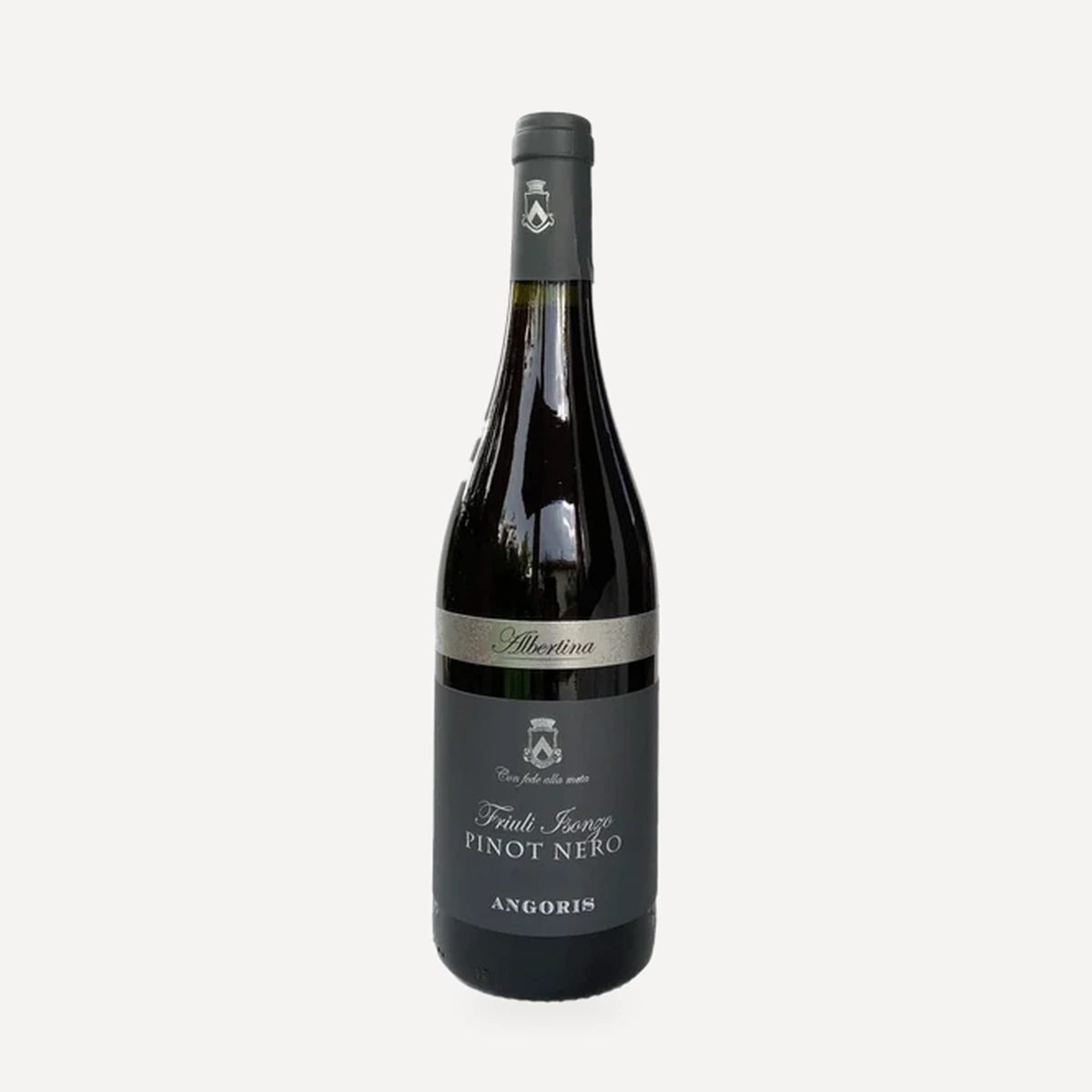
Albertina Pinot Nero
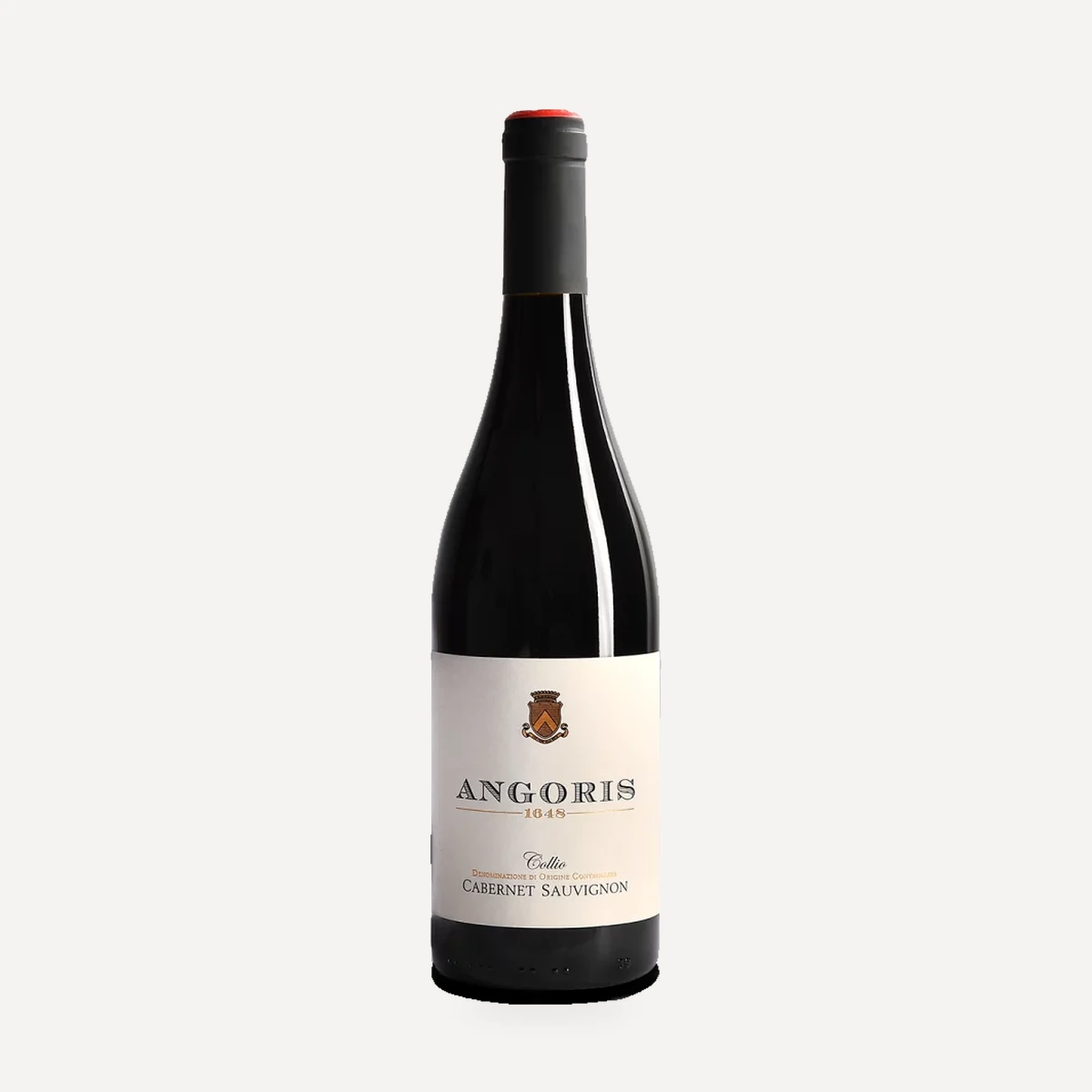
Linea Locatelli Cabernet Sauvignon
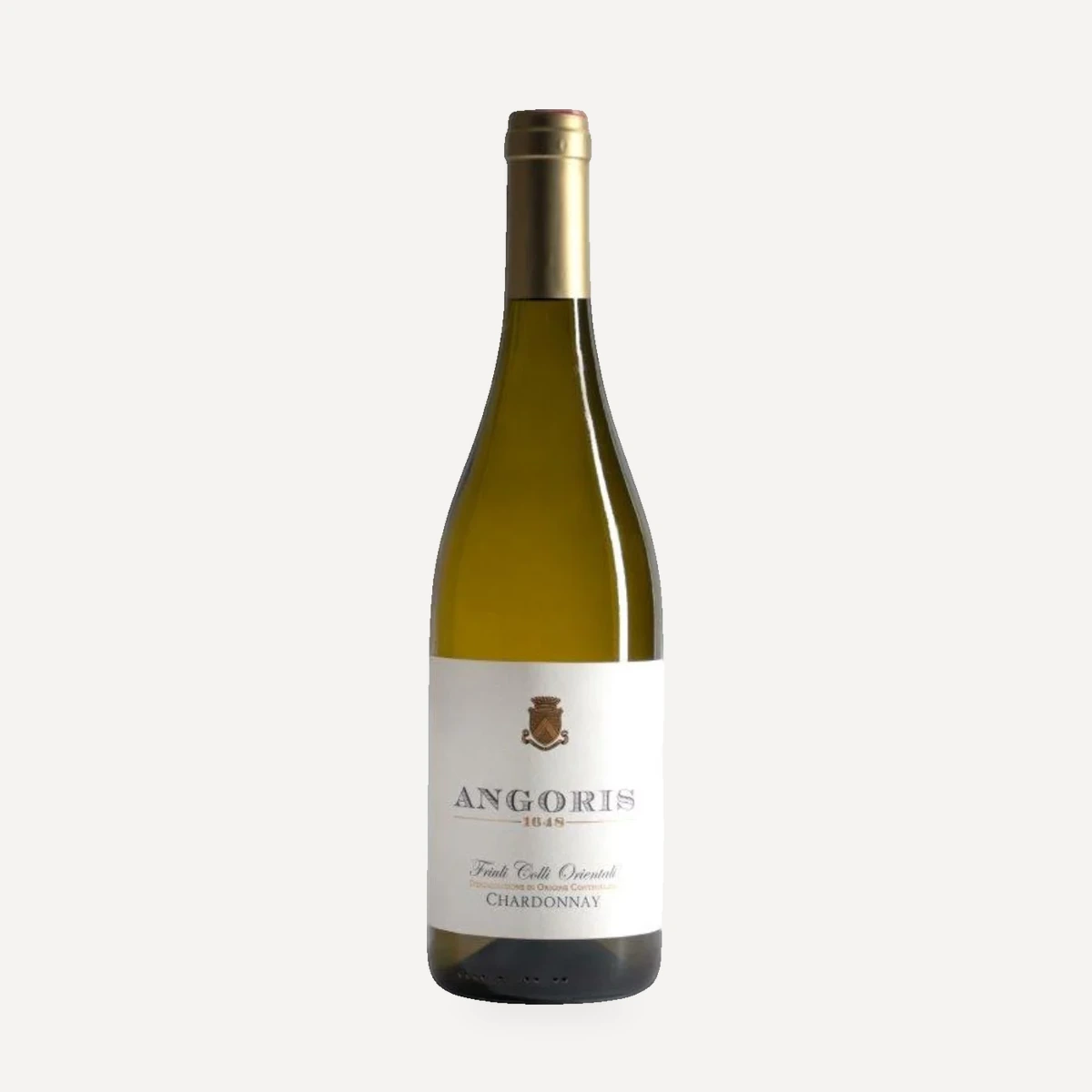
Linea Locatelli Chardonnay
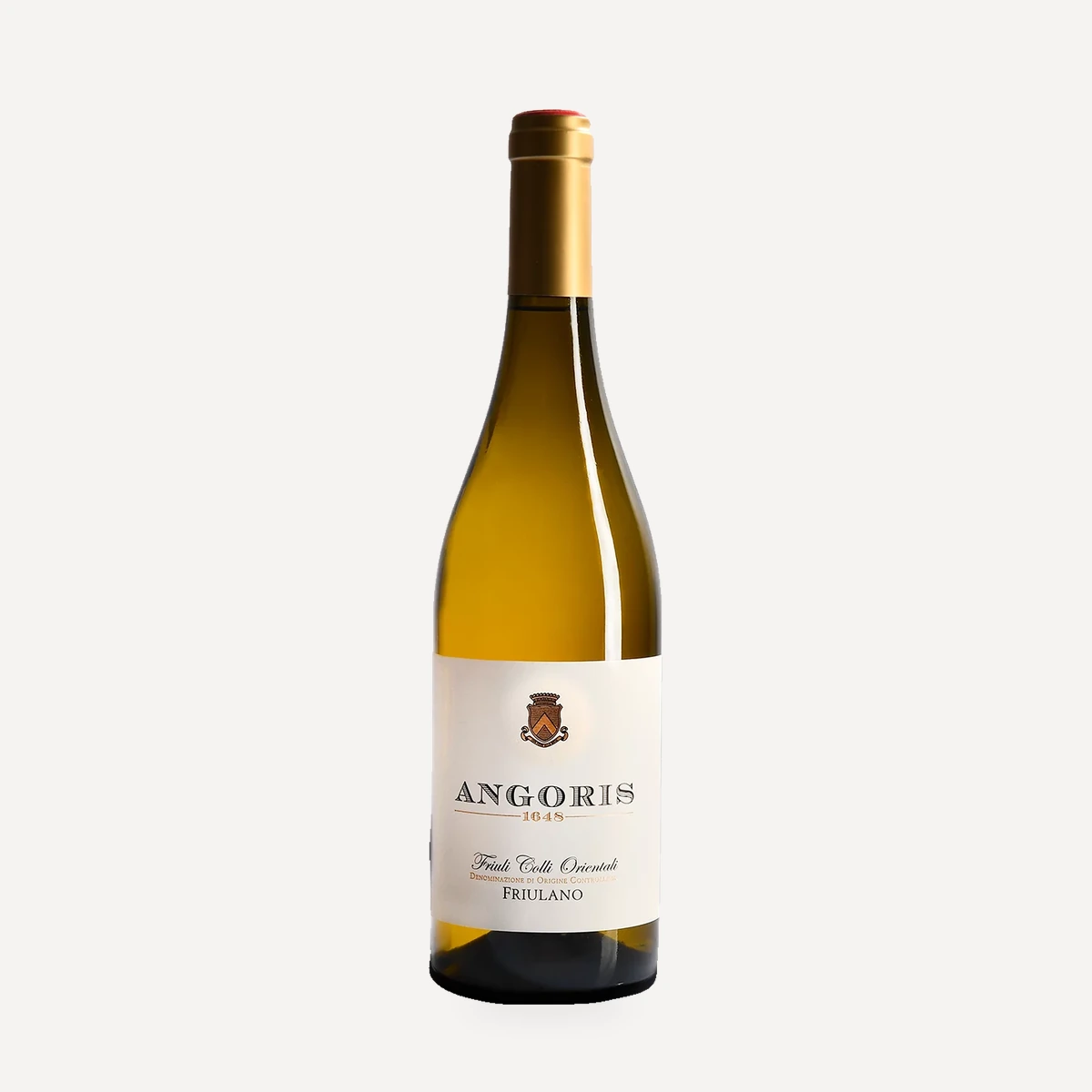
Linea Locatelli Friulano
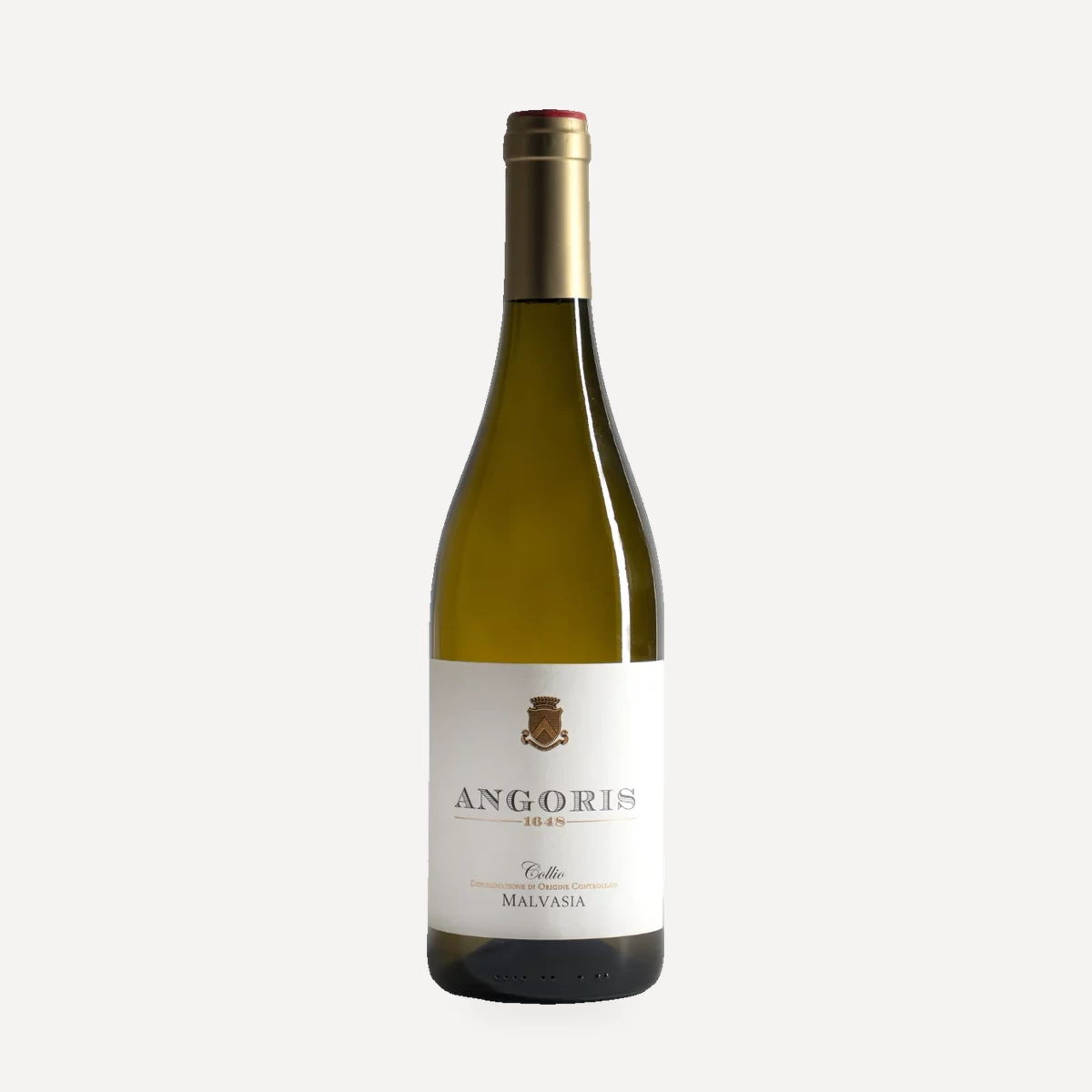
Linea Locatelli Malvasia
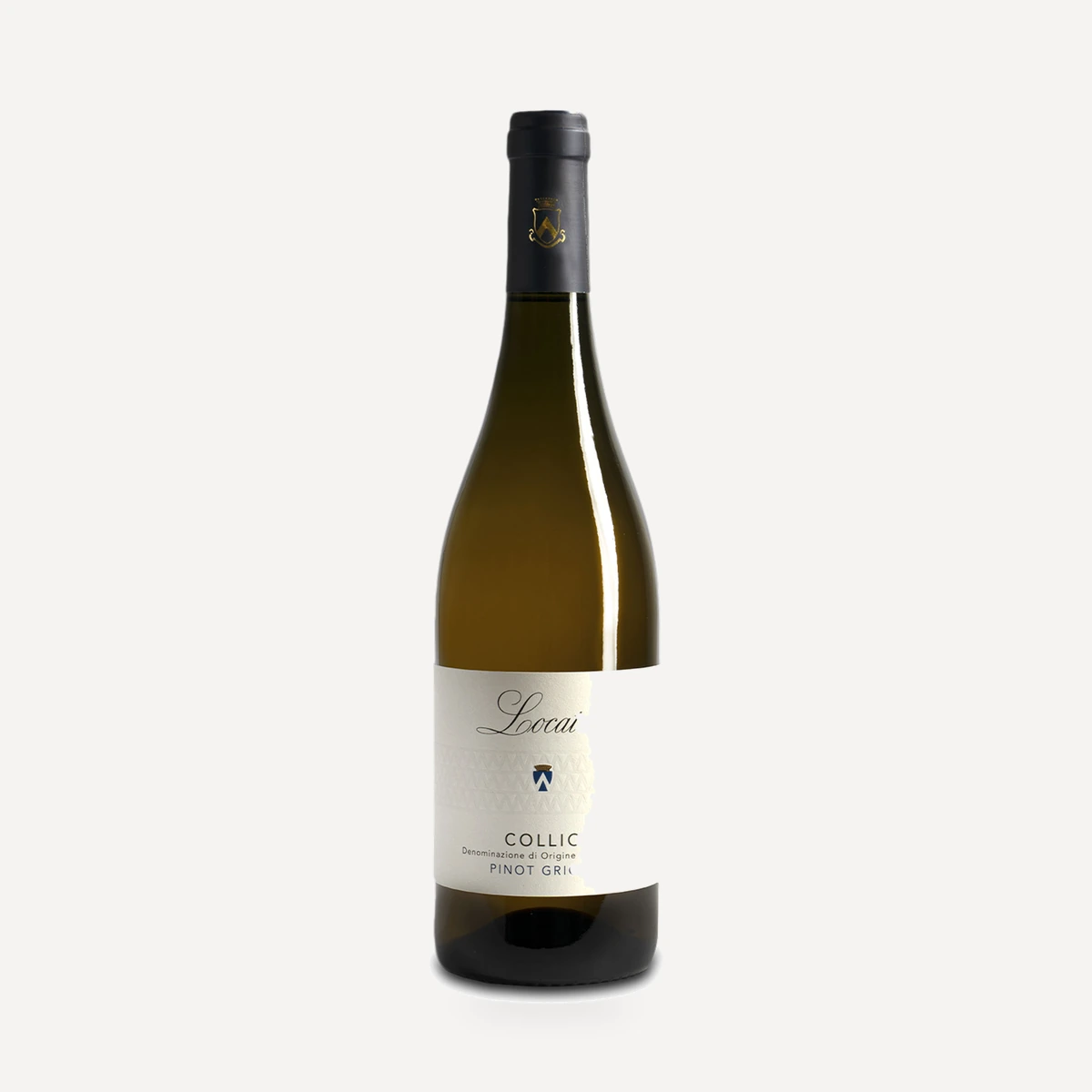
Linea Locatelli Pinot Grigio
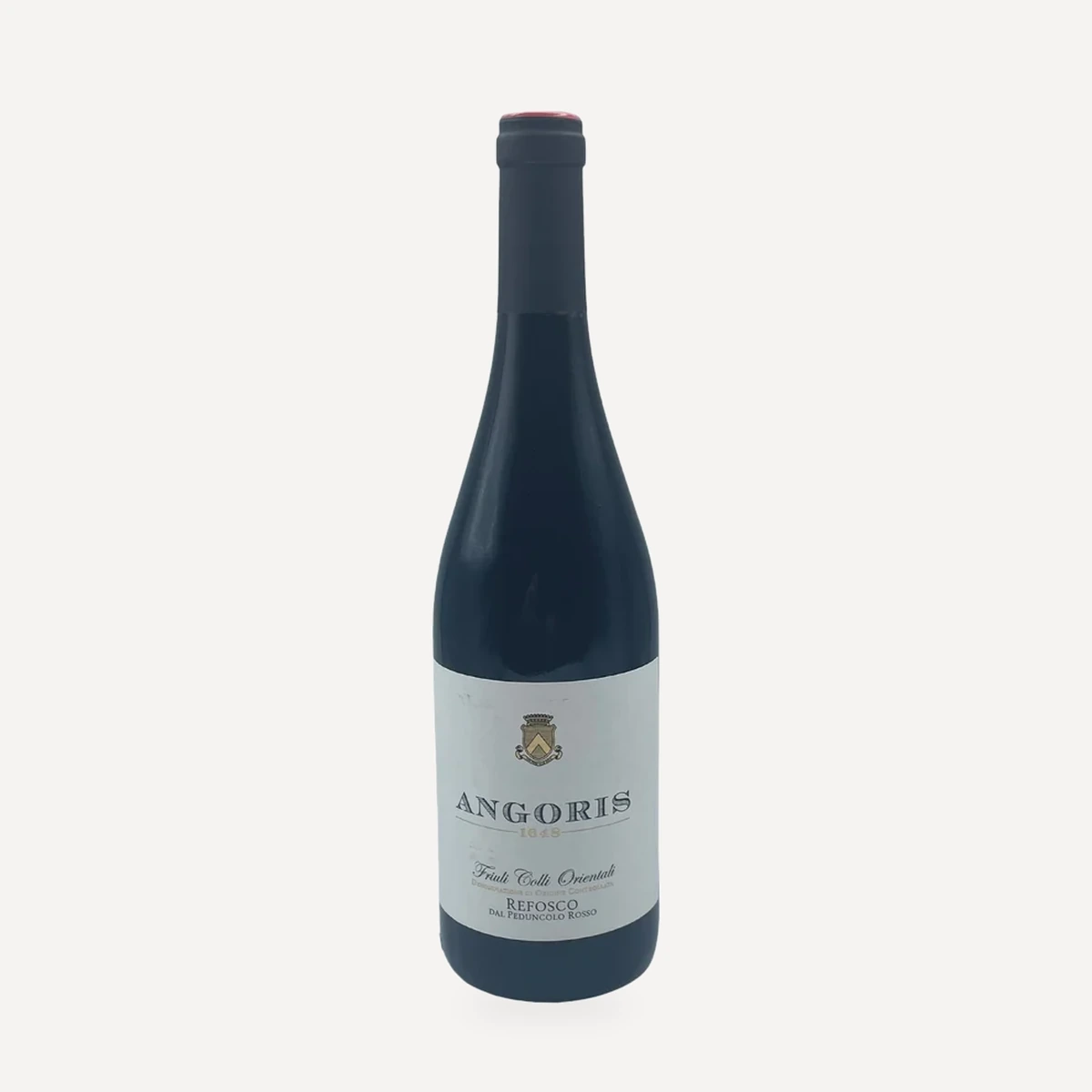
Linea Locatelli Refosco dal Peduncolo Rosso
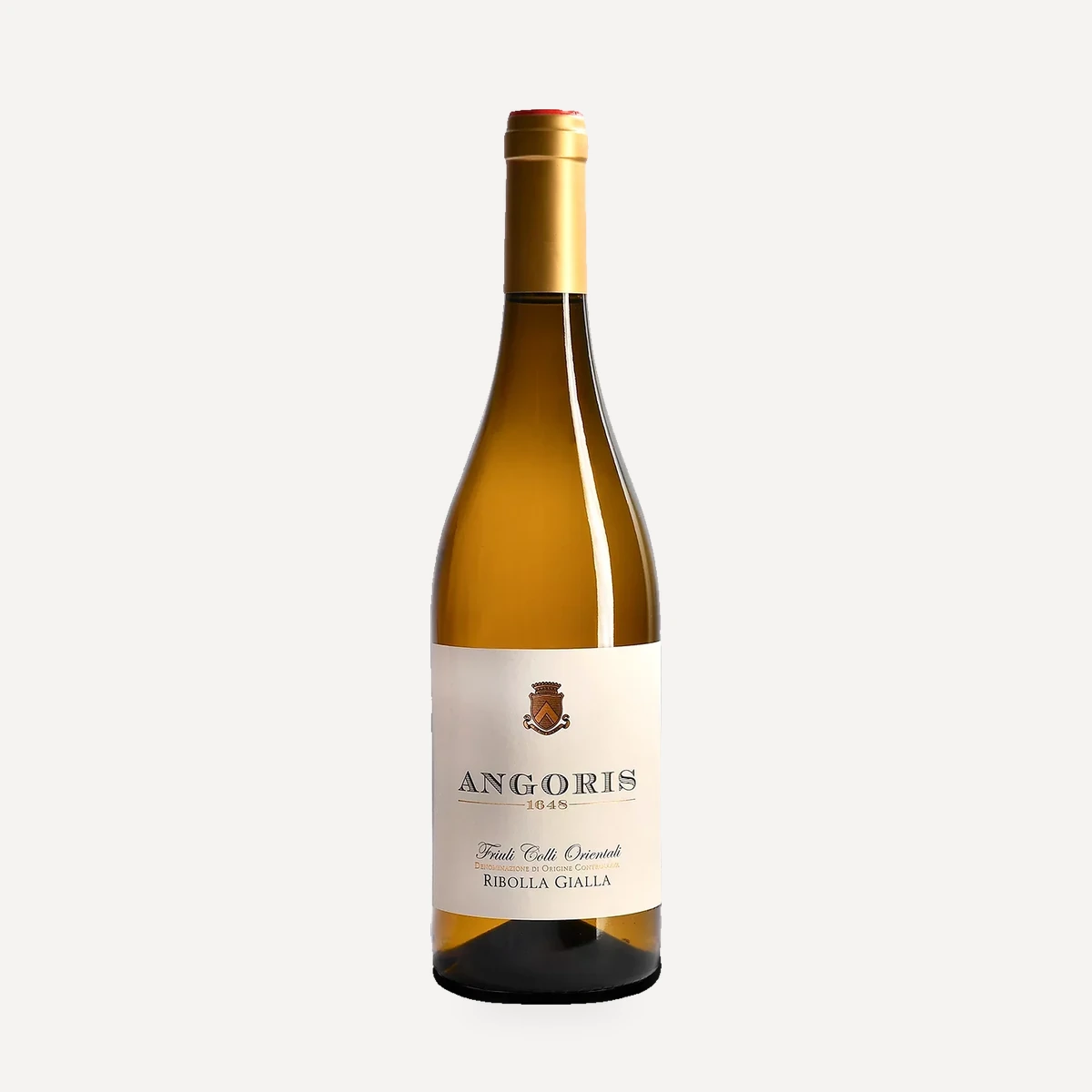
Linea Locatelli Ribolla Gialla
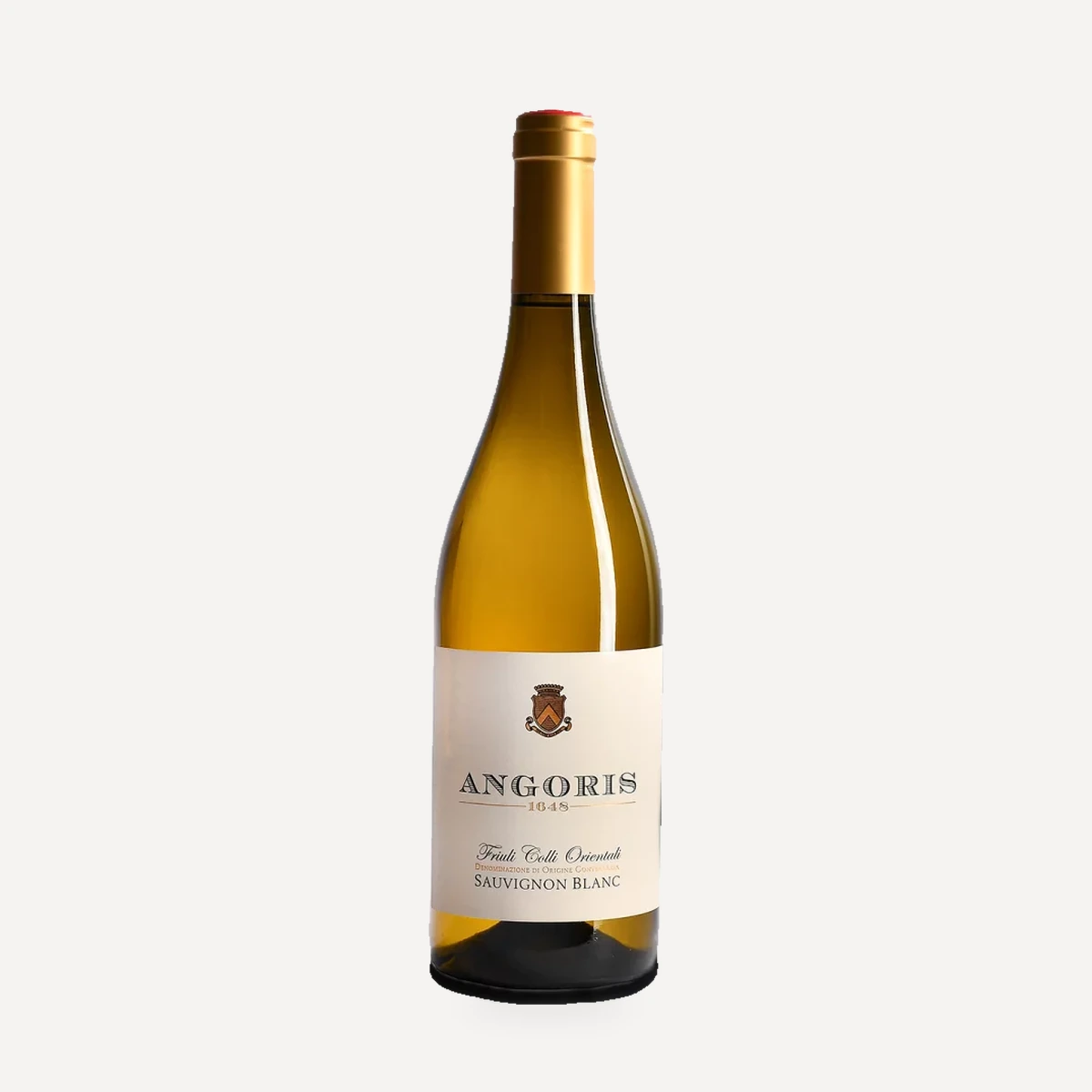
Linea Locatelli Sauvignon Blanc
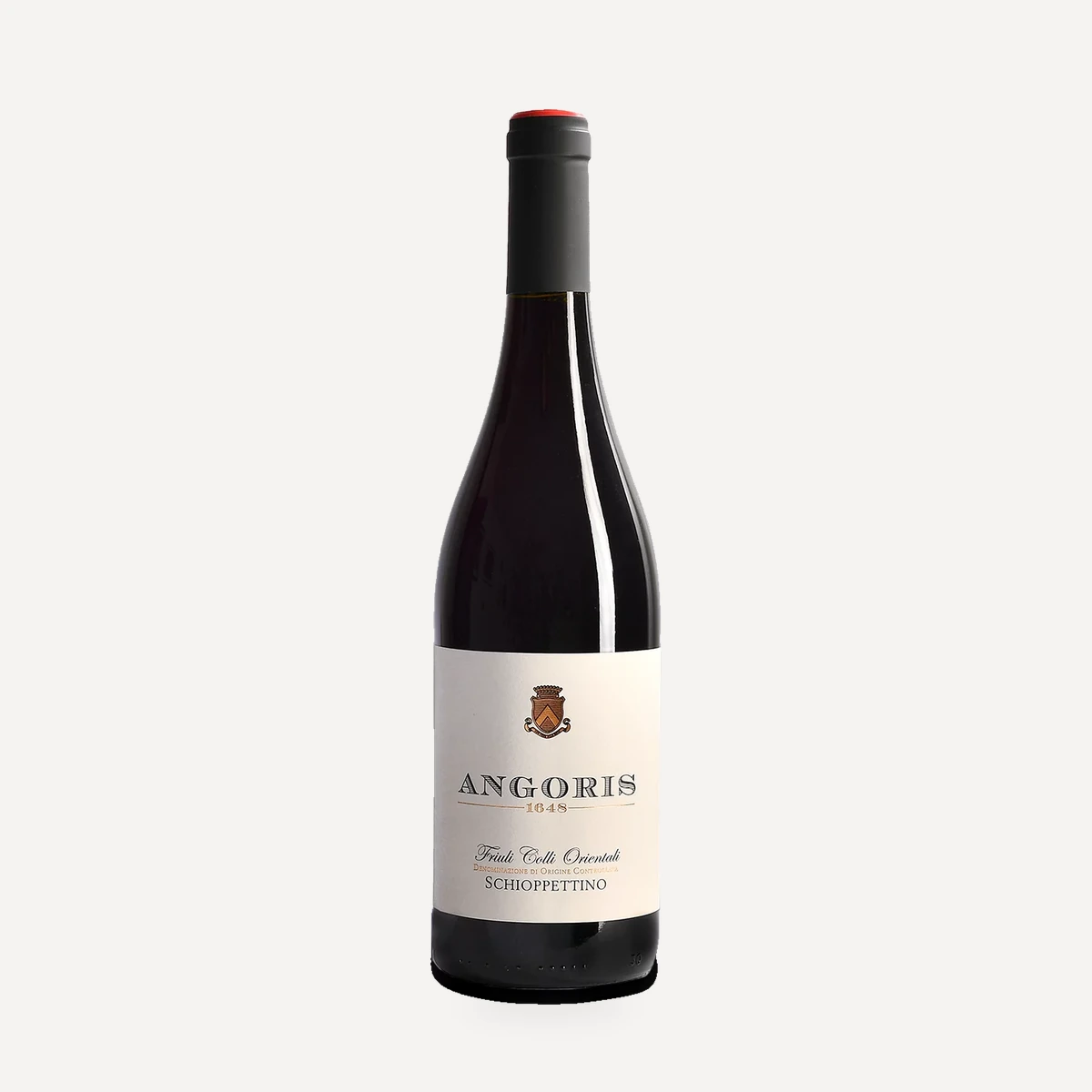
Linea Locatelli Schioppettino
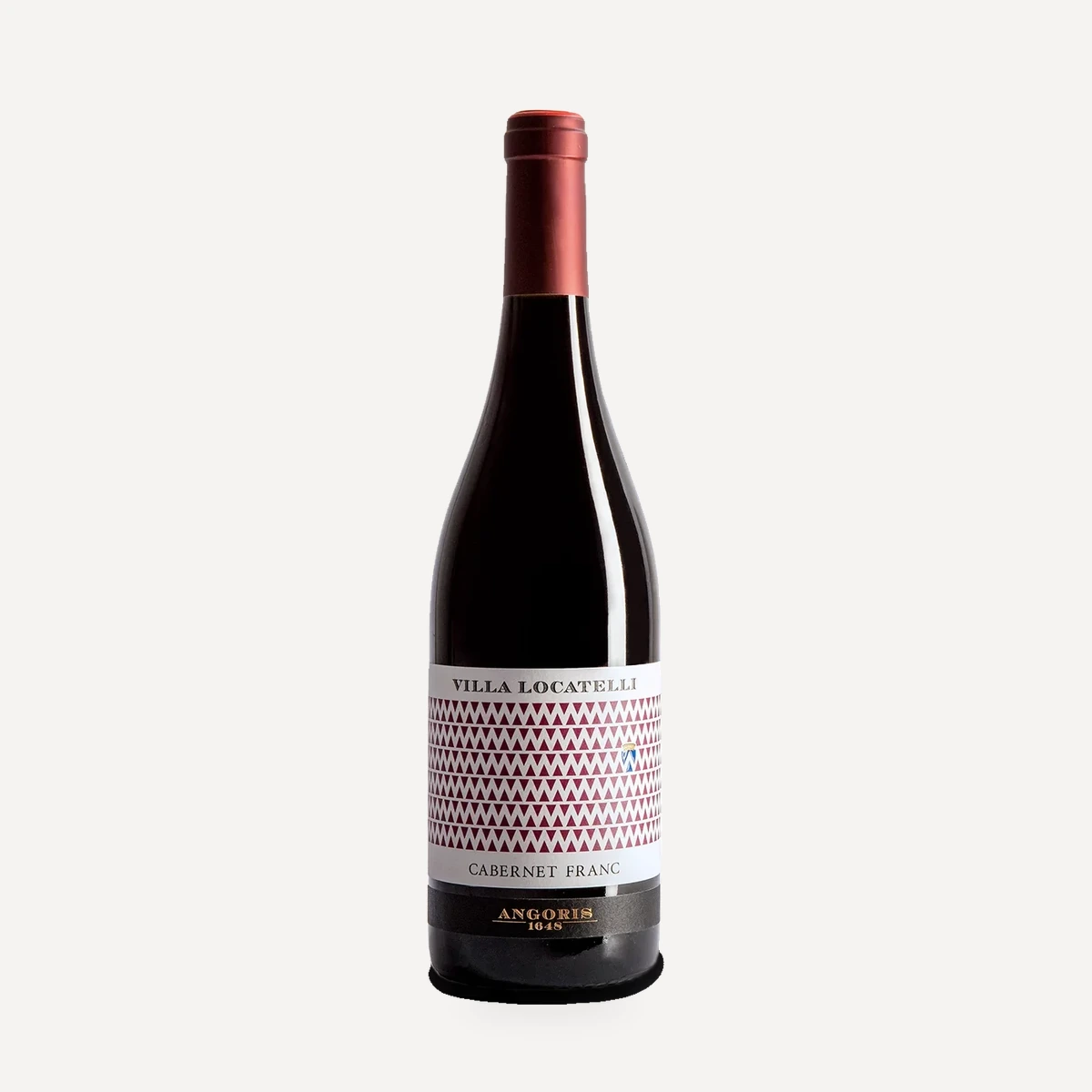
Linea Villa Locatelli Cabernet Franc
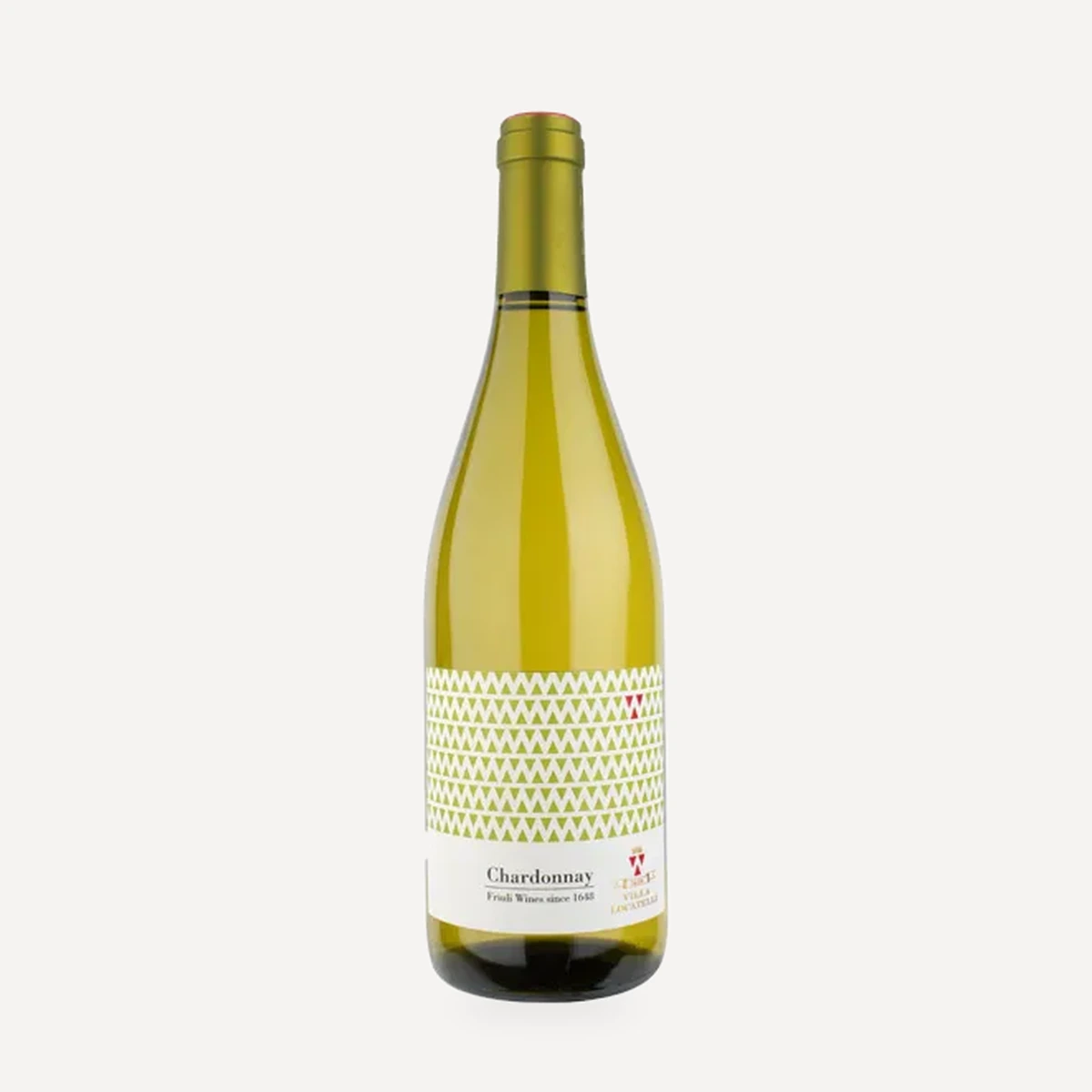
Linea Villa Locatelli Chardonnay
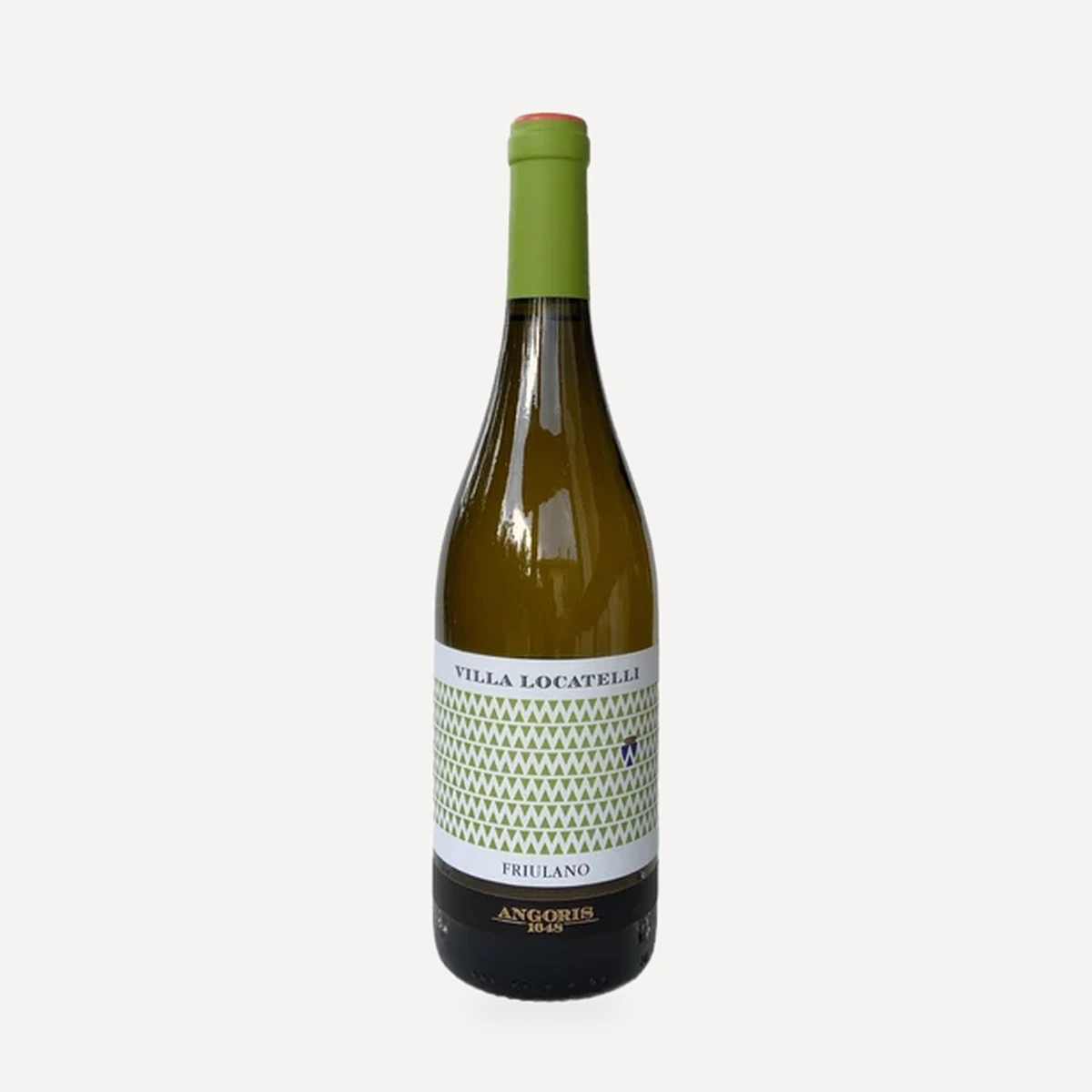
Linea Villa Locatelli Friulano
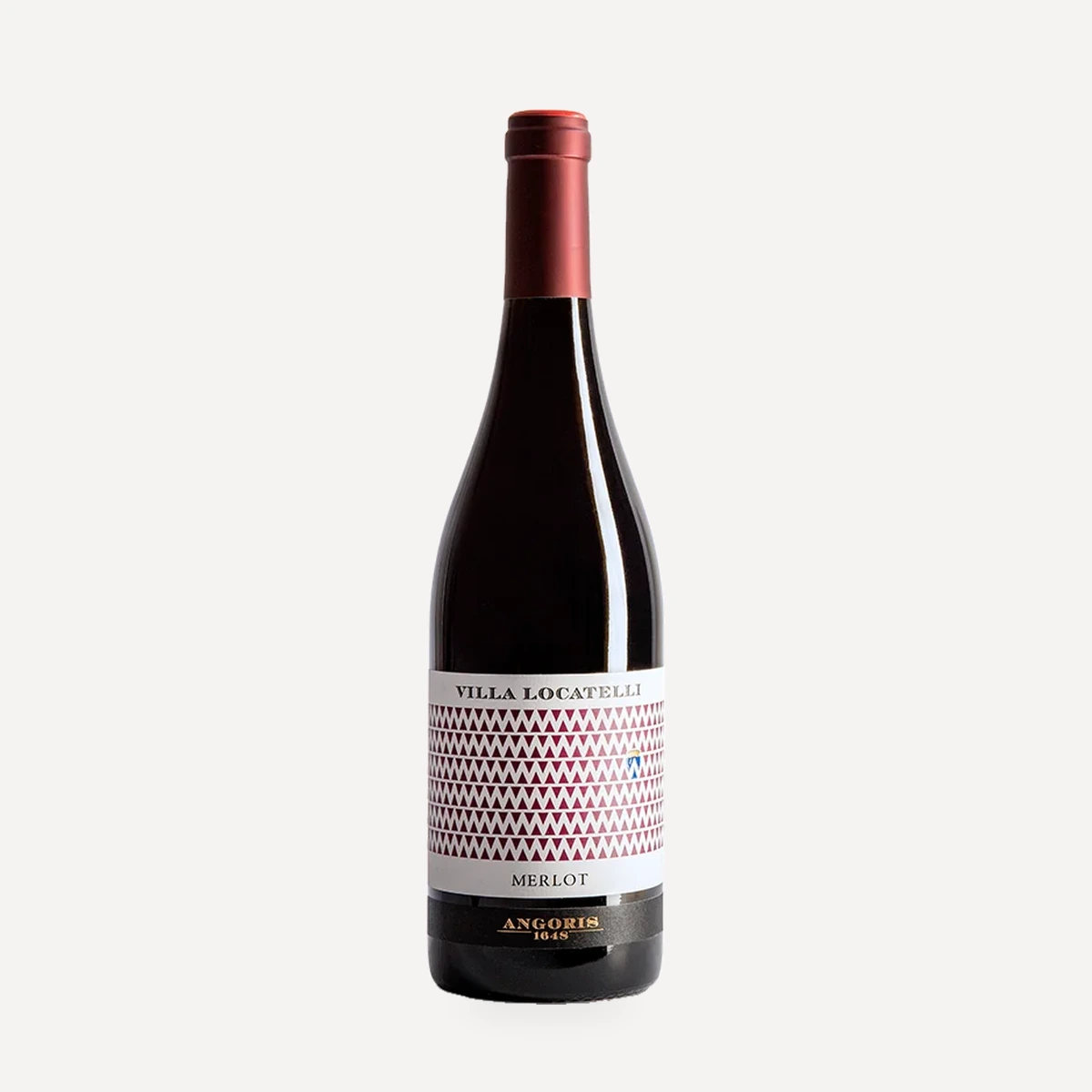
Linea Villa Locatelli Merlot
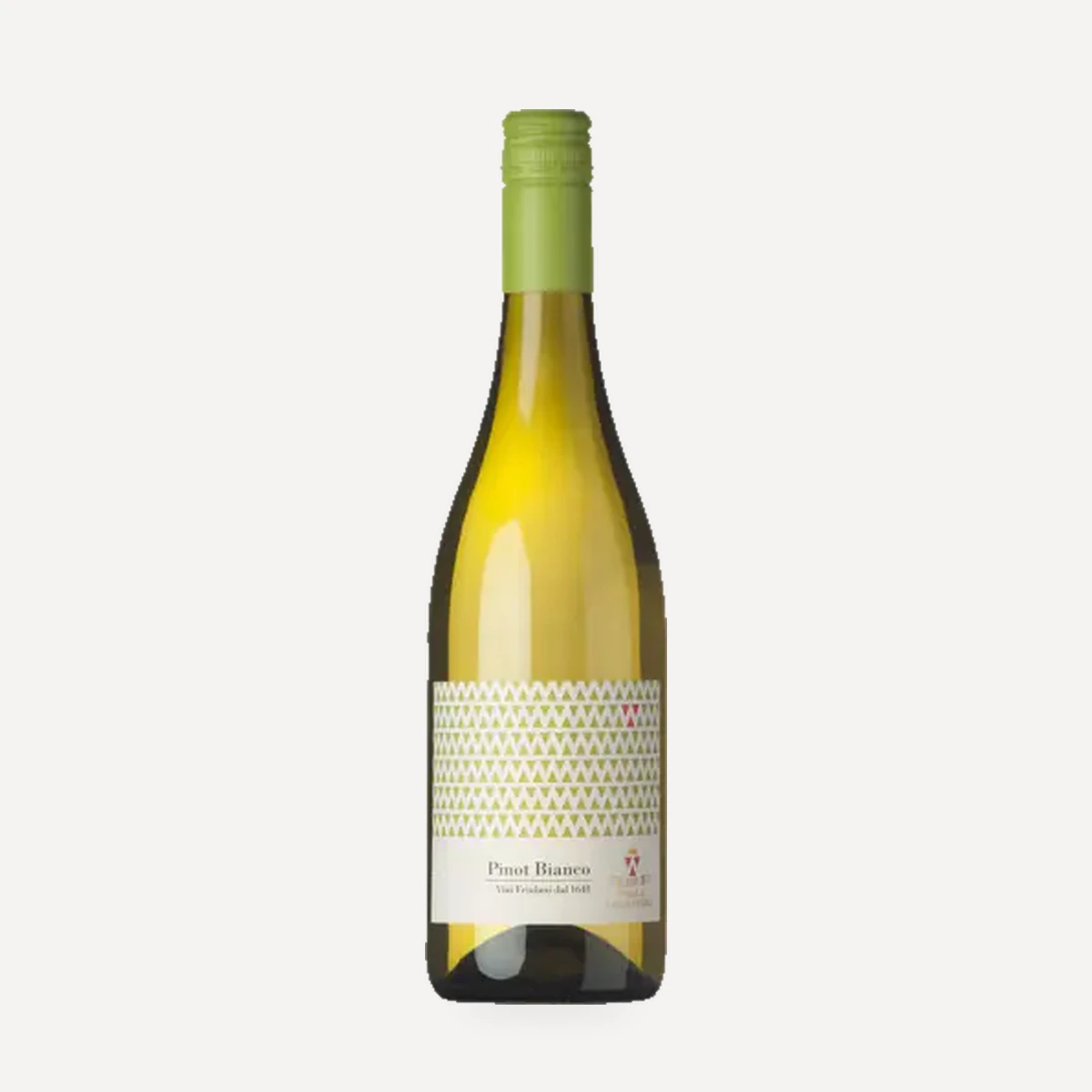
Linea Villa Locatelli Pinot Bianco
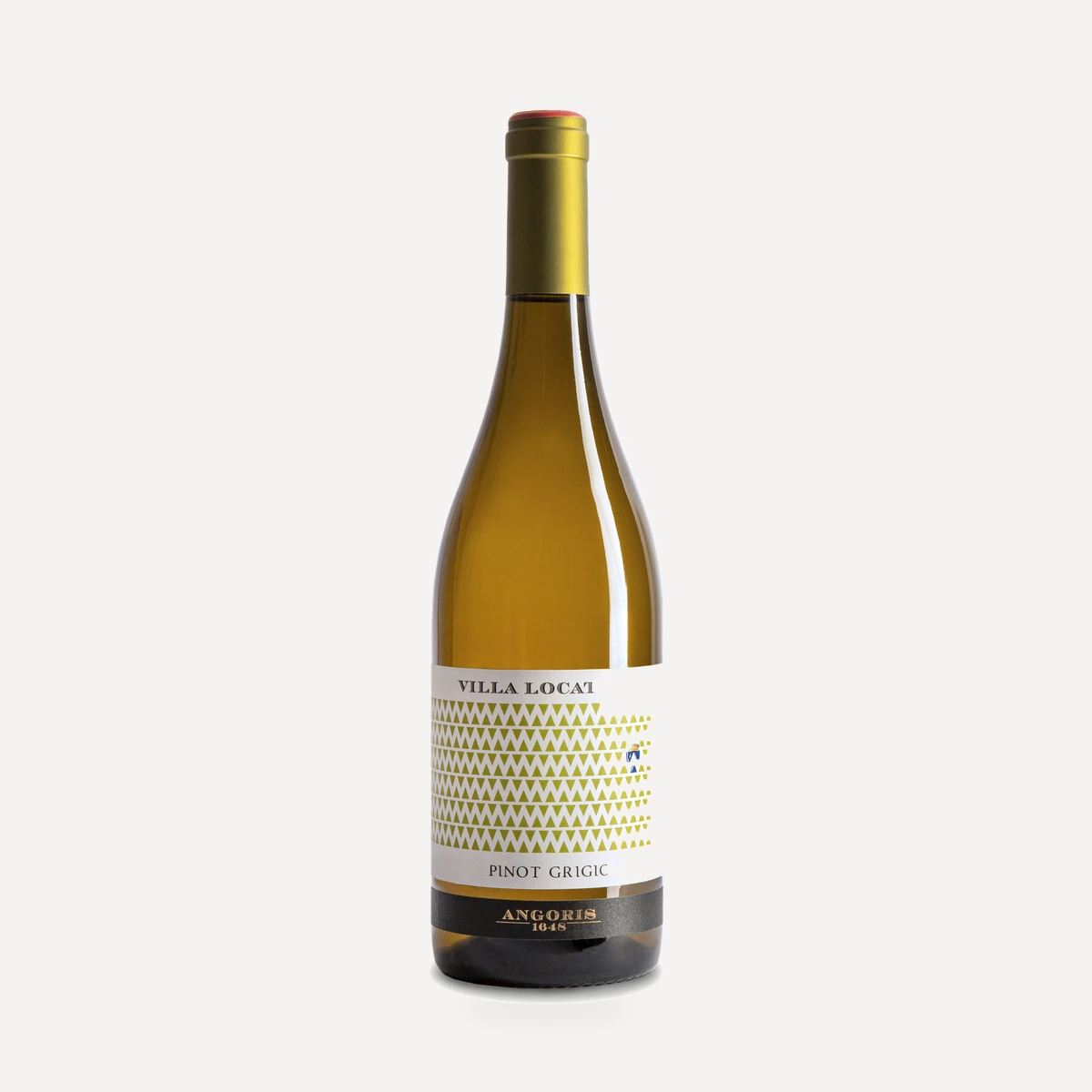
Linea Villa Locatelli Pinot Grigio
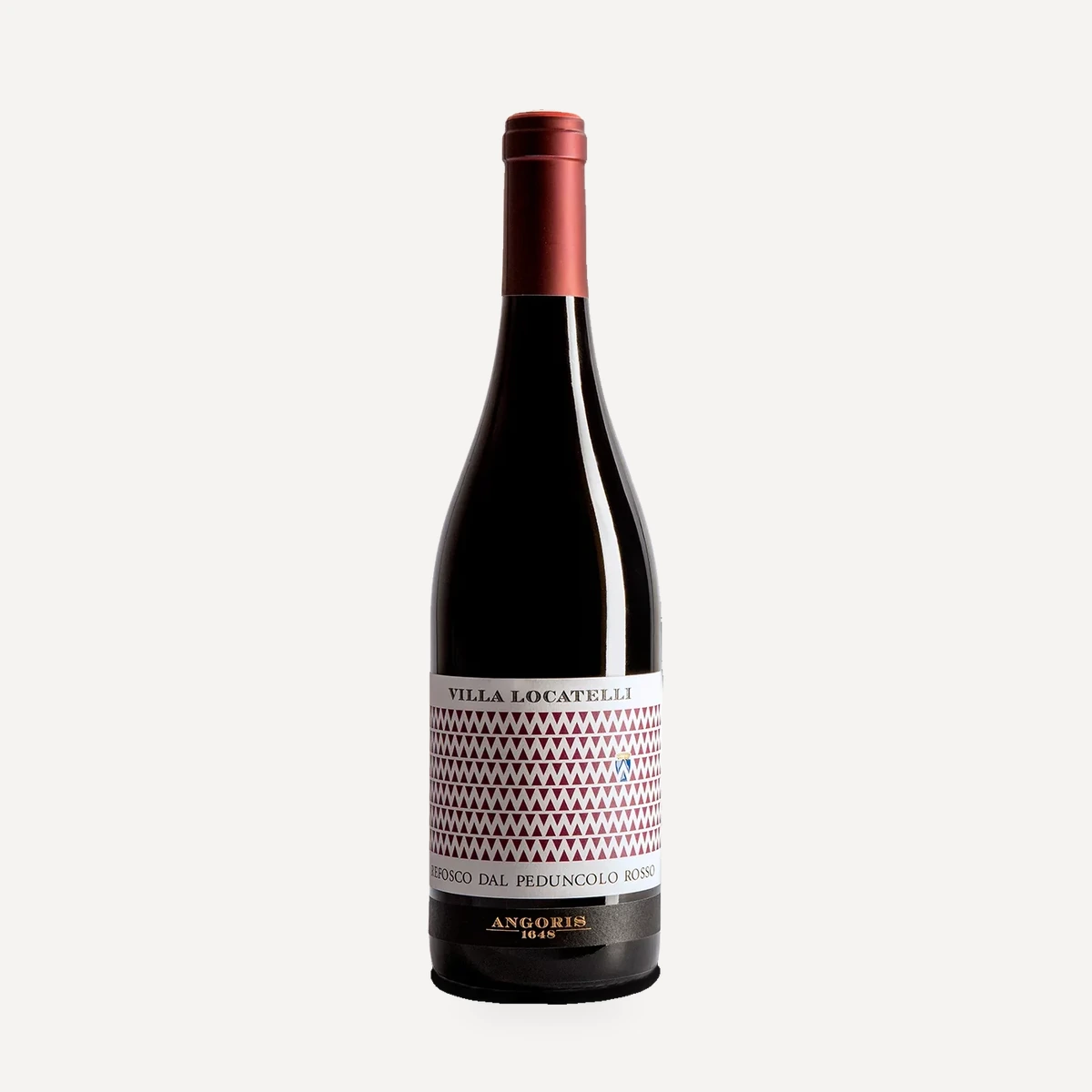
Linea Villa Locatelli Refosco dal Peduncolo Rosso
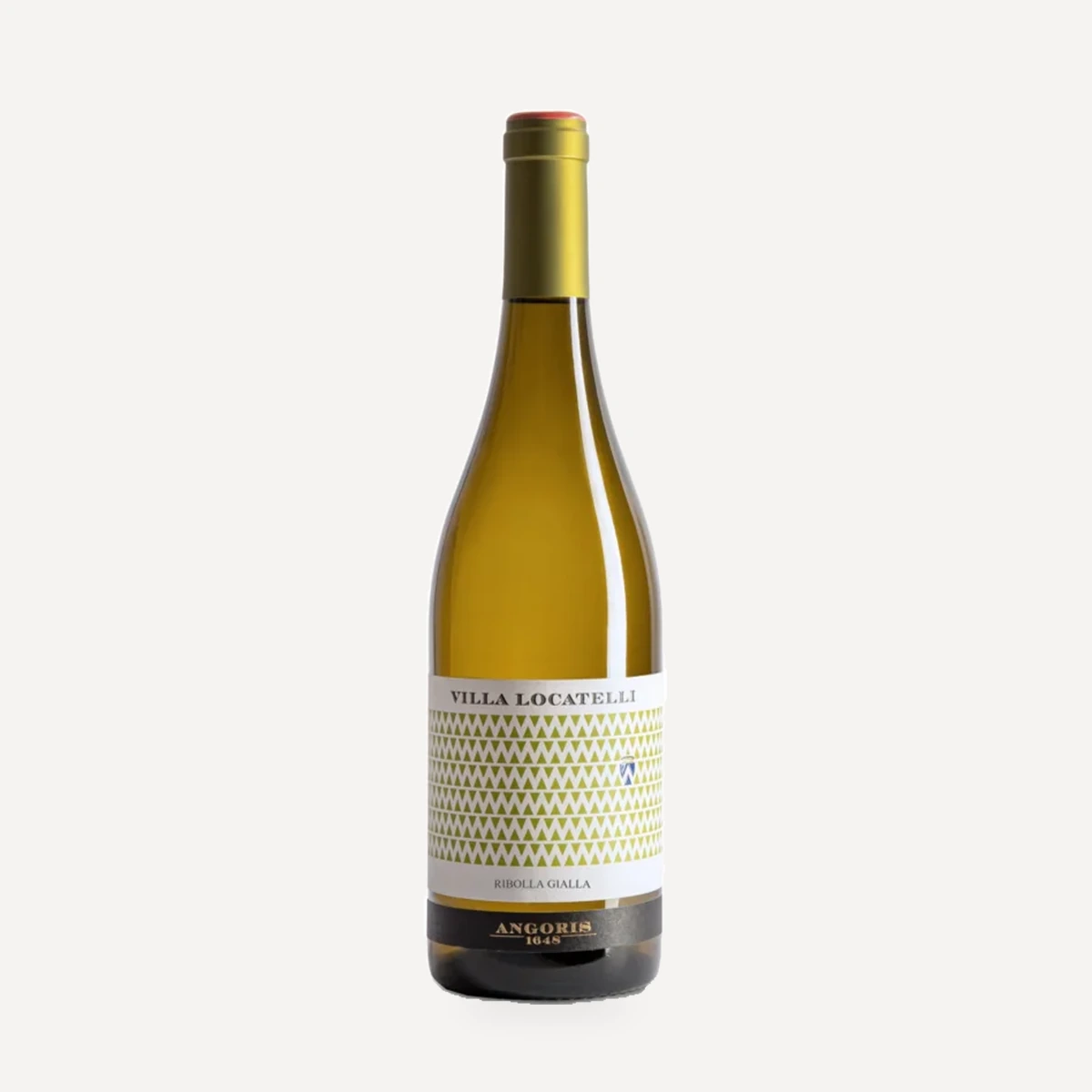
Linea Villa Locatelli Ribolla Gialla
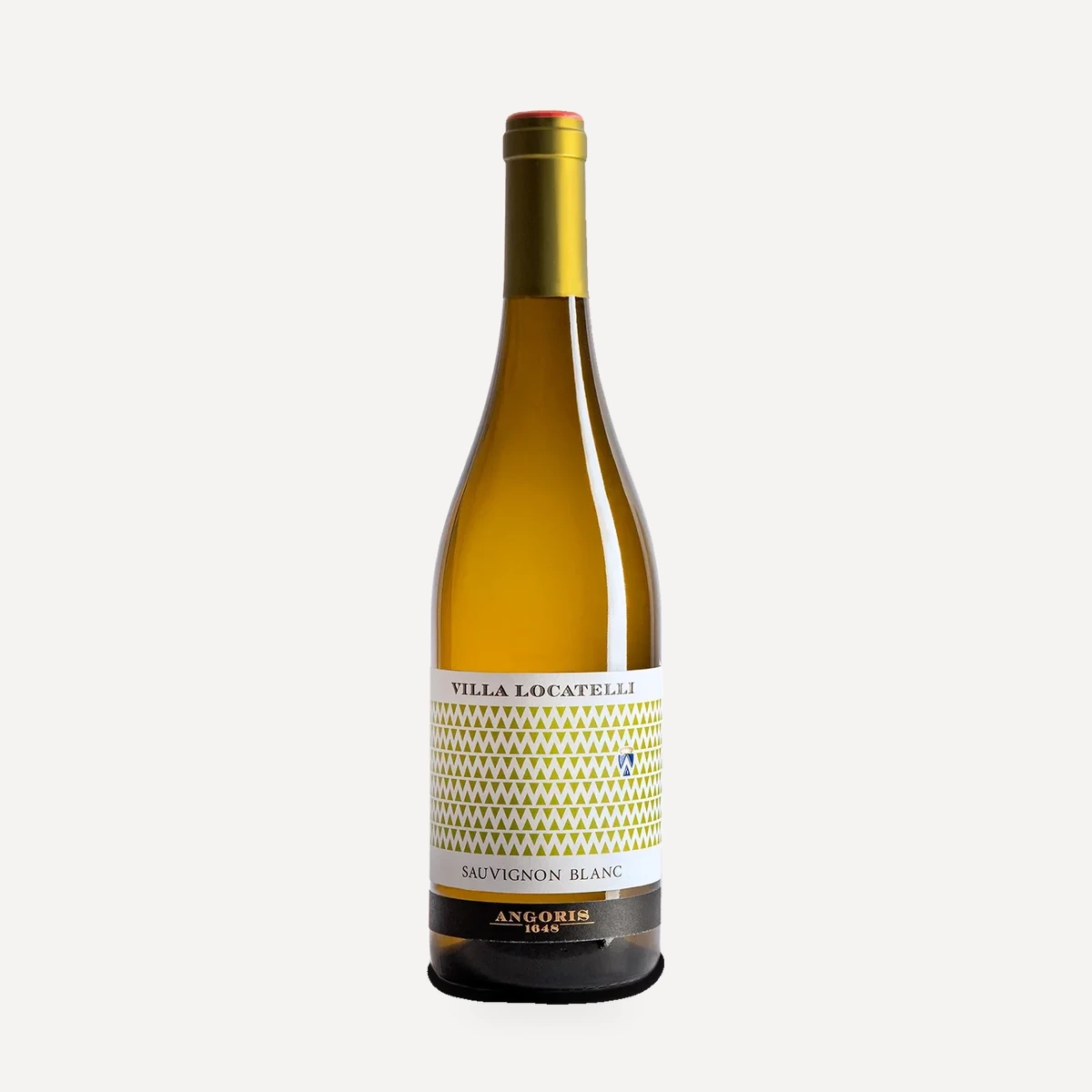
Linea Villa Locatelli Sauvignon Blanc
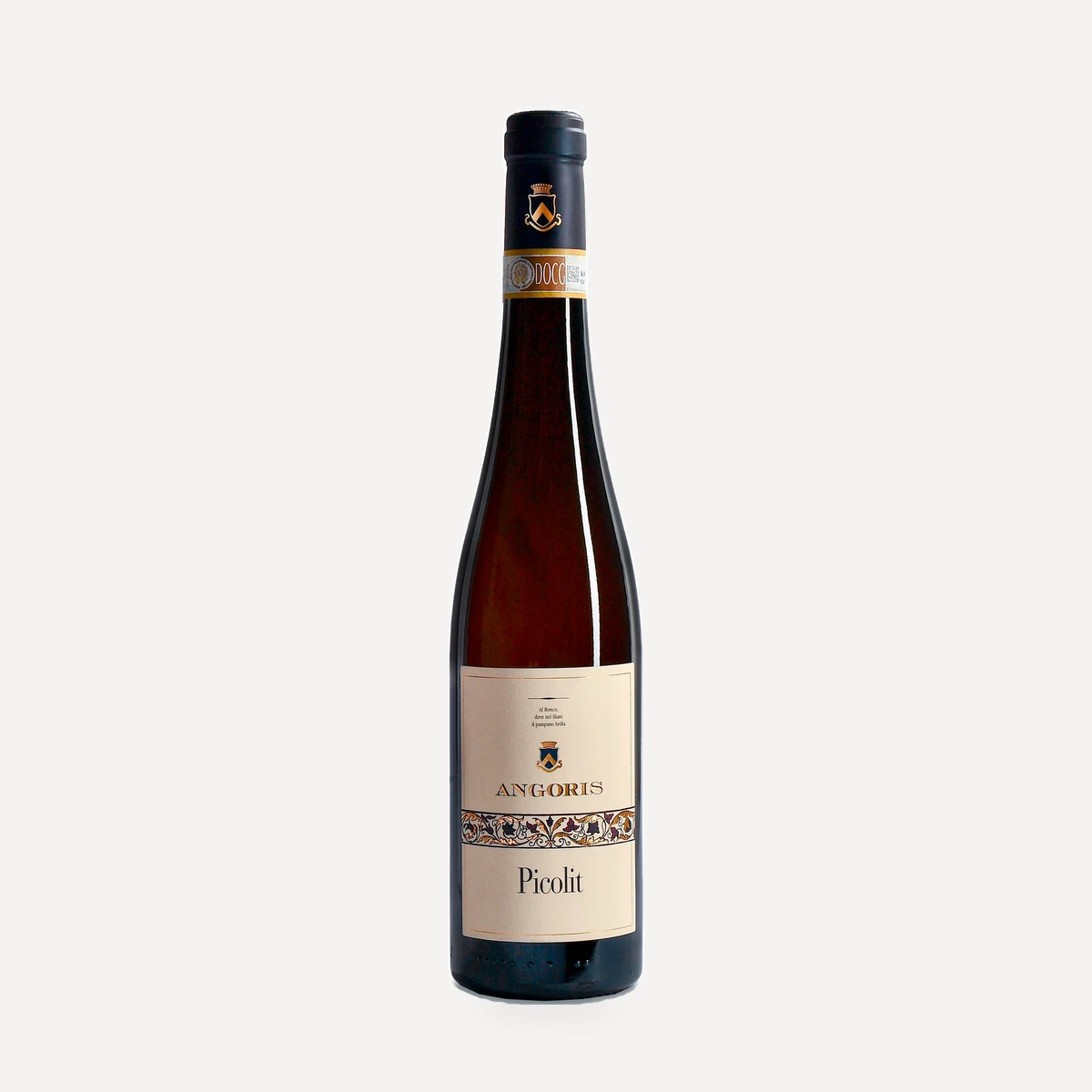
Picolit
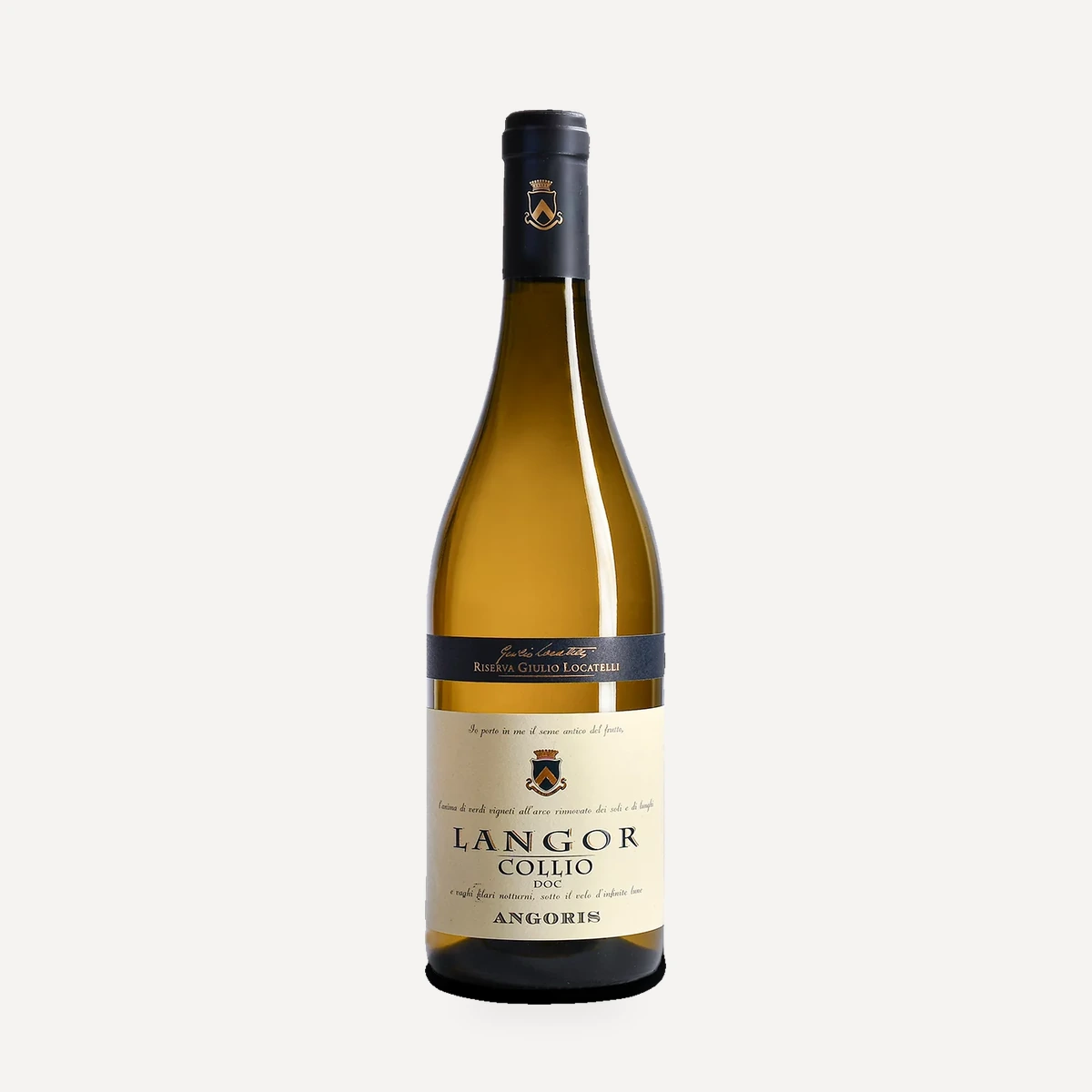
Riserva Giulio Locatelli Langor Collio Bianco
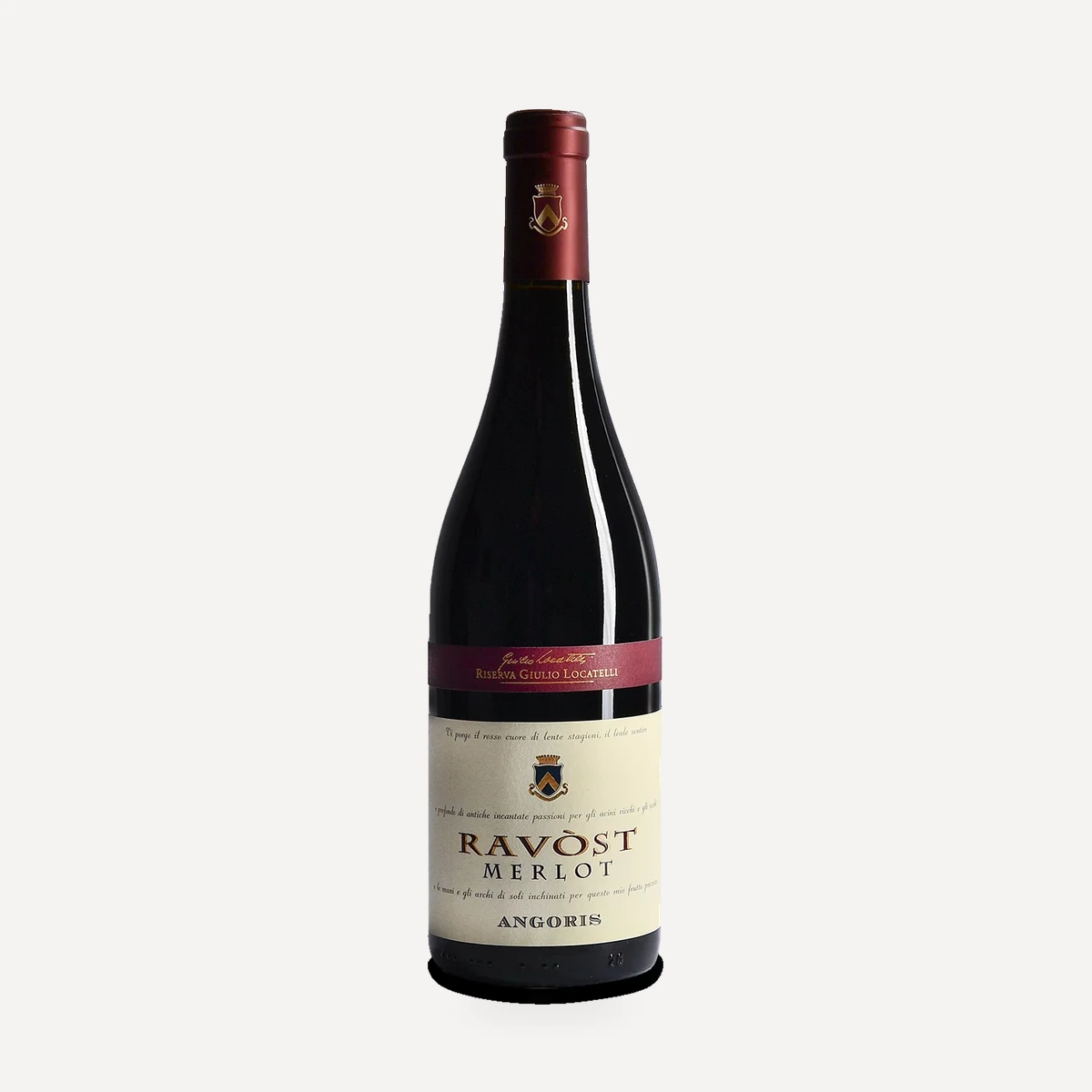
Riserva Giulio Locatelli Merlot Ravost
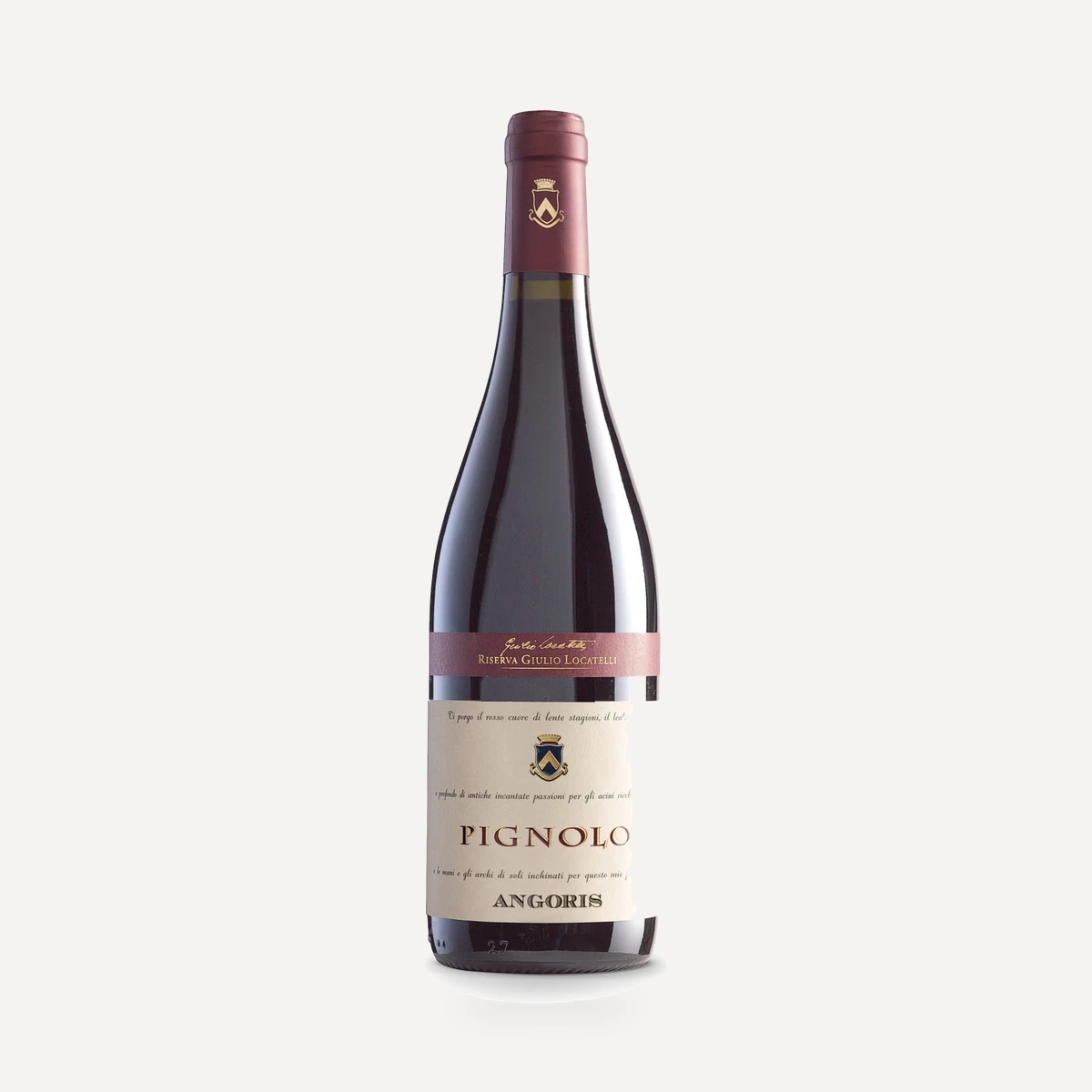
Riserva Giulio Locatelli Pignolo
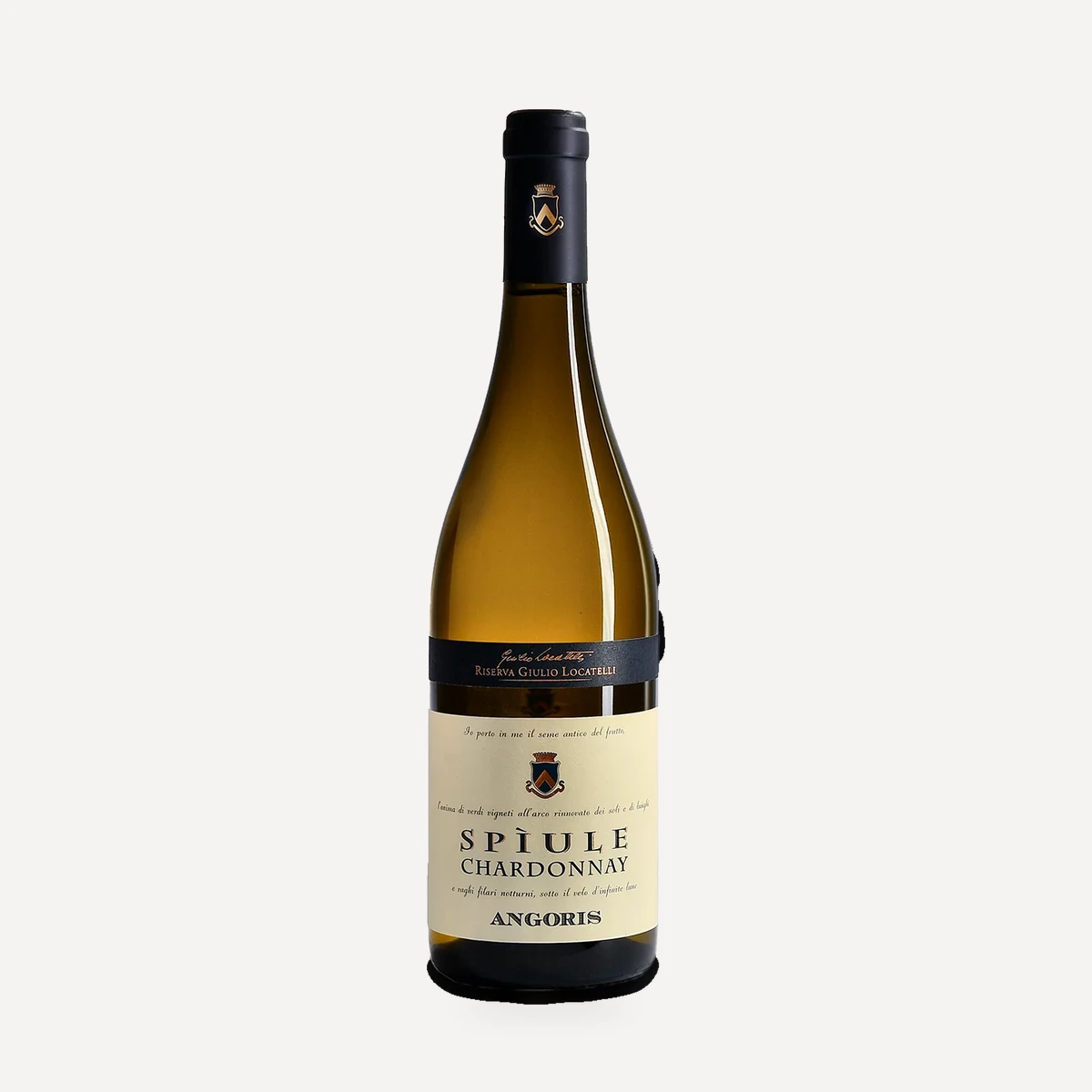
Riserva Giulio Locatelli Spìule Chardonnay