Storia
The family's connection to Friulian wine
The Bastianich family's relationship with wine predates the estate itself. During the 1970s and 1980s, the family encountered leading winegrowing families and promoted Friuli's wines through the wine lists of its restaurants in the United States. These activities developed its interest in wine while strengthening the family's desire to reconnect with its origins.
Establishment in 1997
In 1997, the Bastianich family established the winery and planted its first vineyards at Cividale del Friuli. The estate vineyards have been owned by the family since that year. The holding subsequently described by the estate comprises 27 hectares within Friuli Colli Orientali DOC, divided between two contrasting areas around Premariacco and Cividale del Friuli.
The warmer, more southerly Premariacco hills became the source of grapes for the fuller-bodied, more structured CRU wines. The cooler Cividale hills, approximately 16 km farther north and exposed to cold air from the mountains, became associated with the fresh, aromatic monovarietal wines of the Vini Orsone line.
Terroir
Two climatic sectors
All 27 hectares lie within Friuli Colli Orientali DOC but are divided between two distinct sectors. The Premariacco vineyards occupy the warmest, southernmost part of the denomination. Maritime warmth influences these hills and supports grapes intended for the fuller-bodied and more structured CRU wines.
The Cividale del Friuli vineyards are approximately 16 km farther north. Mountain air cools this sector, while the cold northerly Bora is particularly influential during the coldest nights. These conditions favor greater aromatic intensity and the fresher profile associated with Vini Orsone.
Across Colli Orientali, the winds descending from the Julian Alps and the proximity of the Adriatic Sea create numerous microclimates. The vineyards occupy terraced hillsides with varied relationships to the sun.
Ponca
The characteristic hillside substrate is ponca, an Eocene formation of clay-rich marl alternating with sandstone formed from calcified sands. It is rich in calcium, potassium and phosphorus but poor in organic matter. Exposure to the elements makes it friable: it breaks down rapidly, changing from an original blue-grey tone through grey-yellow and eventually becoming a clay soil with good water-retention capacity.
The sandstone layers alternate with the marl and vary in composition. Their silica content generally rises as the proportion of other compounds—especially calcium—falls.
The broader soil profile combines clay and stones on calcium-rich terraces. Rocky material promotes drainage in wet weather, while clay retains moisture during drought. Its light-brown surface reflects summer sunlight, helping to keep roots cool, restrain vine vigor and prolong hang time, thereby supporting phenolic development. The combination is associated with minerality, salinity, structure and the capacity for longevity in both white and red wines.
Vinificazione
The viticultural cycle begins with analysis of each soil and production site. Whether establishing a new vineyard, replanting an existing one or replacing missing vines, plant material is selected specifically for the site and soil, with the intended character of the finished wine considered before planting.
Annual work includes pruning, grass cutting, decisions about vineyard treatments, regulation of vine growth and canopy management. These operations are directed toward grape quality while preserving the vines and their soils as far as possible. Cultivation is framed around respect for natural rhythms, and the choice of planted varieties gives particular emphasis to indigenous grapes such as Friulano, Ribolla Gialla, Refosco dal Peduncolo Rosso and Schioppettino.
Harvest is manual. A recurring team of 20 people works daily for at least two months, picking and performing the first selection directly in the vineyard. A further selection takes place after the fruit reaches the winery.
From planting decisions to harvest
The intended wine guides decisions made before a vine is planted. New sites and replanting projects begin with analysis of the soil and location, followed by the selection of vines suited to each site. During the growing season, the team manages pruning, grass, treatments, vine growth and the canopy.
Harvest lasts at least two months and is carried out manually by a regular 20-person team. Pickers make the first grape selection in the vineyard.
Reception and vinification
On arrival at the winery, the grapes undergo another selection on sorting equipment so that only the accepted fruit enters production. During fermentation, the cellar team and enologists monitor every tank and barrel meticulously each day.
Maturation, blending and bottling
After fermentation, barrels and stainless-steel tanks are topped up and the wines begin to mature. Individual lots are progressively assembled into larger lots. Different wines are combined for blends such as Vespa and Calabrone, while lots of the same grape variety are combined for the monovarietal wines.
Once bottled, maturation requirements vary: some wines rest in bottle for a year or longer, while others are ready for release immediately.
Filosofia
The estate presents the winery as an expression of Bastianich family values and describes the vineyard as a place of passion and devotion. Its stated objective is to absorb the history and culture of Friuli-Venezia Giulia and translate them into wines that communicate their place while retaining power, structure and balance.
Tradition and creativity are treated as complementary principles. The approach begins with matching plant material to individual soils and sites, continues through sustained vineyard work and repeated grape selection, and extends to close daily supervision of fermentation and careful blending.
Environmental responsibility is expressed through respect for natural rhythms, the preservation of vines and soils, and the emphasis placed on indigenous varieties. The estate also treats the contrasting climatic identities of Premariacco and Cividale as a basis for two distinct stylistic directions rather than seeking a uniform expression across all its vineyards.
Vini
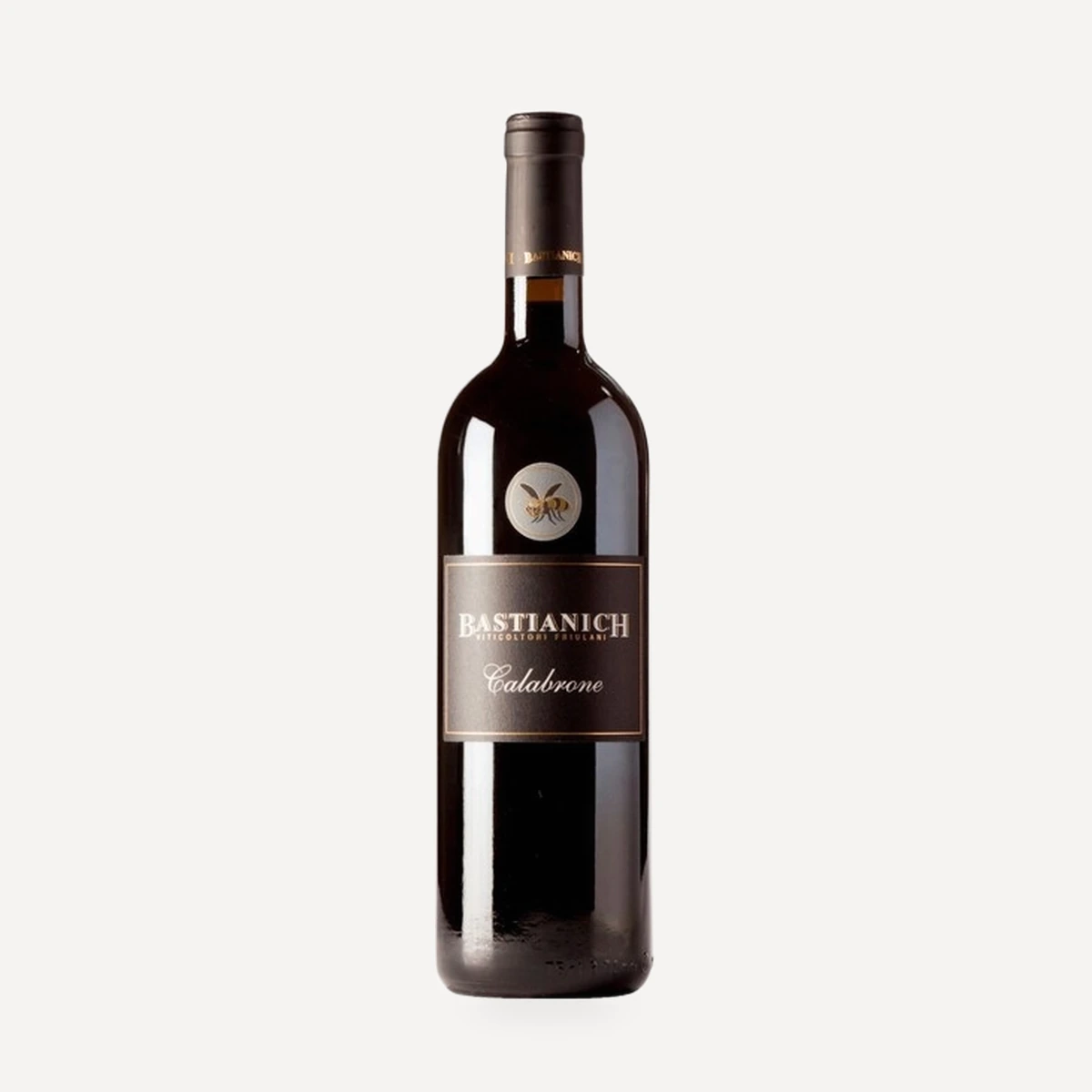
Calabrone
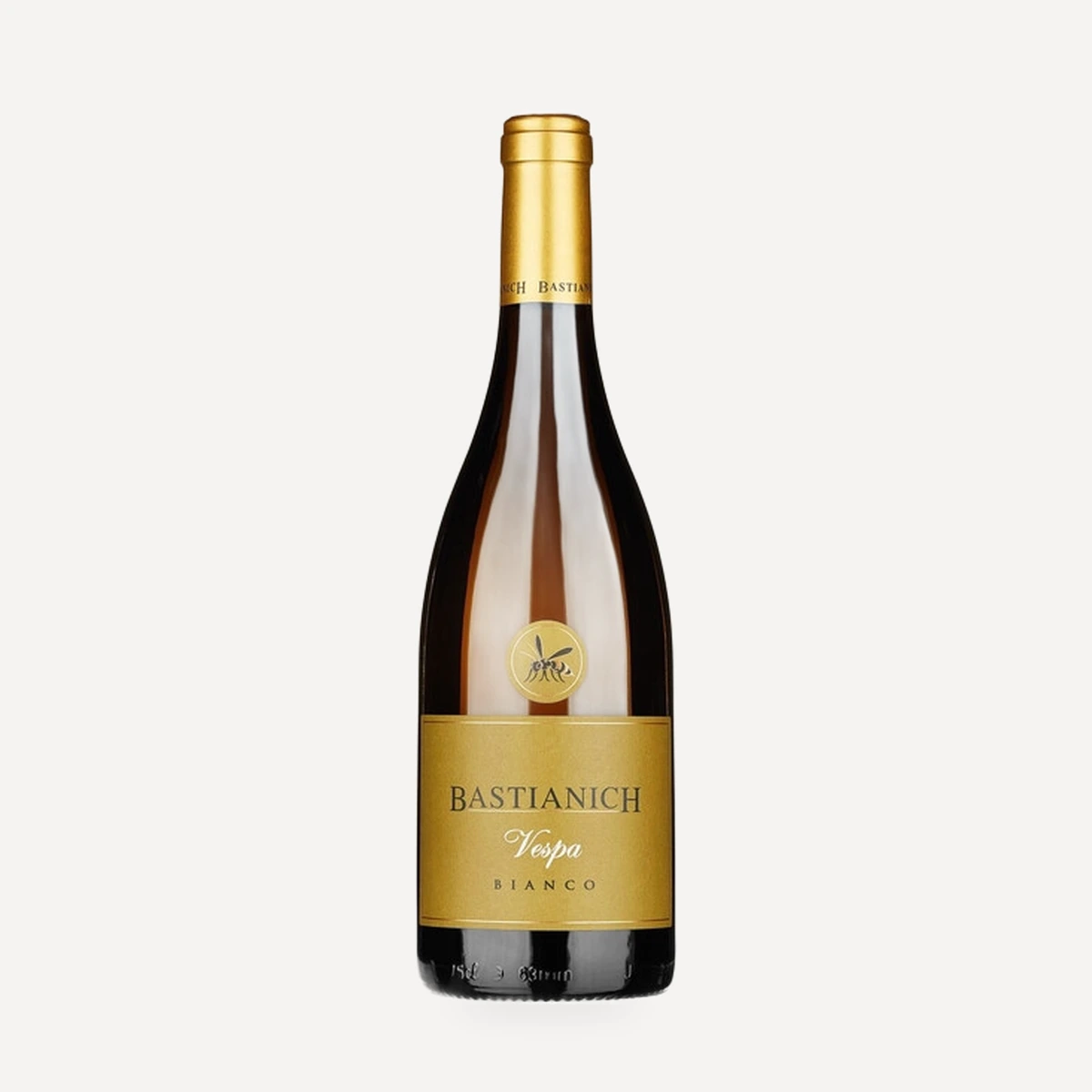
Vespa Bianco
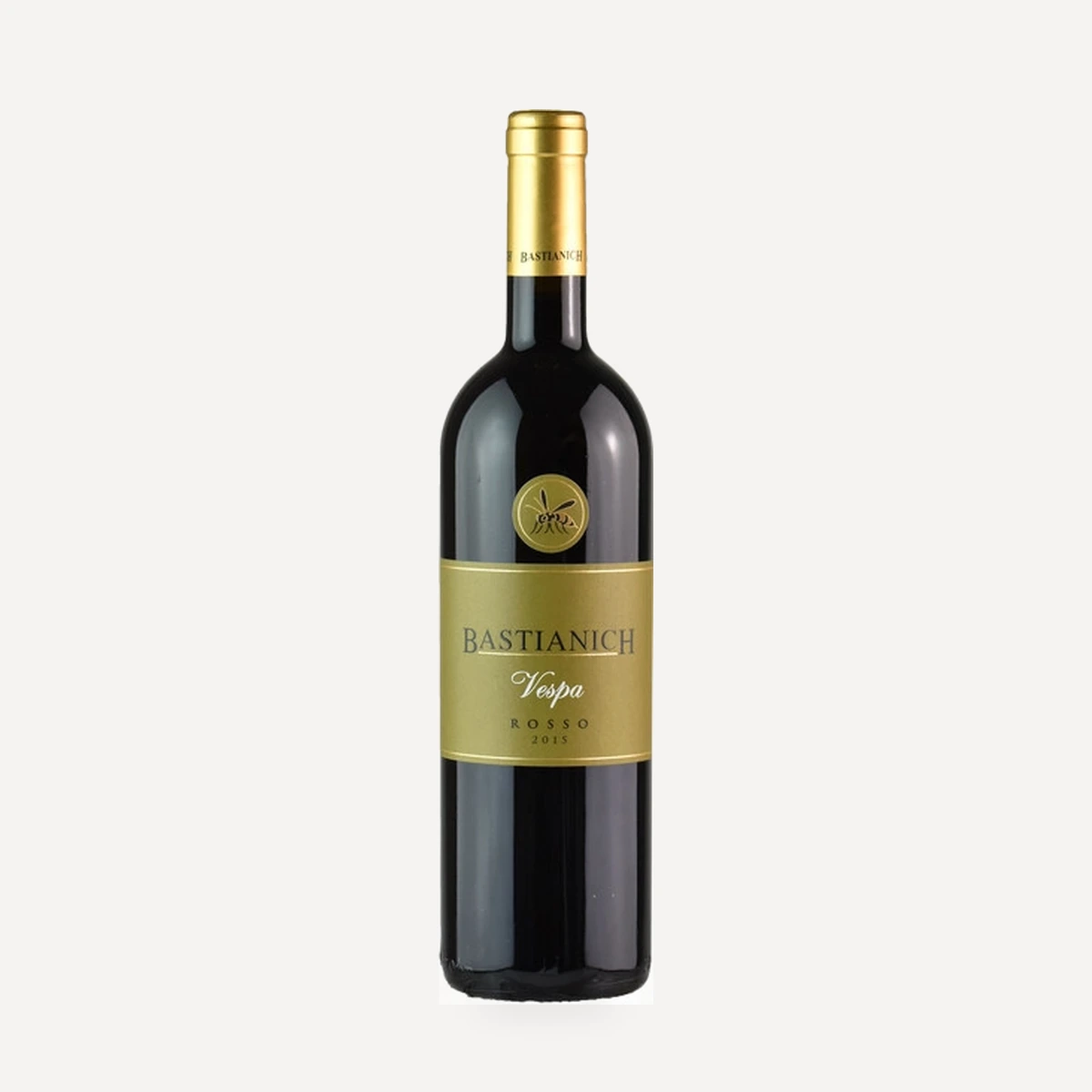
Vespa Rosso
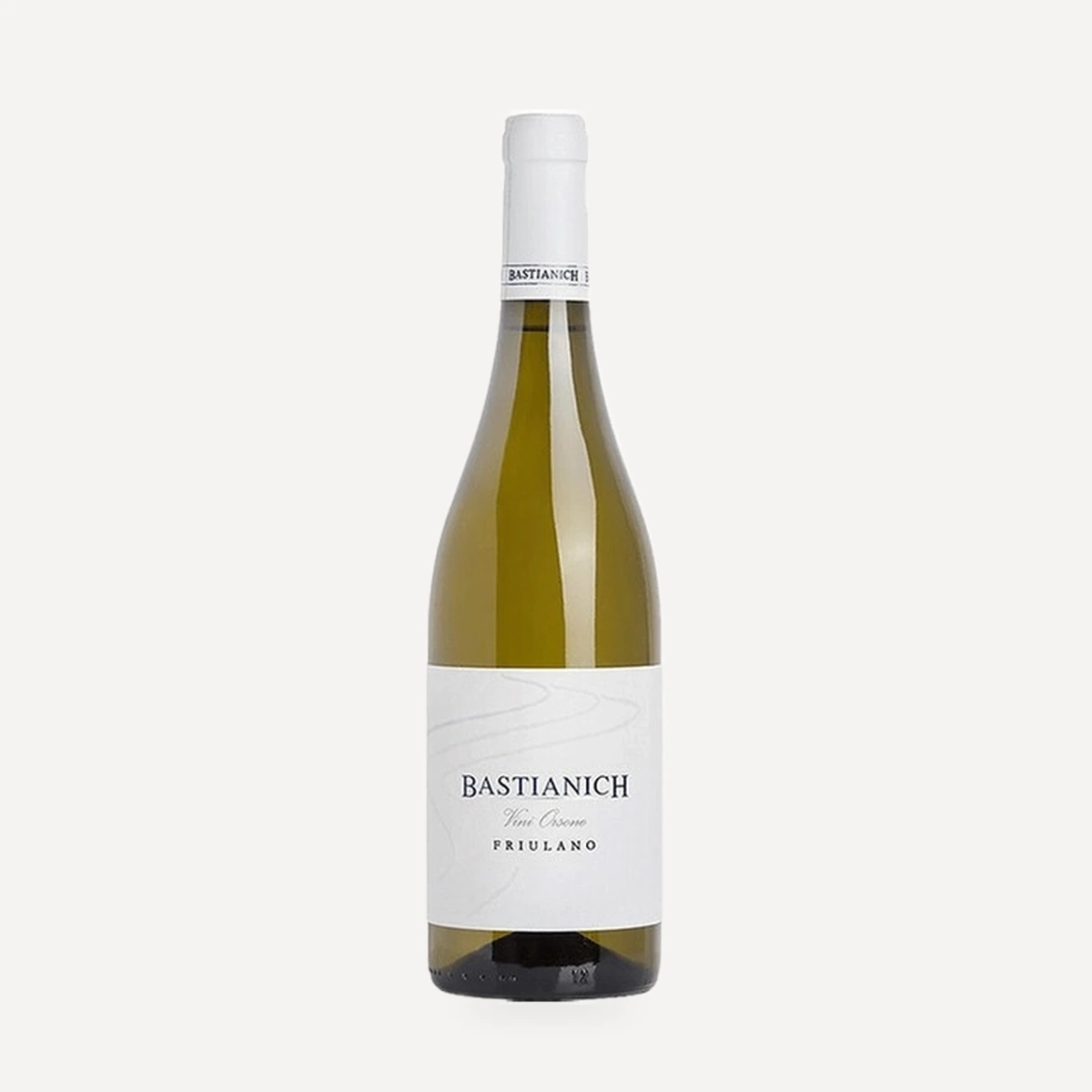
Vini Orsone Friulano
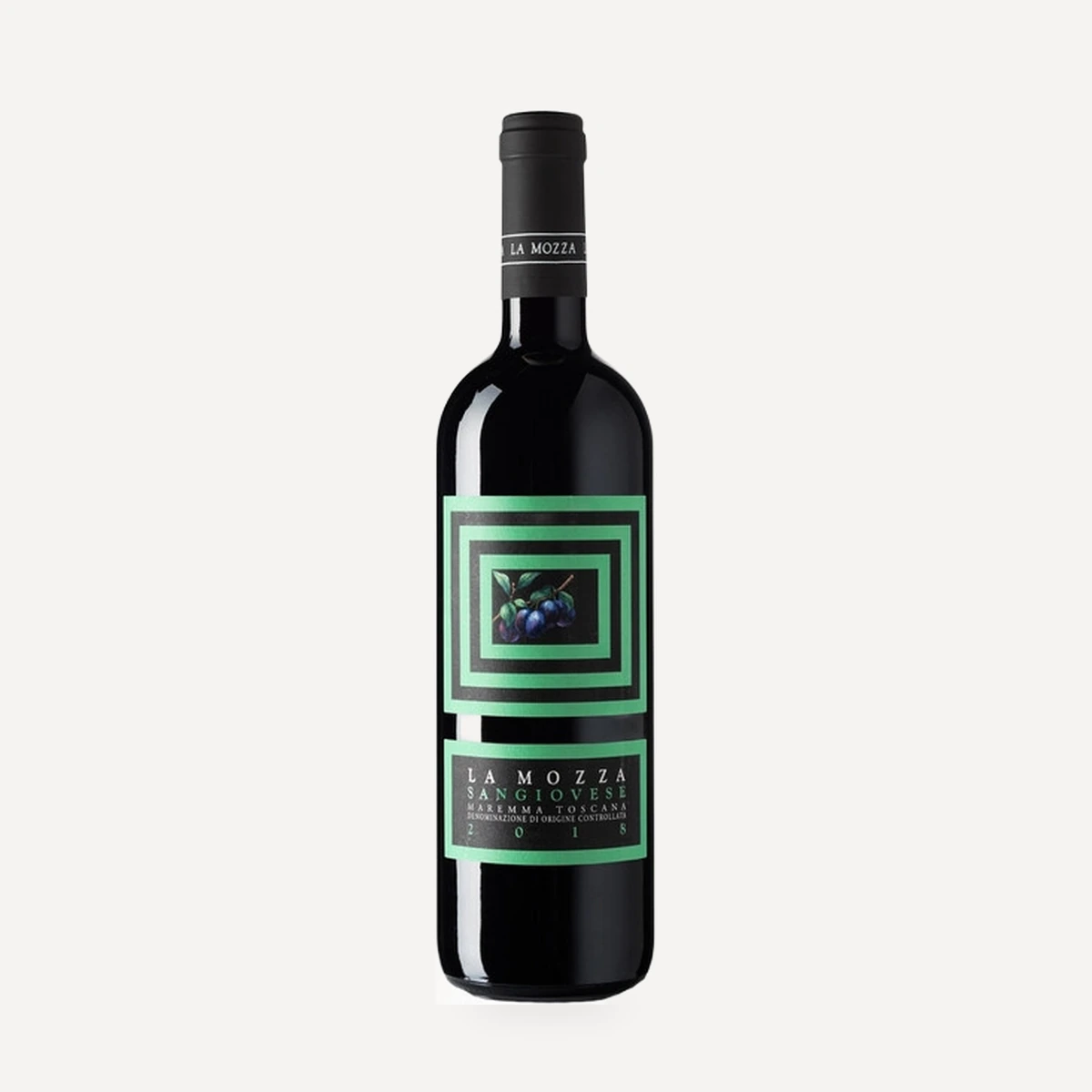
La Mozza Sangiovese Maremma Toscana DOC
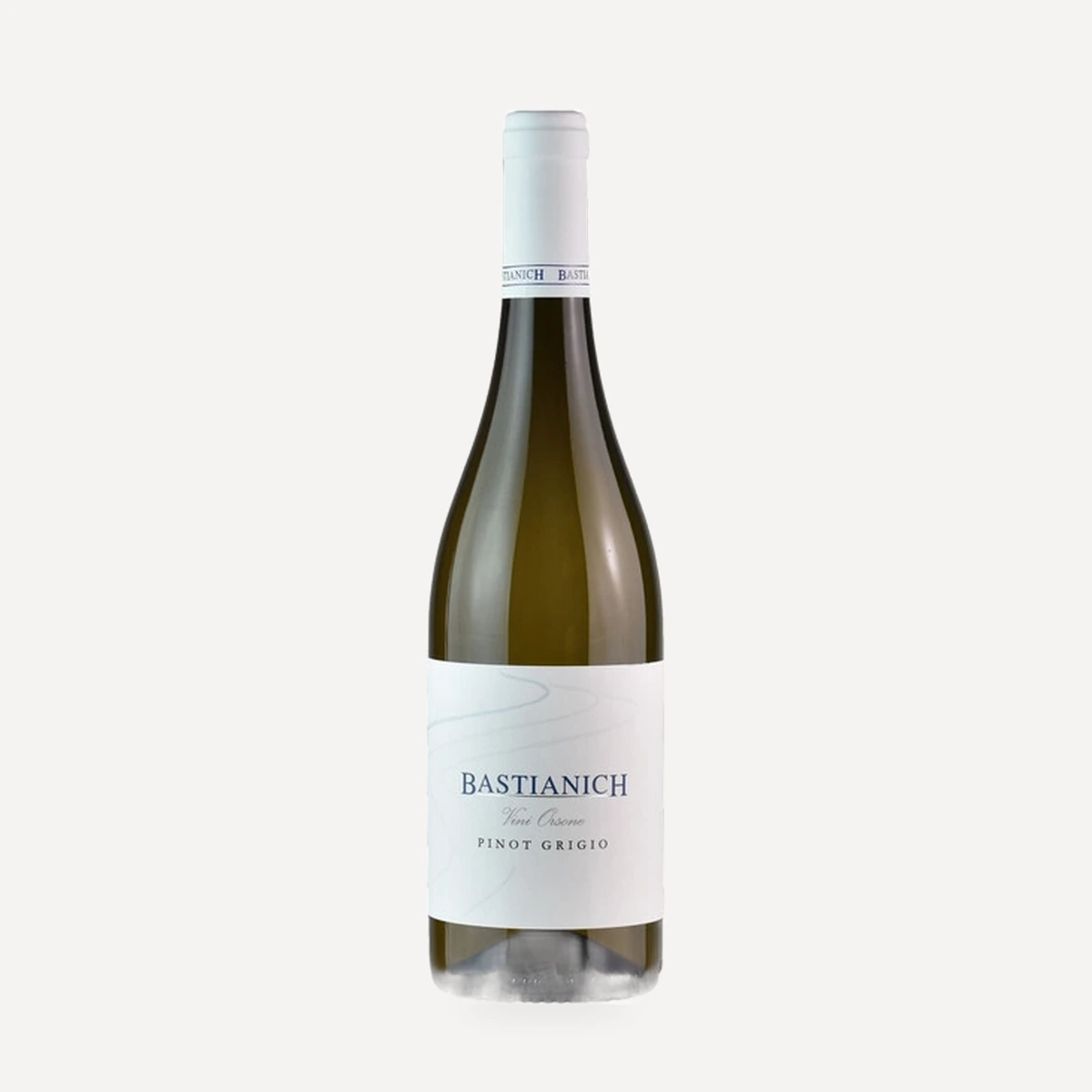
Vini Orsone Pinot Grigio
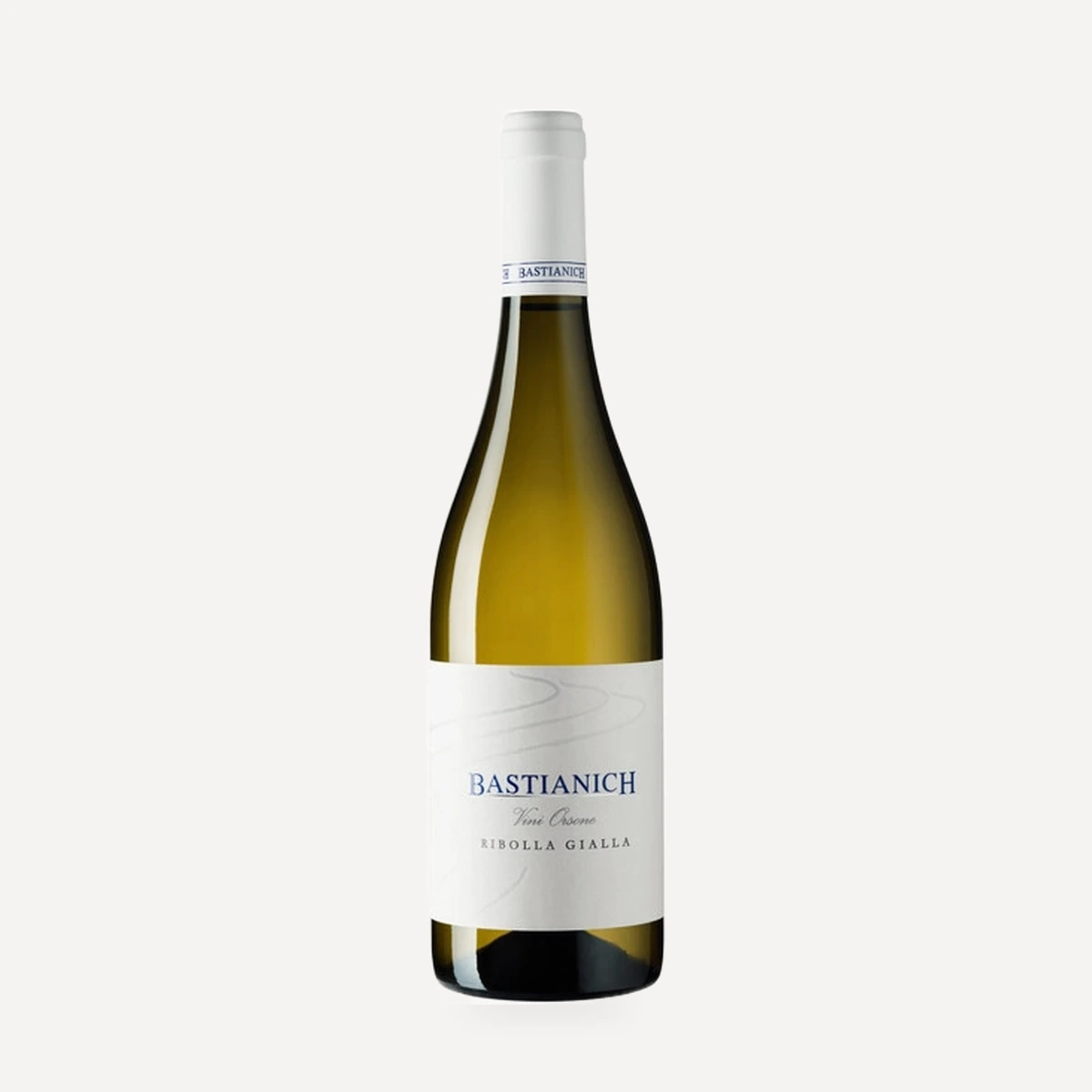
Vini Orsone Ribolla Gialla
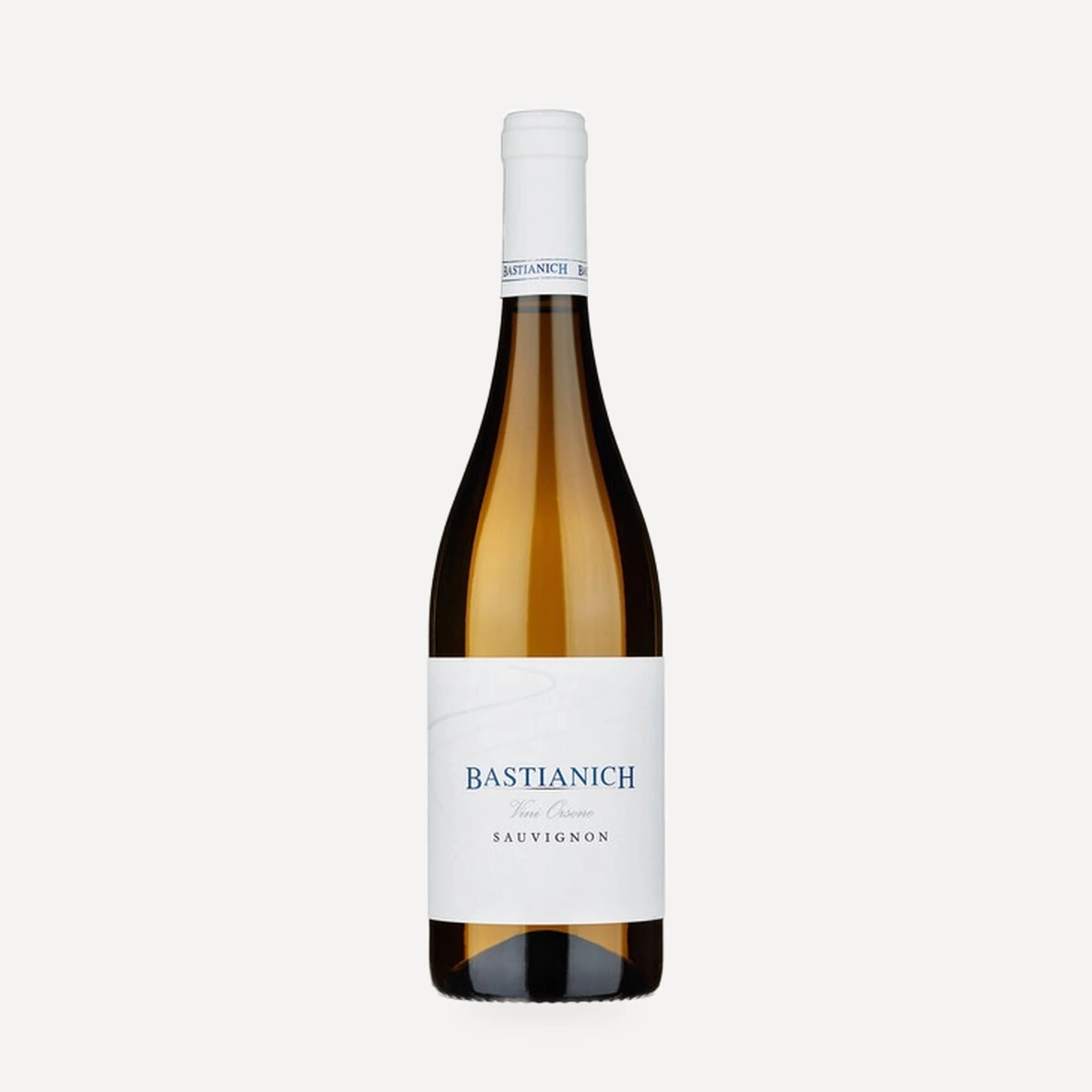
Vini Orsone Sauvignon
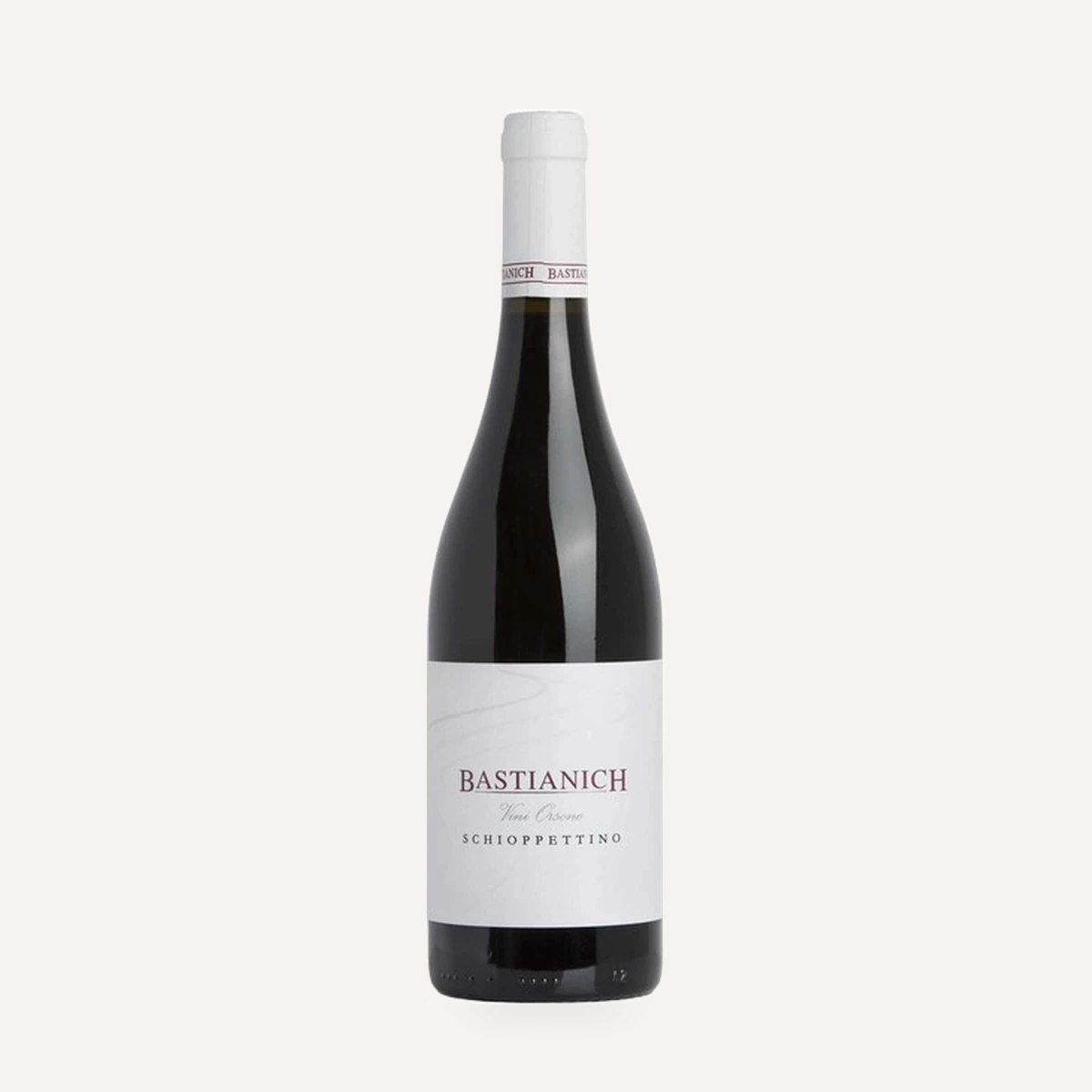
Vini Orsone Schioppettino
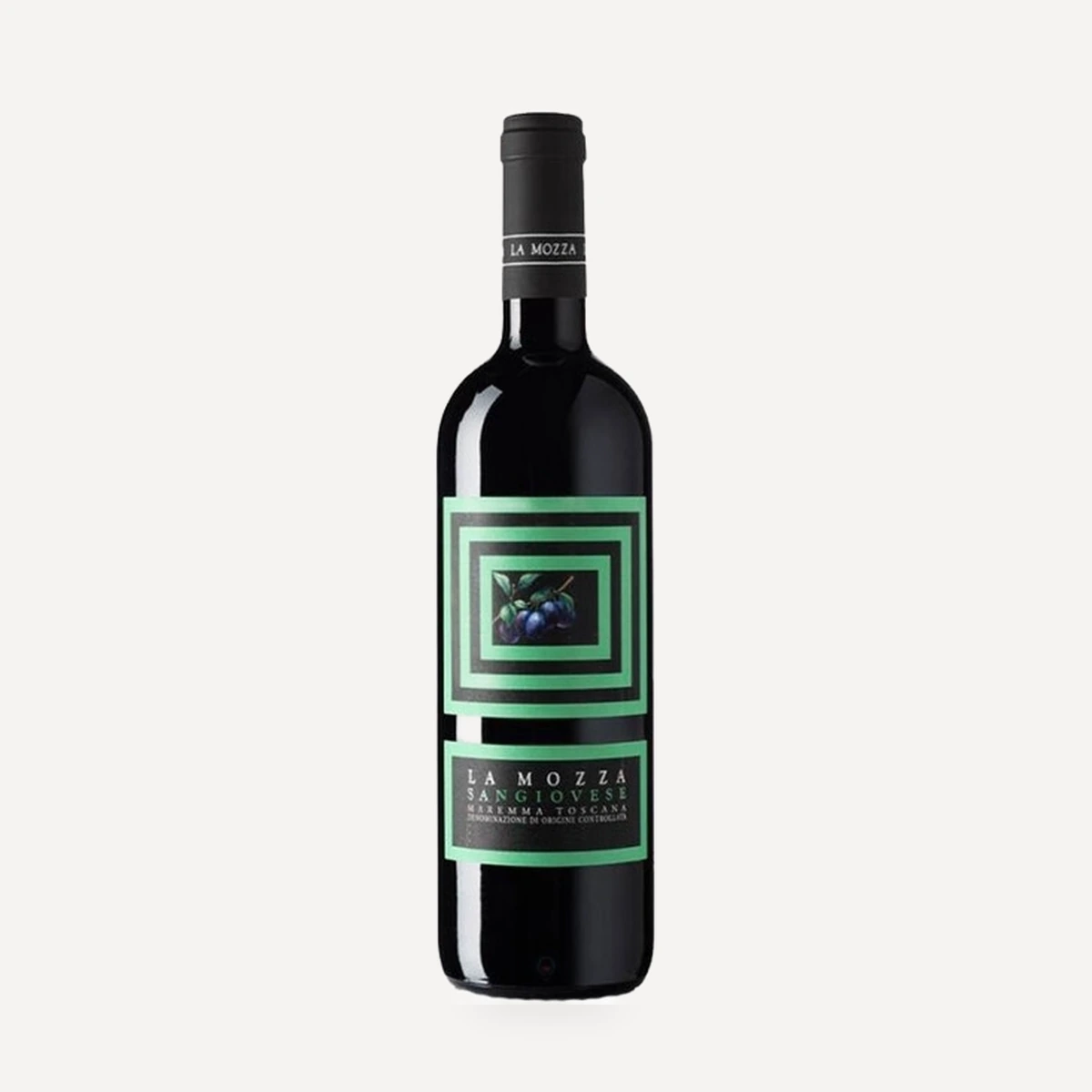
La Mozza Il Forte Sangiovese Maremma Toscana DOC
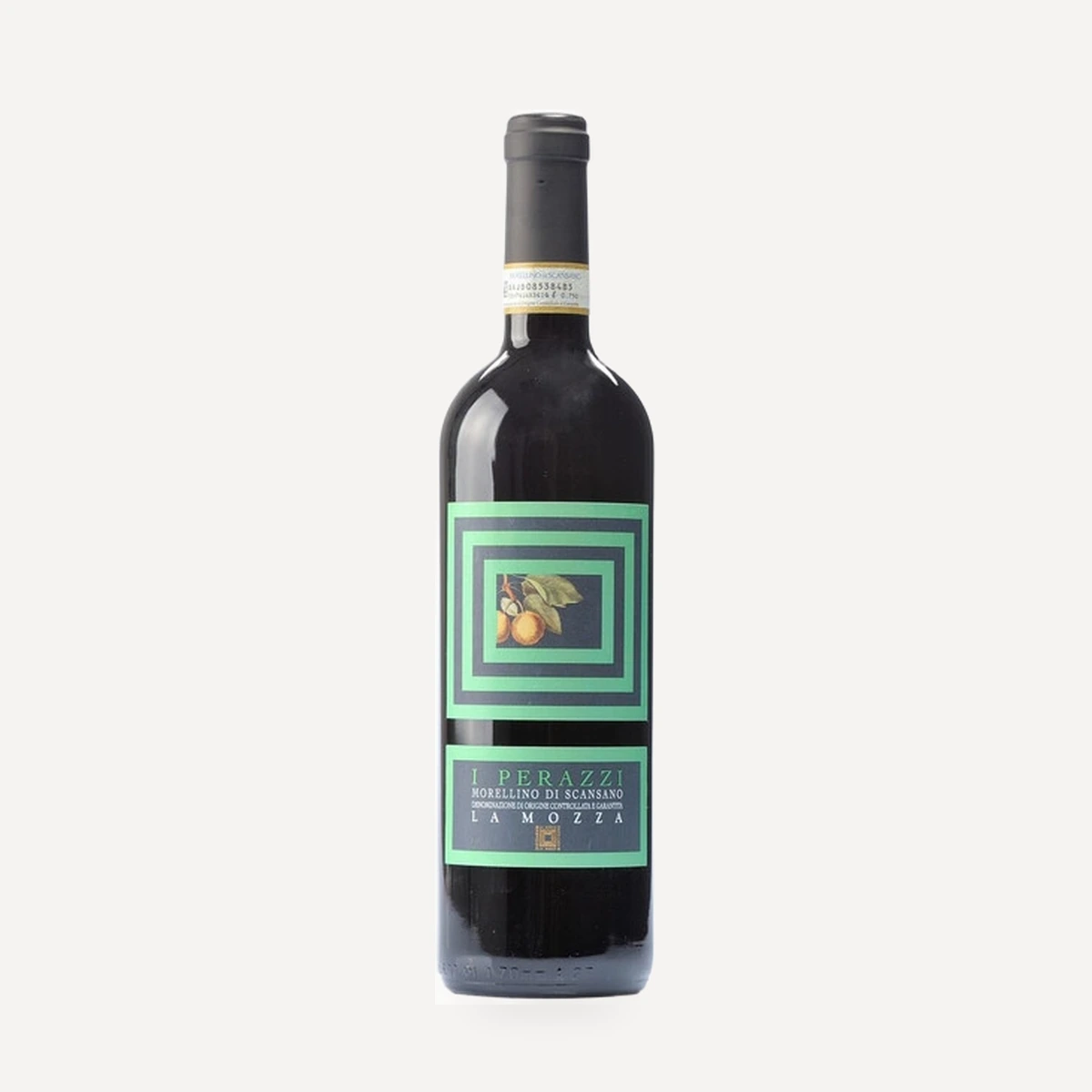
La Mozza I Perazzi Morellino di Scansano DOCG
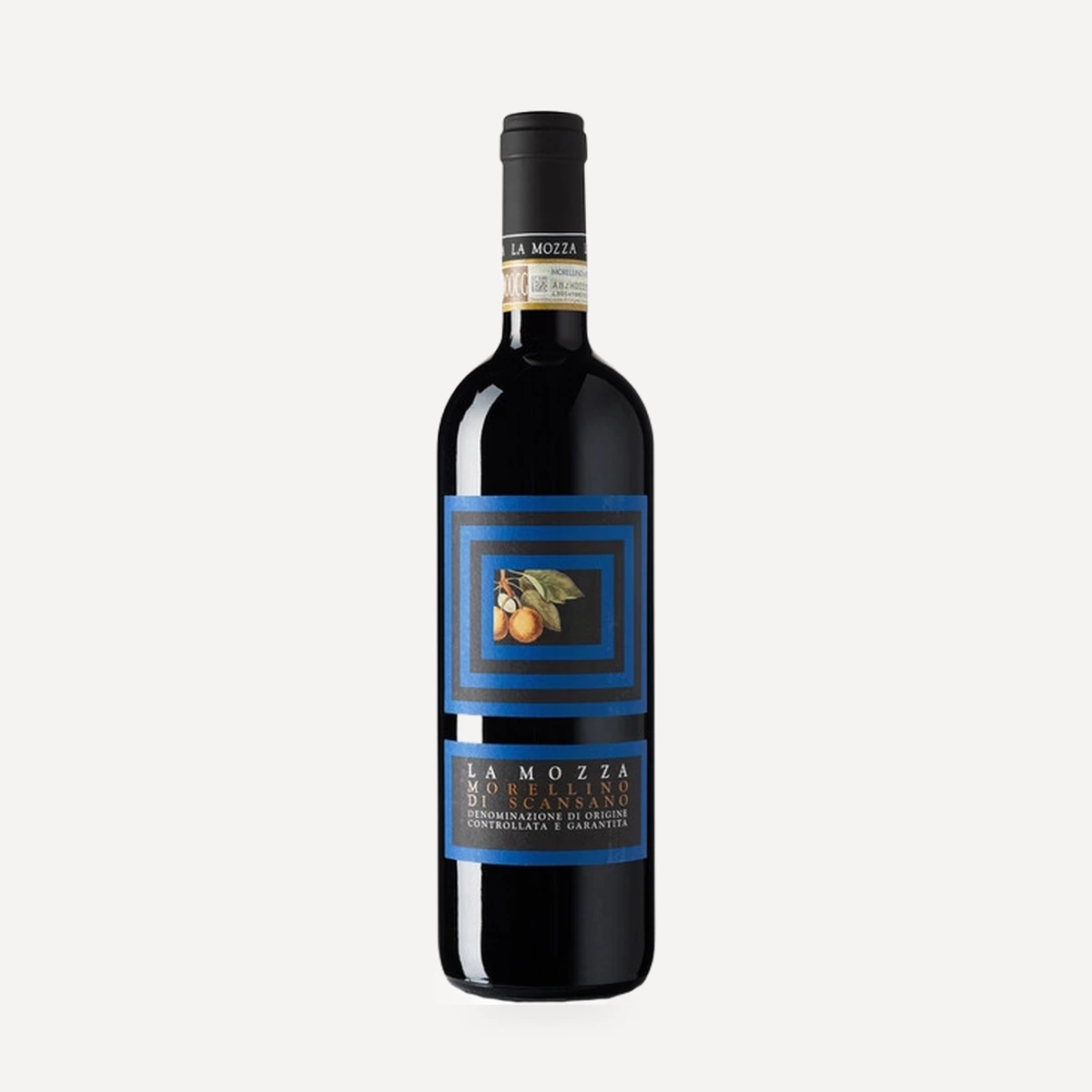
La Mozza Morellino di Scansano DOCG
Ape Regina
Plus