Storia
From an agricultural holding to Casa in Bruma n° 23
The estate’s history predates the Blason family by almost two centuries. In 1784, the building appeared on official maps as property of the Cesarea Cassa di Religione, the imperial religious fund. It was an agricultural farmhouse registered as Casa in Bruma n° 23: Bruma was then the municipality surrounding the fortress of Gradisca. The holding had belonged to the Poverelle di Farra, a religious order whose convent was connected to the Dominican convent of Farra d’Isonzo. The farm, described as a Possessione, was worked by tenant farmers Mattia Marega and Giambattista Marega.
Its transfer into the imperial fund followed the ecclesiastical reforms of Emperor Joseph II. Monasteries and other religious institutions were dissolved and their assets confiscated, with the relevant property records subsequently preserved among the documents of the County of Gorizia and Gradisca.
The Seatti and Franz ownership
In 1784, the house and its appurtenances were purchased by Dr Seatti, an obstetrician from Gorizia. Following his death, the property was divided among his three sisters, Caterina, Anna and Paolina Seatti.
In 1840, the holdings were reunited under Dr Francesco Franz, Paolina’s son and the sole heir of the Seatti family. Franz sold the still-rural building and its land to Gio Battista De Finetti, beginning the property’s definitive transformation.
The De Finetti residence
The De Finetti family had moved from Pisa to the region during the eighteenth century and had entered the Habsburg nobility for military service. In 1840, Gio Battista De Finetti transferred the house and its appurtenances to his brother Francesco.
In 1860, Francesco De Finetti converted the farmhouse into an elegant summer residence. The garden was reorganized according to the conventions of an Italian formal garden, and imposing Atlas cedars were planted. These mature trees remain a feature of the property.
After Francesco’s death, the house and land passed to his daughter Caterina. She sold the entire property in 1904. It subsequently changed hands several times, generally among owners from Trieste who used it as a summer residence.
War and post-war ownership
During the Second World War, Casa in Bruma n° 23 briefly served as the headquarters of a German military command. In 1954, the house and land were acquired by Mr Cossar, a merchant from Ruda.
The Blason family
In 1970, Augusto Blason of Villesse purchased the property. He preserved the essential form of the building and garden while making several alterations. The surviving interior features include Venetian seminato flooring, an elegant wooden staircase, a masonry cooking range known locally as a Spargher, a stone sink, and an early floor laid in red and black bricks. These elements preserve the memory of the original agricultural house, where wine was already being made centuries ago.
From the 1990s, Giovanni Blason directed the family winery through a continuing series of qualitative improvements. Drawing on the property’s agricultural roots, family involvement and a close-knit technical team, he reshaped the business and developed its presence in Italy and abroad. Giovanni continues the property’s long association with wine production.
Historical research and the contemporary estate
In 2002, Valentina Vecchi began researching the history of her husband Giovanni Blason’s home. Her interest was prompted by the building’s refined finishes and the formal arrangement of its garden. Archival work in Gorizia and Trieste revealed that the house was considerably older and had a more complex history than its early-twentieth-century appearance suggested.
The contemporary estate covers 45 hectares, including 18 hectares of vineyards. Its development continues under Giovanni and his family, supported by the vineyard and cellar team.
Terroir
Blason lies at Gradisca d’Isonzo in northeastern Friuli Venezia Giulia, close to Slovenia and Austria. The vineyards occupy the plain formed by the Isonzo River before it reaches the Adriatic Sea, between the Karst plateau and the rolling hills of Collio.
The soils are alluvial, calcareous and rich in pebbles, gravel and iron minerals. Iron oxides give the earth its characteristic reddish colour. The abundant stone makes the ground demanding to work but also warm, well aerated and freely structured around the vines. Some vineyard descriptions characterize the substrate more specifically as highly ferruginous alluvial gravel.
The Adriatic sea breeze moderates winter cold, while the Julian Prealps form the landscape behind the vineyards. Constant ventilation and meaningful temperature variation support regular ripening and the preservation of acidity and aromatic definition. The interaction between the mild climate and the coarse, stony soil is central to the estate’s understanding of its wines.
Vinificazione
The vineyards are managed according to principles of sustainable agriculture, conceived as a reciprocal relationship between people and nature. Giovanni, Alberto and Roberto use targeted interventions intended to maintain the natural balance among the vine, soil and climate rather than override it.
All plantings are high-density and trained to Guyot. Vineyard work incorporates modern agronomic techniques, with the objective of bringing healthy, concentrated and fully ripe grapes to the cellar while preserving their aromatic and flavour potential. Harvesting methods vary across the estate’s production: some grapes are picked by hand, others mechanically, and certain selections use both methods.
No certification body, formal organic or biodynamic status, conversion date, cover-crop programme, biodiversity plan, irrigation regime or quantified yield policy is identified.
Blason treats vineyard quality as the foundation of cellar work. Technology has an important role, but it is framed as a tool serving the experience accumulated in the vineyards and winery.
Giovanni Blason, Andrea Rossi and Alberto follow vinification. Their work is described as attentive to the raw material and respectful of the territory and established tradition, while remaining a continually evolving project. Across the range, cellar vessels include temperature-controlled stainless-steel tanks and wood; maturation may take place in steel or oak according to the intended expression. The tasting programme likewise presents the range as spanning fresh, aromatic whites and more structured, ageworthy reds, with élevage in either steel or wood.
Filosofia
Blason’s philosophy is expressed through continuous improvement, responsiveness to customers in Italy and international markets, and adherence to the estate’s foundational values and principles of sustainable production.
In the vineyard, this means targeted work designed to enhance the existing balance among plant, soil and climate. In the cellar, tradition is not treated as static: the winemaking programme continues to evolve while remaining attentive to the territory and the character of the grapes.
The estate summarizes its relationship with time as learning from the past, creating in the present and savouring in the future. Family continuity is central to this outlook; Giovanni presents Valentina, Giulia and Andrea as both his present and his future.
Vini
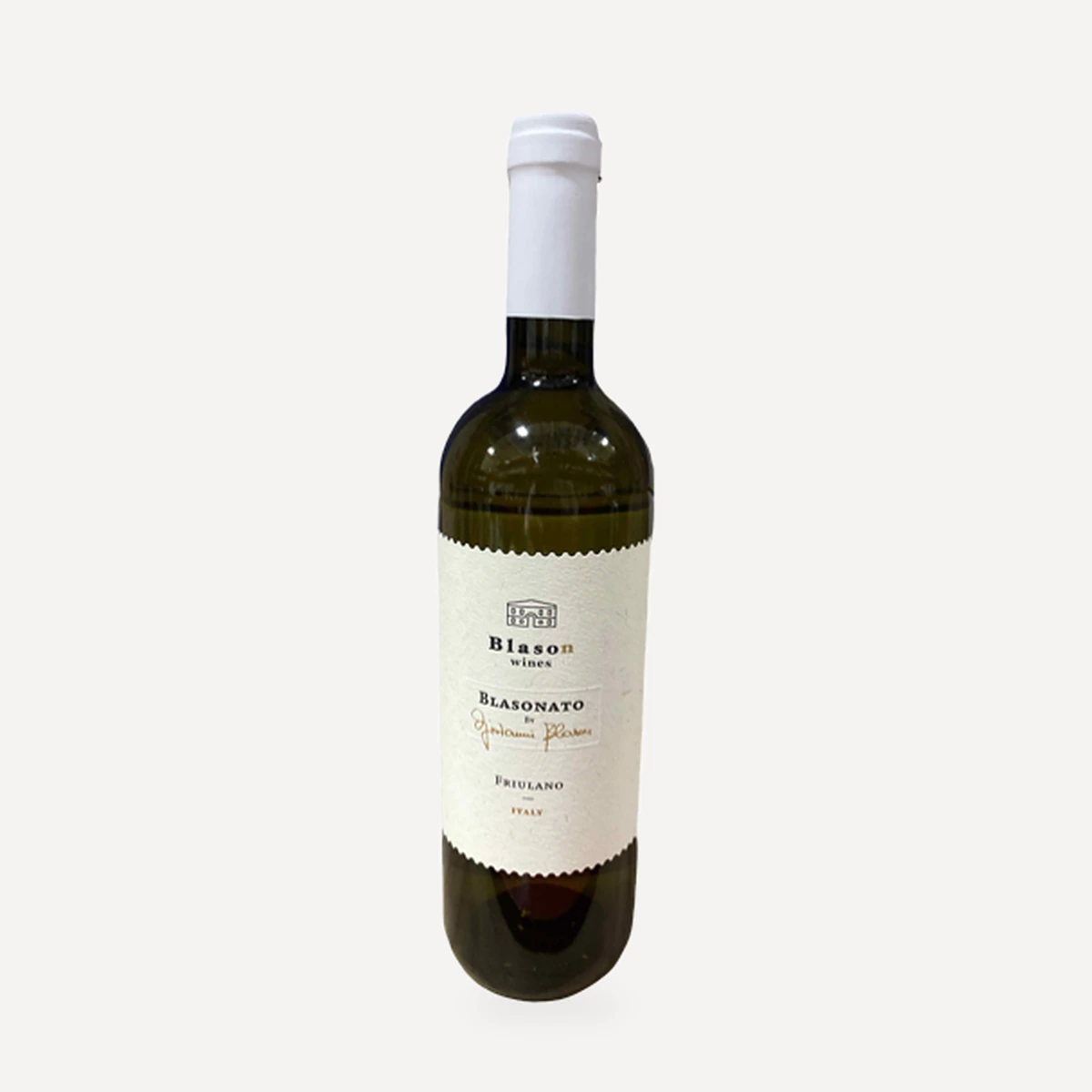
Blasonato
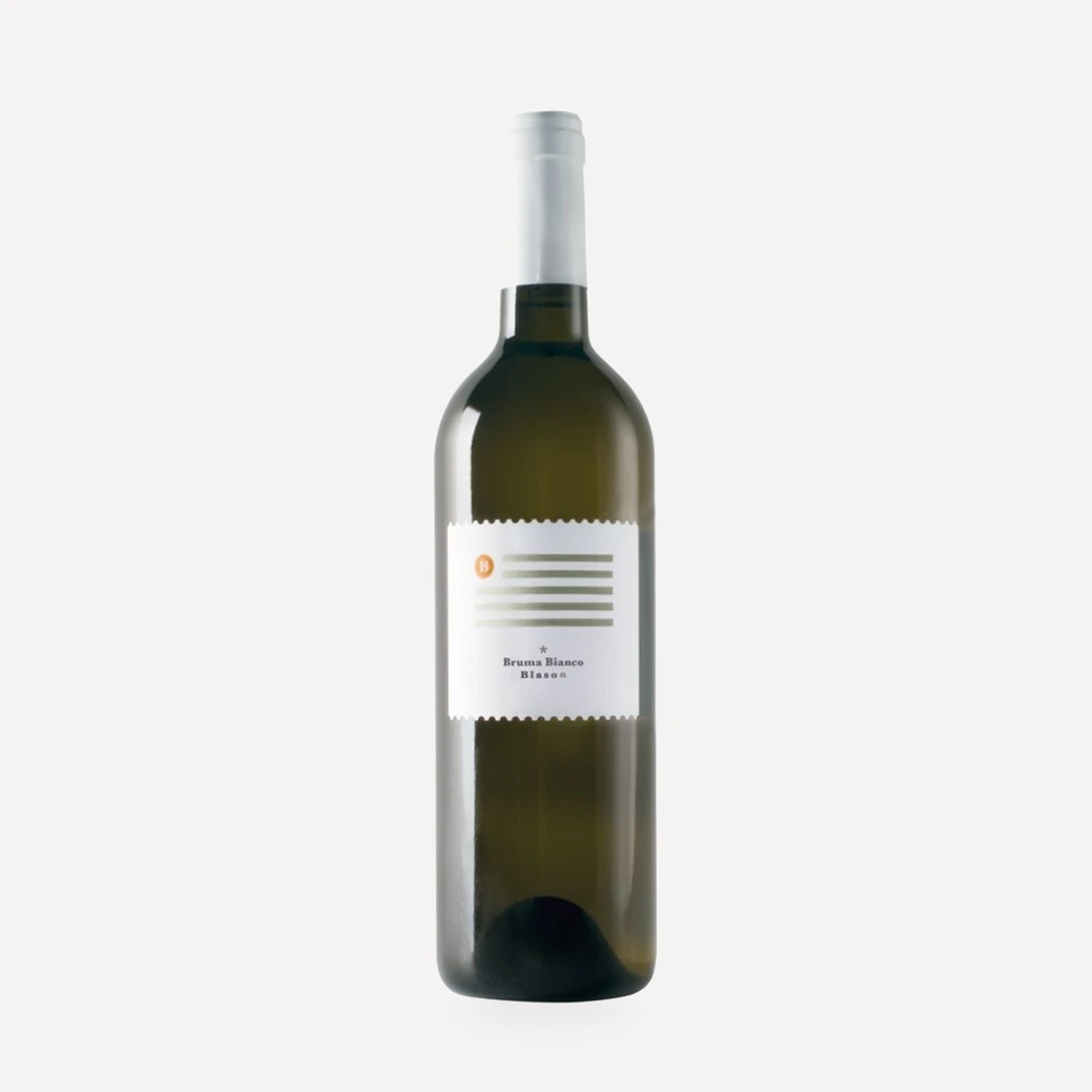
Bruma Bianco
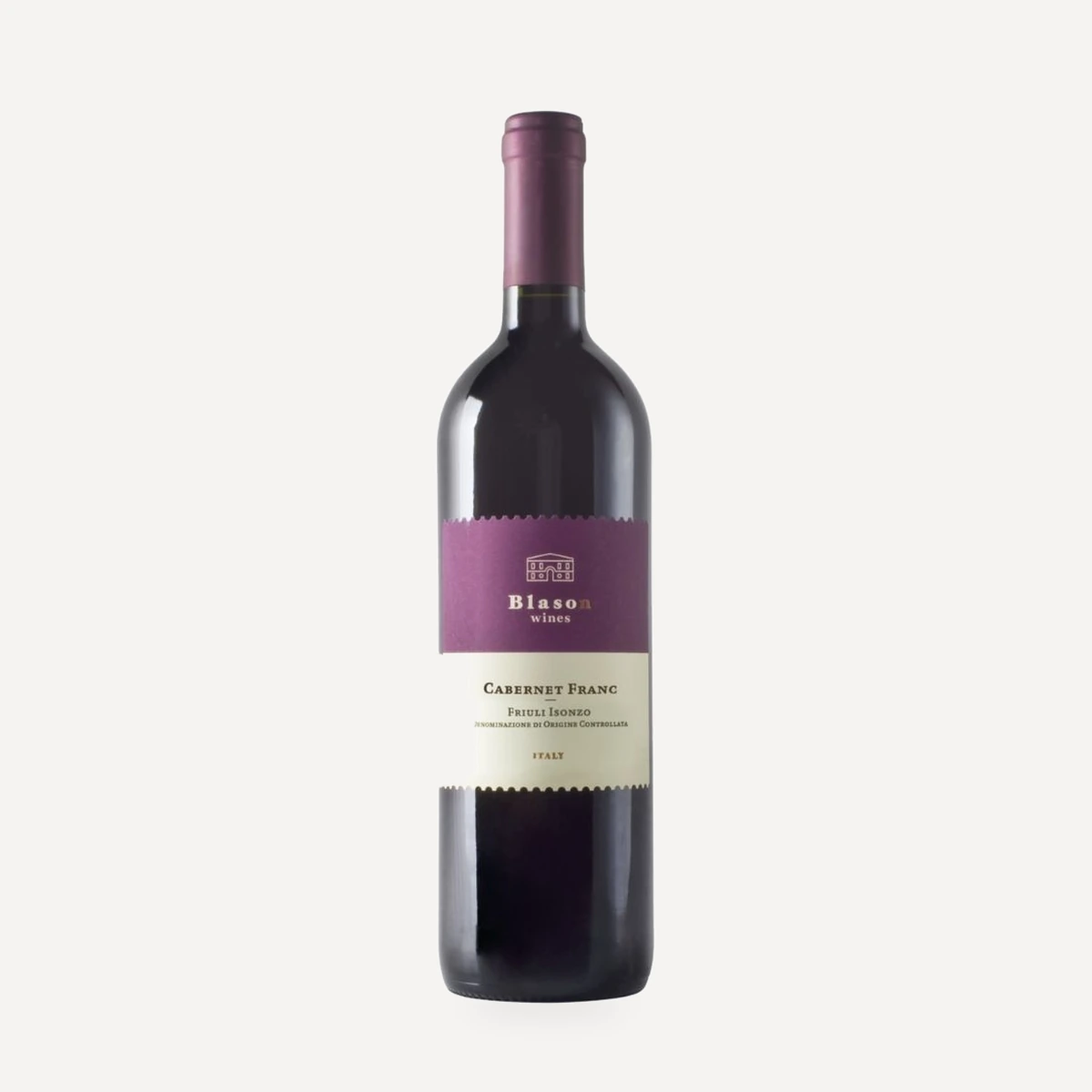
Cabernet Franc
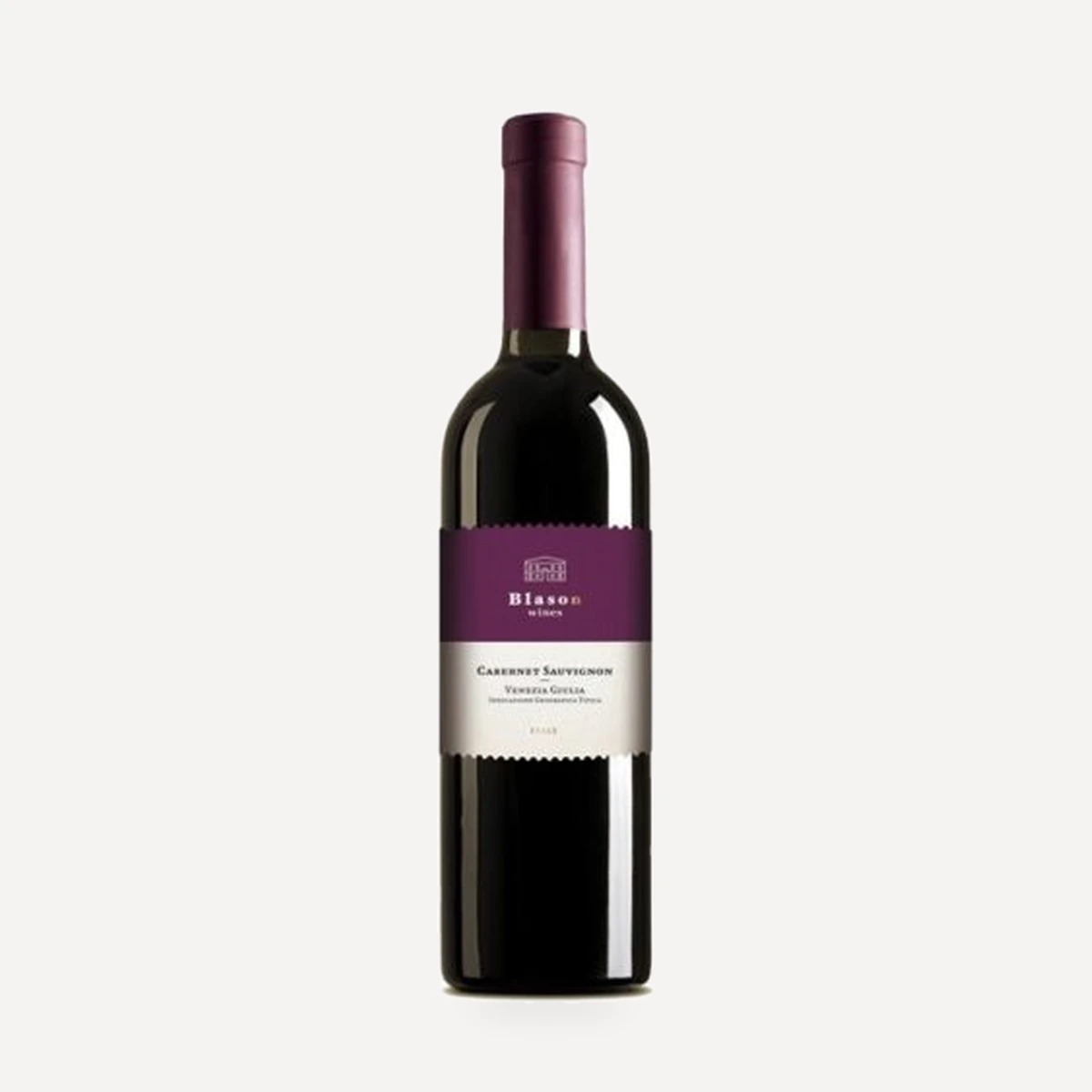
Cabernet Sauvignon
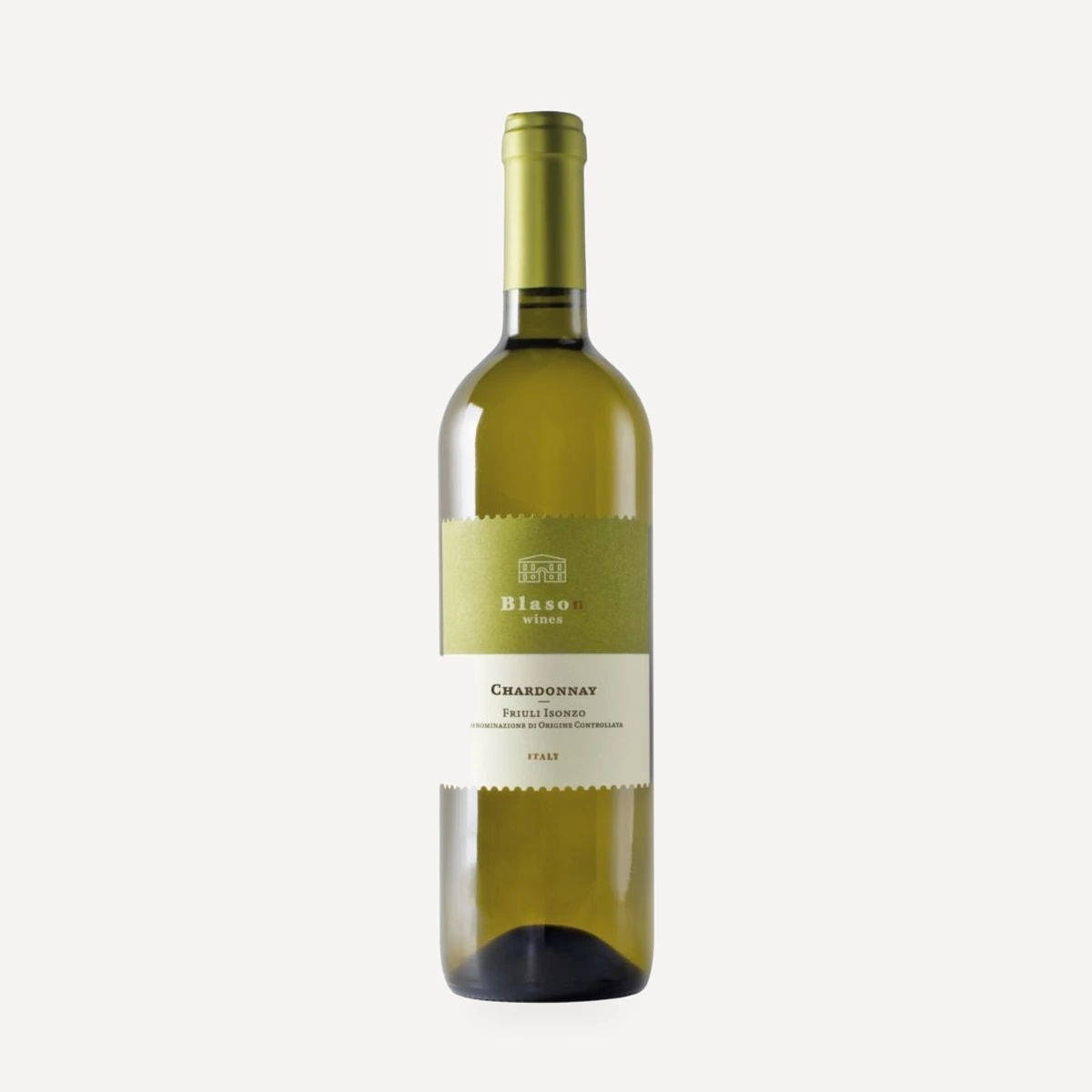
Chardonnay
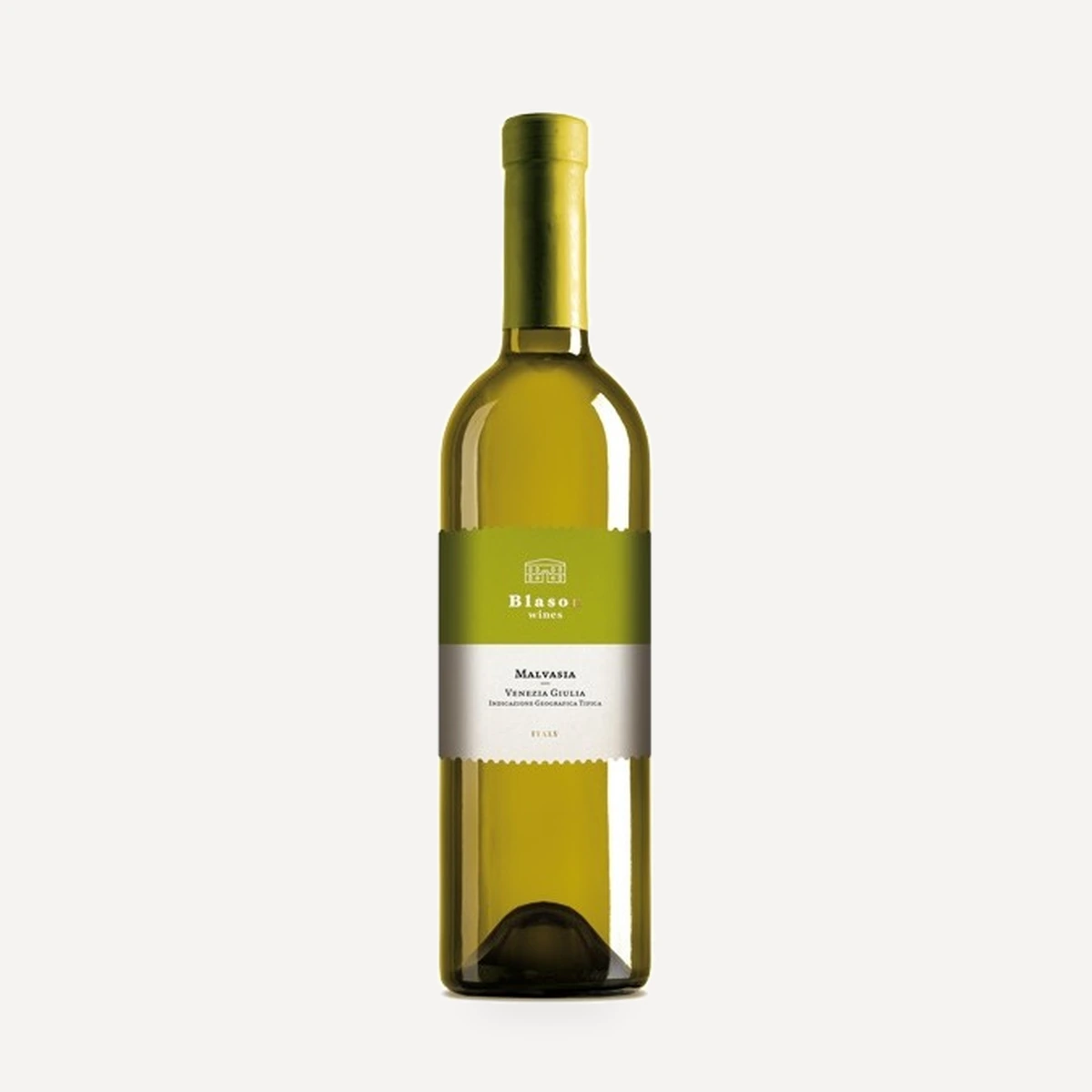
Malvasia
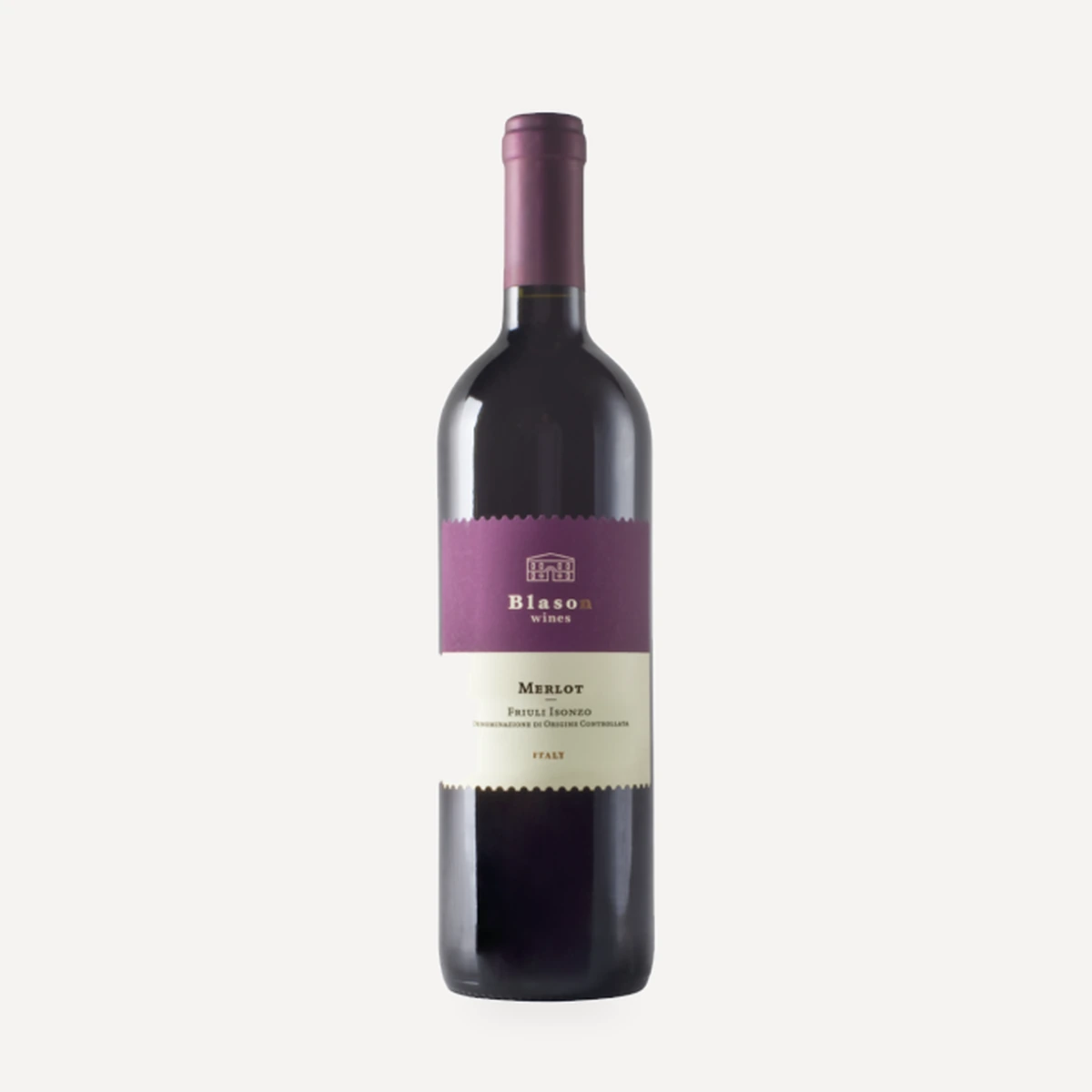
Merlot
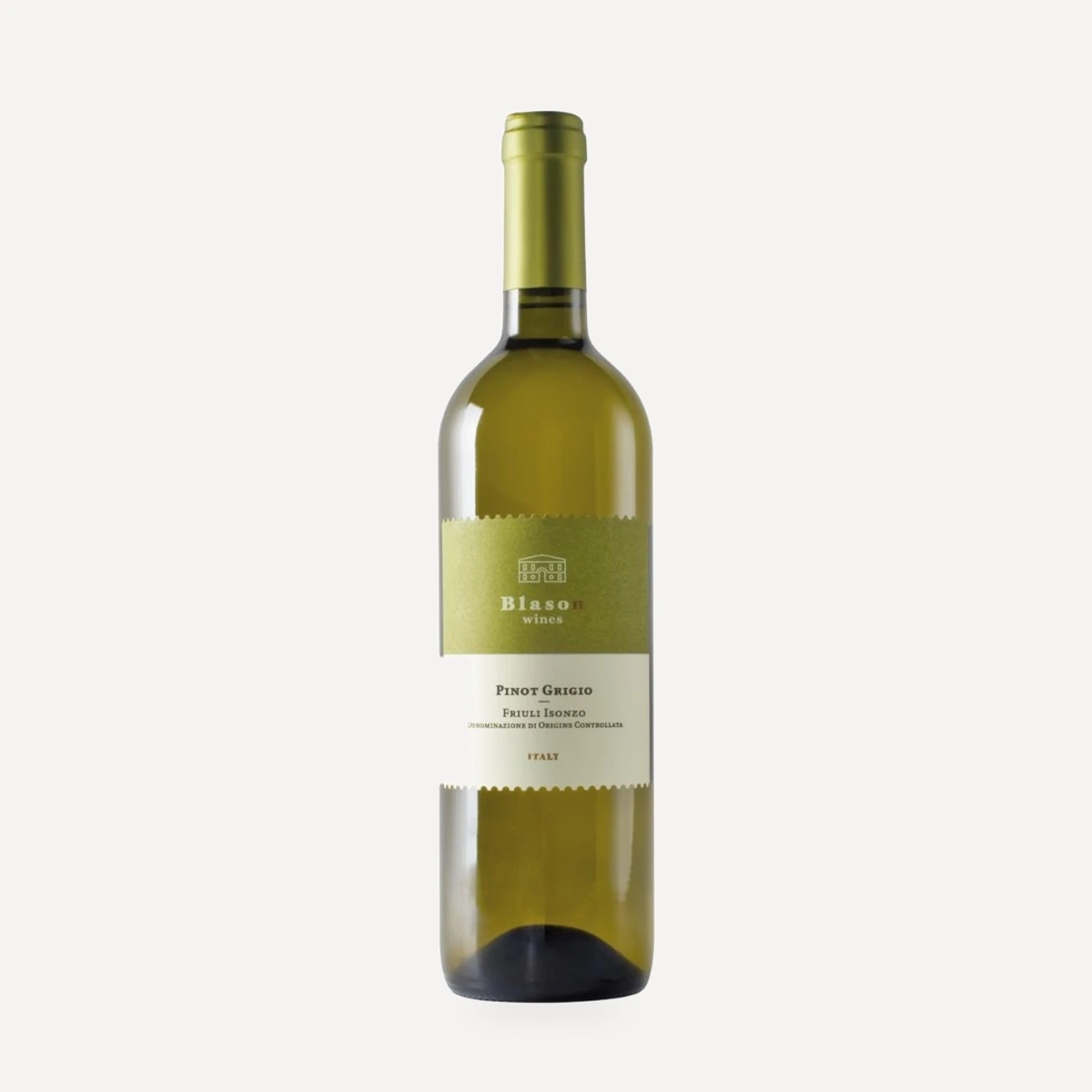
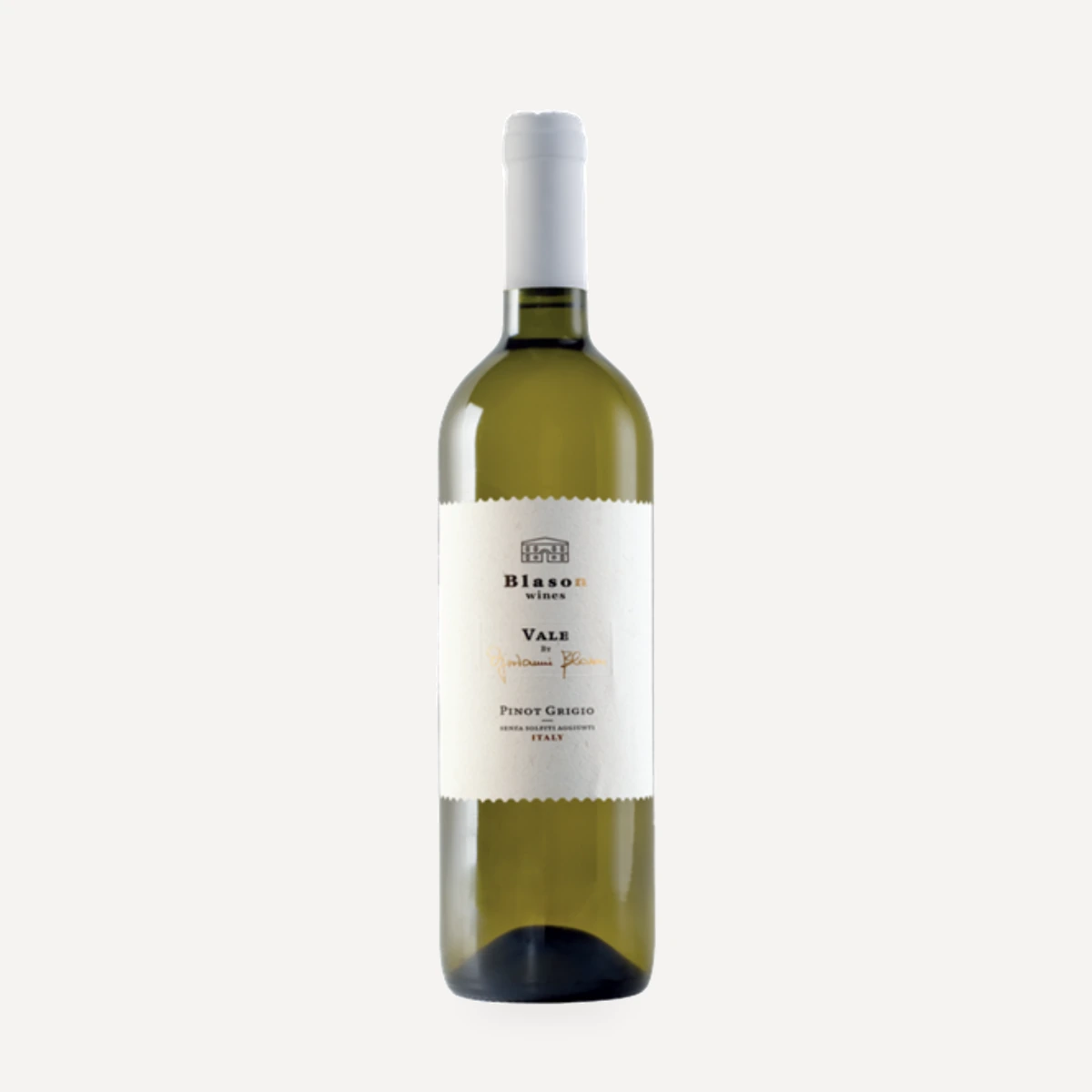
Pinot Grigio
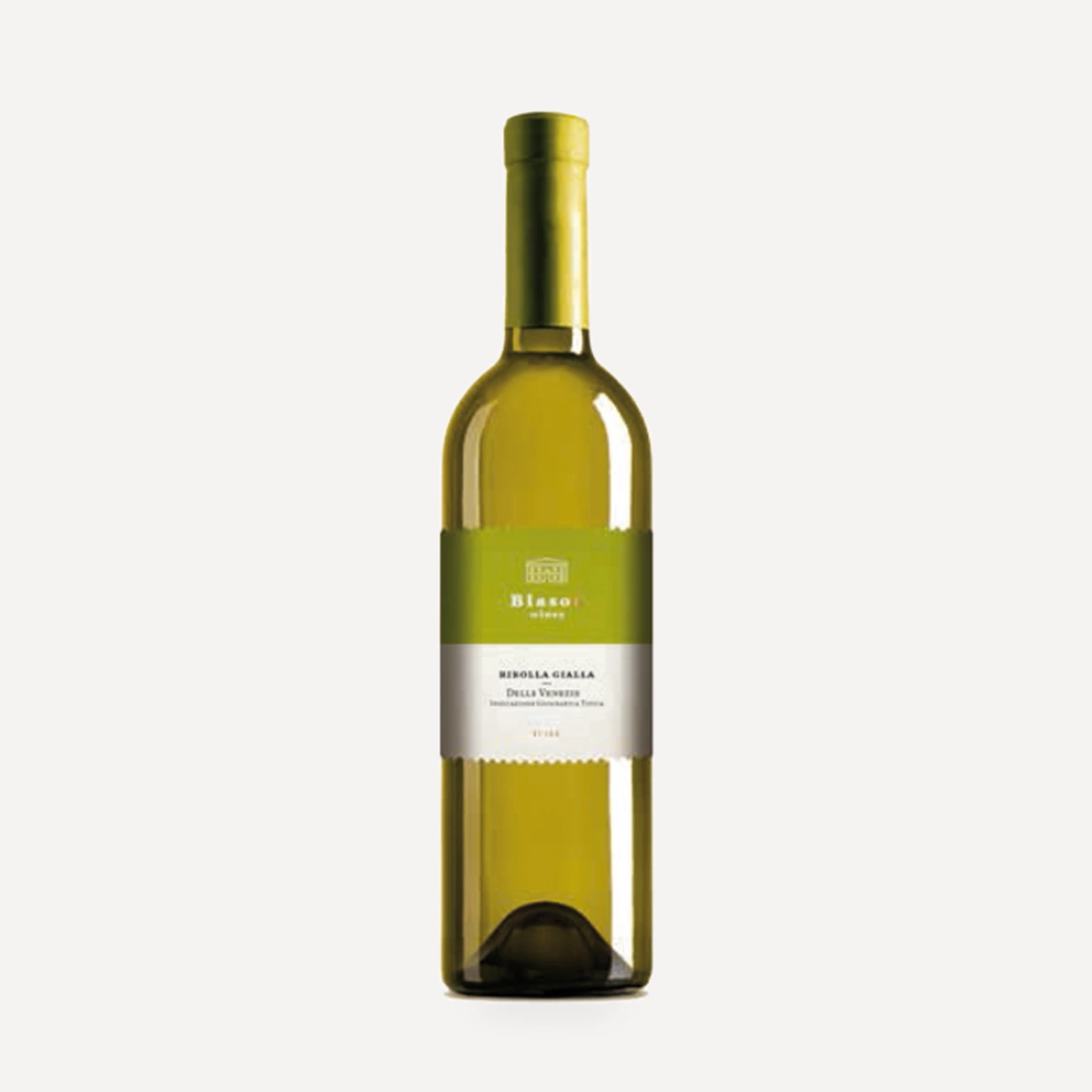
Ribolla Gialla
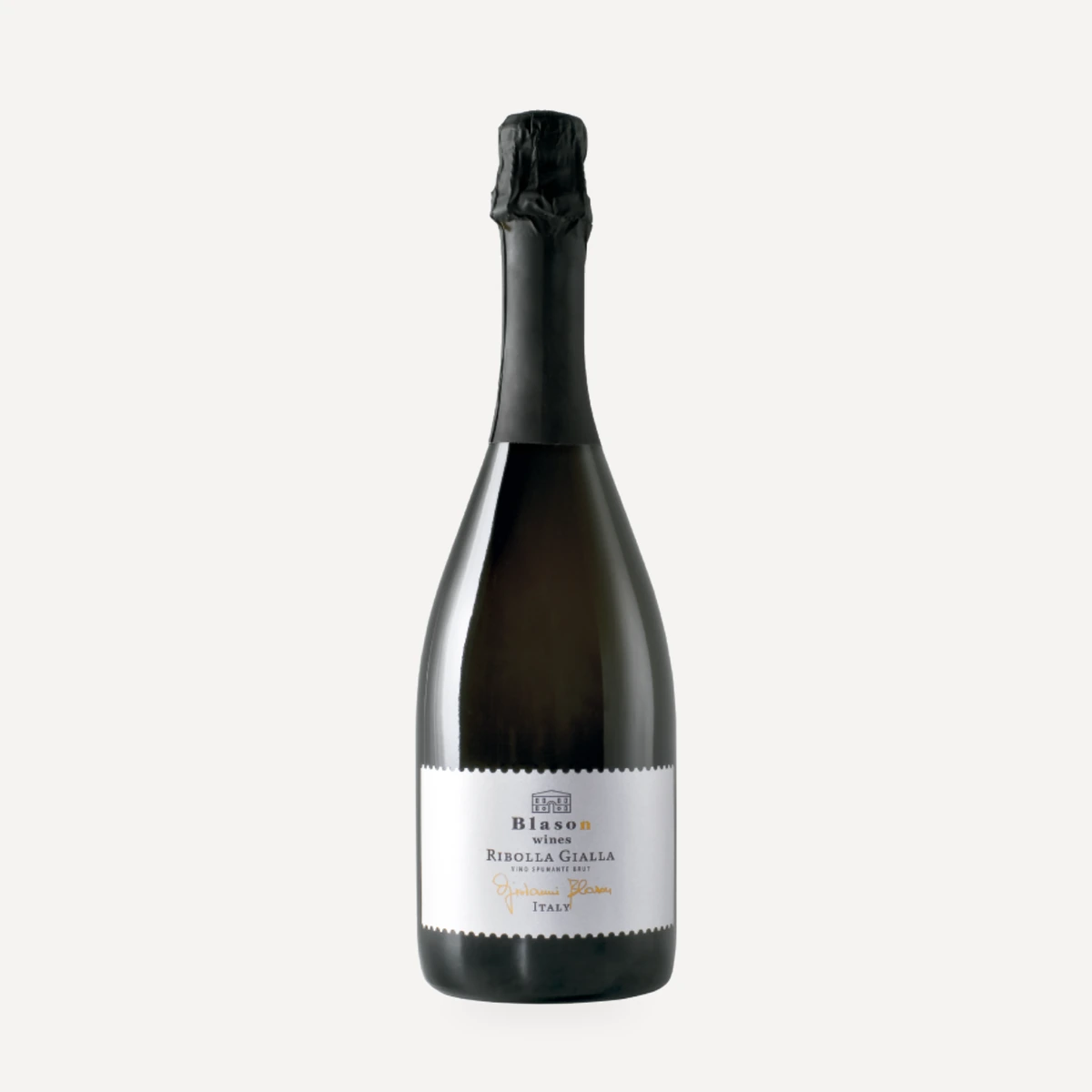
Ribolla Gialla Brut