Storia
1981 — Establishment in Fumane
The agricultural enterprise was established in 1981 in Fumane, in the heart of Valpolicella. Its vineyards are associated with Val di Lena, a small valley close to the centre of Fumane and enclosed by the hills of the Verona area.
2015 — Exclusive focus on wine
In 2015, the enterprise chose to dedicate itself exclusively to wine production. The change established its present direction: small-scale, independent and artisanal wines intended to convey Val di Lena without standardisation or intensive cellar intervention.
The viticultural and cellar approach developed around manual work, low vineyard yields, spontaneous fermentation, indigenous yeasts, ambient fermentation temperatures, static settling and the avoidance of filtration. Synthetic chemical products are excluded from vineyard work, while only minimal quantities of sulphites are used in the cellar and only when an individual vintage makes them necessary.
Present — Niccolò Dama
Niccolò Dama currently leads Antica Valpolicella. Under his direction, the estate maintains an independent, small-lot model rather than pursuing uniformity or large volumes. Its wines are conceived as unrepeatable interpretations of individual vintages and of Val di Lena, with differences in climate, grape ripeness and natural wine composition allowed to remain visible rather than being corrected into a consistent house profile.
Terroir
Antica Valpolicella is based at Via Lena di Sotto in Fumane, in the heart of Valpolicella Classica. Its viticultural setting is Val di Lena, a small valley a short distance from the centre of Fumane and enclosed by the surrounding hills of the Verona area.
The valley has a vine-growing microclimate shaped by its natural setting. Soil, microclimate and exposure directly affect the character of the grapes and wines. Rather than neutralising these influences, the production model allows the climatic conditions, ripening pattern and natural composition of each vintage to determine the resulting expression.
Vinificazione
Viticulture is organised on an artisanal scale. Almost all work in the countryside is performed manually, without machinery, and the vineyards are managed at contained yields rather than for maximum volume.
Synthetic chemical products are not used in the vineyards. Grapes are selected and harvested by hand at full maturity, with picking conducted in small lots according to variety and ripeness. The harvest periods described across the range extend from approximately the middle to the end of September.
This work is intended to preserve the differences between vintages. Variations in weather, grape maturation and the fruit's natural characteristics are accepted as part of each year's identity rather than corrected to produce an identical result annually.
Production takes place in small lots and follows a low-intervention model. Fermentations begin spontaneously with indigenous yeasts, without selected-yeast inoculation or artificial temperature control. The 10-hectolitre stainless-steel vessels used for several lots operate across naturally occurring fermentation temperatures of approximately 19–25 °C.
Winemaking interventions are generally limited to the rackings required during fermentation and maturation. Depending on the lot, production may involve fermentation on the skins, an initial period on skins followed by completion without them, approximately seven days of skin contact for white grapes, or a long red-wine maceration. Drying practices are also used selectively: grapes may rest in crates for about four weeks for light concentration, while a dry passito expression follows a longer drying approach.
Maturation vessels vary according to the lot and include stainless steel, oak barriques, larger oak casks, a 10-hectolitre oak cask, acacia barriques and fine-grained French oak barriques. Maturation can extend from a period in steel to 16 months in acacia or more than three years in French oak.
The wines are never filtered. Static settling is used to obtain clarity, requiring longer maturation in cask while retaining the wine's structure and natural composition. Sulphites are limited to minimal quantities and used only when necessary for the conditions of the vintage. The broader objective is to avoid invasive processing and preserve distinctions among varieties, vineyards and years.
Filosofia
Antica Valpolicella defines its work as artisanal, natural and independent. Its central aim is to express Val di Lena directly, without standardising the wines or aligning them with the production logic of high-volume wineries.
The approach begins with respect for the raw grapes and continues through spontaneous fermentation, indigenous yeasts, ambient temperatures and minimal intervention. Quality is associated with manual work, contained yields, small batches and sufficient time for natural fermentation, settling and maturation rather than with intensive correction or technical shortcuts.
Vintage variation is treated as a defining feature. Changes in climate, ripeness and natural wine composition are allowed to produce distinct results each year. The objective is therefore not uniform perfection but a recognisable connection to place, variety and vintage.
Each bottle is conceived as an artisanal, non-replicable result. The estate seeks directness and authenticity, allowing Val di Lena to remain identifiable while avoiding invasive processing, filtration and unnecessary additions.
Vini
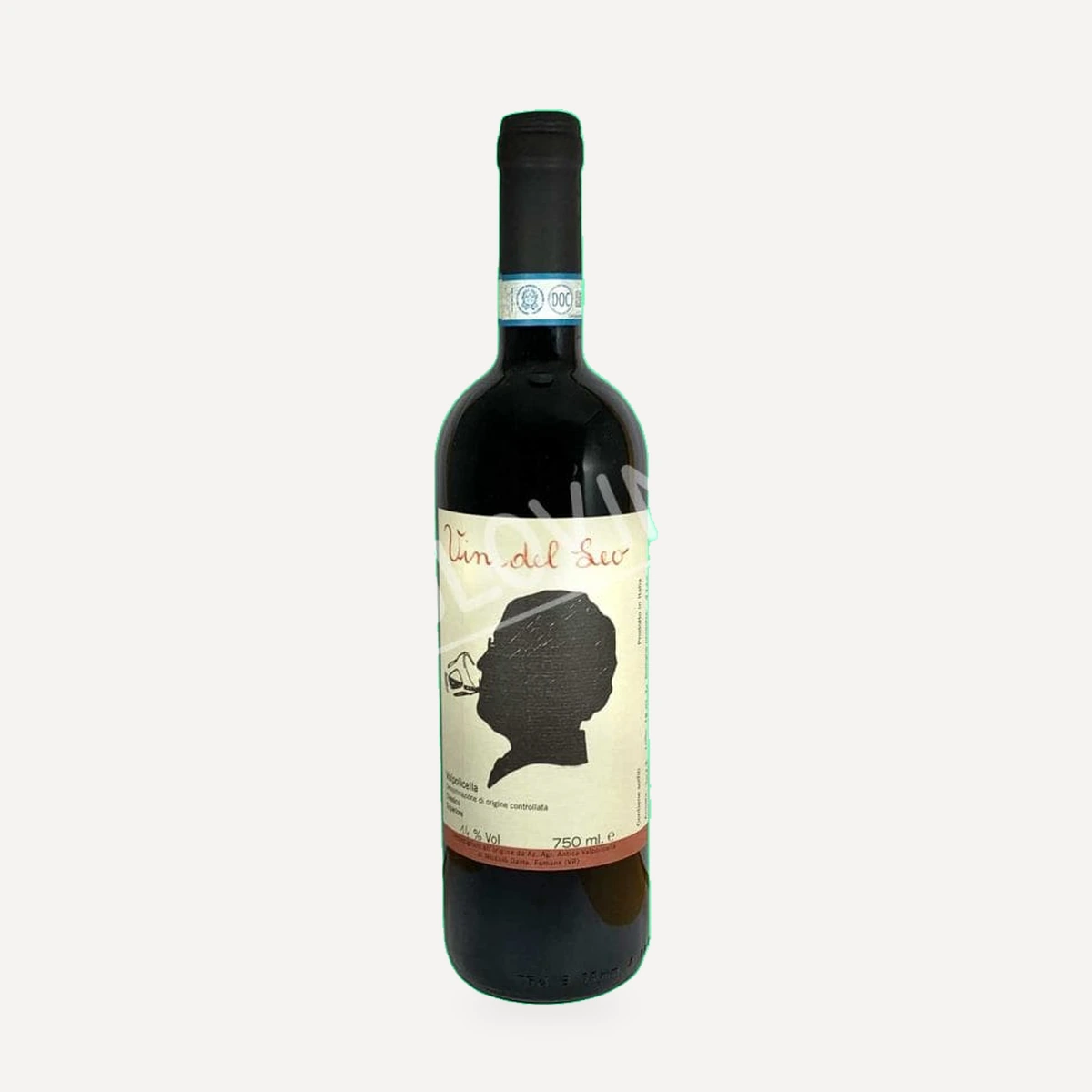
Vin del Leo