Storia
From Dublin to rural Tuscany
Atavica began with four friends—Massimiliano Galli, Luca Dalfonso, Erin Skahan and Evie Gavrilovich—who met in Dublin. Around 2020, they left urban life and moved to Italy in search of a different way of living.
They spent the following years in northern Tuscany, helping their friend Gino tend vineyards that his family had worked for decades and make traditional farmer’s wine using a natural approach. This practical experience revealed a shared ambition: to make their own natural wine and take a direct role in producing what they drank.
The search for an estate
During a long dinner in Spain in the summer of 2023, the four friends decided to combine their savings and begin searching for land where they could make the kind of wine they wanted to drink.
In early 2024, they acquired the property at Poggio al Gello in Civitella Paganico. The 17-hectare organic farm became the base for Atavica, combining vineyards, olive groves and a cantina.
First and second vintages
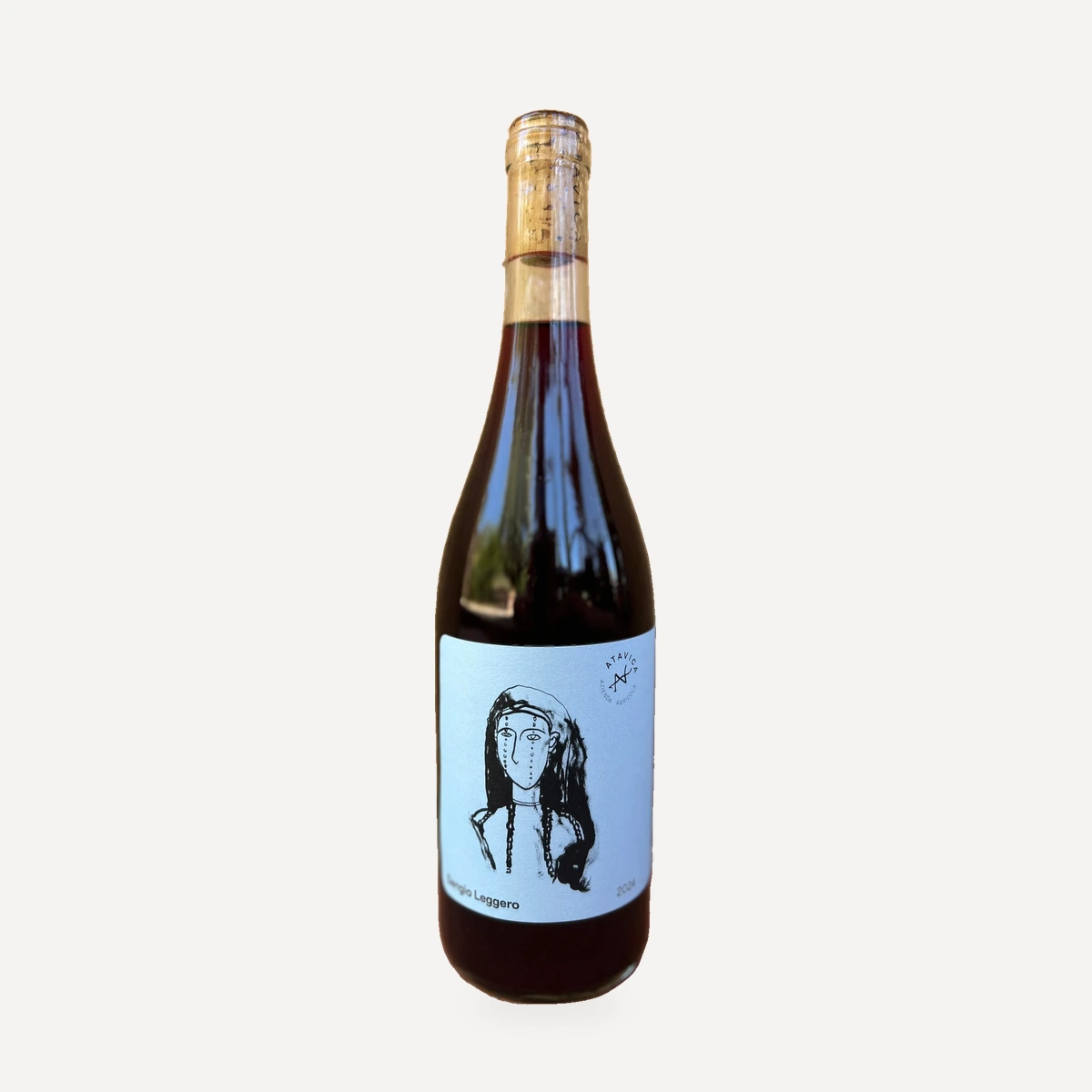
The 2024 collection was Atavica’s inaugural vintage. It comprised eight releases and explored Sangiovese, Vermentino, Pugnitello, Foglia Tonda and a multi-variety pétillant naturel through spontaneous fermentation and low-intervention cellar work.
The 2025 harvest became the project’s second vintage. Its initial six releases continued the estate’s mix of white, orange, red, rosé and chilled-red styles, while further releases were still planned.
Terroir
Atavica lies at Poggio al Gello, Località Gello 66, within the municipality of Civitella Paganico in the Tuscan Maremma. The property is described as a hill farm in the heart of the Maremma. The team treats each vintage as an expression of that year’s weather, the specific soil conditions and the human work involved in transforming the fruit.
Vinificazione
Atavica is an organic farm, and its wines carry ICEA Organic certification. Grapes are harvested manually. Depending on the lot, picking may take place during the coolest hours of the day, while the timing of harvest is adjusted to the intended expression; one documented approach uses an earlier Sangiovese harvest to retain greater acidity.
The production also includes carefully identified fruit from other organic growers. Syrah has been sourced from Aldo’s organically farmed vines in the hills near Campagnatico for a collaborative cantina project. A separate Sangiovese lot was rescued after Atavica learned that surplus fruit at Tenuta di Monte Antico would otherwise be left to rot; Yolanta and Mirek harvested those grapes by hand.
Atavica defines its production as natural and low-intervention. Spontaneous fermentation is used across the documented releases, with fruit harvested by hand before crushing or crushing and pressing according to the intended style.
The cellar repertoire includes direct fermentation in stainless-steel tanks; fermentation of crushed fruit in small open containers with daily manual punch-downs; and mixed vinification in steel and open vats. Skin-contact white winemaking is represented by approximately two-week macerations. For pétillant naturel, fermentation is completed in bottle over six months.
Maturation takes place in steel or used wood. Documented vessels include vintage 225- and 300-litre barriques, 550-litre tonneaux and 1,000-litre casks. Depending on the lot, time in wood ranges from three months to 19 months, while steel-aged wines remain in tank for up to ten months. At least some 2025 releases receive no added sulphites. Total sulphur dioxide values disclosed across the documented range extend from 7 to 24 mg/l.
The approach is deliberately non-standardising: seasonal and vintage differences are retained rather than manipulated into identical bottles. The resulting range spans white, orange, red, rosé, chilled-red and ancestral-method sparkling wines.
Filosofia
Atavica presents natural wine as both an agricultural and cultural choice. Its founders oppose production systems that manipulate nature to maximise volume and manipulate products to enforce consistency. They are particularly concerned by the range of additives permitted in conventional wine and advocate greater transparency about what enters the bottle.
Their preferred model is nature-led and deliberately accepts variation. Seasons cannot be reproduced, and bottles are not intended to be carbon copies: each reflects the year’s weather, the soil conditions and the work of the people who grew and transformed the fruit.
The project is also grounded in direct participation. Its founders wanted not only to drink natural wine but to have a hand in making it. Their working culture combines the demands of a new agricultural life with learning from neighbouring growers and natural-wine producers, shared wine, frequent company and communal meals.
Vini
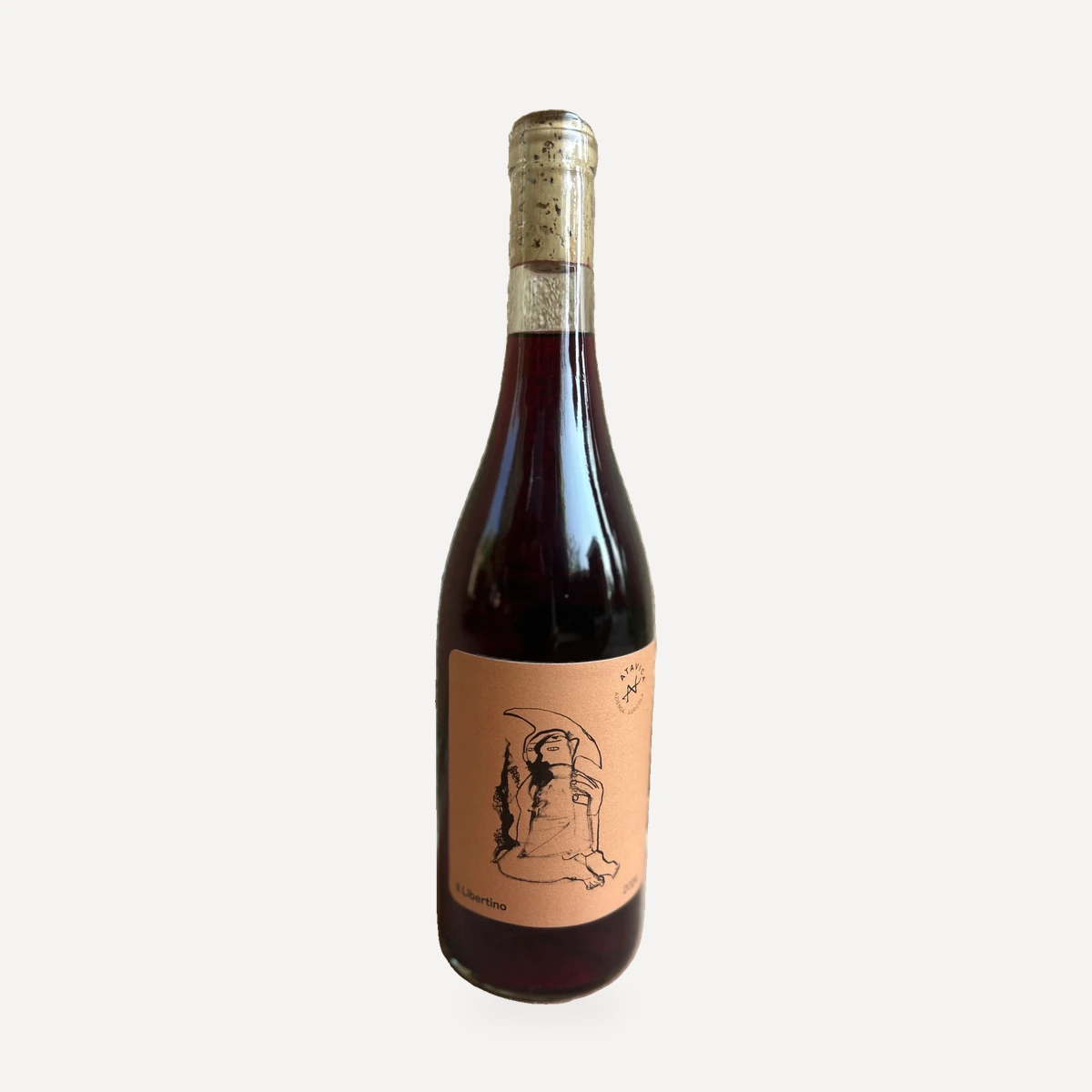
Il Libertino
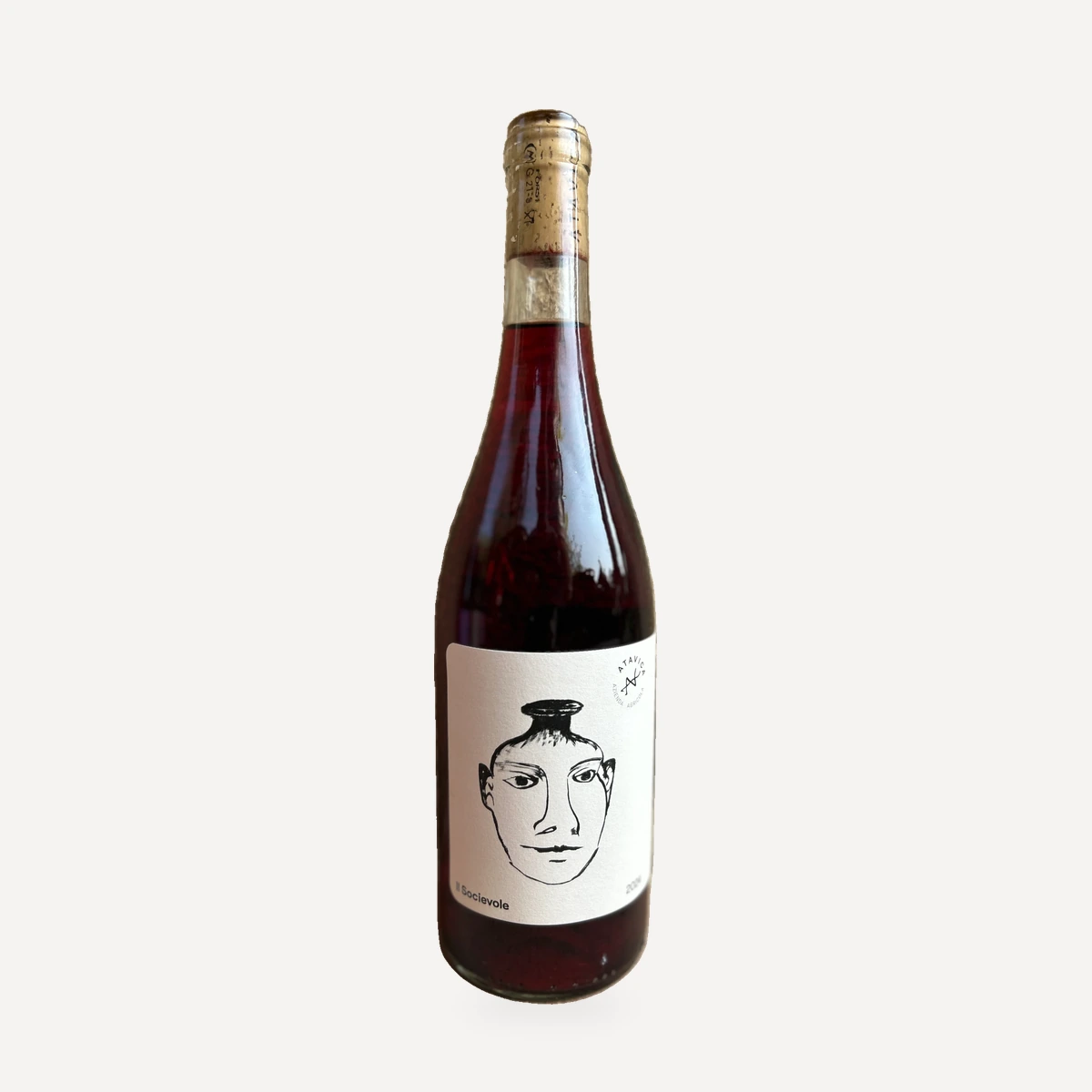
Il Socievole
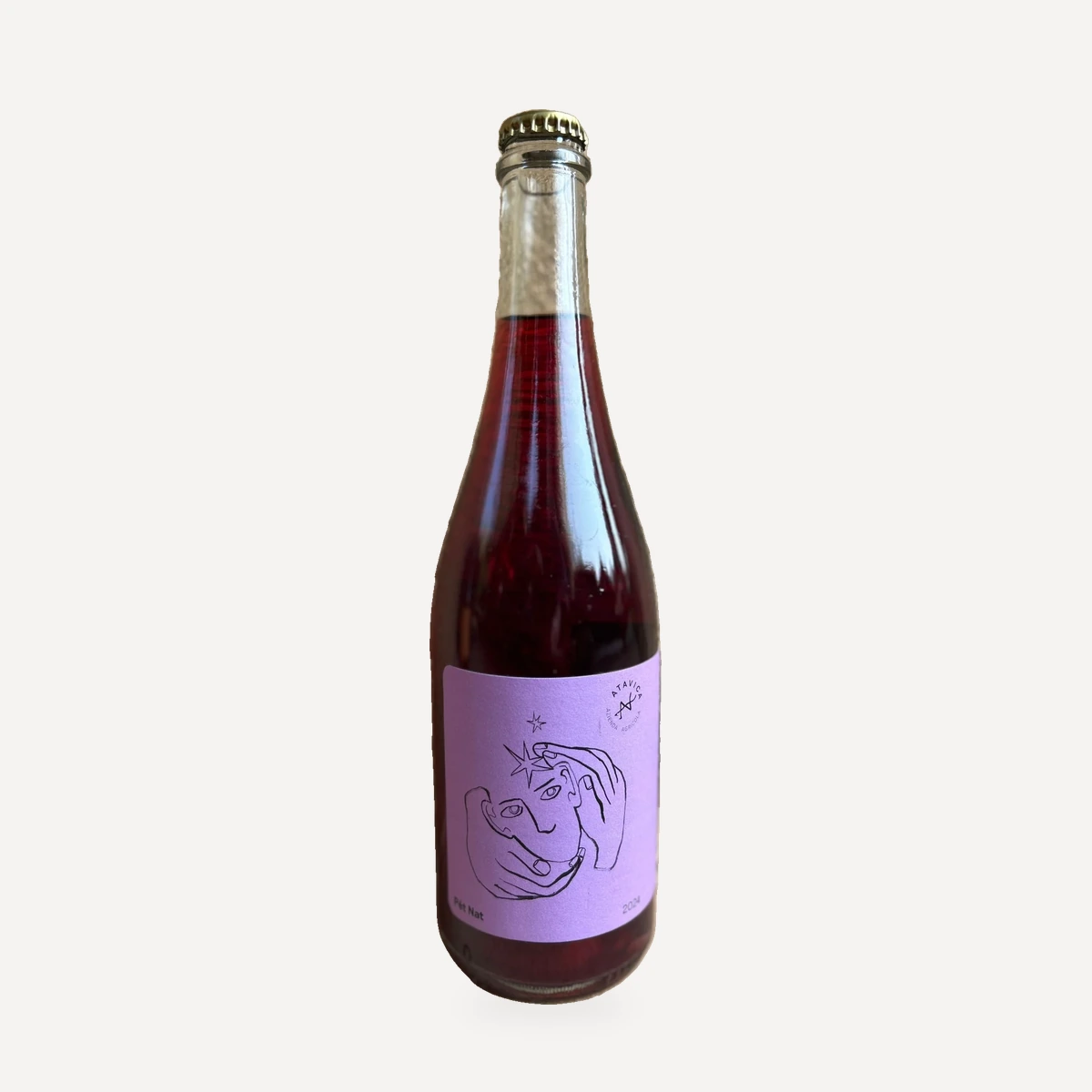
Pét Nat