Storia
Foundation and the recovery of Ligurian varieties
Bisson began in 1978, when Pierluigi “Piero” Lugano—a master of art and sommelier—set out to enhance the grapes and wines of the Riviera Ligure di Levante. At the time, the area’s native varieties attracted little commercial interest. His work combined experimentation, respect for the raw material and attention to local grapes, helping to restore prominence to varieties including Bianchetta Genovese and Cimixià.
The first cellar took shape in the centre of Chiavari. Modern techniques were adopted within an artisanal approach, while vinification remained independent of industrial production models. Bisson also created the first Ligurian sparkling wine registered under number 1 in the Province of Genoa.
Conception of an underwater cellar
Toward the end of the 1990s, Lugano began investigating whether the seabed of the Ligurian Sea could provide a suitable environment for ageing sparkling wine. The project required solutions to several technical and administrative problems: a bottle capable of withstanding pressure from both inside and outside, a crown cap—called gretta in Ligurian dialect—made from a corrosion-resistant alloy, pressure calculations and the necessary authorisations.
The concept was also connected to the Pestella estate itself. Its hillside vineyards occupy land described as an ancient seabed, and the relationship between land and water became central to Bisson’s identity and to the development of the Abissi method.
The first immersion
On 20 May 2009, the fishing boat Eleda II left Chiavari carrying Piero Lugano and eleven cages, each holding 550 bottles. With support from the Genoa barge Messico, a crane lowered the cages to approximately 60 metres in Cala degli Inglesi, within the Portofino Marine Protected Area.
The first bottles returned to the surface on 20 July 2010. One was opened aboard the vessel immediately after recovery, marking the birth of Abissi. Lugano had anticipated that marine organisms would encrust the bottles and sought to preserve those deposits as visible evidence of the underwater process. Each recovered bottle consequently carries its own natural pattern of shells and encrustation.
Development of the Abissi method
The current method uses reinforced bottles and corrosion-resistant crown caps. The bottles undergo secondary fermentation before being secured in metal cages and immersed at approximately 60 metres. The standard Abissi remains underwater for at least 18 months, while the Riserva is recovered after 36 months. The seabed provides darkness, a stable temperature of about 15°C, approximately six atmospheres of external pressure and continuous movement from marine currents.
After recovery, the bottles are disgorged and topped with the same sparkling wine. The Riserva is a pas dosé: it is topped without added sugar. Abissi developed into three principal expressions—Metodo Classico, Rosé and Riserva Marina—and Bisson presents the project as the first underwater sparkling-wine cellar of its kind.
Bisson today
The family enterprise operates as Bisson Società Agricola di Lugano Marta & Pier Luigi S.S. Its winery, vineyards, underground vault, tasting rooms and restaurant are at Contrada Pestella near Sestri Levante, while the Bisson wine shop remains in Chiavari. Piero Lugano continues to taste, observe and guide the project, treating wine as both an agricultural product and a cultural act.
Terroir
Between the Ligurian Sea and the mountains
Bisson’s home estate lies in the hills near Sestri Levante, within the Riviera Ligure di Levante. The landscape is compressed between sea and mountains and is characterised by steep slopes, terraces, olive trees and spontaneous herbs. Viticulture is exposed to wind, intense sun and the physical demands of working inclined ground. The vineyards around Contrada Pestella look toward the sea and are touched by maritime breezes.
An ancient seabed
The land now occupied by the estate vineyards once formed part of an ancient seabed. This marine origin is presented as a defining feature of the soil and as the conceptual link between the vineyard and the underwater maturation of Abissi.
Soils and exposures
The vineyard data identify predominantly clay soils. Some red-wine sites are described as clay with a prevalence of tarso. Recorded exposures include south, southeast, southwest and west. The vines are generally trained on vertical trellises and Guyot pruned at a density of 7,000 plants per hectare.
Distinct production areas
The named Ligurian holdings and production areas include Trigoso and Località Pestella in Sestri Levante, Campegli in Castiglione Chiavarese, Verici in Casarza Ligure and the Cinque Terre. Trigoso supplies grapes for Abissi and several still and passito wines; Campegli is associated with Cimixià, Bianchetta and Vermentino; Verici is named for Pigato; and the Cinque Terre production area supplies Bosco, Vermentino and Albarola.
Vinificazione
Bisson directly cultivates the vineyards used for its still wines and applies a rigorous limitation of plant-protection products. The emphasis is on the quality and integrity of the harvested grapes.
The documented training system is controspalliera, or vertical trellising, with Guyot pruning. A typical vine carries 7–9 buds, and the stated planting density is 7,000 vines per hectare. Vineyard work includes careful bunch thinning before harvest for Bianchetta Genovese, Vermentino, Pigato and Cimixià.
Harvest timing varies with the intended production. Base wines for Abissi are picked early. Still wines are harvested after crop thinning. Passito production may involve late harvesting and selection of the best, loosest or ripest bunches. Selected fruit is placed gently in crates or other containers for drying. For Caratello Passito, destemming and all subsequent operations through bottling are performed manually. Cinque Terre fruit for Sciacchetrà is harvested in September at full physiological maturity and dried until November or December.
Cellar approach
Bisson vinifies independently and describes its work as clean and minimally interventionist. The cellar combines modern equipment with an artisanal approach. Its facilities include stainless-steel vessels with distinctive architecture, barriques and 550-litre tonneaux, as well as an underground bottle vault.
Several white wines undergo low-temperature skin contact or cryomaceration before fermentation, without added sulphites at that stage. Documented maceration times include about 36 hours for a Cinque Terre white, 48 hours for the standard Abissi base and approximately 60 hours for Abissi Riserva. Red wines ferment on the skins for periods ranging from about five days for a lighter Ciliegiolo to 10–15 days for more structured wines; Granaccia Passito remains on the skins for about 20 days.
Metodo Classico and underwater maturation
The Abissi base is obtained from an early harvest of Bianchetta Genovese, Vermentino and Çimixà in proportions that can change by vintage. Following cryomaceration, the standard base wine ferments under controlled temperature. Tirage initiates secondary fermentation in bottle; the Riserva specification also identifies the use of selected yeasts.
The bottles are made from reinforced glass and sealed with a corrosion-resistant crown cap. They are placed in stainless-steel or metal cages and immersed at about 60 metres in the Ligurian Sea. The underwater environment remains at approximately 15°C, excludes light, applies roughly six atmospheres of external pressure and subjects the bottles to continuous gentle movement from currents. That movement keeps sediment in suspension during maturation.
The standard Abissi remains submerged for at least 18 months. Riserva Marina spends 36 months underwater. After recovery, the bottles are placed neck-down and disgorged. They are topped with the same sparkling wine; the Riserva receives no sugar dosage.
Passito and barrel work
Passito production includes selective harvesting, drying and long, slow fermentation. Sciacchetrà grapes are dried from September until November or December before crushing; fermentation may continue for approximately 12–18 months, depending on the version, followed by later bottling. Caratello Passito ferments in used carati, receives only targeted rackings and remains in old casks for about 36 months. Another passito method combines partial fermentation on destemmed skins with approximately 18 months in a carato, at a must yield of only 10–12%.
Selected red wines mature in 550-litre tonneaux. Granaccia Passito is destemmed, fermented on the skins, transferred to old carati for renewed fermentation and kept in wood until the following summer.
Filosofia
Bisson’s guiding purpose is to make wines that communicate their place of origin. The project joins modern technique to an artisanal spirit and gives particular attention to Ligurian native varieties that once received little commercial recognition.
The production philosophy gives priority to the raw material: vineyards are cultivated directly, chemical plant protection is rigorously limited, and still wines are made with clean, minimally interventionist methods. Independence from industrial production models is part of this position.
For Piero Lugano, wine is a cultural act as well as an agricultural one. Artistic imagination, technical study and persistence therefore coexist in the work. The Abissi project expresses this outlook most clearly: the Ligurian Sea is treated not simply as imagery but as an active maturation environment whose darkness, temperature, pressure and currents participate in the evolution of the wine.
The same connection extends to hospitality and food. Seasonal Ligurian cooking, produce from the estate garden and wines grown around the cellar are presented as parts of one material culture rooted in everyday work, local memory and the relationship between cultivator and landscape.
Vini
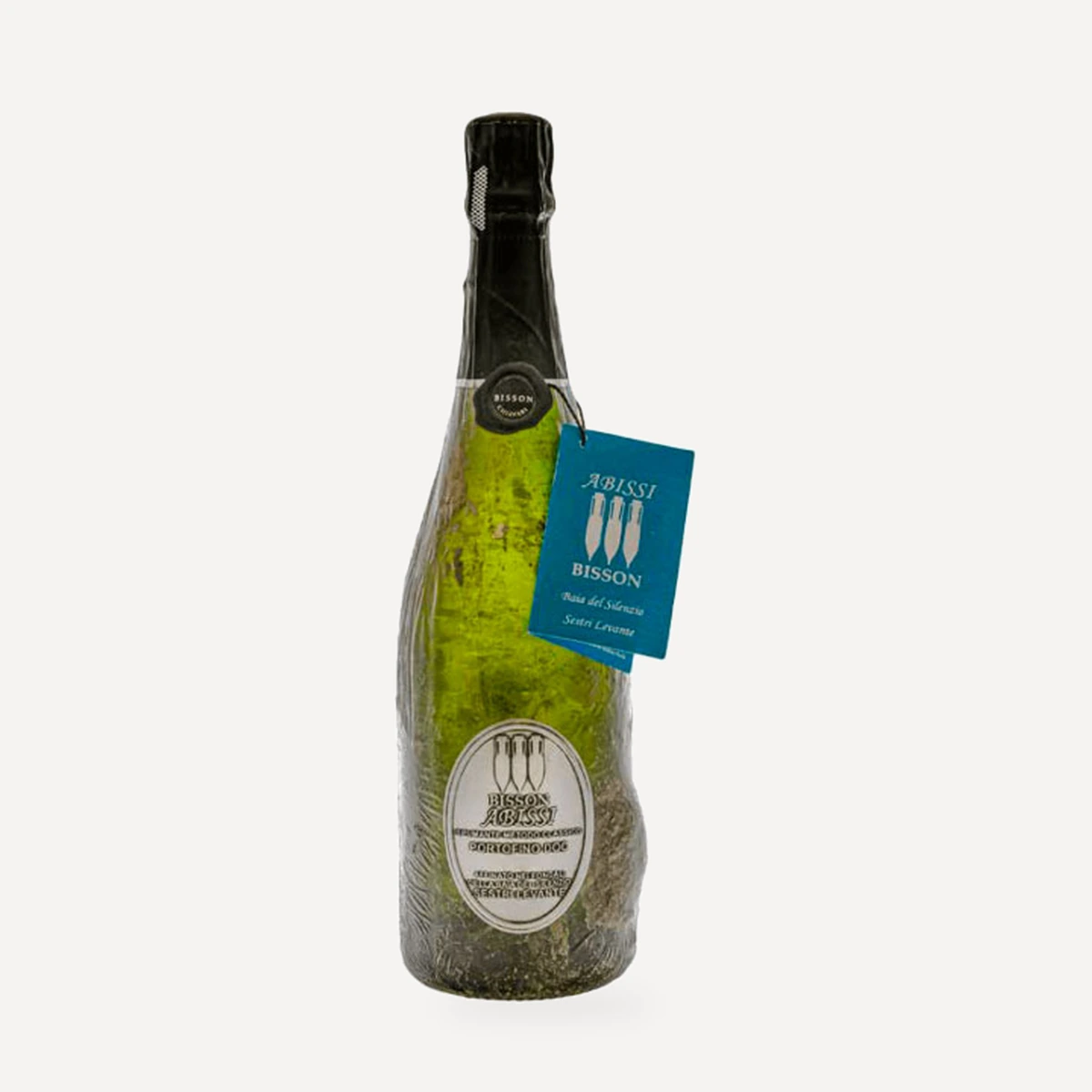
Abissi Spumante metodo classico
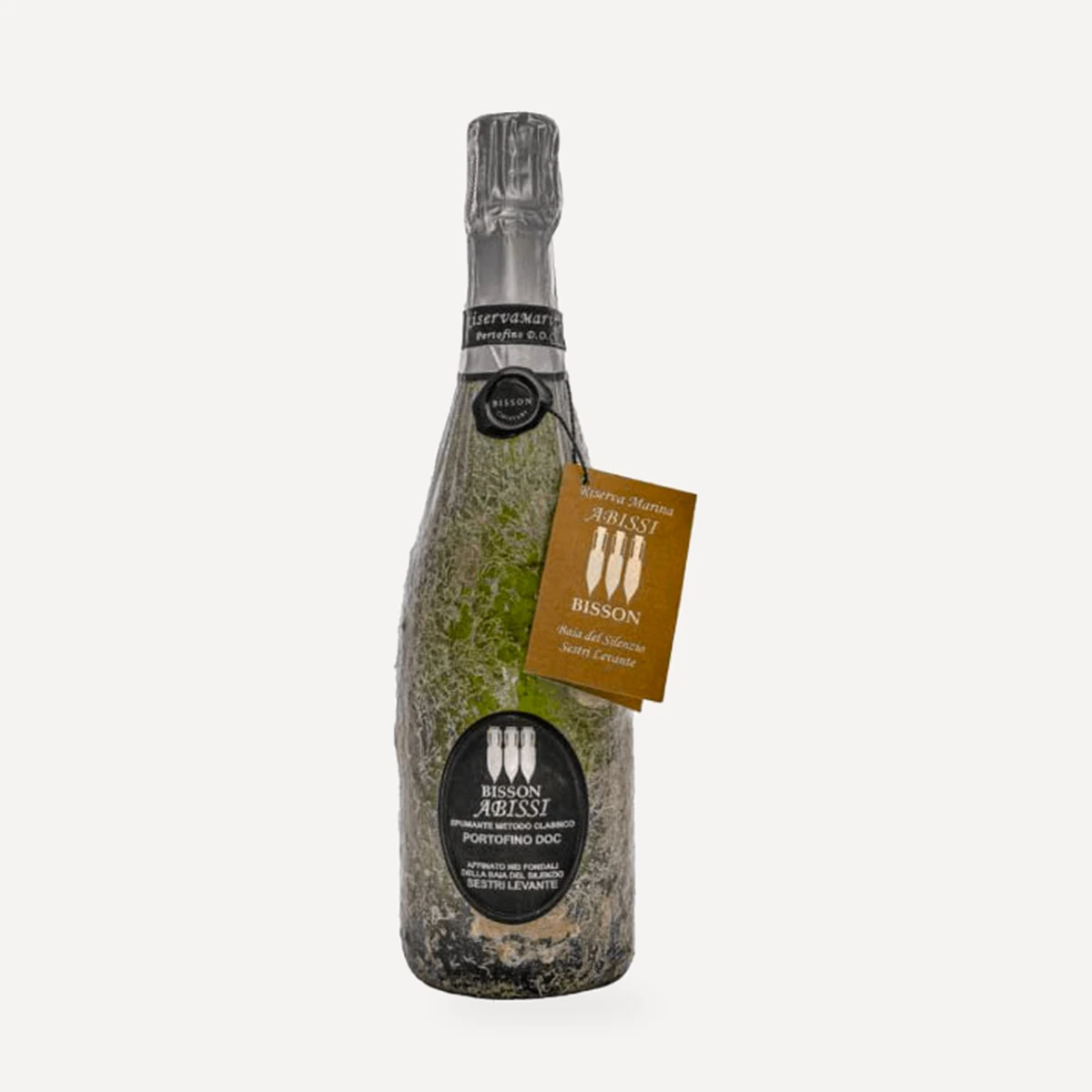
Abissi Spumante metodo classico Riserva Marina
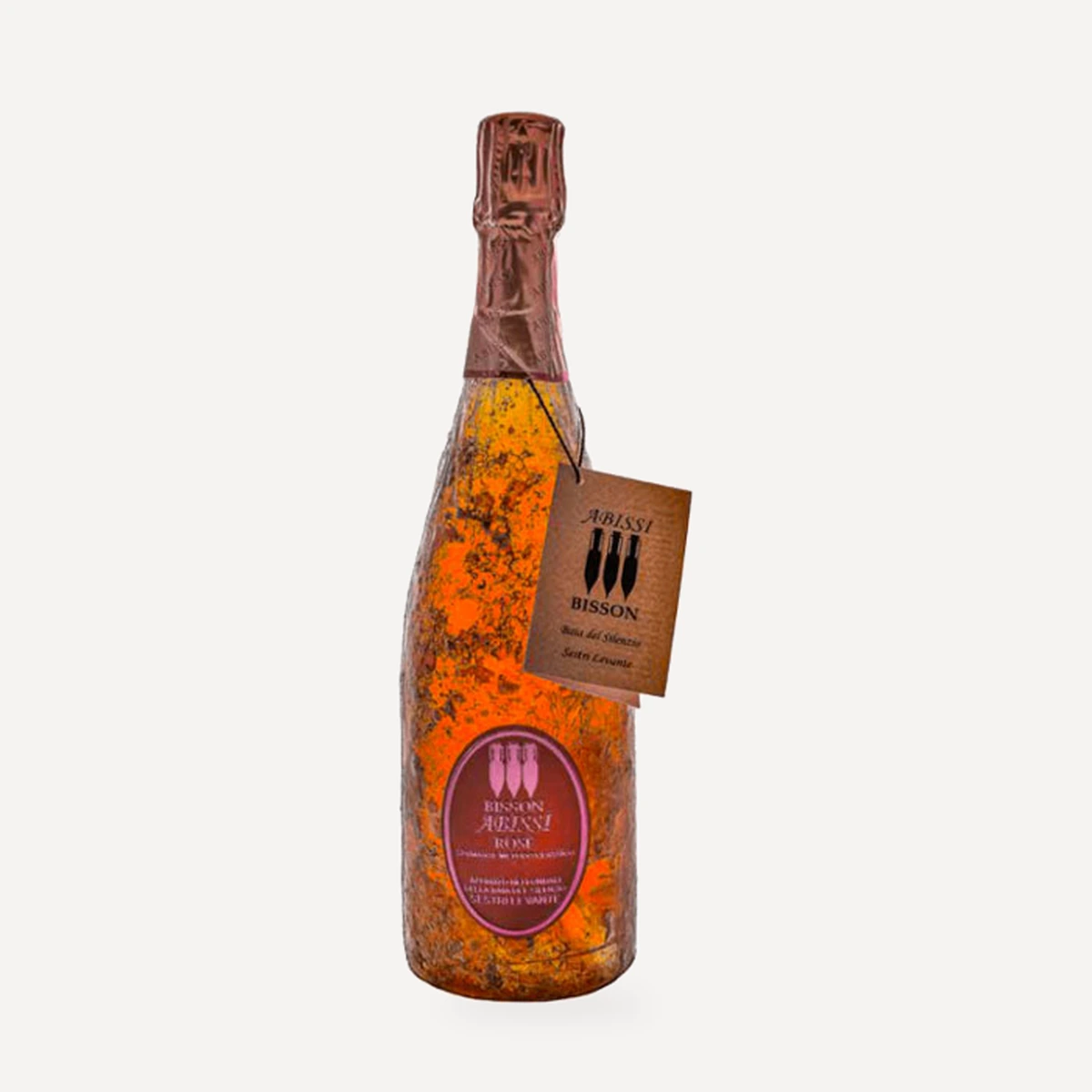
Abissi Spumante metodo classico rosè
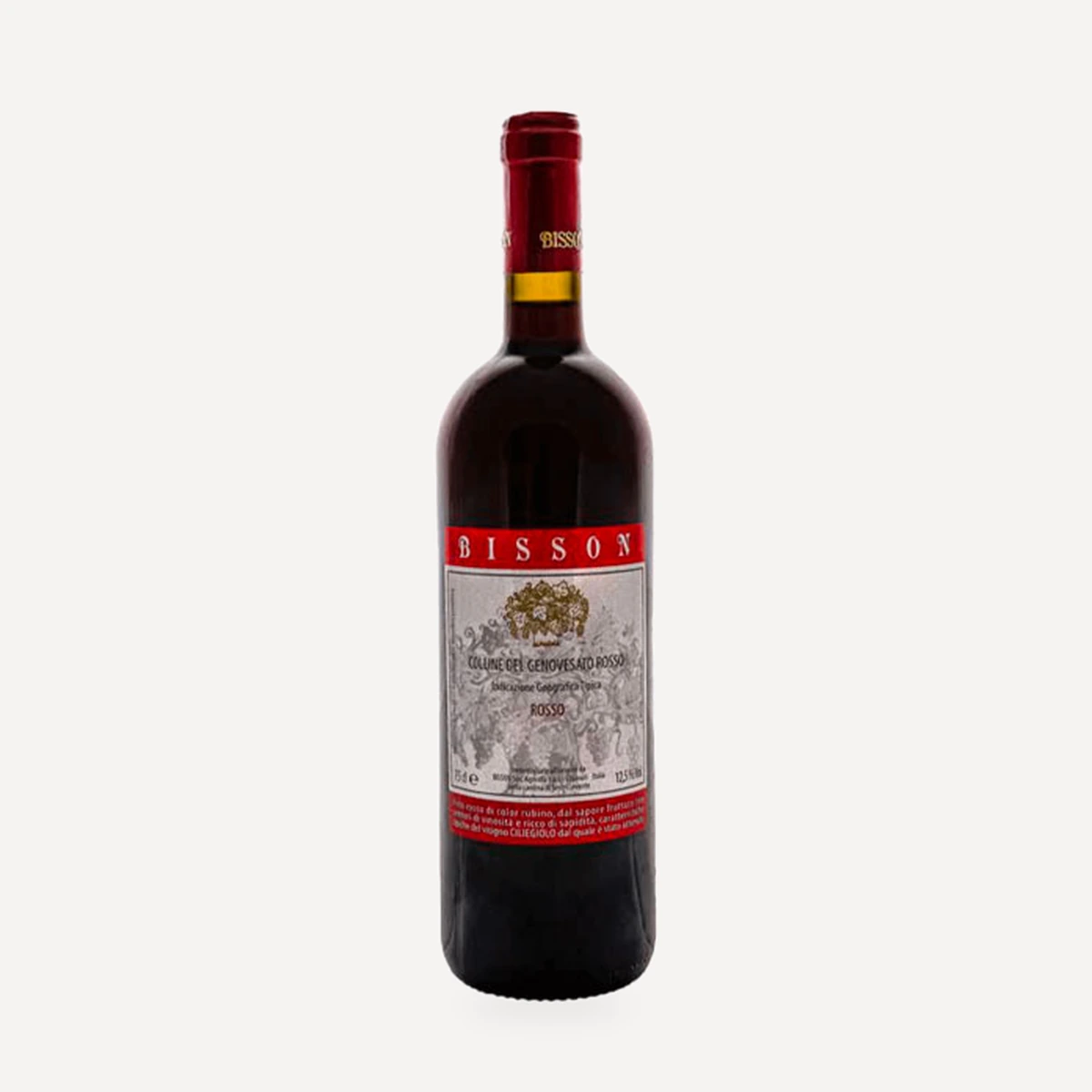
Ciliegiolo Rubino
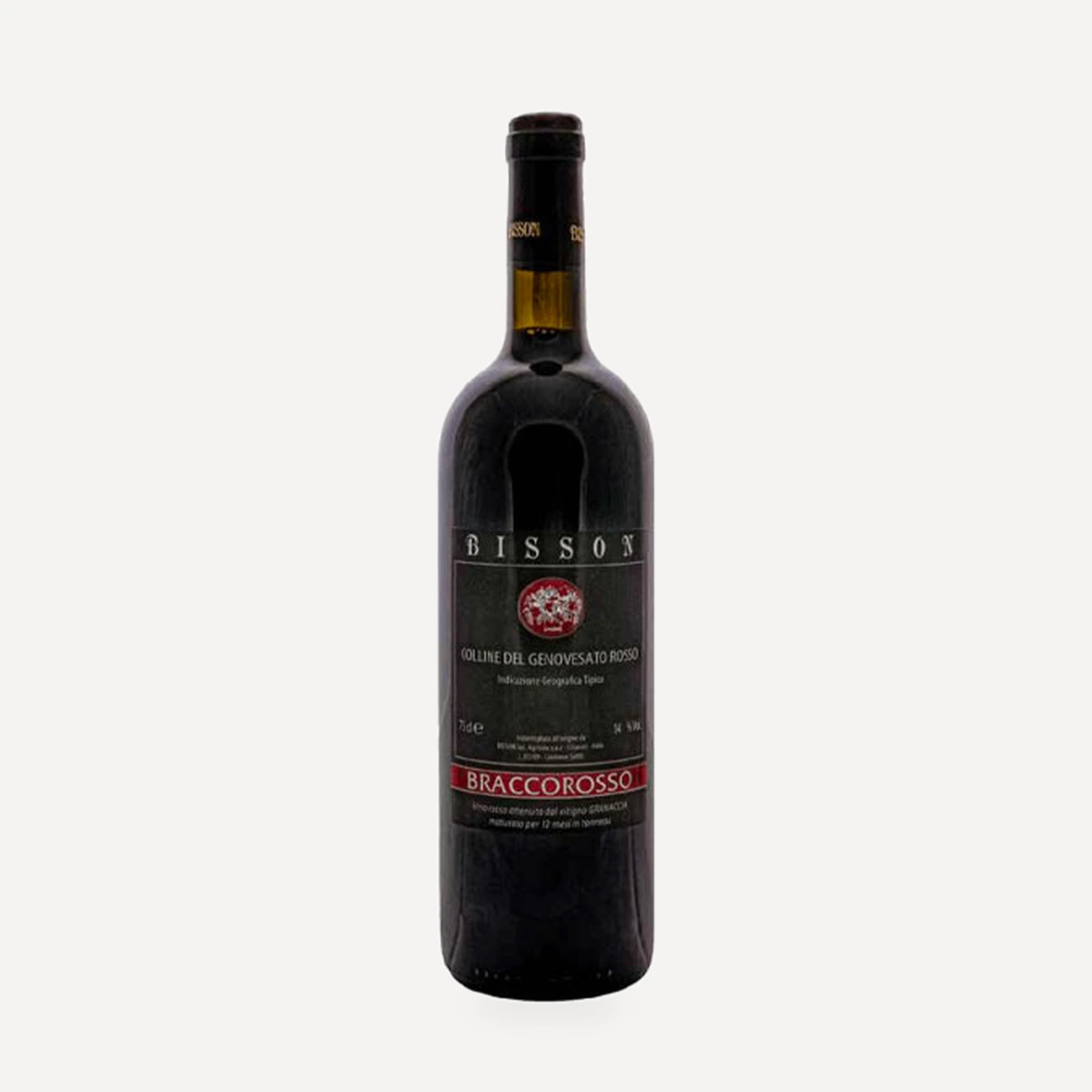
Granaccia Barrique Bracco Rosso
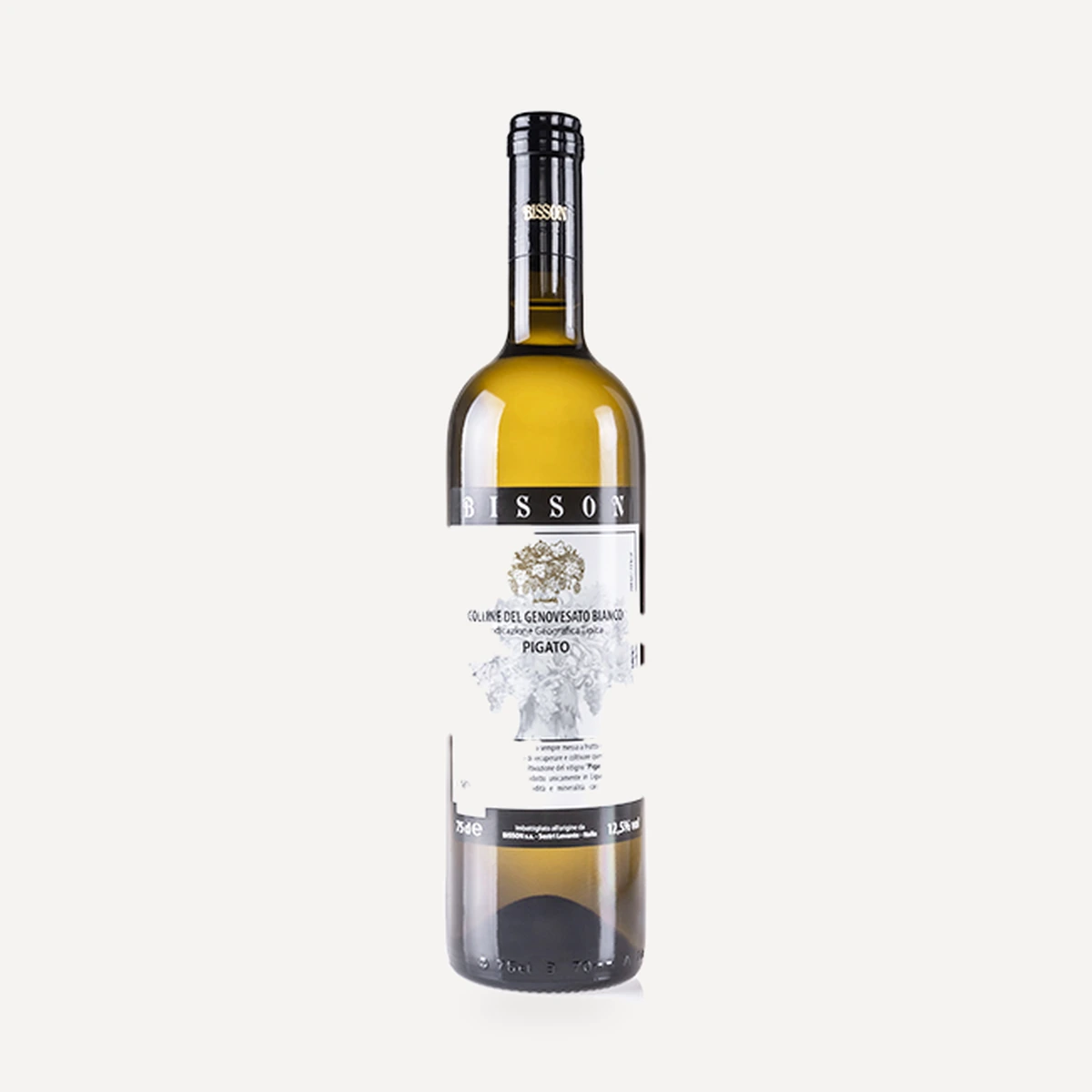
Pigato
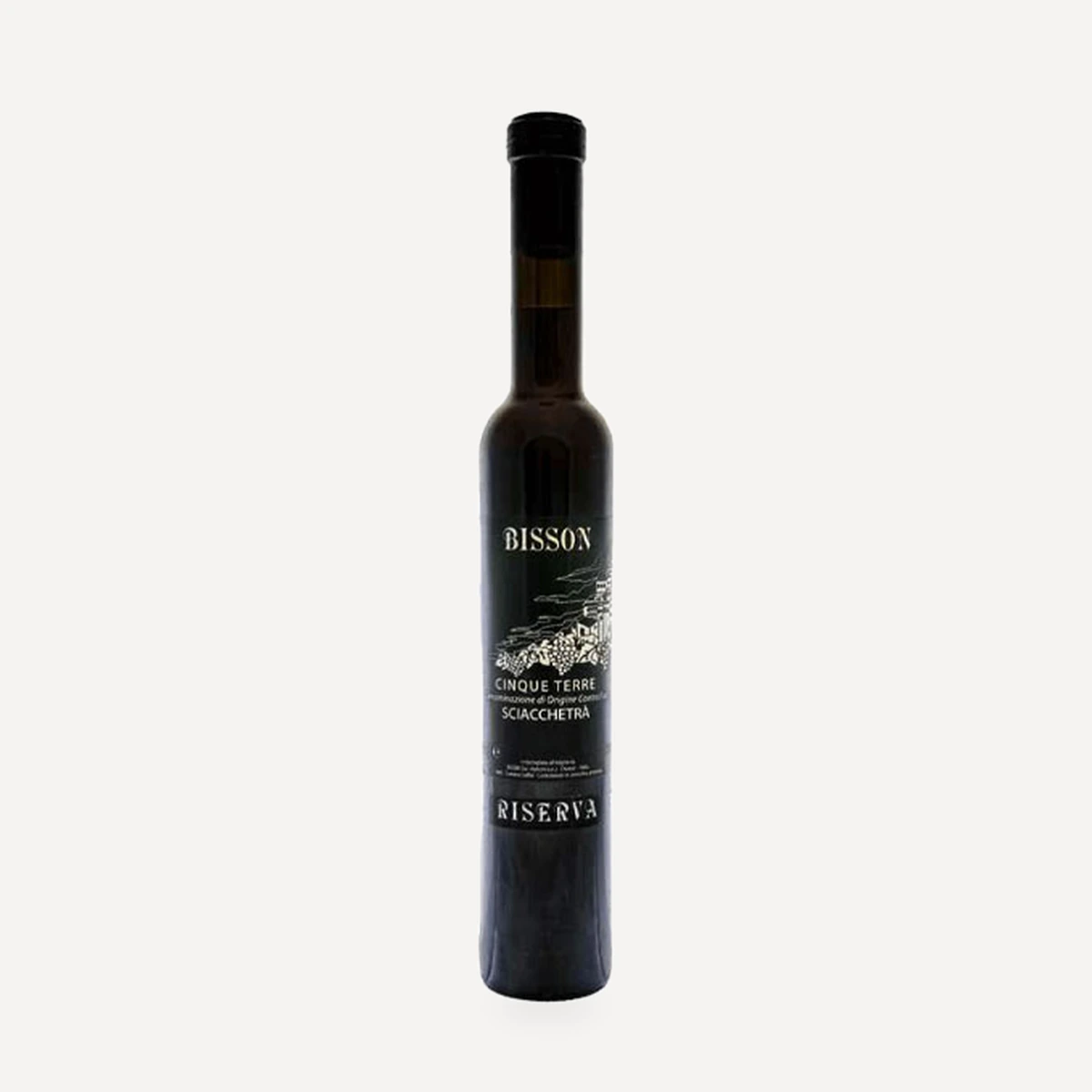
Sciacchetrà Passito Riserva
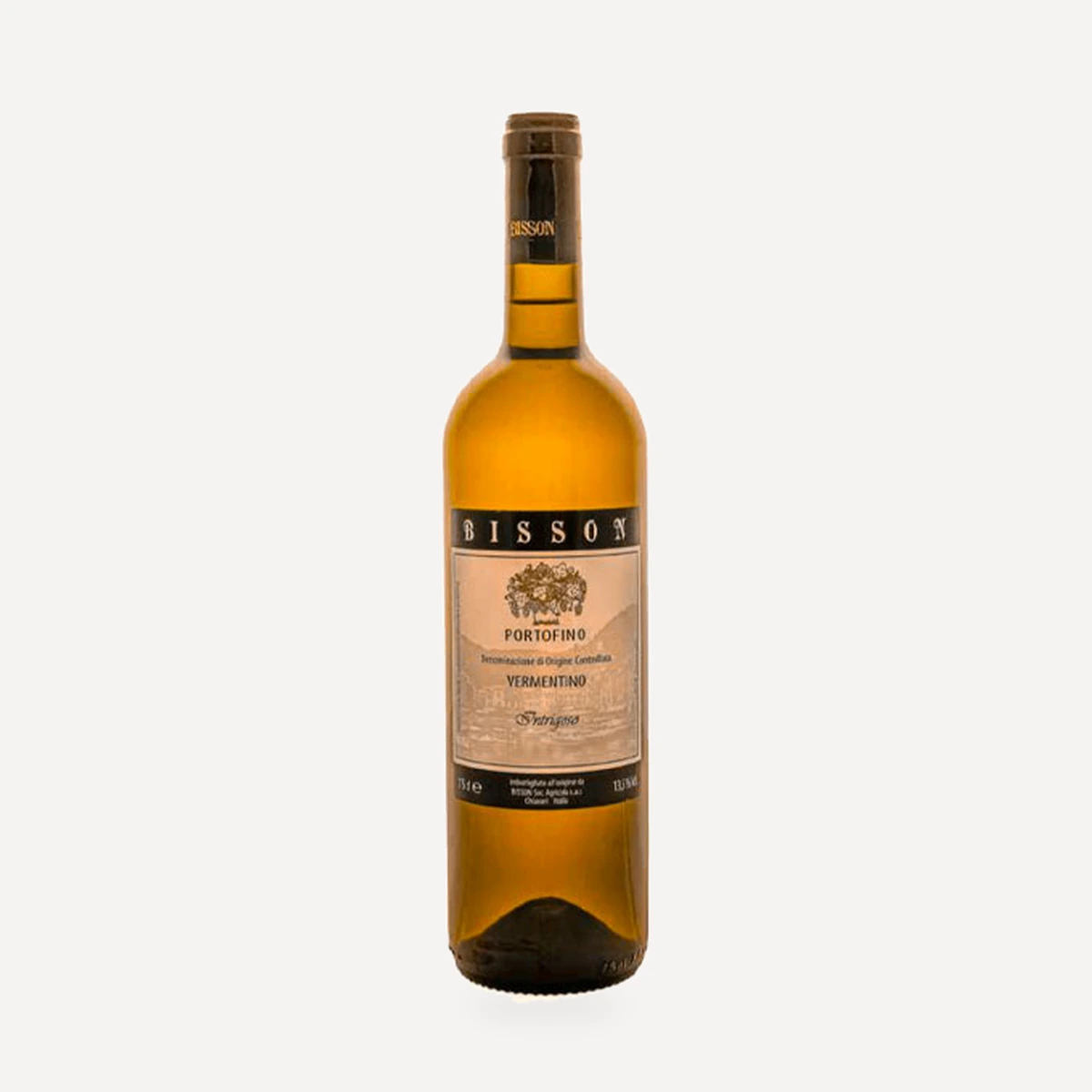
Vermentino lntrigoso