Storia
From dairy farm to vineyard
The property was operated as a dairy farm for more than a century. Its surviving agricultural heritage includes a Civil War-era barn and an 1870s Victorian farmhouse. The first grapevines were planted in 1984, with John Kaiser involved from that initial planting onward.
1990: creation of the winery
Founders Larry and Adele Wildrick converted the Civil War-era barn into a working winery in 1990. This transformation established Fox Run as a wine producer while retaining an important building from the farm’s earlier history.
1994: new ownership
Scott Osborn and his original business partner, Andy Hale, purchased the winery in 1994. Osborn subsequently worked alongside winemaker Peter Bell for 27 years, developing the estate’s production and a broad portfolio of Finger Lakes wines.
Environmental milestones
Lake Friendly Farming practices have been in place since 2002, with the stated objective of preventing harm to Seneca Lake’s water quality. In 2015, Fox Run began operating entirely on electricity generated by its own solar installation.
2012: exclusively family-owned
In 2012, Scott and Ruth Osborn joined with Ruth’s sister Kathleen and her husband Albert Zafonte to make Fox Run exclusively family-owned. Family members remain active throughout the business: Scott serves as president and co-owner and regularly leads tours or works in the tasting room; Ruth assists in the café; their daughter Jessica Worden directs office operations, including shipping, the wine club and payroll; and Kathleen and Albert help with estate events.
Current chapter
Craig Hosbach succeeded Peter Bell as winemaker and leads a collaborative, science-oriented cellar team. Angelica Lawler serves as assistant winemaker, Mike Gollob as cellar master and Pete Howe in crush operations and inventory. John Kaiser remains vineyard manager more than four decades after the first planting.
The estate now comprises 20.2 hectares of east-facing vineyards on glacial soils. In 2023, Fox Run became a certified sustainable vineyard through the New York Wine & Grape Foundation. Its current approach combines estate grape growing, environmental stewardship, food and wine hospitality, and an intentionally informal view of wine culture.
Terroir
Fox Run lies on the northwest side of Seneca Lake in the Finger Lakes. Its 20.2 hectares of vineyards face east and are rooted in glacial soils.
Lake influence
Seneca Lake moderates the contrast between warm days and cool nights. Summer days are warm but rarely excessively hot, permitting ripening, while cool nights help preserve grape aromatics and acidity.
Below a depth of approximately 30.5 metres, the lake maintains a water layer close to 4.4°C down to its bottom. In winter, stored heat keeps vineyards beside the lake substantially warmer than sites about 8 kilometres inland. During spring, the cold lake restrains nighttime temperatures and delays budbreak until after the last frost. In autumn, heat accumulated during summer radiates back into the air, extending the growing season and allowing later ripening before the first frost.
Geology and soils
The area’s glacial geology includes shale, limestone, gravel and schist. These materials provide drainage and restrain vine vigour. Across the estate blocks, documented profiles include silts and clays with glacial till; alternating layers of sand and clay; shallow bedrock and shale; and sandy loam over lakeshore stones.
Block 1 includes silts and clays with glacial till. Block 2 combines clays and silts with shallow bedrock and glacial till. Blocks 6 and 7 have alternating sand and clay layers. Block 8 includes shallow bedrock, shale, clay, silt and glacial material. Blocks 9 and 10 contain silts and clays with glacial till. Other Riesling blocks encompass clays and sand, clays and silts with glacial till, and well-drained sandy loam over lakeshore stones.
Vinificazione
Fox Run dry-farms its vines without irrigation, encouraging deeper rooting and supporting soil health. Vineyard management uses Integrated Pest Management: pest pressure is monitored and managed with an emphasis on natural controls and reduced reliance on chemical treatments.
Deep-rooted rye grass grows between vine rows to improve soil structure and limit erosion. Mycorrhizal fungi are introduced to support vigorous, nutrient-efficient root systems. Pollinator habitat includes a sanctuary for monarch butterflies and bees as well as managed beehives.
Lake Friendly Farming practices have been followed since 2002 to avoid negative effects on Seneca Lake’s water quality. The vineyard became certified sustainable through the New York Wine & Grape Foundation in 2023 and also participates in New York State Grown & Certified, which combines local origin requirements with food-safety standards and enrolment in an environmental-management programme.
Harvest methods vary by grape and intended style. Documented practices include machine picking at dawn and early-morning harvest to deliver cool fruit, as well as hand harvesting for selected sparkling-wine lots. Recent harvest work has also included careful responses to winter bud damage, rain and disease pressure, with picking dates adjusted when fruit condition required it.
The original winery was created in 1990 inside the property’s converted Civil War-era barn. Current production uses a dedicated winemaking facility alongside a historic barrel room used for tastings, events and food-and-wine experiences.
Winemaking is organised as a collaborative process. Scott Osborn worked with Peter Bell for 27 years and continues this team-based approach with Craig Hosbach, Angelica Lawler, cellar master Mike Gollob and the wider production staff. Hosbach combines scientific control with the objective of allowing individual grape varieties to retain their identity. The resulting portfolio is conceived around freshness, vibrancy and suitability for food.
Estate-grown fruit provides the foundation of production. Tank samples are presented during selected educational and club events, allowing unfinished wines to be tasted directly in the production facility. Since 2015, the winery’s electricity has been supplied entirely by its own solar installation. Operational waste measures include crushing glass bottles into sand and sending plastic wrap for conversion into building materials.
Filosofia
Fox Run presents wine as an inclusive, everyday pleasure rather than a product governed by exclusivity or rigid etiquette. Its motto, “Drink wine, be happy,” expresses a preference for relaxed hospitality, shared meals and bottles opened frequently rather than reserved only for formal occasions.
The wine style is directed toward crispness, refreshment and food compatibility, while retaining a recognisable Finger Lakes character. Craig Hosbach’s approach balances technical and scientific control with the aim of letting each grape show its own qualities. Scott Osborn regards winemaking as a team effort rather than the expression of a single individual.
Environmental responsibility is framed as a continuous obligation. The family’s mission is to make meaningful, consistent reductions in the business’s environmental impact each year, protect the ecosystems around Seneca Lake and preserve healthy soil and clean water over the long term.
Hospitality follows the same inclusive outlook. Fox Run seeks to welcome people regardless of background, whether they are employees or visitors, and connects wine with food, conversation and community. Family-style dinners, collaborative events with neighbouring wineries and direct contact between guests, owners and winemakers are practical expressions of that position.
Vini
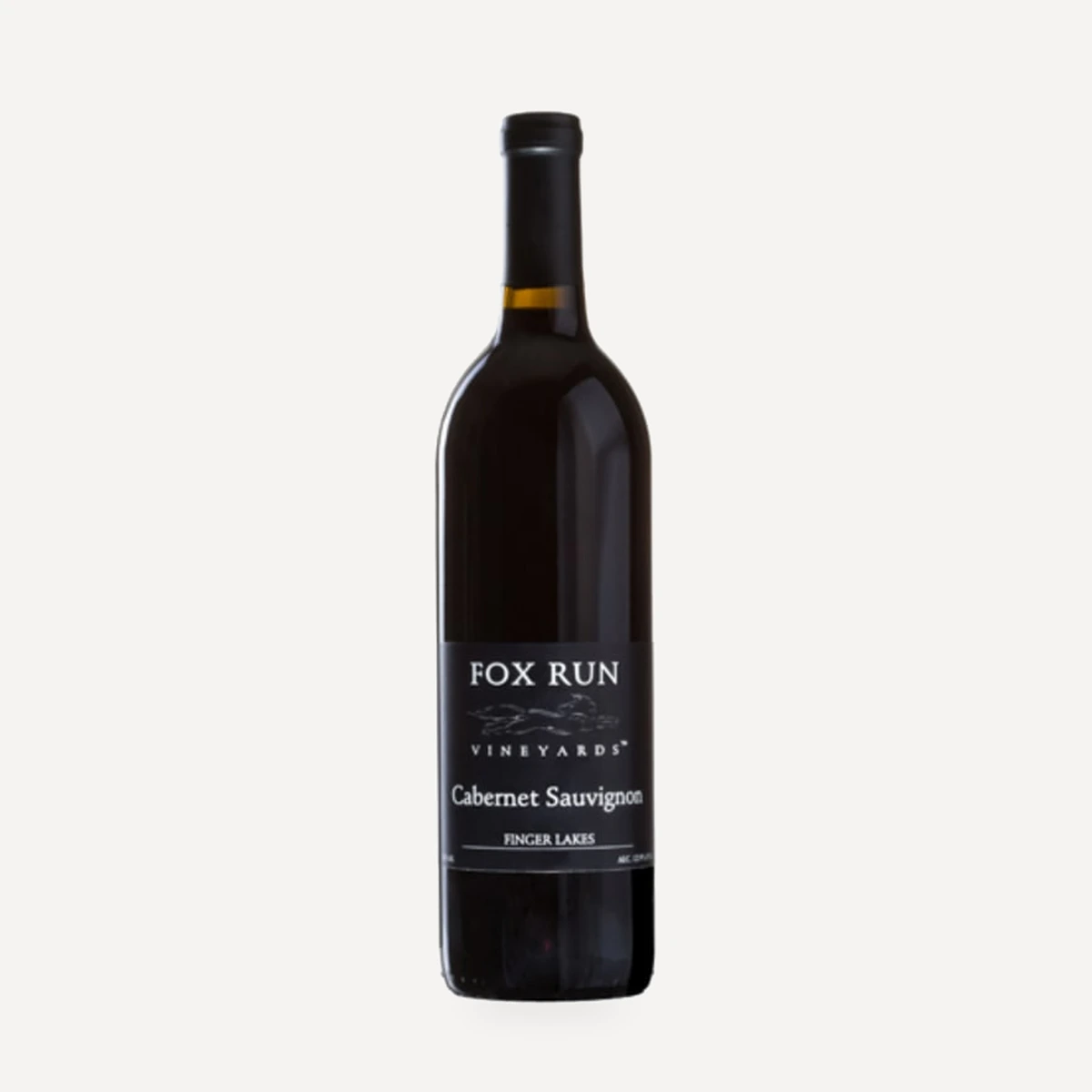
Cabernet Sauvignon
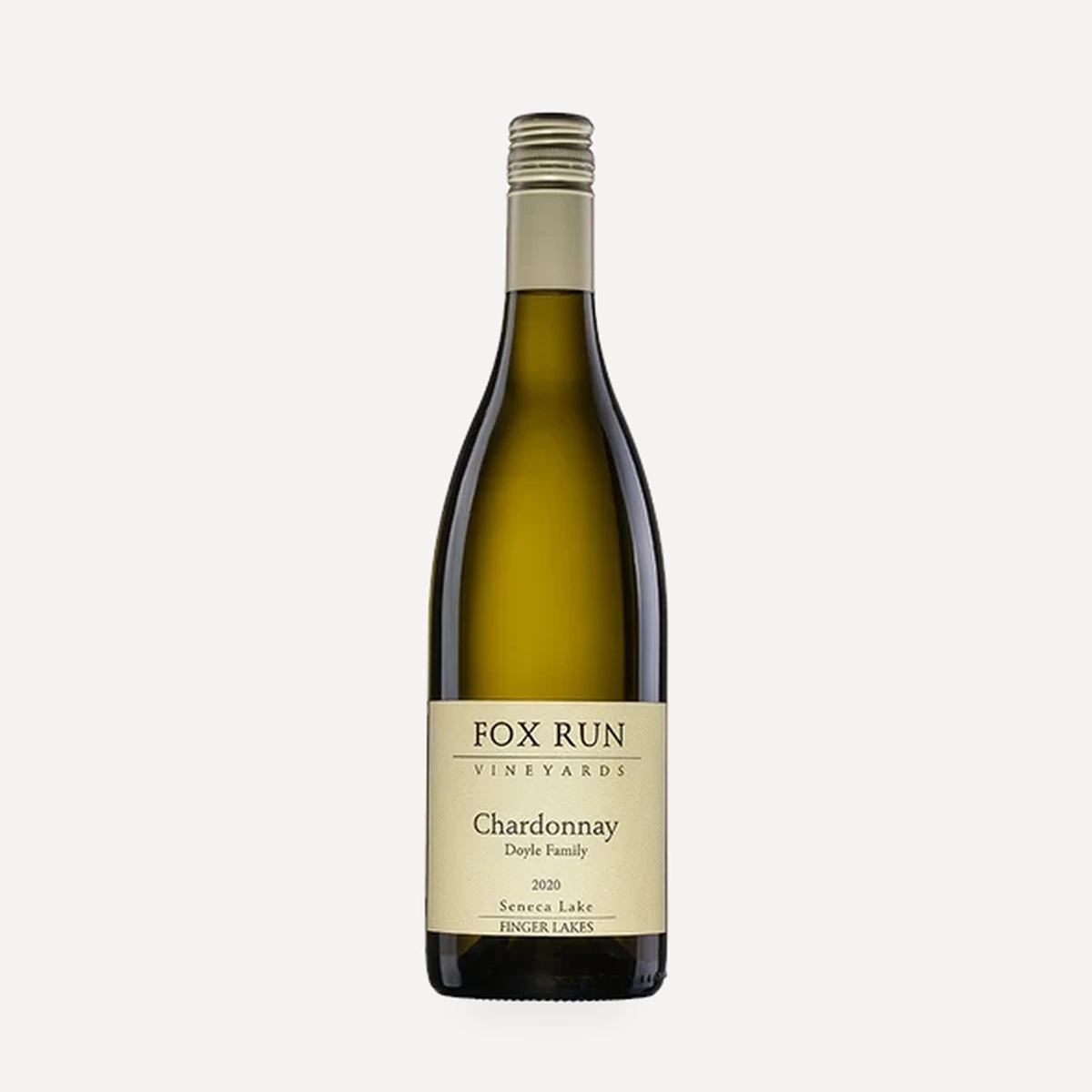
Doyle Family Chardonnay
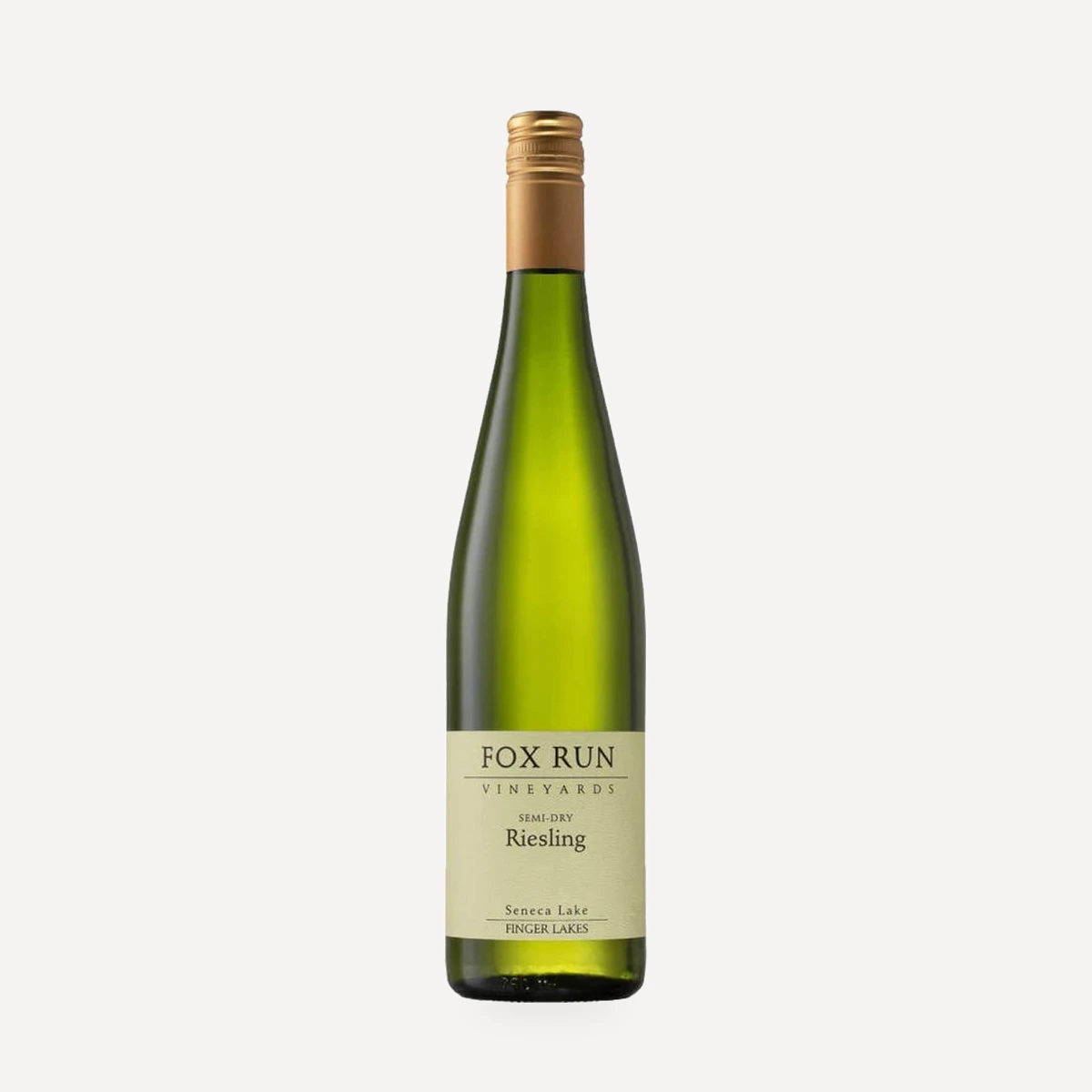
Semi-Dry Riesling
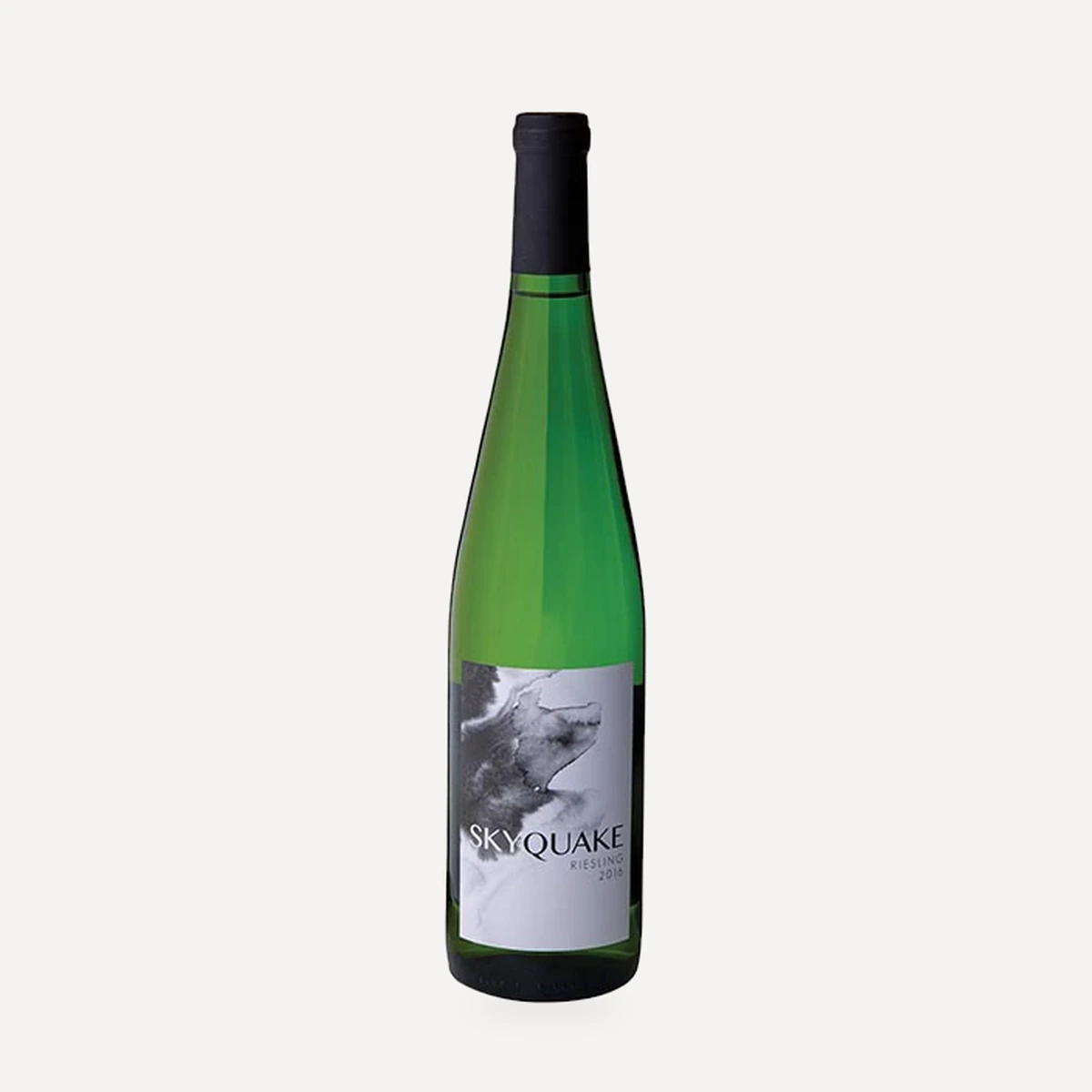
Skyquake Riesling
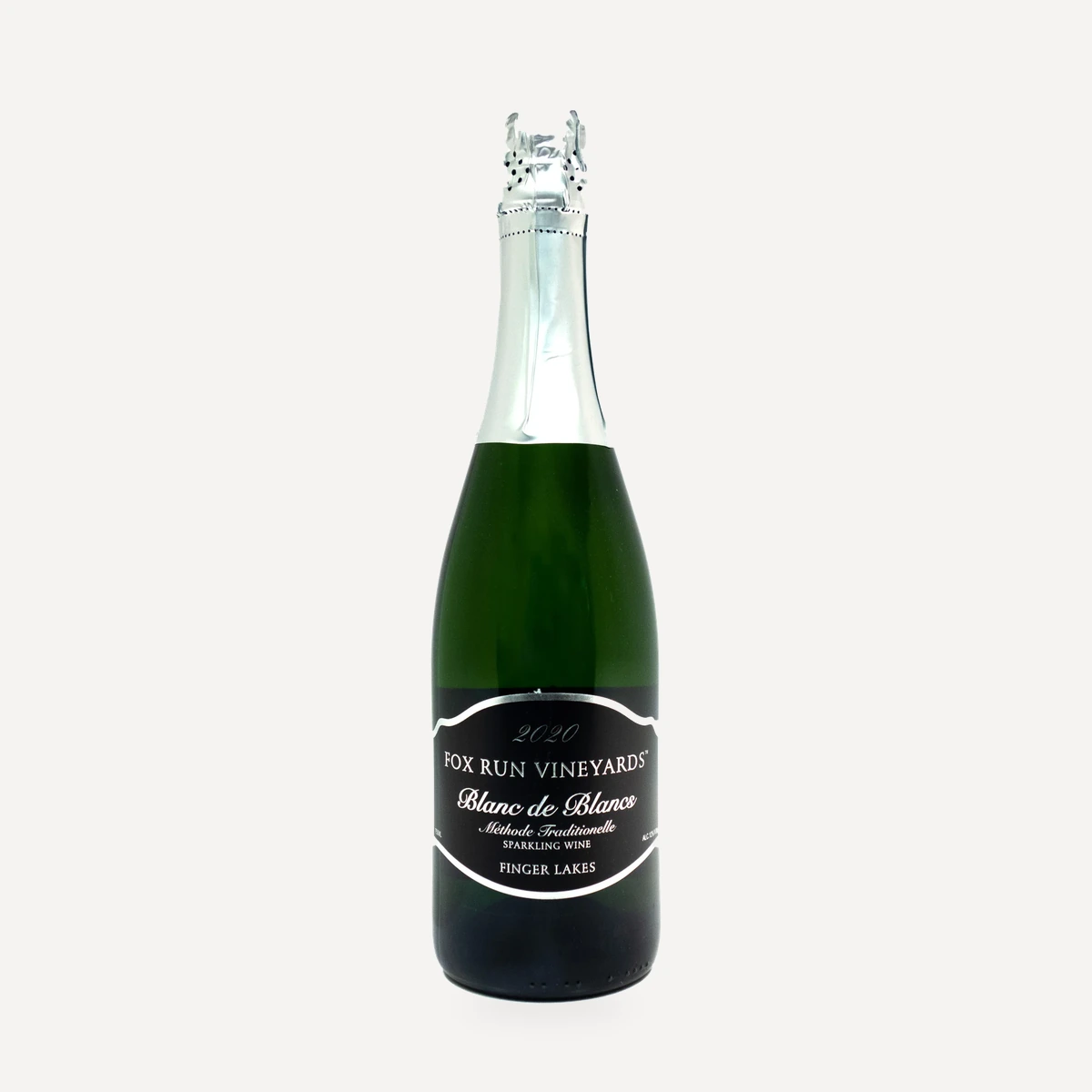
Blanc de Blancs
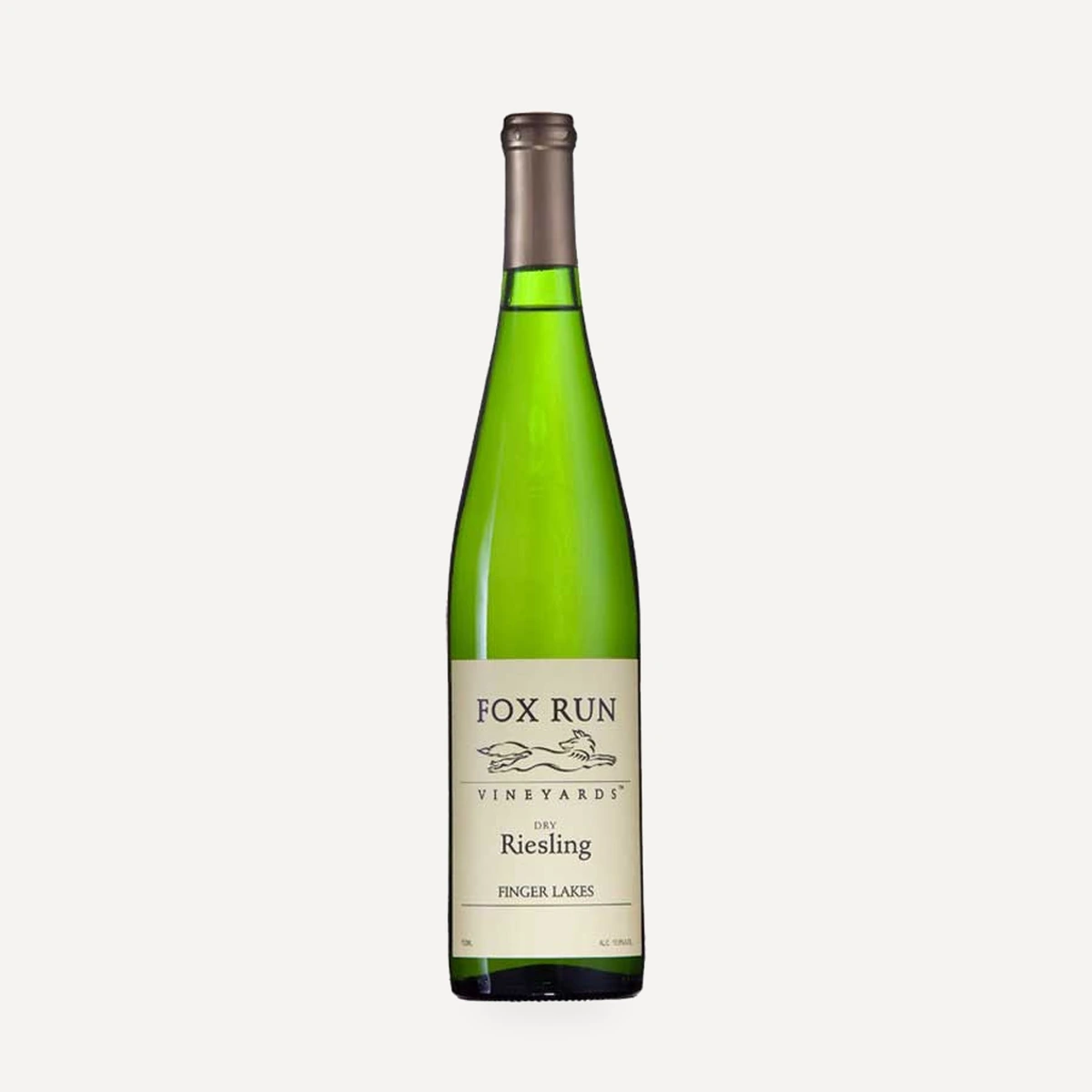
Dry Riesling