Storia
1882: the first documented vineyard purchase
The family’s viticultural record begins with the first vineyard-purchase deed made by Francesco De Stefano, an ancestor associated with the cultivation of wine grapes.
1896: the family reserve
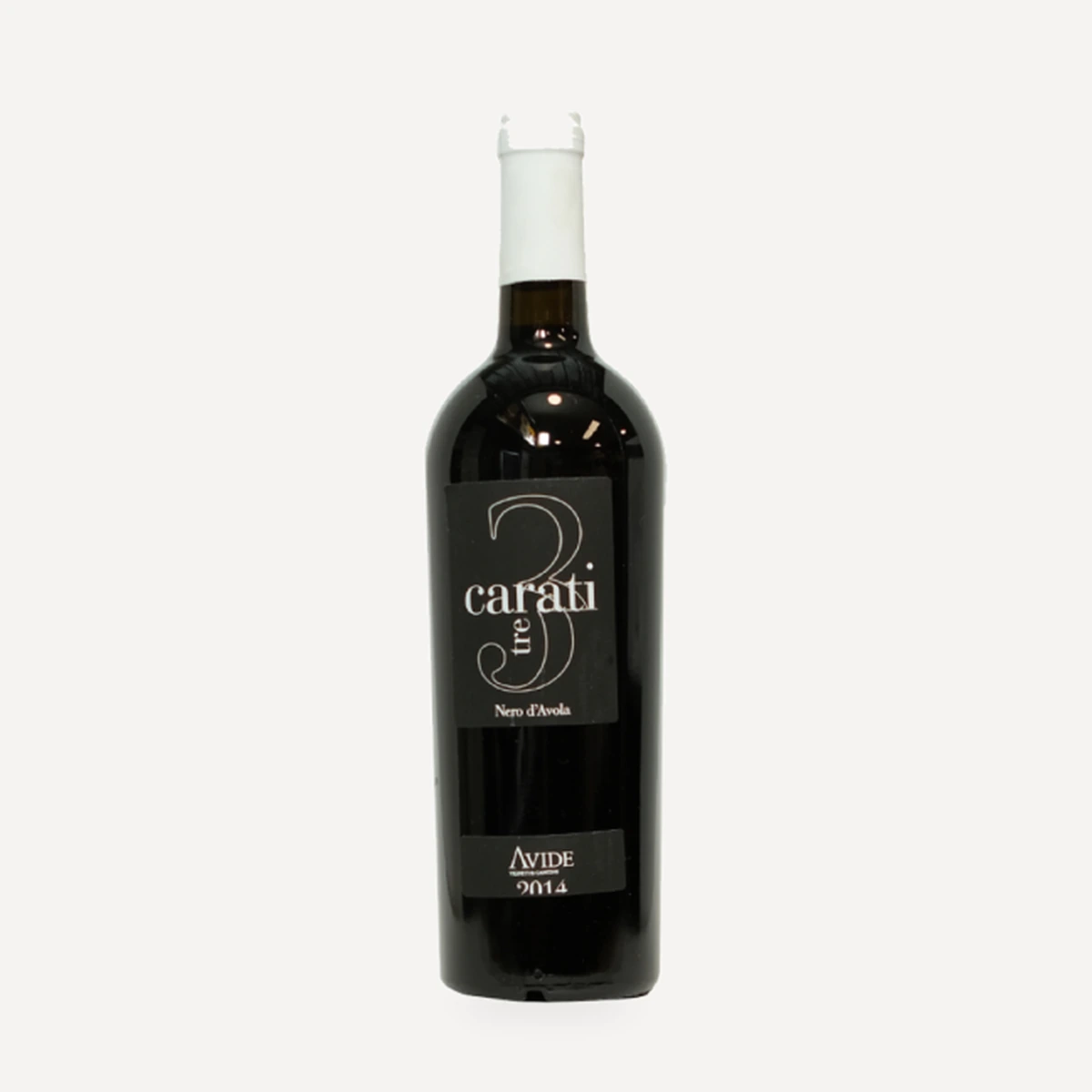
Three small family barrels were used for a reserve based on Nero d’Avola. This became the origin of 3 Carati, whose name refers both to the three caratelli and to the carob seed known as the carato.
1930: Mortilla and its palmento
The family acquired the Mortilla property. It included a particularly large traditional palmento, equipped with three vats and holding approximately 600 hl. Its capacity was shared partly with agricultural workers and extensively with friends.
1971–1978: new land and the end of sharecropping
In 1971 the family acquired 21 ha at Litteri, in Acate, an area described within the family history as a fertile “golden valley.” A legislative change in 1974 prevented the signing of new sharecropping contracts. The family’s final sharecropping agreements ended in 1978, marking its transition from land grantors to direct agricultural entrepreneurs.
1979–1981: construction of the modern winery
Work on the present winery in Comiso began in 1979. The first stainless-steel tanks arrived at the same time, allowing temperature-controlled vinification. The new facility received its first harvest in 1980. In 1981 the family company A.Vi.De. Srl was established; its name abbreviates Azienda Vitivinicola Demostene.
1982–1988: the first labels and the emergence of Barocco
The first two wines released in 1982 were Casmeneo Rosso and Casmeneo Bianco. Their name referred to Kasmene, presented as the ancient name of Comiso.
In 1984 Avide released its first DOC wine, Cerasuolo di Vittoria Etichetta Nera, identified by its red rose. The rose followed a statistical study indicating that women commonly selected the household’s table wine and was conceived as a tribute to those consumers.
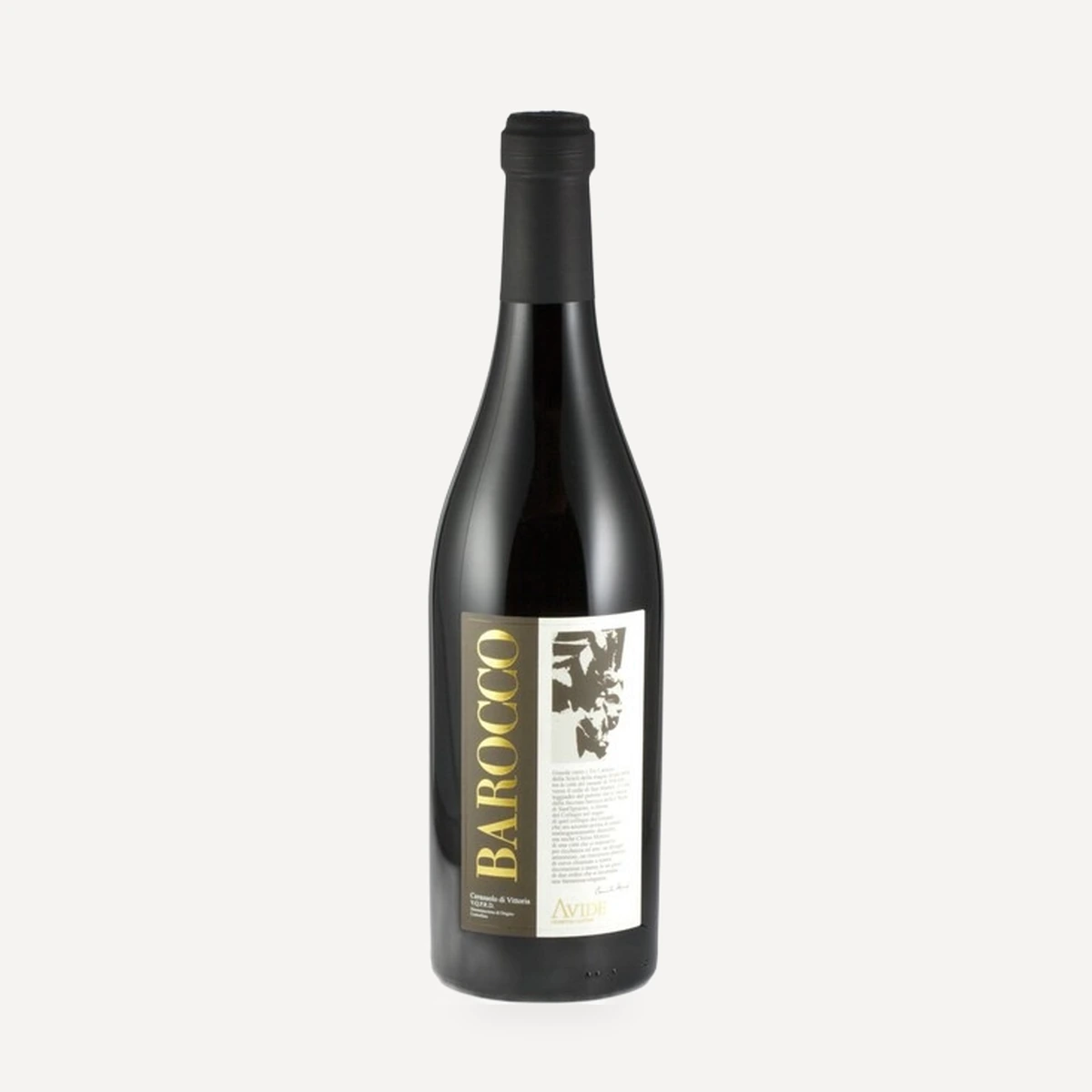
Etichetta Oro followed in 1985. The decision to mature Cerasuolo di Vittoria in large oak casks made this wine the predecessor of Barocco. In 1988 Barocco appeared as a Cerasuolo di Vittoria Classico intended to connect the wine closely with its place of origin. Lidia, the narrator’s sister, designed the first label with an image of the Duomo di San Giorgio. Subsequent labels drew on individual details of the late-Baroque reconstruction of the Iblean area after the 1693 earthquake.
1990–1998: Bastonaca and an expanding range
In 1990 the estate added 18 ha and an old rural building requiring complete reconstruction in contrada Bastonaca. Its red earth was identified as central to Cerasuolo di Vittoria.
Vigne D’oro was introduced in 1992, demonstrating the estate’s use of barrel maturation for an Insolia-based white wine. In 1993 Veronelli compared Avide’s transformation of Insolia with the transformation of rough stone by Baroque art. The wine later evolved into Riflessi di Sole.
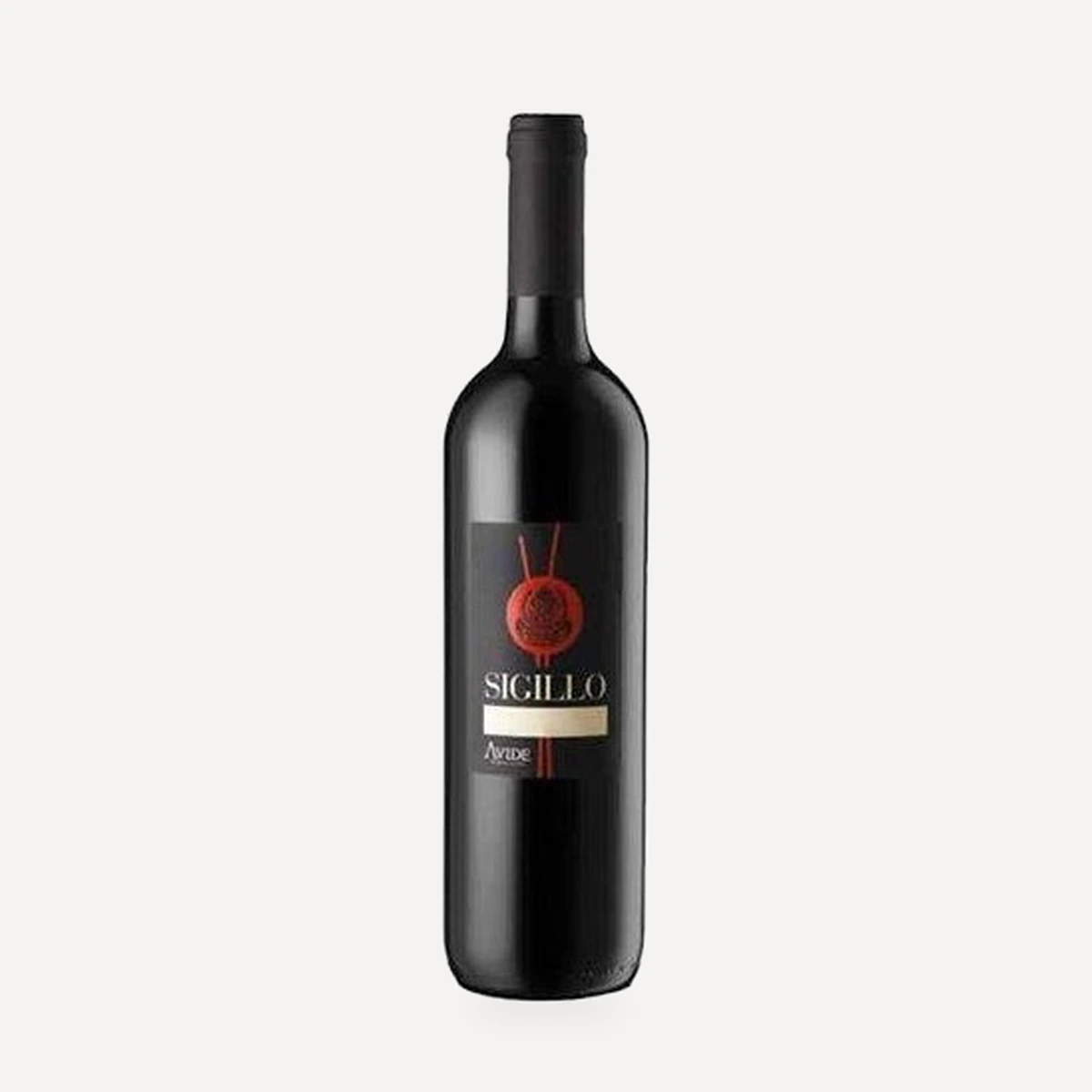
Sigillo was created in 1998 by bringing Syrah and Cabernet Sauvignon together with Nero d’Avola. Its name and label refer to a late-19th-century notarial seal belonging to Francesco De Stefano. The wine coincided with a qualitative development that helped take Avide into international markets.
2006–2010: integrated farming, sparkling-wine trials and solar energy
The 2006 production was the first made under integrated pest-management practices. The estate regarded its work as effectively organic at that stage, although it had not requested certification. In 2008 it began experiments with traditional-method sparkling wine made exclusively from Frappato. These experimental wines also became the subjects of university theses and later developed into Nutaru Brut and Nutaru Rosé.
A photovoltaic installation was completed in 2010, bringing the winery close to energy self-sufficiency through solar generation.
2011–2013: literature, family dedications and Frappato
In 2011 Avide collaborated with Andrea Camilleri and fellow writers on a collection connecting territory, local pride, literature and art.
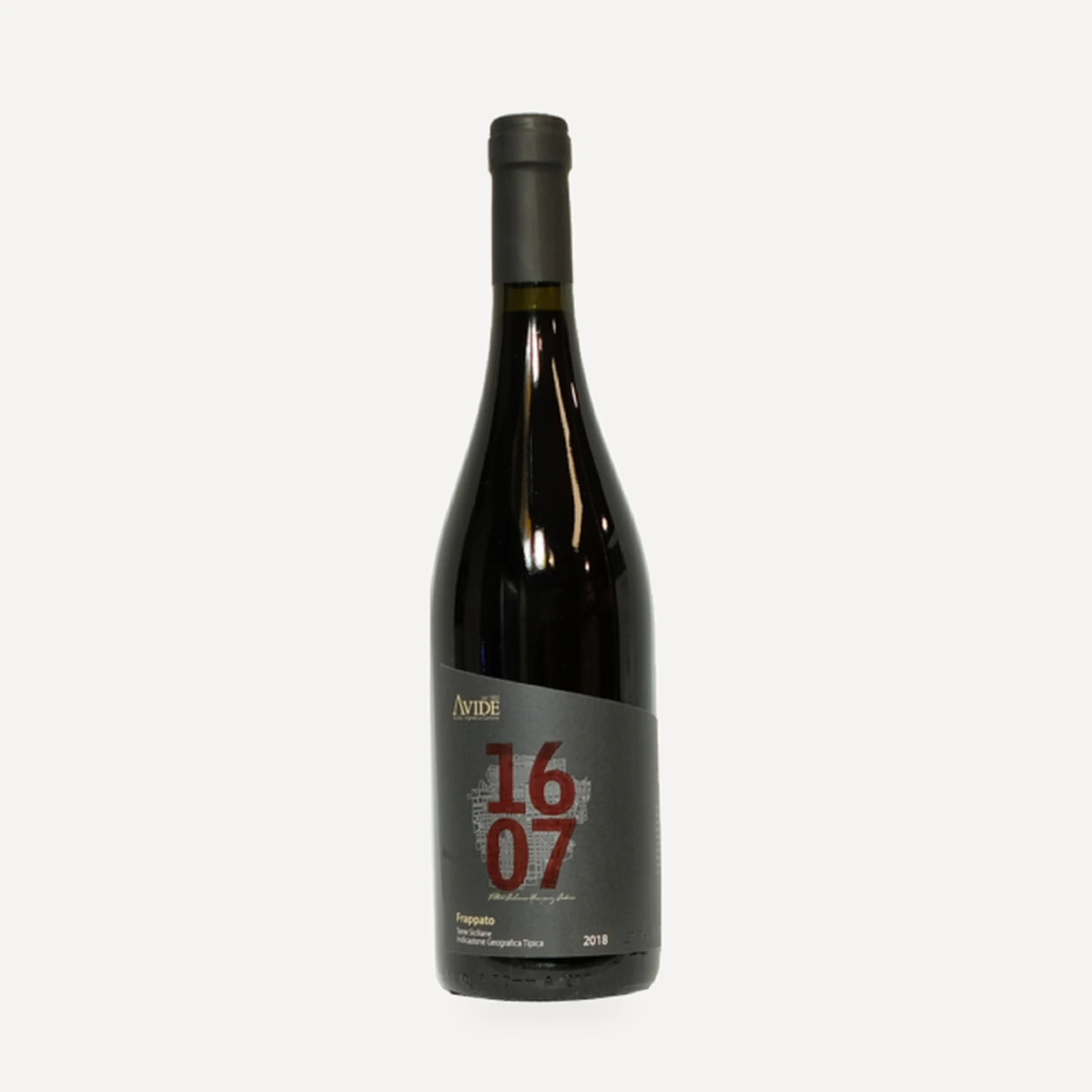
Mariastella followed in 2012. The Insolia wine was dedicated to MariaStella Demostene, the family matriarch and a co-founder of the company. In 2013 the range expanded with 1607 Frappato and the two traditional-method Frappato sparkling wines Nutaru Brut and Nutaru Rosé.
2014–2017: organic conversion and new labels
The 2014 vintage marked the first year of organic conversion, accompanied by a commitment to maintain vineyard biodiversity.
Lidiae, a varietal Grillo, was created in 2015 and dedicated to two women named Lidia: the narrator’s sister and his wife. The Latin-style diphthong and the two figures on its label refer to both women.
LO and LA were introduced in 2017 as young, everyday wines intended to combine accessibility with careful drinking.
Terroir
Avide’s documented holdings lie around Comiso and Acate in southeastern Sicily and include Mortilla, Litteri and contrada Bastonaca.
Litteri comprises 21 ha in Acate and is characterised in the family narrative as a particularly fertile valley. Bastonaca comprises 18 ha and is identified with the red earth considered central to Cerasuolo di Vittoria. Vineyard specifications for Bastonaca place vines at approximately 220 m, on loam and red soil.
The named materials provide no estate-wide account of rainfall, temperature patterns, wind, exposure or geological origin.
Vinificazione
The estate’s first production under integrated pest-management practices took place in 2006. At that point Avide considered its work effectively organic but had not requested certification. The 2014 vintage marked the beginning of formal organic conversion, with vineyard biodiversity retained as an explicit priority.
Documented Bastonaca plantings include both bush and espalier systems. A bush-trained block uses 1.50 × 1.50 m spacing and a recorded yield of 70 q/ha, while an espalier-trained Frappato block uses 2.50 × 1 m spacing and a recorded yield of 80 q/ha.
Construction of the present winery at Comiso began in 1979, and the first harvest was received there in 1980. Stainless-steel tanks installed during construction enabled temperature-controlled vinification.
Production encompasses steel-aged wines, oak-matured wines and traditional-method sparkling wines. Steel is used for youthful expressions based on varieties including Nero d’Avola, Frappato, Grillo and Insolia. Oak work ranges from brief fermentation and maturation in small toasted-oak vessels to medium or long ageing in small oak barrels. The development of Barocco began with trials of maturing Cerasuolo di Vittoria in large oak casks, while documented later practice includes 8–12 months in barriques followed by 18–24 months in bottle.
Traditional-method experimentation with Frappato began in 2008. The wines undergo secondary fermentation in bottle: documented maturation on the lees is 36 months for Nutaru Brut and 24 months for Nutaru Rosé. The rosé base is vinified as a white wine and fermented under temperature control.
Filosofia
Avide presents wine as inseparable from its territory of origin. This principle shaped Barocco from 1988 onward: the wine was tied to Cerasuolo di Vittoria and its successive labels interpreted details of the Iblean late-Baroque landscape.
The estate’s development combines inherited family practices with technical experimentation. Temperature-controlled stainless-steel vinification was introduced with the modern winery, while the family also explored large-cask maturation for Cerasuolo di Vittoria, barrel fermentation and ageing for Insolia, and traditional-method sparkling production from Frappato.
Environmental priorities include integrated vineyard protection, organic conversion, maintenance of biodiversity and photovoltaic energy. Family memory remains central to the range, with wines dedicated to ancestors, co-founders and other relatives and with historical family objects incorporated into label identities.
Vini
1607
Barocco Cerasuolo di Vittoria Classico DOCG
3CARATI
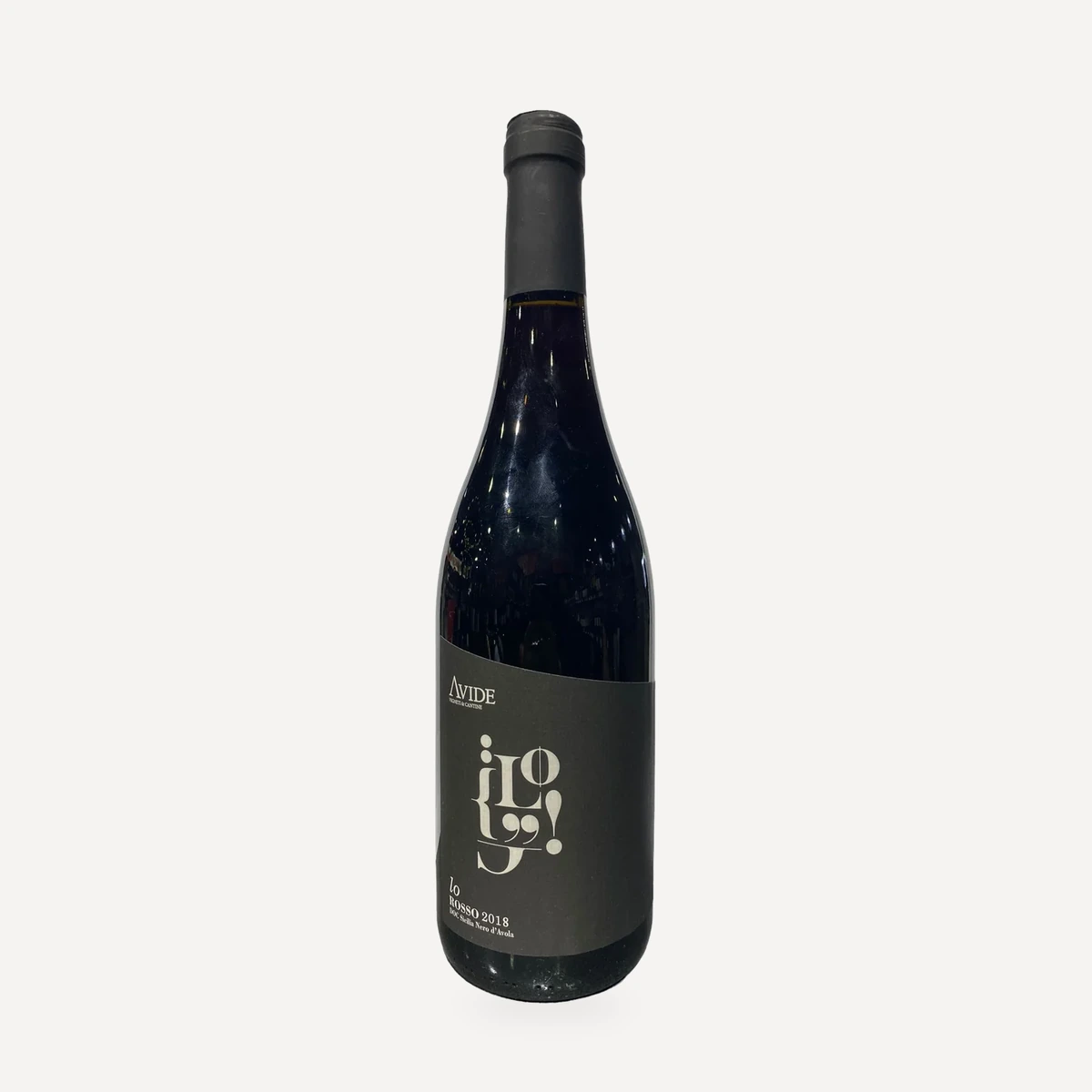
LO
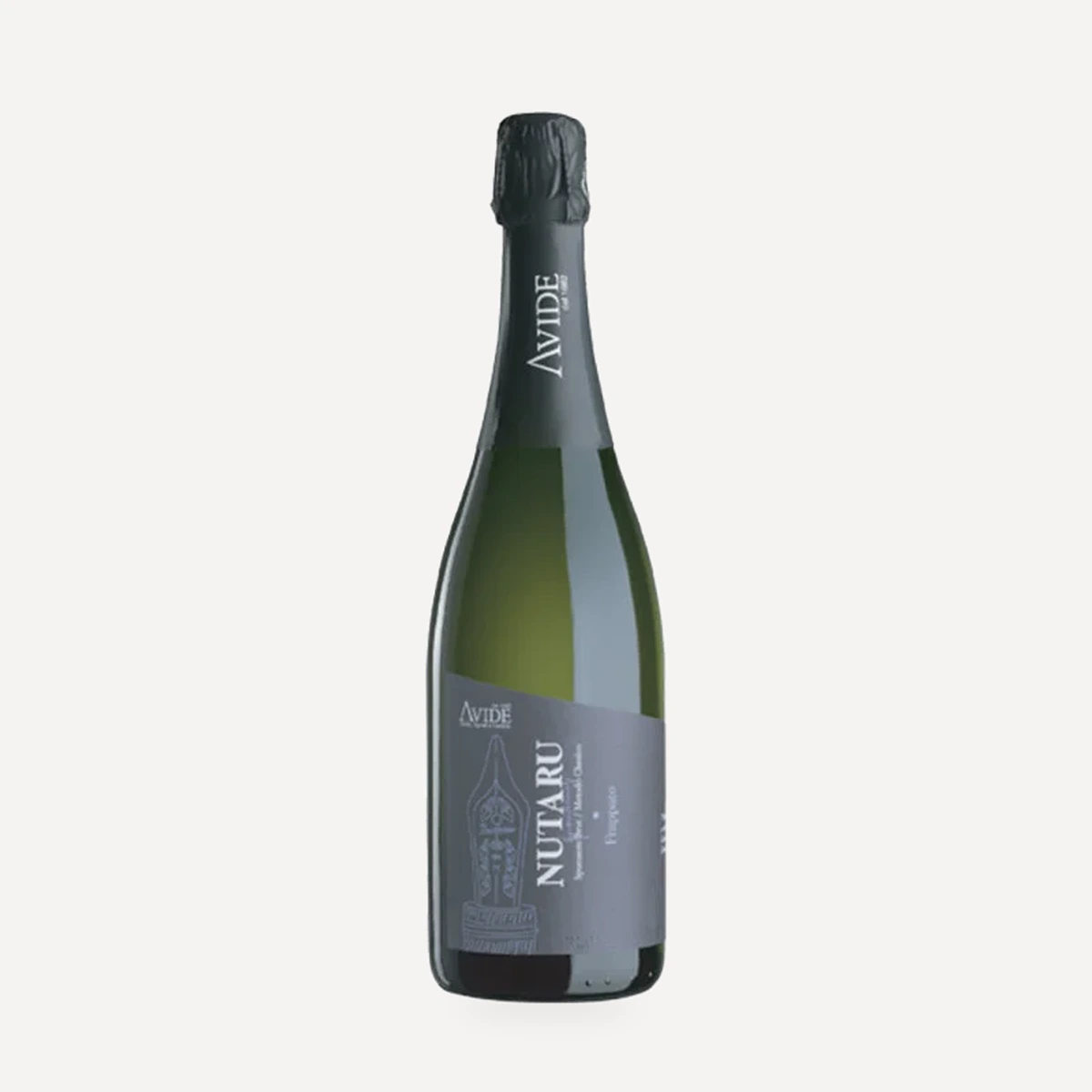
Nutaru Brut