Storia
Origins
Basaltica began as the idea of three friends united by their attachment to Gambellara and its agricultural products. They were troubled by the increasing marginalisation and neglect of Garganega, the area's native grape, and set out to demonstrate its potential and restore its economic and cultural value.
The project drew upon the accumulated experience of Gambellara's winegrowers. Its founders sought to create a new expression of Garganega that would reflect the area's ancient volcanic origins while combining sustainability, social participation, scientific research and continuing innovation.
A collaborative model
Basaltica developed around cooperation with small local growers. Participation is open to growers who manage their vineyards sustainably and refrain from using chemical products prohibited under organic-farming rules. The project aims to pay appropriately for their Garganega and offer an economically credible alternative to removing vines of a variety that had long been undervalued.
Production direction
The production model combines the recovery of older winemaking practices—particularly skin maceration and spontaneous fermentation—with modern analysis and targeted experimentation. Environmental care, reduced chemical intervention and preservation of the grapes from vineyard to cellar form part of a controlled production protocol.
Terroir
Basaltica works with fruit from the hills of Gambellara in the province of Vicenza. The landscape is described as a territory of ancient volcanic origin, with basaltic and volcanic soils under a temperate climate.
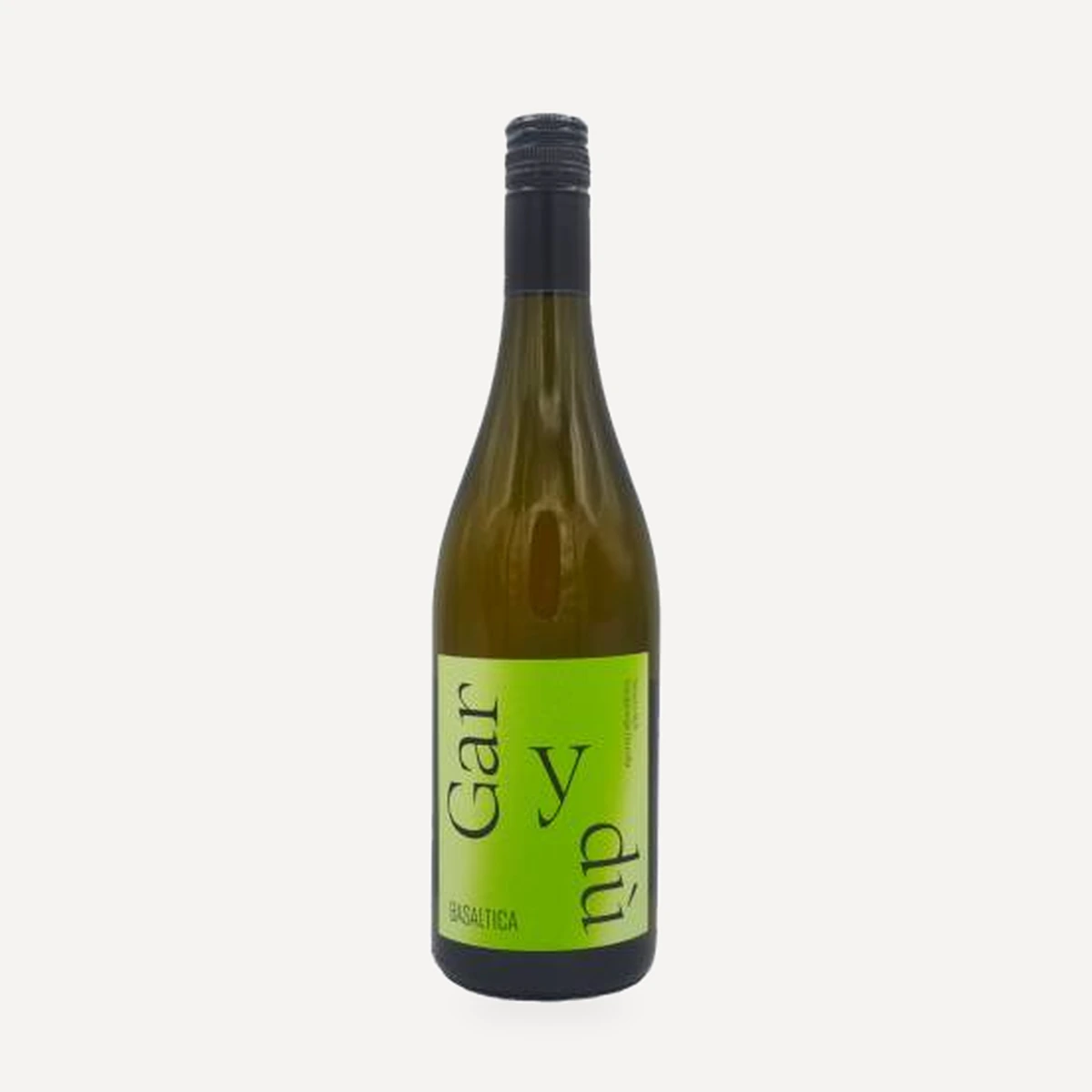
The Garganega used for Zygo and Ryo is grown at 150–200 m. The Garganega and Durella used together for Garydù come from 200–250 m. The vineyards represented in these cuvées are pergola-trained, with stated yields ranging from 60 to 80 q/ha.
Volcanic character and minerality are central to Basaltica's interpretation of the area. Skin contact is intended to carry these attributes of the hillside soils into the finished wines.
Vinificazione
Vineyards are managed organically, with limited use of heavy machinery. Growers collaborating with Basaltica must work sustainably and may not use chemical products prohibited under organic-farming rules.
The wider production protocol excludes pesticides, additives and oenological processing products. This approach is paired with an economic and social commitment to small local growers: Basaltica seeks to recognise their work through fair payment for Garganega and to provide an alternative to uprooting the variety.
Harvesting is manual. Grapes are selected and collected in crates so that bunches remain intact until they reach the winery. The individual harvest specifications place Garganega and the Garganega–Durella blend in the second week of October; Durella for Lymo is harvested in the second week of September.
Production approach
Basaltica reinterprets older winemaking techniques through modern scientific analysis and targeted experimentation. Skin maceration and spontaneous fermentation with yeasts naturally present in the vineyard are fundamental practices. A controlled supply-chain protocol excludes additives, pesticides and oenological products, while analysis and experimentation are used to accompany the wine's natural evolution and protect the integrity of the result.
Reception and fermentation
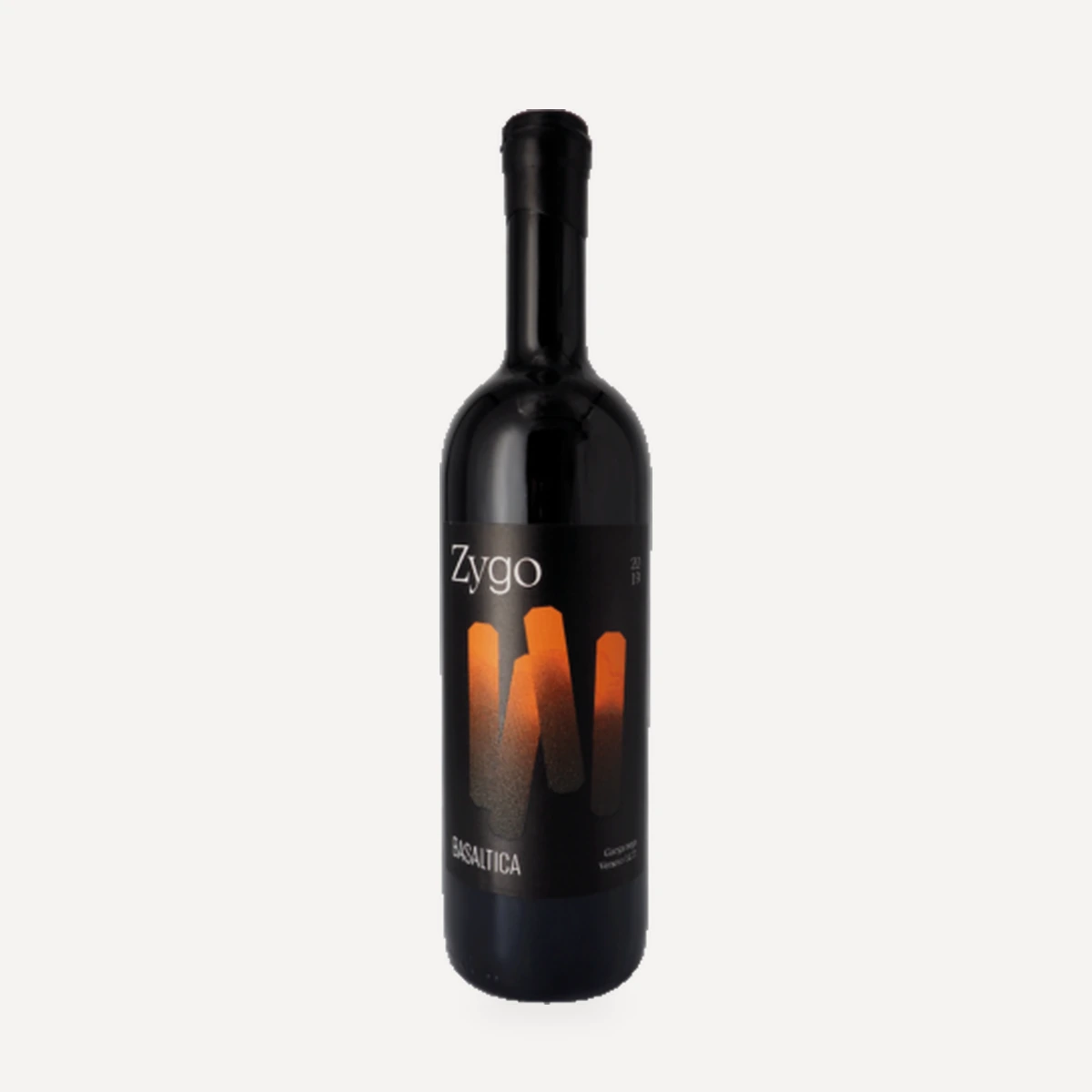
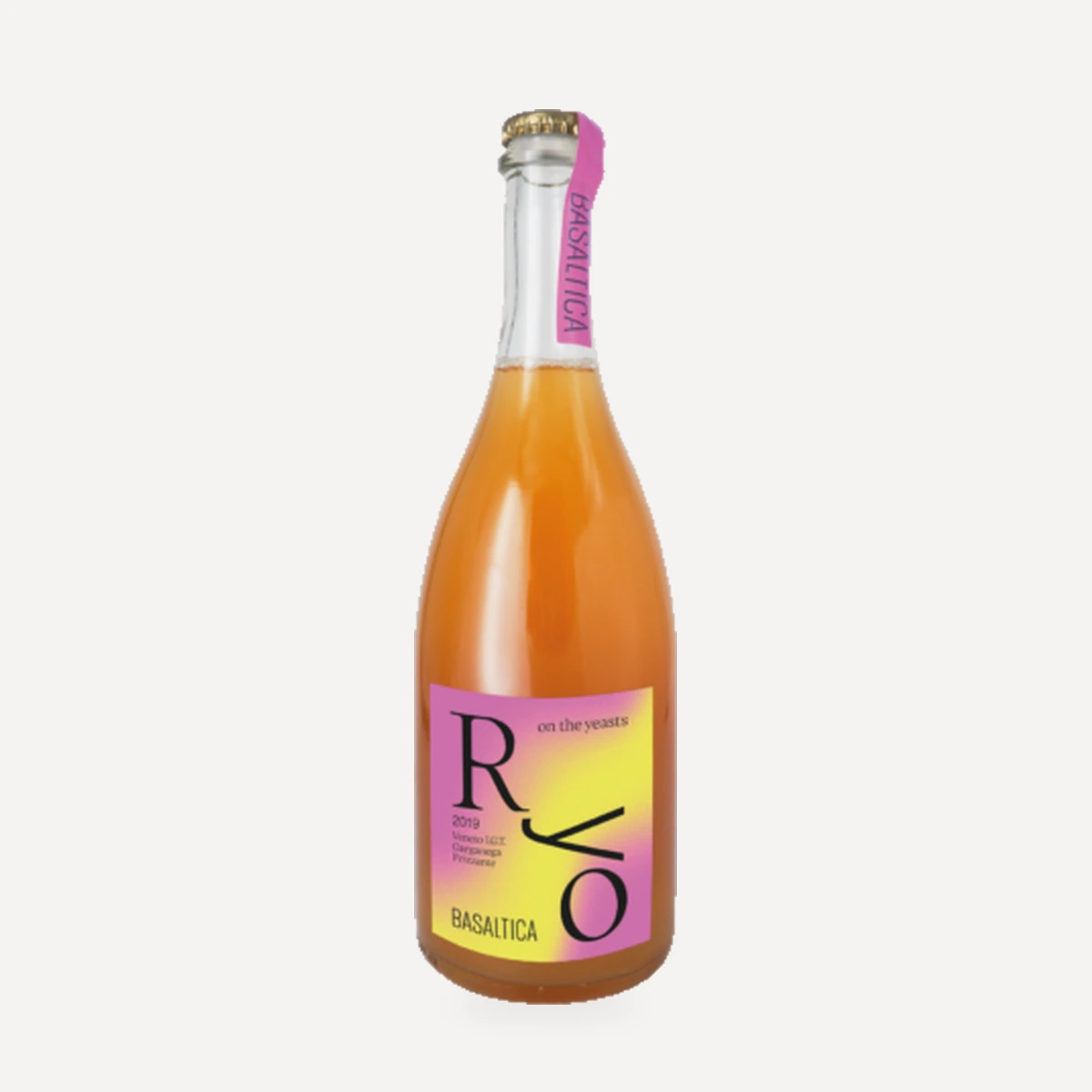
Fruit is selected and harvested manually. Zygo and Ryo ferment in stainless steel with their skins. Zygo remains on the skins for four weeks; Ryo for one week. Pump-overs and punch-downs are performed during both macerations.
Garydù follows a different process. Garganega and Durella undergo cold maceration during pressing for eight and twelve hours respectively. The two varieties ferment separately in stainless steel and are combined after fermentation.
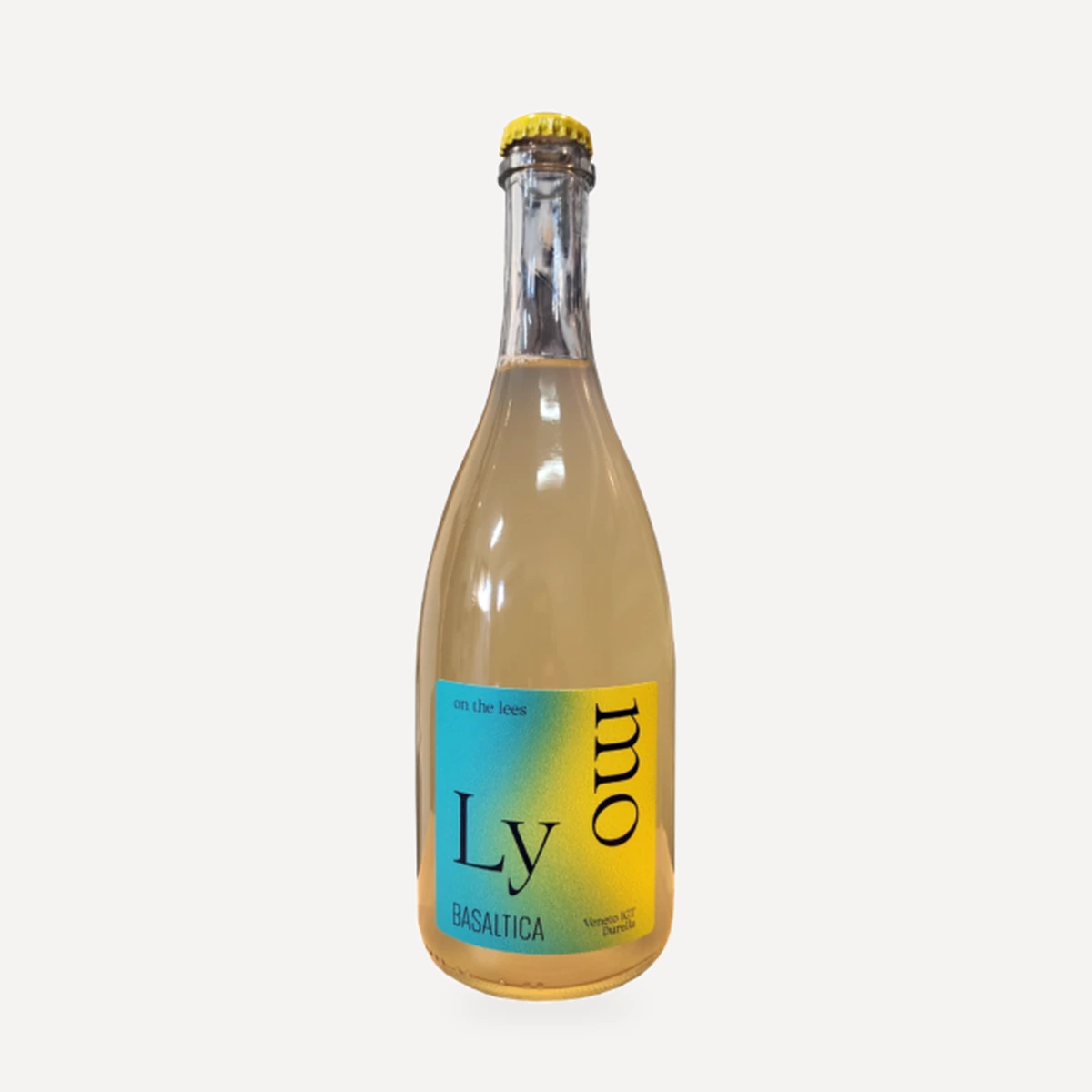
For Lymo, hand-selected Durella is placed directly in the press. Gentle pressing separates the press fractions and retains only the free-run must, which ferments in stainless steel.
Maturation and secondary fermentation
Zygo matures for eight months in exhausted oak barrels previously used for Vin Santo, followed by bottle ageing before release.
Ryo rests in stainless steel for several months with scheduled movement of the fine lees. It is refermented with must from dried Garganega grapes and receives bottle ageing before sale.
Garydù matures in stainless steel for six months after the separately fermented Garganega and Durella components have been assembled.
Lymo matures in stainless steel with periodic bâtonnage, then undergoes refermentation with Durella must and bottle ageing before release.
Filosofia
Basaltica's central purpose is to restore value to Garganega and reveal the potential of Gambellara's native variety. Its founders frame the project as both a wine initiative and a response to the grape's long-standing economic marginalisation.
The intended wines are healthy expressions made in accordance with nature and its timing, without chemical intervention. Skin maceration is used to convey the volcanic character and minerality associated with the hillside soils. Older techniques are not treated as fixed historical models: they are combined with modern analysis, continual scientific research and targeted experimentation intended to safeguard the integrity of the wine while allowing its natural development.
Sustainability extends beyond cellar technique. It includes organic vineyard management, reduced reliance on heavy machinery, environmentally responsible materials and practices throughout production, and collaboration with small local growers. Fair remuneration for Garganega is intended to strengthen their work and discourage further removal of the variety from the Gambellara hills.
Vini
Garydù
Lymo
Ryo