Storia
The early twentieth century
In the early 1900s, the Strobele sisters owned the hill of Montecchio Maggiore associated with the Castles of Romeo and Juliet. They modernized the agricultural estate through organizational and technical improvements, raising both the quality of its wine and the reputation of the Castles’ farming enterprise. The hill was already recognized for fine wine production, with its southern and northern sides suited to different styles.
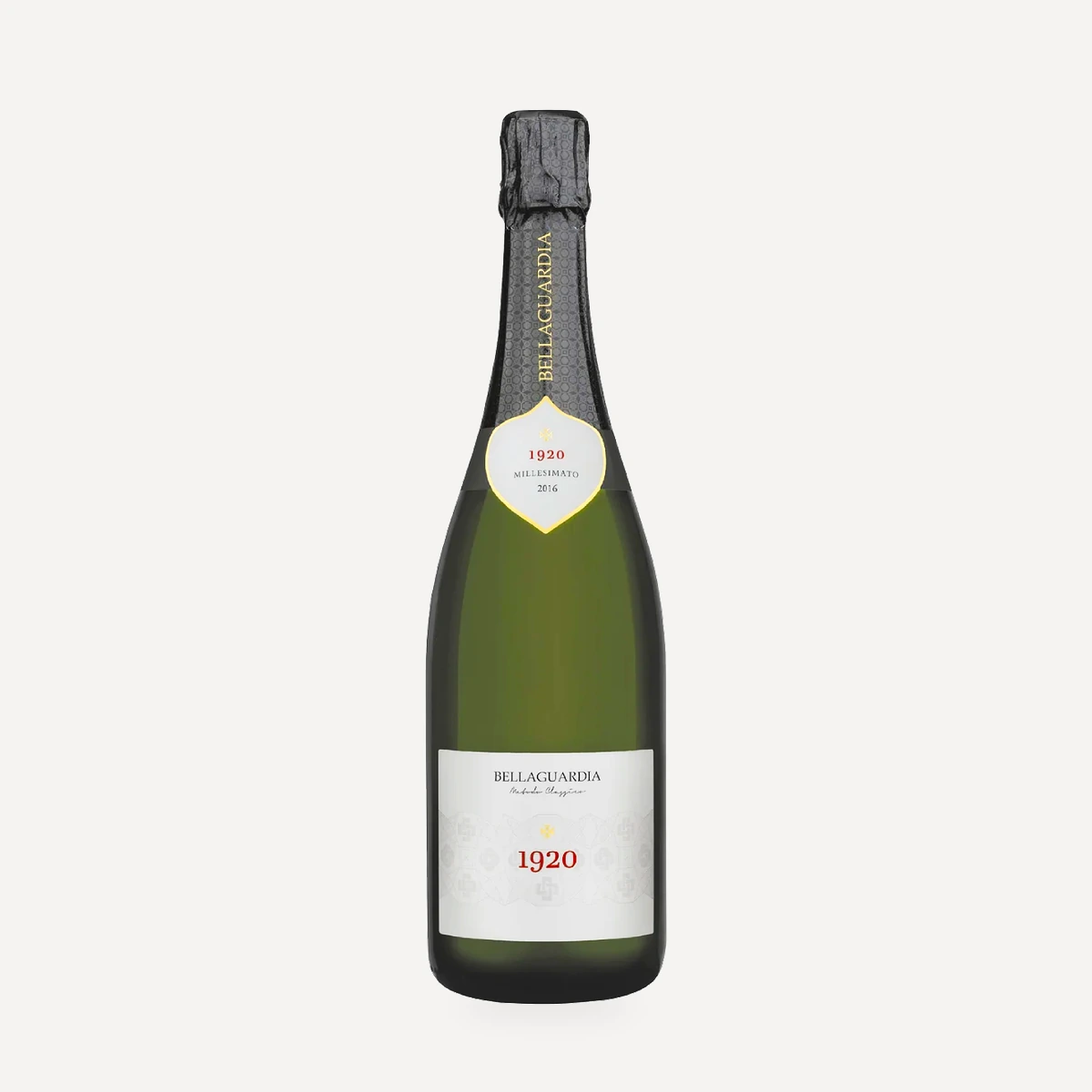
1920: “The Champagne of the Castles”
In 1920, the Strobele sisters presented a wine called “Lo Champagne dei Castelli” at the Fiera Agricola Campionaria di Lonigo, an agricultural trade fair that was gradually replacing the celebrated local horse fair. The wine received a diploma and a medal. This episode established the historical precedent for sparkling-wine production on the Bellaguardia hill.
1980: Mario Caltran’s vineyards
Founder Mario Caltran acquired land beneath Bellaguardia Castle in 1980 and planted Pinot Bianco. His aim was initially personal and convivial: to make sparkling wine to enjoy at home with friends. The choice of site was deliberate. The hillside receives winds from Pasubio, Carega and the Altopiano di Asiago, intensifying diurnal temperature variation and benefiting the grapes.
The present generation
Mario’s son Marco Caltran, together with Alberto Maccagnan and Isidoro Maccagnan, revived the hill’s century-old sparkling-wine tradition. Bellaguardia developed as a small artisanal “garage winery” centered on bottle-fermented Traditional Method wines. Its production and maturation are divided between the winery on Via Ziggiotti and underground caves beneath Bellaguardia Castle.
Although sparkling wine remains the central identity, the current Archive range also includes Bianco Pietra, a still Pinot Bianco matured by a perpetual method in steel and subsequently in bottle.
2026 harvest
The 2026 harvest on the hill of the Castles of Romeo and Juliet lasted approximately one month. Pinot Bianco and Durella arrived healthy, with a favorable balance between sugar and acidity. Winds from Carega, Pasubio and the Altopiano di Asiago helped preserve freshness despite hot conditions. The resulting base wines were scheduled to begin their second fermentation in bottle the following spring, followed by prolonged lees ageing in the medieval caves.
Terroir
Bellaguardia’s vineyards occupy the hill of the Castles of Romeo and Juliet at Montecchio Maggiore, on the outer foothills of the Monti Lessini. Named sites extend from the hill’s lower eastern and southern slopes to its summit, at stated elevations ranging from approximately 100 to 270 metres above sea level.
The territory is described through a geological history reaching back about 300 million years, when the area was an atoll emerging from the sea. Marine organisms, fish and corals accumulated on the seabed while volcanic activity reshaped the terrain. Fossil fish remain associated with Chiampo and Bolca, while marine shells occur in the estate’s hill soils. These marine deposits and volcanic, mineral components are linked to the wines’ freshness, elegance and mineral expression.
The detailed vineyard descriptions identify calcareous soils with clay-loam or silty clay-loam textures. South-facing slopes receive abundant sunlight and historically produced the hill’s finest grapes. The cooler, shadier northern side was historically associated with light sparkling wines for spring. Galantiga and Belvedere occupy southern slopes; Carbonara faces east; Castelli lies at the summit; and Usiliera adjoins Romeo’s Castle near the summit. Reserve crus extend across the slopes and summit with south to southwest exposures.
Airflows from Pasubio, the Carega massif and the Altopiano di Asiago increase the hill’s diurnal temperature range. This ventilation and temperature variation help preserve grape freshness, including during very hot growing seasons.
Vinificazione
Bellaguardia harvests exclusively by hand into small crates, with the stated aim of preventing damage to the bunches. The fruit is cooled before processing; depending on the vineyard and cuvée, this takes place in the underground caves, refrigerated storage or a temperature-controlled room. Technical specifications record cave cooling at approximately 12°C, while the maturation caves naturally remain at about 11°C.
Training systems vary by site. Galantiga and Belvedere use Pergola Trentina; Carbonara is Guyot-trained; Castelli uses pergola; and the reserve crus combine Pergola Trentina with tendone. Stated production levels are 50 hl/ha at Galantiga, 50 quintals/ha at Belvedere, 50 hl/ha at Carbonara and 70 hl/ha at Castelli.
Selection is vineyard- and vintage-specific. The Archive reserve is produced from the best estate crus only in vintages considered excellent. The winery’s approach emphasizes careful manual work from harvest onward and daily stewardship of Durella and the other estate varieties.
Harvest and fruit preparation
Grapes are picked exclusively by hand into small crates and cooled before vinification in caves, refrigerated storage or a temperature-controlled room. Gentle handling is intended to keep bunches intact and preserve their aromas and flavors.
Pressing and first fermentation
Whole grapes are gently pressed. A 50% must yield is specified for several cuvées and reserve selections. The must ferments slowly in stainless steel at controlled temperature; individual specifications give 15°C or 16°C. The Pinot Nero rosé receives a 12-hour maceration before gentle pressing and stainless-steel fermentation at 15°C.
Cuvée and tirage
Cuvées may combine wines from different parcels, different base wines and, in some cases, different vintages to create balance and complexity. Bellaguardia defines a vintage sparkling wine as one whose grapes all come from a single harvest. At tirage, the assembled base wine is bottled and undergoes its second fermentation in the bottle, naturally producing carbon dioxide, bubbles and pressure.
Lees ageing and remuage
Bottles mature in the underground caves at a constant natural temperature of approximately 11°C. The general production cycle ranges from 36 months to more than ten years, while the current range includes substantially longer ageing for selected reserves. After more than three years, bottles are placed neck-down on pupitres. Progressive, controlled rotations move spent yeast sediment toward the neck.
The caves provide naturally stable temperature, humidity, light and ventilation. In their deepest area, 25 metres underground, original cuvées remain on their lees for more than twenty years. Long cave ageing is used to develop aromatic complexity, finer bubbles and balance.
Disgorgement and dosage
The bottle neck is cooled so that the accumulated sediment can be expelled by the internal pressure when the bottle is opened. The bottle is topped up with the same wine. Extra Brut bottlings receive a minimal addition of sugar, while most Bellaguardia sparkling wines are Pas Dosé, with no sugar added after disgorgement. Selected Pas Dosé wines also receive no sulfites at disgorgement.
Post-disgorgement rest
After the final cork and wire cage are applied, bottles rest for at least eight additional months. Decade-aged reserves may receive more than two further years of post-disgorgement maturation before release.
Filosofia
Bellaguardia presents itself as an artisanal “garage winery,” using the expression in the sense of vin de garage: a small-scale producer guided by direct manual work and an uncompromising focus on Traditional Method sparkling wine. The project links its contemporary production to the hill’s early-twentieth-century sparkling-wine history.
Its philosophy treats wine as the result of a sustained relationship between nature and human craftsmanship. Suitable soil and climate are regarded as insufficient without the grower’s and cellar worker’s attentive hands. This principle is expressed through manual harvesting, careful handling of intact bunches, prolonged cellar work and close control of disgorgement.
Time is treated as a central production element rather than merely a maturation interval. Long ageing in the underground caves is intended to build aromatic complexity, fine bubbles and balance. Predominantly Pas Dosé production places particular emphasis on grape quality and precision because the finished taste is not adjusted with post-disgorgement sugar.
The approach combines research with established bottle-fermentation practice. Cuvée composition, selection of the best crus in excellent vintages and extended ageing are used to translate the character of the hill and its individual varieties, especially Pinot Bianco and the local Durella, while preserving vintage distinctions.
Vini
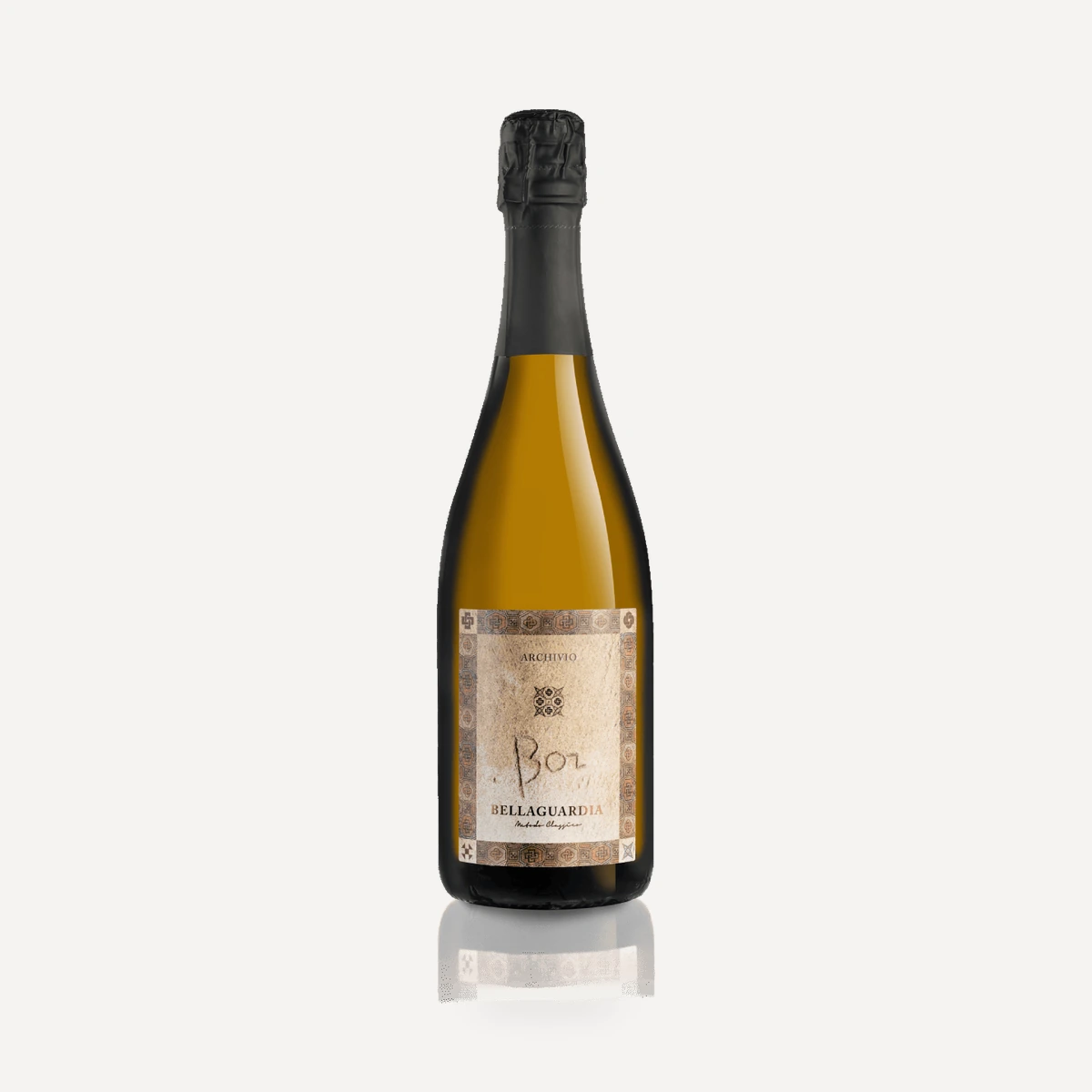
Bellaguardia ARCHIVIO 1302
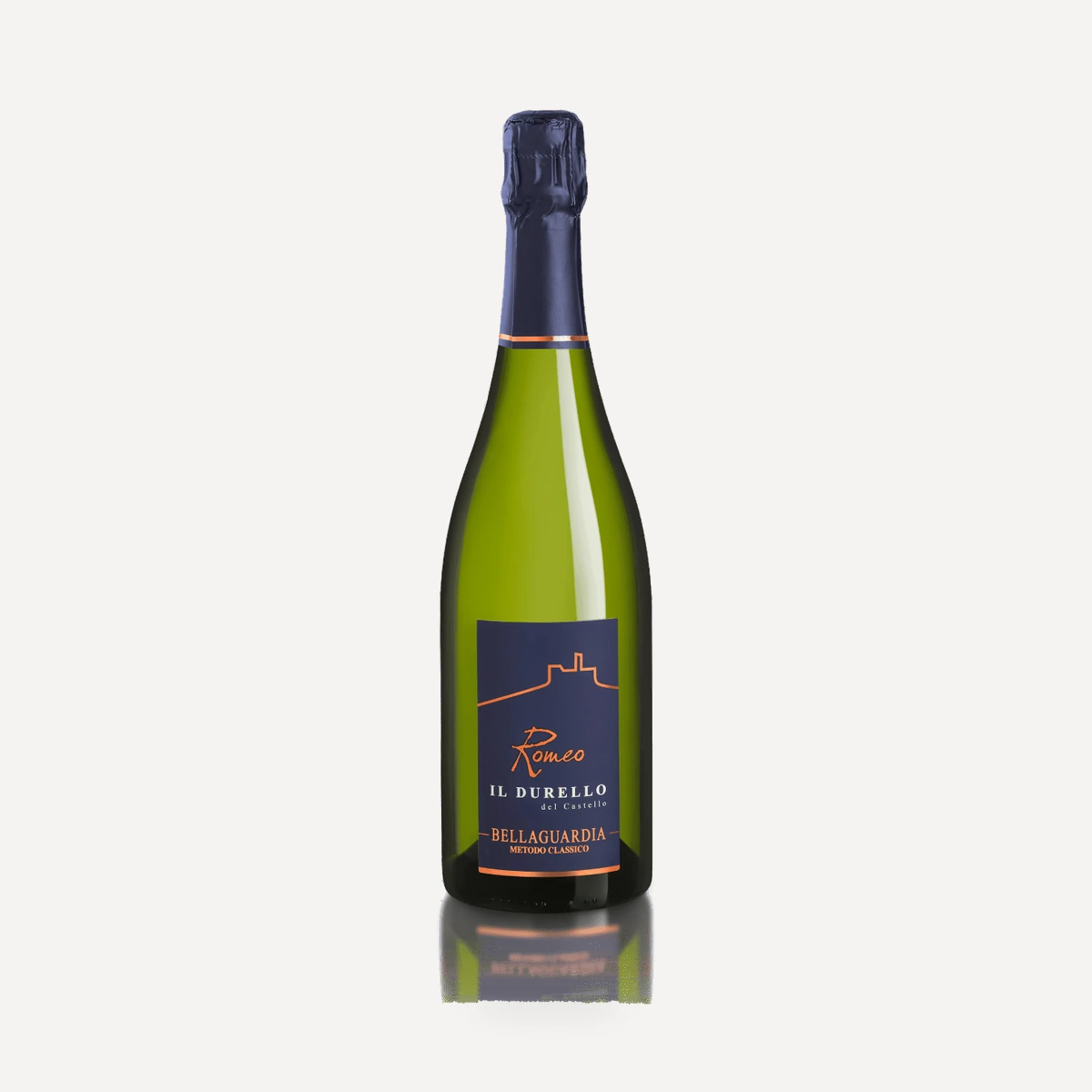
Bellaguardia Archivio Romeo
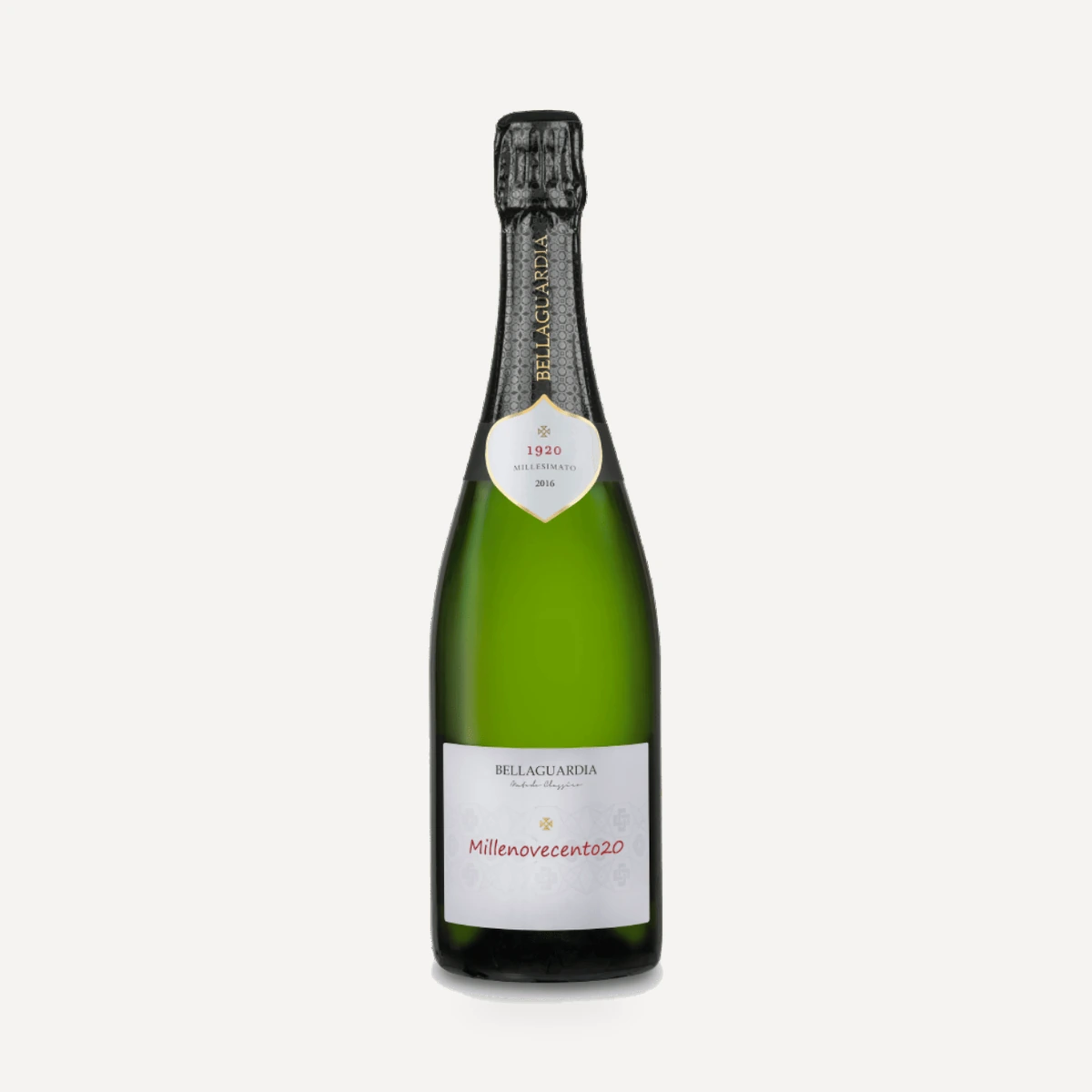
Bellaguardia MILLENOVECENTO20
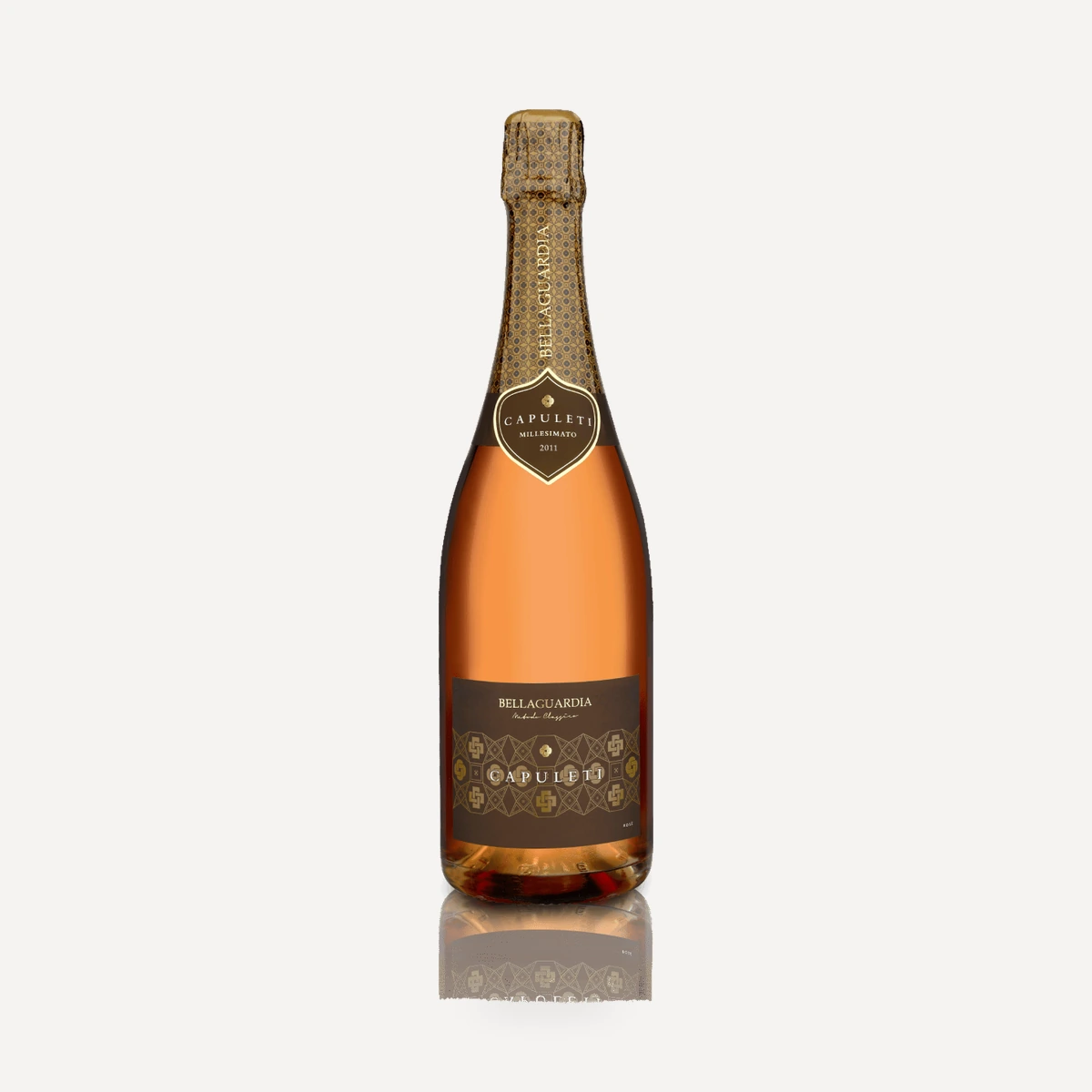
Bellaguardia Capuleti Rosé
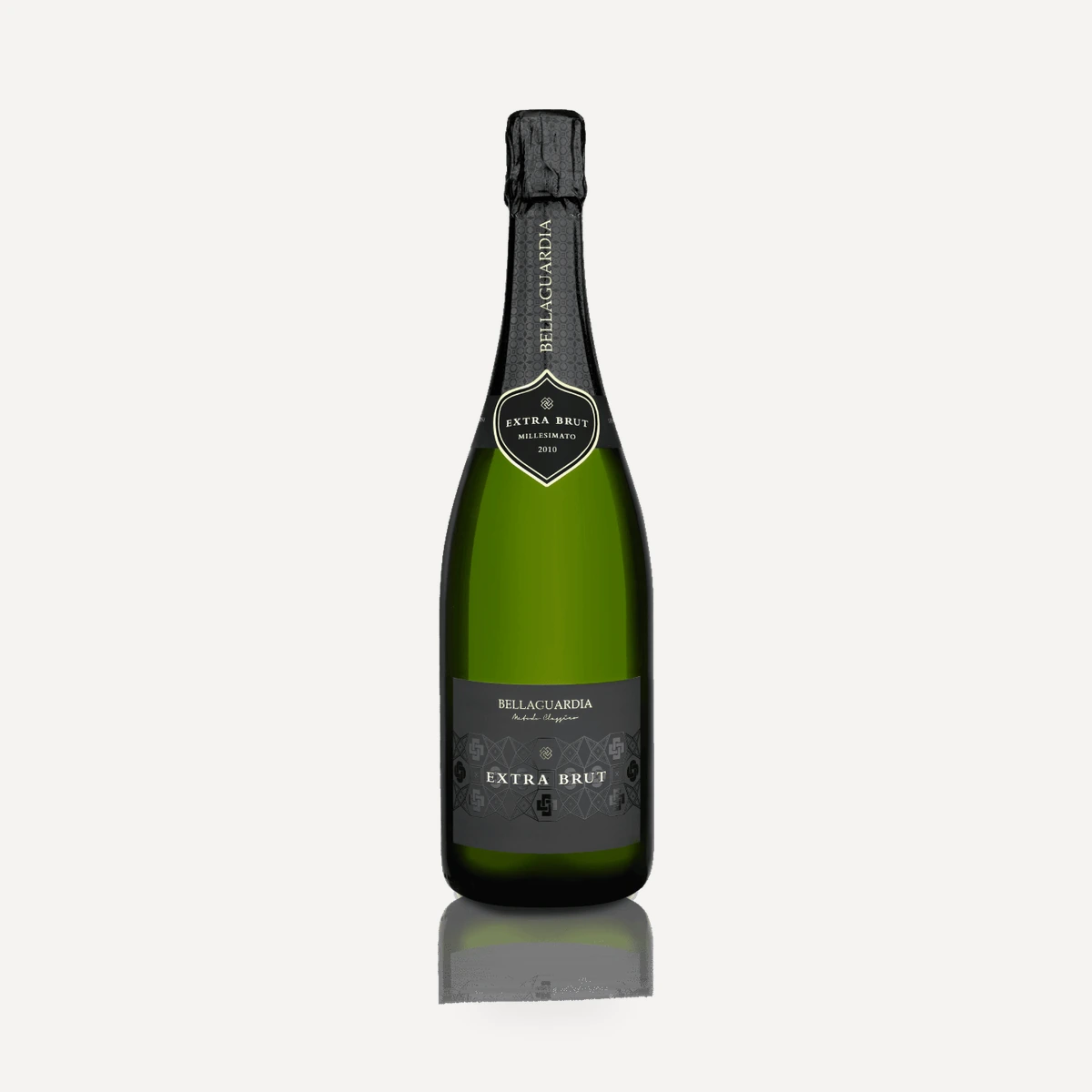
Bellaguardia EXTRABRUT
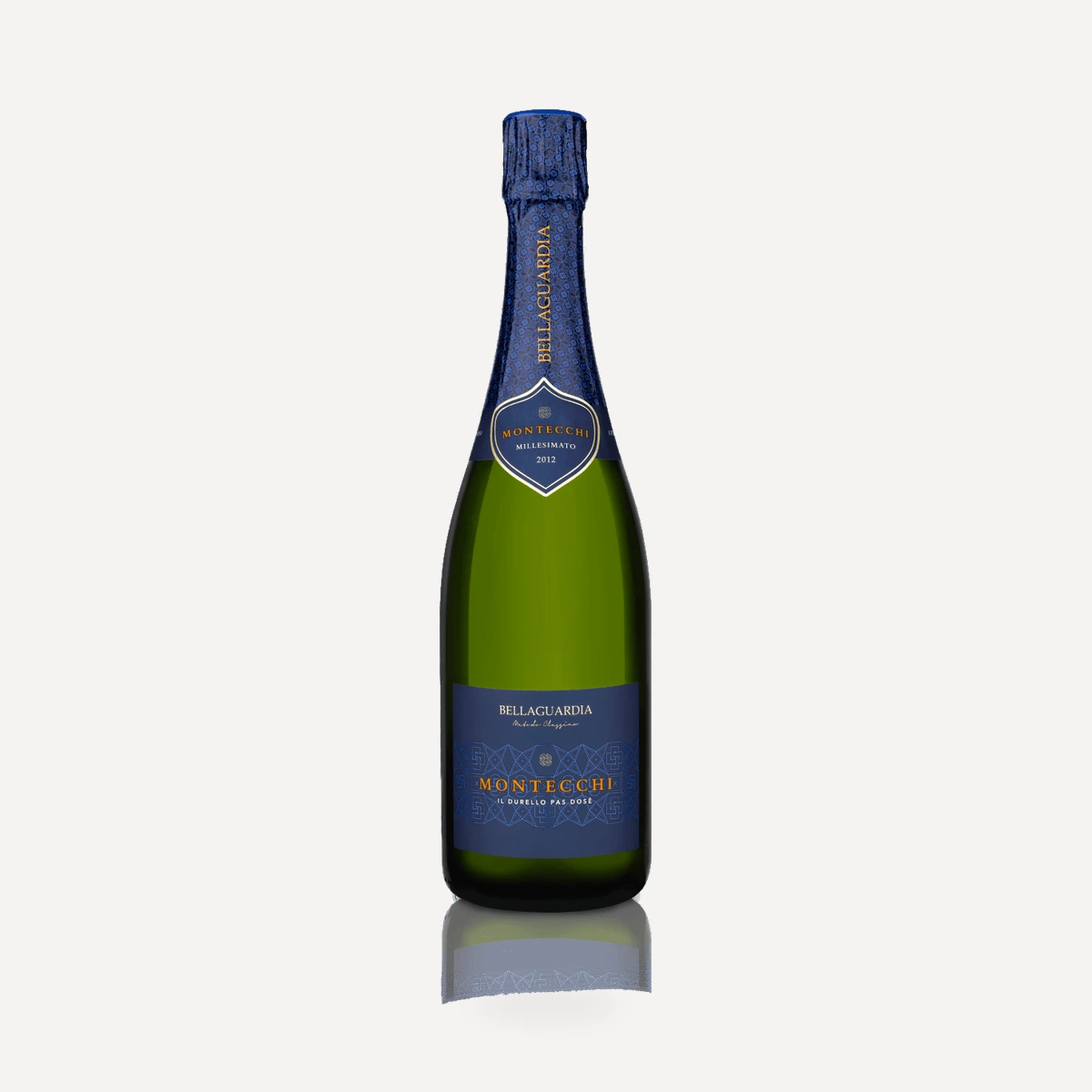
Bellaguardia MONTECCHI
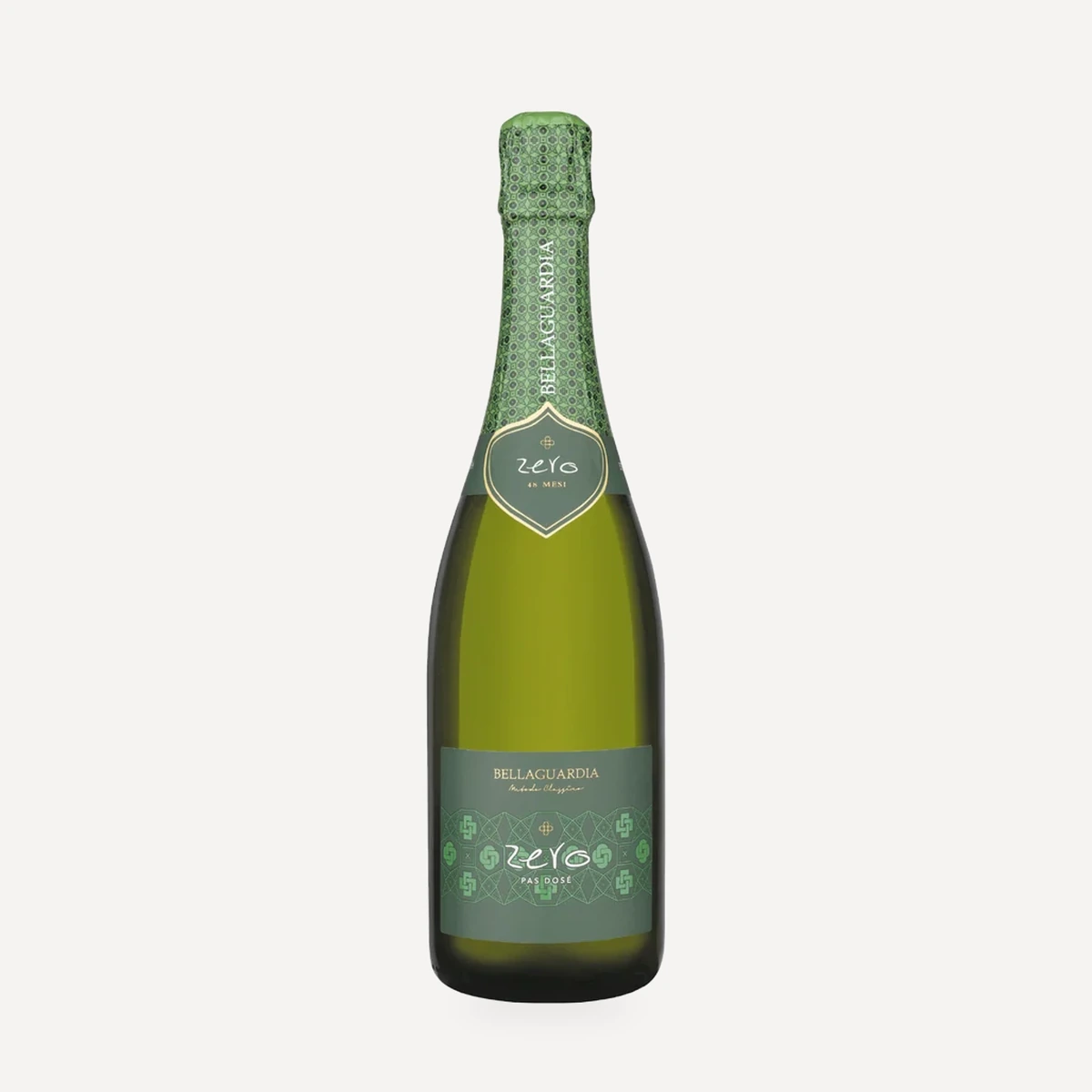
Bellaguardia ZERO