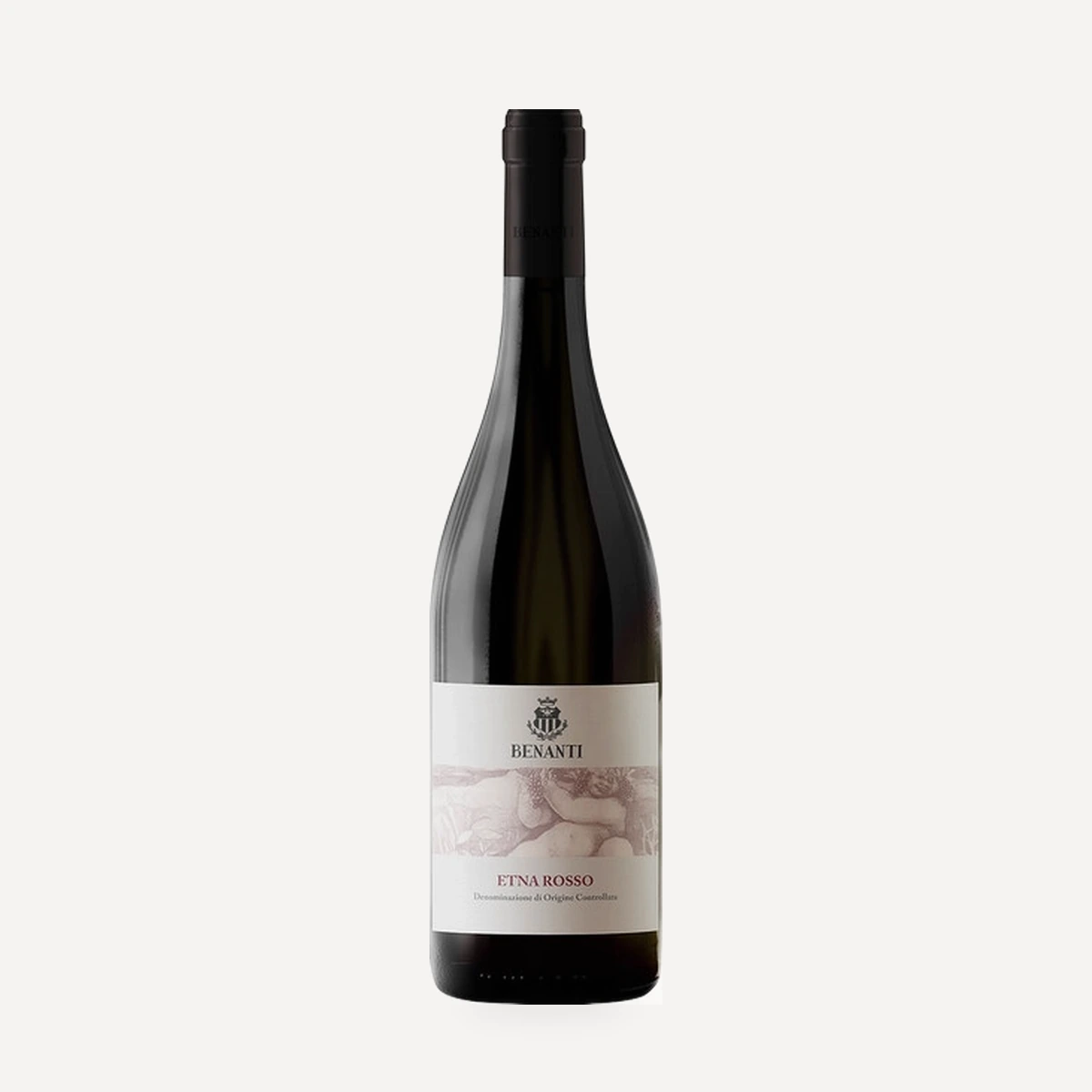
Questo vino
Vineyard and terroir
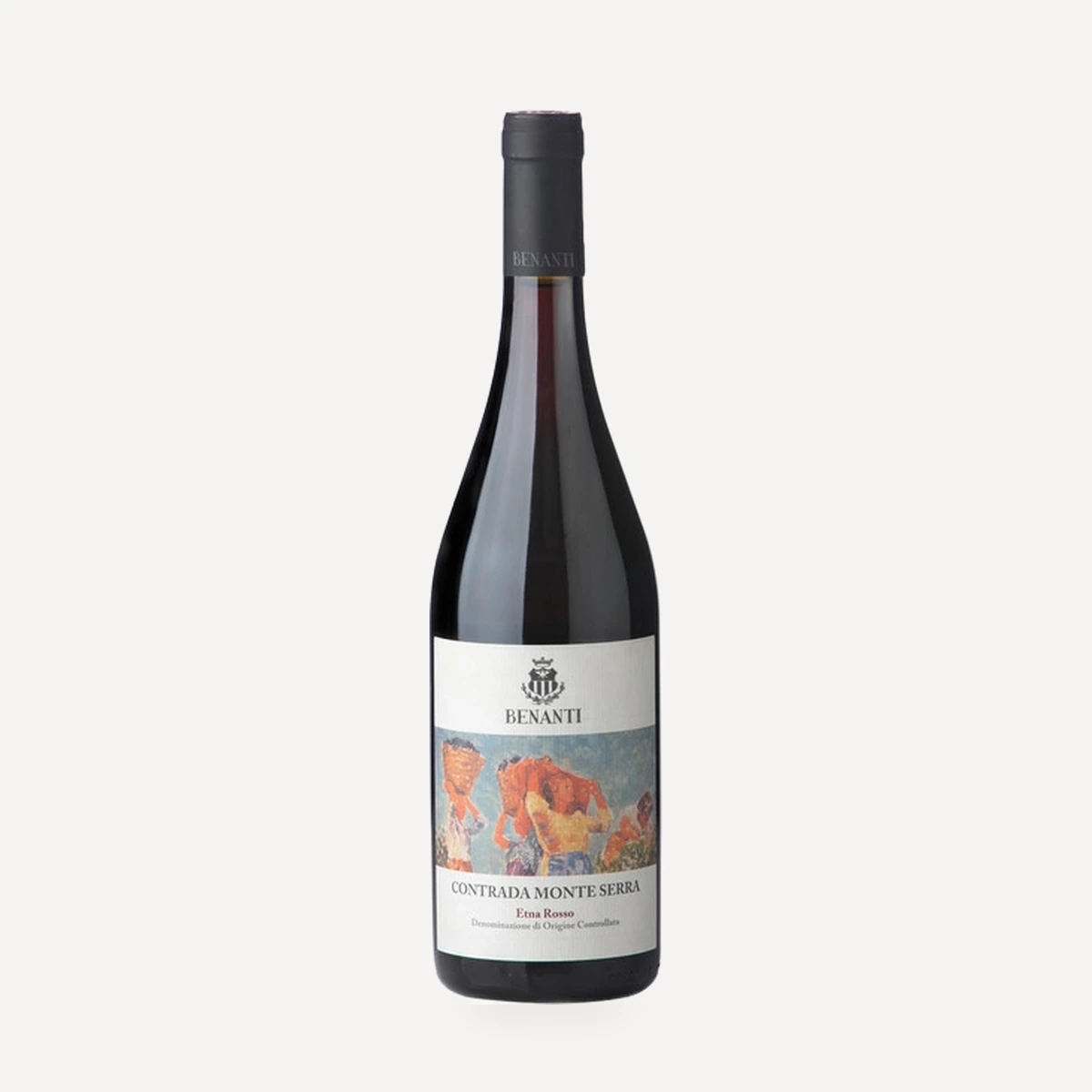
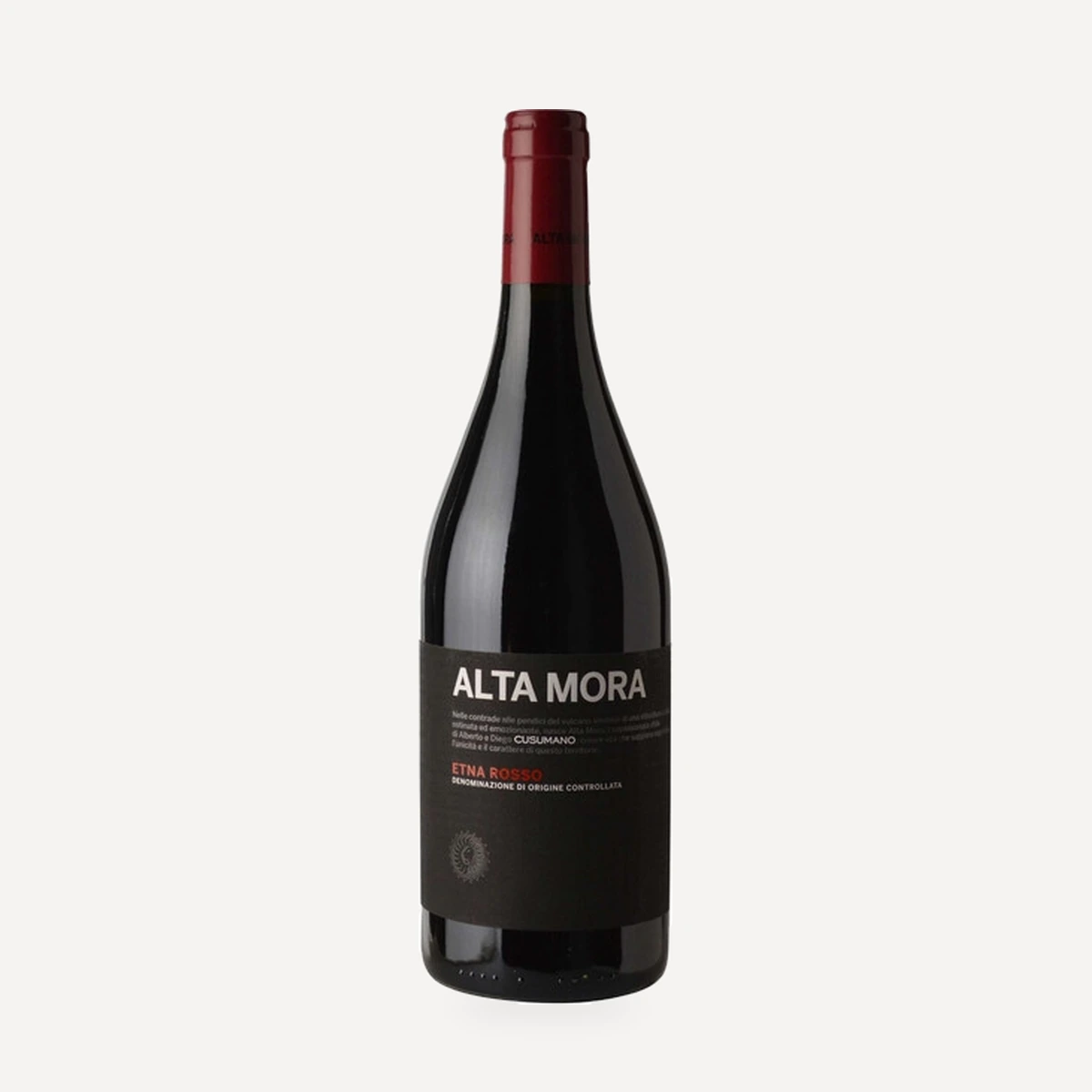
The fruit comes from the Rovittello area, on the northern, southeastern and southwestern slopes of Mount Etna, at 450 to 900 m above sea level. The volcanic soils are sandy and rich in minerals. Vines are 10 to 60 years old, trained in both traditional and trellis systems, at 6,000 to 8,000 plants per hectare. Yields are given as 7,000–8,000 centners per hectare. The mountain climate brings wet, rainy weather in the coldest part of the year.
Grapes
Nerello Mascalese is blended with Nerello Cappuccio; the text gives no proportions.
Vinification
The grapes are harvested at optimal ripeness and destemmed. Each lot ferments separately in stainless steel tanks under strict temperature control, at around 25 °C. Maceration lasts 20–21 days, with proprietary selected local yeasts.
Ageing
About 80% of the wine ages in stainless steel. The other 20% spends 8–10 months in used French oak barriques.
Vintage notes
The 2022 season is recorded as the warmest in the past 180 years. It began with fairly regular, abundant winter rainfall. The vines came out of dormancy evenly and slightly earlier than usual, then grew steadily and vigorously. Flowering and fruit set took place in excellent conditions, giving full, well-formed bunches.
Label / history
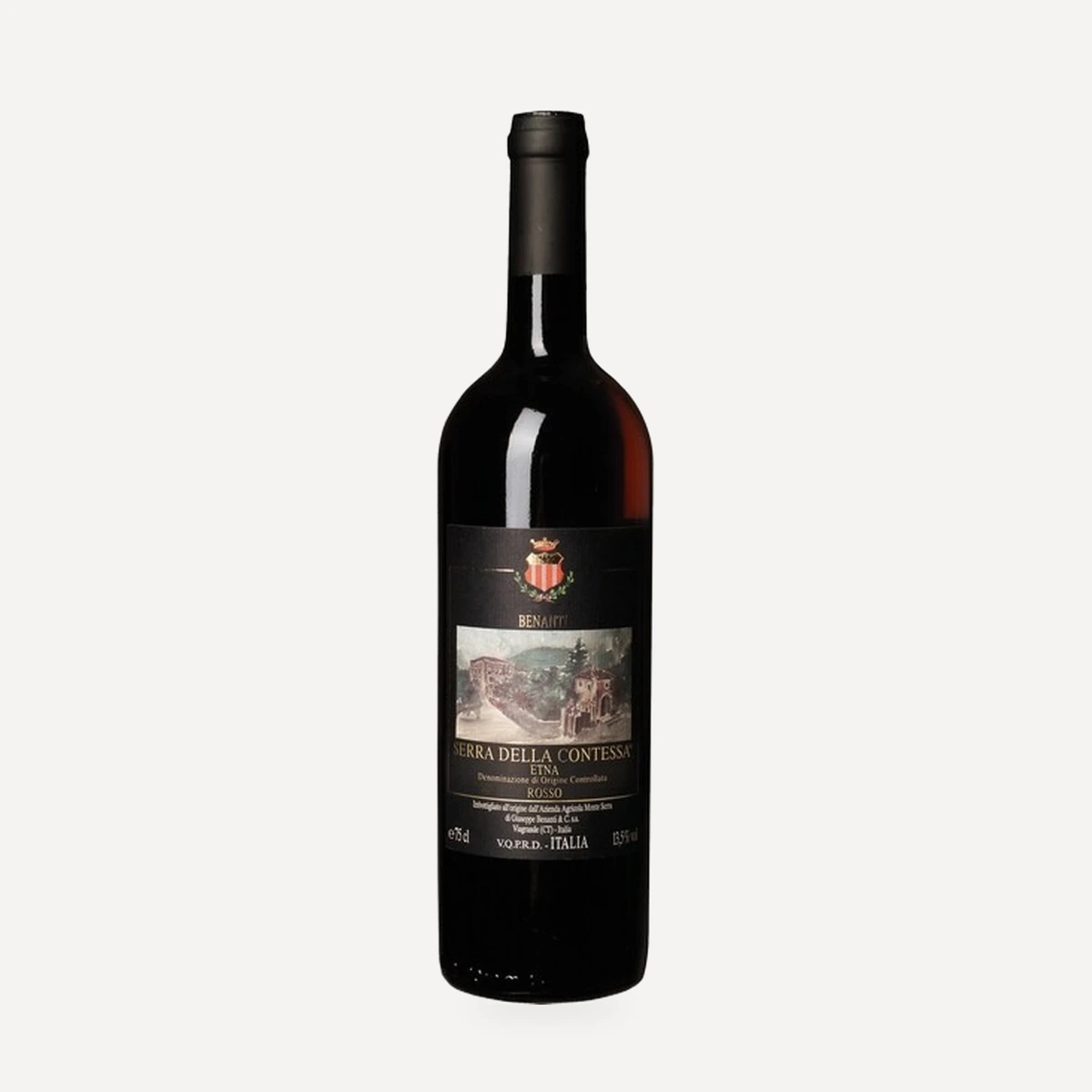
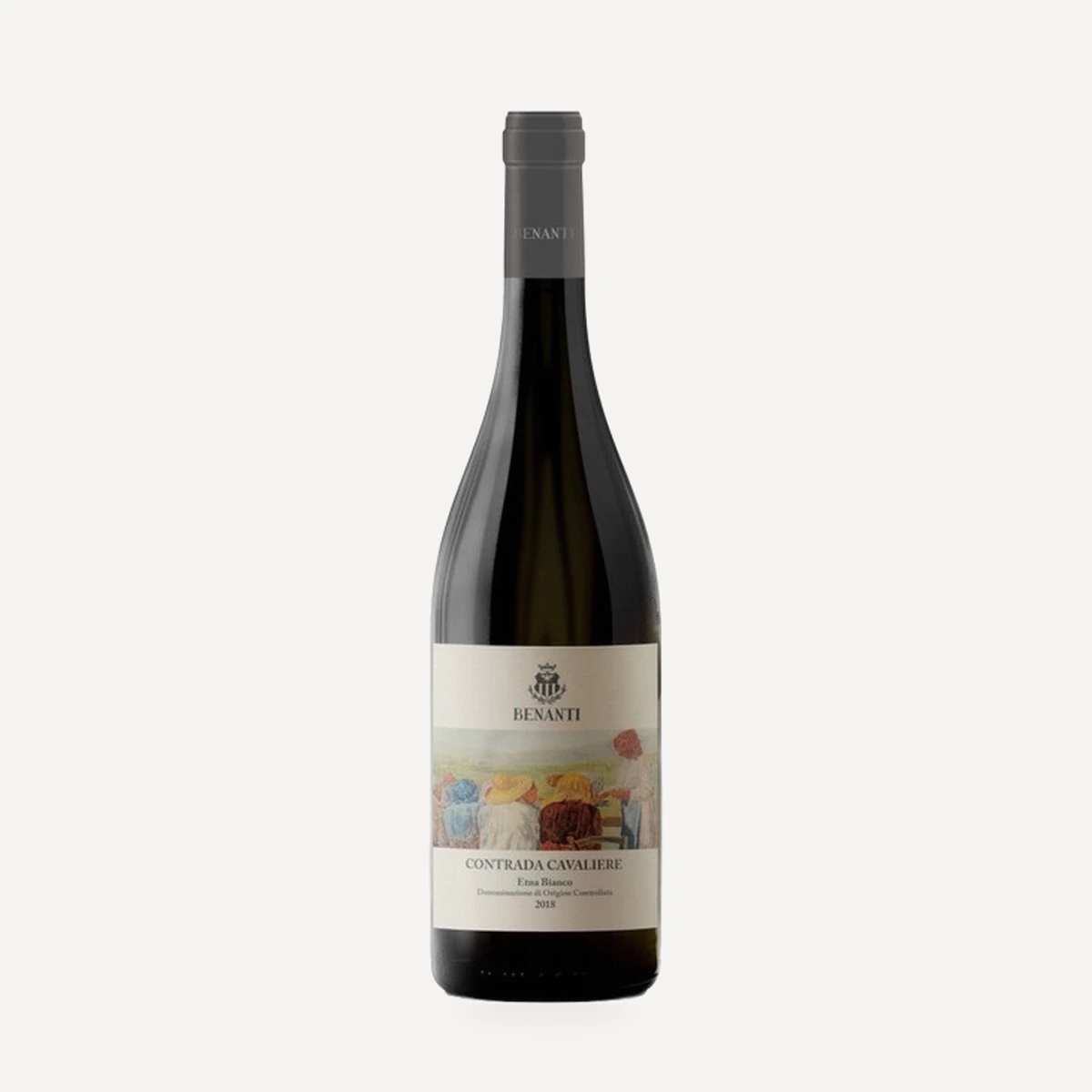
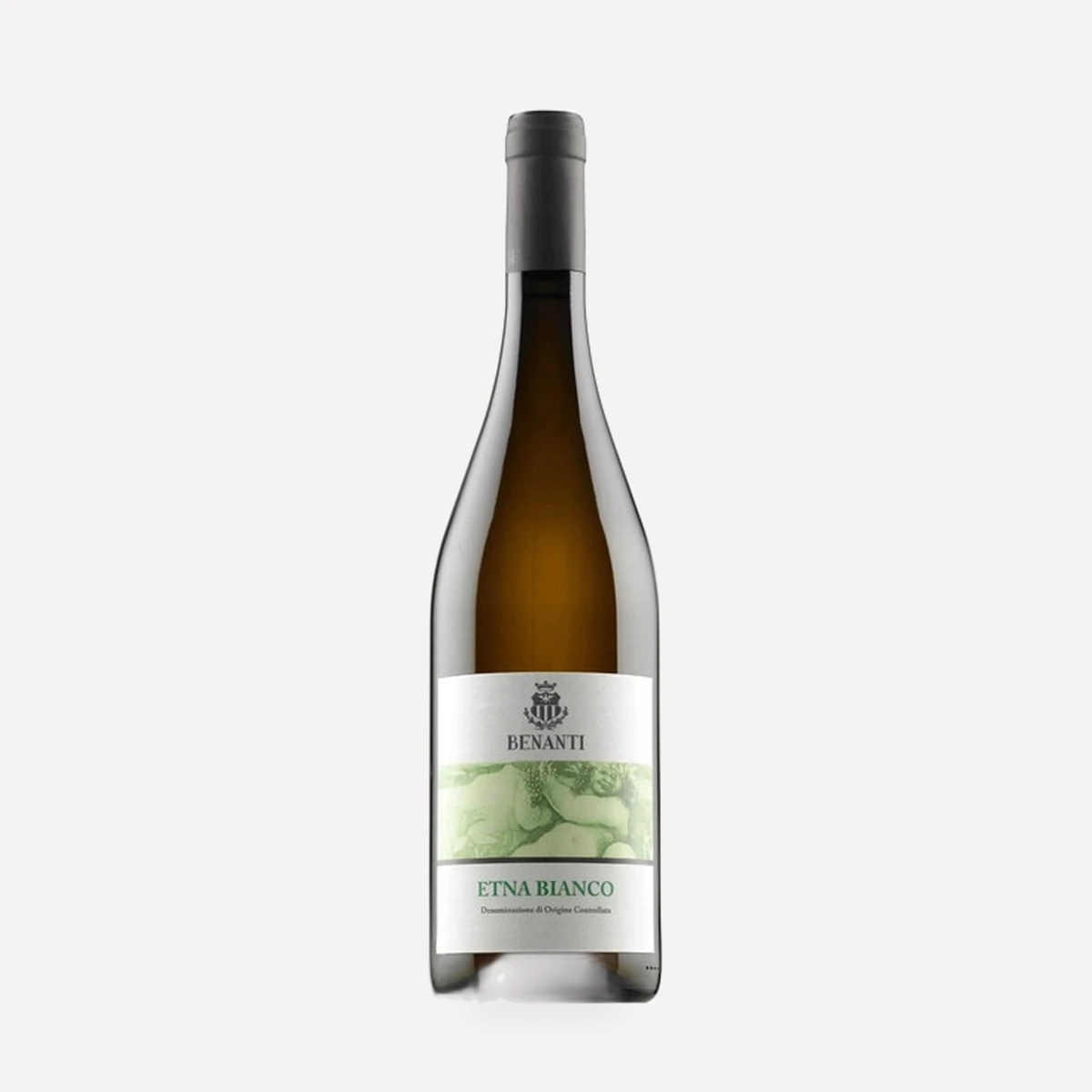
The Benanti family's story begins in the late 19th century, when Giuseppe Benanti, great-grandfather of the current owner of the same name, planted vineyards near Viagrande on the slopes of Mount Etna. The family made wine for many years. In 1988 Dr. Giuseppe Benanti took over the estate, and he began by studying the local soils and the character of the native grape varieties. The estate introduced modern winemaking methods for these traditional grapes. Within a few years it released several wines with their own style that reflected the terroir. The winery follows environmentally responsible principles and puts particular emphasis on vineyard work.