Storia
Agricultural roots and Loris Bonotto’s training
Loris Bonotto descends from farmers based in San Polo di Piave. His ancestors owned several pieces of land, including a small plot that had belonged to the Tiepolo sisters of Venice. That connection later supplied the name Le Contesse.
Before Le Contesse was established, Loris’s father operated a small cellar equipped with concrete vats and sold wine in bulk. Its vineyards were planted to Carmenere, Pinot Bianco and Chardonnay. Loris studied at Collegio Brandolini Rota in Oderzo and subsequently earned an oenology diploma in Conegliano.
1976: foundation of Le Contesse
In 1976, Loris and his wife, Luigina, established their agricultural business and named it Le Contesse in memory of the Tiepolo sisters. The first Glera vineyards were trained in the traditional Bellussera system. Several of those historic, high-trained vines have been preserved as a tangible link to the estate’s beginnings.
Early experiments with sparkling wine
Loris began by making Pinot Bianco and Pinot Chardonnay with the traditional bottle-fermentation method, alongside semi-sparkling Chardonnay produced by the Charmat method. Semi-sparkling wine was still uncommon, but customer demand encouraged him to continue. Prosecco was then encountered principally around Conegliano, and Loris explored the hills with friends to learn more about it.
He developed a strong preference for stainless steel, valuing the cleanliness, hygiene and ability of inert, temperature-controlled vessels to preserve a wine’s natural aromas and flavour. These technical interests shaped the subsequent development of the cellar.
Building the winery and its market
The birth of the couple’s first son, Davide, occurred during the winery’s formative years. Loris bought a small truck and a compact bottling line, then travelled throughout Italy carrying demijohns and bottles. He and Luigina repeatedly loaded the vehicle and returned to the road while also managing their family and the growing business.
The cellar expanded from one small pressurised tank to two and then three. By the time their second son, Fabio, was born, the family had constructed a dedicated building for tanks; these vessels were already refrigerated. The business hired its first employee and acquired another truck. By the 1990s, production had reached 800,000 bottles.
International expansion and organic farming
After consolidating the winery, Loris began developing export markets. He studied English after work and at weekends, replaying lessons through headphones while travelling. Le Contesse subsequently established distribution across Europe and in markets including China, Russia, Brazil, the United States, Australia and Japan.
The family’s holdings grew to more than 200 hectares of land. Seventy hectares are certified organic, and organic viticulture has become a stated direction for the business. The founders remain involved alongside their sons: Davide serves as general manager, while Fabio is the estate’s wine technician. Loris and Luigina also describe the winery as a family achievement now shared with their children and grandchildren.
Terroir
Le Contesse’s grape-production area covers approximately 200 hectares distributed between the provinces of Treviso and Pordenone. It combines low-lying vineyards around San Polo di Piave, Santa Lucia di Piave and Vazzola with hillside sites in Conegliano and Valdobbiadene. Fruit also comes from historic partner growers integrated into the winery’s supply chain.
The Conegliano–Valdobbiadene landscape runs east to west from Vittorio Veneto to Valdobbiadene. It is formed by ridges, forests, villages and ciglioni—small vineyards laid out on narrow, grassed terraces. Centuries of cultivation have produced a chequerboard pattern of rows running both parallel and perpendicular to the slopes. Many of Le Contesse’s vines lie within this landscape, recognised as Italy’s 55th UNESCO World Heritage site.
The historic DOCG production area comprises the hills of Conegliano, San Vendemiano, Colle Umberto, Vittorio Veneto, Tarzo, Cison di Valmarino, Follina, Miane, Valdobbiadene, Vidor, Farra di Soligo, Pieve di Soligo, San Pietro di Feletto, Refrontolo and Susegana. Slopes can reach 70%, making manual vineyard work essential in the steepest sectors.
The plain sites support Pinot Bianco, Moscato, Manzoni Bianco, Pinot Grigio, Cabernet and Merlot. The Conegliano–Valdobbiadene hills are associated with Pinot Nero, Chardonnay and, above all, Glera. Technical information for the Treviso Glera vineyards describes an altitude of about 40 metres and medium-textured soil. The broader estate map places owned vineyards and fruit origins around the Piave and across the Treviso–Pordenone corridor.
Vinificazione
Seventy hectares are certified organic. Organic farming is presented as a long-term direction based on strict operating protocols, inspections, respect for nature, seasonal agricultural cycles and the protection of land for future generations.
The family continues to cultivate historic Bellussera vines. Their high, geometric structure maximises solar exposure and maintains natural airflow through the canopy. Although the height and architecture of the system complicate management, it is preserved for its agricultural, cultural and family significance and for the quality of its fruit.
Manual harvesting is employed for the estate’s Glera production described in its technical material. In the steep Conegliano–Valdobbiadene sector, vineyard work is performed by hand on inclines that can reach 70%. For DOCG wines bearing the Rive designation, hand harvesting is compulsory and yields are reduced to 130 quintals per hectare; the general DOCG ceiling is 135 quintals per hectare, while Cartizze is limited to 120 quintals per hectare.
Le Contesse also works with established independent winegrowers whose vineyard care is treated as part of the production chain. Alessandro Fossaluzza has begun SQNPI certification, while Mauro Feletto is SQNPI-certified. The grower relationships emphasise healthy fruit, careful work throughout the cultivation cycle and respect for the surrounding environment.
Loris Bonotto’s early production included Pinot Bianco and Pinot Chardonnay made by the traditional bottle-fermentation method and semi-sparkling Chardonnay produced by the Charmat method. His preference for stainless steel developed from its hygienic properties and its capacity to preserve natural aroma and flavour.
The cellar grew from one small pressurised vessel to three, followed by construction of a dedicated tank building fitted with refrigerated vessels. Sparkling wines are now refermented by the Charmat method in stainless-steel fermenters under controlled temperature and pressure.
The recurring process documented for the Glera-based sparkling wines begins with manual harvesting and gentle pressing. The must is clarified by cold static settling. A portion may be conserved at low temperature, while the remaining must is fermented at approximately 16–17°C and stored cold in stainless steel. The base wine is then refermented in a pressurised tank with selected yeasts. After bottling, the wine rests for several weeks in a temperature-controlled warehouse.
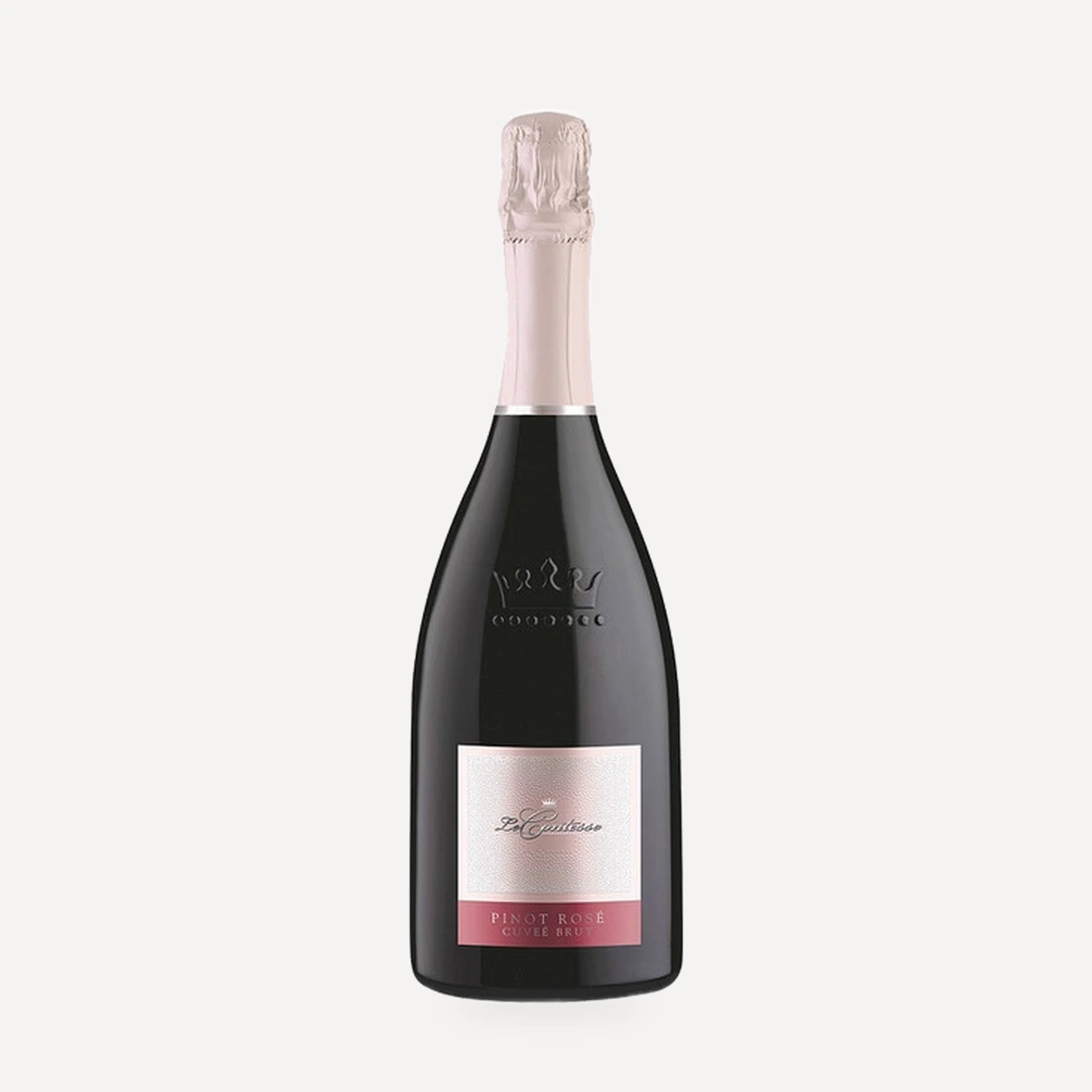
For Prosecco DOC Rosé, Glera and Pinot Nero DOC Venezia base wines are blended to form the cuvée before secondary fermentation. This takes place in a pressurised tank with selected yeasts at 16–17°C, followed by a period in tank, bottling and several weeks of bottle rest in a conditioned warehouse.
Filosofia
Le Contesse frames its work around two connected commitments: the Bonotto family’s relationship with its land and vineyards, and the pursuit of wines defined by genuineness, identity, quality and balance. Loris Bonotto identifies persistence and personal conviction as the forces behind the family’s growth from a small agricultural enterprise into an internationally distributed sparkling-wine producer.
The family associates its wines with respect, honour, sincerity and genuineness. Technical experimentation has accompanied rather than displaced this outlook: Loris embraced stainless steel and refrigeration to protect clean, natural aromas, while retaining historic Bellussera vines as carriers of family memory and local agricultural culture.
Organic farming is presented as a responsibility to the family, its customers, future generations and the land. It encompasses regulated controls, demanding vineyard work, seasonal production and the aim of protecting both product quality and quality of life. Across the business, direct family involvement is intended to preserve continuity in decisions, detailed oversight and responsibility for the finished wine.
Vini
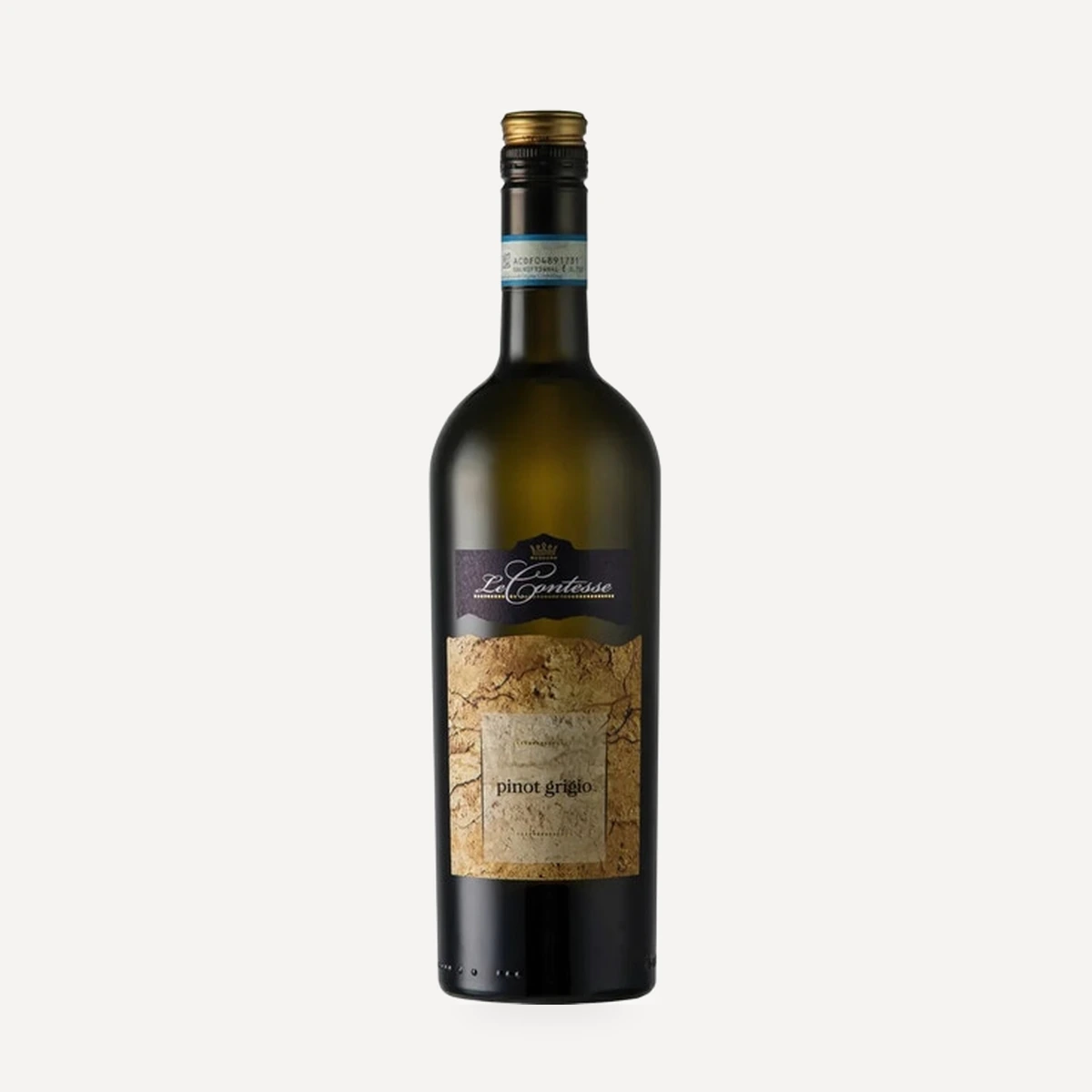
PINOT grigio venezie DOC
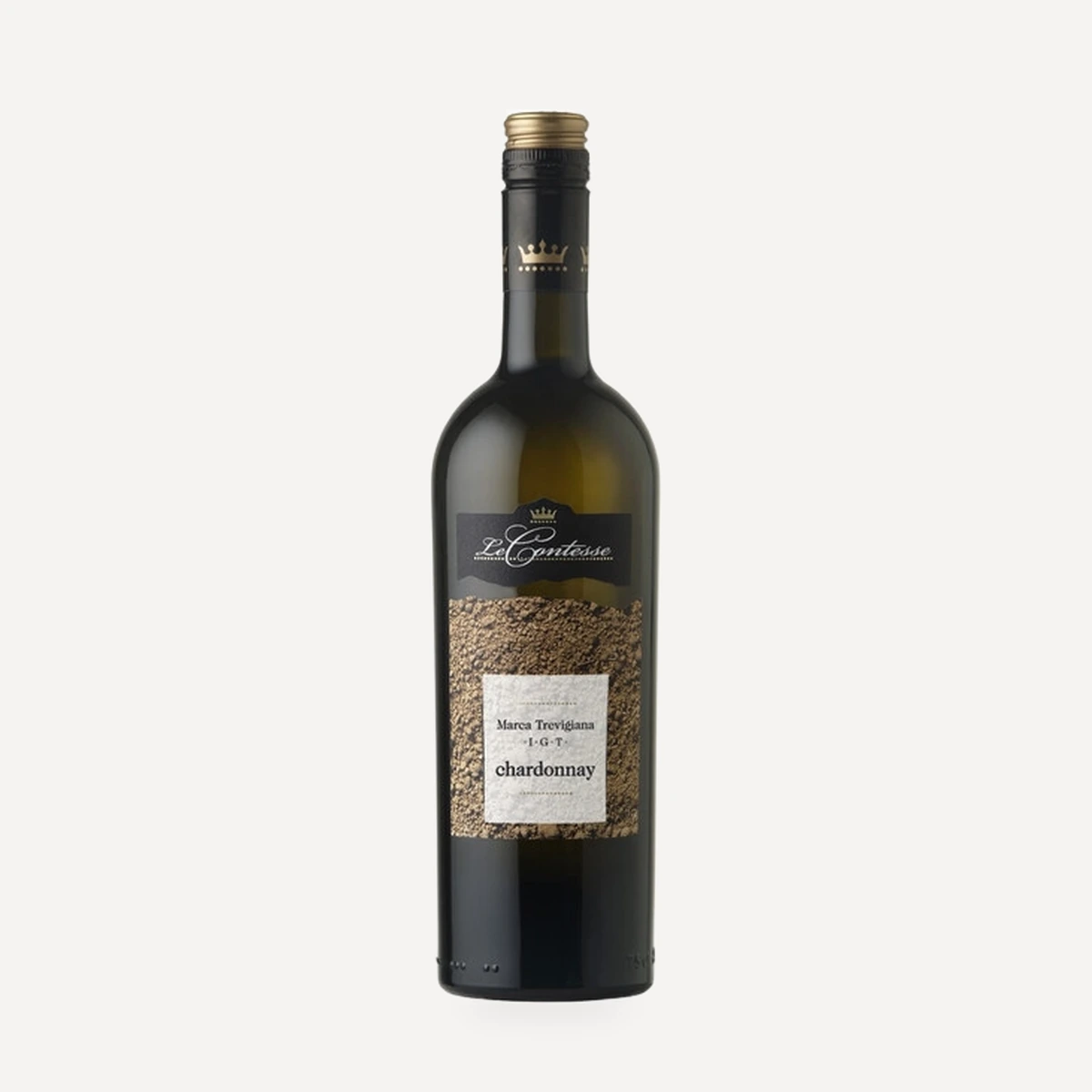
Chardonnay Tre Venezie IGT
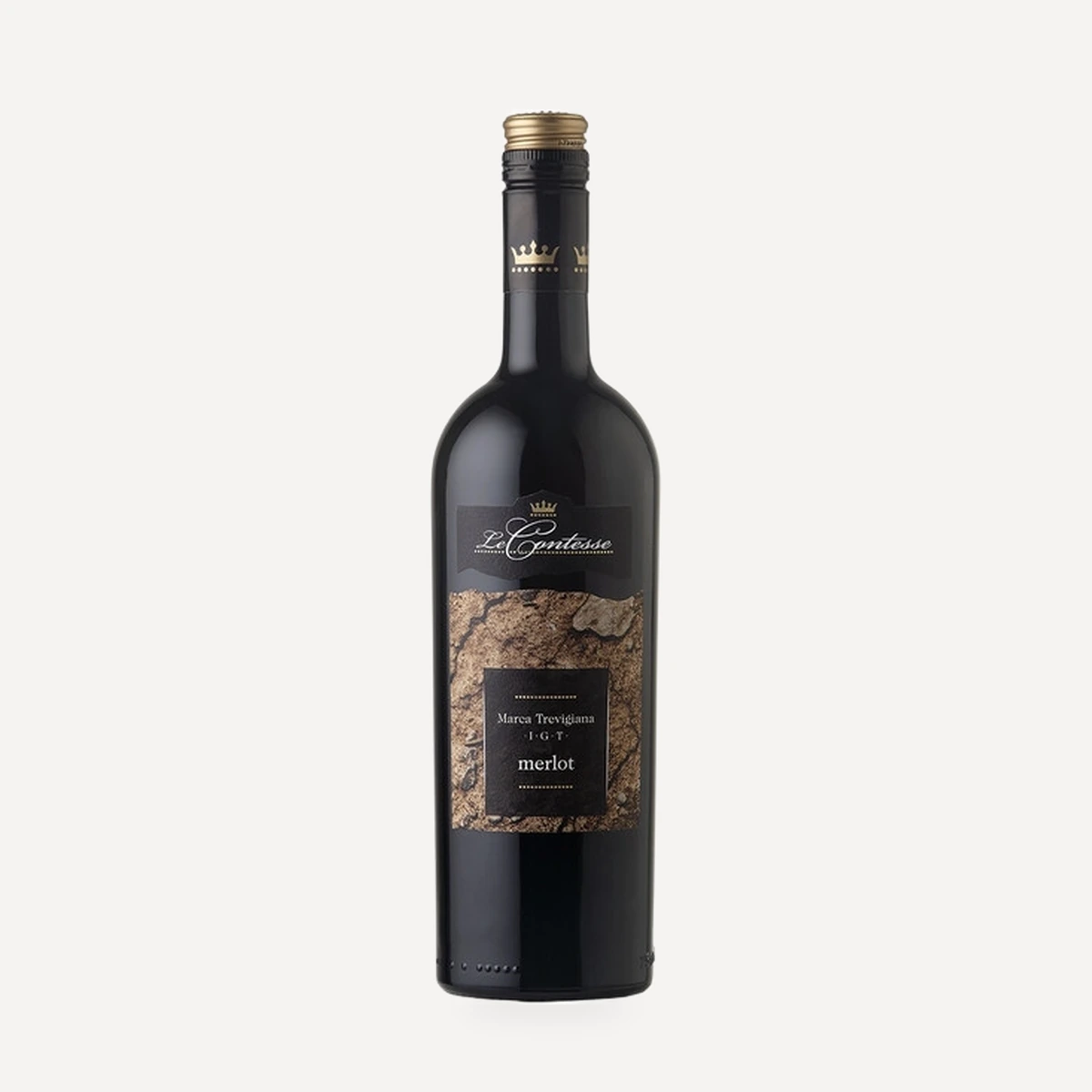
MERLOT Tre venezie IGT
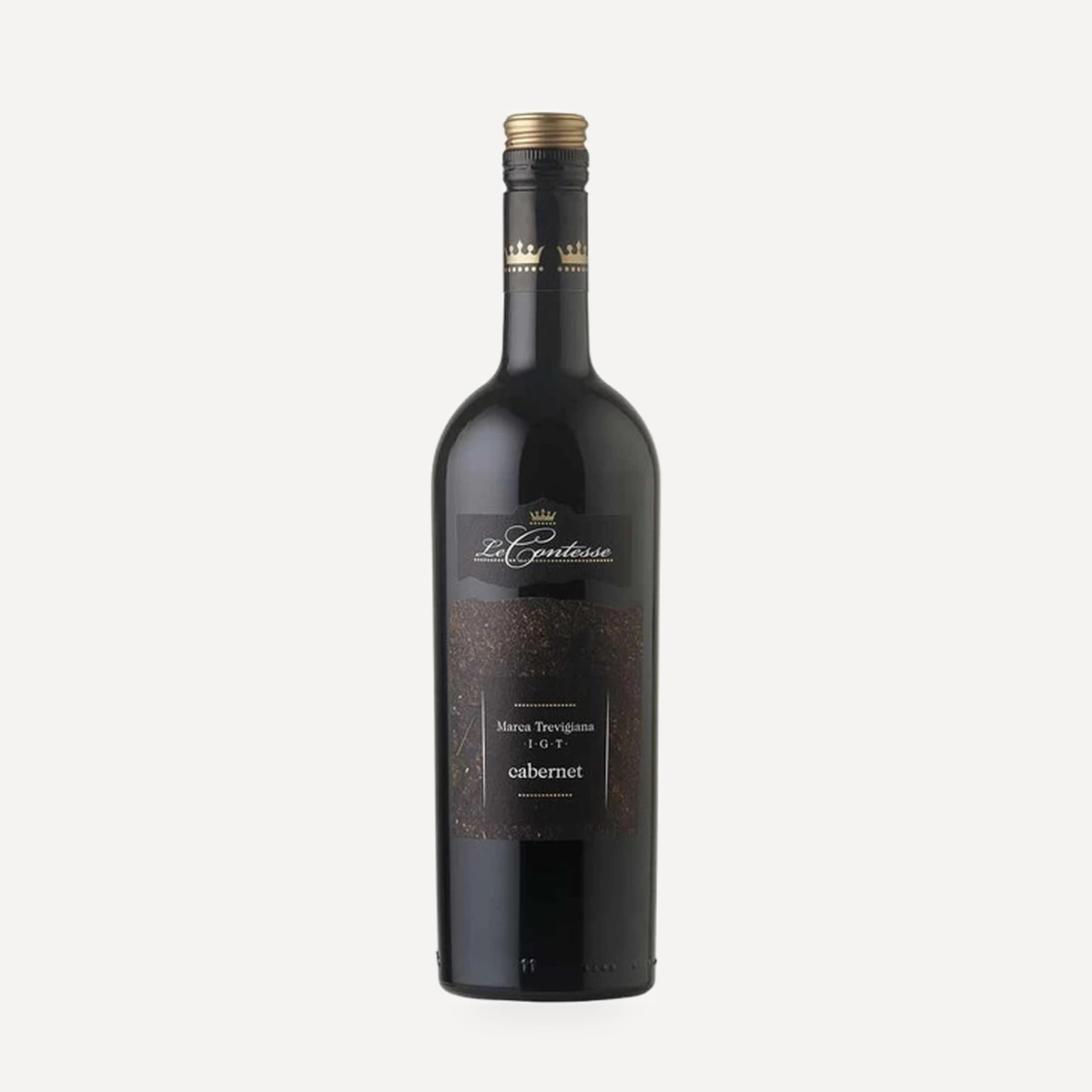
CABERNET Tre Venezie IGT
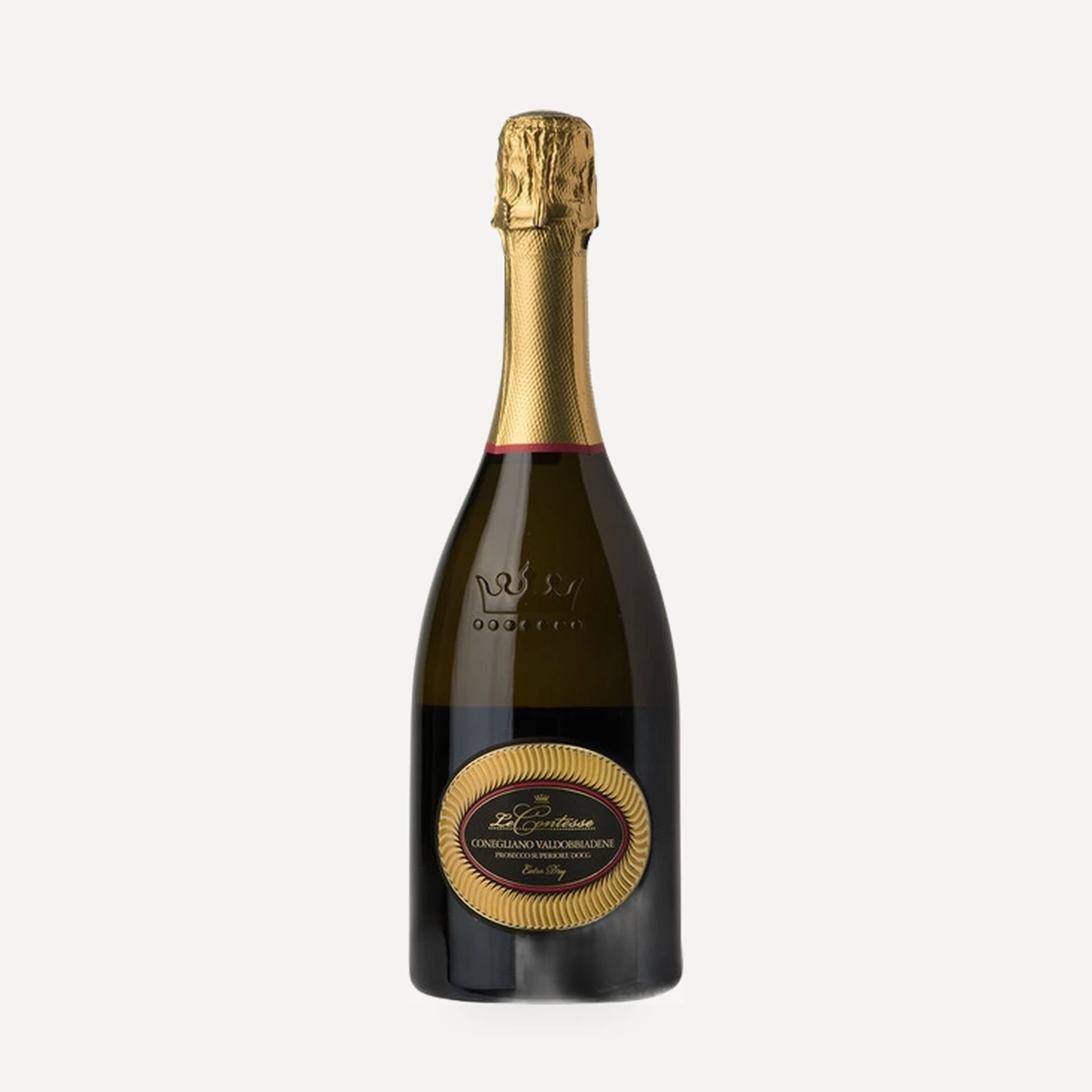
CONEGLIANO VALDOBBIADENE Prosecco Superiore Extra Dry DOCG
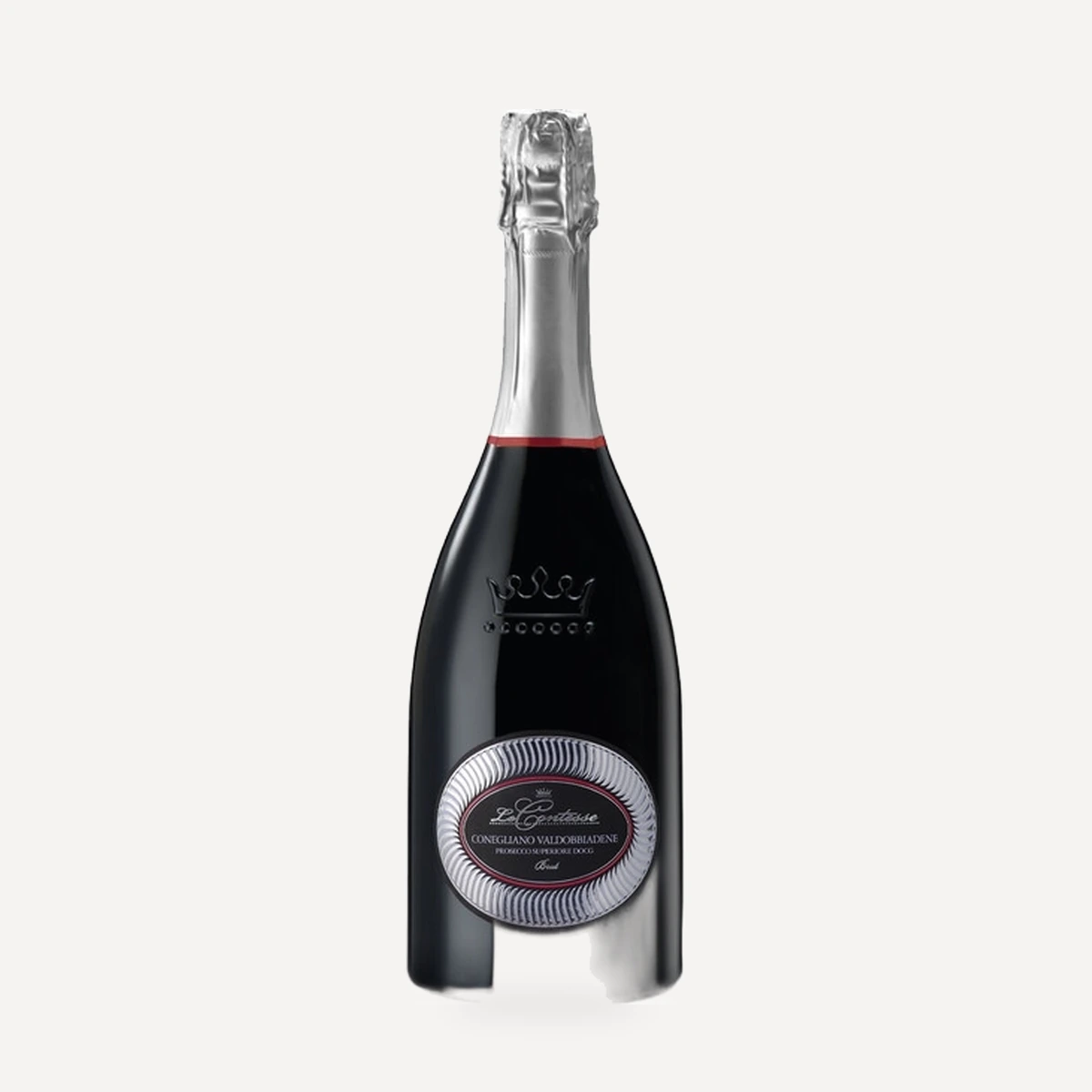
CONEGLIANO VALDOBBIADENE Prosecco Superiore Brut DOCG
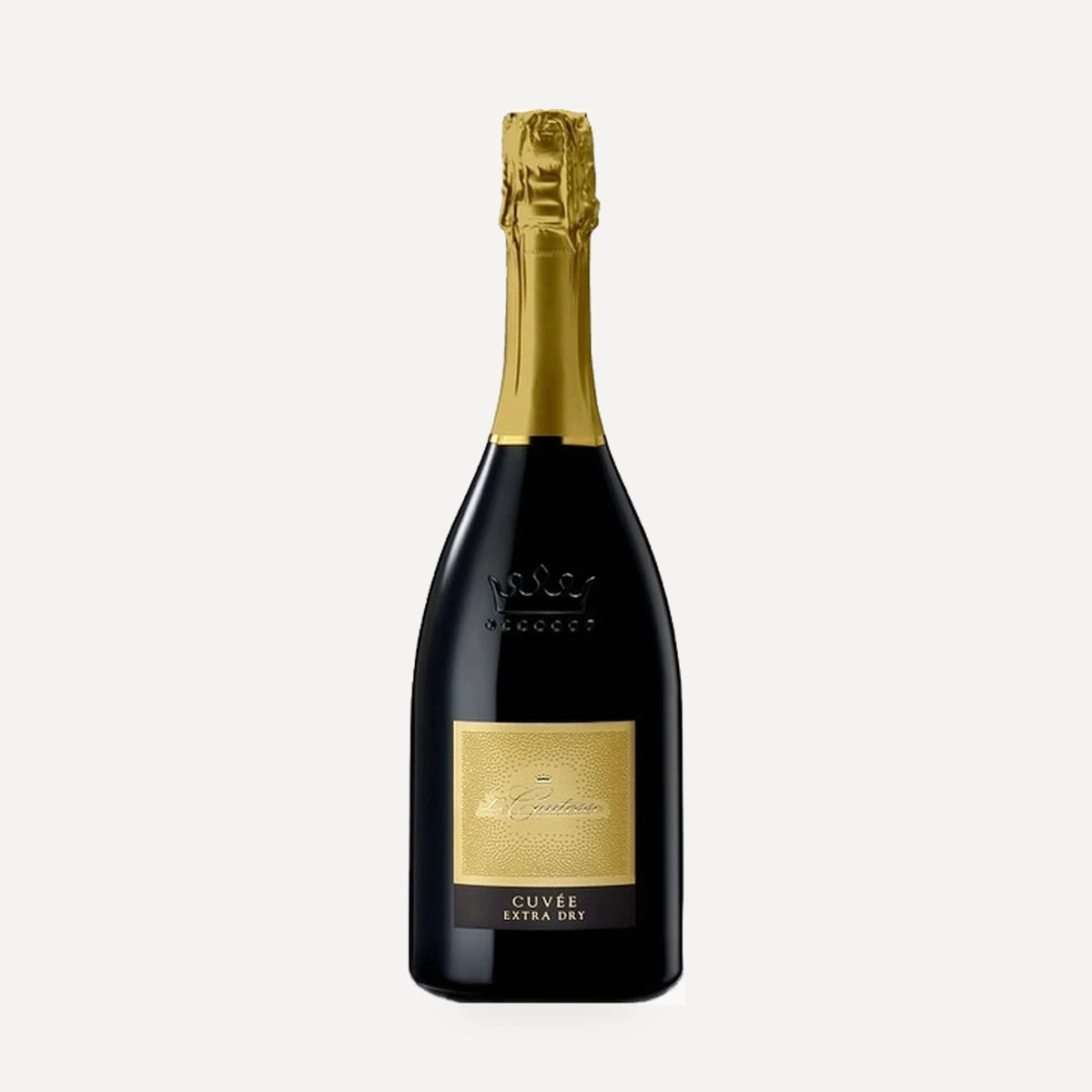
CUVE’E Extra Dry
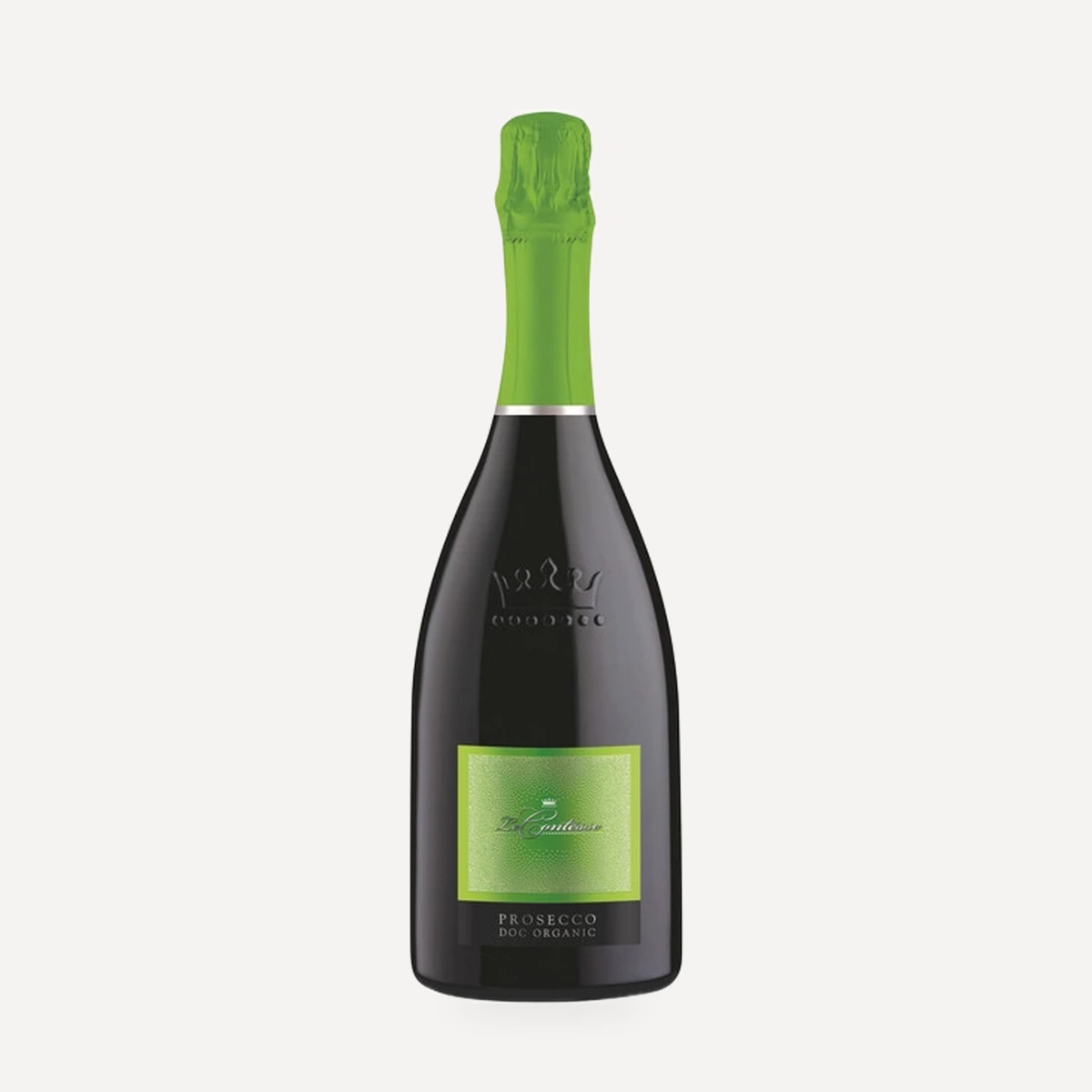
PROSECCO Treviso Brut DOC
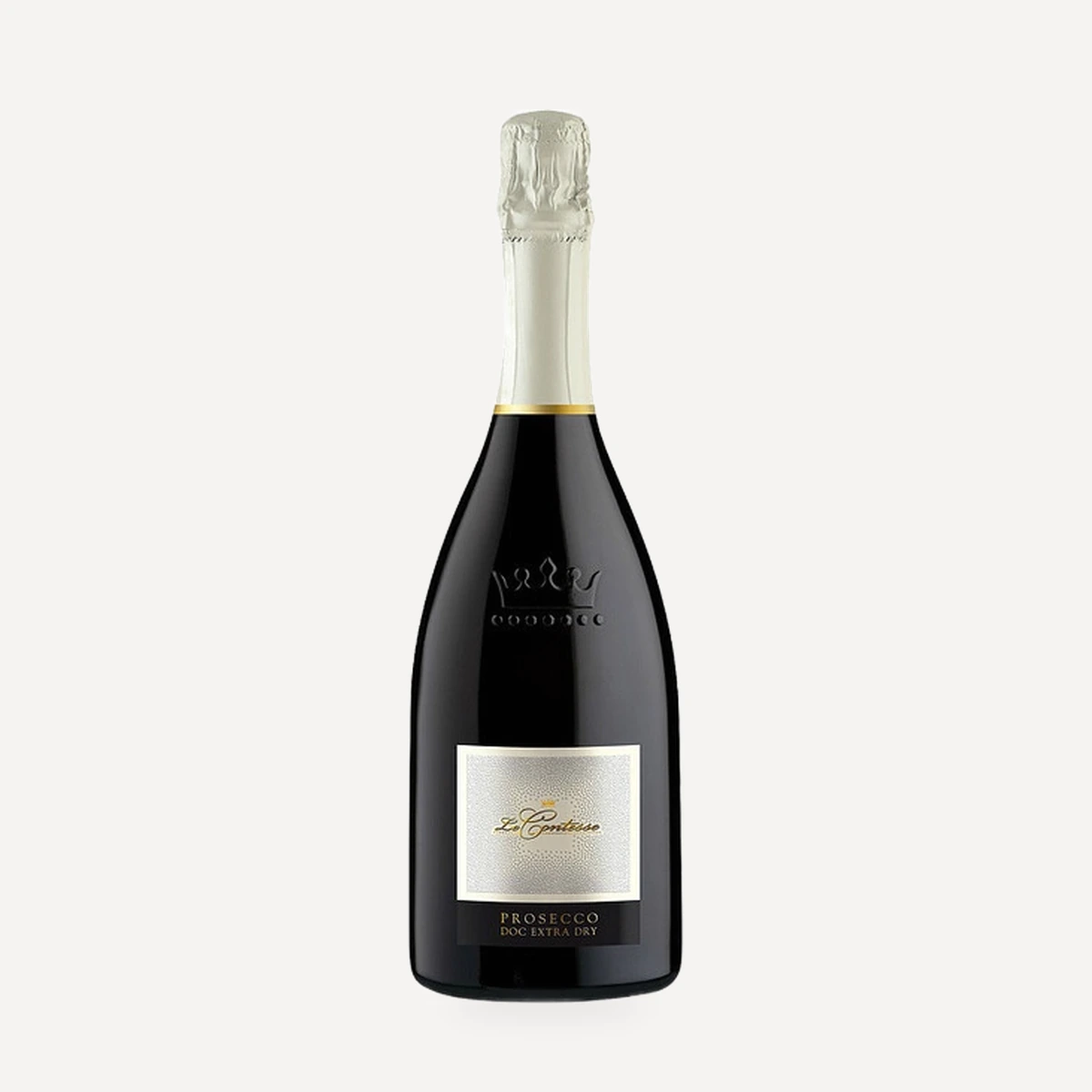
PROSECCO Treviso Extra Dry DOC
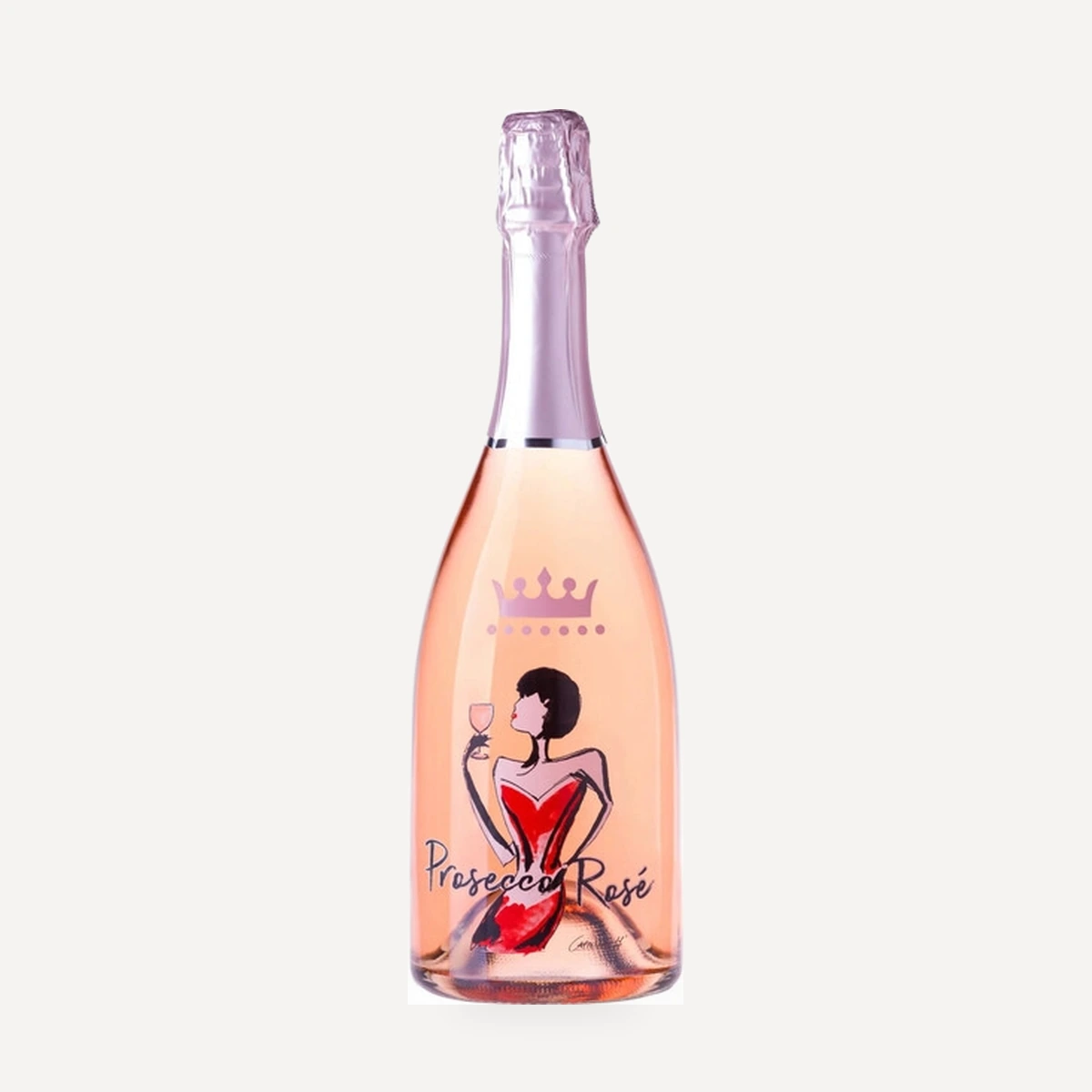
PROSECCO Rosé Brut DOC
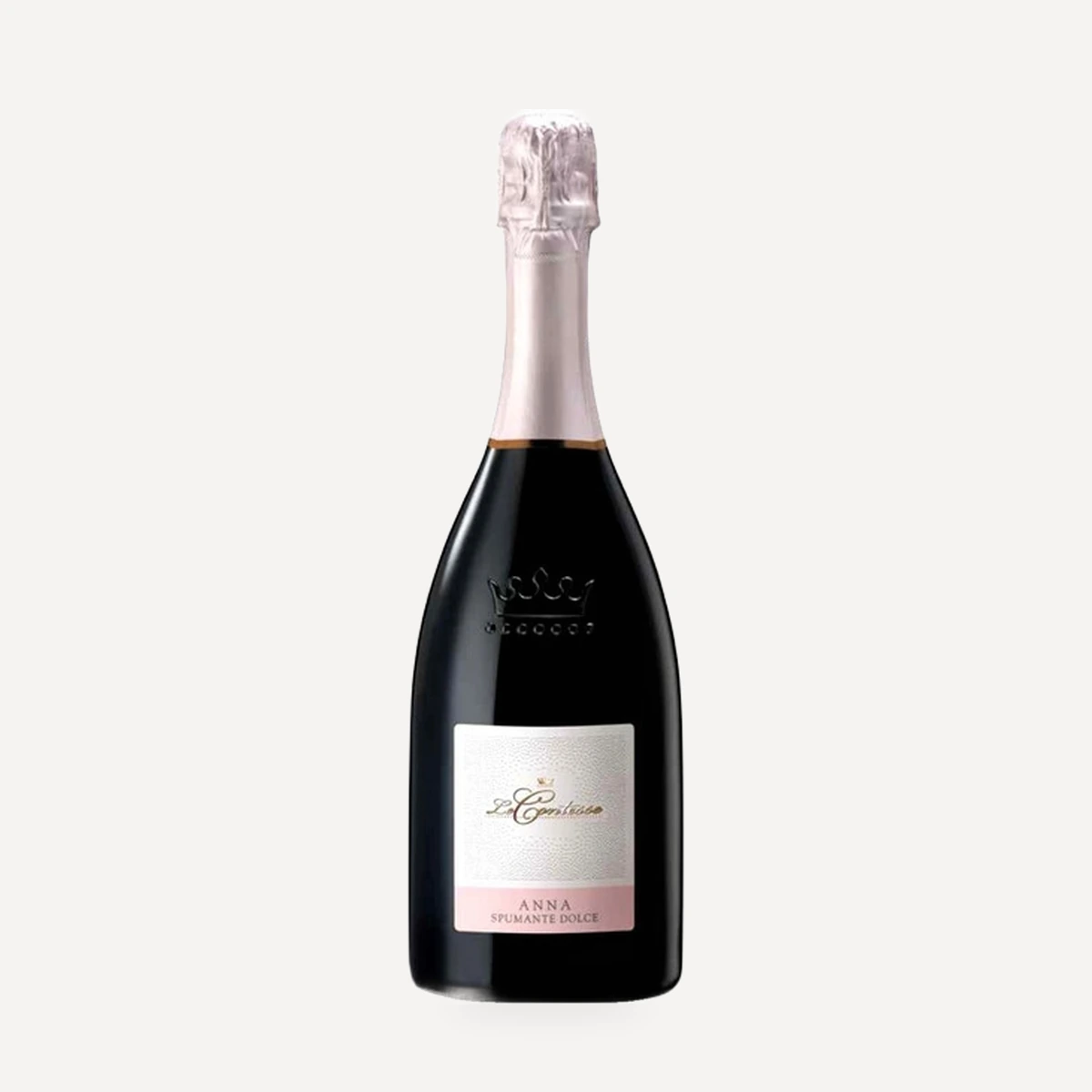
ANNA Vino Spumante Dolce