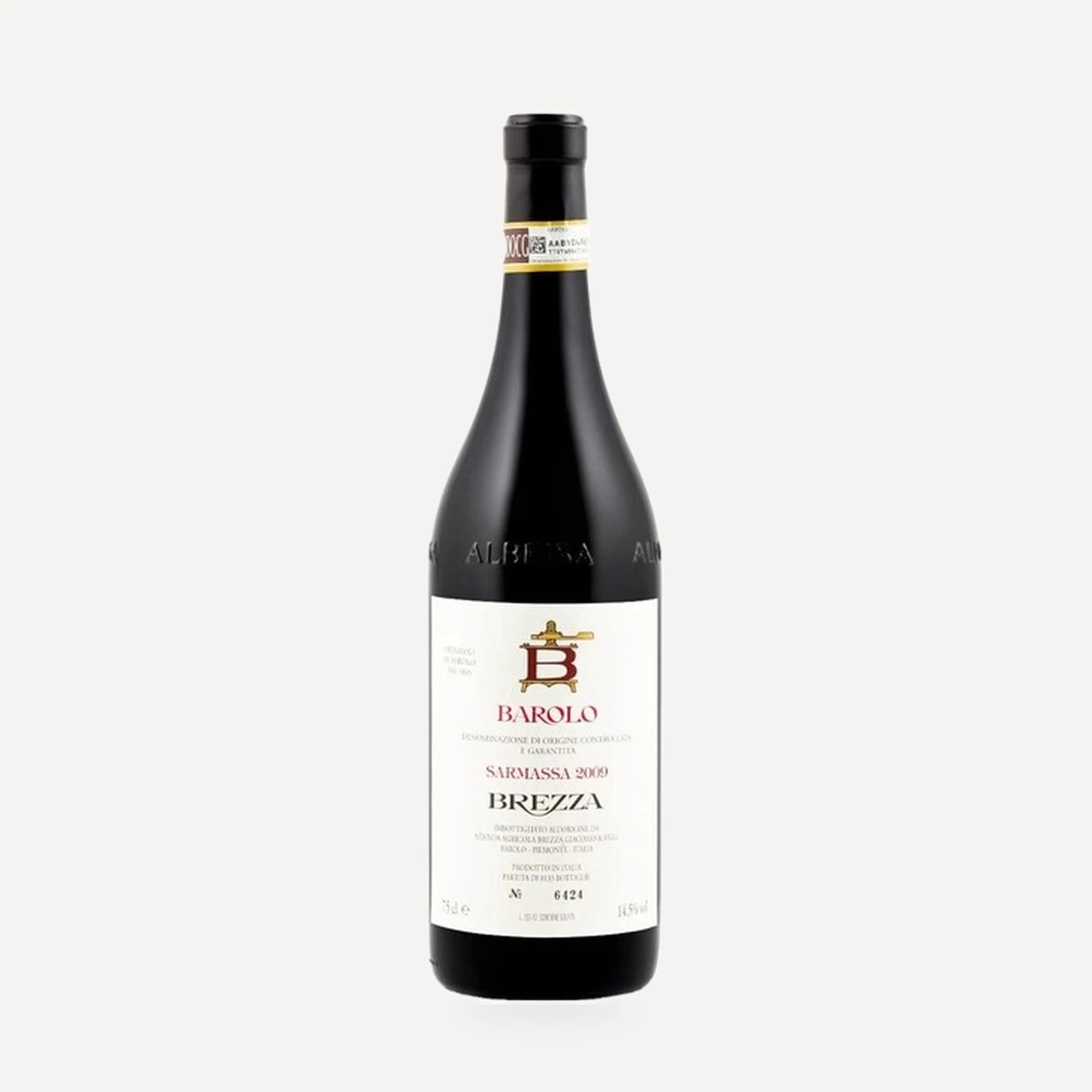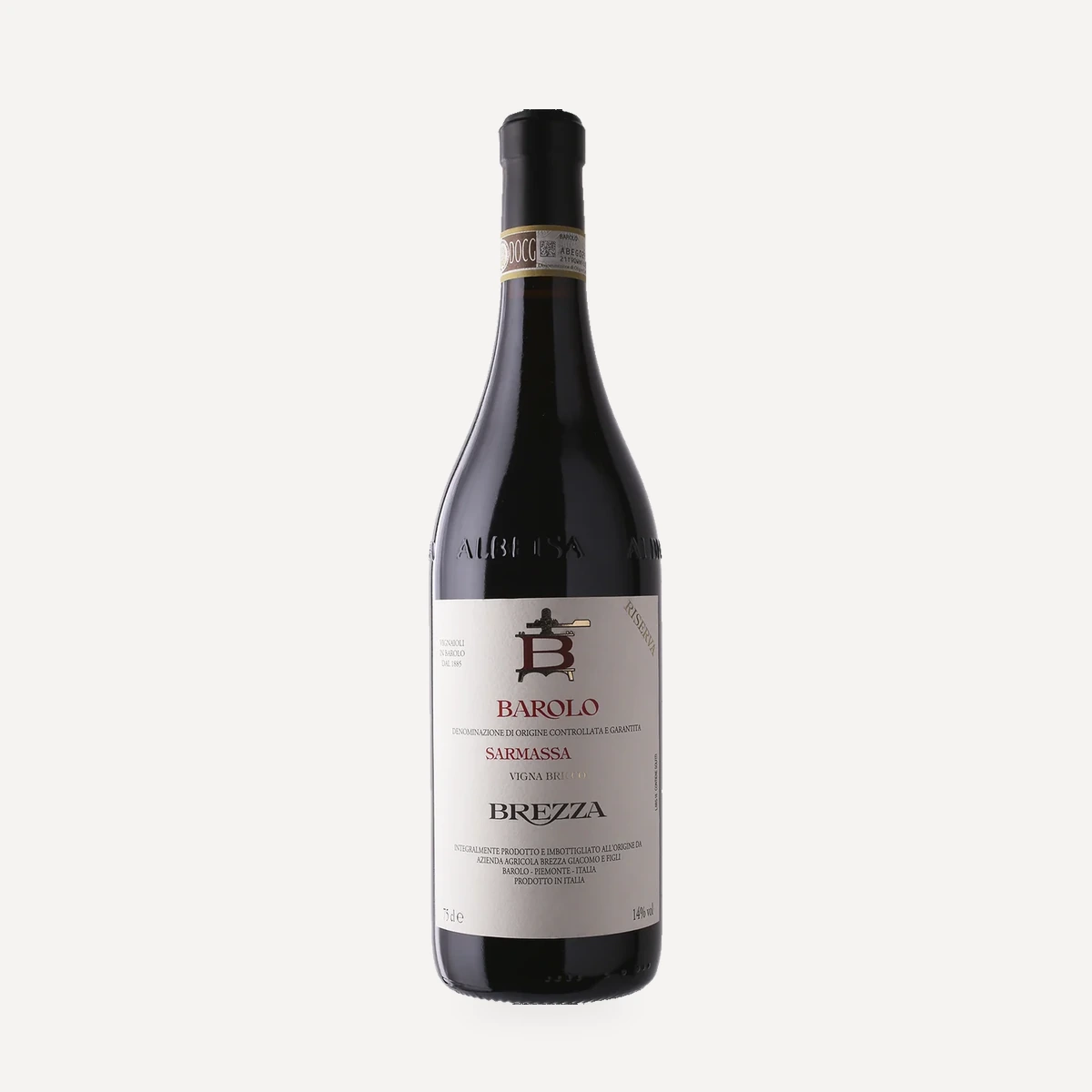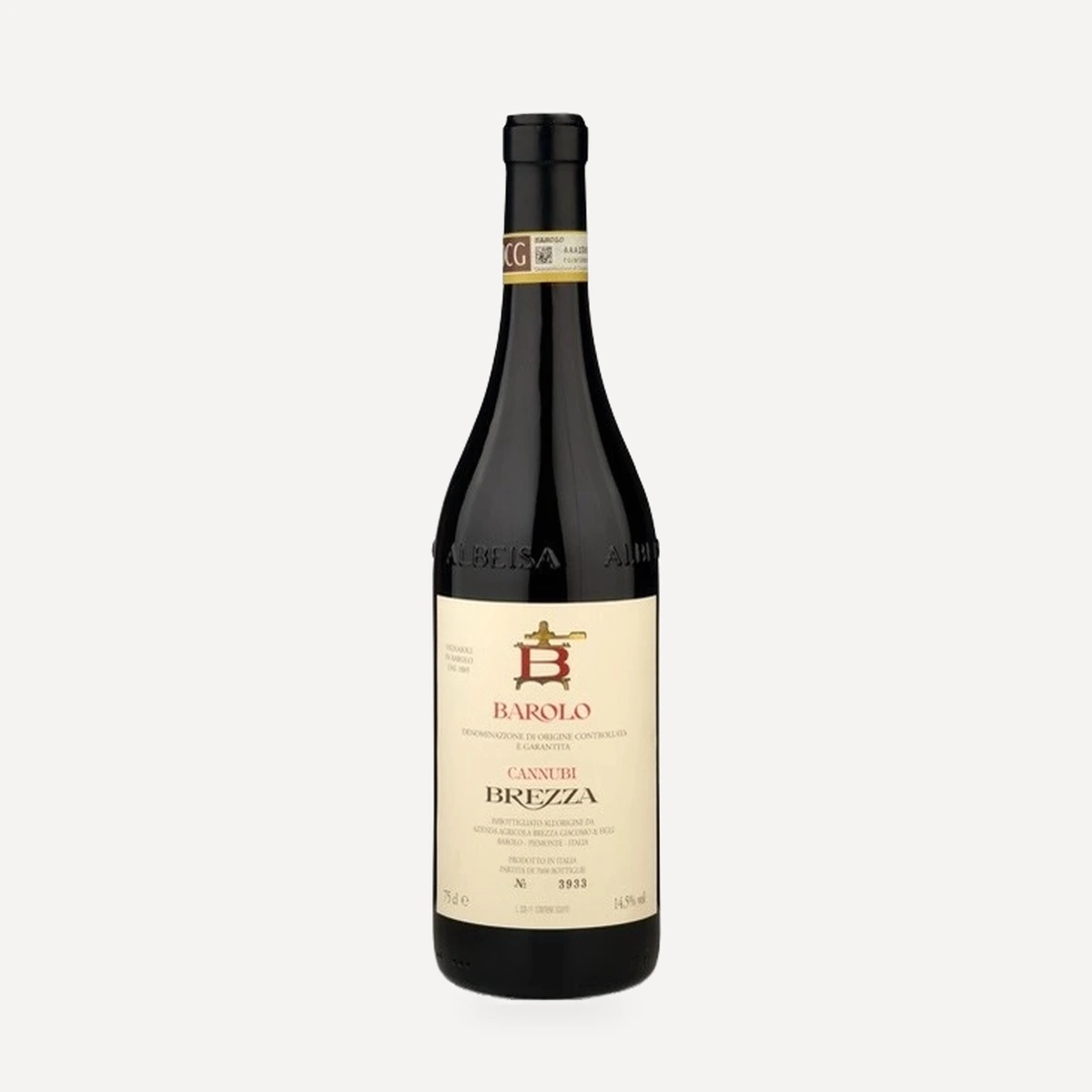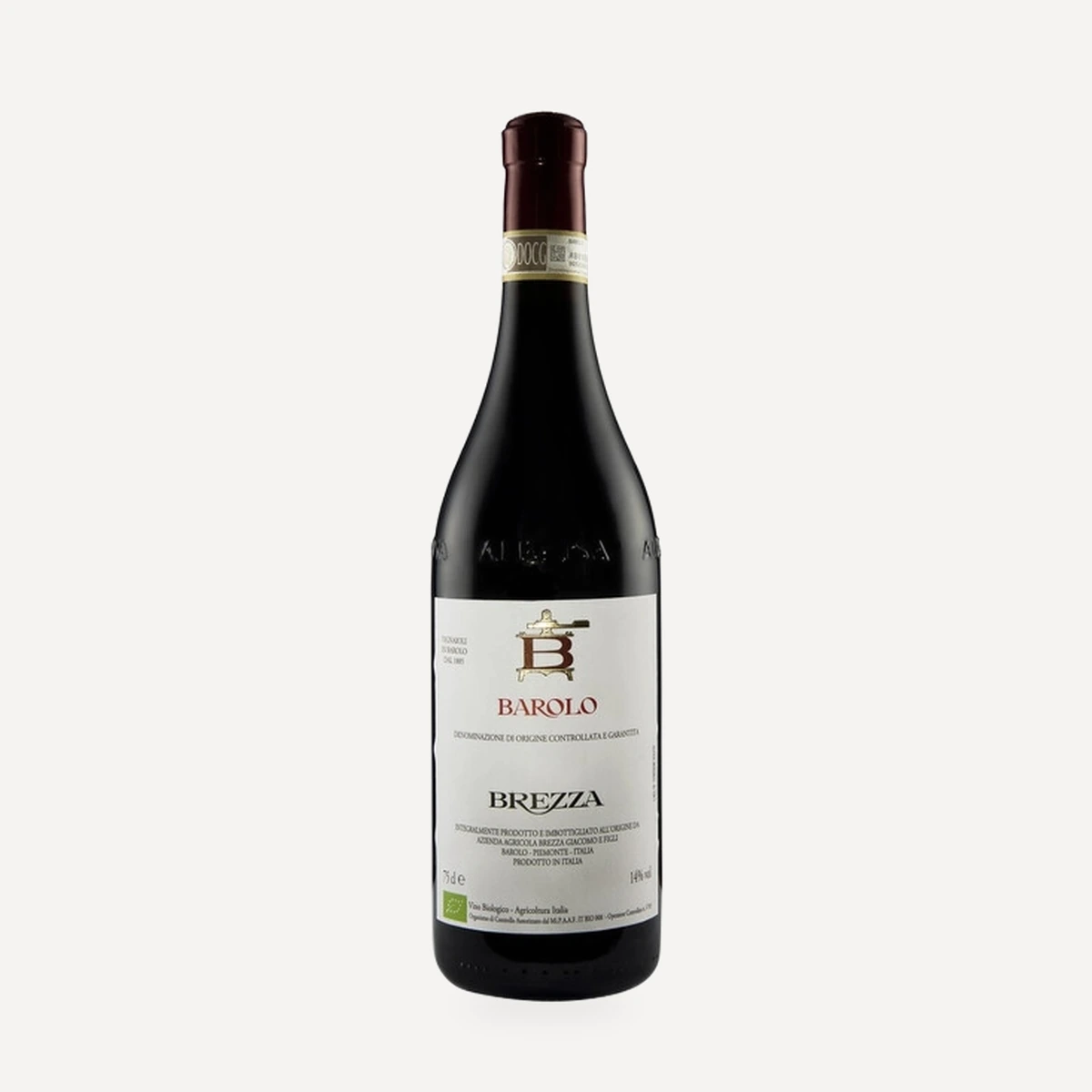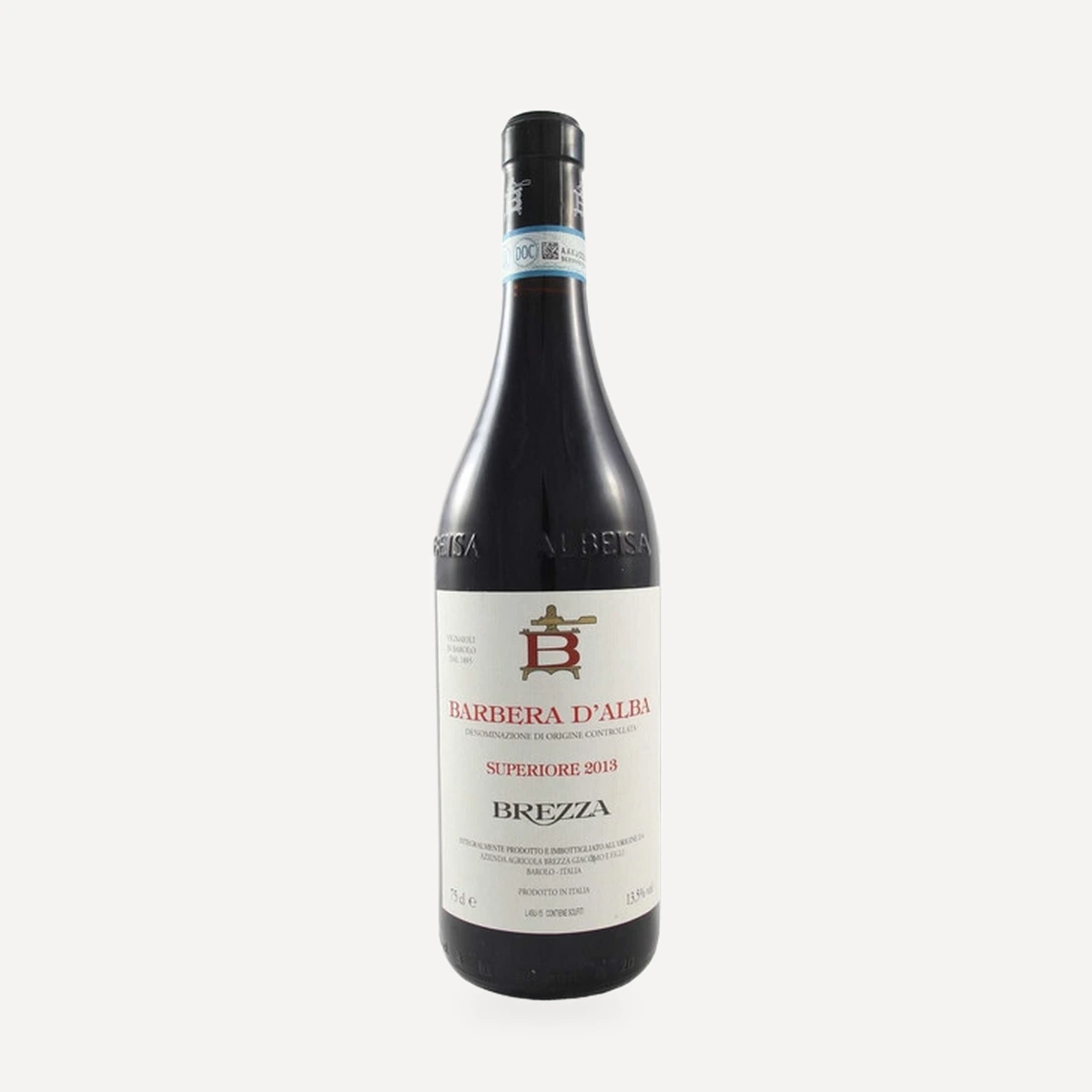
Questo vino
Vineyard and terroir
The wine comes from 2.1 ha in the municipality of Barolo at 300 m, combining southeastern and western exposures. The parcels were planted in 1942 and 1991 at 5,000 vines/ha, with 0.8 × 2.5 m spacing. Training is by vertical canopy with traditional Guyot pruning. Rootstocks are 420 A, SO4 and K5BB, and the approximate yield is 7,000 kg/ha.
Sant’Agata Fossil Marl forms most of the soil. This Tortonian formation developed through offshore sedimentation and appears as sandy blue-grey material with localized conglomeratic sandstone layers. A smaller portion consists of Diano Sandstone, a compact sandy formation with grey sandstone. These conditions support a favorable balance between acidity and sugar in Barbera, particularly in dry years.
Grapes
100% Barbera.
Vinification
The grapes are destemmed and crushed immediately upon reaching the cellar. Fermentation lasts about 8–10 days, followed by a further 4–6 days of maceration. The wine is maintained at 18°C for malolactic fermentation.
Ageing
After malolactic fermentation, the wine spends one year in the estate’s youngest Slavonian oak barrels, aged between one and three years. It then rests for another year in bottle before release.
Tasting profile
A structured, oak-aged red with the capacity to develop in bottle. The 2022 offers almond liqueur, blue flowers and ripe dark-skinned fruit, followed by fleshy raspberry and star anise. Its palate is rich and concentrated, supported by velvety tannins. Another 2022 assessment emphasizes bright red fruit, wild herbs, tart fruit and fine tannins.
Serving and pairing
Pair with tajarin and ragù, ravioli del plin or other pasta dishes. Its structure also allows it to accompany an entire meal. The 2022 is recommended through 2028.