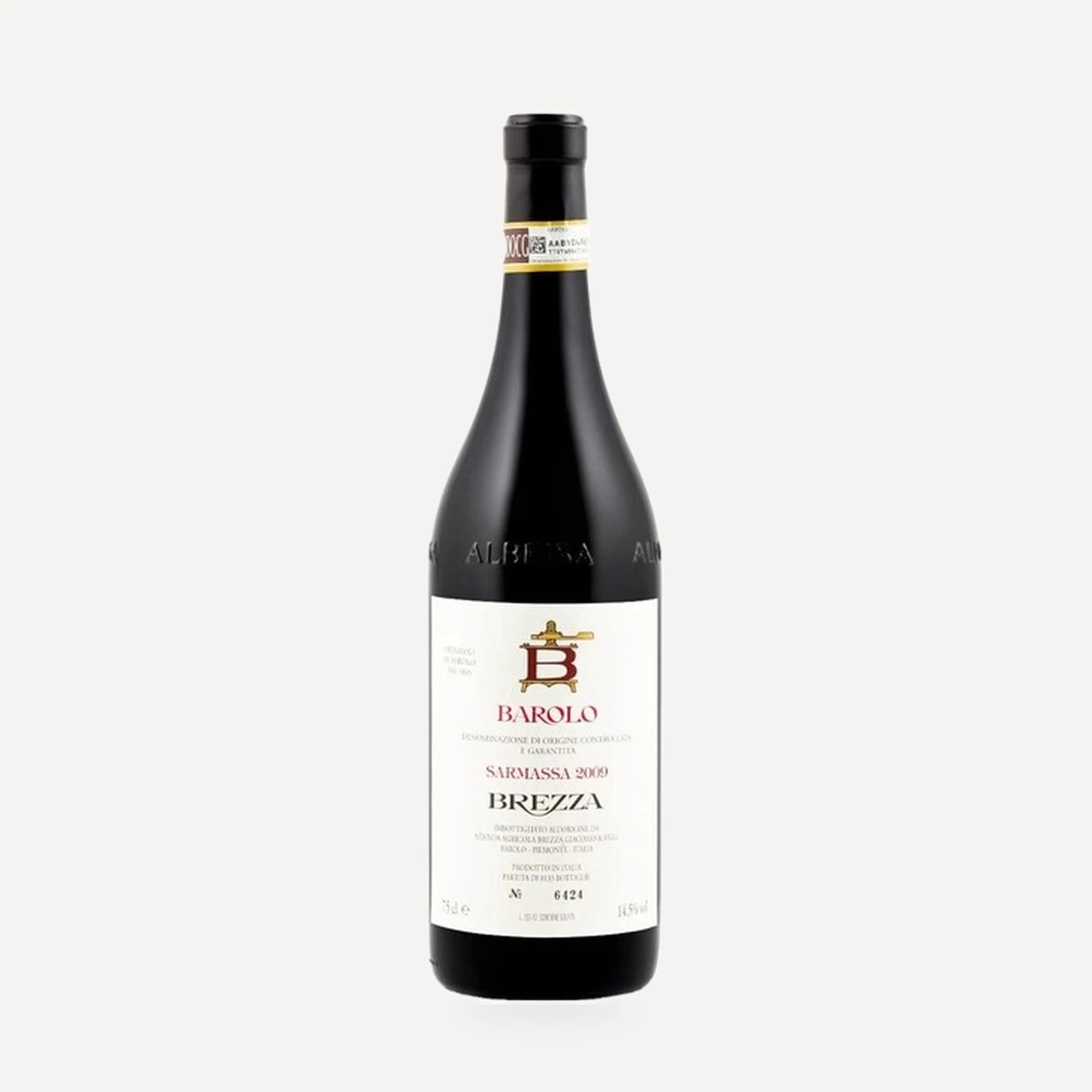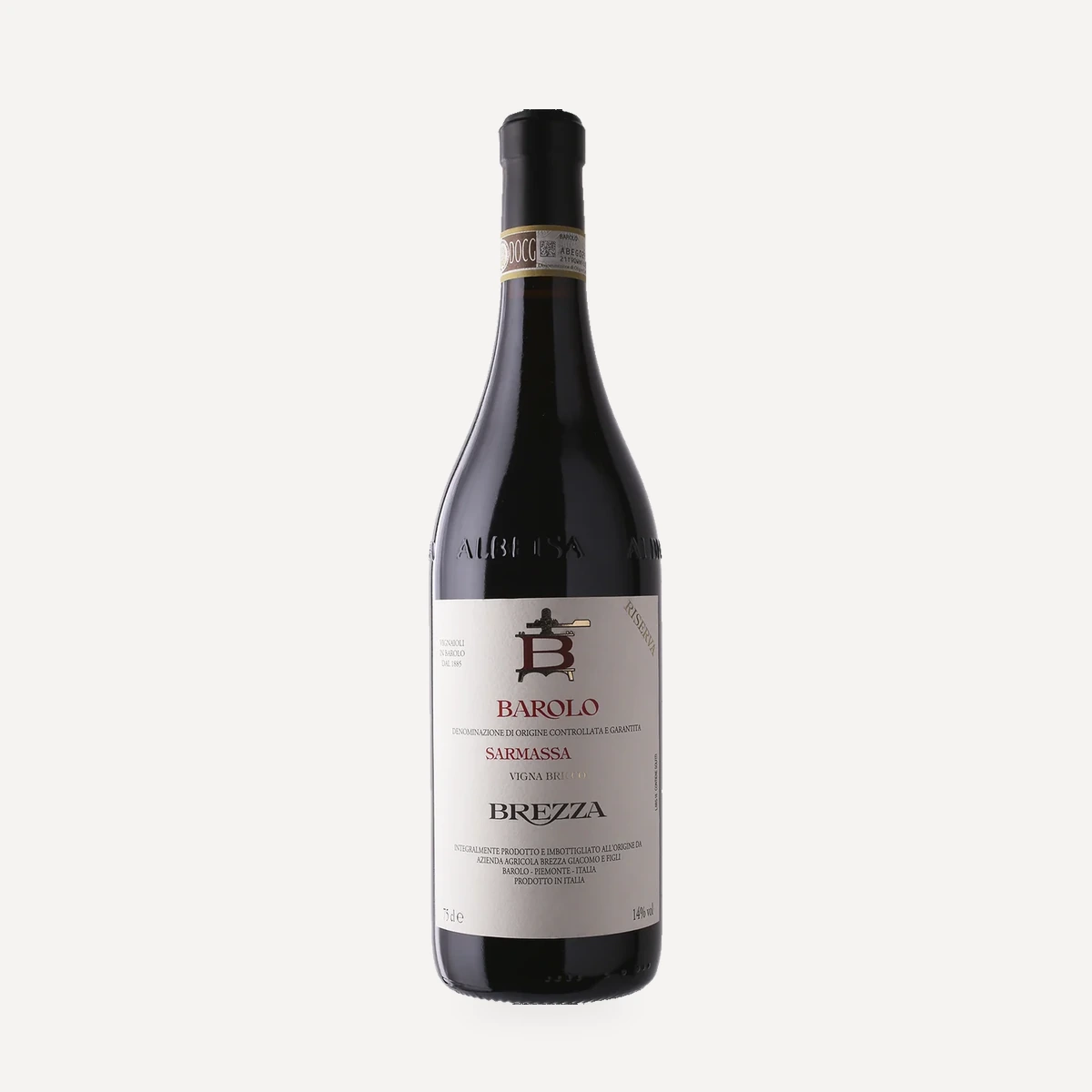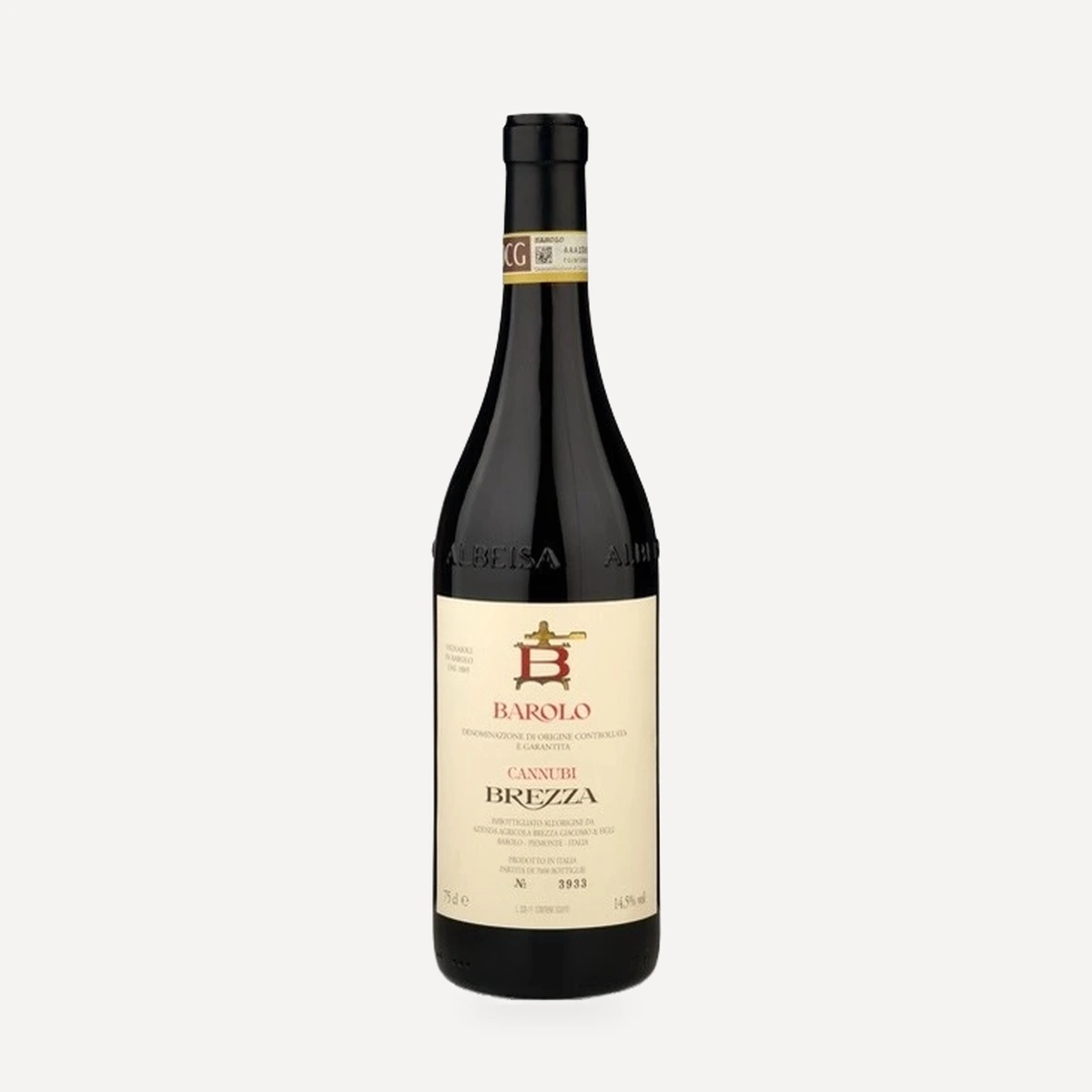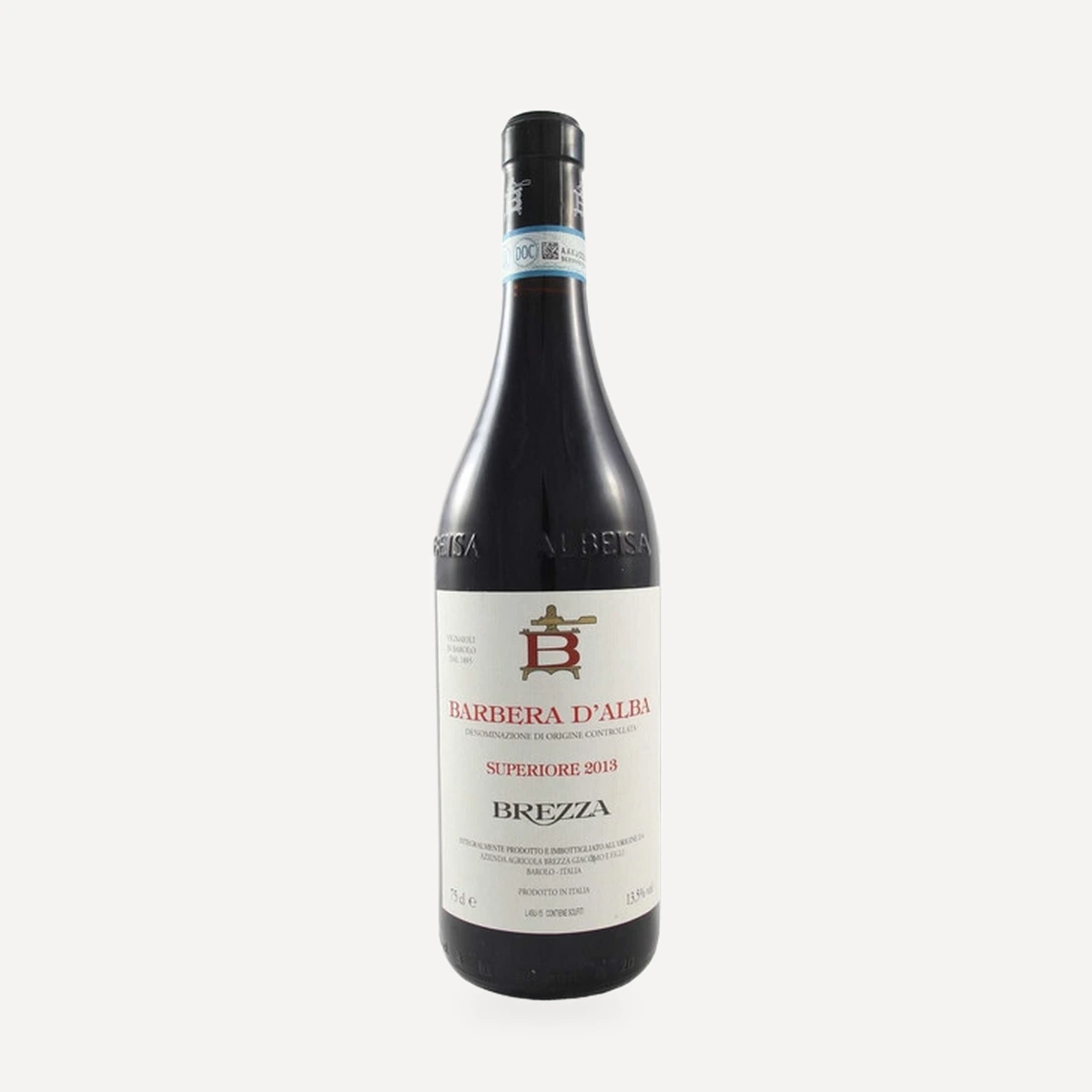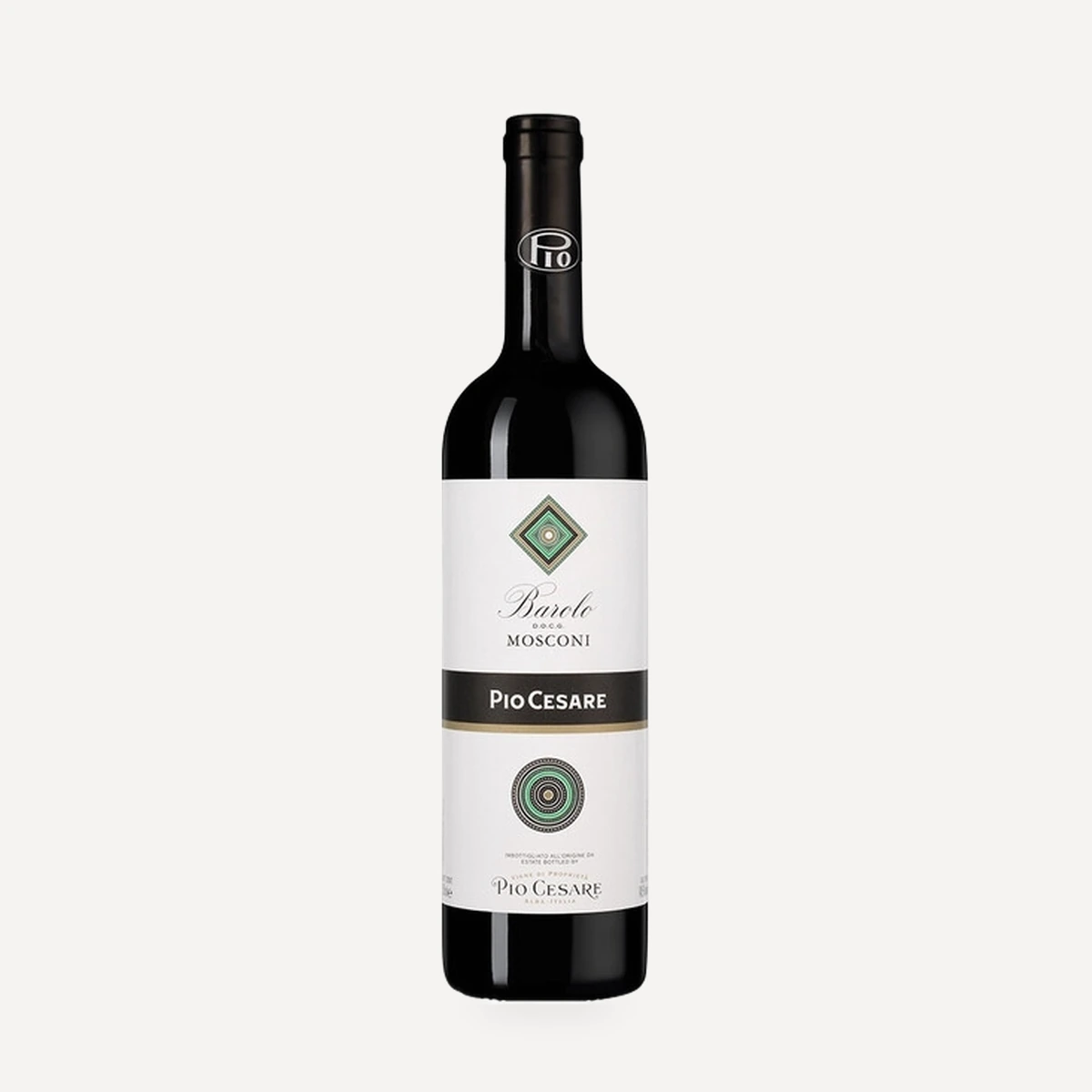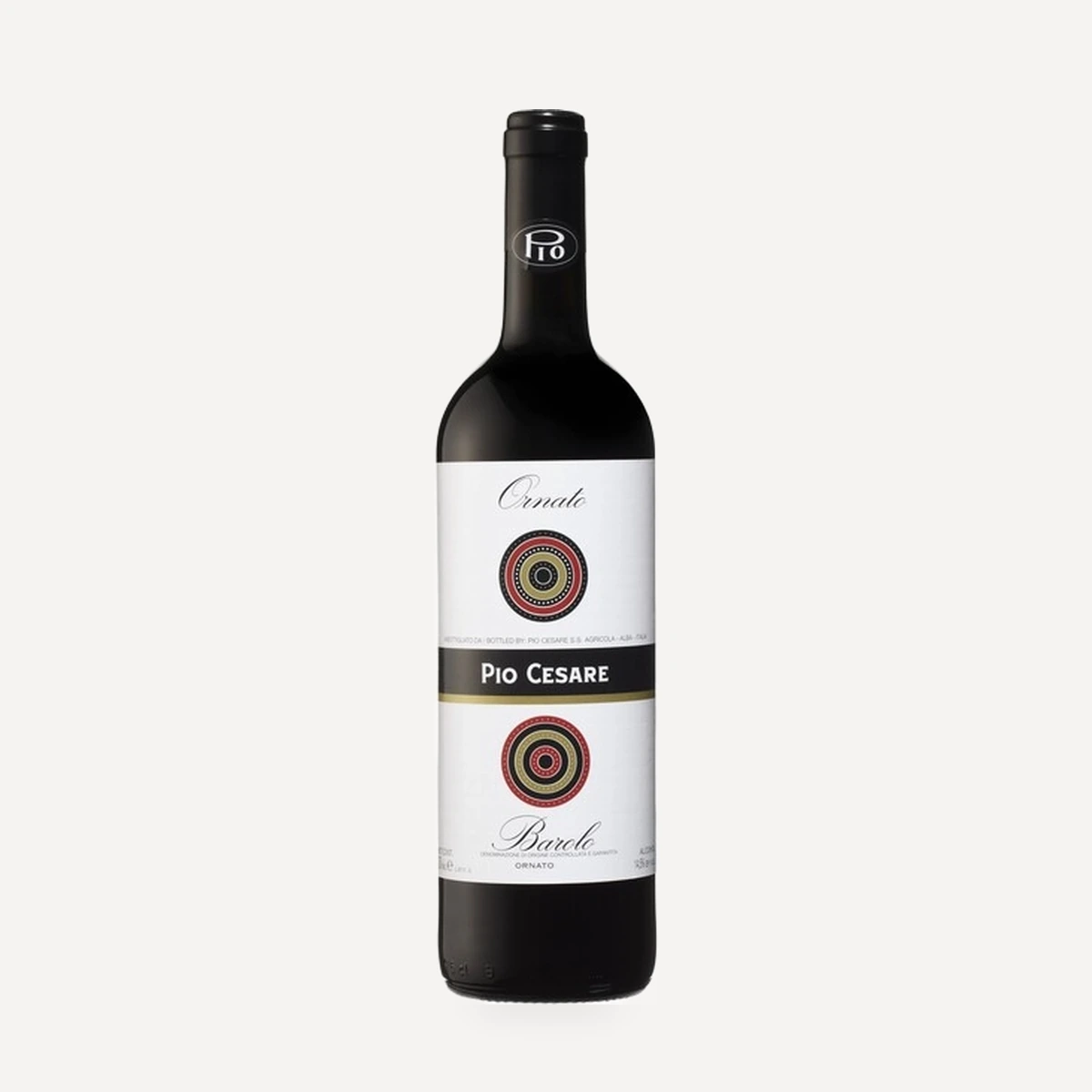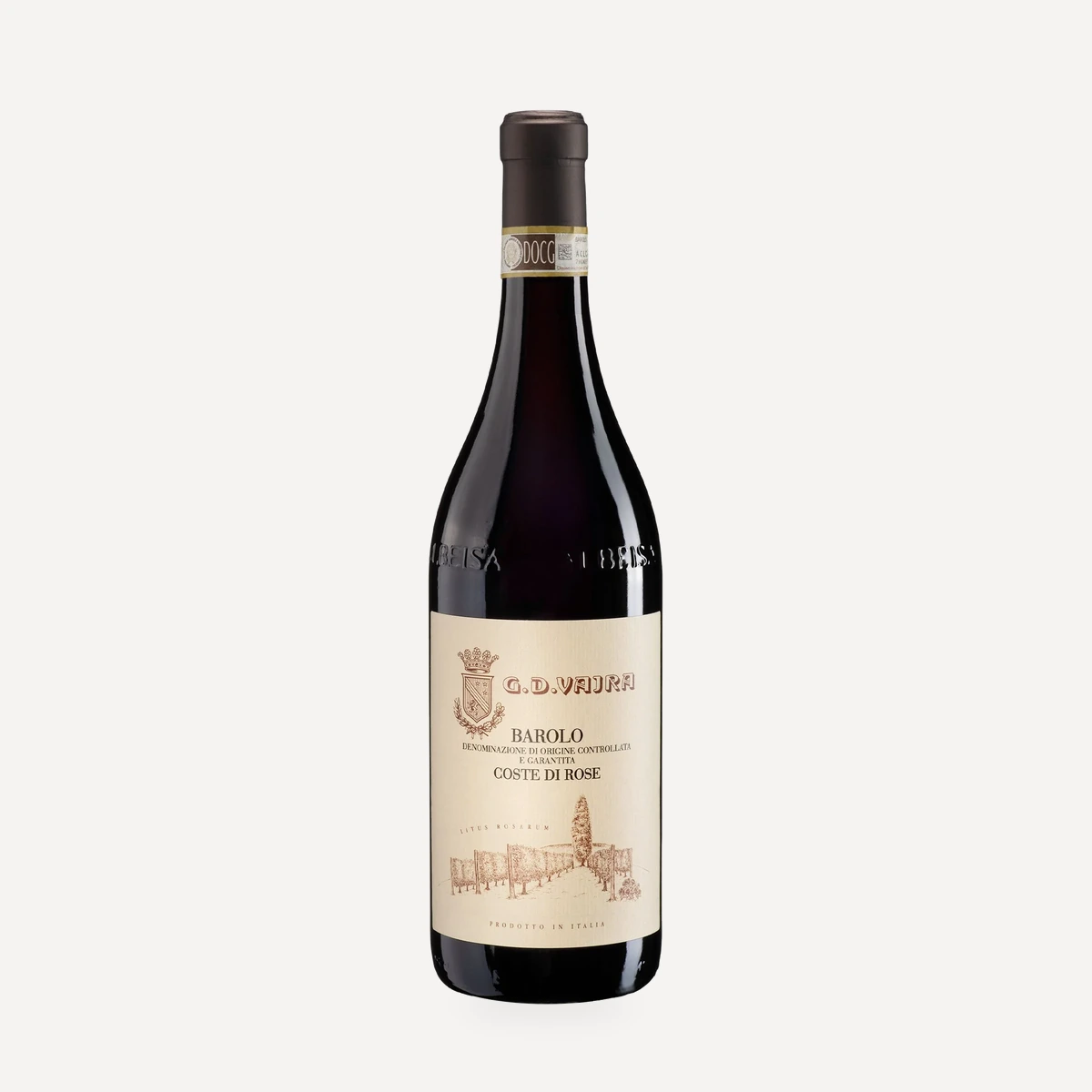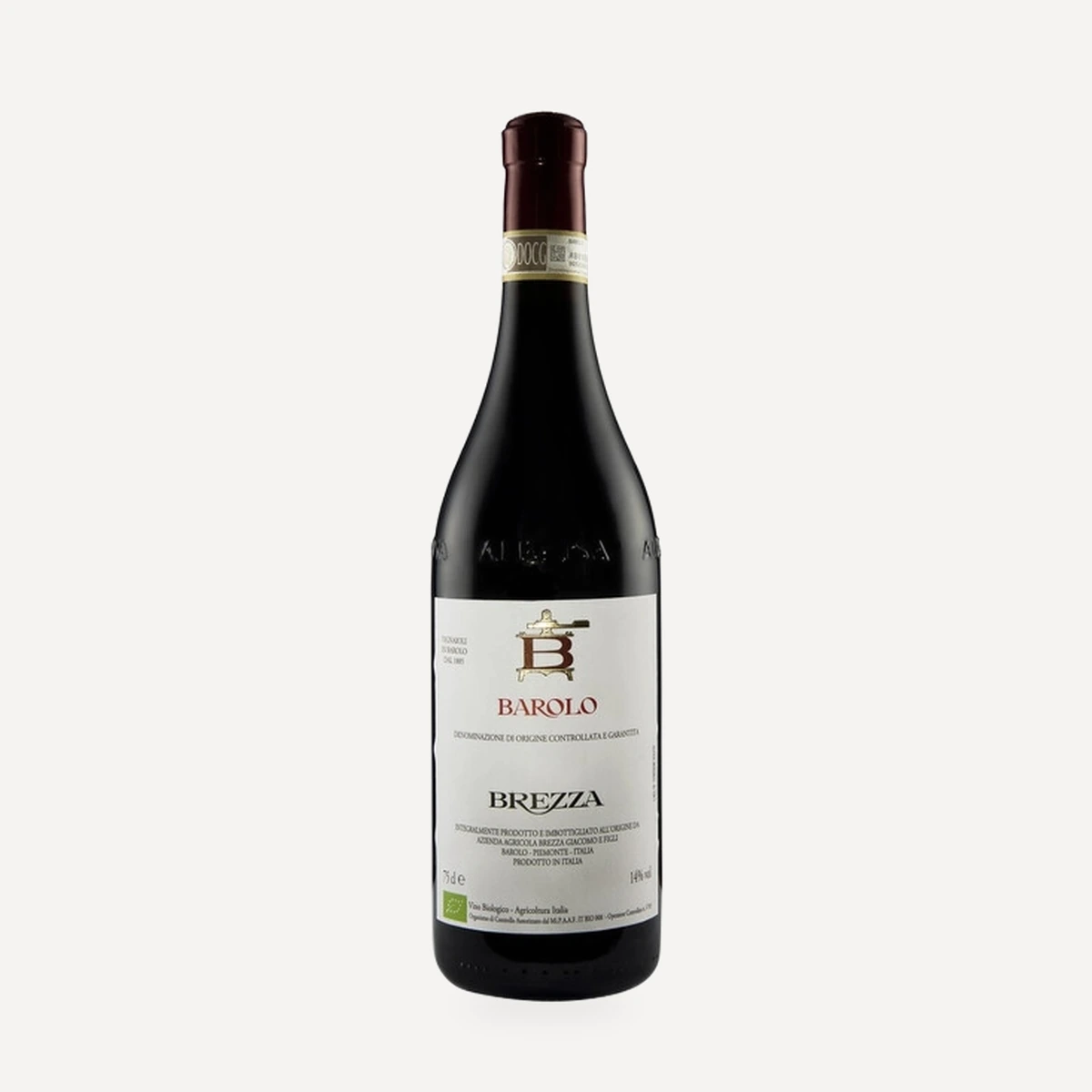
Questo vino
Vineyard and terroir
The fruit comes from 2.3 ha of vineyards in Barolo, Monforte d’Alba and Novello, in the southwestern portion of the Barolo growing area. The sites combine clay-silt, sand and silt at 300 m, with both eastern and western exposures. The vines were planted in 1991 at 3,700 plants/ha, with 1 × 2.7 m spacing. They are trained to a vertical canopy and pruned by traditional Guyot. Rootstocks are 420 A and K5BB, and the approximate yield is 7,000 kg/ha.
The cuvée brings together contrasting soils and microclimates. It remained part of the family’s production even after single-vineyard bottlings began to be separated in the 1970s.
Grapes
100% Nebbiolo, Lampia subvariety.
Vinification
Vinification follows the approach used for the cru Barolos, with a shorter maceration. Fruit from the individual sites is fermented separately, and the lots are blended before malolactic fermentation.
Ageing
The wine matures for two years in large 1,500–3,000 L Slavonian oak casks, followed by one year in bottle. The cask staves are bent over fire but are not toasted. New oak is avoided.
Tasting profile
The style is less complex and more immediately approachable than the estate’s single-vineyard Barolos, with an expressive nose and elegance in youth. The 2022 shows camphor, new leather, forest floor, dark spice, ripe woodland berries and a trace of blue flowers. Its smooth, enveloping palate combines cherry, raspberry compote, liquorice, spiced orange rind and menthol with crushed-velvet tannins.
Serving and pairing
Designed to introduce the varied landscape of Barolo through an approachable blend of sites. It is best enjoyed comparatively young, although the 2022 has a suggested drinking window of 2027–2034.
Label / history
The family links the name Nebbiolo to Giovanni Battista Croce’s 1606 proposal that it derives from a transposition of the adjective “noble.” This idea informs the choice of traditional large casks, intended to allow Nebbiolo to develop power gracefully.