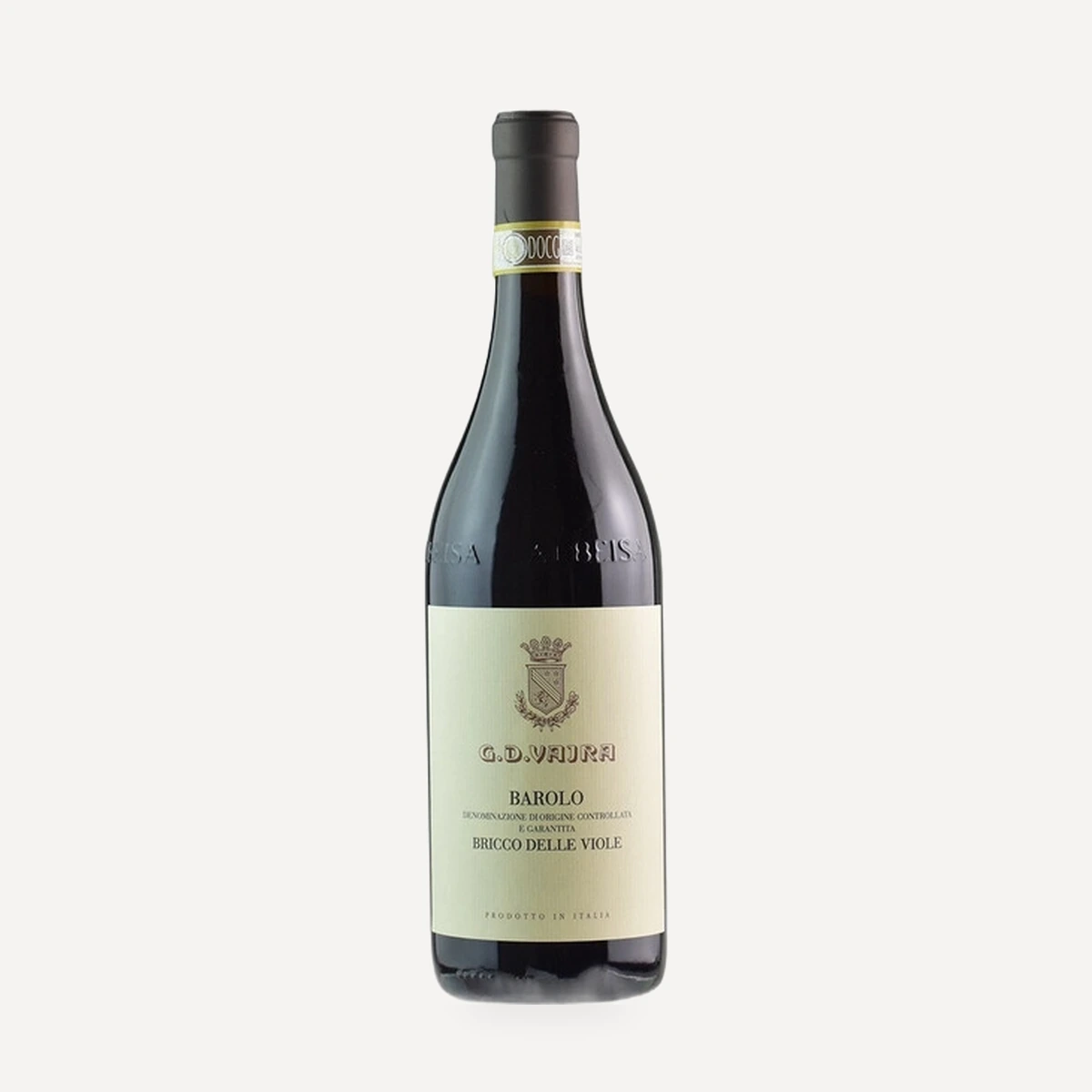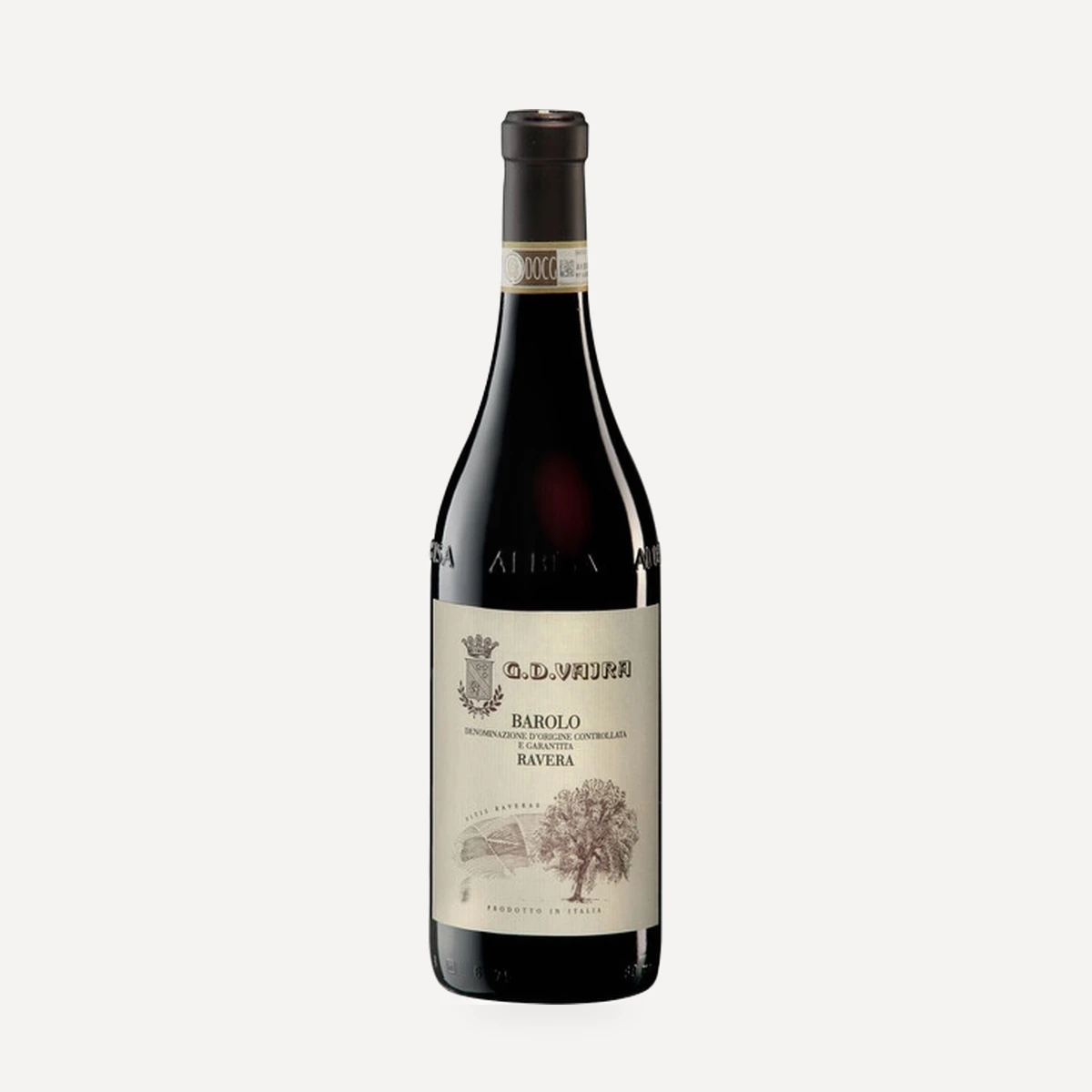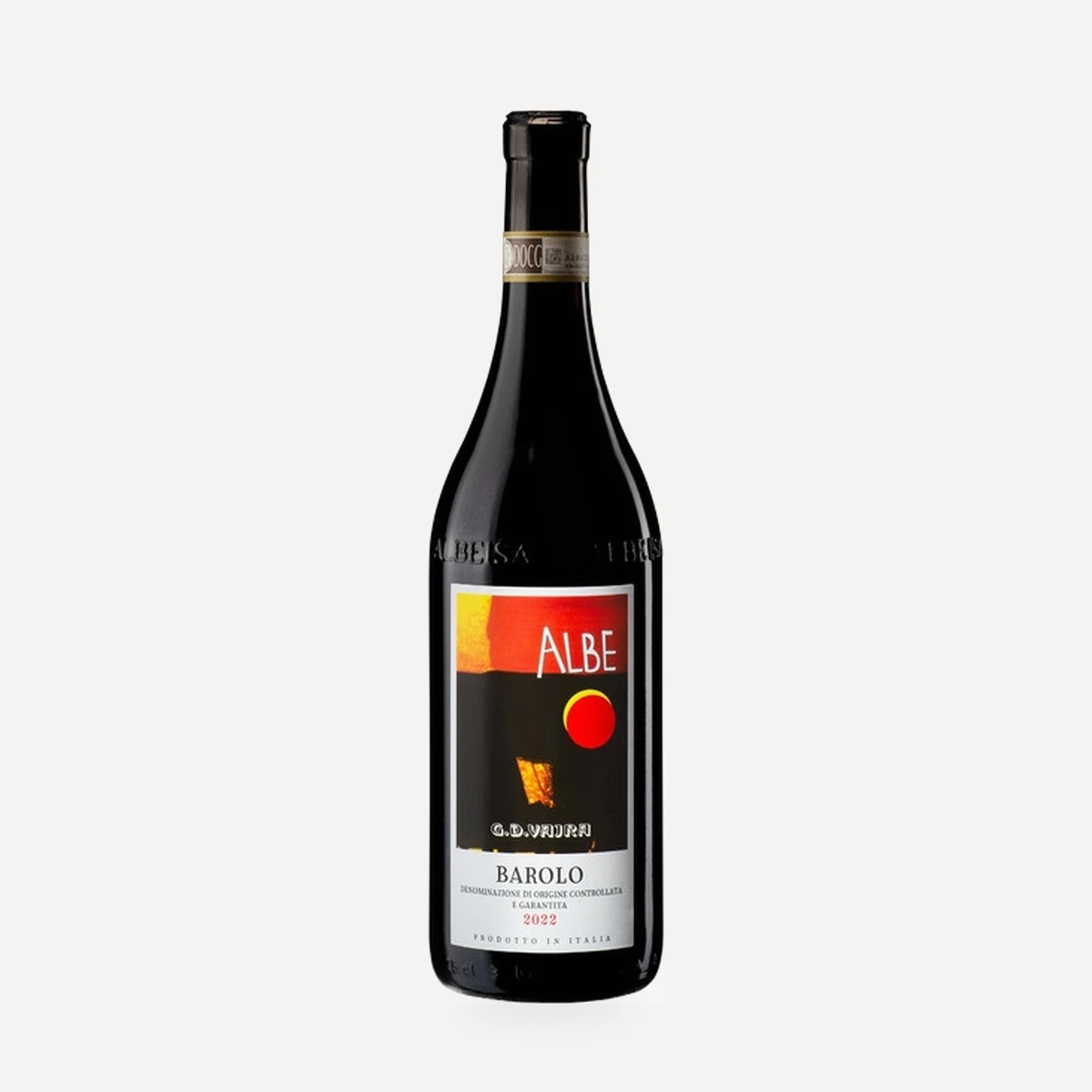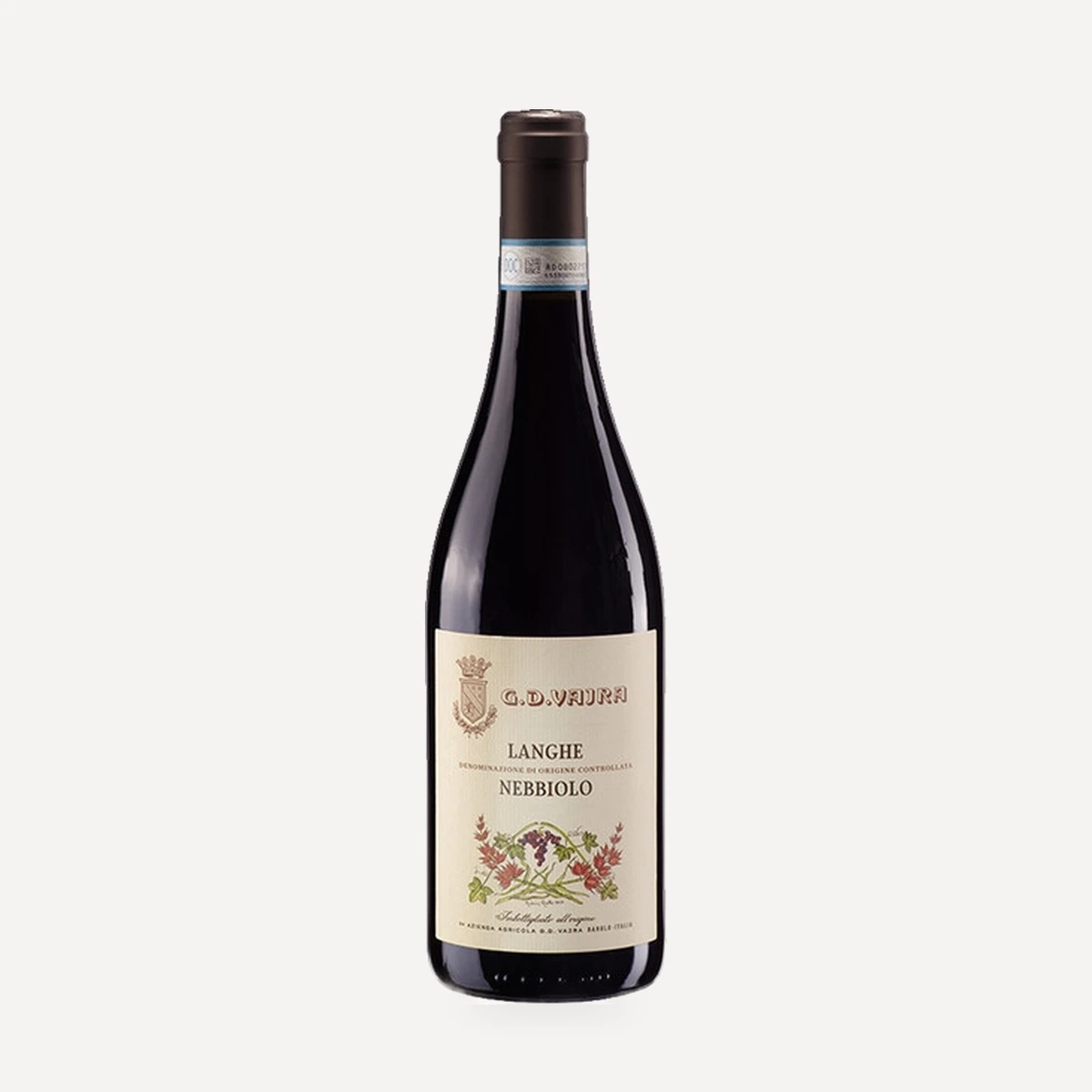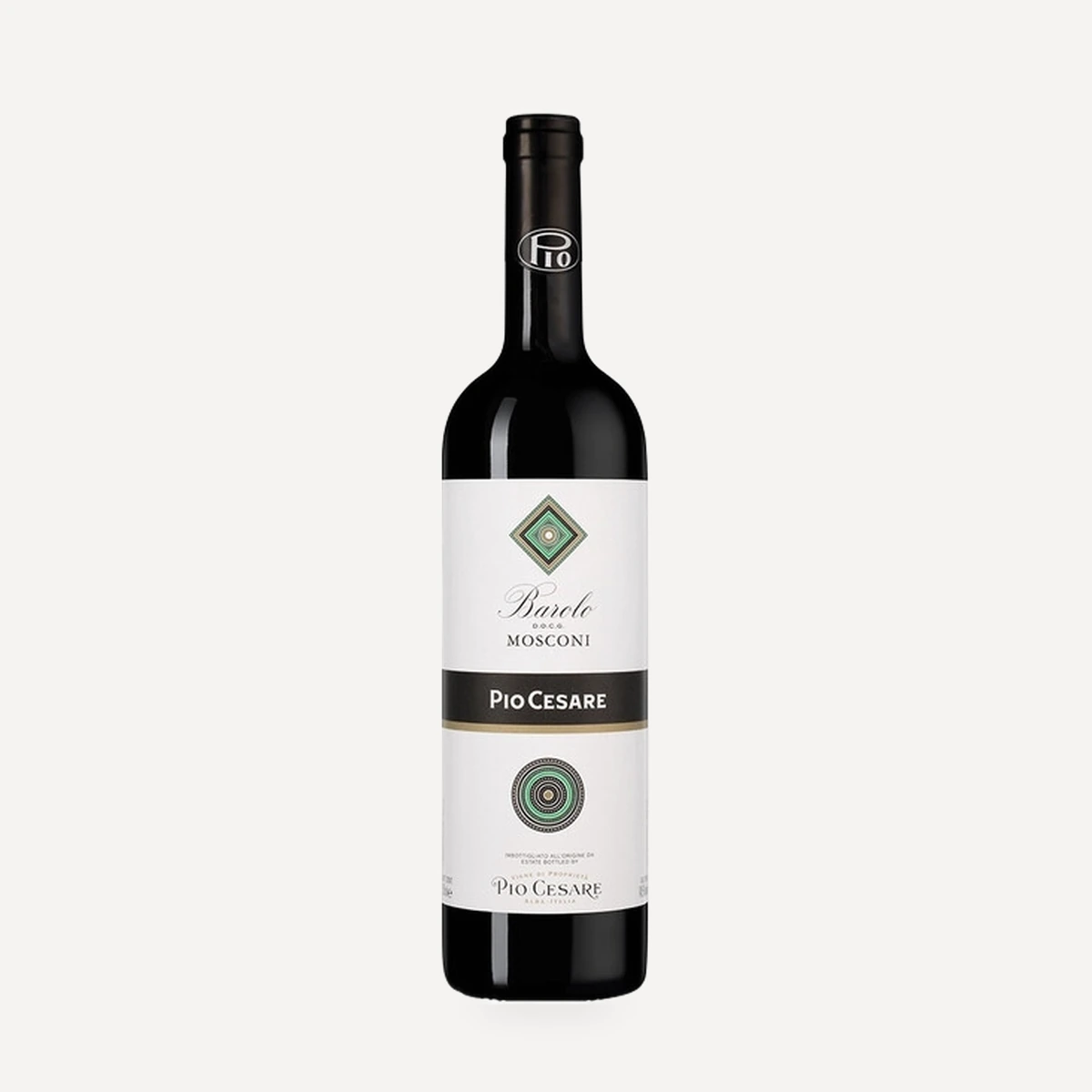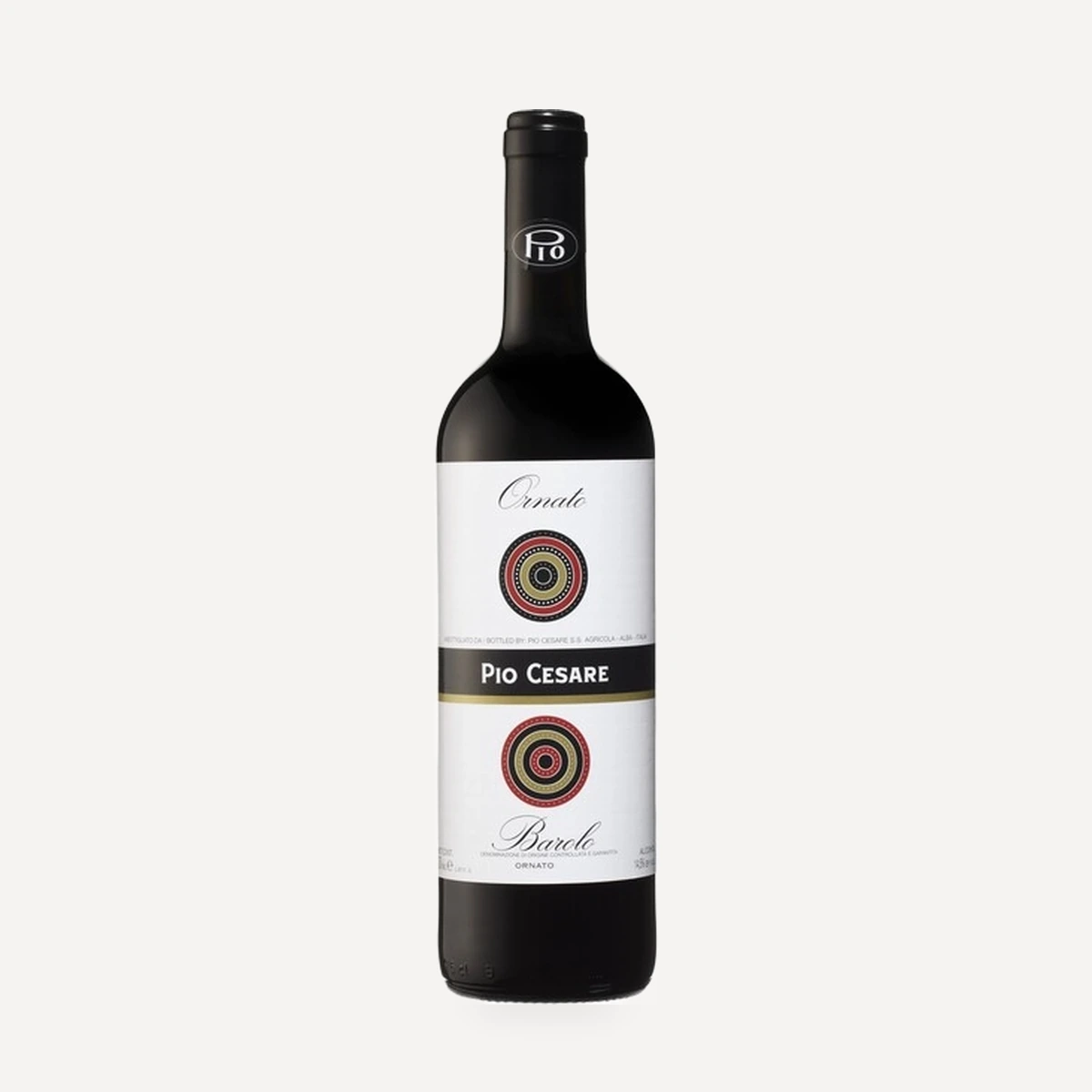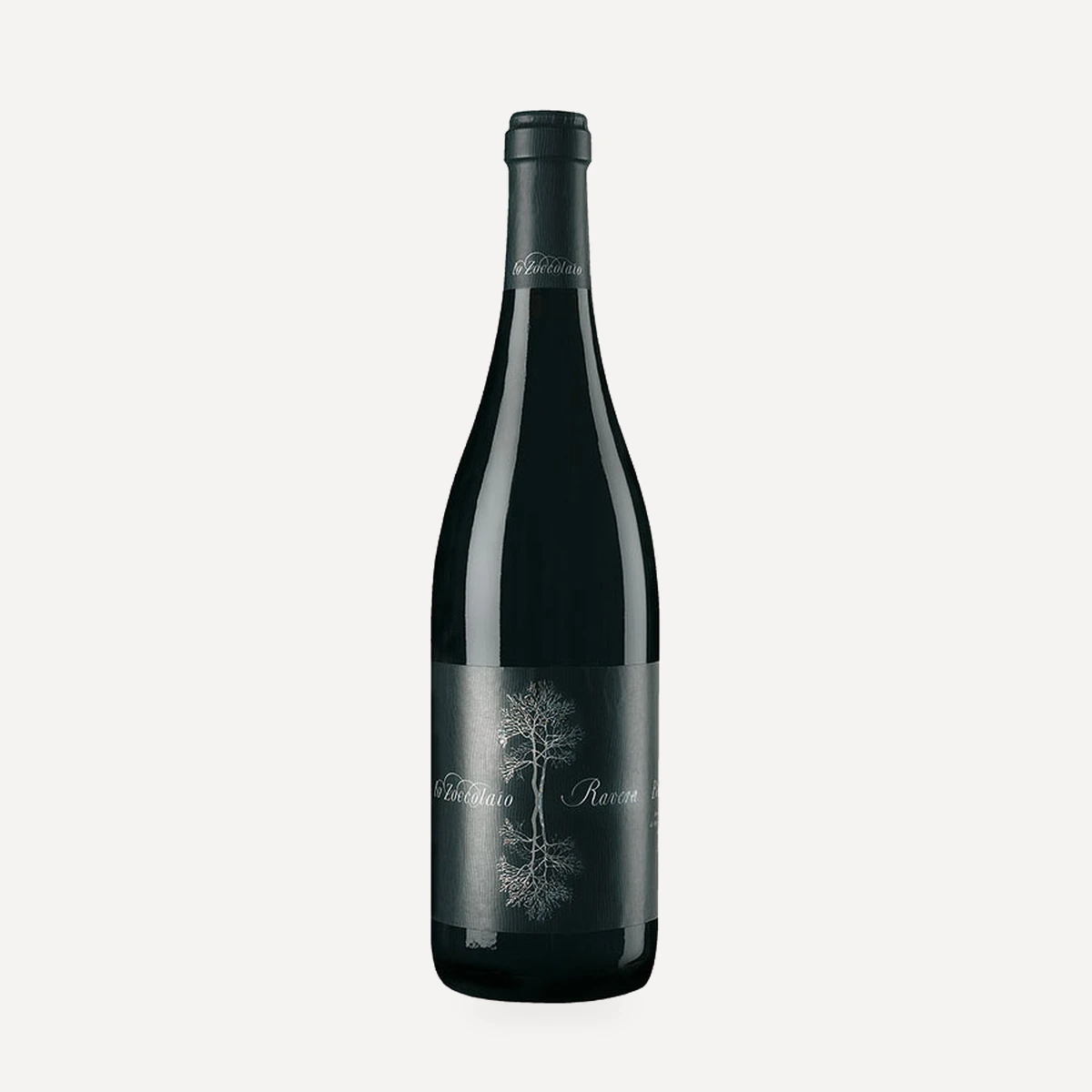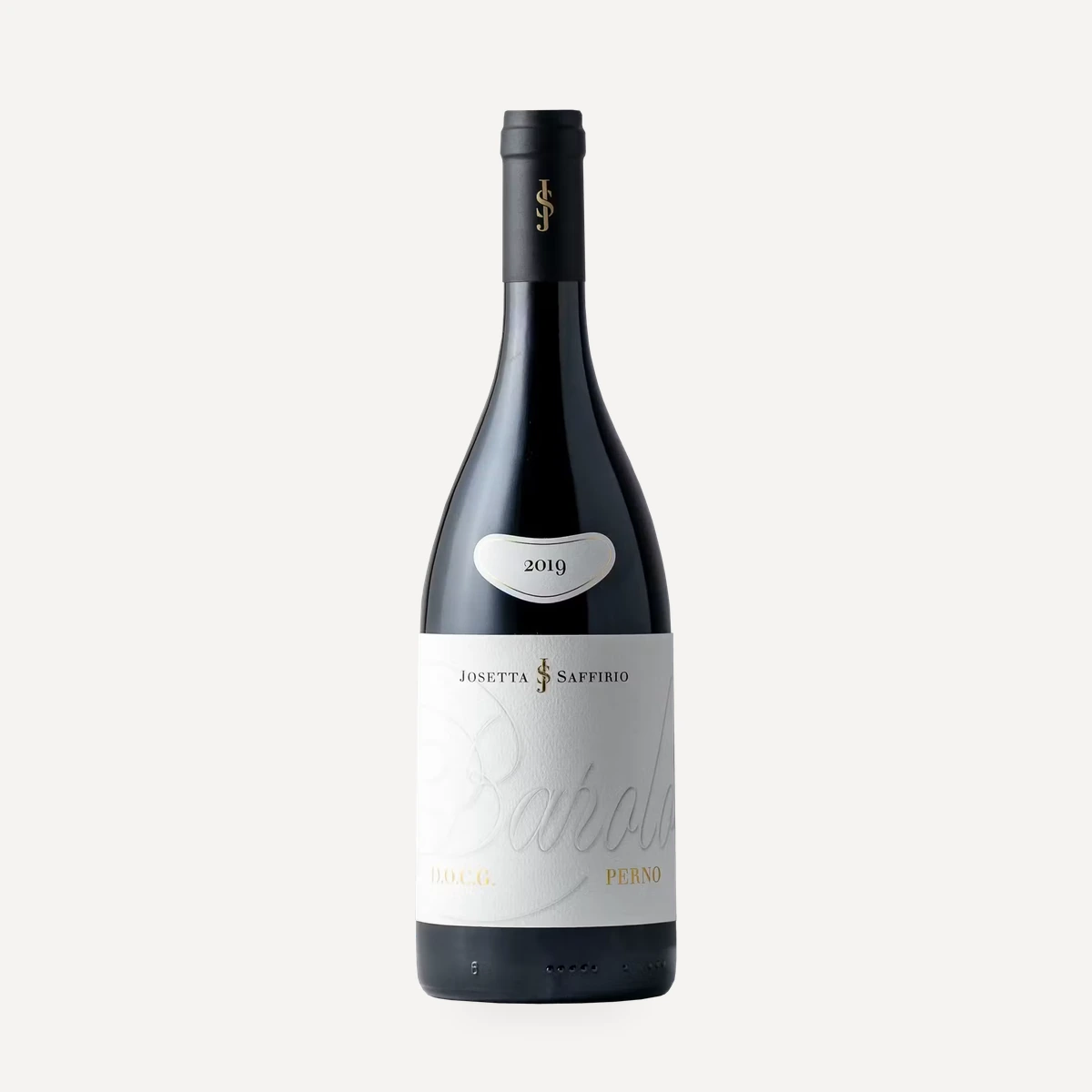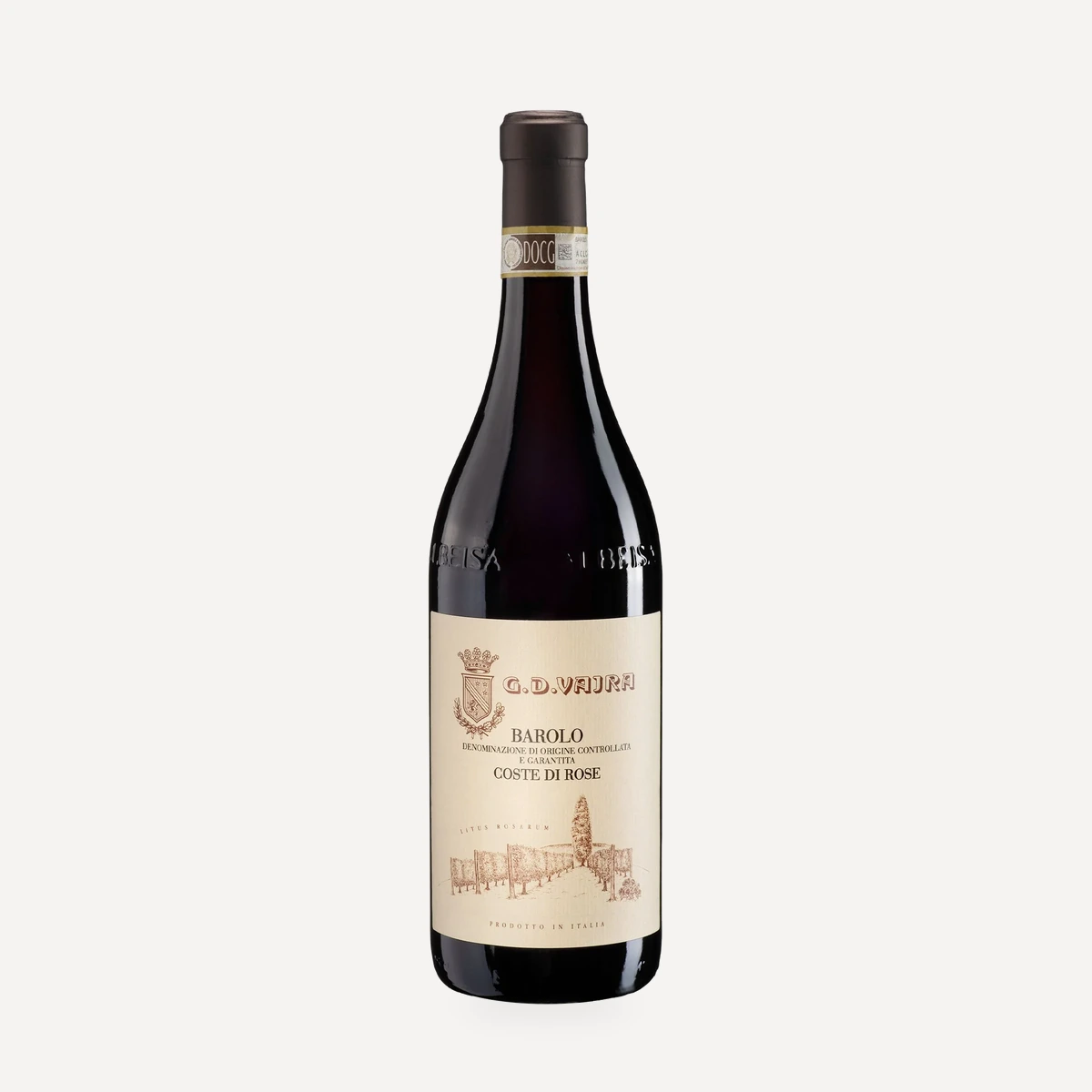
Questo vino
Vineyard and terroir
Coste di Rose is a small MGA in the commune of Barolo, occupying the steep slope that descends from the summit of Bosco della Fava toward the boundary with Monforte d’Alba. At the top of the vineyard, a roughly five-metre dune-like outcrop of pure Diano sandstone reveals the site’s Tortonian origins. Ancient sandy soils shape the wine’s characteristic floral, red-fruited and finely textured expression.
Spontaneous grass cover has protected the vineyards for around 50 years, improving soil aeration and limiting erosion. Vineyard work is highly dependent on manual labour, with ongoing attention to the biodiversity of the estate’s vineyards, fields and woodland. The estate vineyards are certified organic and sustainable.
Grapes
100% Nebbiolo.
Vinification
The 2022 grapes were harvested on 27 September and selected manually three times: first on the vine, then as whole bunches on sorting tables, and finally berry by berry after destemming. Vinification took place in truncated-conical vats with gentle punch-downs and pump-overs. Maceration lasted 47 days with the cap partially submerged. Malolactic fermentation followed in stainless steel during spring.
Ageing
The wine matured for 22 months in 25 hL Slavonian oak casks and was bottled on 19 May 2025.
Technical data
Available in 750 ml and 1.5 L formats.
Tasting profile
The 2022 opens with red cherry, sour cherry, blueberry, strawberry and plum, joined by violet and other delicate floral tones. Sweet spices, dark chocolate, nutmeg and clove emerge alongside black pepper, fresh mint and orange peel. The palate is fresh, persistent and elegant, with a fine-grained texture that gives the red fruit notable intensity. Subtle floral and citrus accents accompany the acidity and create an ethereal balance. The finish is distinctly mineral, combining red-fruit echoes with a chalky impression. The site’s broader signature is one of cherry, rose, mint and sweet spice framed by silky tannins.
Vintage notes
The 2022 season began dry and warm. Snow and mountain rain partly replenished water reserves in March, and budbreak started on 25 March. Light rainfall and severe hailstorms followed during the next two months, although the estate’s vineyards escaped hail damage. After gradual flowering, hot conditions settled in at the beginning of June and continued through summer. Cooler temperatures at the end of the season created favourable conditions for Nebbiolo. The estate-wide harvest ran from 16 August to 14 October. Yields were low, while the resulting wines showed vibrancy, juiciness and strong aromatic intensity.