Barolo
144 wineries and 579 wines. A few kilometres south of Alba, eleven communes of the Langhe share the most famous red of Piedmont. Barolo, Castiglione Falletto and Serralunga d'Alba lie wholly inside the zone; Monforte d'Alba, Novello, La Morra, Verduno, Grinzane Cavour, Diano d'Alba, Cherasco and Roddi only in part. The boundaries go back to a ministerial decree of 1933, and Barolo was among the first Italian wines to become a DOC, in 1966, and a DOCG, in 1980. Read more ↓
Wineries making Barolo
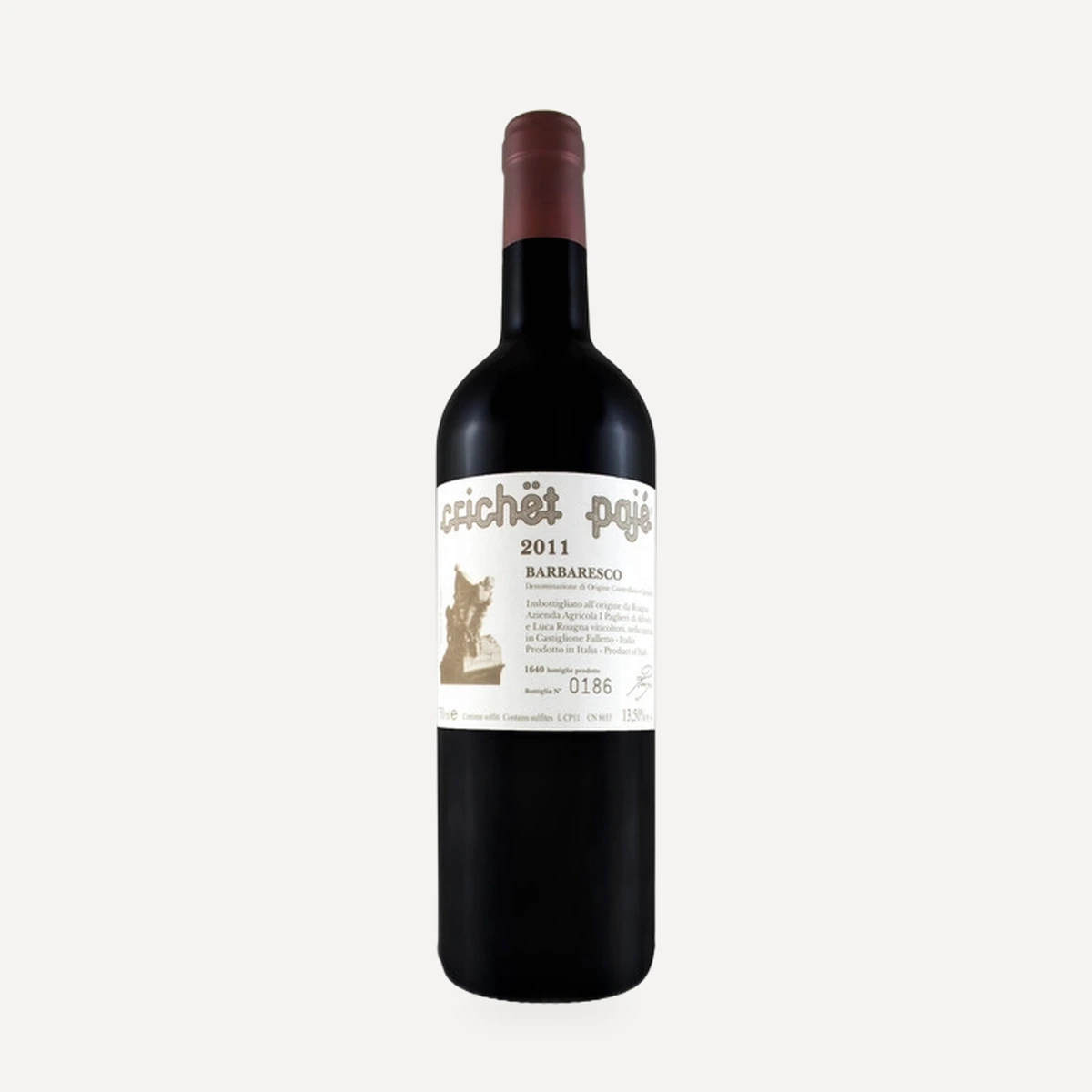 Roagna Barbaresco · 27 wines7 Tre Bicchieri, latest 2022 · Barbaresco Crichët Pajé
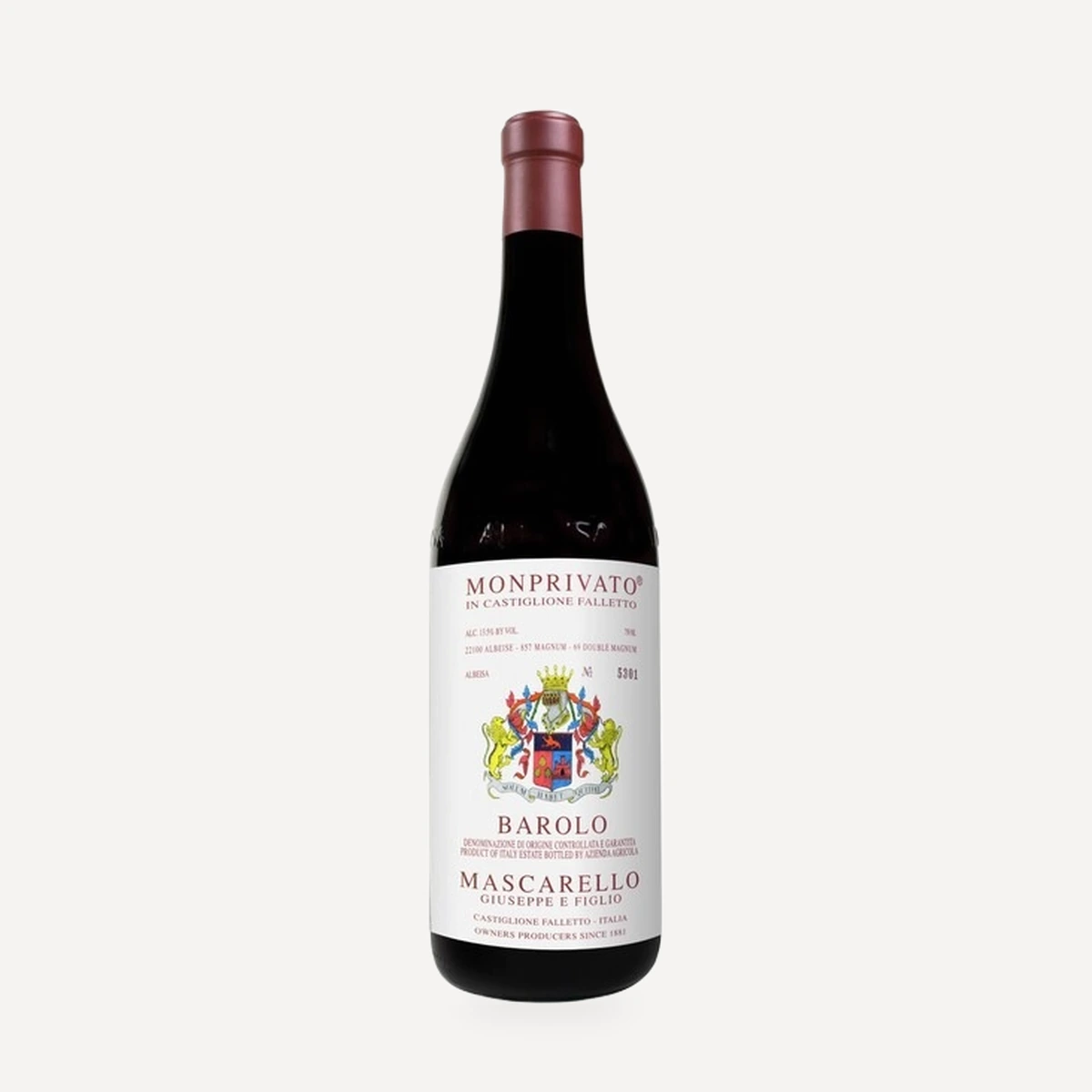 Giuseppe Mascarello e Figlio Barolo · 15 wines8 Tre Bicchieri, latest 2025 · Barolo Monprivato® DOCG
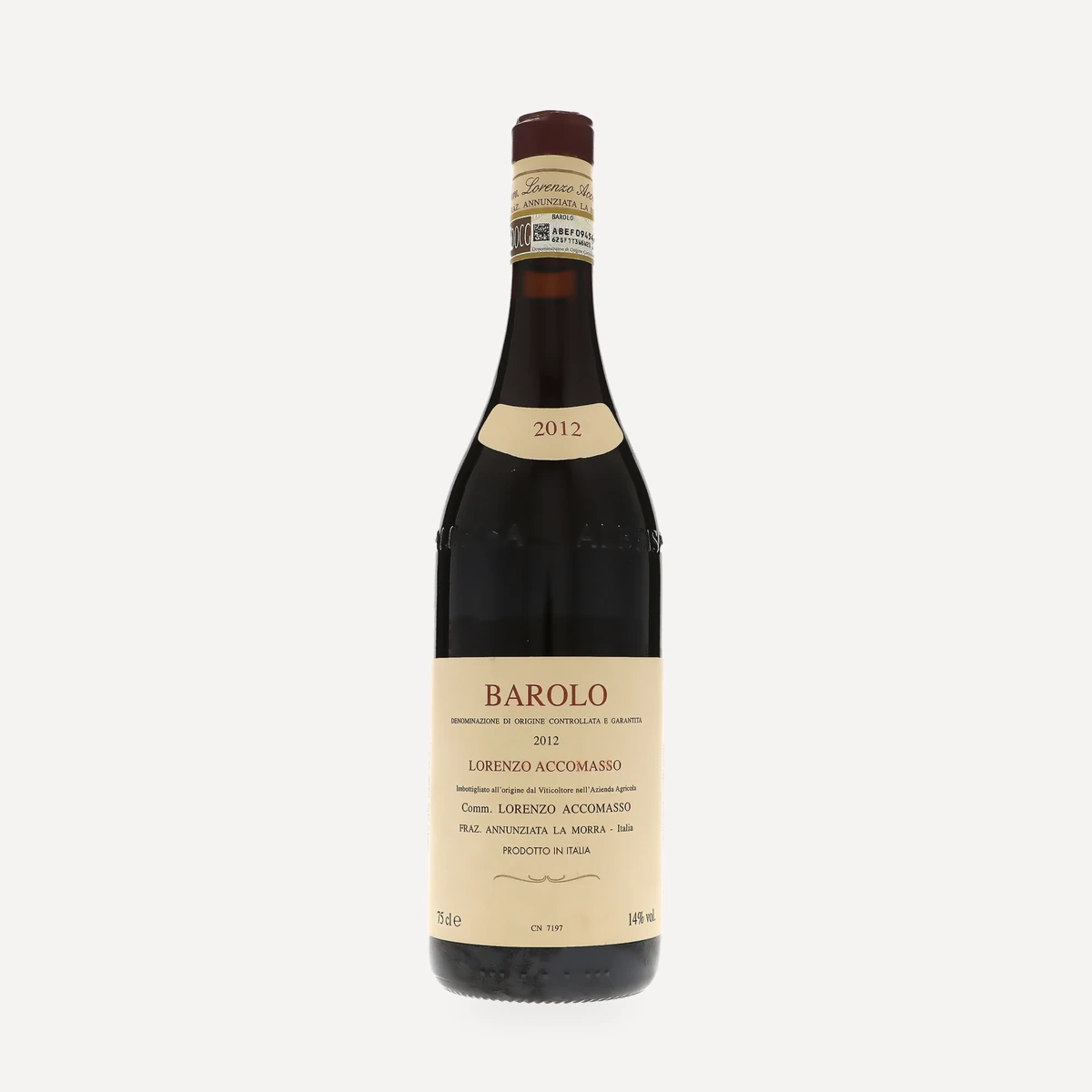 Lorenzo Accomasso Barolo · 1 wineBarolo
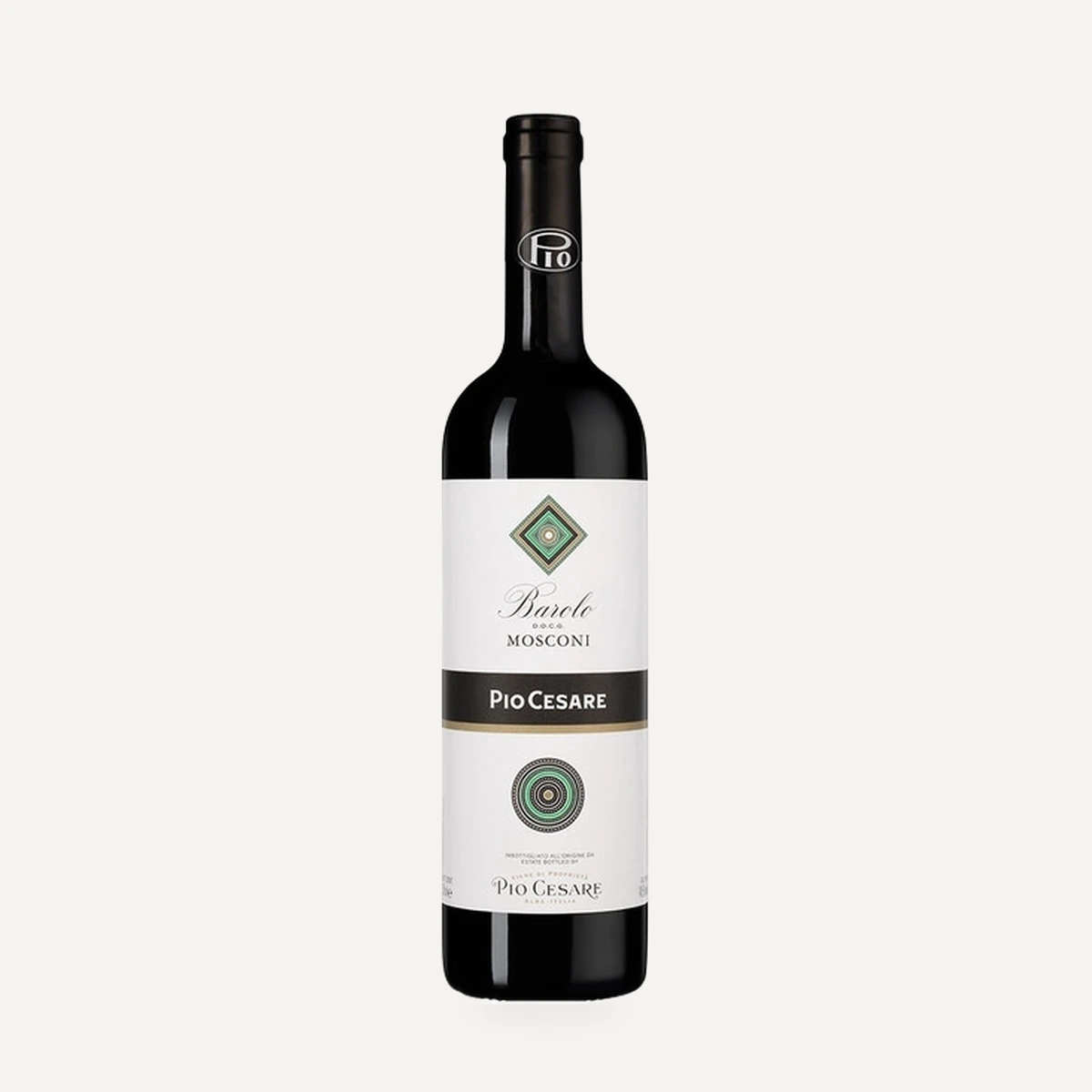
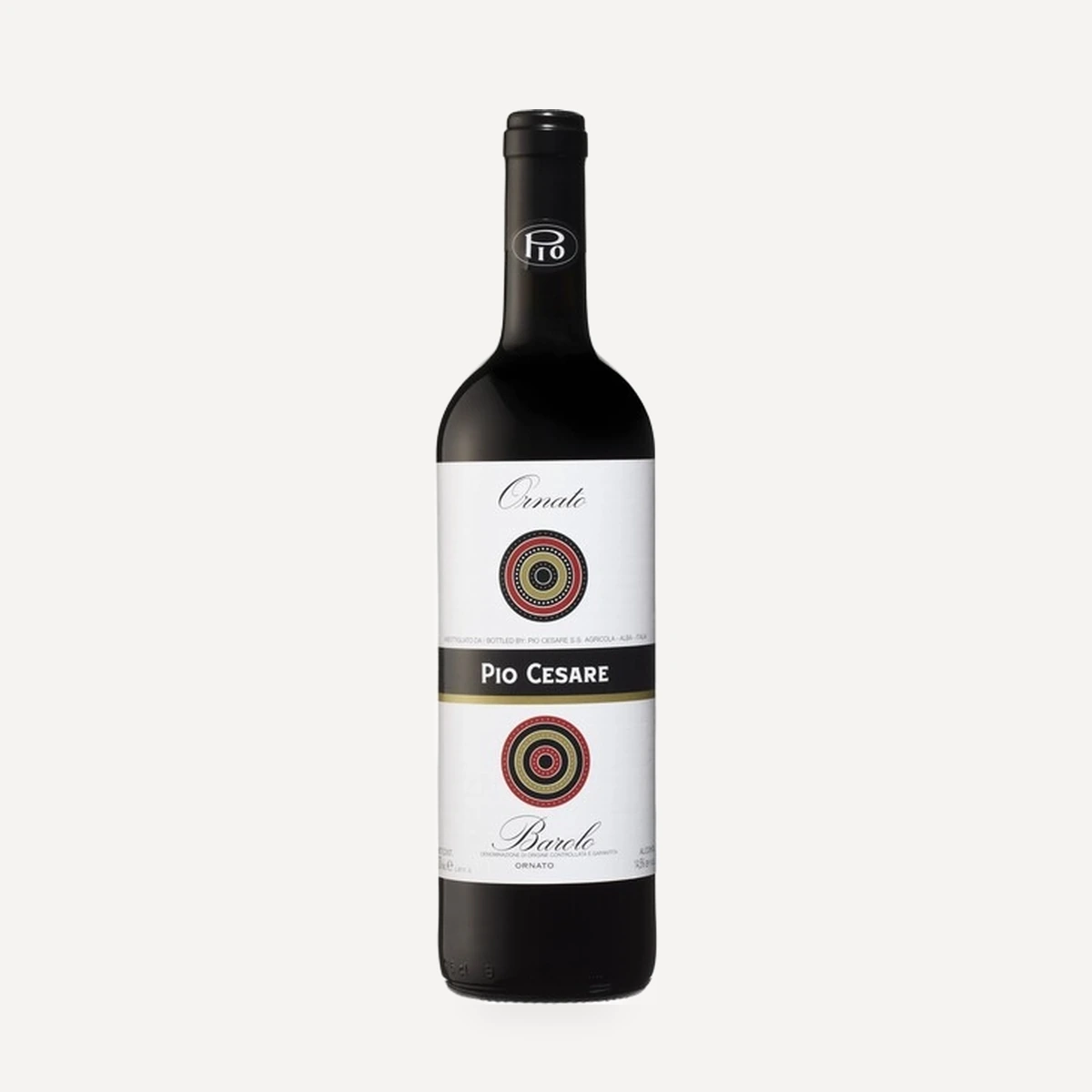 Pio Cesare Langhe · 22 wines11 Tre Bicchieri, latest 2025 · Barolo Ornato DOCG
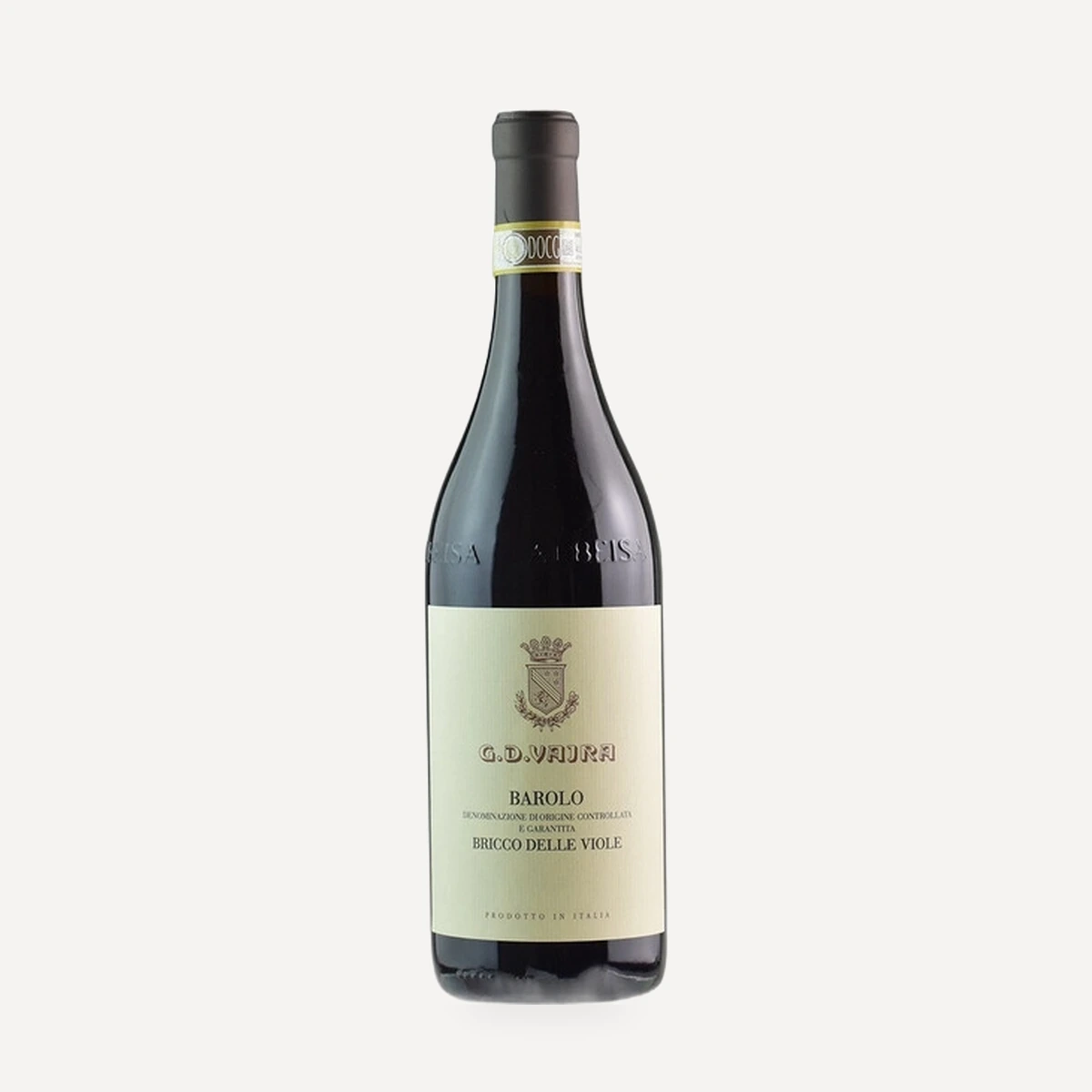
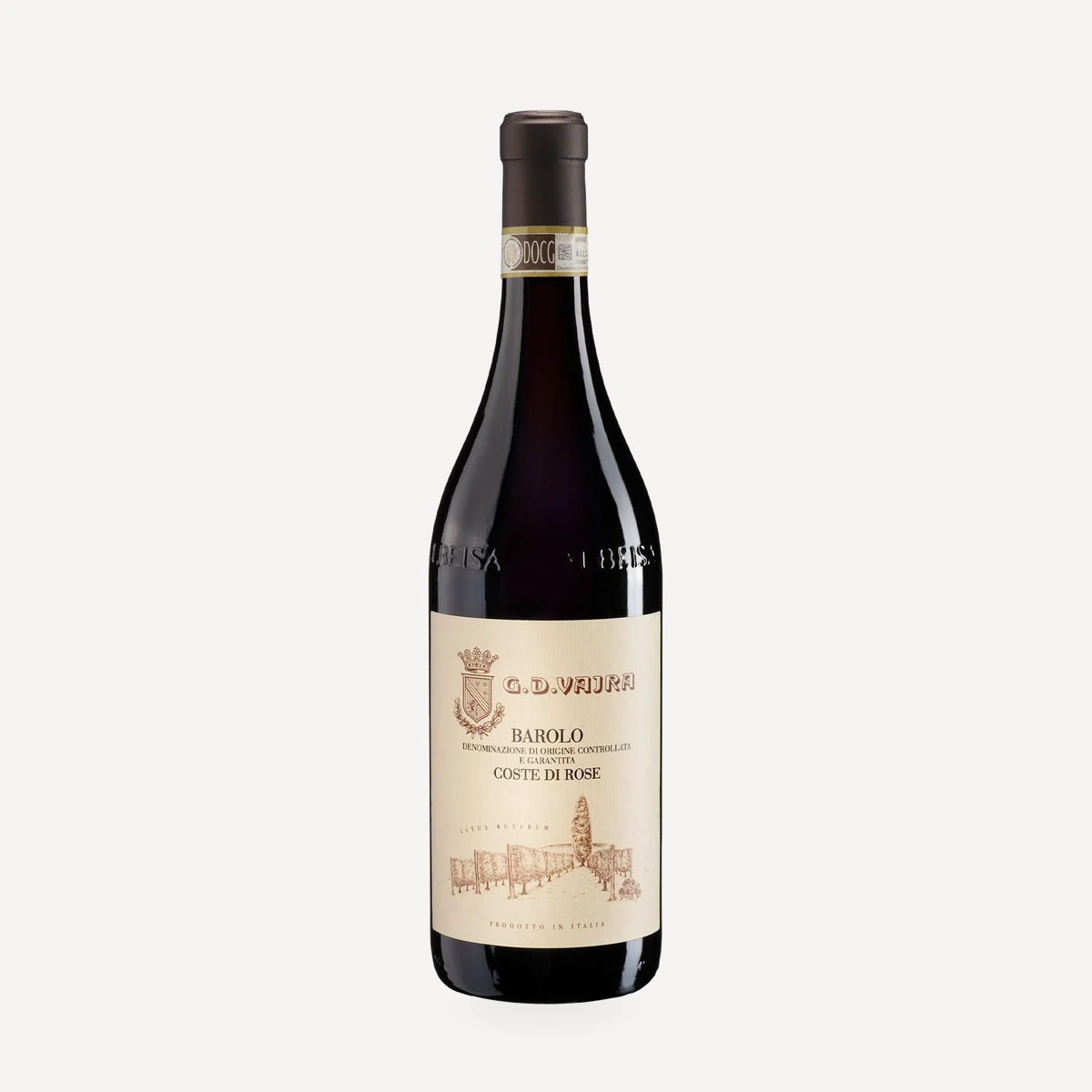 G.D. Vajra Langhe · 20 wines6 Tre Bicchieri, latest 2026 · Barolo Coste di Rose DOCG
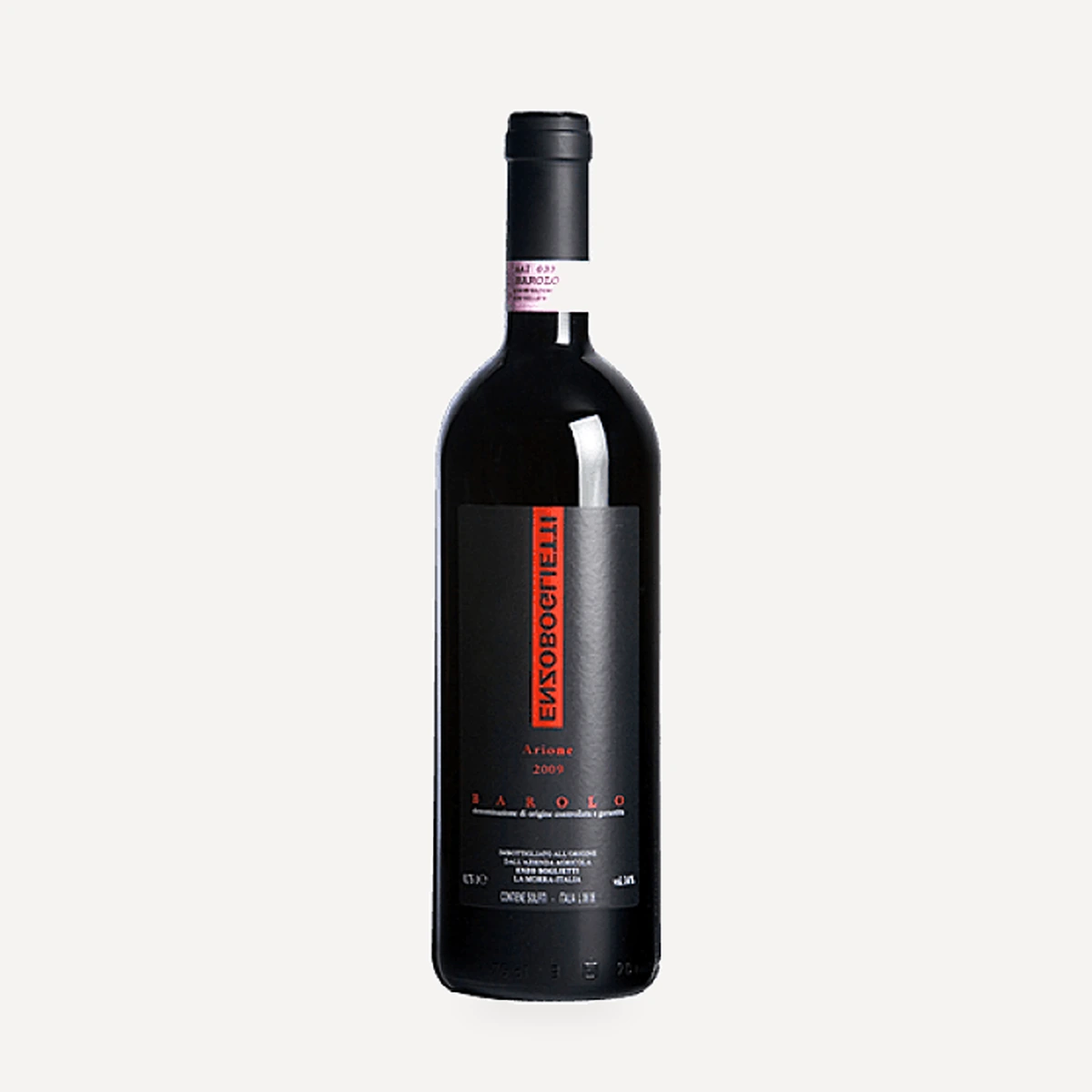
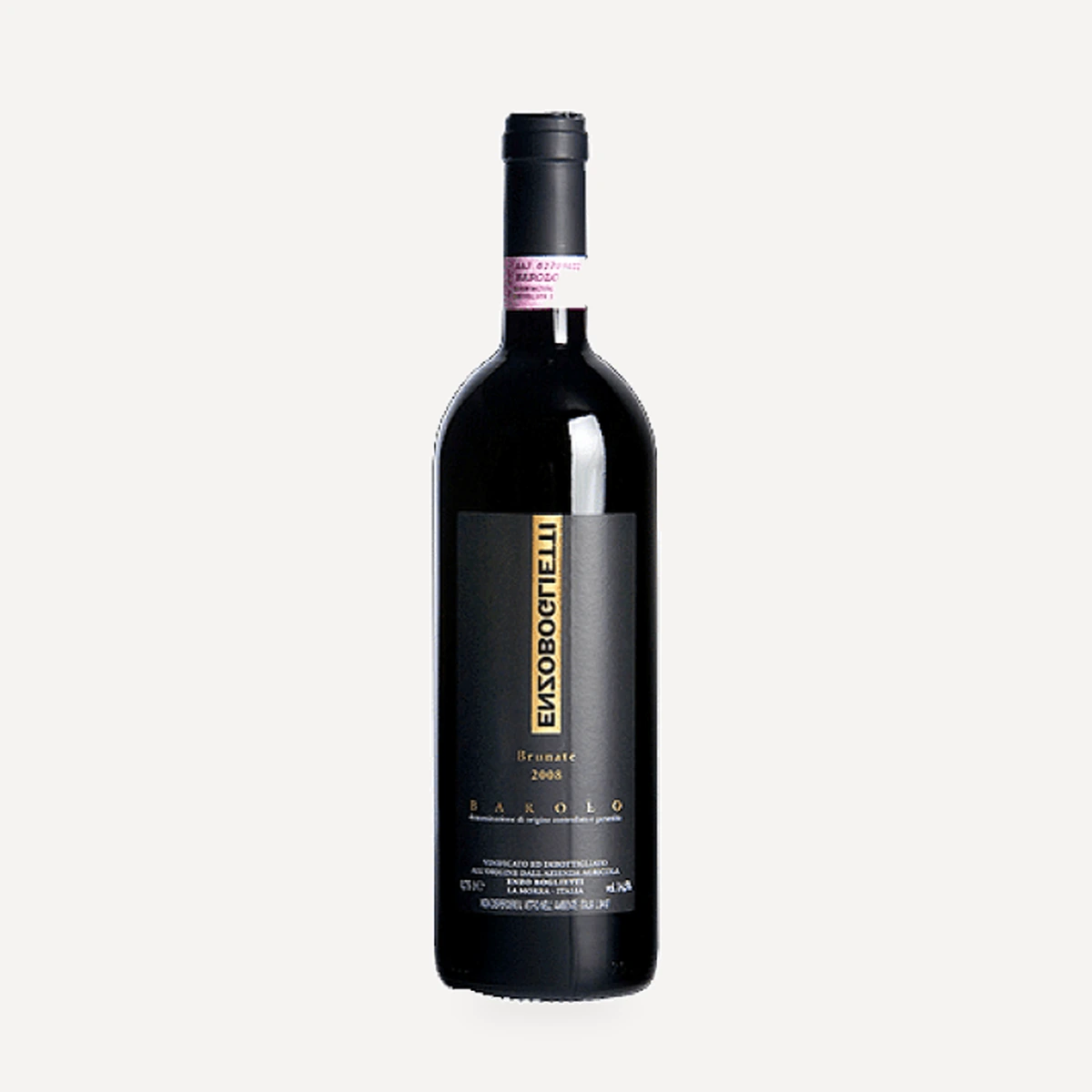 Enzo Boglietti Barolo · 8 wines5 Tre Bicchieri, latest 2022 · Barolo Brunate
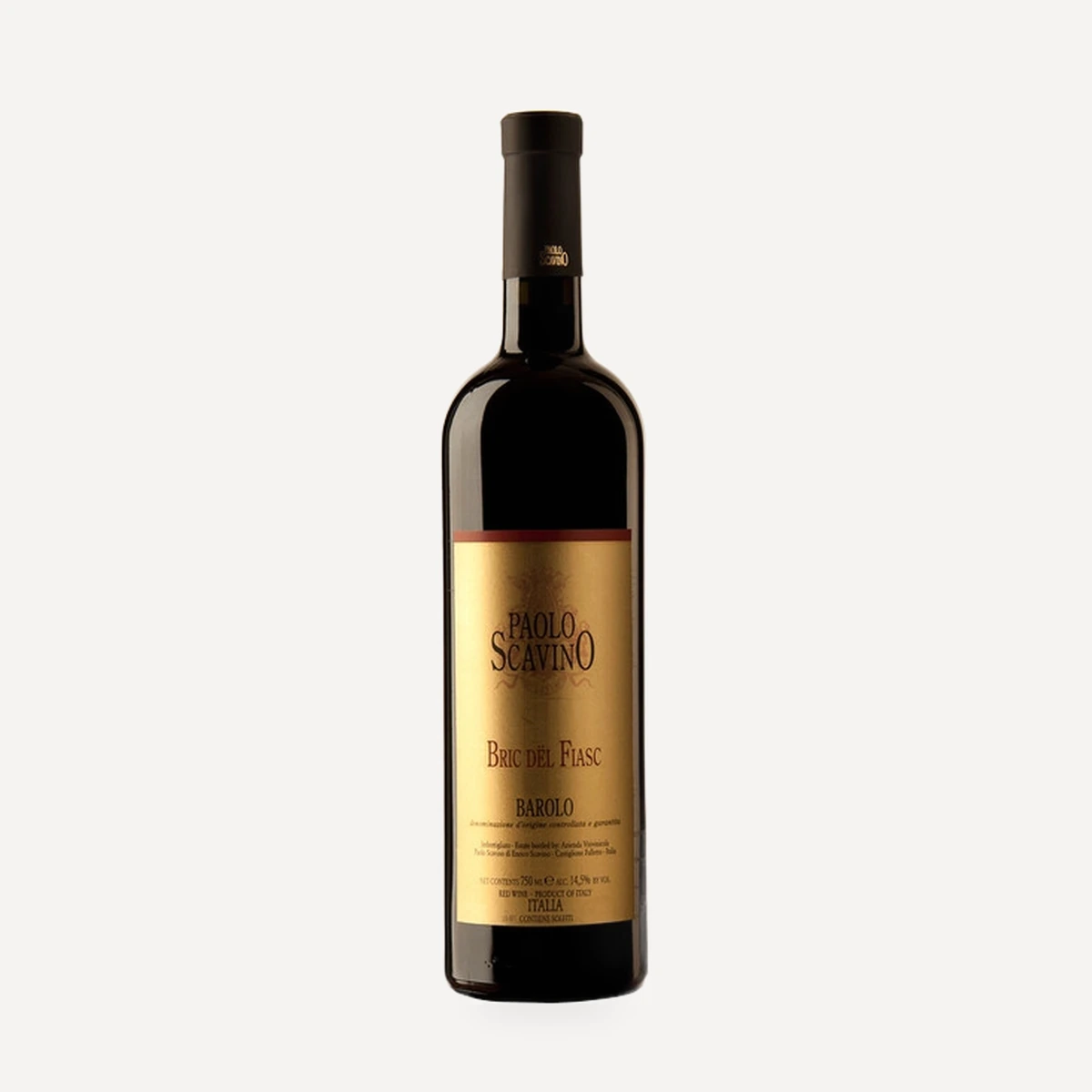 Paolo Scavino Barolo · 13 wines10 Tre Bicchieri, latest 2023 · Barolo Bric dël Fiasc® DOCG
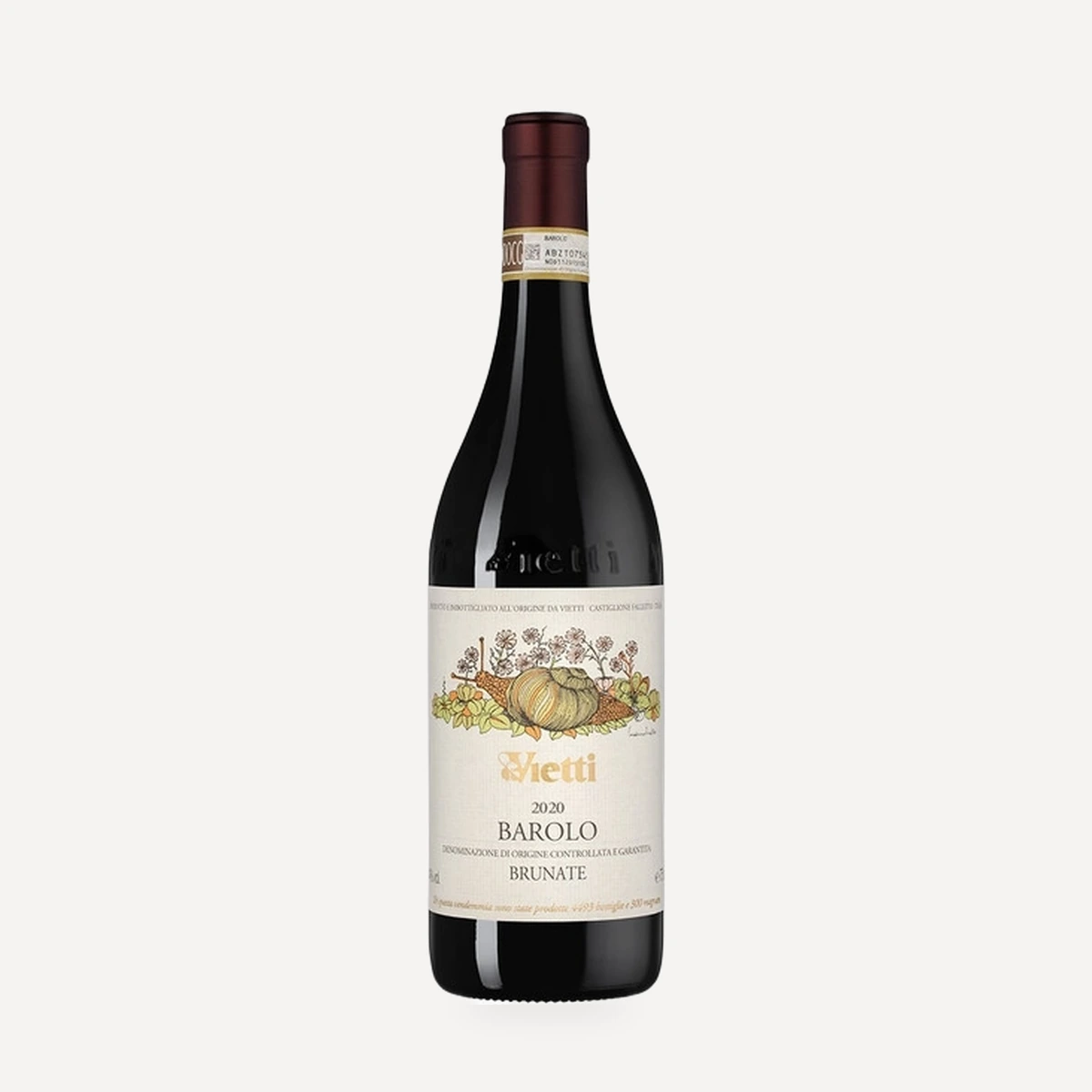 Vietti Barolo · 25 wines15 Tre Bicchieri, latest 2026 · Barolo Brunate
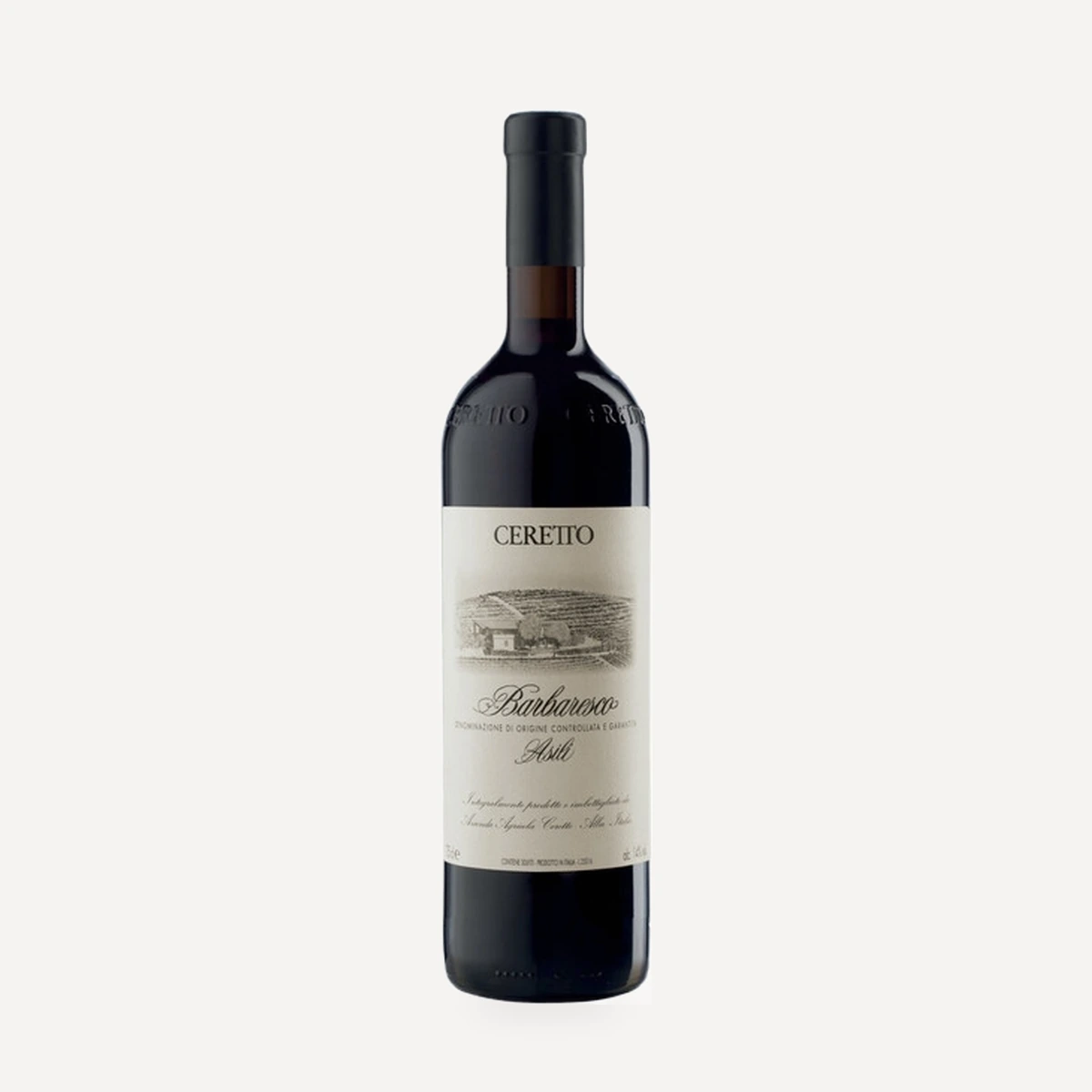 Ceretto Barolo · 23 wines6 Tre Bicchieri, latest 2023 · Asili
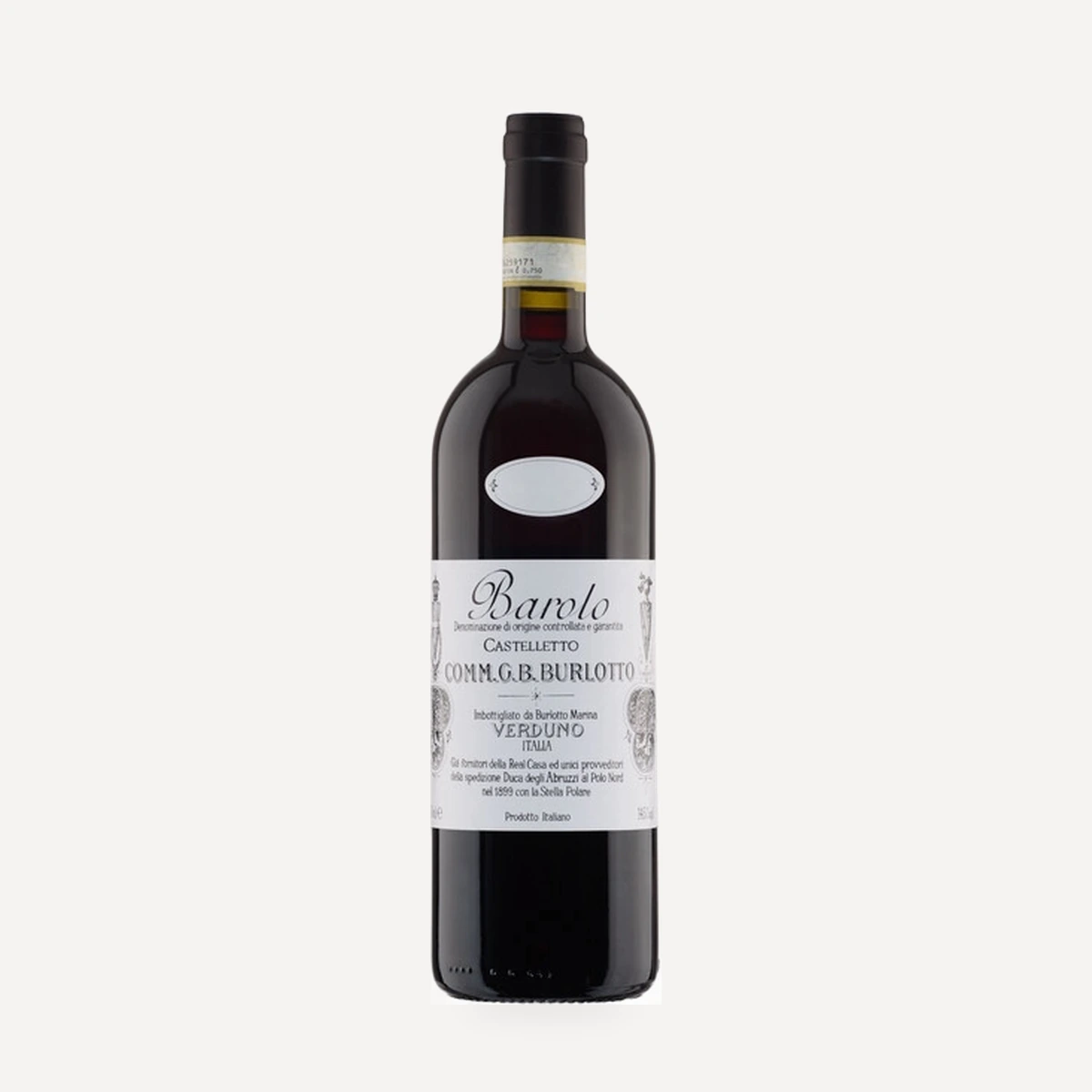 Burlotto Langhe · 15 wines7 Tre Bicchieri, latest 2026 · Barolo Castelletto DOCG
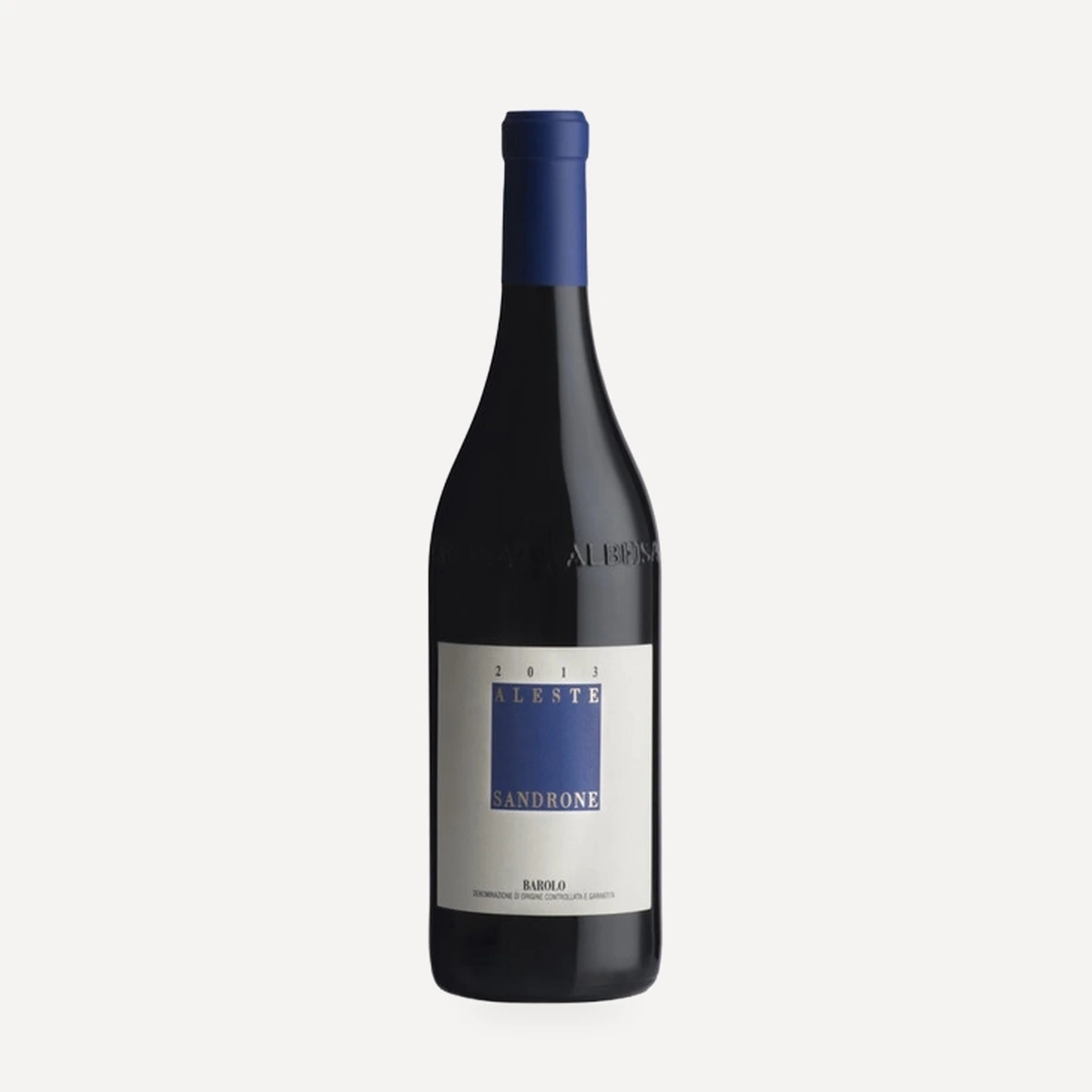 Sandrone Barolo · 6 wines2 Tre Bicchieri, latest 2022 · Barolo Aleste
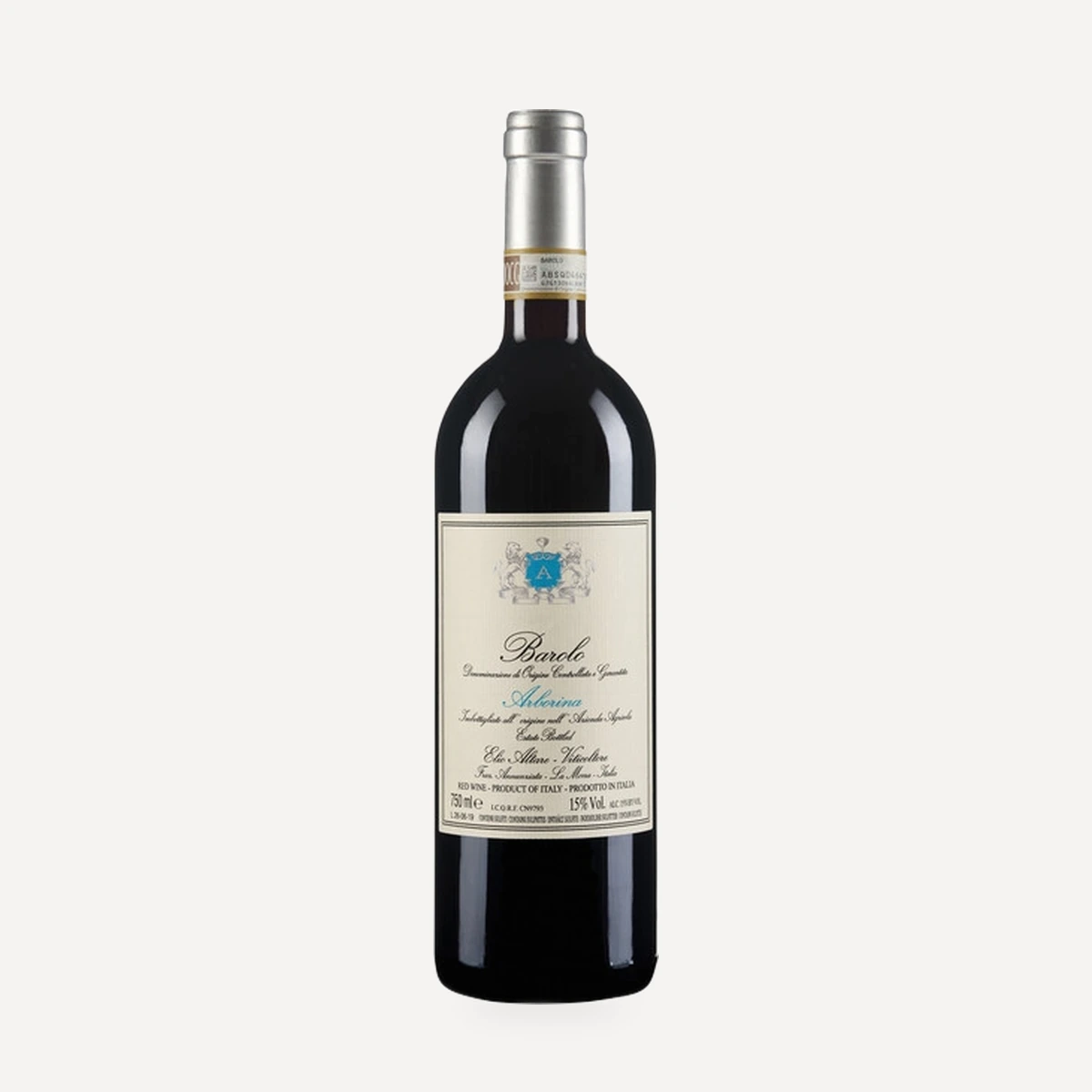 Elio Altare Barolo · 13 wines10 Tre Bicchieri, latest 2026 · Barolo Arborina DOCG
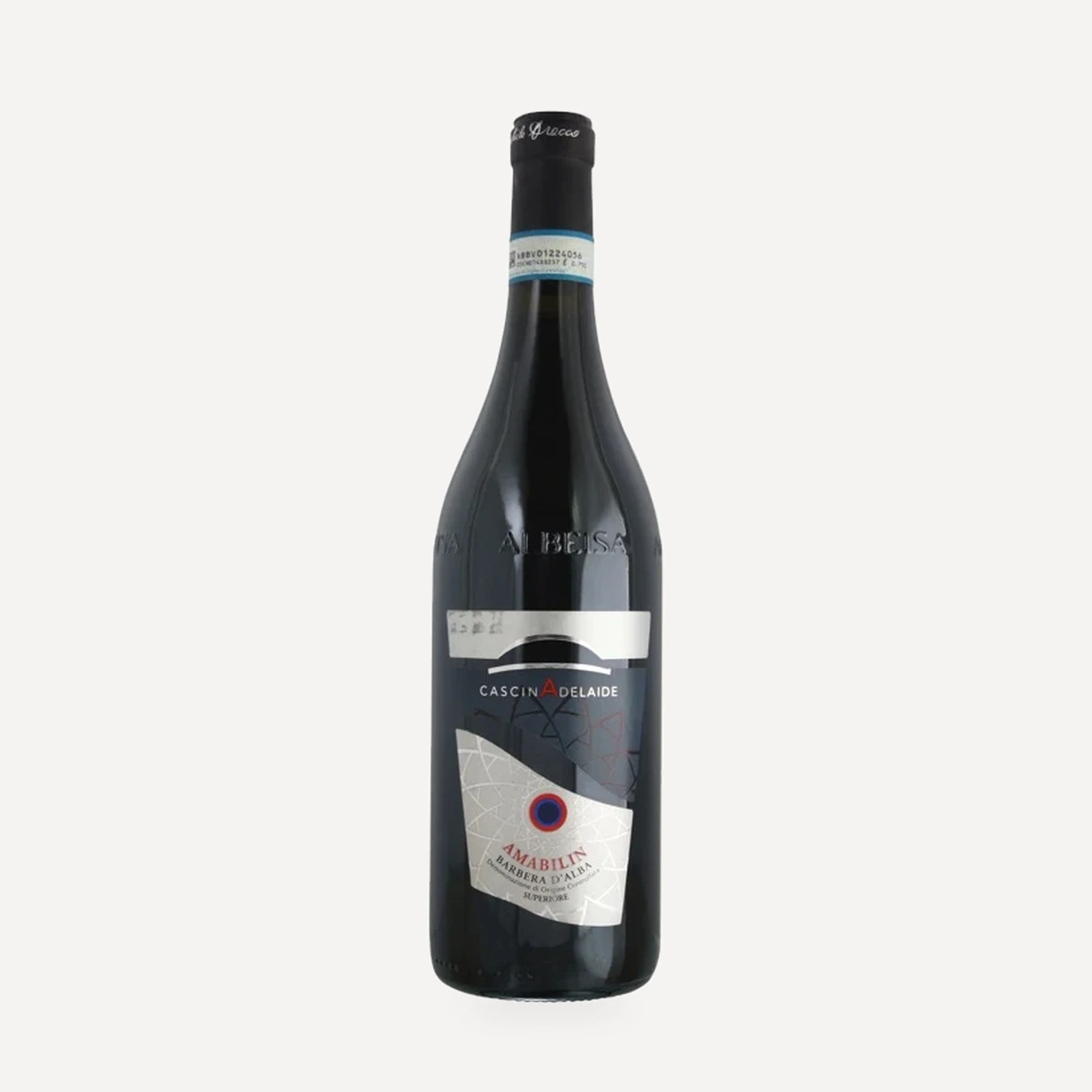 AdelaideBarolo · 15 winesAldo BorgognoBarolo · 19 wines
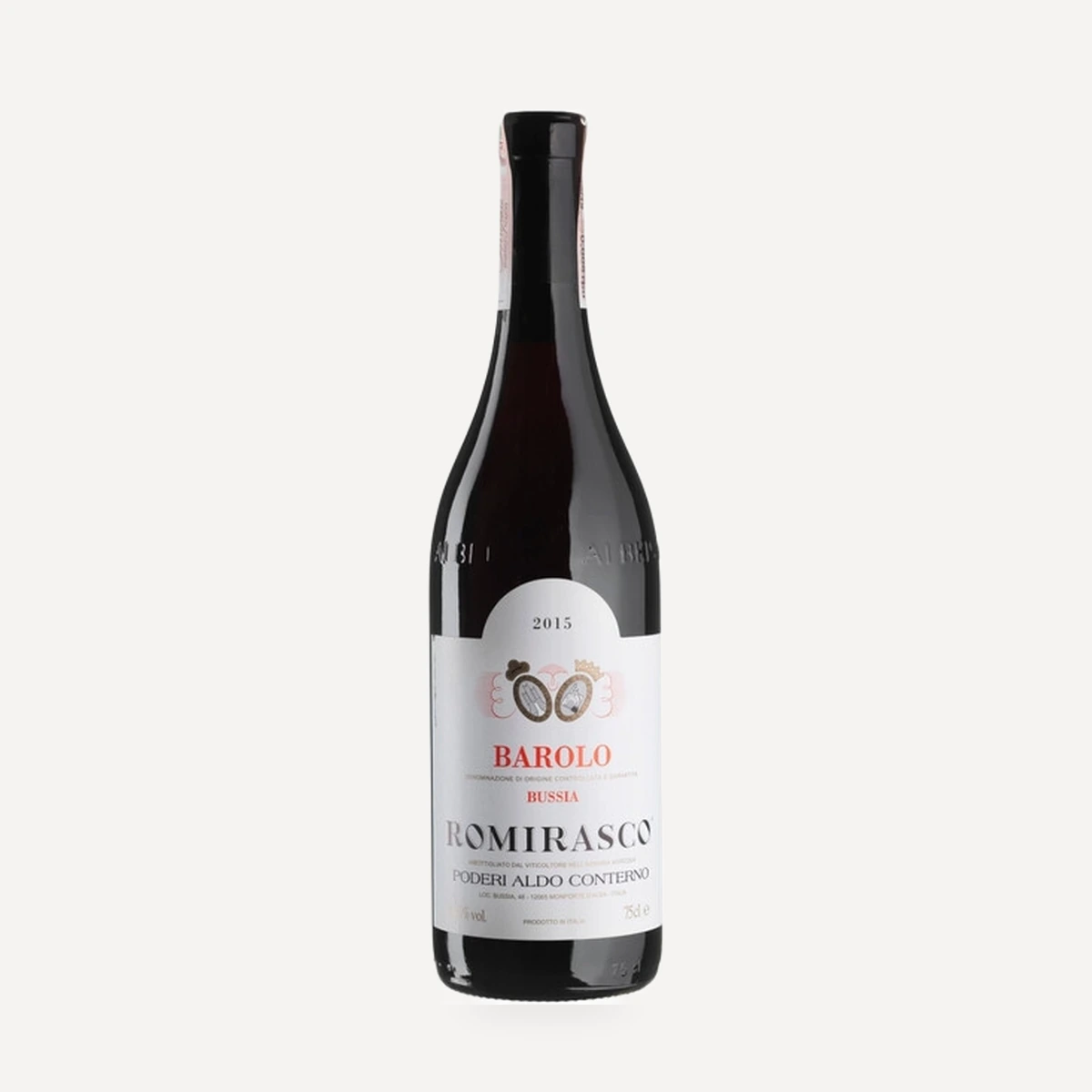 Aldo Conterno Barolo · 10 wines
 Aldo Riccardo SeghesioLanghe · 8 wines
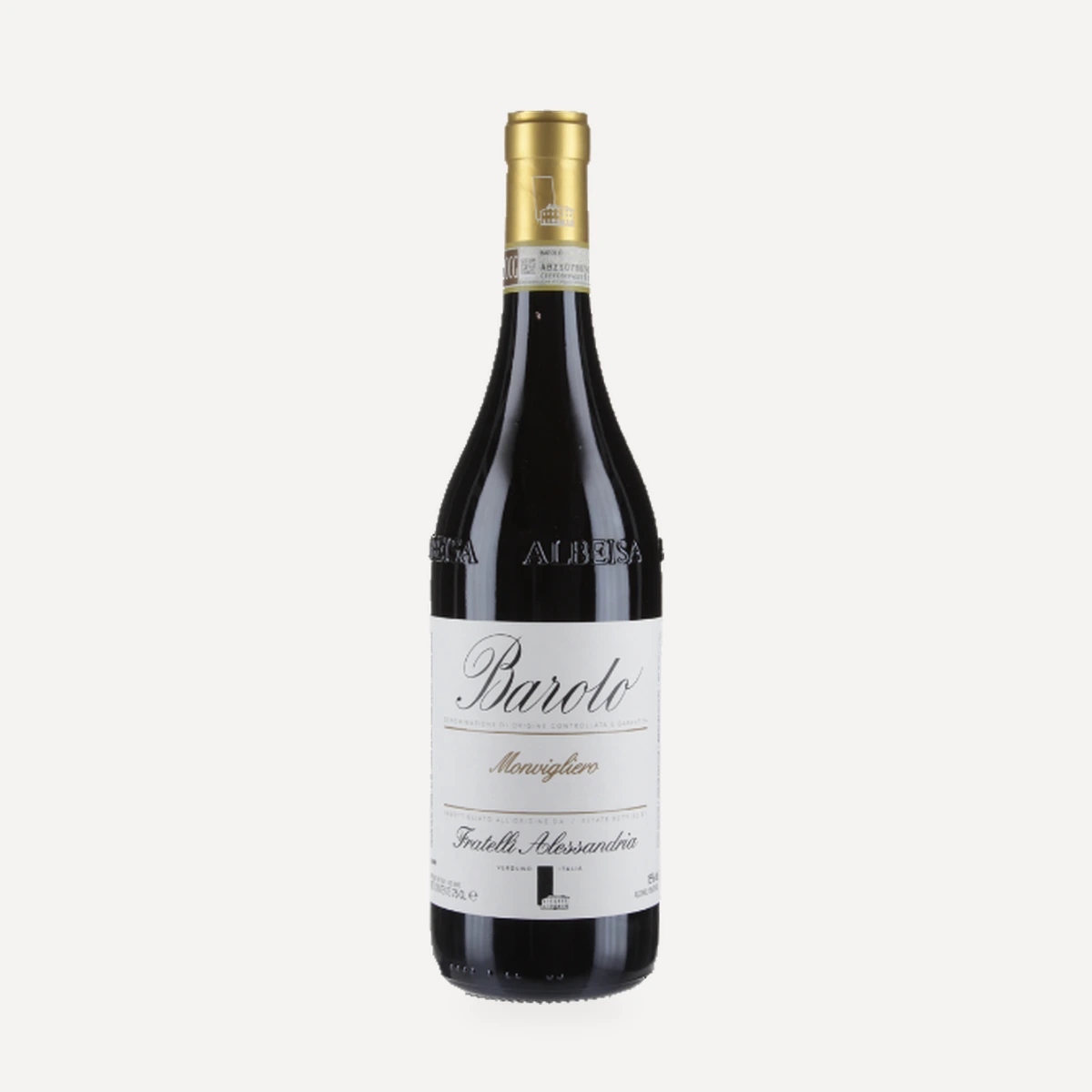 AlessandriaBarolo · 12 wines
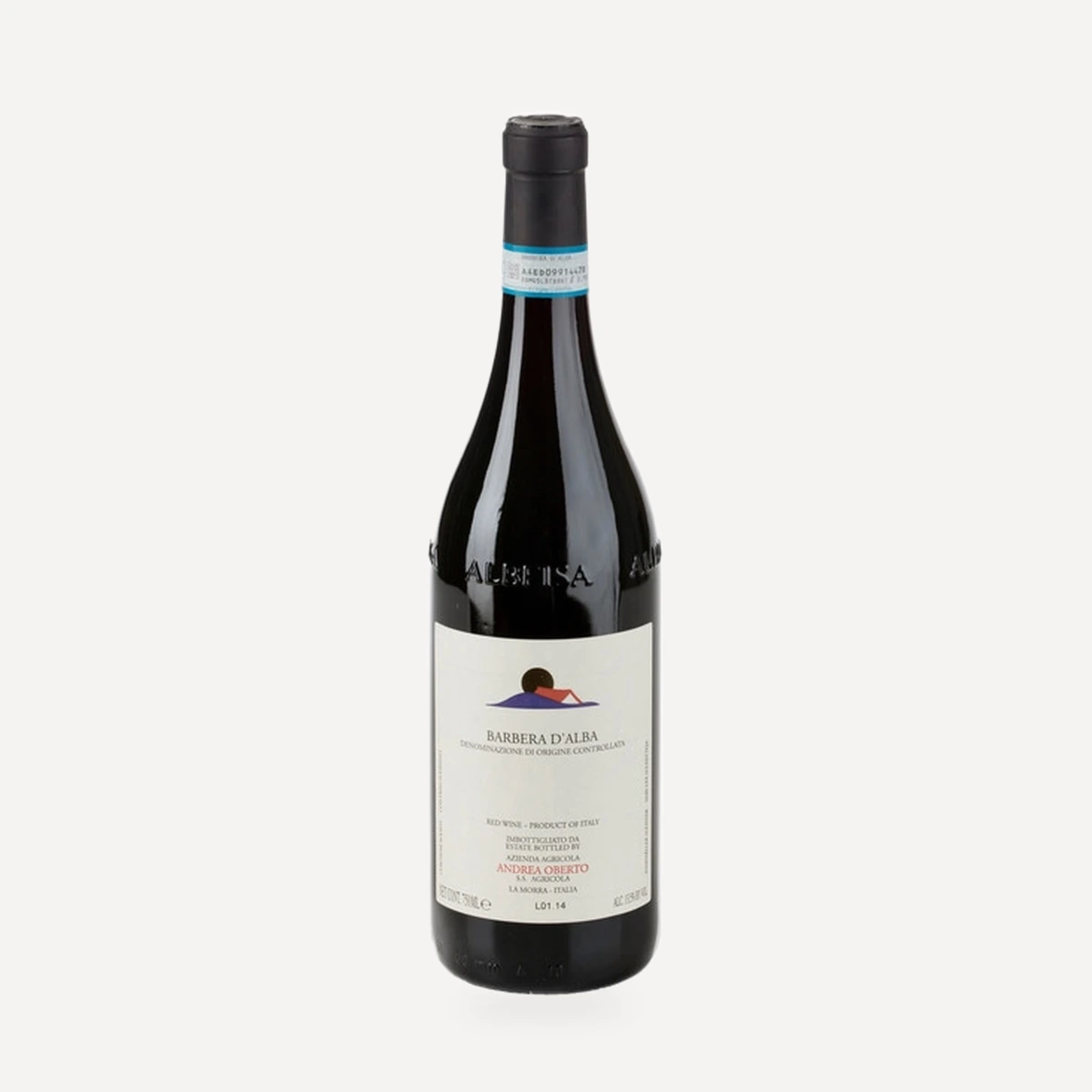 Andrea ObertoBarolo · 6 winesAnna Maria Abbona18 wines
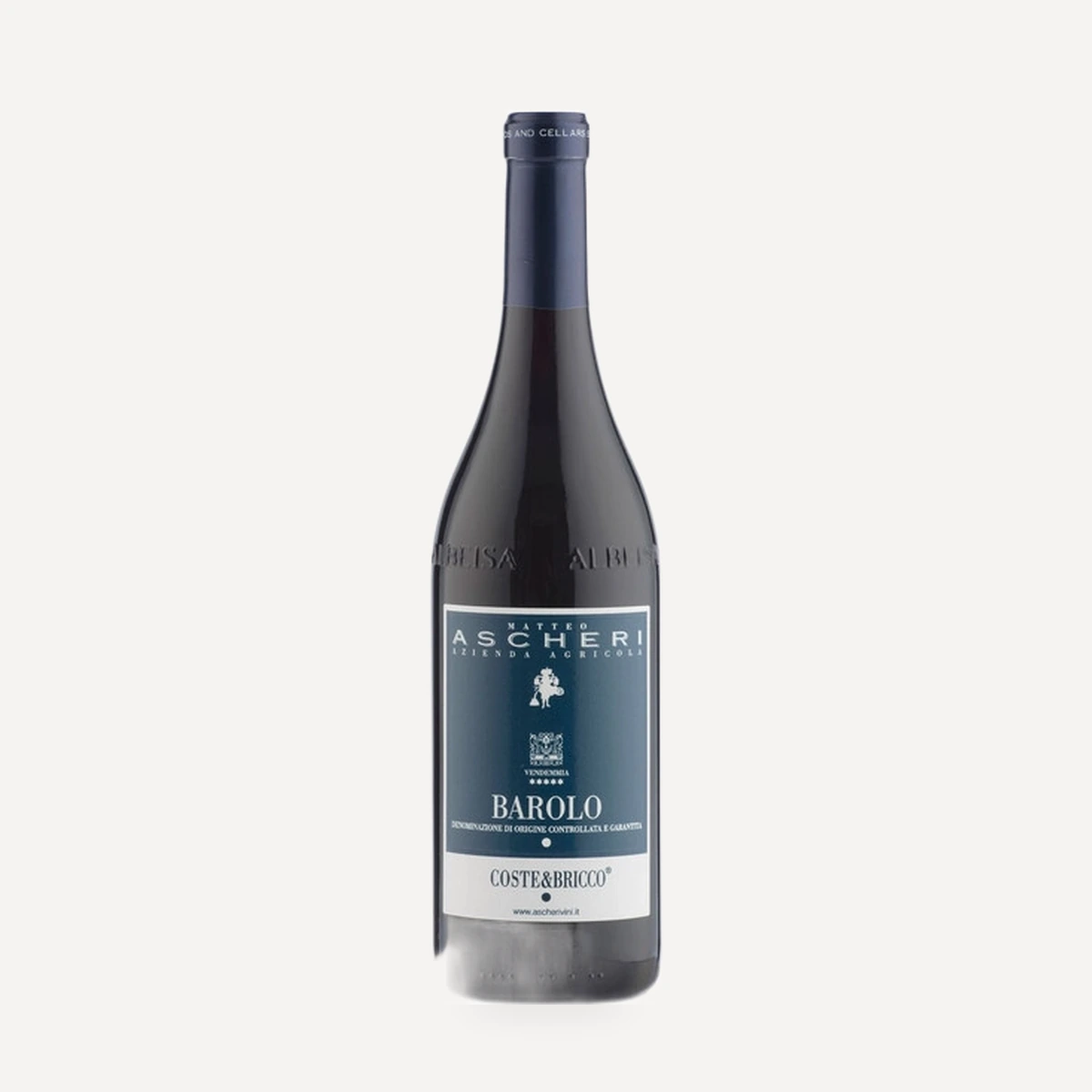 AscheriBarolo · 17 wines
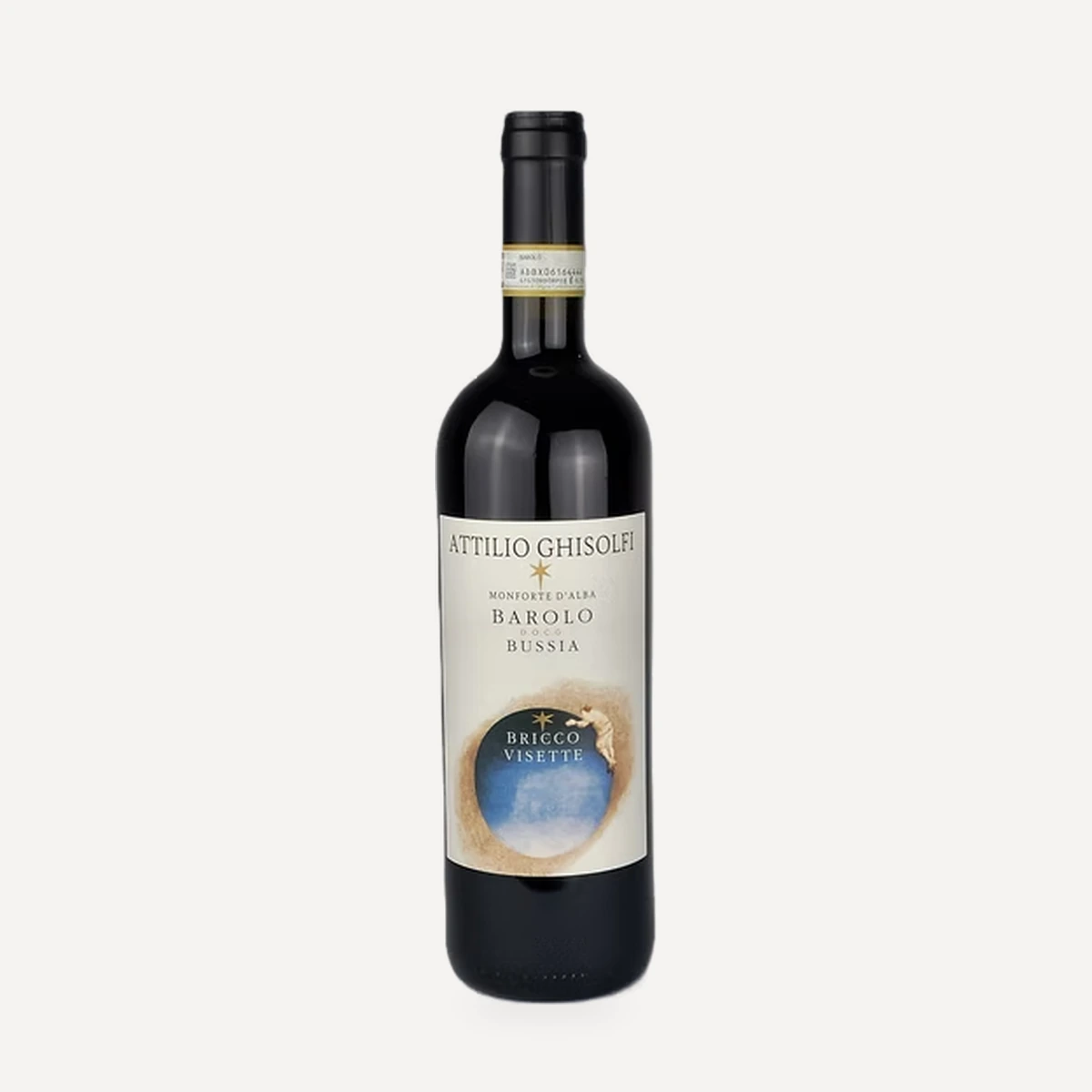 Attilio GhisolfiBarolo · 11 winesAurelio Settimo8 wines
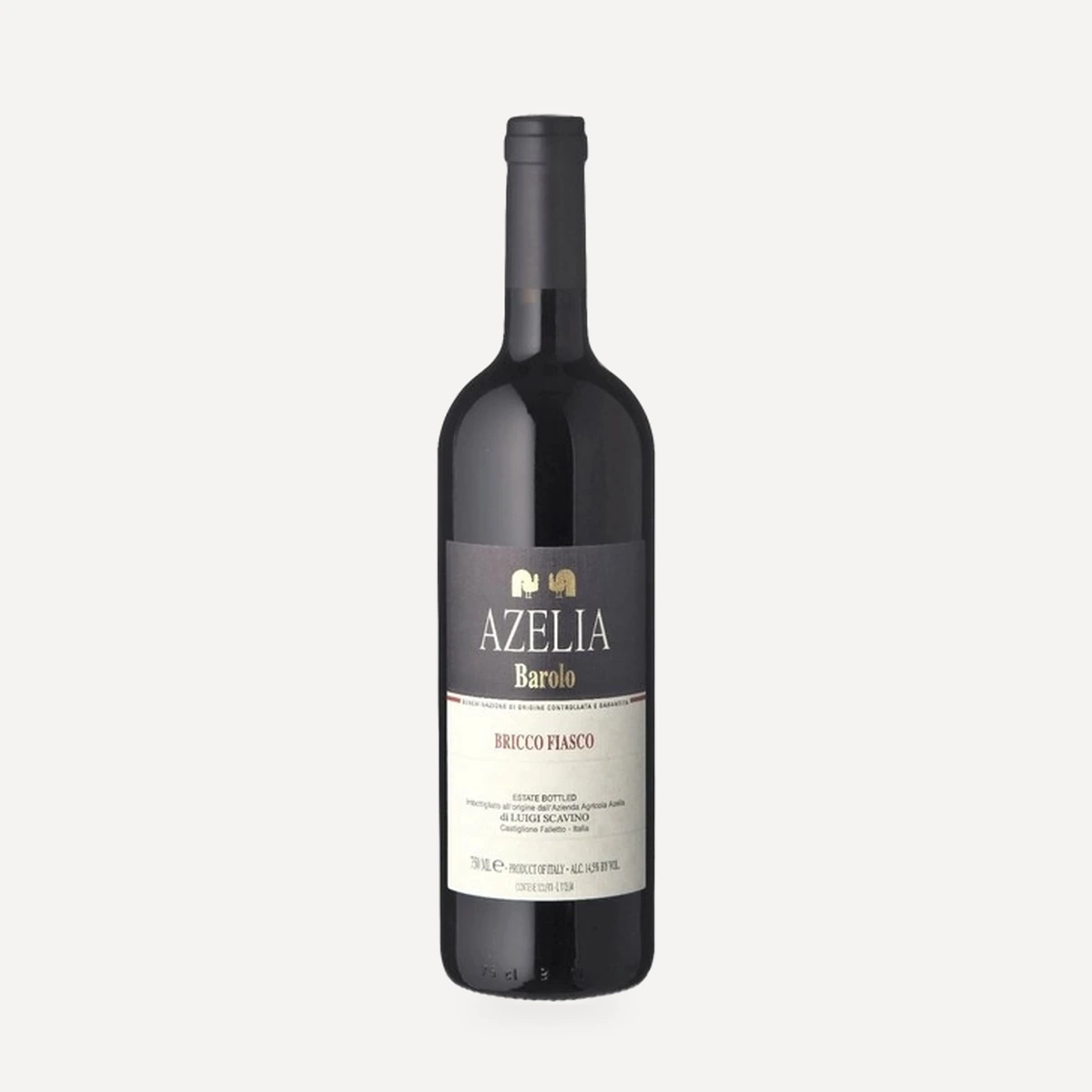 AzeliaBarolo · 16 wines
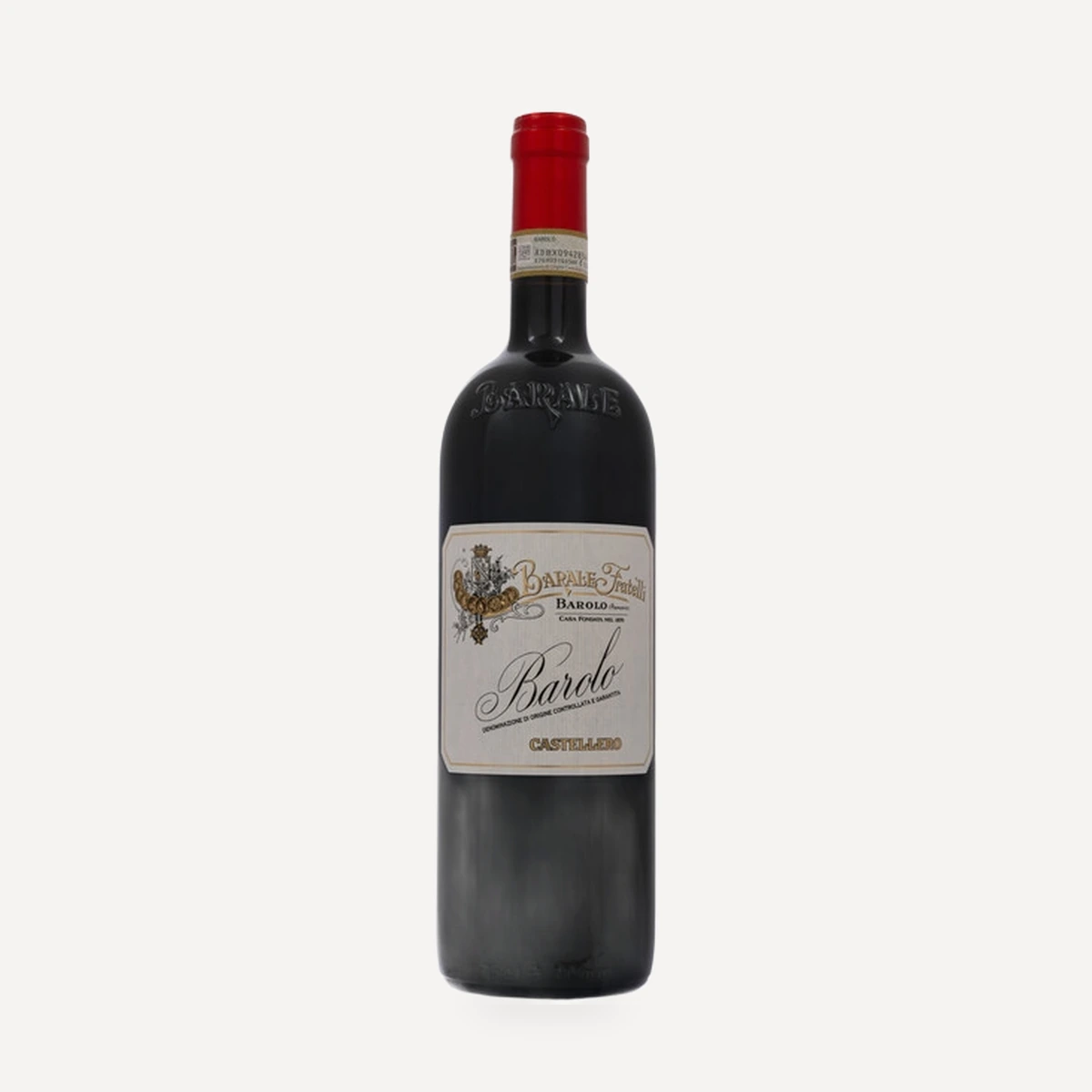 BaraleBarolo · 17 wines
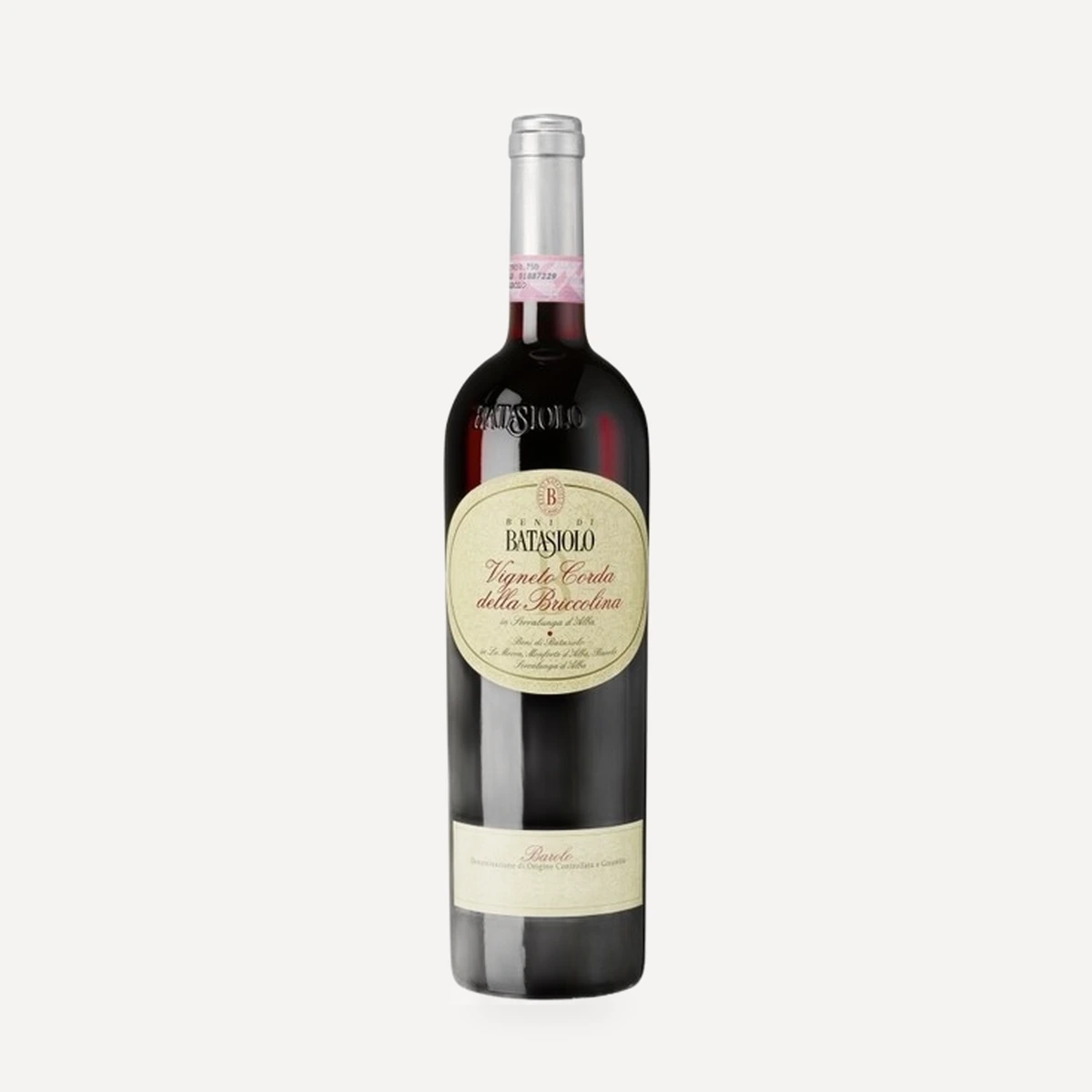 BatasioloBarolo · 21 winesBavaMonferrato · 6 wines
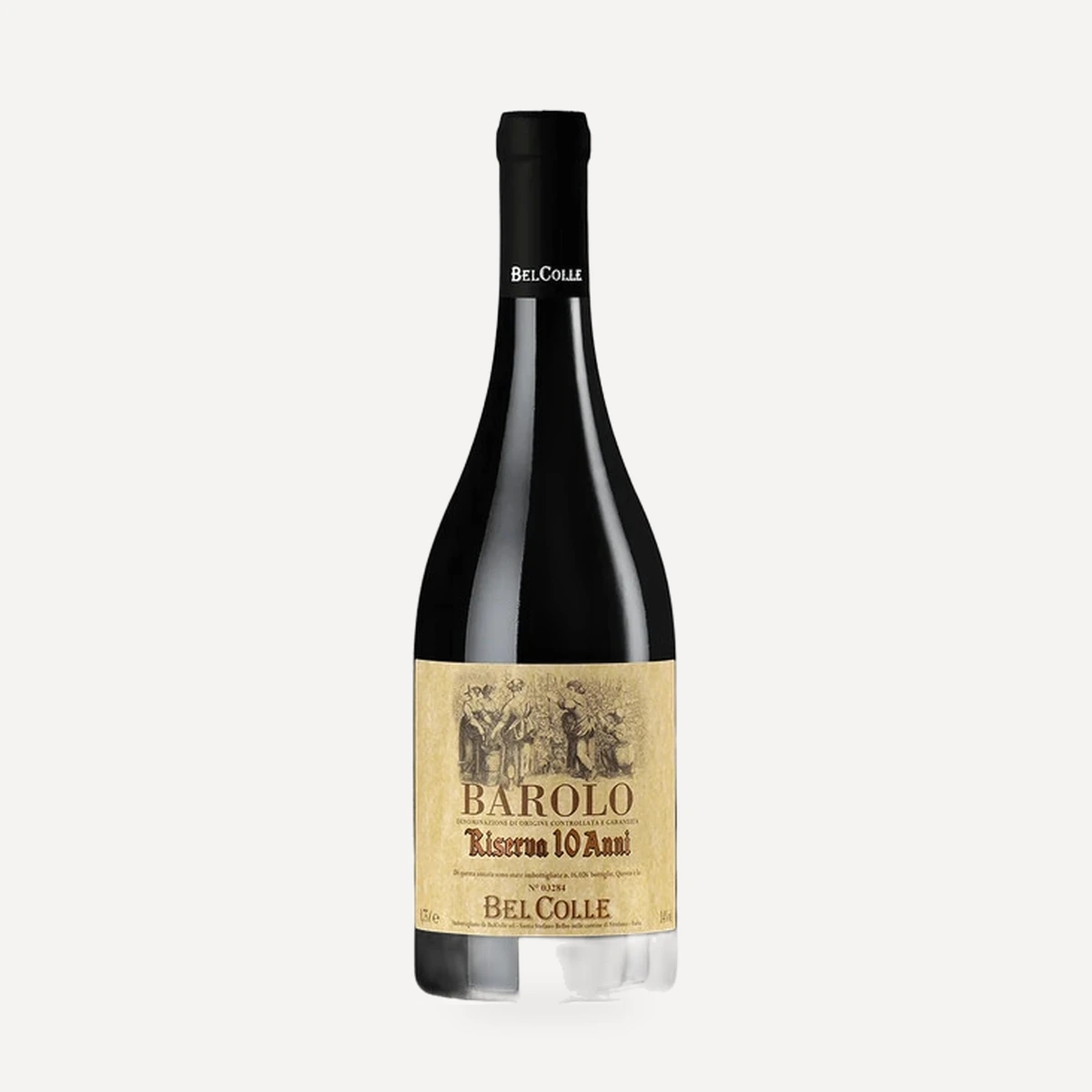 Bel ColleBarolo · 28 wines
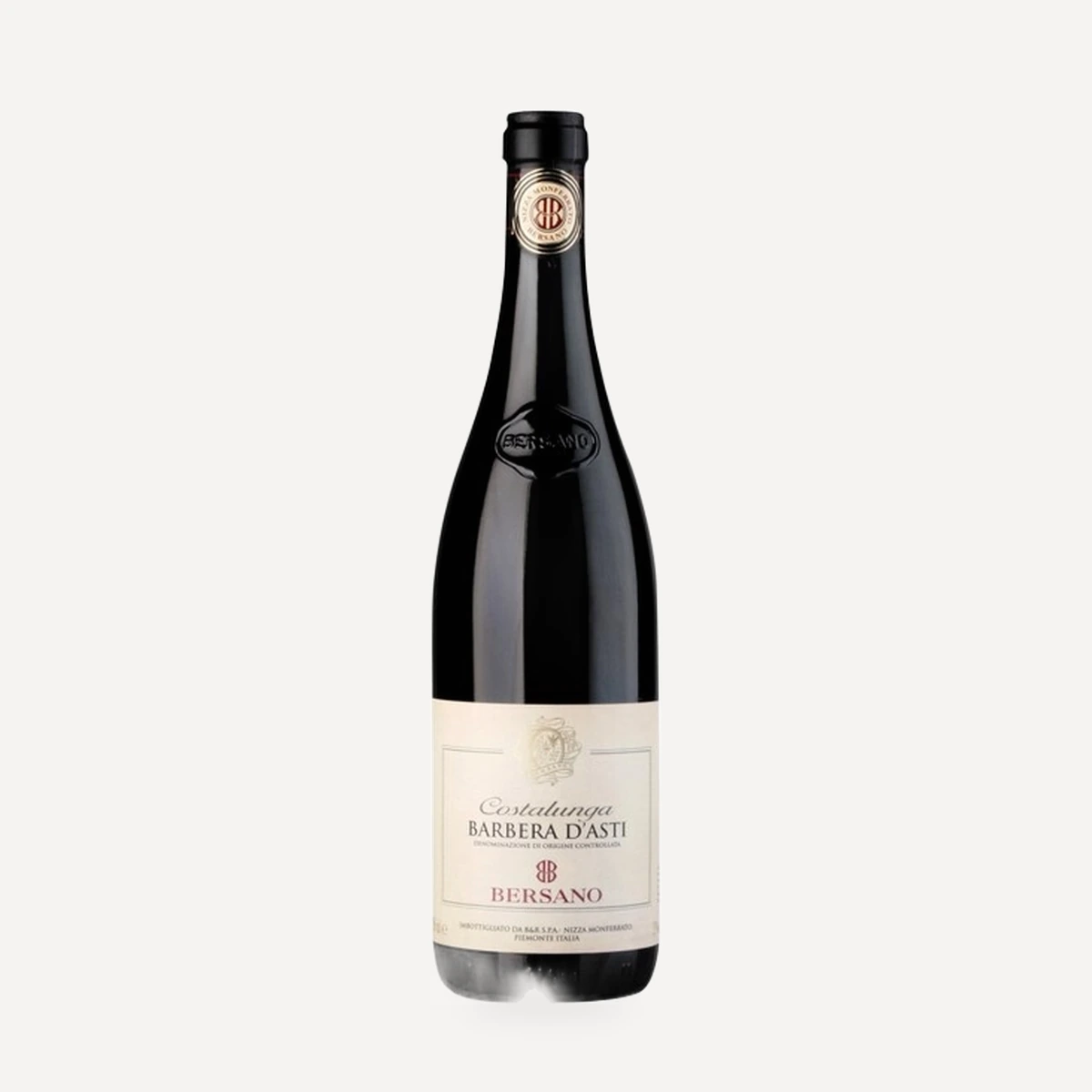 BersanoBarolo · 26 wines
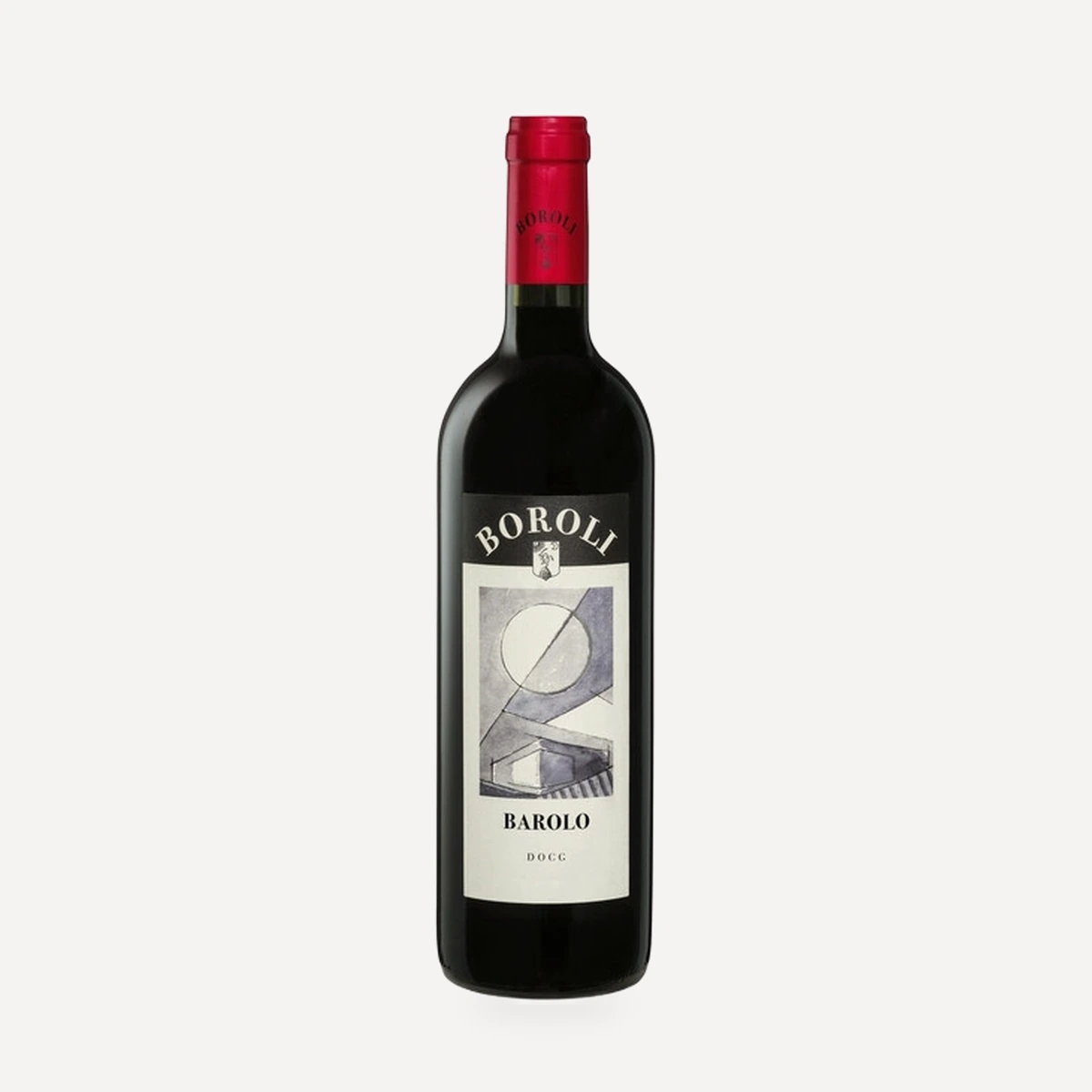 BoroliBarolo · 9 wines
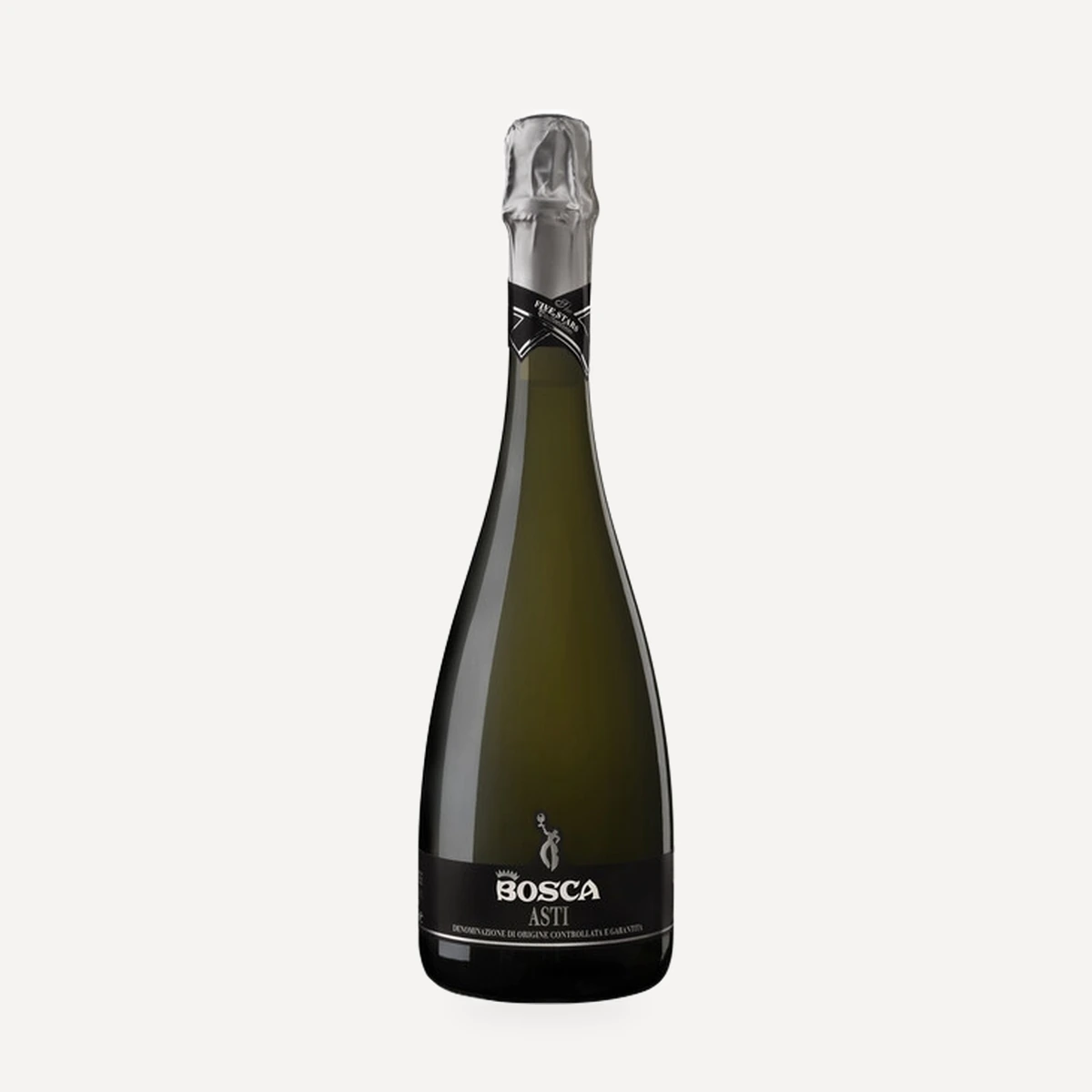 BoscaAsti · 35 wines
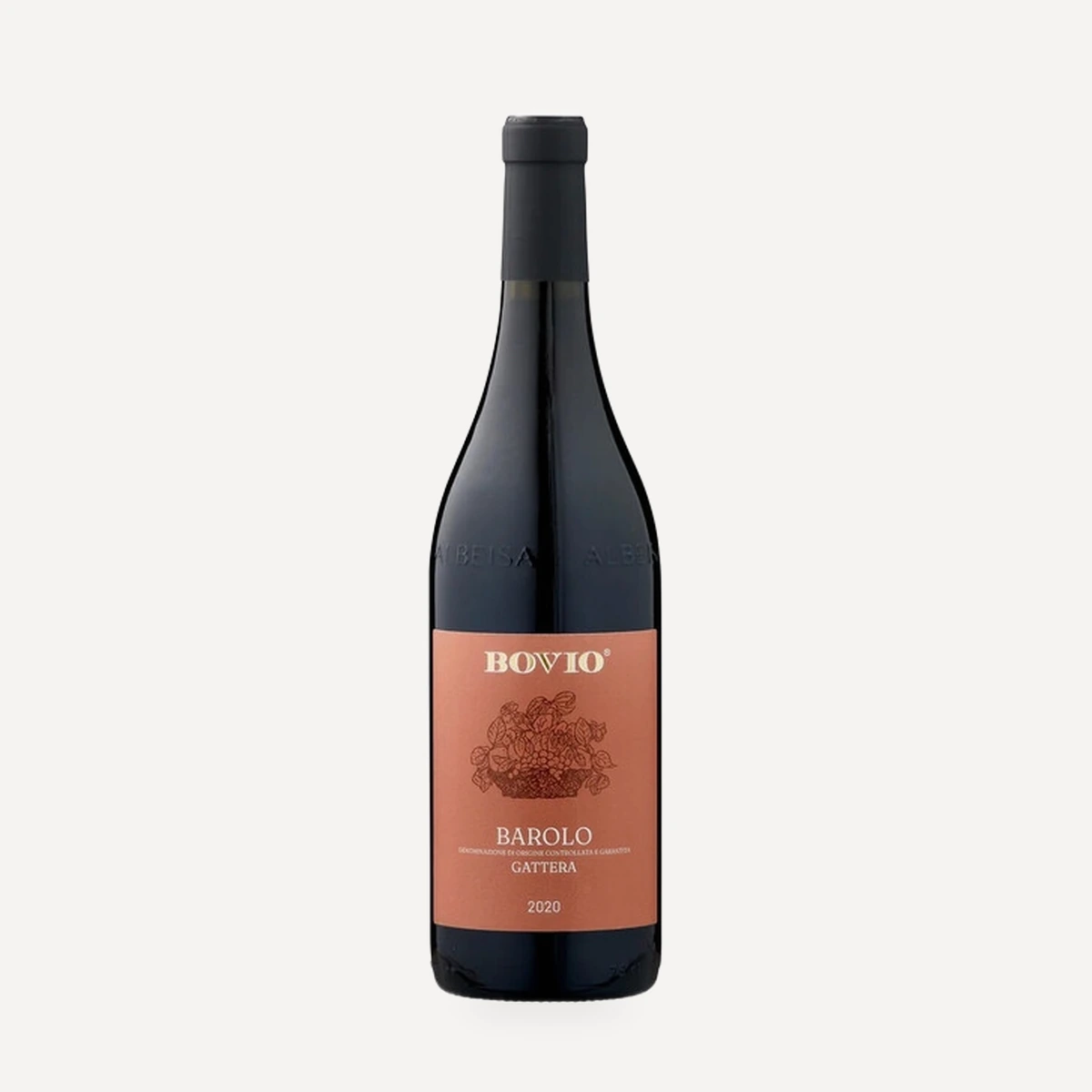 Bovio GianfrancoBarolo · 13 winesBrandini14 wines
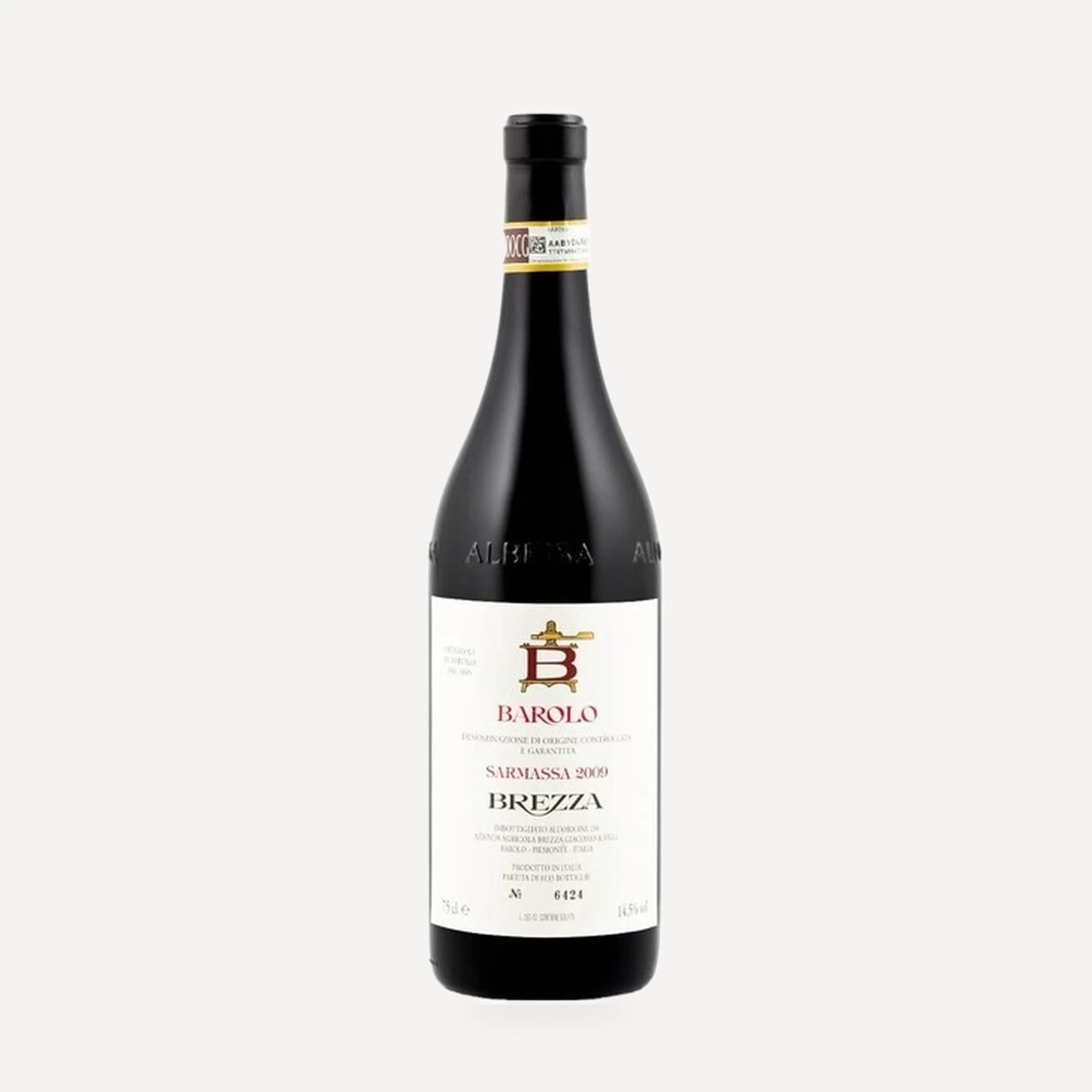 BrezzaBarolo · 18 winesBric Cenciurio17 wines
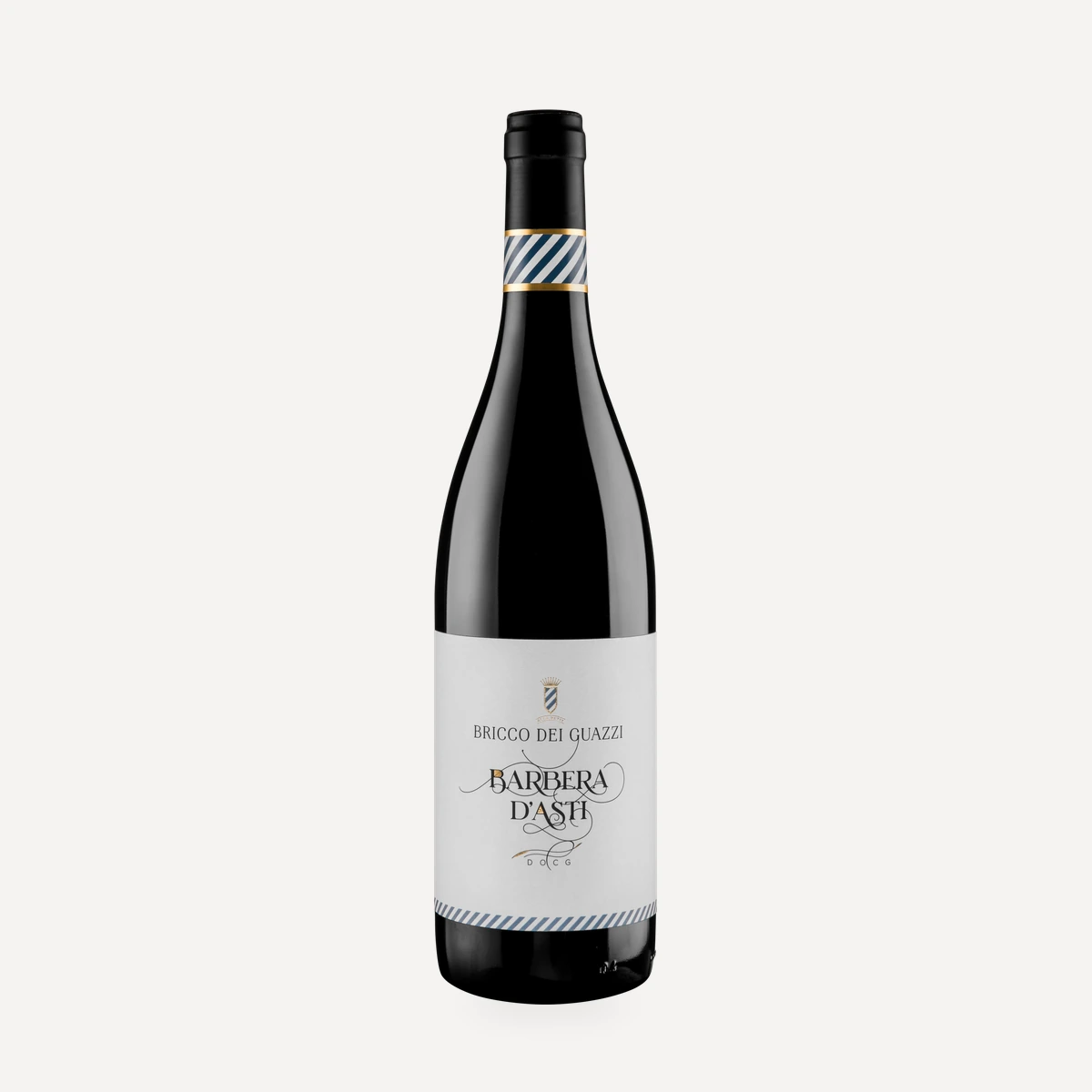 Bricco dei GuazziBarbera d’Asti · 10 winesBricco Rocche Winery6 wines
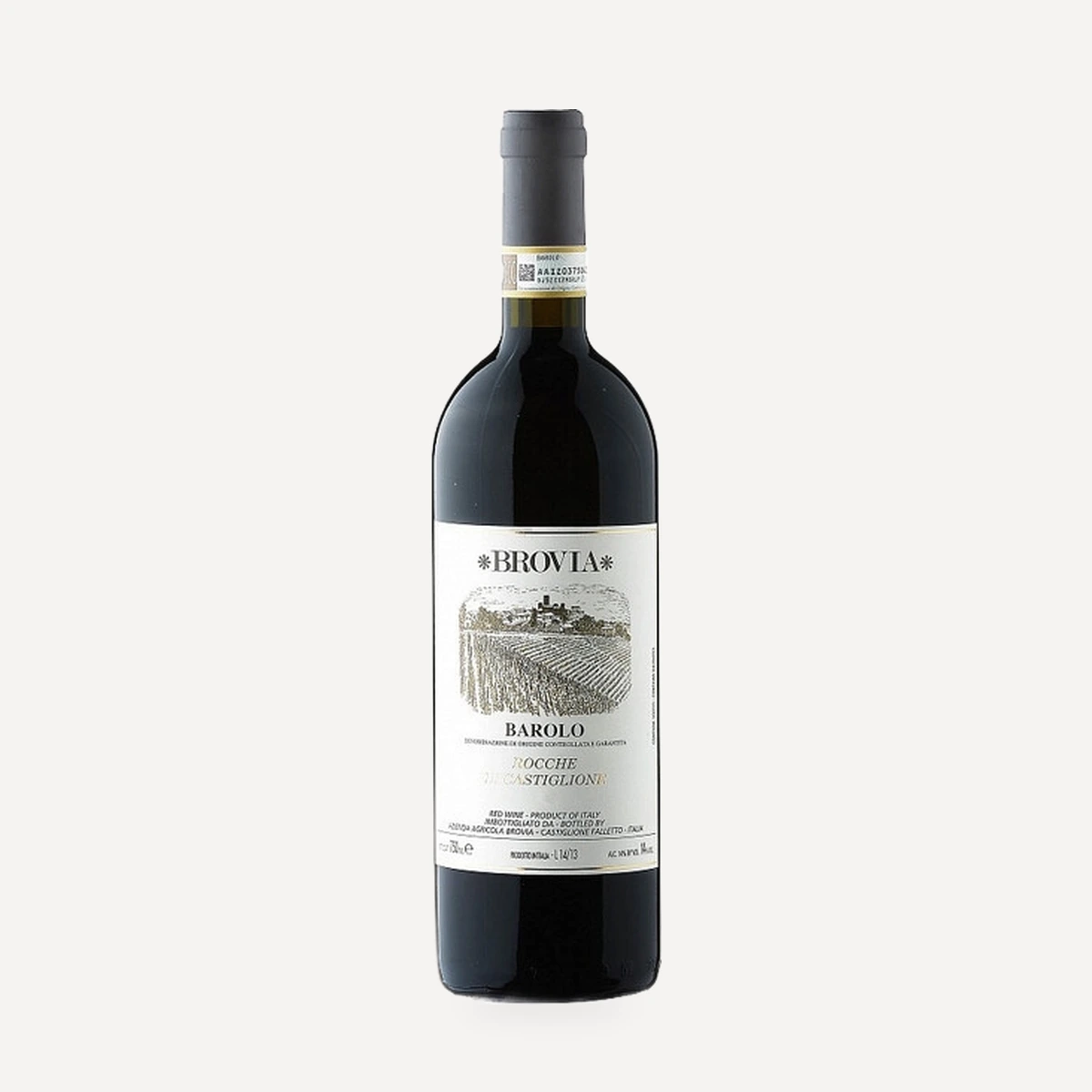 BroviaBarolo · 14 winesBurlotto Langhe · 15 winesBussia Soprana21 wines
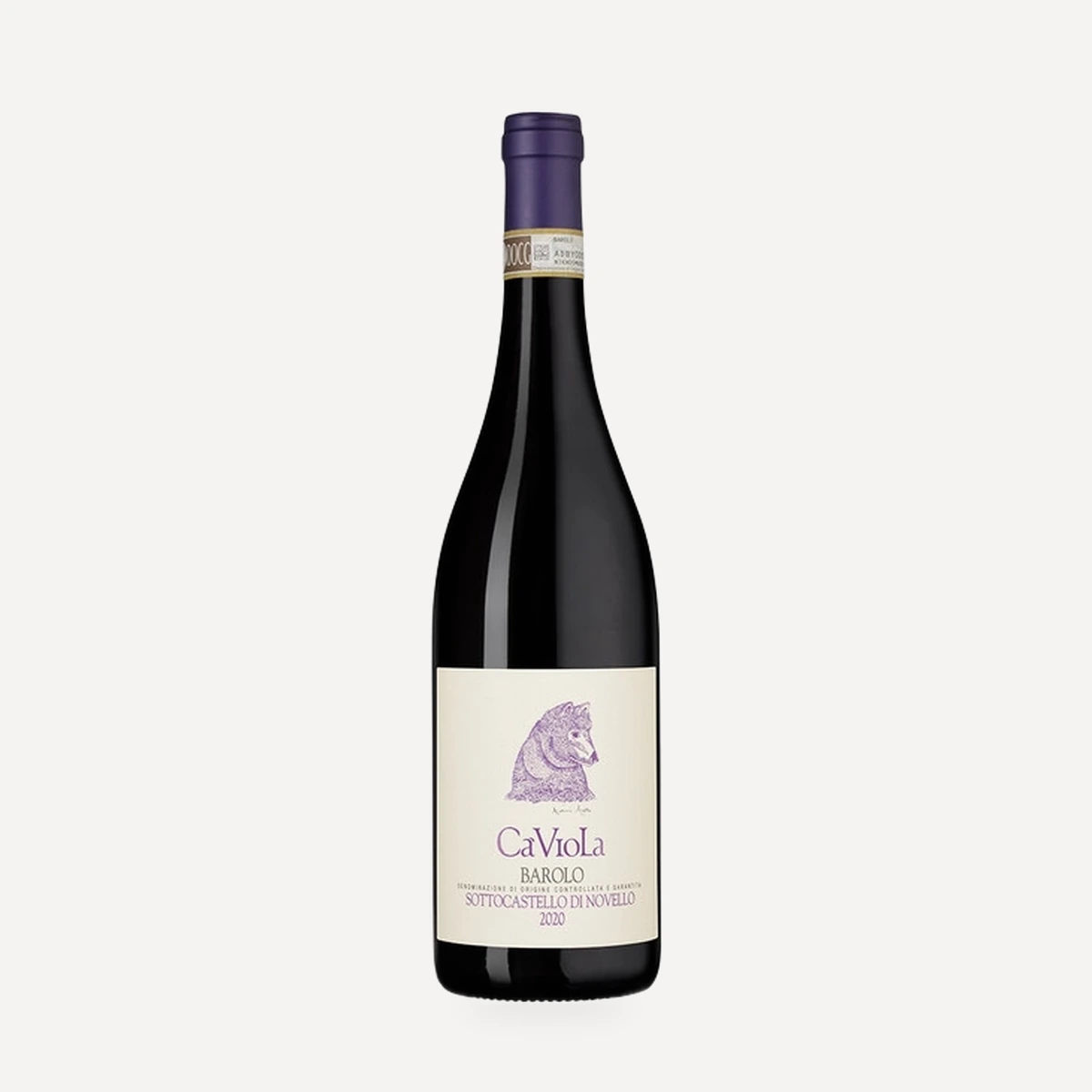 Ca' ViolaLanghe · 12 winesCamparo6 wines
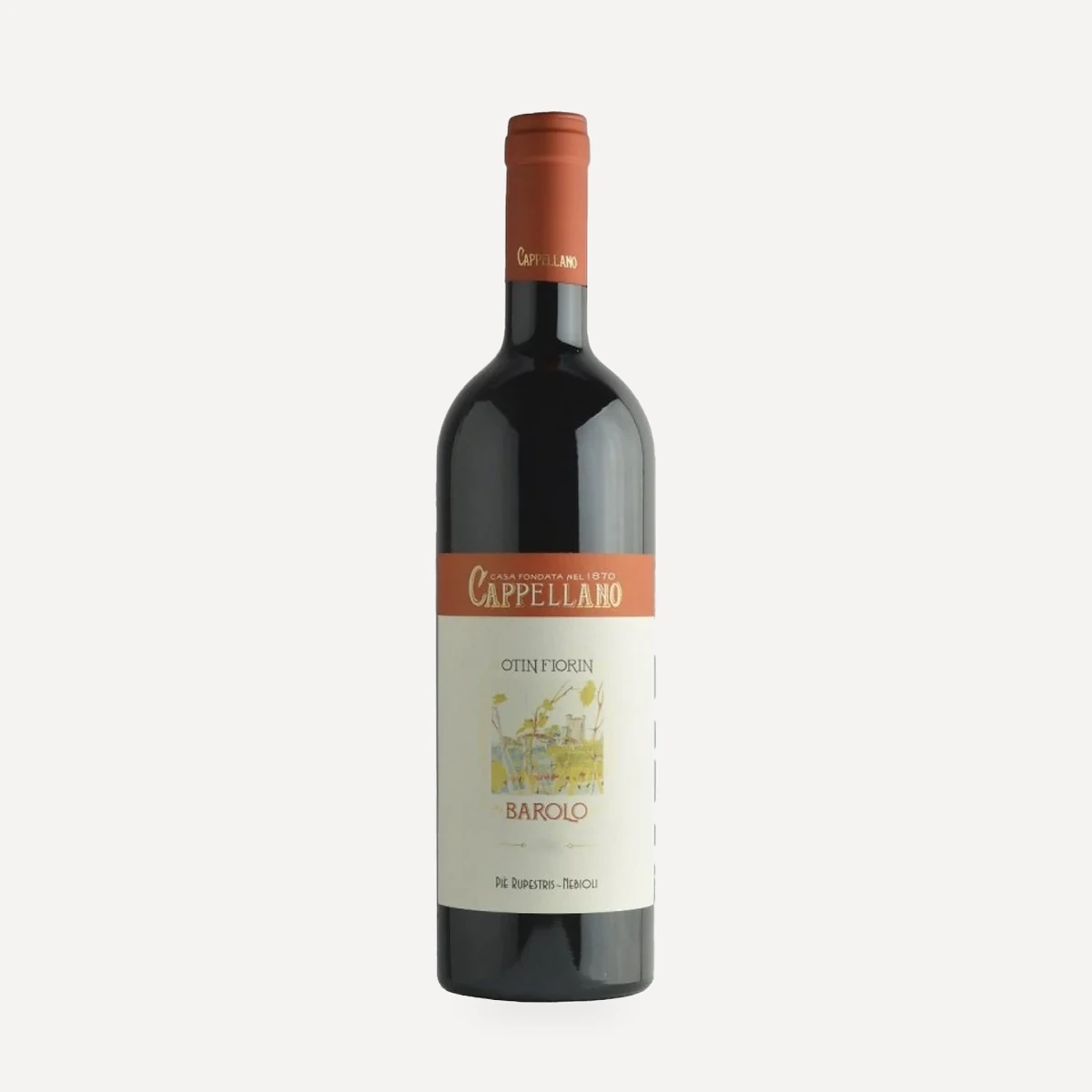 Cappellano Barolo · 4 wines
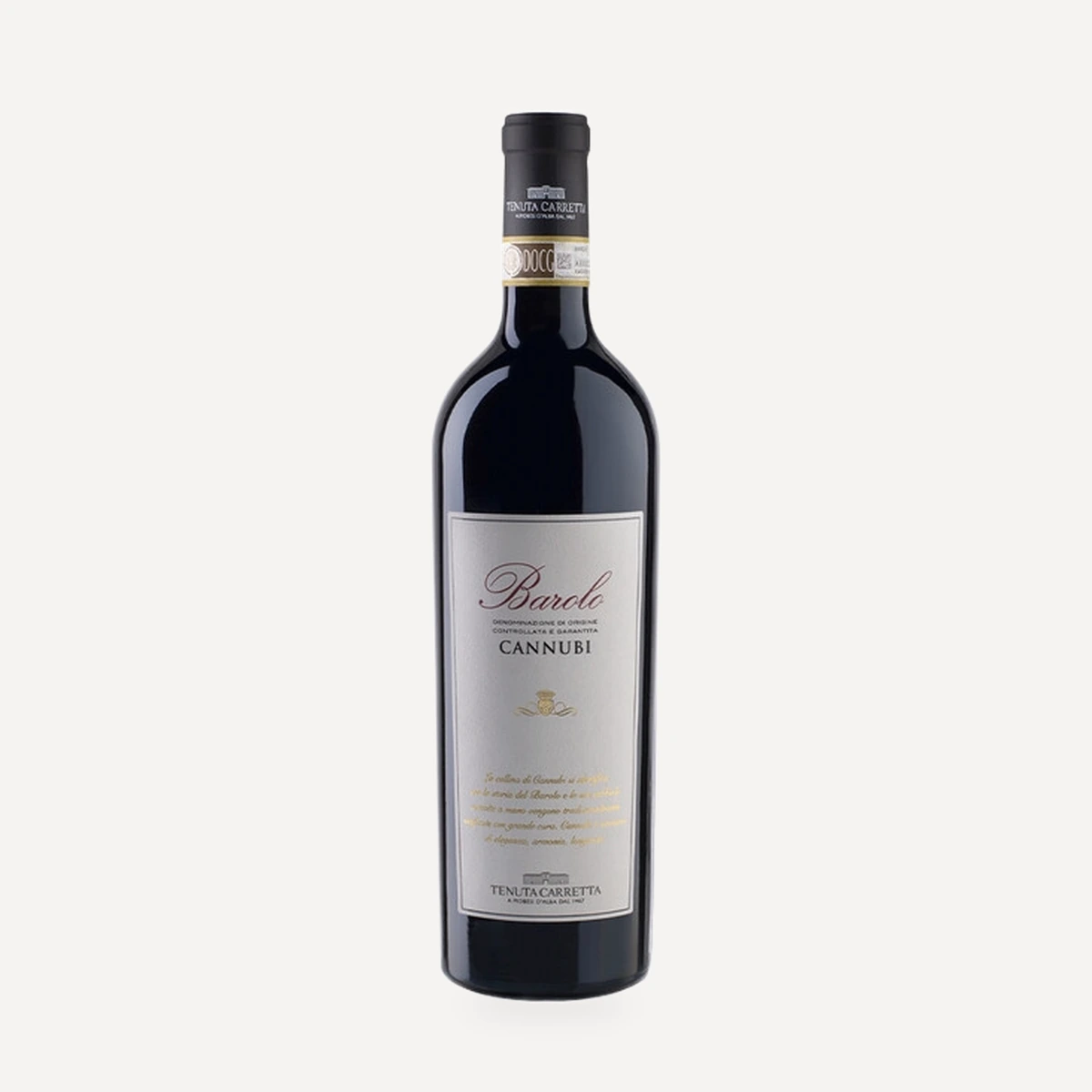 CarrettaLanghe · 29 wines
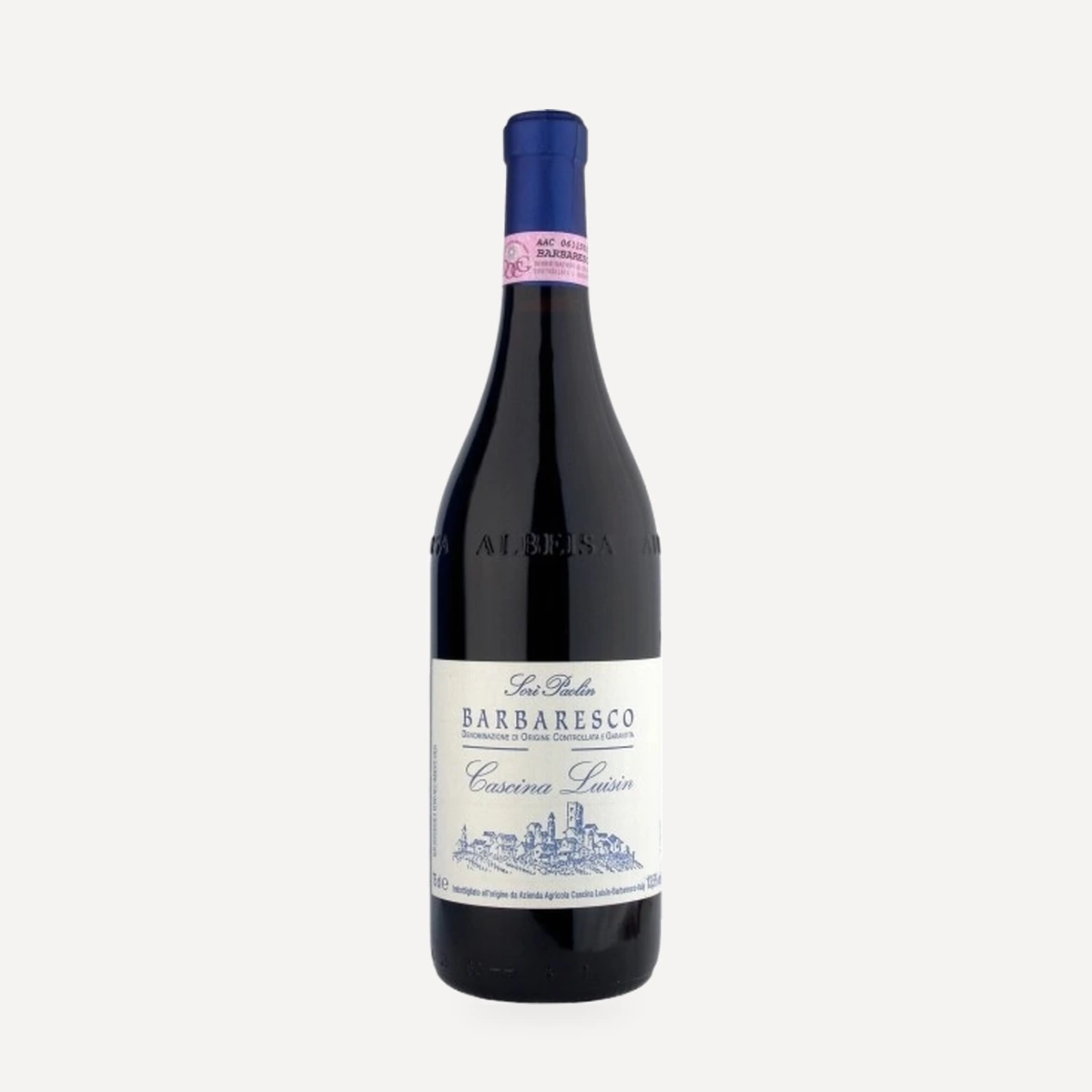 Cascina LuisinBarbaresco · 10 wines
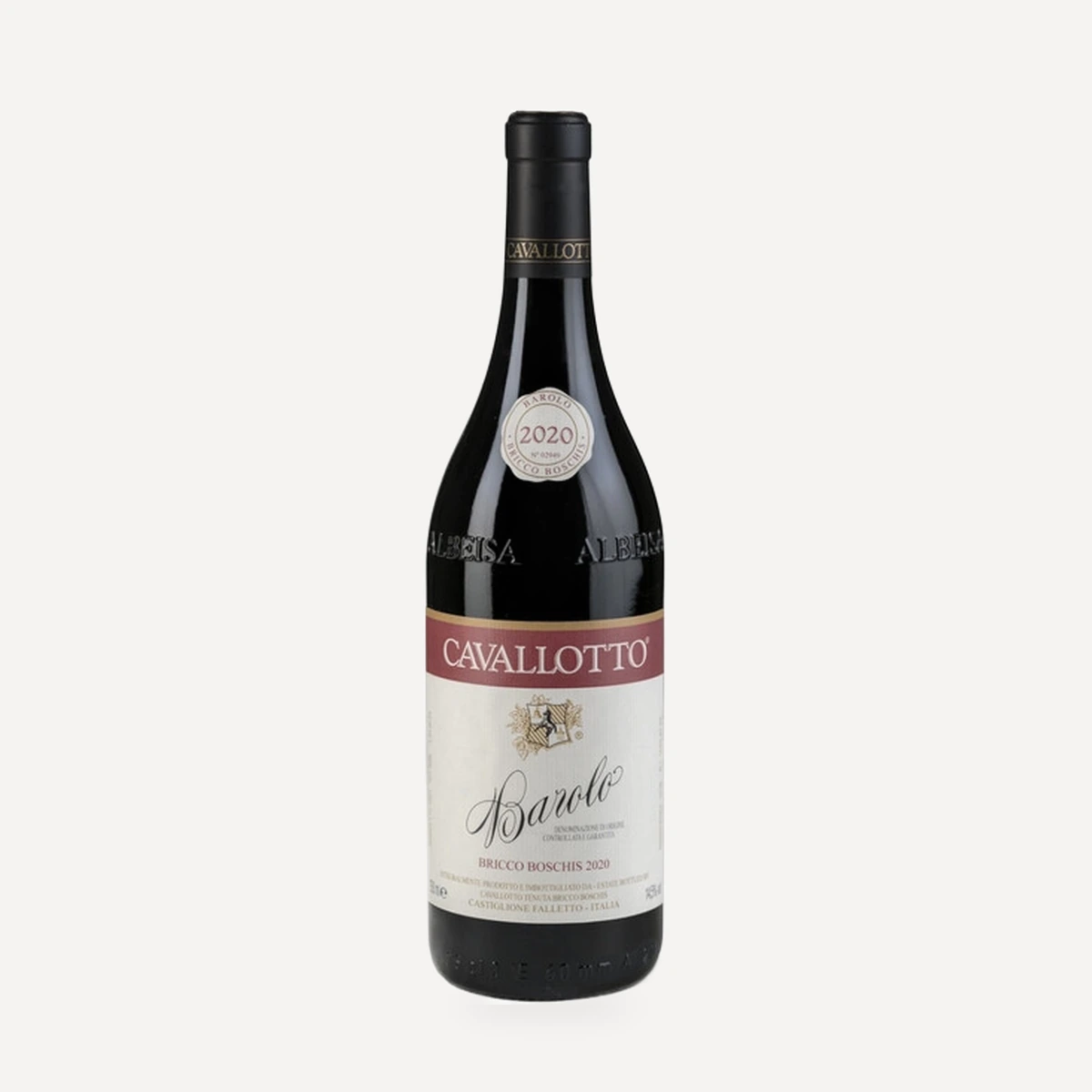 Cavallotto Langhe · 10 winesCeretto Barolo · 23 winesChionetti
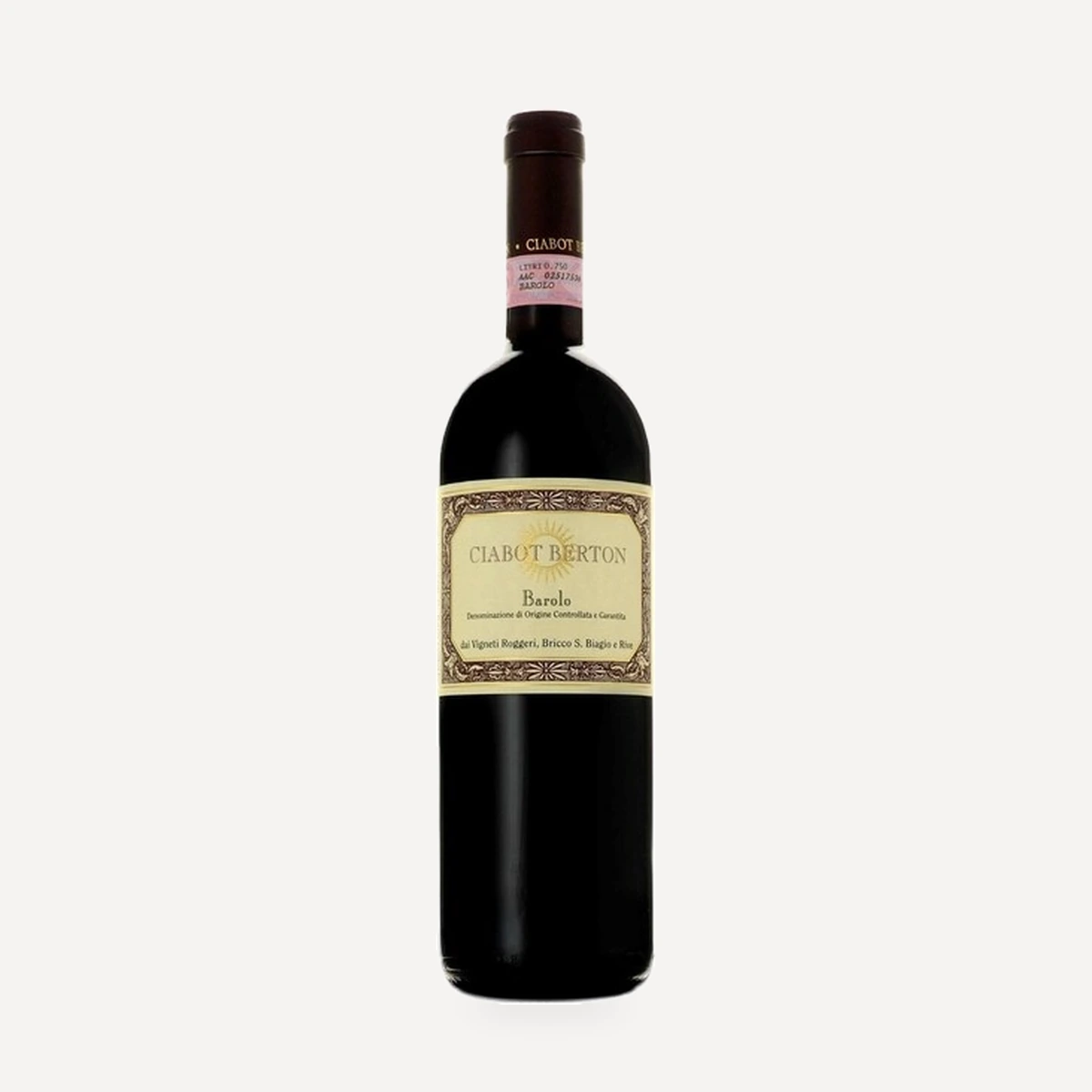 Ciabot Berton Barolo · 10 winesClaudio Alario8 winesConterno Fantino Barolo · 11 winesCossetti27 wines
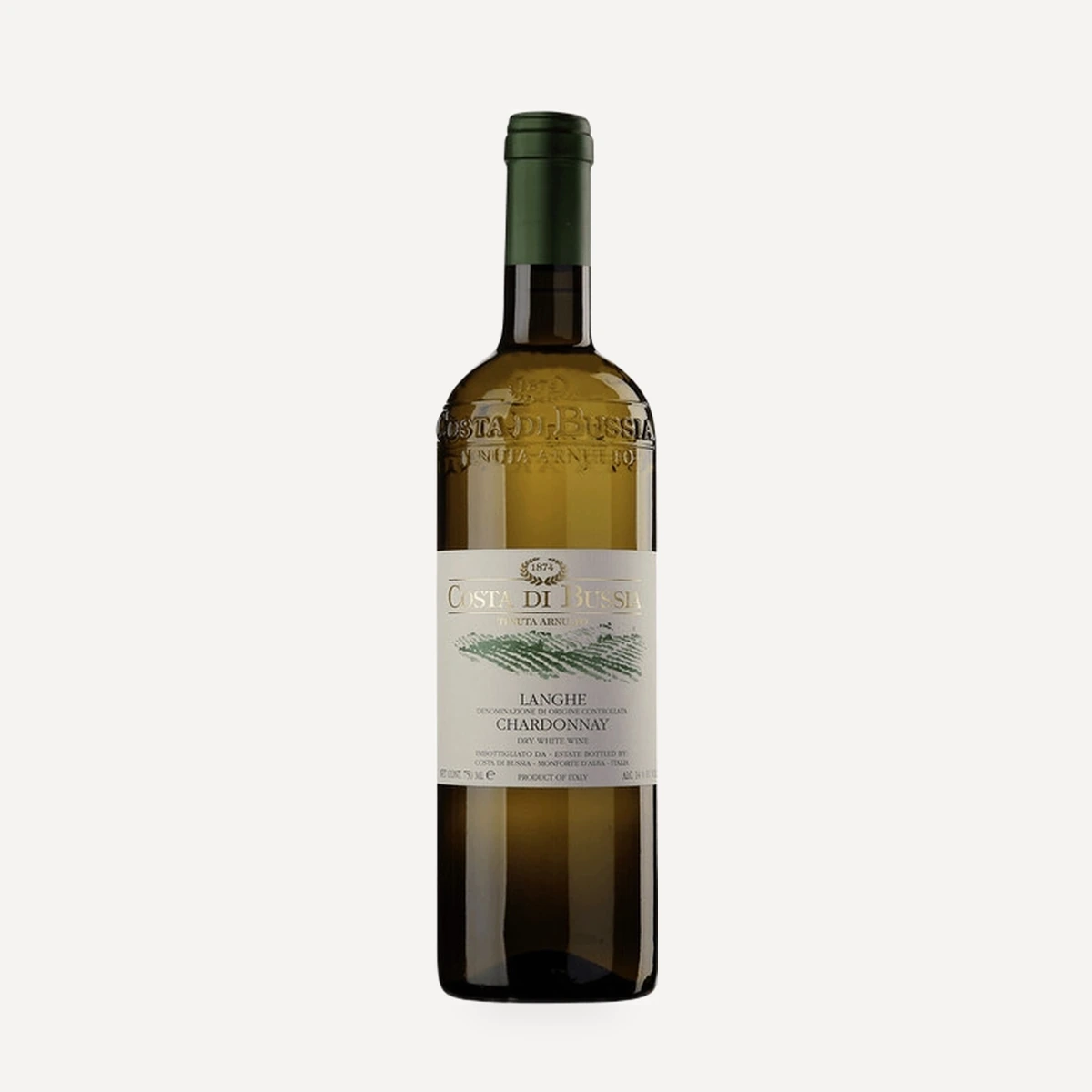 Costa di BussiaLanghe · 11 wines
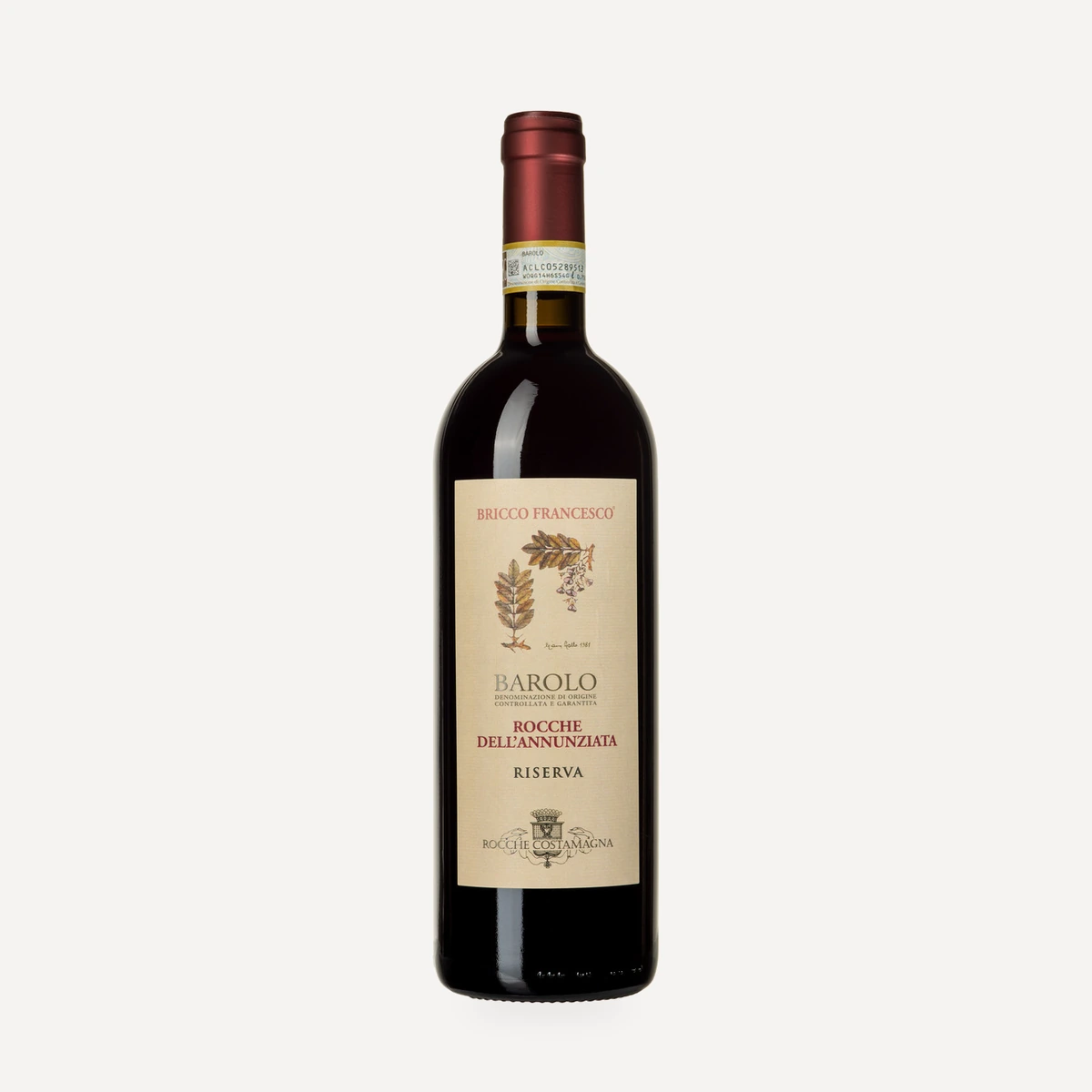 CostamagnaBarolo · 11 wines
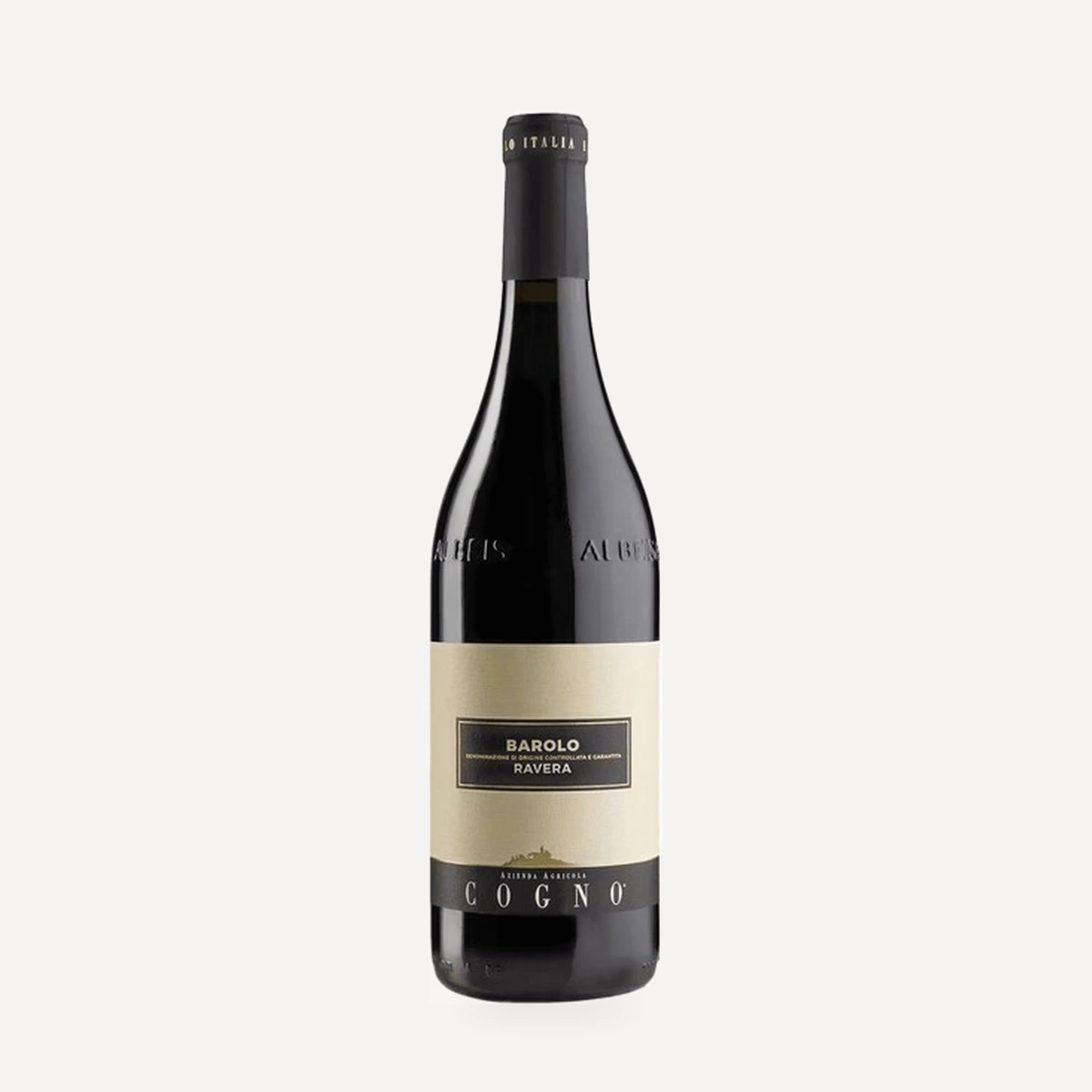
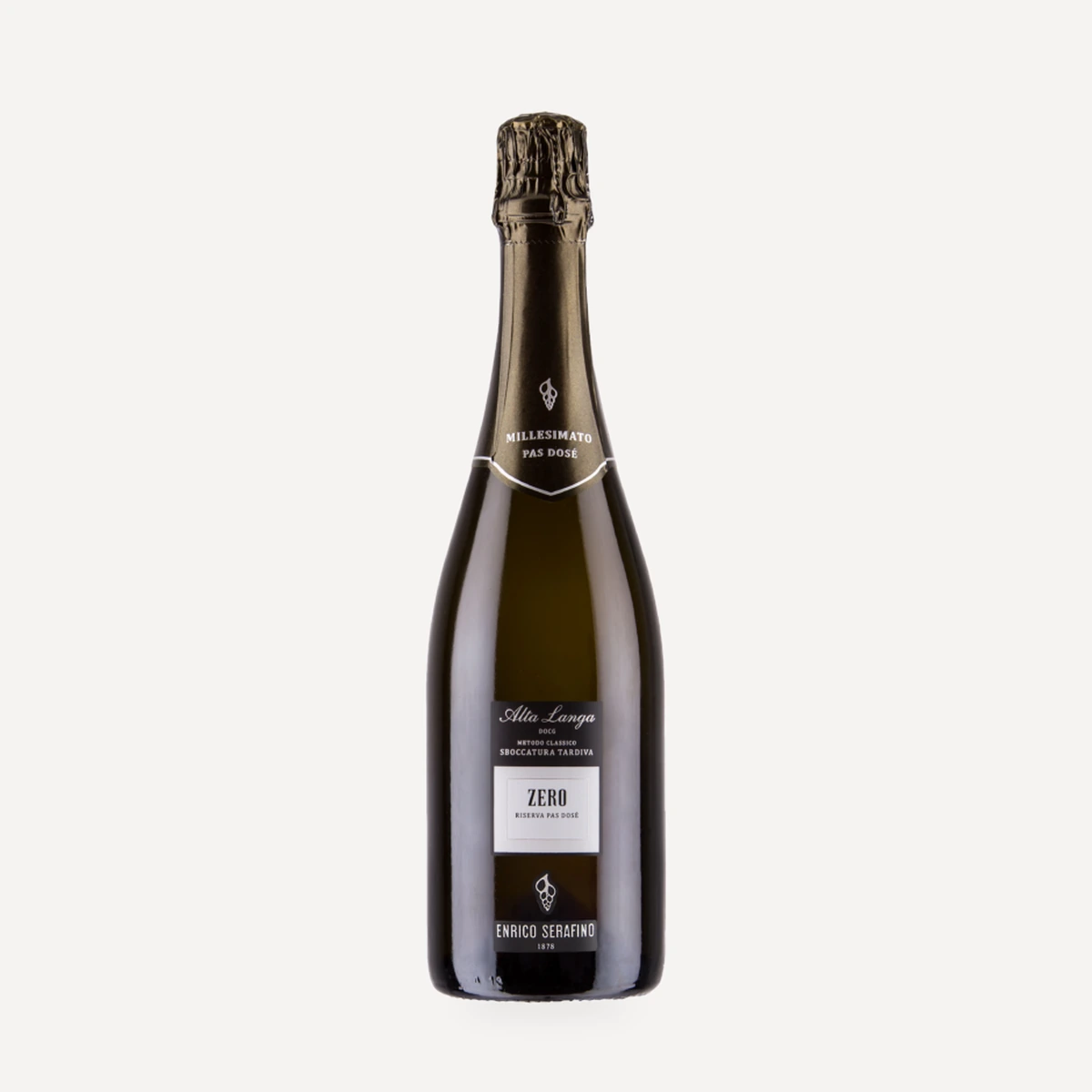
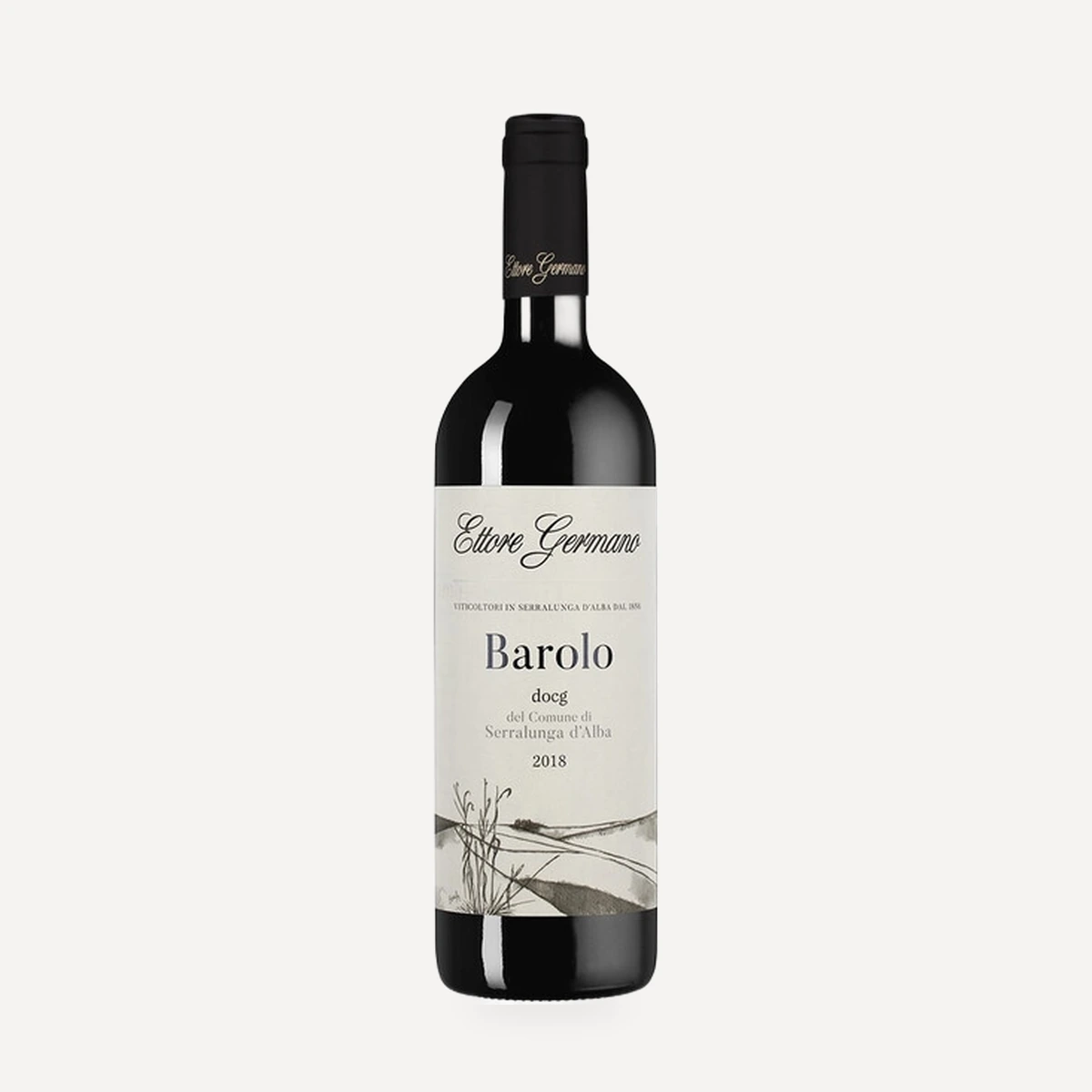 G.D. Vajra Langhe · 20 winesGermano14 wines
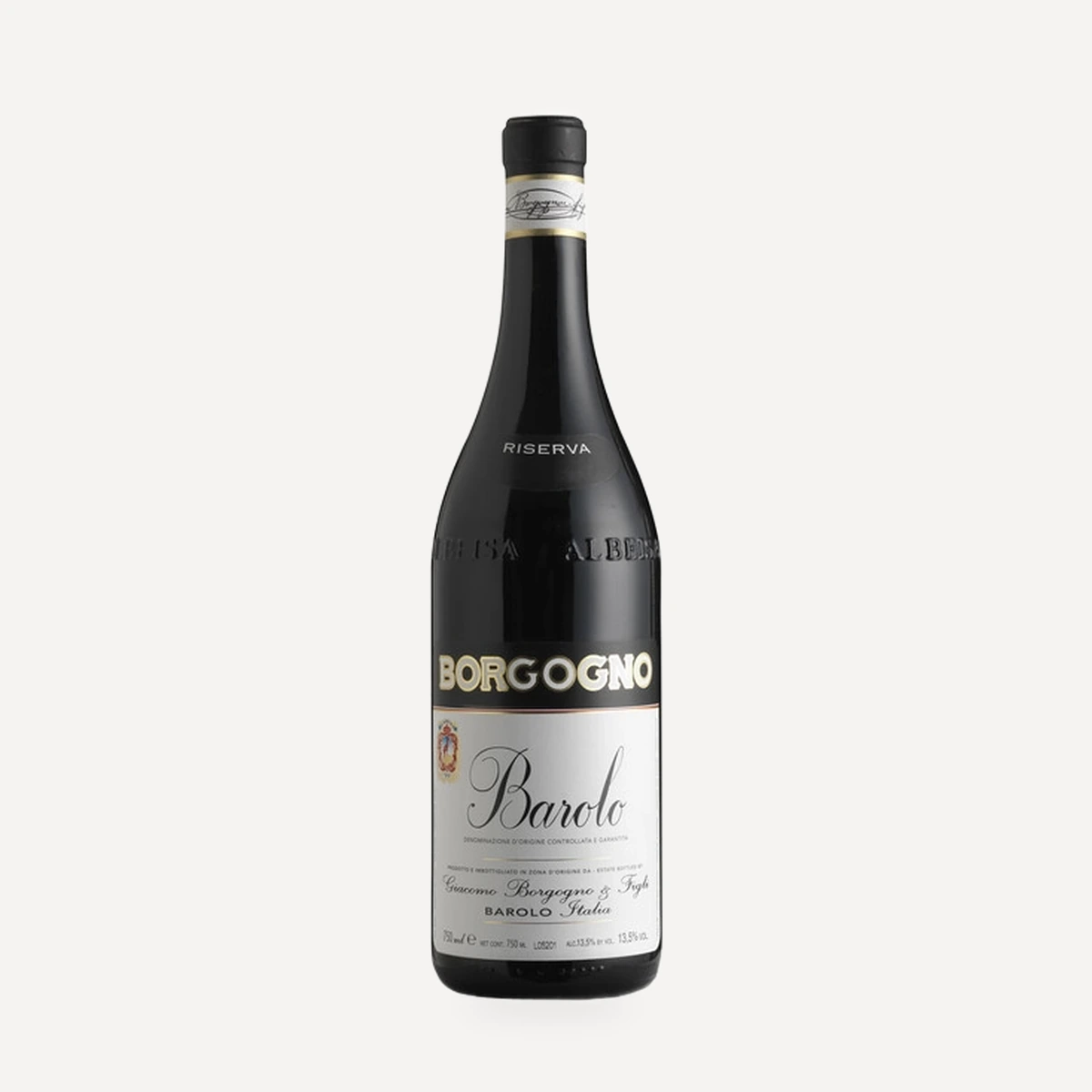 Giacomo Borgogno & FigliBarolo · 22 wines
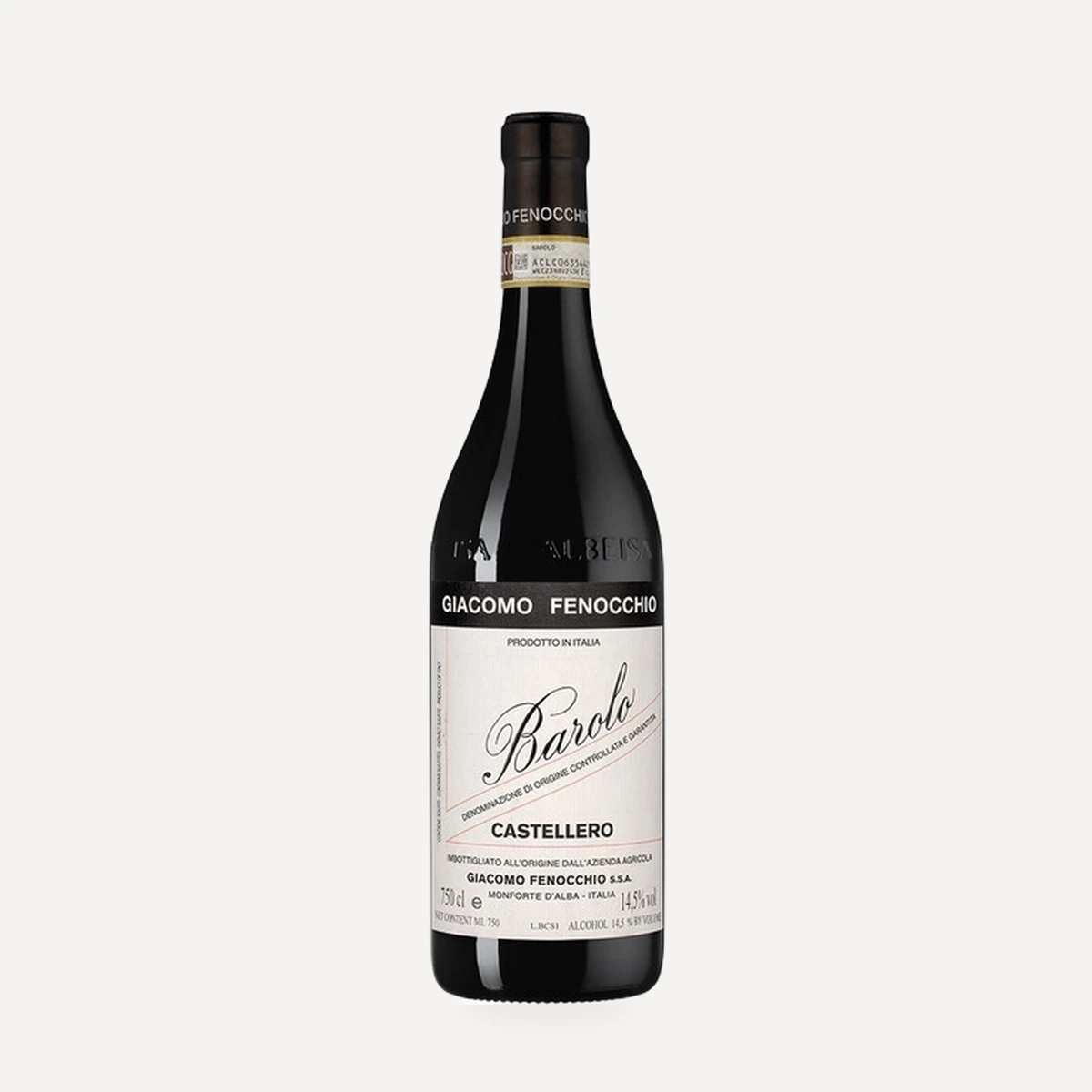 Giacomo FenocchioBarolo · 14 wines
 Giacomo Vico16 wines
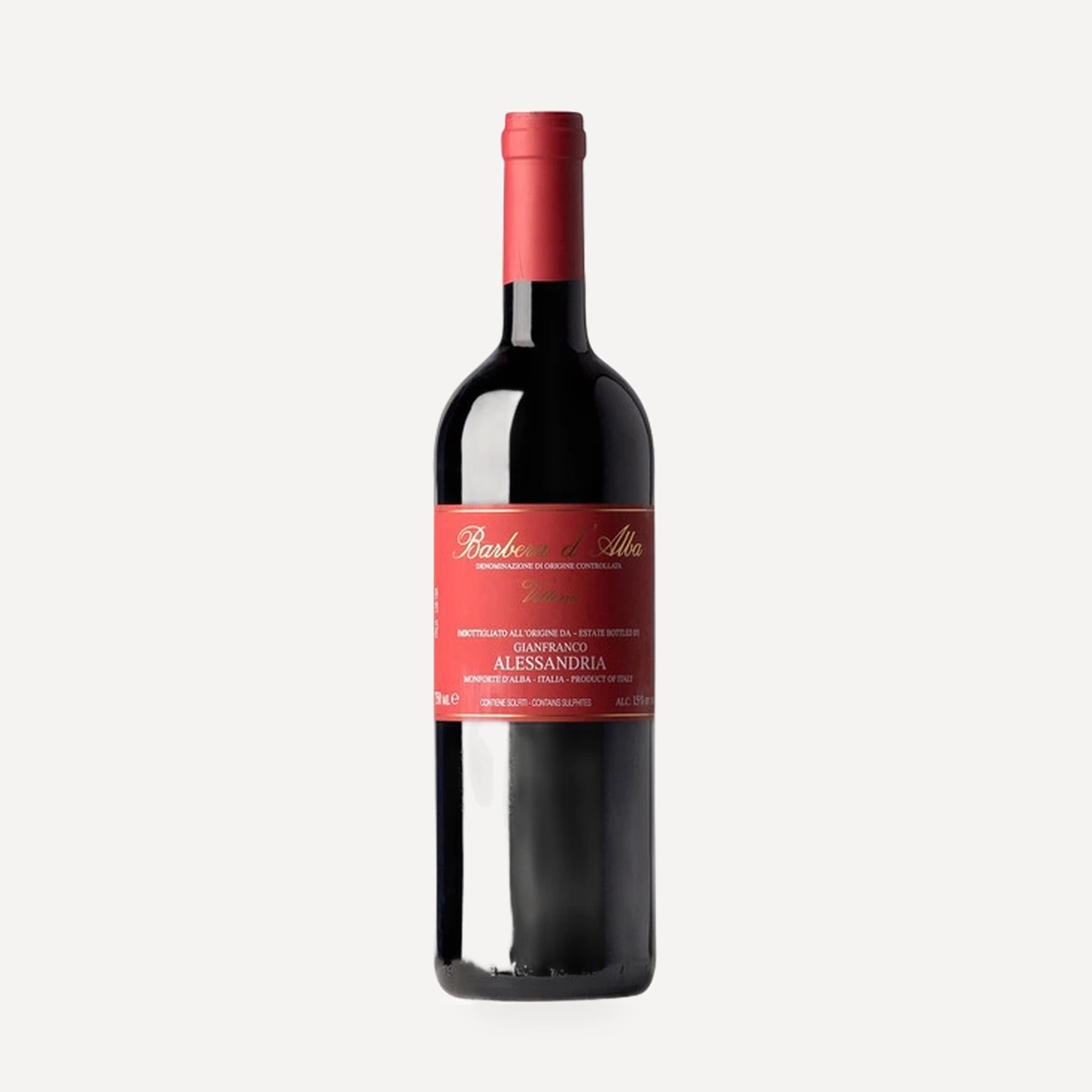 Gianfranco AlessandriaBarolo · 8 wines
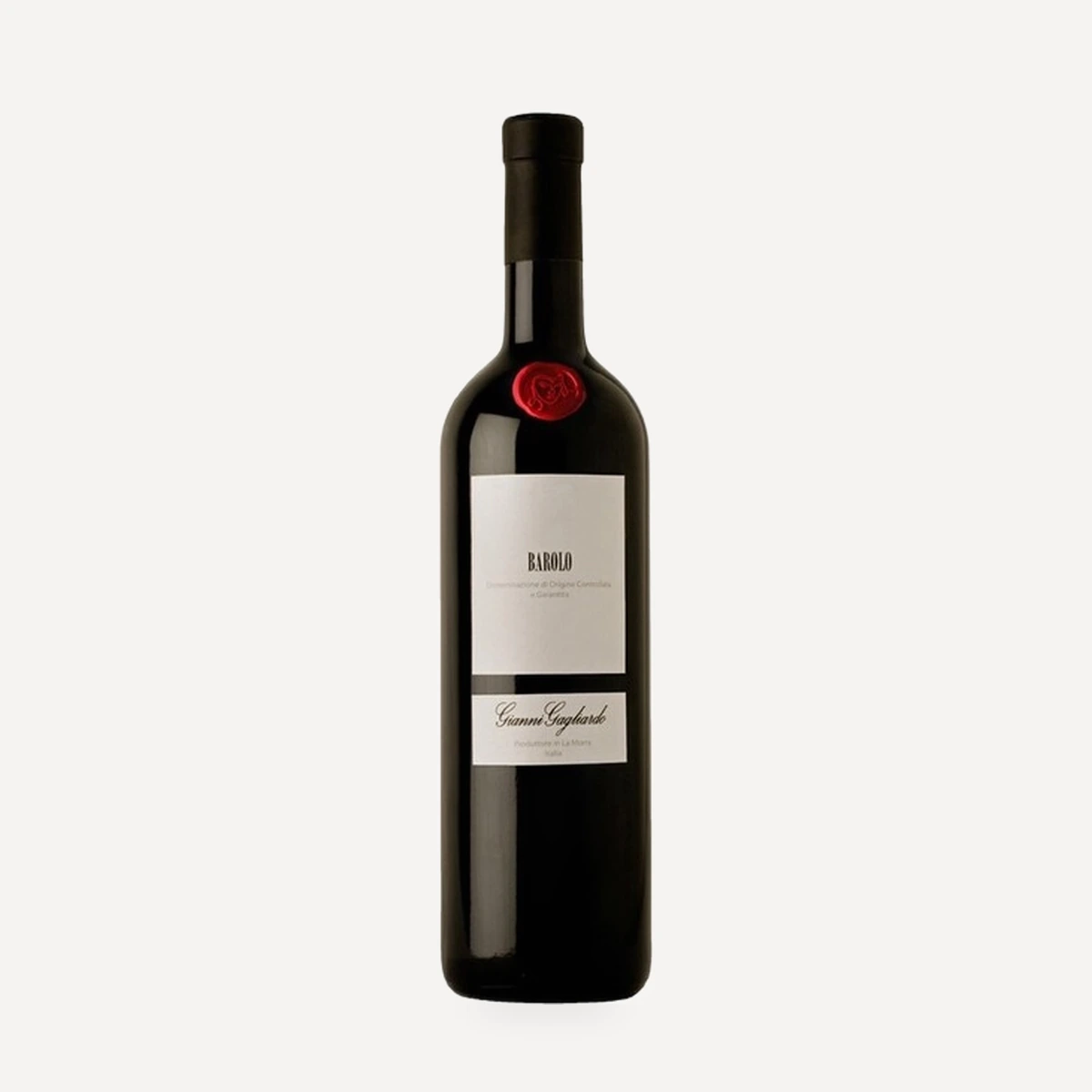 Gianni GagliardoBarolo · 22 winesGigi Rosso18 wines
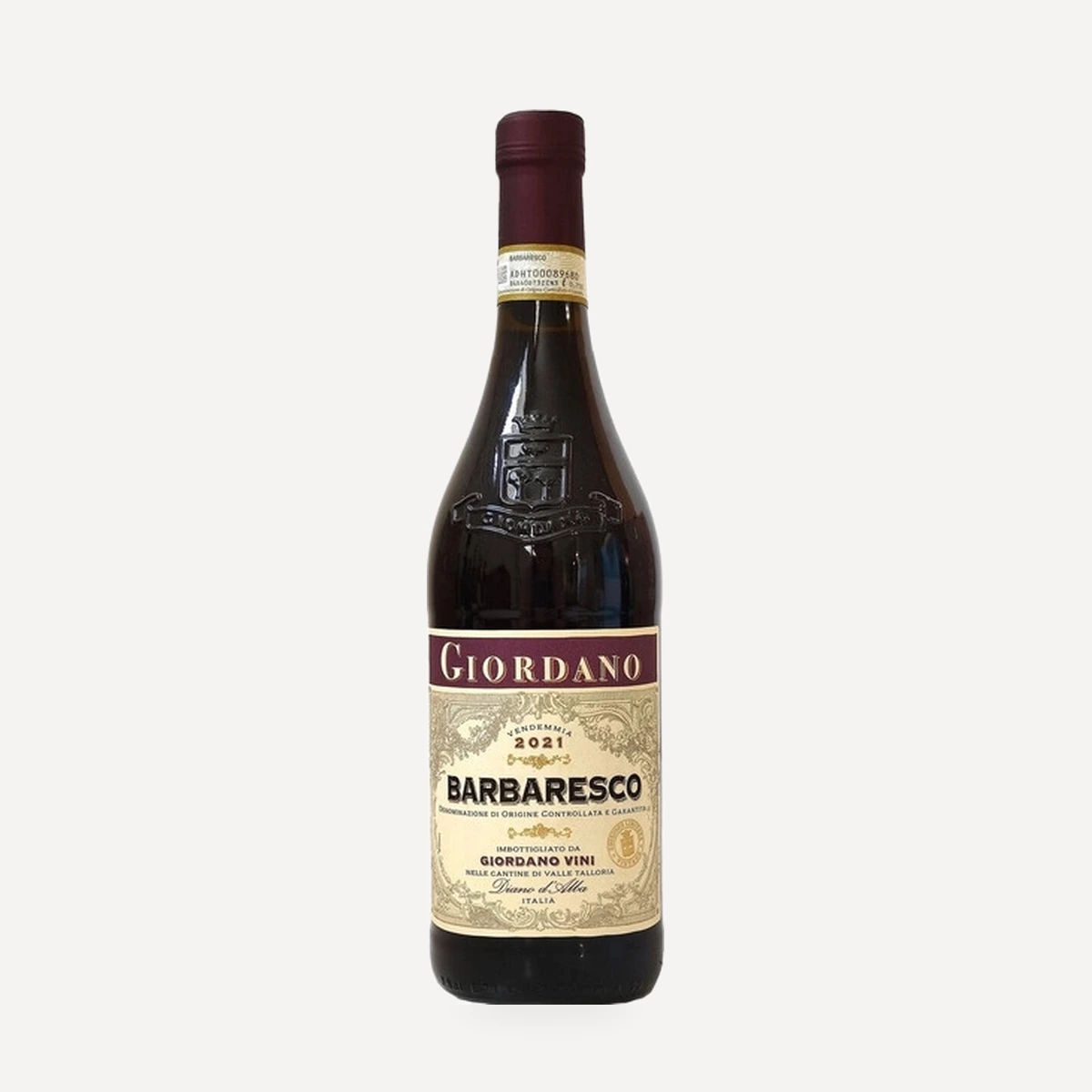 GiordanoBarbaresco · 59 wines
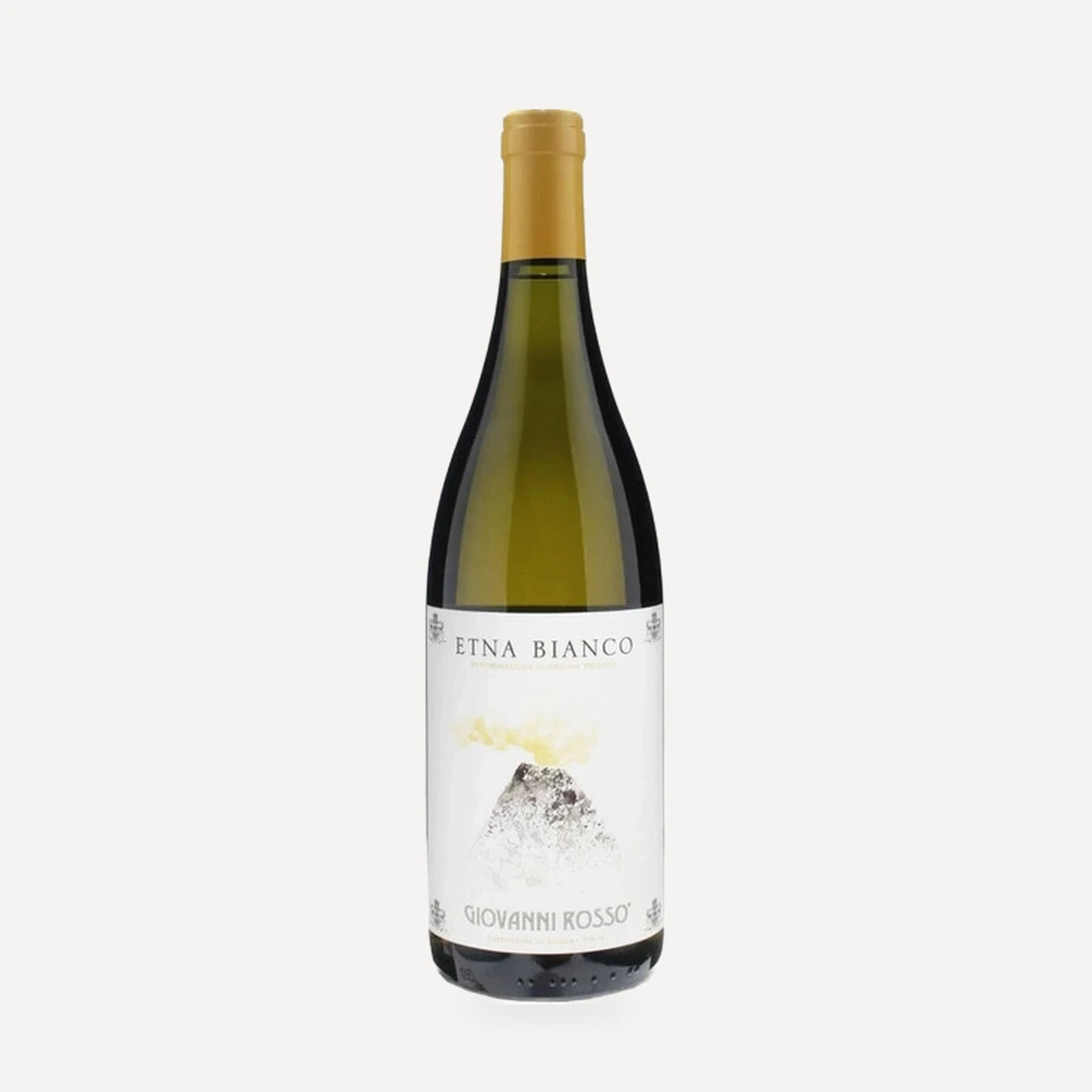 Giovanni RossoBarolo · 12 wines
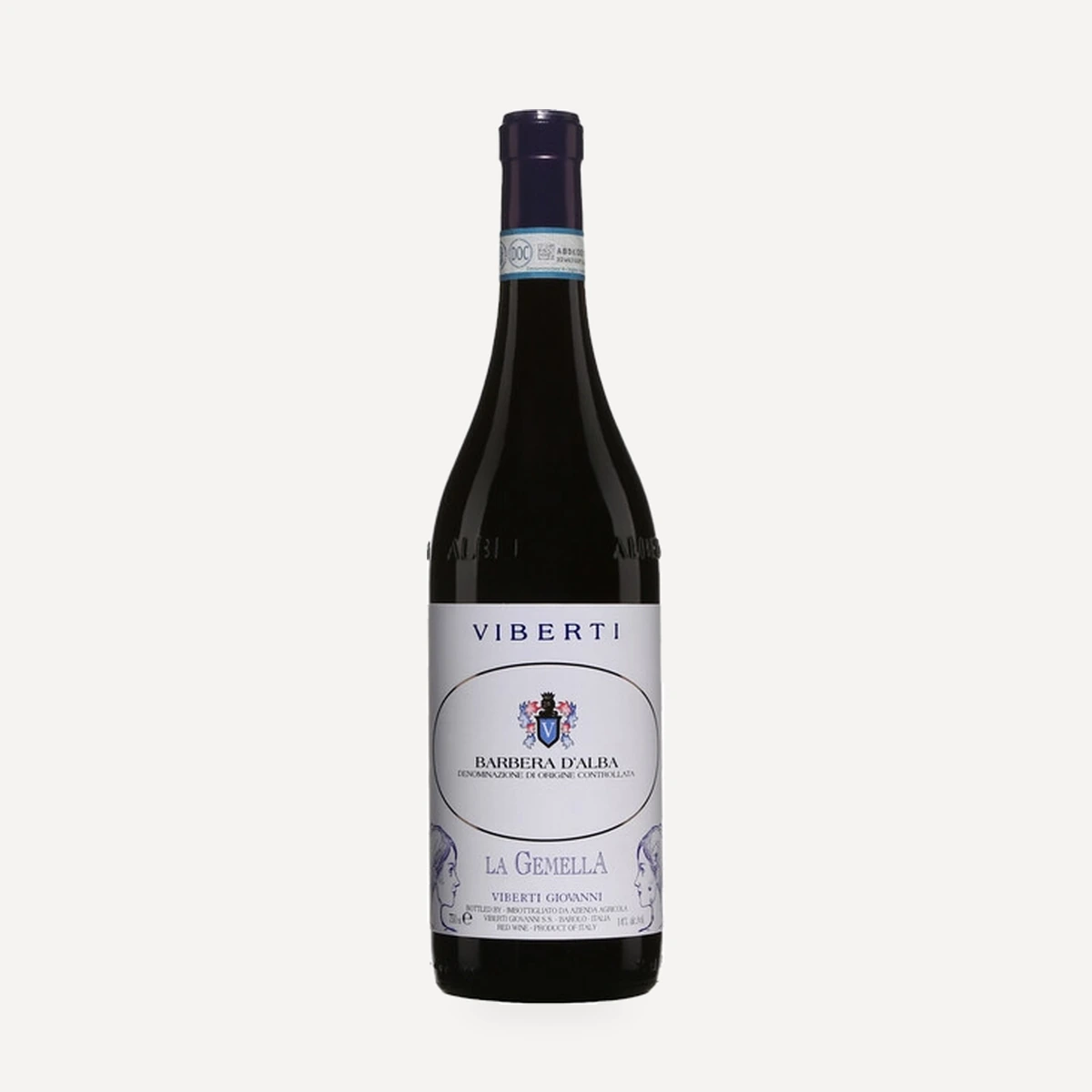 Giovanni VibertiBarolo · 22 winesGiribaldi16 winesGiulia Negri Giuseppe Mascarello e Figlio Barolo · 15 wines
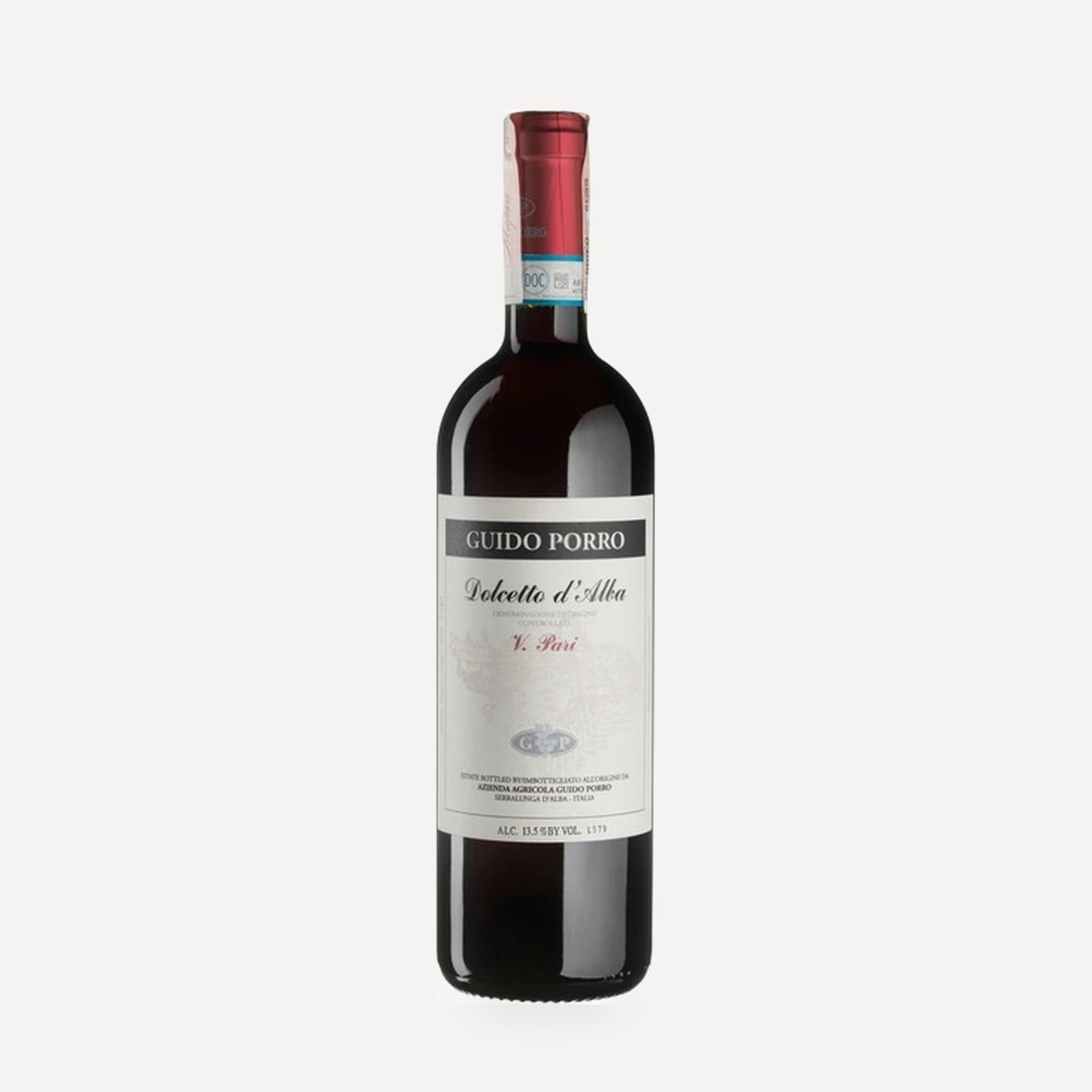 Guido PorroBarolo · 6 wines
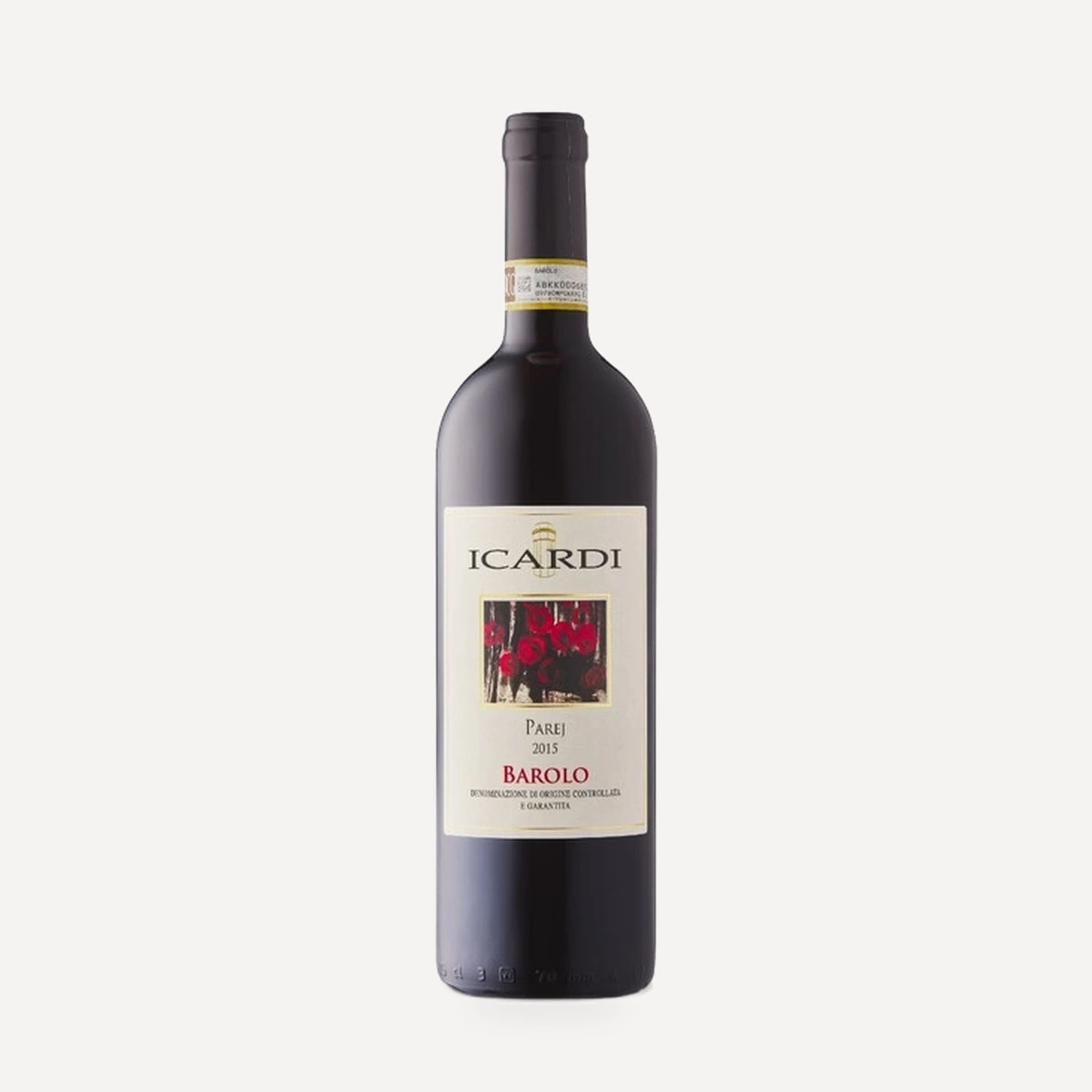
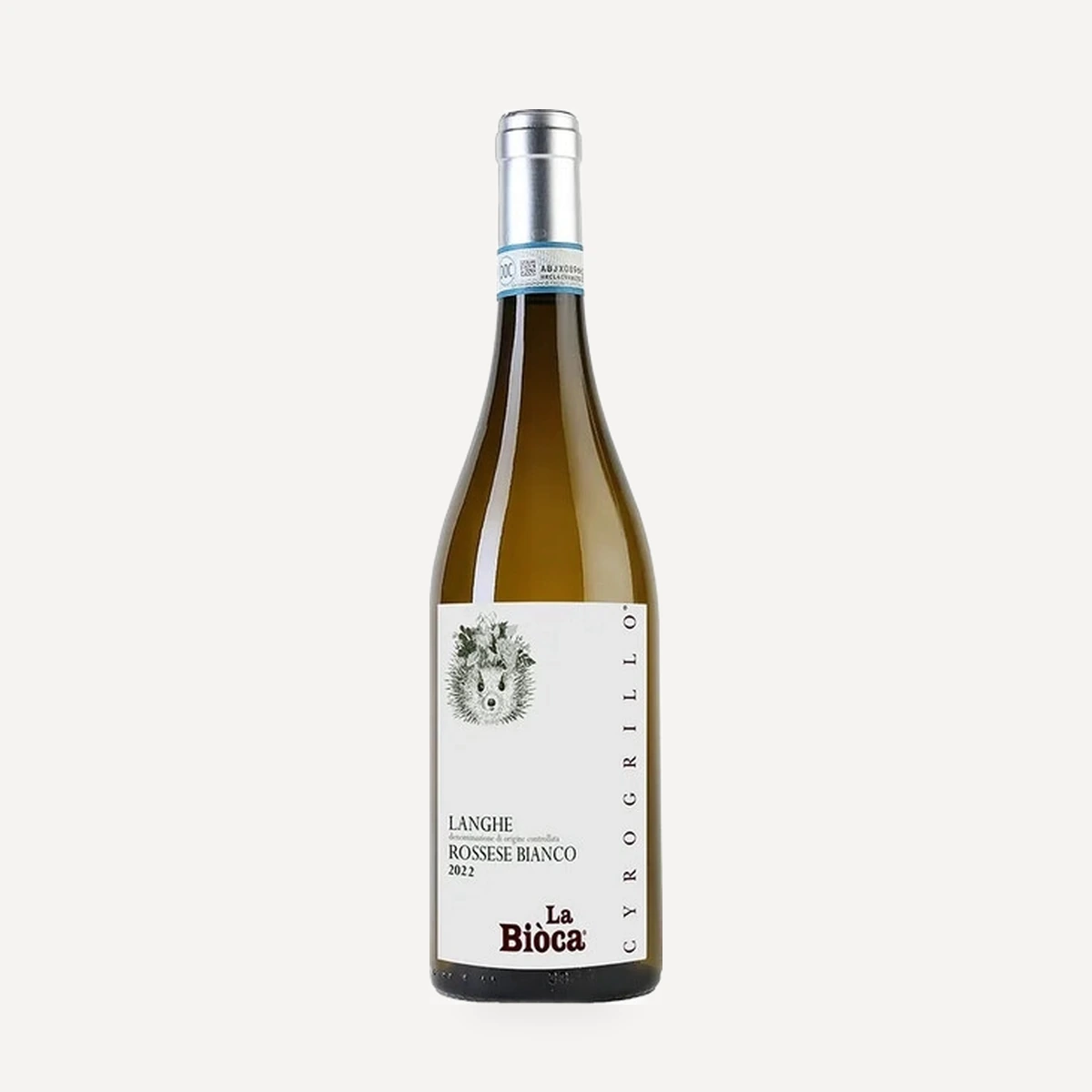
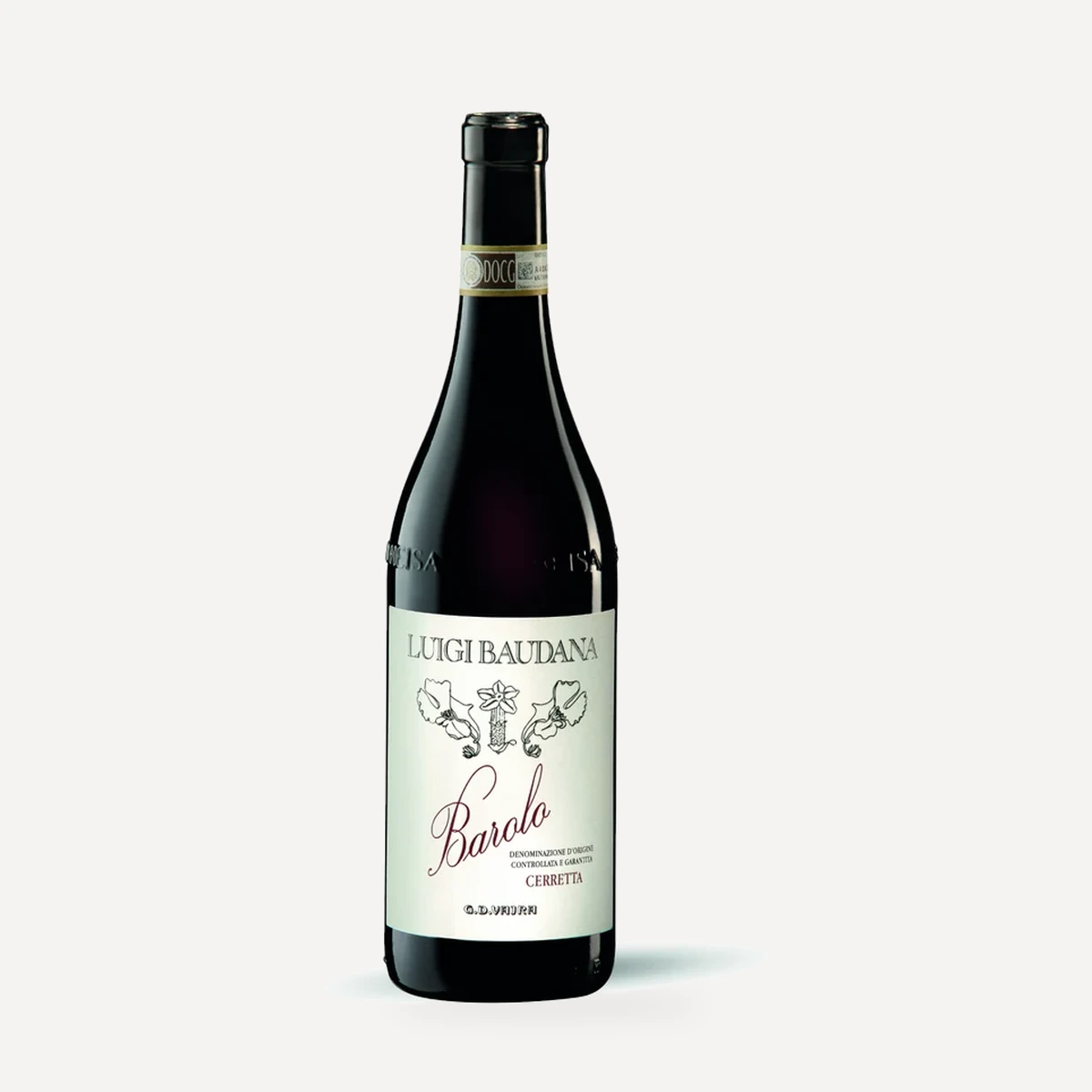
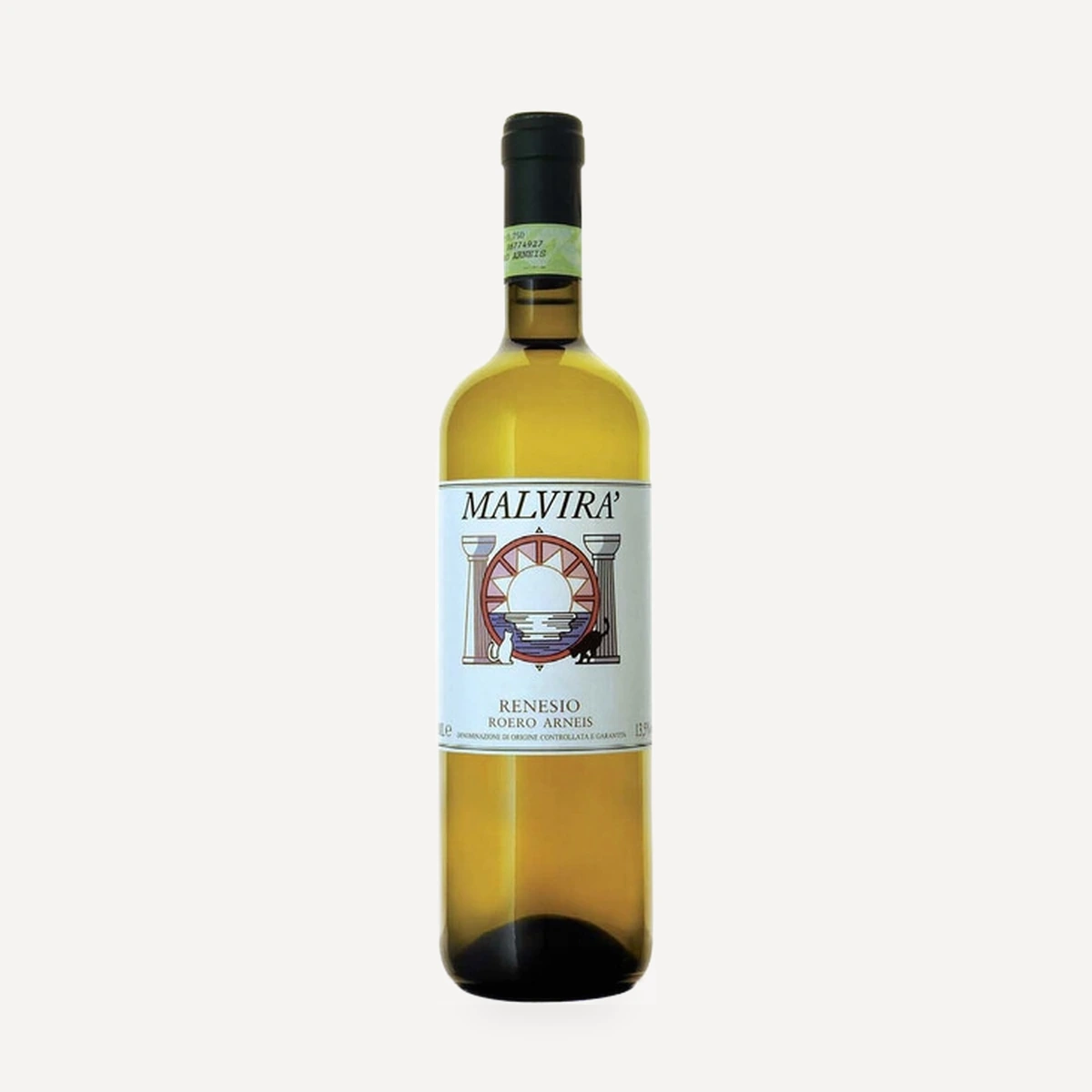 MalviraRoero · 24 winesMarchese d’Azeglio3 wines
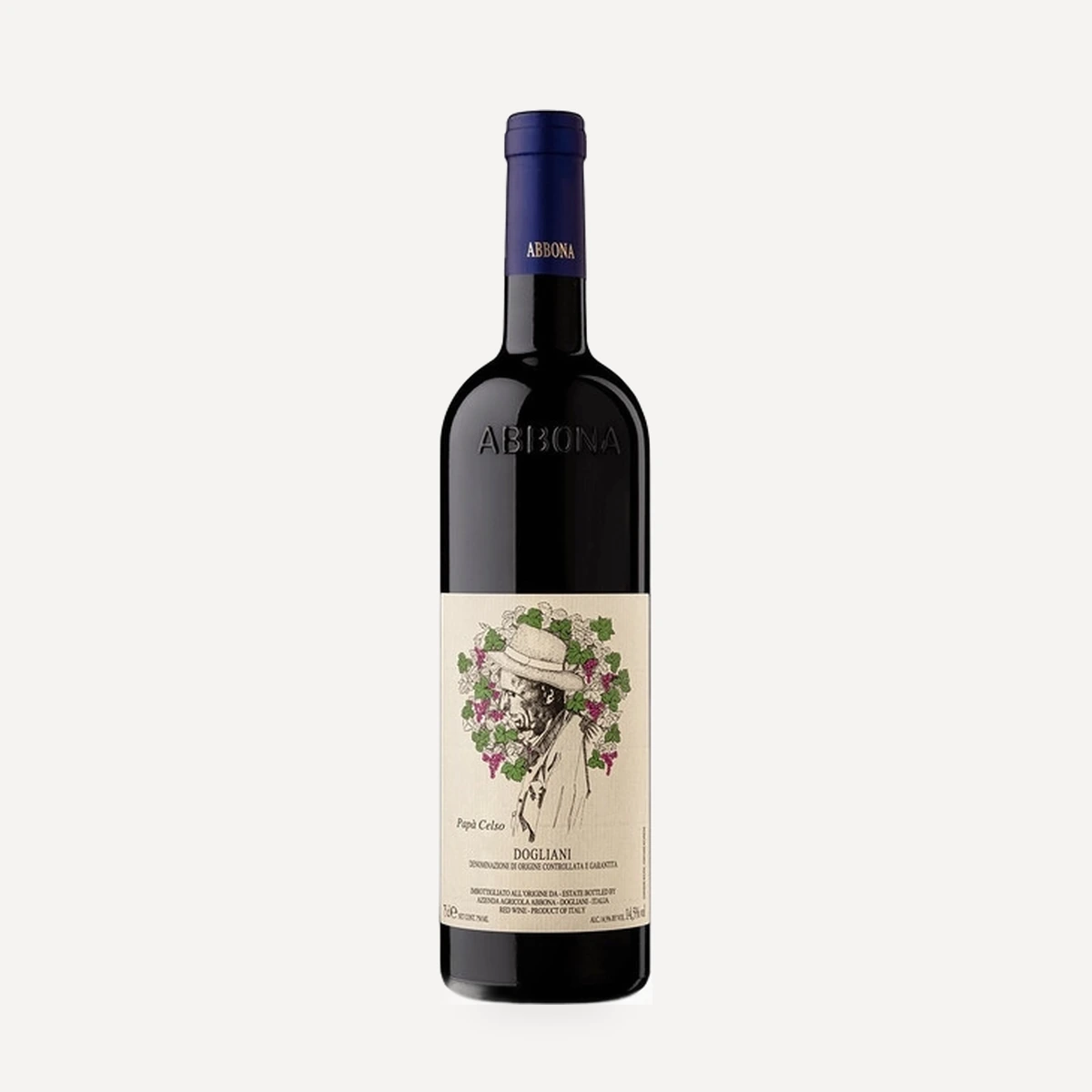 Marziano AbbonaLanghe · 23 wines
 Mauro SebasteBarolo · 19 wines
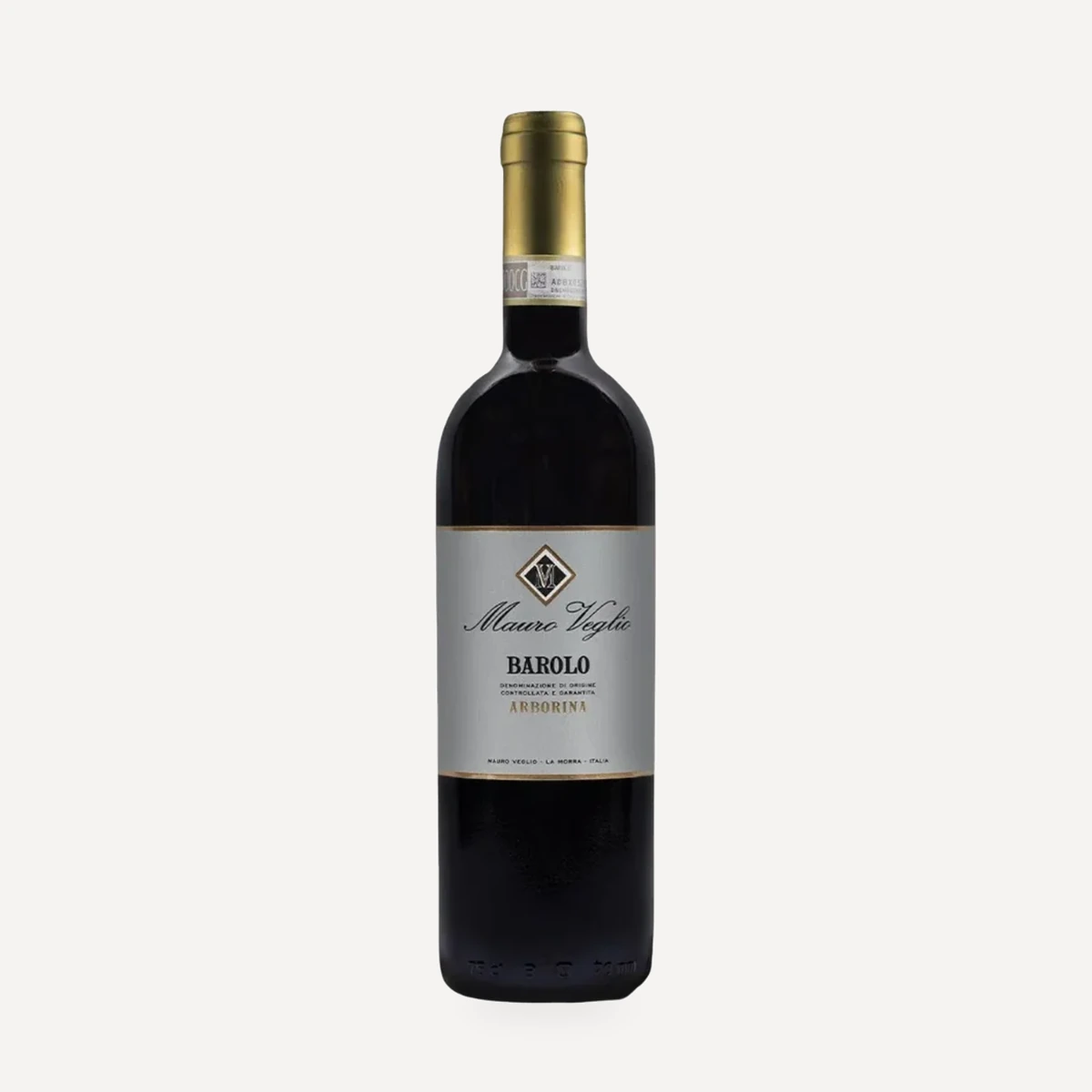 Mauro VeglioBarolo · 11 wines
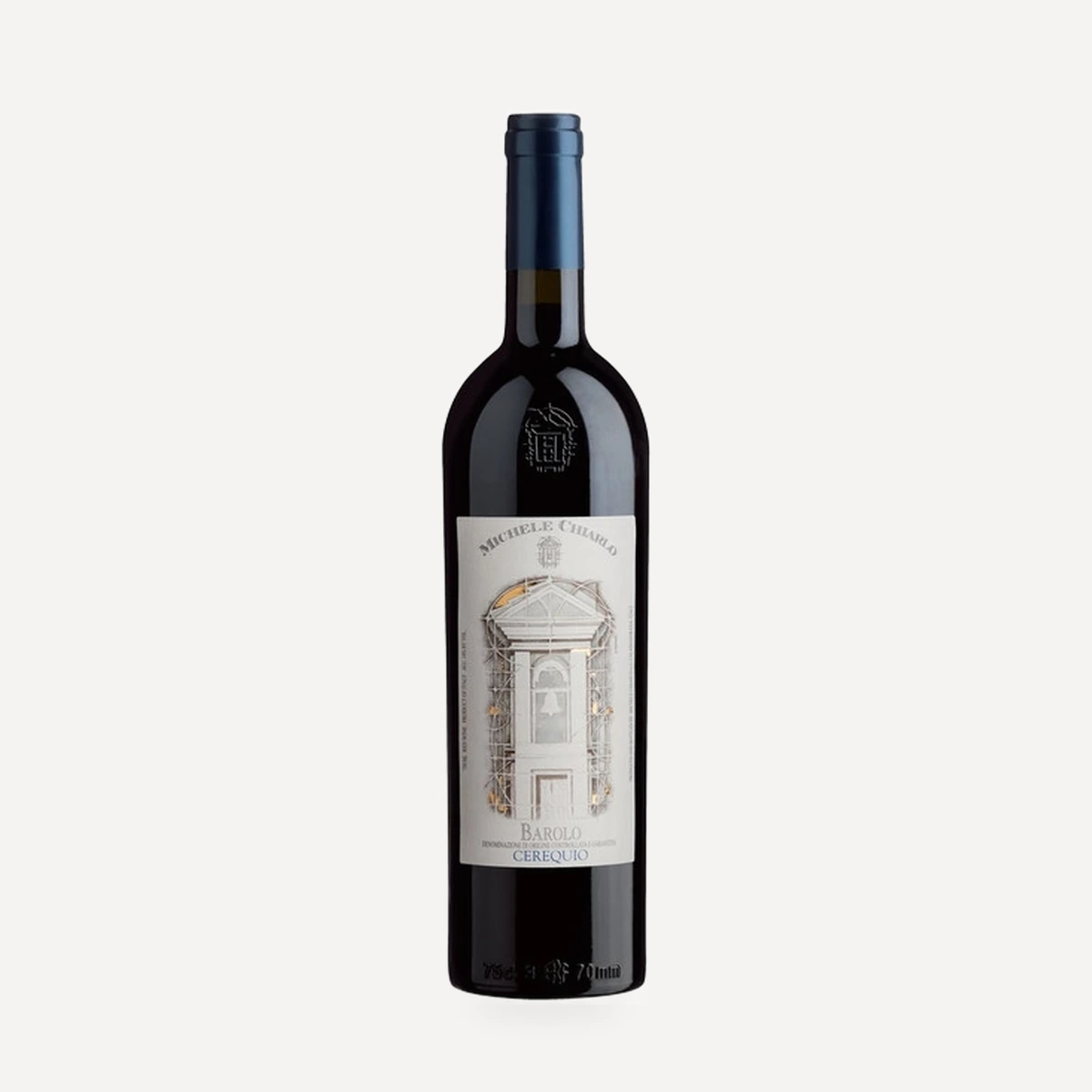 Michele ChiarloBarolo · 34 wines
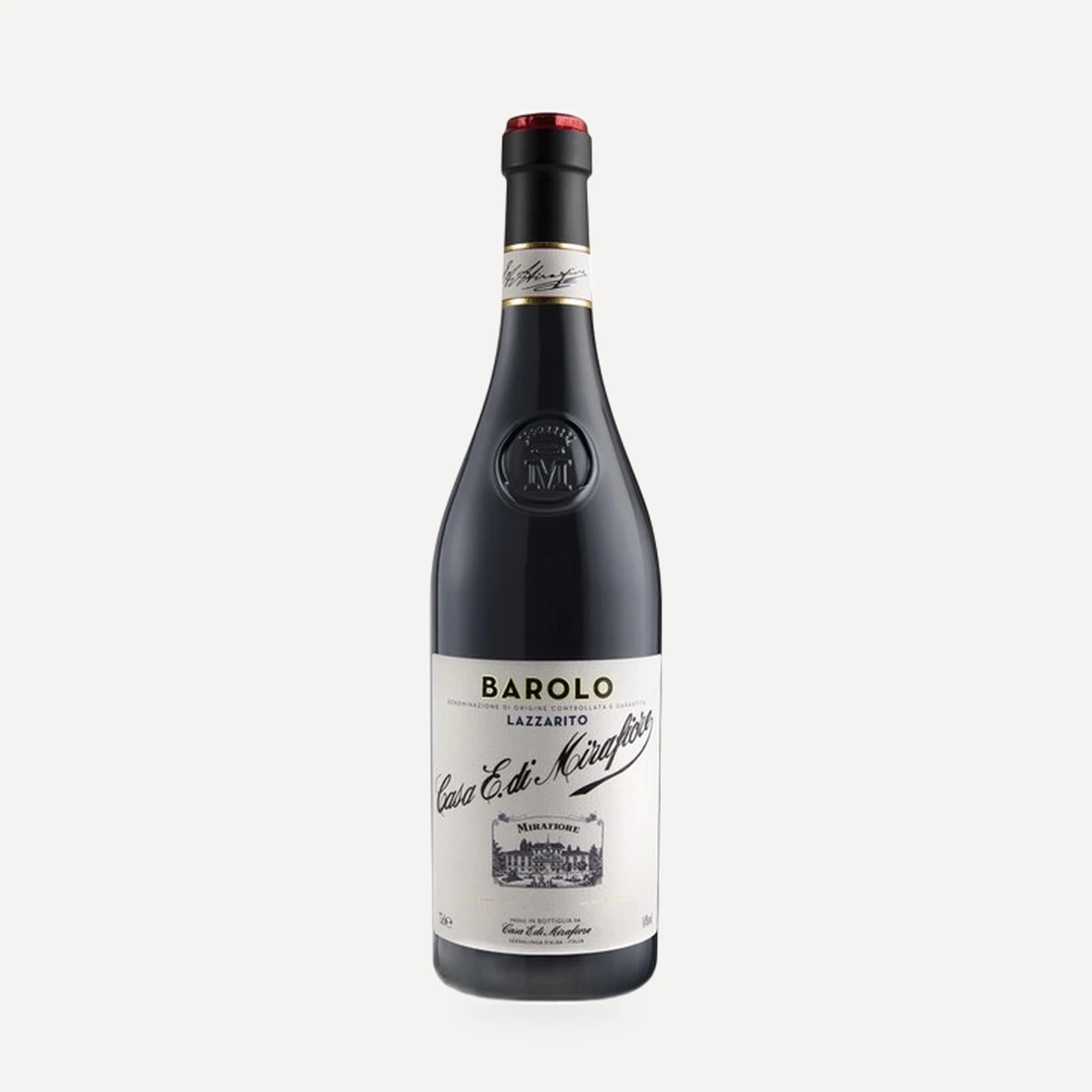 MirafioreBarolo · 22 winesMonchiero12 wines
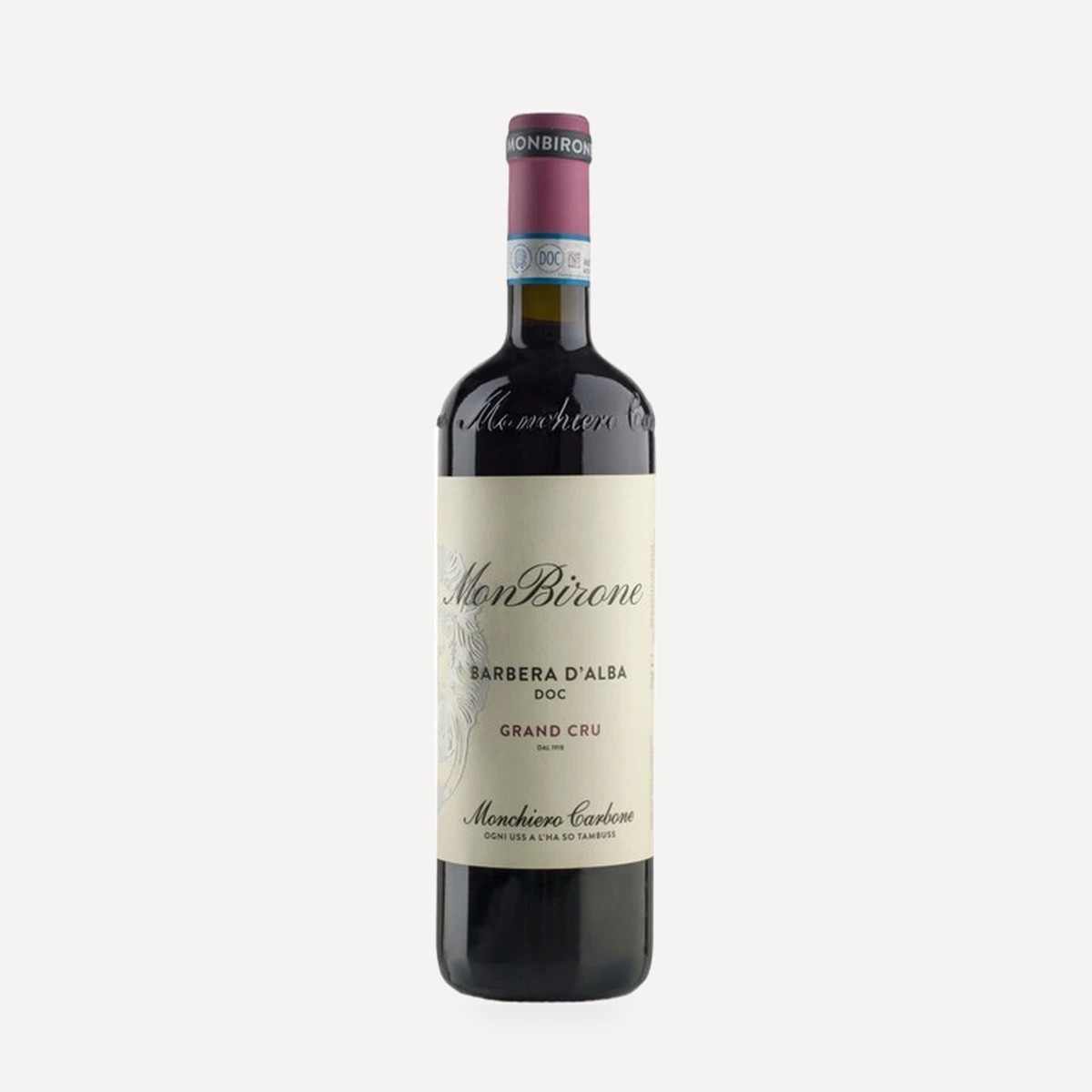 Monchiero CarboneAlba · 6 winesMonsordo Bernardina Estate8 winesMontalbera
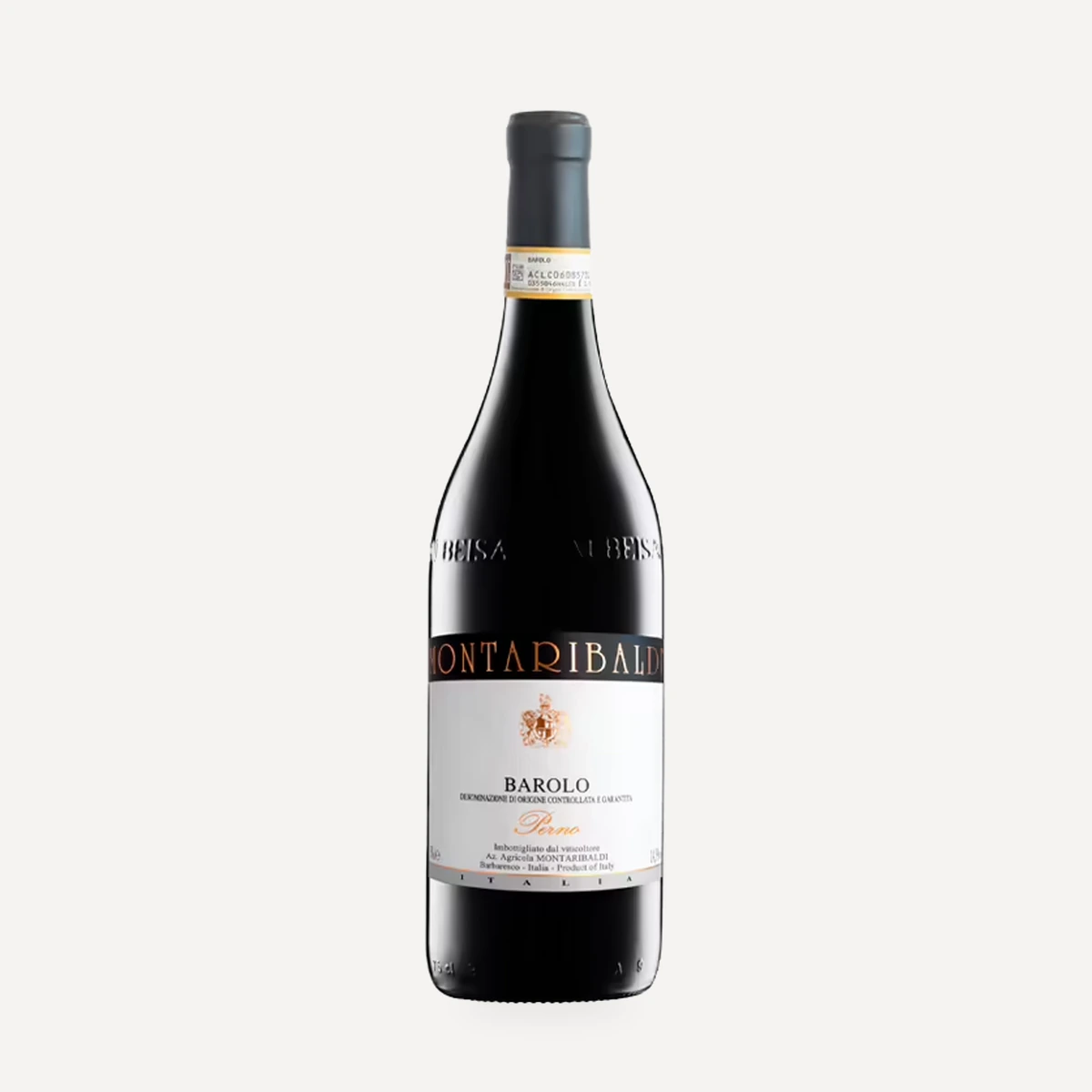 MontaribaldiBarbaresco · 24 winesMoscone
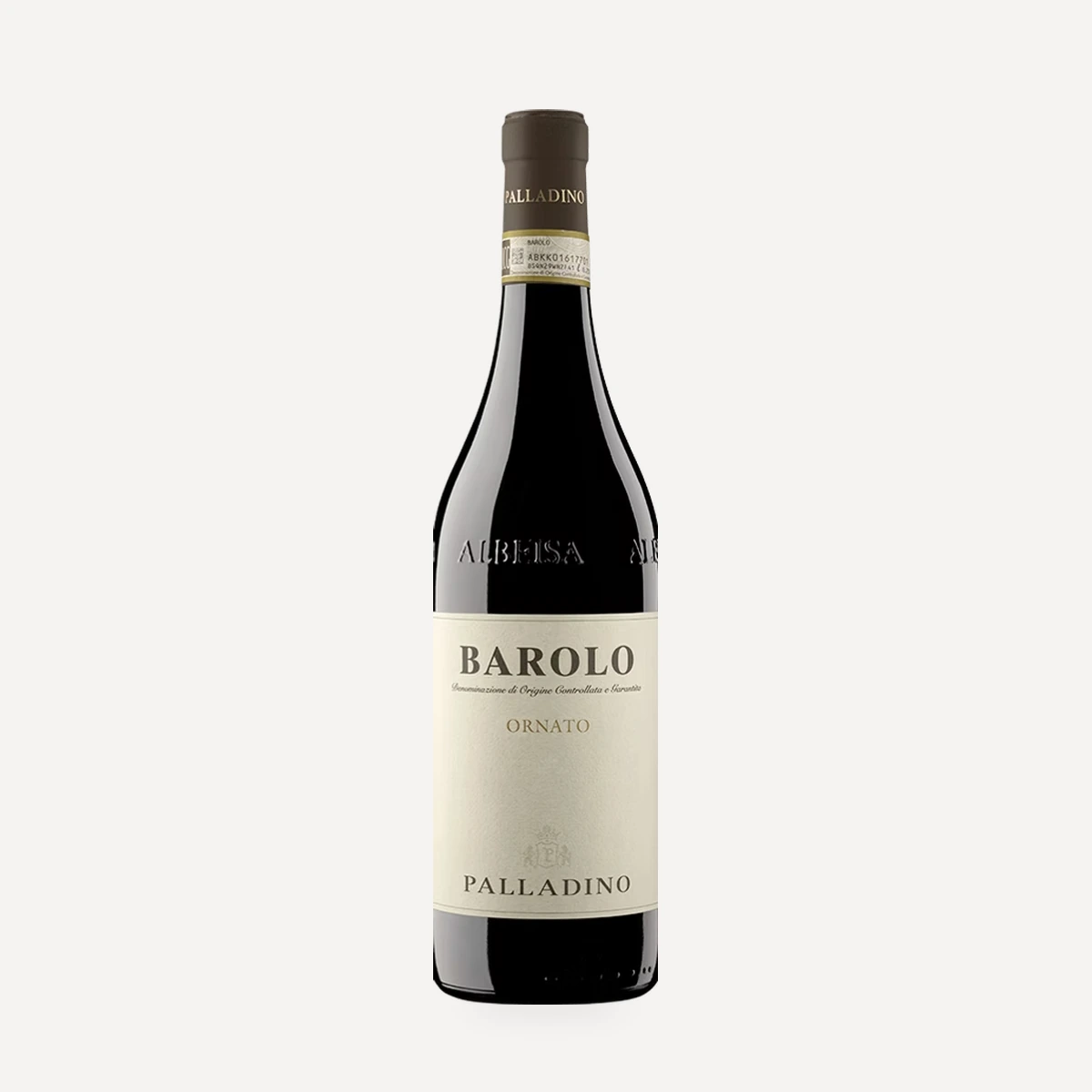 Palladino12 winesPaolo Scavino Barolo · 13 wines
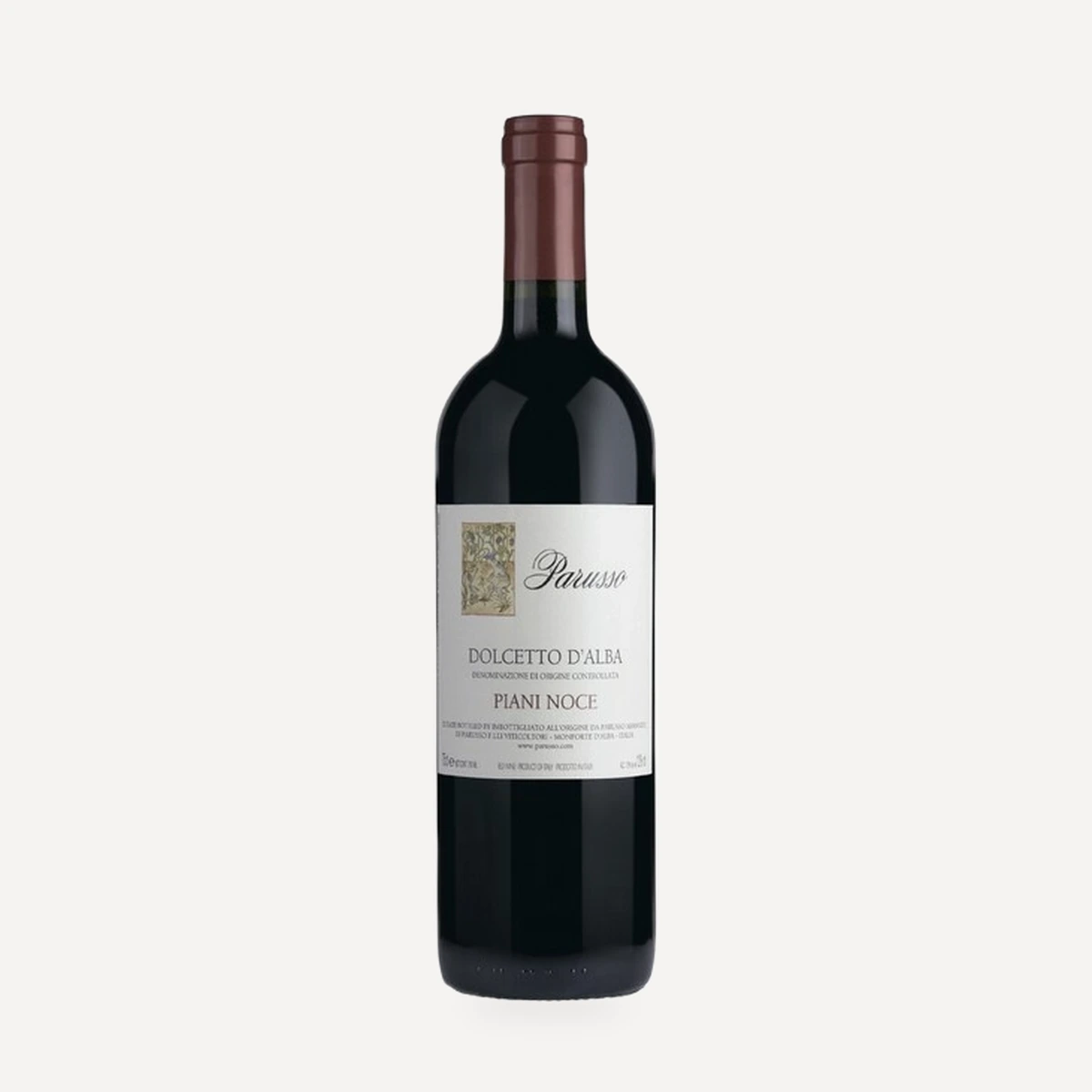 Parusso Armando di Parusso F.lli Società AgricolaBarolo · 11 wines
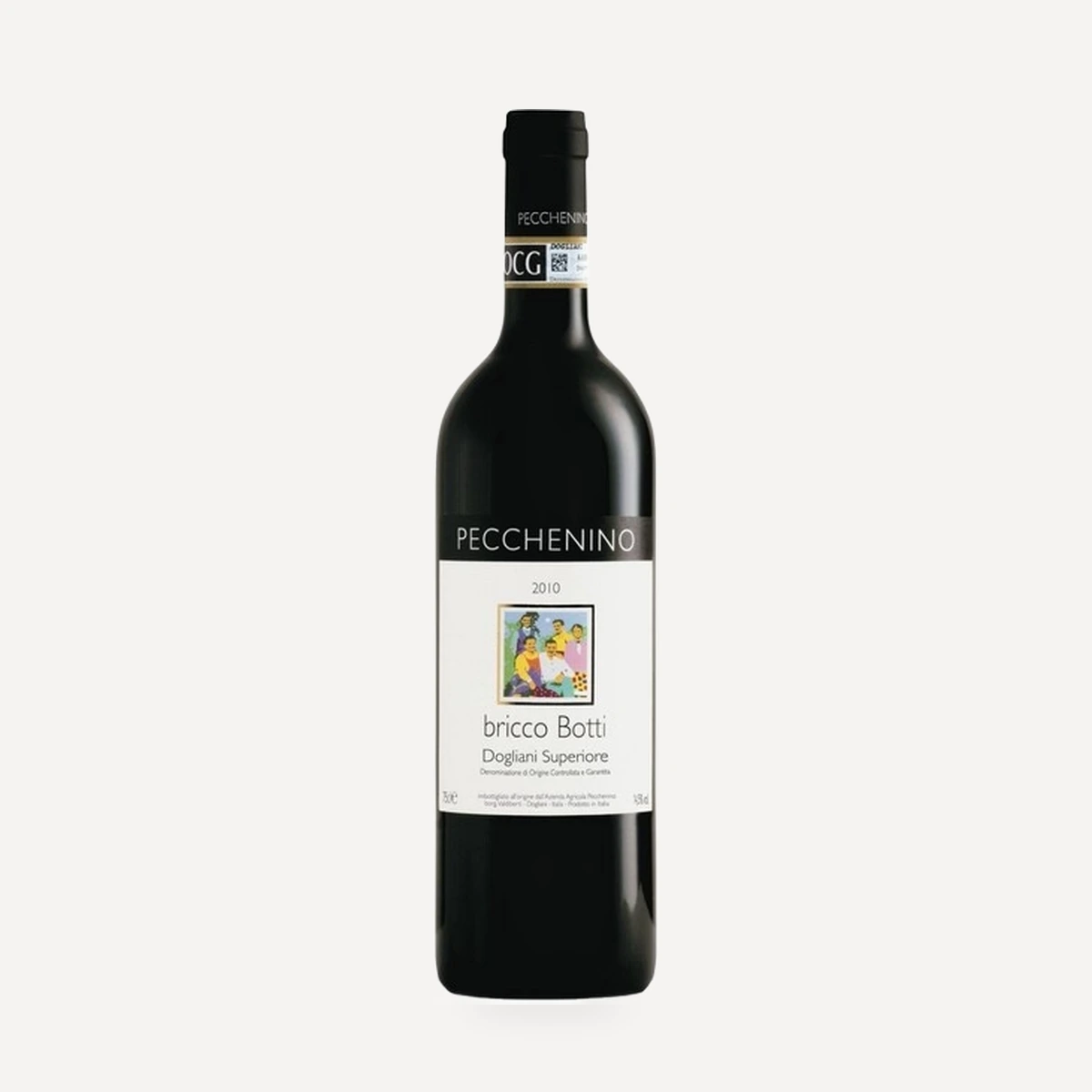 PeccheninoBarolo · 14 winesPertinace14 wines
 PianpolvereBarolo · 2 winesPianpolvere SopranoBarolo · 2 wines
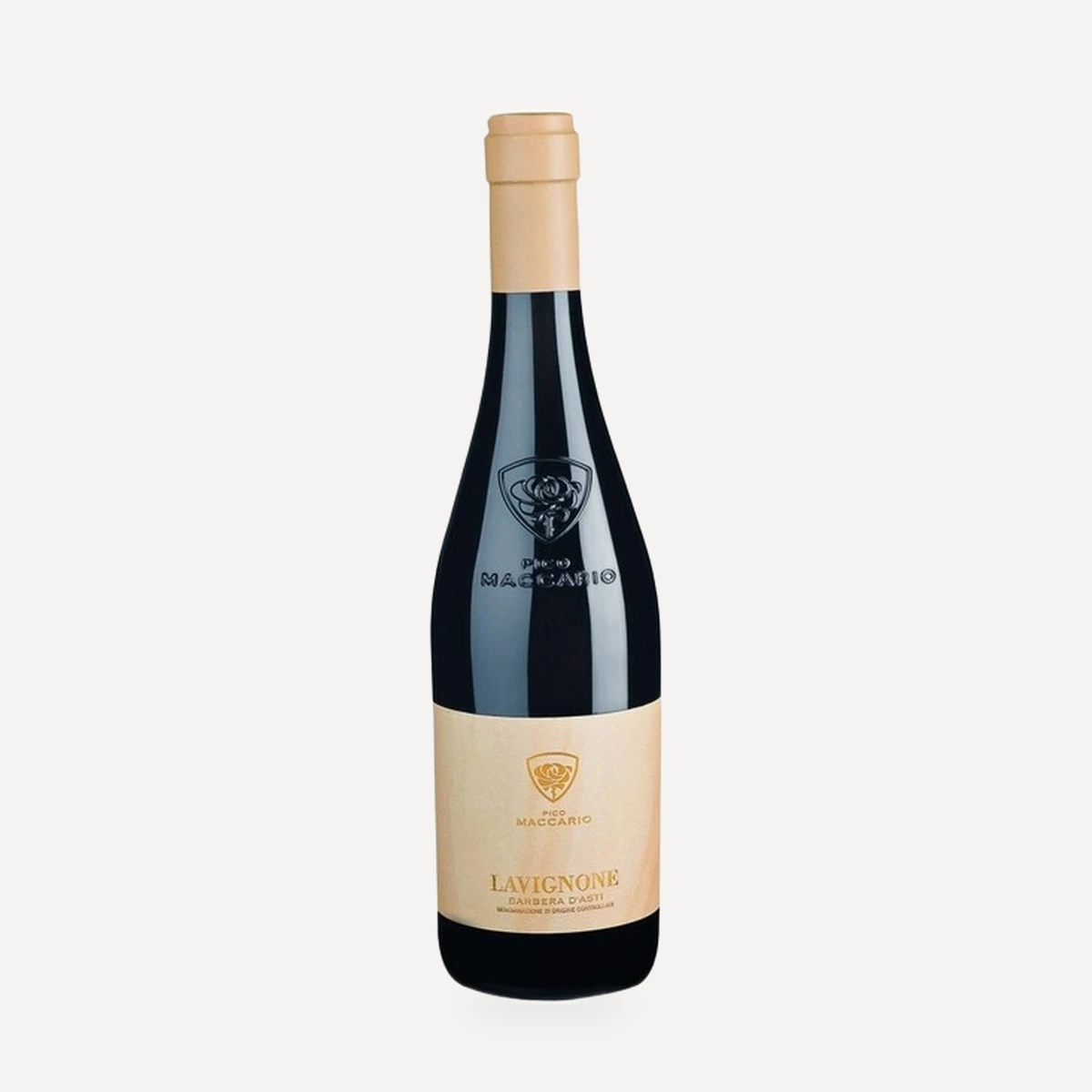 Pico MaccarioAsti · 13 winesPietro RinaldiLanghe · 11 winesPio Cesare Langhe · 22 wines
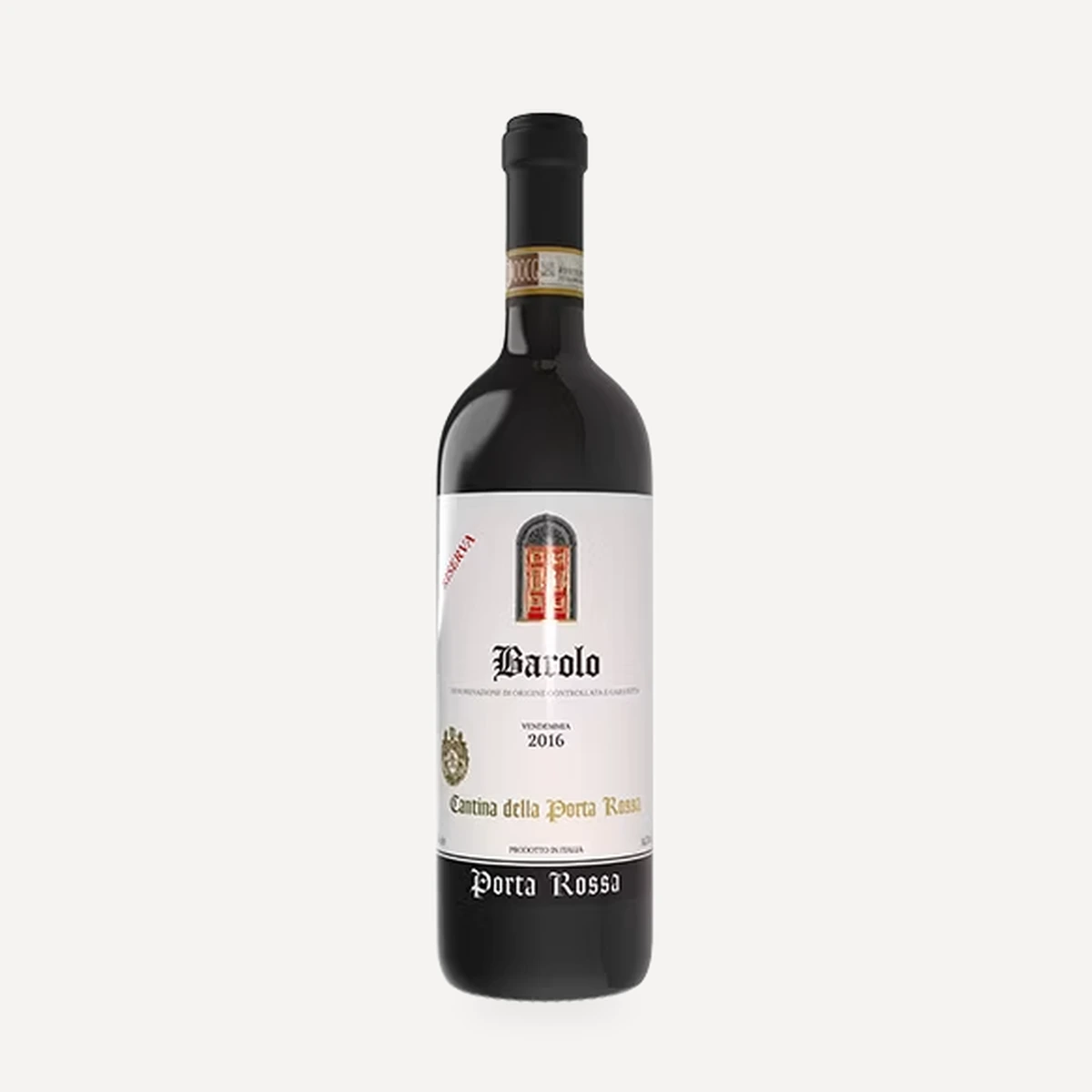 Porta RossaBarolo · 5 wines
 Prunotto Barolo · 25 wines
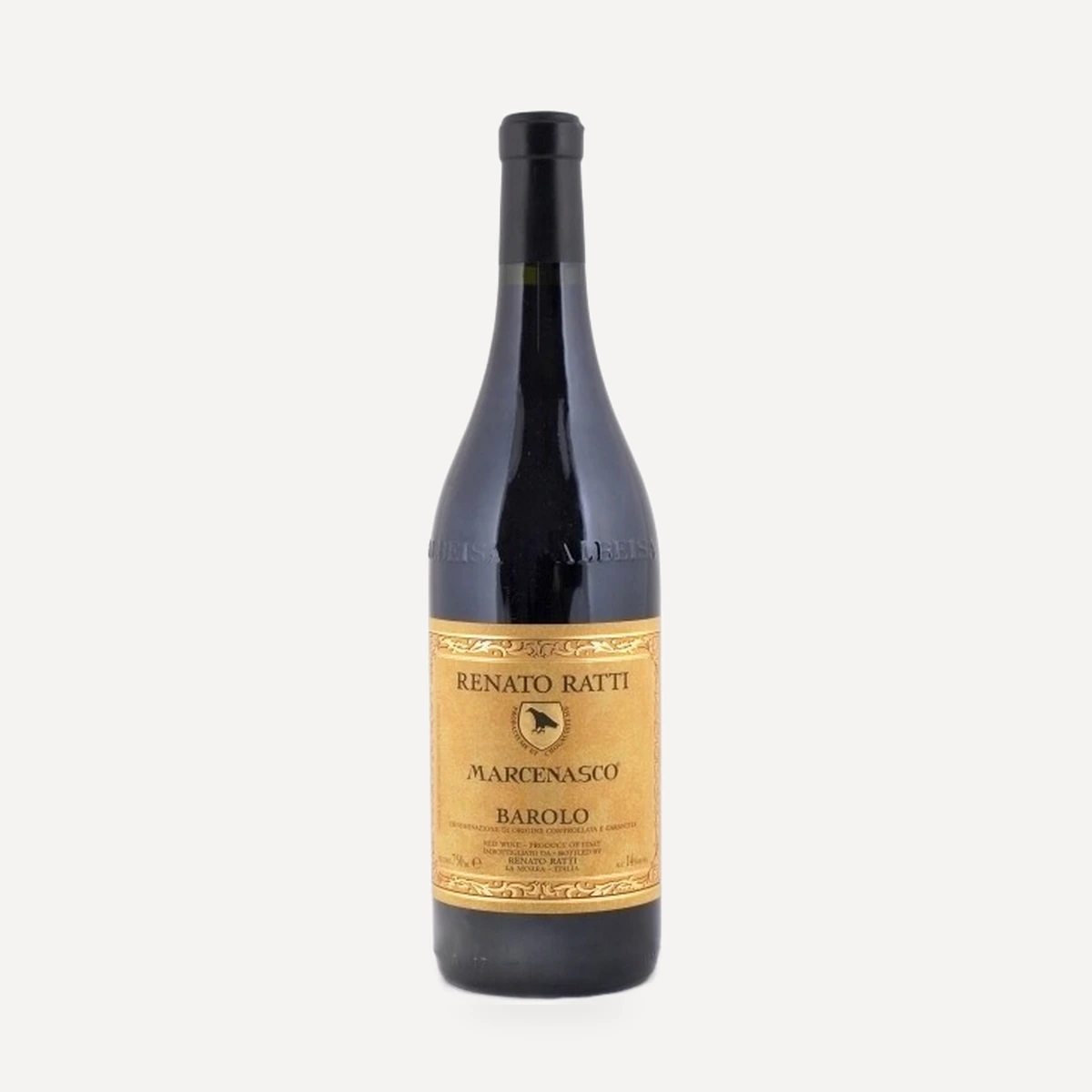
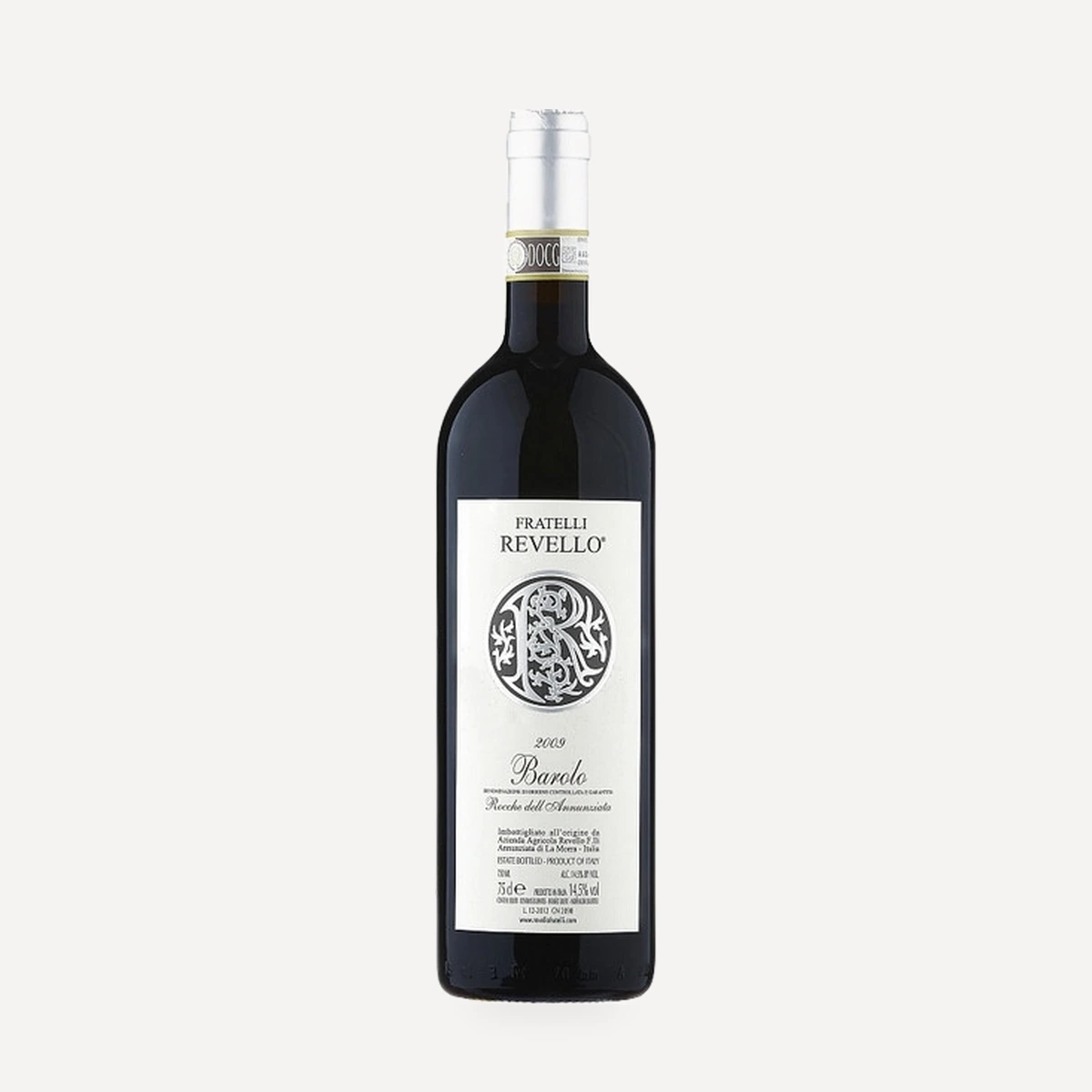
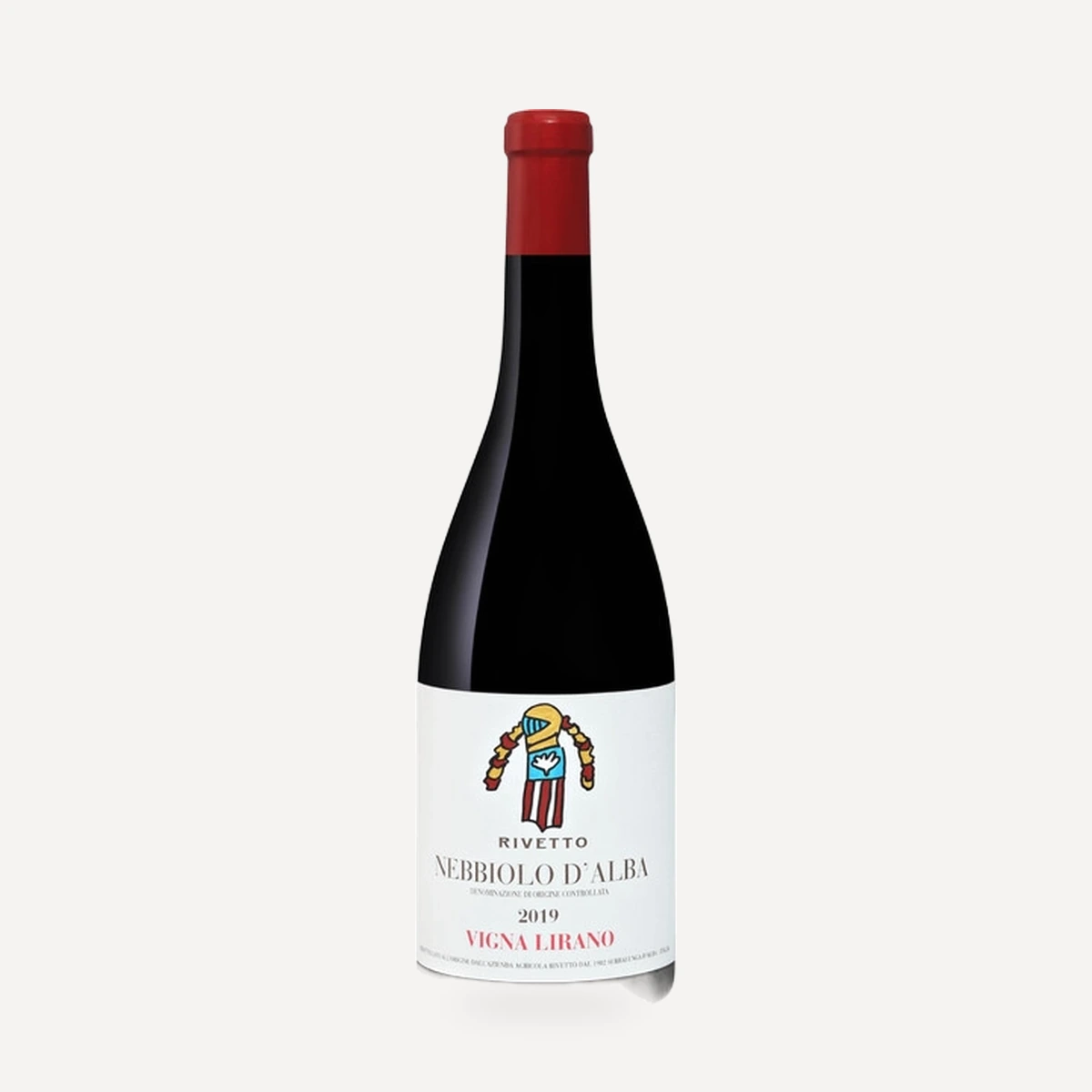
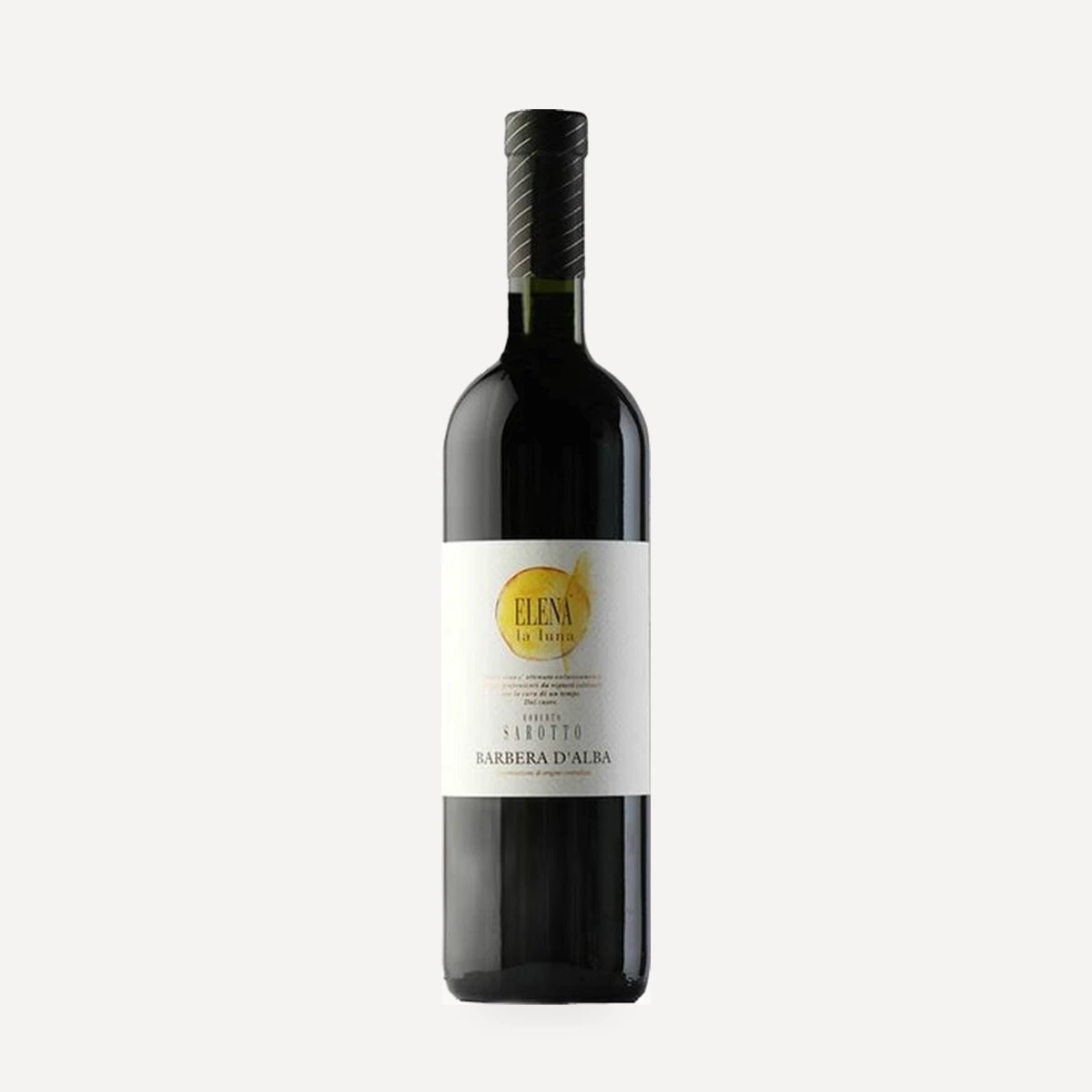
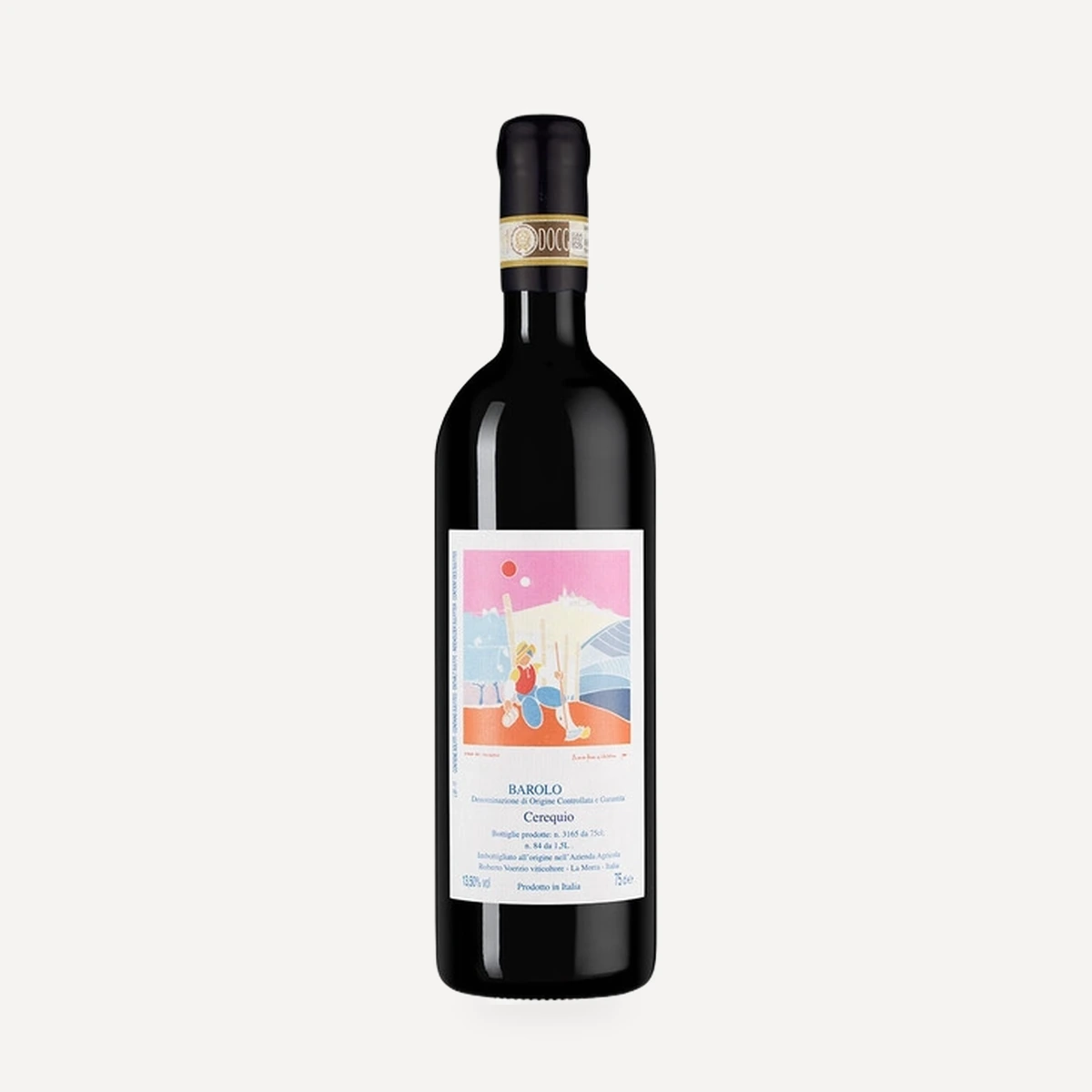
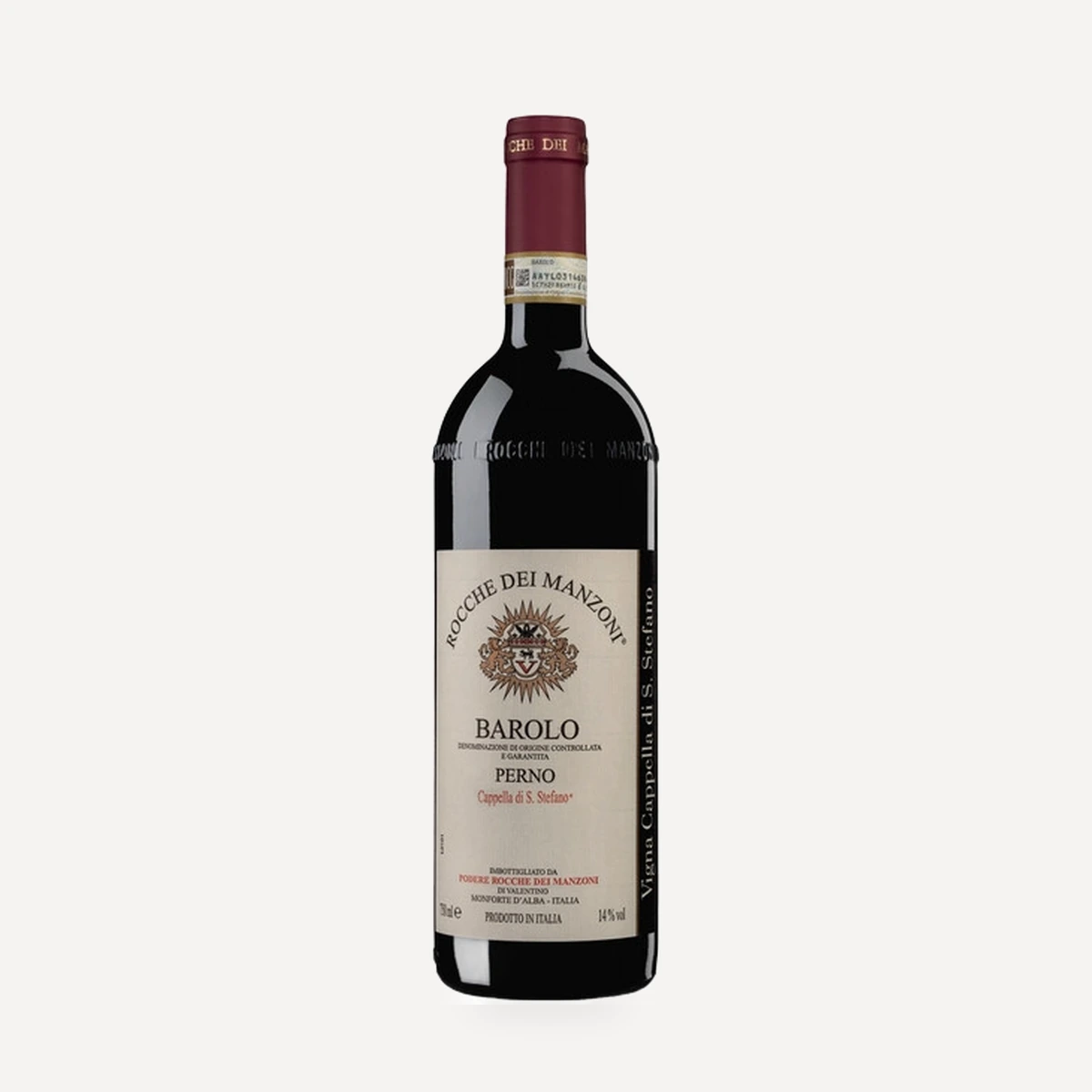
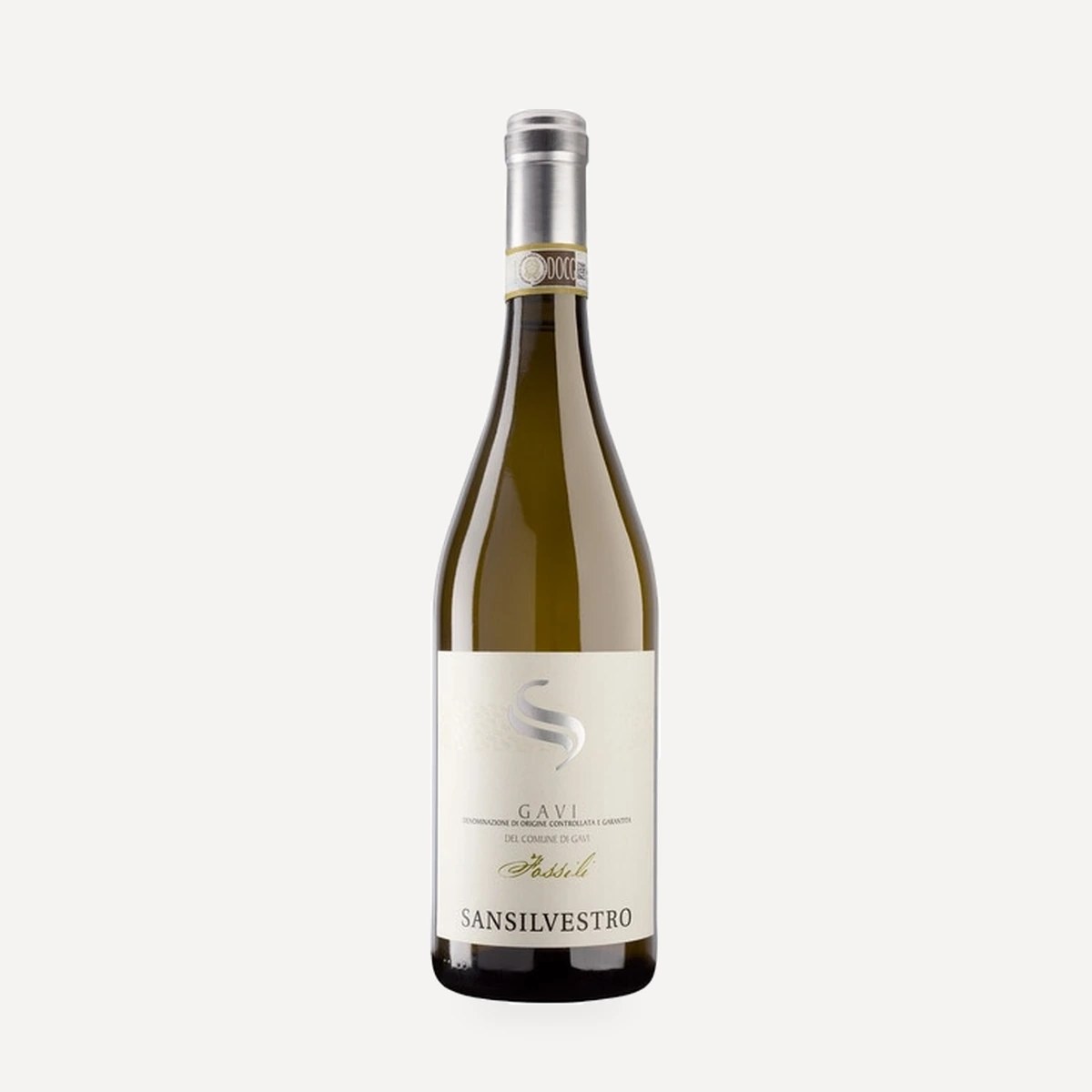

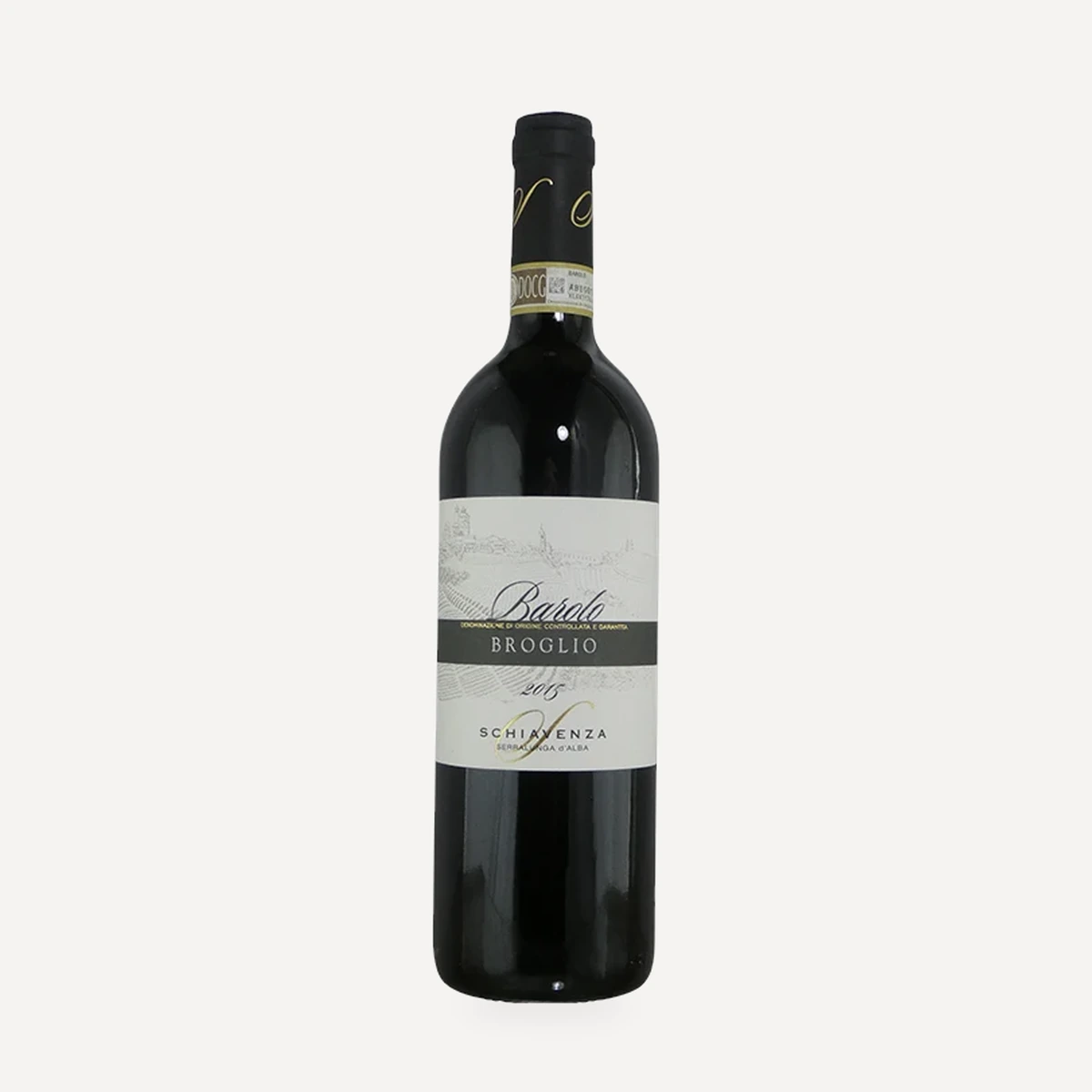
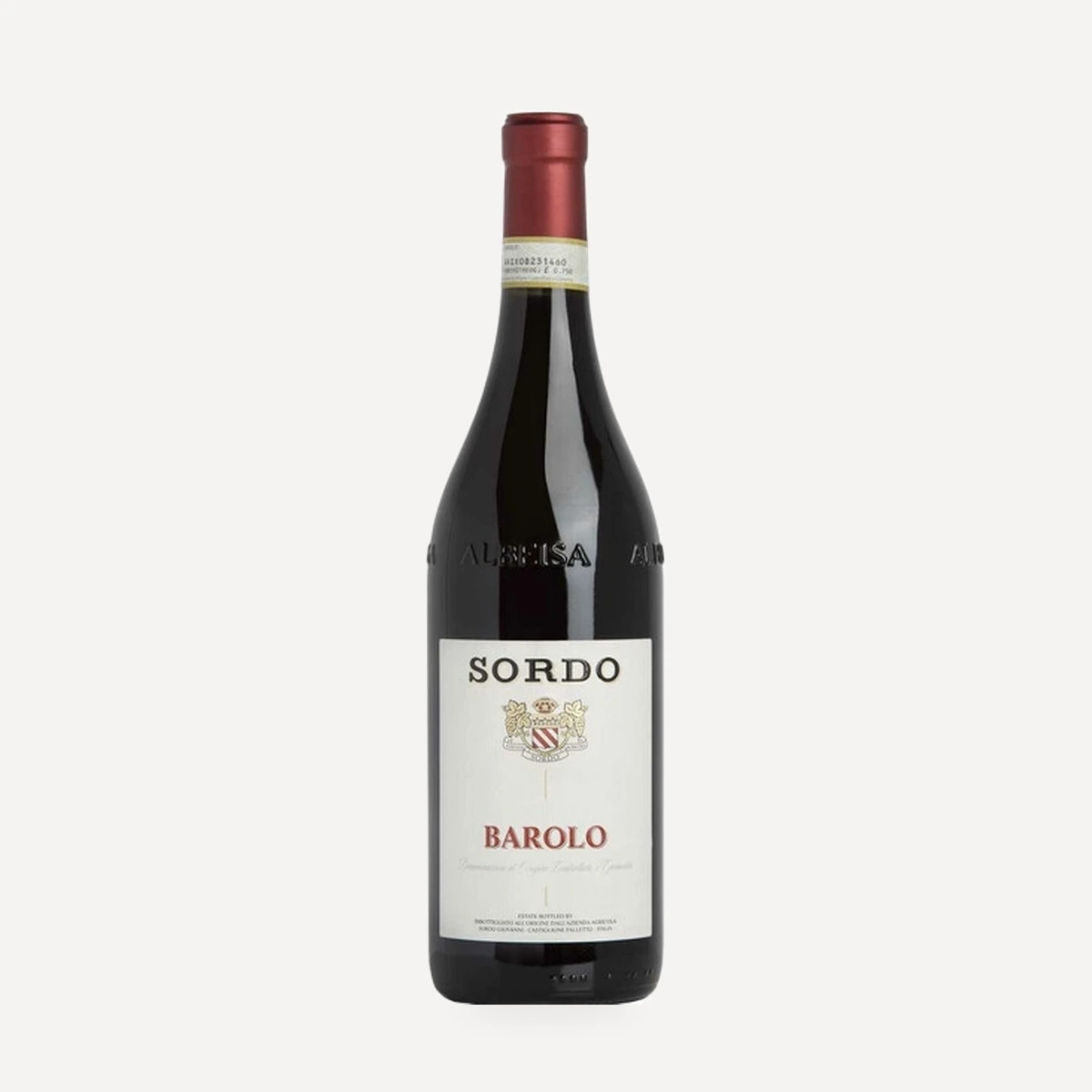
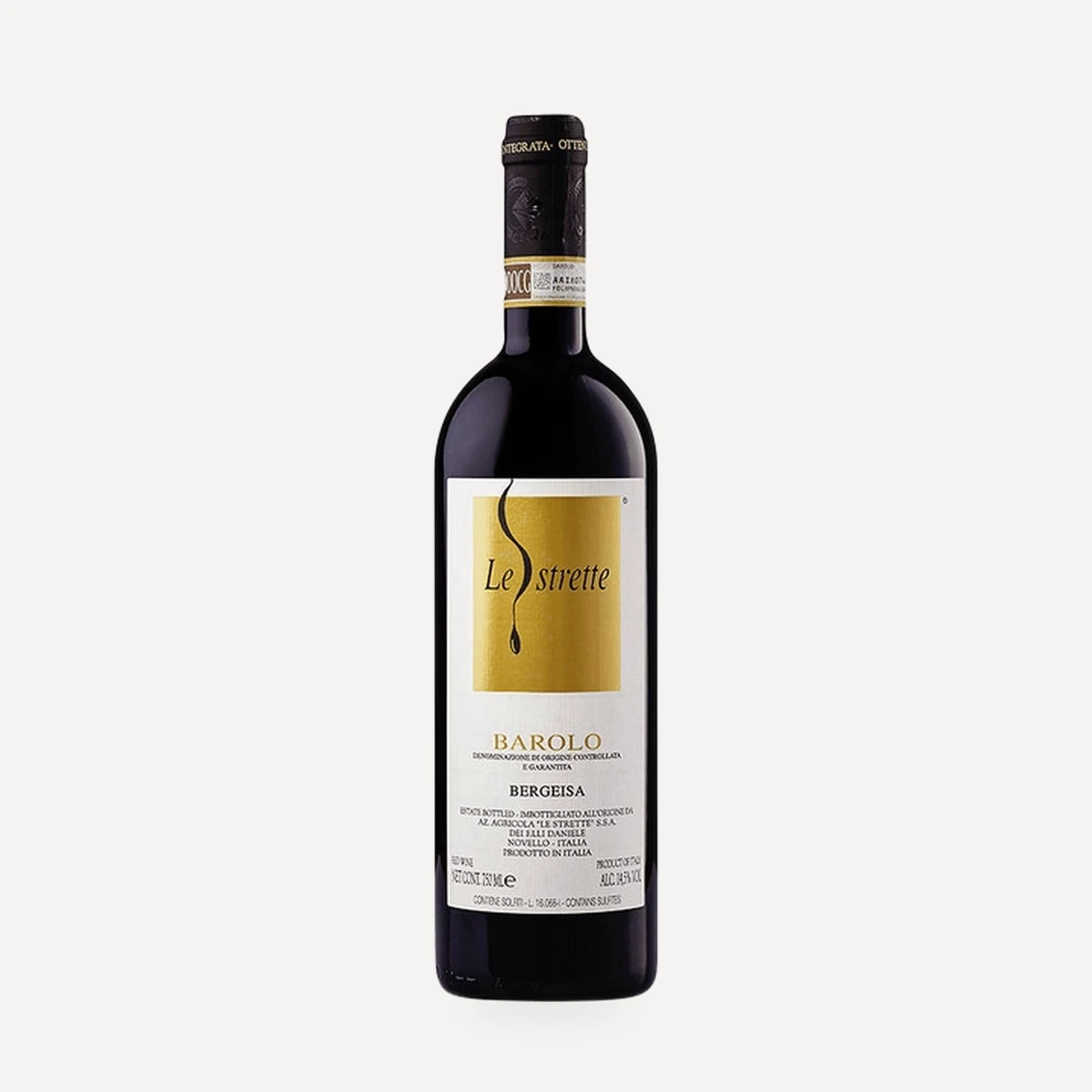
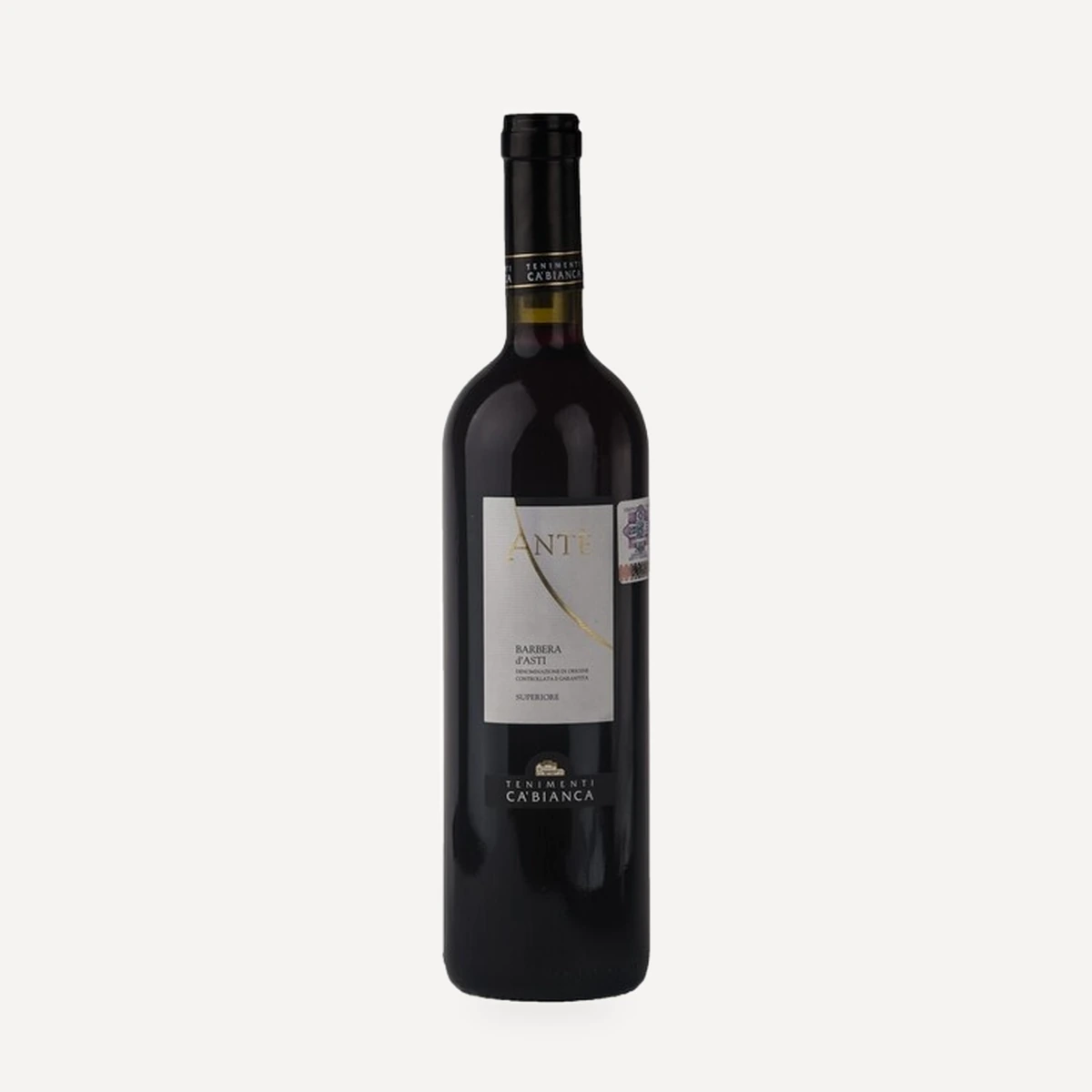
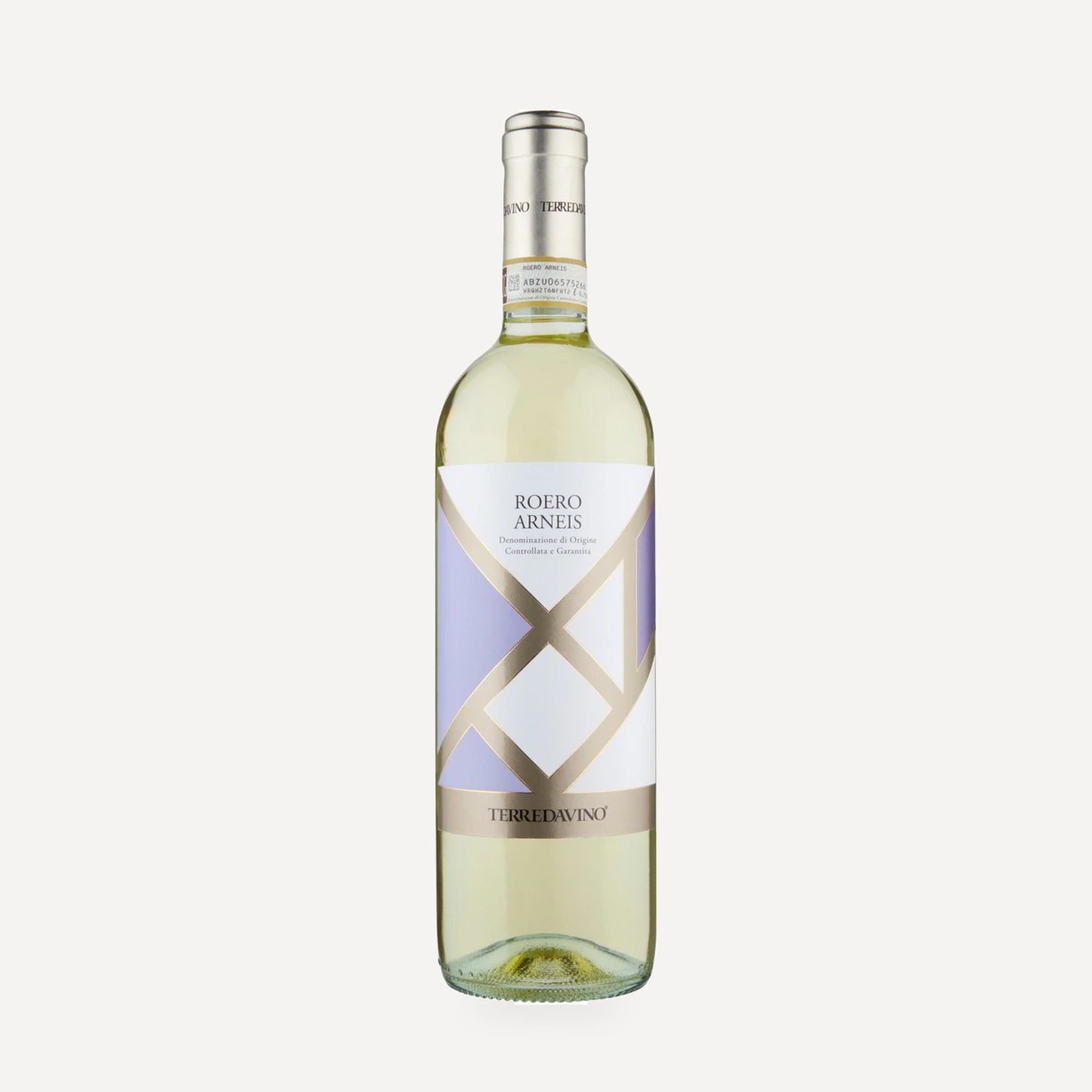
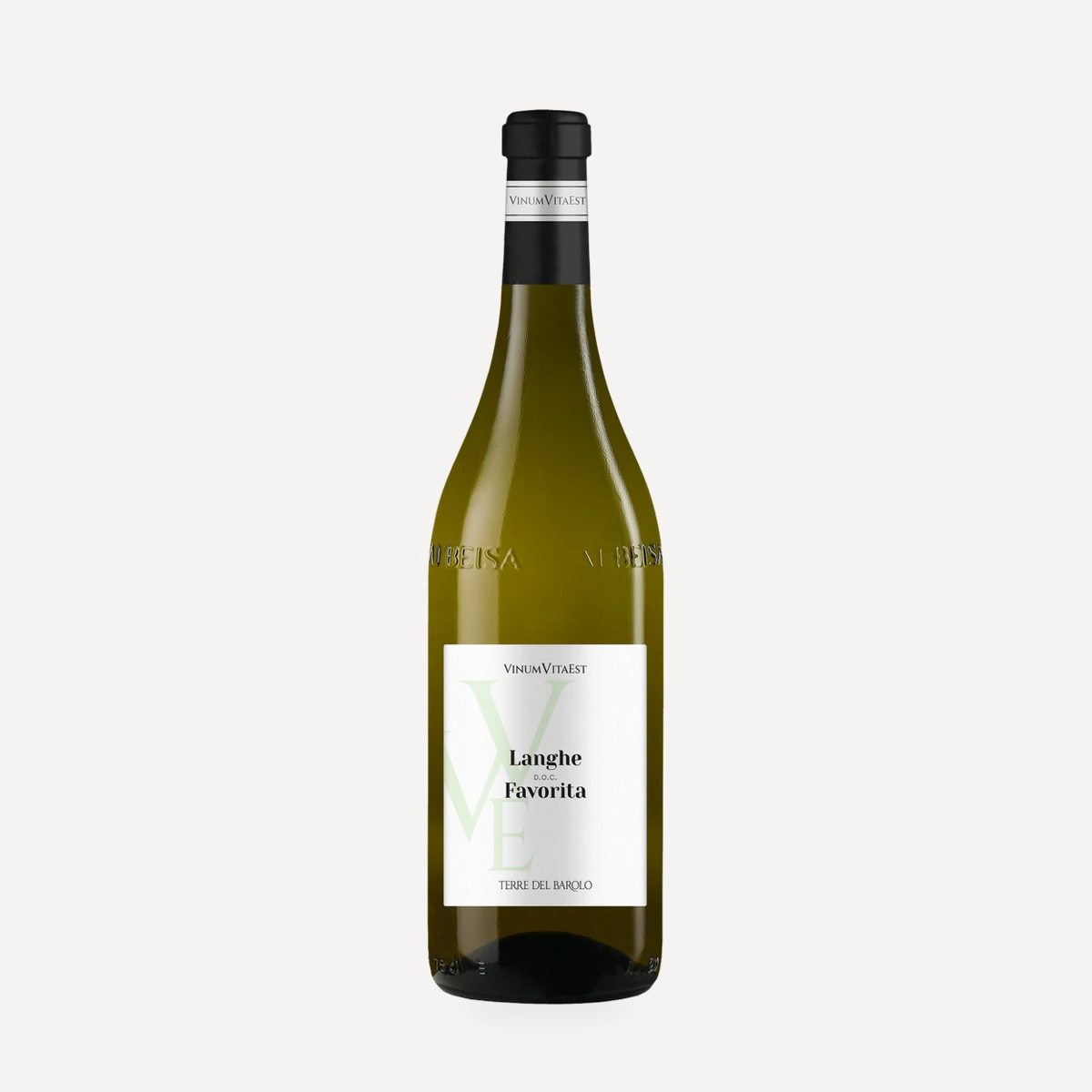
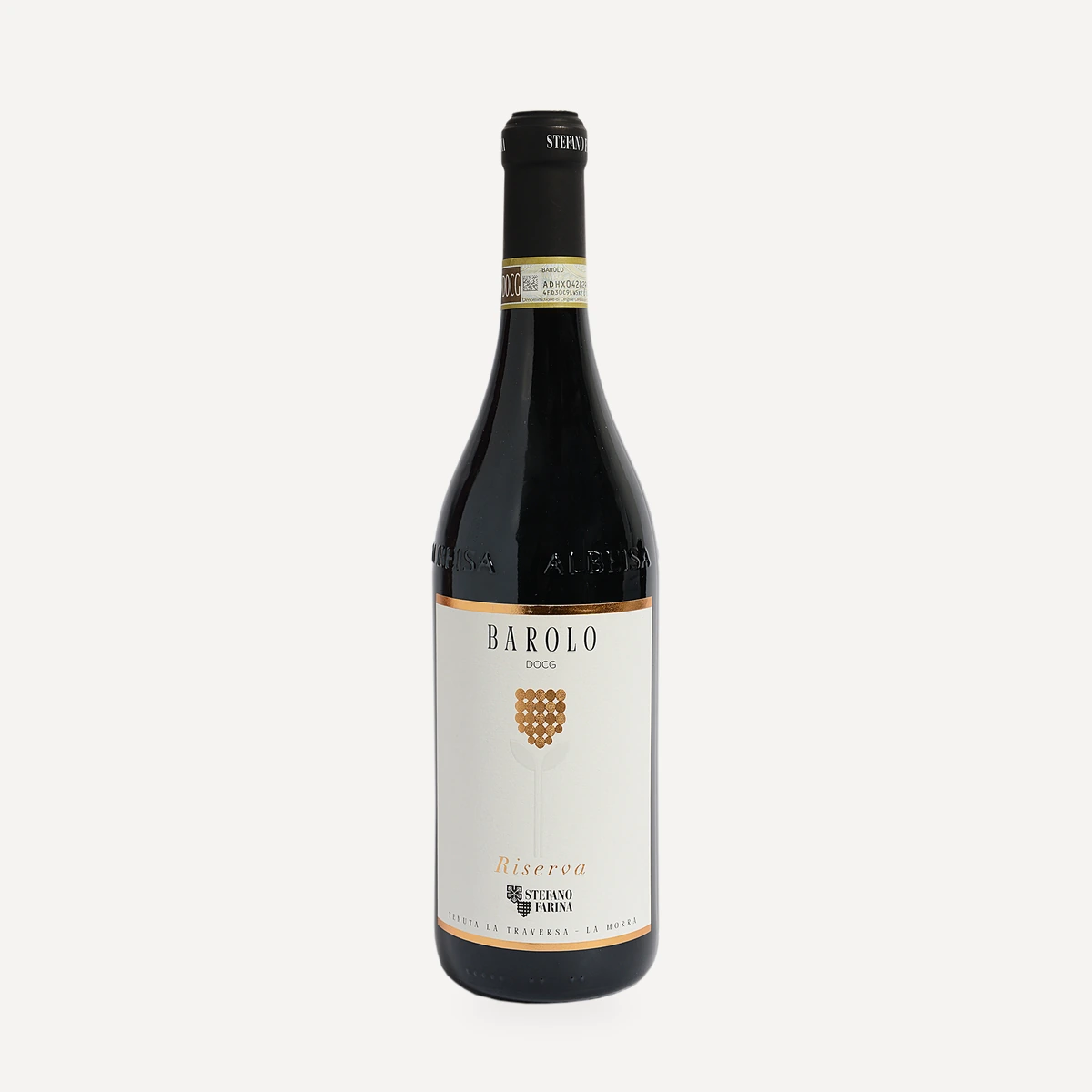
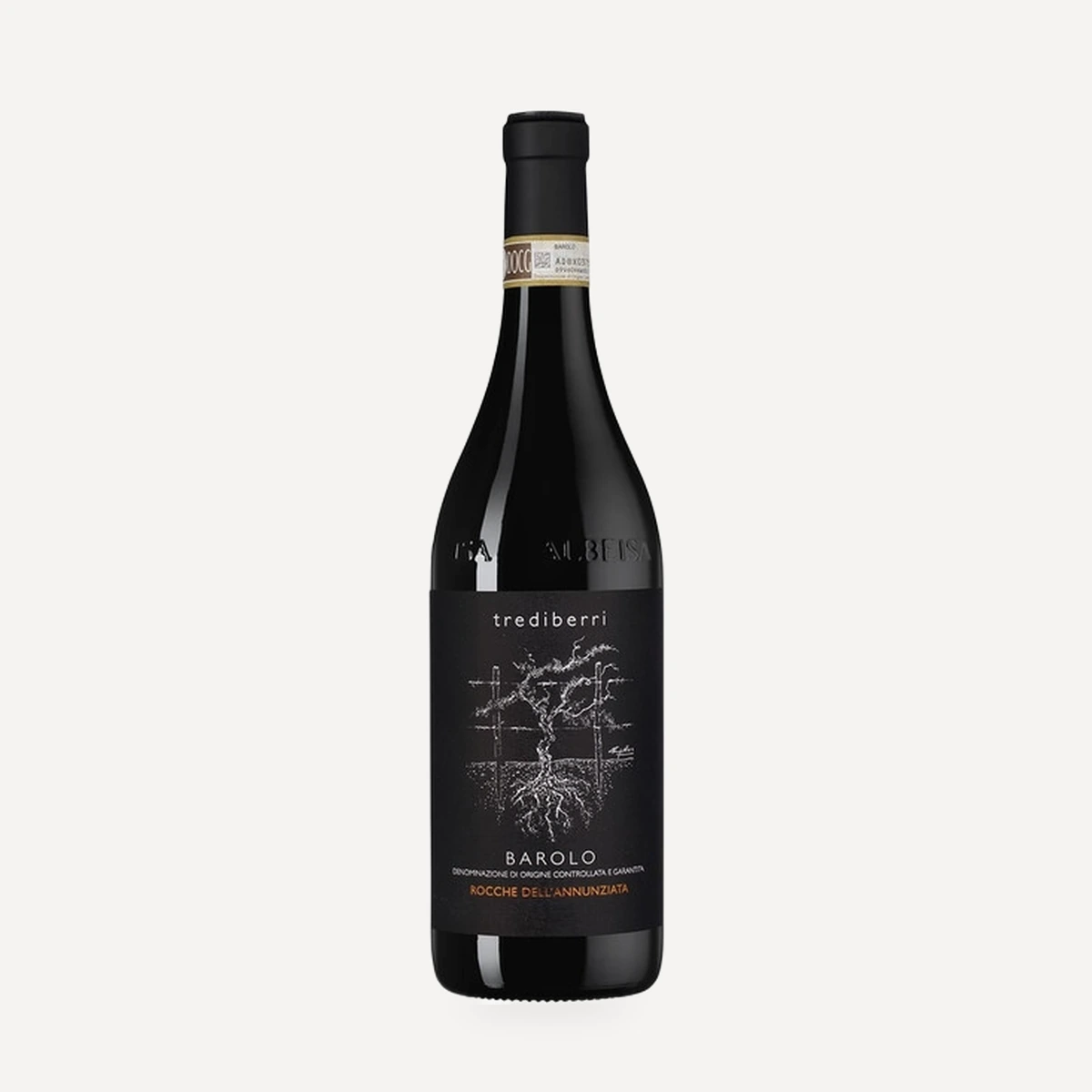
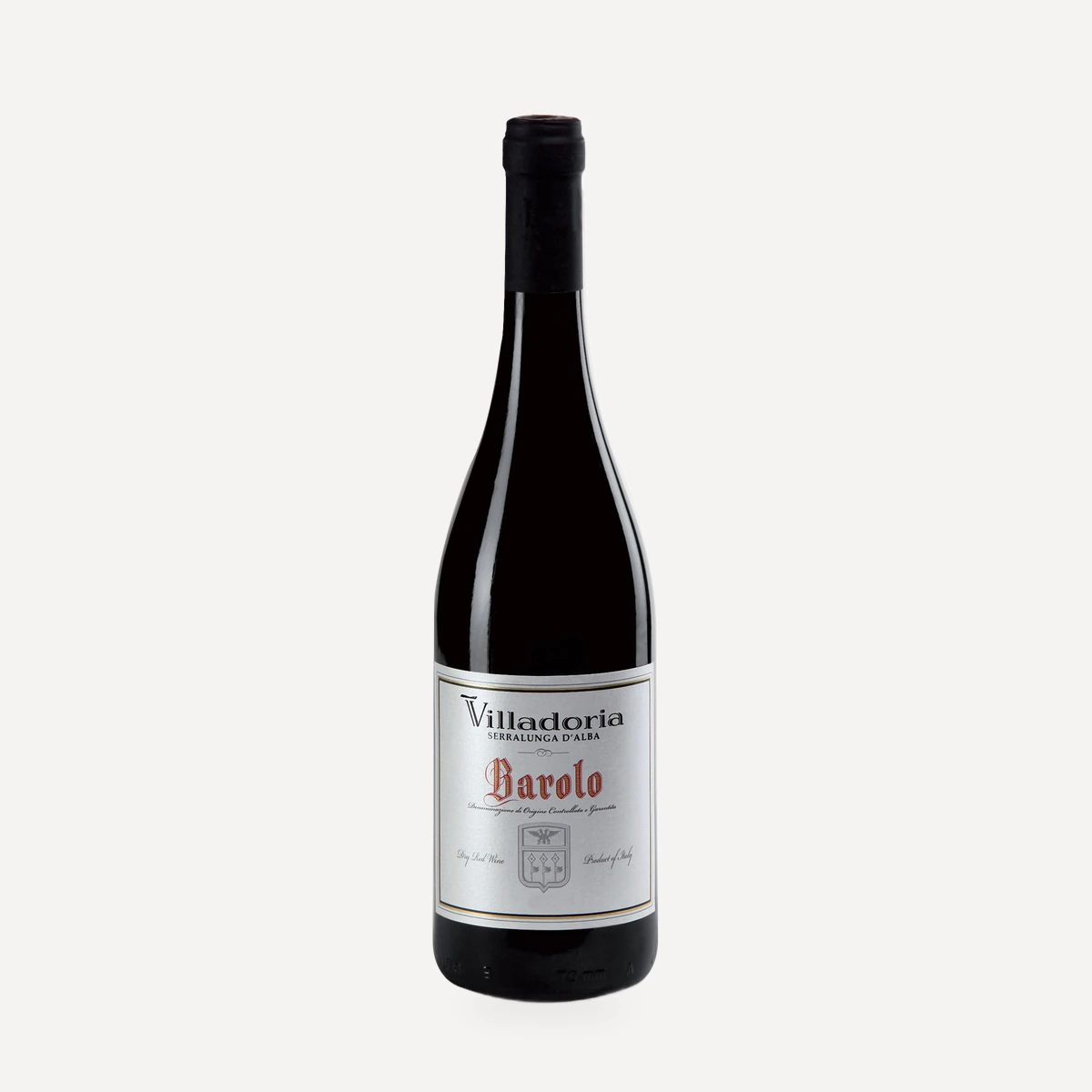
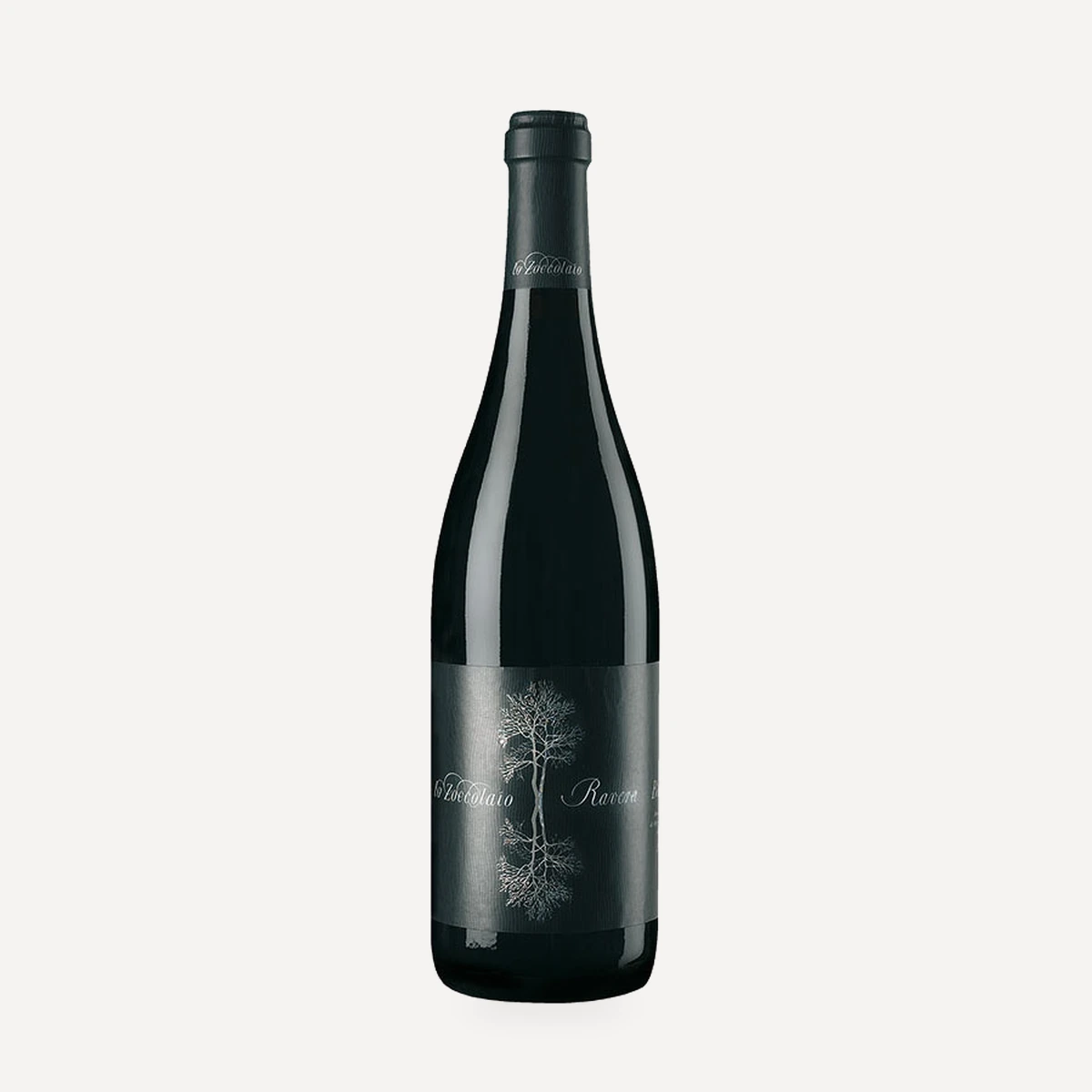
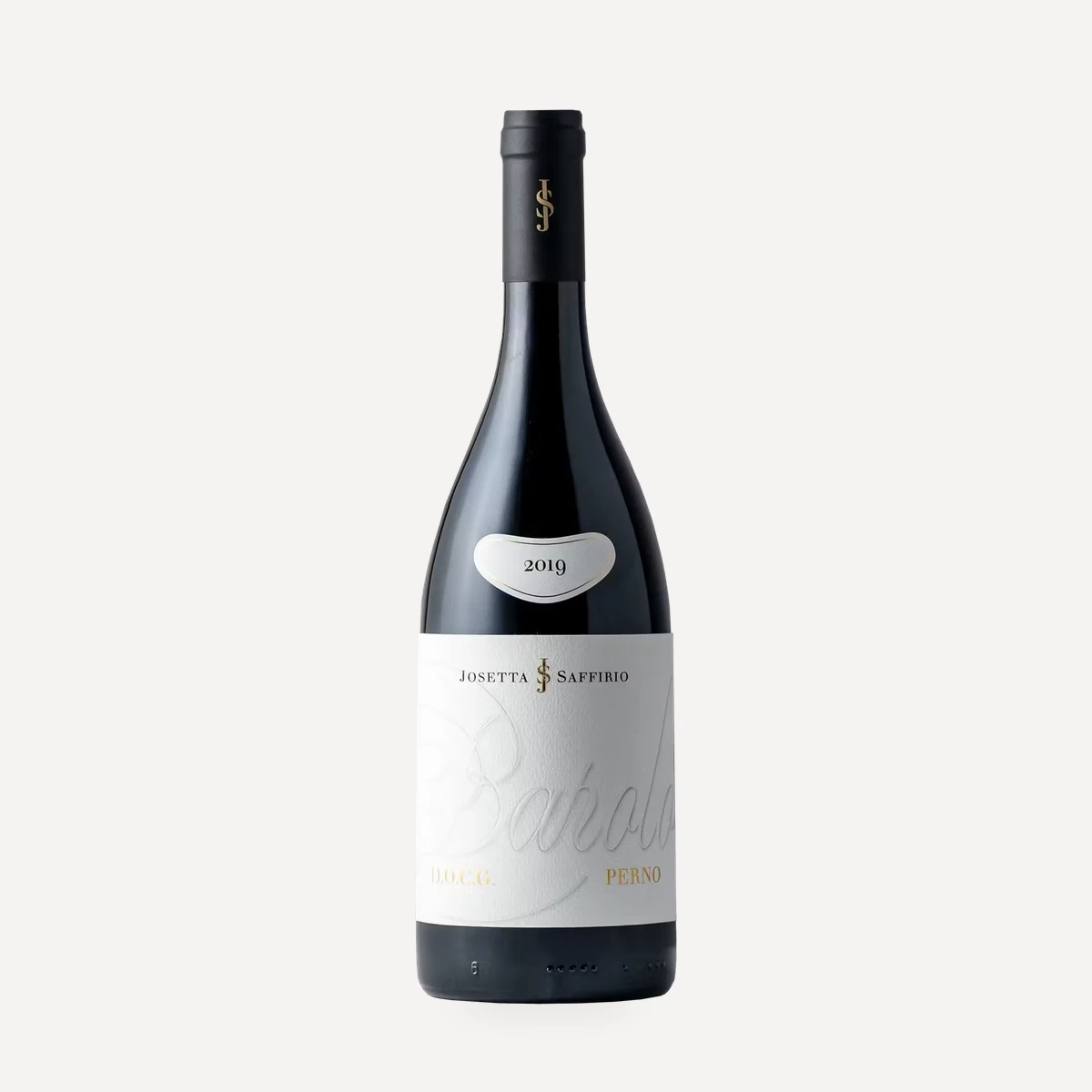
Barolo wines
Named vineyards
About Barolo
The wine is Nebbiolo and nothing else, from hillside vineyards between 170 and 540 metres. The hills are old sea floor — the grey-blue marls and sands of the Tortonian and Messinian stages, raised from the retreating Po basin some seven million years ago — and the rules credit that calcareous ground for a wine both structured and long-lived.
Barolo ages for at least 38 months from the first of November of the harvest year, 18 of them in wood; a Riserva for 62. Since 2010 a label may name one of the zone's officially drawn vineyard areas, the menzioni geografiche aggiuntive, and a single vigna within it. The wine as it is known today took shape in the middle of the nineteenth century, when Giulia Colbert Falletti, the last Marchesa di Barolo, and Camillo Benso, Count of Cavour, set out to make a dry, rich Nebbiolo worthy of the courts of Europe.