Storia
1993: an unexpected beginning
In 1993, Alfredo Buglioni bought the old farmhouse he had dreamed of owning in the heart of Valpolicella Classica. The property included 4 ha of vines planted to the local red varieties Corvina, Corvinone, Molinara and Rondinella. Alfredo and Mariano Buglioni had not planned to become winegrowers and initially did not know how to use the harvest. They approached established producers and offered them the grapes, continuing to give away their crop for seven years.
2000–2001: the first vintage and a resident oenologist
The 2000 vintage marked Buglioni’s first serious attempt at making wine. A consultant helped establish a cellar beneath the farmhouse, where the family produced its inaugural vintage of 12,000 bottles. Oenologist Diego Bertoni joined in 2001 and remains the technical leader of the winery.
2004–2005: the first Amarone and direct hospitality
Buglioni’s first Amarone was ready in 2004. Mariano took responsibility for selling it, but agents and restaurateurs treated the winery as a possible short-lived hobby. To bring the wines directly to consumers, the family converted one of its shops in central Verona into a wine bar in January 2005. L’Osteria del Bugiardo quickly found an audience and became an important route for introducing the wines.
Expansion beyond the original vineyard
From its original 4 ha, Buglioni expanded to 60 ha of vineyards: 50 ha in Valpolicella Classica, 5 ha in Lugana and 5 ha in the Bardolino area. The entire vineyard holding has been managed organically since 2019.
Expansion into Lugana also produced a distinct chapter in the range. In 2018, Mariano searched for a name for the new Lugana and connected its inspiration with the territory south of Lake Garda. Beginning with the 2023 vintage, the wine took the name Gabriella, honouring Mariano’s mother as his first and continuing muse.
A new winery
A new winery is under construction to support the estate’s next phase. Its planned equipment includes concrete vats, opening the way for experiments with maturation in concrete while handling the grapes with greater care.
Terroir
Buglioni’s vineyards extend across three winegrowing areas around Verona: Valpolicella Classica, Lugana and the Bardolino area.
Sant’Ambrogio di Valpolicella
The estate describes 40 ha in the commune of Sant’Ambrogio di Valpolicella, trained to Guyot with the objective of obtaining the fullest qualitative expression of grapes grown there. The associated environmental figures are 152 m above sea level, approximately 800 mm of rainfall and a temperature excursion of 21°C.
Corrubbio di Negarine
A further 15 ha lie around the winemaking cellar in the hamlet of Corrubbio. This sector stands at approximately 110 m above sea level, receives about 808 mm of rainfall and has a stated temperature excursion of 21°C.
Lugana
The 5 ha Lugana holding lies on hills south of Lake Garda and is exposed to air from the lake. Its figures are 152 m above sea level, approximately 1,045 mm of rainfall and a temperature excursion of 19°C.
Vinificazione
The complete 60 ha vineyard holding has been managed organically since 2019. Plantings focus on Corvina, Corvinone, Rondinella, Molinara and Trebbiano di Lugana.
Training varies by area. The Sant’Ambrogio di Valpolicella vineyards use Guyot, while the 15 ha surrounding the Corrubbio cellar are trained predominantly to the traditional Valpolicella double pergola. Grapes destined for Amarone and Recioto are selected by hand before entering the drying room.
A European Union NextGenerationEU-backed agricultural-modernisation project is intended to introduce precision-farming techniques. The project covers a 2,000-litre VMA Leader 55 articulated sprayer and an Orizzonti Multy 2 machine for mechanical weed control.
The drying room
Grapes intended for Amarone and Recioto undergo the area’s slow drying process in the dedicated fruttaio. Hand-selected bunches rest there each year from September until December. Crushing and destemming of the dried fruit take place in January, followed by fermentation and maceration.
Oak maturation
Red wines matured in wood use tonneaux and medium- or large-format oak casks. This choice is intended to promote gradual, natural development while retaining freshness. The general cellar sequence for dried-grape reds presents January crushing and destemming, fermentation and maceration, followed by approximately 30 months in tonneaux and large casks.
Terracotta
Buglioni uses amphora for both vinification and maturation of its Amarone Riserva. Terracotta was selected for its thermal insulation and neutral influence on flavour, allowing the character of the grapes and Valpolicella terroir to remain central.
Concrete and the new cellar
The winery under construction is planned with new concrete vats. These vessels will permit experiments with concrete maturation and are part of an effort to handle the quality of the incoming grapes with greater care.
Filosofia
Mariano Buglioni expresses the estate’s central principle as allowing nature, rather than the producer, to set the rules. Wine is treated as a hands-on passion that requires following natural conditions while remaining directly involved in every stage.
The range combines the established wine types of Valpolicella with less conventional, more varietally direct interpretations. The intended result is to reveal the character of the territory and its native grapes rather than obscure them. In the cellar, this approach appears in the preference for medium and large oak formats that preserve freshness, and in the use of flavour-neutral terracotta for the Amarone Riserva.
Vini
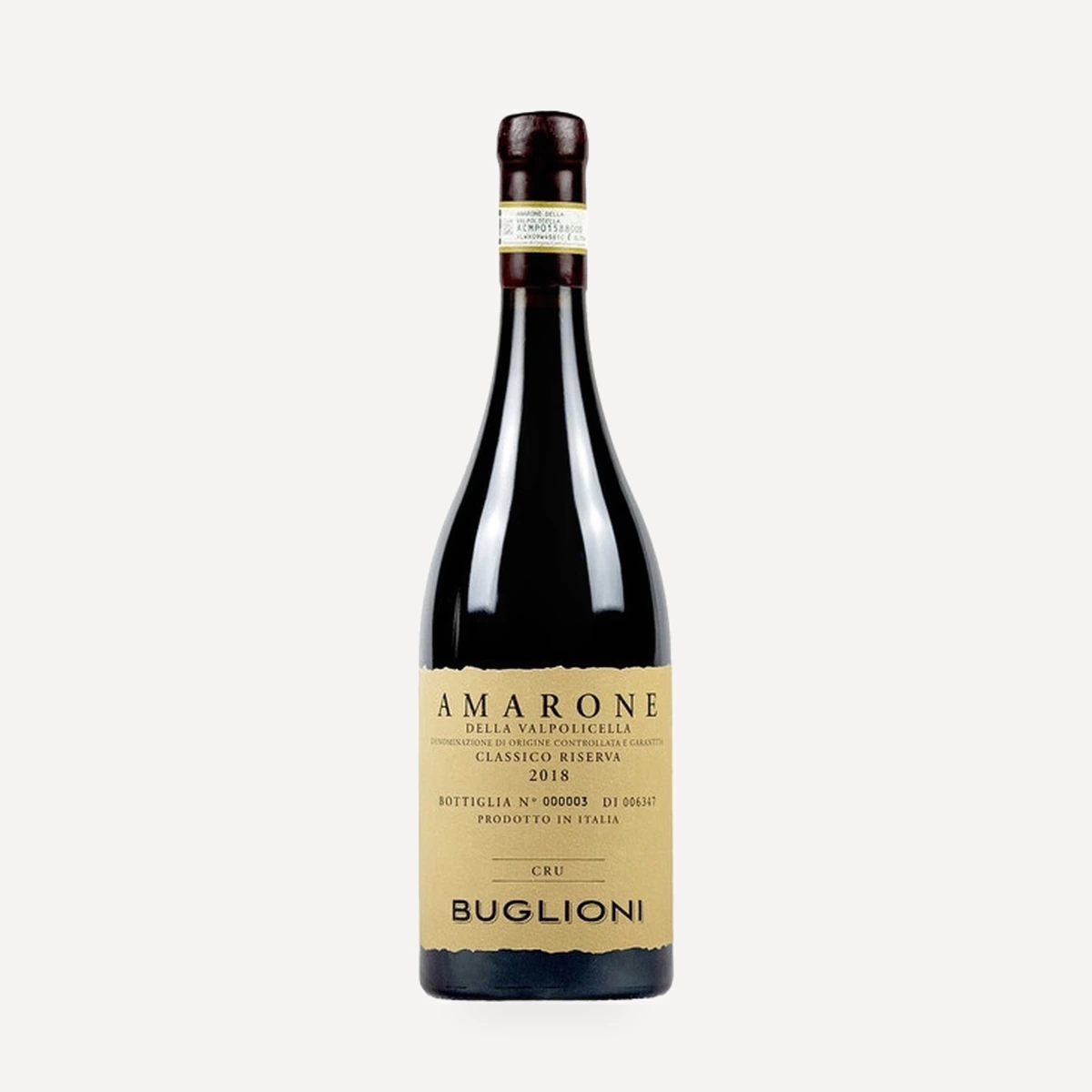
CRU Amarone della Valpolicella Classico Riserva DOCG
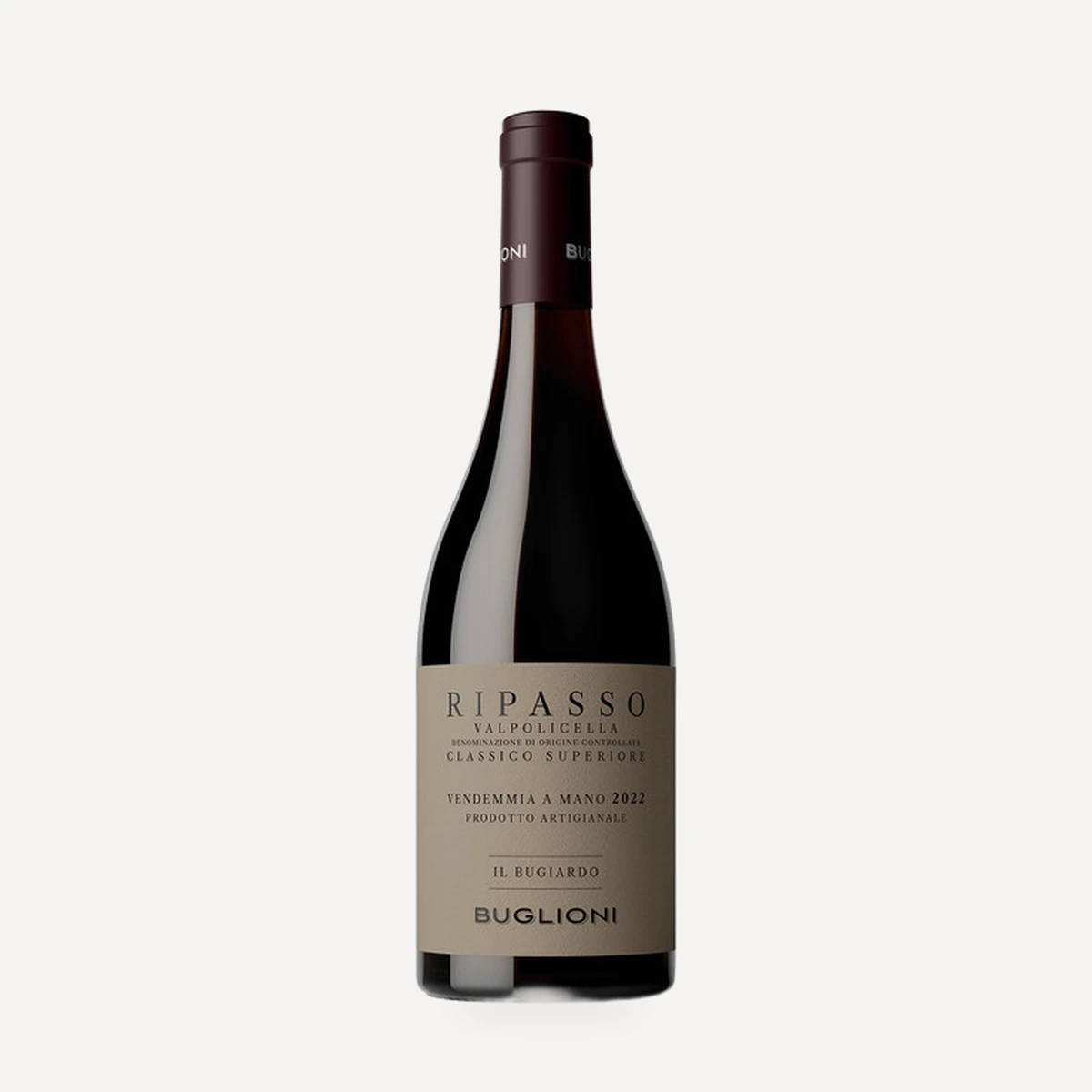
Il Bugiardo Ripasso Valpolicella Classico DOC
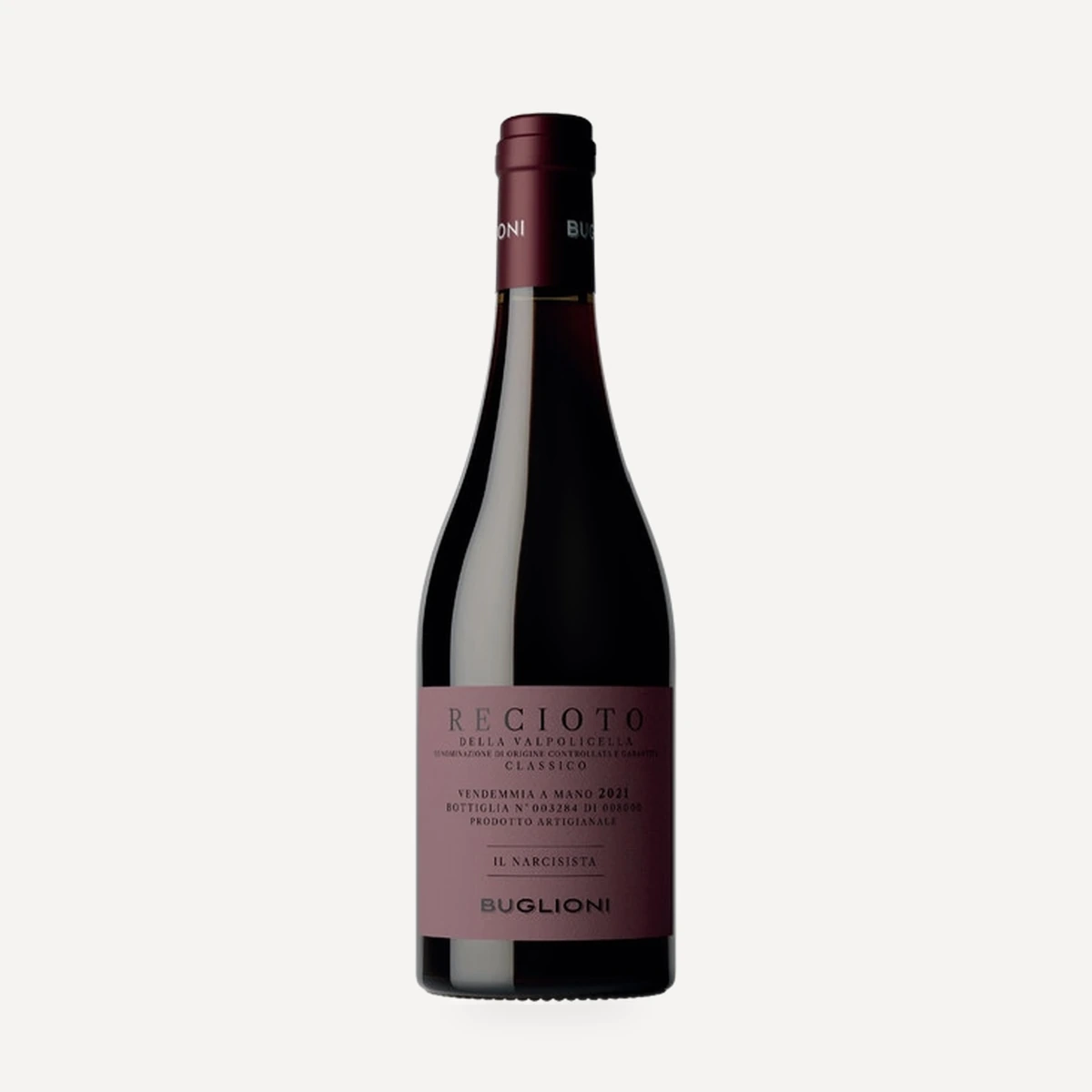
Il Narcisista Recioto della Valpolicella Classico DOCG
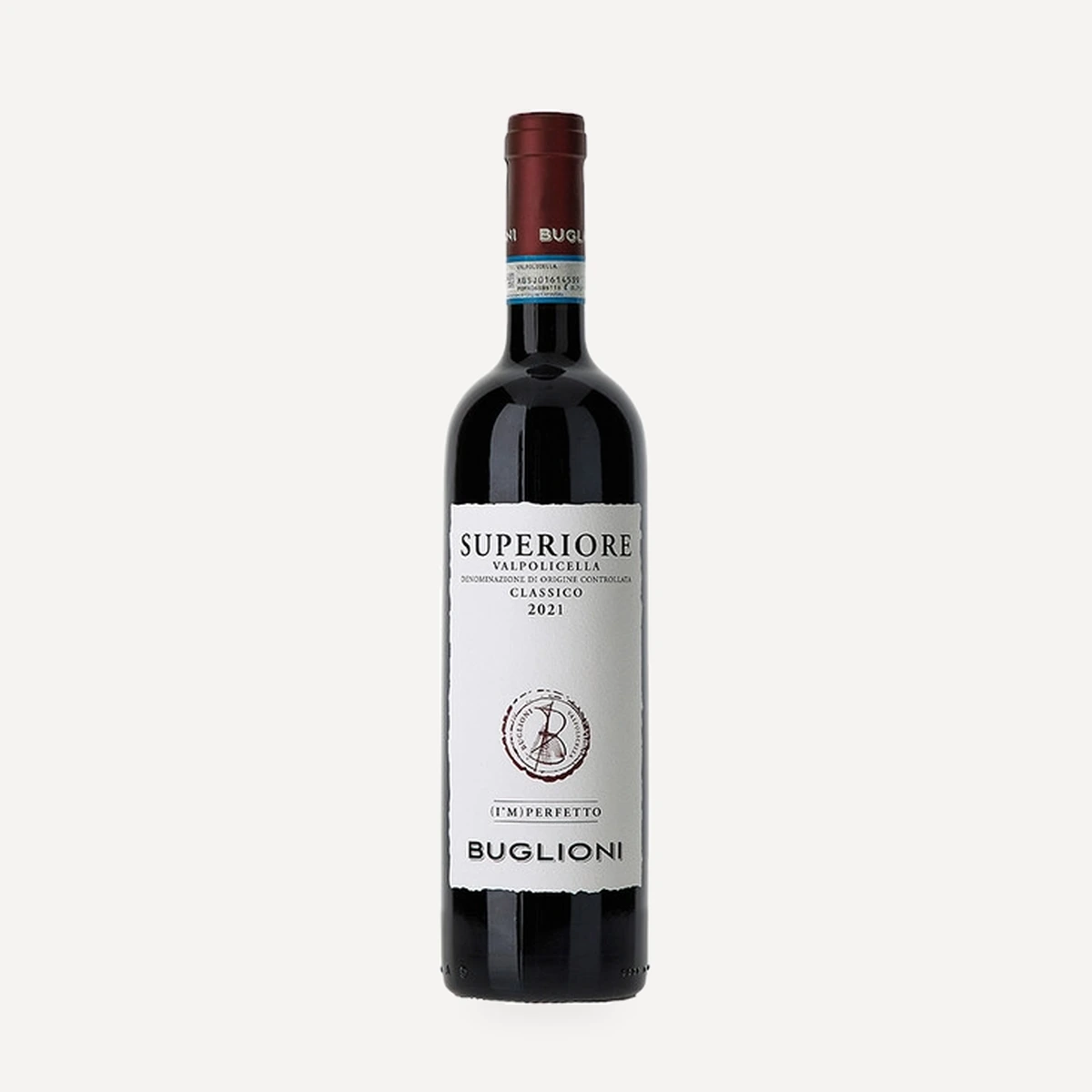
(I'm)perfetto Superiore Valpolicella Classico DOC
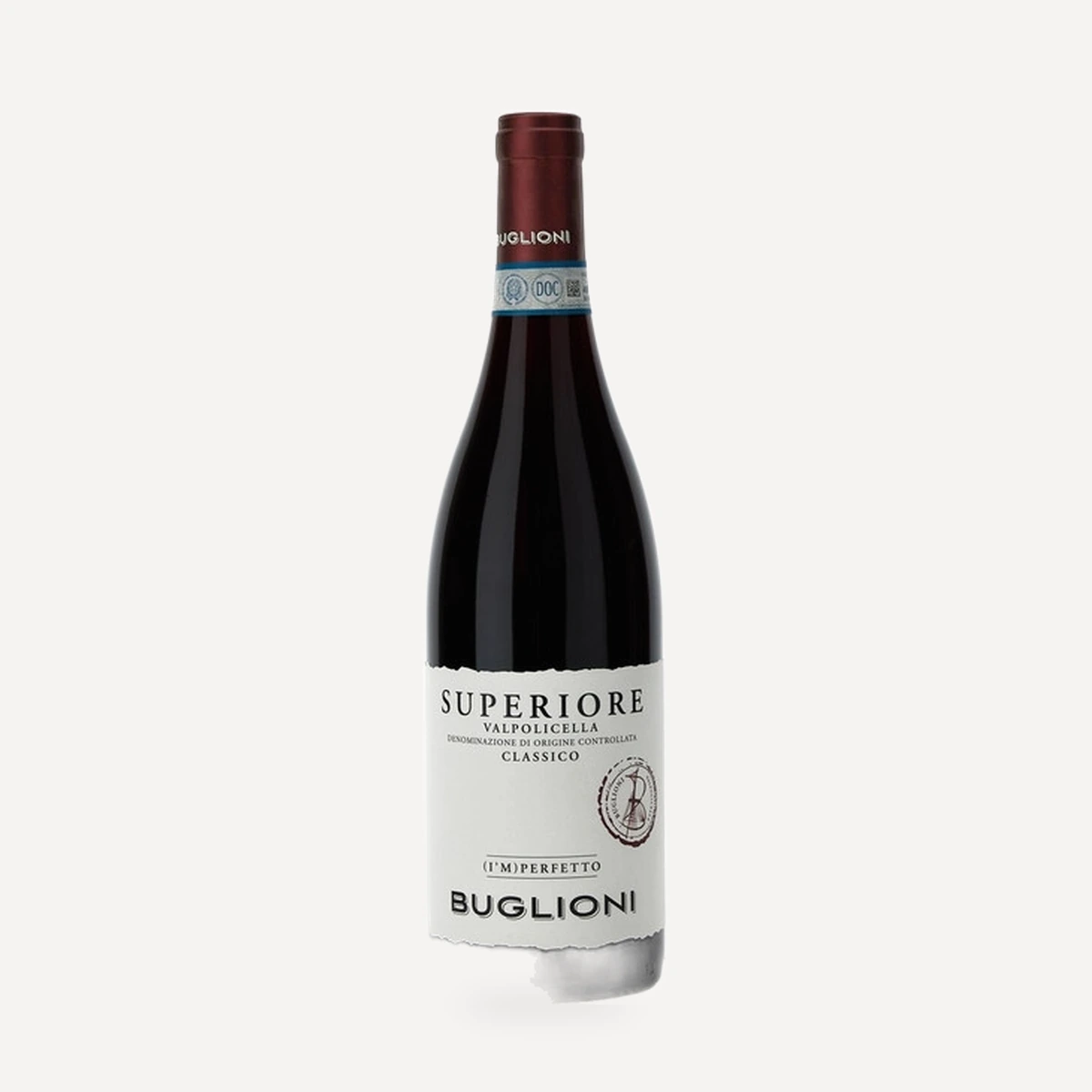
L'(Im)perfetto Superiore Valpolicella Classico DOC
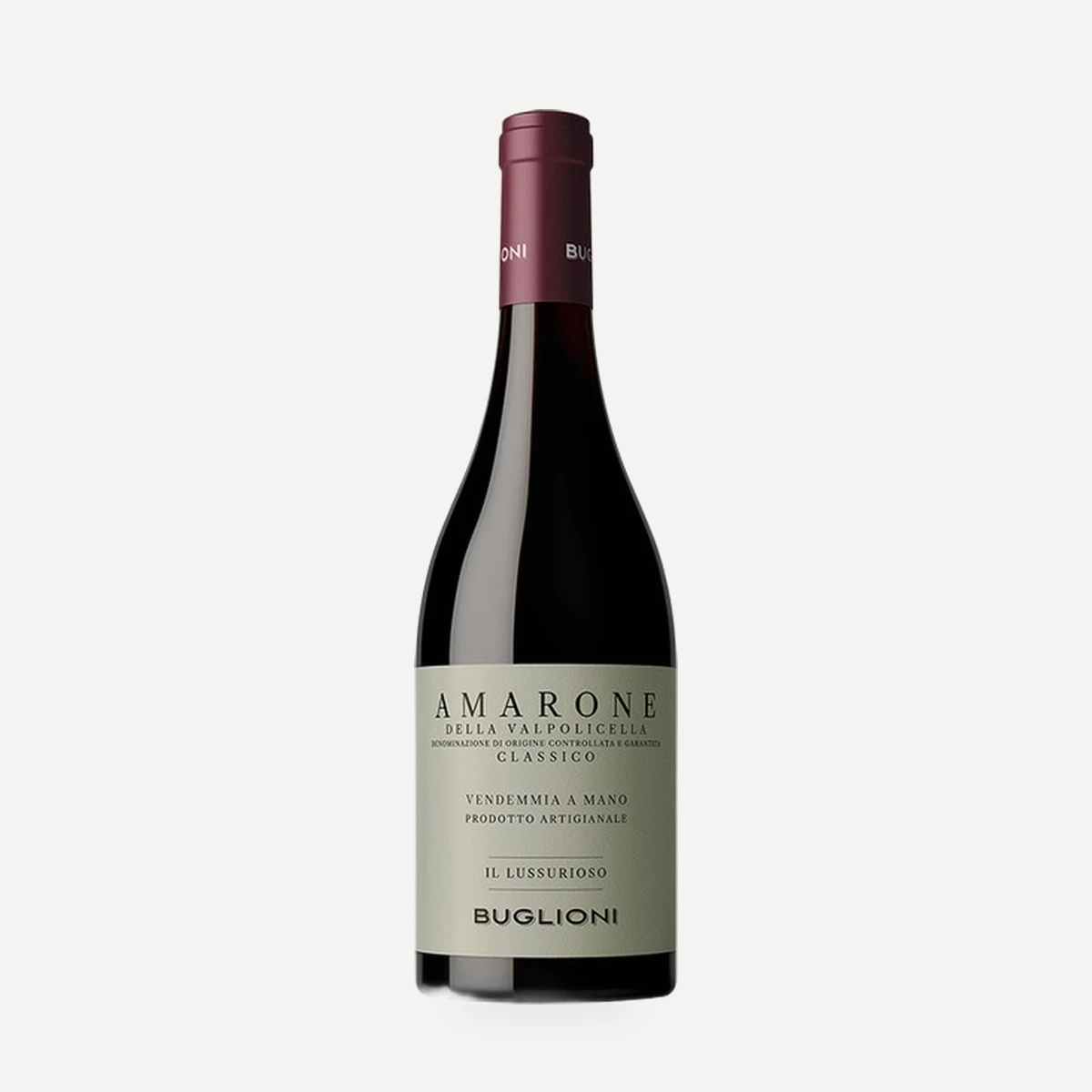
Il Lussurioso Amarone della Valpolicella Classico DOCG
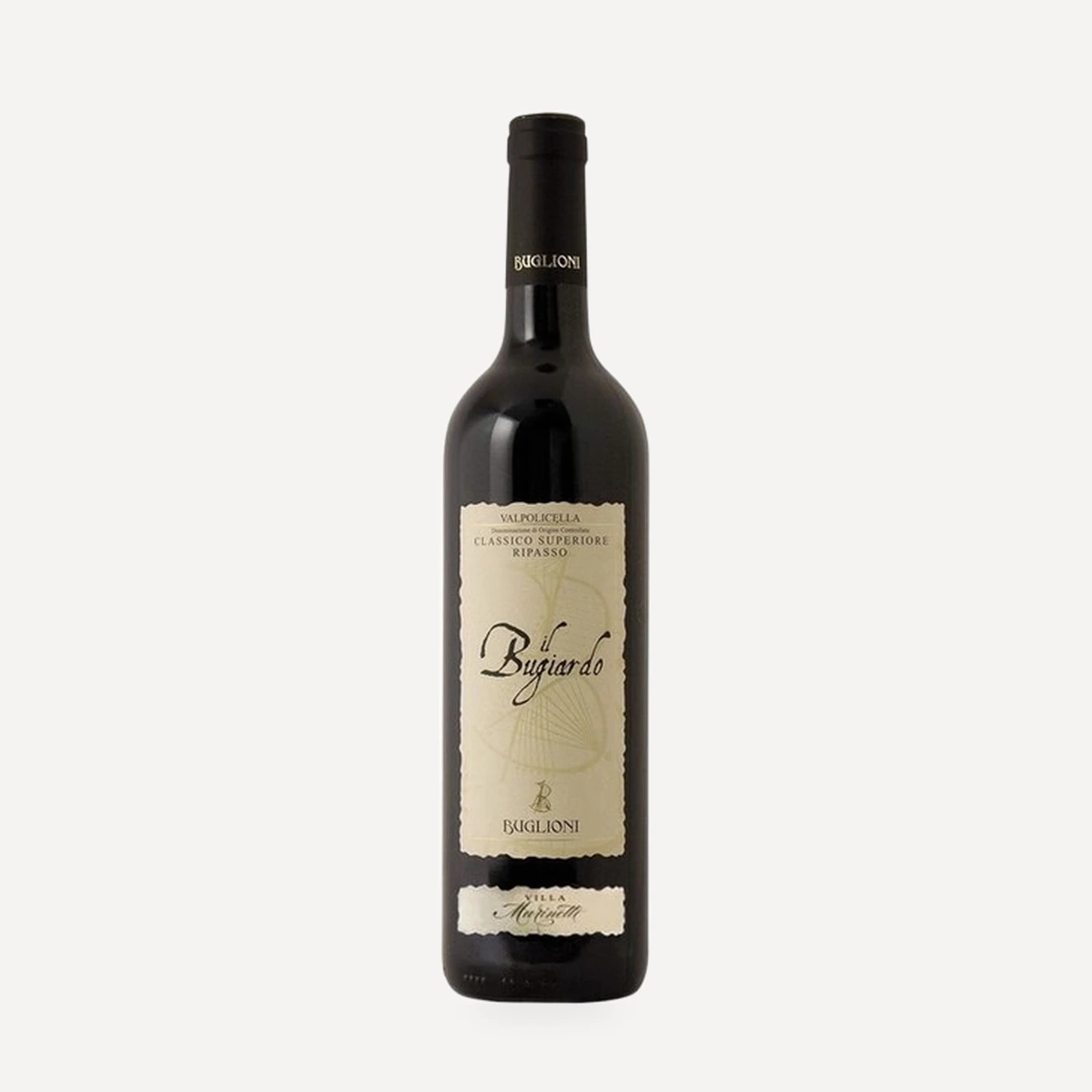
Il Bugiardo Valpolicella Classico Superiore Ripasso Villa Marinetti DOC
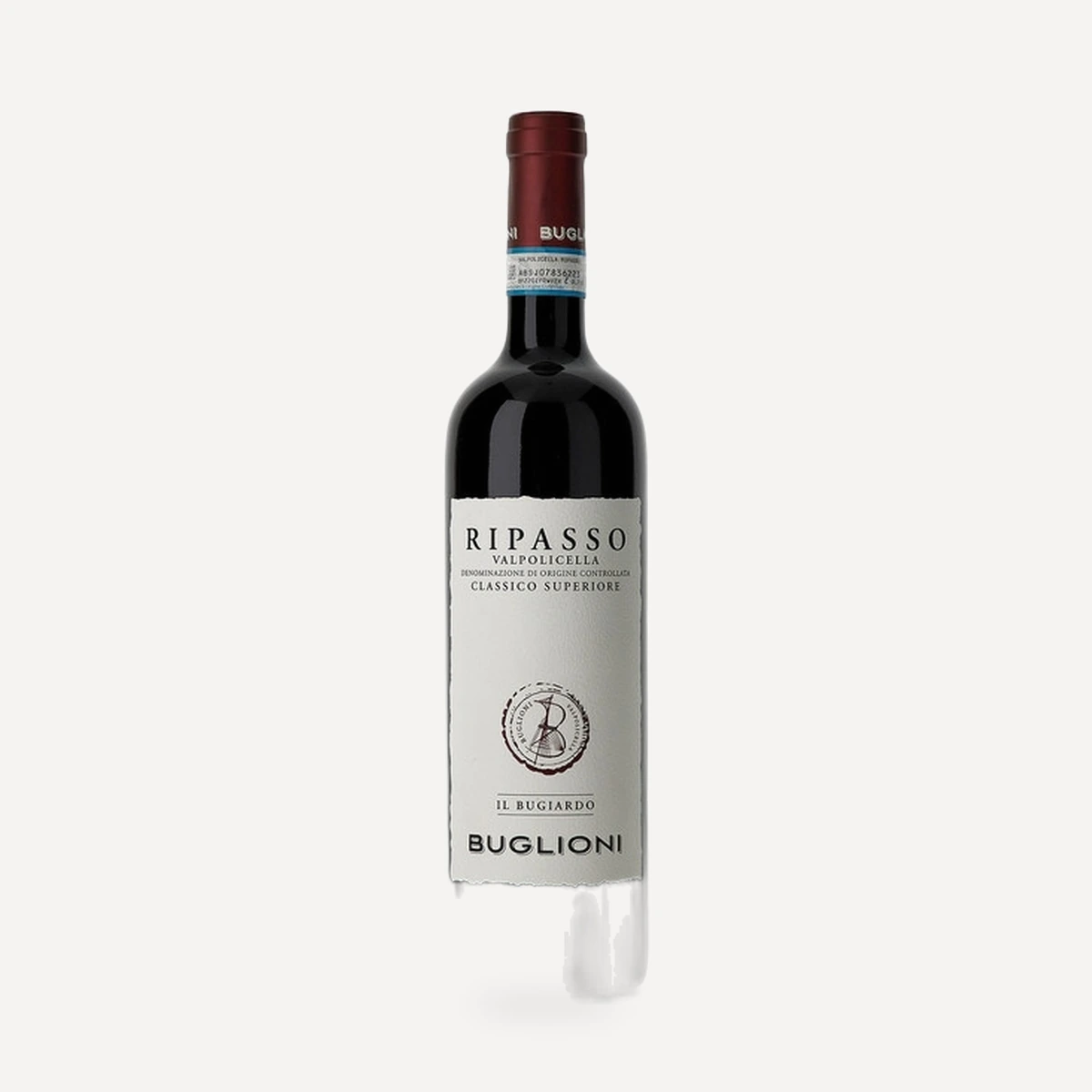
Il Bugiardo Valpolicella Classico Superiore Ripasso DOC
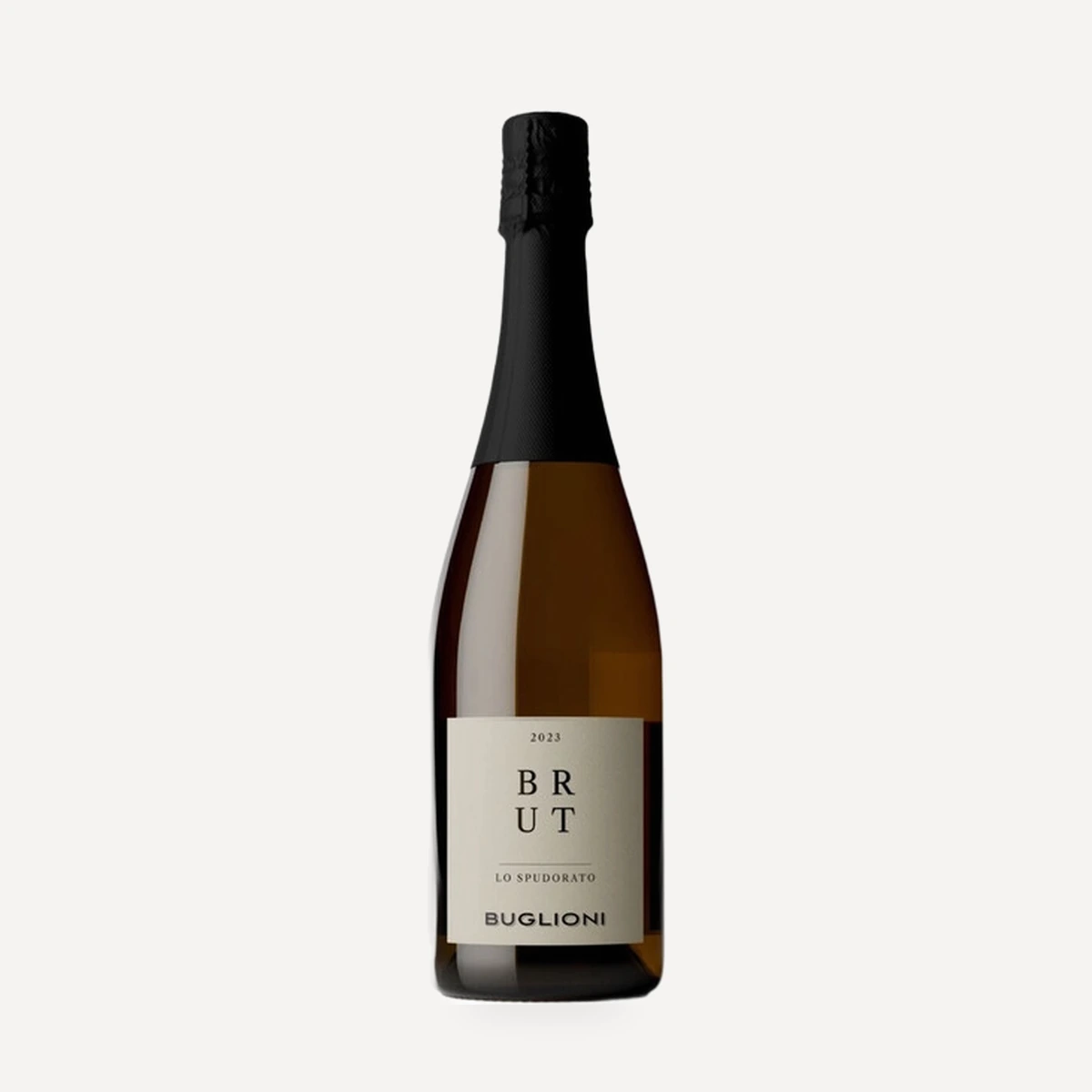
Lo Spudorato Brut Bianco
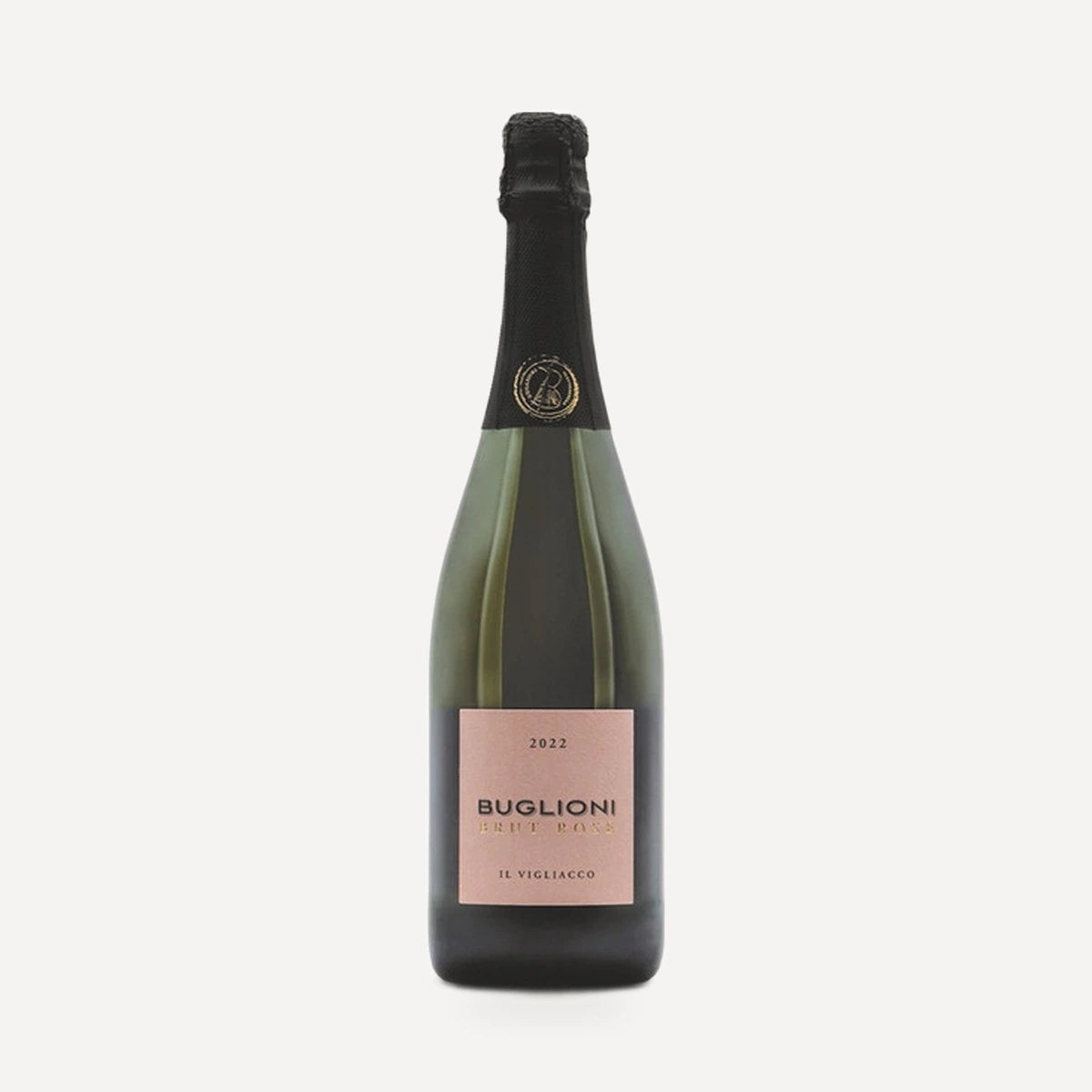
Il Vigliacco Brut Rose
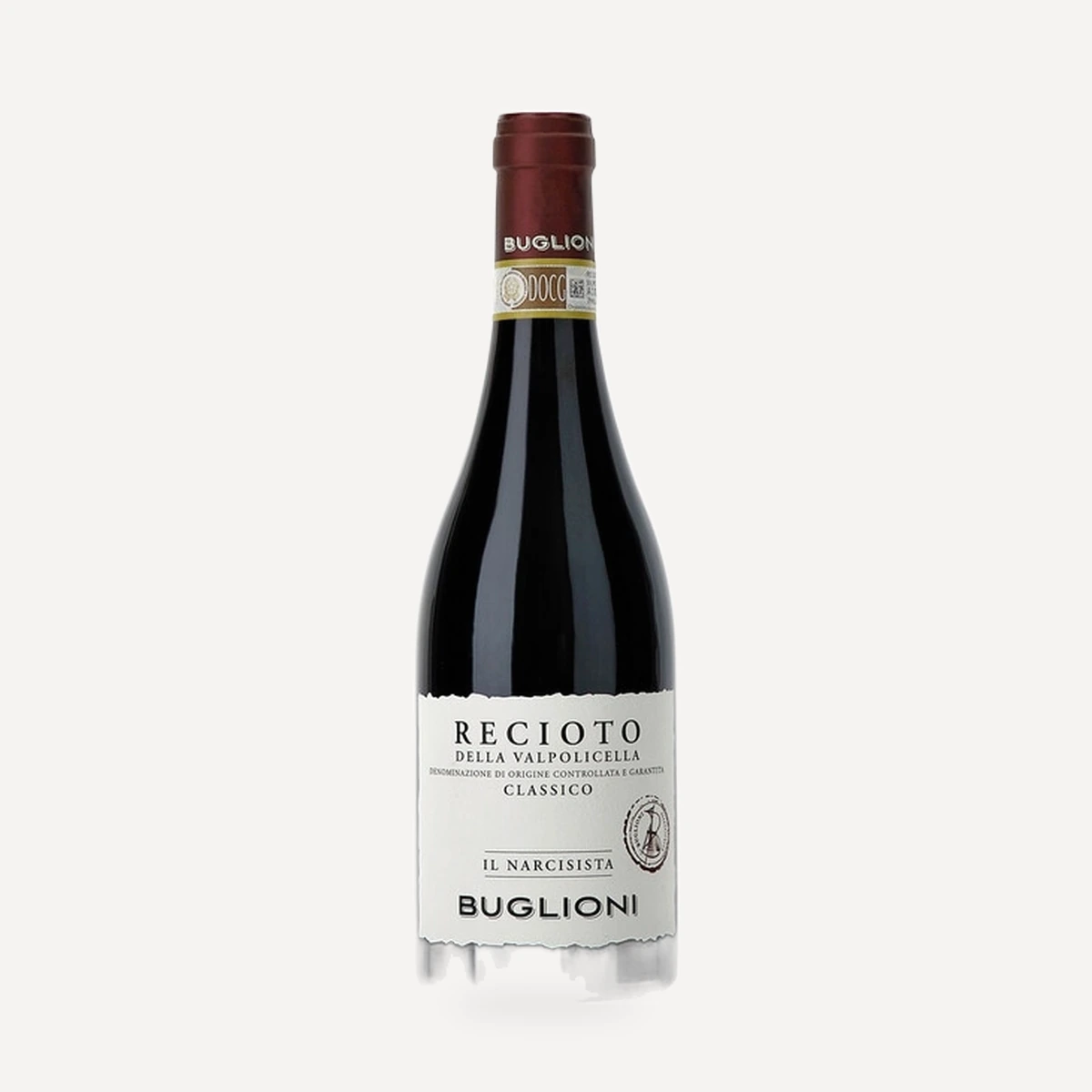
Il Narcisista Recioto della Valpolicella Classico DOC
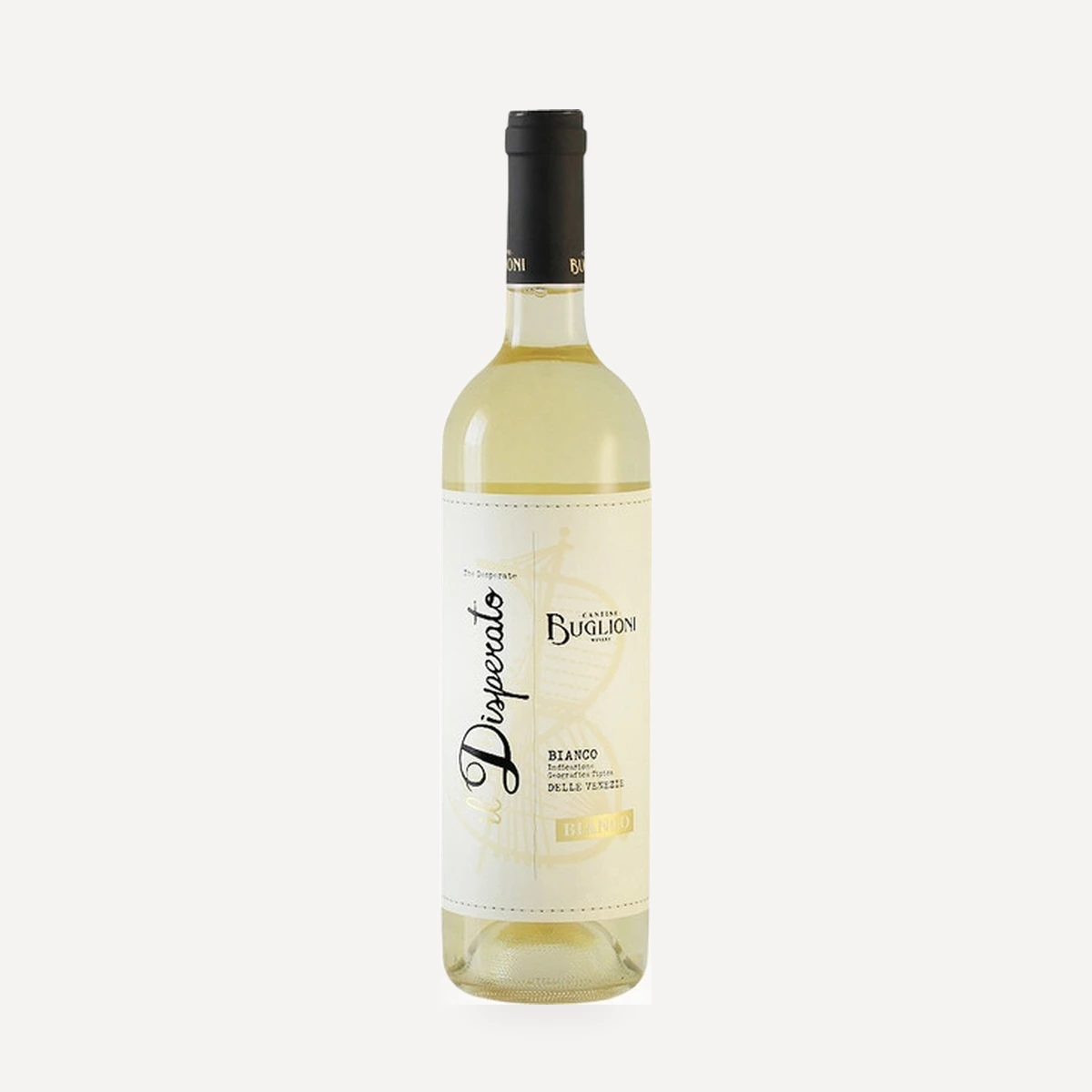
Il Disperato Bianco delle Venezie Villa Marinetti IGT
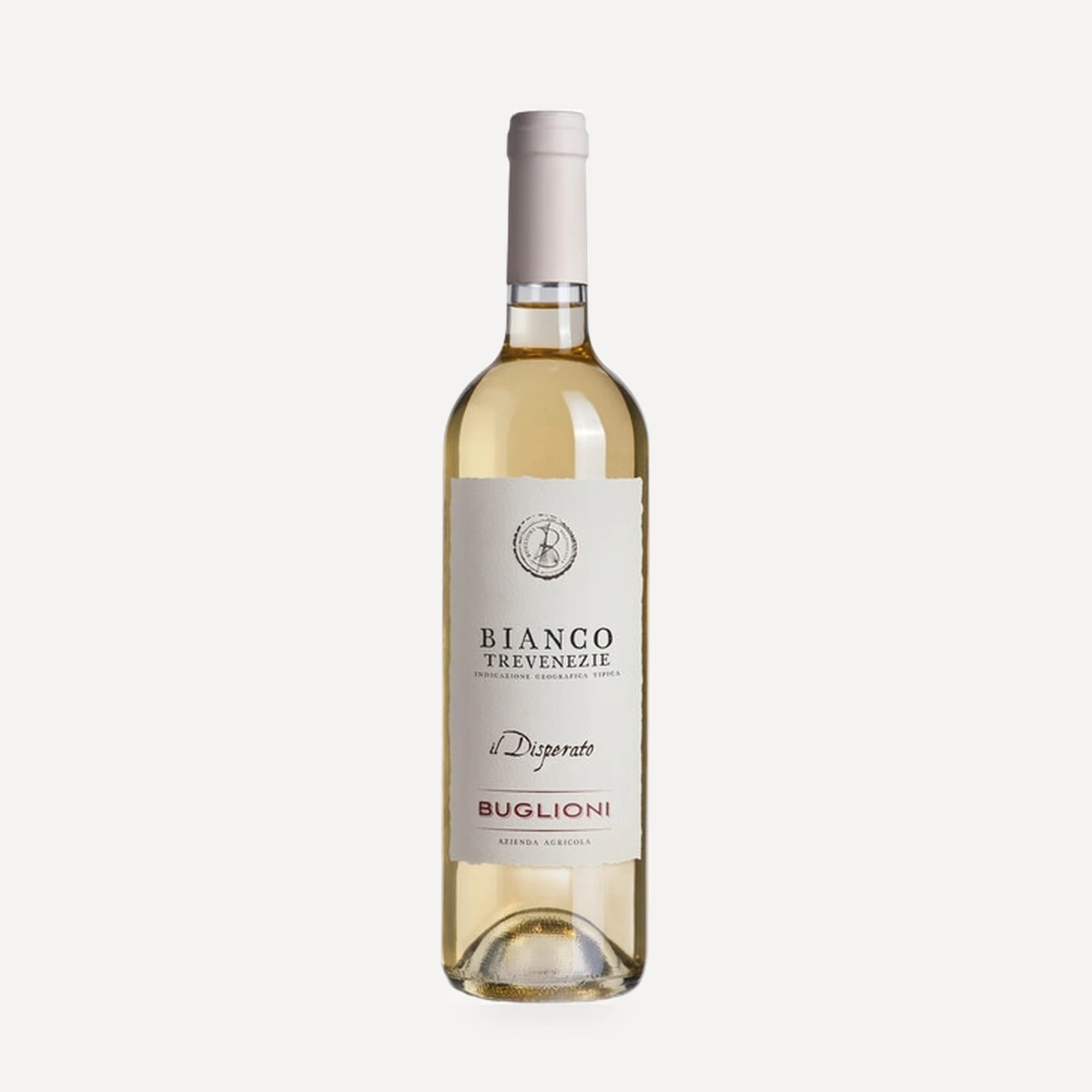
Il Disperato Bianco Trevenezie IGT
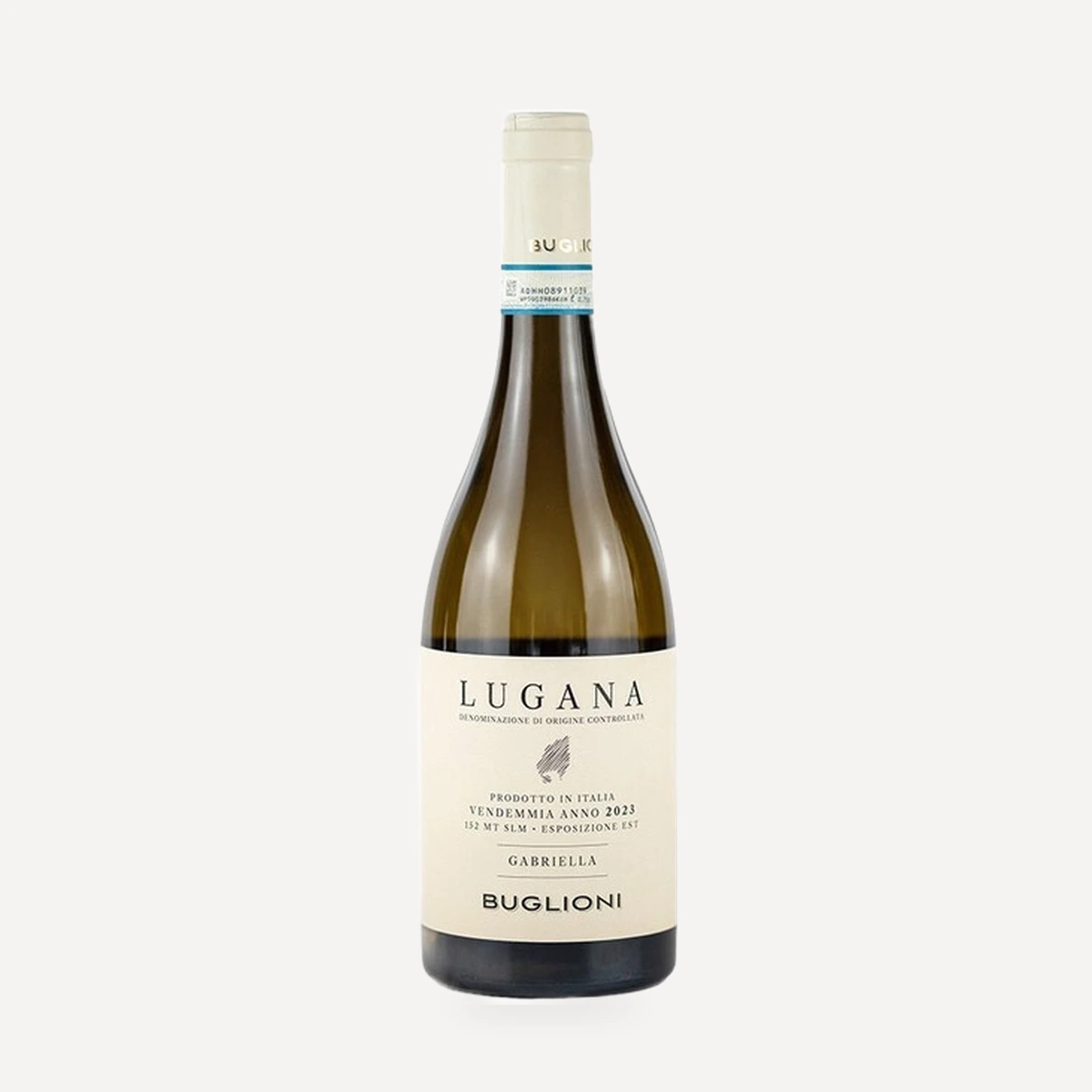
Gabriella Lugana DOC