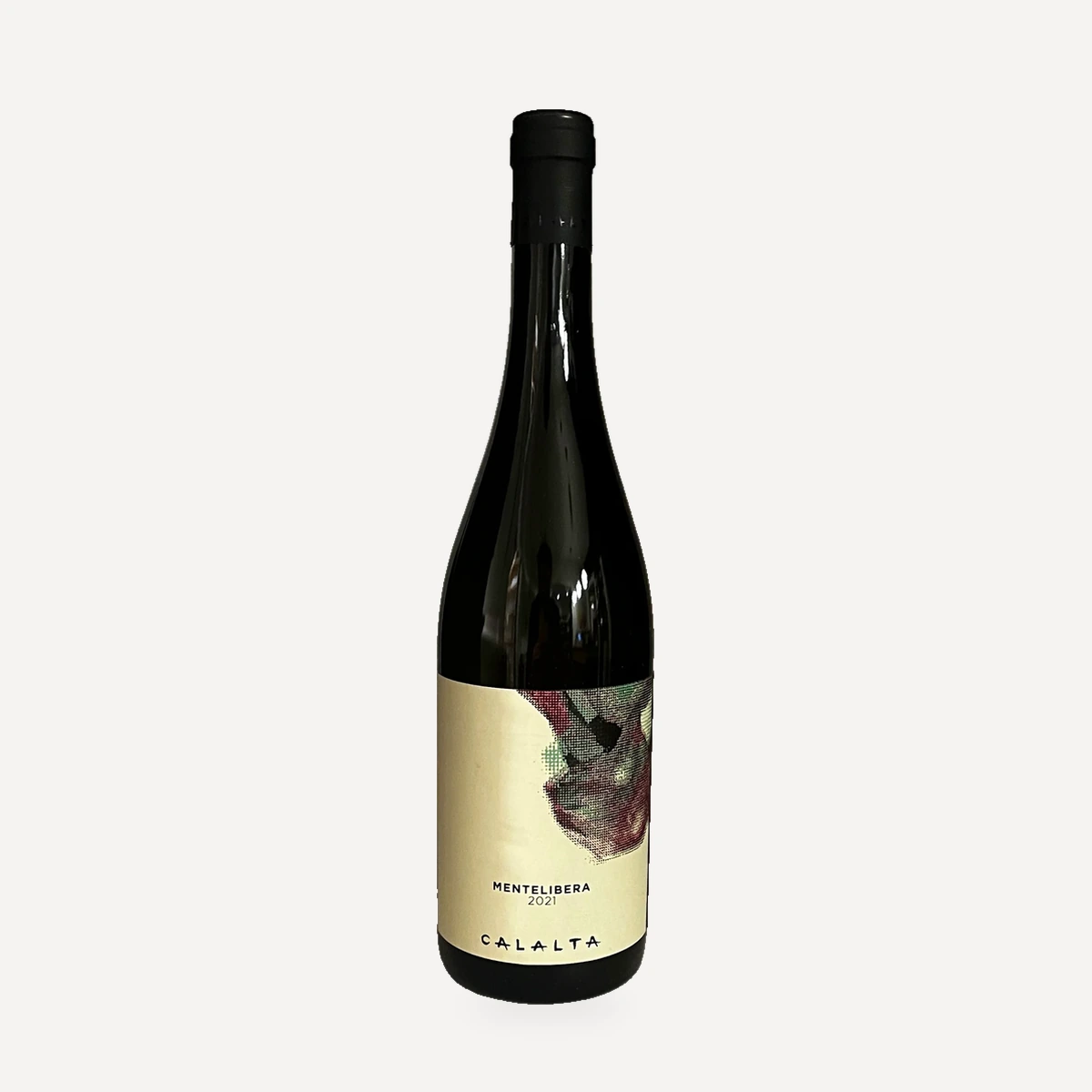
Storia
Since 2017
Nicola Brunetti and his wife, Giulia, have managed Calalta since 2017. The agricultural business operates under the name Azienda Agricola Calalta di Nicola Brunetti.
Terroir
Setting
Calalta lies in the foothills at Mussolente, on the boundary between the provinces of Vicenza and Treviso. The estate stands at the foot of Monte Grappa, at the western end of the hill belt that continues eastward to form the Colli Asolani. Monte Grappa rises to the north and shelters the property. Bassano del Grappa and the Brenta River are nearby.
The 16-hectare setting comprises vineyards, olive trees, meadows, woodland and a pond, forming a varied habitat around the cultivated land. The five hectares of vines are generally described as lying between 150 and 200 metres above sea level.
Slopes, soils and climate
Most vineyards occupy appreciably steep ground on the different aspects of the Calalta hill. The soils are predominantly clay, with varying amounts of coarse mineral material and distinct sandy bands; rocky sectors also occur. Individual soils therefore range from clay-dominated areas to sandier or more skeletal ground.
The climate is cool and well ventilated, with marked temperature differences between day and night and substantial annual rainfall.
Vinificazione
Calalta follows certified-organic farming throughout its vineyards. Intervention is limited to what is considered necessary, with the aim of allowing the vines to establish a natural balance within the surrounding ecosystem.
Plant-protection treatments are based on copper and sulphur. Natural preparations may also be used when required to strengthen and protect the vines. In autumn, the soil is cultivated and green manure is sown.
Work is divided between manual operations and tasks performed with a small crawler tractor, an approach suited to the predominantly steep slopes. Yields are kept between approximately 30 and 70 quintals per hectare, or 3–7 tonnes per hectare, depending on the grape variety and the conditions of the vintage. During harvest, bunches are selected by hand so that only healthy fruit proceeds to the cellar.
Care for the soil, close observation of vine health and respect for the wider ecosystem—including the estate’s olive trees, meadows, woodland and pond—form the basis of the vineyard approach.
Only healthy grapes are accepted for vinification. Bunches are selected manually during harvest and checked for a second time on a sorting table after reaching the cellar.
Fermentation is driven exclusively by indigenous yeasts naturally present on the grapes, without fermentation additives. Cooling equipment can be used when necessary to regulate the temperature of the fermenting must and preserve its aromatic profile.
Depending on the intended élevage, wines mature in stainless-steel tanks, cement tanks, oak vats, tonneaux or ceramic amphorae. They are bottled without fining or filtration. A small amount of sulphur dioxide is generally added before bottling to provide stability; it is identified as the sole additive used.
Annual production ranges from approximately 15,000 to 20,000 bottles. The overall approach avoids invasive techniques and seeks wines that retain personality and a direct relationship with their place and vintage.
Filosofia
Calalta treats grape variety as a means of expressing terroir and the climatic course of each vintage rather than as the principal focus of a wine. This philosophy extends from the choice of varieties—several of which are considered atypical for the locality but well adapted to its soils and climate—to the avoidance of standardising cellar interventions.
In the vineyards, the priority is to observe plant health, protect the soil and intervene only when necessary, allowing the vines to find a natural equilibrium with the surrounding ecosystem. In the cellar, the same outlook is expressed through indigenous-yeast fermentation, the avoidance of additives apart from a small pre-bottling sulphur addition, and bottling without fining or filtration.
Calalta regards additive-free, minimally invasive vinification as demanding and potentially risky, but considers it fundamental to producing candid wines with a distinct personality.
Vini
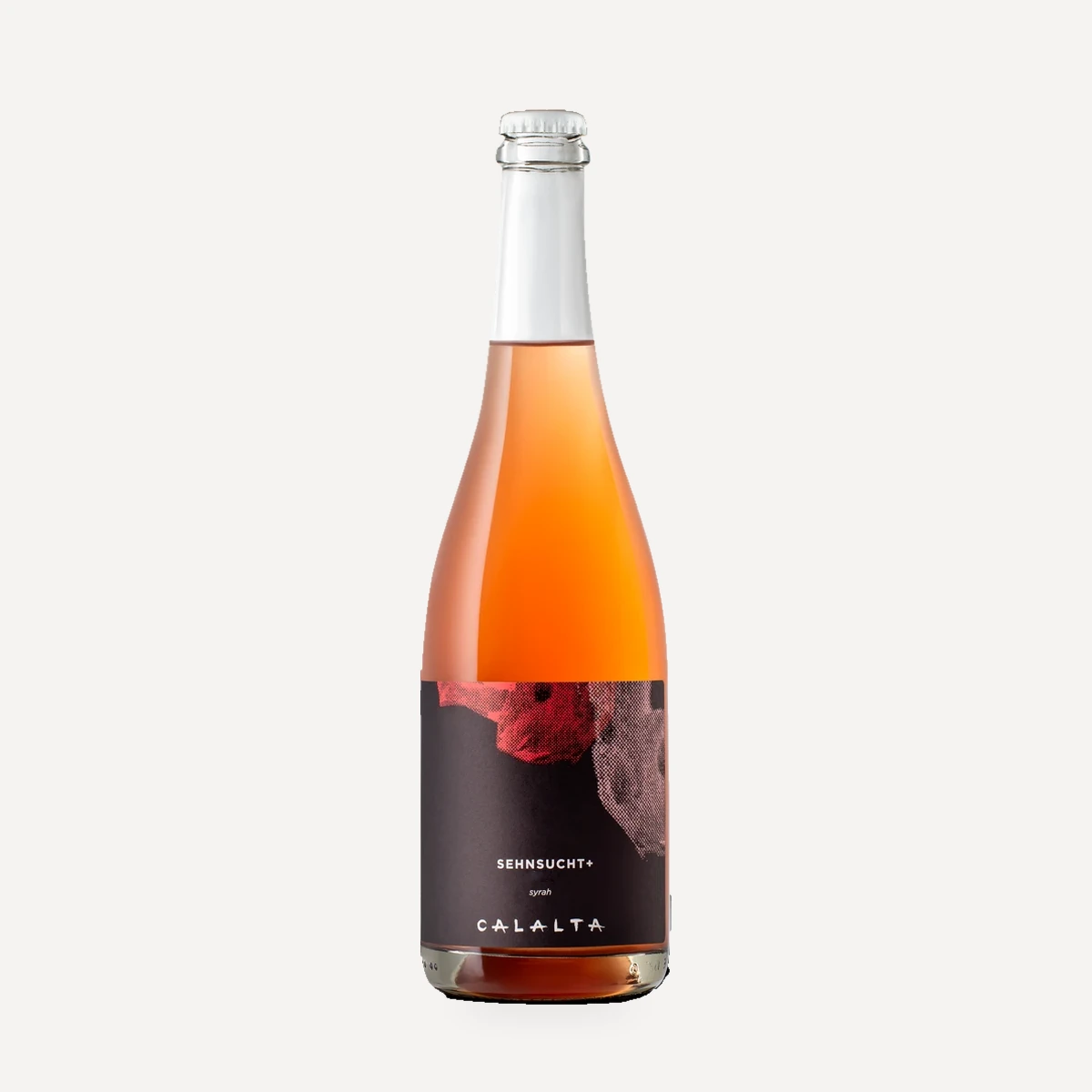
Sehnsucht Plus
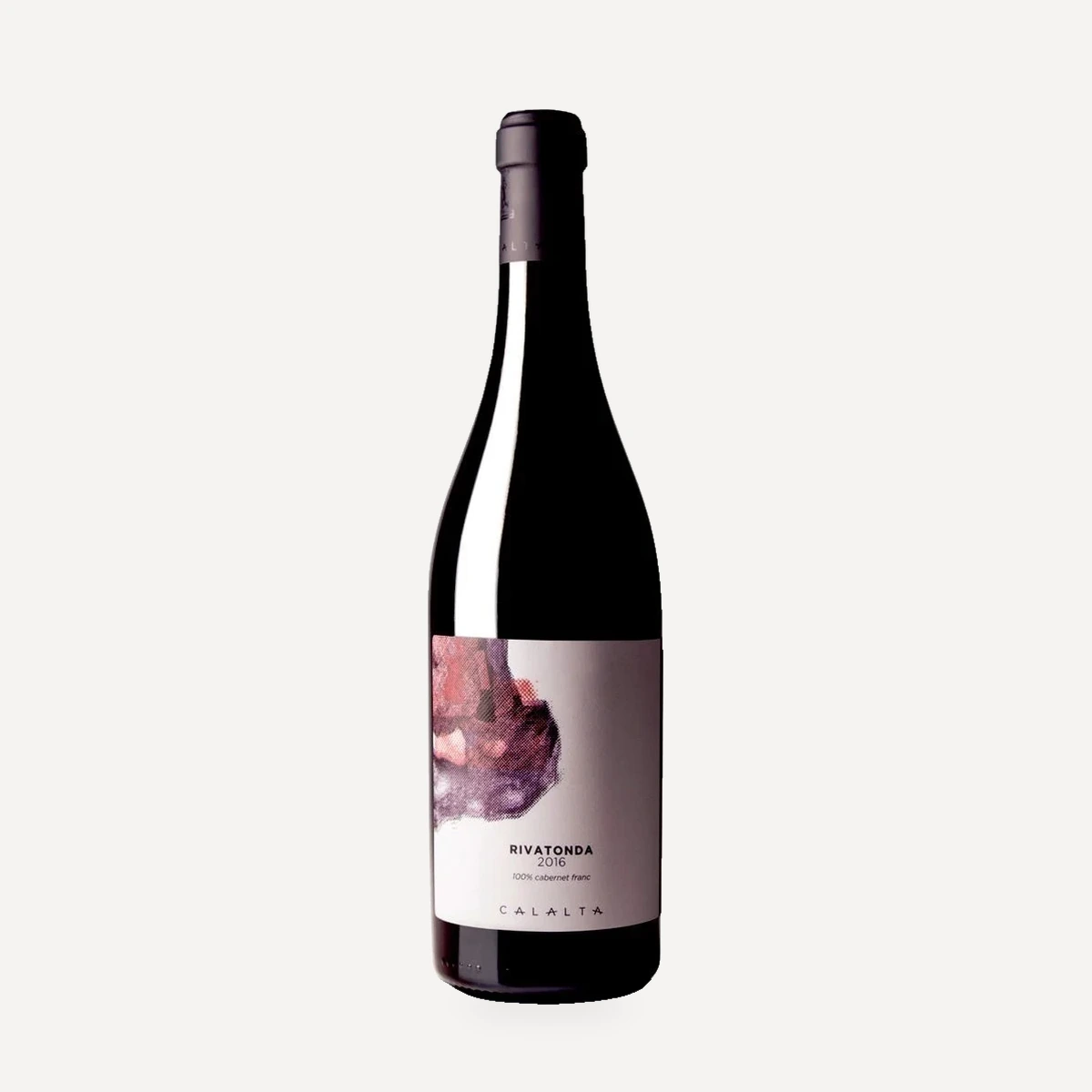
Rivatonda