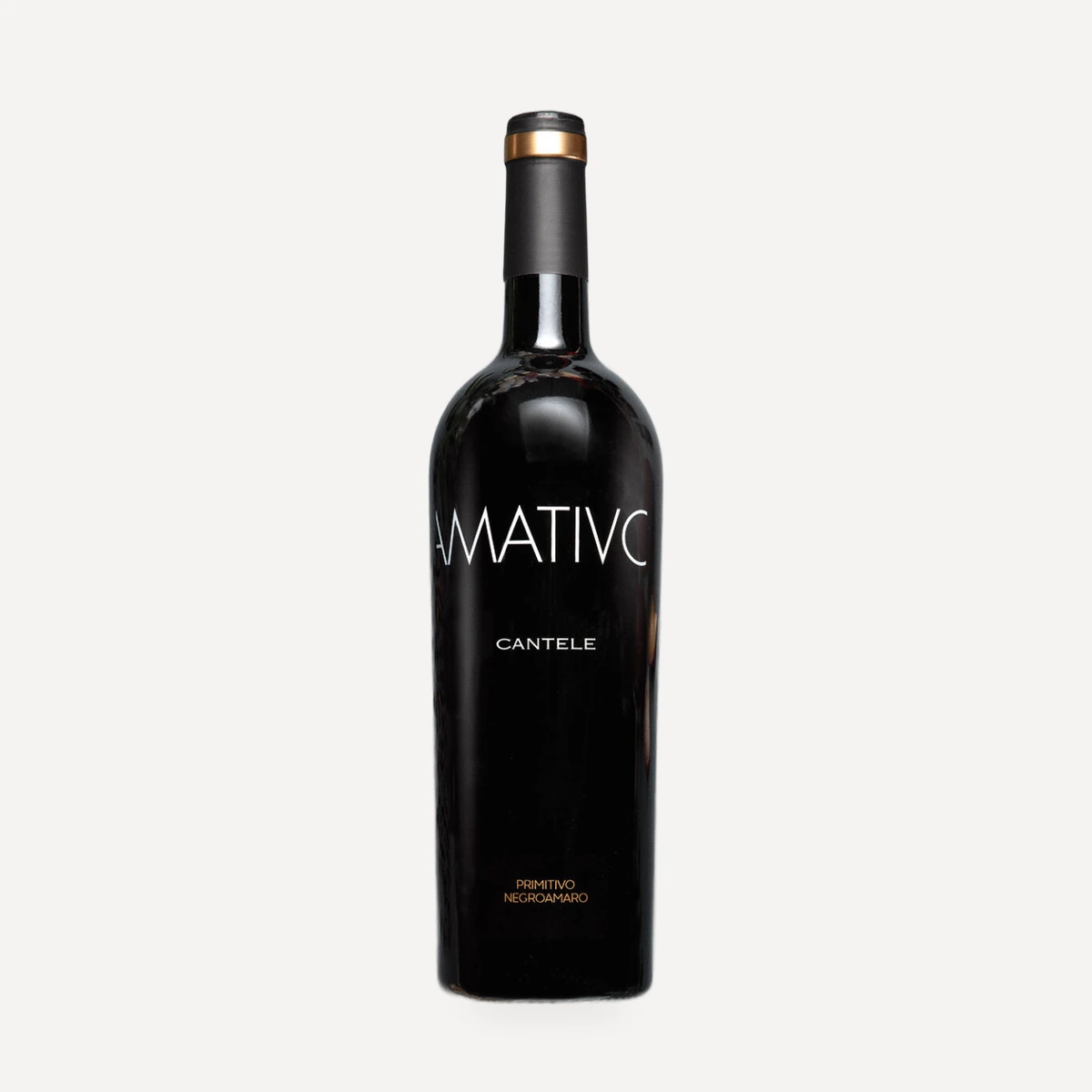
Questo vino
Grapes
60% Primitivo and 40% Negroamaro. The blend brings together varieties with contrasting characters and ripening cycles: Primitivo contributes ripe fruit, breadth, warmth and softness, while Negroamaro adds firmer tannins, spice and a lightly bitter finish.
Vineyard and terroir
The fruit comes from both bush-trained and cordon-spur-trained vines. Primitivo is harvested between late August and the first ten days of September; Negroamaro follows in the second half of September.
Vinification
The grapes are destemmed and crushed. The must remains on the skins for at least 8–10 days, with daily délestage during the initial stages of fermentation. Fermentation is controlled between 22 and 26°C. The two varieties enter the cellar at different times because of their separate ripening cycles, with Primitivo vinified first and Negroamaro arriving later.
Ageing
After malolactic fermentation, the wine matures in barriques. The barrel selection combines new, second-use and third-use French oak with a small proportion of American oak.
Tasting profile
Deep ruby red with violet highlights, lively and compact in the glass. The rich bouquet opens with jammy red fruit, cherry in spirit, blackberry and blackcurrant, followed by black pepper and clove, toasted cocoa, vanilla and a balsamic accent. Full and enveloping on the palate, it has a substantial yet polished structure, dense ripe tannins and alcoholic warmth balanced by vibrant acidity. The long finish reprises ripe fruit, chocolate and spice.
Serving and pairing
Serve at 18°C. Its intensity, structure and warmth suit richly flavored dishes: braised meats, oven-roasted ribs, prime cuts, gourmet burgers, game and pasta with substantial ragù. It can also accompany dark chocolate or spiced meat preparations. Salento pairings include pezzetti di cavallo, stuffed bombette, lamb with potatoes and red onions, and sagne ncannulate with robust sauces.
It is ready to drink and can evolve for at least ten years.
Label / history
Amativo began roughly twenty-five years ago with Augusto Cantele’s idea of joining Primitivo and Negroamaro, varieties then regarded as unusually far apart in character and timing. Gianni Cantele developed the balance in the cellar, using the contrast between Primitivo’s generous roundness and Negroamaro’s austerity and tension as the foundation of the wine.