Storia
Odoardo Gialletti's path back to wine
Odoardo Gialletti began working directly in fields and vineyards while still an adolescent. This was a period when local winegrowing was moving beyond modest family traditions and embracing new agronomic models, scientific research and modern vinification techniques. Curious about innovation, he became interested in the progress of increasingly experimental, quality-focused viticulture.
Toward the end of the 1960s, Gialletti became a hotelier and restaurateur. That work gave him experience of wine from the consumer's perspective. Several years later, he began considering a return to winegrowing, initially dividing his time between the restaurant and the vineyards. His ambition was to produce a substantial and potentially complex wine that would remain approachable and give sensory pleasure without becoming severe. He eventually returned to the vineyards full-time, seeking the right combination of grape varieties, terroir and technical knowledge.
1988: foundation and first wine
The encounter between Odoardo Gialletti and oenologist Riccardo Cotarella led to the creation of La Carraia. The winery was founded in 1988 through collaboration between the Gialletti family, established winegrowers in the Orvieto area, and the Cotarella family of winemakers.
La Carraia debuted that year with an Orvieto Classico DOC made from a meticulous selection of low-yielding clones chosen for their aromatic and organoleptic qualities. A few years later, the estate added Poggio Calvelli—now named Calvelli—an Orvieto Classico Superiore conceived as a persistent, fresh white wine.
1995–1997: development of red wines
As plantings of Merlot and Cabernet Sauvignon reached maturity, La Carraia began exploring red-wine production in a territory historically associated with whites. The first Fobiano was released in 1995. This Bordeaux-style blend was matured for one year in French barriques. Its reception reinforced the partners' belief that the estate's land could produce serious red wines as well as Orvieto whites.
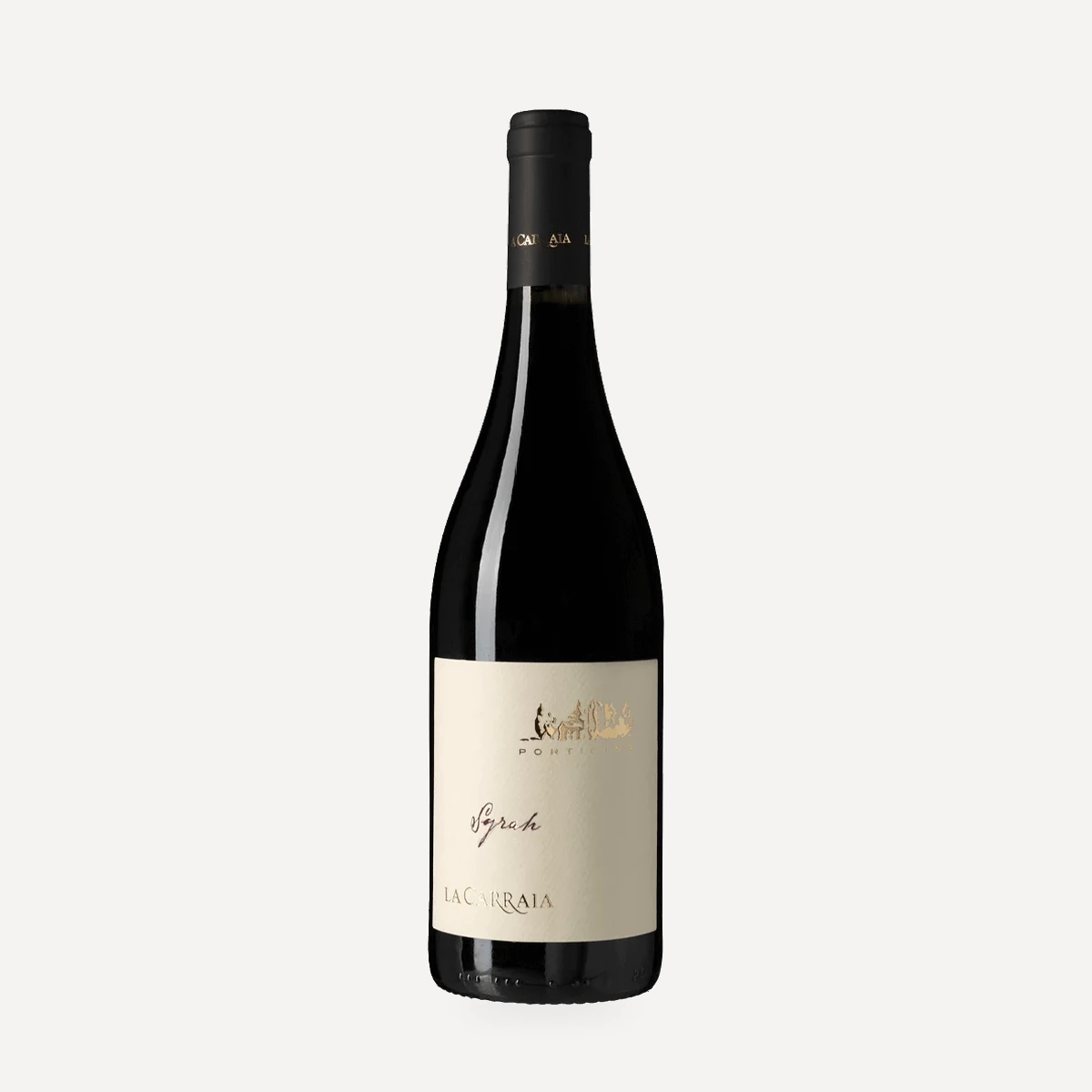
Sangiovese followed in 1997. Further red-wine projects subsequently included Tizzonero and Solcato. The Porticina range was also established to present individual varieties: Grechetto, Vermentino and Viognier among the whites, and Merlot, Cabernet Sauvignon and Syrah among the reds. Cabernet Sauvignon was later added to the redesigned Porticina presentation, while the current range also includes Chardonnay and Sangiovese.
Early 2000s: a purpose-built winery
Production was originally conducted beneath the Gialletti family home. At the beginning of the 2000s, a purpose-built winery was constructed beside the house. It brought all post-harvest operations—vinification, maturation and bottling—into a modern facility designed to preserve and enhance the qualities of the grapes.
The cellar incorporated an underground barricaia excavated by hand from Orvieto tuff. Its naturally stable temperature and humidity provide conditions for maturing the estate's cru wines.
Continued expansion and experimentation
After establishing the potential of its red wines, La Carraia renewed its research into whites, combining local resources with different terroirs. Conte Marzio emerged from this work and was named for the son of Ranuccio of the noble Baschi family, which restored the local signoria and commissioned works that helped make Baschi a small Renaissance centre.
Querciascura was introduced as a limited-production red made only in years when Sangiovese met the required standard. Its best bunches were harvested manually, followed by slow skin maceration and extended maturation.
In 2018, the winery marked its 30th anniversary and presented a second barricaia beneath the family house. The room, enclosed by thick stone walls and equipped with climate control, consolidated the estate's wood-matured production in one place.
The Porticina range was subsequently redesigned, and the Poggio Calvelli project was renamed Calvelli with a more contemporary visual identity. Both changes were intended to modernise presentation while retaining the estate's connection to tradition and place.
2024: Monaldo ‘809’ and Quattropietre
Monaldo ‘809’ was released in 2024 as part of the estate's renewed exploration of white varieties. Its name honours Monaldo, forebear of the locally influential Monaldeschi family, who is said to have arrived in Italy from a Germanic background around 800 and settled in Orvieto around 809. The same year also brought Quattropietre, an experimental Cabernet Sauvignon blend combining four vintages and given prolonged maturation.
Today, Odoardo Gialletti continues to work with his sons Mauro and Marco, a wider estate team and Riccardo Cotarella. Odoardo and his sons regularly inspect the vineyards and direct their care, maintaining the project's family character while continuing research in both vineyard and cellar.
Terroir
La Carraia lies among the hills south of Orvieto in south-western Umbria. Its headquarters, winery and vineyards occupy land between Orvieto and Baschi. Four estates—Porticina, Calvelli, Murotondo and Sanale—are in the Comune di Baschi, on hills facing the winery. Castellunchio is in the Comune di Orvieto, on the hill above the production facility.
The five estates differ in both soil composition and exposure. Experience with these variations has been used to match native and international varieties to appropriate pedoclimatic conditions.
The vineyard soils are predominantly volcanic and rich in stones. The holdings also encompass clay, sand and limestone. Red-wine vineyards are associated with clay- and limestone-bearing soils, while the white-wine vineyards include mineral-rich volcanic ground. The surrounding Orvieto hills have a mild microclimate, and regularly moving breezes moderate the white-wine sites. The vines share the landscape with medieval villages and old olive groves.
Vinificazione
Odoardo Gialletti remains directly responsible for cultivation of the family vineyards. He and his sons Mauro and Marco inspect the vines regularly and direct their care according to the land's natural rhythms.
The agricultural programme follows sustainable integrated-farming practices intended to protect biodiversity and environmental health. Vineyard work is described as continuous and detail-oriented, extending from pruning through harvest. Grapes are selected carefully, and the combination of attentive cultivation and modern technical control is intended to deliver healthy, balanced fruit without forcing its natural character.
Research and experimentation continue in the vineyards each year. Differences in soil and exposure across the five estates are used to identify appropriate conditions for each native or international variety.
La Carraia's first cellar occupied space beneath the Gialletti family home. A purpose-built winery was constructed beside the house at the beginning of the 2000s. All post-harvest work now takes place there, including vinification, maturation and bottling.
The facility combines traditional working methods with modern equipment that permits close control of each production stage. Cellar techniques named across the estate programme include cold maceration, bleeding-off or salasso, pump-overs and punch-downs. Oenologists supervise the process from vineyard to bottle with the aim of preserving and enhancing the grapes' natural qualities.
The principal barricaia was excavated entirely by hand from Orvieto tuff. Its underground setting naturally maintains the temperature and humidity used for maturing the cru wines. A second barricaia was later created beneath the family home. Thick stone walls and a climate-control system maintain suitable temperature and humidity, and the room accommodates the production matured in wood.
French barriques have formed part of the programme since at least the 1995 Fobiano, which spent one year in them. Selection of barriques remains one of the production decisions managed in detail. Long maturation is also used for selected limited-production and multi-vintage projects.
Filosofia
La Carraia defines its central aim as identifying and expressing its territory through tradition and quality. Its approach treats quality as an evolving objective rather than a final achievement: each new vintage should benefit from greater experience and professional knowledge.
Research and experimentation therefore continue every year in both vineyard and cellar. The estate seeks new routes to improvement while retaining its territorial identity, combining Orvieto's long wine tradition with contemporary oenological techniques and awareness of changing tastes.
Wine is treated as a family product arising from a close relationship with the land and its rhythms. Human work is expected to respect and accompany nature. The broader production approach combines artisan practices and modern technical control, seeking balanced wines that communicate the grapes' natural qualities without forcing them.
The estate also presents wine as a vehicle for local history and culture. Names such as Conte Marzio and Monaldo ‘809’ connect new projects with families and figures from the Orvieto area's past. Visual redesigns, cellar investment and continuing experimentation reflect an intention to remain contemporary while preserving roots in local tradition.
Vini
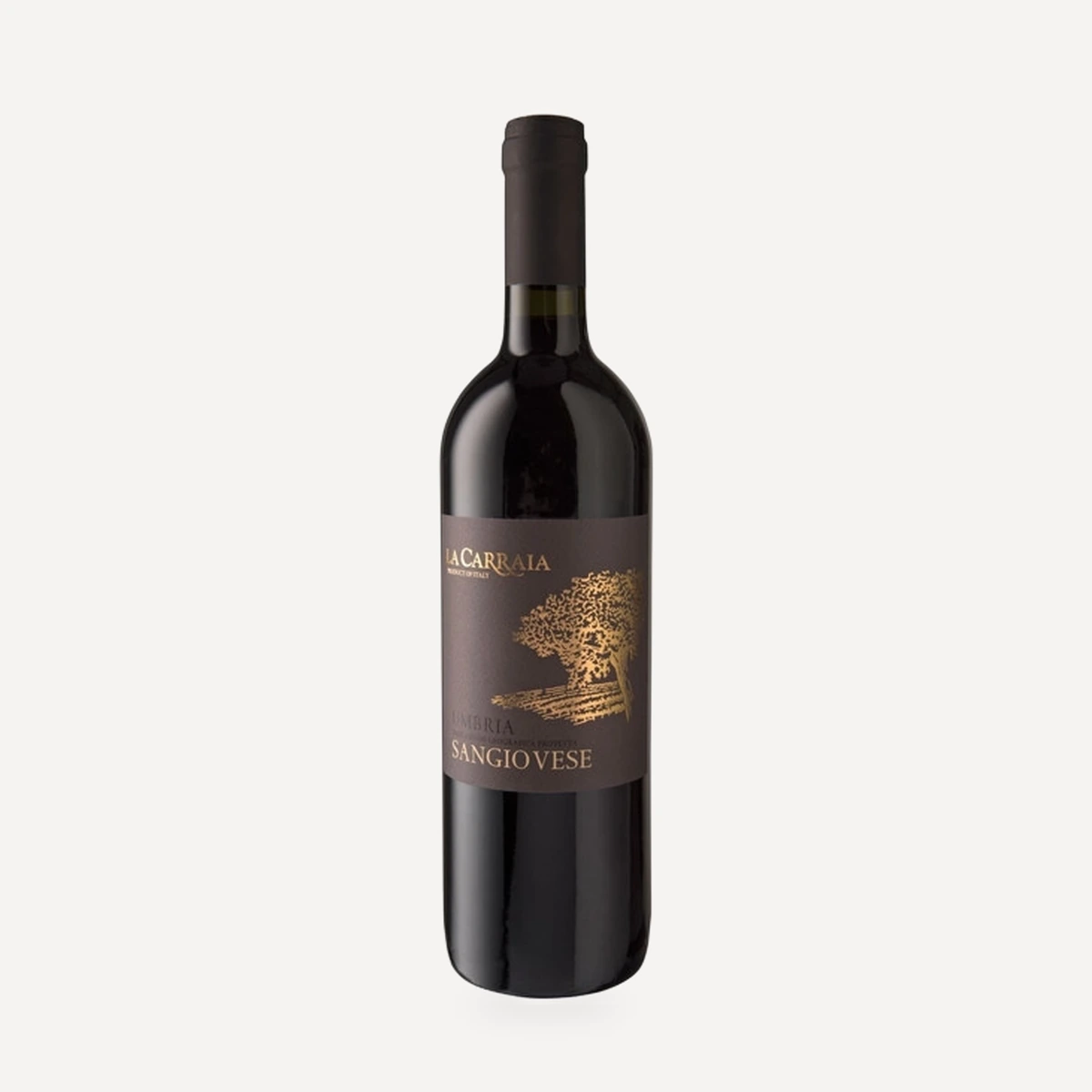
Sangiovese
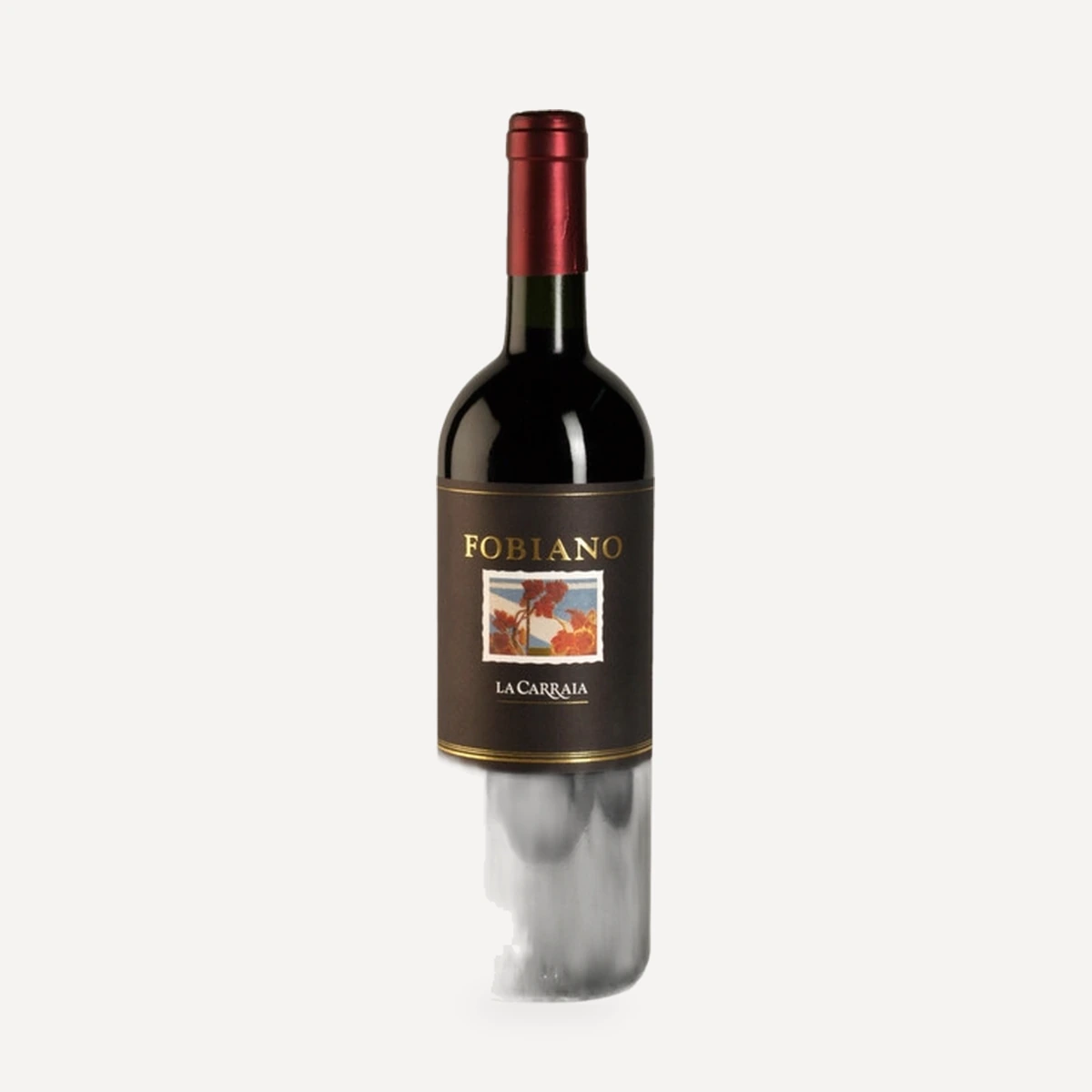
Fobiano
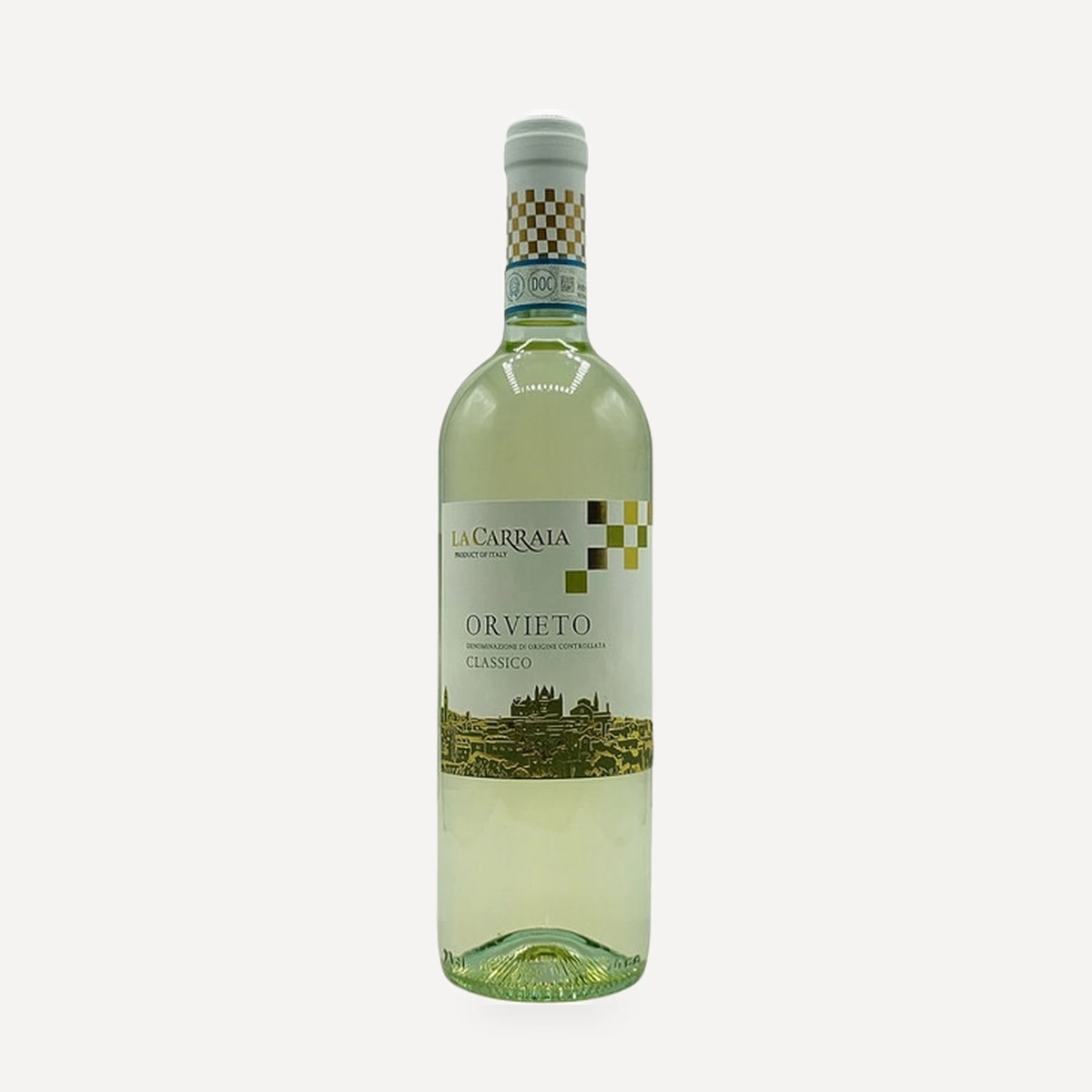
Orvieto Classico
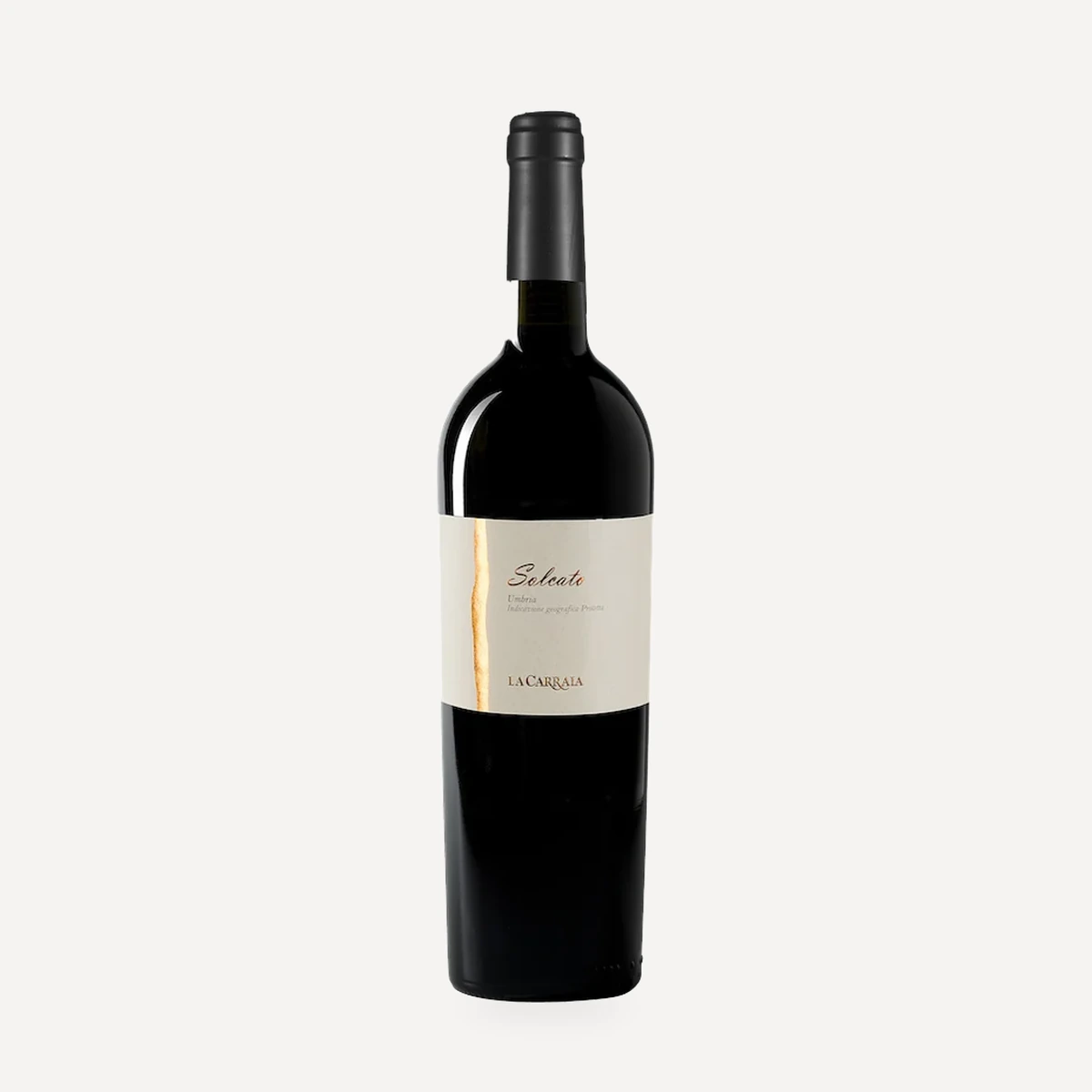
Solcato
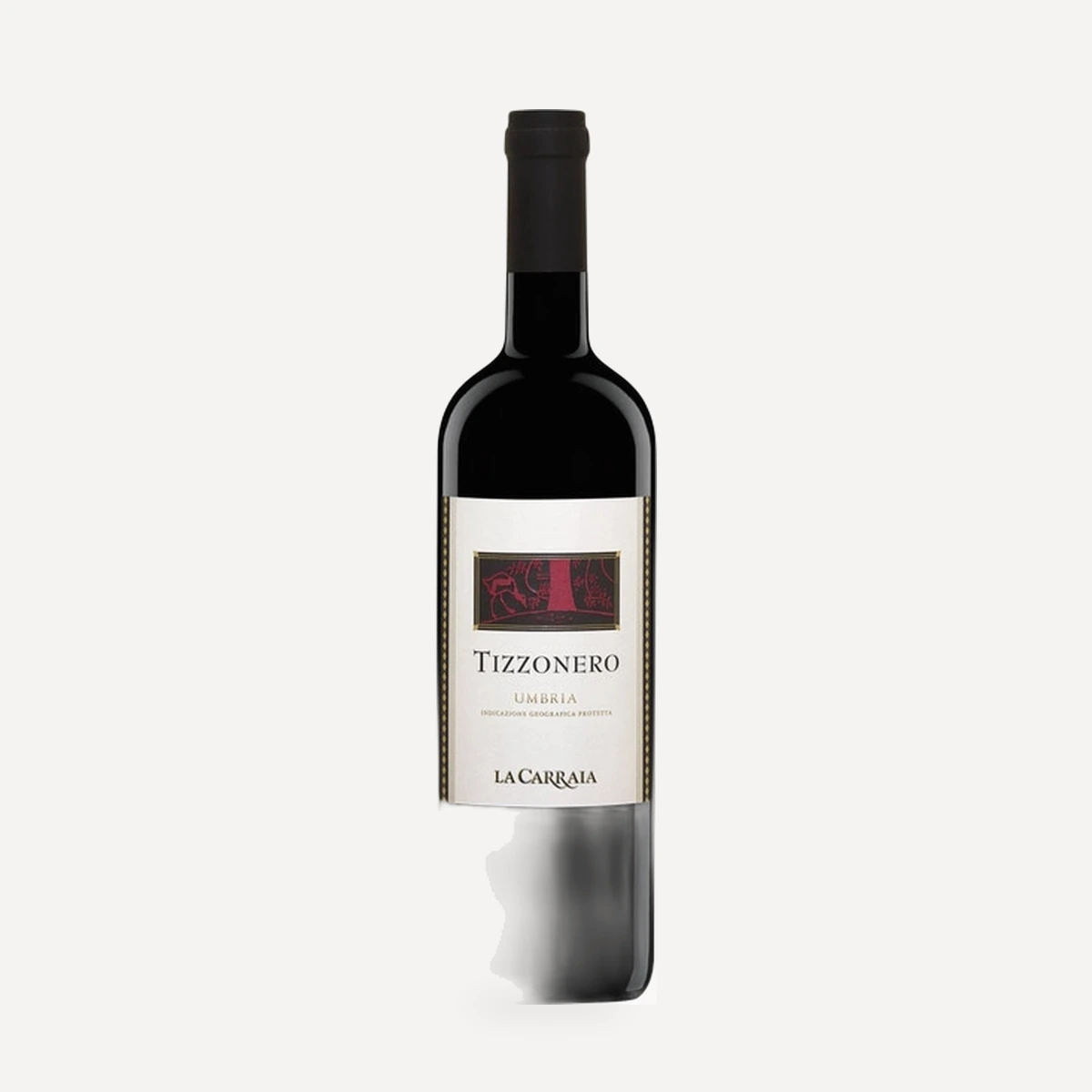
Tizzonero
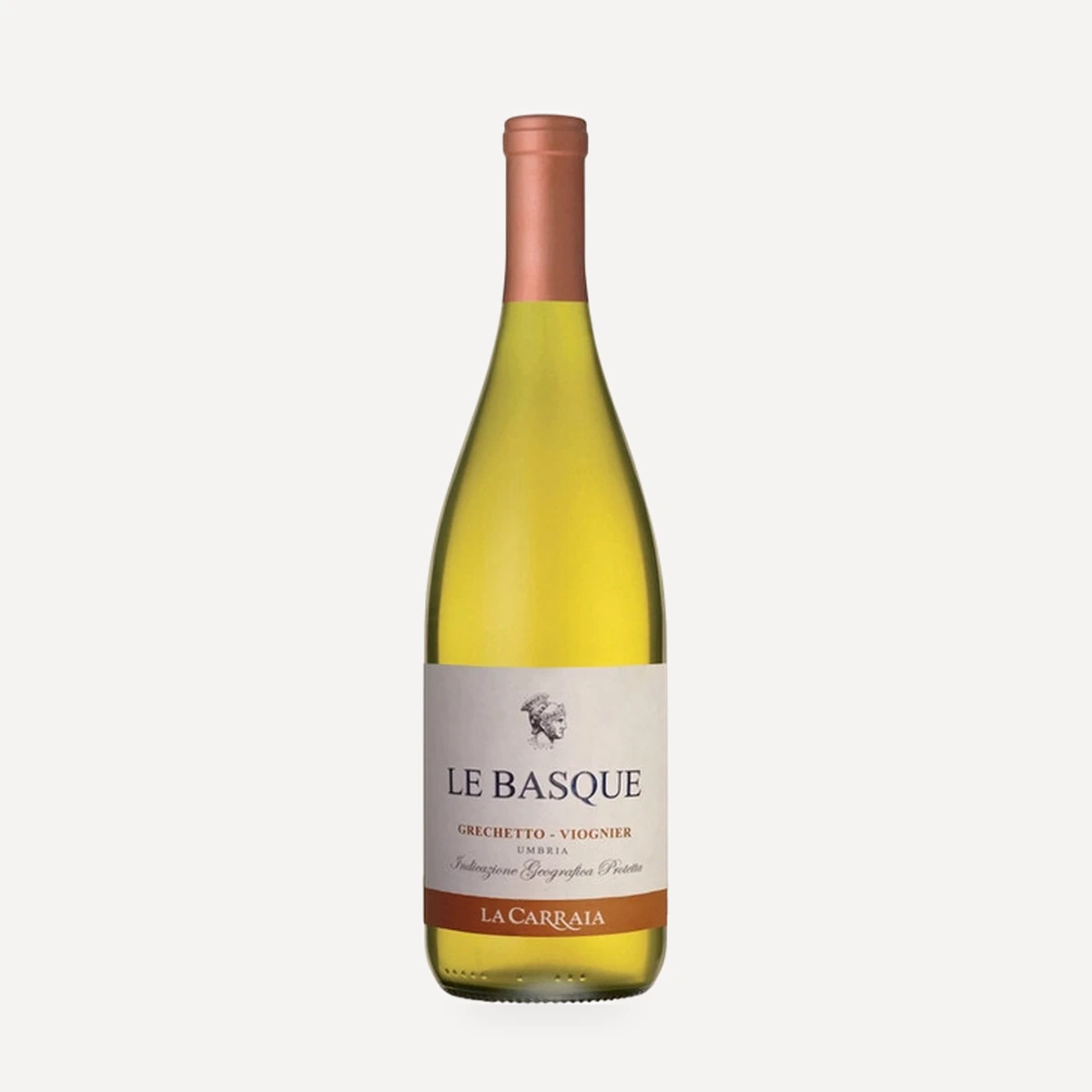
Le Basque Grechetto-Viognier Umbria IGP
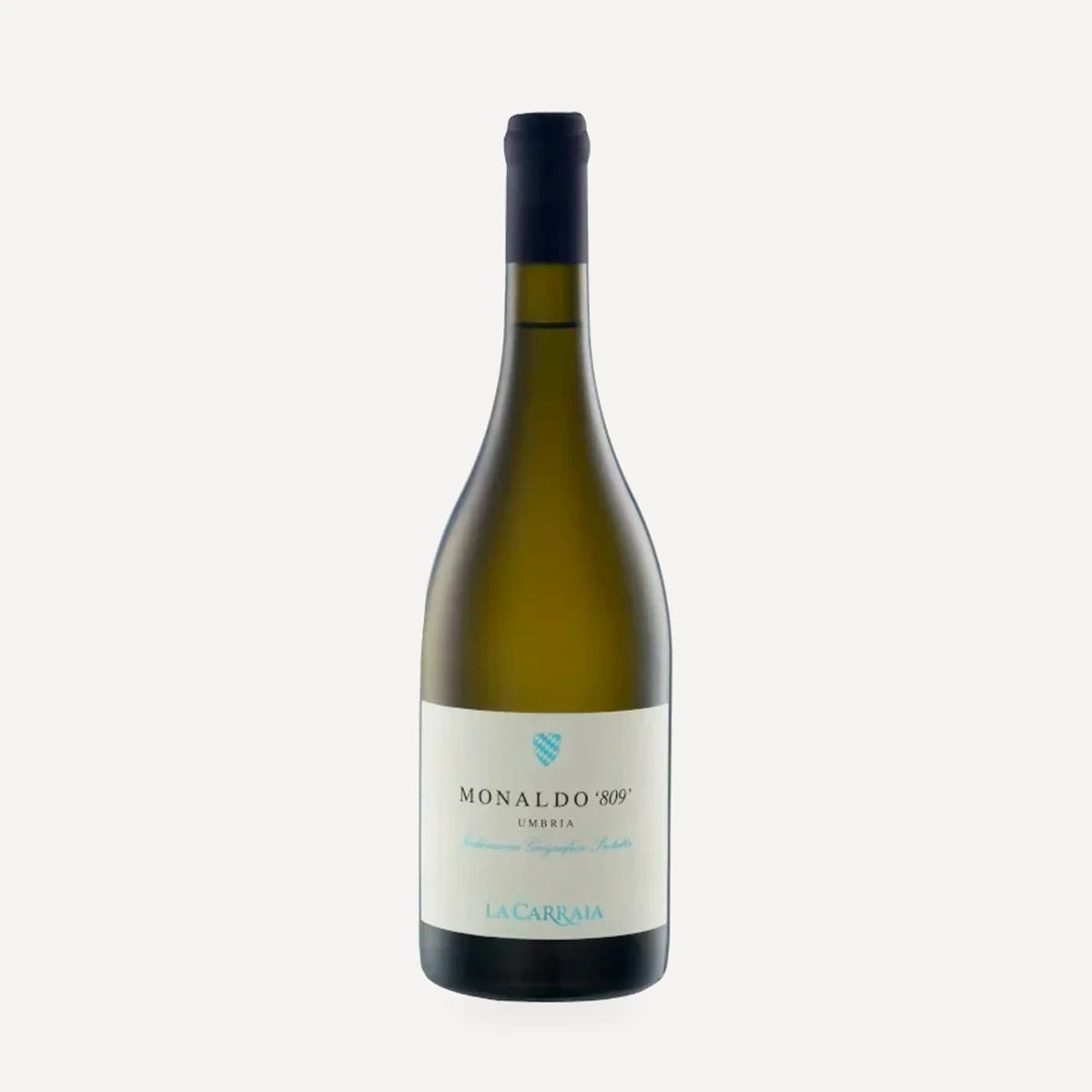
Monaldo ‘809’ Umbria Bianco IGP
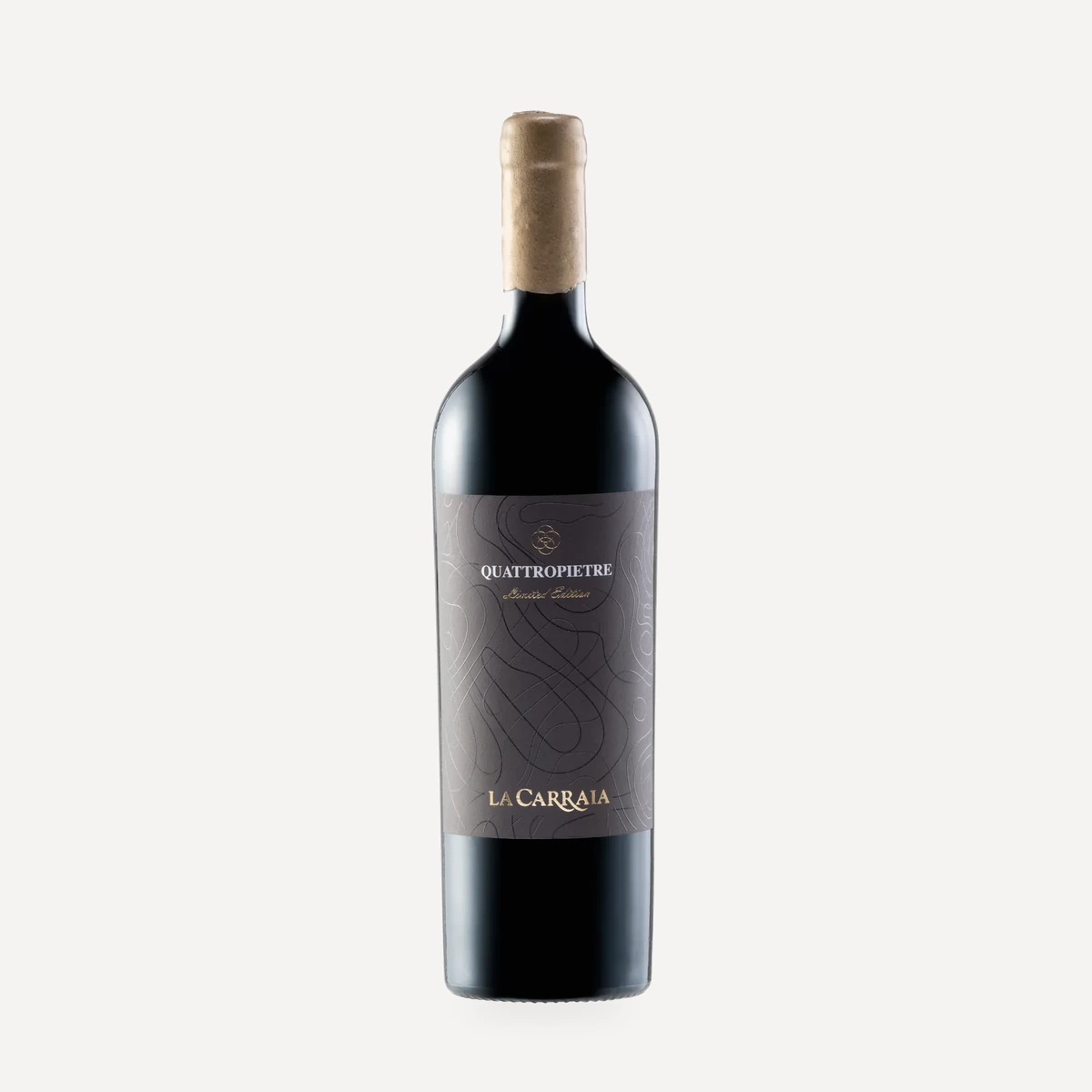
Quattropietre
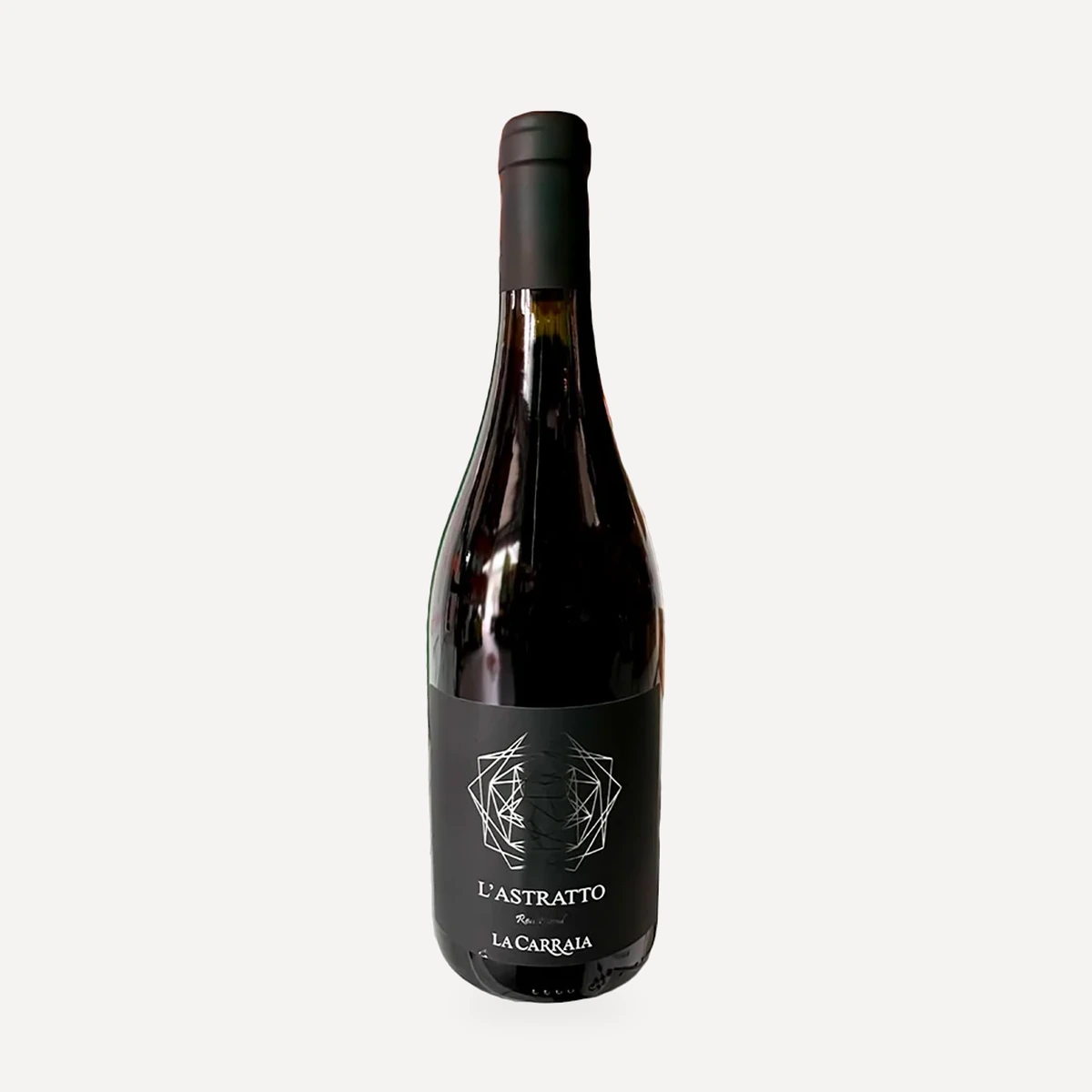
Astratto Red Blend
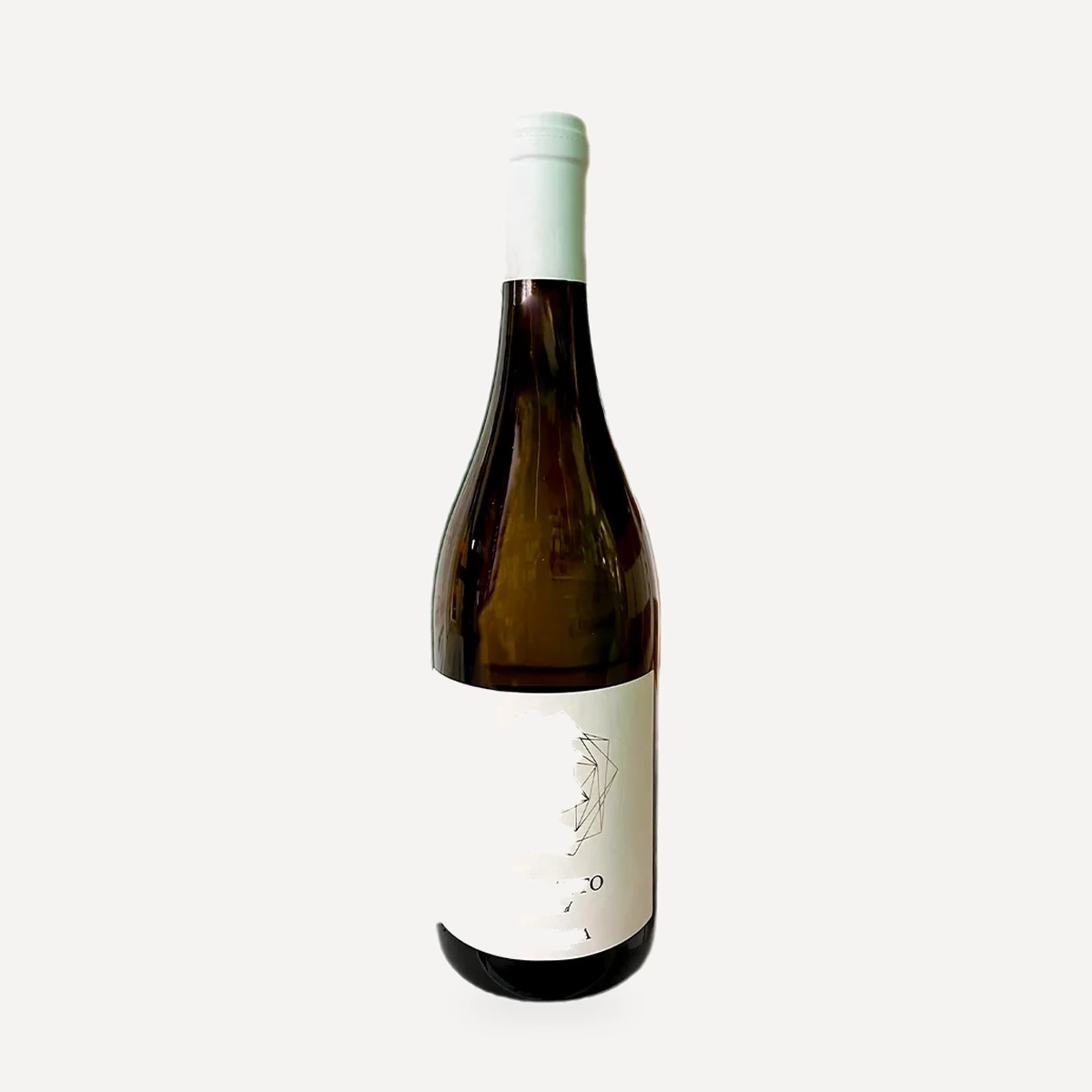
Astratto White Blend
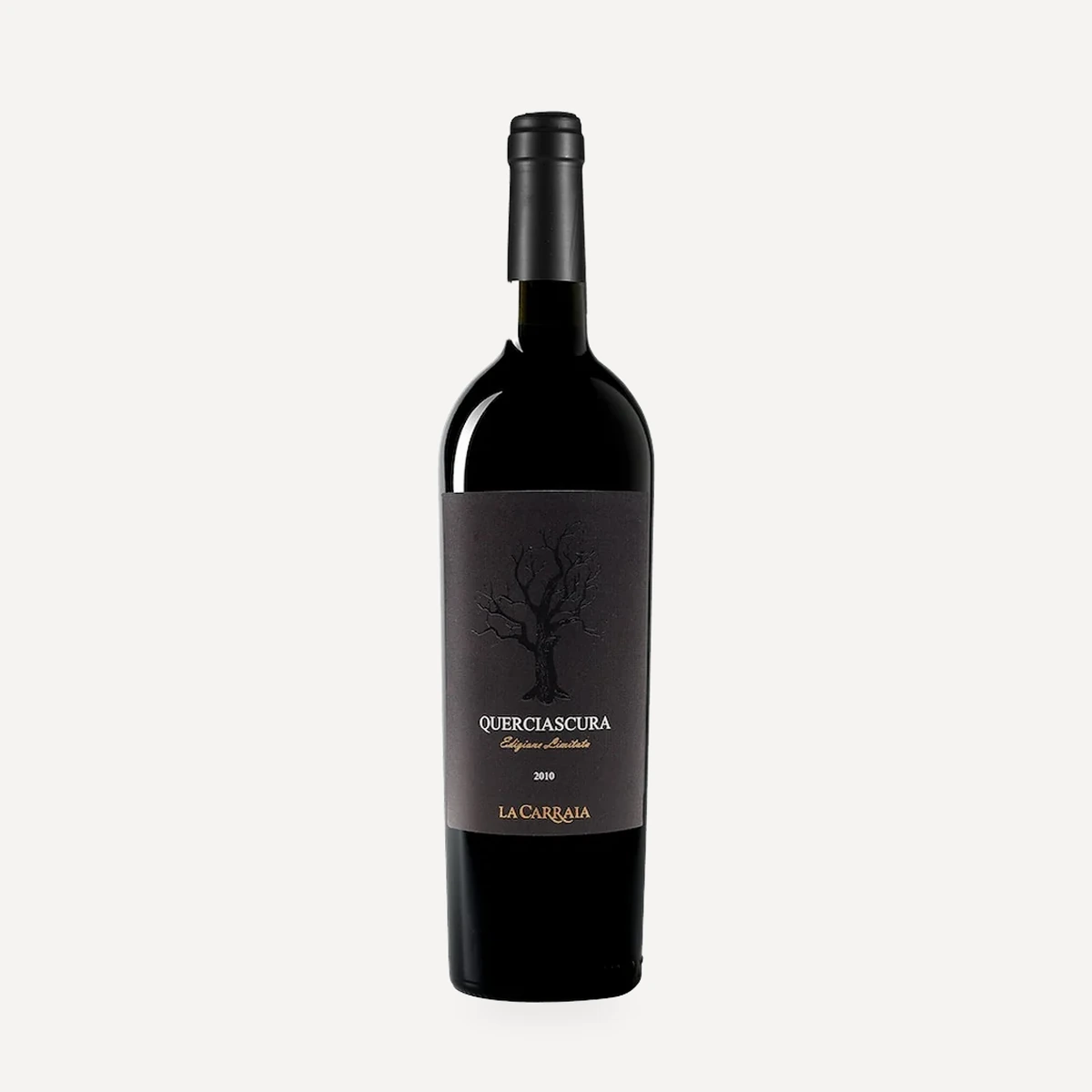
Querciascura
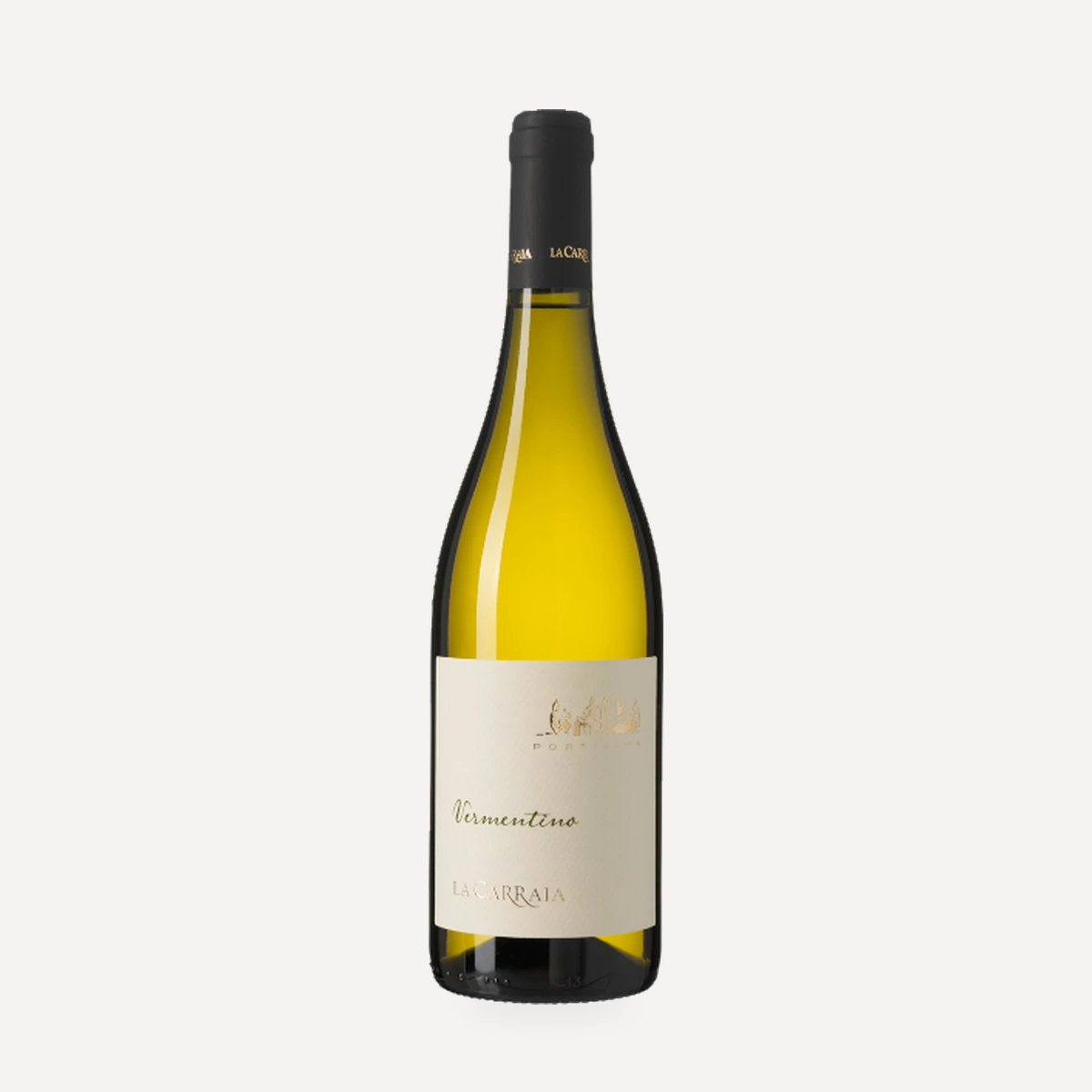
Vermentino
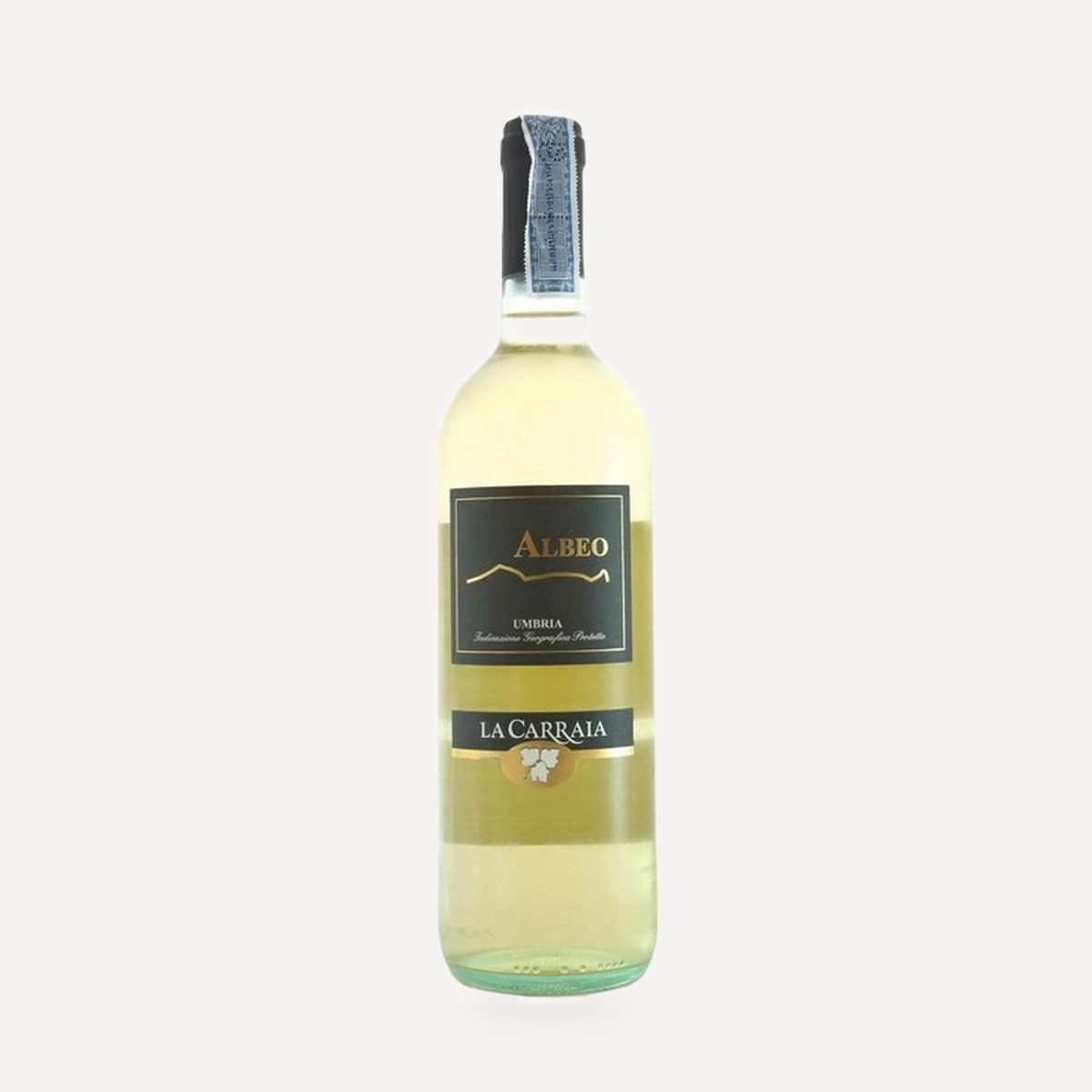
Albeo Umbria IGT
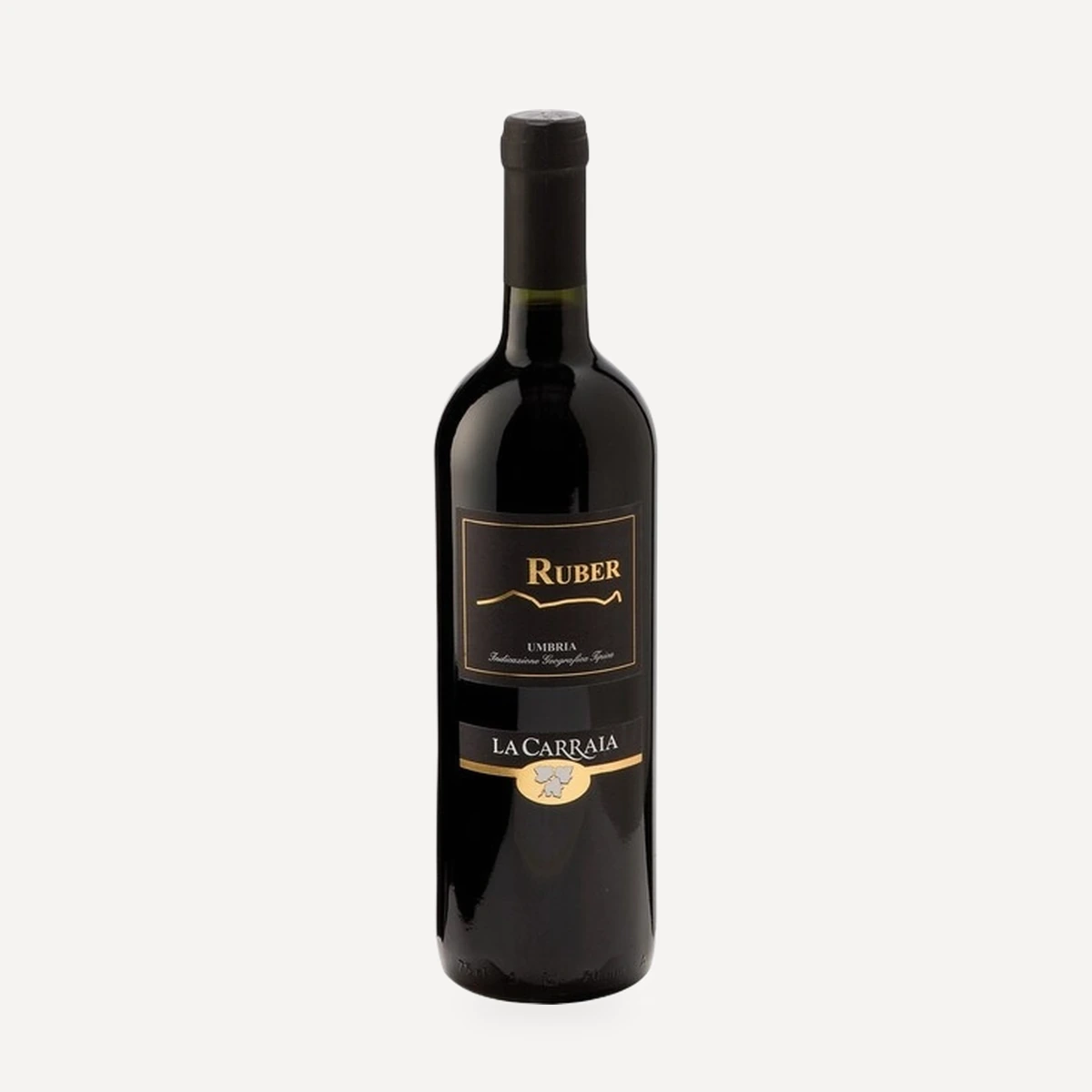
Ruber Umbria IGT
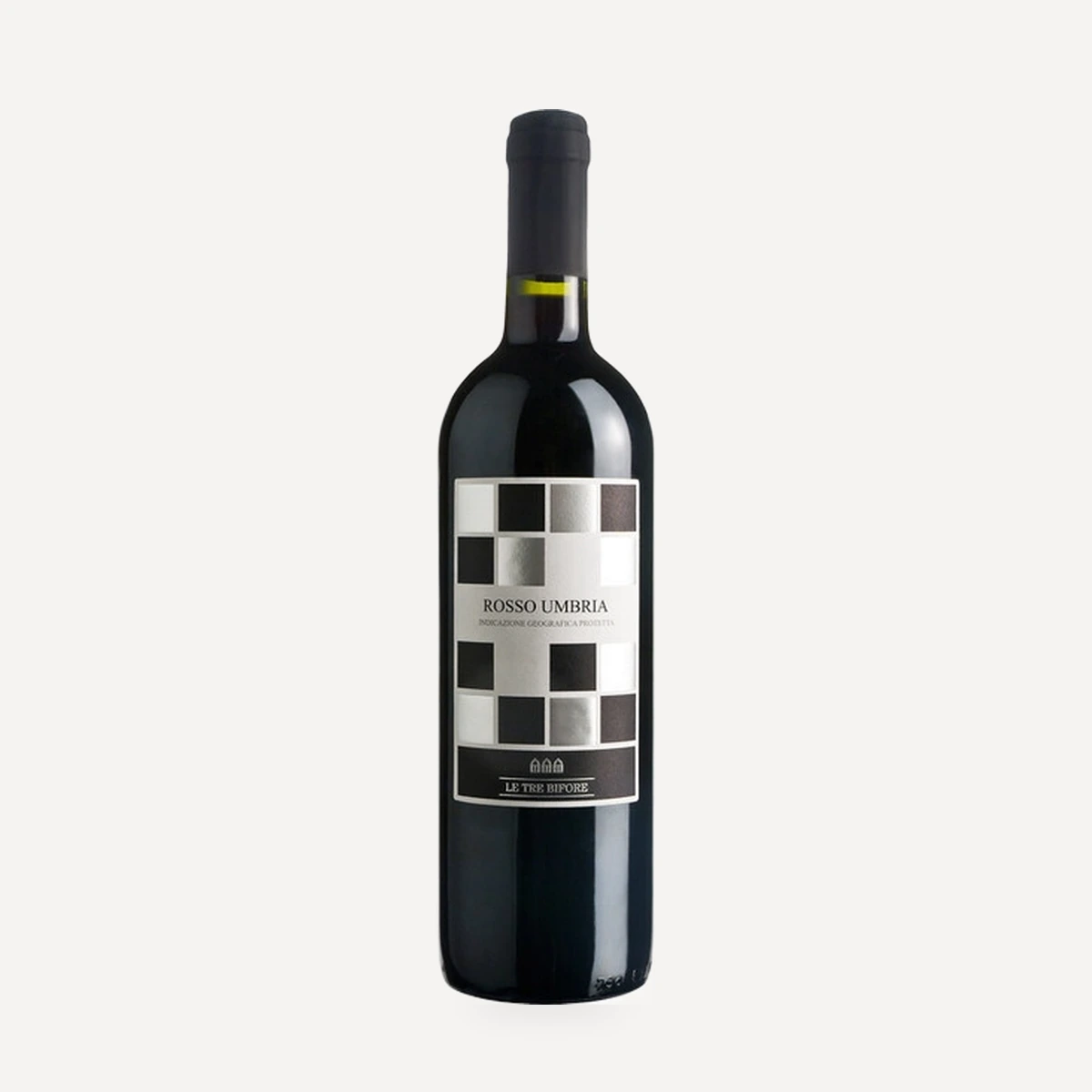
Le Tre Bifore Rosso Umbria IGP