Storia
Origins in a merchant family
Angiolo Piccini was born in Poggibonsi in 1861, the only son and heir of a family of textile merchants. His father, Serafino, travelled through Europe for the cloth trade and used part of the family fortune to assemble a private collection of prestigious bottles. The family narrative connects Angiolo’s vocation to the day he discovered this collection in a studded trunk in the cellar. Serafino responded to his son’s curiosity by opening one of its finest bottles with him, awakening Angiolo’s interest in wine.
1882–1925 — Angiolo Piccini and the first generation
In 1882, Angiolo broke with the family’s established commercial path and founded a small winery in Poggibonsi, among the Chianti hills. A detailed retrospective records an initial investment in 7 hectares of vineyards in Castellina in Chianti and the construction of a small cellar in Poggibonsi. The enterprise achieved its first successes within a few years, driven by Angiolo’s entrepreneurial initiative at a time when wine was becoming increasingly important to the economy and society of the Chianti villages.
Angiolo’s guiding maxim was that the quantity of work mattered less than the passion invested in it. That principle became part of the family’s identity. In 1925, at the height of his success, he transferred the business to his son Mario, establishing the succession pattern that would carry Piccini through five generations.
1925–1963 — Mario Piccini and the international opening
The second generation developed the company through the Great Depression and the Second World War. Mario recognized the logistical value of the railway and moved the winery close to Poggibonsi station, allowing its wines to travel into international markets. He complemented distribution with a pioneering, targeted communication campaign designed to attract customers abroad; Chianti Preferito became the emblem of the resulting brand identity.
The winery was destroyed during the Second World War. Mario rebuilt it and, by the middle of the twentieth century, had restored the company’s commercial momentum and renewed its focus on foreign markets.
1963–2004 — Pierangiolo Piccini and a new base
Mario transferred leadership to his 29-year-old son Pierangiolo in 1963. The third generation transformed the business and moved it from Poggibonsi to Castellina in Chianti. Pierangiolo subsequently invested in other Tuscan territories, laying the foundations for the family’s separate estate project.
In the late 1980s, Pierangiolo’s son Mario and younger daughter Martina joined the business. Working together under their father’s guidance, they began redefining Piccini’s presentation of Chianti for a new generation of consumers.
Around 2000–2011 — the Orange revolution and new national lines
Near the turn of the millennium, Mario Piccini set out to reinterpret Chianti in a fresher, more contemporary form. This project produced Chianti Orange. Its international success made orange the visual signature of the company and a symbol of its emphasis on dynamism and innovation.
In 2004, Mario formally succeeded Pierangiolo as the fourth-generation leader. He redirected part of the company’s effort toward the Italian market while continuing its international development. Anticipating consumer and market trends became a central element of his strategy.
Collezione Oro was developed to bring important Italian denominations together under a single identity. Its foundation was Chianti Riserva, and the range subsequently expanded beyond its Tuscan starting point. In 2011, on the 150th anniversary of Italian unification, Mario launched Memoro. Conceived through research, travel and tastings, it was designed as a borderless Italian project combining grapes from four regions and presenting wine as an expression of national unity.
2017–2020 — the fifth generation and the Casole d’Elsa production centre
Piccini began formally welcoming its fifth generation in 2017. Mario’s children Ginevra, Benedetta and Michelangelo had grown up around vineyards before pursuing experience across marketing, finance and oenology. Their arrival brought greater attention to digital communication and new ways of presenting wine, while Mario continued to mentor them.
Casole d’Elsa became the principal production site in 2019. The new complex, covering more than 17,000 m², represented an investment of €13 million in production and logistics and was formally inaugurated in 2020. Its three modern bottling lines, centralized warehousing and logistics, production-control sensors and expanded working spaces increased capacity and strengthened coordination between departments. The reorganization also targeted improvements in quality, efficiency and sustainability.
2021–2024 — rebranding, modernized production and historic recognition
In early 2021, the historic corporate presentation Tenute Piccini was repositioned under the Piccini 1882 identity. The change made the founding year and family continuity more prominent while supporting a more modern and unified organization.
A new barrel cellar at Casole d’Elsa followed in 2022. Its high golden walls enclose rows of large wooden casks and were conceived as a common maturation space capable of accommodating different Italian winemaking traditions. By 2023, the Casole plant was operating with additional machinery, technological equipment and a Manufacturing Execution System for production management.
In 2024, Piccini received recognition as a Marchio Storico, a designation reserved for Italian businesses active for more than 50 years. The recognition marked 142 years of continuity from Angiolo through Mario and the fifth generation.
Terroir
Chianti origins
Piccini’s Tuscan identity began at Poggibonsi among the hills of Chianti. The Chianti sources associated with its wines combine limestone- and clay-rich soils with a temperate climate, hot and dry summers and mild winters. Hilly elevations create diurnal temperature variation that helps retain acidity and elegance in Sangiovese. These conditions are associated with balanced structure, refined tannins, freshness and ageing capacity.
Tuscan coast
The Tuscan coastal sources used by Piccini overlook the Gulf of Follonica. Sea breezes moderate the vineyards, while long periods of summer sunlight support ripening. The combination is associated with freshness and a fruit-led aromatic profile. Native varieties have a long history in this coastal environment.
Multi-regional sourcing
Piccini Wines extends beyond its Tuscan base through projects that unite fruit from several Italian regions. Memoro was expressly conceived around this geographic diversity: its white expression brings together sources from Marche, Sicily, Trentino and Tuscany, while the rosé draws on Puglia, Sicily, Veneto and Abruzzo. The purpose is to treat regional difference as the foundation of a unified Italian composition rather than reproduce the character of a single estate.
Vinificazione
Piccini’s environmental programme links certified production with an expanding range of organically produced wines. The Casole d’Elsa site holds organic certification under EU Regulation 2018/848, issued by Qcertificazioni on 24 January 2024 for a three-year term.
The wider family organization completed a three-year pathway to Equalitas Sustainable Winery certification. For the Casole facility, SGS Italia confirmed compliance with Equalitas Standard revision 4 on 10 June 2024. Environmental management includes carbon-footprint studies for the production sites and work on transport, employee mobility, water use, energy efficiency and emissions.
Organic vineyard practices and technologies described for separately managed family estates are not treated as Piccini Wines estate-vineyard specifications.
Casole d’Elsa production centre
Casole d’Elsa has been the principal production facility since 2019 and was formally inaugurated in 2020. The complex covers more than 17,000 m² and was created through a €13 million investment in production and logistics. It centralizes winery operations, warehousing and logistics, allowing more immediate coordination between departments and increasing productive capacity.
Three bottling lines operate at the facility. They incorporate sensors designed to identify irregularities in production management. Further machinery, technological equipment and a Manufacturing Execution System were introduced as the plant moved toward full utilization. Production controls were also strengthened through inspection and verification systems intended to confirm product suitability.
Barrel cellar
A dedicated barrel cellar was opened at Casole d’Elsa in 2022. The structure has high golden walls and contains rows of large wooden casks. It was designed as a shared maturation environment for wines shaped by different Italian traditions and as an architectural expression of the relationship between wine, time and family continuity.
Quality, safety and chain-of-custody systems
The Casole site’s certifications documented for the 2024 reporting cycle include BRC version 9, audited by CSQA on 17 November 2023 with an A+ score, and IFS version 7, audited on 20 November 2023 with a score of 95.71%. The facility is also compliant with Equalitas Standard revision 4 and certified for organic production under EU Regulation 2018/848.
Filosofia
Family and entrepreneurial vision form the two principal coordinates of Piccini’s identity. Each generation is expected to preserve inherited values while adding its own ideas and responding to the demands of its period.
The company defines itself through the tension between respect for tradition and the courage to innovate. Innovation is understood not only as cellar technology, but also as the ability to listen to consumers, anticipate market changes and adapt the range. Chianti Orange, Collezione Oro, Memoro and the later reduced-alcohol projects each emerged from this market-facing approach.
Mario Piccini presents wine as a living, fluid material in constant evolution. The objective is to communicate Tuscan and Italian wine culture internationally while keeping wines recognizable, contemporary and accessible. Collezione Oro was explicitly developed around the aim of bringing quality to a broad audience rather than restricting it to a narrow luxury category.
Angiolo Piccini’s family maxim remains the ethical shorthand for this philosophy: what matters is not how much one does, but how much passion one brings to it. For the current generations, family continuity, commercial initiative, environmental responsibility and the interpretation of regional identity are intended to function together rather than as opposing priorities.
Vini
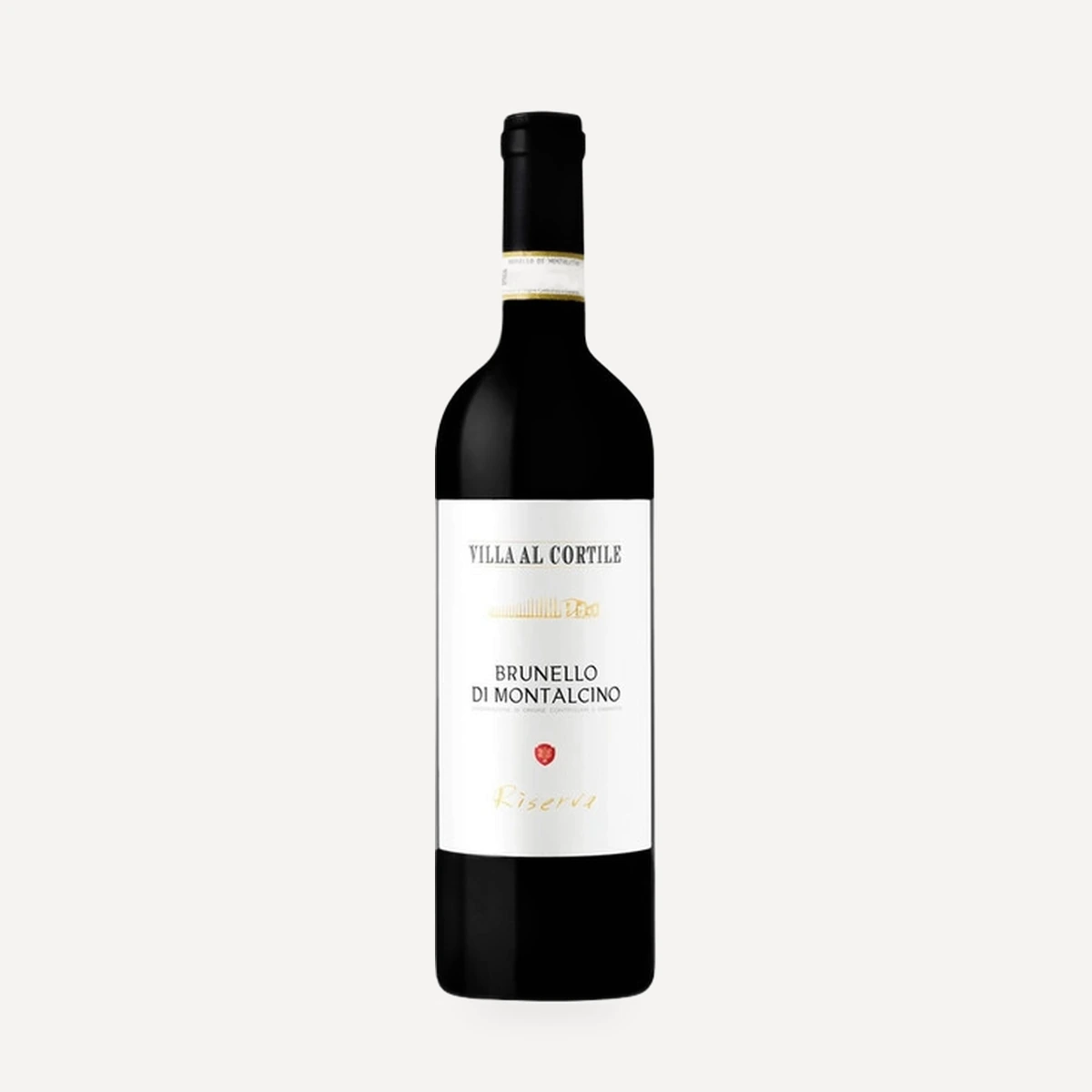
Brunello di Montalcino DOCG
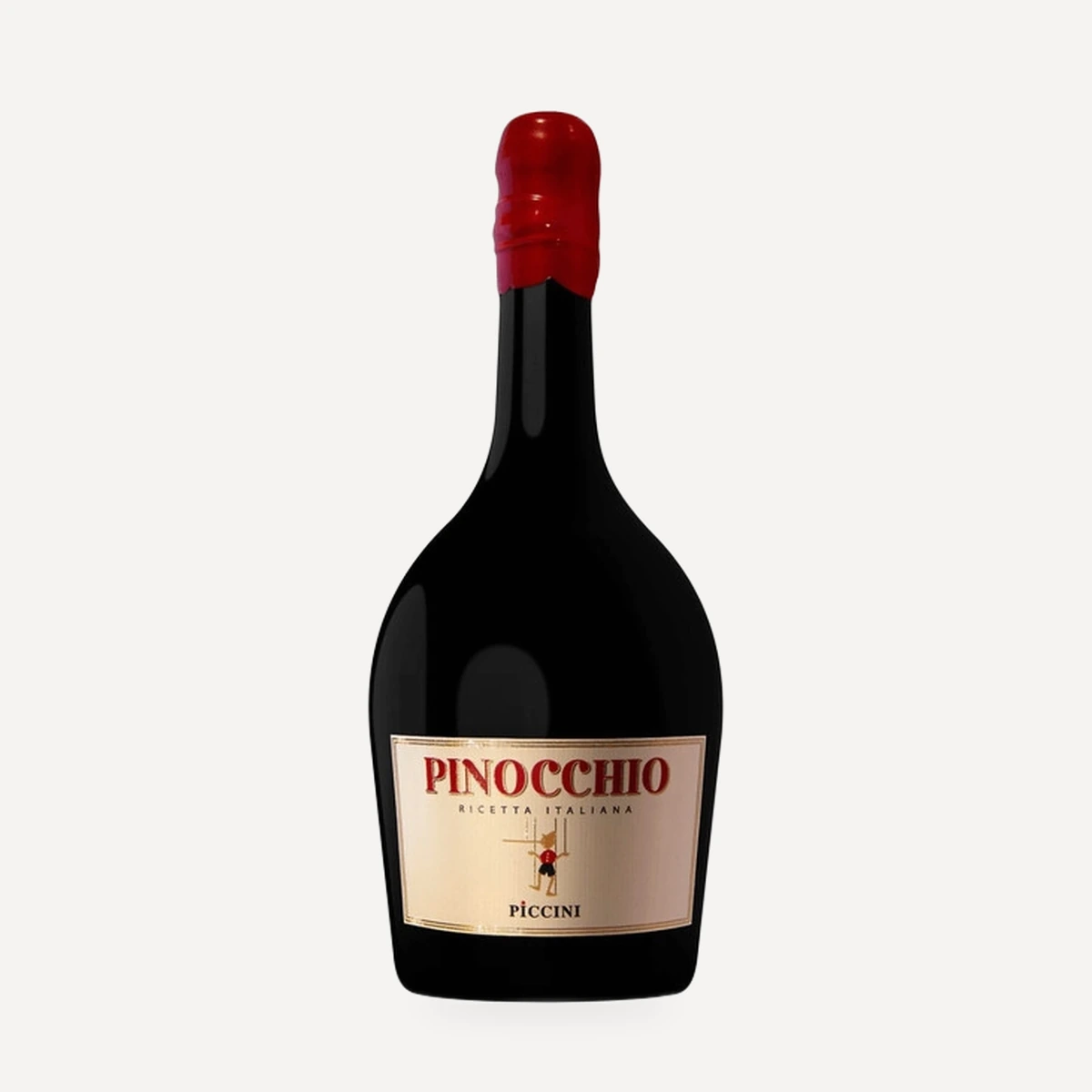
Pinocchio Italian Recipe
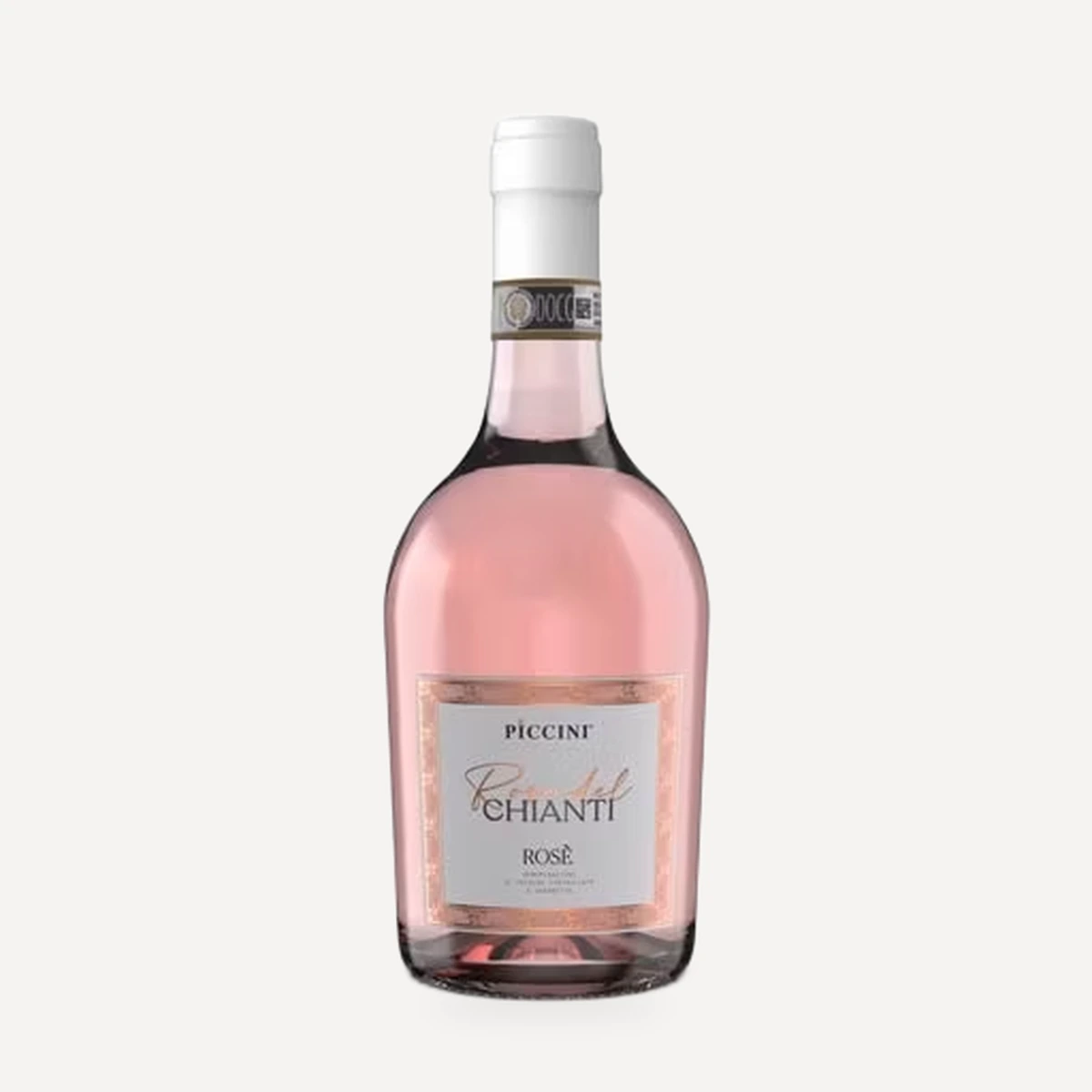
Rosa del Chianti Chianti Rosé DOCG
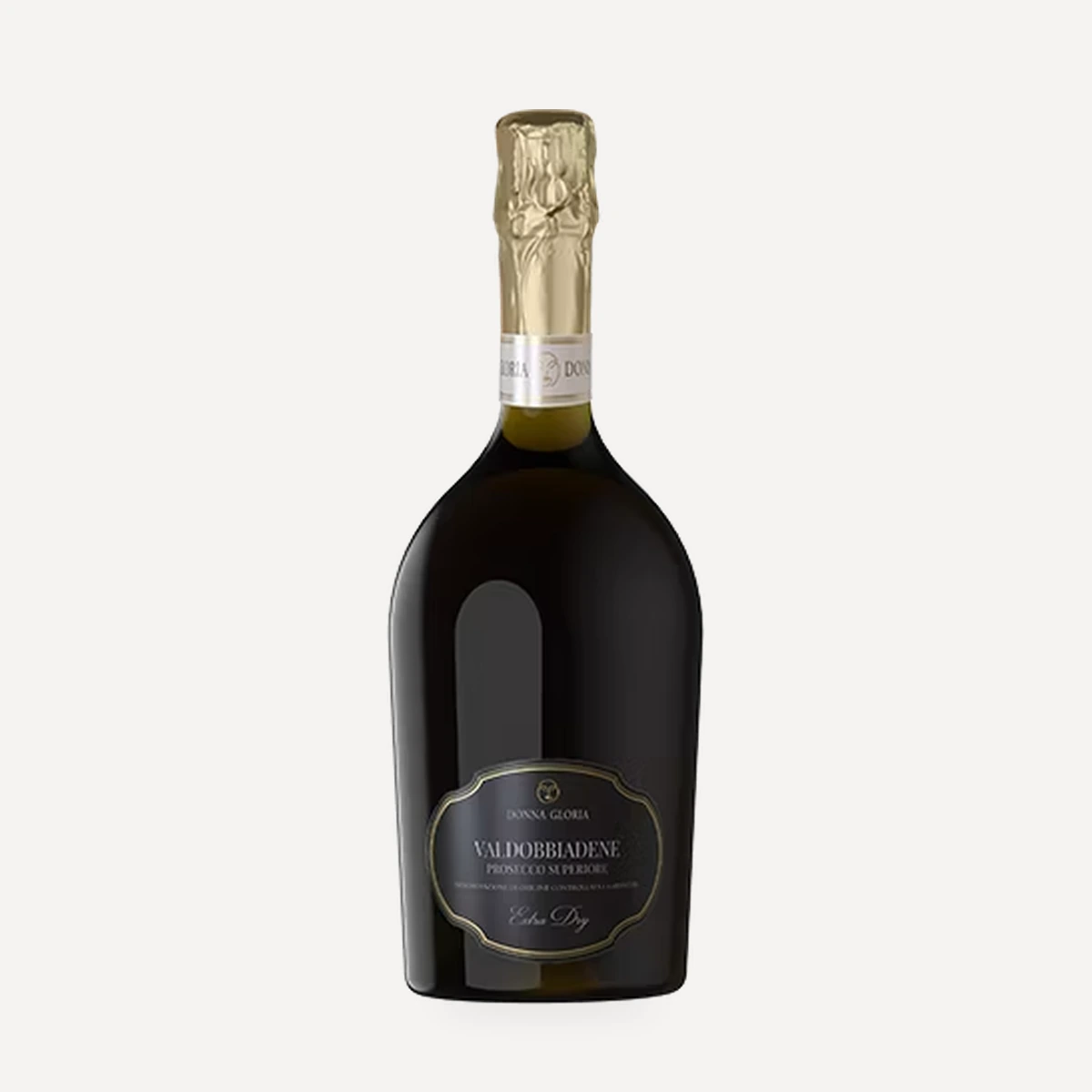
Donna Gloria Prosecco Valdobbiadene Superiore Extra Dry DOCG
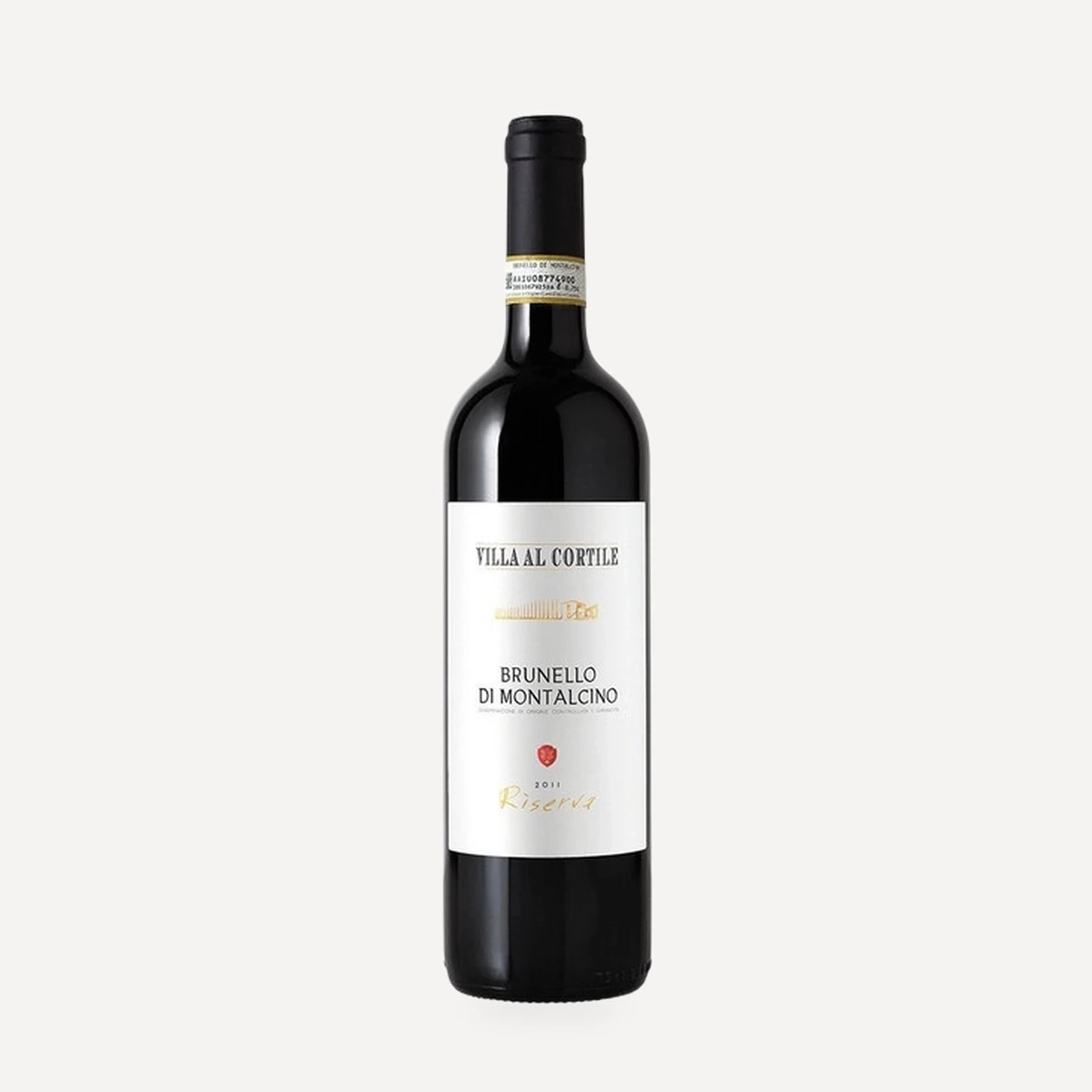
Brunello di Montalcino Riserva DOCG
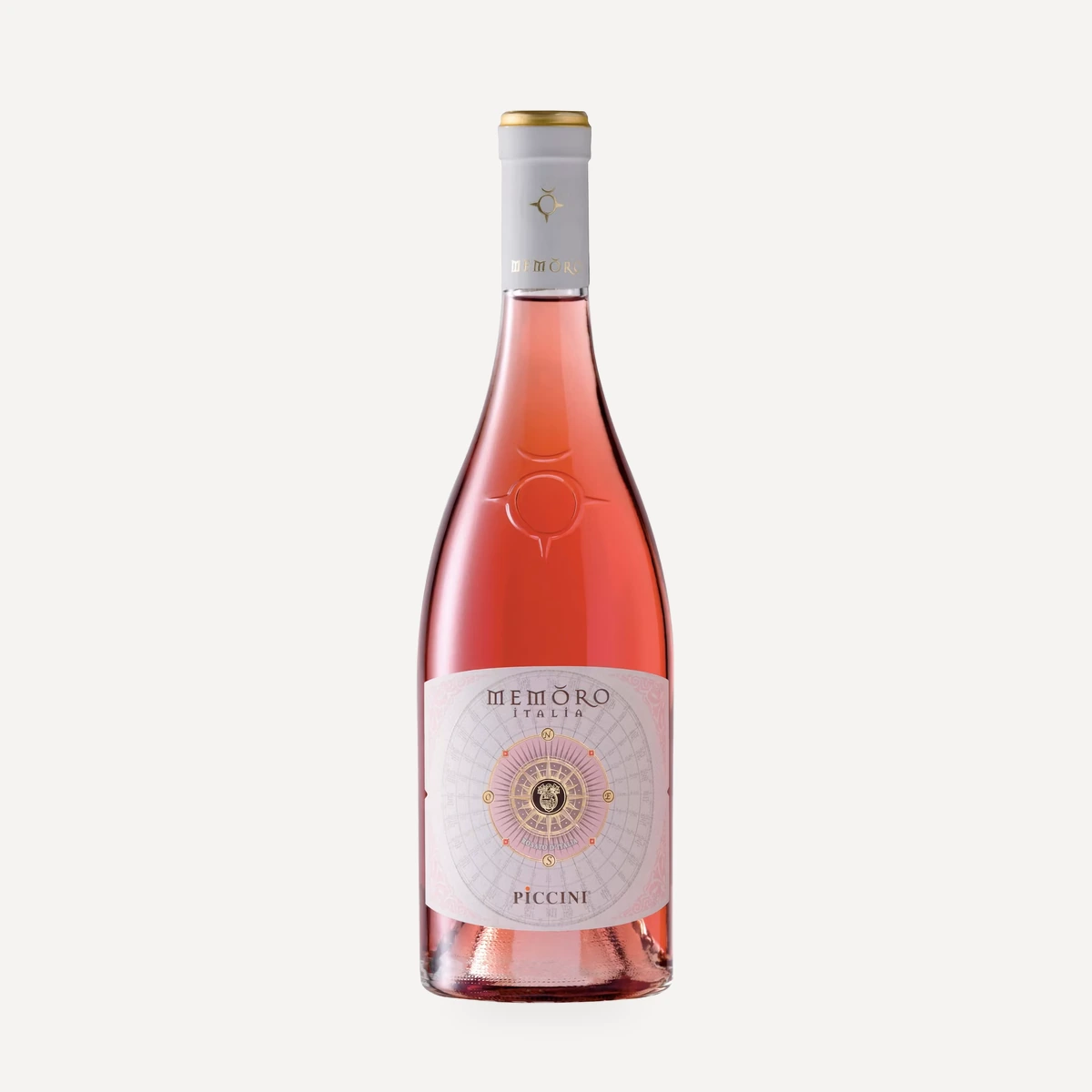
Memoro Rosato
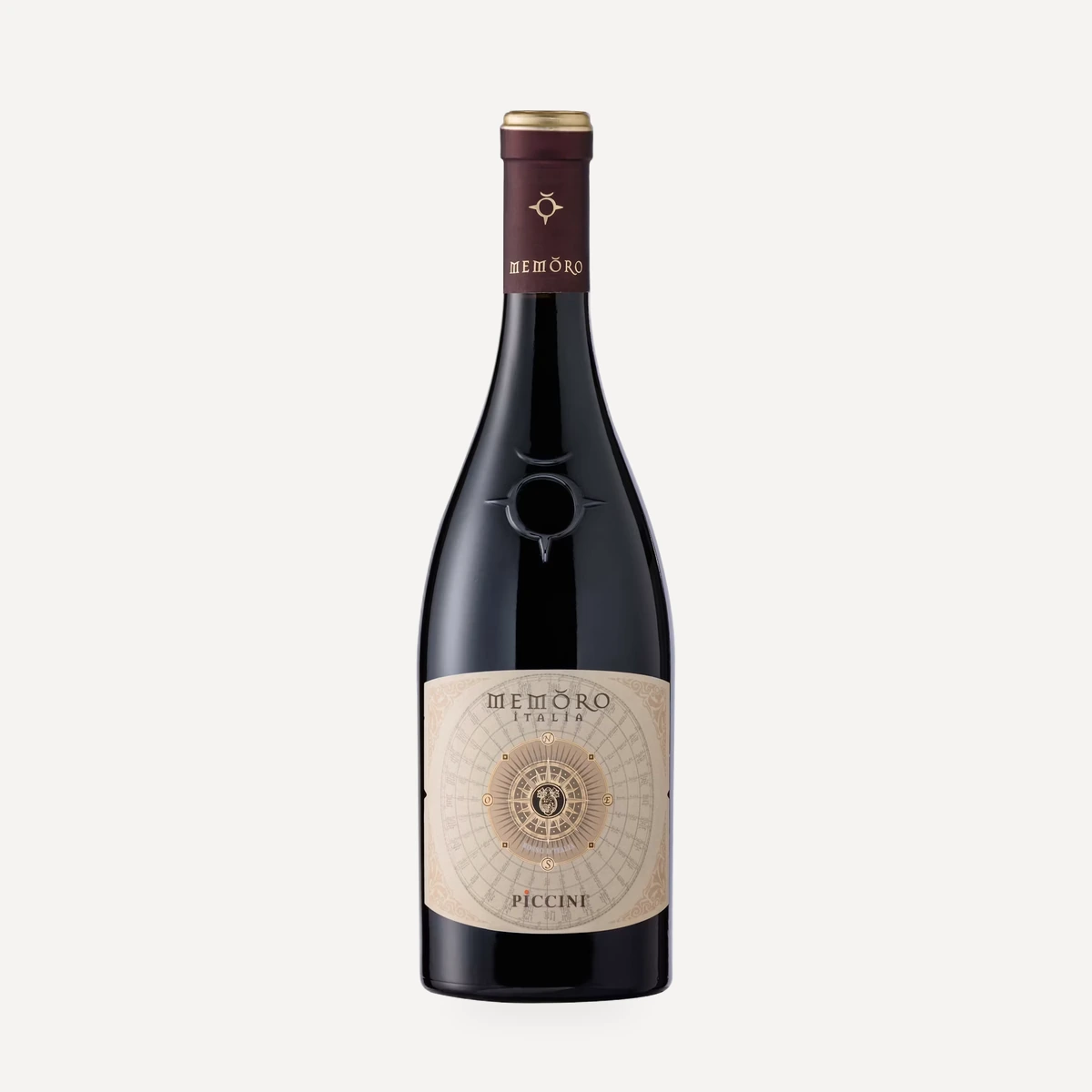
Memoro Rosso
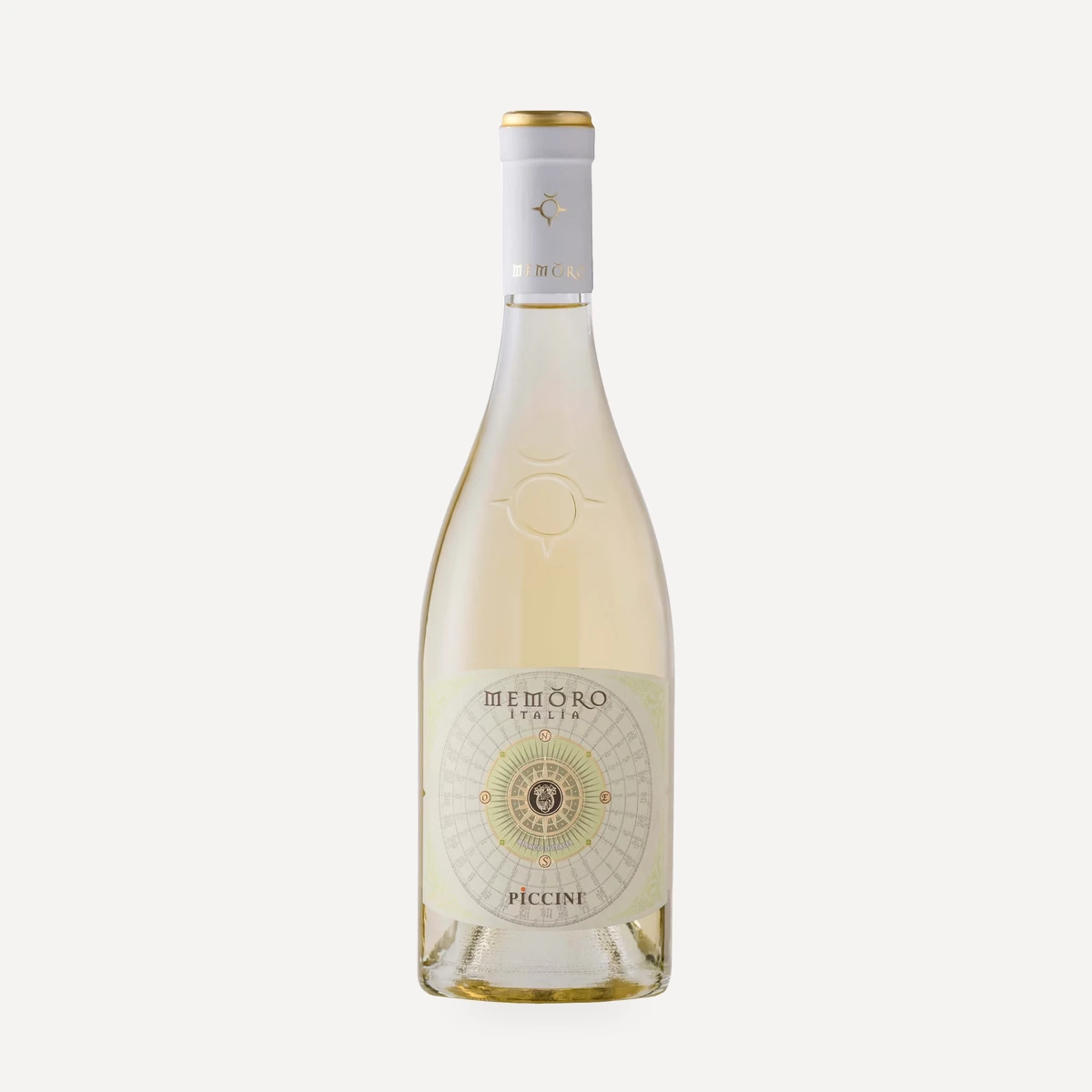
Memoro Bianco
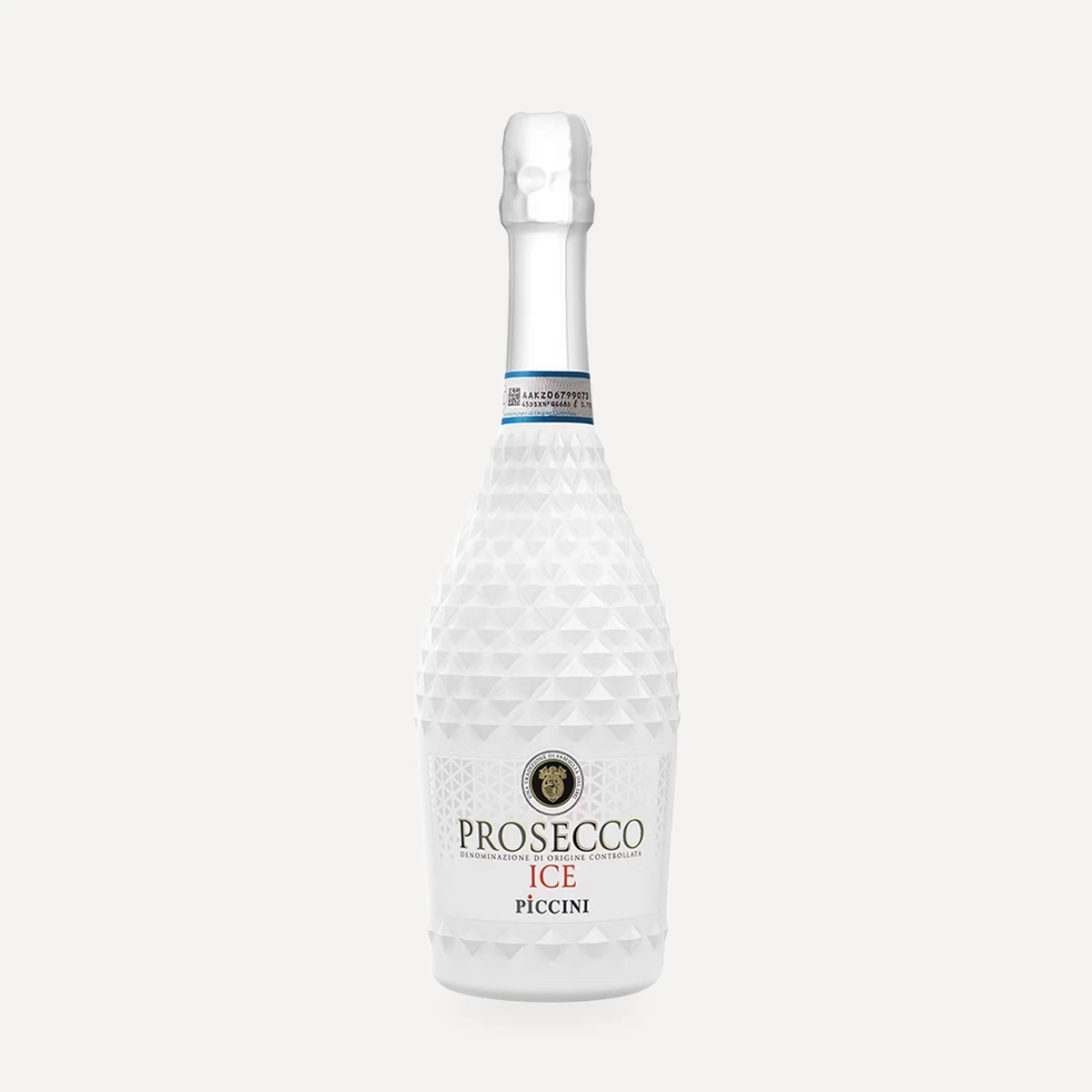
Prosecco ICE Demi Sec DOC
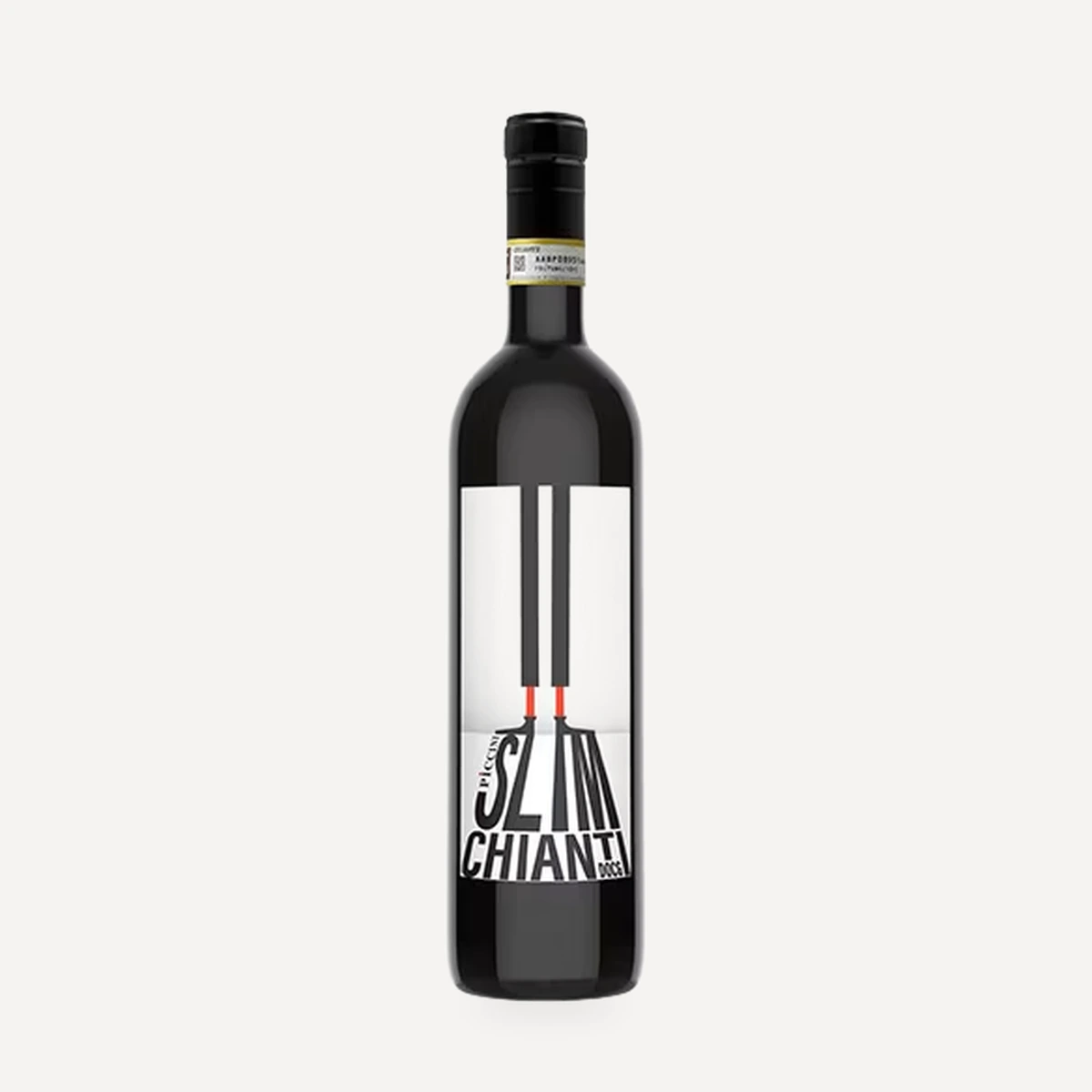
Slim Chianti DOCG
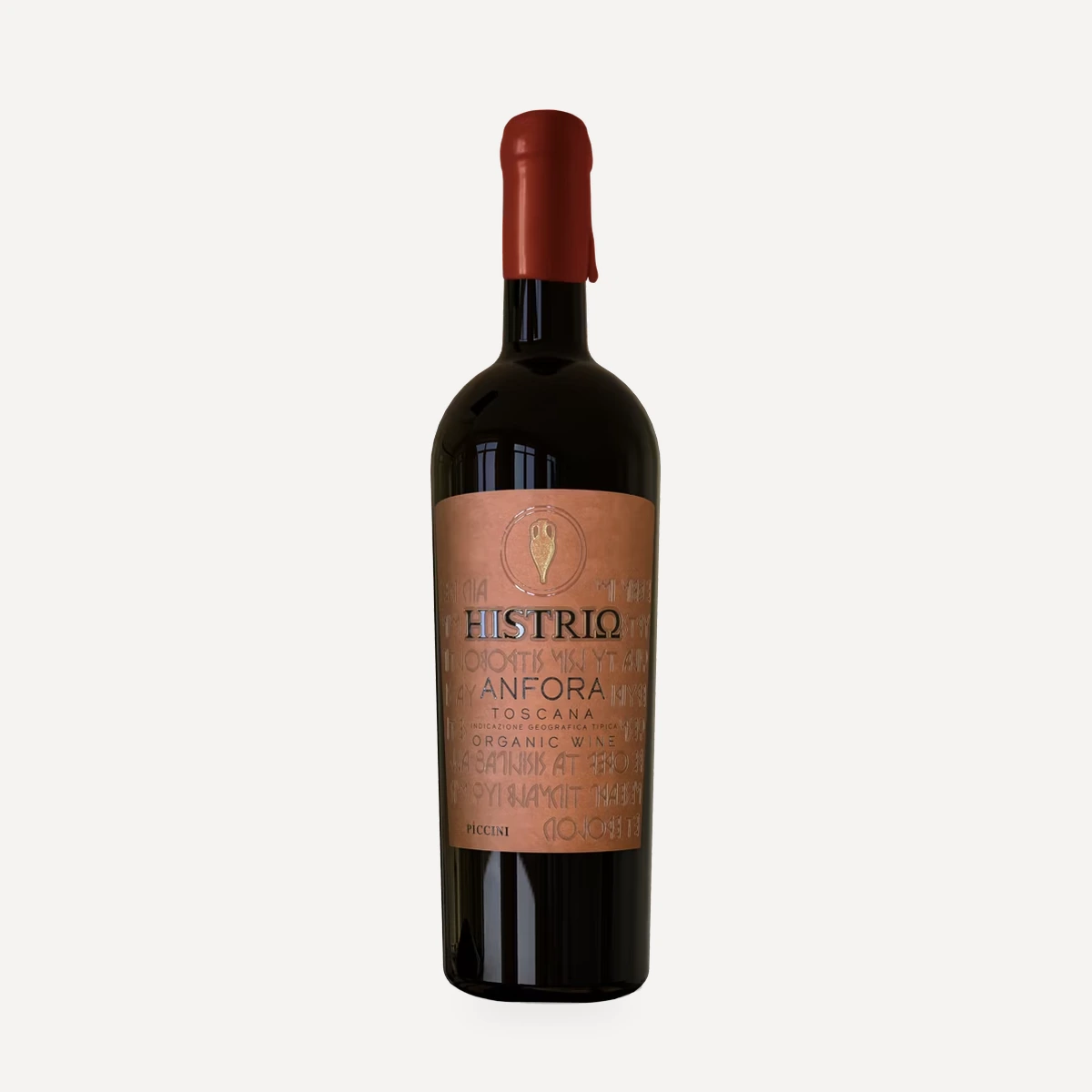
Histrio Anfora Rosso Toscana IGT
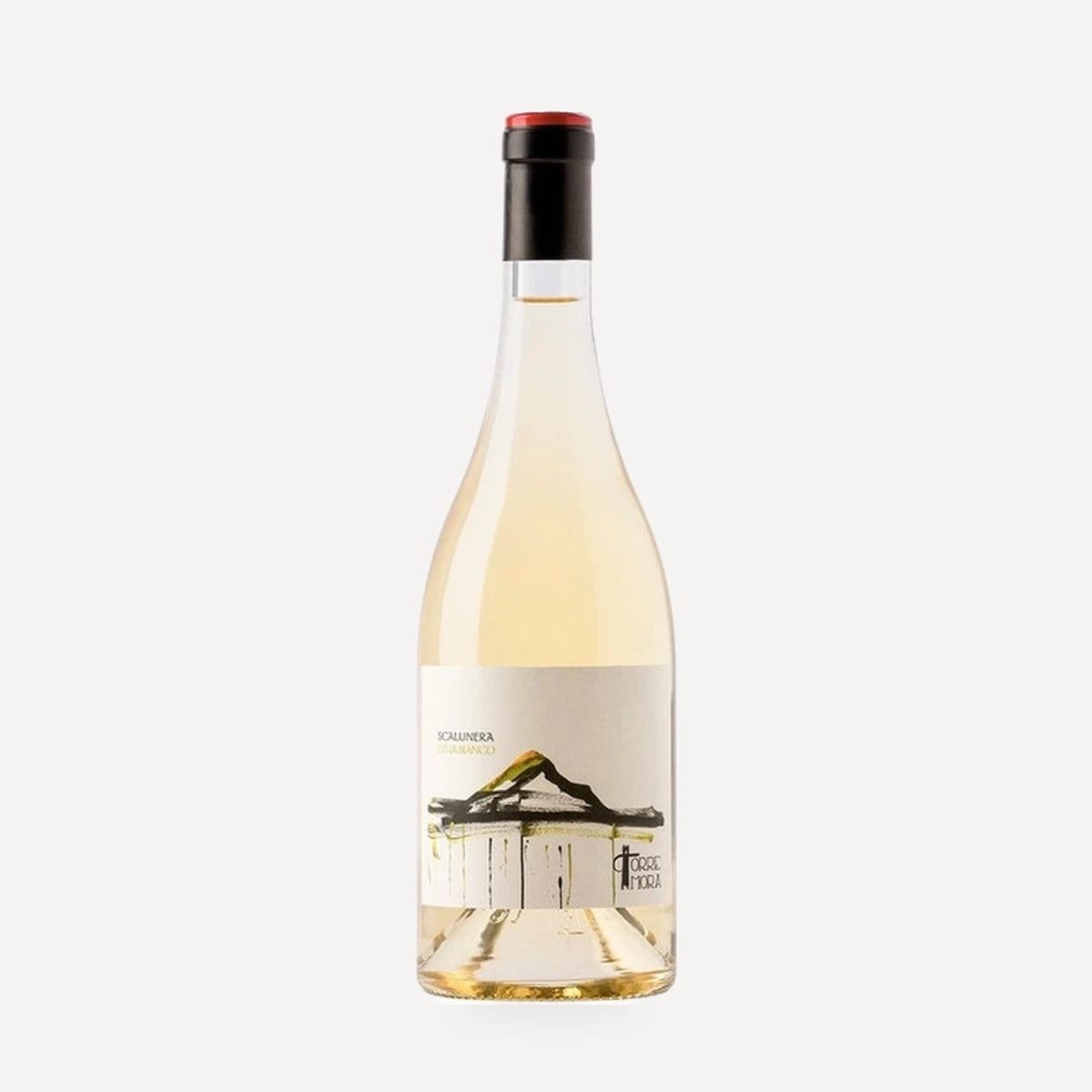
Scalunera Etna Bianco DOC
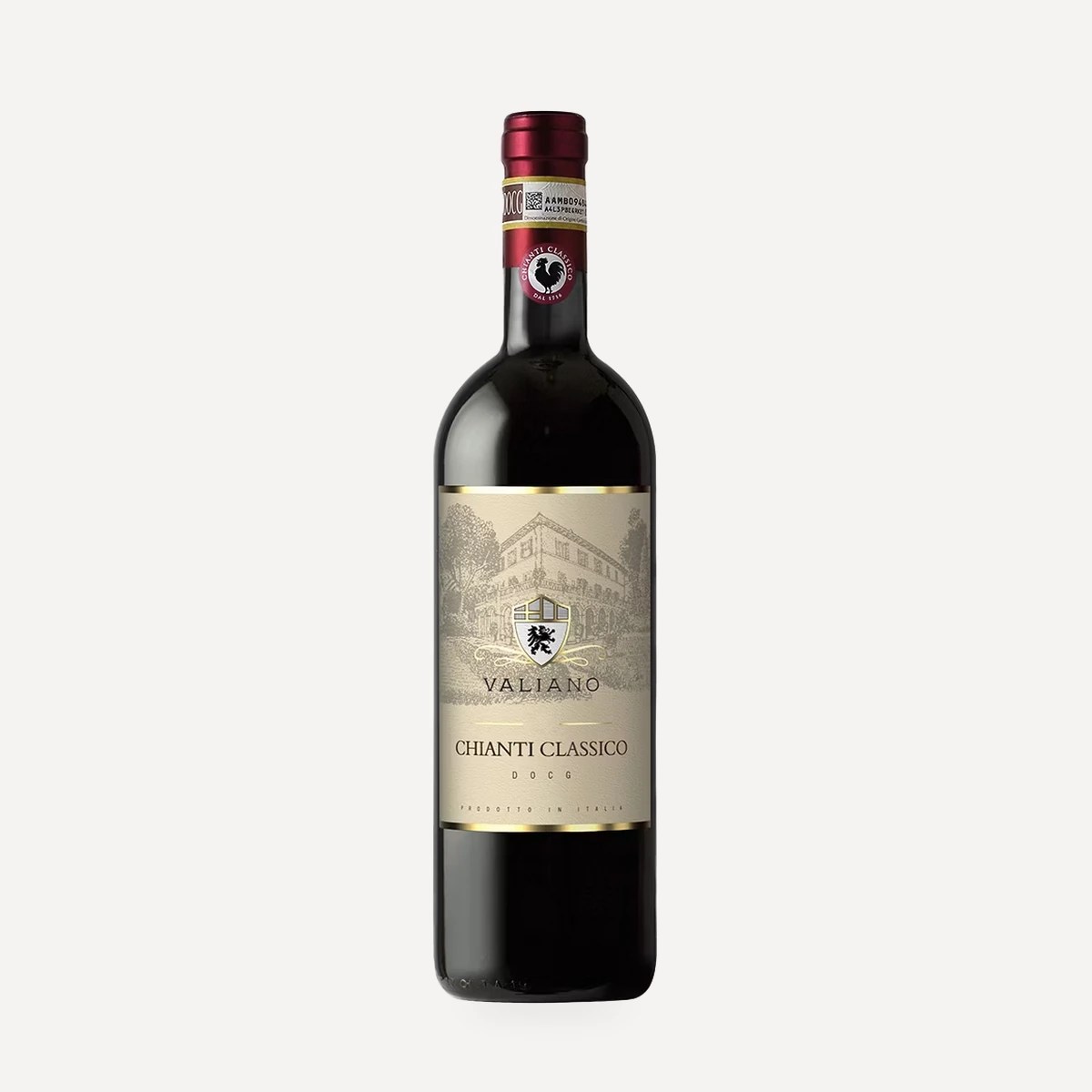
Chianti Classico Bio DOCG
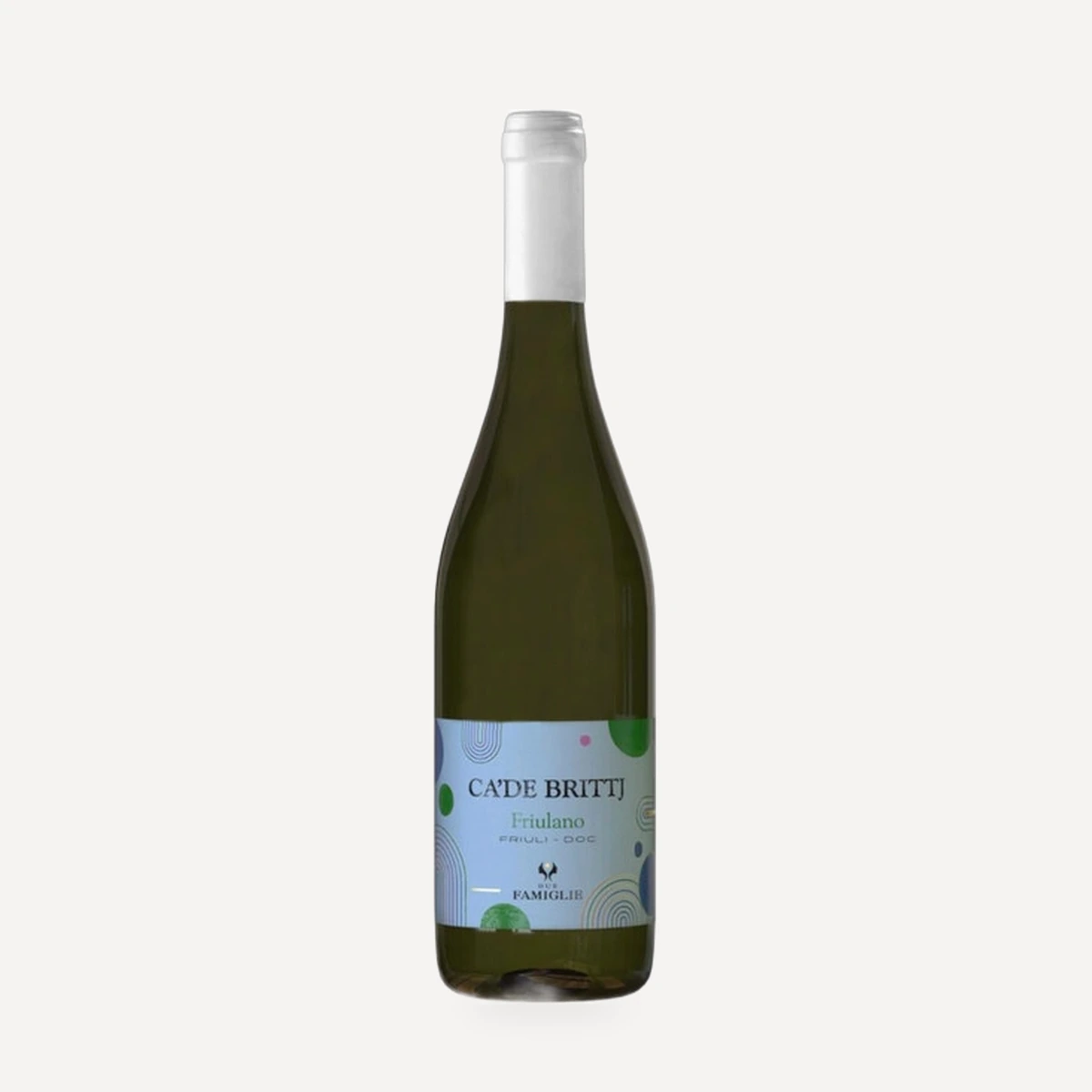
Ca'De Brittj Friulano Friuli DOC
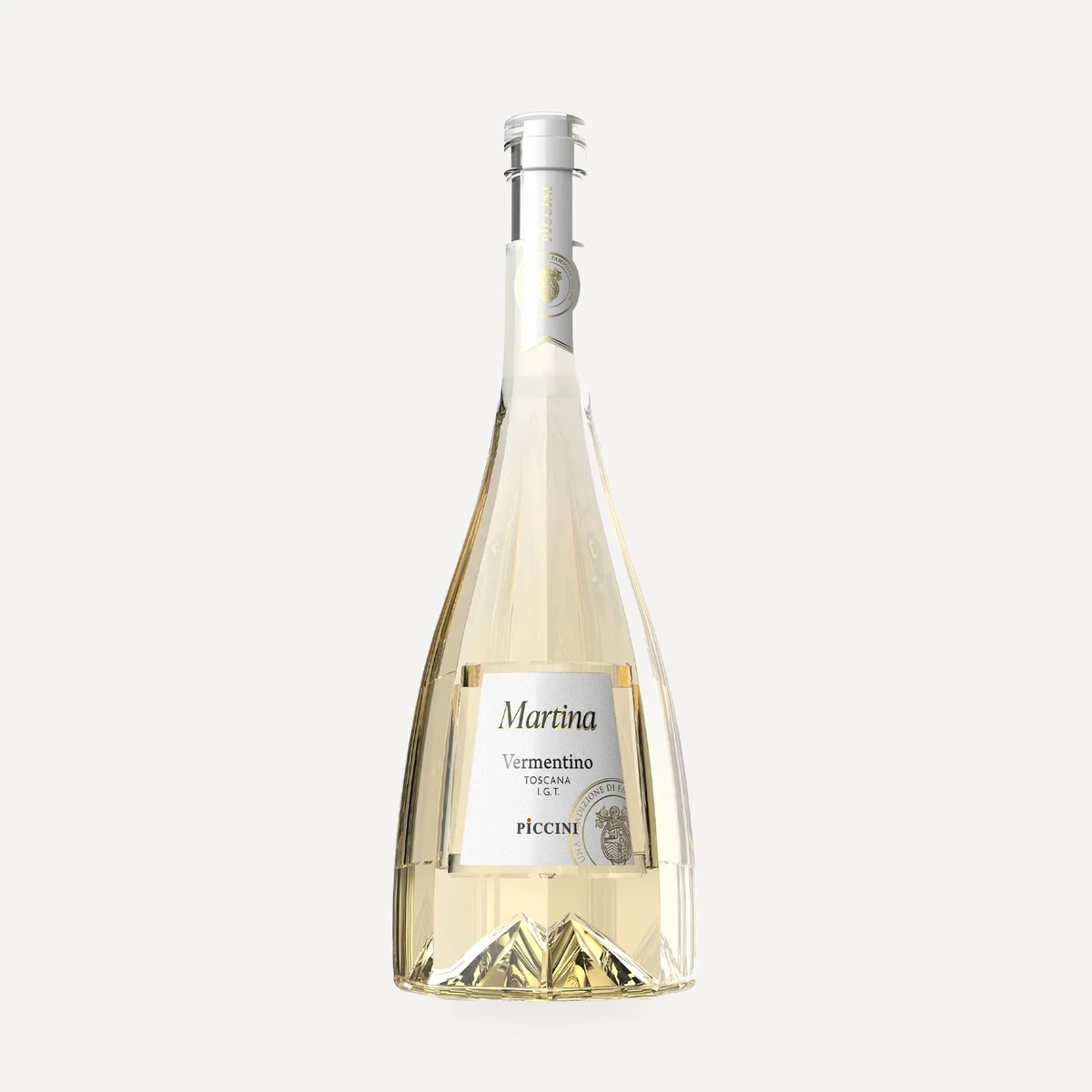
Martina Vermentino Toscana IGT
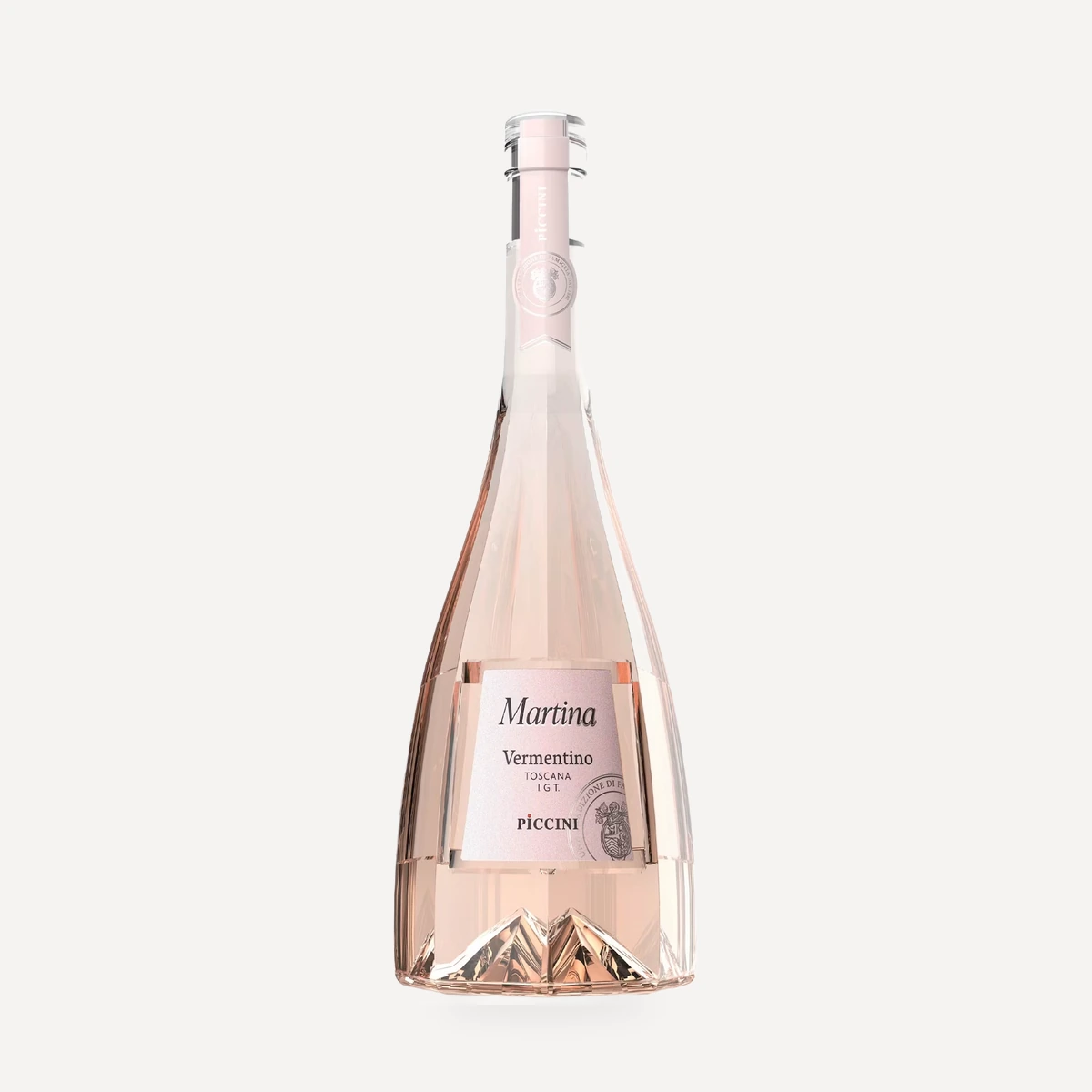
Martina Vermentino Rosato Toscana IGT
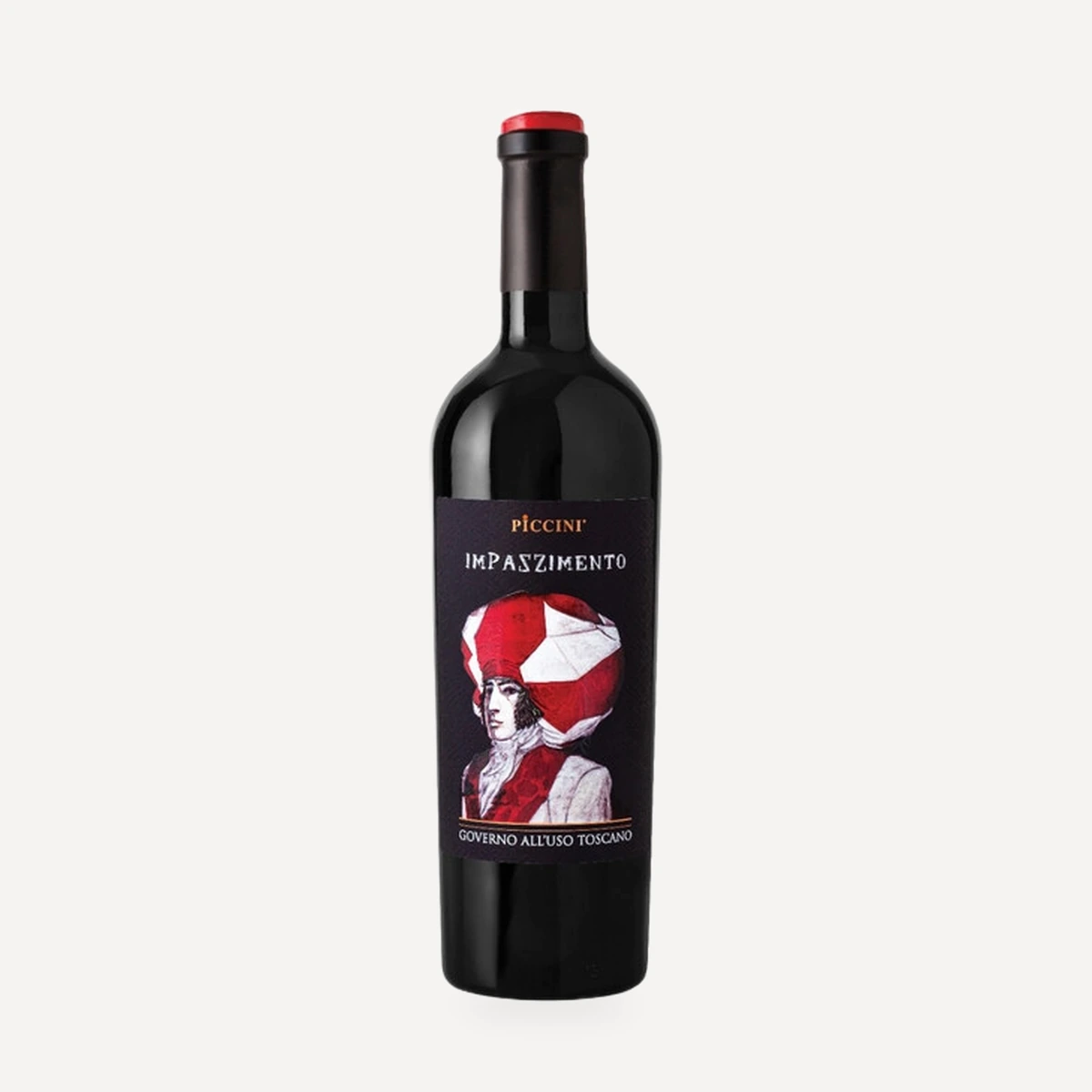
Impazzimento Governo all'Uso Toscano IGT
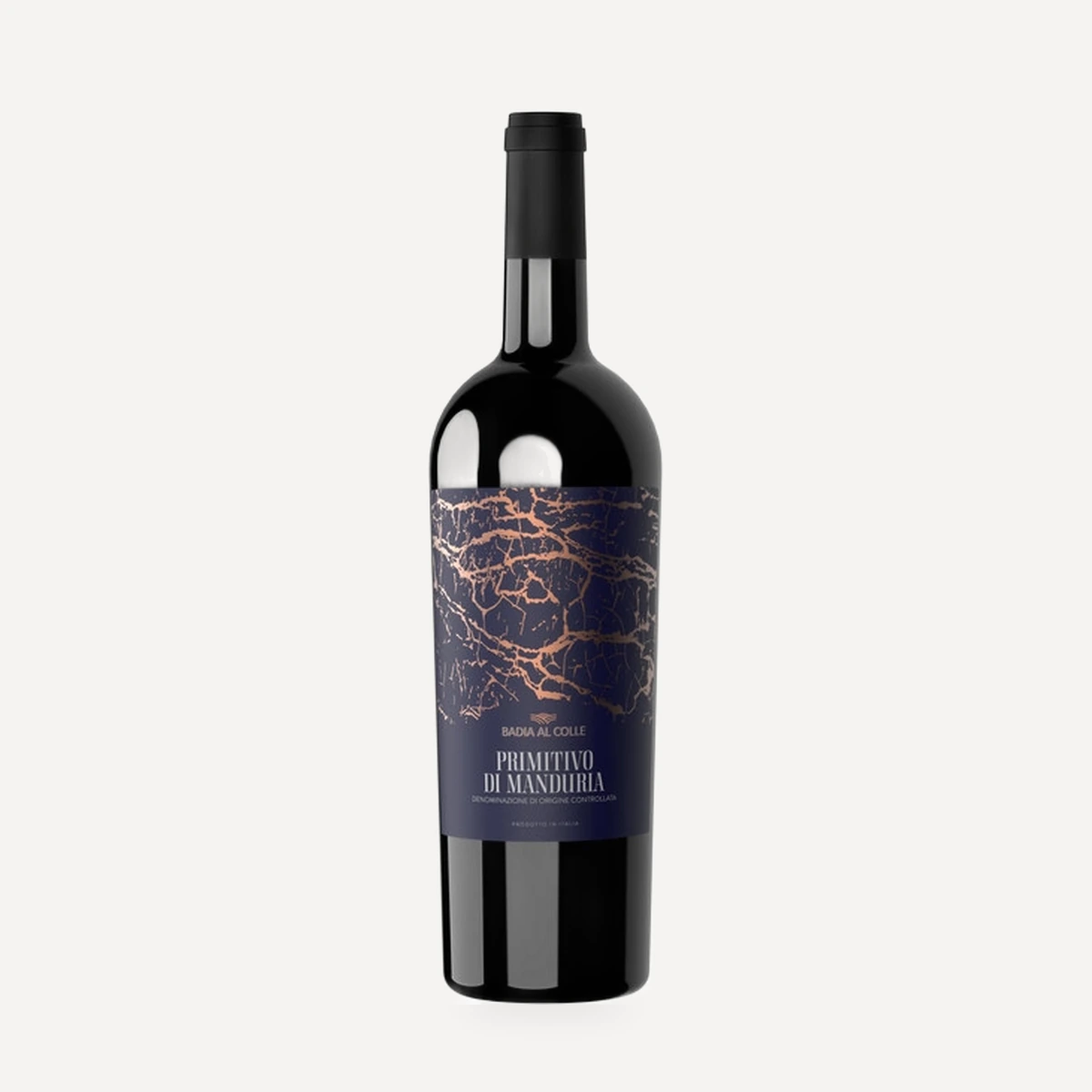
Badia al Colle Primitivo di Manduria DOC
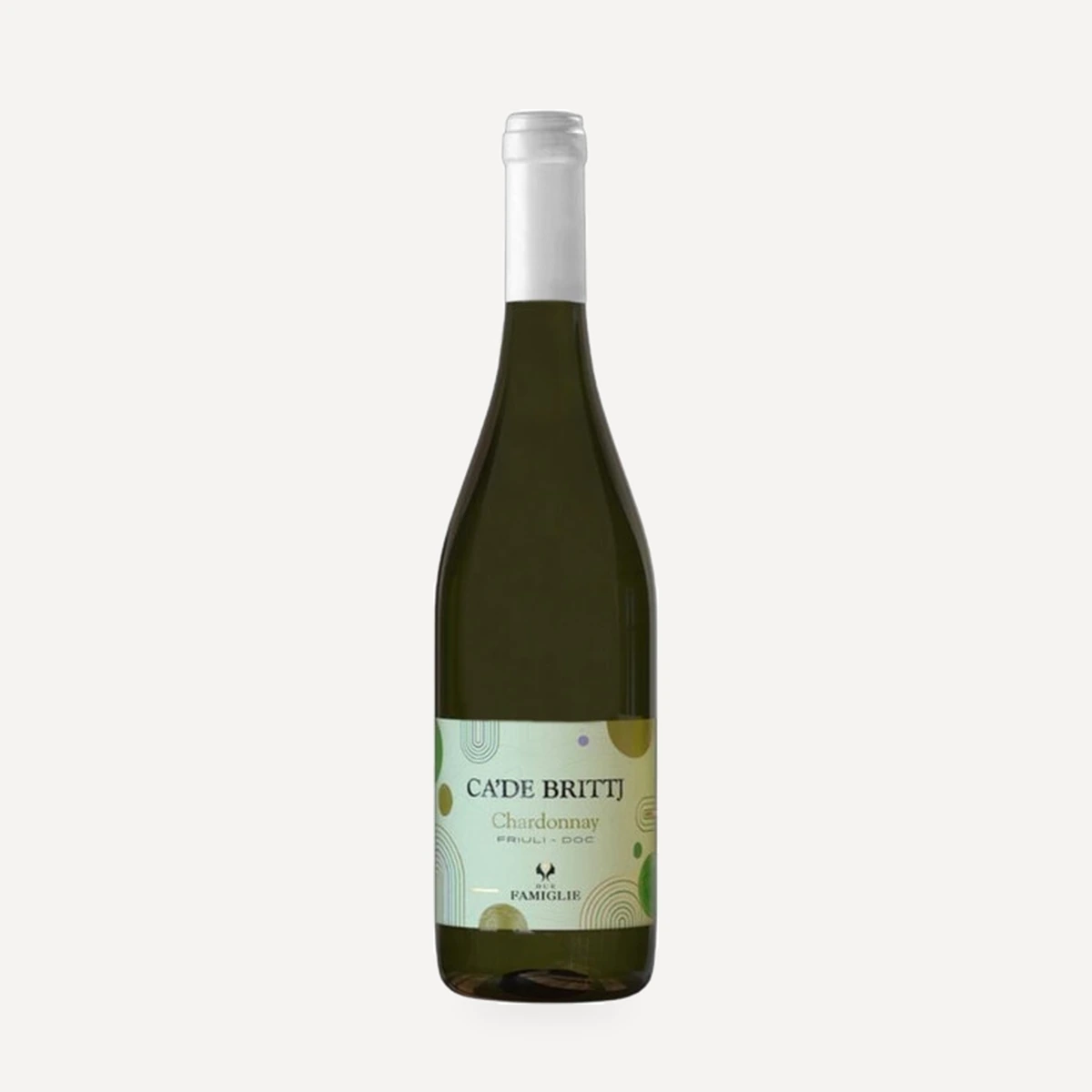
Ca'De Brittj Chardonnay Friuli DOC
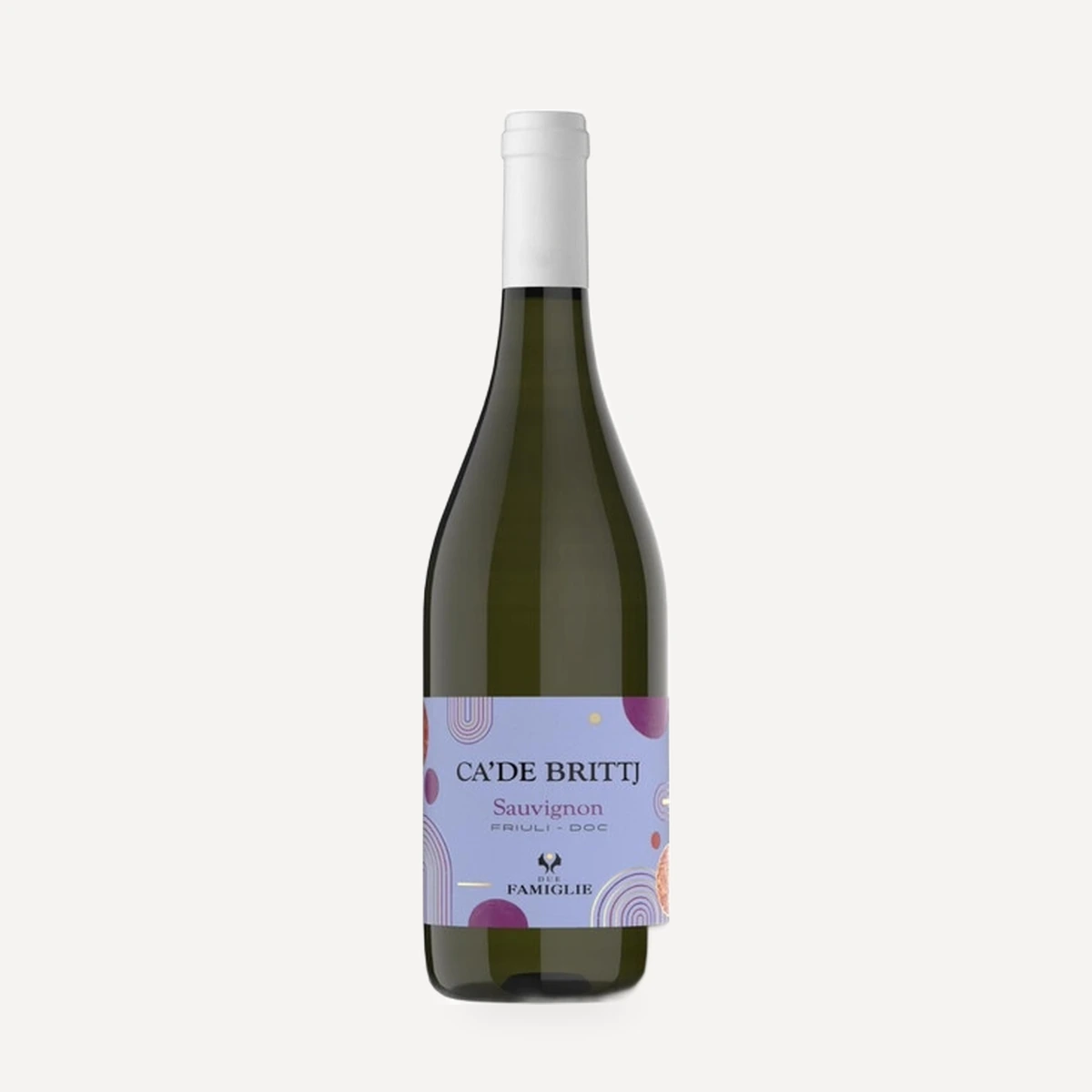
Ca'De Brittj Sauvignon Friuli DOC
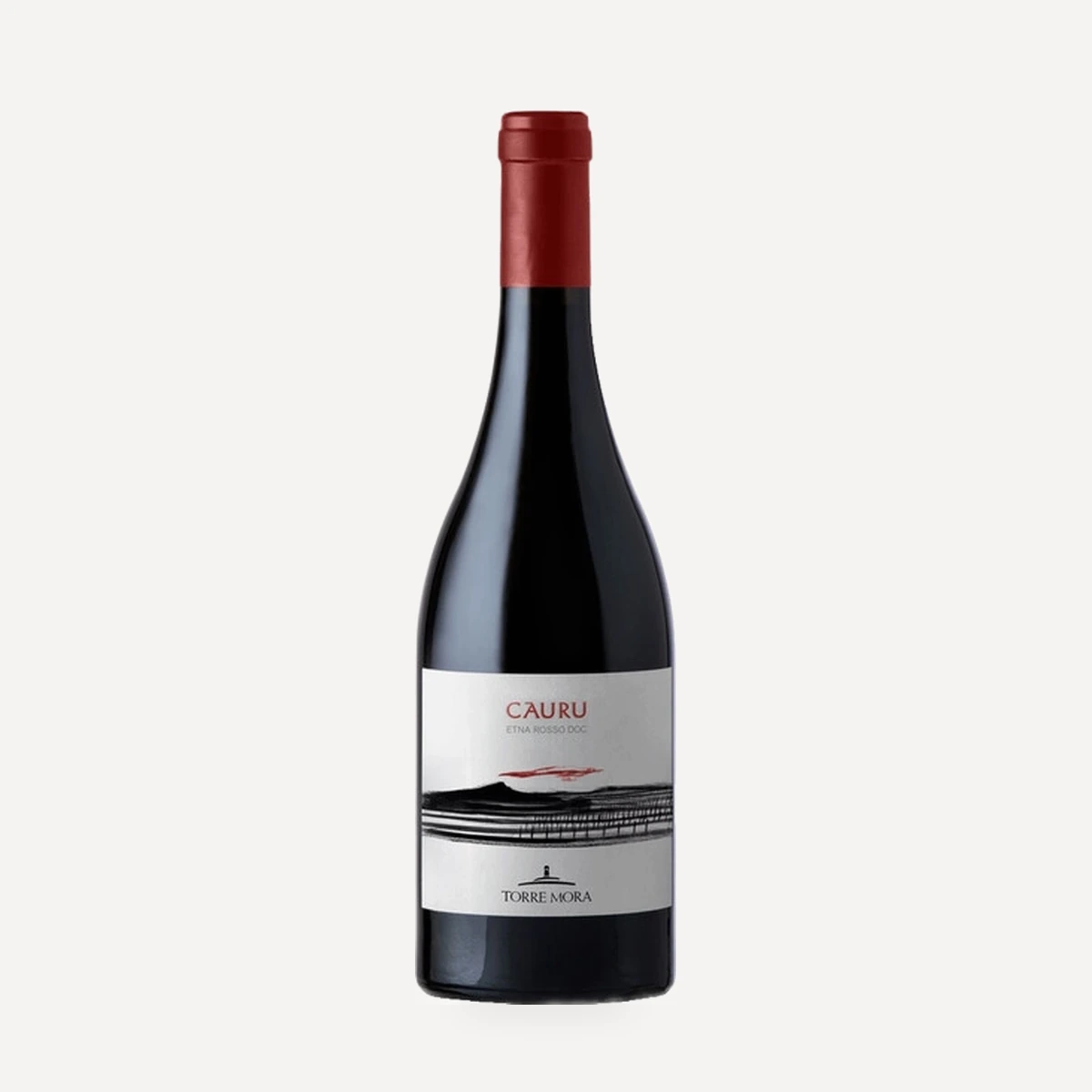
Cauru Rosso Etna DOC
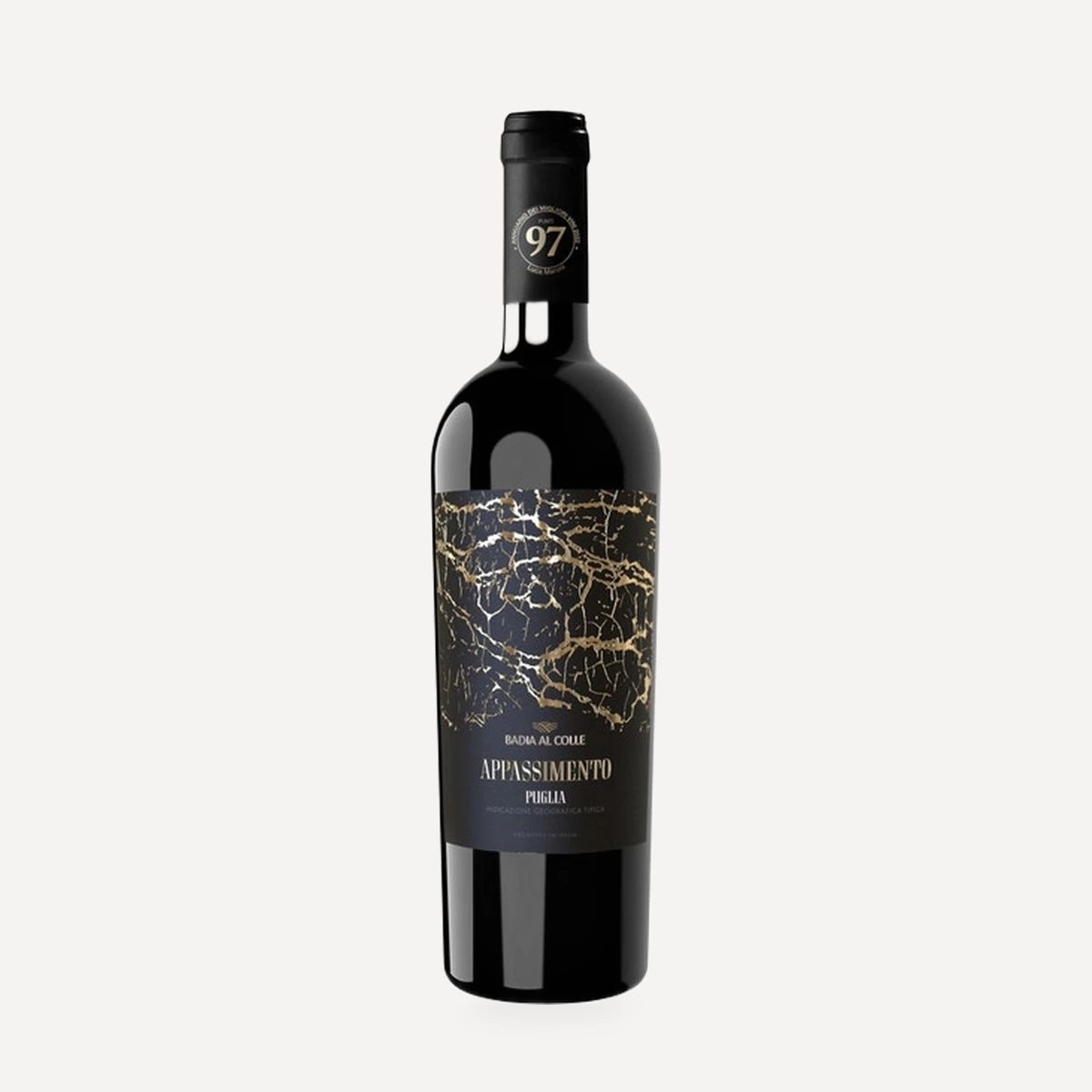
Badia al Colle Appassimento Puglia IGT
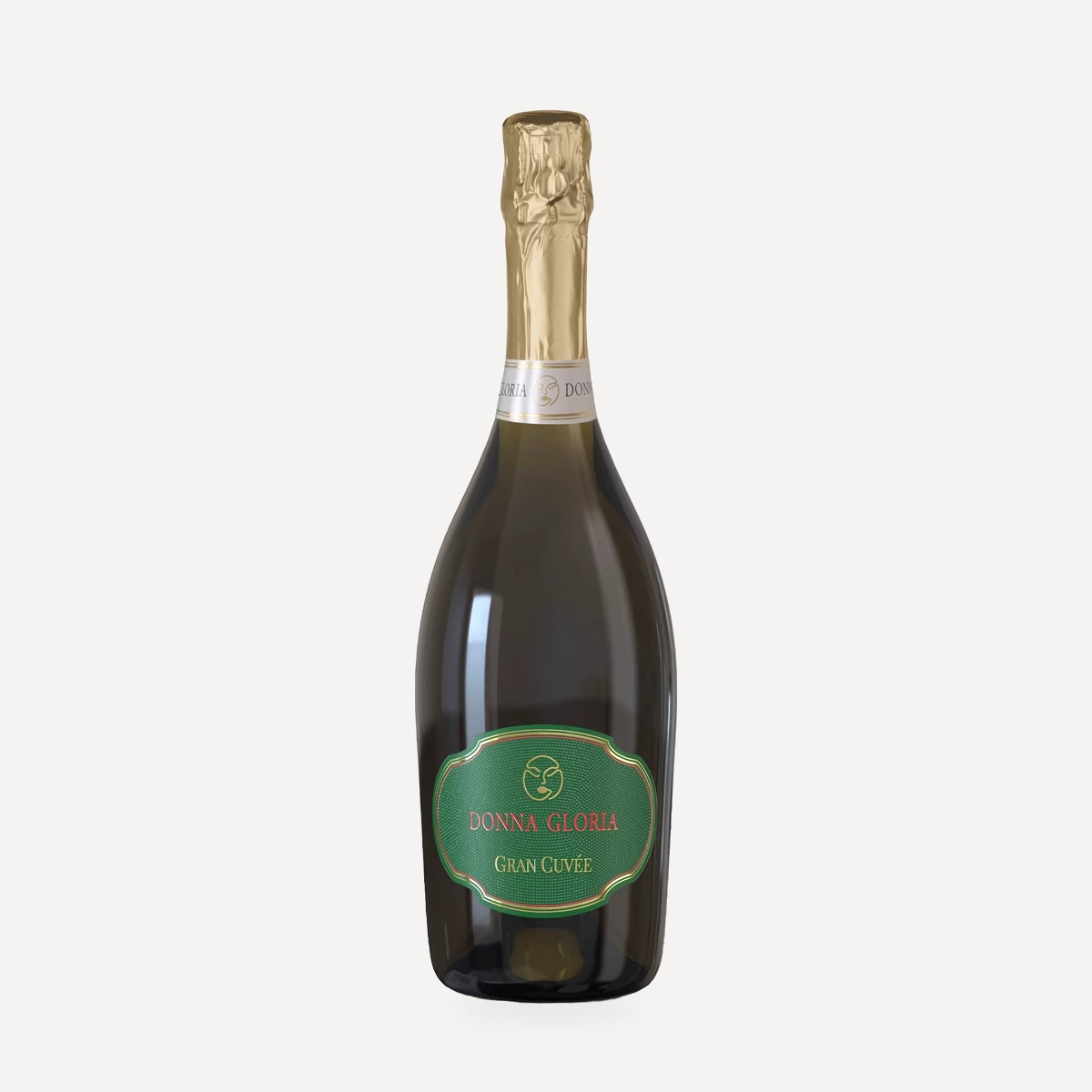
Donna Gloria Gran Cuvée
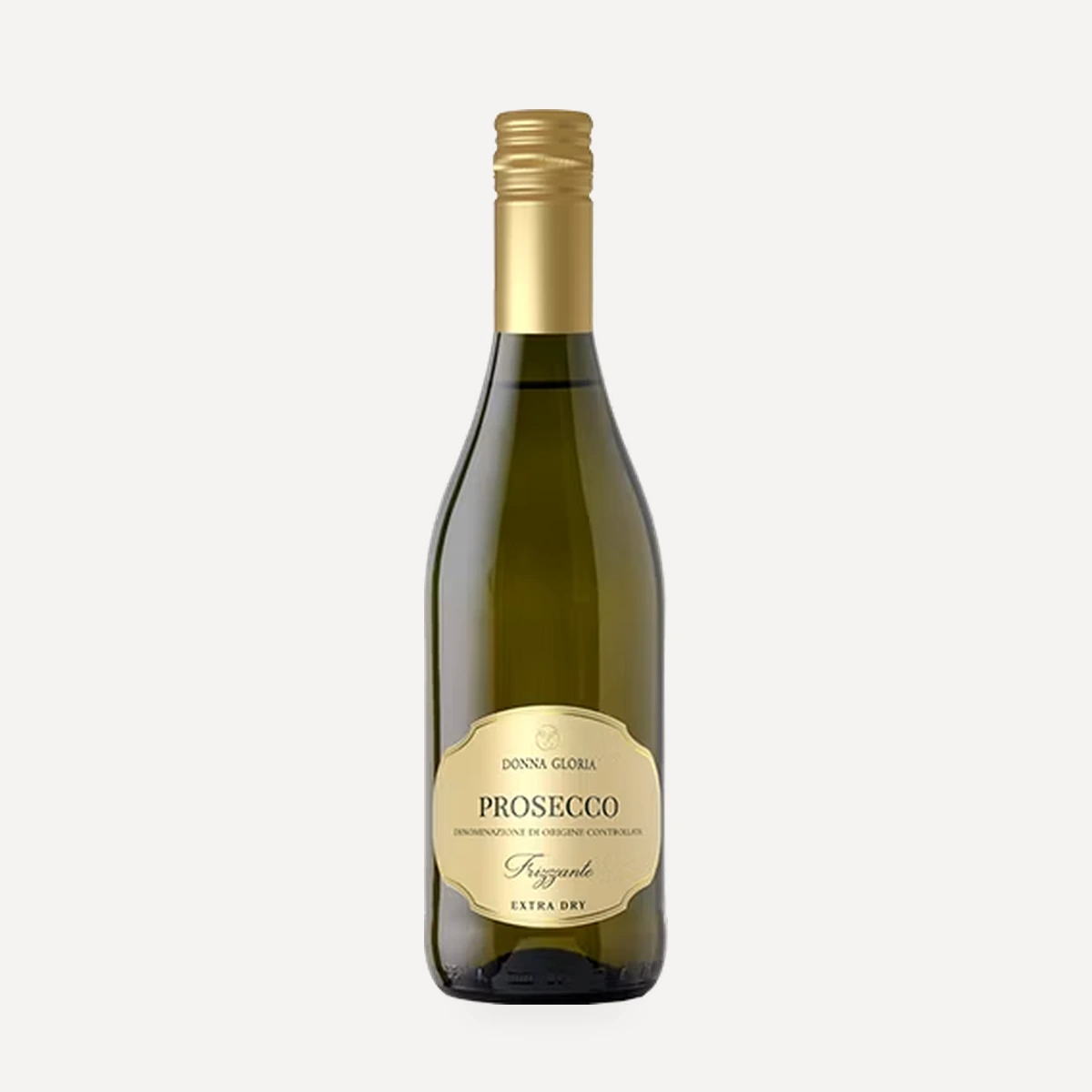
Donna Gloria Prosecco Frizzante
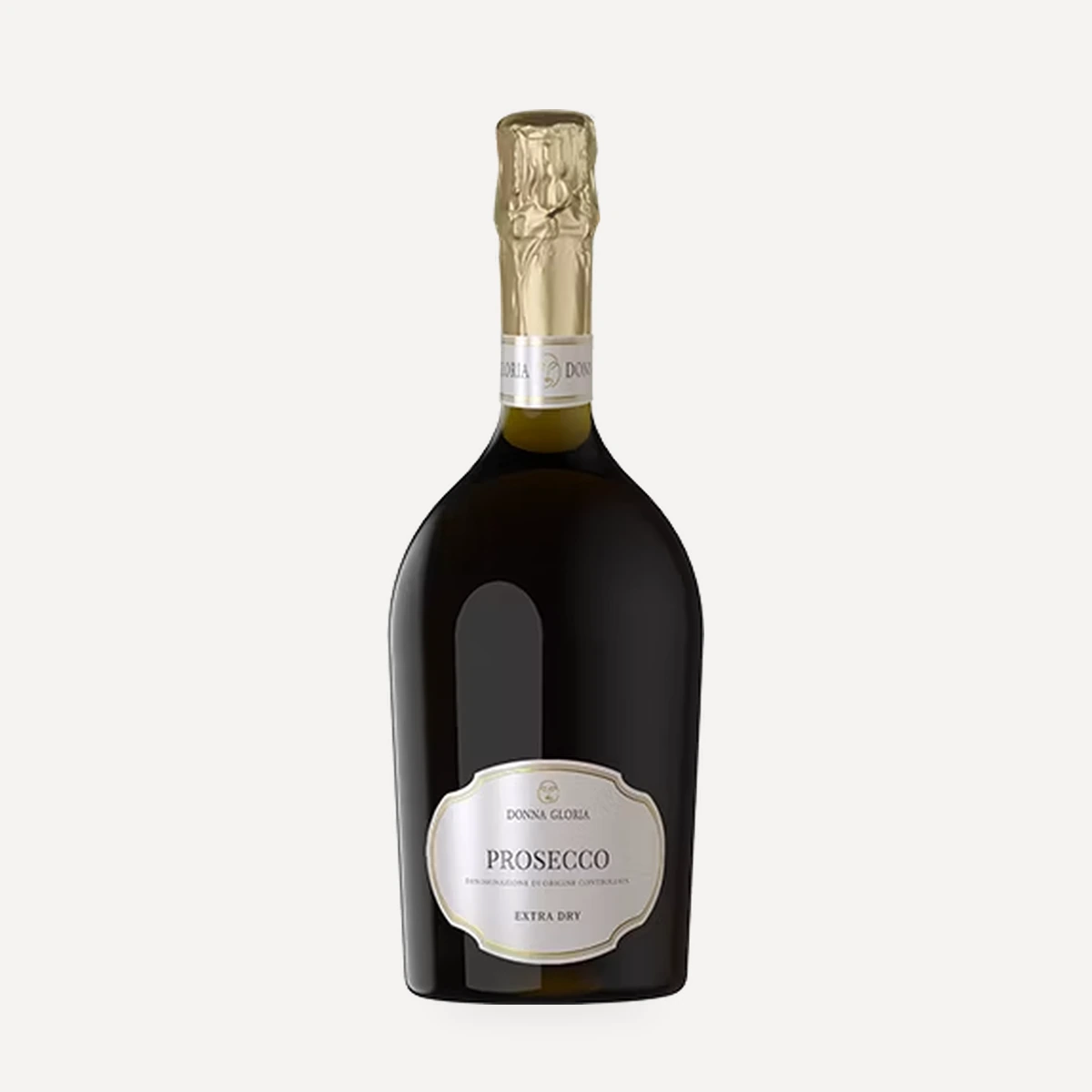
Donna Gloria Prosecco
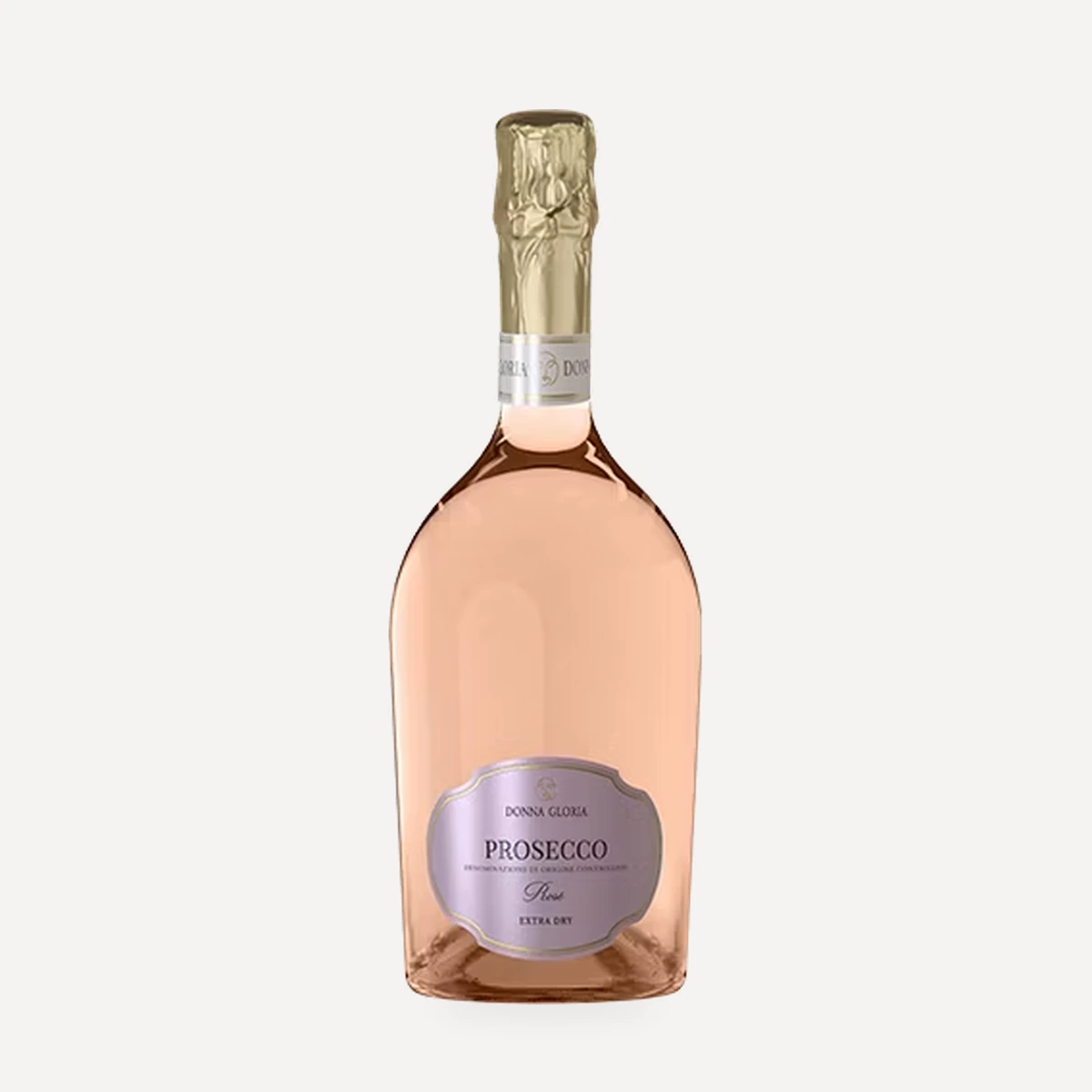
Donna Gloria Prosecco Rosé
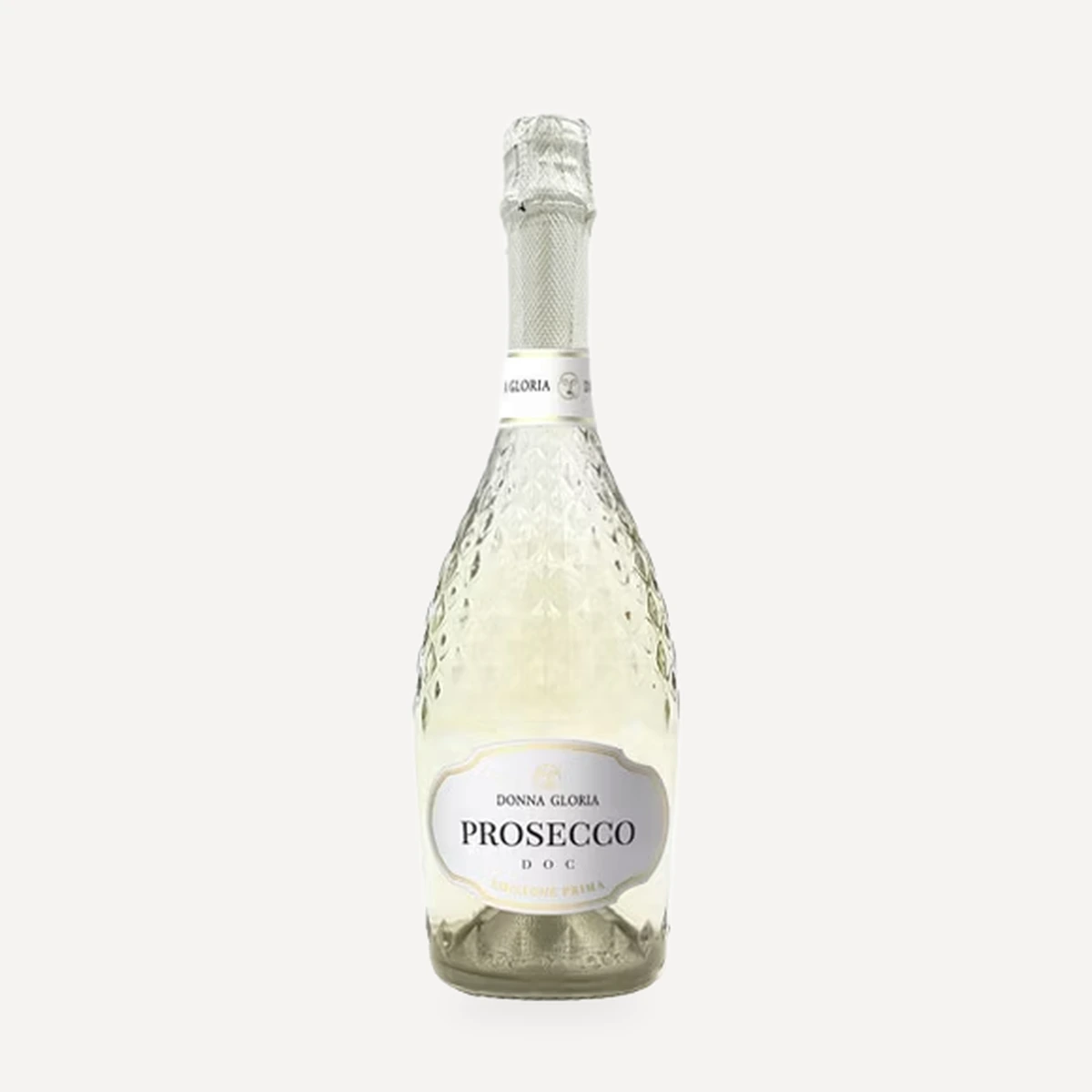
Donna Gloria Prosecco Edizione Prima
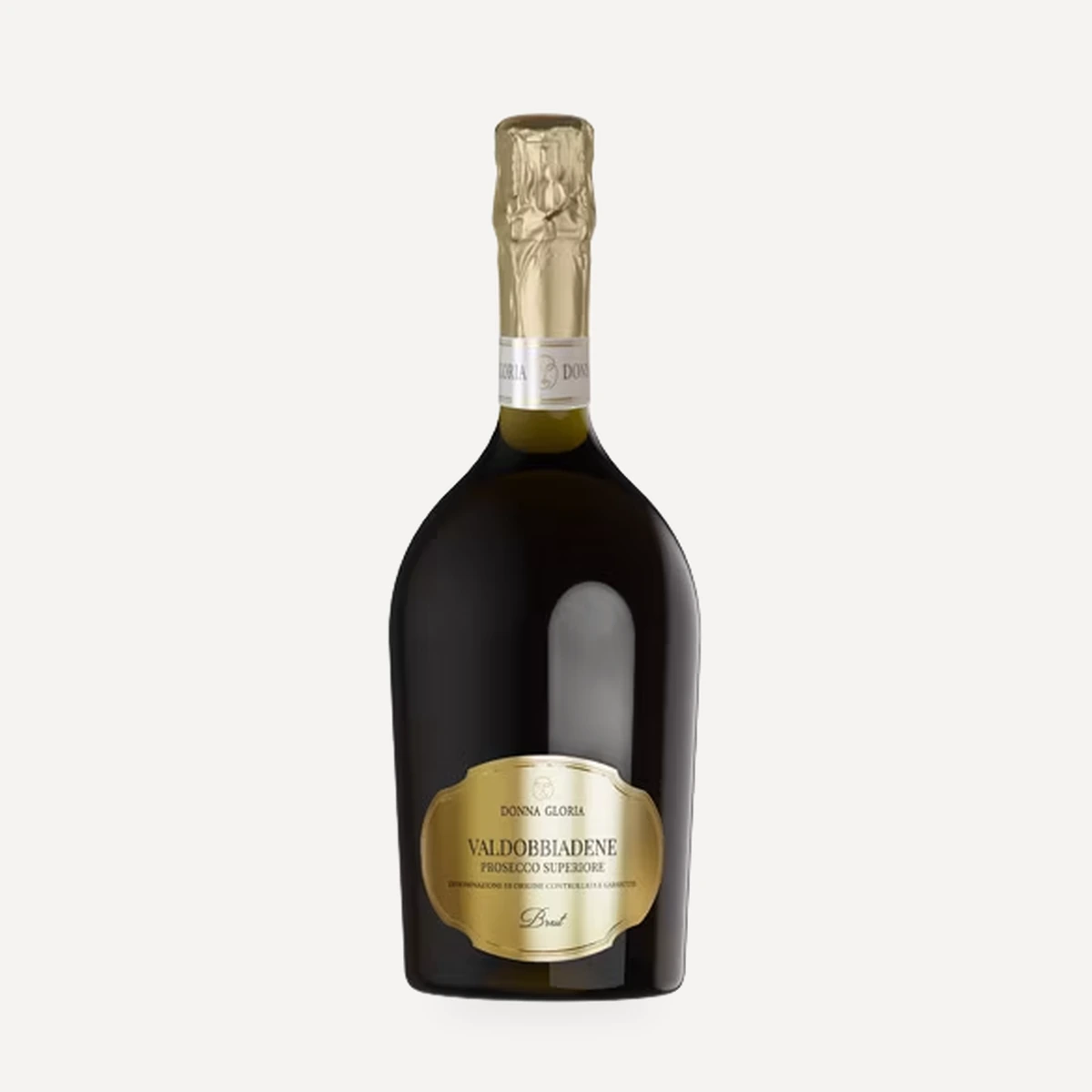
Donna Gloria Prosecco Valdobbiadene Superiore Brut DOCG
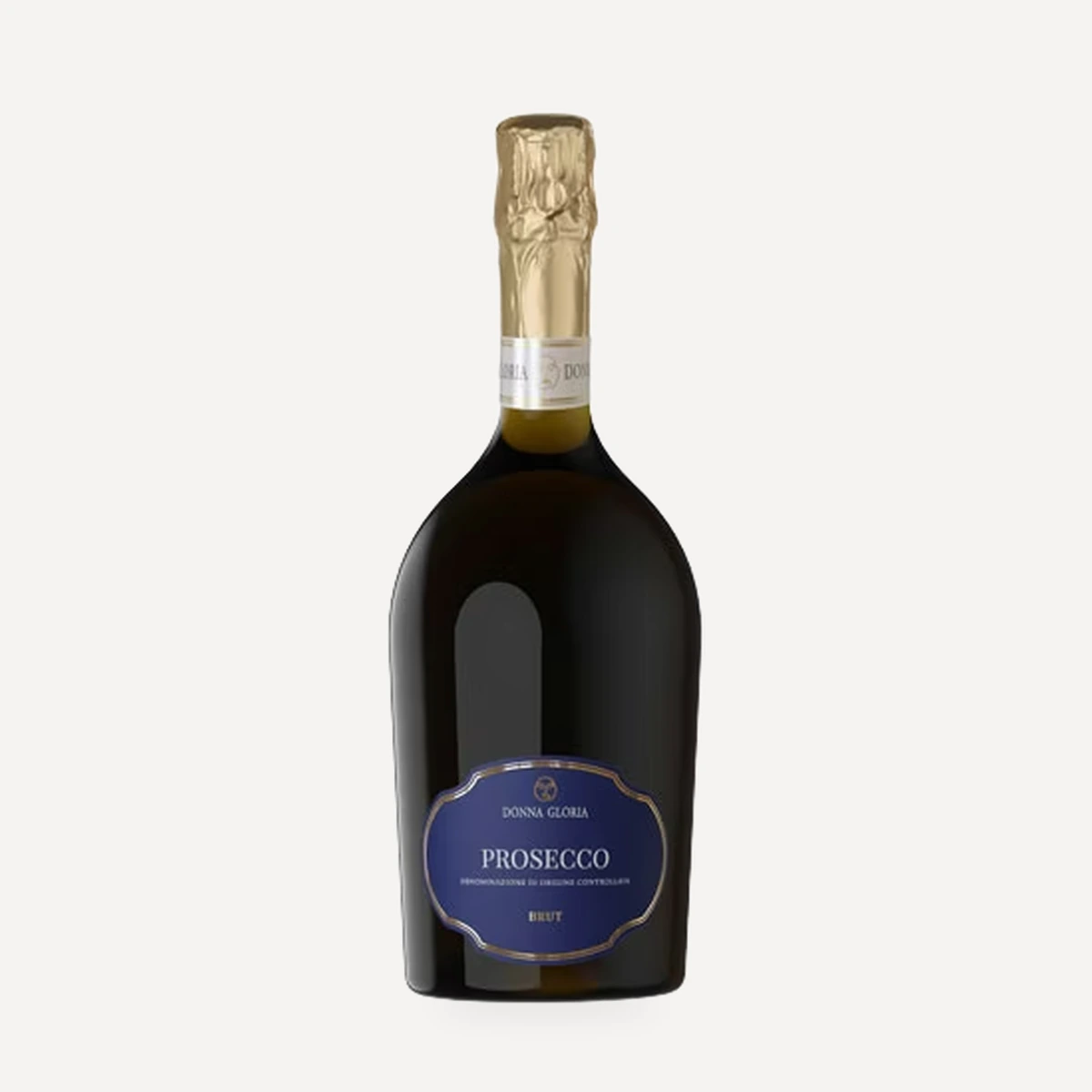
Donna Gloria Prosecco Brut DOC
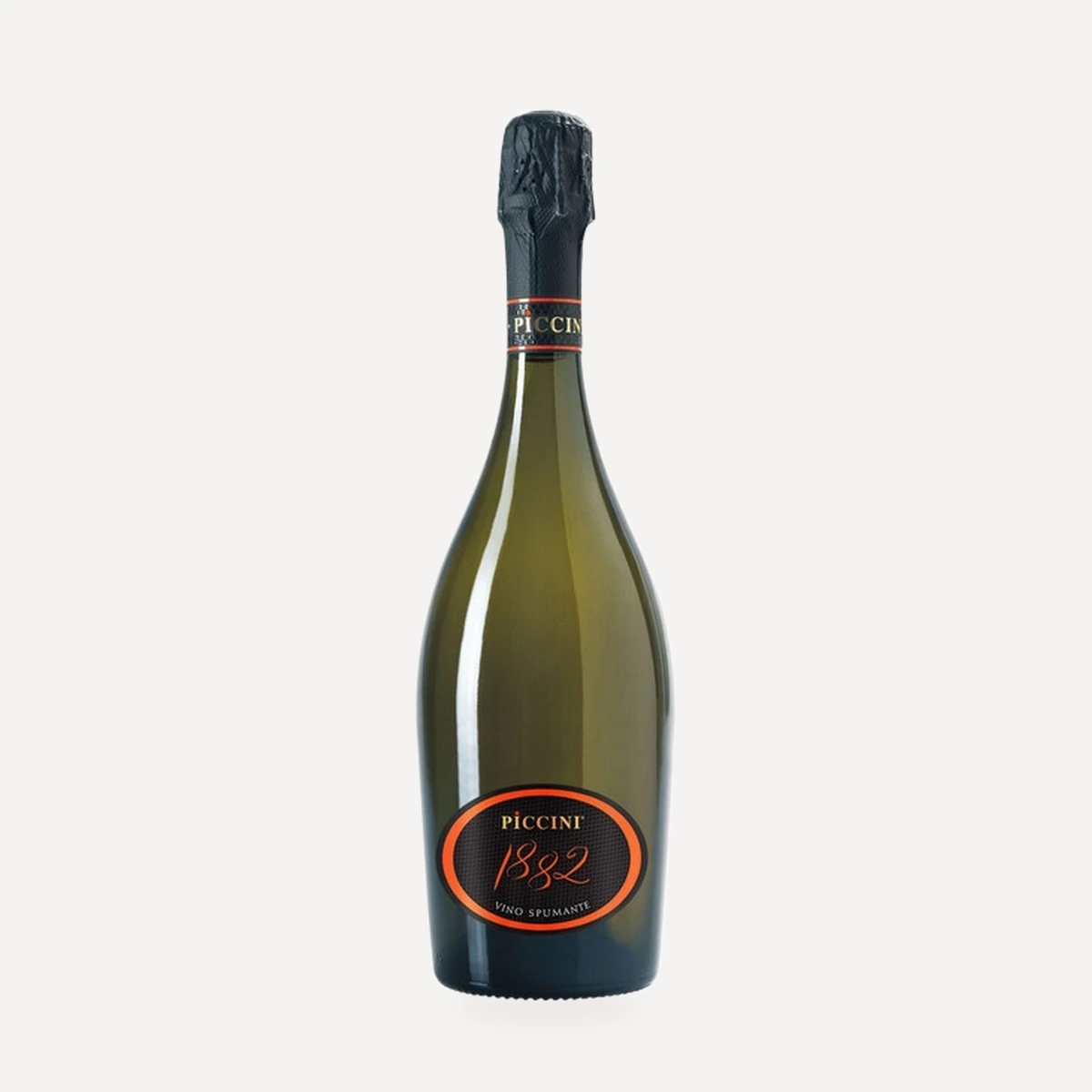
1882 Sparkling Wine Extra Dry
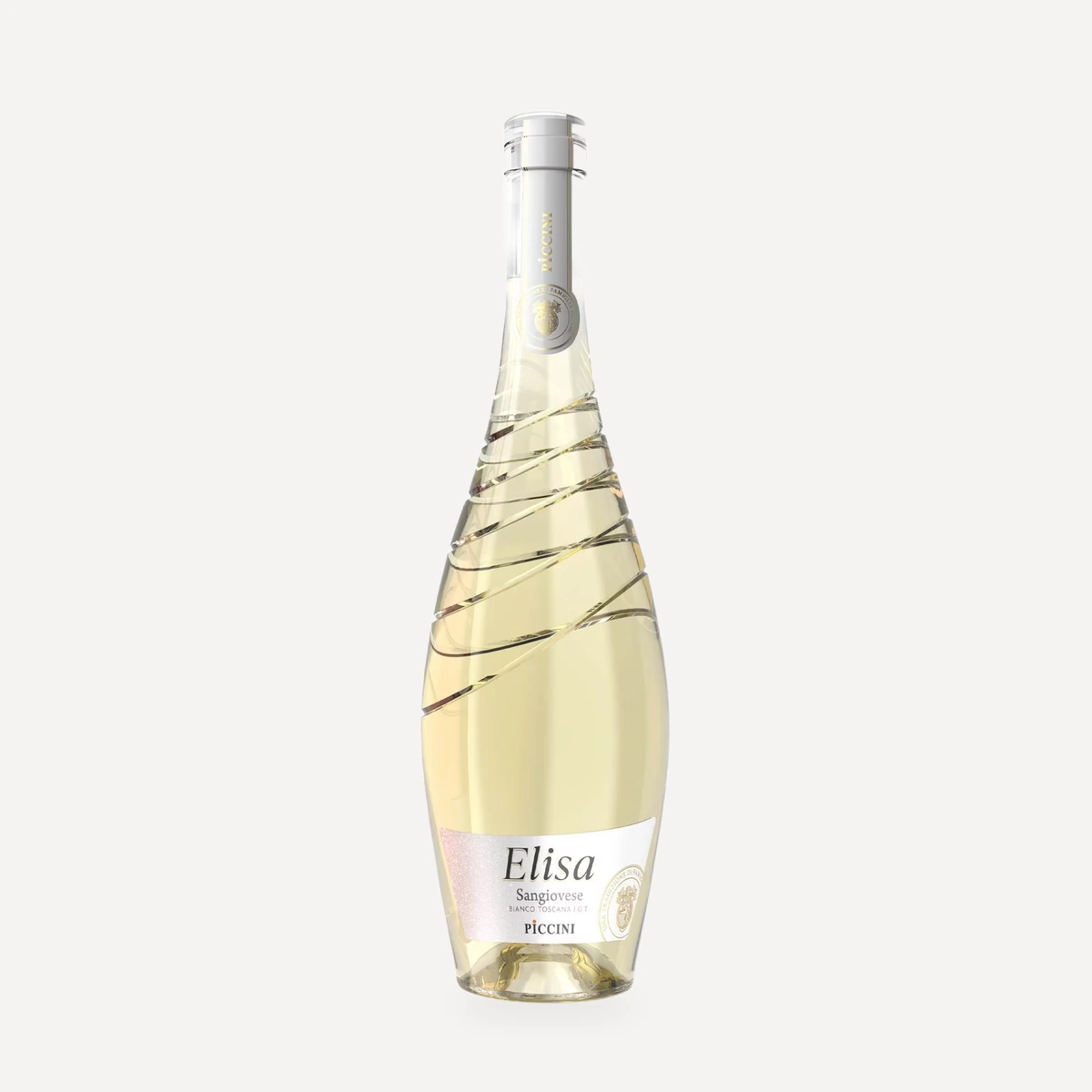
Elisa Sangiovese Bianco Toscana IGT
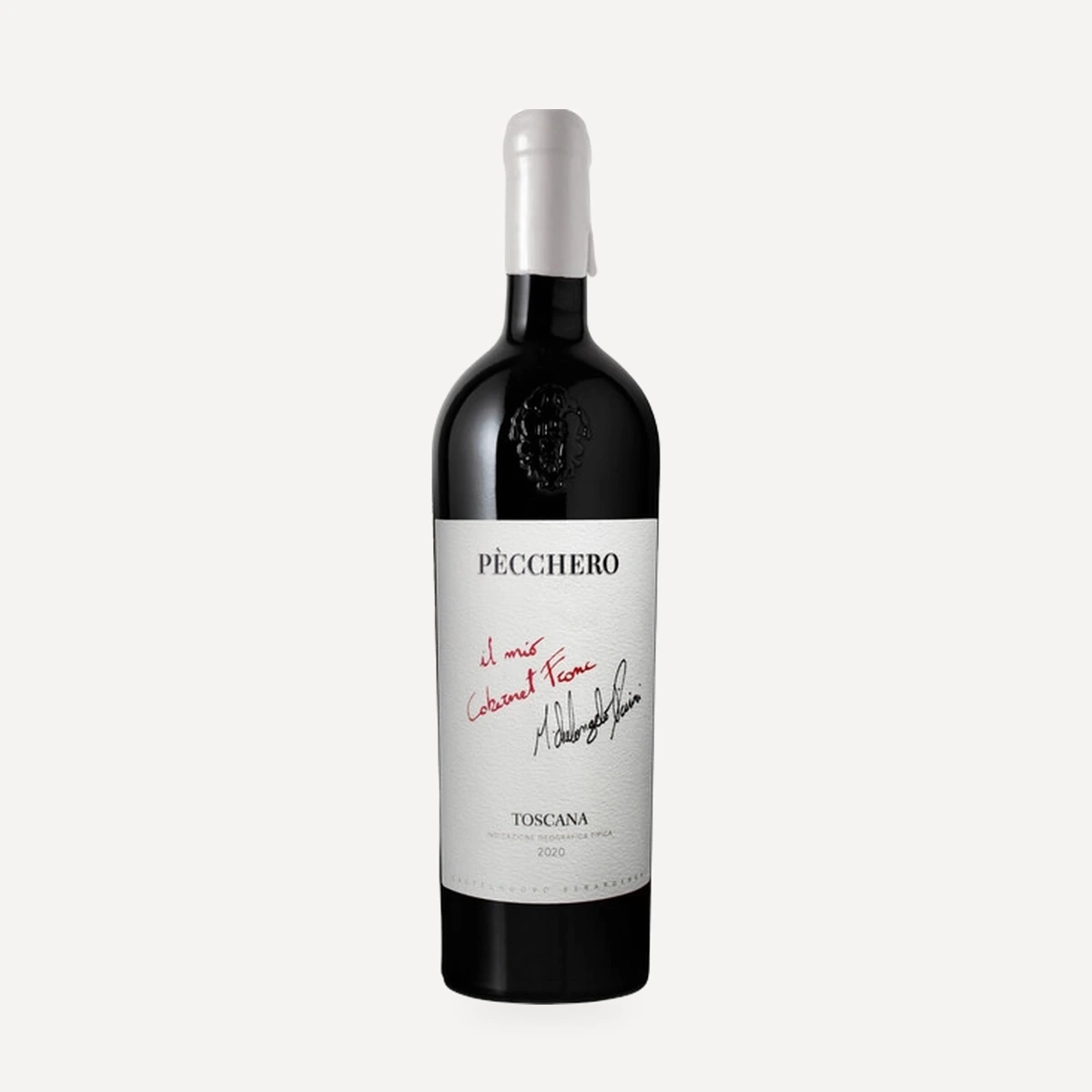
Pècchero Toscana IGT
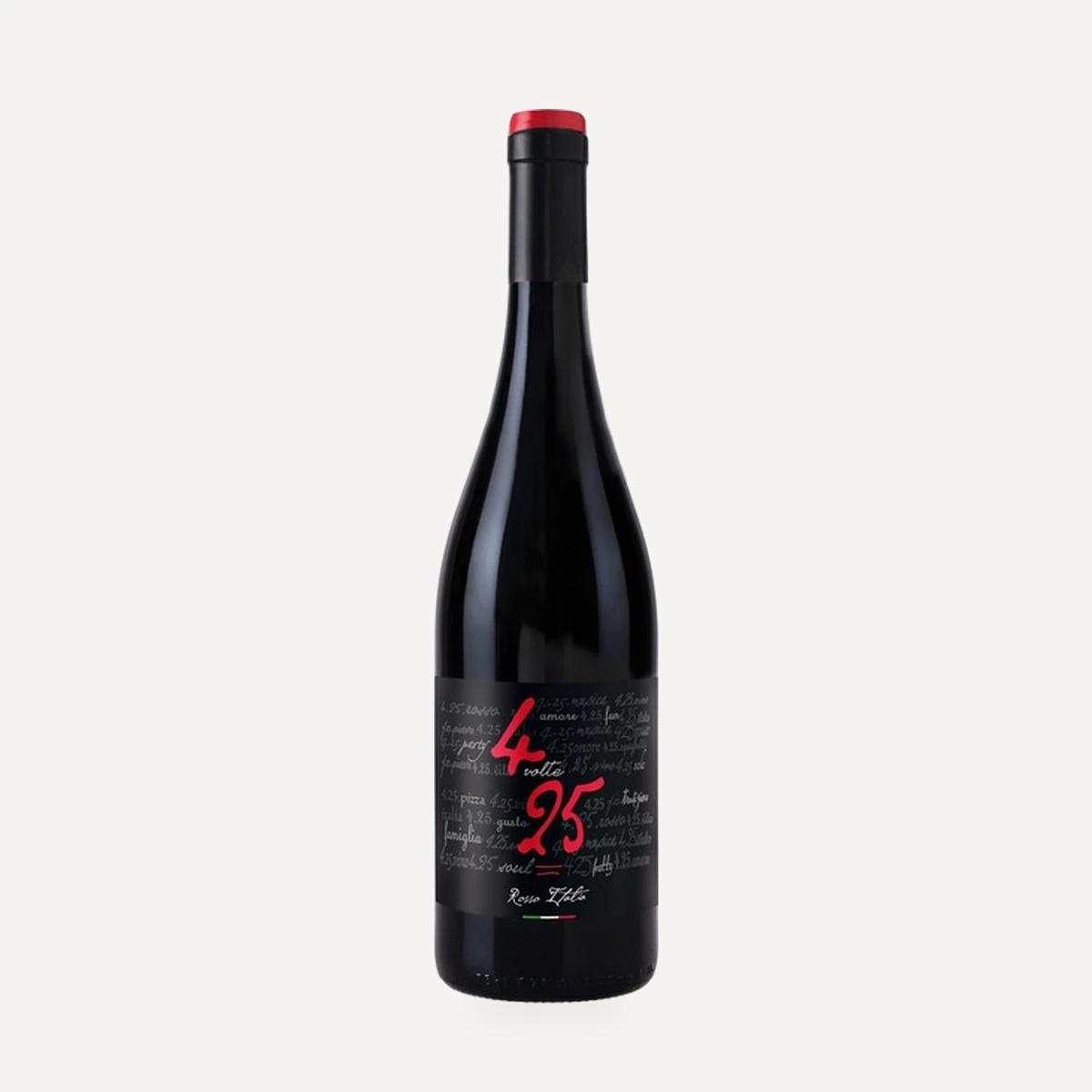
4 Volte 25 Rosso
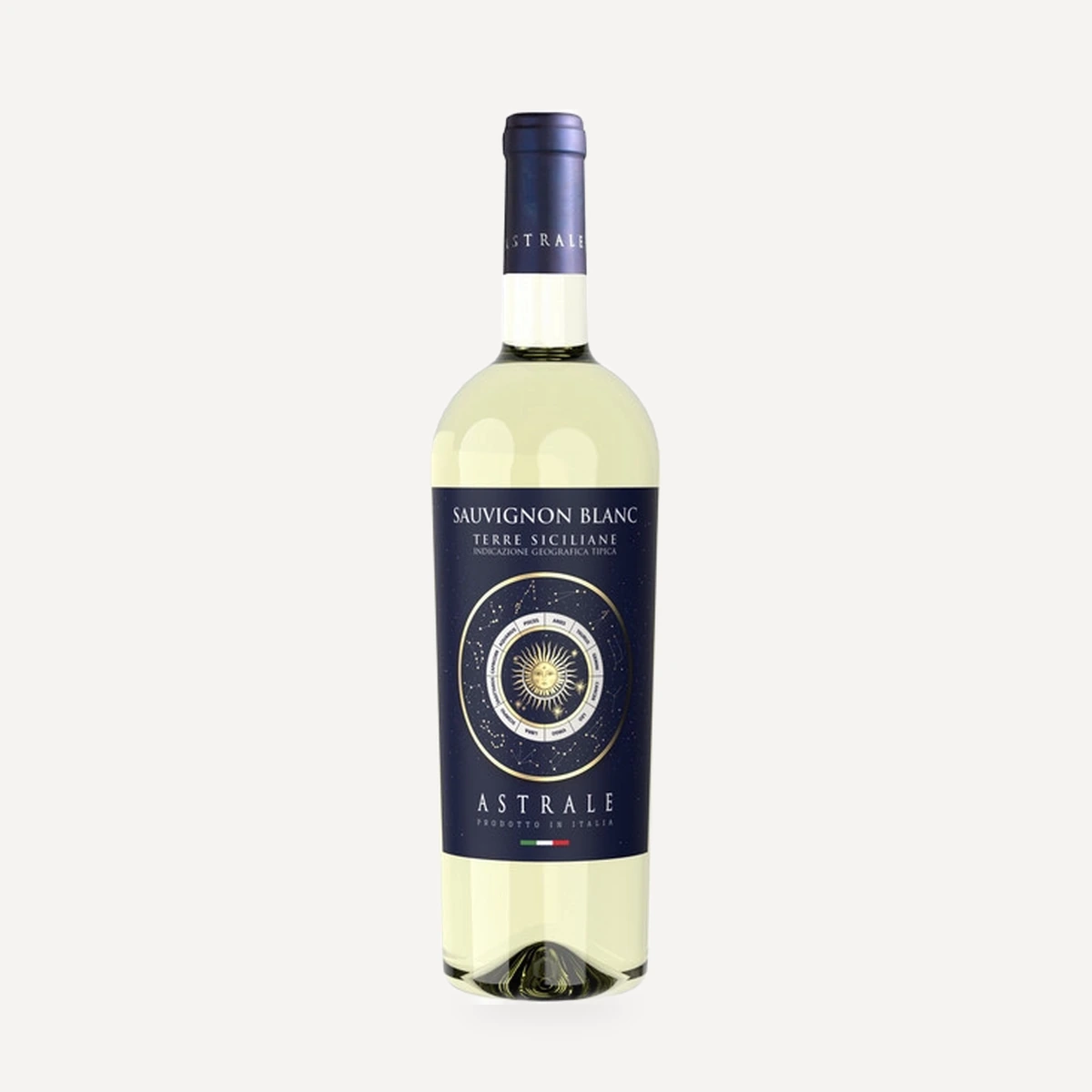
Astrale Sauvignon Blanc Terre Siciliane IGT
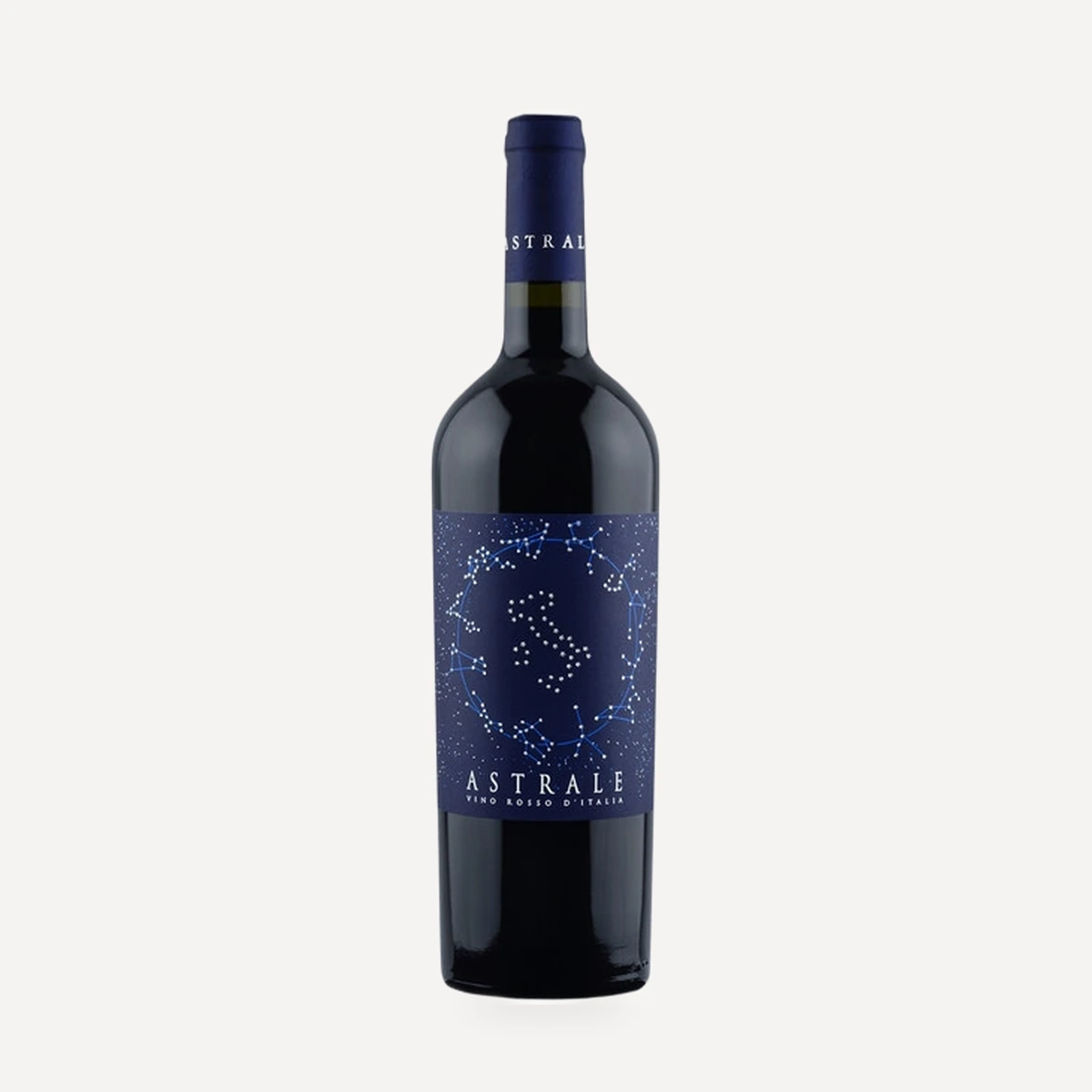
Astrale Rosso
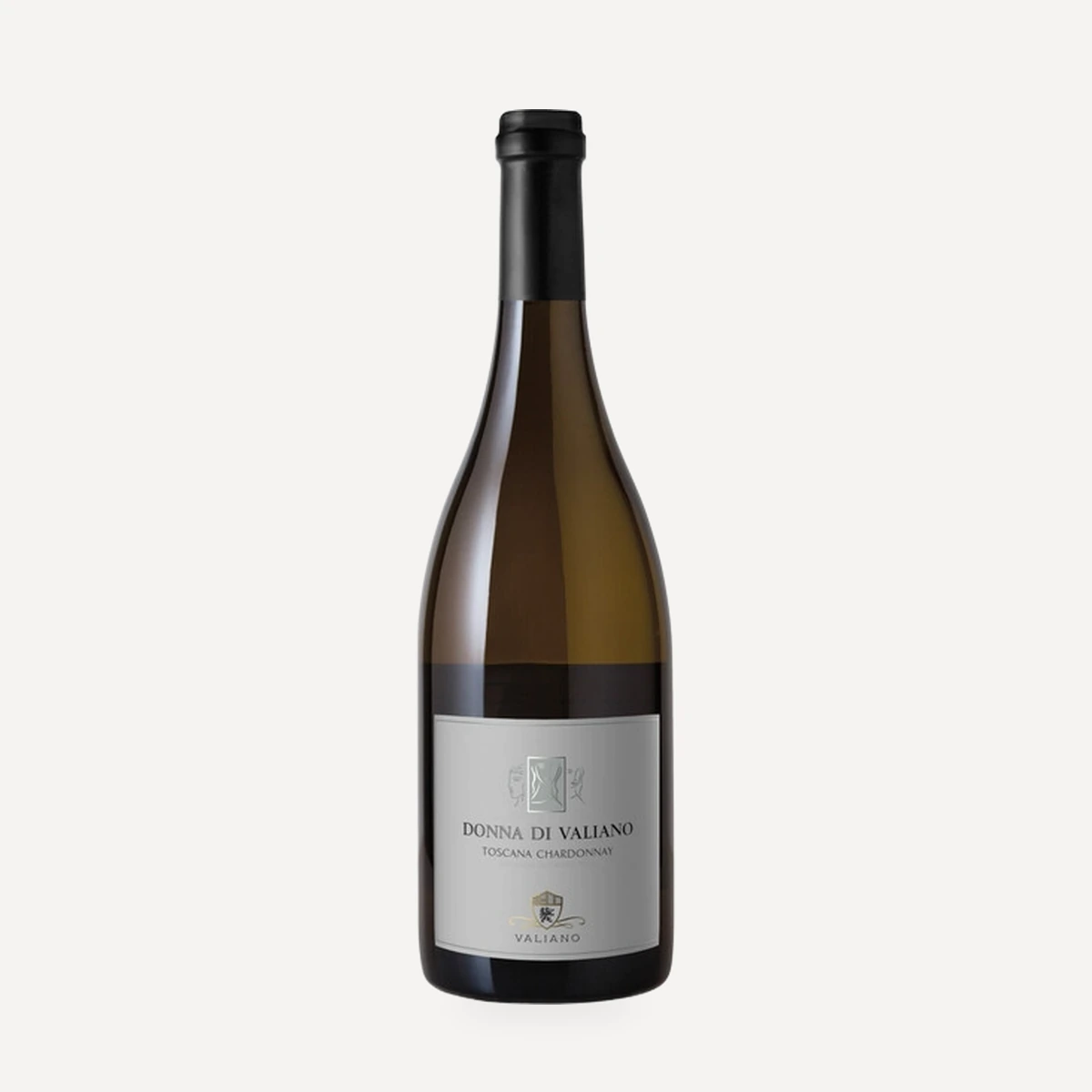
Donna di Valiano Chardonnay Toscana IGT
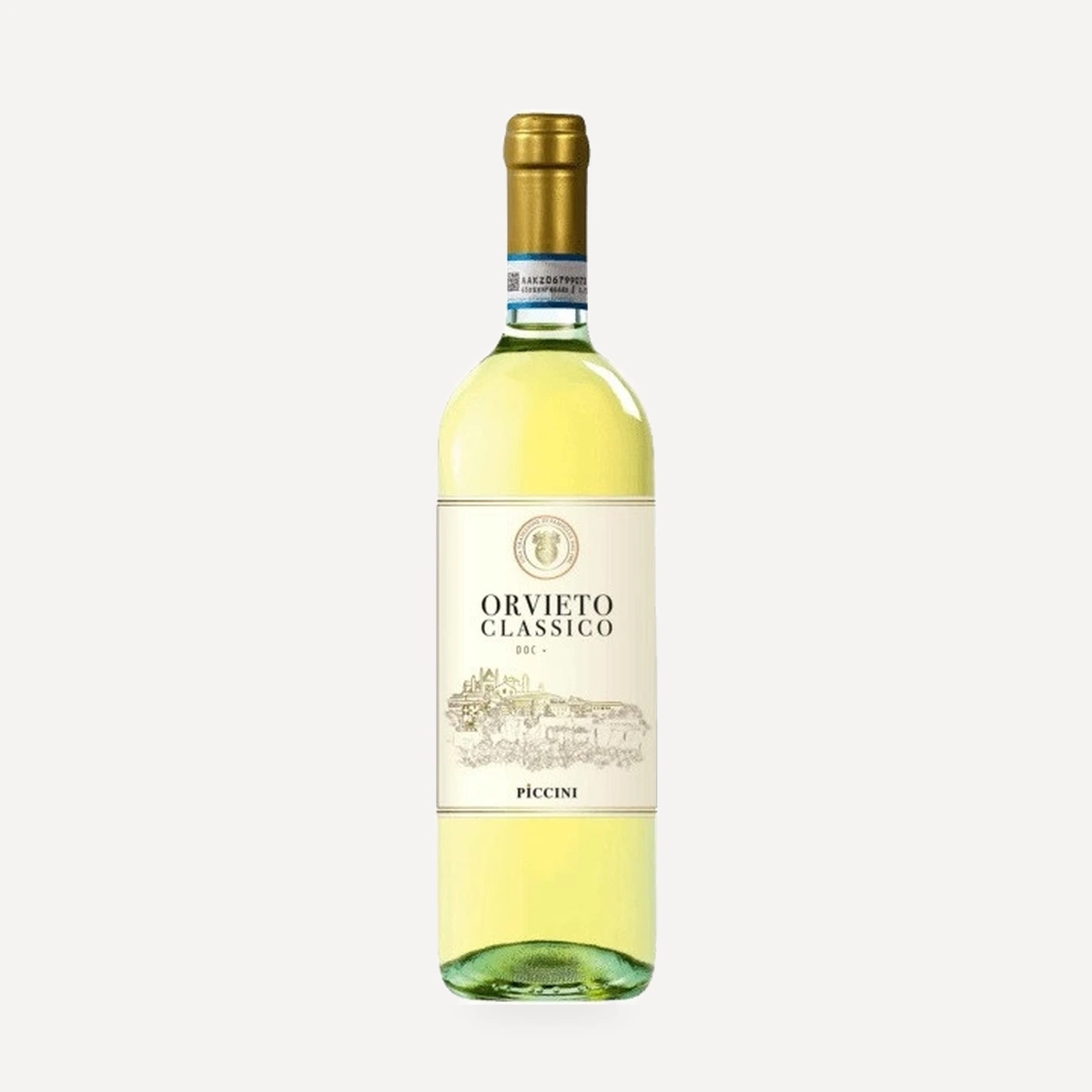
Orvieto Classico DOC
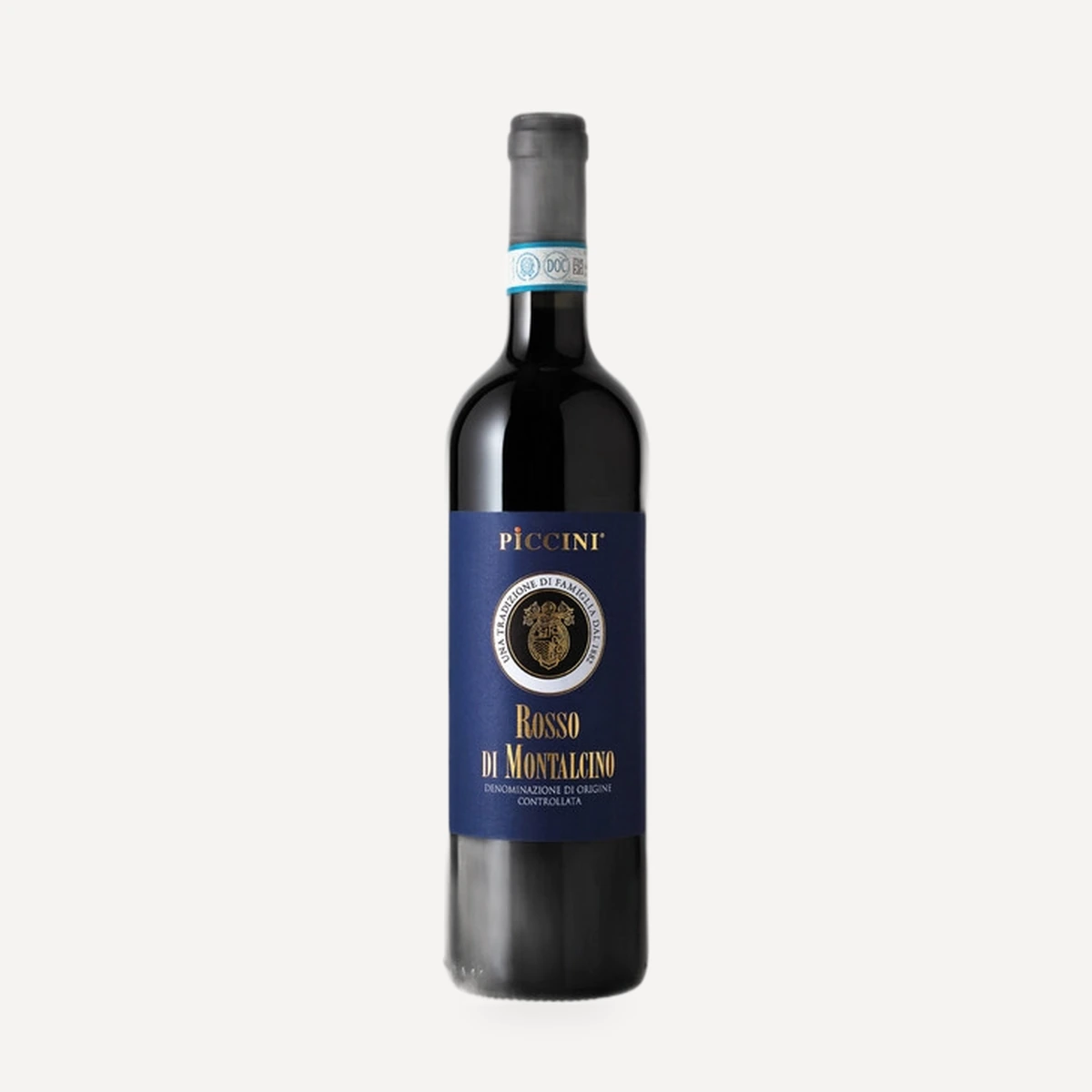
Rosso di Montalcino DOC
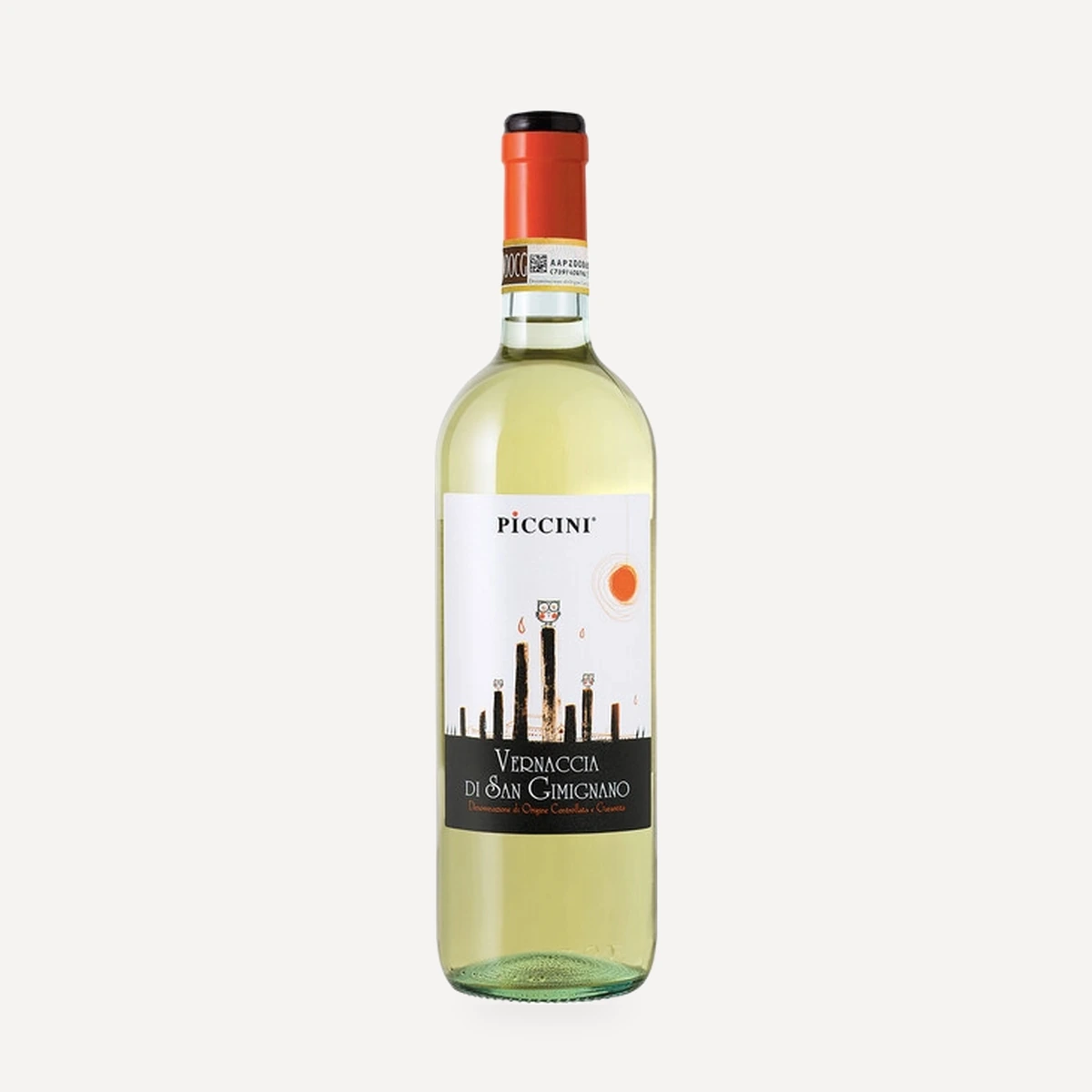
Vernaccia di San Gimignano DOCG
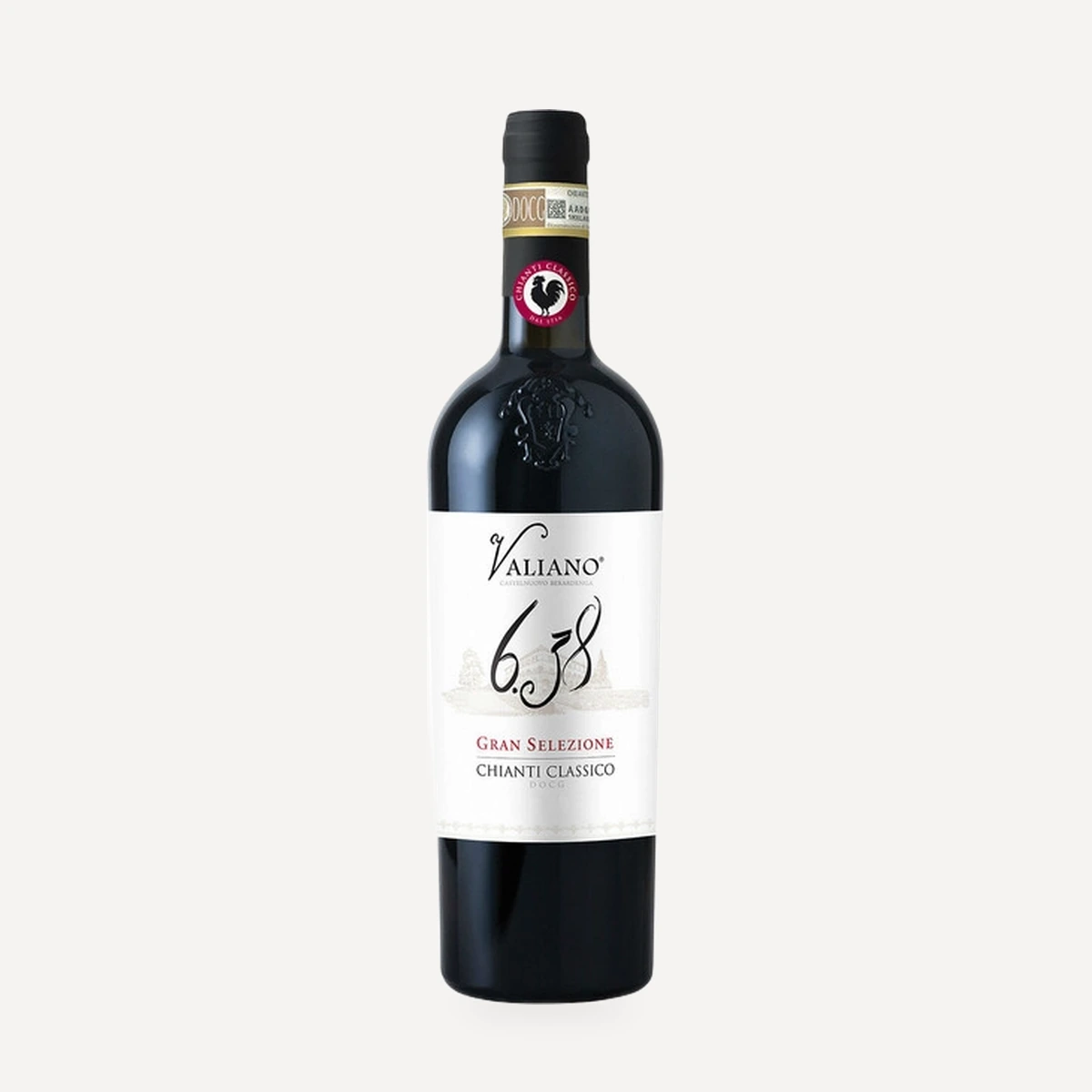
6.38 Gran Selezione Chianti Classico DOCG
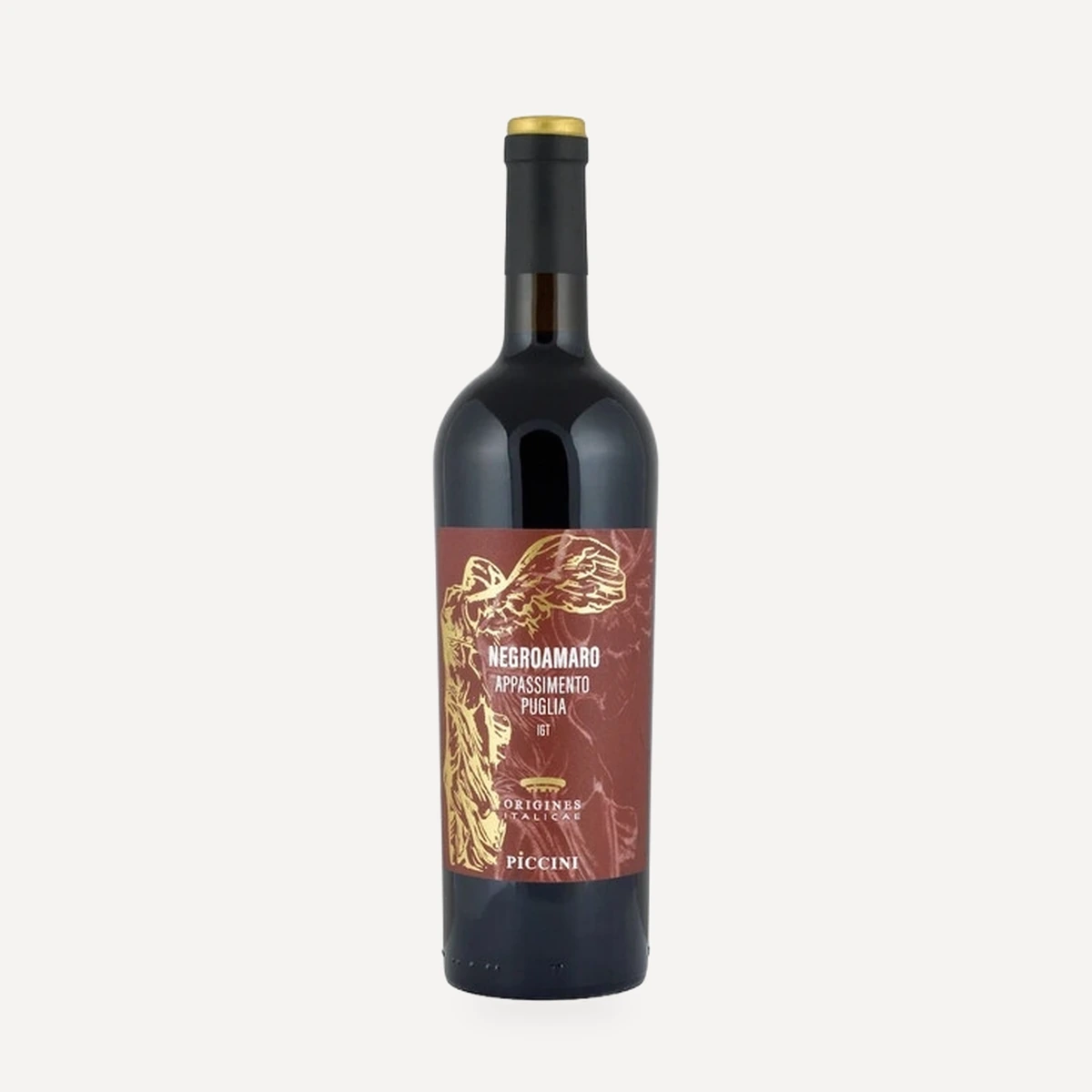
Origines Italicae Negroamaro Appassimento Puglia IGT
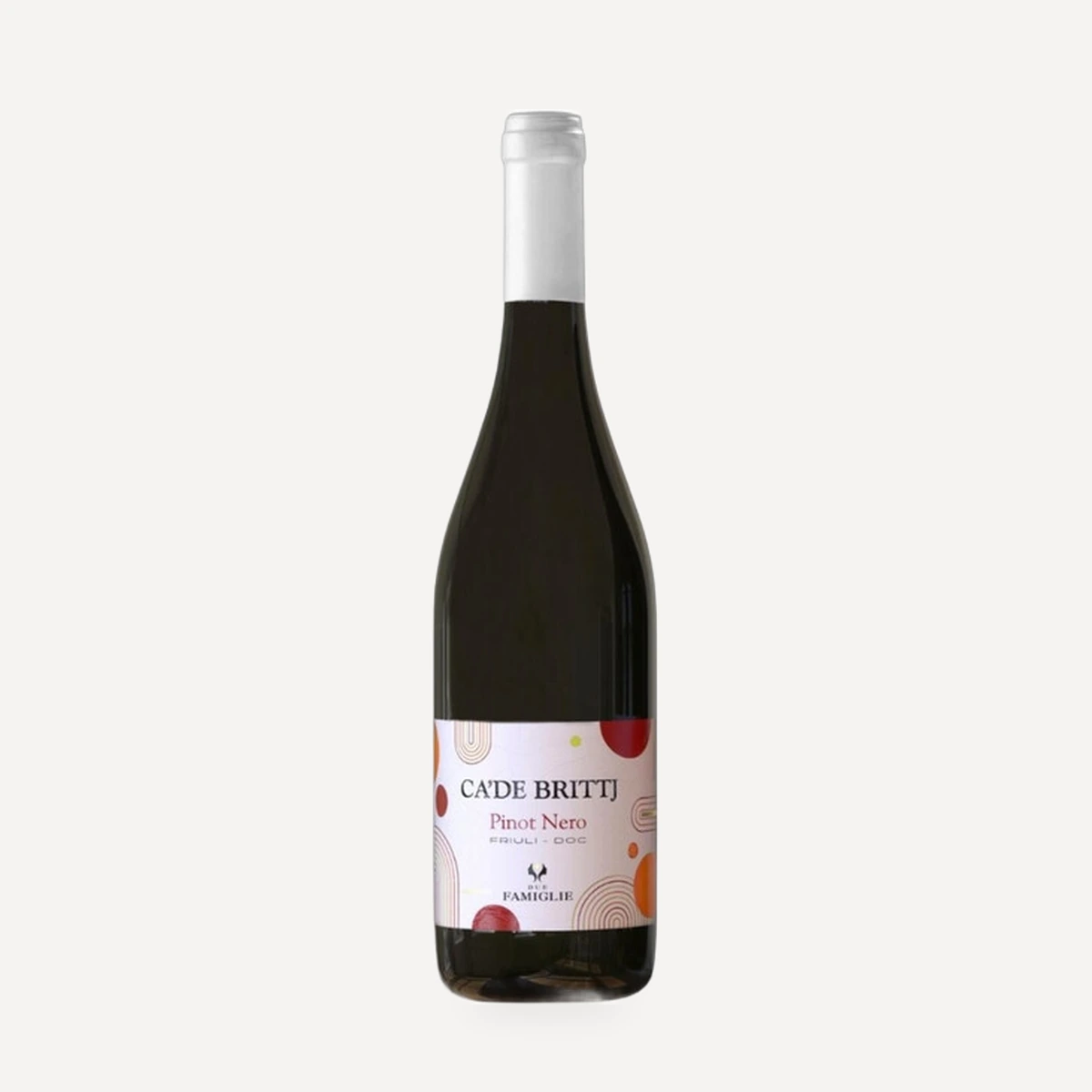
Ca'De Brittj Pinot Nero Friuli DOC
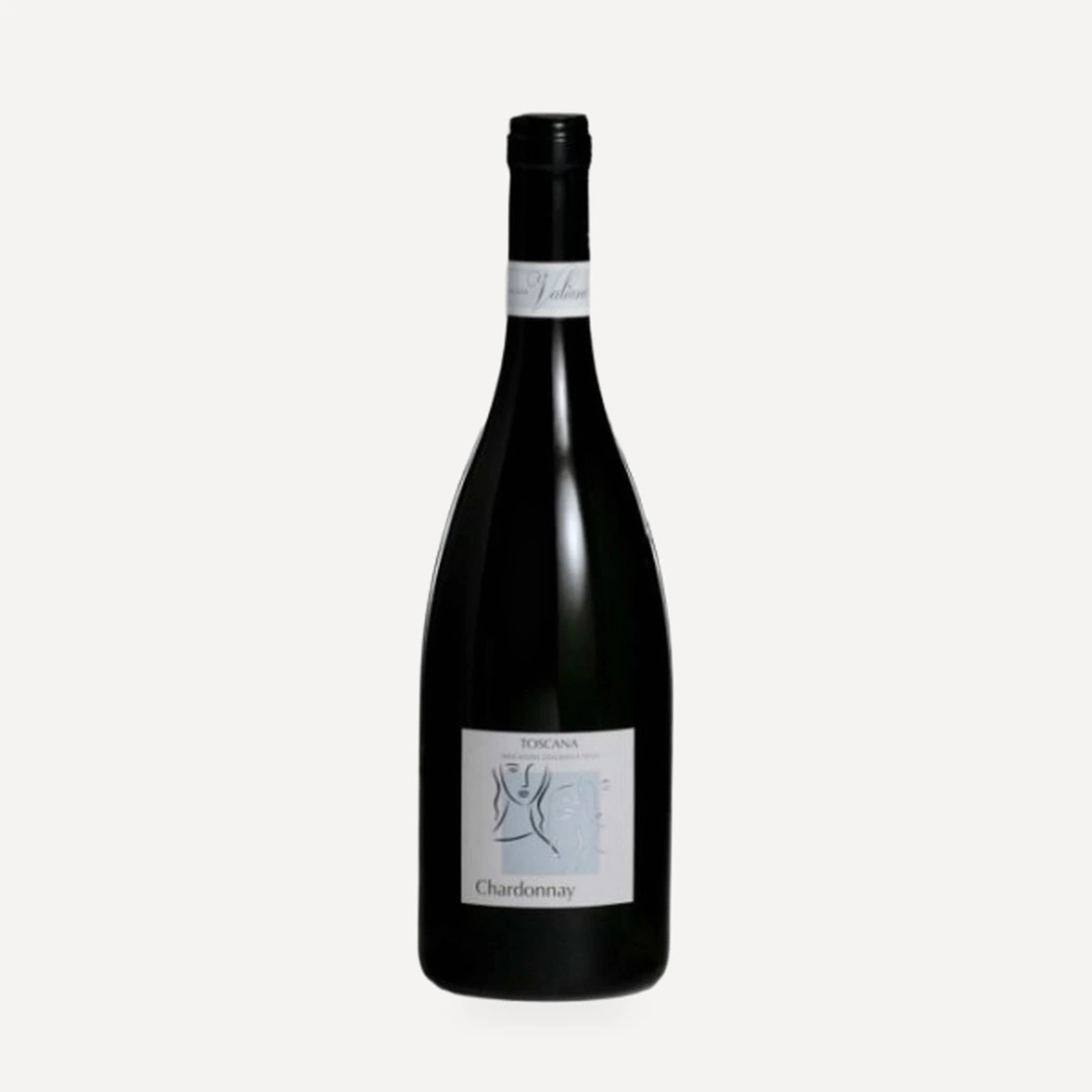
Donna di Valiano Chardonnay IGT
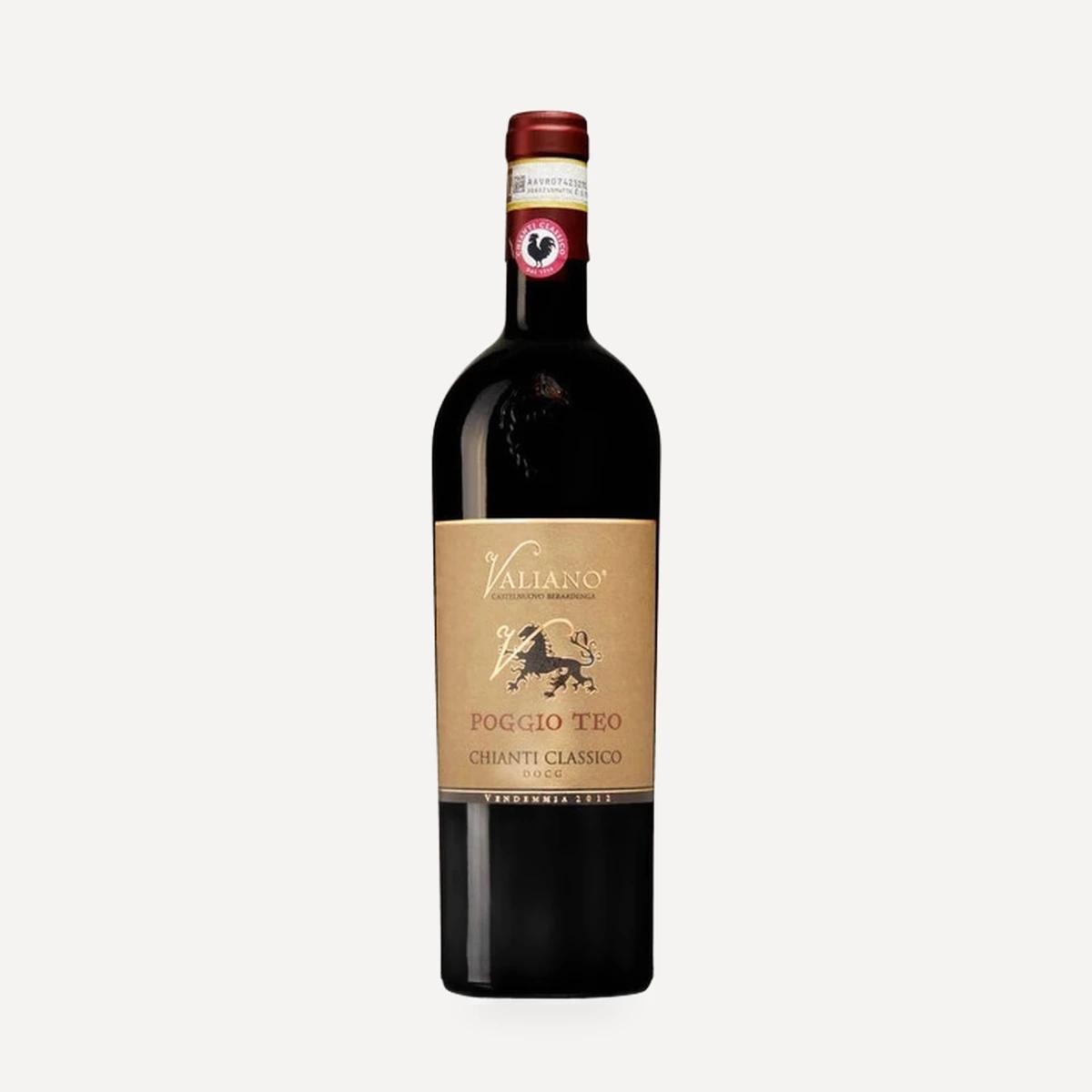
Poggio Teo Chianti Classico DOCG
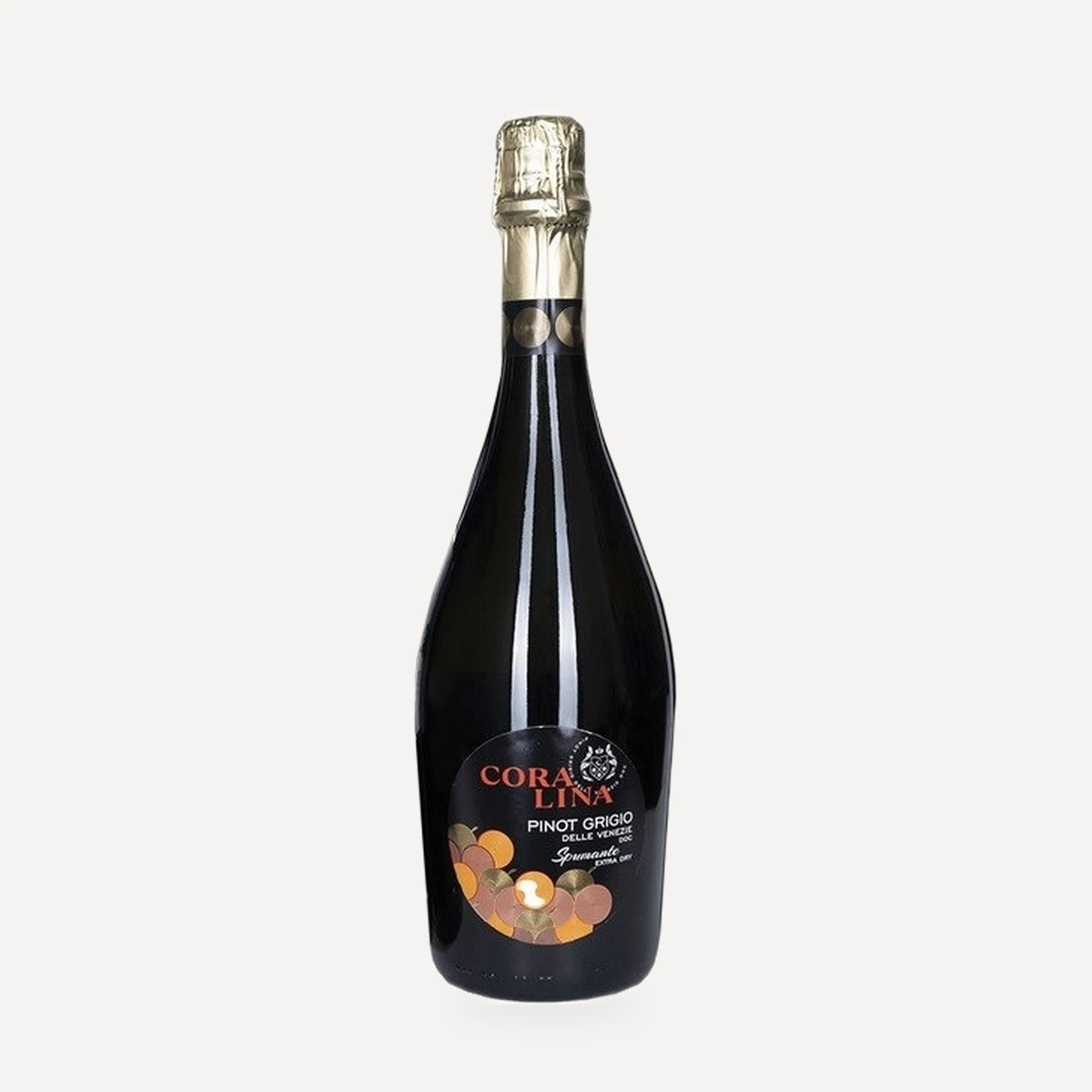
Coralina Spumante Extra Dry Venezie DOC
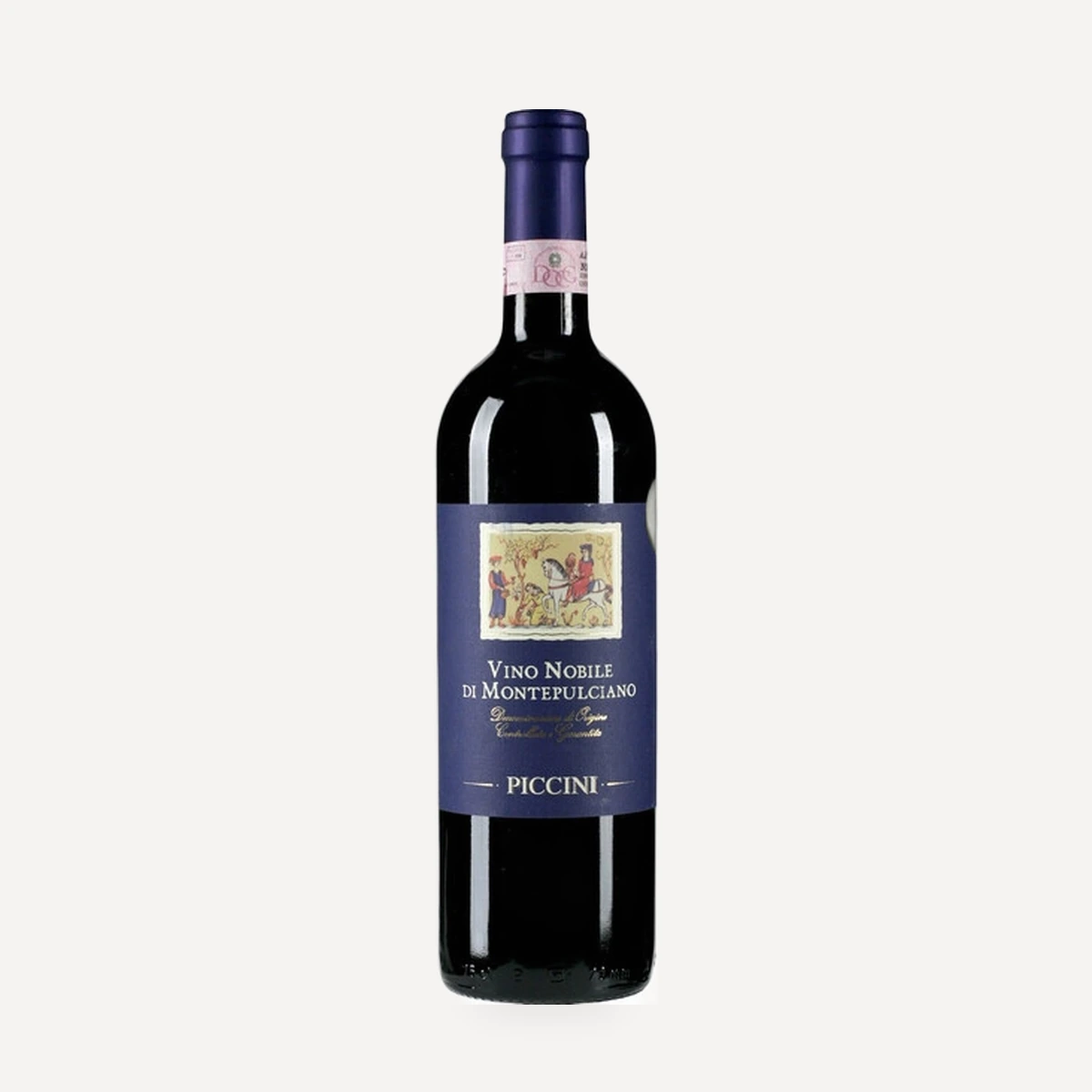
Vino Nobile di Montepulciano DOCG
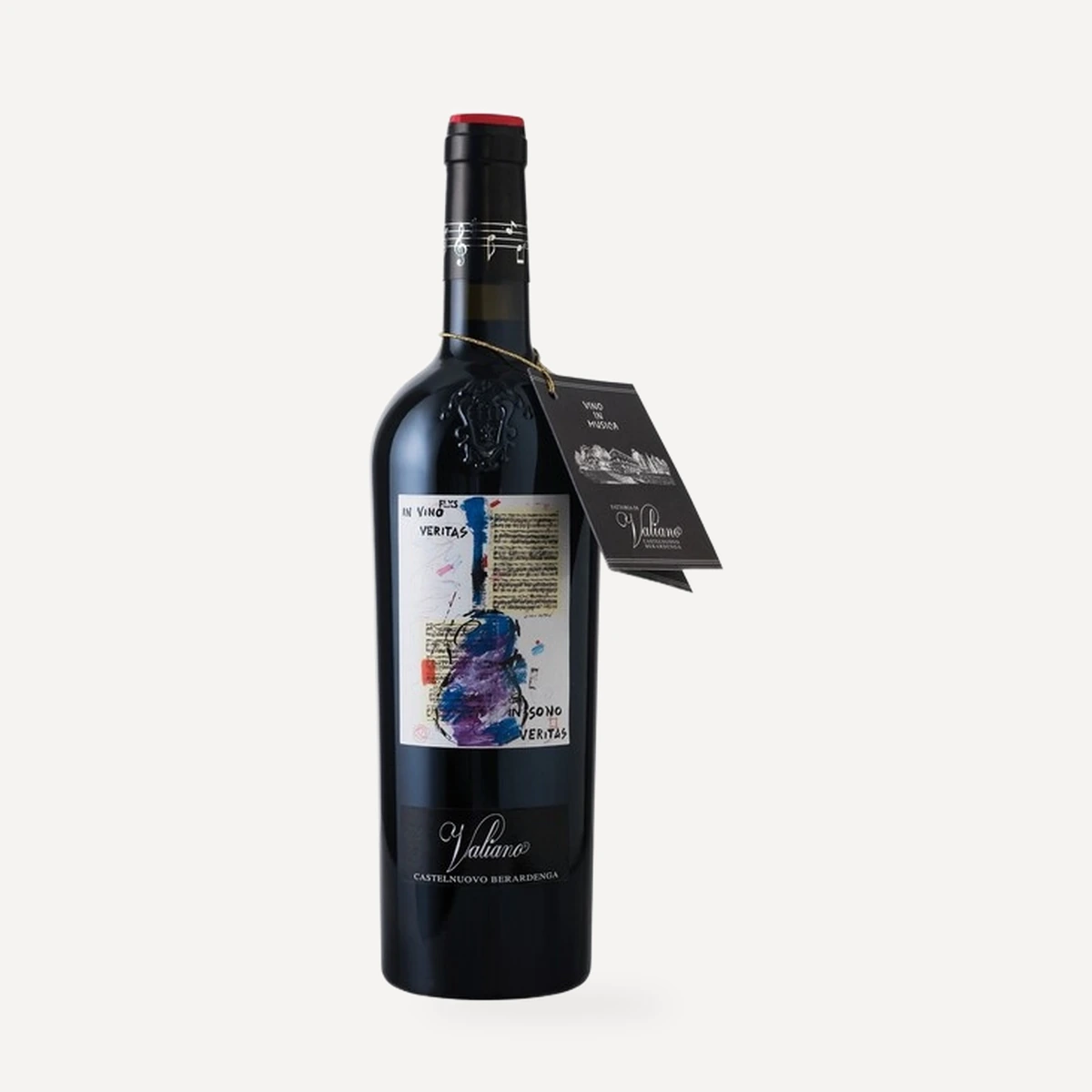
Vino In Musica IGT
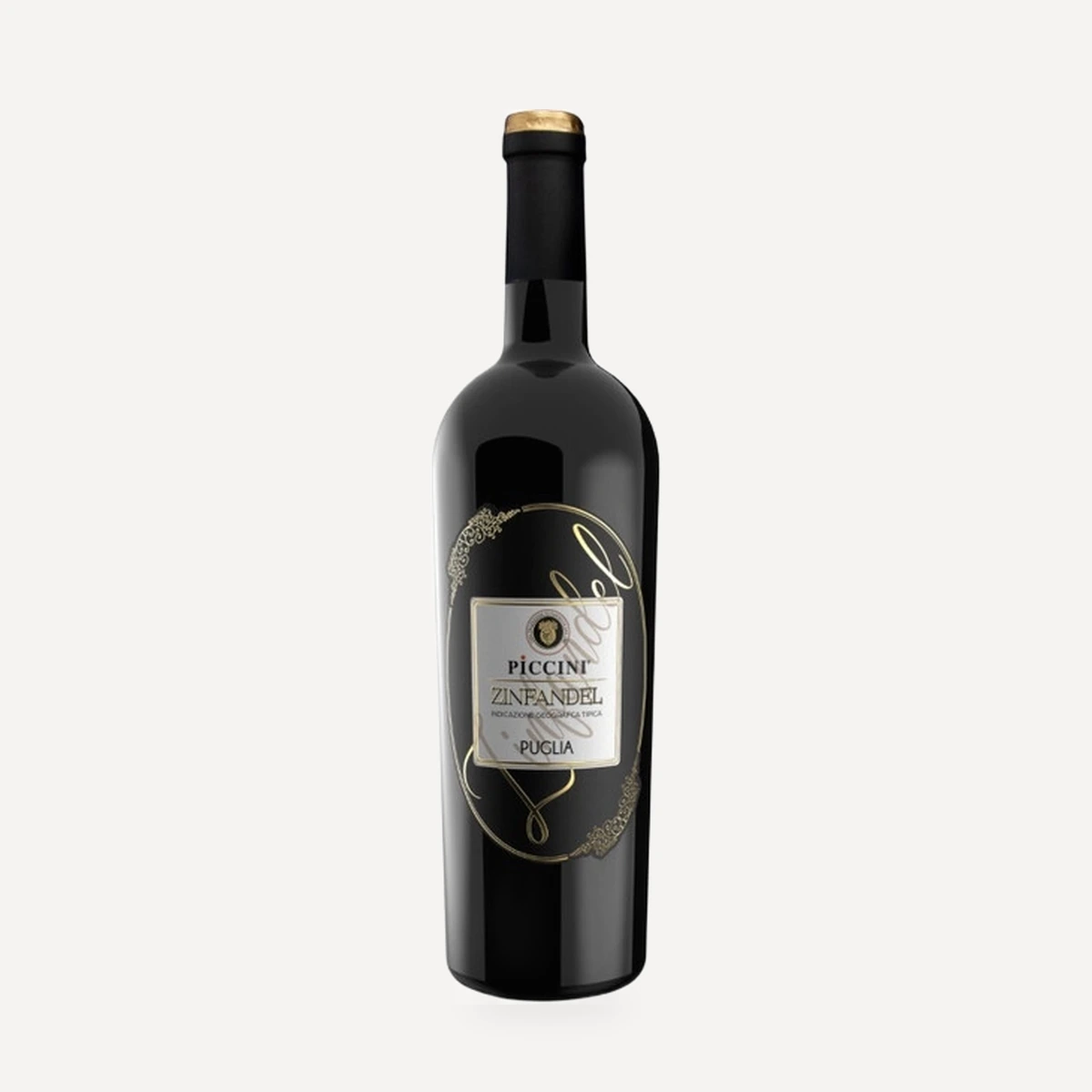
Zinfandel Puglia IGT
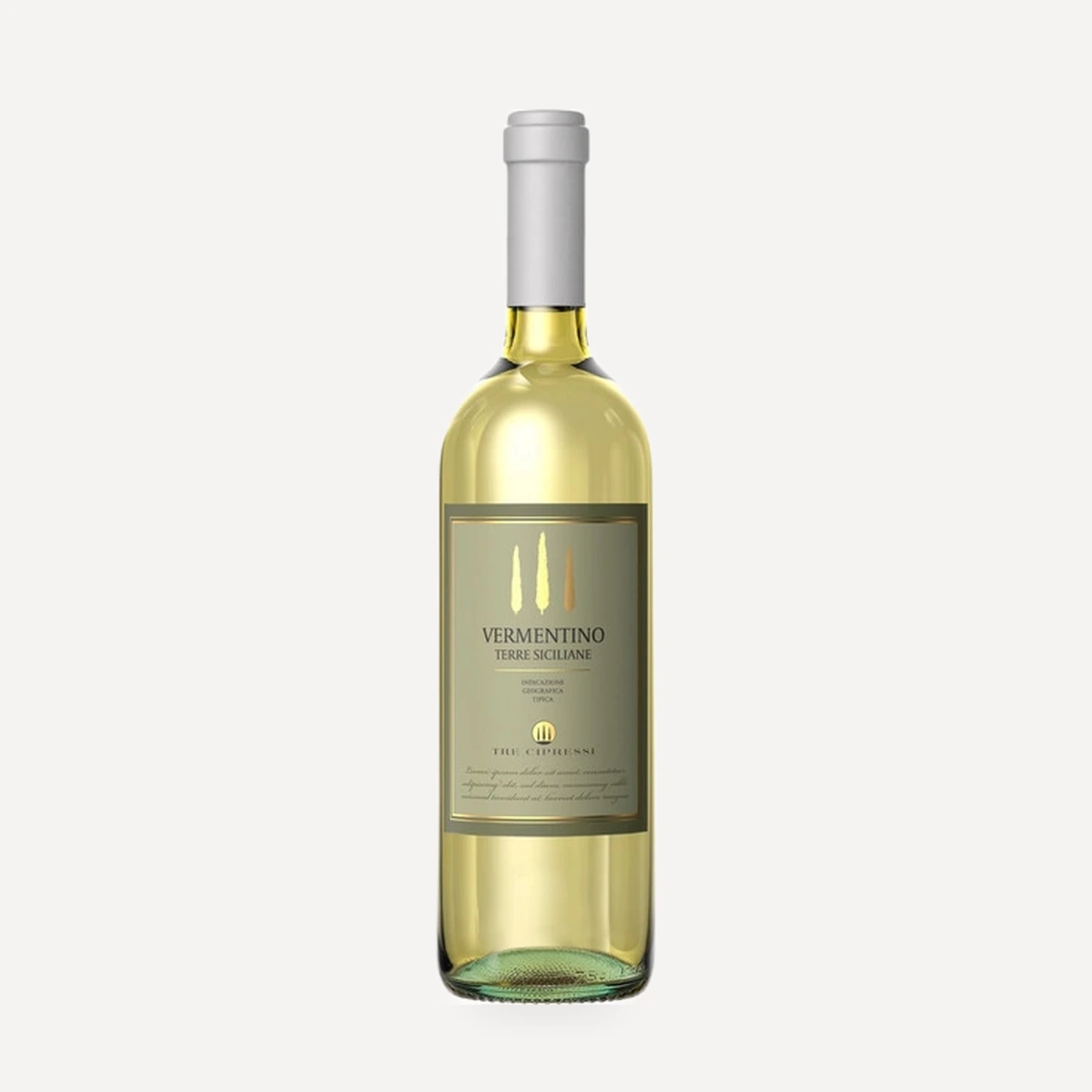
Tre Cipressi Vermentino Terre Siciliane IGP
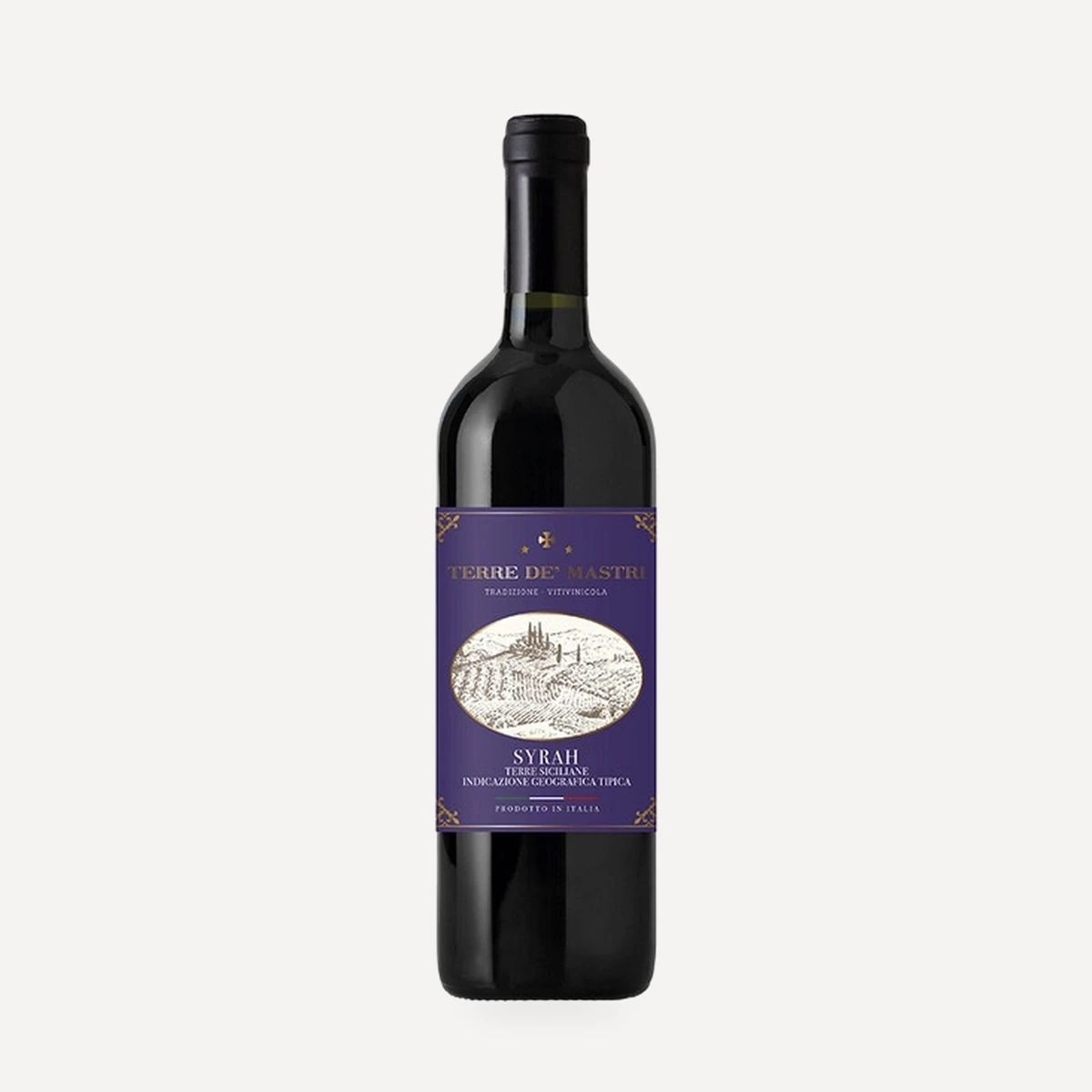
Terre de' Mastri Syrah Terre Siciliane IGT
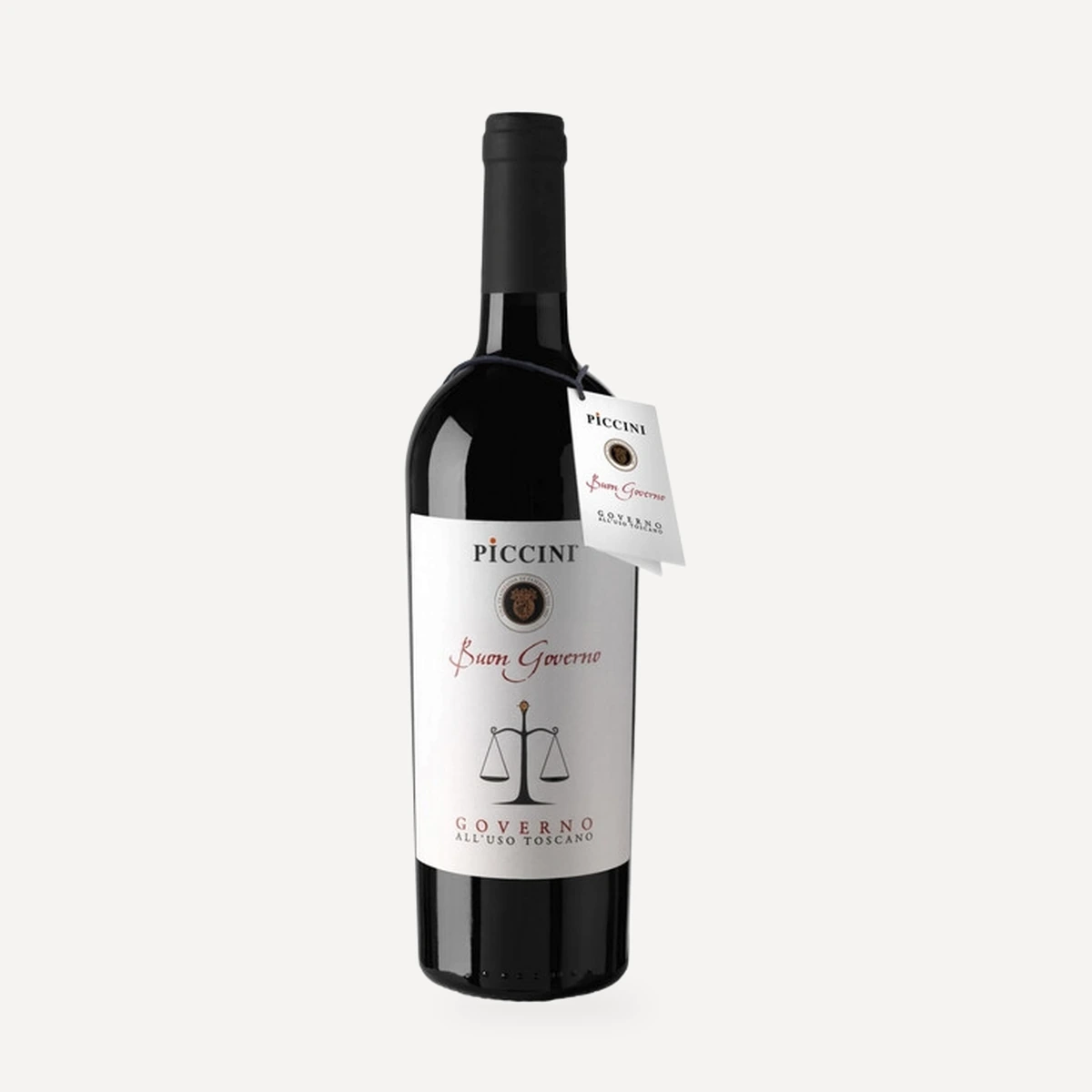
Buon Governo Governo all'uso Toscano IGT
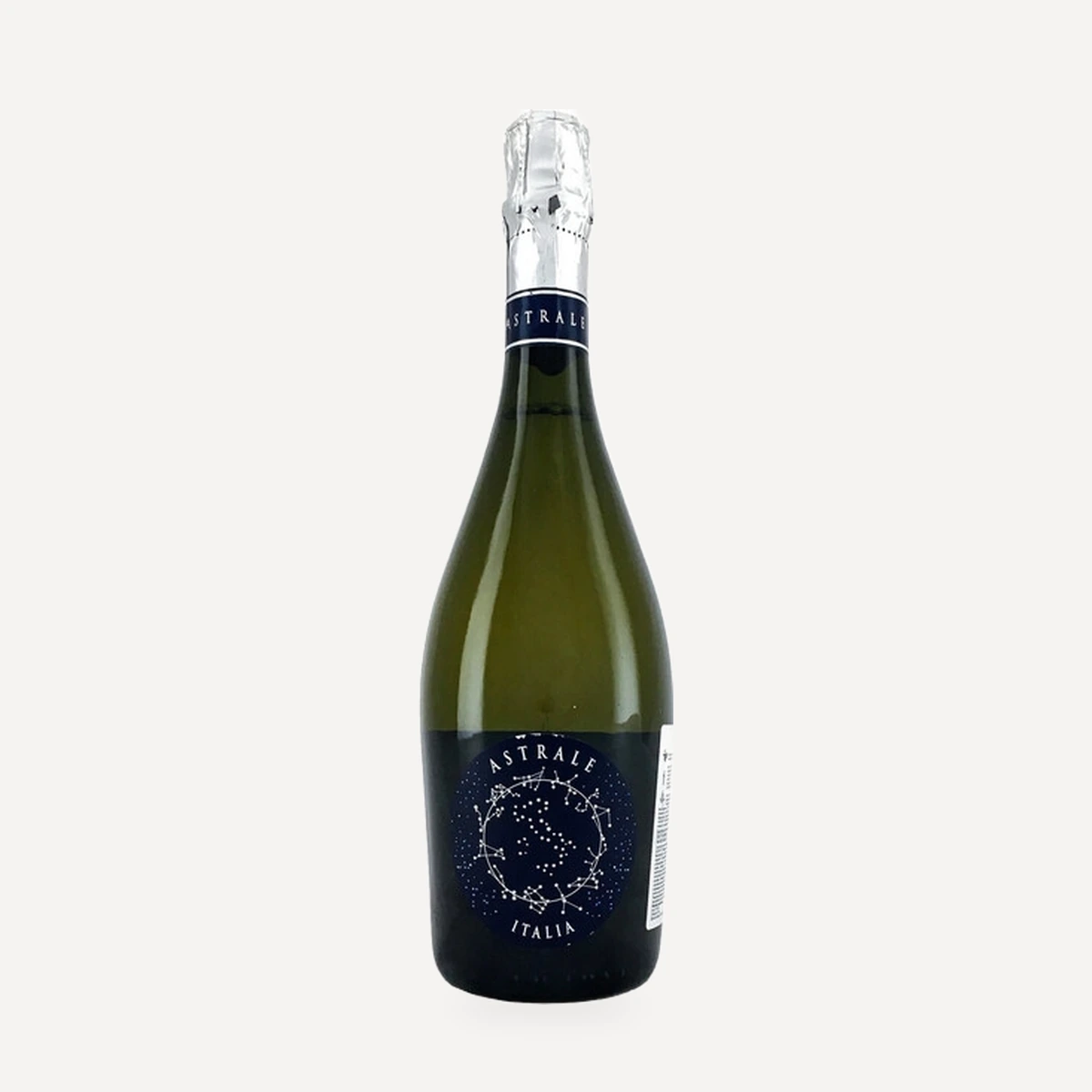
Astrale Collezione Brut
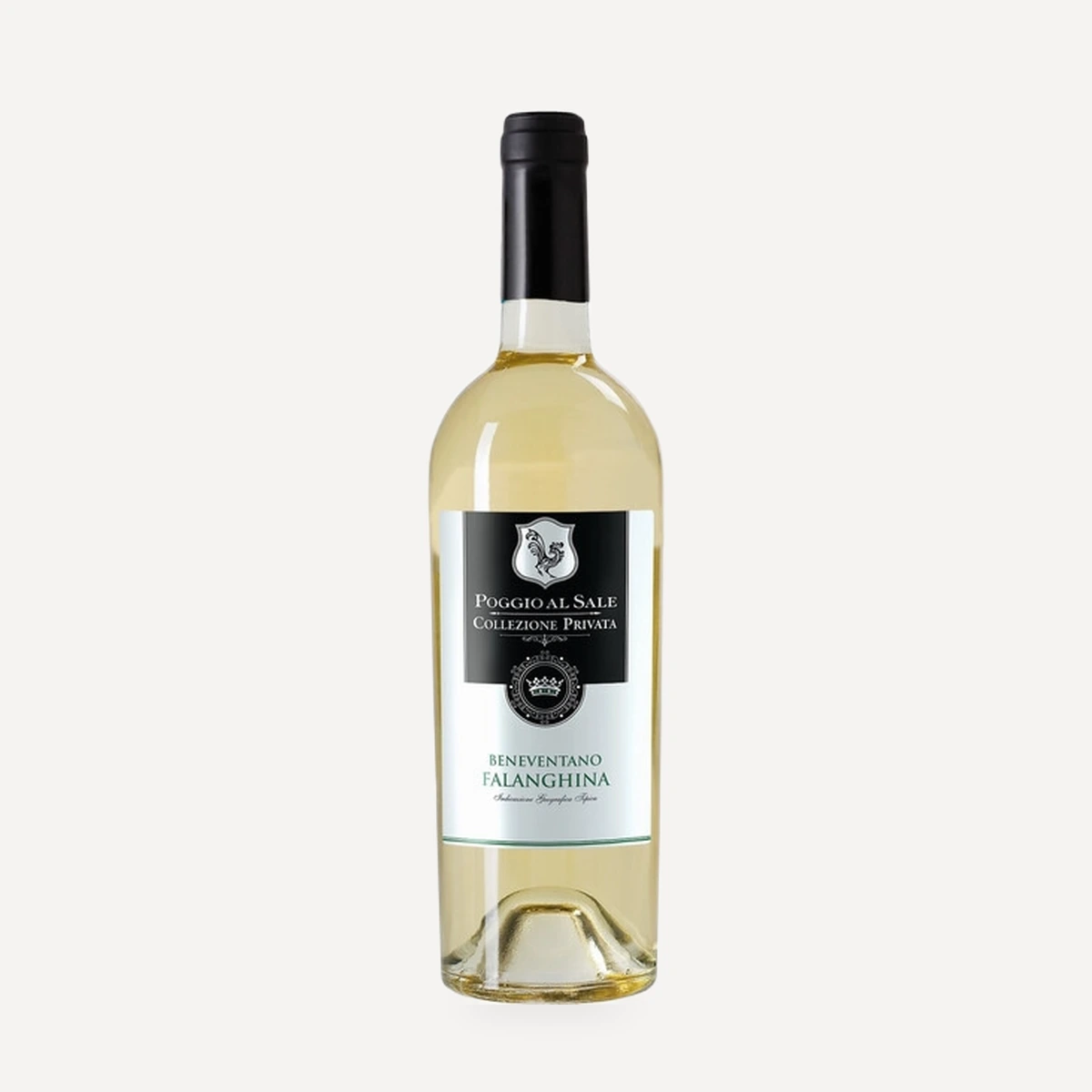
Poggio al Sale Collezione Privata Beneventano Falanghina IGT
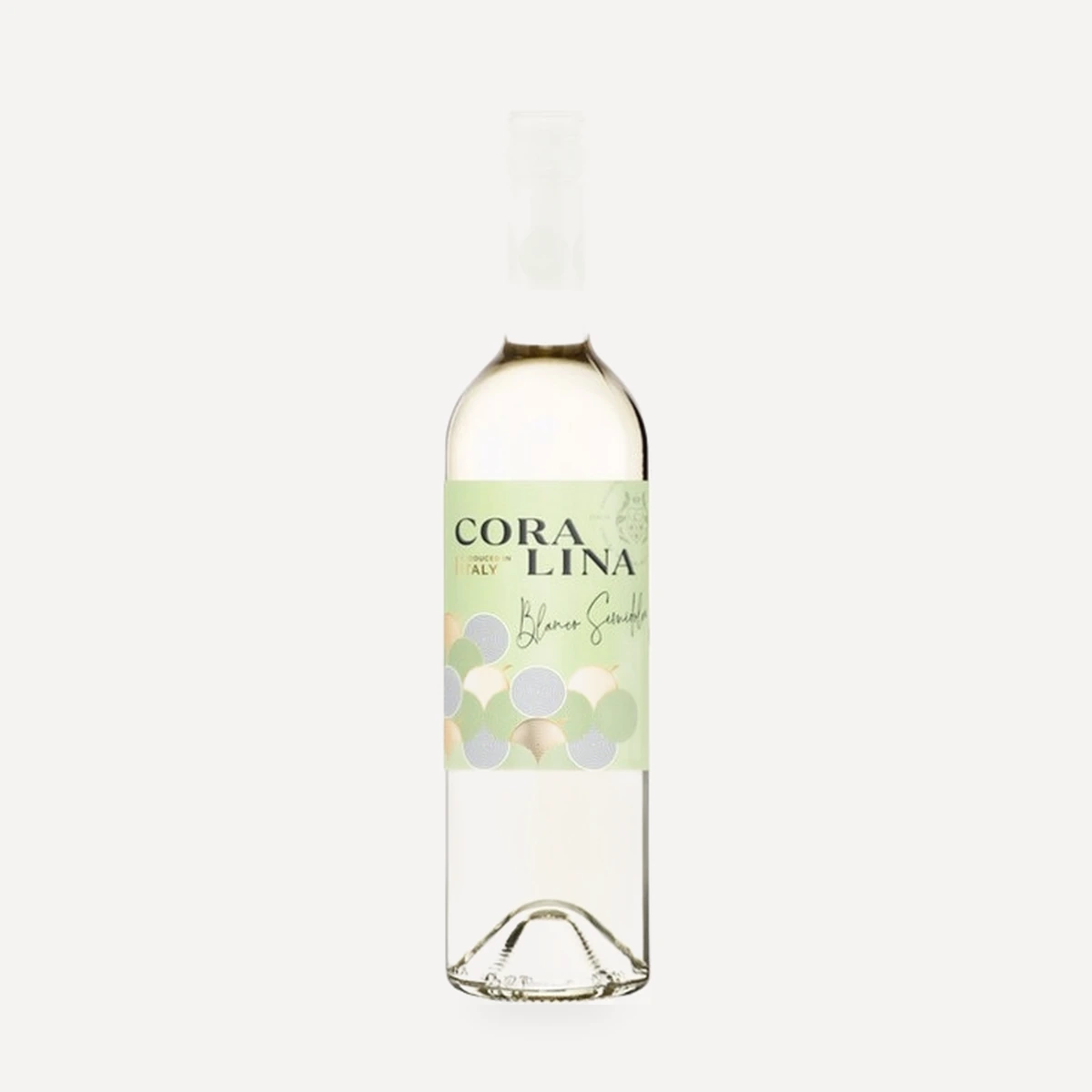
Coralina Blanco Semidulce
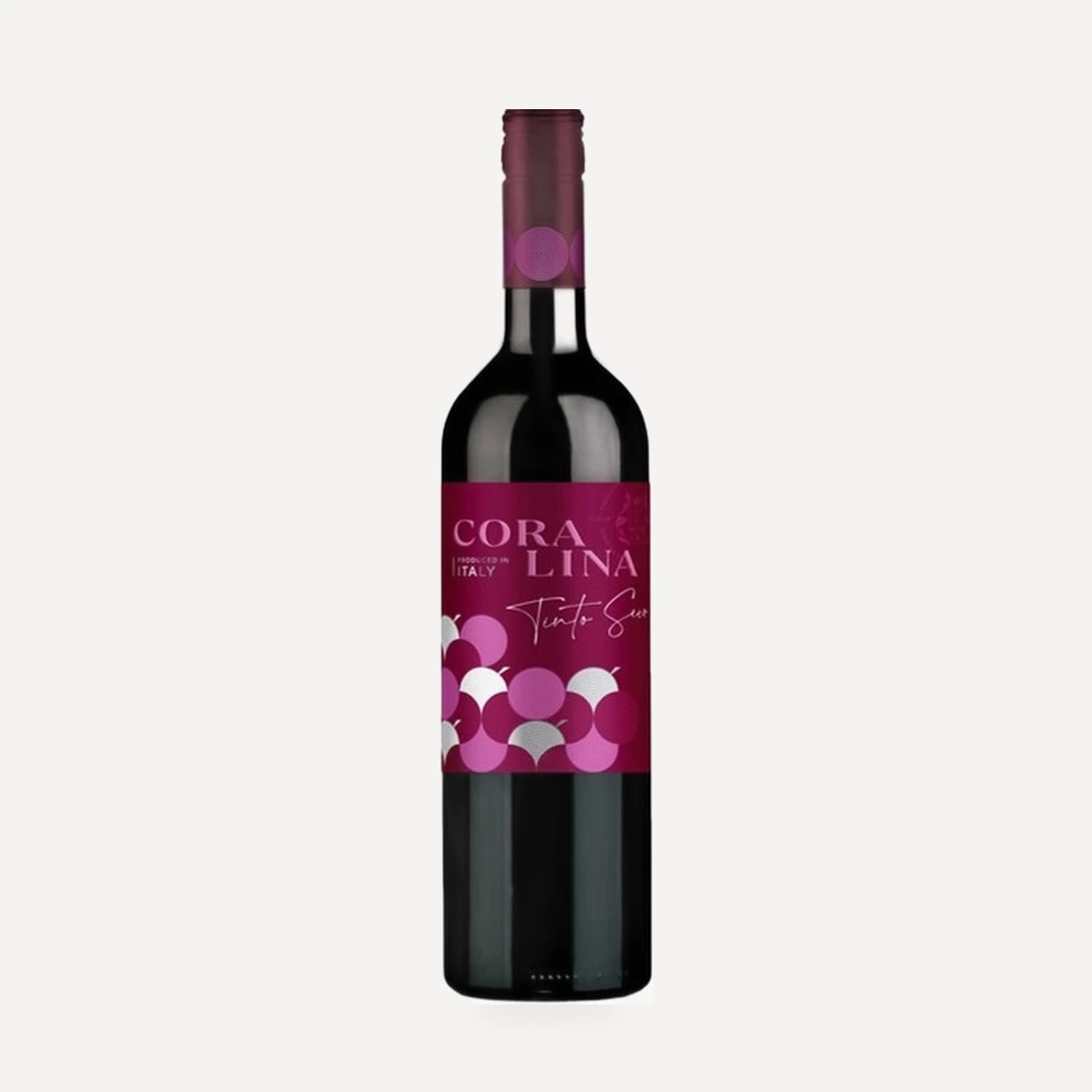
Coralina Tinto Seco
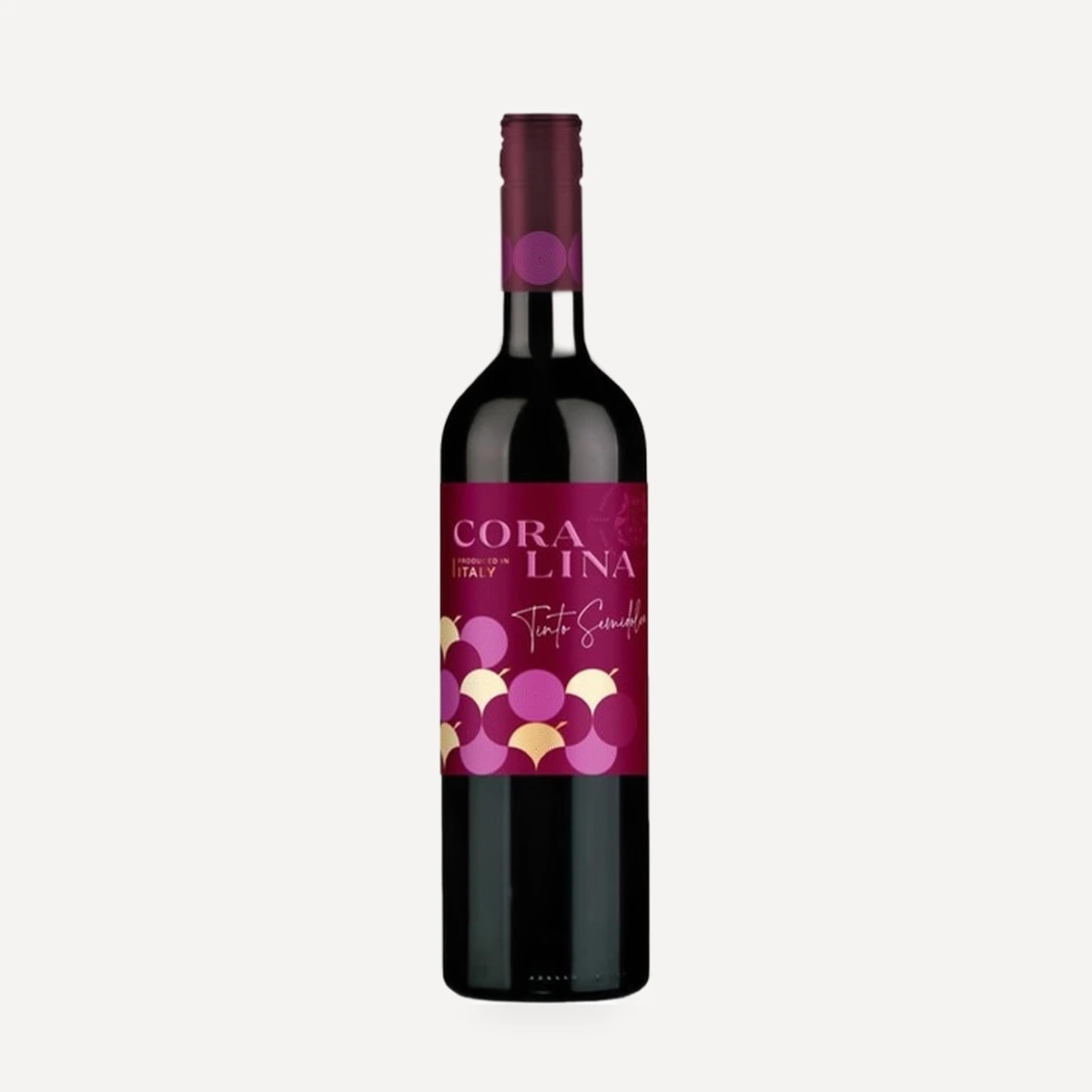
Coralina Tinto Semidulce
Memoro 4 Elements Nero d'Avola Sicilia DOC
Blanc de Blancs Gold Collection Grand Cuvée
Chianti Gold Collection Governo DOCG
Chianti Orange DOCG
Furrow Toscana IGT
Histrio Bianco Toscana IGT
Mario Primo Toscana IGT
Memoro 4 Elements Primitivo Puglia IGT
Memoro 4 Elements Montepulciano d'Abruzzo DOC
Memoro 4 Elements Merlot Veneto IGT
Memoro Alta Vendemmia
Orvieto Classico Gold Collection DOC
Papaleto Toscana IGT
Histrio Rosso Toscana IGT
Rock at the Knoll Toscana IGT
Rogolaio Toscana IGT
Goccia Rosa Chianti Rosé DOCG
San Lazzaro Chianti Classico Gran Selezione DOCG
Montegiachi Chianti Classico Riserva DOCG
Donpá Aglianico del Vulture DOC
Il Calandrino Vermentino Maremma Toscana DOC
Chiuse Vidalba Etna Bianco DOC
Chiuse Vidalba Etna Rosso DOC
Ribolla Gialla Venezia Giulia IGT
Contessa di Radda Bianco Toscana IGT