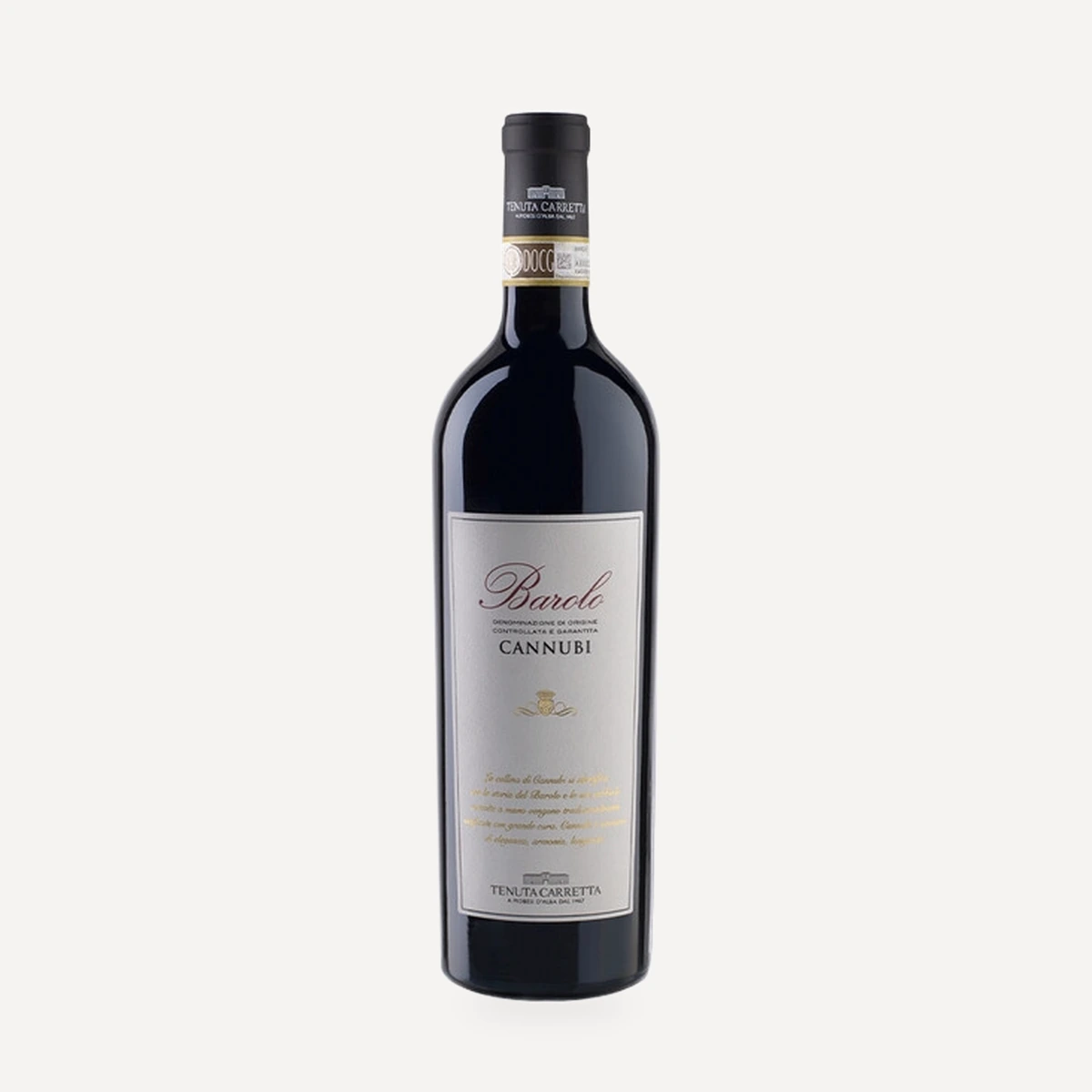
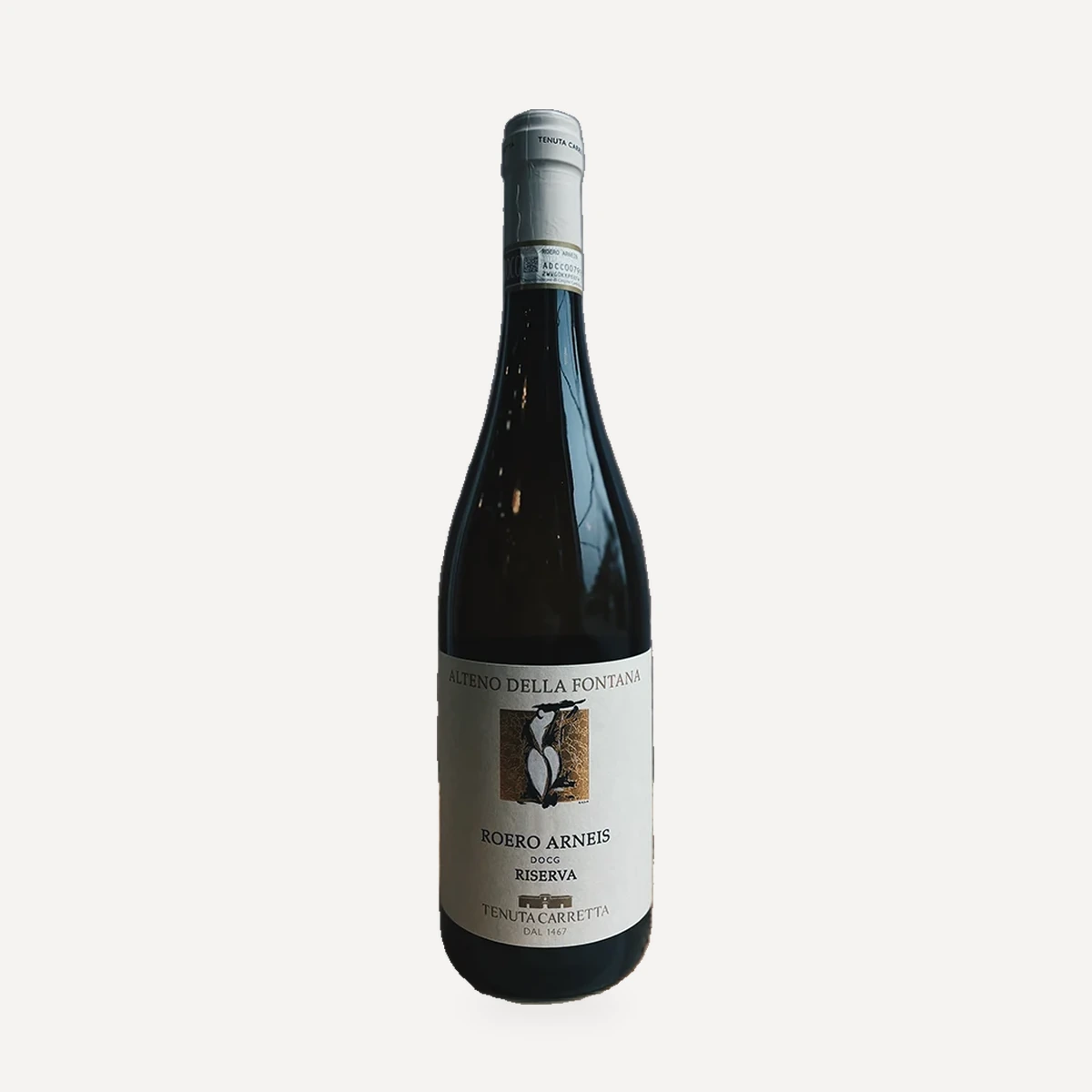
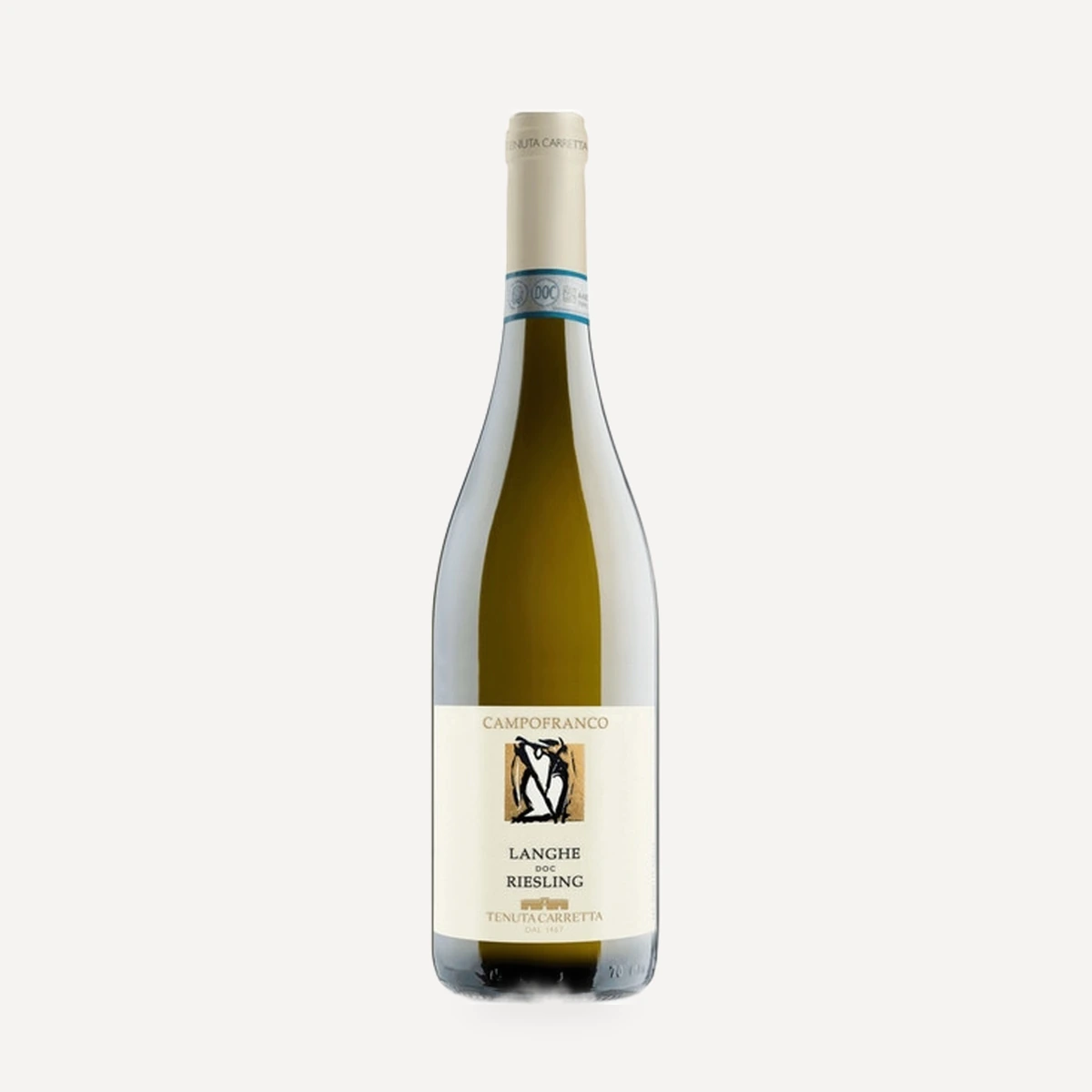
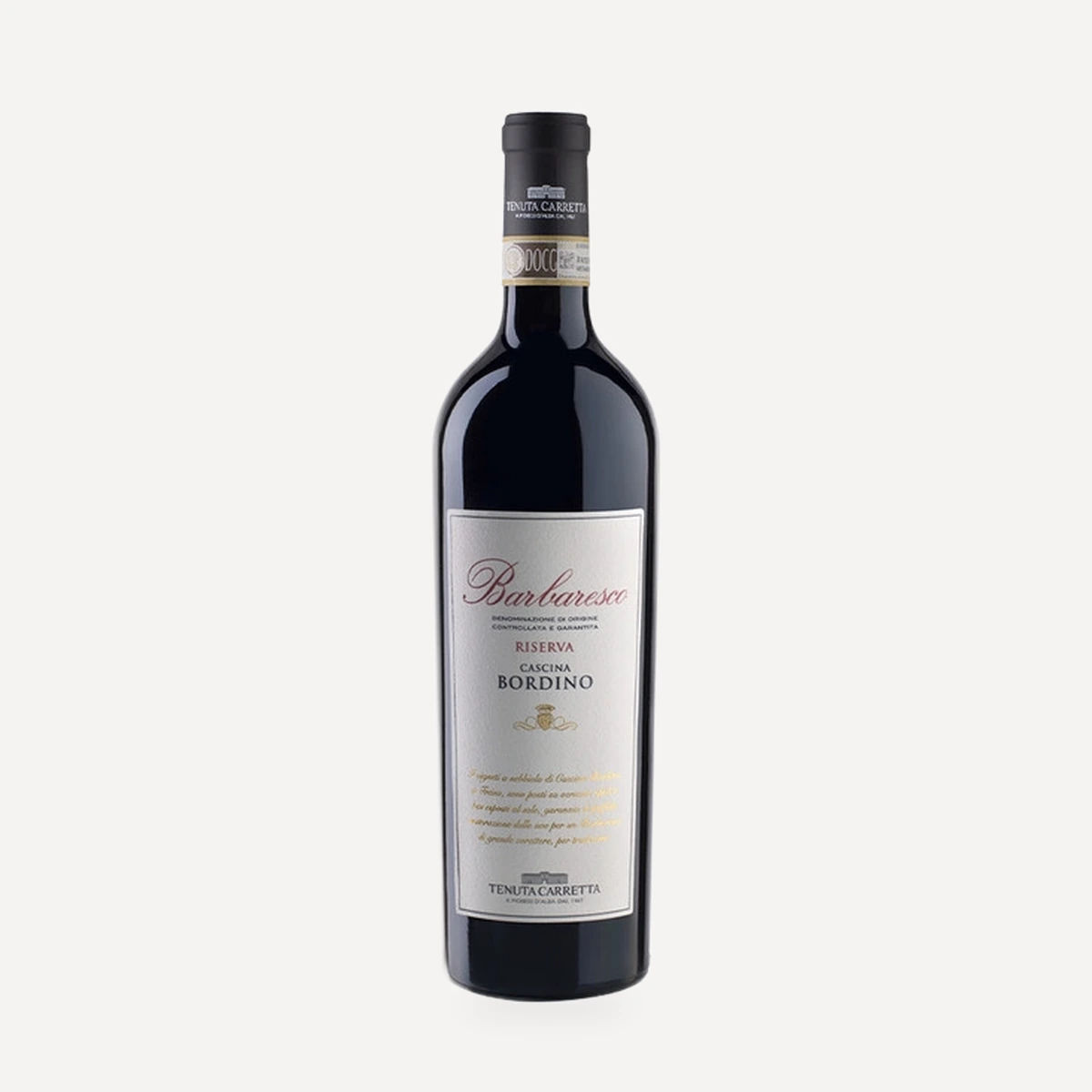
Questo vino
Vineyard and terroir
Bric Paradiso is the 2.80-hectare Nebbiolo parcel within the estate at Piobesi d’Alba. The MGA occupies a high, rounded plateau on the estate’s easternmost hill. Its name, documented in an 1878 estate map, likely refers to this unusually broad, level hilltop. Sandy soils of marine origin, favourable exposure and pronounced day–night temperature variation support finesse, aromatic breadth and sufficient structure.
Grapes
100% Nebbiolo, with a stated yield of 70 q/ha. Only the best fruit from the Bric Paradiso MGA is selected, and the estate describes its viticulture as sustainable.
Vinification
The must ferments with 10–12 days of maceration at 28°C.
Ageing
The wine spends at least 18 months in oak tonneaux, is transferred to stainless-steel tanks, and then matures for at least another 12 months in bottle.
Technical data
Roero DOCG Riserva. First produced in 1967. Approximately 7,000 bottles are made per vintage. Formats range from 0.375 to 12 litres.
Tasting profile
Deep ruby red, developing garnet nuances with maturation. The bouquet combines red fruit, black pepper, spices and liquorice; another published description adds incense, vanilla and mature fruit. The palate favours elegance, finesse and ease over austerity, balancing structure with suppleness before a persistent mineral finish.
Serving and pairing
Serve at 16–18°C with hearty, preferably meat-based main courses, charcuterie or medium-aged cheeses.
Vintage notes
In 2020, fine weather from May supported balanced growth. Rain in early September partly restored water reserves. The Nebbiolo showed stronger anthocyanin accumulation, tannin maturity and extractability than is typical in warm years. Harvest finished at the end of September, about two weeks earlier than normal, with reduced yields by both weight and grape-to-must ratio.
Label / history
The vineyard name has referred to the plateau since at least the nineteenth century. The wine reached its fiftieth anniversary in 2021, following its first production in 1967.