Storia
The medieval origins of the name
The estate’s name was once connected to the Celtic root car, meaning stone, because of a conspicuous chalk bank near the entrance. Archival research by historian Baldassare Molino instead linked the place-name to a medieval landowner. An act from 1334 refers to the heirs of Careta Constanzi, while a 1353 sale preserved in the archive of the Counts of Roero di Guarene identifies an Albese noblewoman—domina Careta or Carete Constancie—as the daughter of Ruffino Capre and widow of Manuele Constanzi. She owned land and meadows on the borders of Piobesi. Her name subsequently became the toponym of the property.
1467: the founding document
On 28 November 1467, in a lower room with a fireplace at the Castle of Piobesi, notary Giorgio di Monteacuto drew up the sharecropping agreement regarded as Tenuta Carretta’s founding act. Andrea Damiano, co-lord of Piobesi, granted Corrado, Giacomino and Pietrino Porrino the right to cultivate and harvest the lands of cassina Careta for nine years. Enrico Navone and Giacomo Tagliaferro of Priocca served as witnesses.
Written in vernacular Latin on parchment, the contract regulated the cultivation of grain, rye, legumes, winter cereals, fruit and extensive vineyards. It required the fields to be worked to at least the fourth ploughing and the produce to be brought to the farm. The Porrino brothers had to prune, shorten, arrange and disbud the vines every year and perform all other work required by local custom.
The harvest was normally to be divided between landowner and sharecroppers, but the grapes from the vines of Podio—Podium Serrae—were explicitly reserved for Andrea Damiano. This exception documents that one particular hillside was already being treated as superior vineyard land in the fifteenth century. The parties closed the agreement by swearing on the Gospels. Viticulture on the property has continued from that period onward.
Historical place-names and vineyard records
Several present-day vineyard names occur in old surveys and cadastral documents. Campovirato was recorded in 1348 and again in a Damiano document of 1594, where it was described as the “turned possession.” Alteno della Fontana also appeared in 1594; its name recalls the alteno, a spacious mixed-farming vineyard system in which cereals, fodder, potatoes or beans could be grown between wide rows supported or bordered by poplars, maples and mulberries. Alteno di Mastro Pietro probably commemorates Pietrino Porrino and was recorded again in surveys of 1801 and 1810.
A cadastral register of 1878 identifies Campolungo, Terrazze and Bric Paradiso. Terrazze was then planted with “sweet vines,” while the Bric Paradiso name referred to the rounded, plateau-like summit of the estate’s eastern hill. A general estate plan dated 22 November 1898 linked Maddalena to the former church of that name, already documented beside the Piobesi–Corneliano road in the fifteenth and sixteenth centuries. The Maddalena lands later belonged to the Sismonda family of Corneliano and passed to the Counts of Roero during the eighteenth century.
Changes of ownership
The Damiano family retained the property until 1811, when it passed to the Counts of Roero after approximately 350 years. The Counts cultivated it for about 120 years and transferred it to the Veglia family of Turin in 1932. In 1985, Tenuta Carretta was acquired by the Miroglio family of Alba. Under Miroglio ownership, the vineyards were reorganized, additional parcels were acquired and the estate was restructured.
Twentieth- and twenty-first-century milestones
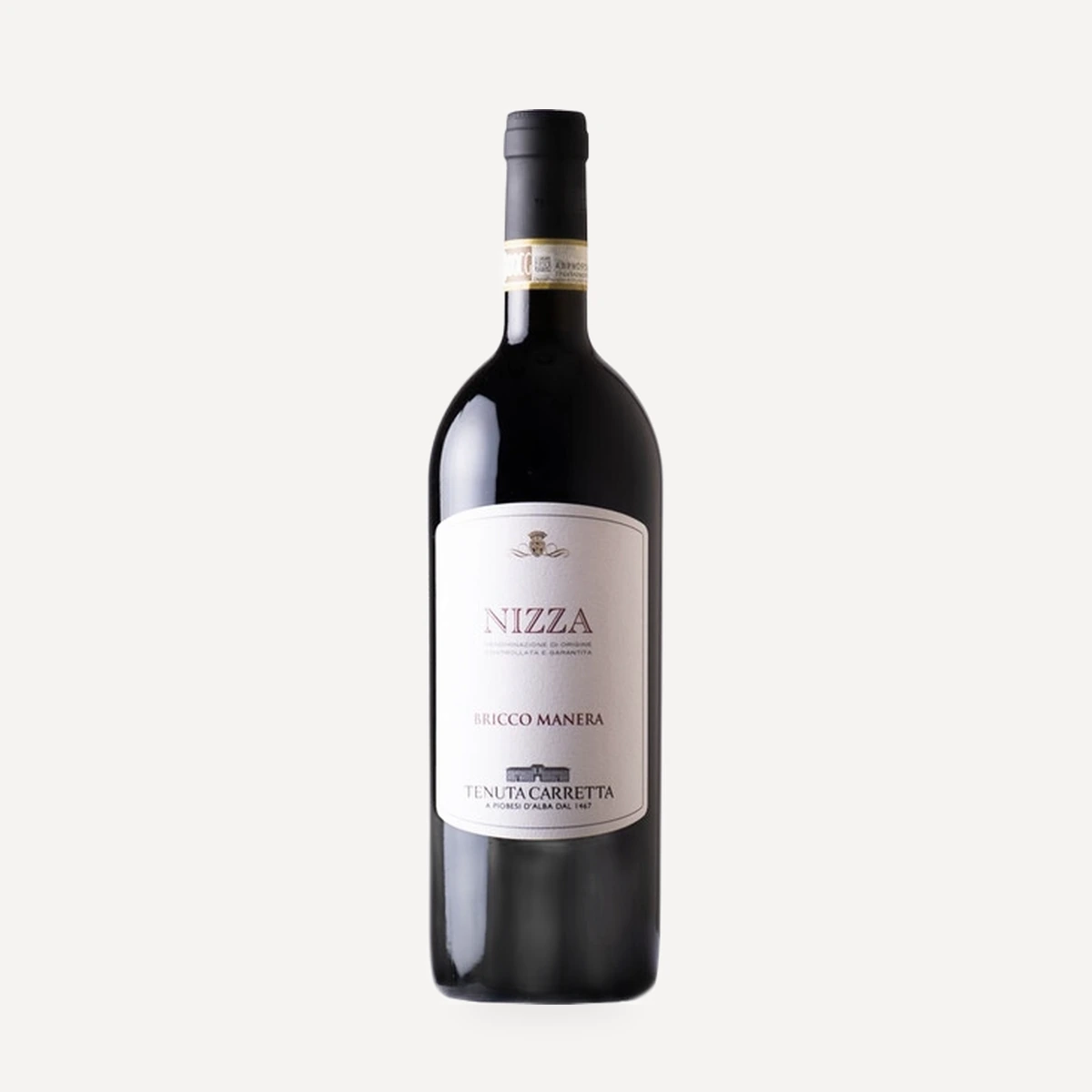
A productive Nebbiolo vineyard was established in Cannubi in 1958–1959, and its fruit was first harvested for Tenuta Carretta in 1961. Bric Paradiso was first released from the 1967 harvest as Nebbiolo dei Roeri; from 1970 it was classified as Nebbiolo d’Alba, and from 1985 as Roero following approval of the relevant production rules.
Cascina Bordino’s grapes were vinified separately by at least 1989. The site joined the estate in 1992; the wine was initially known as Barbaresco Poderi Bordino and adopted the Cascina Bordino name with the 1993 vintage. From the 2012 vintage, its maturation was extended so it could be released as Barbaresco Riserva.
Canorei began its own production history with the 1994 vintage. Cayega’s first vintage was 2004. During the 1990s, the cellar was completely rebuilt underground, separating vinification and bottling from maturation and adding a dedicated tasting space.
The estate marked 550 years of documented viticulture in 2017 with conferences, tastings, food, music, art and vineyard events. In 2022, its 555th anniversary was celebrated through Tenuta Carretta Experience tastings, Casa Cayega, vineyard activities, exhibitions and a concert in Alba by soprano Maria Agresta, accompanied by Michele D’Elia.
Terroir
Roero and Langhe
The headquarters stand at Piobesi d’Alba in Roero, north of Alba and on the left bank of the Tanaro. Just under 35 ha form a south-to-northwest-facing amphitheatre around the cellar. A further 45 ha lie south of the river in the Langhe.
Langhe’s lower winegrowing zone is marked by marly hills, straight slopes, rounded ridges and parallel valleys. Roero is less regular, with steeper, rougher slopes, deep valleys, eroded rock faces and a mosaic of vineyards, hazelnuts, orchards, vegetable plots and woods.
Both landscapes belong to the Ligurian-Piedmontese Tertiary Basin, a substantial sequence of marl-and-sand sediments and sedimentary rocks deposited mainly in a marine environment during the middle-to-late Oligocene, approximately 30–35 million years ago. Roero emerged later from the ancient Padano Sea during the Pliocene and consequently has generally softer, more permeable soils with a higher proportion of sand. Sandier ground is associated with fragrance and elegance; where sand meets calcareous marl, the resulting wines gain austerity and capacity for ageing.
Vineyard climate and elevation
The Grape’s Road through the Piobesi amphitheatre has an average elevation of 260 m. Its soils range from sandy and calcareous to compact and clay-rich. Clay gives some sectors a reddish cast and helps retain water during drought; these vineyards do not require irrigation. Bric Quercia faces southeast, while the rounded Bric Paradiso occupies the highest point of the route.
Nebbiolo sites are selected for orientation, exposure and shelter. The variety performs on calcareous, tuffaceous soils containing sand and clay in suitable proportions and benefits from sunny south- or west-facing hillsides at roughly 200–450 m, protected from wind and cold spring weather. Day–night temperature changes during ripening are particularly important.
Cannubi
Cannubi lies in the commune of Barolo on a lower, wedge-shaped ridge protected on three sides by the surrounding hills of Novello, La Morra, Monforte and Castiglione Falletto. It occupies a geological transition between the compact, deep Helvetian/Lequio Formation sector and the softer Tortonian sector. Its bluish-grey marl contains magnesium and manganese carbonates; nearer the surface, clay and sand combine with substantial limestone and Marne di Sant’Agata Fossili. The position provides favourable exposure and shelter from cold winds.
Treiso
Garassino occupies a ridge at the northwestern edge of Treiso near Pertinace. Rows extend across west- and east-facing slopes and receive sunlight for most of the day. Serravallian Lequio Formation soils, formed approximately 13–11 million years ago, alternate marl and sand and have loamy textures with clay and limestone.
Cascina Bordino, less than 4 km away, differs markedly. Its Tortonian Marne di Sant’Agata Fossili contain fine sediments, silt and clay with less sand. The best southeast-facing positions are steep, with thin, compact sandstone ground and grey silty marl.
Cissone
The high-altitude project at Cissone occupies cool Alta Langa terrain near 650–700 m, with northern exposure, marly-clayey soils rich in pietra di Langa and a cool microclimate. These conditions slow vegetative development and prolong ripening. The combination of clay, stone, altitude and increasing temperatures has supported Pinot Nero, Chardonnay and Riesling Renano.
Vinificazione
Viticulture is based on environmental, technical and economic sustainability and integrated vineyard management. Chemical treatments are limited to situations considered indispensable for protecting healthy vine development. Disease-control decisions depend on monitoring pathogen-infection thresholds, while ripening is followed separately for each grape variety and vineyard.
All grapes vinified by the estate are grown in its own vineyards and harvested manually. Canorei is picked by hand during the early morning to preserve freshness. The site is trained to Guyot rather than spur pruning so that work can continue on renewed wood, an approach intended to extend vine life. Its naturally low-yielding, mature Arneis vines produce thicker-skinned grapes with greater resistance to parasitic attacks.
Nebbiolo requires especially careful management of exposure, cultivation and fertilisation. It buds during the first ten days of April and traditionally ripens in the first half of October. Arneis also buds early and is placed on slopes less exposed to spring frost; flowering occurs in early June and ripening in the second half of September. The Cissone vineyards use altitude and cooler exposure to slow vegetative growth and lengthen ripening.
The 2024 season illustrated the monitoring approach. A mild, dry winter was followed by the coldest and rainiest spring in more than 60 years. Cold and rain interfered with flowering and fruit set, reducing yields, while infection pressure demanded precise threshold monitoring. The harvested grapes nevertheless retained juice, natural acidity, including malic acid, and vivid aromas. Harvest began on 7 September and concluded with Cascina Ferrero and Cannubi on 14–15 October.
Cellar and general process
Only estate-grown grapes are vinified. The standard framework combines manual picking, slow pressing and measured maceration, with the aim of preserving the balance and harmony achieved in the vineyard. Traditional practice is supported by temperature-controlled technology.
The cellar was entirely rebuilt during the 1990s. Its underground structure is divided into two principal areas: one for vinification and bottling and another for maturation. A tasting room occupies the far end.
After destemming and pressing where appropriate, must ferments before the wine is drawn off into tanks or barrels. Temperature-controlled stainless-steel tanks are used alongside Stockinger wooden vats. Oak vessels of different origins and capacities are introduced when required. Steel is associated with wines intended to retain youthful freshness, while wooden vessels enable controlled oxygen exchange during longer maturation.
Canorei protocol
Canorei Arneis is hand-picked in the cool early morning. Whole bunches are gently pressed, and the free-run juice receives an initial cold maceration. It then remains at low temperature for seven days to clarify without additives before fermentation in stainless steel. Maturation continues in tonneaux, mainly French oak with a smaller proportion of acacia. Acacia is used selectively because its aromatic contribution requires careful management.
Site-specific long maturation
Cascina Bordino is selected from steep, well-exposed Nebbiolo slopes suited to prolonged maceration. From the 2012 vintage, its ageing programme was extended beyond 50 months, including at least nine months in oak, to support release as Barbaresco Riserva. Cannubi and Bric Paradiso likewise form part of the cellar’s long-ageing Nebbiolo programme; Bric Paradiso matures for 18 months in barrel and 12 months in bottle.
High-altitude Riesling
Riesling Renano from Cissone is harvested in early October. Whole bunches are crushed in a pneumatic press with protection from oxidation. After several hours of skin contact, the must ferments at 16°C and remains on fine lees in stainless steel for eight months. Bottling takes place in June following harvest, followed by at least 18 months of bottle ageing.
Filosofia
Tenuta Carretta defines quality as the faithful interpretation of its own vineyards and each individual harvest. The goal is not to impose a standardised style but to preserve the grape variety, place of origin and vintage character through balanced work in the vineyard and cellar.
Its approach combines inherited Piedmontese practice with modern technical knowledge. Traditional training systems, manual harvesting, measured maceration and wooden maturation coexist with controlled-temperature tanks, detailed vineyard monitoring and research in newer high-altitude sites.
Sustainability is treated as environmental, technical and economic continuity. Integrated viticulture, restricted chemical intervention, protection of soil integrity and training choices intended to extend vine life are all part of this framework.
The shared objective of the owners and team is to produce serious, high-quality wines that remain pleasurable and approachable. The broader family philosophy links wine with hospitality, food, landscape, culture and direct experience of the vineyards.
Vini
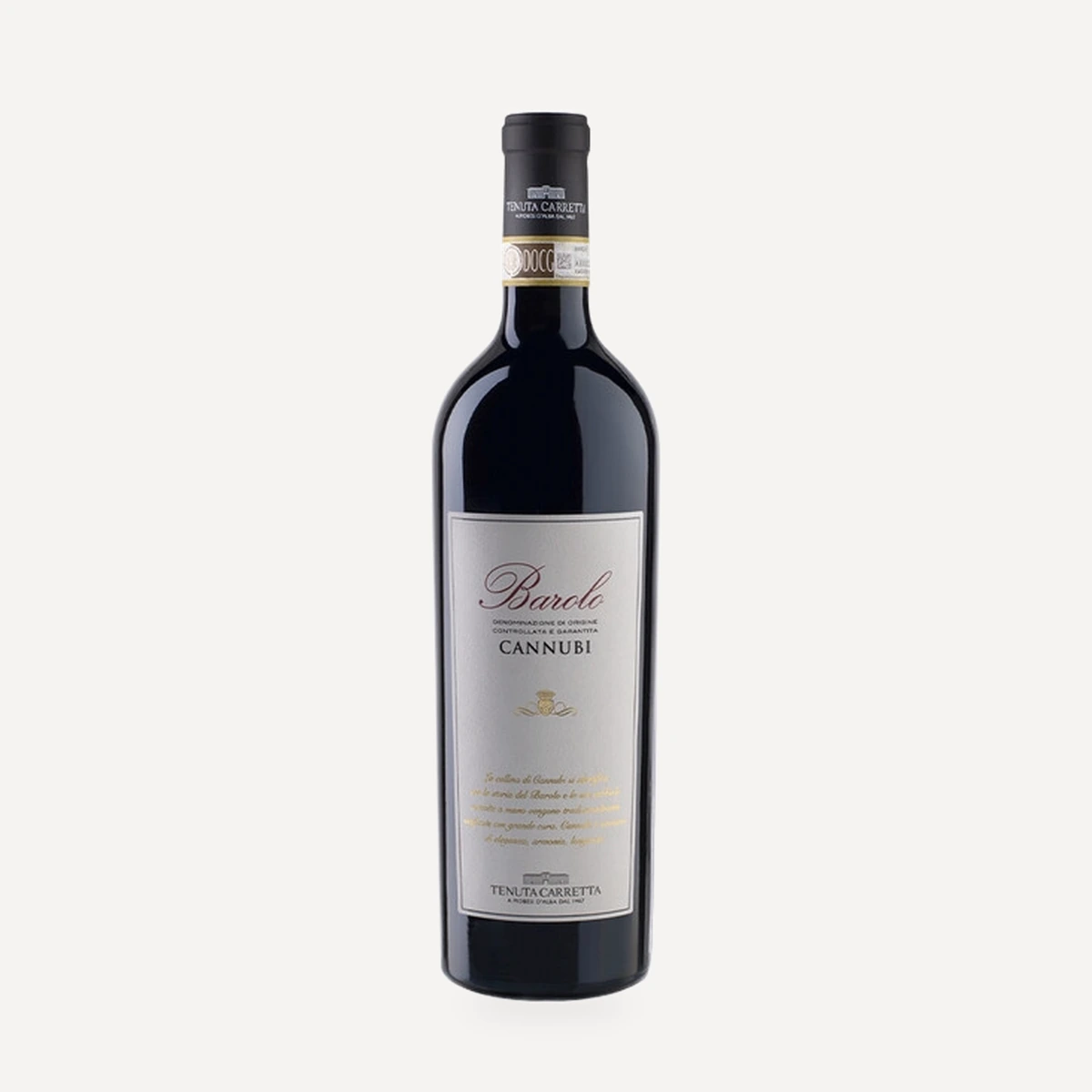
Cannubi Barolo DOCG
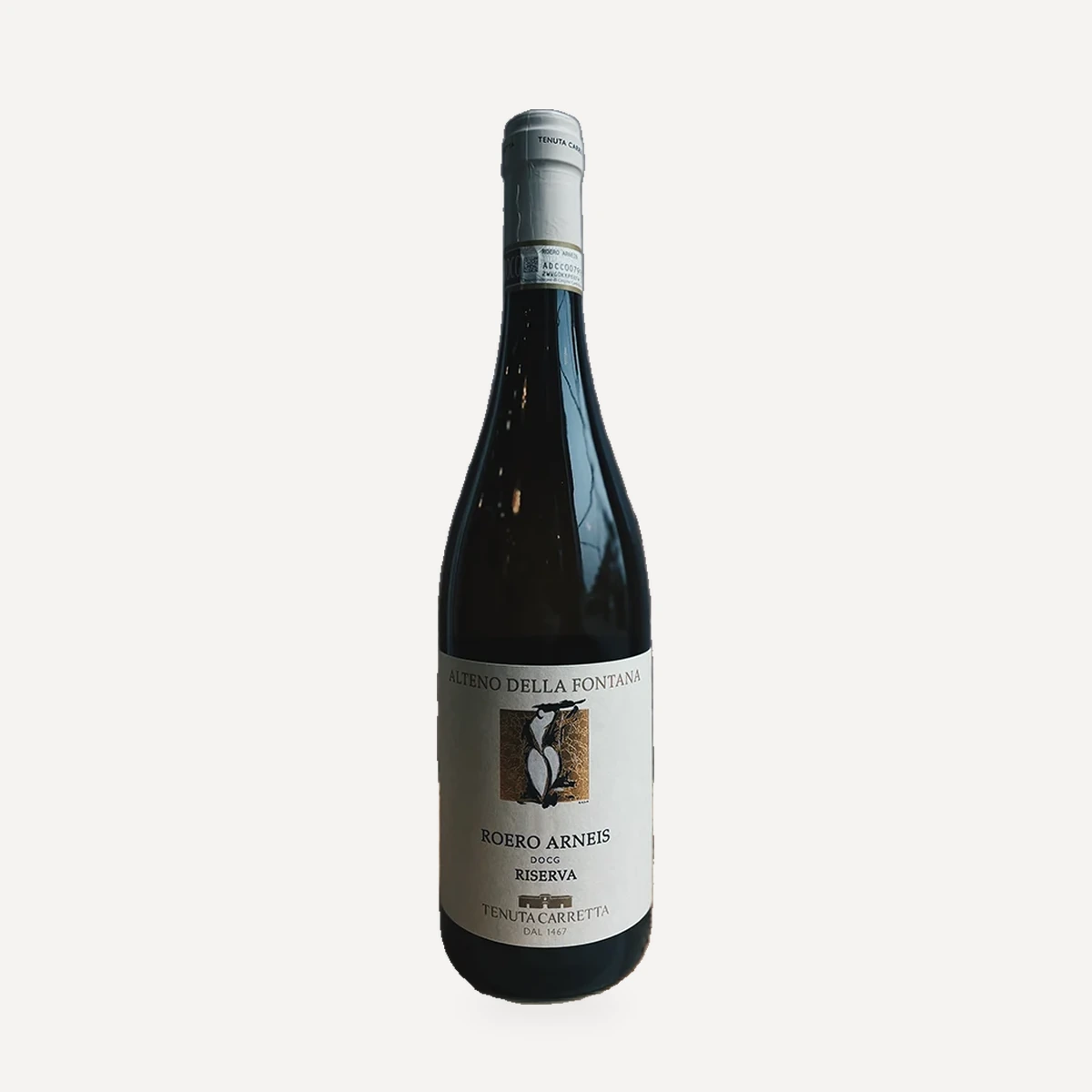
Alteno della Fontana Roero Arneis Riserva DOCG
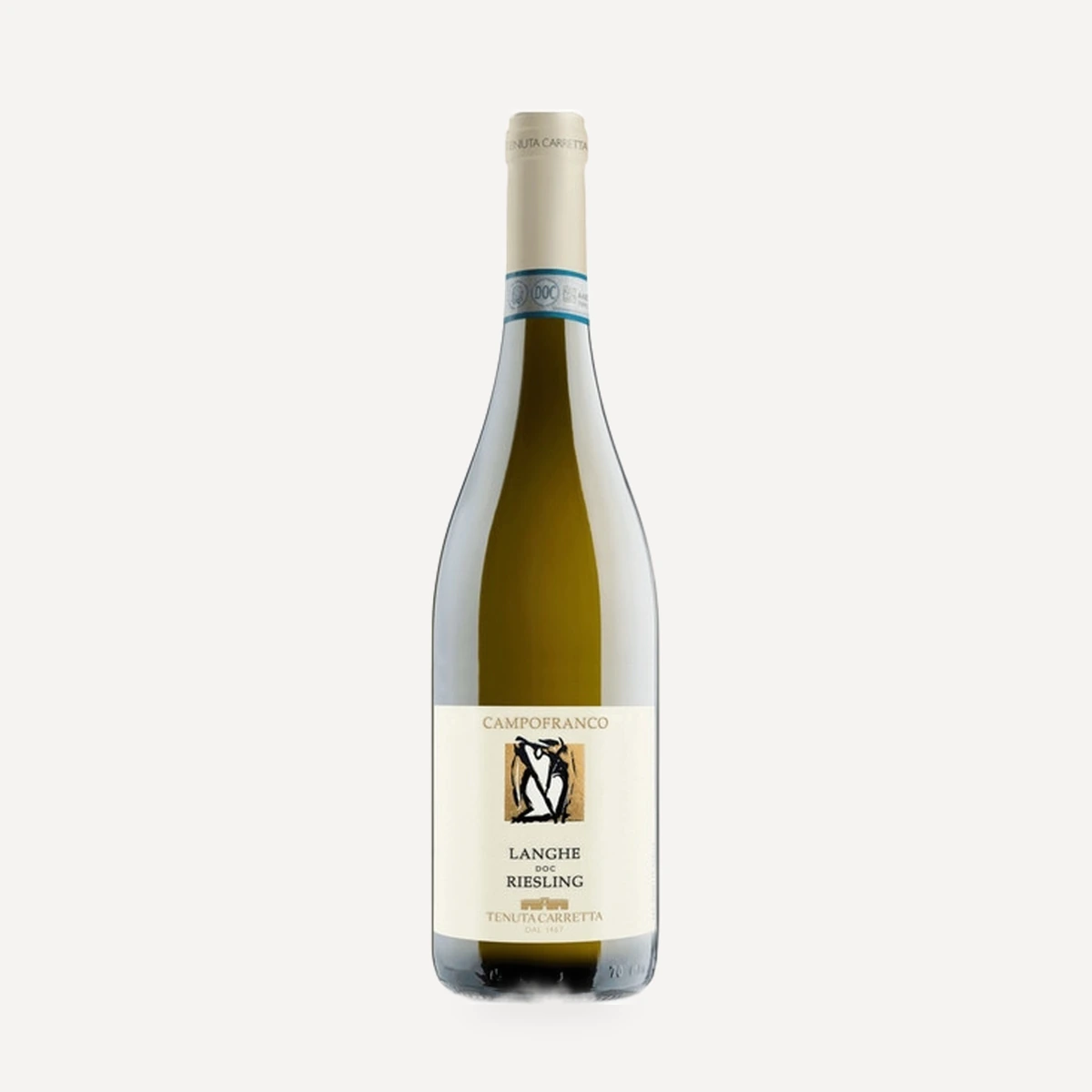
Campofranco Langhe Riesling DOC
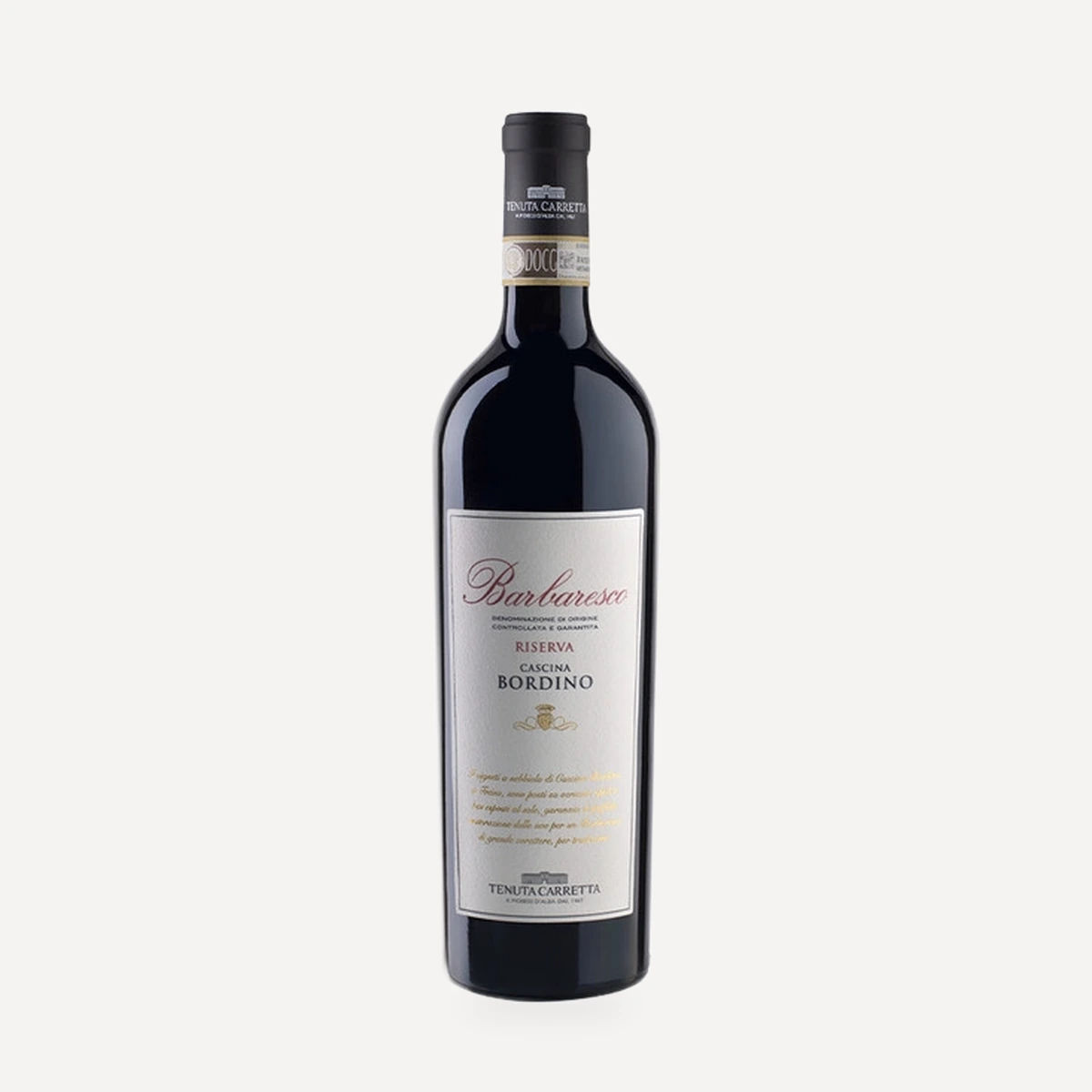
Cascina Bordino Barbaresco Riserva DOCG
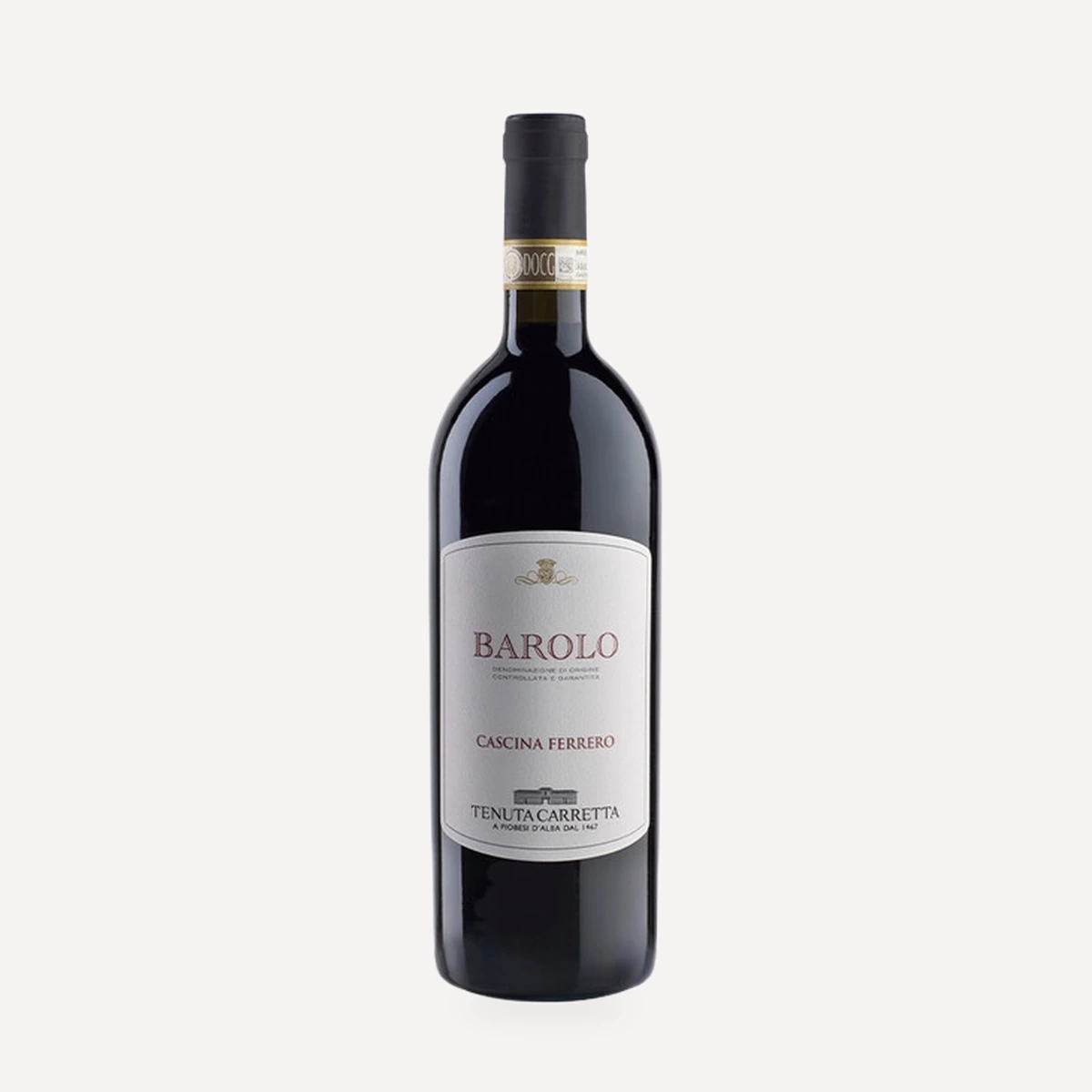
Cascina Ferrero Barolo DOCG
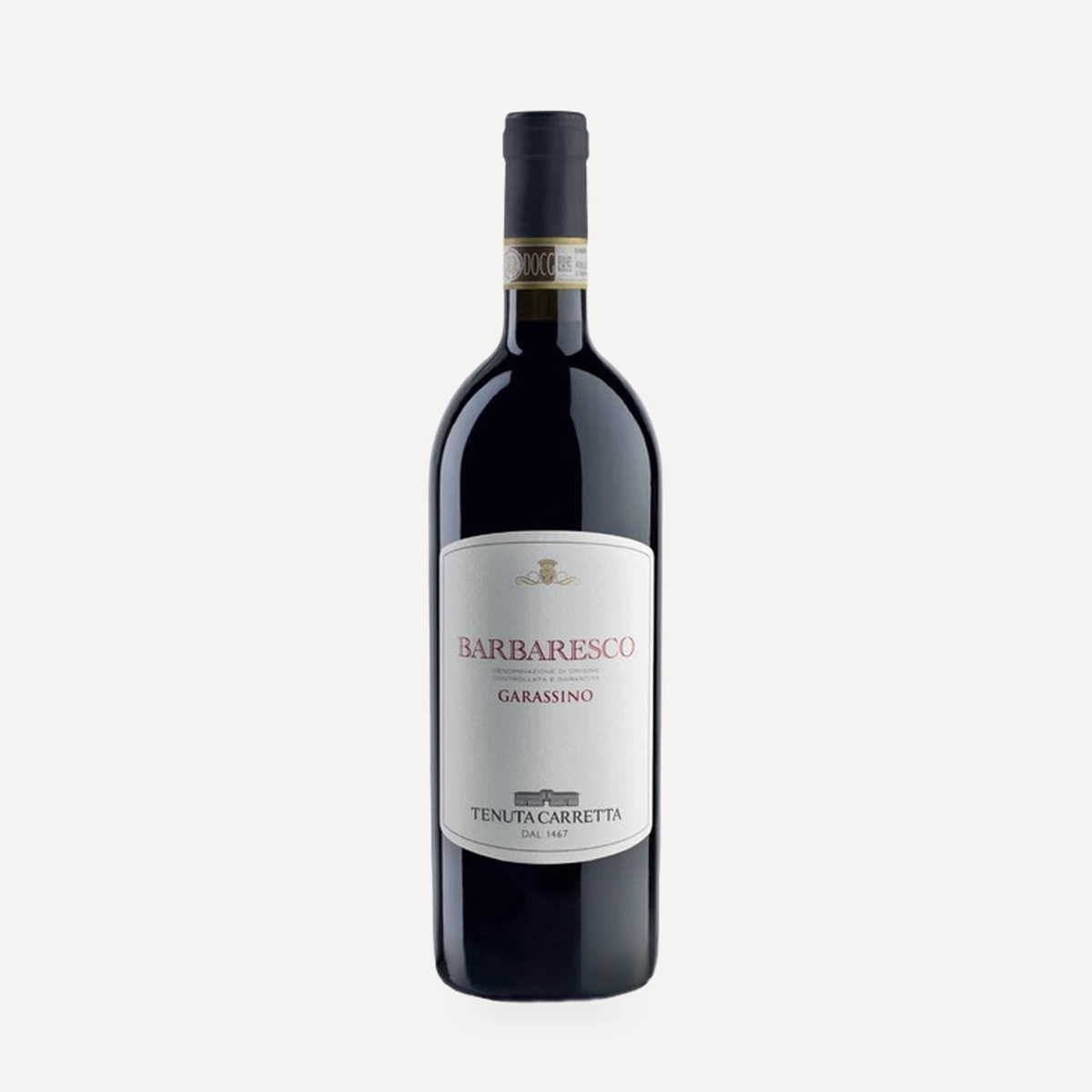
Garassino Barbaresco DOCG
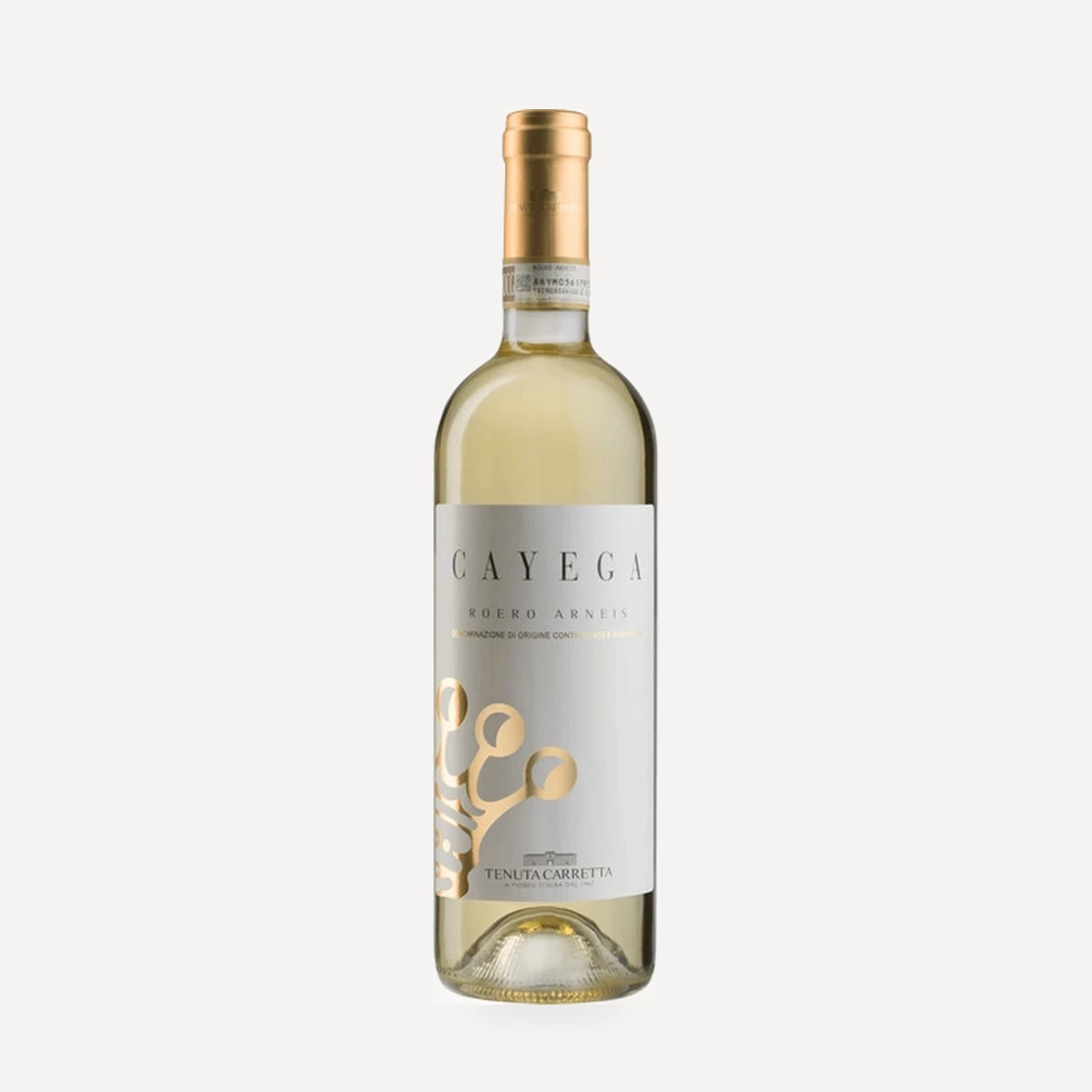
Cayega Roero Arneis DOCG
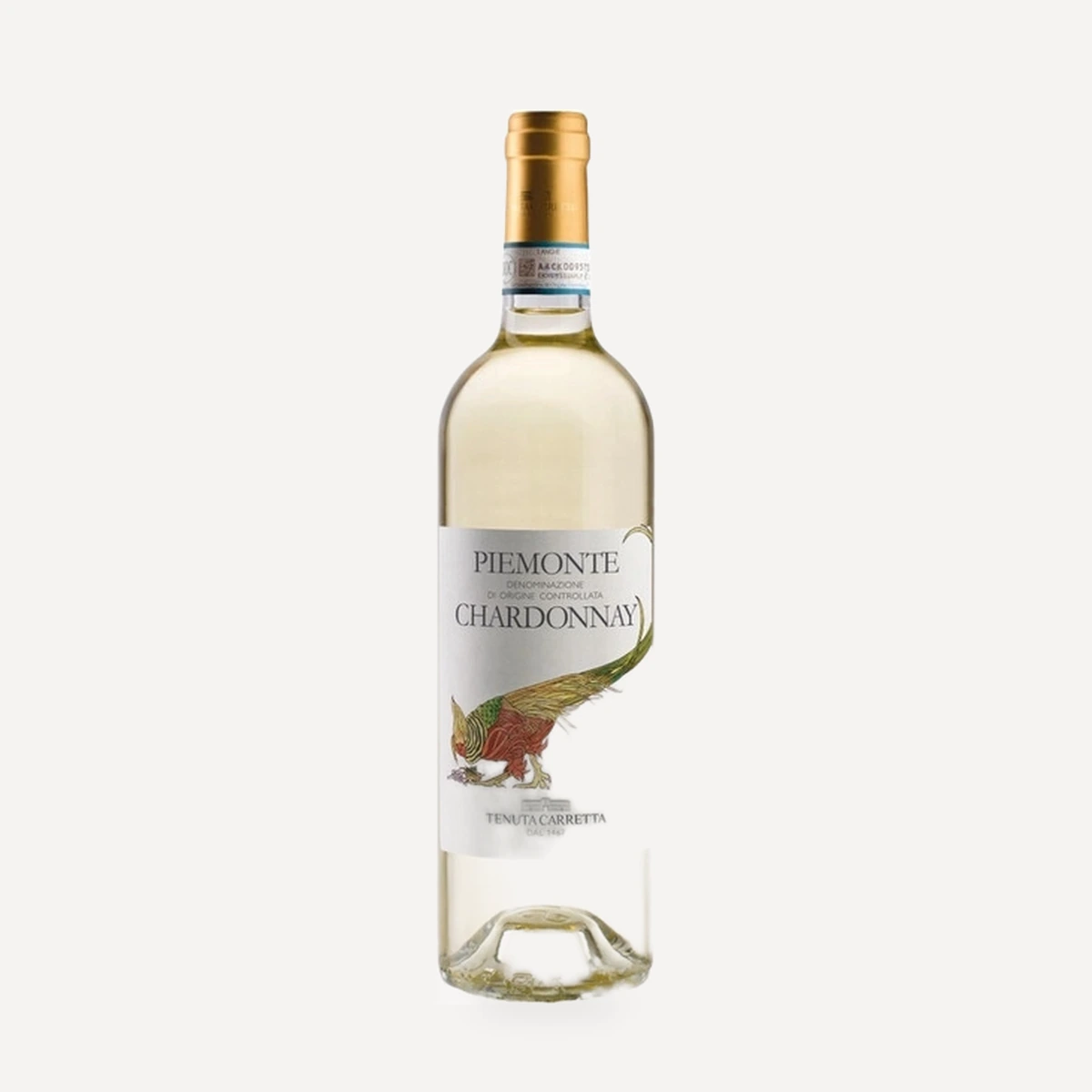
Chardonnay Piemonte DOC
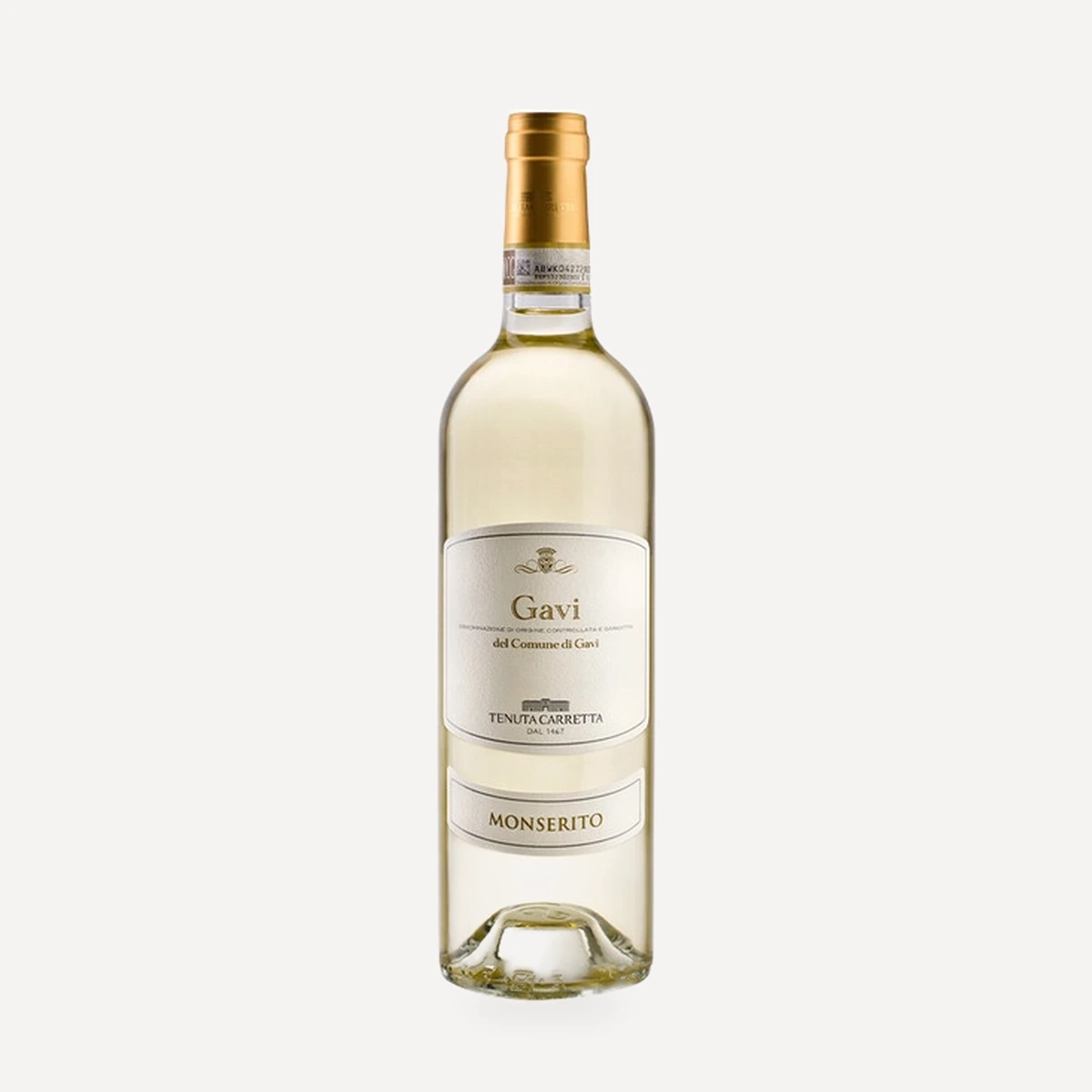
Monserito Gavi del Comune di Gavi DOCG