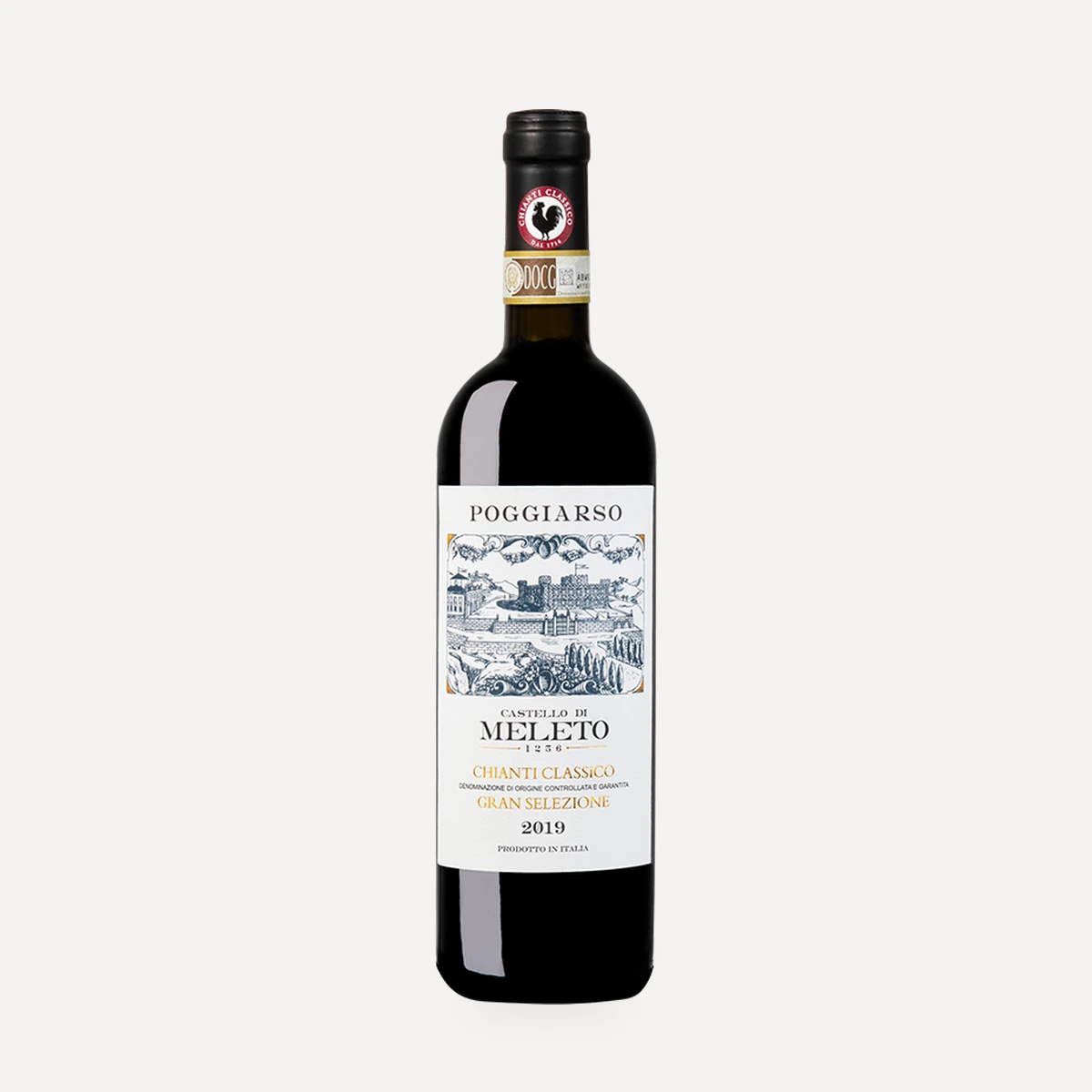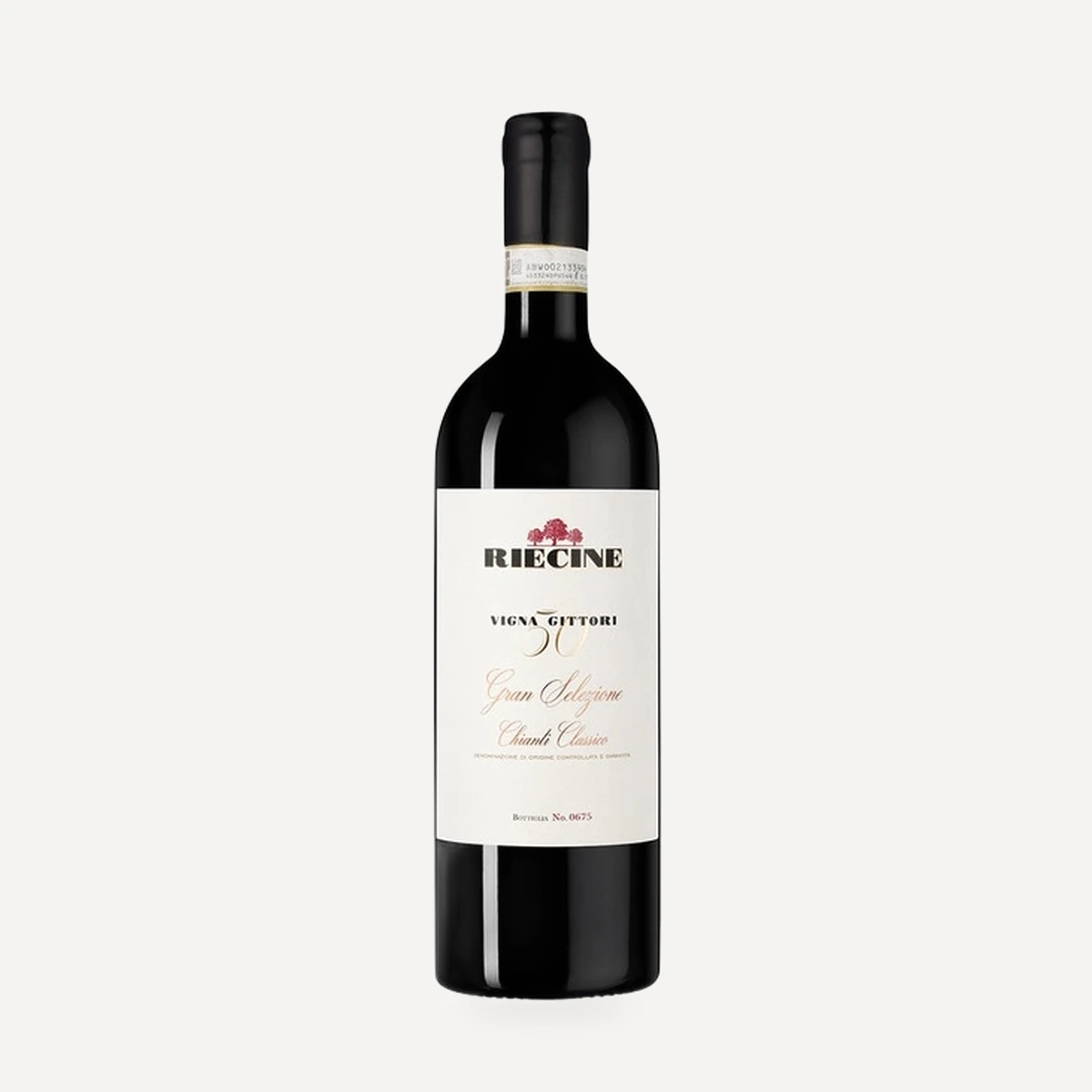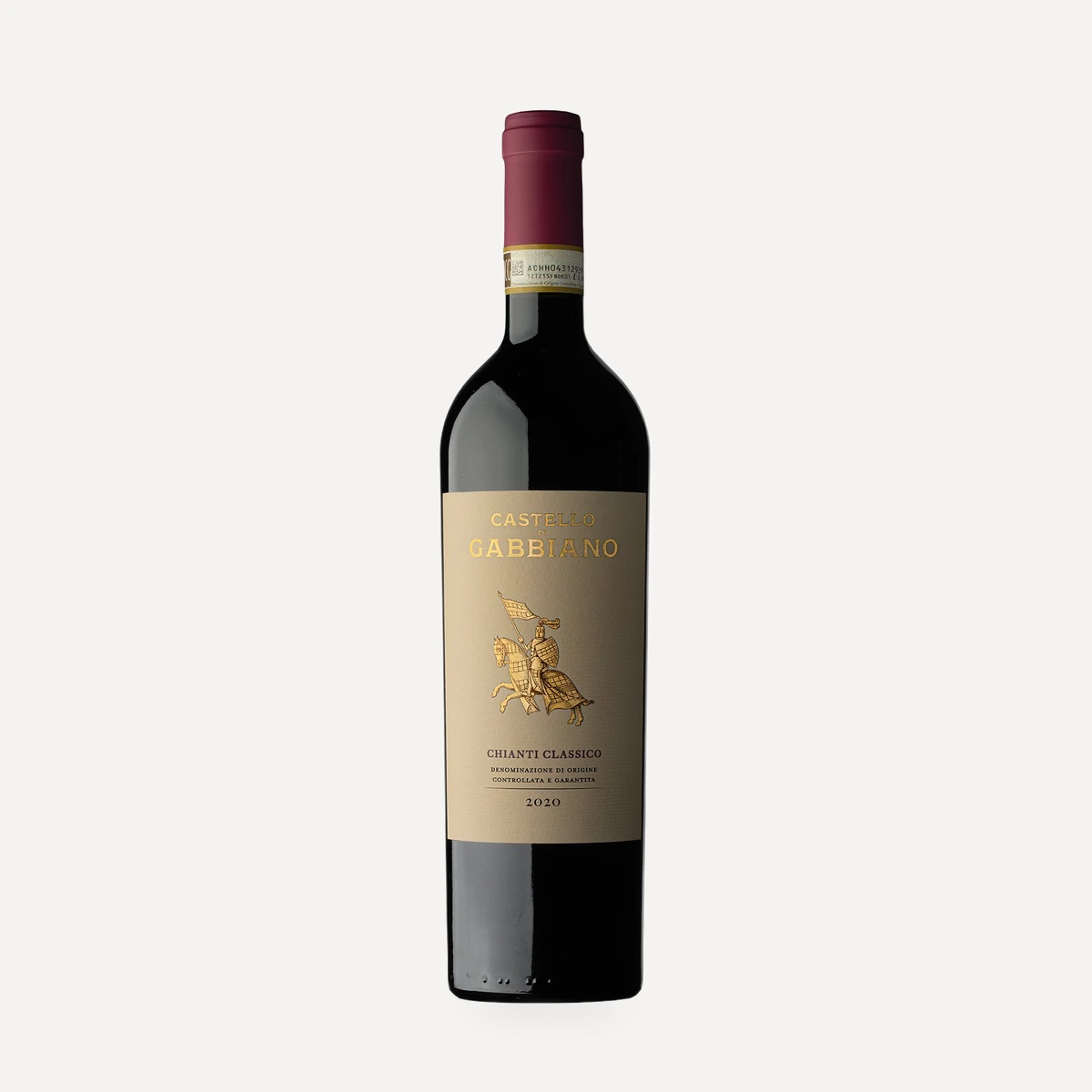
Questo vino
Vineyard and terroir
Fruit is drawn from estate and selected vineyards within Tuscany’s Chianti Classico winegrowing area.
Grapes
90% Sangiovese, 5% Merlot and 5% indigenous red grape varieties.
Vinification
Maceration and fermentation on the skins last 15 days at a controlled 25–26°C. Natural malolactic fermentation follows in large oak casks, softening the wine while retaining freshness and acidity.
Ageing
The wine ages for eight months. The élevage is divided between 15–50 hl French oak casks for 60% of the wine, neutral small oak barrels for 20%, and 200 hl cement tanks for the remaining 20%. These components provide different flavours and textures for the final blend.
Tasting profile
Brilliant ruby red, with aromas of violet and red berries. Bright red cherry, white pepper and nutmeg accompany a savoury Sangiovese character on the palate. Firm tannins and vivid acidity shape a medium-bodied wine balancing elegance with rusticity.
Serving and pairing
Serve at 18°C. Pair with truffled Pecorino, Provolone or Parmesan; pasta with tomato or meat sauce; grilled steak; mushroom risotto; or Tuscan-style roast pork seasoned with garlic, herbs and fennel seeds.
Vintage notes
The 2024 vintage had a very wet spring that increased water reserves and required careful downy-mildew management. A warm, dry and stable summer enabled slow, even ripening, while late-August rainfall enlarged the berries and favoured aroma over polyphenolic concentration and structure. The resulting wines are fresh, vibrant and highly drinkable. In 2023, wet spring weather reduced yields, but careful vineyard work limited the effects of record July heat; a warm, dry harvest produced wines with medium structure and good aromatic expression. The hot, dry 2022 season accelerated ripening and brought widespread August hail, though surviving plots supplied good to excellent fruit.