Chianti Classico
112 cantine e 461 vini. The heart of the Chianti hills between Florence and Siena covers 71,800 hectares: all of the communes of Greve, Castellina, Radda and Gaiole in Chianti and parts of their neighbours down to Castelnuovo Berardenga. The Chianti mountains close it to the east, the Greve river to the north, the Pesa and Elsa to the west. It is an upland rather than a range of hills — a plateau starting at about 200 metres and rarely rising above 600 — on a shield of galestro, the flaky clay schist of the area, with scaly clays, alberese limestone and fine calcareous sandstone. Winters can be hard and summers hot and dry, above 35 °C, with 800 to 900 mm of rain. Continua a leggere ↓
- Livello
- DOCG
- Regione
- Toscana
- Uve
- Sangiovese, Merlot, Canaiolo Nero
- Tipologie
- Rossi, Dolci, Bianchi
- Produttori
- 112
Cantine che producono Chianti Classico
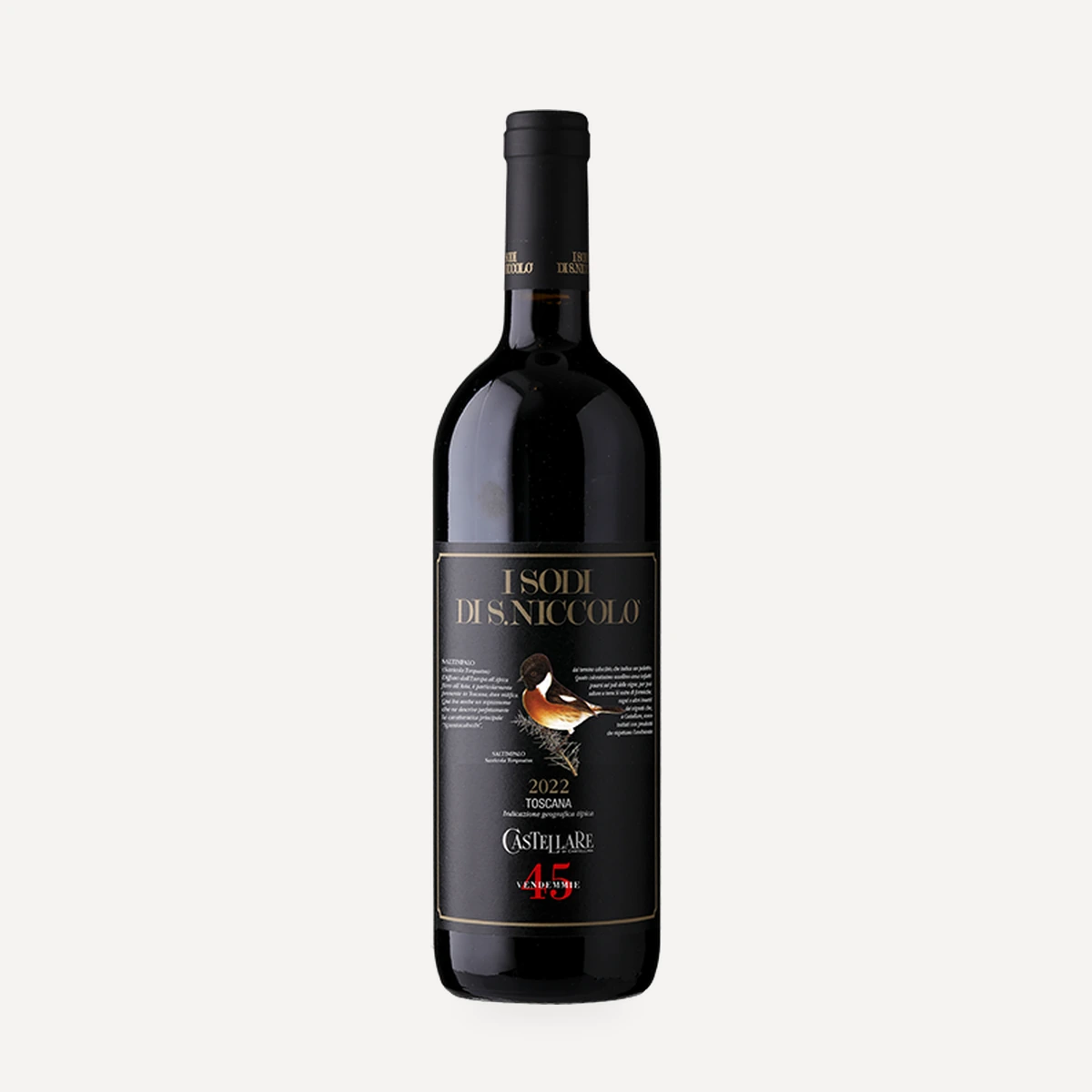 Castellare di Castellina Maremma Toscana · 47 vini17 Tre Bicchieri, l’ultimo nel 2026 · I Sodi di S. Niccolò
 Antinori Franciacorta · 46 vini5 Tre Bicchieri, l’ultimo nel 2022 · Tignanello
 San Felice Chianti Classico · 16 vini12 Tre Bicchieri, l’ultimo nel 2026 · Borgo Chianti Classico DOCG
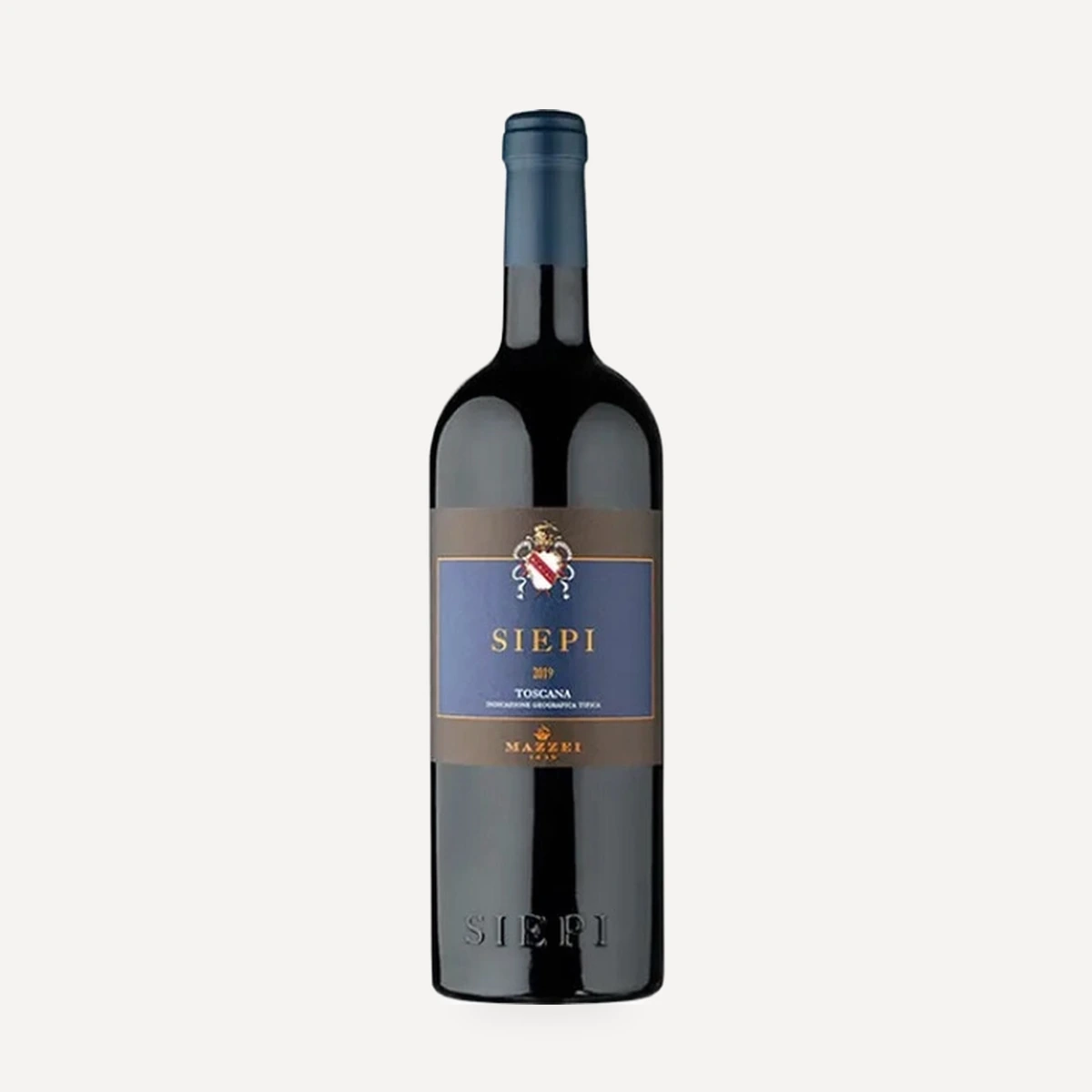 Castello di Fonterutoli Chianti Classico · 14 vini7 Tre Bicchieri, l’ultimo nel 2024 · Siepi Toscana IGT
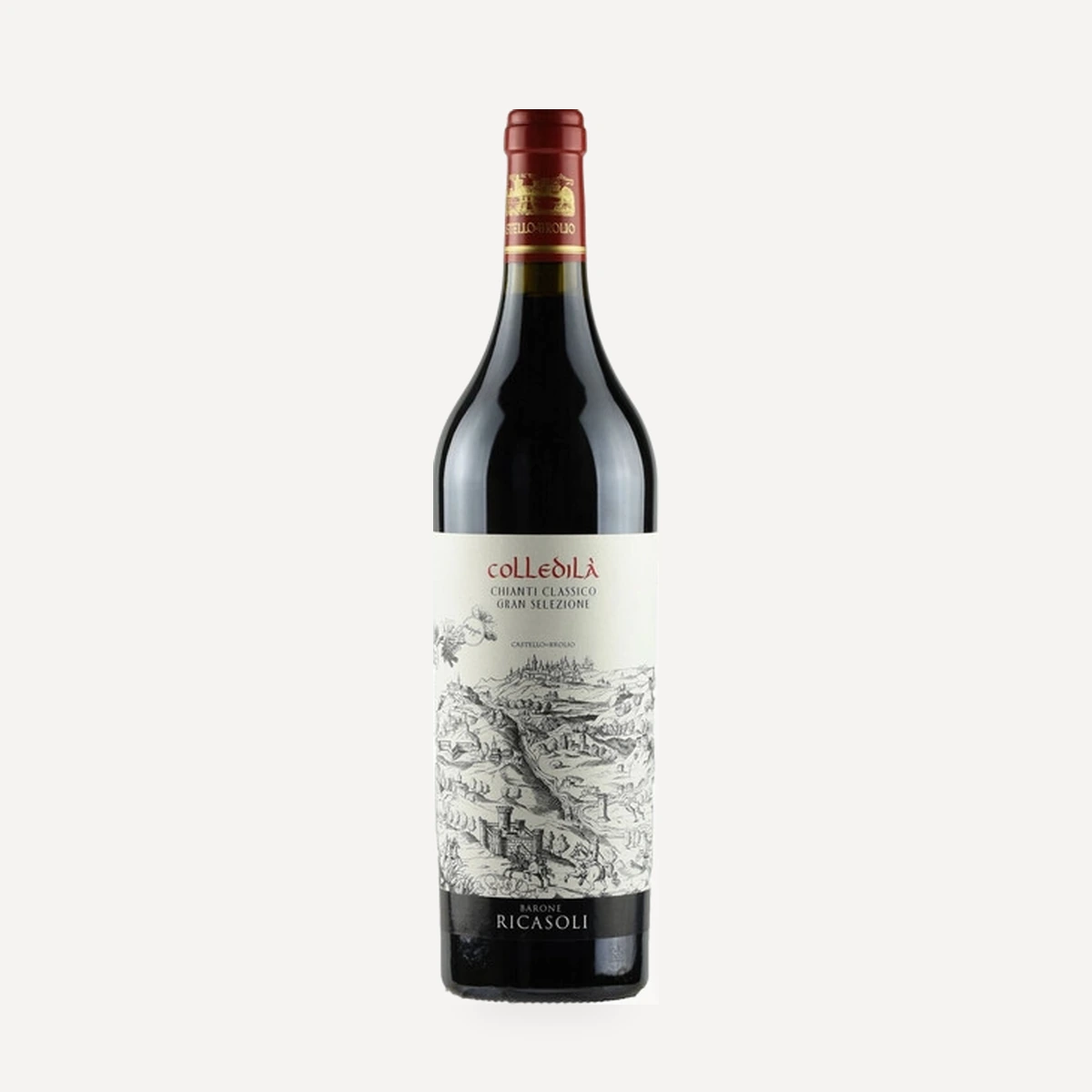 Ricasoli Chianti Classico · 24 vini13 Tre Bicchieri, l’ultimo nel 2026 · Colledilà Chianti Classico Gran Selezione Gaiole DOCG
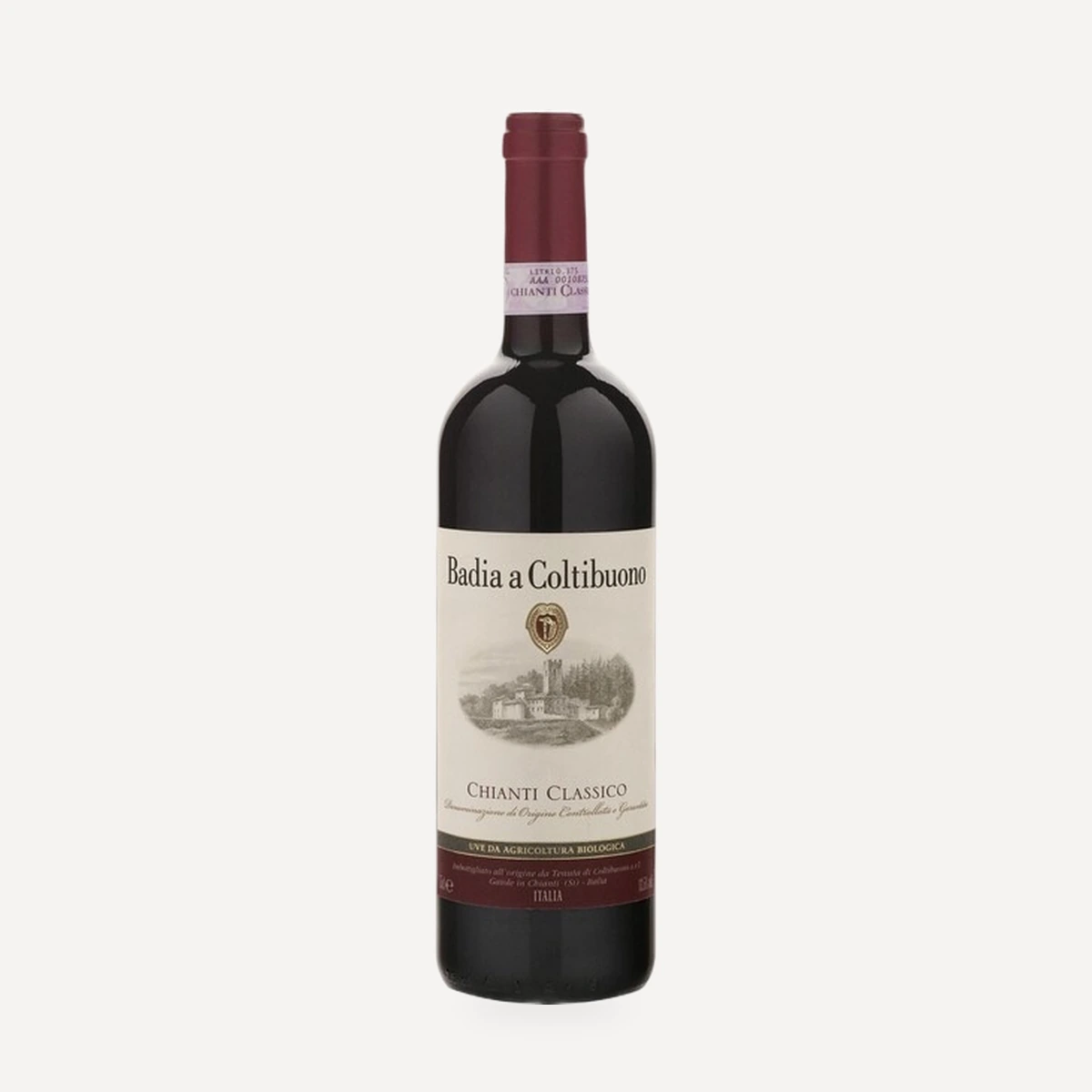 Badia a Coltibuono Chianti Classico · 9 vini8 Tre Bicchieri, l’ultimo nel 2025 · Chianti Classico
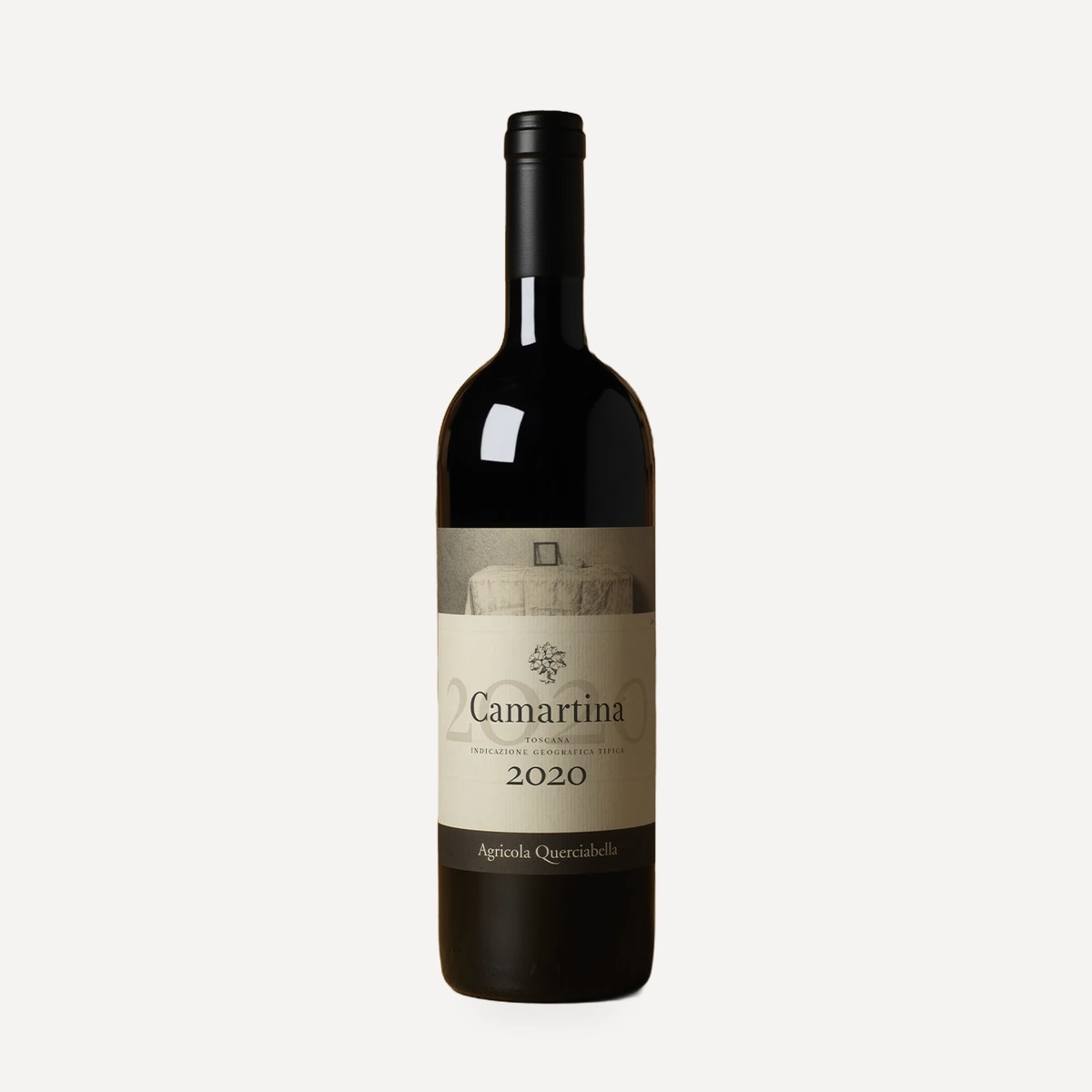 Querciabella Chianti Classico · 12 vini2 Tre Bicchieri, l’ultimo nel 2011 · Camartina
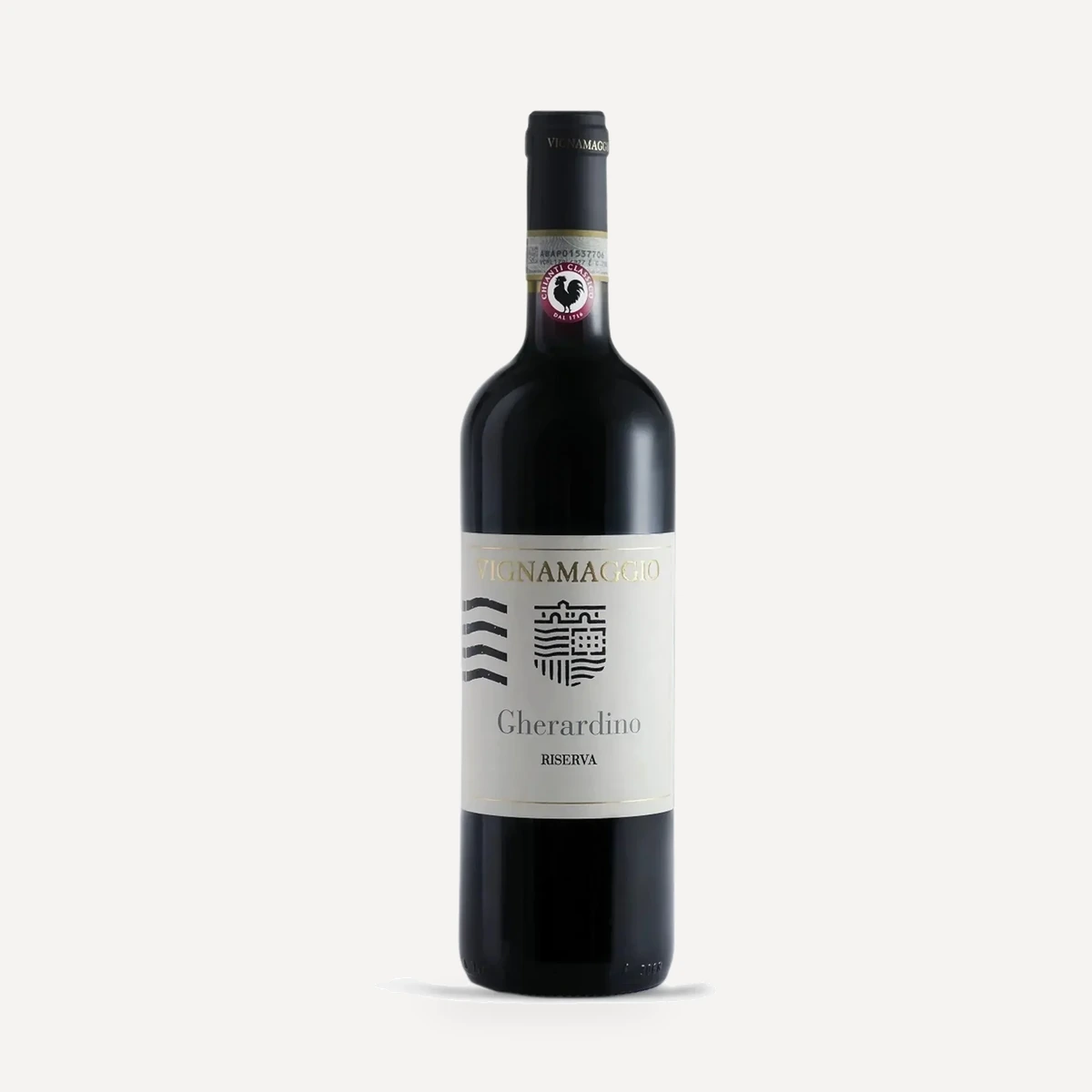 Vignamaggio Chianti Classico · 11 vini8 premi DWWA, l’ultimo nel 2025 · Chianti Classico Riserva Gherardino DOCG
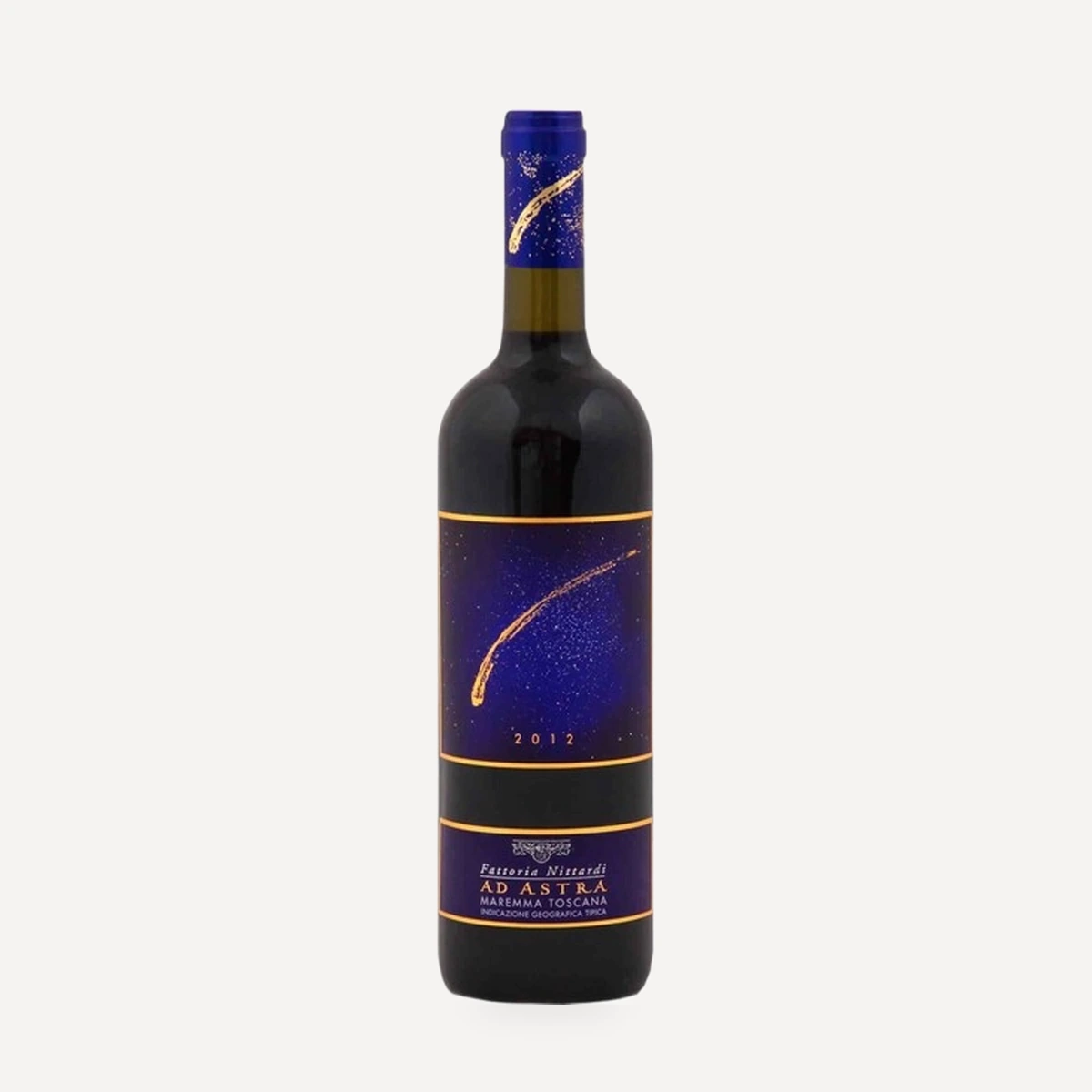 Nittardi Maremma Toscana · 9 vini2 Tre Bicchieri, l’ultimo nel 2018 · Ad Astra Maremma Toscana DOC
 San Giusto a Rentennano Chianti Classico · 6 viniChianti Classico
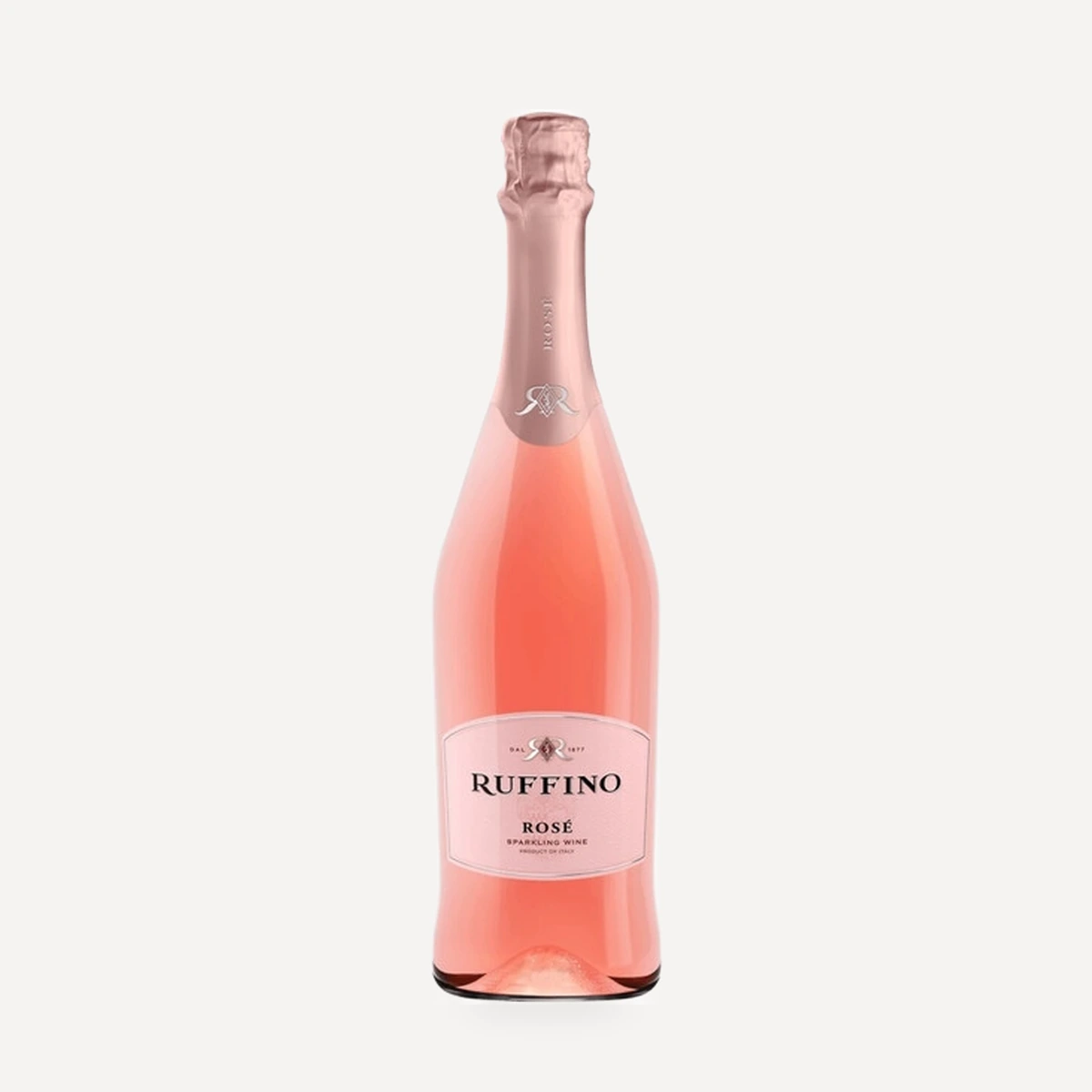 Ruffino Chianti Classico · 42 viniProsecco Rosé DOC
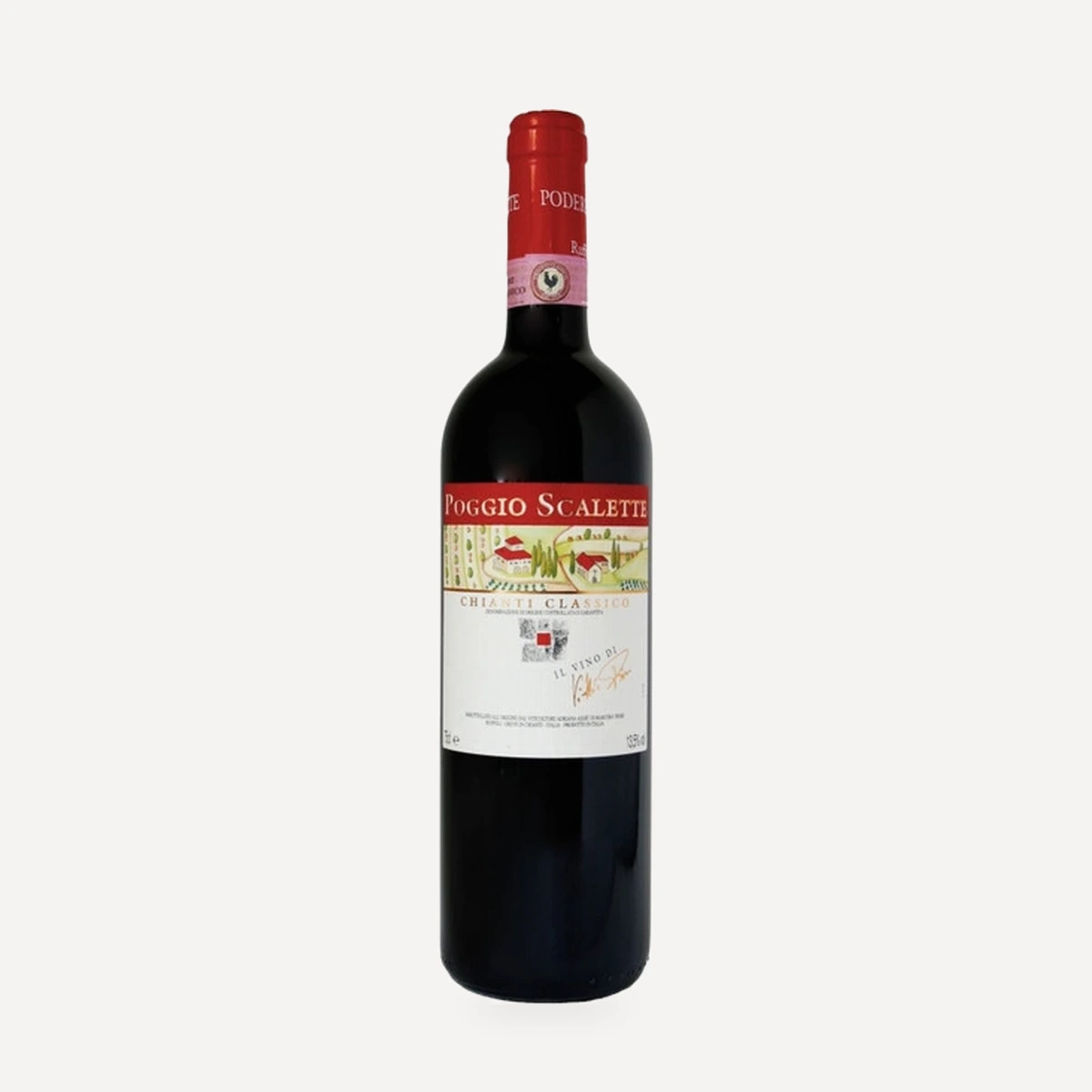 Poggio Scalette Chianti Classico · 9 viniPoggio Scalette Chianti Classico DOCG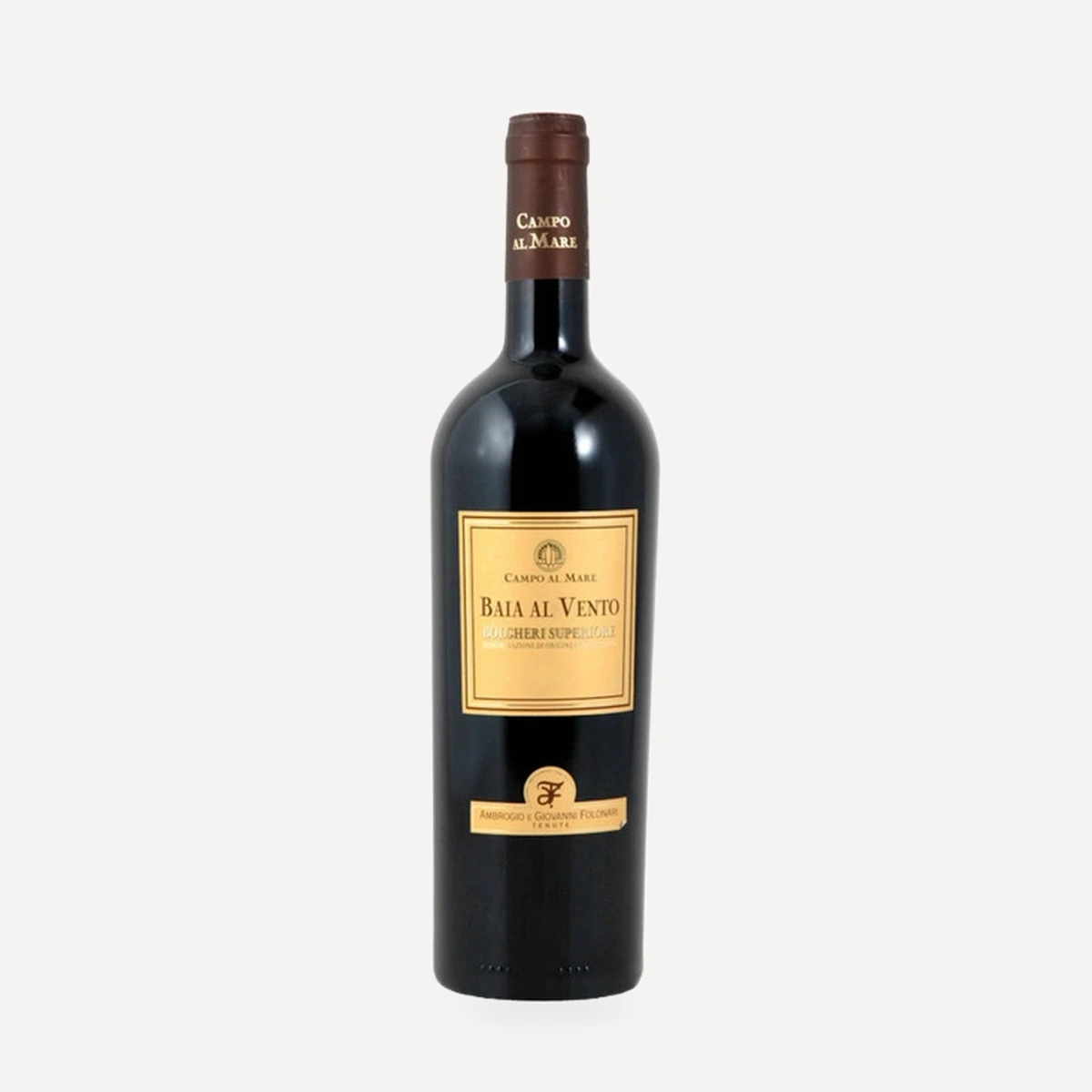
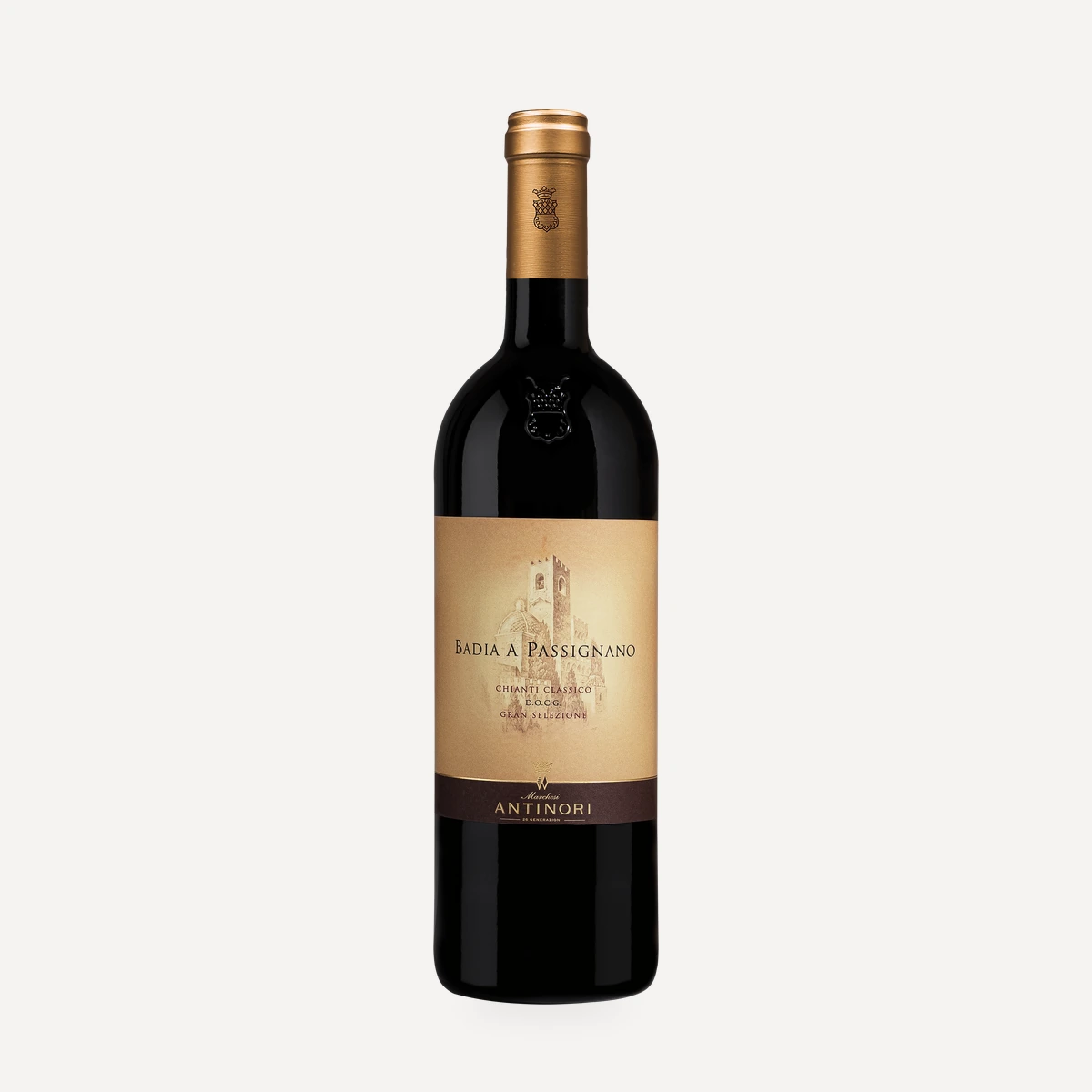

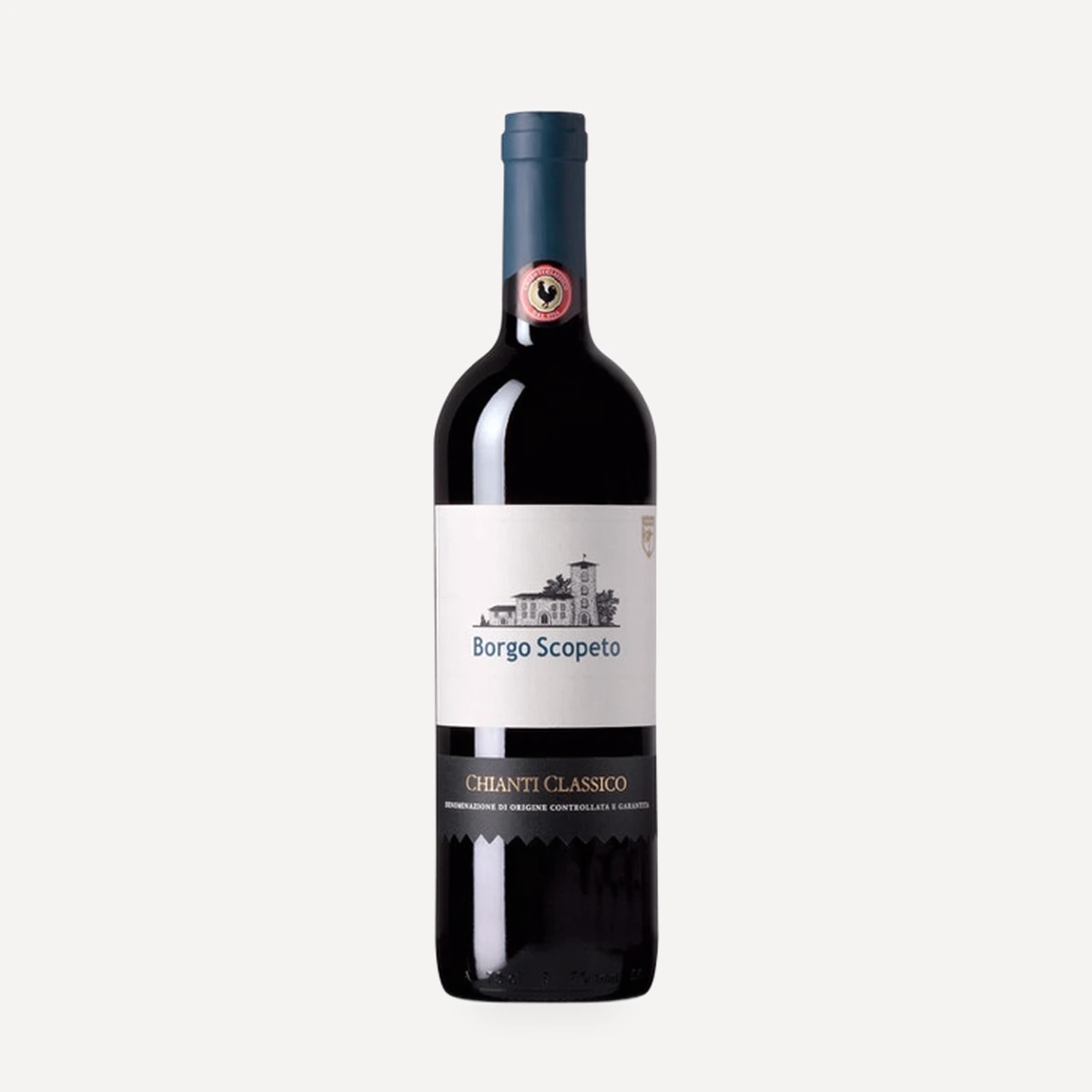
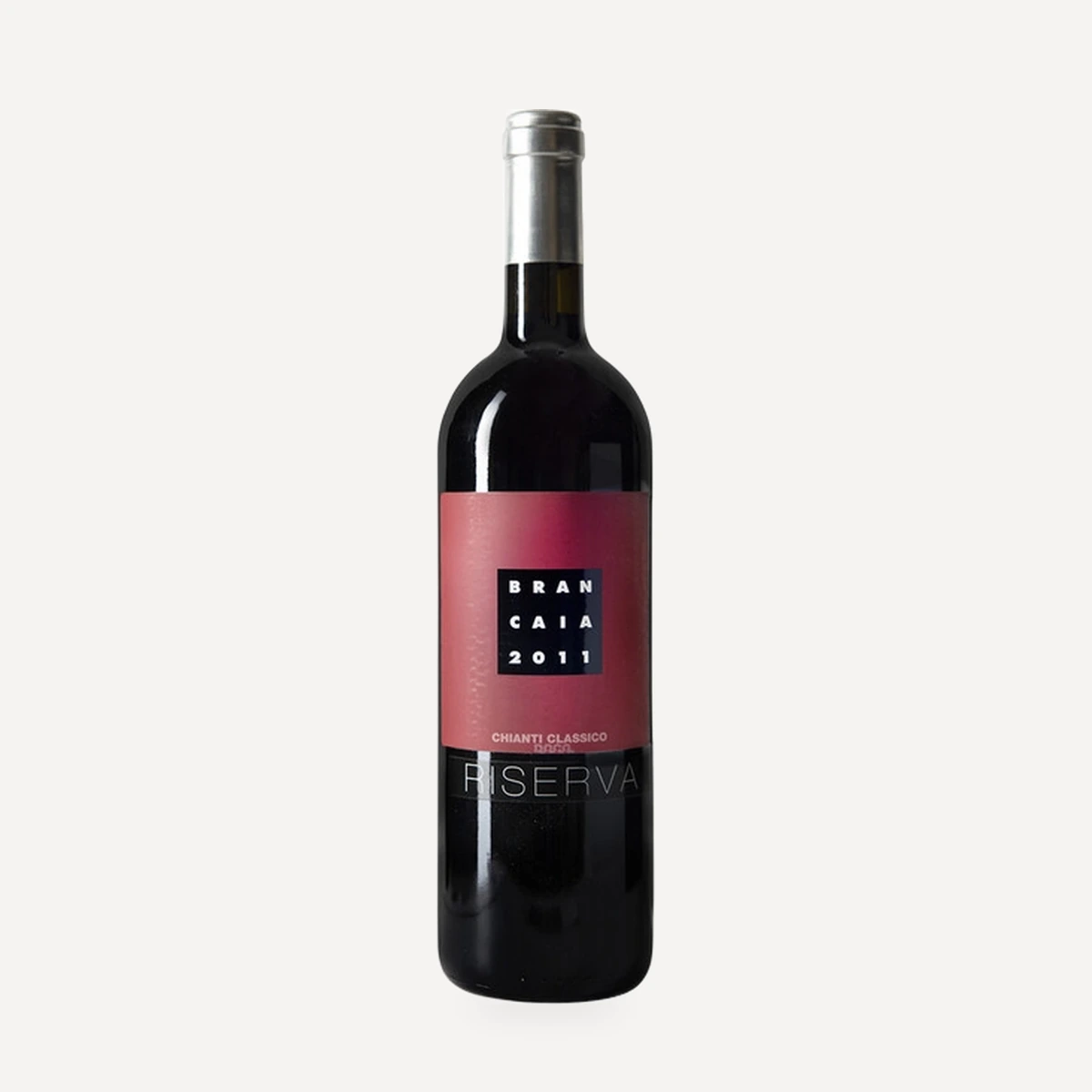
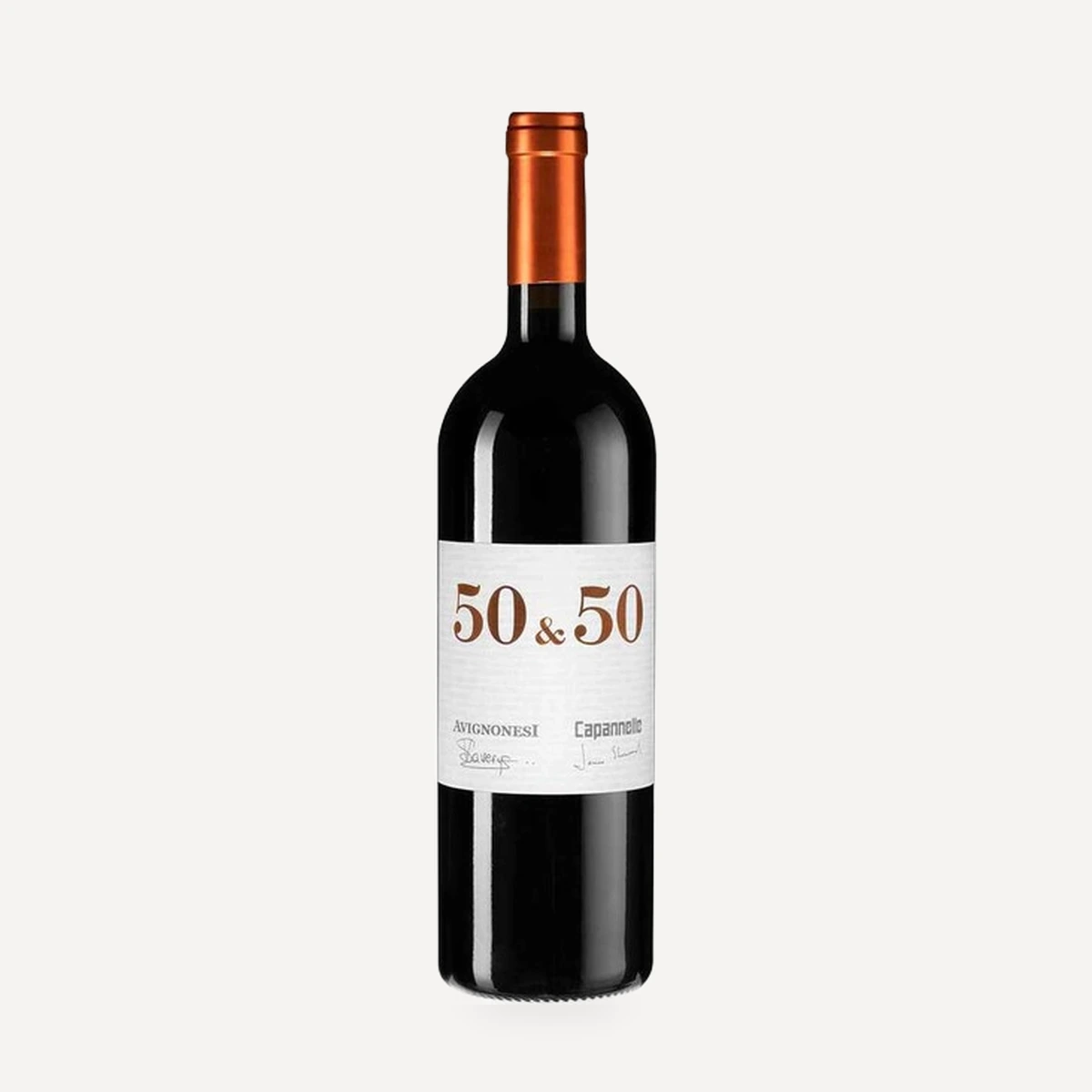 CapannelleChianti Classico · 10 vini
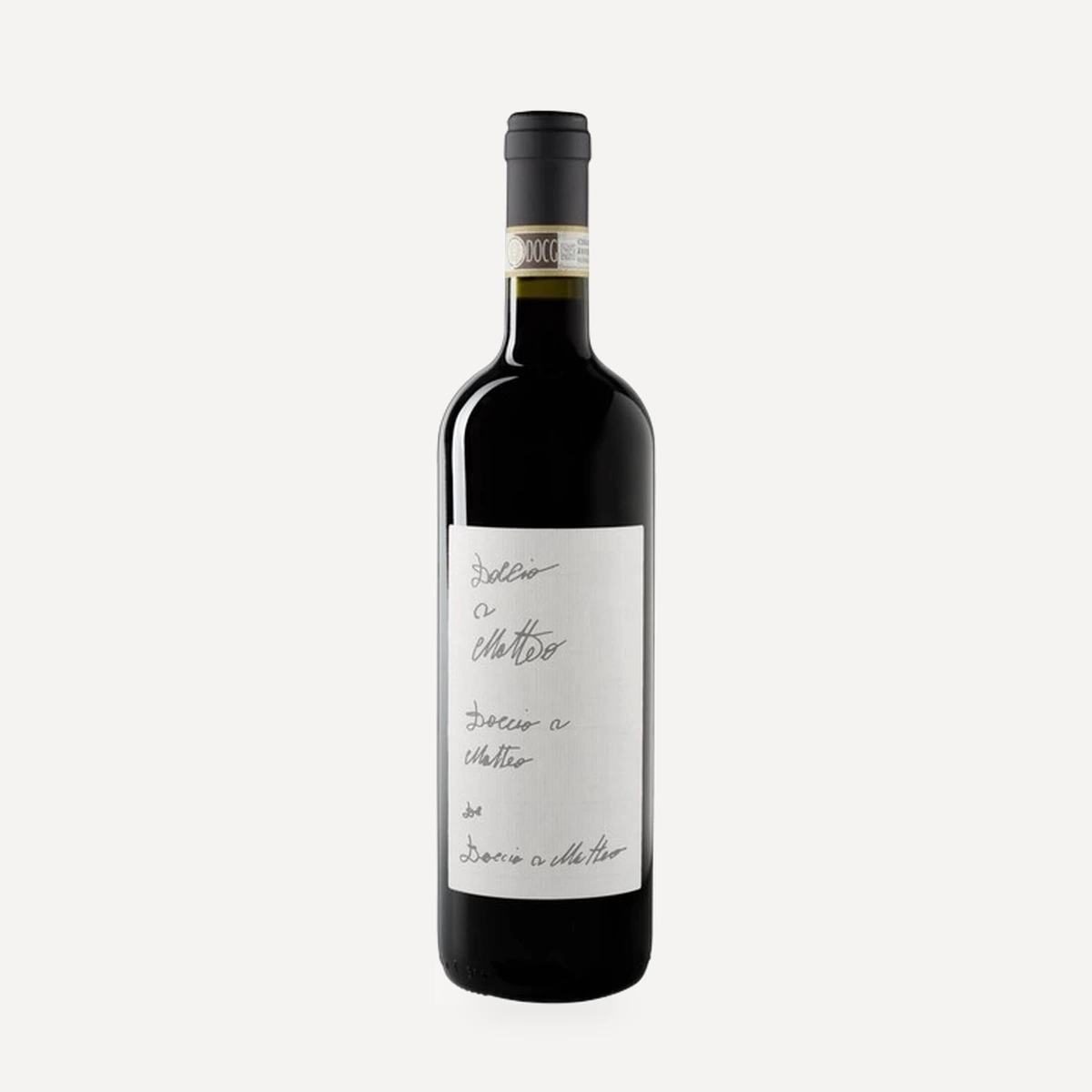 CaparsaChianti Classico · 12 vini
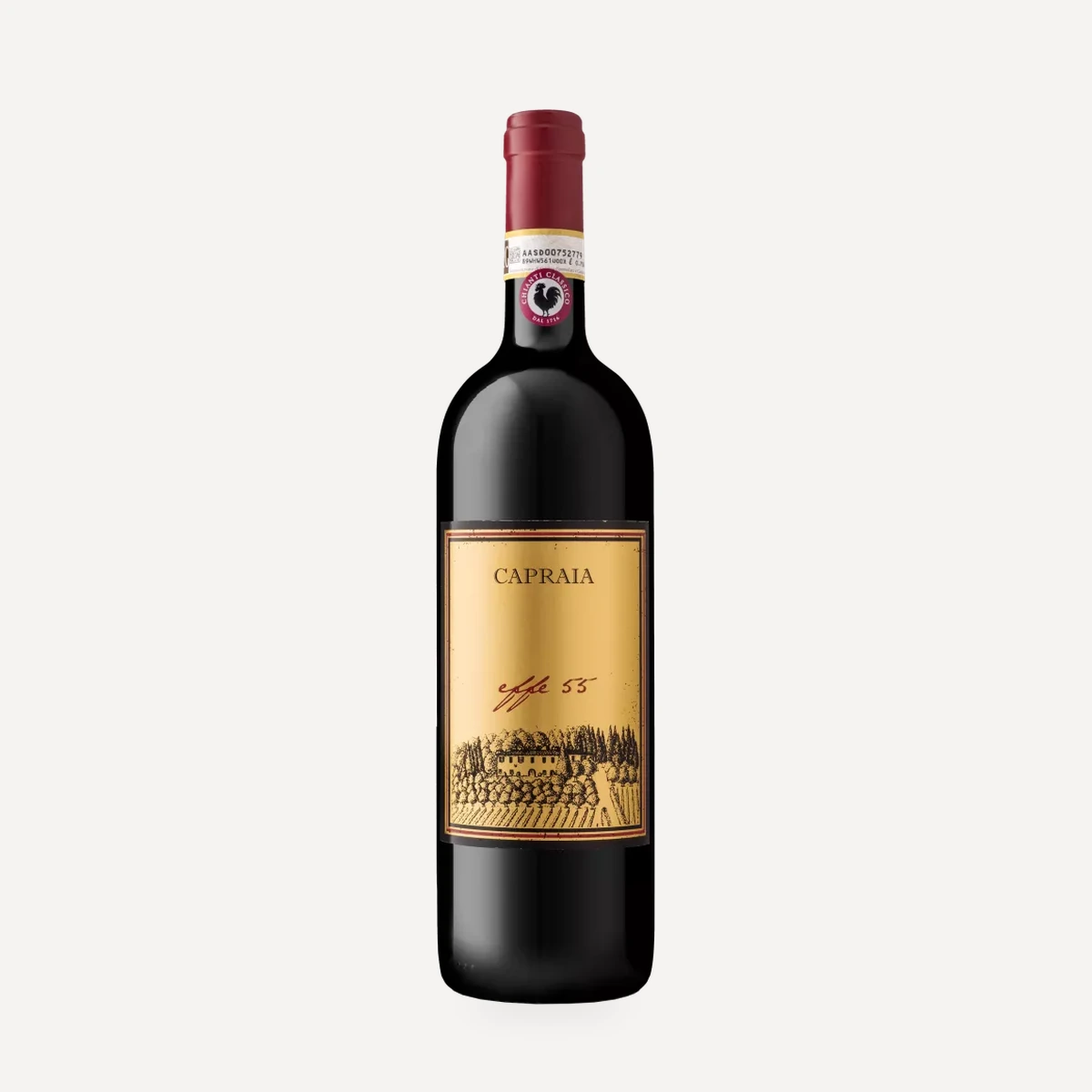 Capraia SelectionChianti Classico · 5 viniCarobbioChianti Classico · 8 vini
 Carpineta FontalpinoChianti Classico · 7 vini
 CarpinetoChianti Classico · 18 viniCarus10 vini
 Casa EmmaChianti Classico · 20 vini
 CasalinoChianti Classico · 3 vini
 CasalosteChianti Classico · 7 viniCasalventoChianti Classico · 10 vini
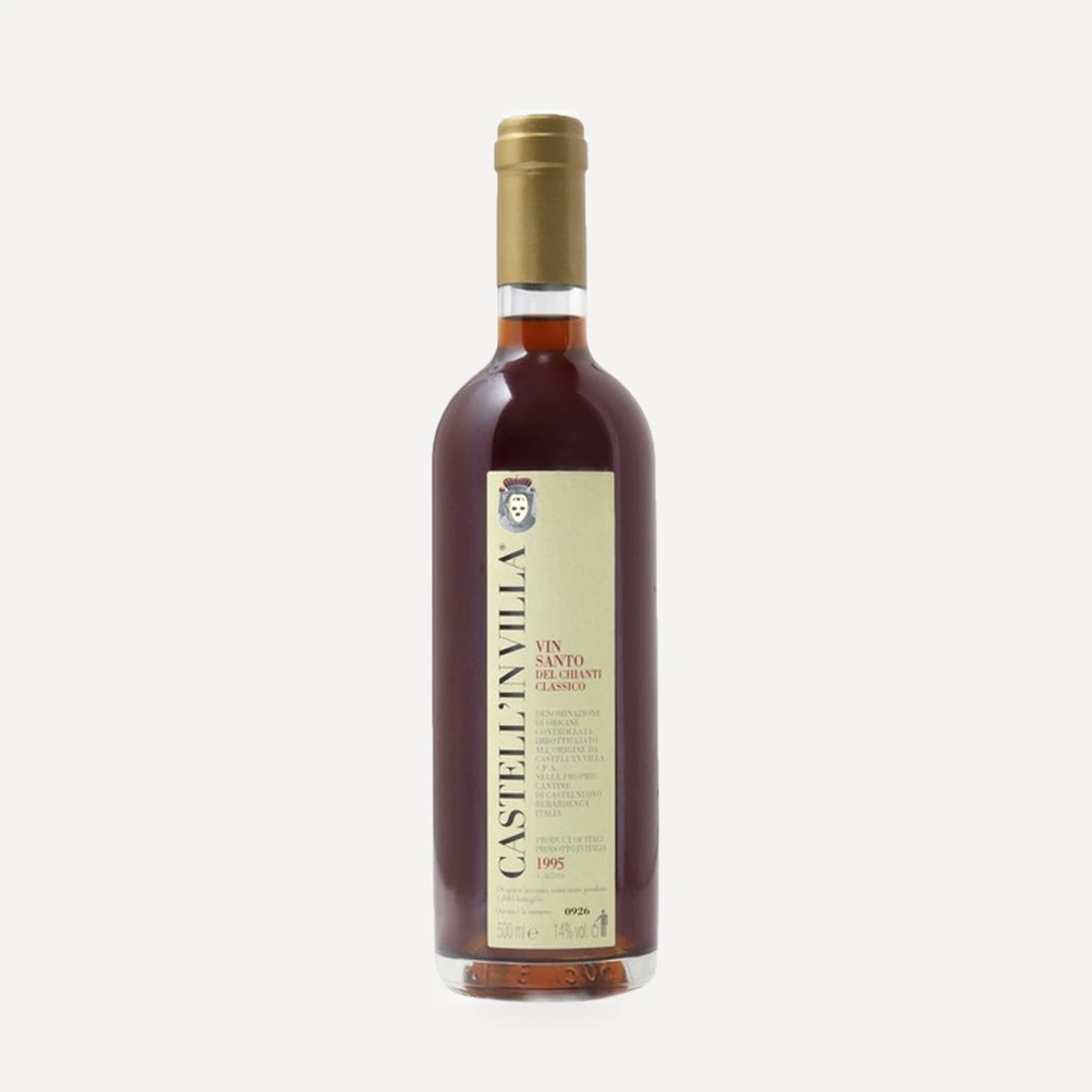 Castell'in Villa Chianti Classico · 8 viniCastellare di Castellina Maremma Toscana · 47 viniCastellinuzza4 vini
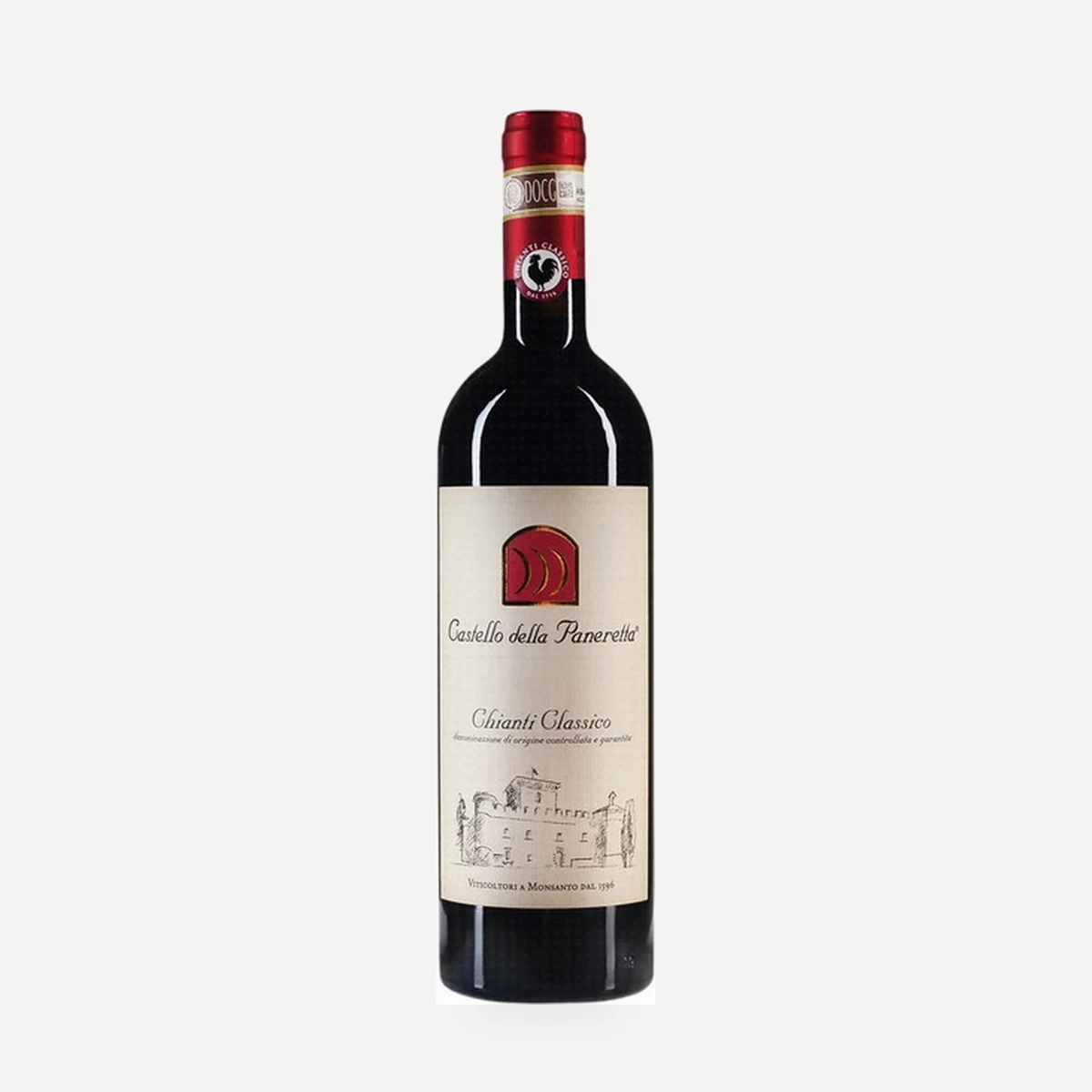 Castello della PanerettaChianti Classico · 6 vini
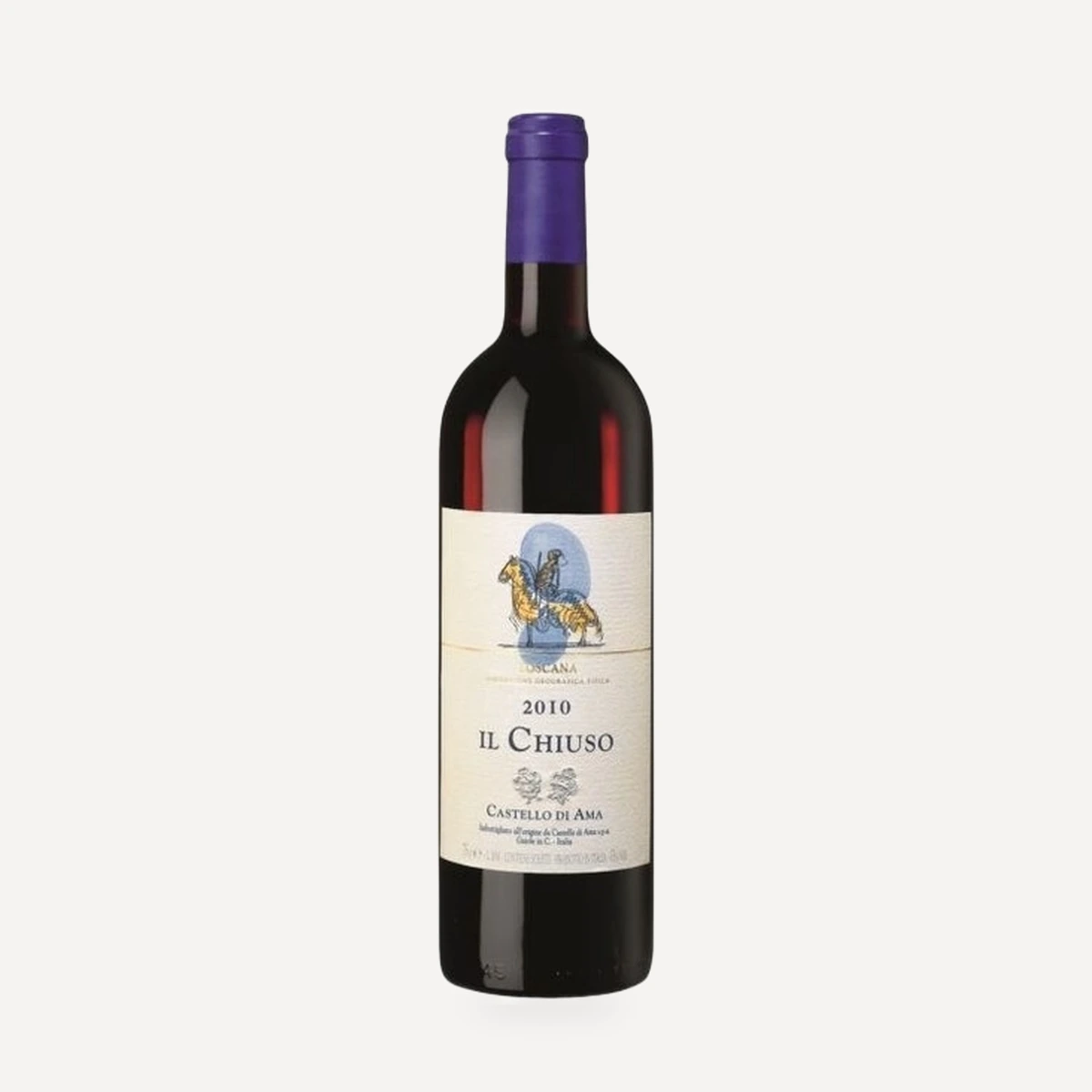 Castello di Ama Chianti Classico · 15 vini
 Castello di BossiChianti Classico · 9 vini
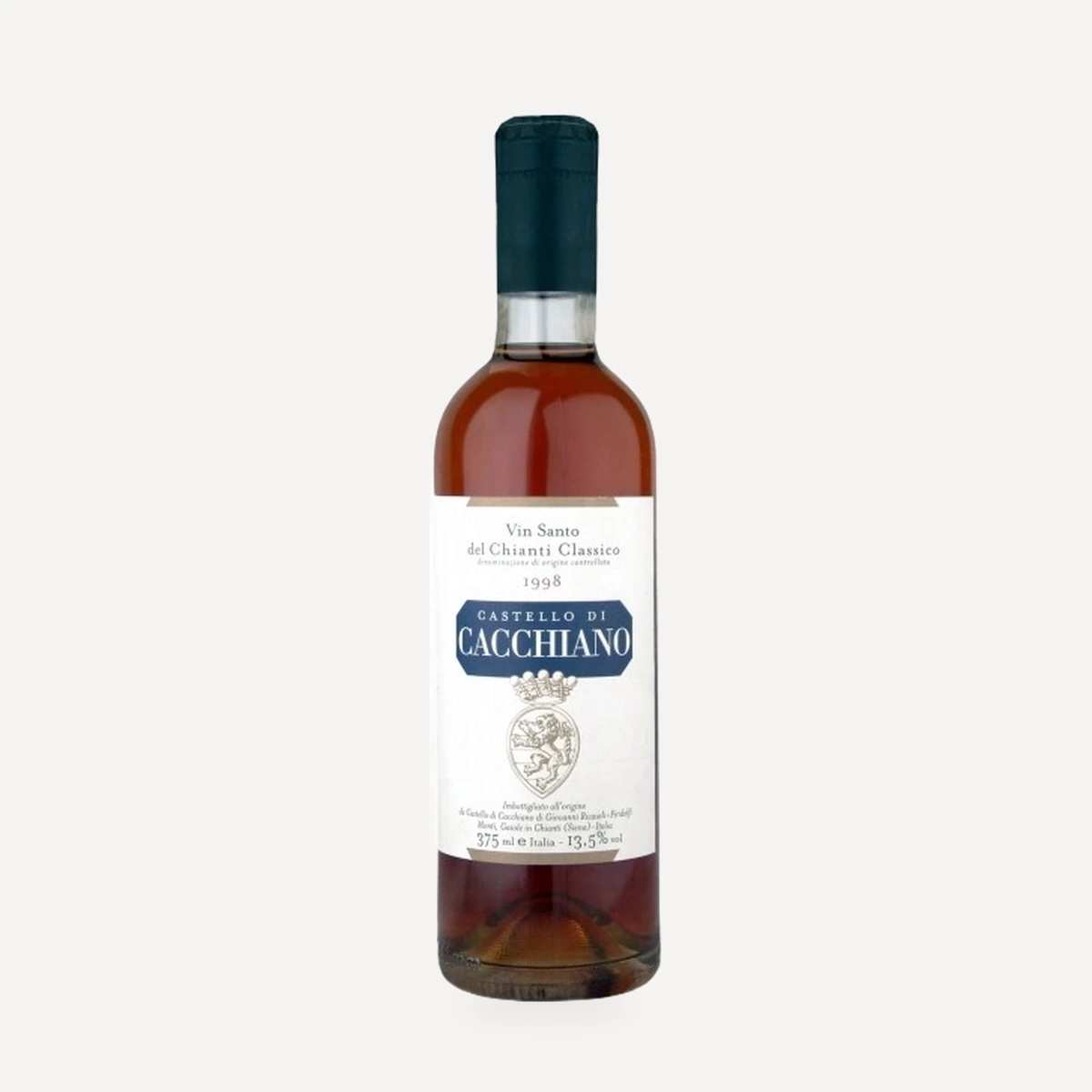 Castello di CacchianoChianti Classico · 6 viniCastello di Fonterutoli Chianti Classico · 14 vini
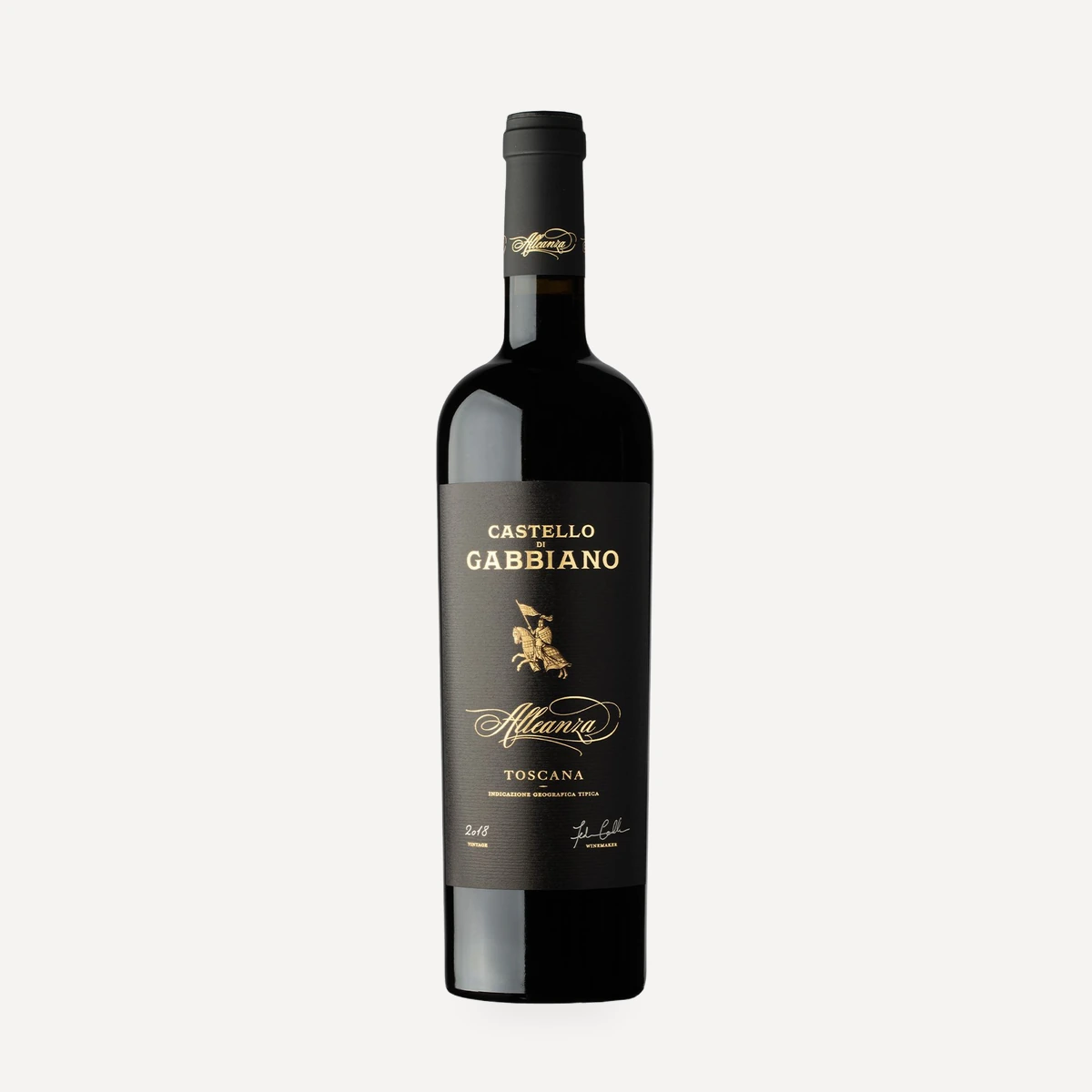 Castello di GabbianoChianti Classico · 20 vini
 Castello di QuercetoChianti Classico · 17 vini
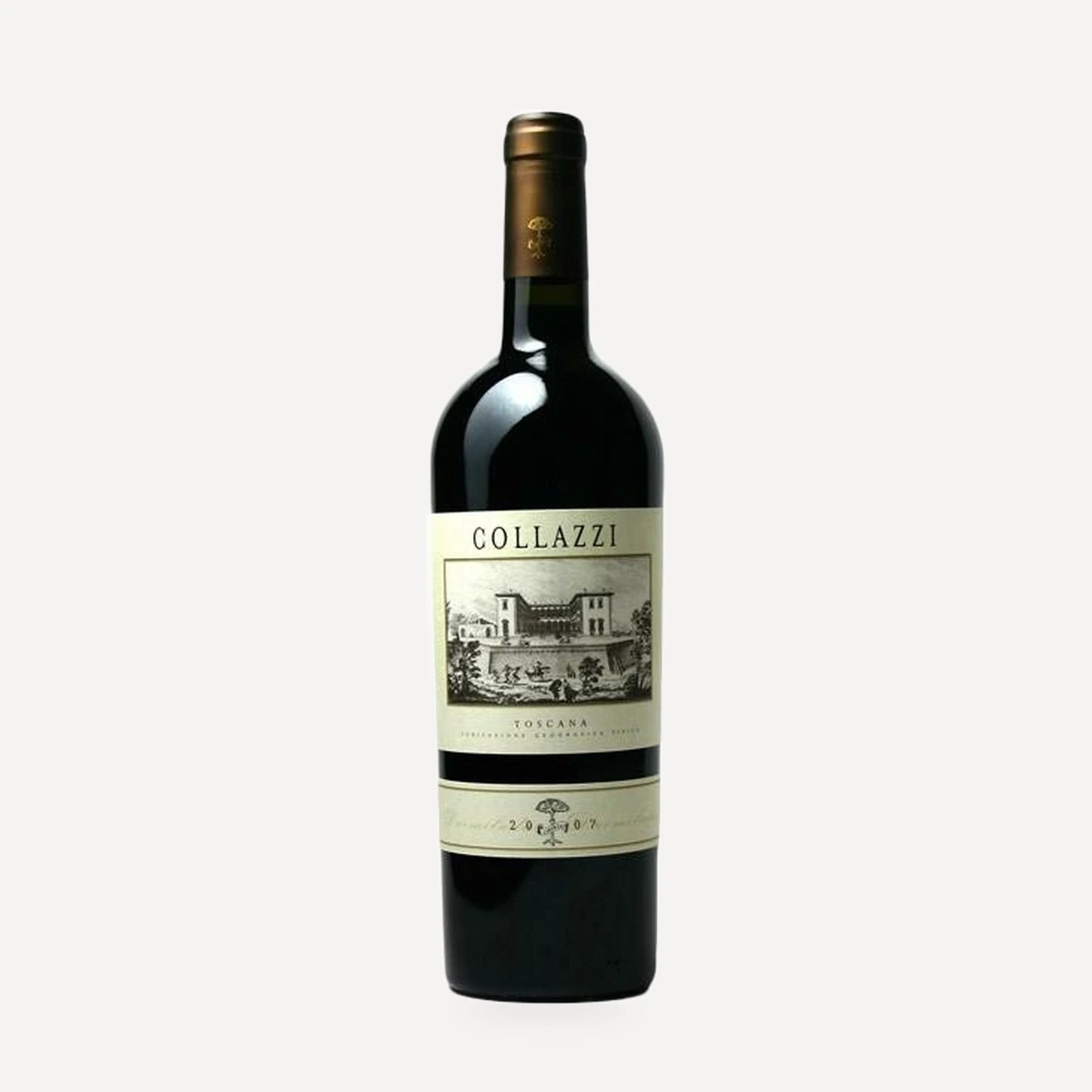 CollazziChianti Classico · 5 viniColle Bereto7 vini
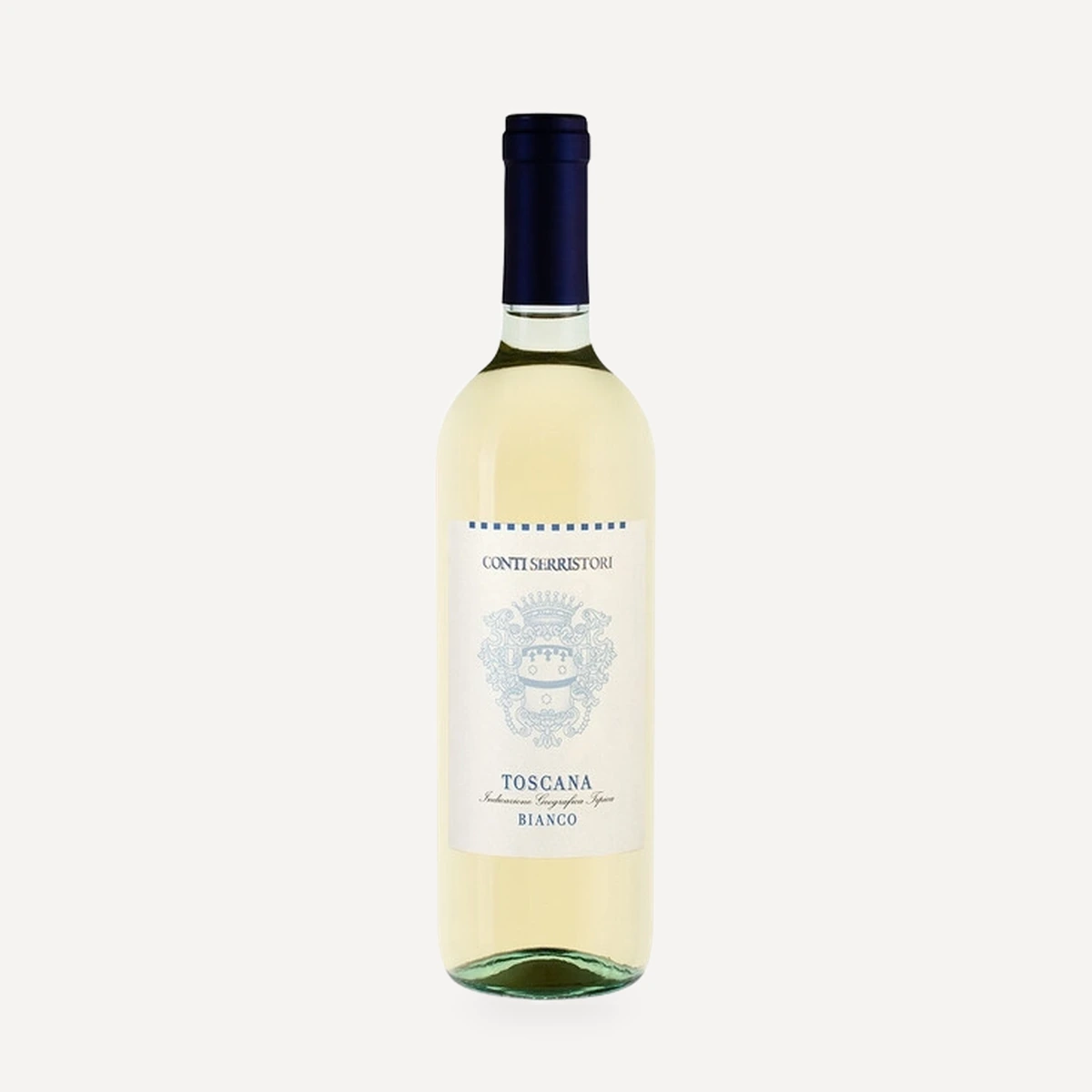 Conti SerristoriChianti Classico · 7 vini
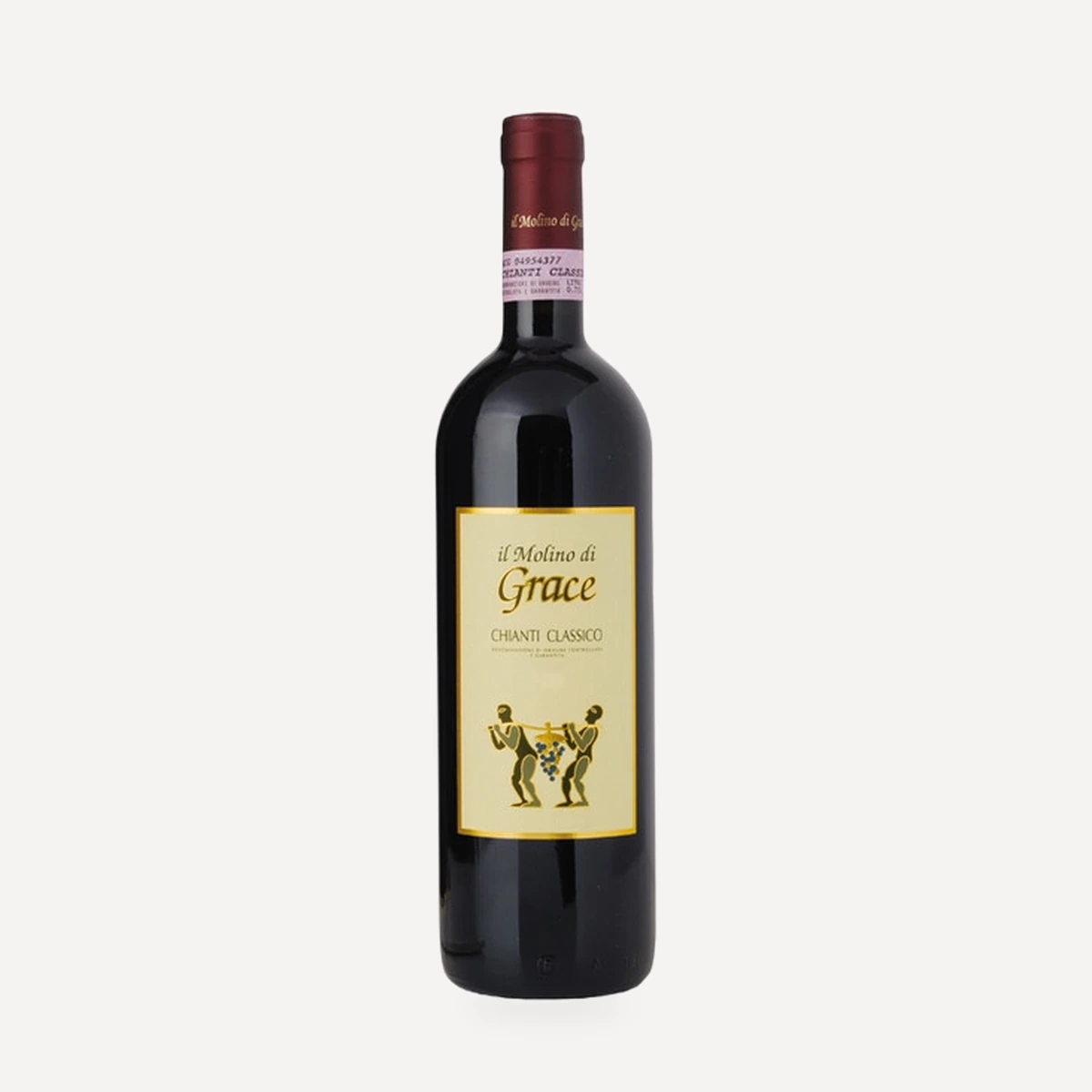
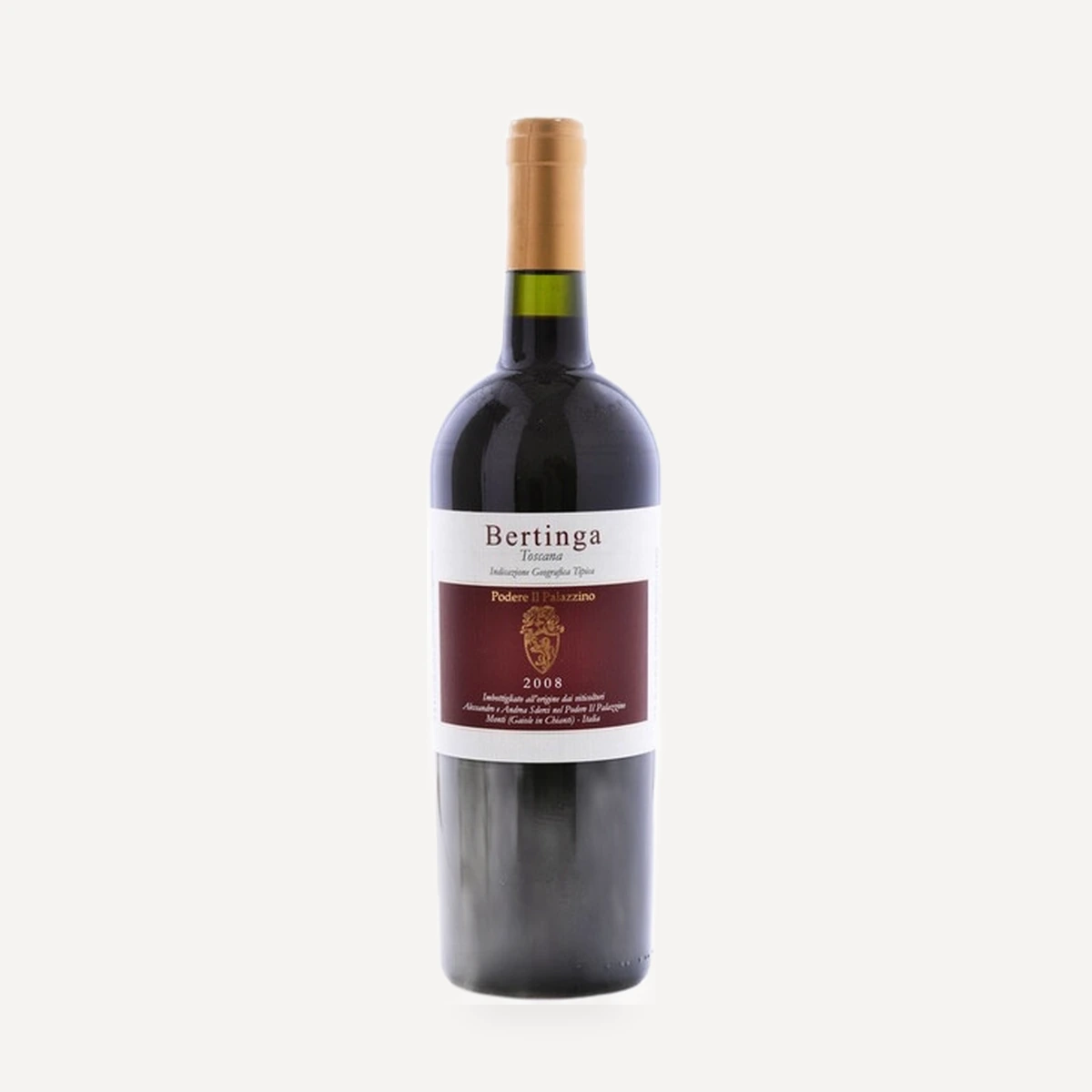
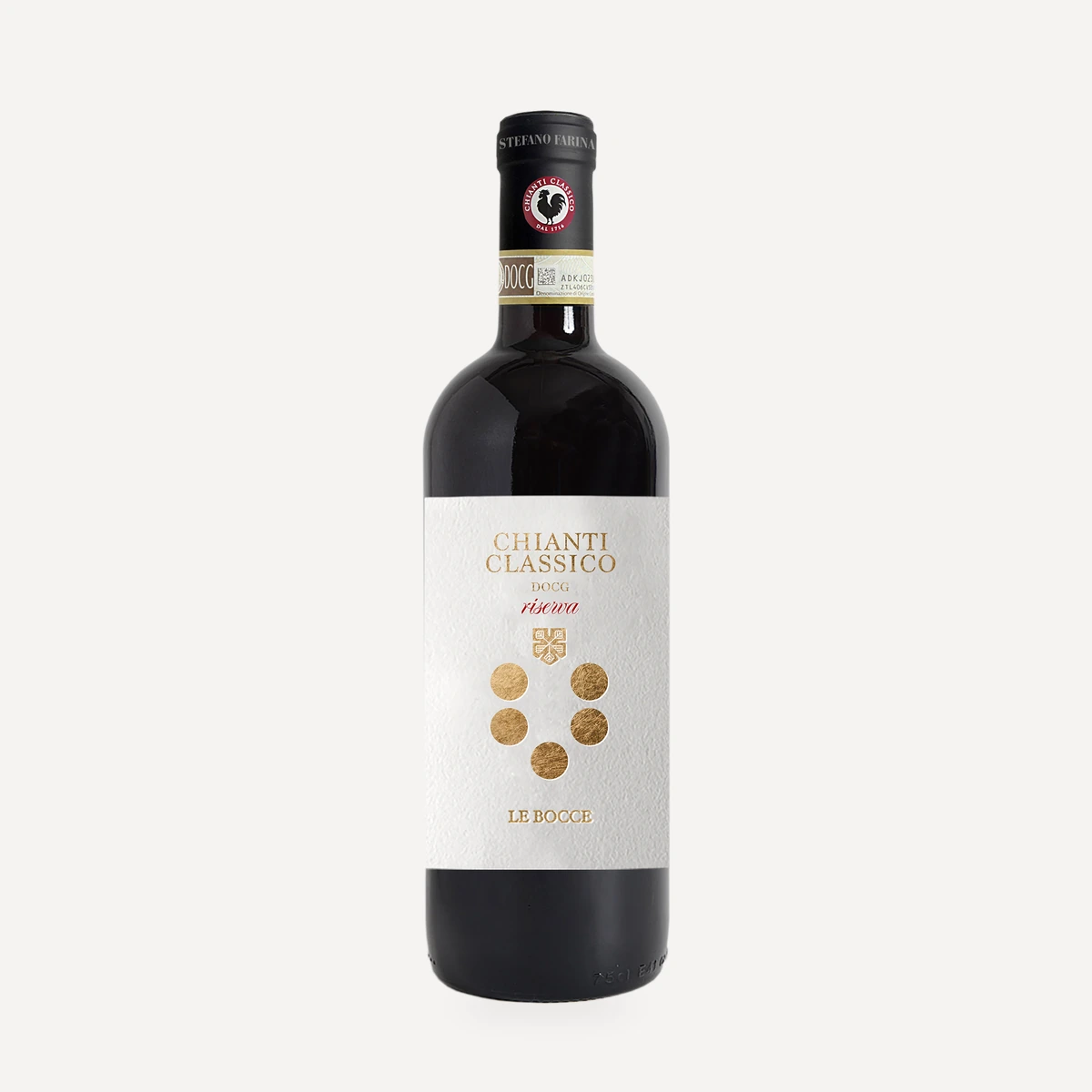
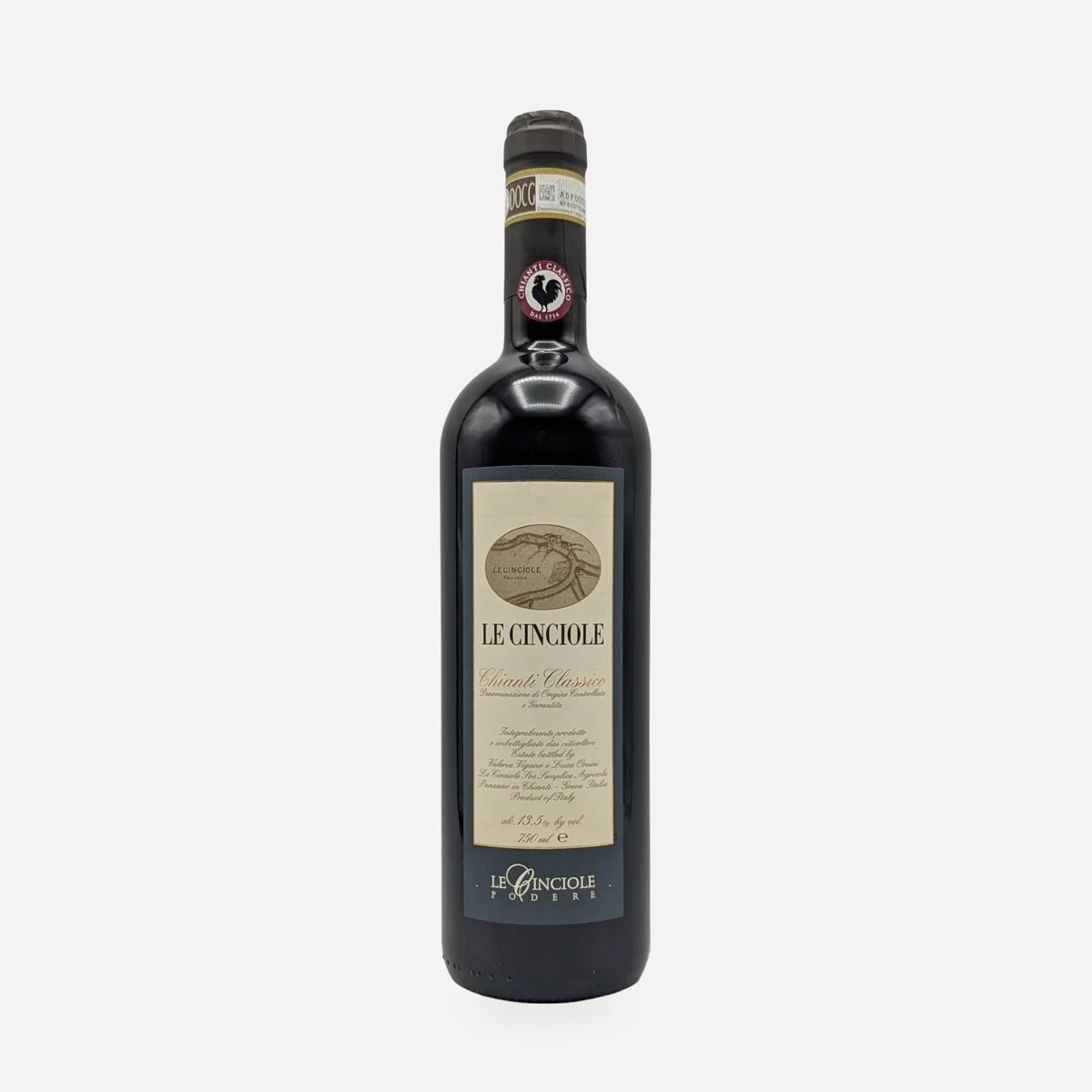
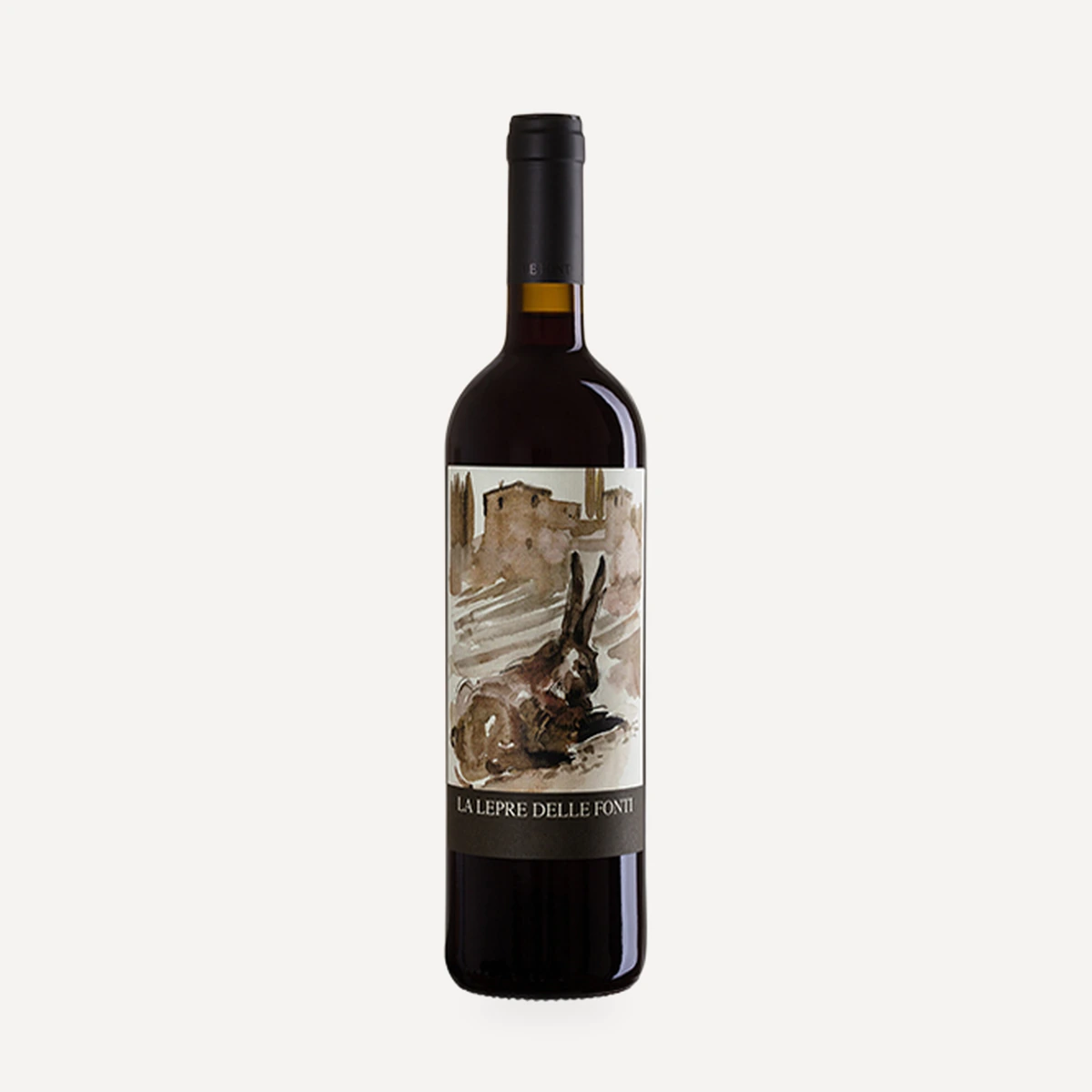
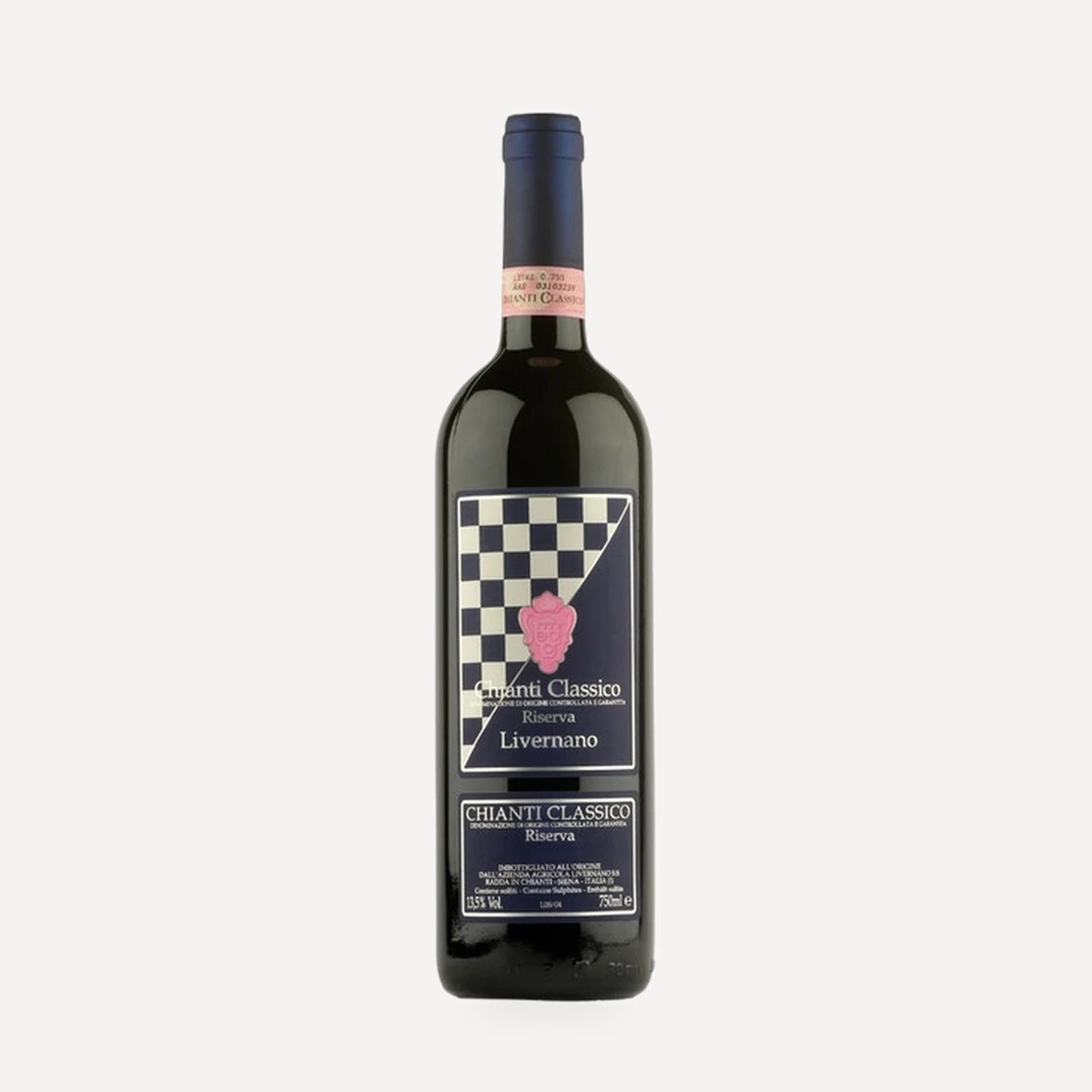
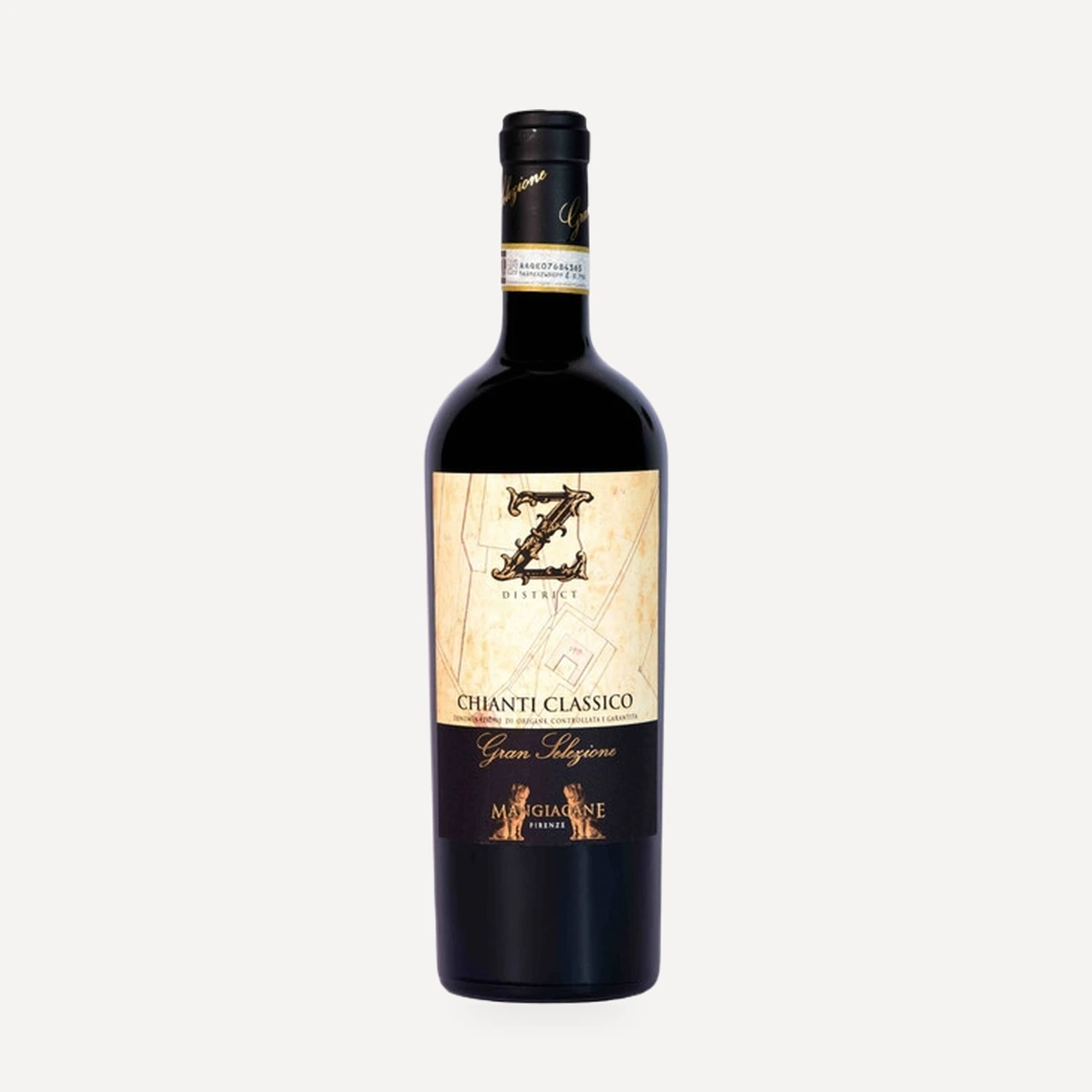
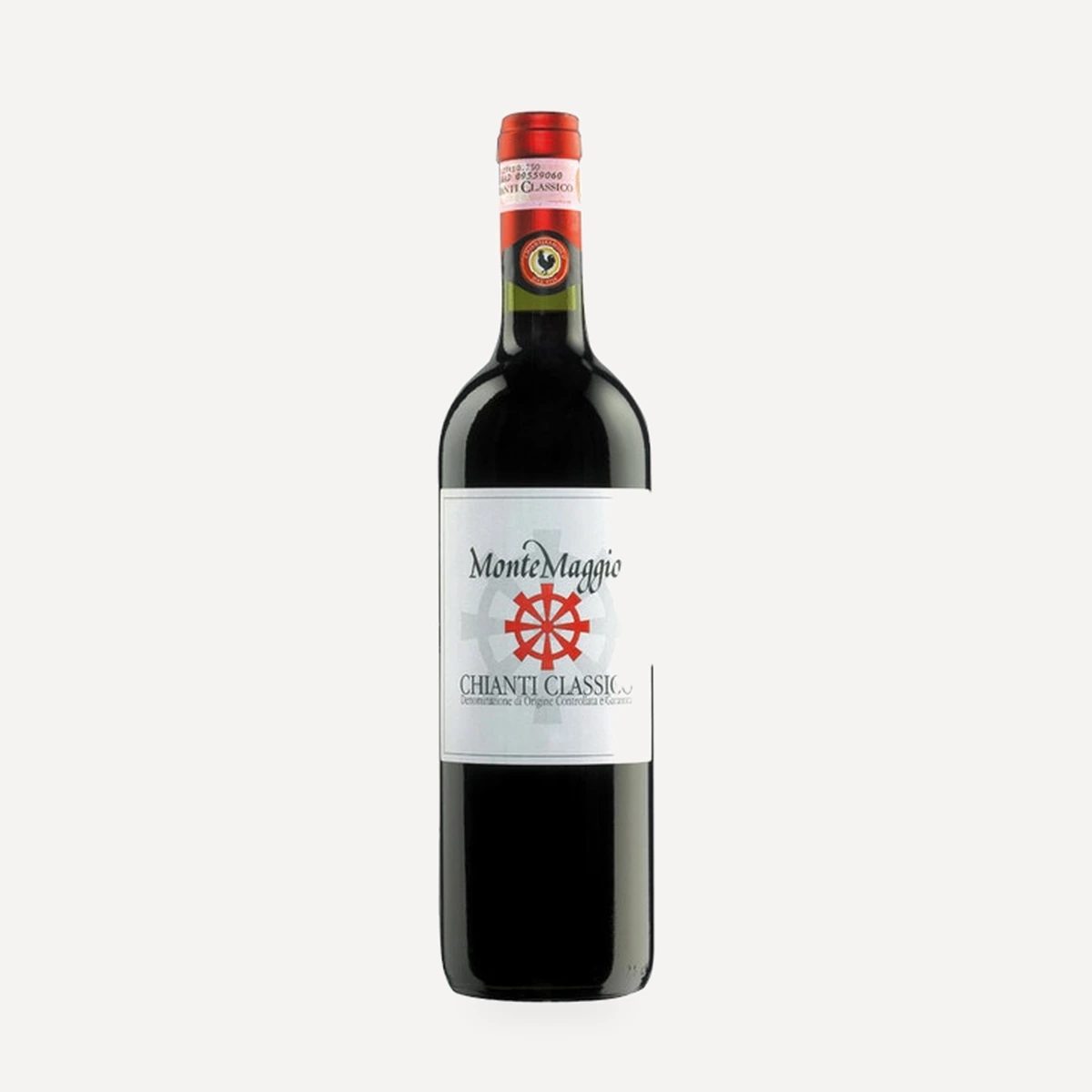
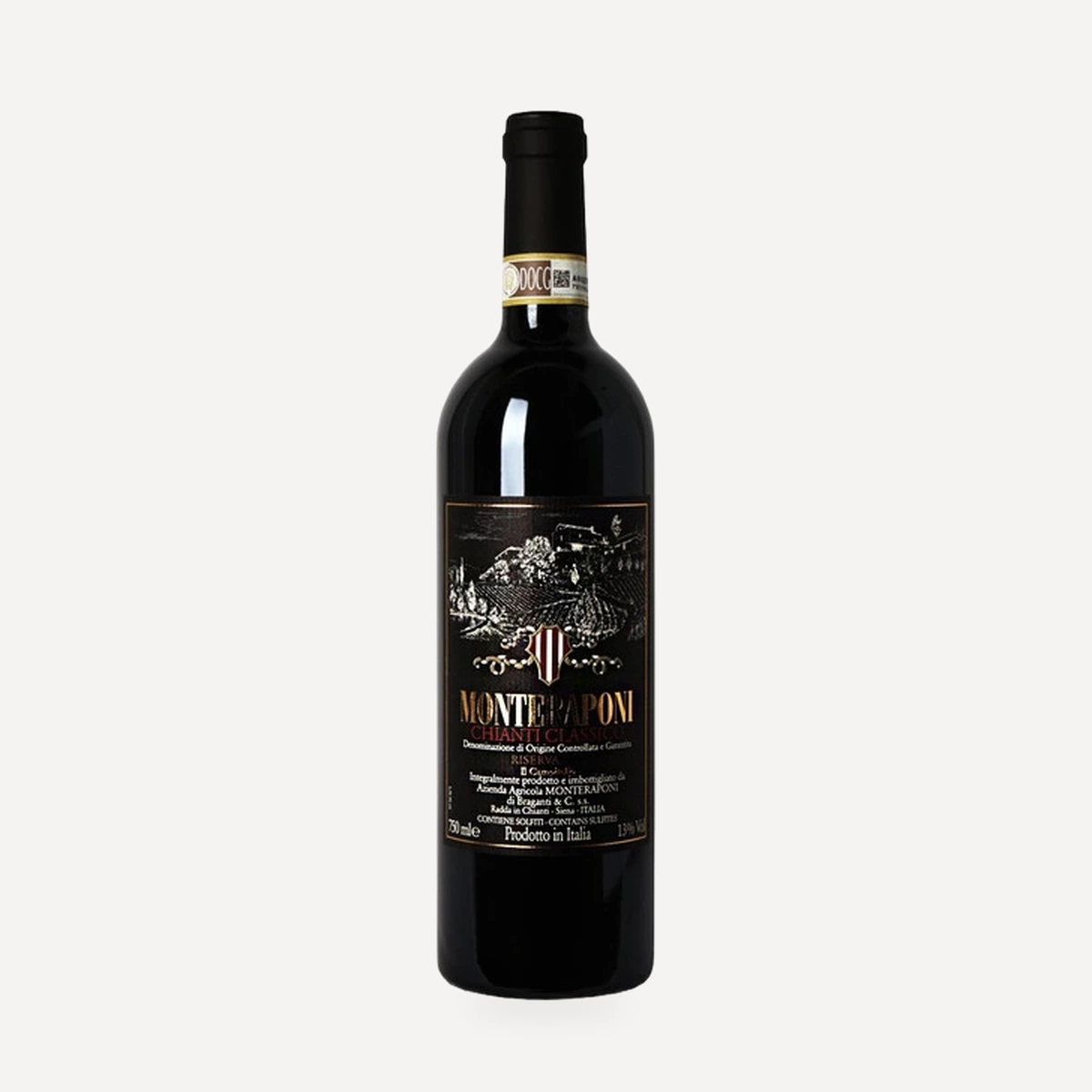
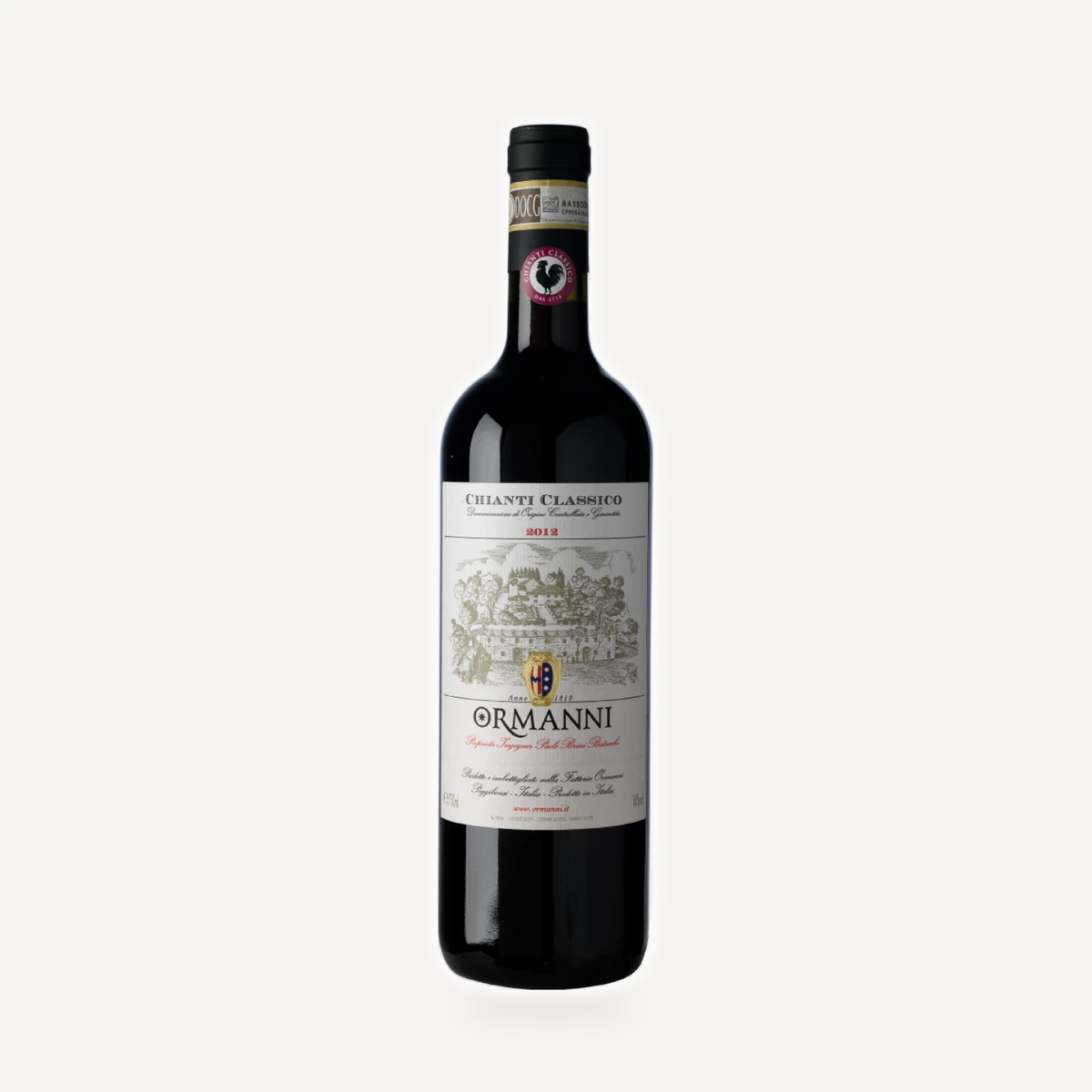

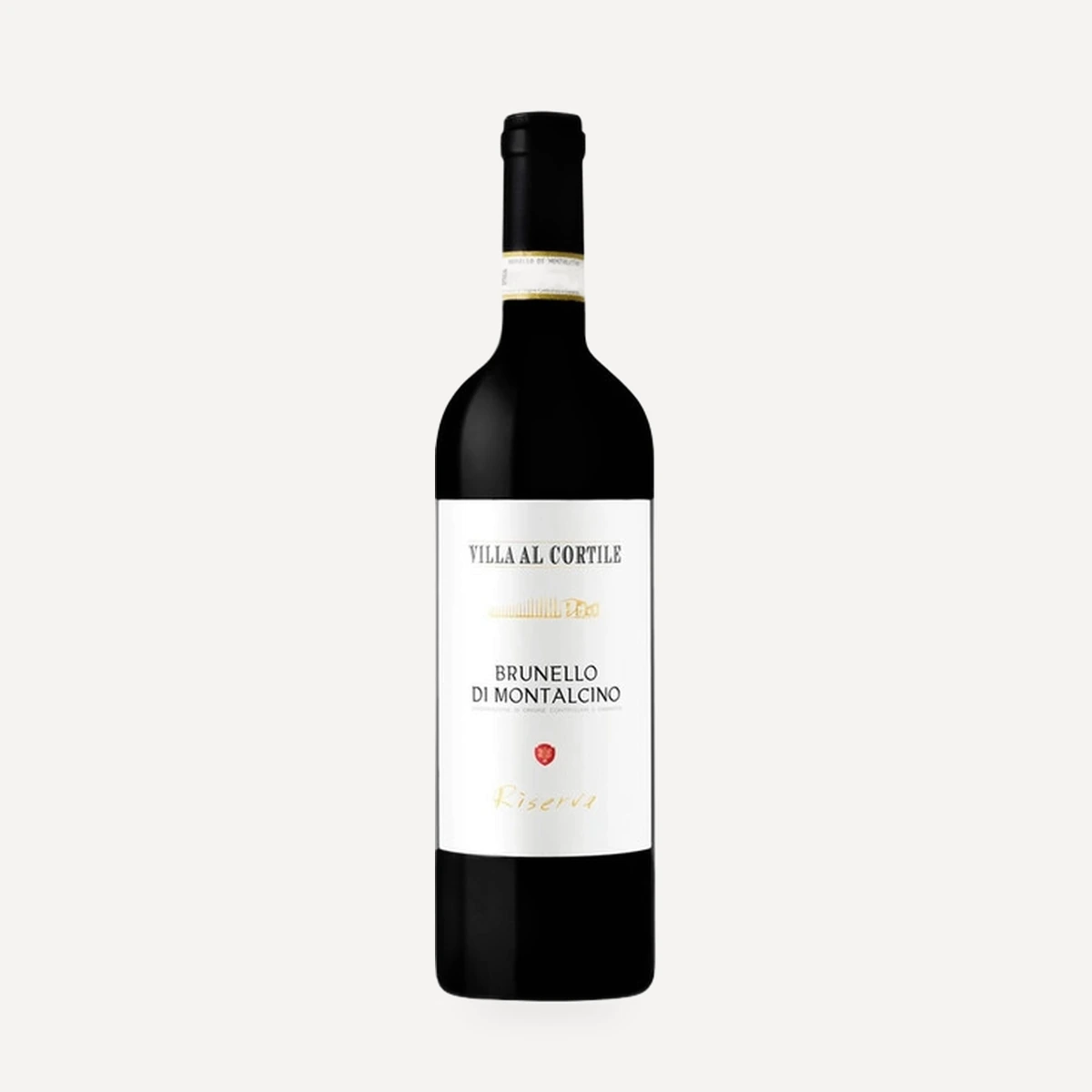


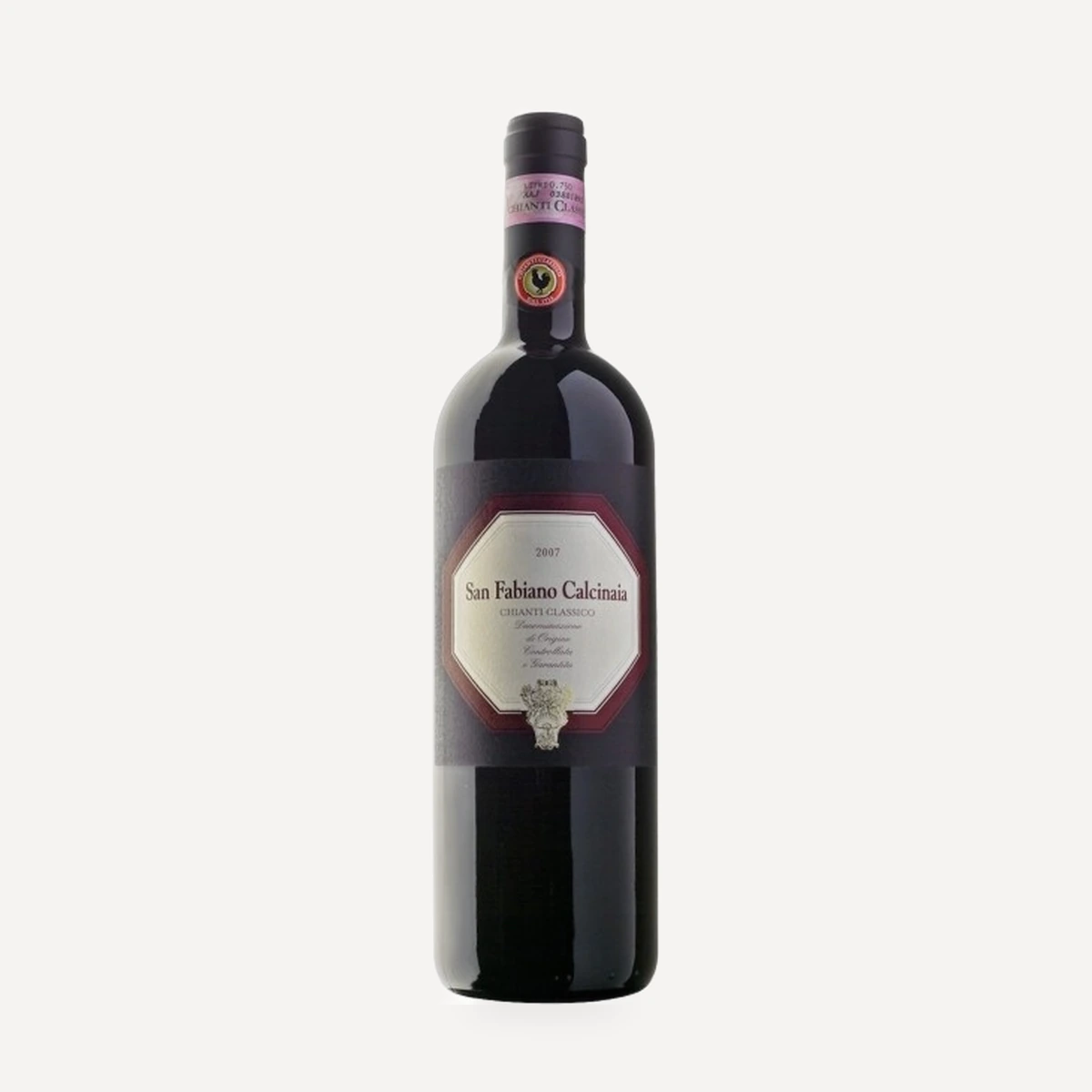

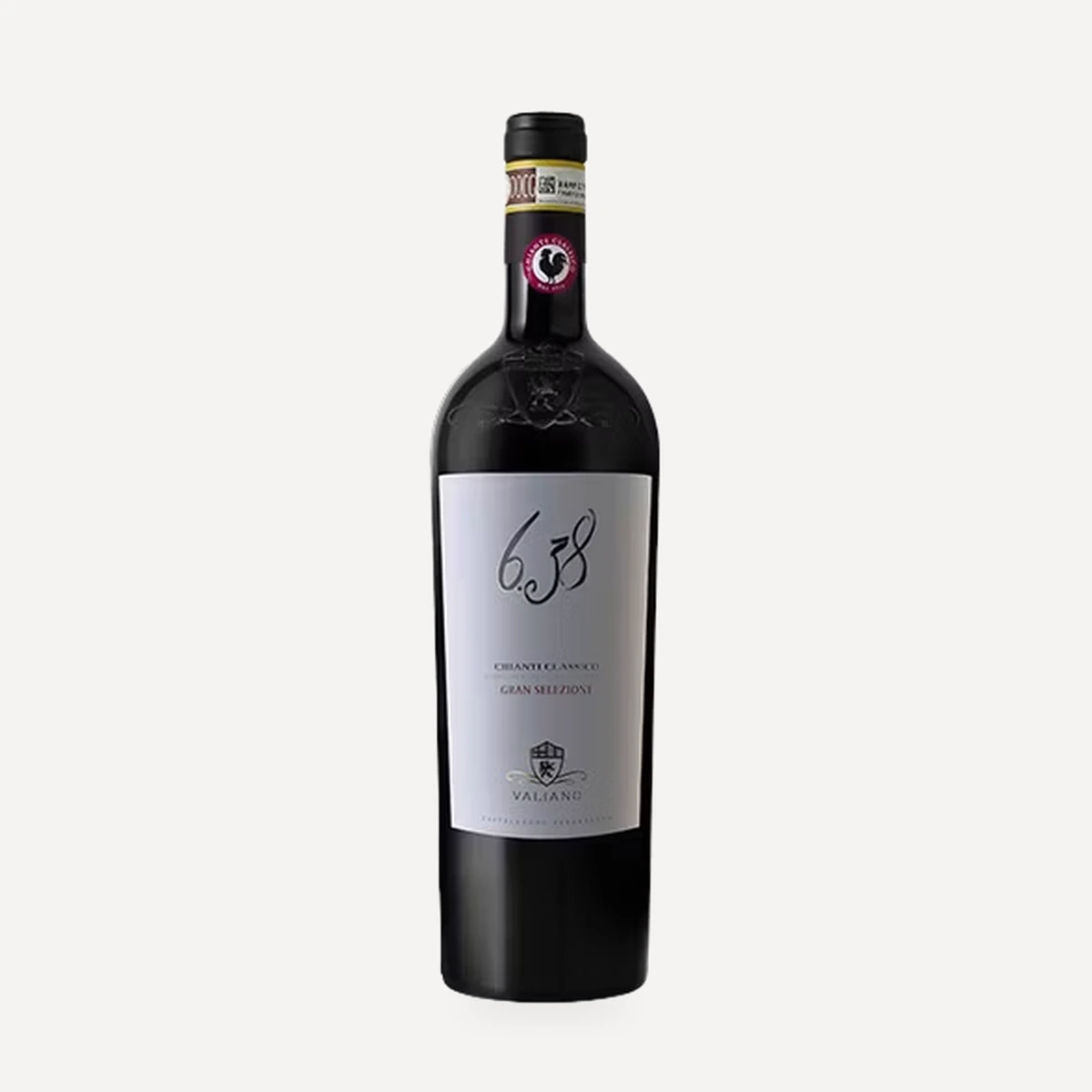 ValianoChianti Classico · 10 vini
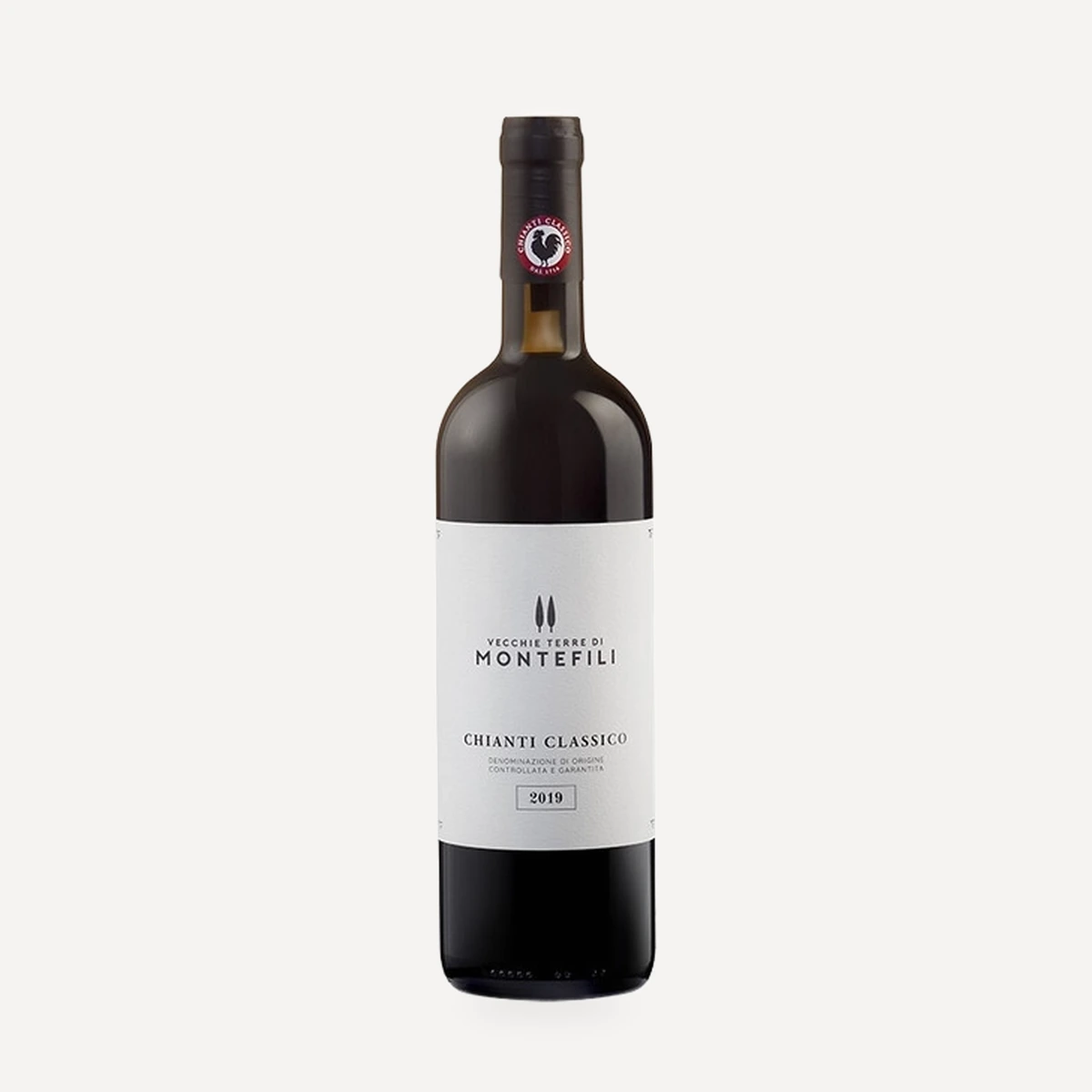 Vecchie Terre di MontefiliChianti Classico · 8 vini
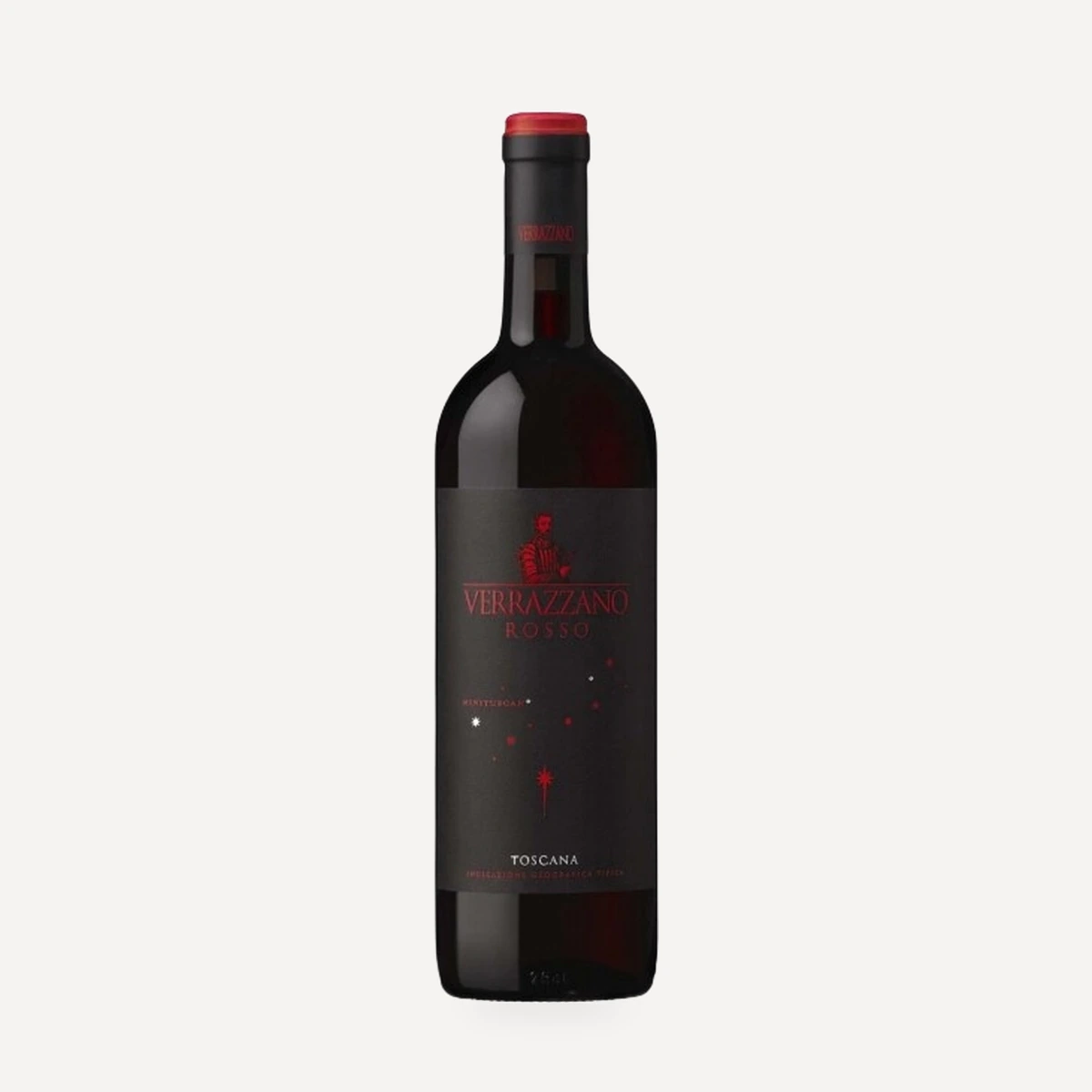 VerrazzanoChianti Classico · 10 vini
 VicchiomaggioChianti Classico · 14 viniVignamaggio Chianti Classico · 11 viniVigneti La Selvanella
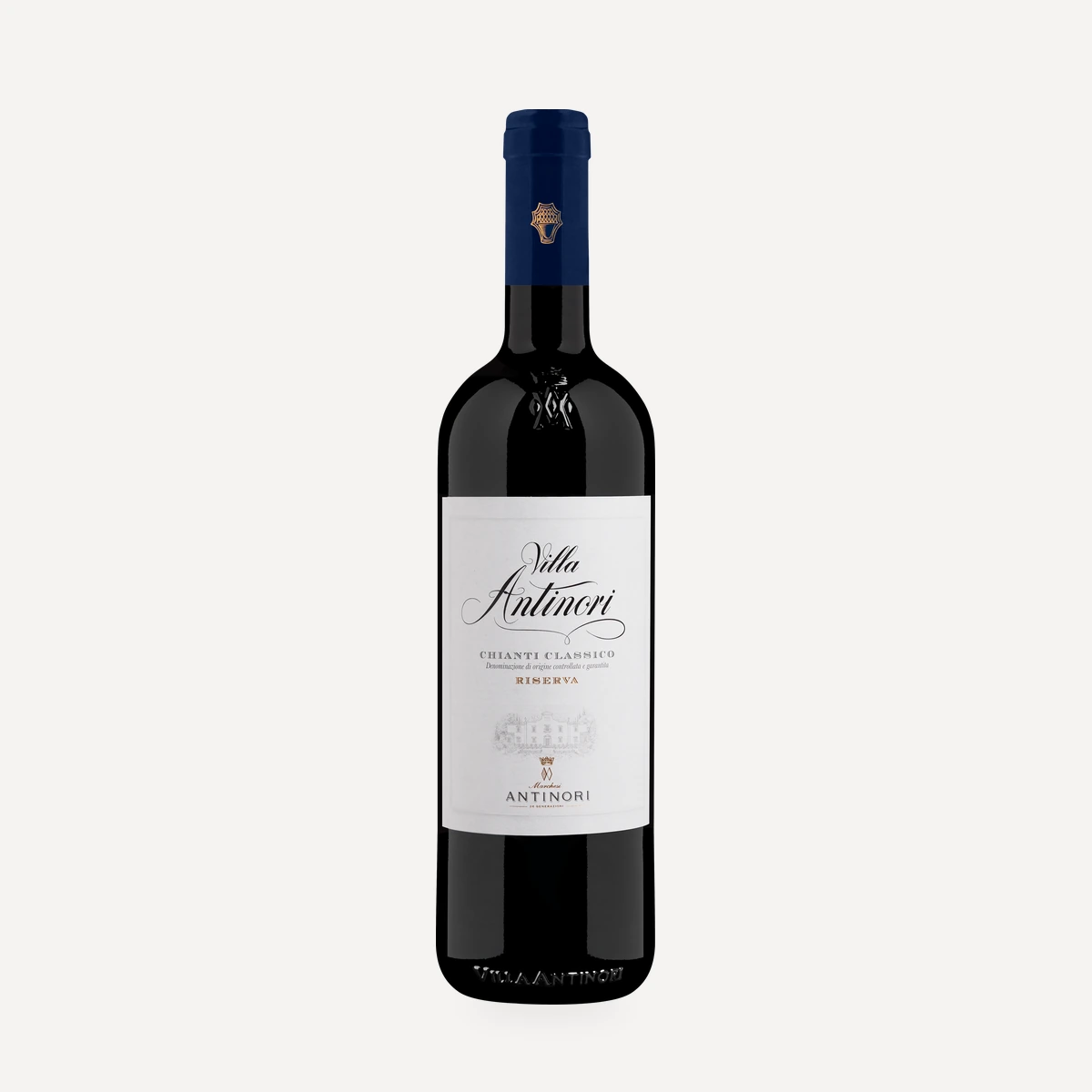 Villa Antinori4 viniVilla CernaChianti Classico · 5 vini
 Villa Le Corti11 viniVilla Rosa3 vini
 Villa TrasquaChianti Classico · 4 vini
 ViticcioChianti Classico · 21 vini
 Volpaia Chianti Classico · 14 vini
Vini di Chianti Classico
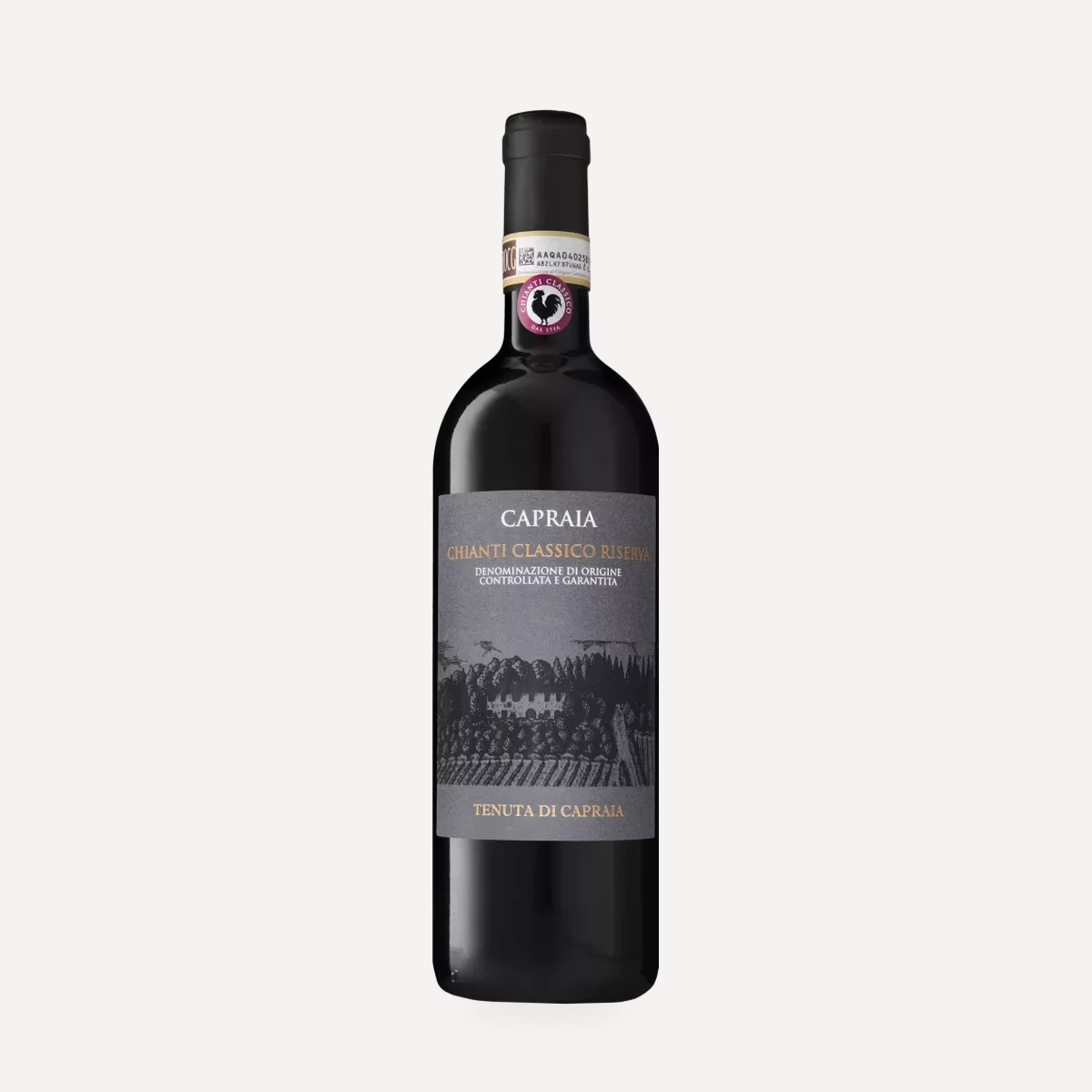
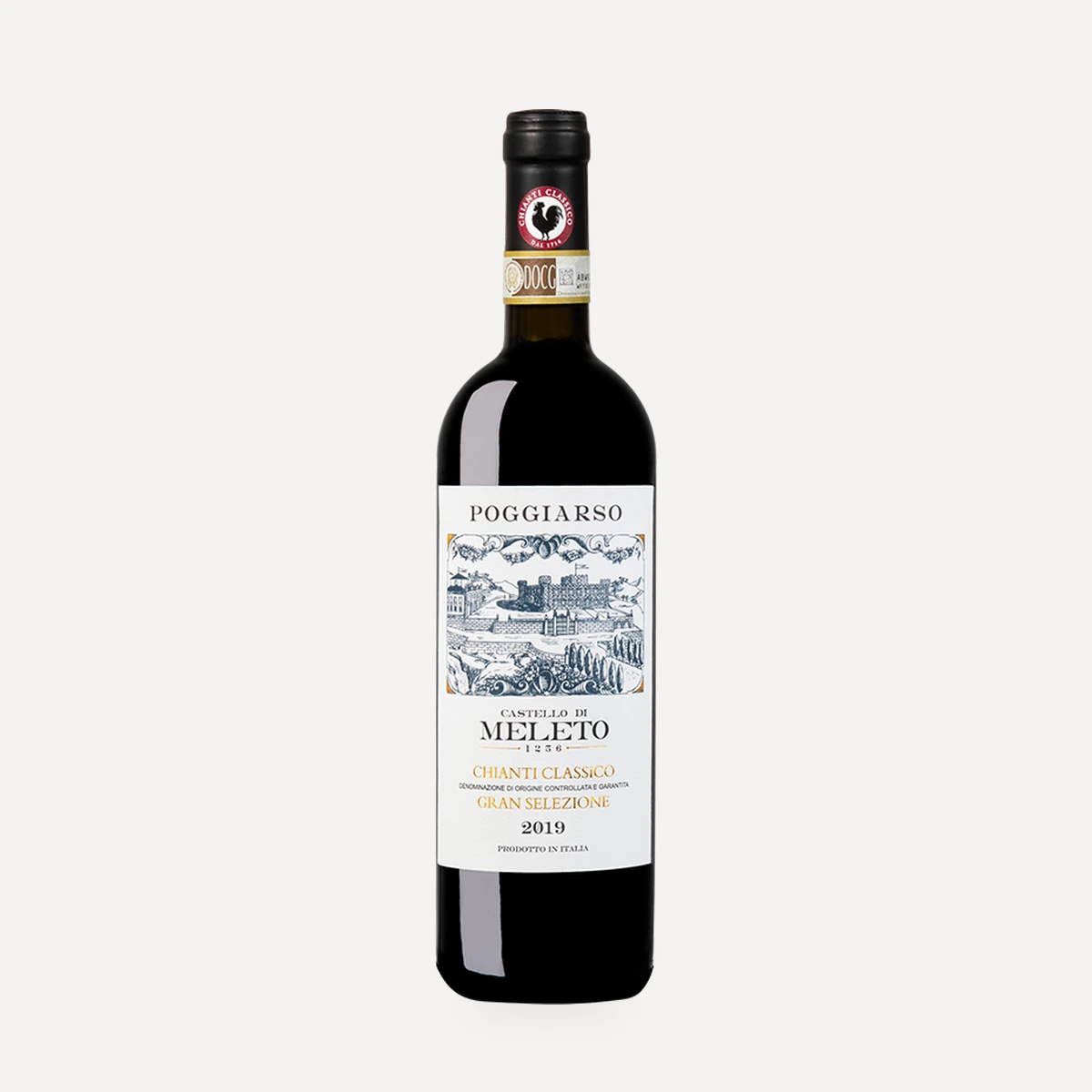
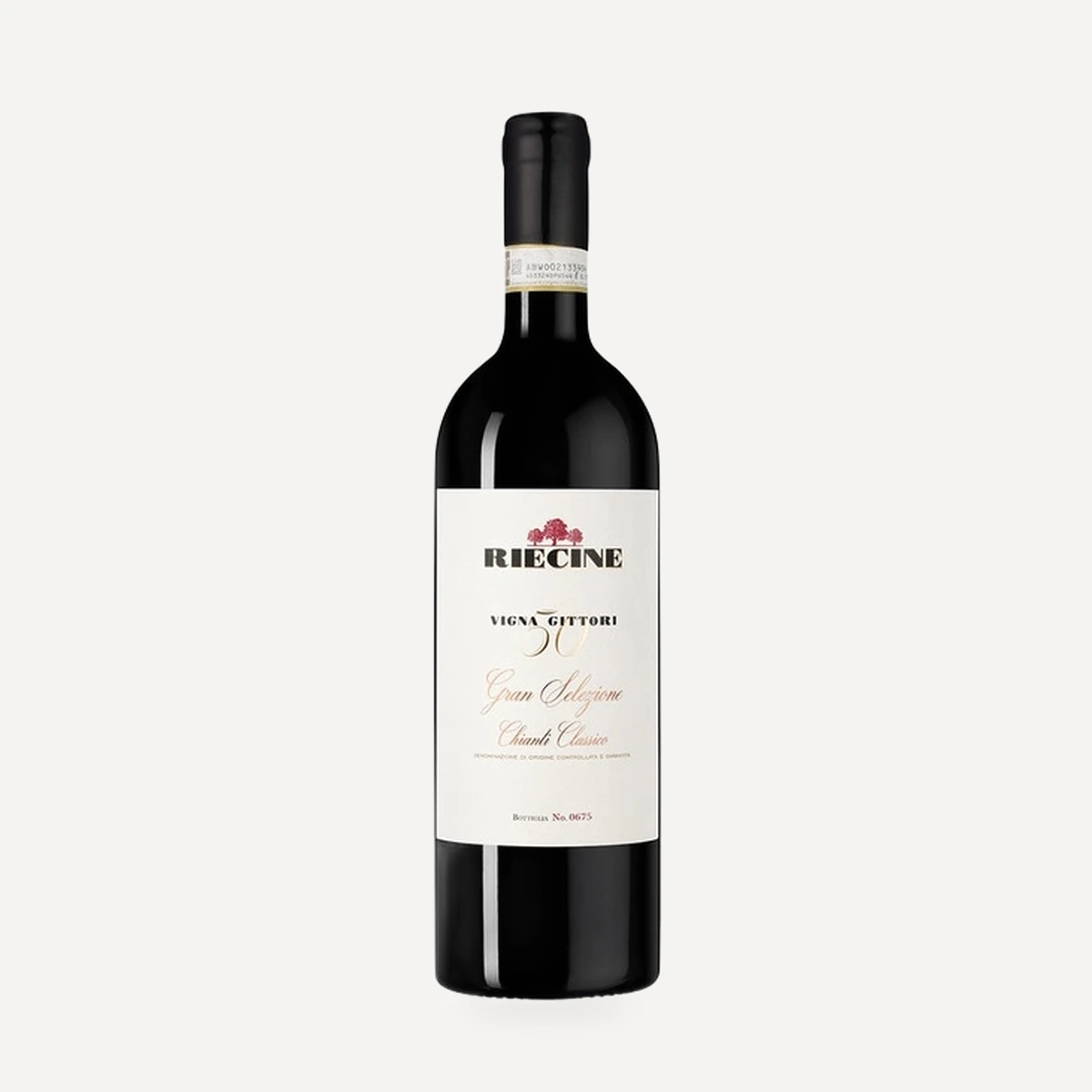

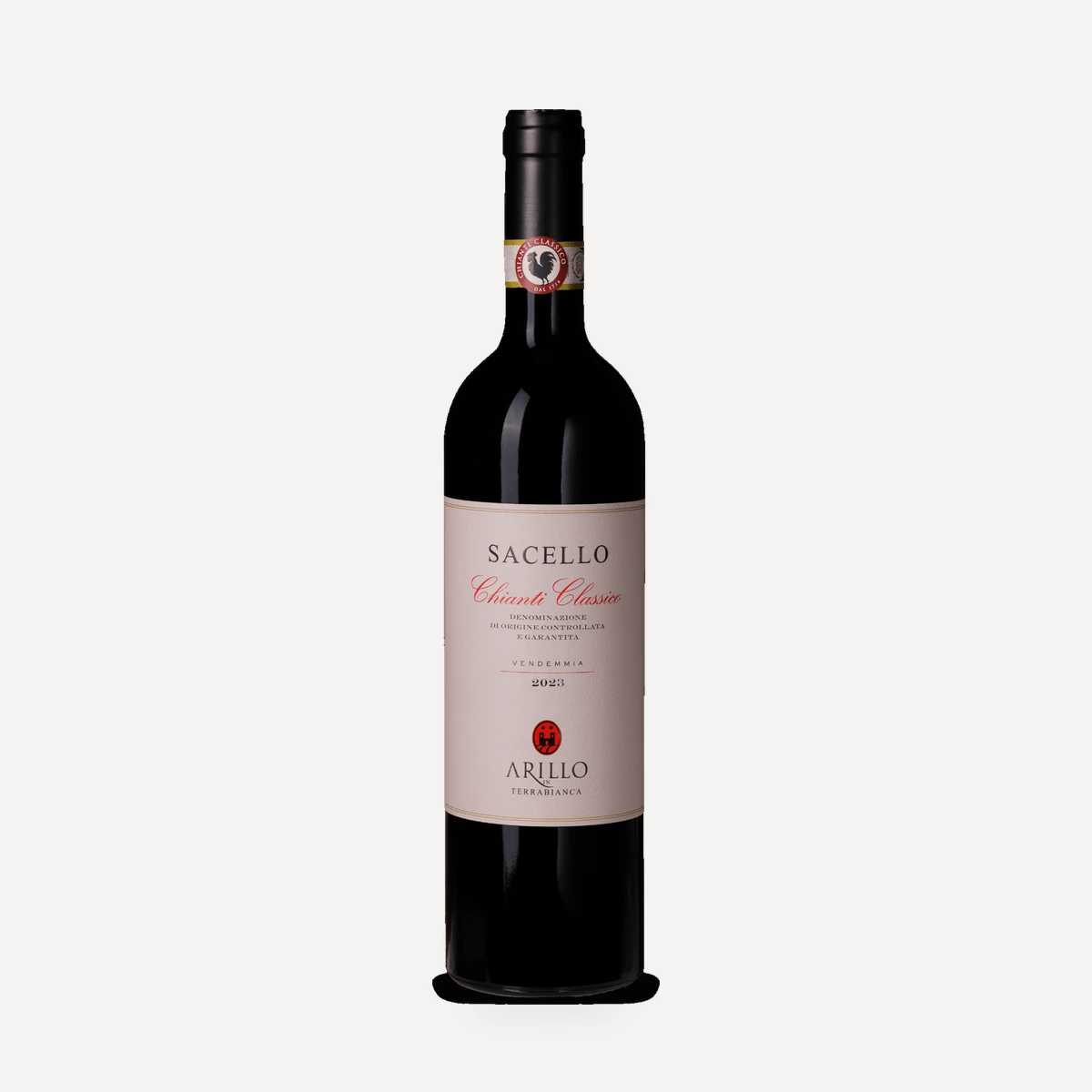
Chianti Classico in breve
Its borders are among the oldest wine laws in the world. In 1716 Grand Duke Cosimo III de' Medici defined the Chianti as running from Spedaluzzo to Greve, then Panzano and the whole Podesteria of Radda — Radda, Gaiole and Castellina — to the border of the State of Siena, and set up a body to police the trade. A notarial document already used the name Chianti for this wine in 1398.
Chianti Classico must be at least 80 per cent Sangiovese. It was recognised as a DOCG in 1984 and has had rules of its own, apart from Chianti, since 1996. Since 2023 the top tier, Gran Selezione, may name one of eleven villages or areas on its label — Castellina, Castelnuovo Berardenga, Gaiole, Greve, Lamole, Montefioralle, Panzano, Radda, San Casciano, San Donato in Poggio and Vagliagli — and from the 2027 vintage it must be at least 90 per cent Sangiovese, completed only with native varieties.