Storia
Family origins: 1908–1962
Cielo e Terra has two roots in Veneto: the Cielo family and the winegrowers who formed Cantine dei Colli Berici. The family story began in 1908, when Giovanni Cielo bought a small farm with a vineyard in the Vicenza countryside, in the Valle del Chiampo near the Castles of Romeo and Juliet. The property was known as Casa Defrà. Giovanni established a small wine business and produced the family's first bottles there.
The second generation, identified as Pietro in the family narrative and as Piero in the dated chronology, continued the business with a combination of commercial commitment and social engagement.
A second branch of the present company’s history began in 1951, when local growers created Cantine dei Colli Berici. The cooperative brought their grapes together for processing and marketed the resulting wines through a common strategy.
In 1962, the second-generation Piero Cielo and his sons Giovanni, Renzo and Piergiorgio founded the present Cielo winery at Montorso Vicentino. The third generation combined the family tradition with technical research and drove substantial expansion in the Italian market during the 1960s.
The integrated supply chain: 1999–2010
After a period of commercial cooperation, Cielo S.p.A. opened its capital to Cantine dei Colli Berici in 1999. The cooperative acquired the majority interest, the business became Cielo e Terra, and the partners set out to build a fairer, more sustainable and more closely integrated wine supply chain. The partnership connected the Cielo family’s market experience with the growers, vineyards and wineries of the cooperative system.
Cielo e Terra introduced Kaizen and Lean Organization principles in 2006, becoming the first Italian wine company to adopt this approach. The model was intended to streamline production, eliminate waste and inefficiency, foster continuous improvement and treat employees as the central competitive resource.
In 2010, Cantine dei Colli Berici and the winery at Colognola ai Colli formed Collis Veneto Wine Group. This extended the controlled supply chain into the Veronese wine sector, including Amarone and Ripasso. The current partnership represented more than 2,000 winegrowers and 6,000 hectares by the 2025 reporting cycle.
Production development and formalized values: 2016–2019
In 2016, Cielo e Terra served as an operating partner and sponsor of Ca’ Foscari University of Venice for Brindiamo alla sostenibilità, presented at Ecomondo as the first global conference devoted to the circular economy and wine.
Electricity procurement moved entirely to certified renewable sources in 2017. That year also brought the company’s first materiality analysis and the launch of the Freschello for Forests project, which later became the model for forest-origin materials across the portfolio.
A strategic review in 2019 formally defined transparency, evolution toward a zero-greenhouse-gas economy, professional development, wine culture, product quality and supply-chain sustainability as corporate values. That year, Cielo e Terra invested €2 million in a new bottling line at Montorso Vicentino after more than a year of development. Designed for 4,500 bottles per hour, it increased overall capacity by one third and enabled work with more varied, premium formats and finishes. The investment supported rising export demand and accompanied a renewed corporate identity and digital communications programme.
Sustainability milestones and Villa La Favorita: 2020–2025
Cielo e Terra completed its first B Impact Assessment process in March 2020 and obtained B Corp certification with 87.3 points. The assessment covered governance, employees, community, environment and customers.
The company obtained VIVA organization certification in 2021. The programme measures the environmental performance of the vine-to-wine chain through Air, Water and Territory indicators, including organizational carbon and water footprints. In the same year, Cielo e Terra acquired Villa da Porto “La Favorita”, a Palladian-style villa near the family’s place of origin. The acquisition began a programme to preserve and restore local architectural heritage and to create a future headquarters, showroom and hospitality venue for events, tastings and guided visits.
In 2022, Cielo e Terra amended its corporate purpose and became a Società Benefit. Its common-benefit commitments encompass transparent non-financial reporting, movement toward zero greenhouse-gas emissions, fair remuneration and professional development, support for charitable projects, promotion of wine and regional culture, efficient resource use, circular sourcing and greater sustainability throughout the wine supply chain. The same year marked the elimination of waste disposal to landfill under the ZeroWaste to Landfill programme.
Equalitas corporate certification was awarded in December 2023 under the SOPD CORP standard. During 2024 the company revised its materiality work into a double-materiality analysis aligned with the Corporate Sustainability Reporting Directive and European Sustainability Reporting Standards.
In March 2025, B Corp certification was renewed with an improved score of 103.3. Cielo e Terra also received ELITE Borsa Italiana’s Sustainability Certificate. Environmental projects included a 22% reduction in the glass weight of a premium conical bottle developed with O-I Glass, calculated to save 360,000 kg of glass; the progressive replacement of fossil-fuel equipment with CO₂ refrigeration and removal of gas boilers; and the use of FSC-certified materials for 99% of forest-derived packaging inputs. By 2025, the company sold 35,497,754 bottles, maintained certified renewable electricity, reached its lowest energy intensity of the preceding decade and reduced water consumption to 1.21 litres per bottle.
Terroir
The partner vineyards extend across the provinces of Vicenza and Verona in Veneto. The landscape has volcanic and basaltic origins and combines vineyards with extensive woodland, small settlements and Palladian villas.
Proximity to the sea moderates the climate, while the Piccole Dolomiti provide protection. In the pre-hill sector associated with Casa Defrà and the Colli Berici, the soils contain clay, volcanic material and limestone from fossil deposits left by an ancient sea. Vine rows follow the gentle hills around Vicenza.
Viticulture has deep local roots: Garganega and Tai were historically grown here, and the Roccolo Ditirambo of 1754 contains the earliest cited literary reference to Prosecco di Monte Berico.
Vinificazione
Cielo e Terra operates through an integrated supply chain rather than directly managing all field work. Growers deliver grapes to the associated wineries, while the group coordinates controls from vineyard management through vinification and bottling.
New plantings are directed toward areas identified as having stronger viticultural potential. Certified non-GMO vine material is used. In recent years, valued varieties have been replanted at higher density in the hill sector to lower yield per hectare and increase extract, polyphenol concentration and sugar levels.
Integrated Defence protocols and guided disease-control systems are intended to reduce chemical intervention. Treatments are monitored against weather forecasts so that action can be targeted. Every treatment is entered in a vineyard logbook, reducing errors and allowing interventions to be refined. Soil analyses establish each vineyard’s nutritional requirements, restrict fertilizer use and support grass cover wherever possible.
The company financially supports the Collis/Cantina dei Colli Berici Quality Project, which assists Colli Berici growers in maintaining local farming traditions while improving quality and sustainability. Photovoltaic systems have also been installed at partner vinification cellars.
Supply-chain controls include certification of plantings, vineyard records and compliance with food-safety and hygiene procedures. VIVA measures organizational Air, Water and Territory indicators; Equalitas corporate certification covers social, environmental and economic sustainability; SQNPI is included among the audited systems. Organic certification applies to selected ranges rather than the entire vineyard base.
Cielo e Terra’s Montorso Vicentino operation receives bulk wine from Collis Veneto Wine Group and other approved suppliers. A significant but variable share of the wine bottled by Cielo e Terra originates within the Collis chain. Purchased wines undergo analytical and organoleptic checks, documentary audits and operational audits performed by internal and external personnel.
The Equalitas-certified production scope covers receipt of bulk wine, stabilization, possible refermentation in autoclaves, conditioning, bulk storage and packaging of still, semi-sparkling and sparkling wines. It also covers control of bottling work performed externally. Cielo e Terra also operates its own bottling capacity at Montorso: the line commissioned in 2019 was designed for 4,500 bottles per hour, raised total capacity by one third and allowed a broader range of premium bottle shapes, formats and finishes.
Production is organized through Kaizen and Lean principles. Continuous efficiency work includes modernization of the production lines, production-day planning and process organization. The company’s certified systems include IFS and BRCGS for food safety, ISO 14001 for environmental management and ISO 45001 for workplace safety. In 2025, 15,760 product and process quality controls were performed, and order compliance reached 99.15%.
Water is monitored throughout production. Controls include daily checks at the reverse-osmosis plant, weekly microbiological testing at four points, twice-weekly checks of recovered water, monthly operator flow checks with additional Operations Project Manager oversight, and continuous control of chlorine used in production. External testing includes bimonthly well-water conformity analysis, six-monthly PFAS analysis, an annual full analytical check-up and two monthly tests by Acque del Chiampo. Process water is recovered through filtration and microfiltration; by 2025, consumption had fallen to 1.21 litres per bottle, and almost 70,000 m³ had been saved between 2018 and 2024.
Since 2017, purchased electricity has been certified as entirely renewable. Energy-saving technology and reduced methane use brought energy consumption per bottle and energy intensity to their lowest levels in ten years by 2025. Waste has not been sent to landfill since 2022, and all production waste is directed to recovery. Circular-packaging measures include lighter bottles, FSC-certified corks, labels and cardboard, UPM Raflatac’s RafCycle recovery of PET and siliconized-paper label liners, and Amorim Cork’s Tappo Etico cork-recovery programme.
Filosofia
Cielo e Terra defines its purpose as creating value within a fairer and more sustainable supply chain while respecting people and the planet. The name expresses the structure of the partnership: “Cielo” represents the family, while “Terra” represents the hands of the partner winegrowers.
Its declared values are transparency, evolution, professional development, wine culture, quality products and sustainability. Transparency is pursued through accessible reporting of financial and non-financial indicators. Evolution means progressively reshaping the business toward zero greenhouse-gas emissions. Professional development combines fair remuneration, training and protection of physical and psychological wellbeing.
The company links wine culture and regional history with business innovation. Quality is framed as the result of efficient processes that optimize resources and limit negative externalities. Economic sustainability is treated as the means of generating resources for environmental and social projects, while supply-chain integration is intended to distribute value fairly and protect the territory.
The production philosophy joins Italian wine traditions with innovation, seeking balance between personality and drinkability, continuity of quality and appropriate presentation. Lean Organization extends this approach to the factory: continuous improvement, removal of waste and inefficiency, and participation by employees are presented as mutually reinforcing elements of quality and competitiveness.
Vini
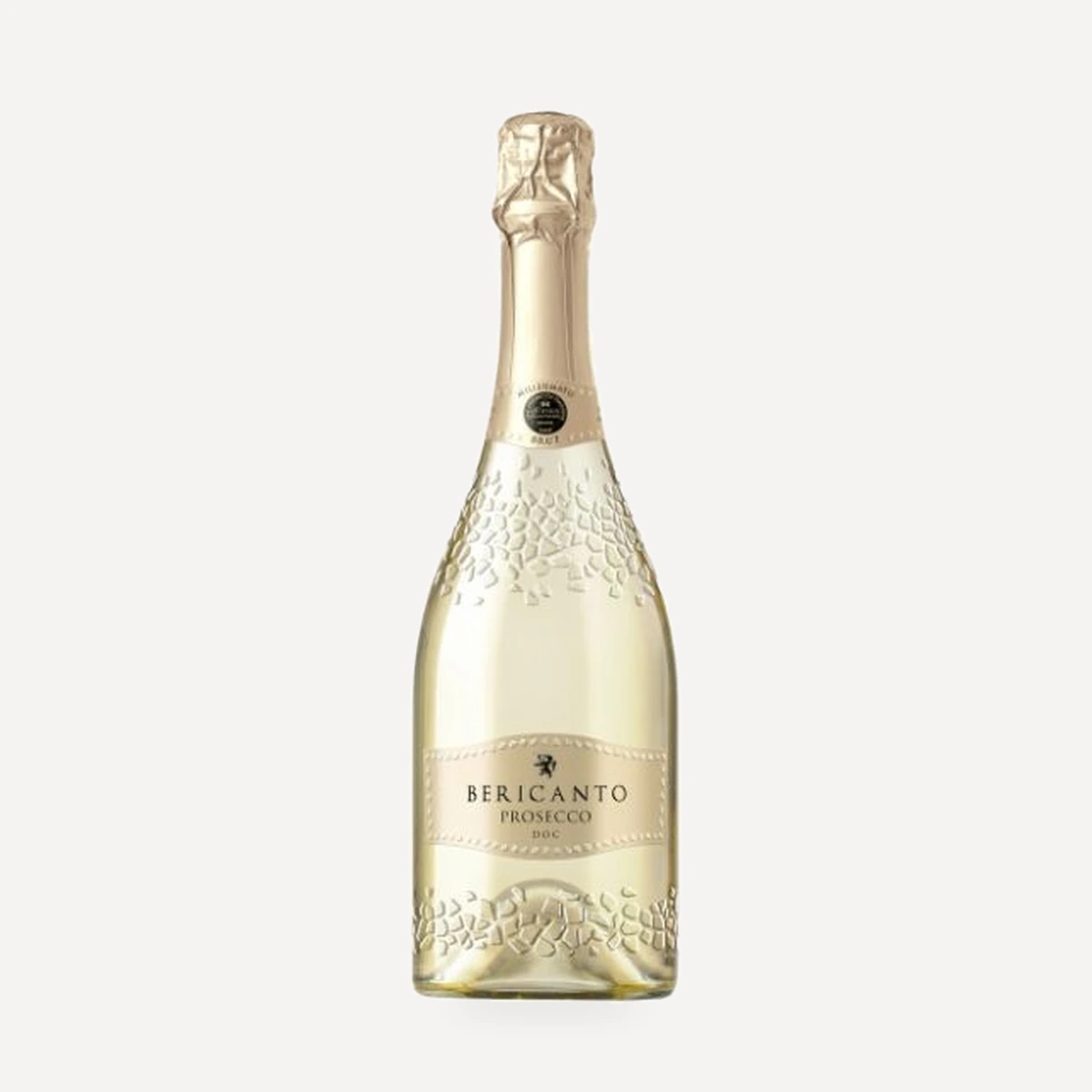
Bericanto | Prosecco DOC Brut
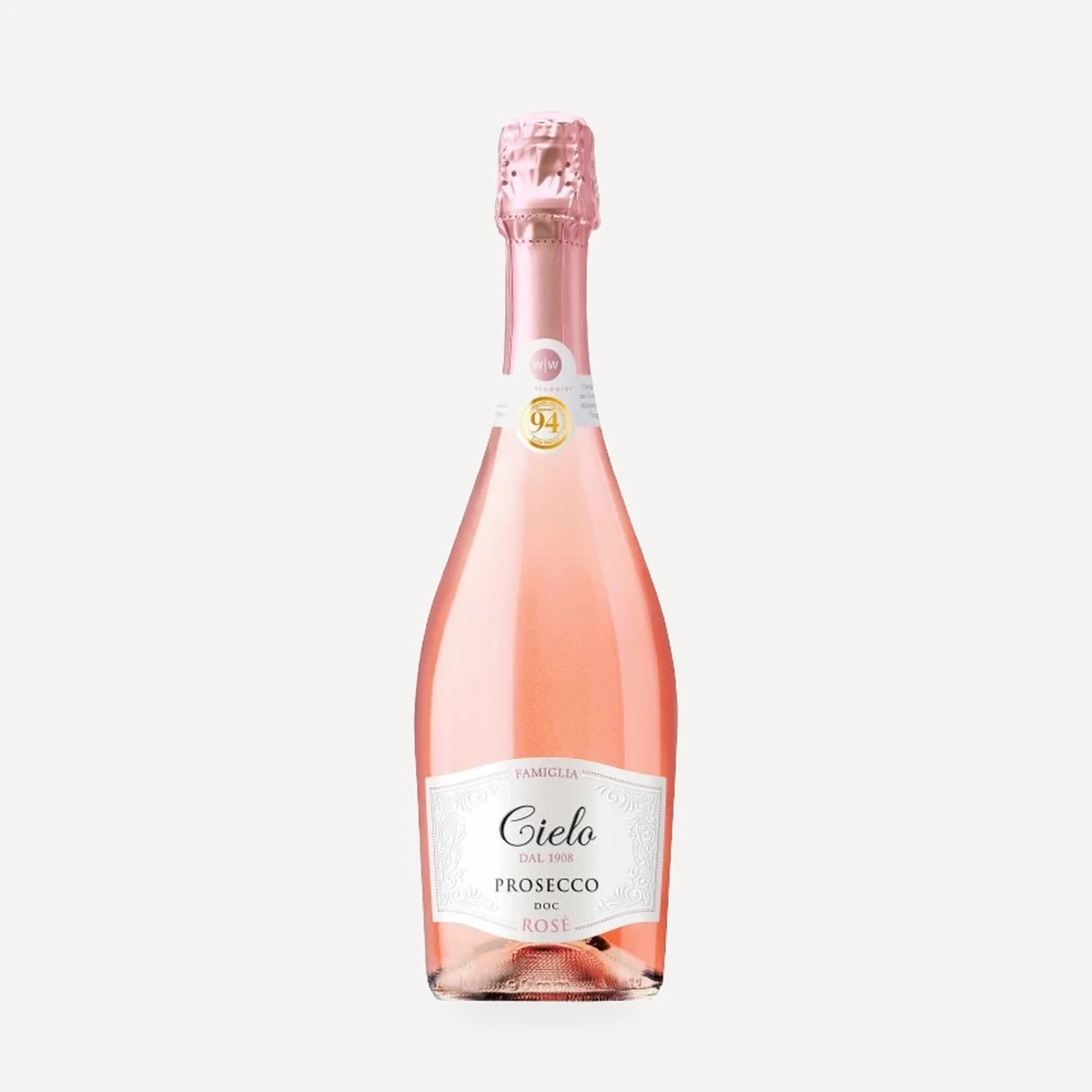
Cielo Blu | Prosecco Rosé DOC Extra Dry
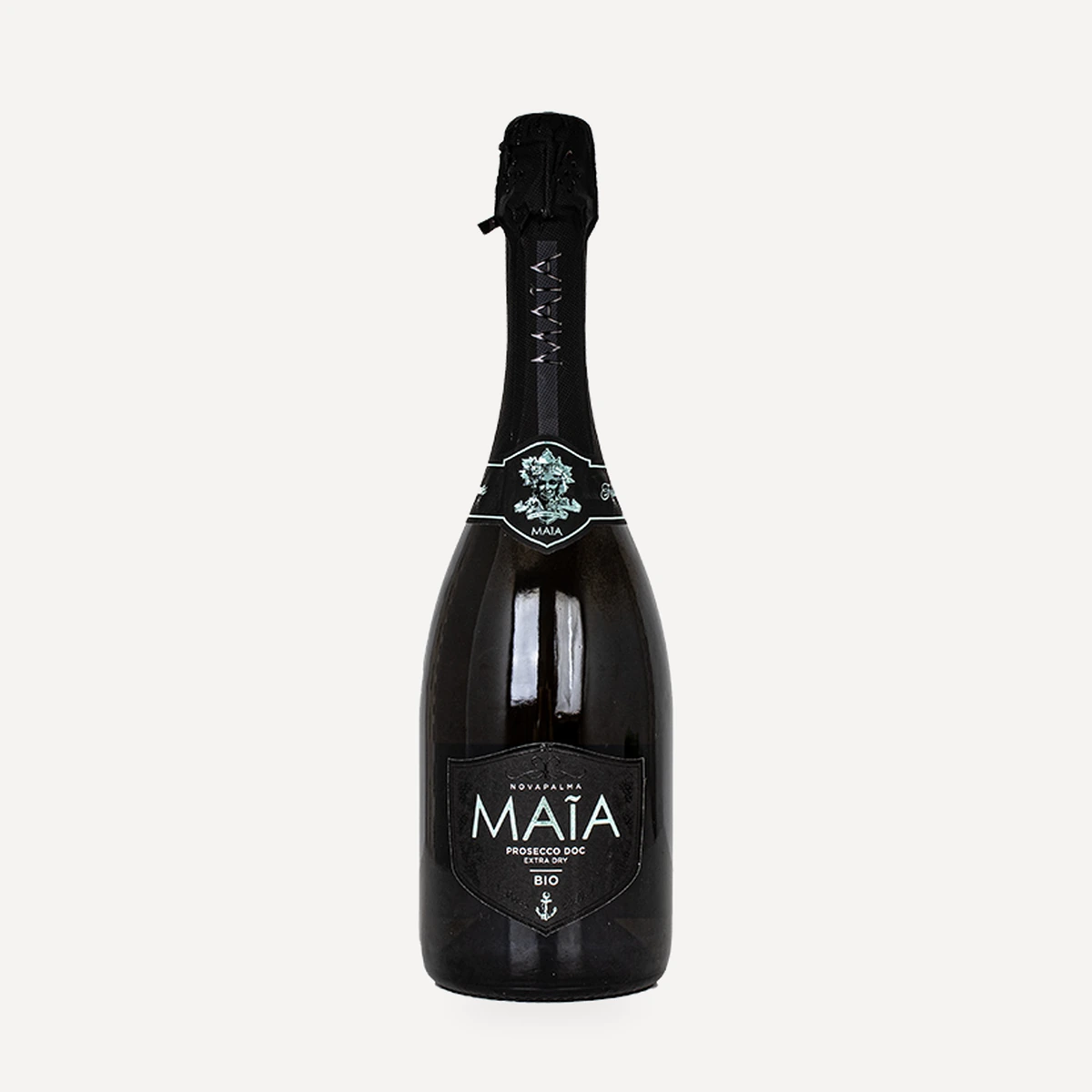
MAIA | Prosecco Bio Extra Dry
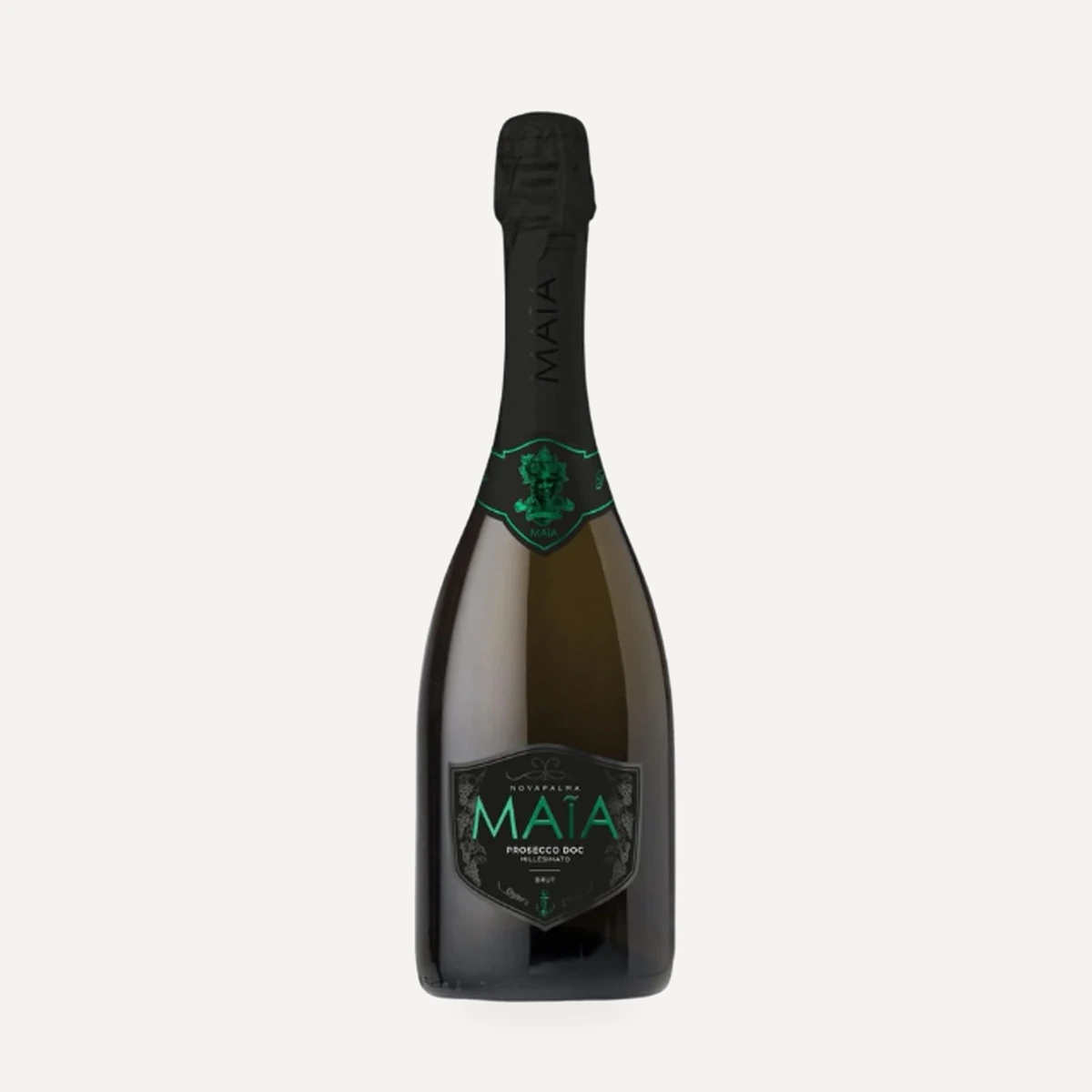
MAIA | Prosecco Millesimato Brut
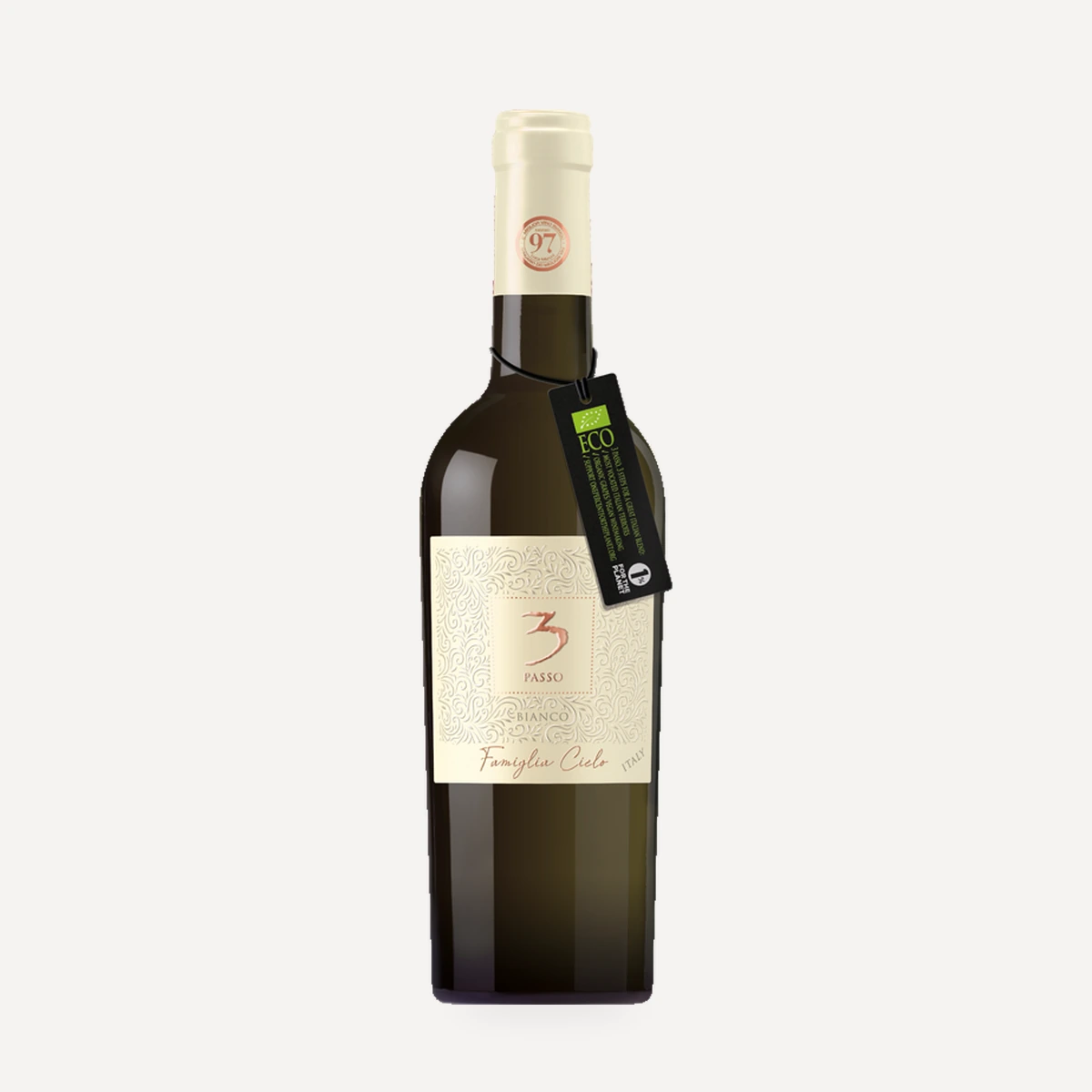
3 Passo Bio | Bianco
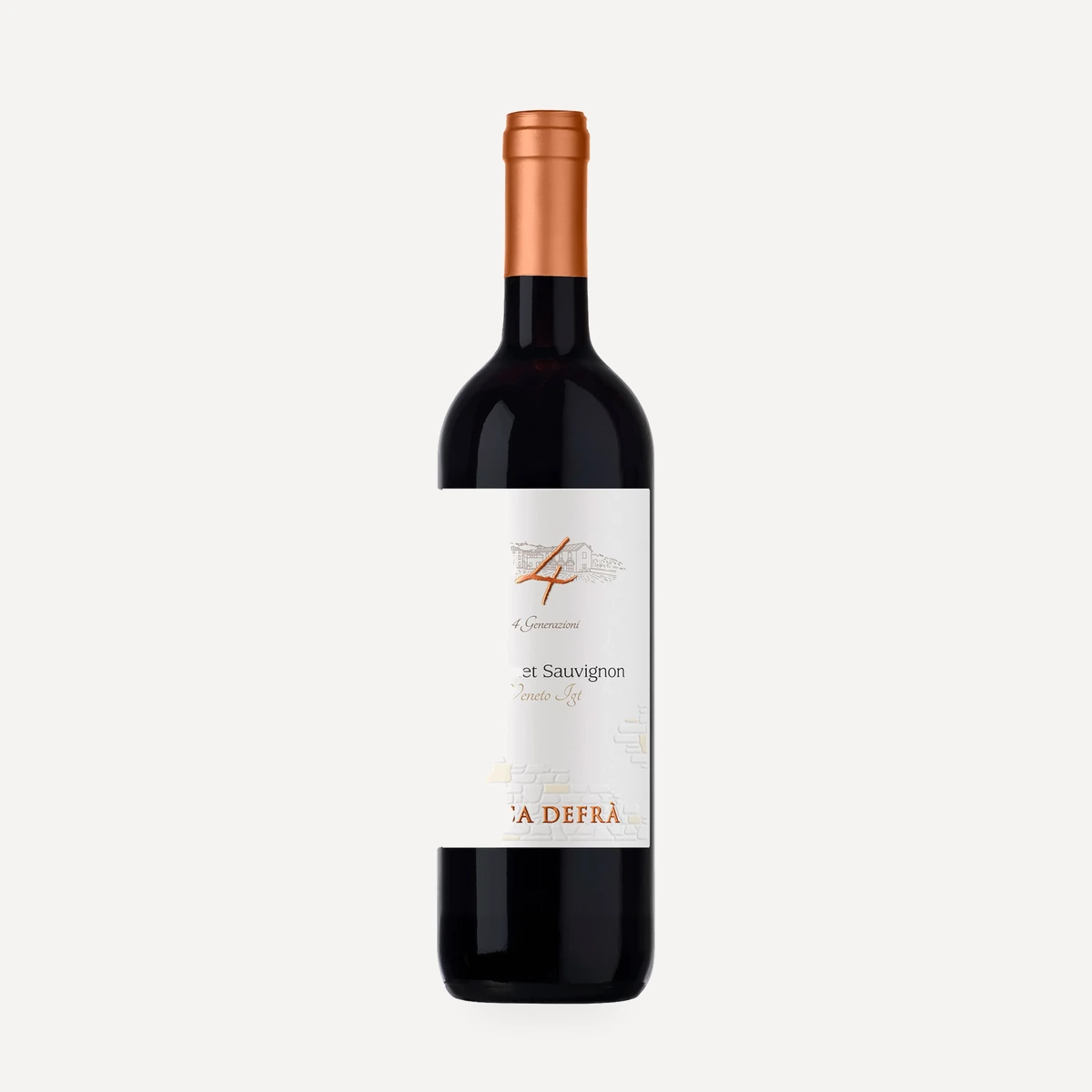
Casa Defrà | Cabernet Sauvignon Veneto IGT
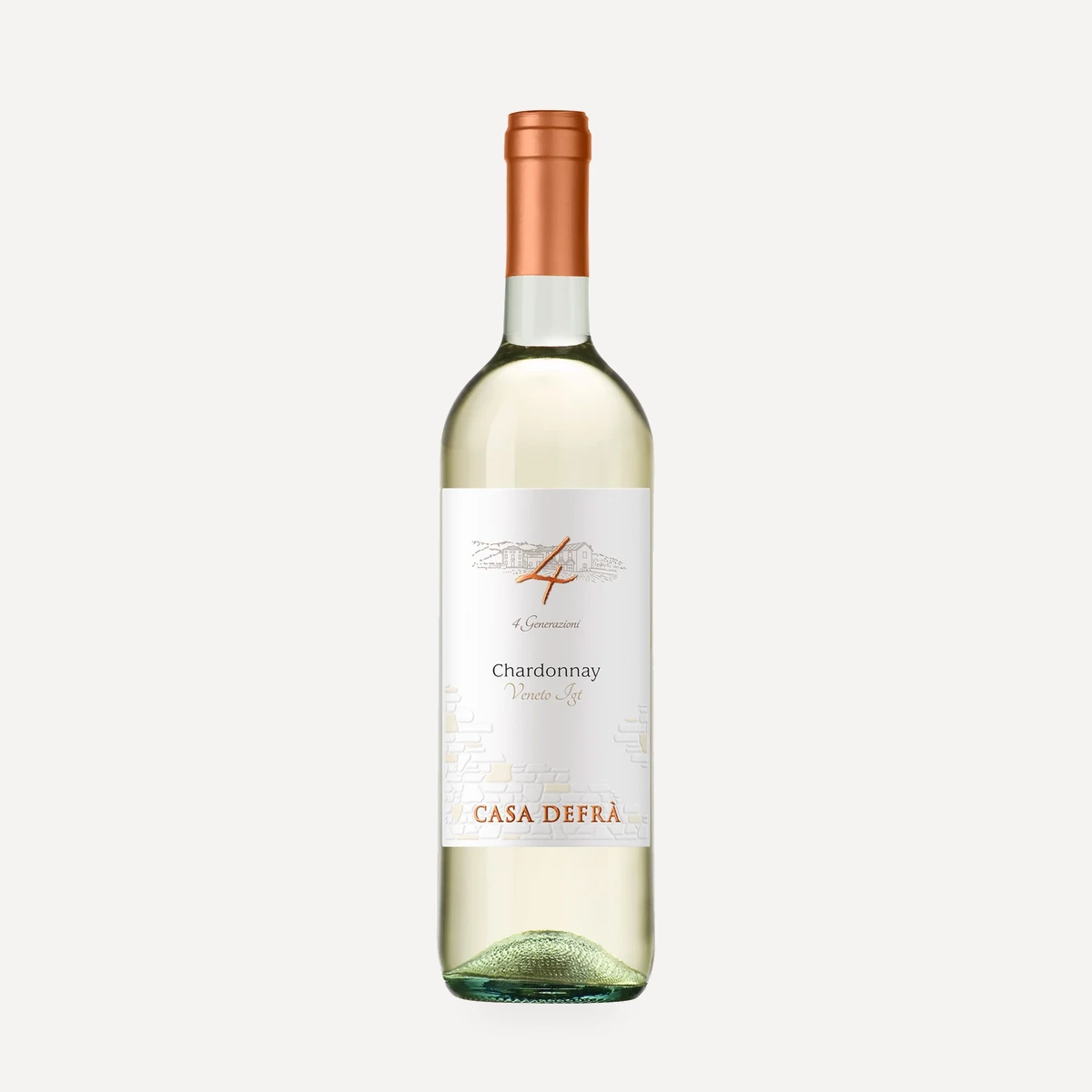
Casa Defrà | Chardonnay Veneto IGT
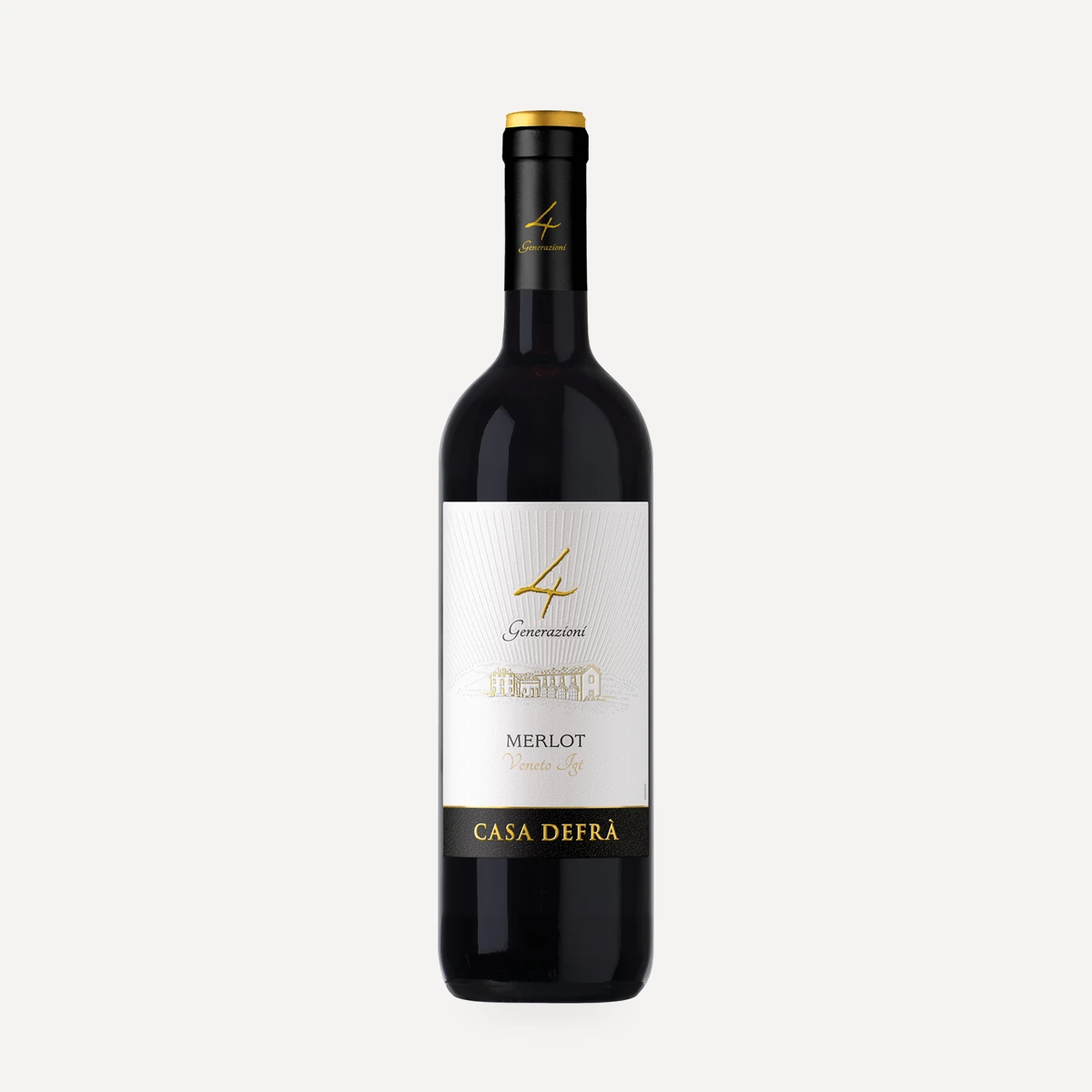
Casa Defrà | Merlot Veneto IGT
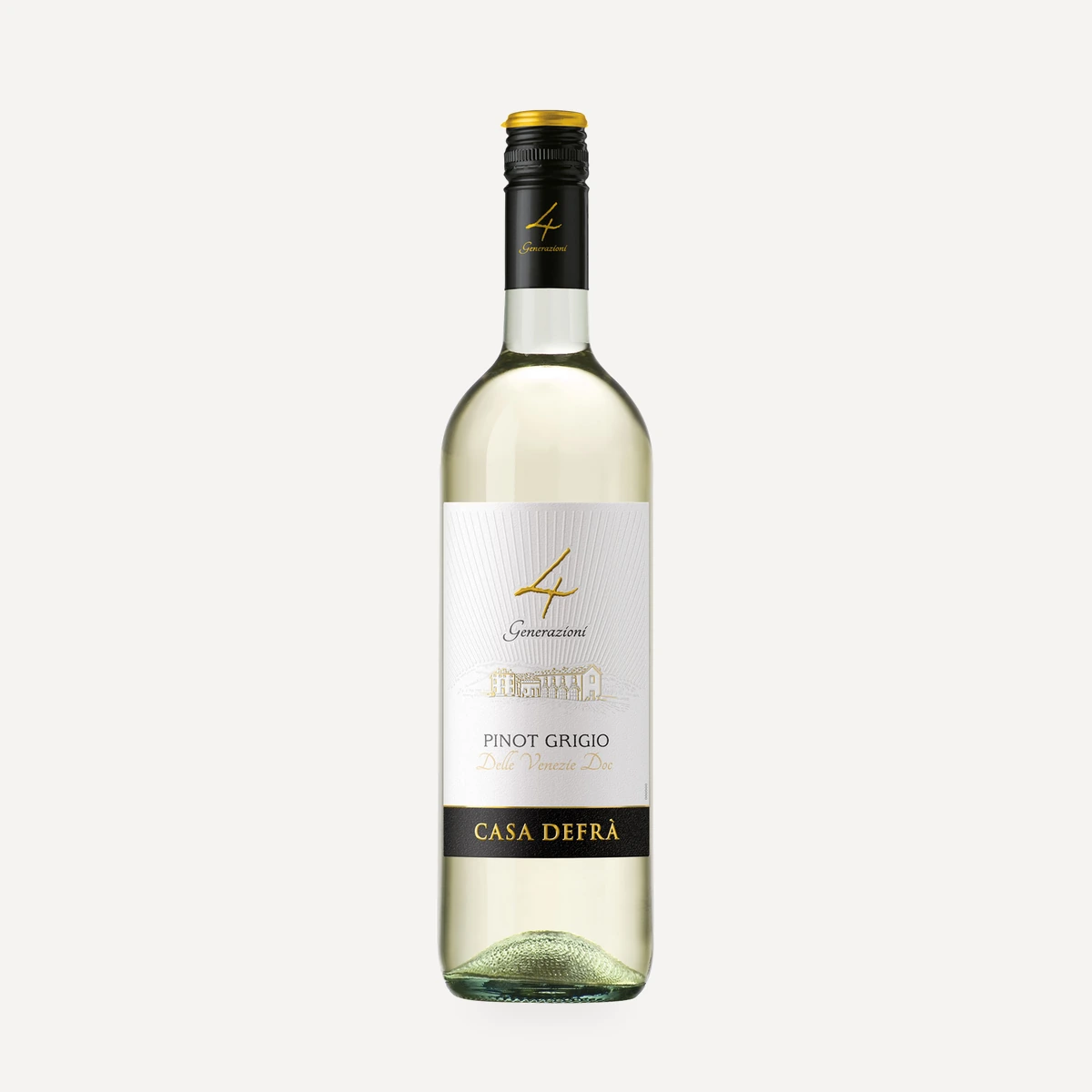
Casa Defrà | Pinot Grigio Delle Venezie DOC
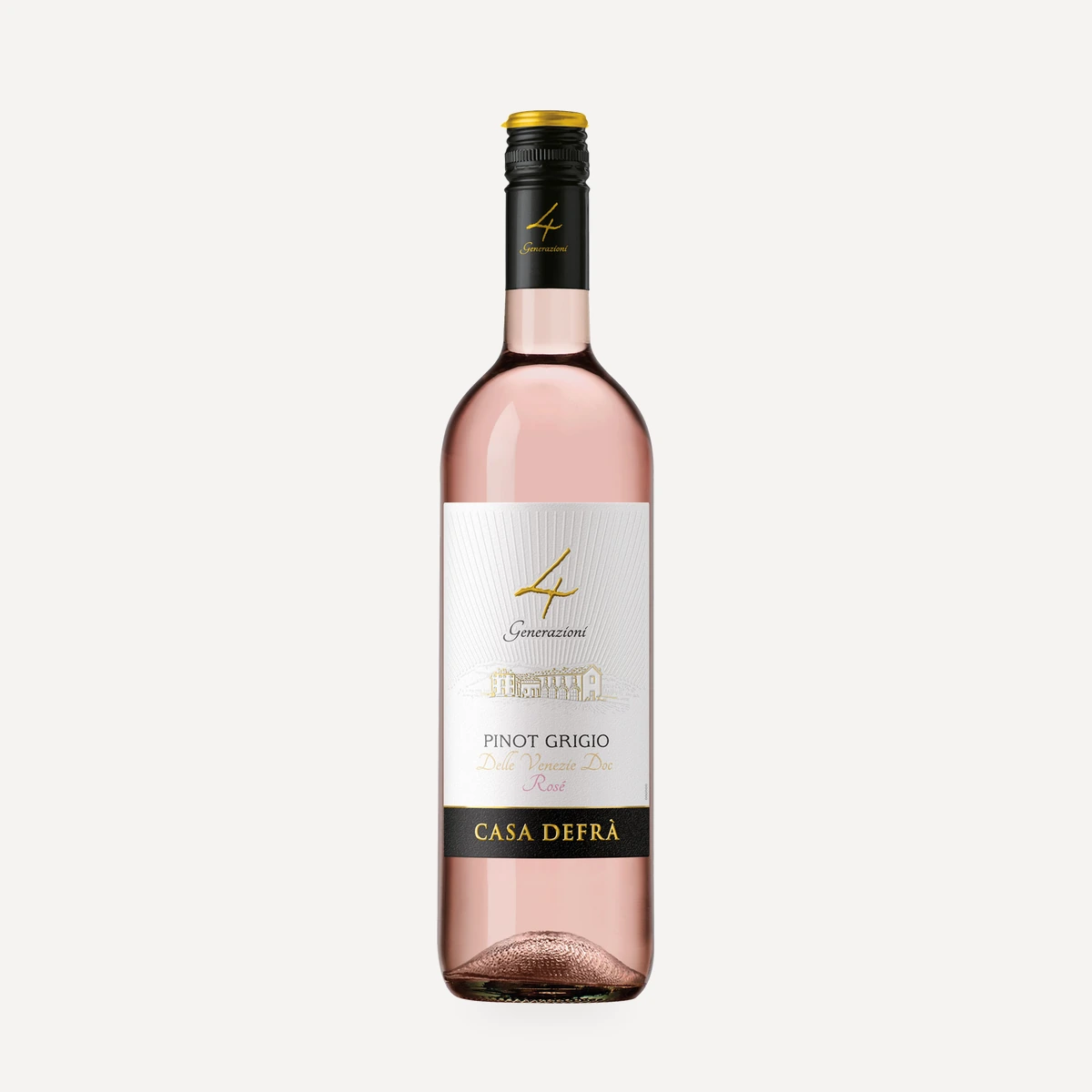
Casa Defrà | Pinot Grigio Rosé Delle Venezie DOC
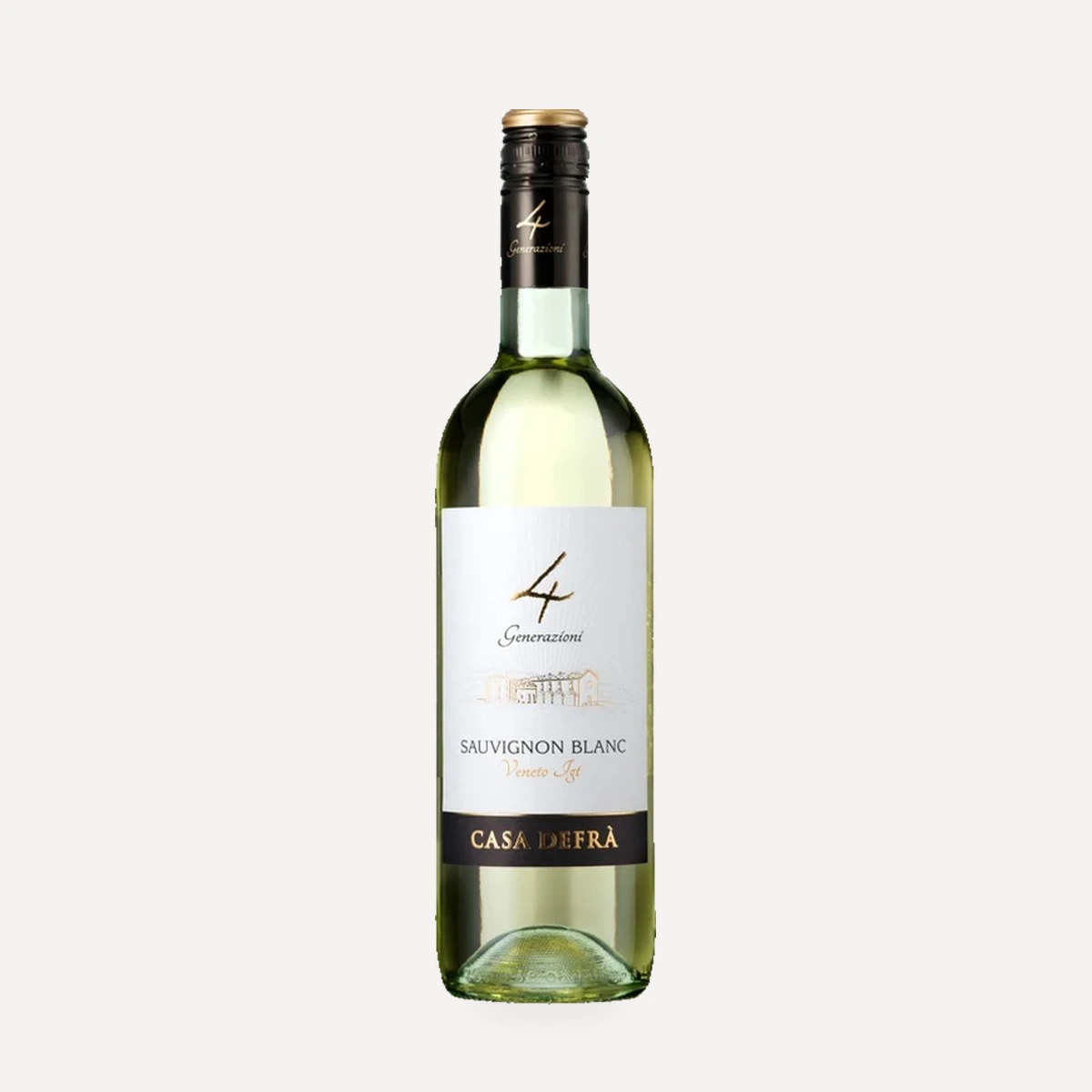
Casa Defrà | Sauvignon Veneto IGT
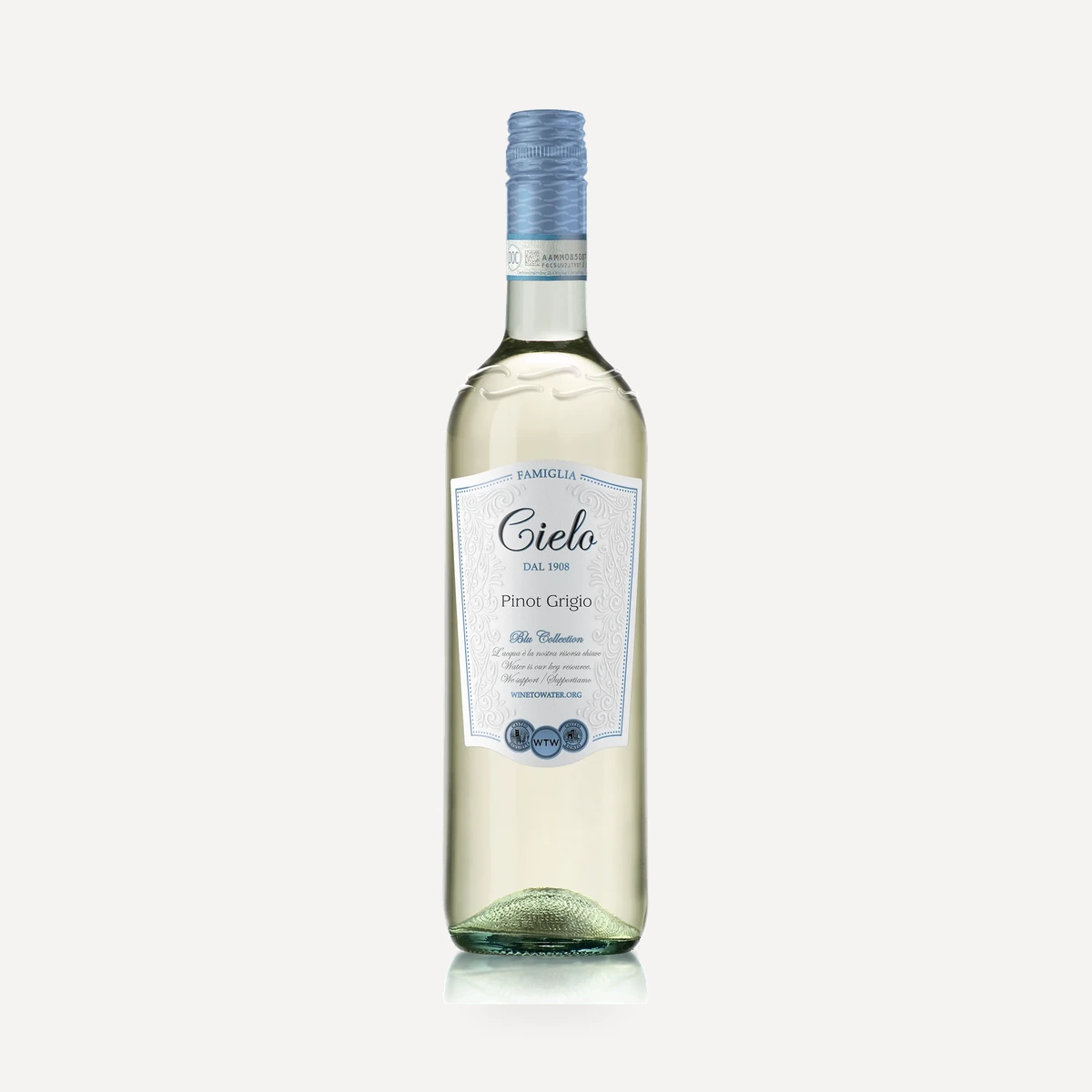
Cielo Blu | Pinot Grigio Delle Venezie DOC
Cielo Blu | Pinot Grigio Rosé Delle Venezie DOC
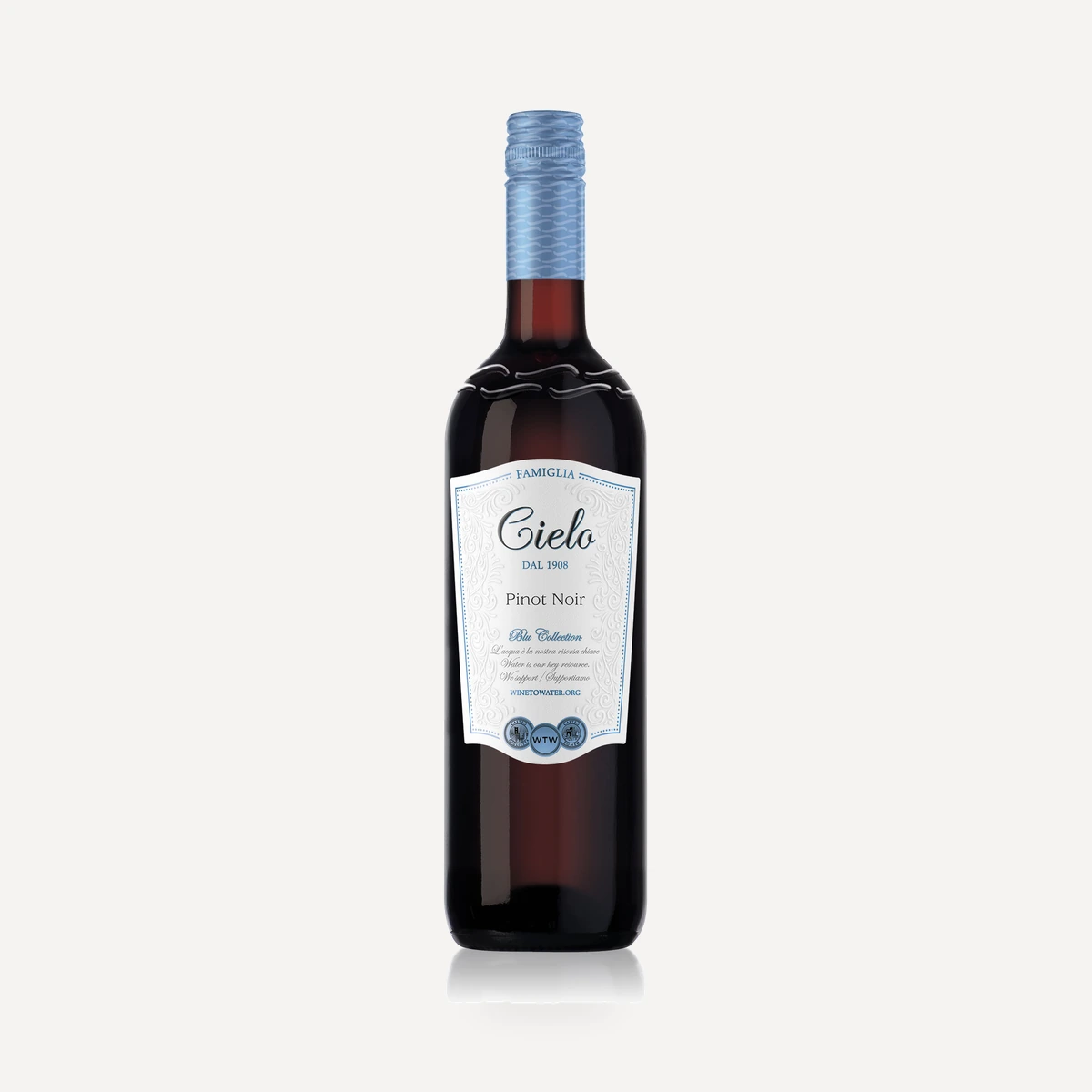
Cielo Blu | Pinot Noir Trevenezie IGT
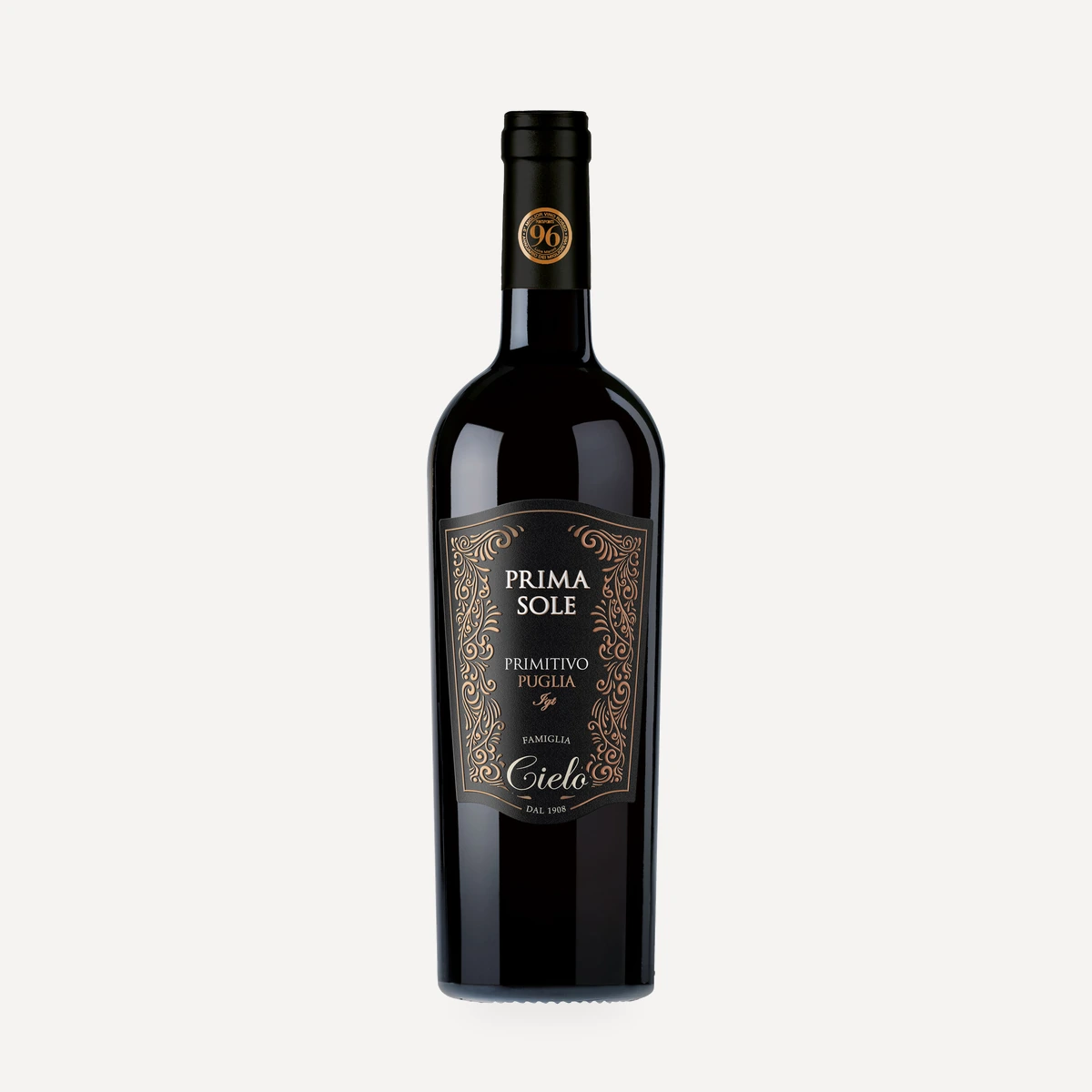
Cielo1908 | Prima Sole Primitivo Puglia IGT
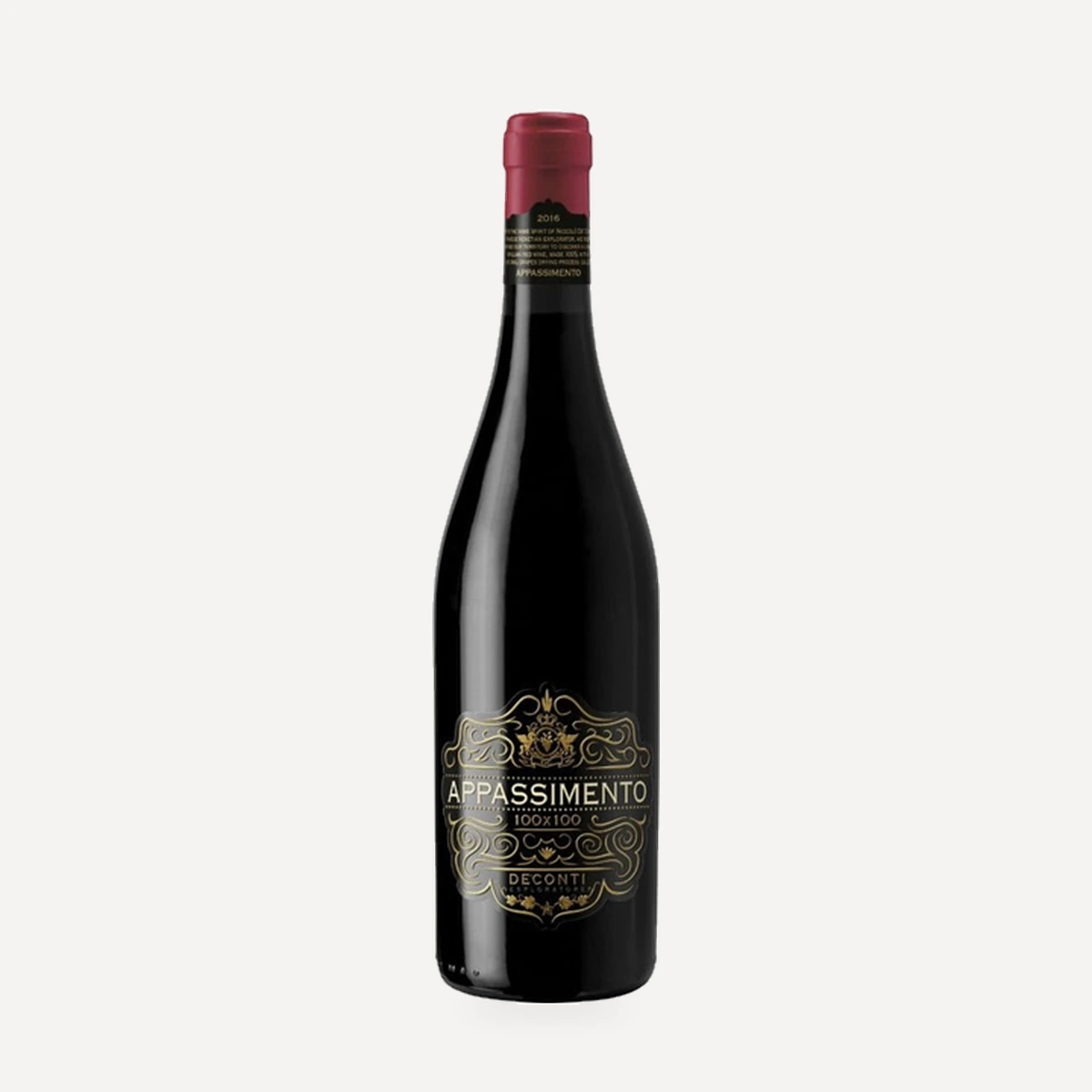
De Conti | Appassimento Rosso Passito Puglia IGT
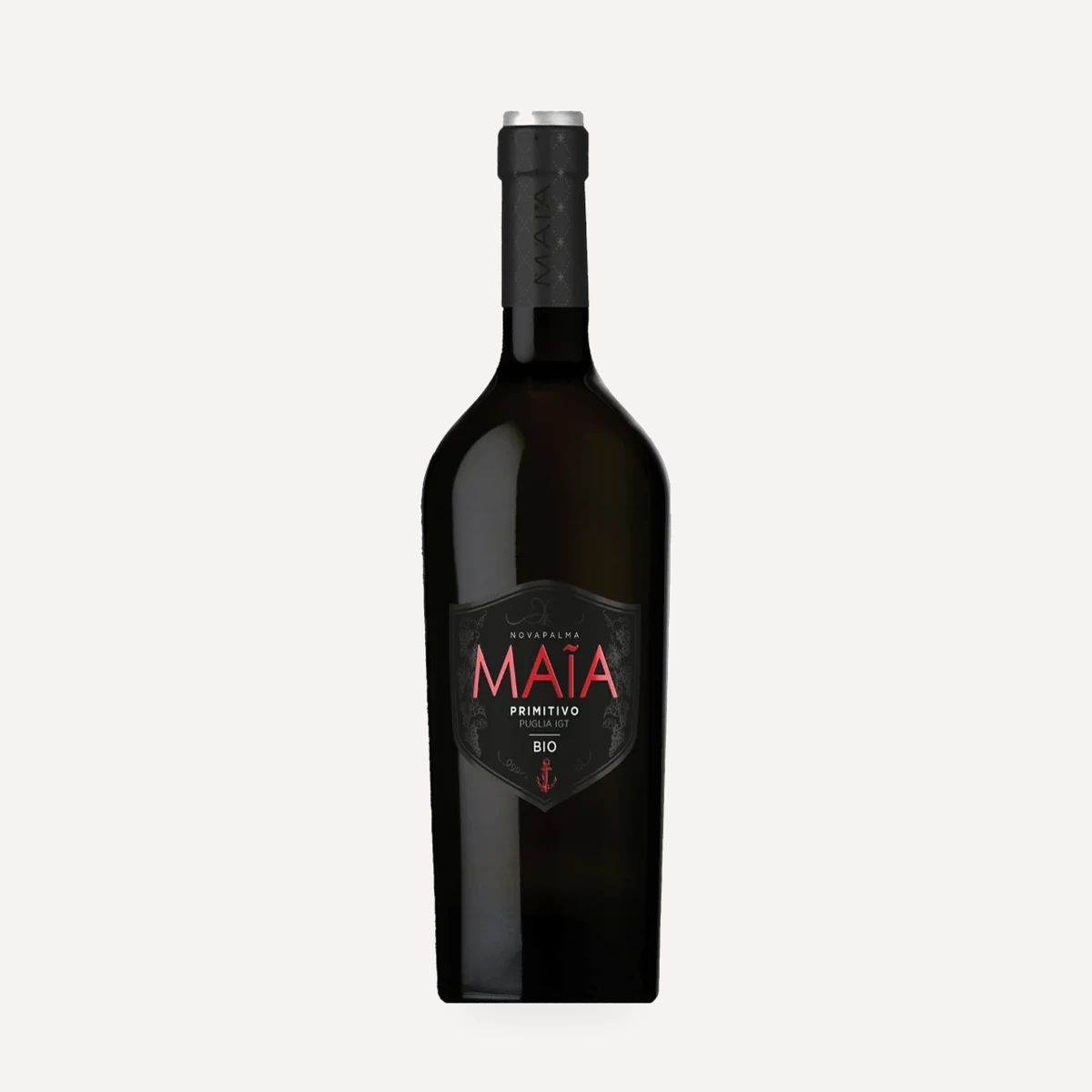
MAIA | Primitivo Bio
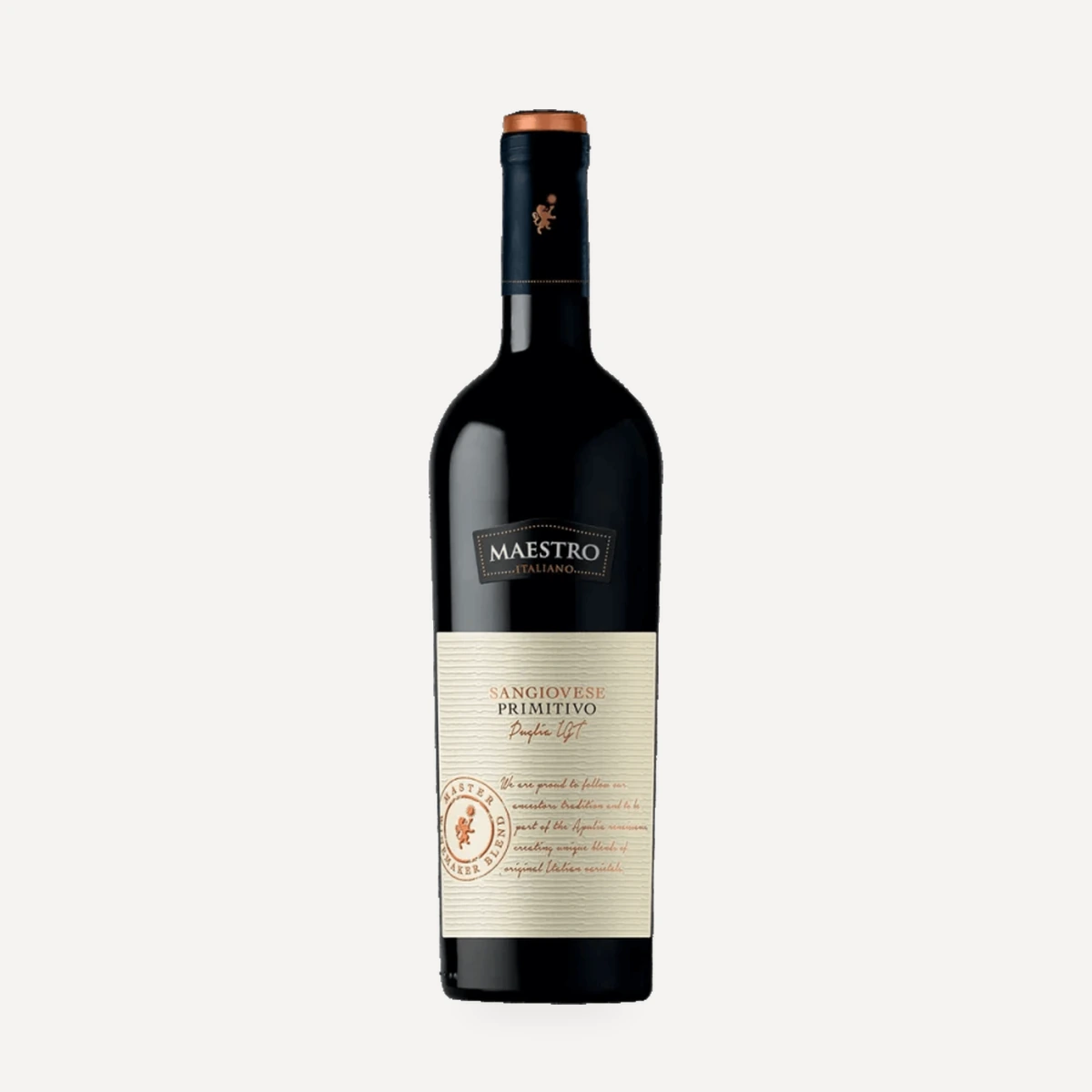
Maestro | Sangiovese-Primitivo Puglia IGT
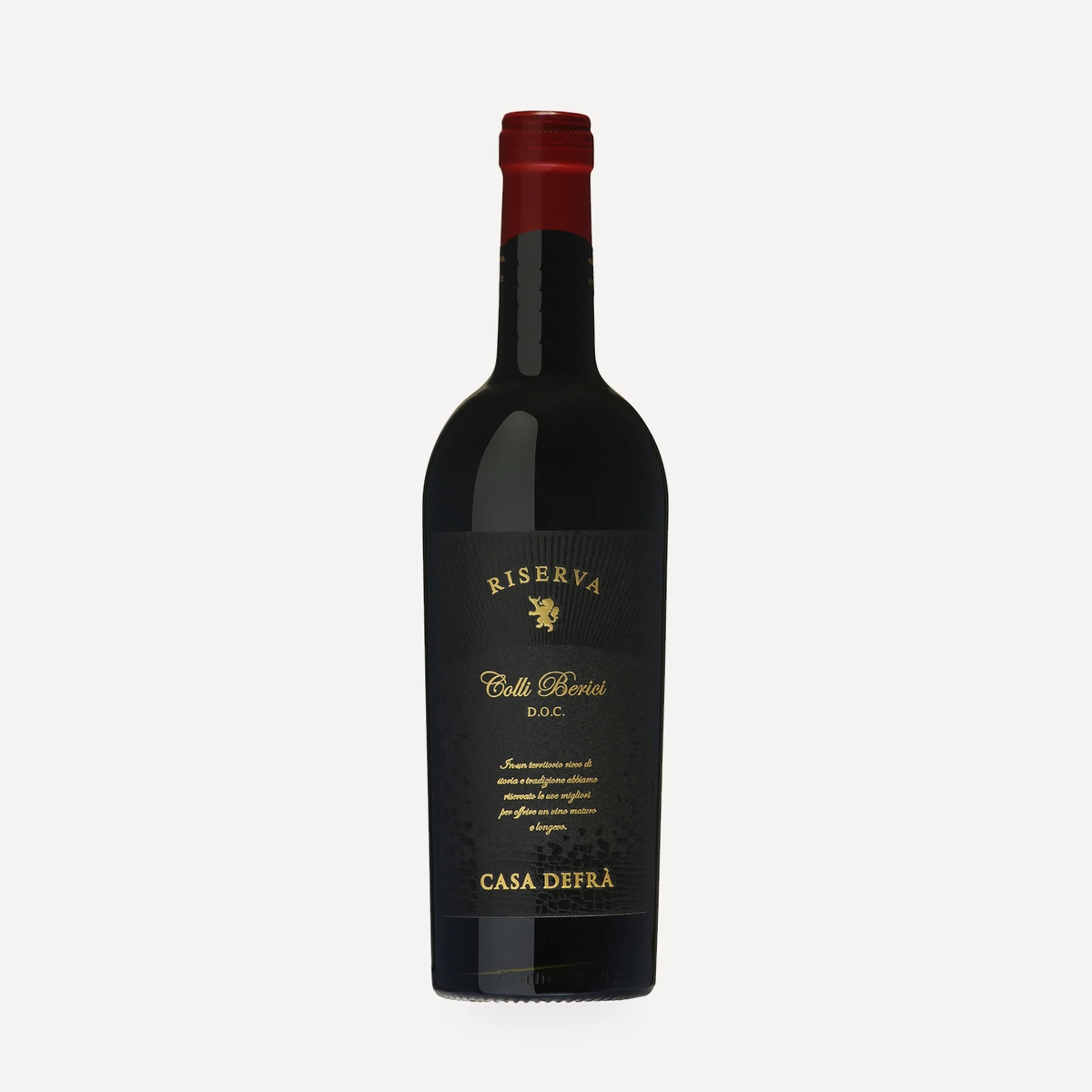
REDEMONTE | Rosso Riserva Colli Berici DOC
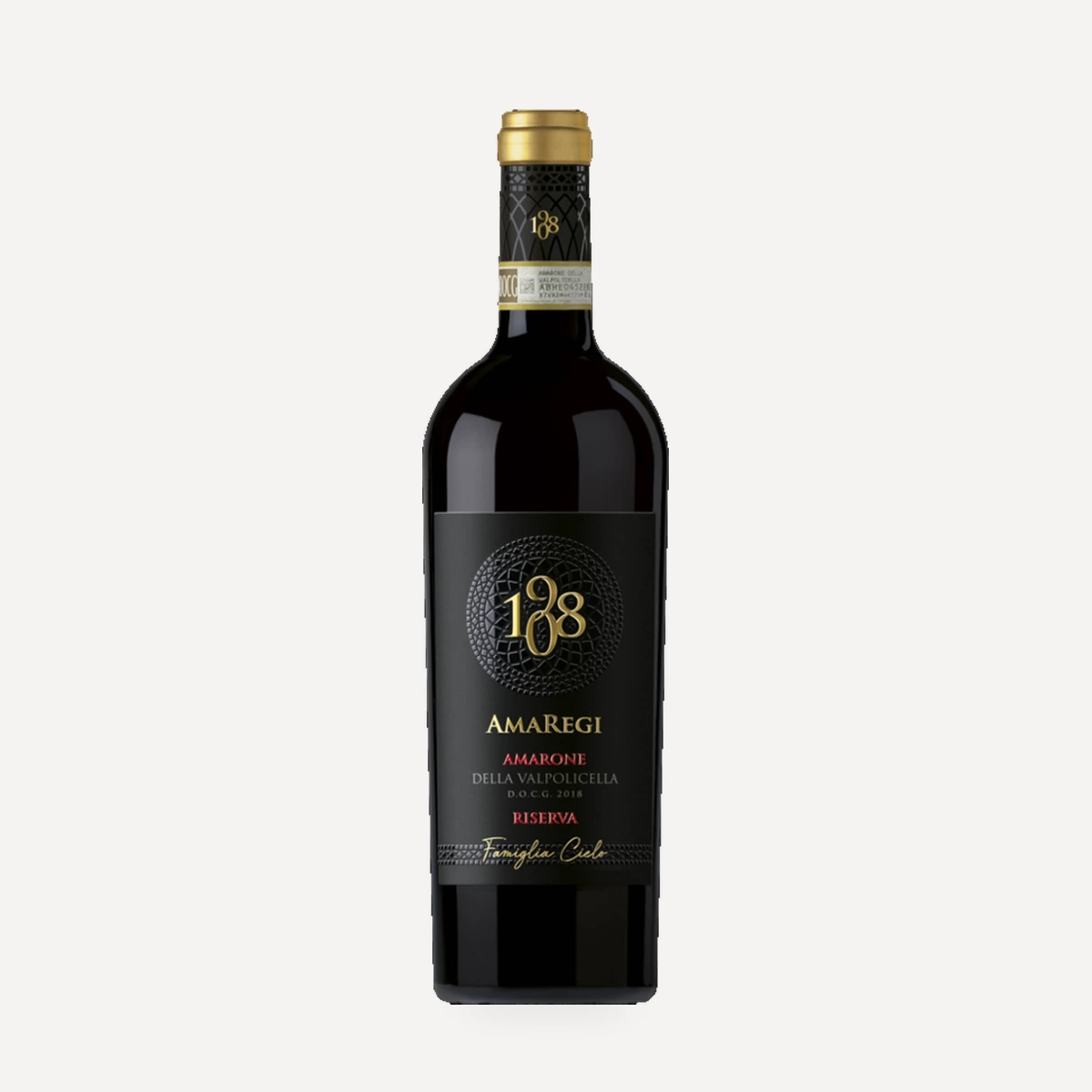
Cielo1908 | Amaregi Amarone della Valpolicella Riserva DOCG
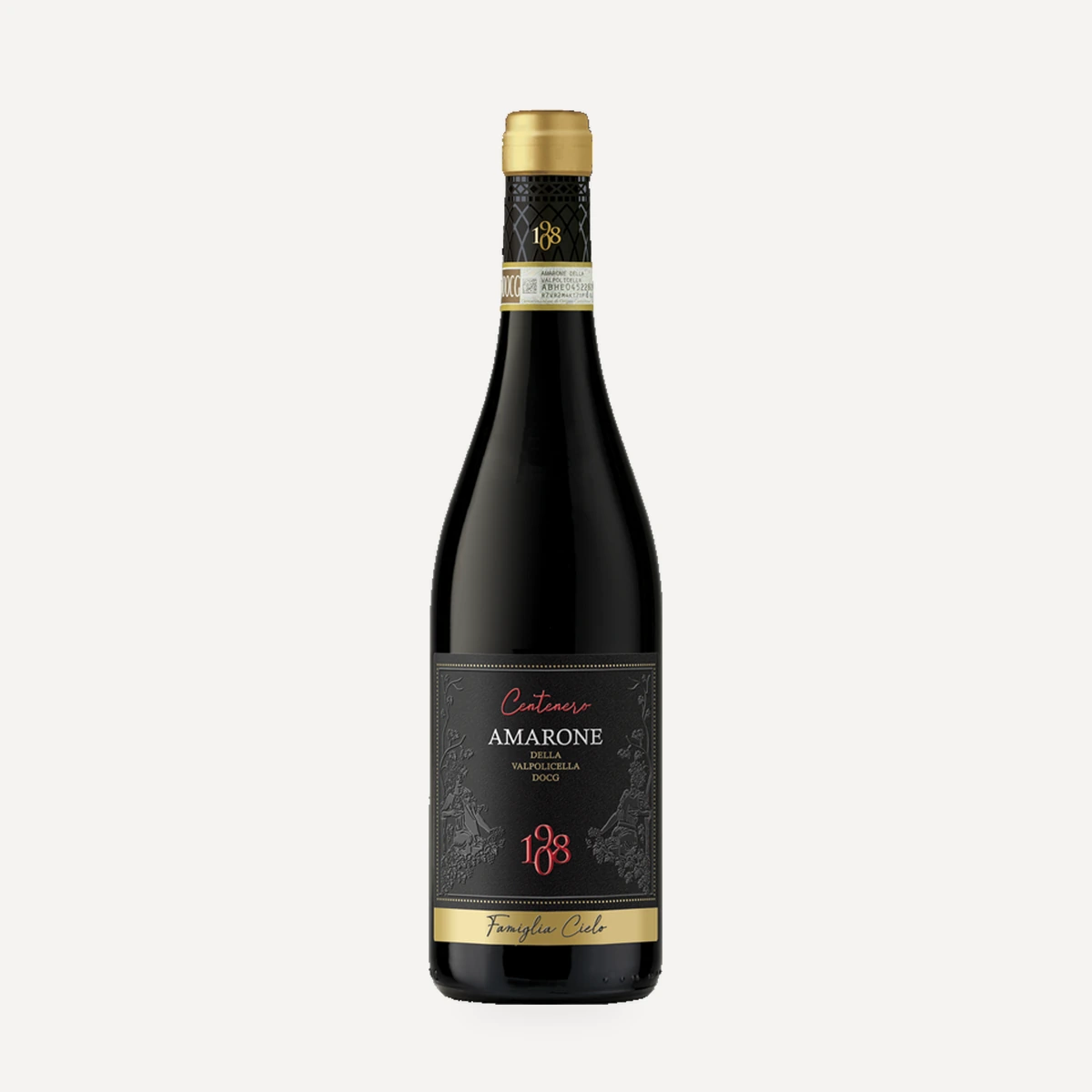
Cielo1908 | Centenero Amarone della Valpolicella DOCG
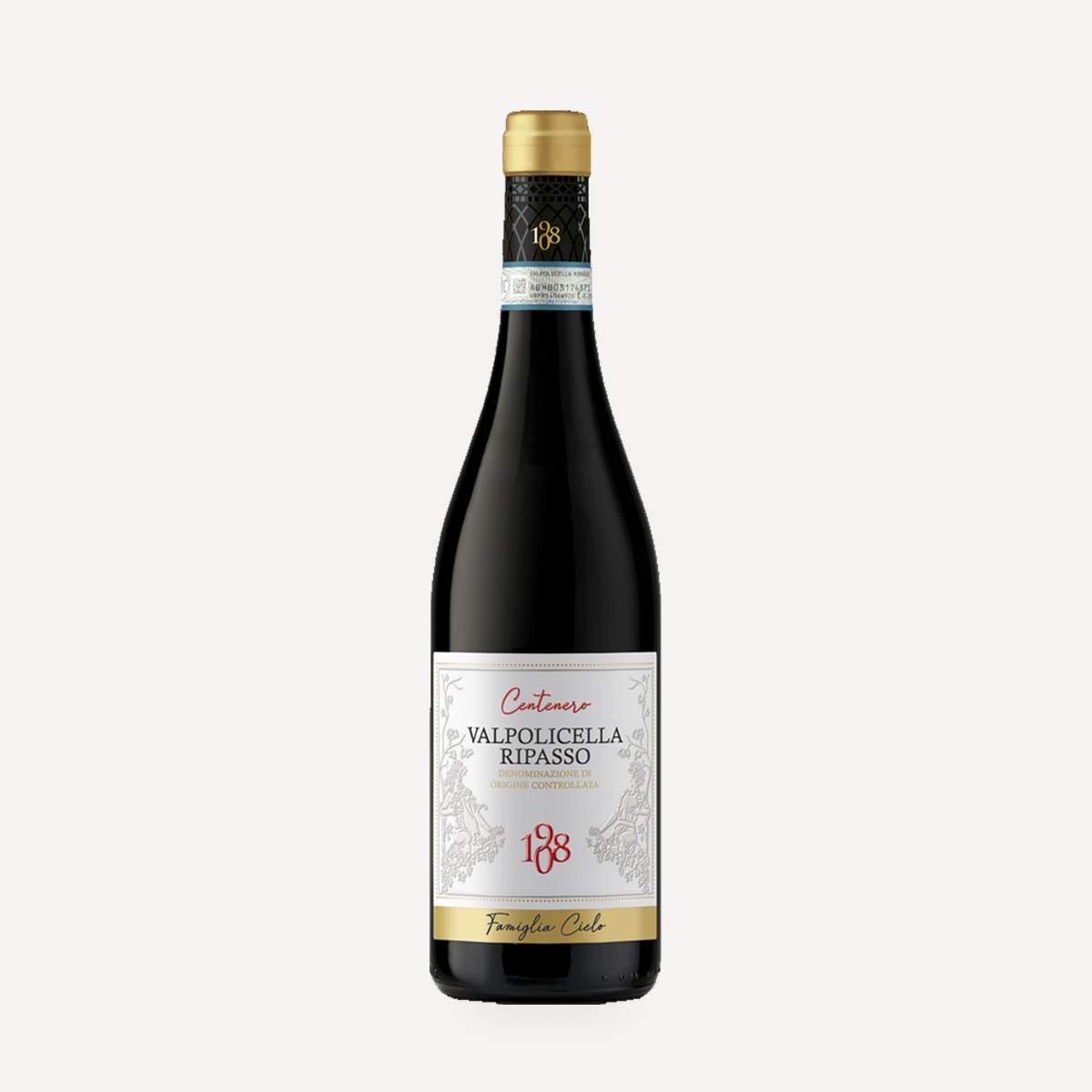
Cielo1908 | Centenero Valpolicella Ripasso DOC
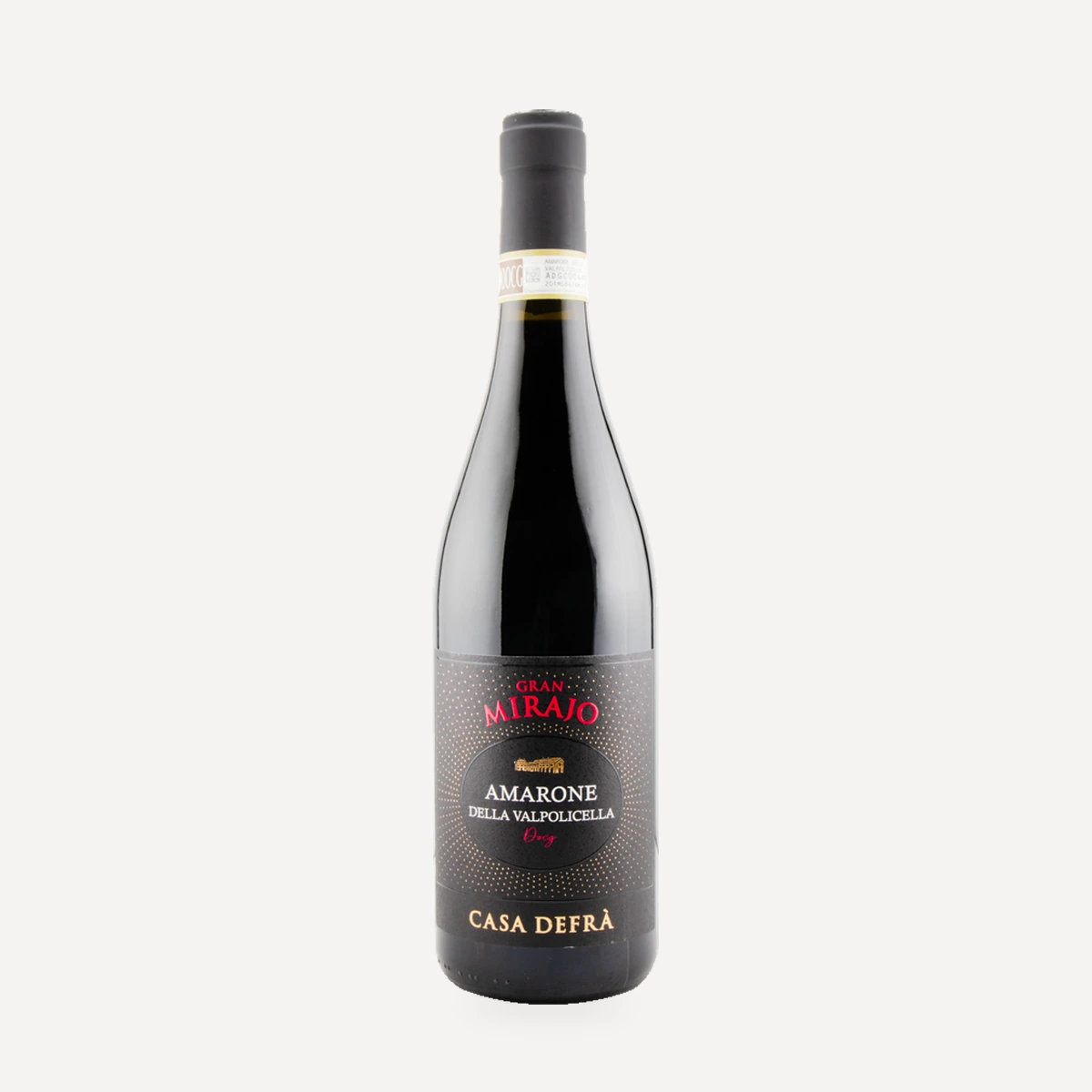
MIRAJO | Amarone della Valpolicella DOCG
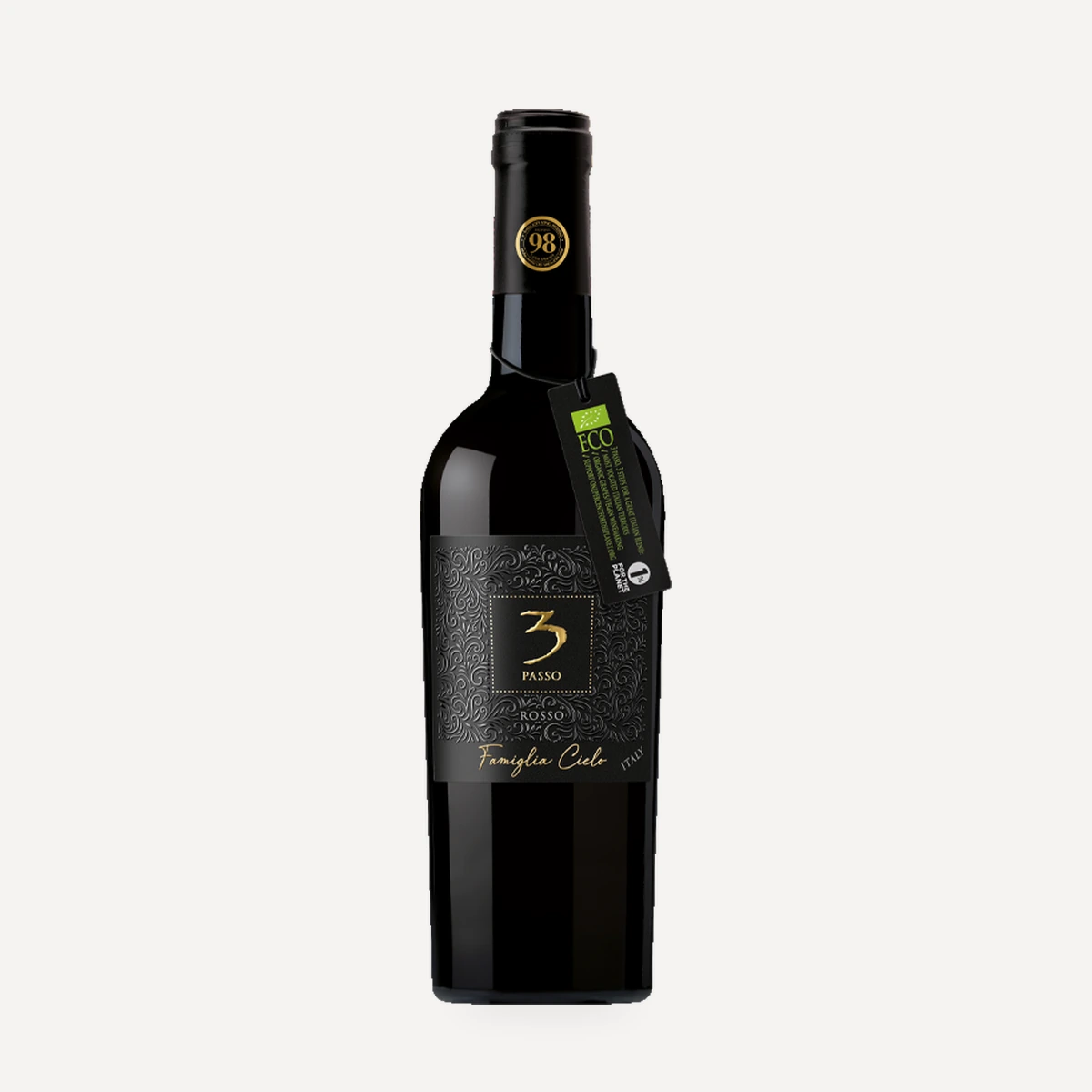
3 Passo Bio | Rosso
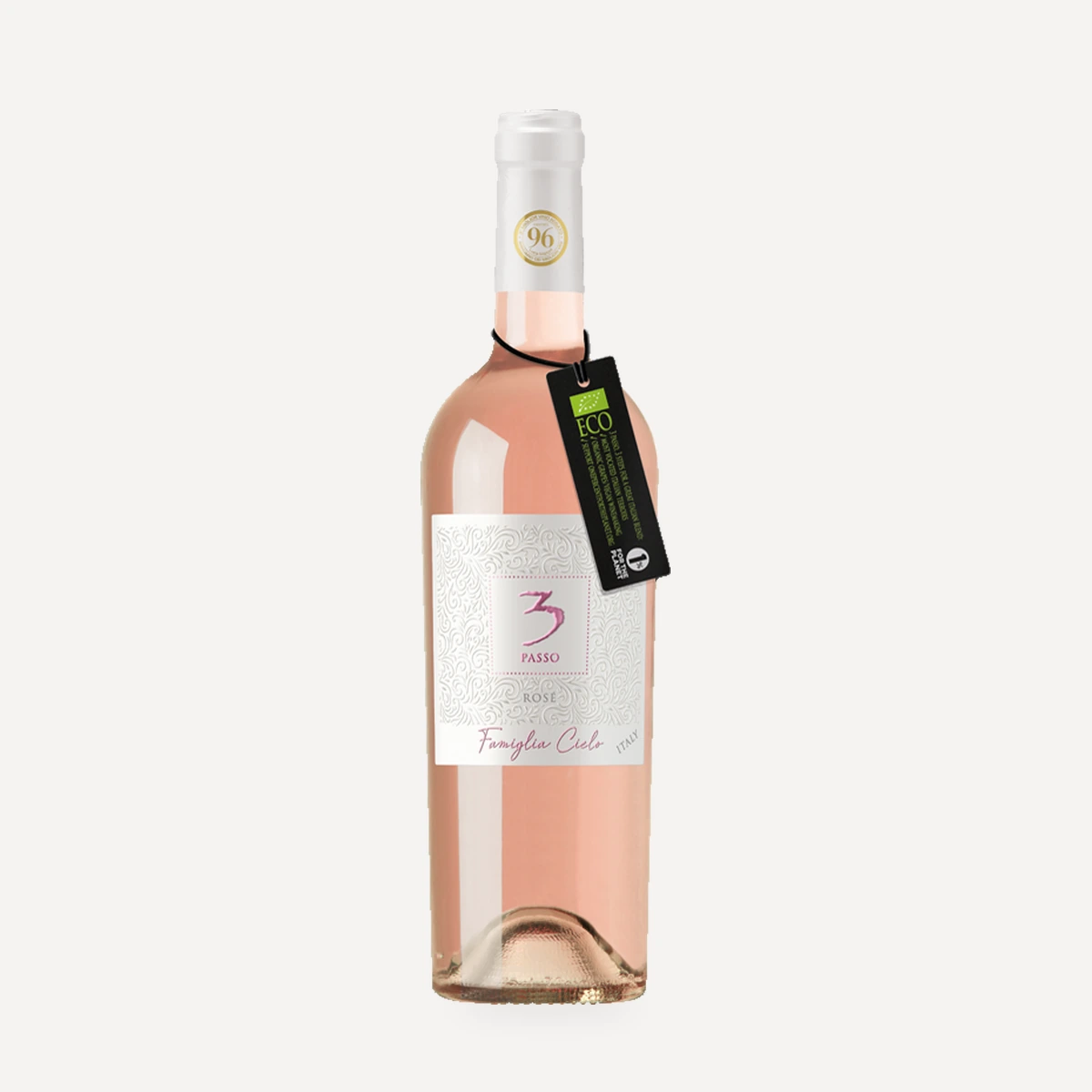
3 Passo Bio | Rosé
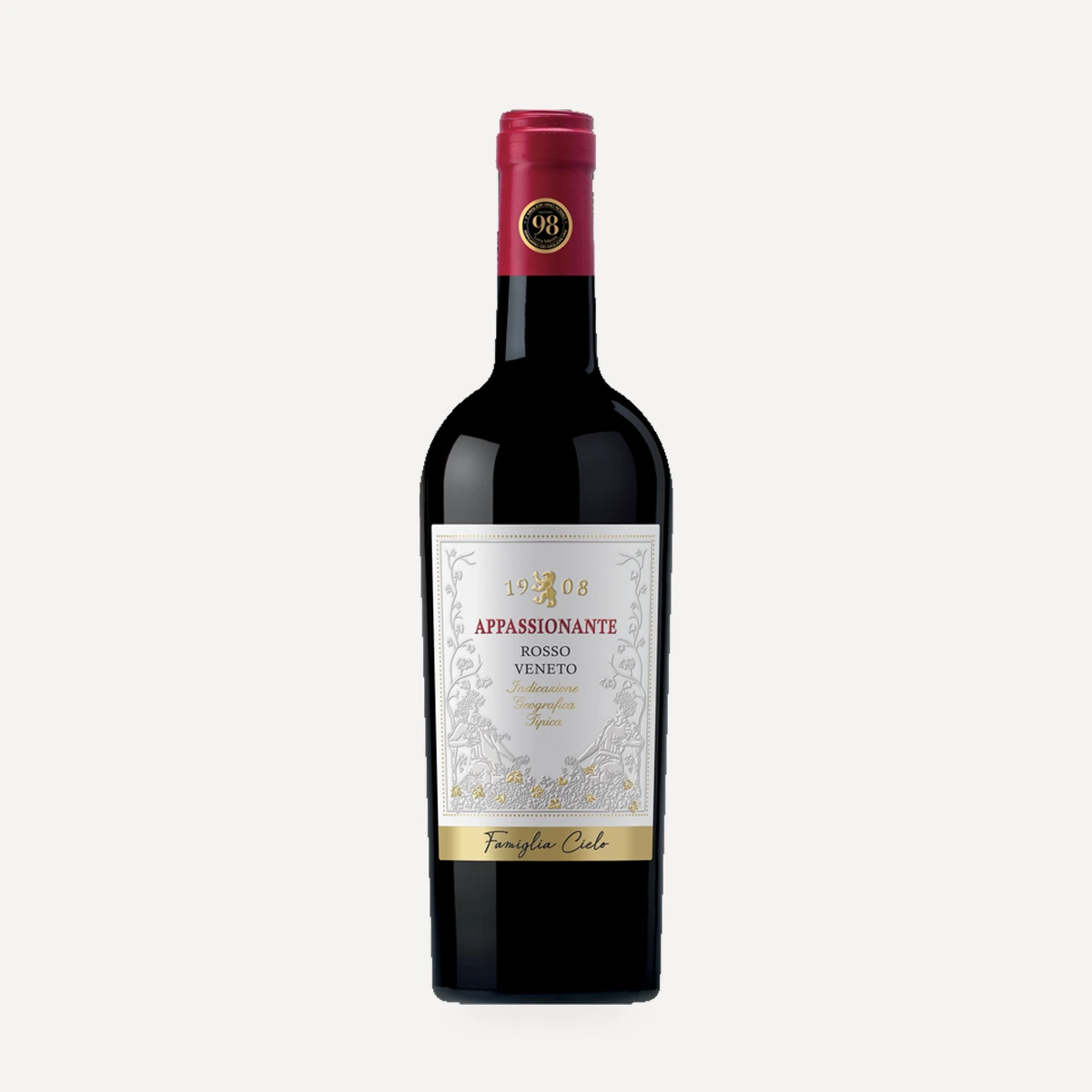
Cielo1908 | Appassionante Rosso Veneto IGT
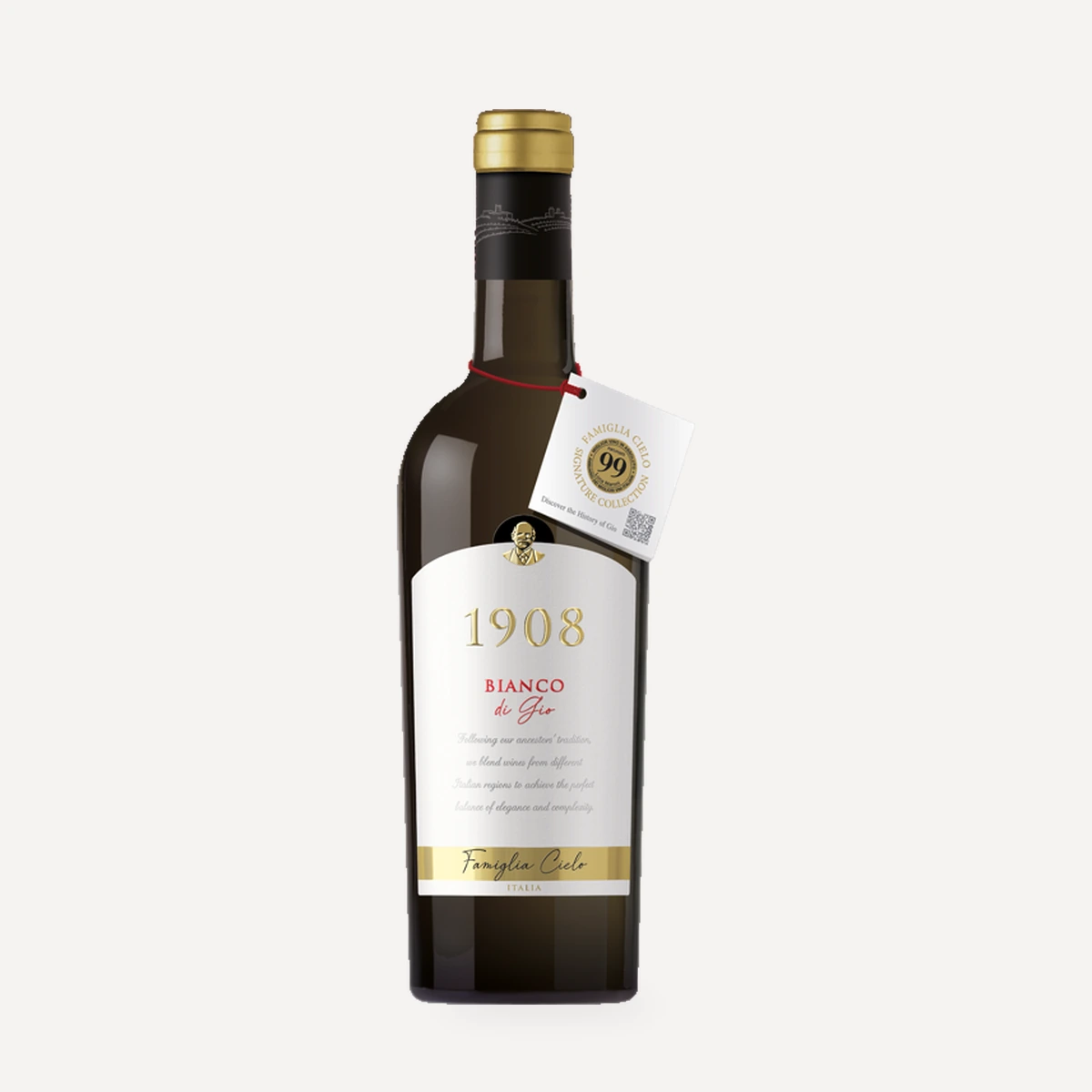
Cielo1908 | Bianco di Gio
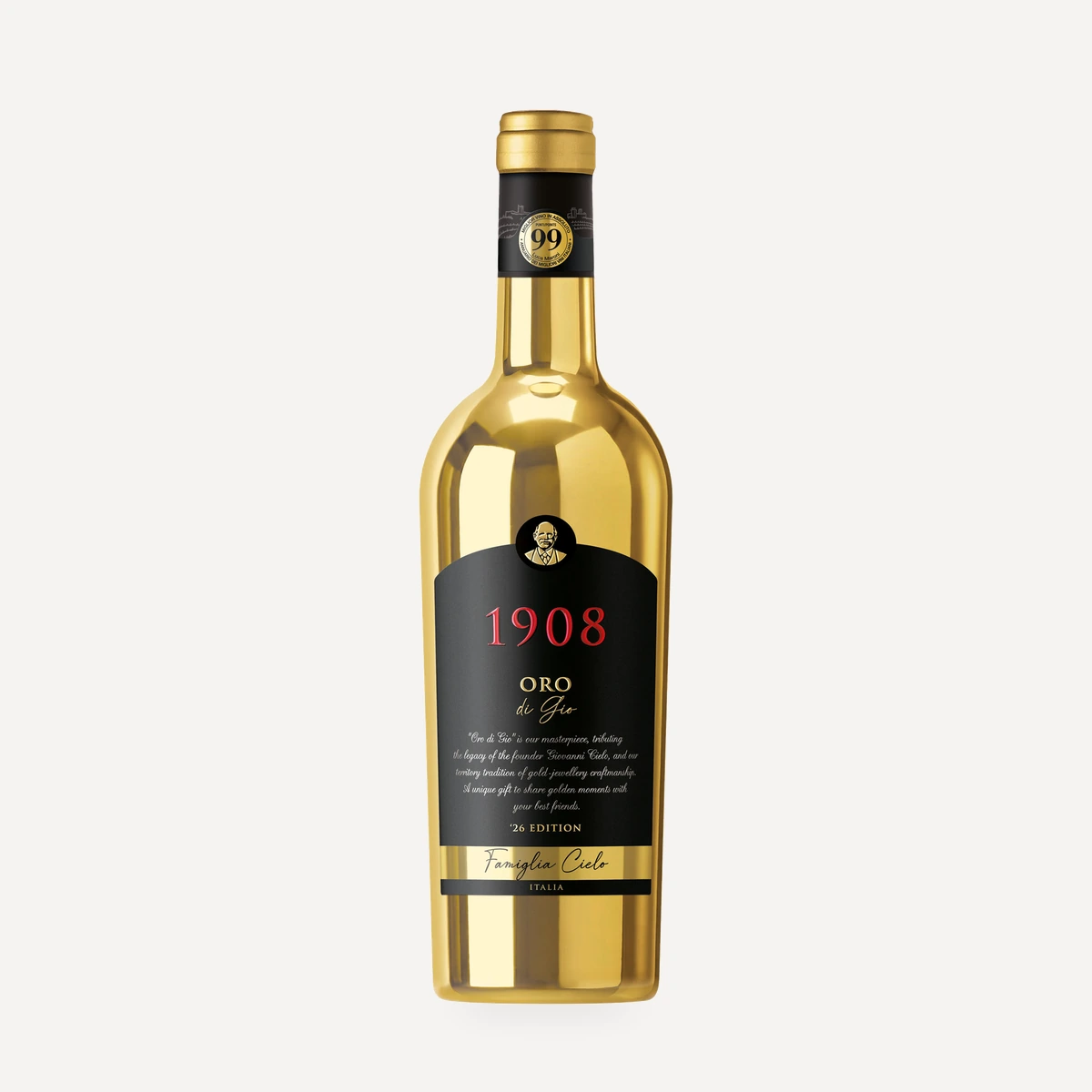
Cielo1908 | Oro di Gio
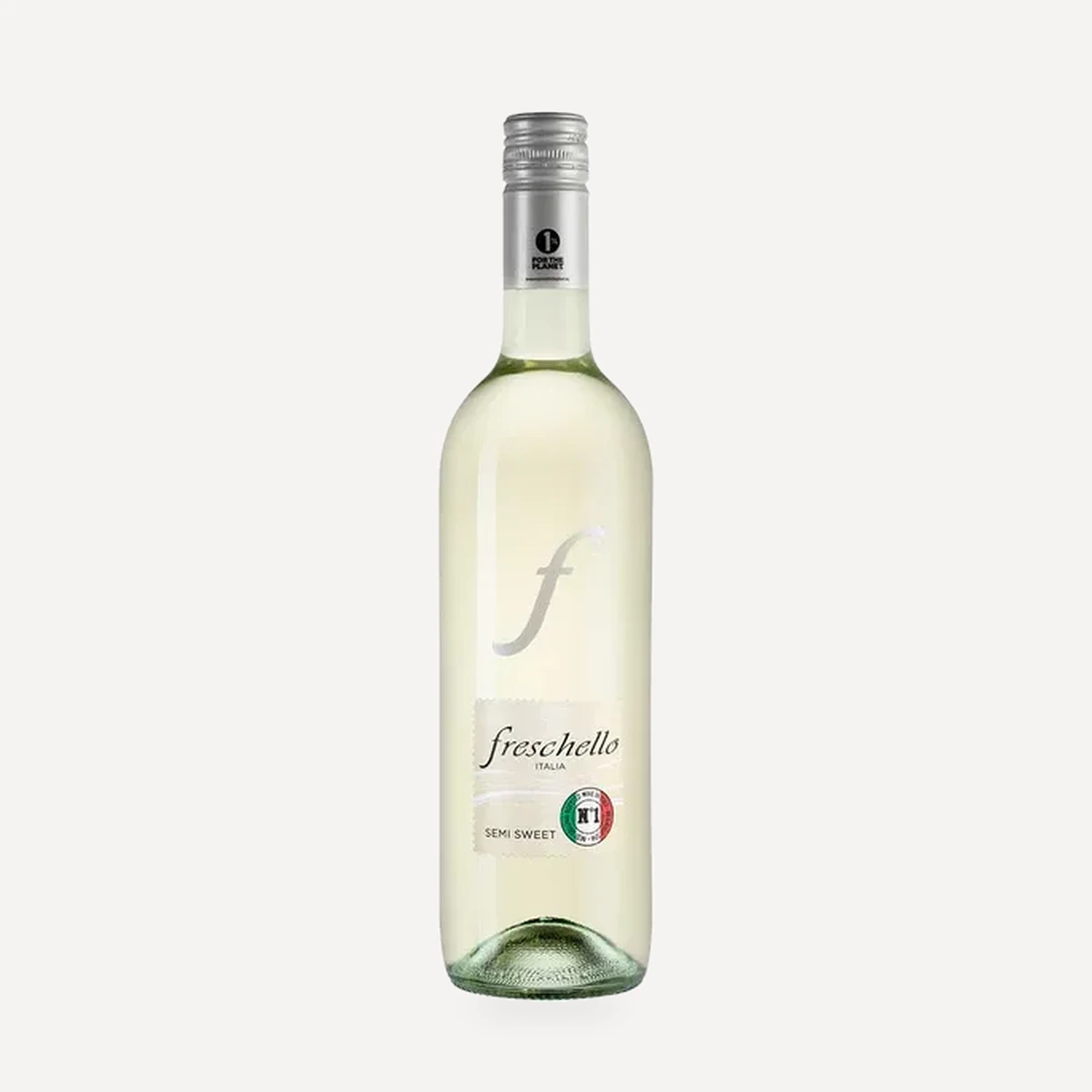
Freschello | Semi-Sweet Bianco
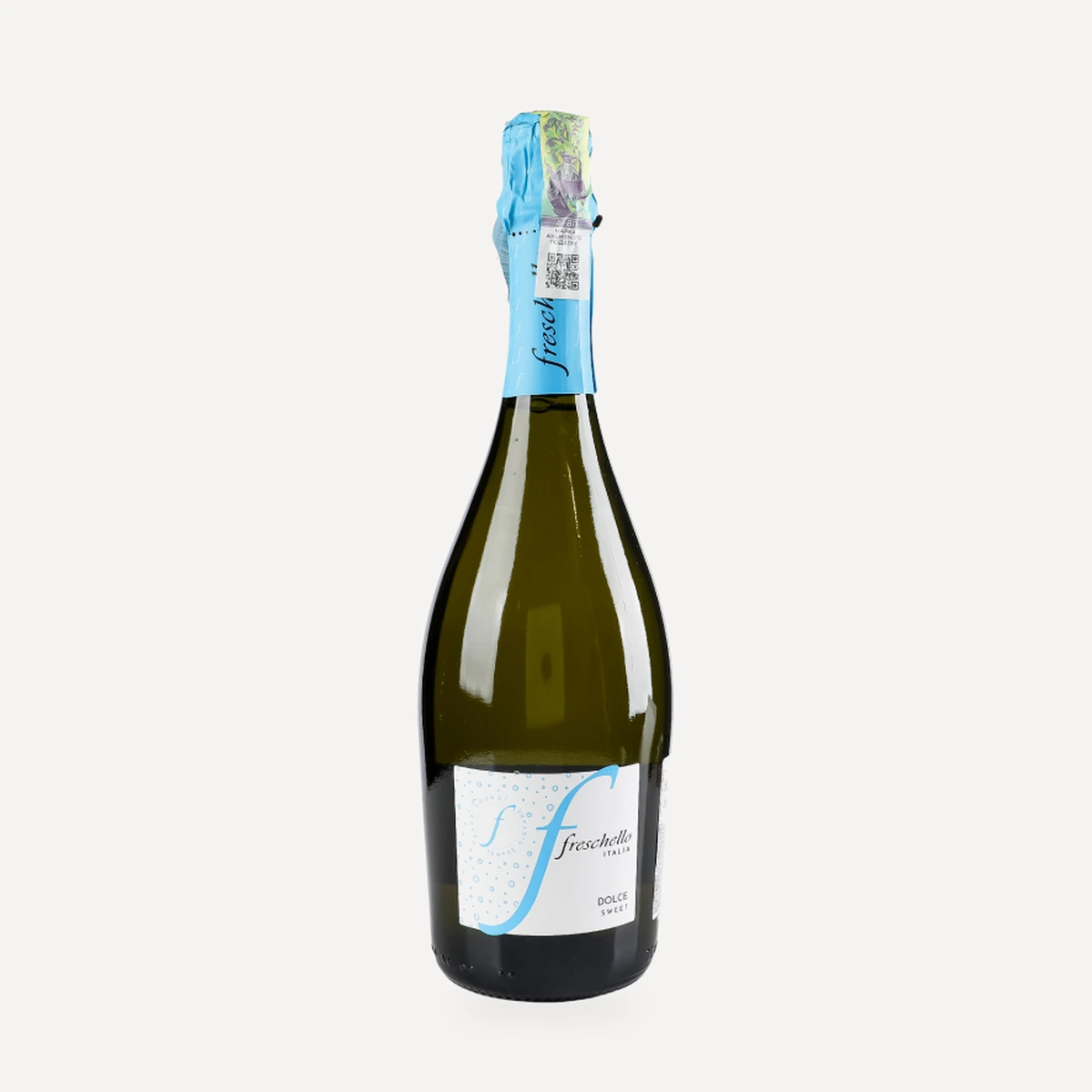
Freschello | Spumante Dolce
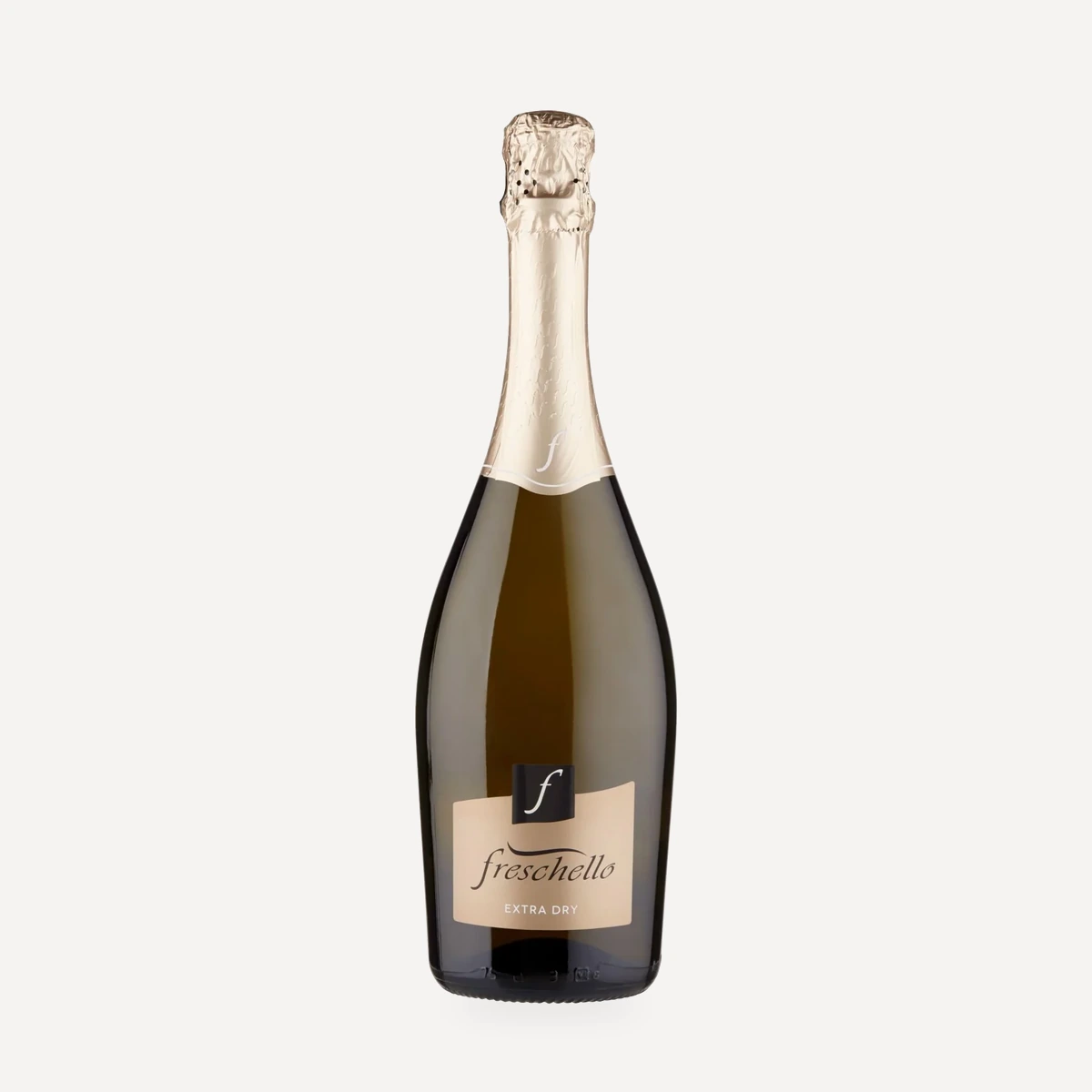
Freschello | Spumante Extra Dry
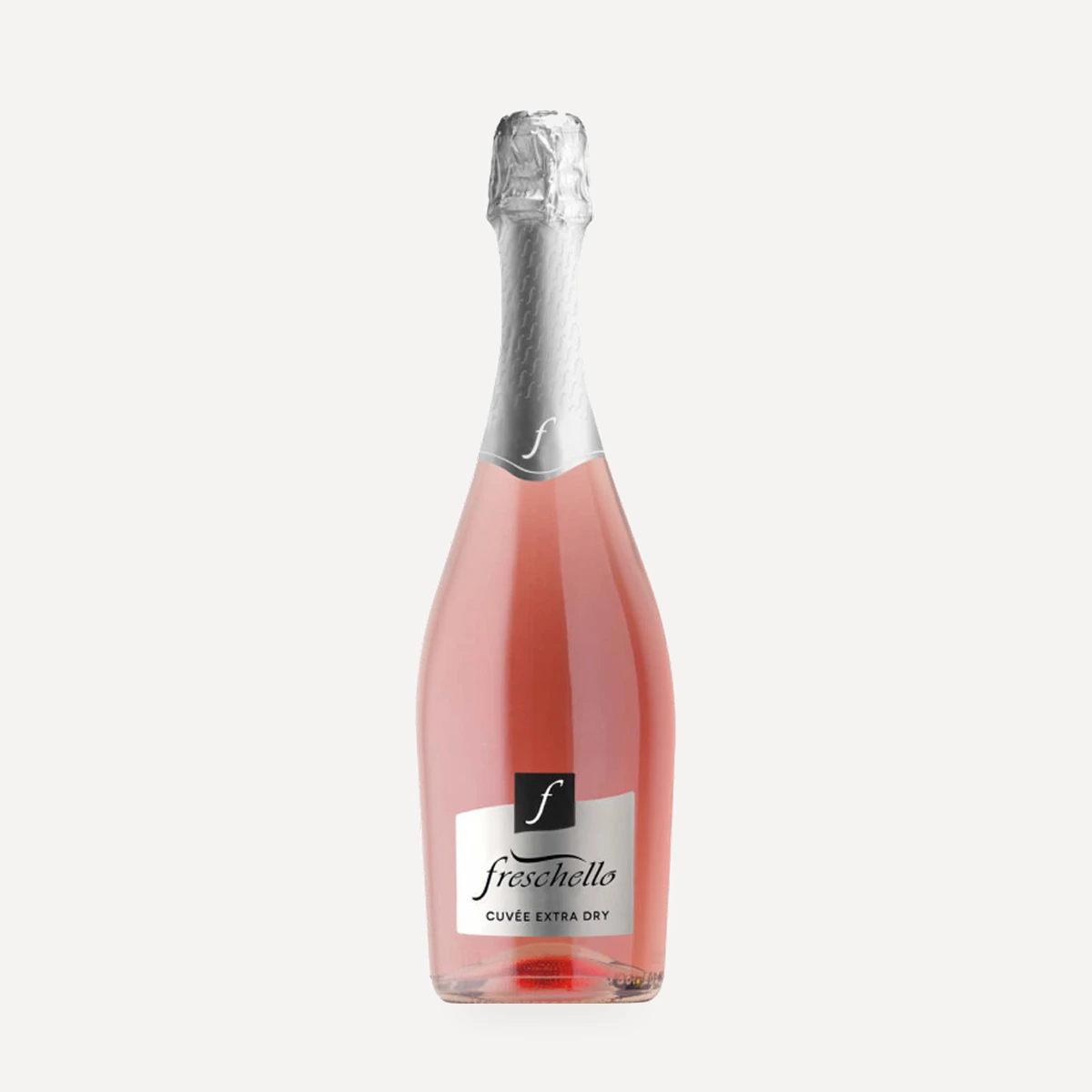
Freschello | Spumante Rosé Extra Dry
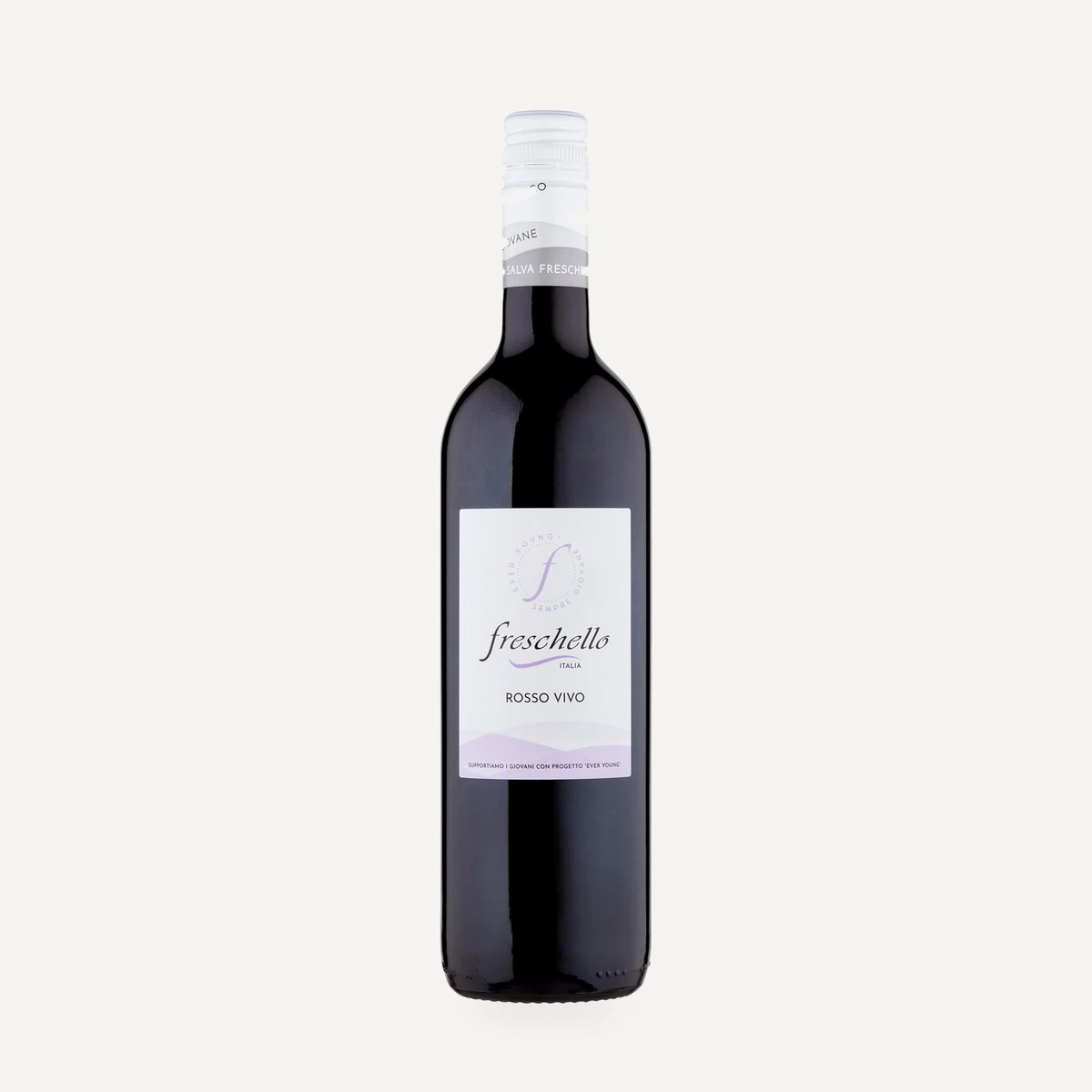
Freschello | Vivo Rosso
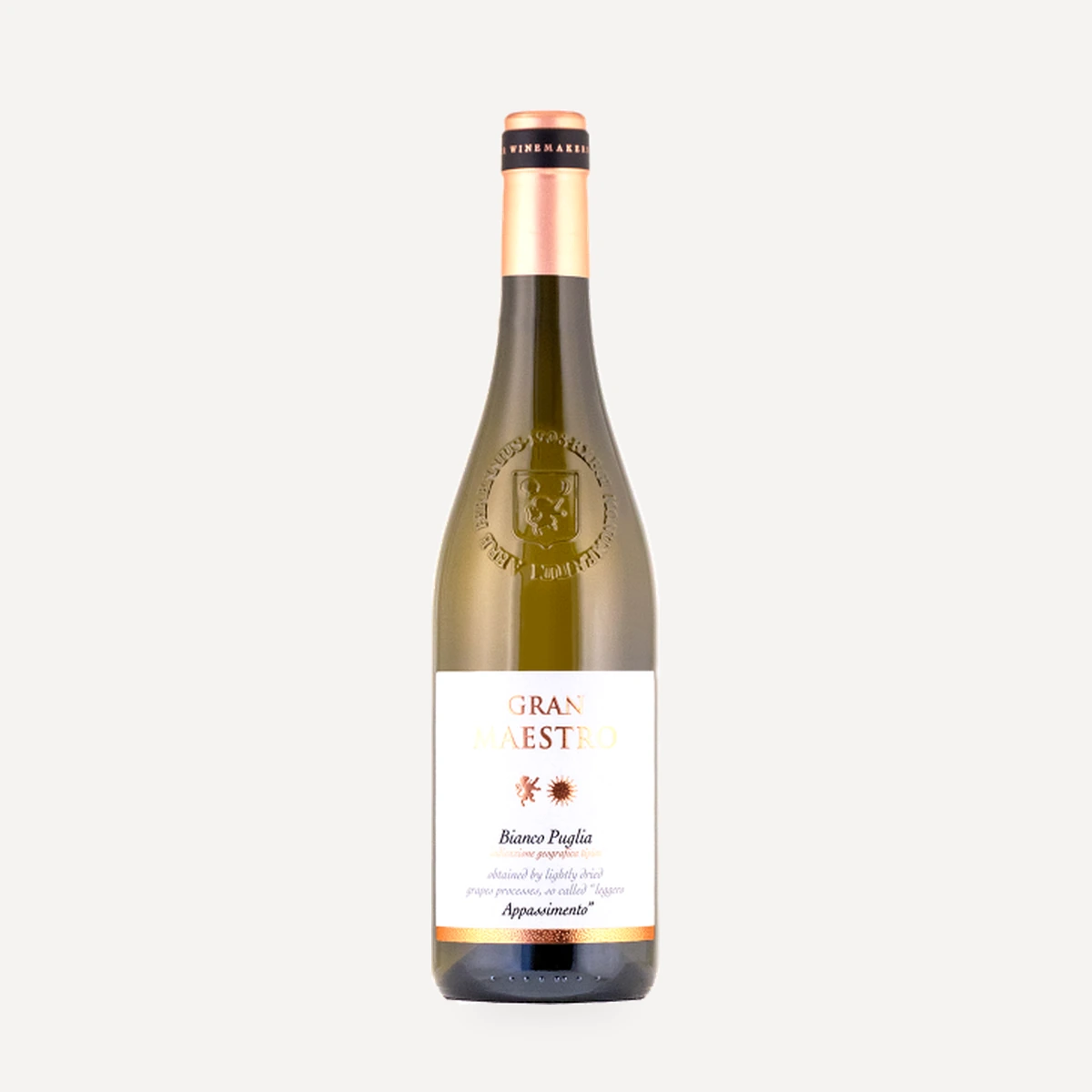
Maestro | Gran Maestro Appassimento Bianco Puglia IGT
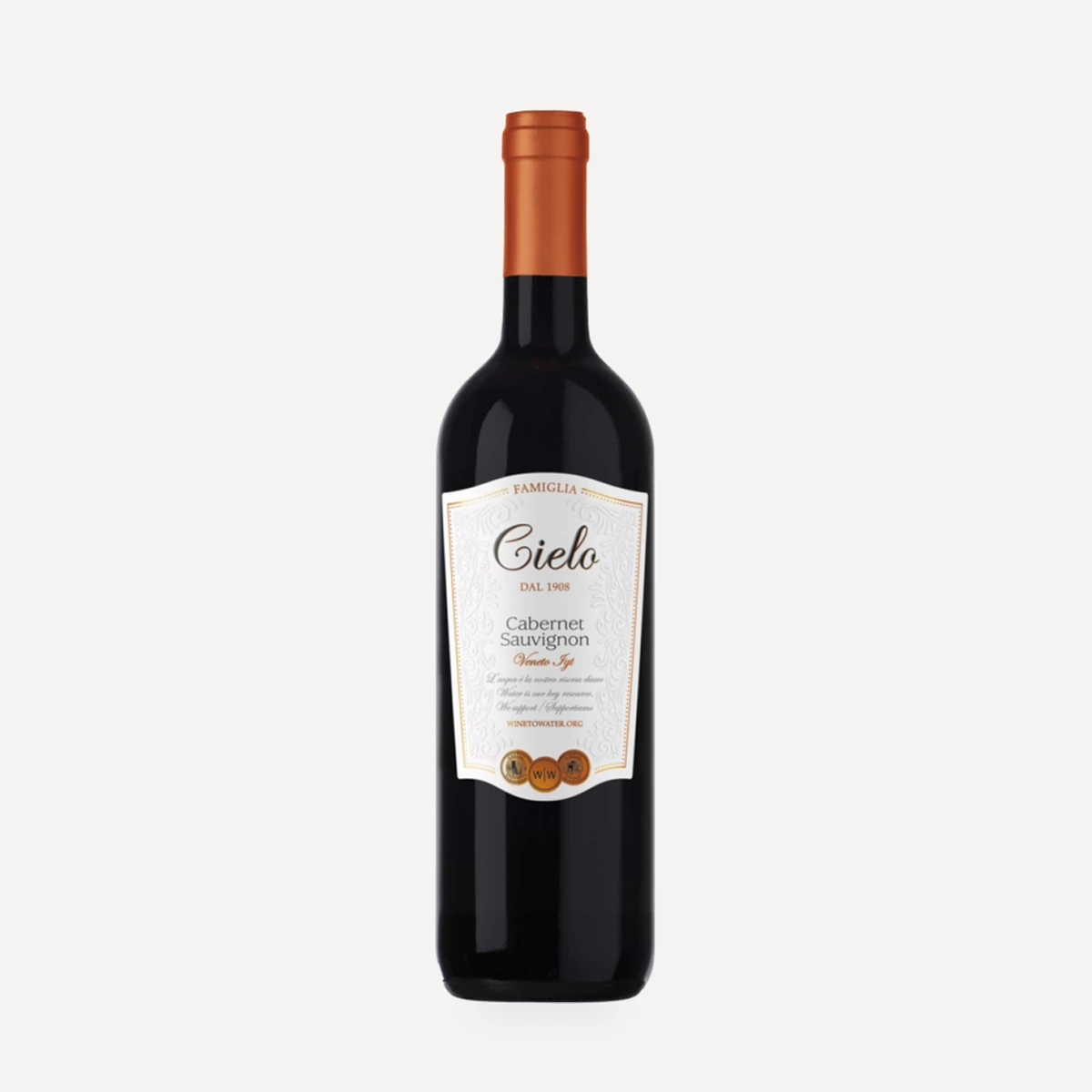
Cielo1908 | Cabernet Sauvignon Veneto IGT
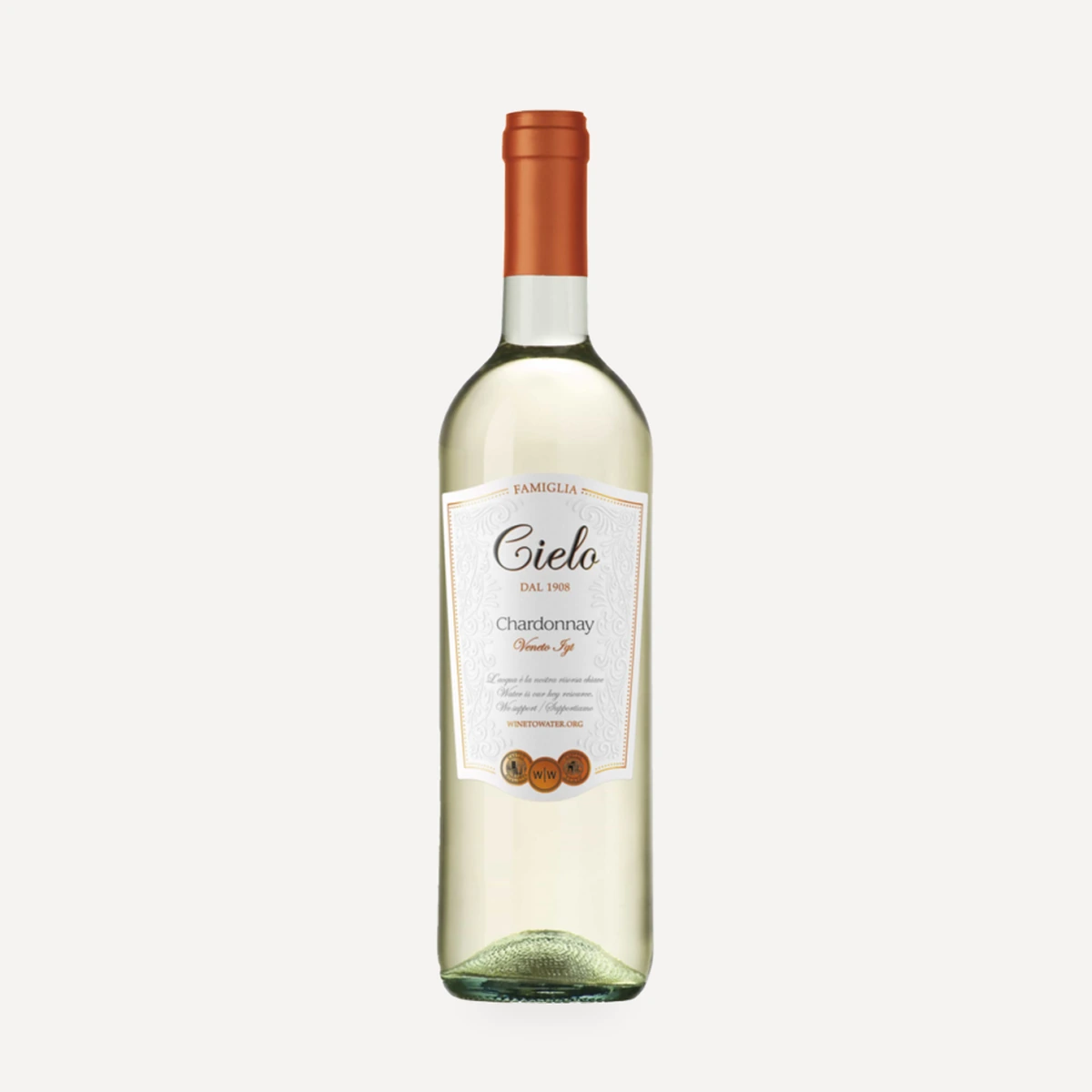
Cielo1908 | Chardonnay Veneto IGT
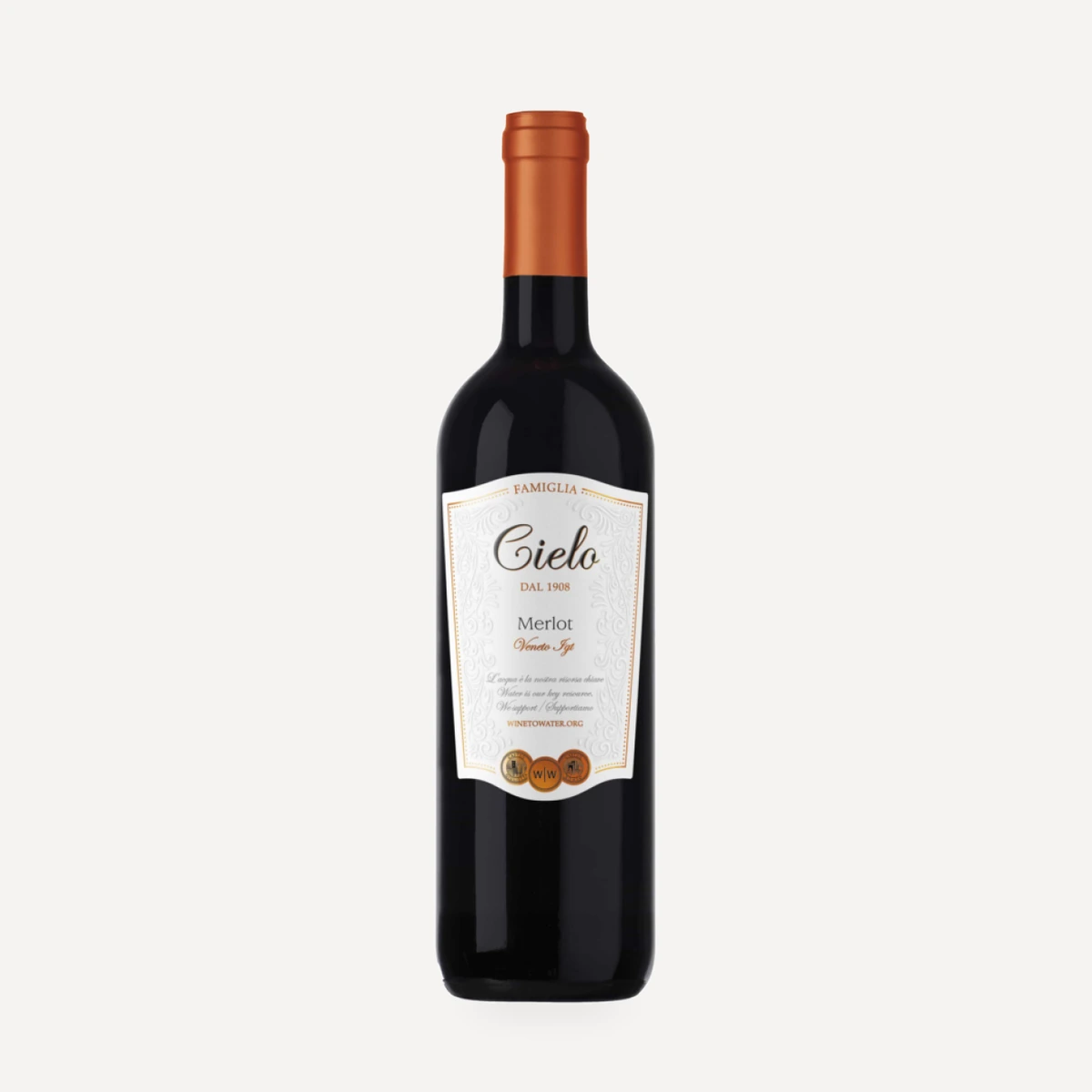
Cielo1908 | Merlot Veneto IGT
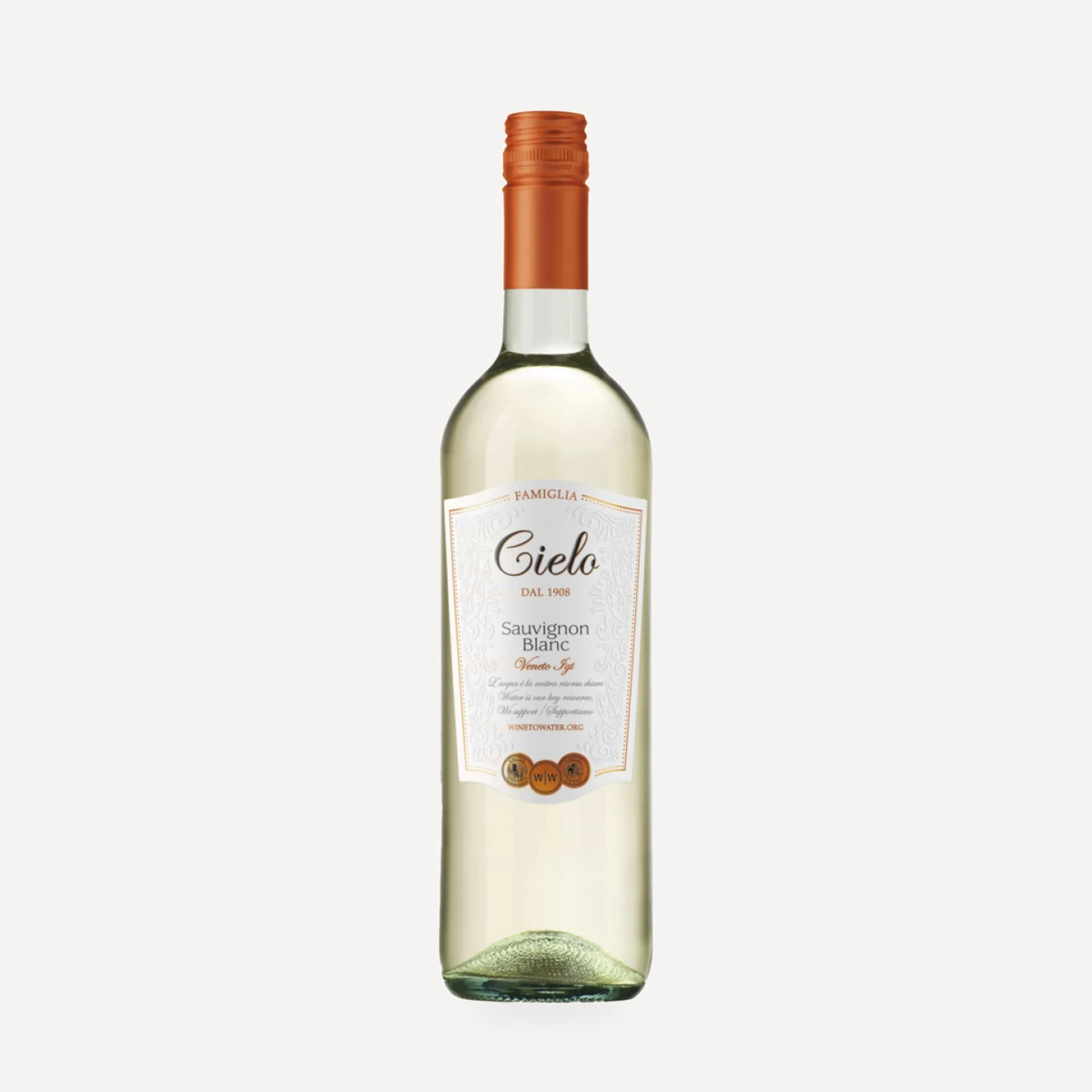
Cielo1908 | Sauvignon Veneto IGT
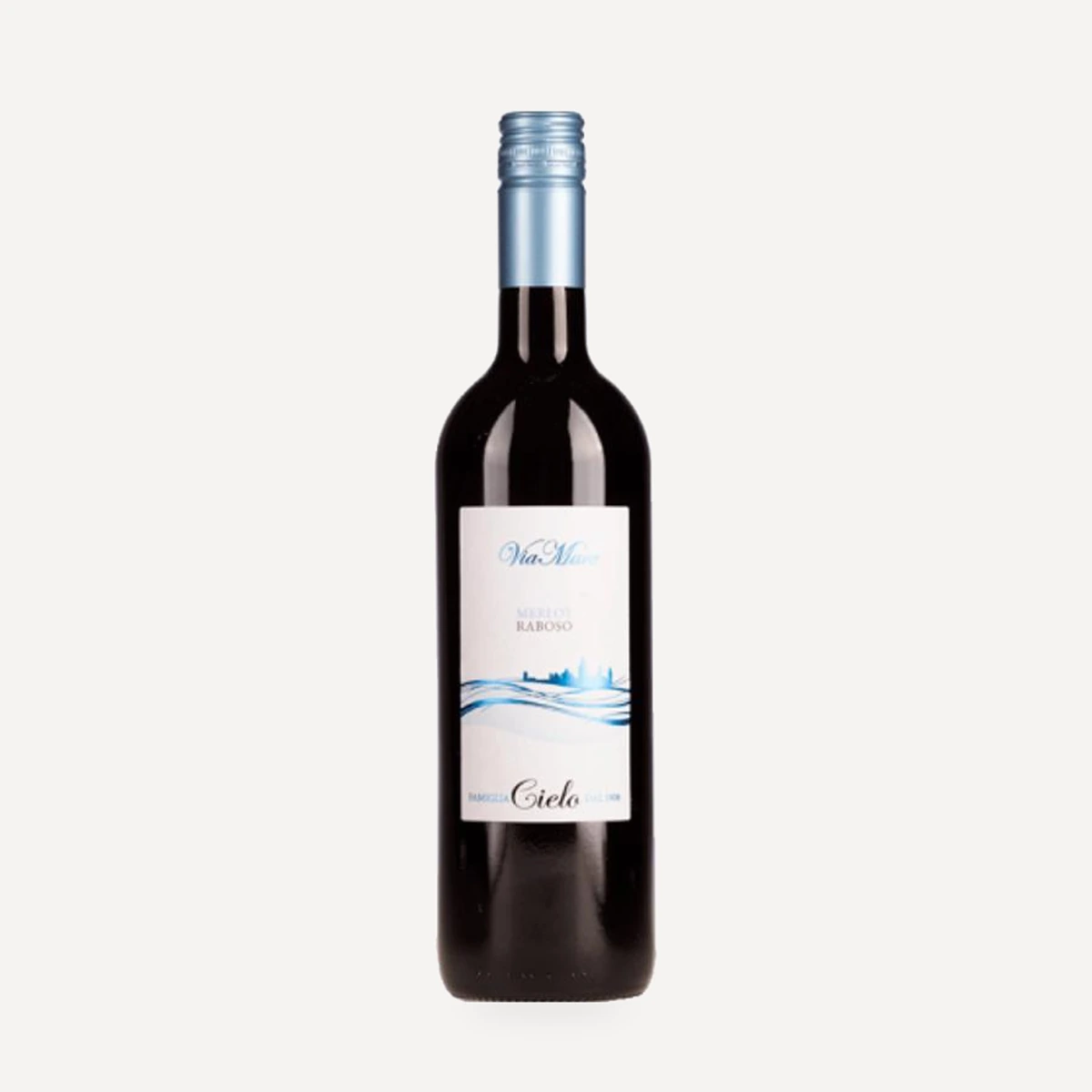
Cielo1908 | Via Mare Merlot-Raboso Veneto IGT
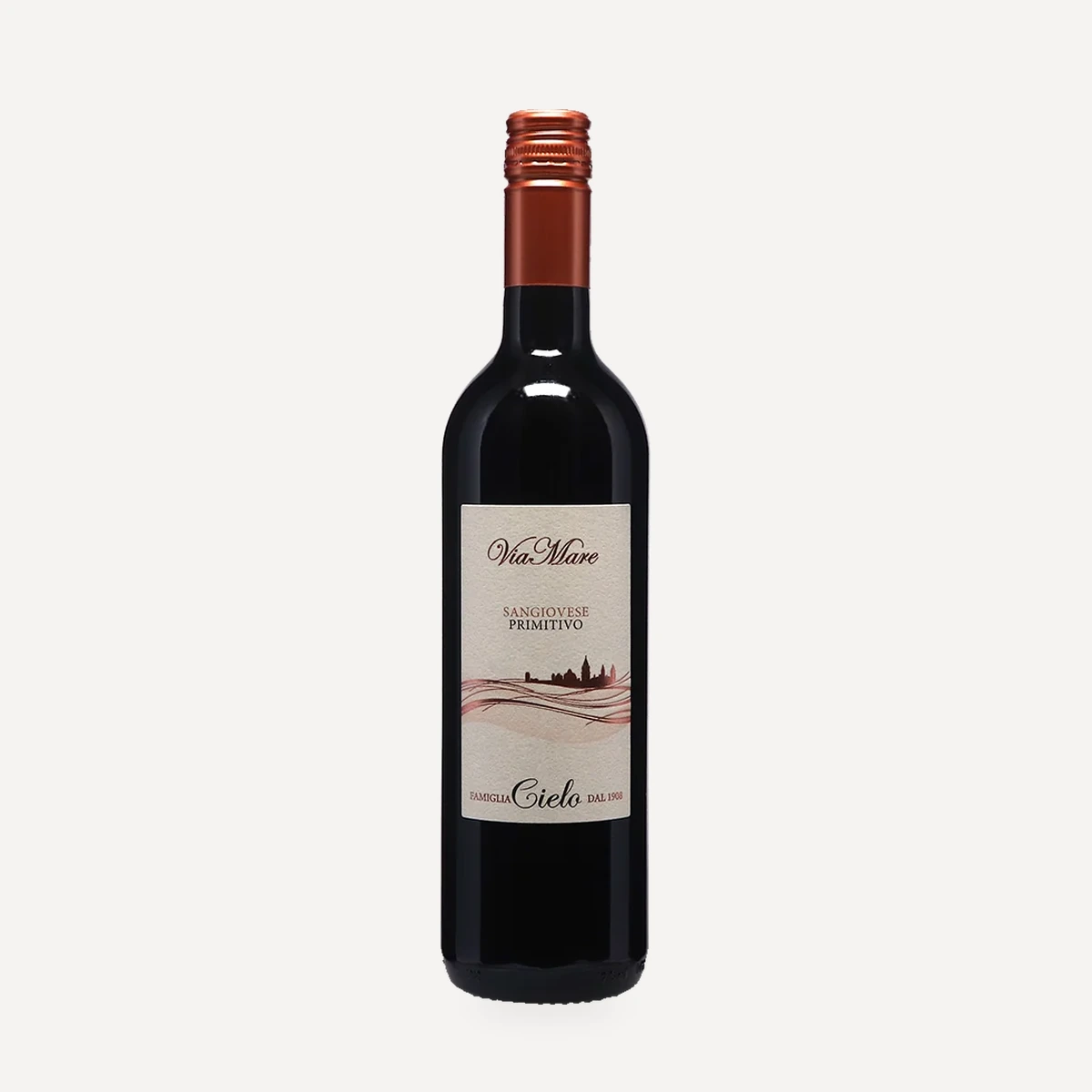
Cielo1908 | Via Mare Sangiovese-Primitivo Puglia IGT
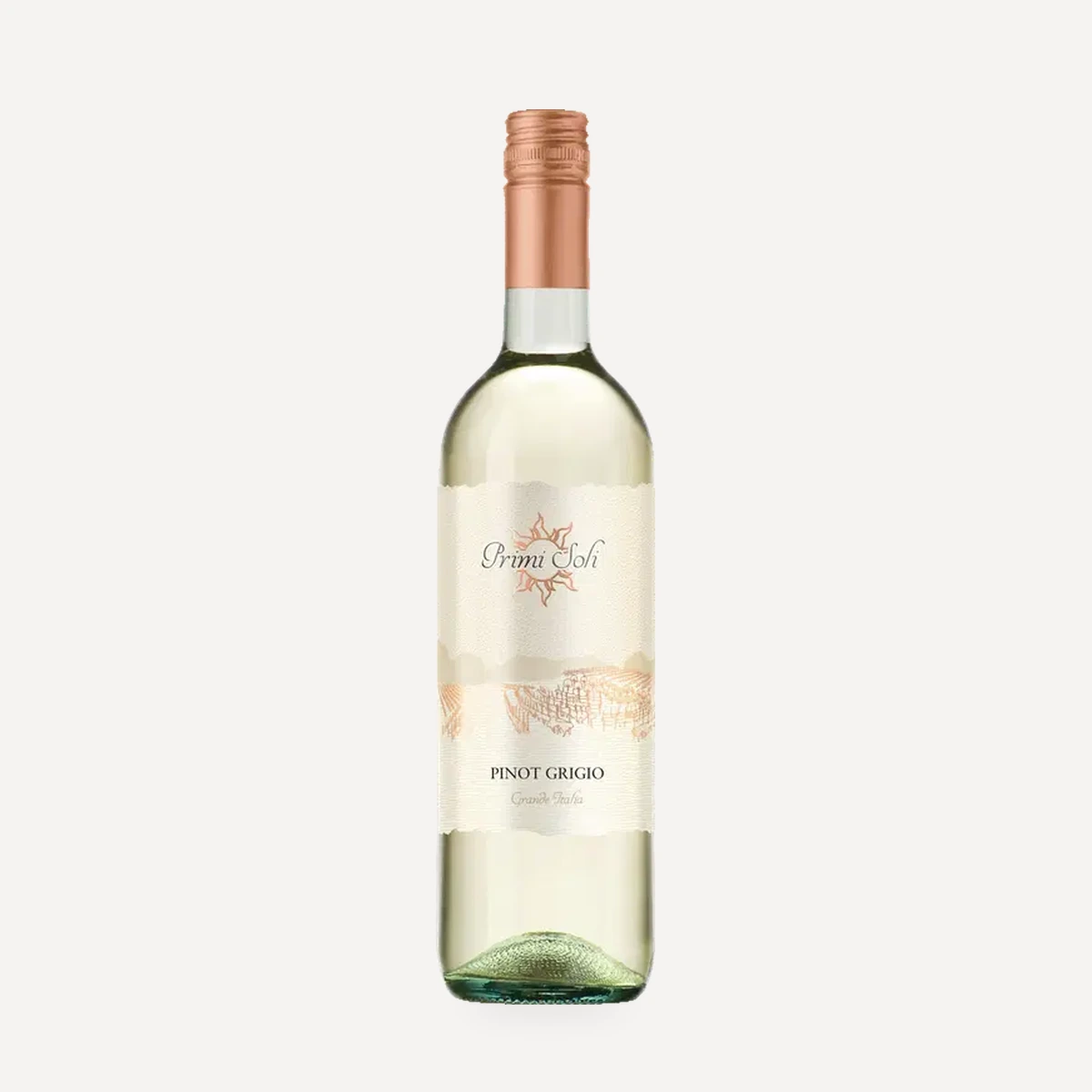
Primi Soli | Pinot Grigio Delle Venezie DOC
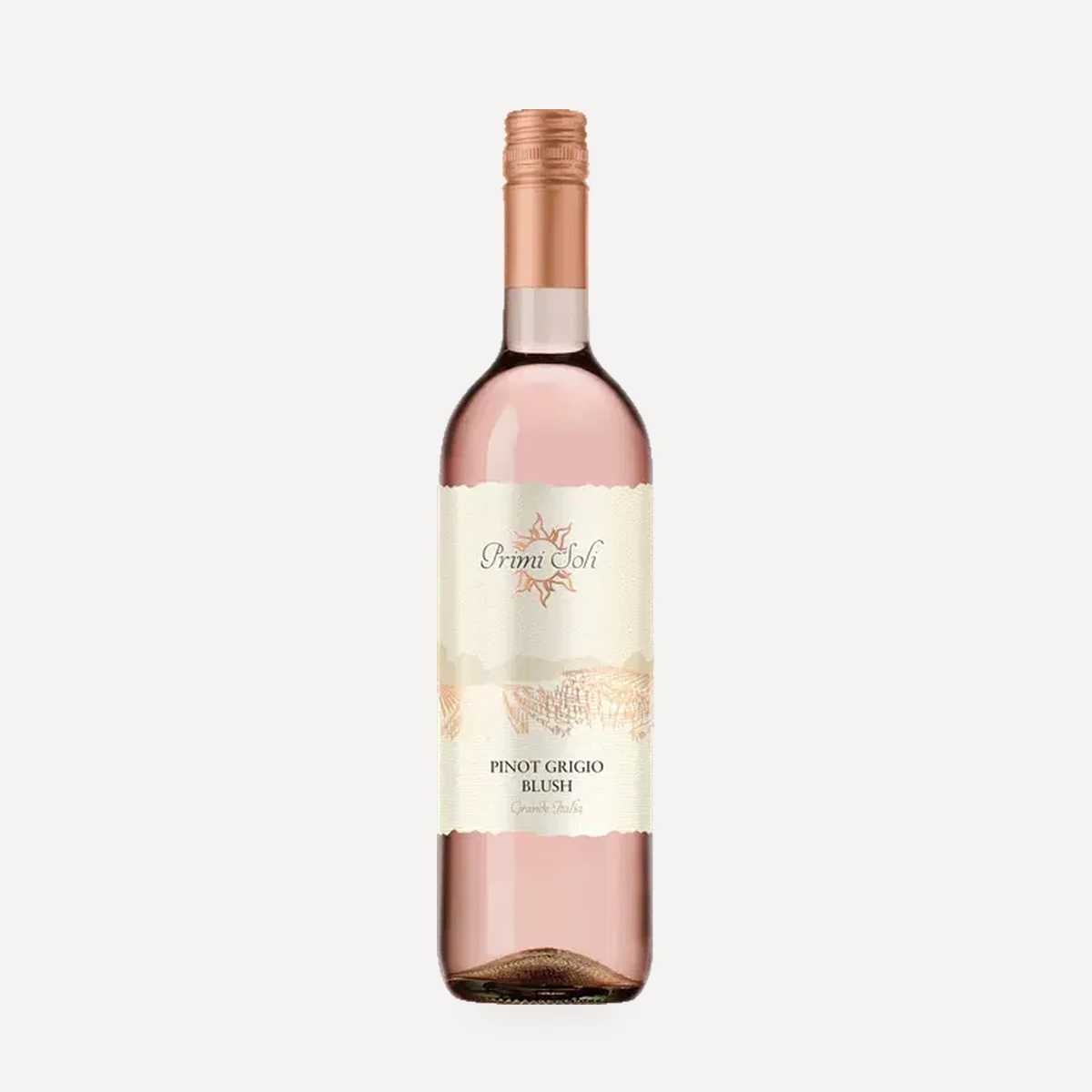
Primi Soli | Pinot Grigio Rosé Delle Venezie DOC
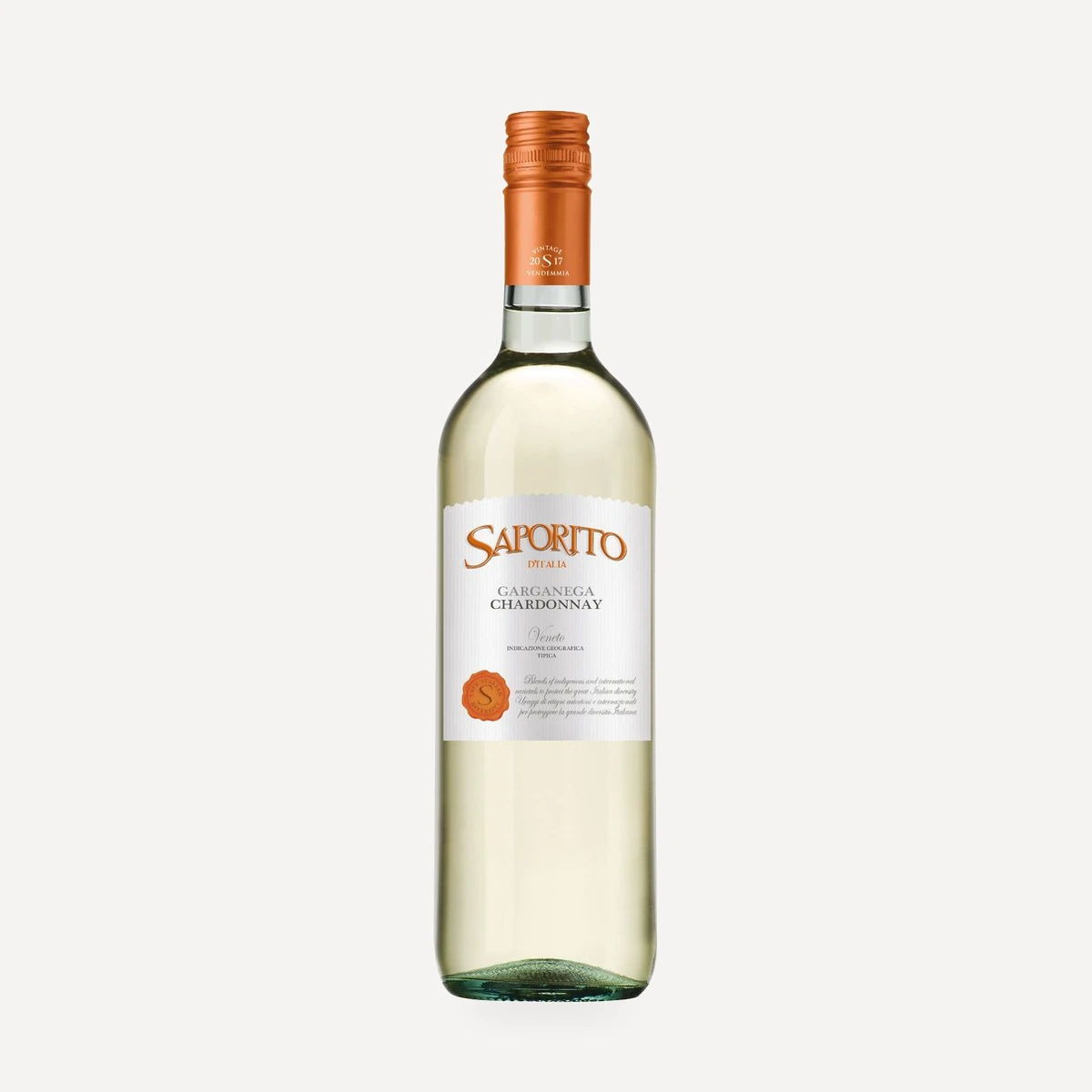
Saporito | Garganega Chardonnay
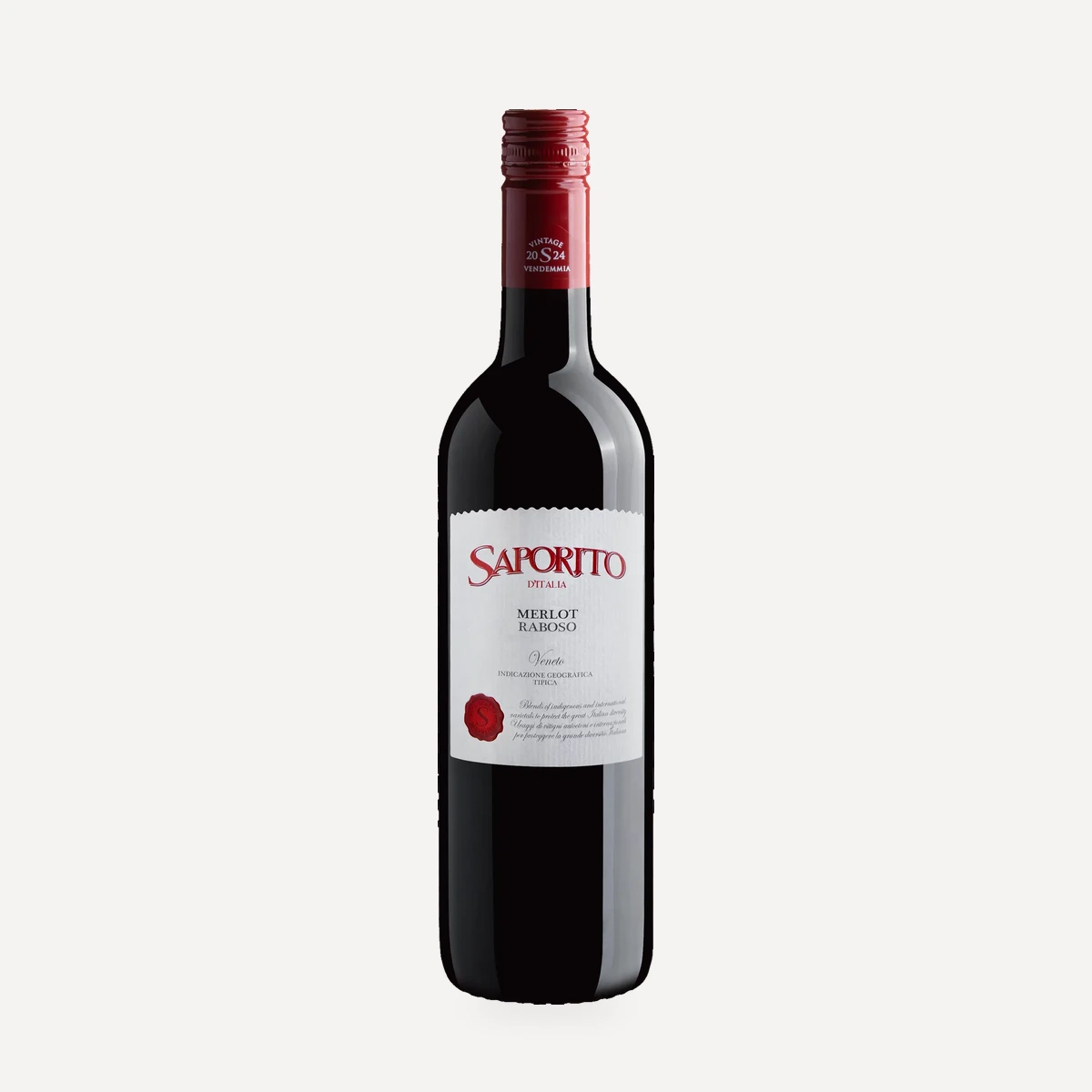
Saporito | Merlot Raboso
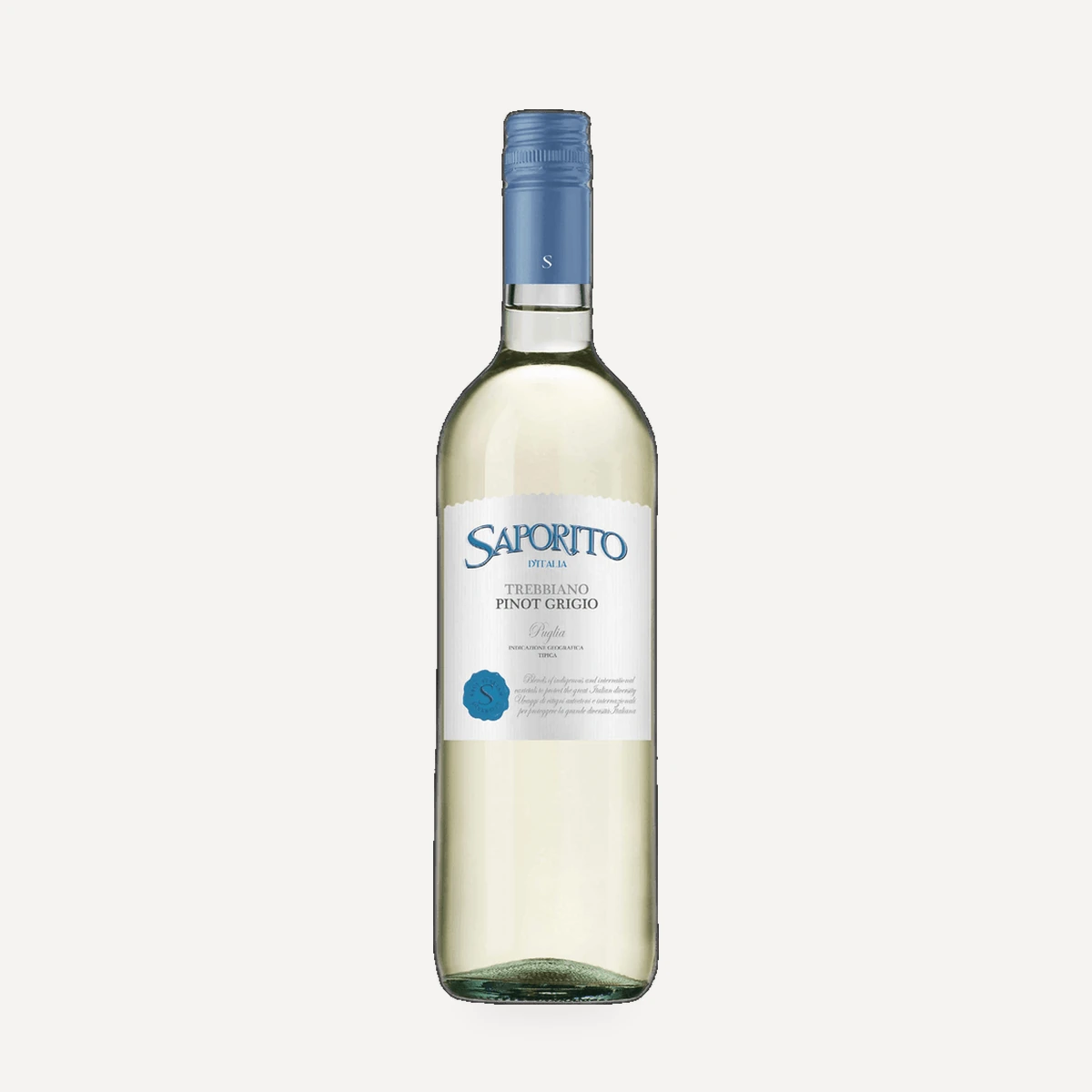
Saporito | Trebbiano Pinot Grigio
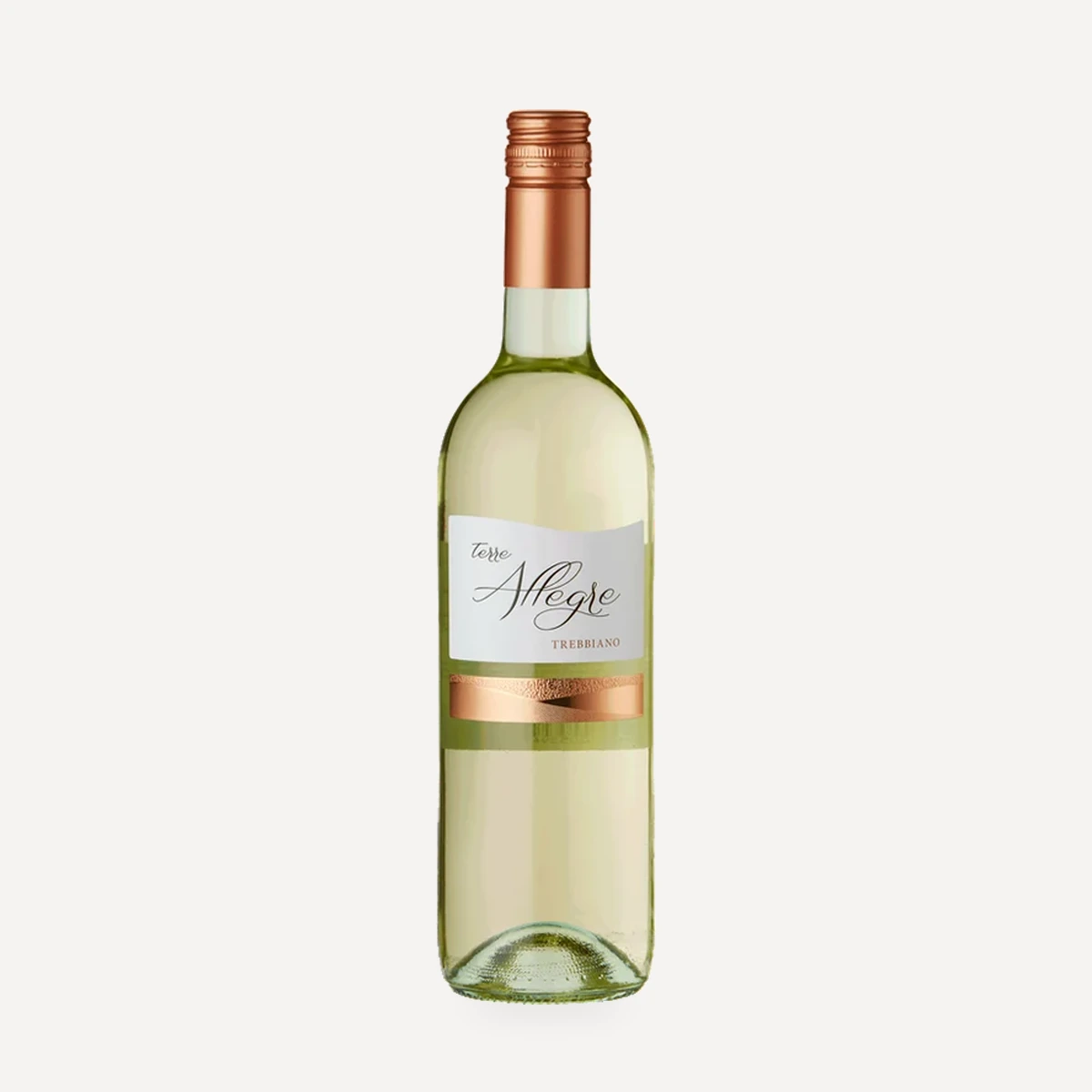
Terre Allegre | Trebbiano
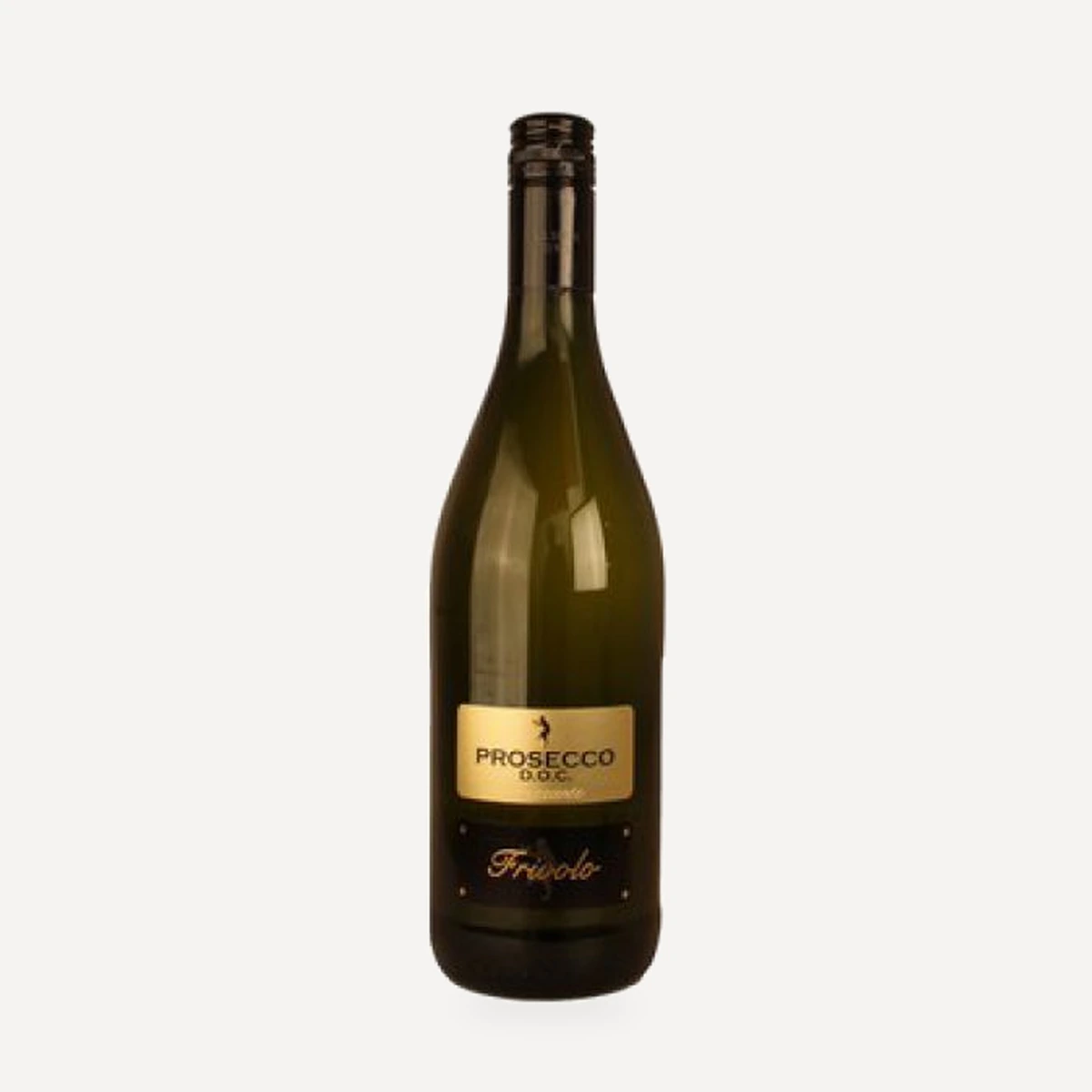
Casa Defrà | Frivolo Prosecco DOC
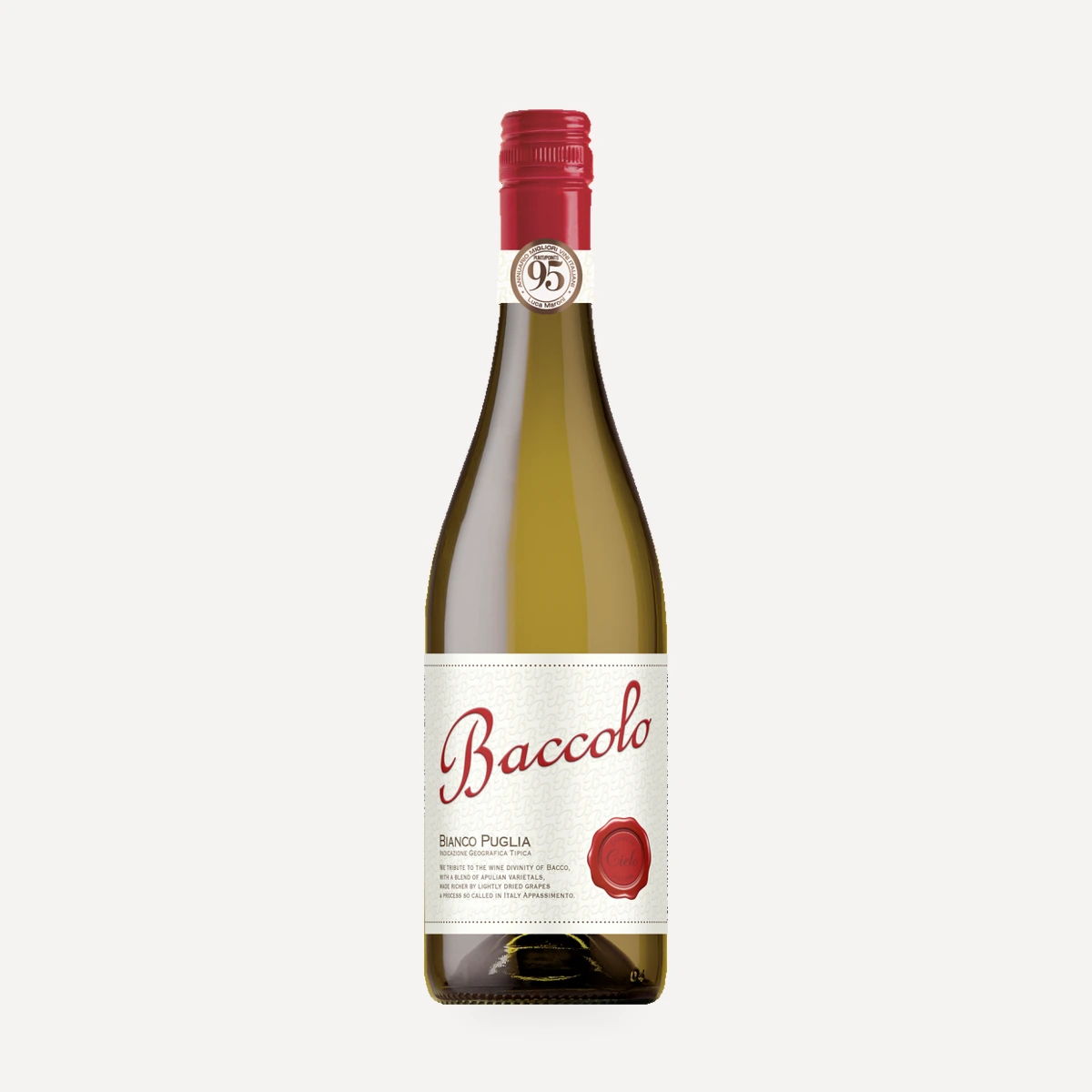
Baccolo | Bianco Puglia IGT
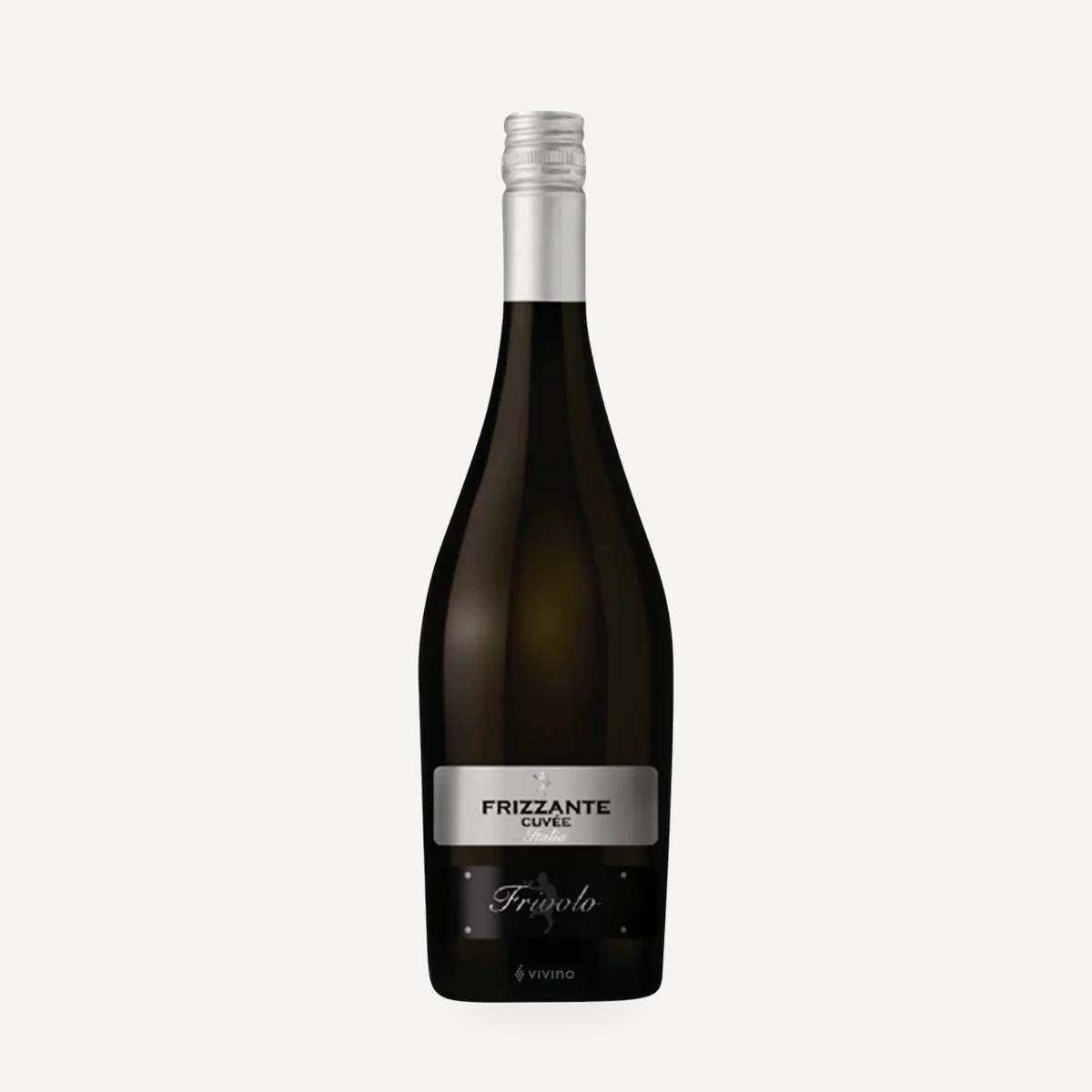
Casa Defrà | Frivolo Cuvée Bianco Frizzante
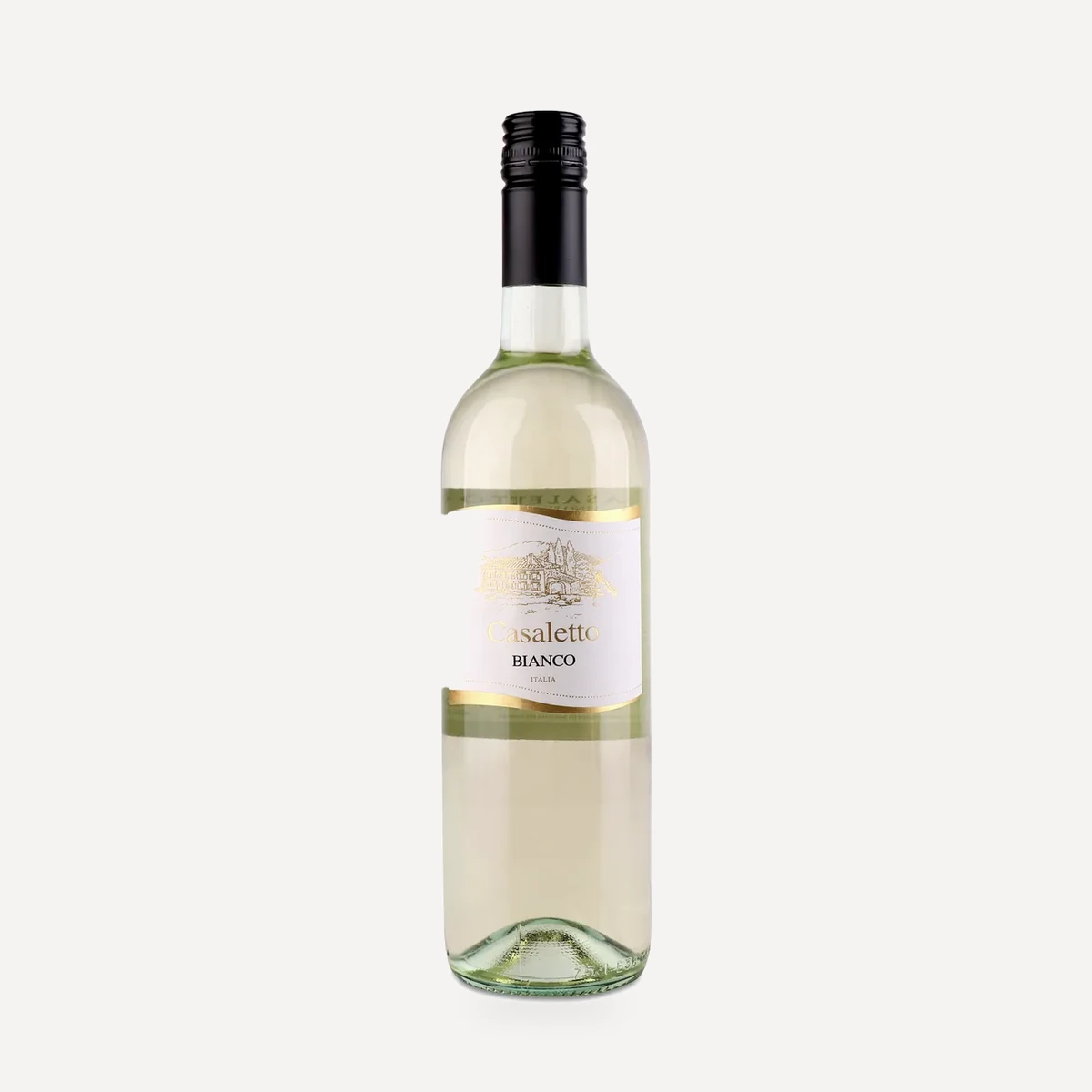
Casaletto | White
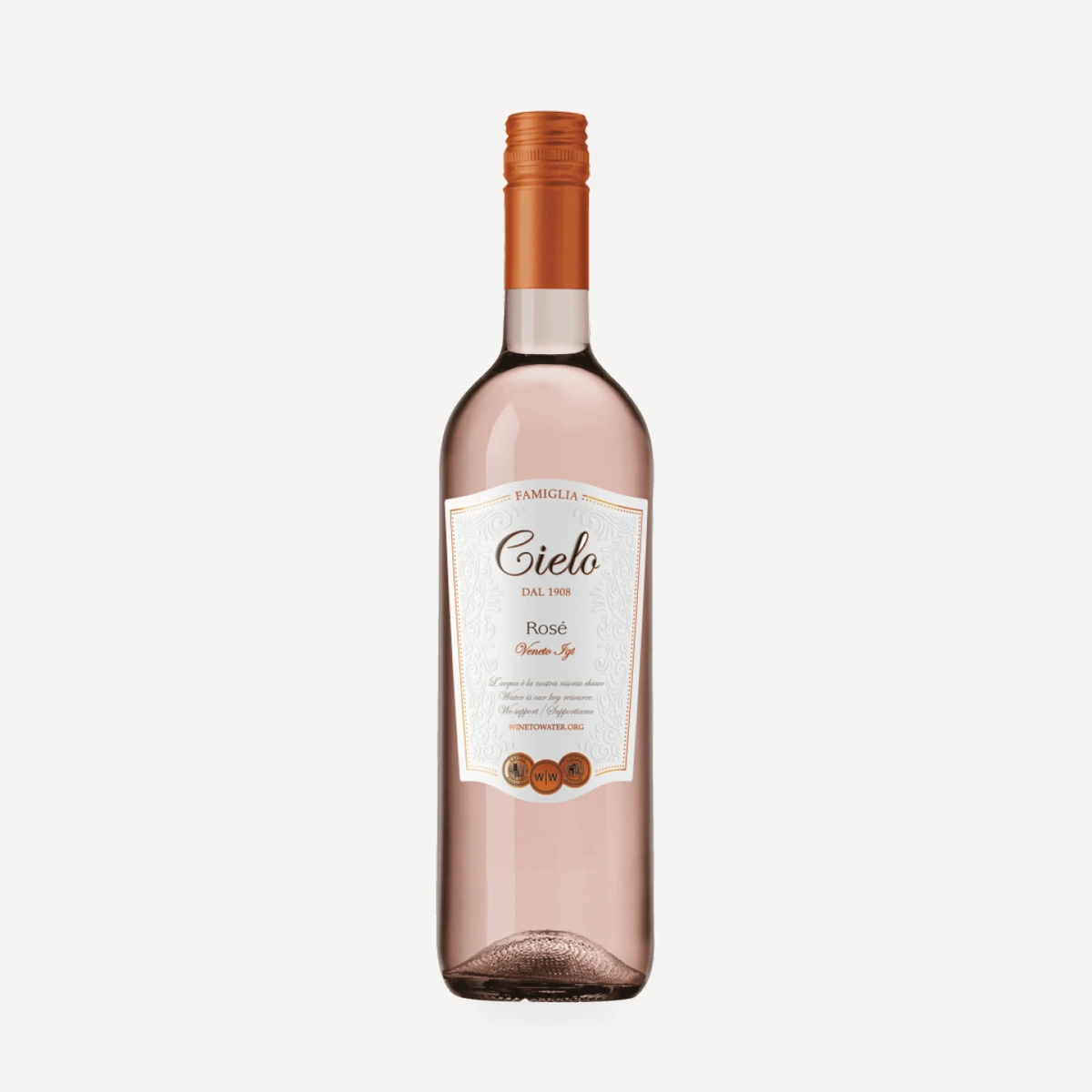
Cielo1908 | Rosé Veneto IGT
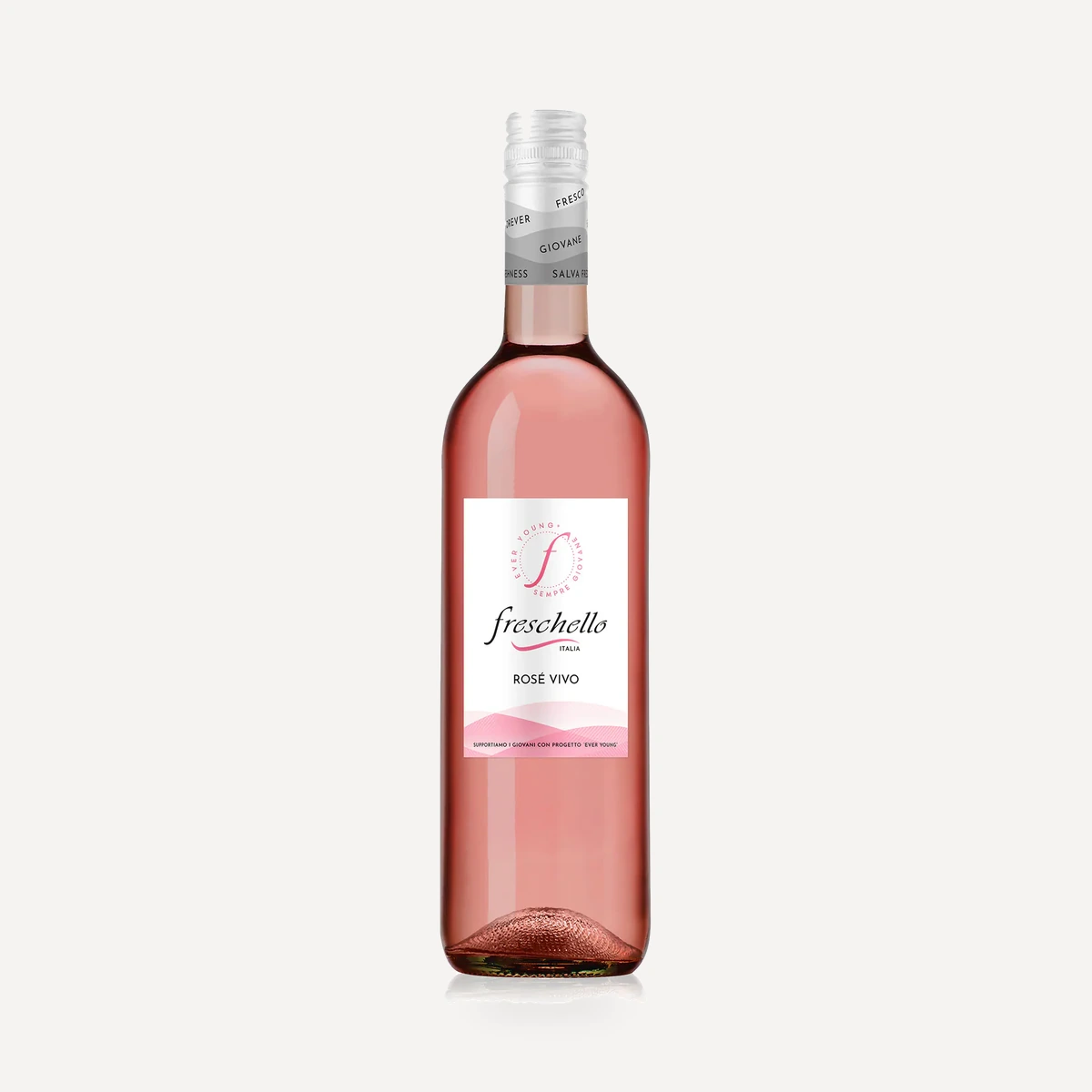
Freschello | Vivo Rosé