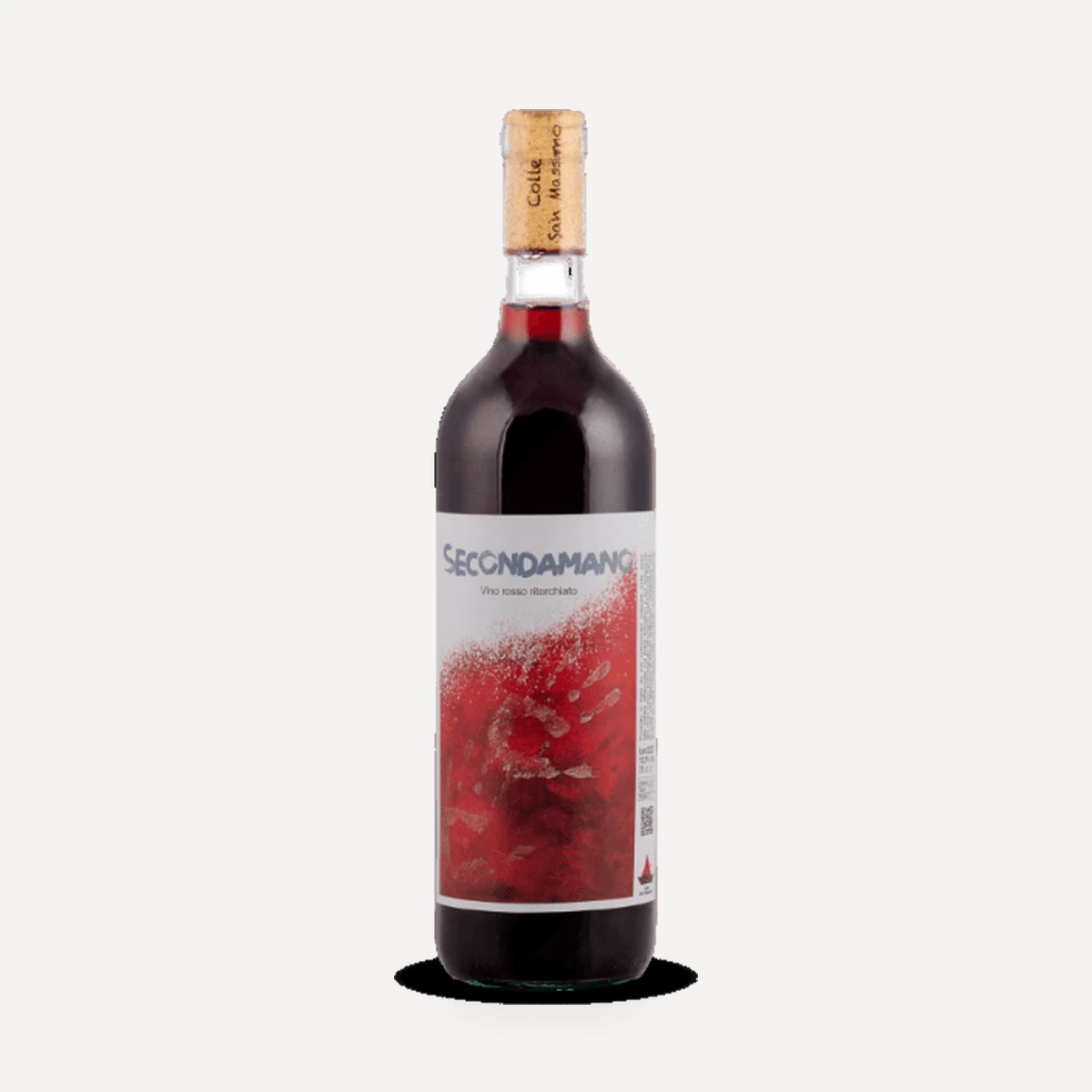
Storia
The original vineyard
Colle San Massimo is a small family farm on Abruzzo's Adriatic side. Its original vineyard was planted in 1968, while a centuries-old olive grove forms the other historic agricultural component of the property.
The decision to make wine on the farm
In 2005, the family concluded that making wine on the property was the only way to keep the original vines under cultivation. That decision initiated a long programme of work: land was reclaimed, missing vines were replanted, the old stone farmhouse was renovated and its cellar was brought into suitable condition for winemaking.
The resulting facilities gave the farm room both to receive visitors and to manage the grape and olive harvests, which frequently overlap. The cellar remains part of the old farmhouse, only a few hundred metres from the vineyard, so each year's fruit can be vinified close to where it is grown.
Vineyard renewal
Additional rows were planted during 2019–2020, bringing the total vineyard surface to approximately one hectare. The estate continues to work on a deliberately small scale, relying heavily on manual labour in both vineyard and cellar.
Terroir
The vineyard occupies a gentle, south-southeast-facing slope on the Adriatic side of Abruzzo. It lies approximately four kilometres from the Adriatic Sea, with the central Apennine ridge visible to the west.
The site is sunny and well ventilated, receiving breezes from both the sea and the mountains. Some rows receive full afternoon sunlight. The combination of slope, exposure and air movement defines the estate's description of its vineyard setting; no detailed vineyard soil profile is provided.
Vinificazione
Work in the vineyard is guided by minimal intervention, with the intention that each season should leave its own imprint on the fruit and wine. Grapes are harvested by hand when the family considers ripeness to be in balance. The estate's renewal work has included reclaiming the land, replacing missing vines and planting additional rows.
No organic or biodynamic certification, disease-control programme, soil-management regime, cover-crop policy, planting density or yield figure is identified.
The cellar occupies part of the property's old stone farmhouse, only a few hundred metres from the vines. Grapes are therefore processed on the farm soon after travelling the short distance from the vineyard.
Production follows traditional, labour-intensive methods with limited mechanisation. Cellar work includes manual cap punching and the use of a hand-operated lever press. Fermentation takes place in both the cellar's original concrete tanks and fibreglass vessels.
All wines undergo spontaneous fermentation with indigenous yeasts and without added cultured yeast. They are not filtered; clarification is achieved through successive rackings. Sulphite additions are kept to a minimum, and some lots may receive none. The overall approach seeks to limit intervention while allowing vintage conditions and the character of the fruit to remain apparent.
Filosofia
Colle San Massimo presents winegrowing as the means by which its original vines could remain under cultivation. The farm's work is therefore rooted in the continuity of a small family property rather than expansion of scale.
Its stated objective is to let the fruit express itself and to allow seasonal differences to mark the finished wine. This is pursued through limited intervention in both vineyard and cellar, hand harvesting, restrained mechanisation, spontaneous fermentation and minimal sulphite use. Careful observation and manual work are positioned alongside traditional equipment, including the old cellar's concrete tanks and lever press.
Vini
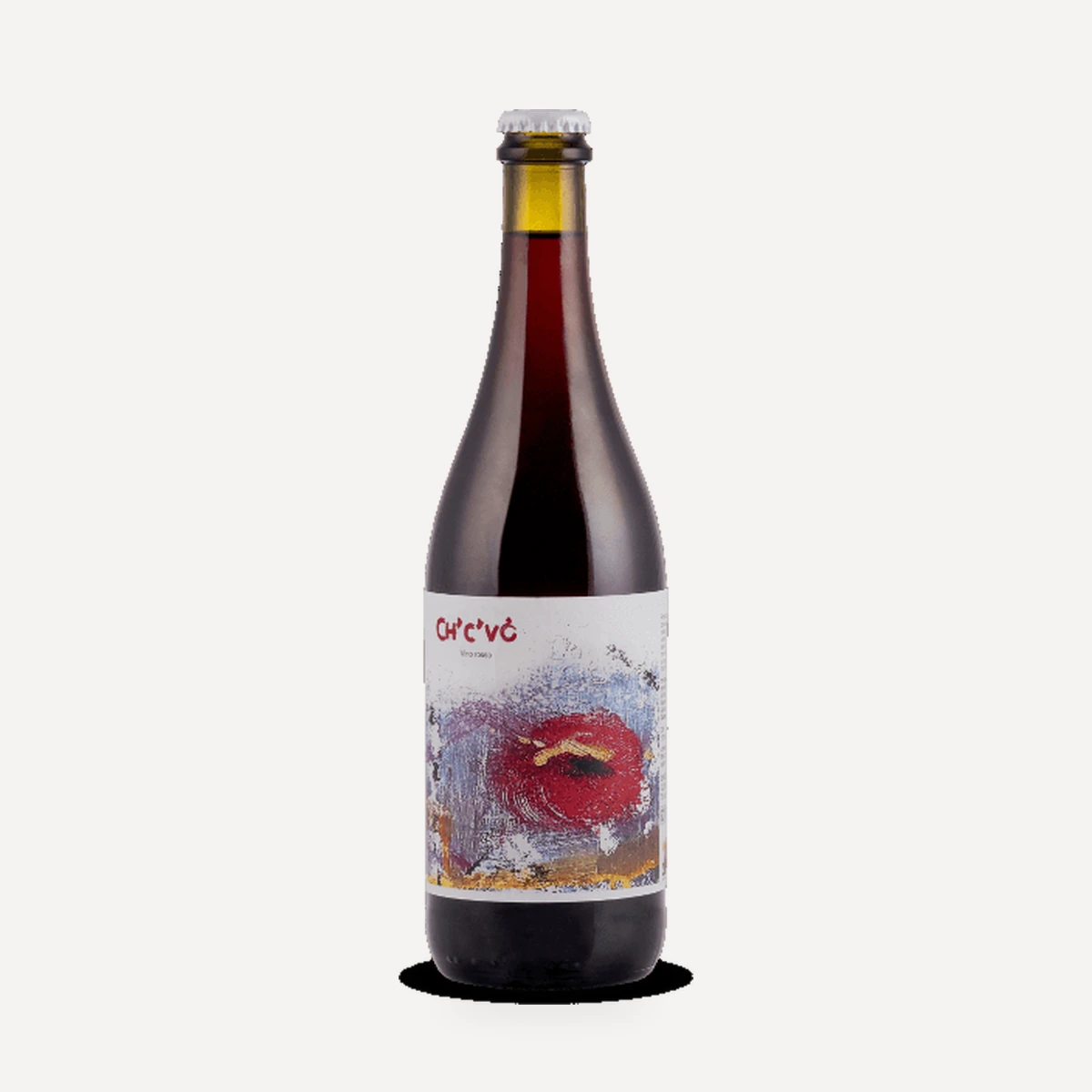
Ch'c'vò
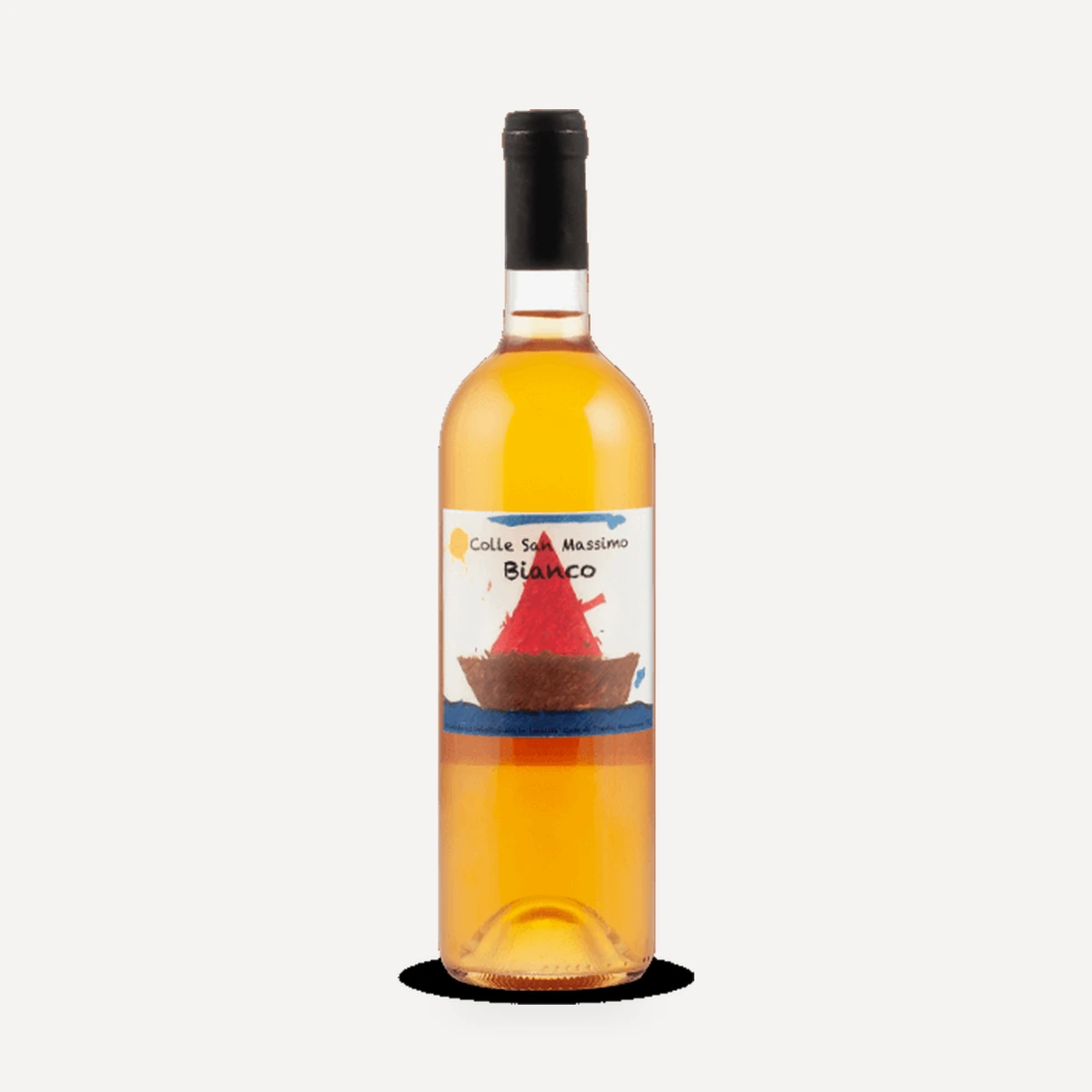
Bianco
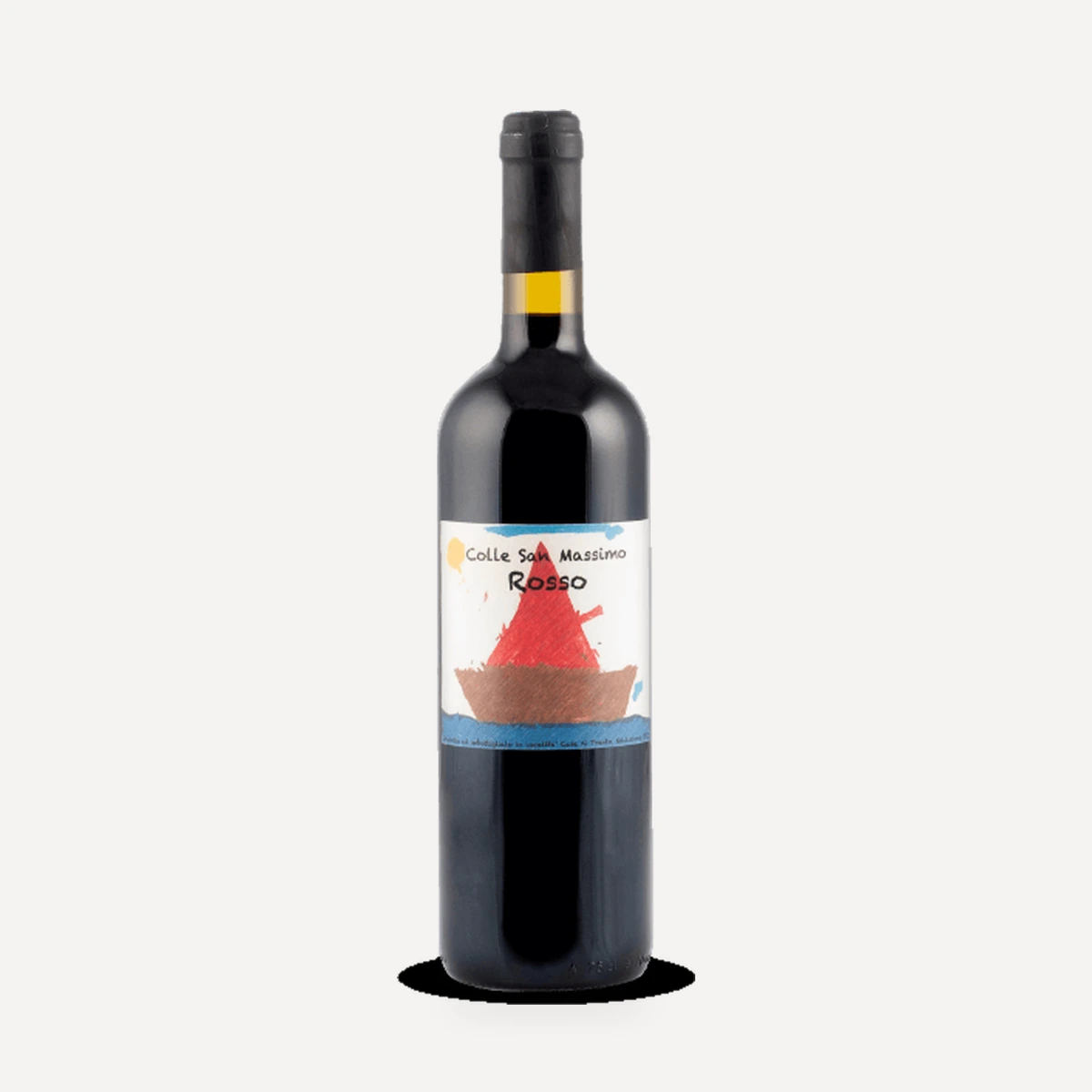
Rosso
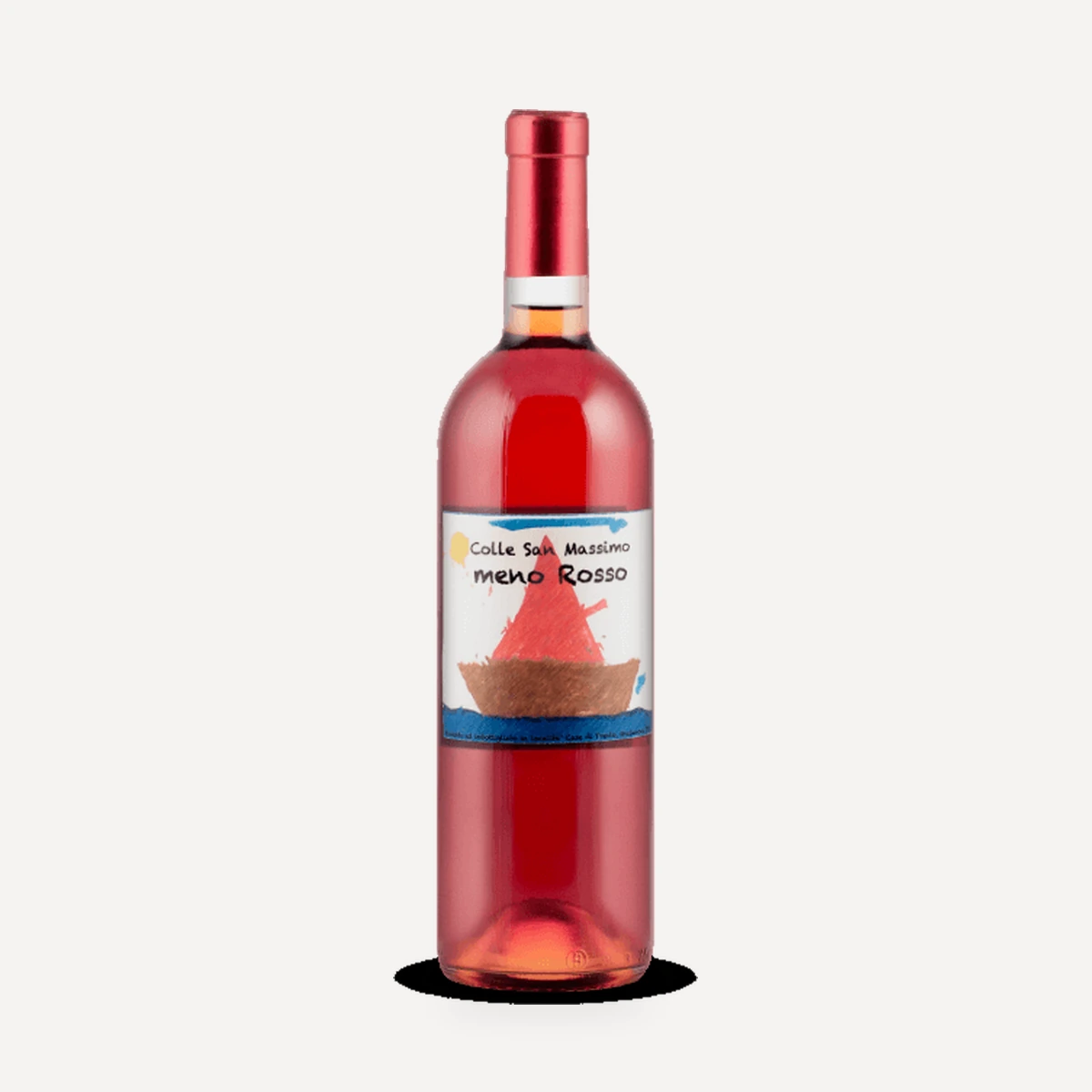
meno Rosso
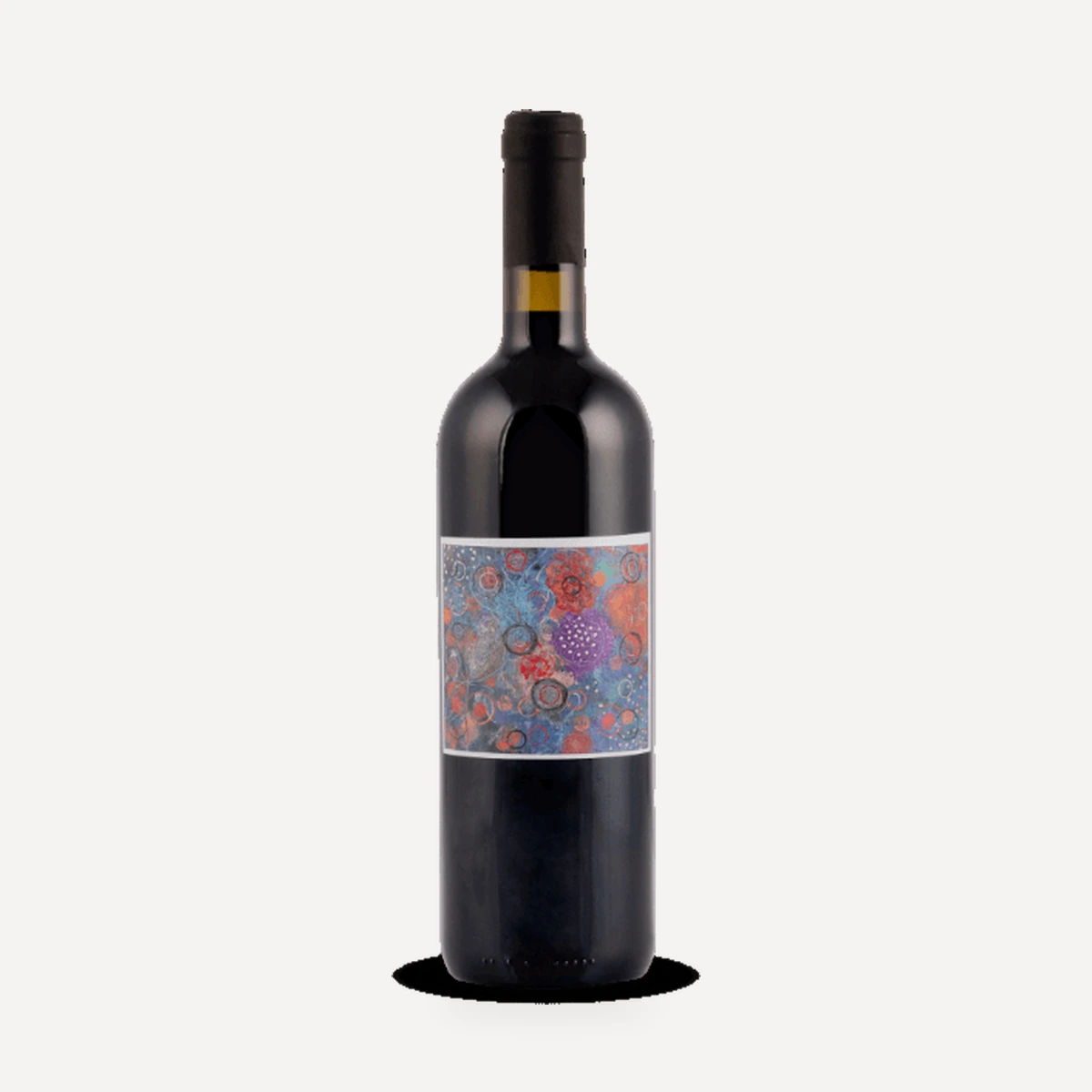
notte fonda
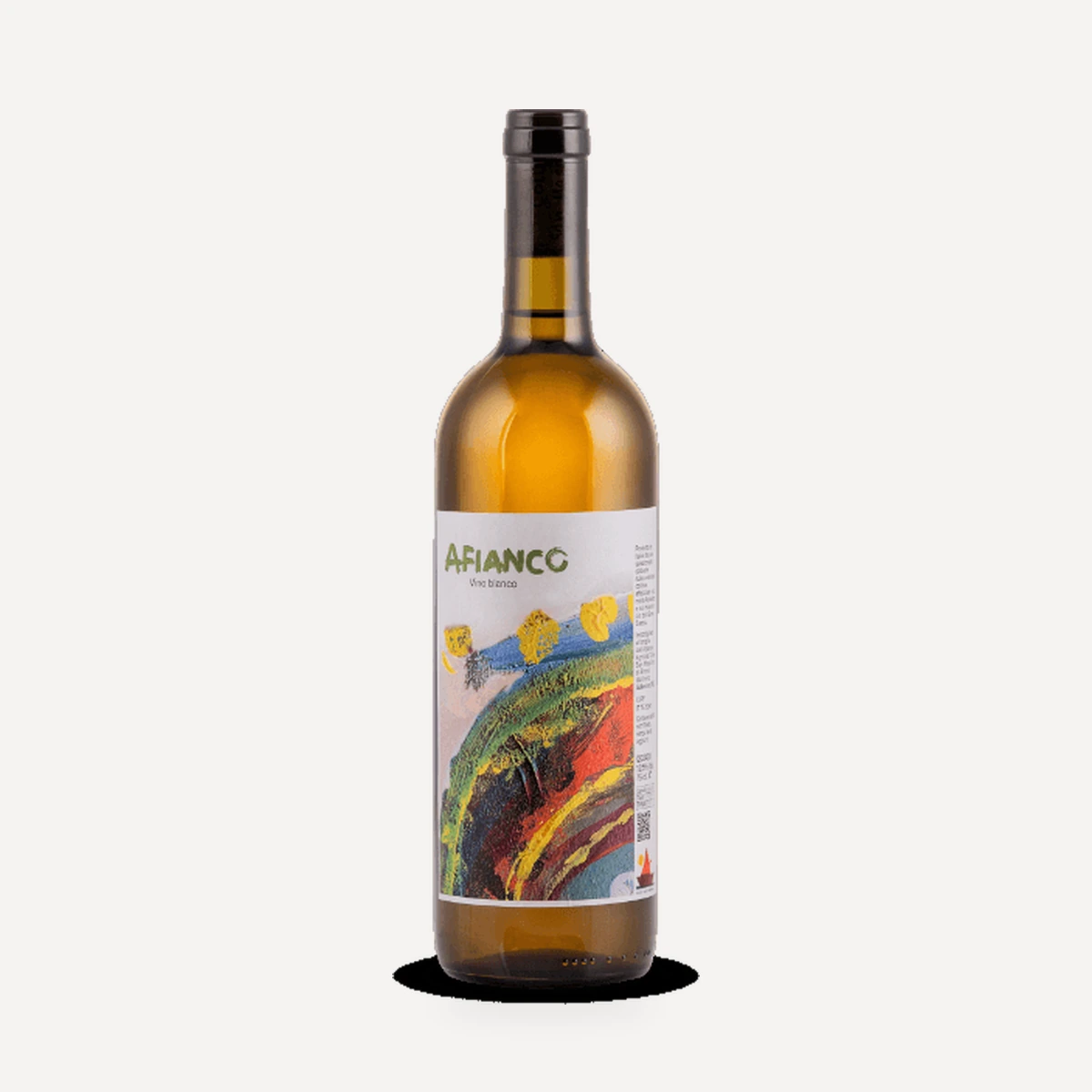
Afianco