Storia
Viticultural roots
At the beginning of the 20th century, Giovanni Bedin—the father of Giacomo Bedin—was active as a pioneering vine nurseryman. His work provided the viticultural example that the next generation would follow.
1948: the Cornuda estate
In 1948, Giacomo Bedin purchased a farm in Cornuda on a sunny, south-facing slope overlooking the Santuario della Madonna della Rocca. He established the first 2 ha of vineyard with vines propagated at home, then a customary practice on local farms. His original ambition was modest and personal: to cultivate the land and make good wine to share with family and friends.
Second generation: Giovanni Bedin
During the second half of the 20th century, Giacomo’s son Giovanni made viticulture the farm’s central activity while continuing to raise livestock. He planted additional vineyards at several sites on the south-facing slopes of the Colli Asolani and involved his sons in vineyard life from childhood.
Giovanni was also among the promoters of Cornuda’s first Mostra del Vino. The event helped connect local producers, present the area’s food and wine, and draw a younger generation toward viticulture. In the 1980s, he opened the family agriturismo, extending the farm’s relationship with local food and hospitality.
Early 1990s: transformation under the third generation
After working alongside their father for many years, Enrico, Denis and Damiano Bedin assumed responsibility for the family business in the early 1990s. Convinced of the area’s potential for quality sparkling wine, they progressively invested in land, vineyards, winemaking equipment and bottling facilities. They placed particular emphasis on Glera and made Prosecco the core of production.
This long investment program transformed the former mixed farm into a modern winery with its own vineyards, grape-pressing centre, winemaking facilities and bottling plant. The family retained direct control from viticulture and grape assessment through secondary fermentation, bottling and packaging.
Fourth generation
The fourth generation is now involved in the business. Benedetta and Francesco Bedin appear alongside their father Enrico and their uncles as representatives of this generation. The family vineyard holding has grown to about 90 ha, and the wines are distributed through on-trade and retail channels in more than 30 countries. Current priorities combine further quality development, sustainable winegrowing and continuity with the values established by the preceding generations.
Terroir
Location and landscape
The winery stands in Cornuda at the foot of the Colli Asolani, below the historic Santuario della Madonna della Rocca. The area lies in northwestern Treviso province, between Monte Grappa and the Piave River and approximately midway between Venice and the Dolomites. The family vineyards occupy several sites along the Colli Asolani wine route within about 10 km of the winery.
Relief, exposure and climate
The Colli Asolani are characterized by gentle, sunny hills. Nearby mountains protect the vineyards from strong winds, while mild conditions and marked nighttime temperature variation support aromatic fruit with acidity and freshness.
The Asolo DOCG vineyards described in greater detail stand at 150–200 m above sea level with southeast-facing exposure. They benefit from favourable ventilation and good diurnal temperature variation. Young and medium-young foothill vineyards near the winery lie at 100–150 m, face south and are sheltered by hills positioned across the path of cold northeasterly winds.
Soils
The general soil profile is rich and clay-based, with strong water-retention capacity. These soils are associated with wines of structure and texture and, in sparkling production, a fine, creamy mousse. The lower foothill vineyards have medium-textured soil with a substantial clay component.
Vinificazione
The family combines direct vineyard management with long-standing relationships with small neighbouring grape growers. Both estate and locally sourced grapes come from vineyards accredited under SQNPI, Italy’s national integrated-production quality system.
Fieldwork follows eco-compatible cultivation principles. The stated agricultural priorities include sustainable soil management, considered protection against pests and diseases, preservation of biodiversity and maintenance of a healthy vineyard ecosystem. Damiano Bedin oversees these standards as well as seasonal work such as pruning and trellising.
Ripeness, quality and character are assessed parcel by parcel before harvest. Selected fruit from the old hillside family vineyards is picked by hand. For the representative Asolo DOCG vineyards, the target yield is 135 q/ha and 5–6 kg per plant; harvest normally falls in the second ten days of September. The young and medium-young foothill sites used for aromatic white cuvées are harvested in the first ten days of September.
Estate-controlled production
The business operates its own vineyards, pressing centre, winery and bottling facilities. Family members and the technical team supervise the complete chain: parcel assessment, harvest selection, grape reception, pressing, winemaking, secondary fermentation, bottling and packaging. Modern cellar equipment is used alongside the family’s established production practices.
White-wine and sparkling-wine bases
For the white sparkling bases described in the production material, grapes are received, destemmed and softly pressed. In Asolo Prosecco production, soft pressing extracts the free-run must. Flotation separates the heavier solid particles before fermentation. Selected yeasts conduct alcoholic fermentation in temperature-controlled stainless-steel tanks for approximately 10–15 days. The resulting base wine remains in contact with fine lees until secondary fermentation.
Martinotti–Charmat sparkling production
Filtered base wine is transferred to temperature-controlled, pressure-resistant stainless-steel autoclaves with selected yeasts and sugar. The carbon dioxide created during fermentation remains dissolved because the vessels are sealed. Pressure and temperature are checked daily.
A representative sparkling-wine cycle lasts about 30 days. The Asolo Prosecco DOCG Brut process lasts approximately 40 days at about 15 °C. Once the intended pressure is reached, the wine is chilled to approximately −3.5 °C to stop fermentation and stabilize it. For the DOCG Brut, this cold tartaric-stabilization stage lasts about five days. The wine is then filtered and prepared for certification and bottling.
For frizzante production, the same pressure-tank principle is used, with fermentation stopped at 2.5 bar. Fully sparkling wines reach higher pressure according to their intended style.
Certification and bottling
Before Asolo Prosecco DOCG is bottled, it undergoes laboratory chemical analysis and organoleptic assessment by a technical tasting commission. Following approval and the issue of state seals, the wine is bottled and released. Filling, labelling, packaging and private-label work are handled in-house under Denis Bedin’s supervision.
The winemaking and bottling plants hold FSSC 22000 certification based on UNI EN ISO 22000:2018. The system covers food-safety and quality requirements, continuous improvement, periodic audits by an accredited certification body and the application of best practices across the production process.
Other production paths
The range also includes a traditional-method sparkling wine, for which the production sequence extends from harvest through bottle fermentation and disgorgement. Still-wine production includes both DOC wines and unoaked Marca Trevigiana IGT wines.
Filosofia
The Bedin family defines its approach through a balance of tradition and innovation. The objective is to preserve the values and local varieties inherited from earlier generations while using modern vineyard and cellar technology to improve precision and quality.
Direct responsibility for the entire chain—from vineyard to finished bottle—is central to this philosophy. Parcel-by-parcel grape assessment, careful fruit handling, in-house secondary fermentation and bottling, and continuous communication among family members and the technical team are intended to maintain freshness, consistency and a recognizable expression of grape variety and place.
Sustainability is framed as a responsibility both to customers and to the land. The family’s stated priorities include protecting the property for future generations, managing soil responsibly, defending vines conscientiously, preserving biodiversity and respecting the people who work in and inhabit the area. Third-party certification and periodic audits support a policy of continuous improvement.
The winery also presents its family scale as an operational strength: close collaboration permits a rapid exchange of information between production, trade partners and consumers and allows the business to respond flexibly to changing demand.
Vini
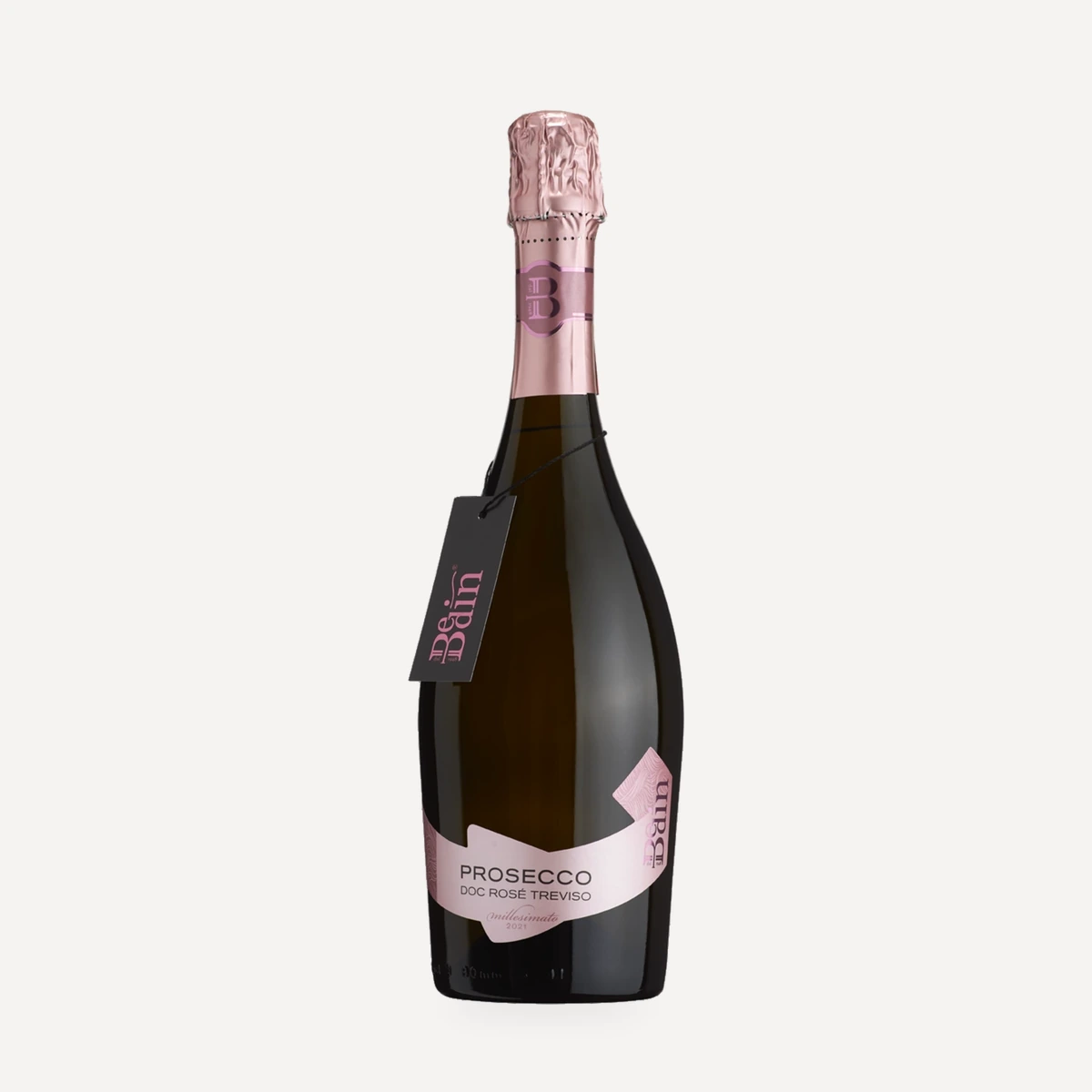
Prosecco D.O.C. Treviso Rosé Brut Millesimato
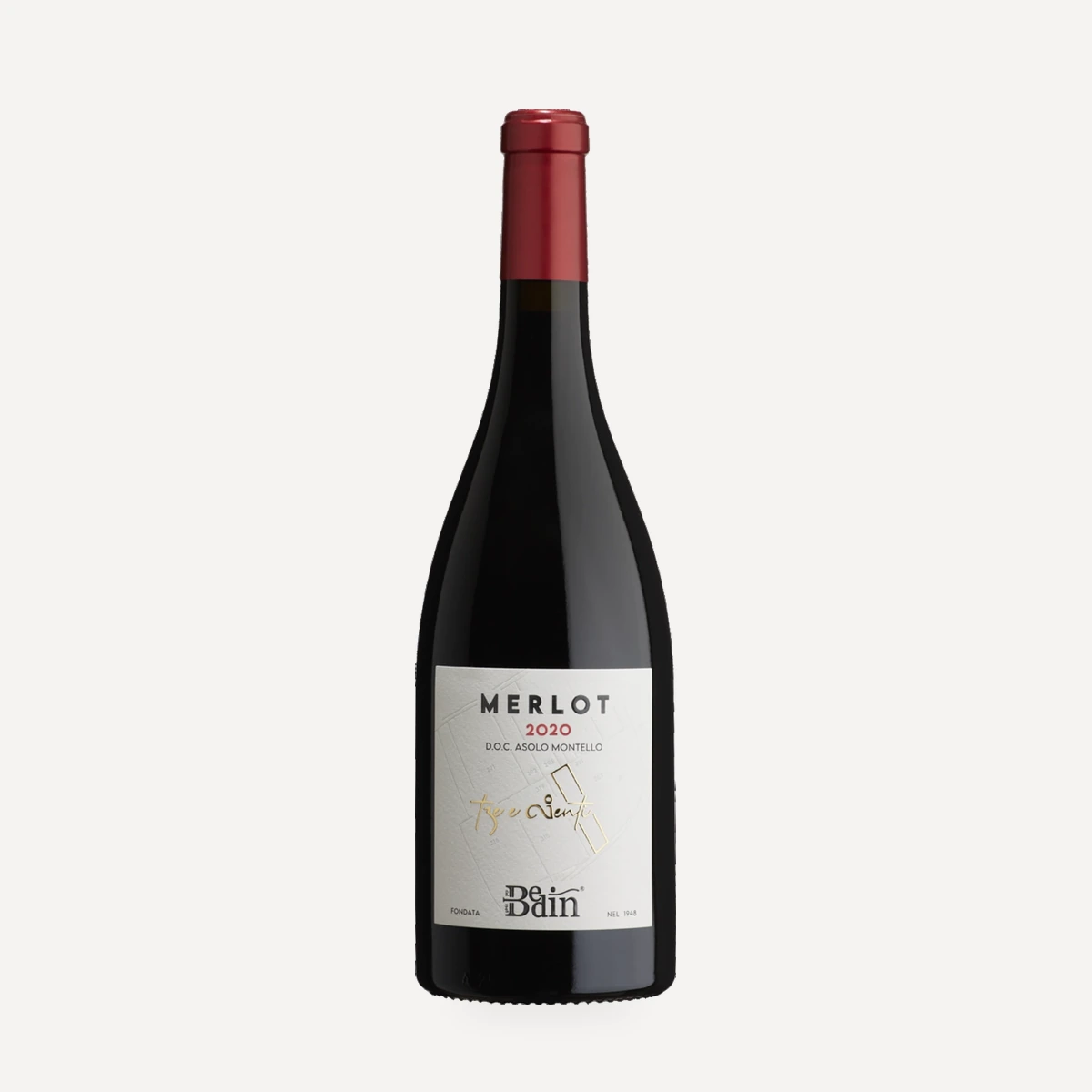
Tre-E-Venti Merlot D.O.C. Asolo Montello 2020
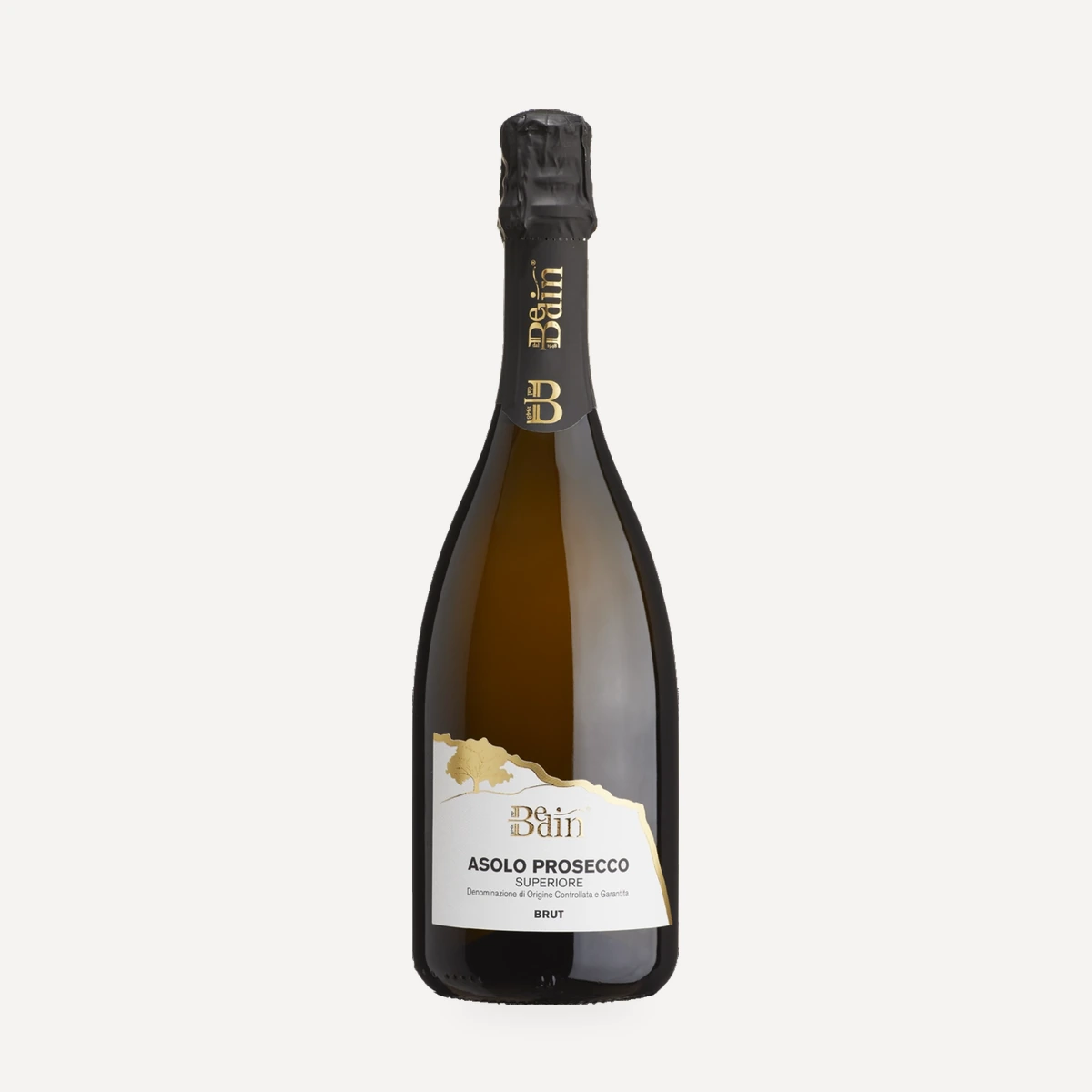
Asolo Prosecco Superiore D.O.C.G. Brut
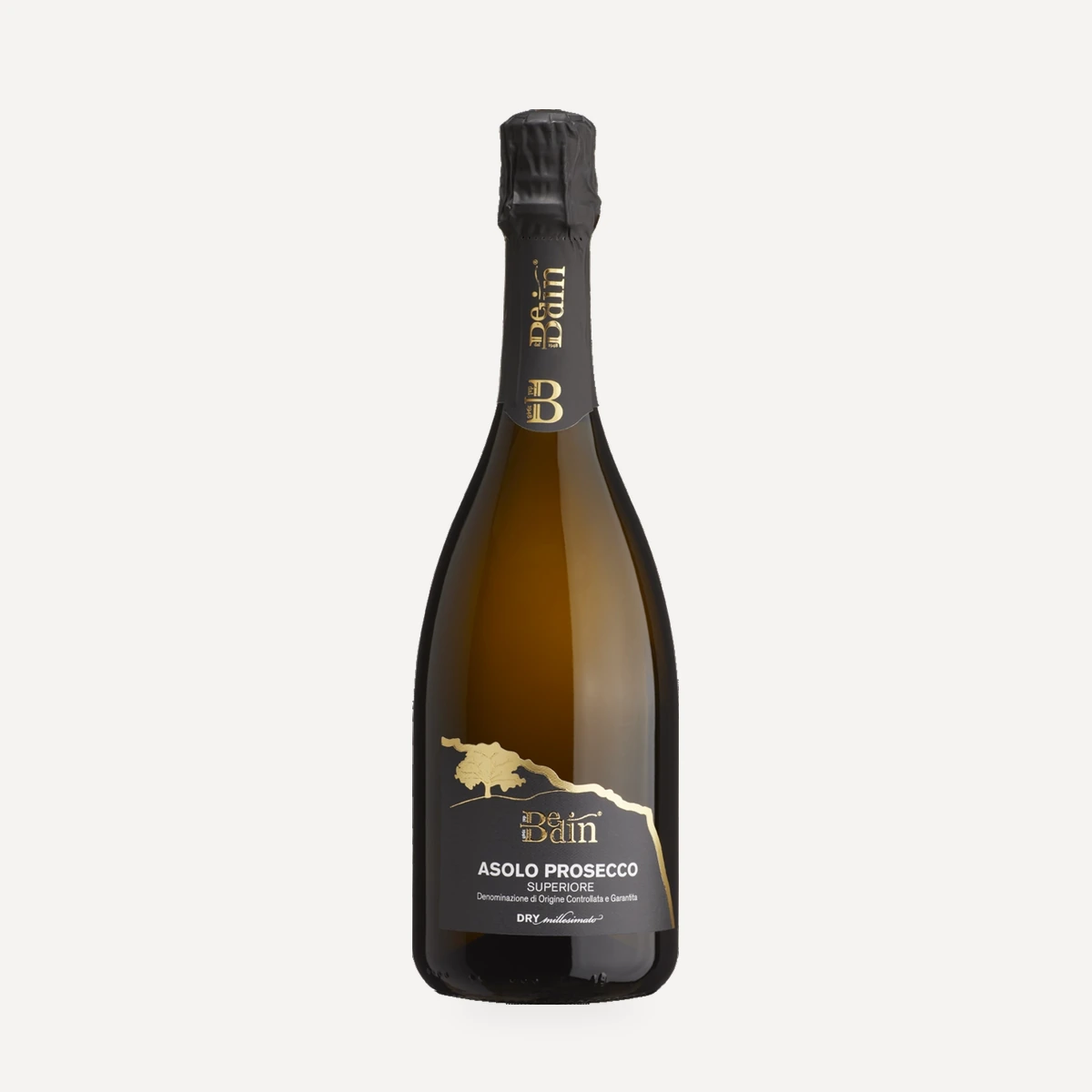
Asolo Prosecco Superiore D.O.C.G. Dry Millesimato
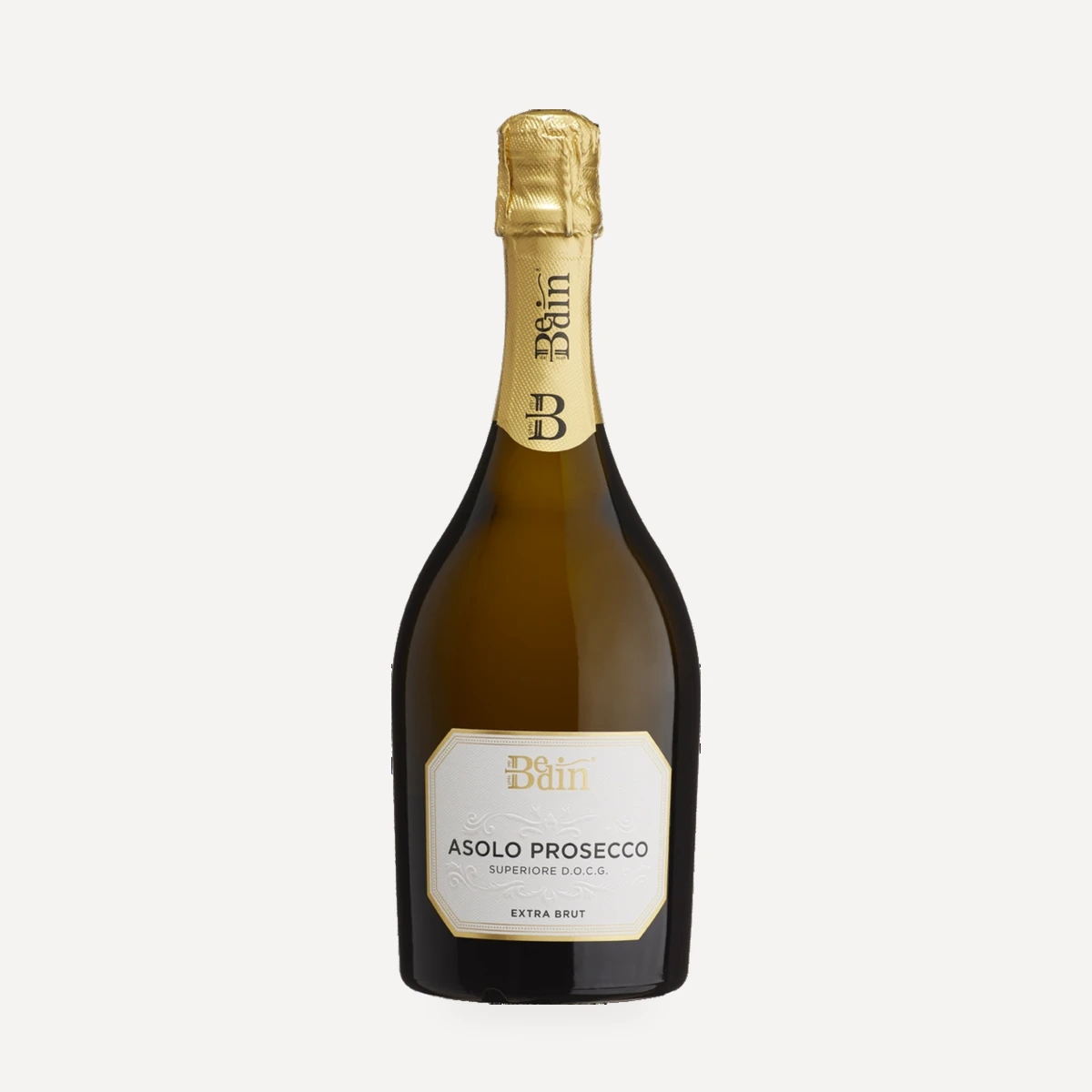
Asolo Prosecco Superiore D.O.C.G. Extra Brut
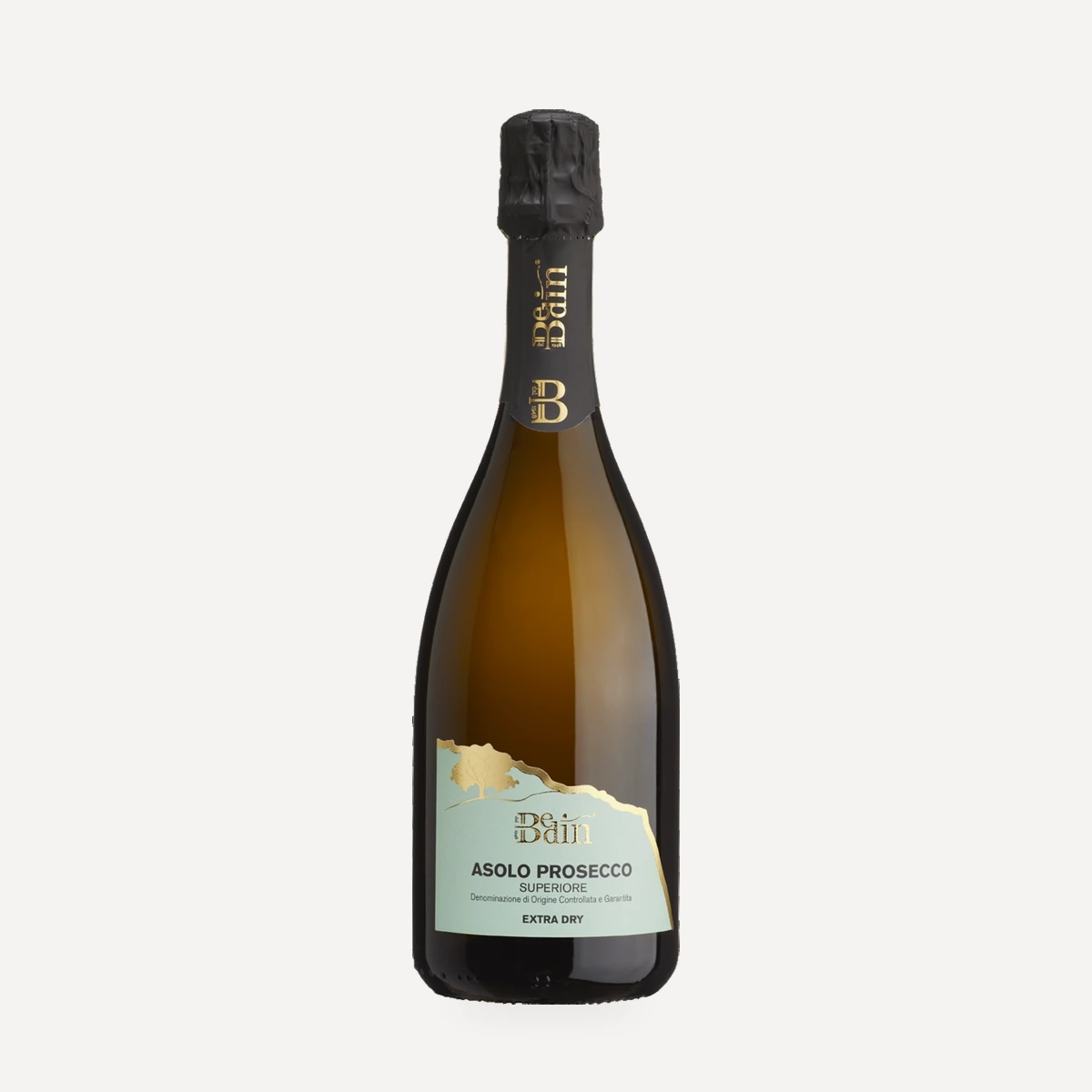
Asolo Prosecco Superiore D.O.C.G. Extra Dry
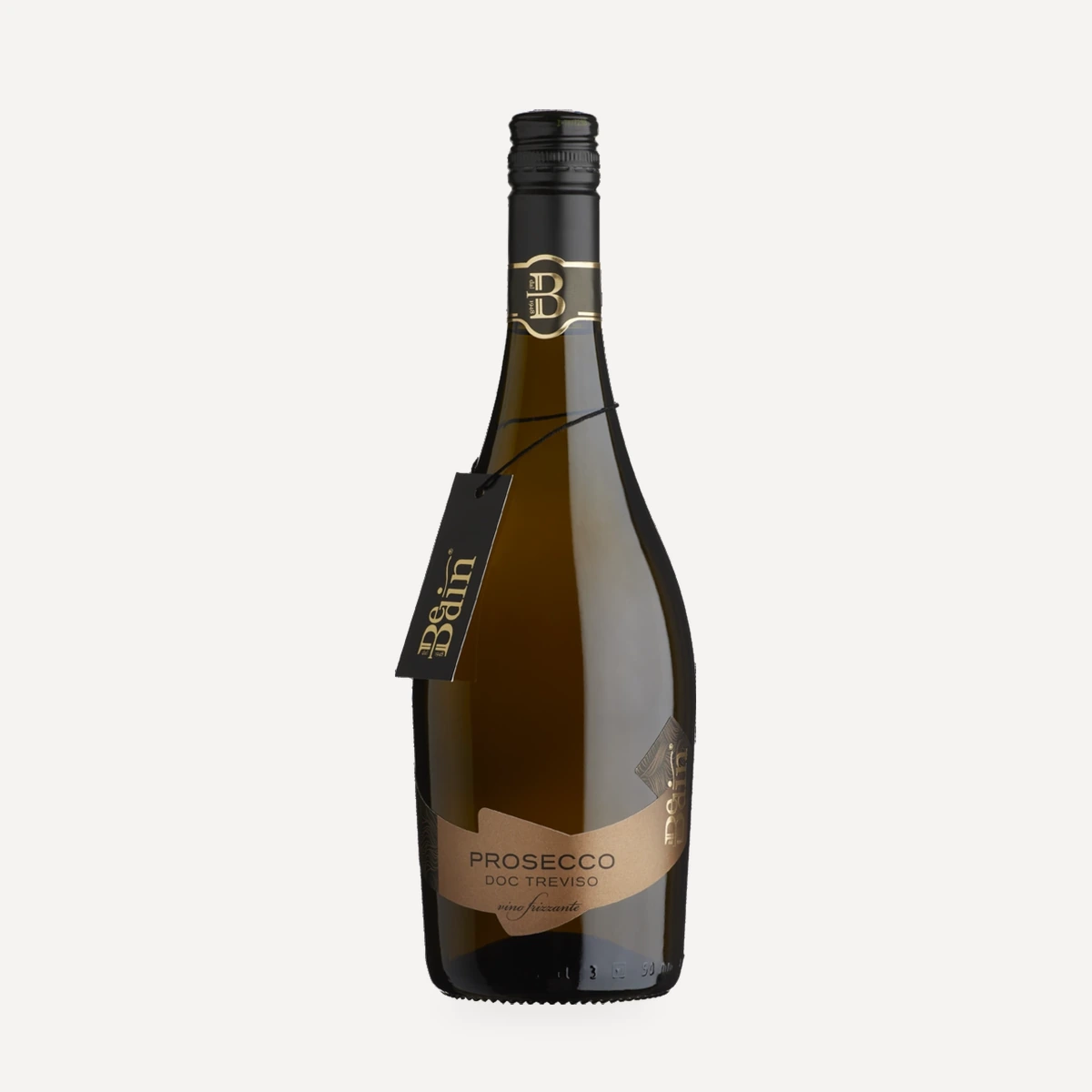
Prosecco D.O.C. Treviso Frizzante Screw-Cap
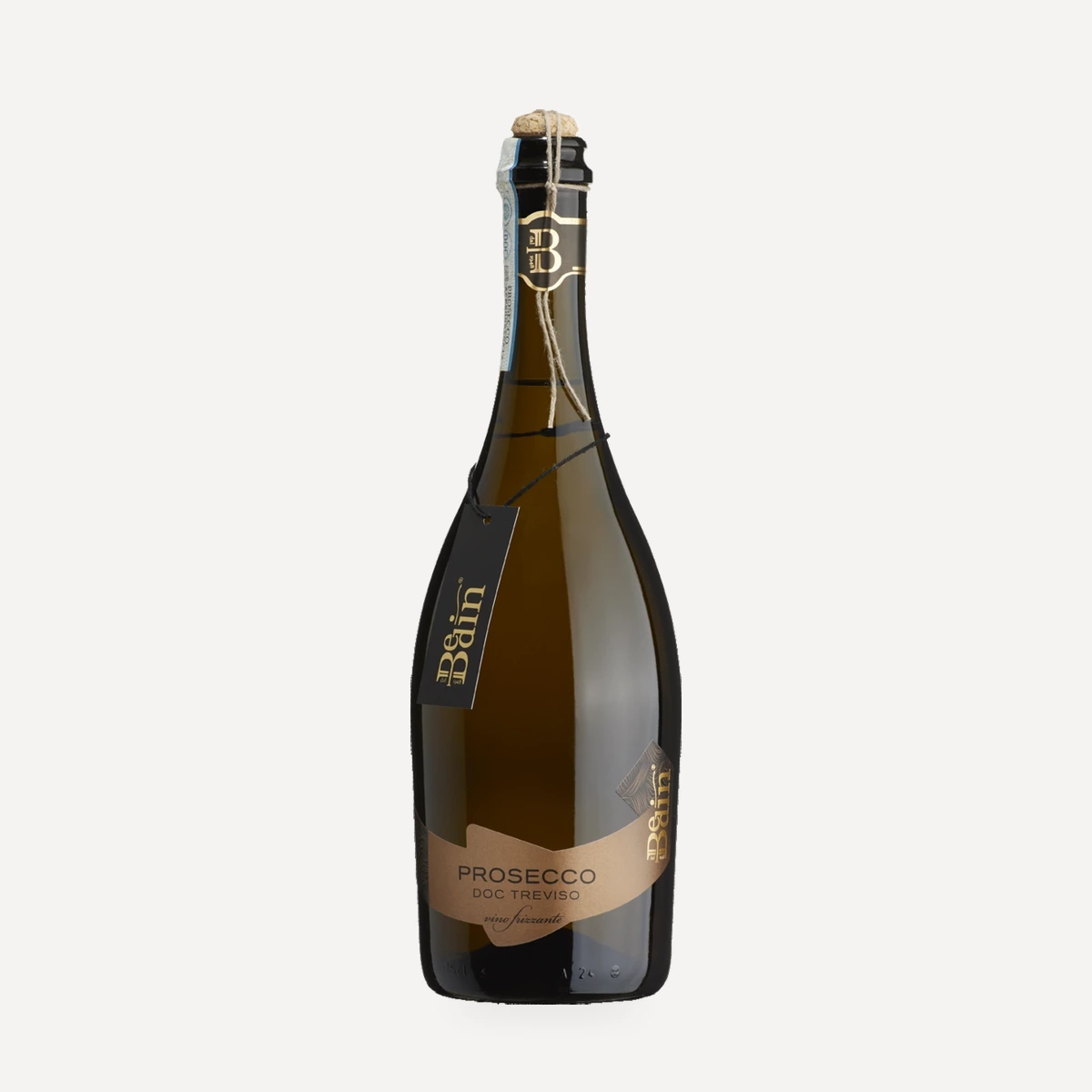
Prosecco D.O.C. Treviso Frizzante Spago
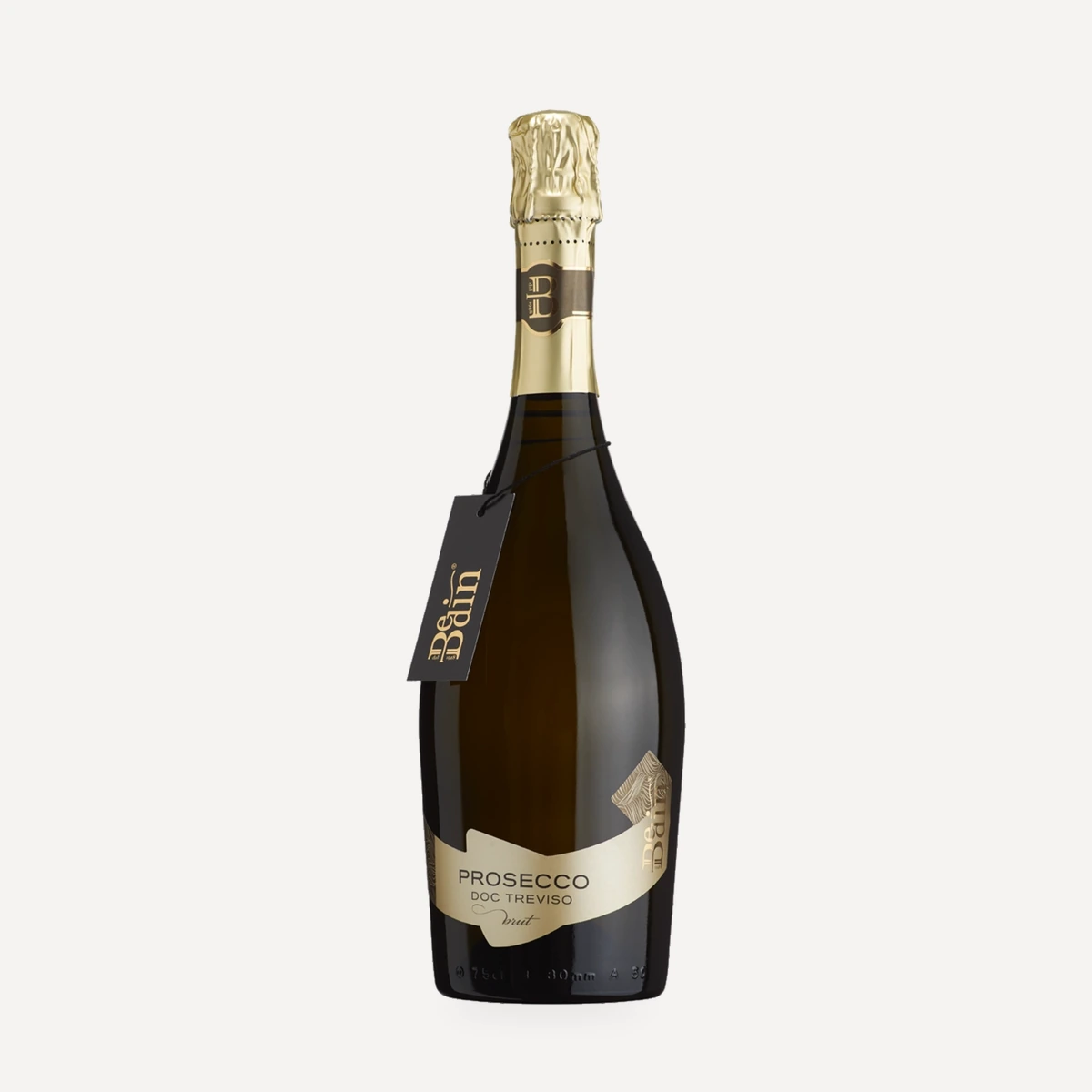
Prosecco D.O.C. Treviso Spumante Brut
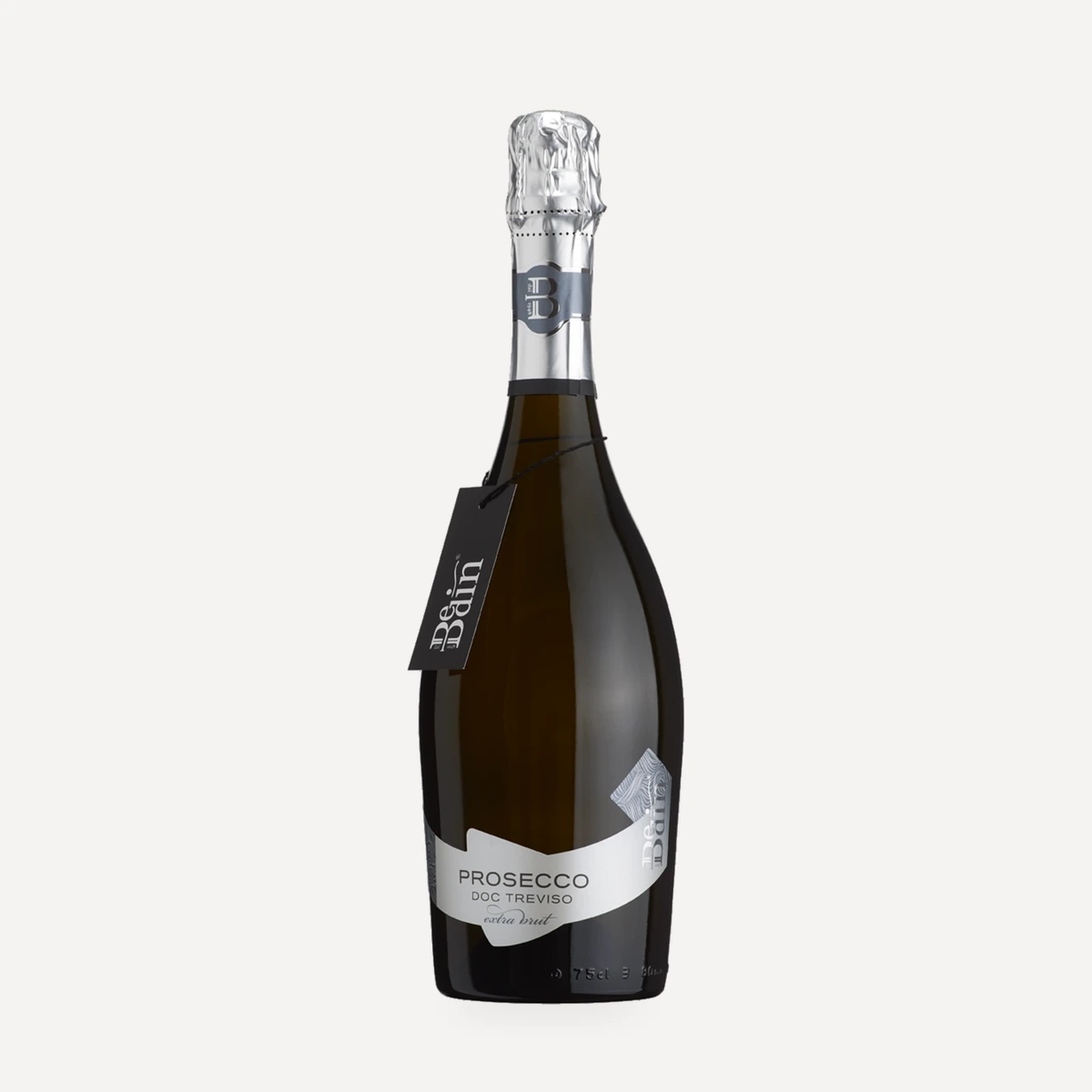
Prosecco D.O.C. Treviso Spumante Extra Brut
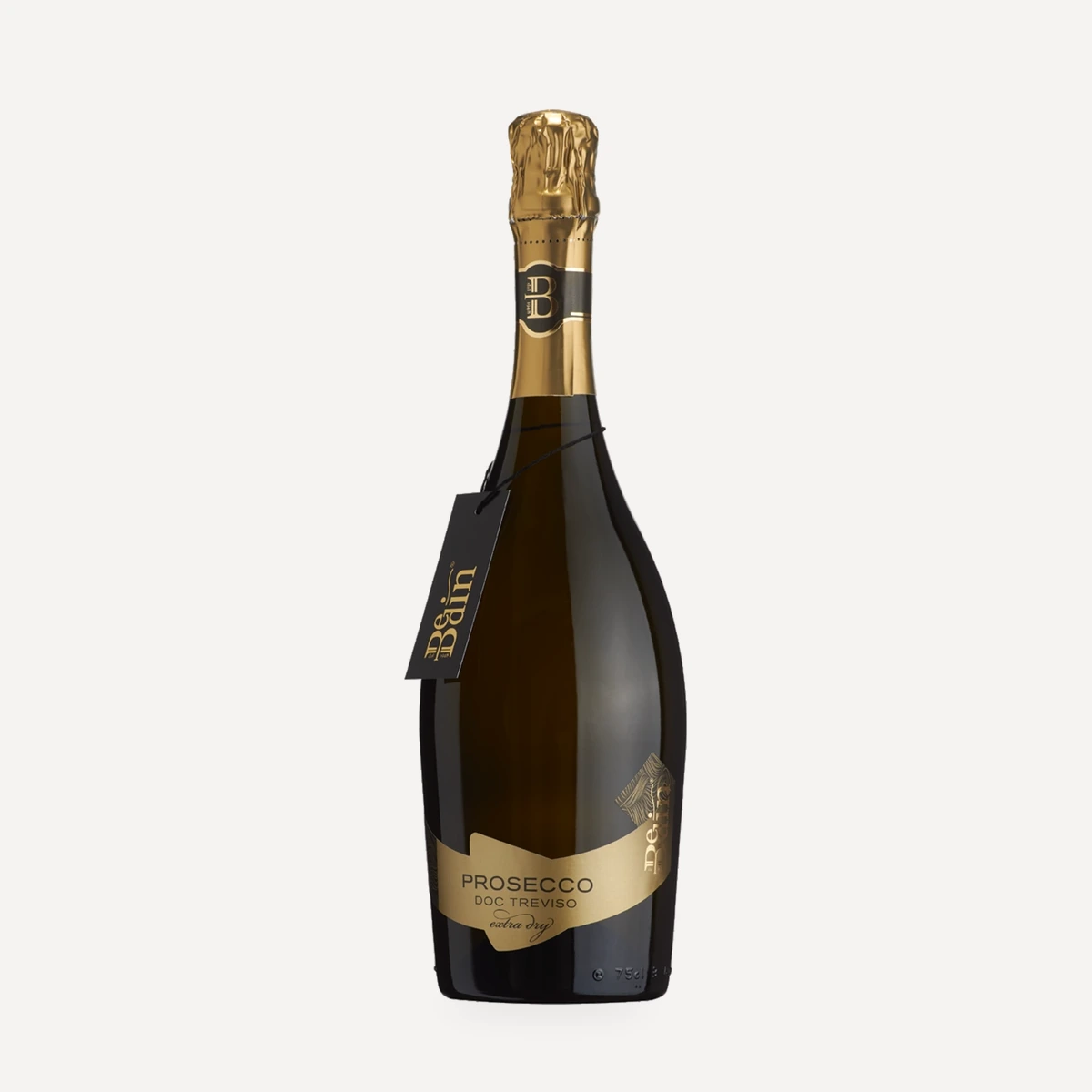
Prosecco D.O.C. Treviso Spumante Extra Dry
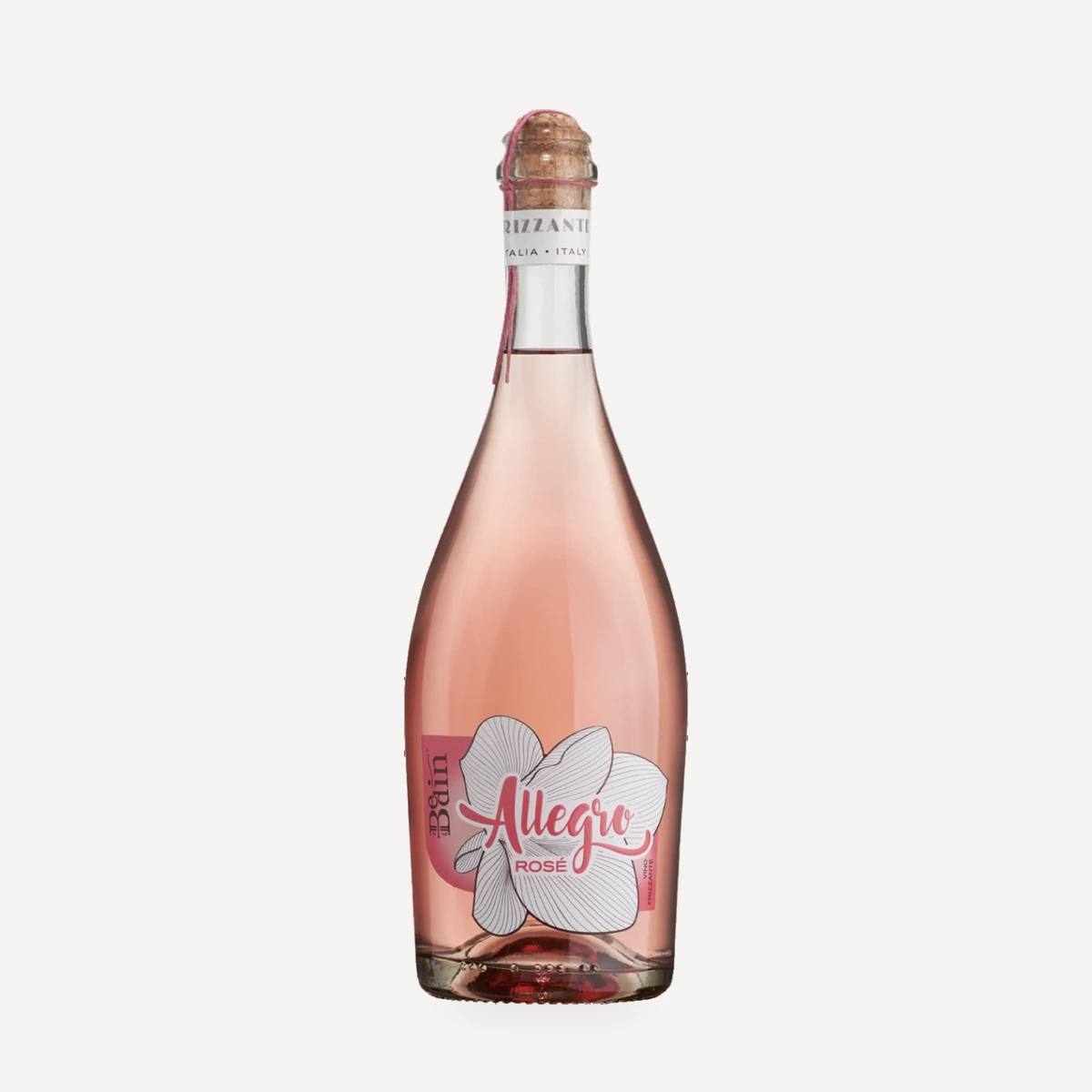
Allegro Rosé Merlot Frizzante Marca Trevigiana I.G.T.
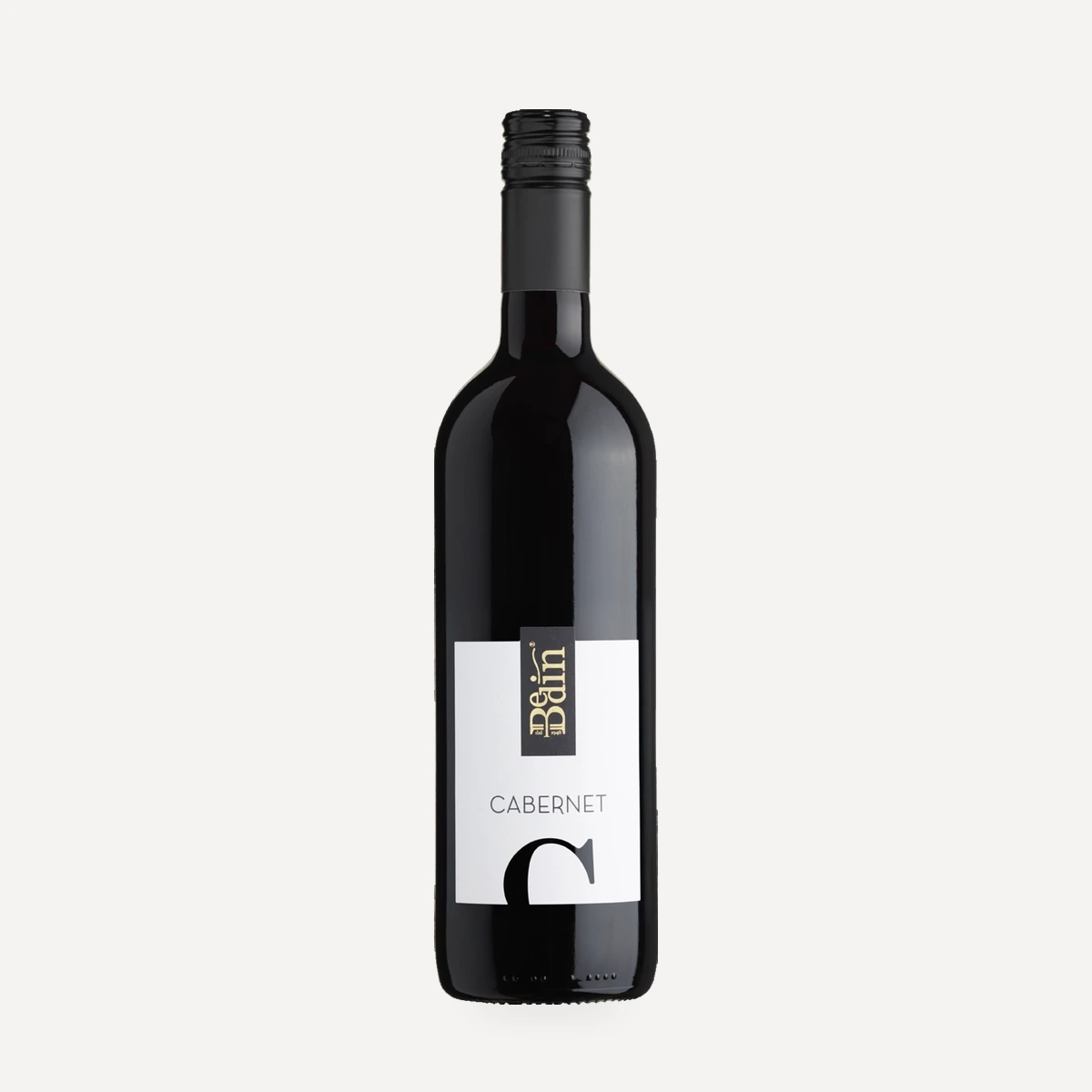
Cabernet Marca Trevigiana I.G.T.
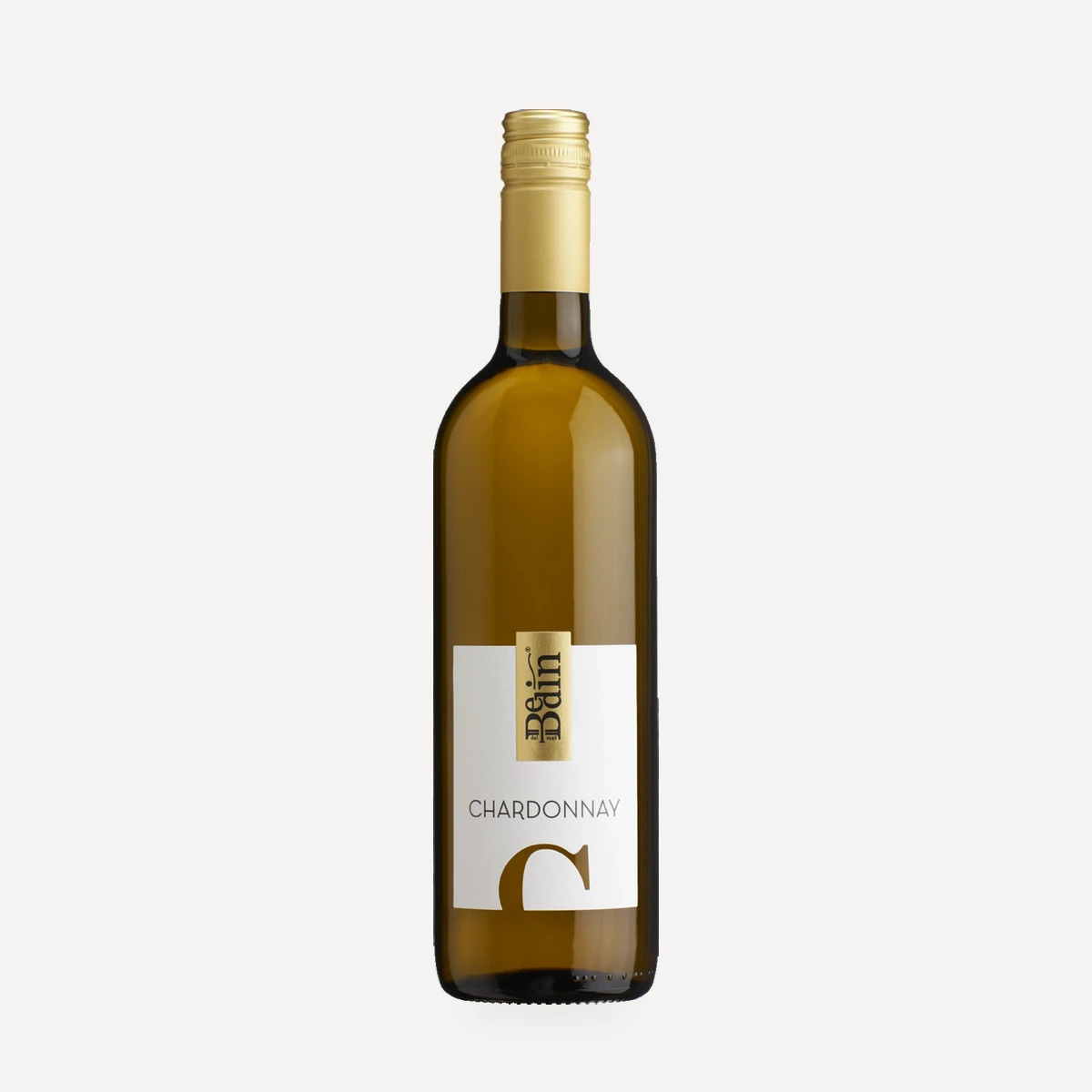
Chardonnay Marca Trevigiana I.G.T.
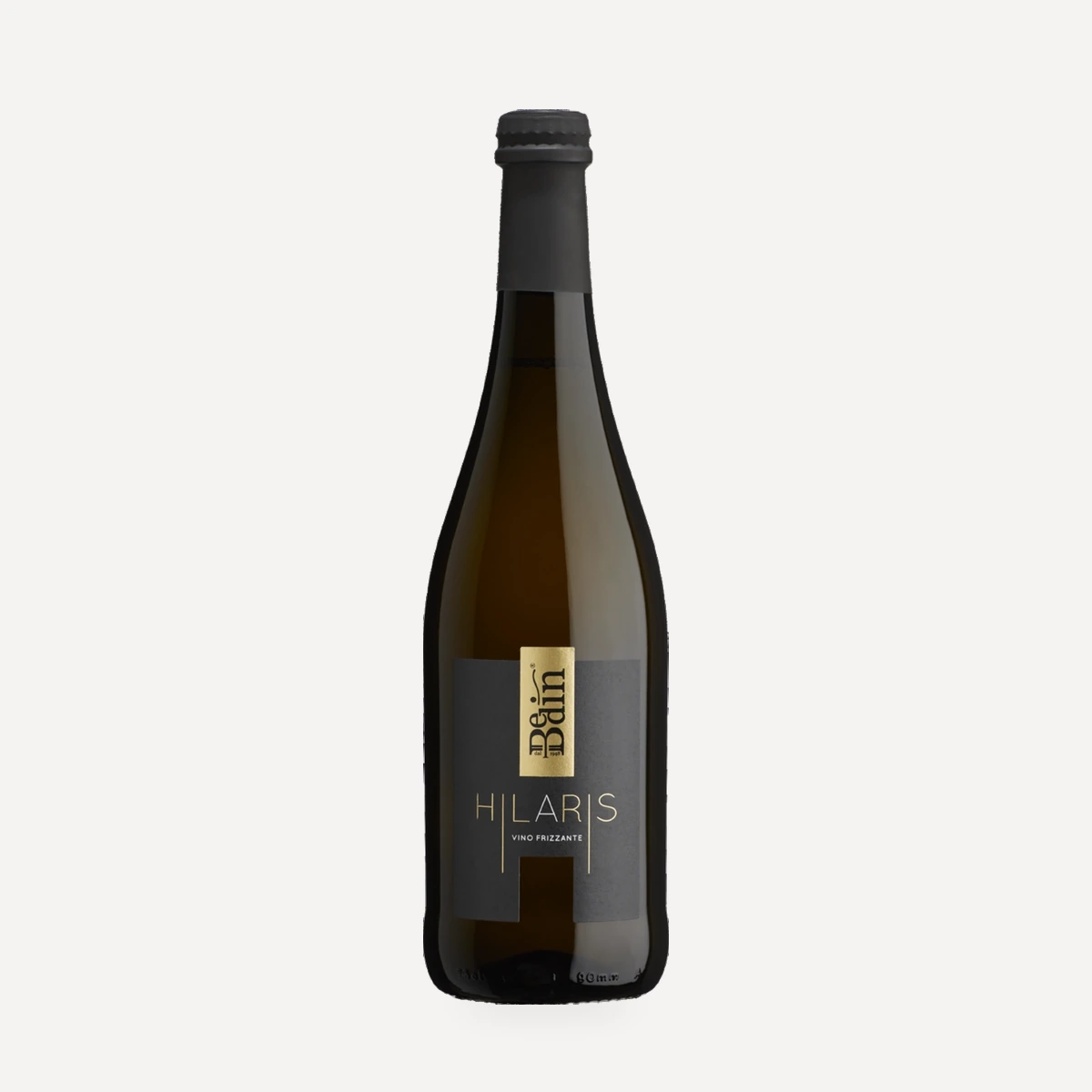
Hilaris Vino Frizzante Marca Trevigiana I.G.T.
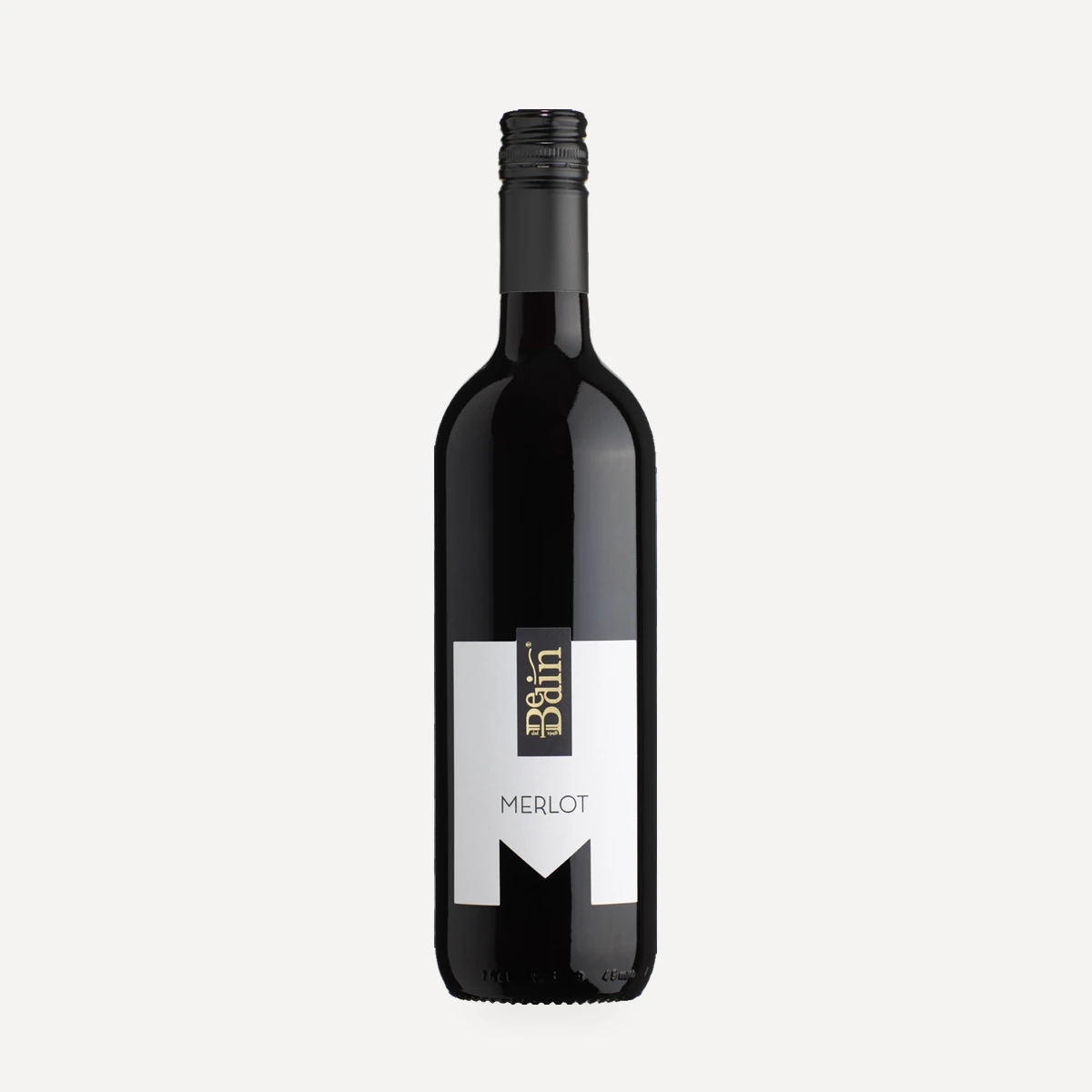
Merlot Marca Trevigiana I.G.T.
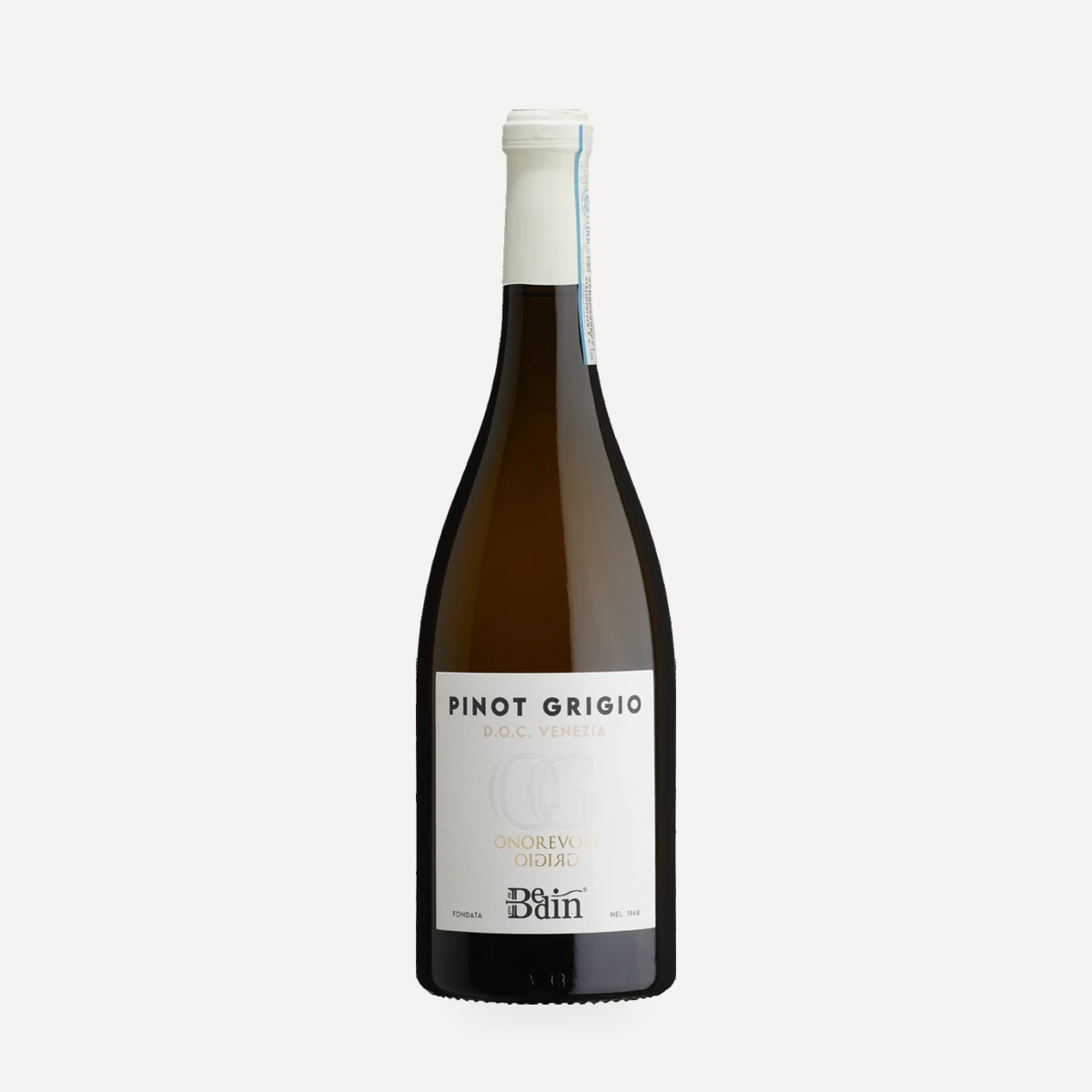
Onorevole Grigio Pinot Grigio D.O.C. Venezia
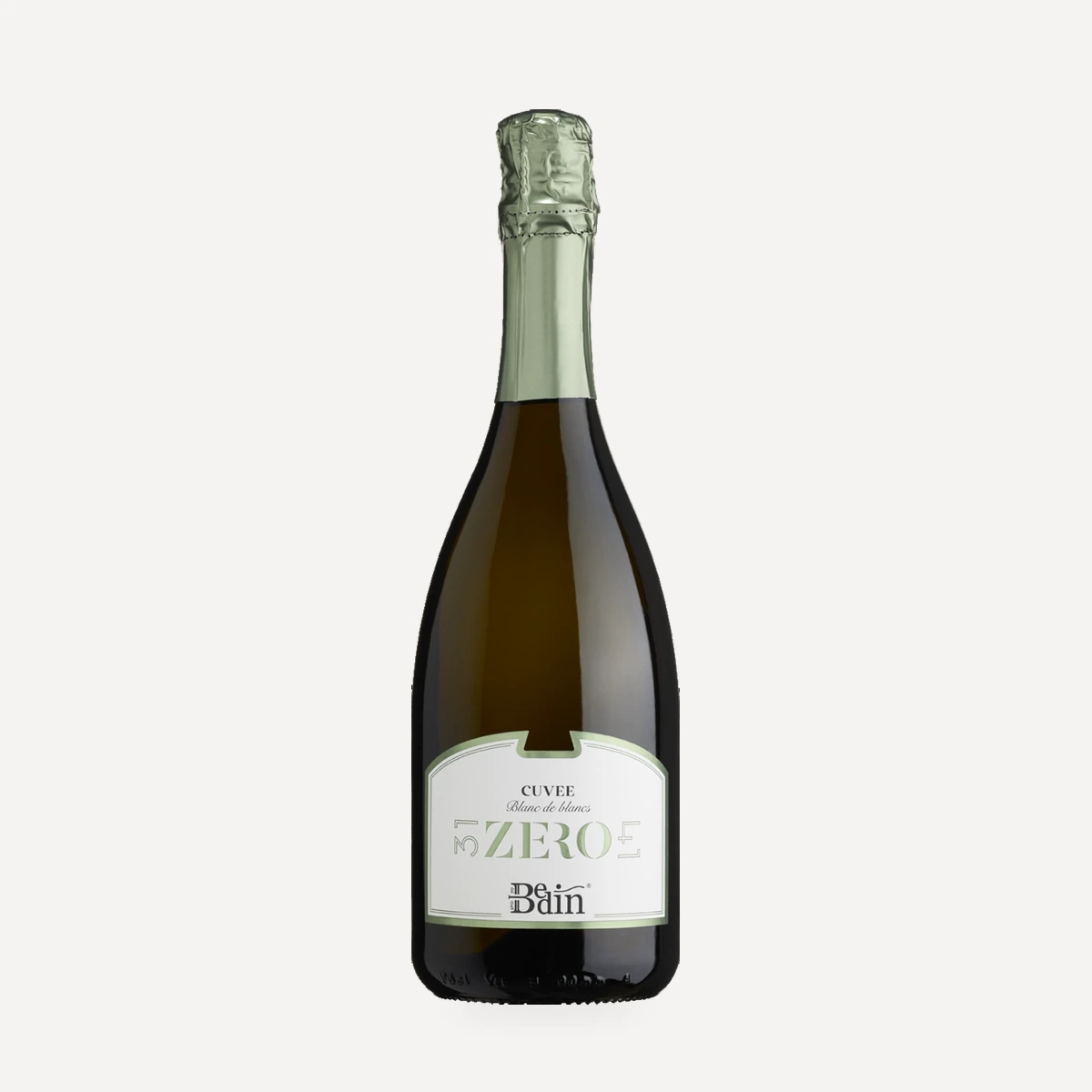
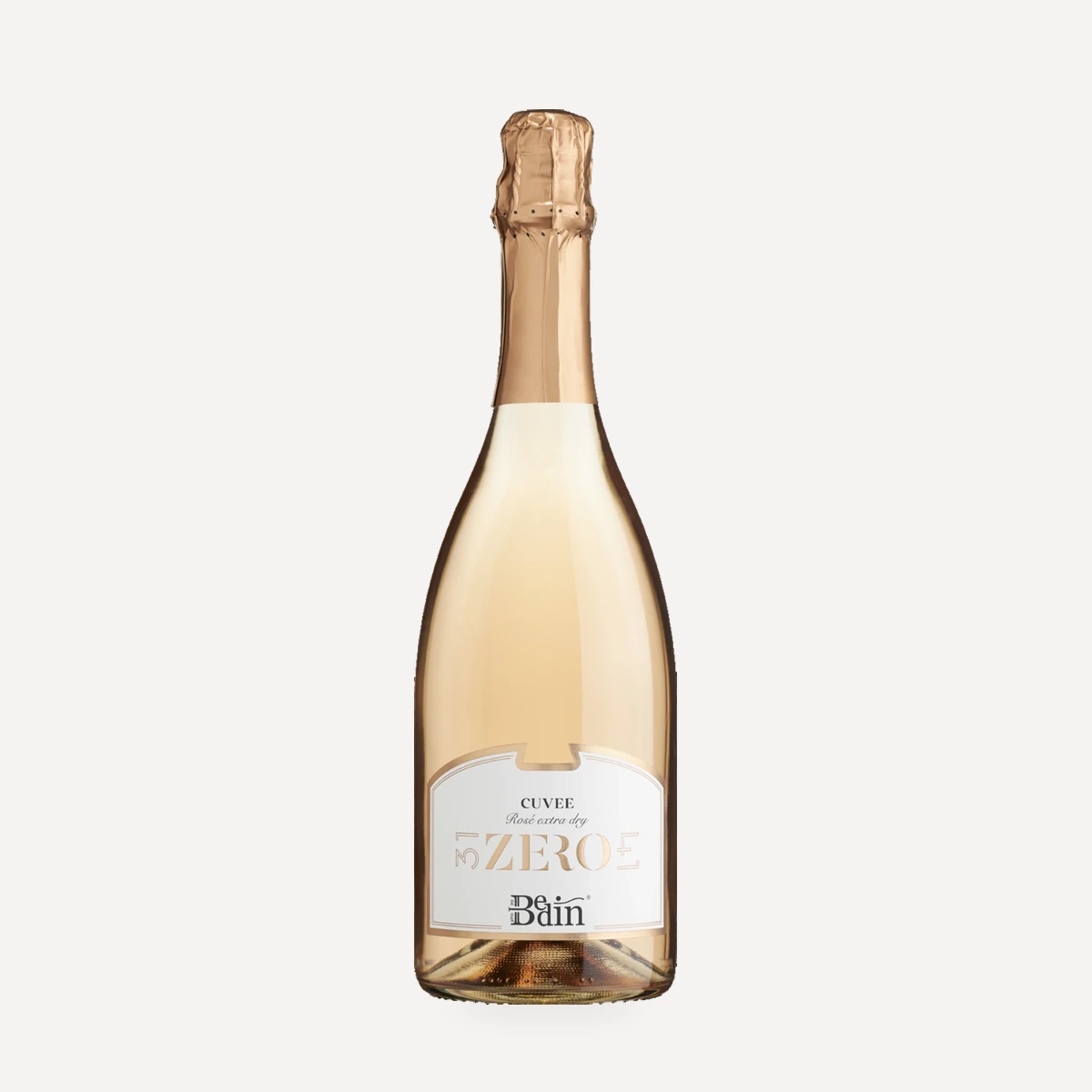
Spumante Extra Dry Cuvée 31zero41