Storia
The estate enters the Dalle Ore family
In 1903, Girolamo Dalle Ore, great-grandfather of the present generations, purchased the estate on the hills of Trissino. Motivated by his attachment to the land and interest in viticulture, he was the first grower in the area to combine the long local winegrowing tradition with principles intended to improve quality, including planting density, vineyard zoning and pruning techniques.
Riesling at La Bertolà
During the early years of the twentieth century, Girolamo brought Riesling Renano planting material from the Rhineland. The variety adapted to the estate’s environment and was subsequently propagated through massal selection. Its vineyard came to be regarded within the estate as its most prestigious planting.
Fourth and fifth generations
Marco Dalle Ore and his daughter Benedetta represent the fourth and fifth generations of the family’s succession. They continue the estate’s agricultural and winegrowing traditions at La Bertolà, the historic locality in the hills of Trissino where the property stands.
Their approach combines organic cultivation and biodynamic practices. Individual plots are managed separately, synthetic chemical products are rejected, soils are mechanically worked and yields are controlled. The same low-intervention principle extends into the cellar.
Acronia and the hail-affected vintages
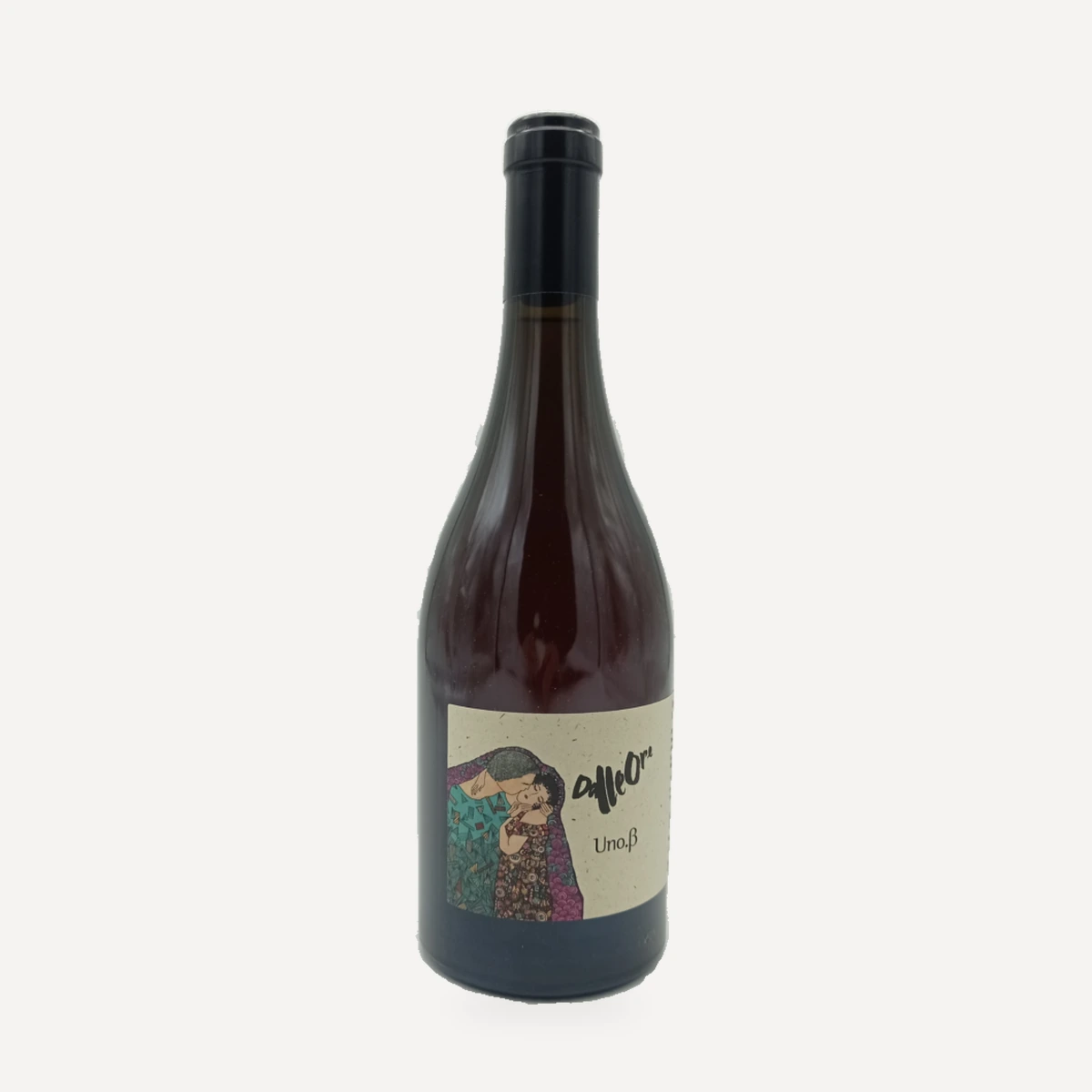
Acronia began in 2020 as a blend of two indigenous varieties: skin-macerated Garganega and non-macerated Durella. Conceived as an unrepeatable project outside ordinary time—its name refers to a-chrónos—it changed after a severe hailstorm in 2021. The project returned that year as pure Garganega, framed as a wish that the destructive event would not be repeated. The planned 2022 expression shifted to pure Durella, while orange colour remained the connecting theme.
Frequency Wines
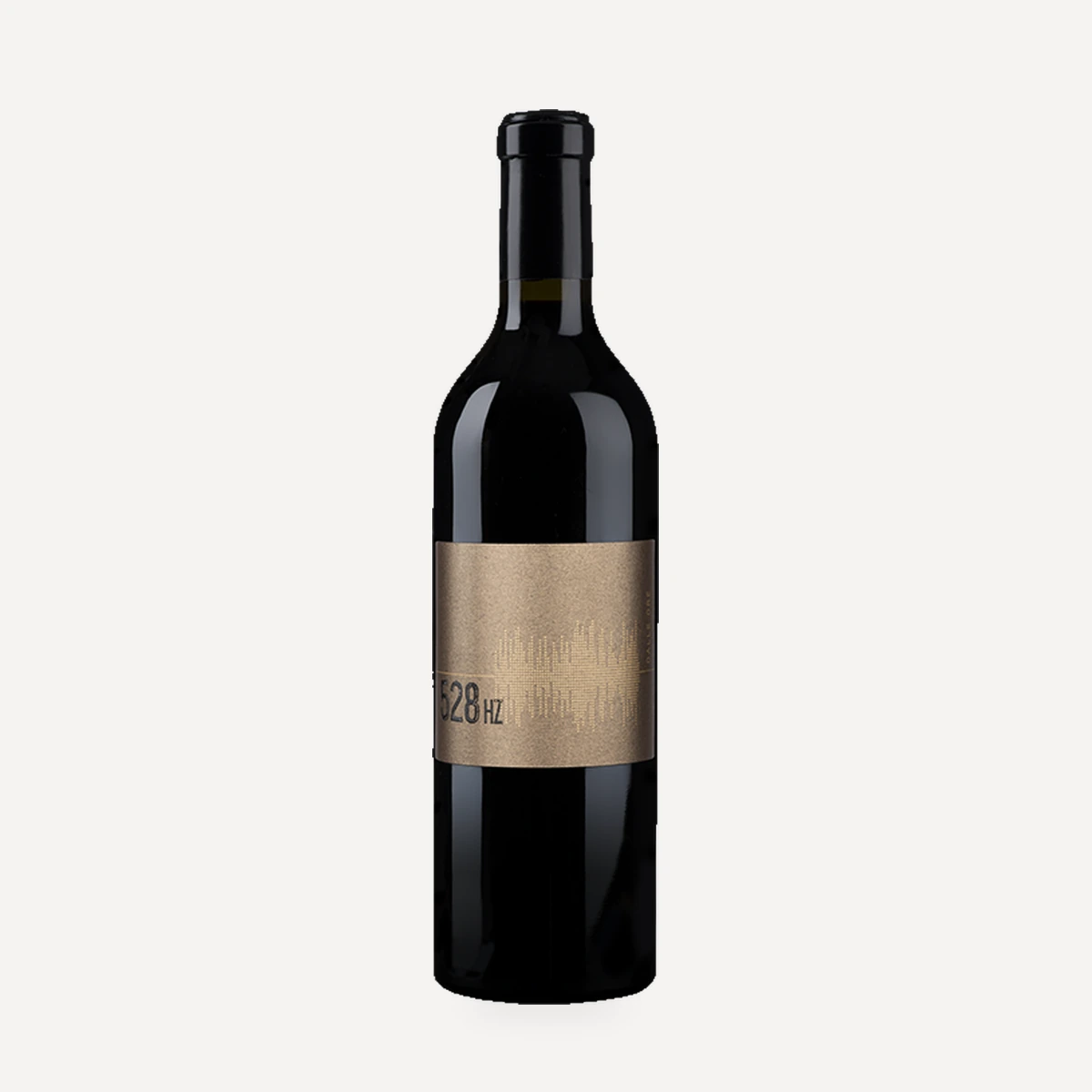
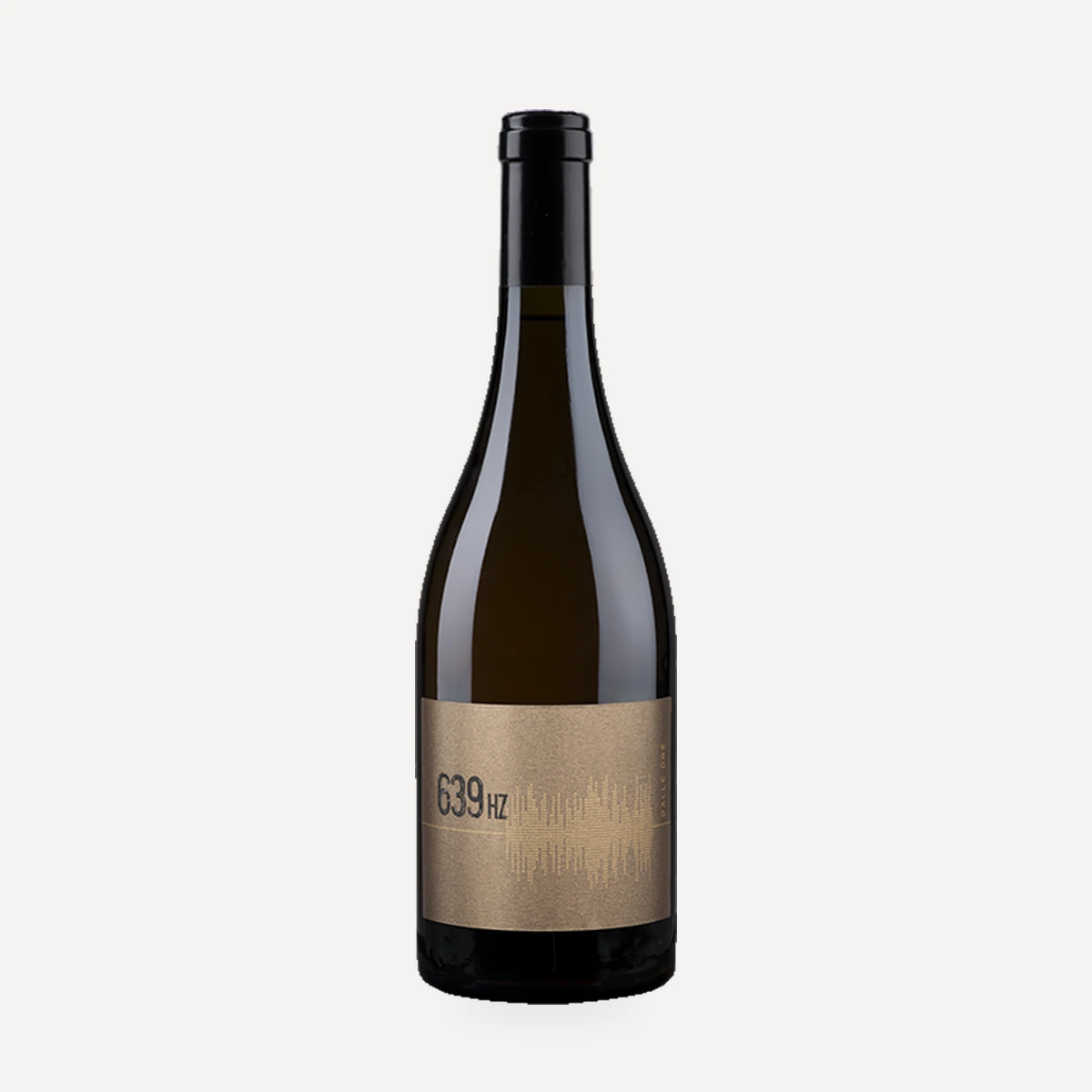
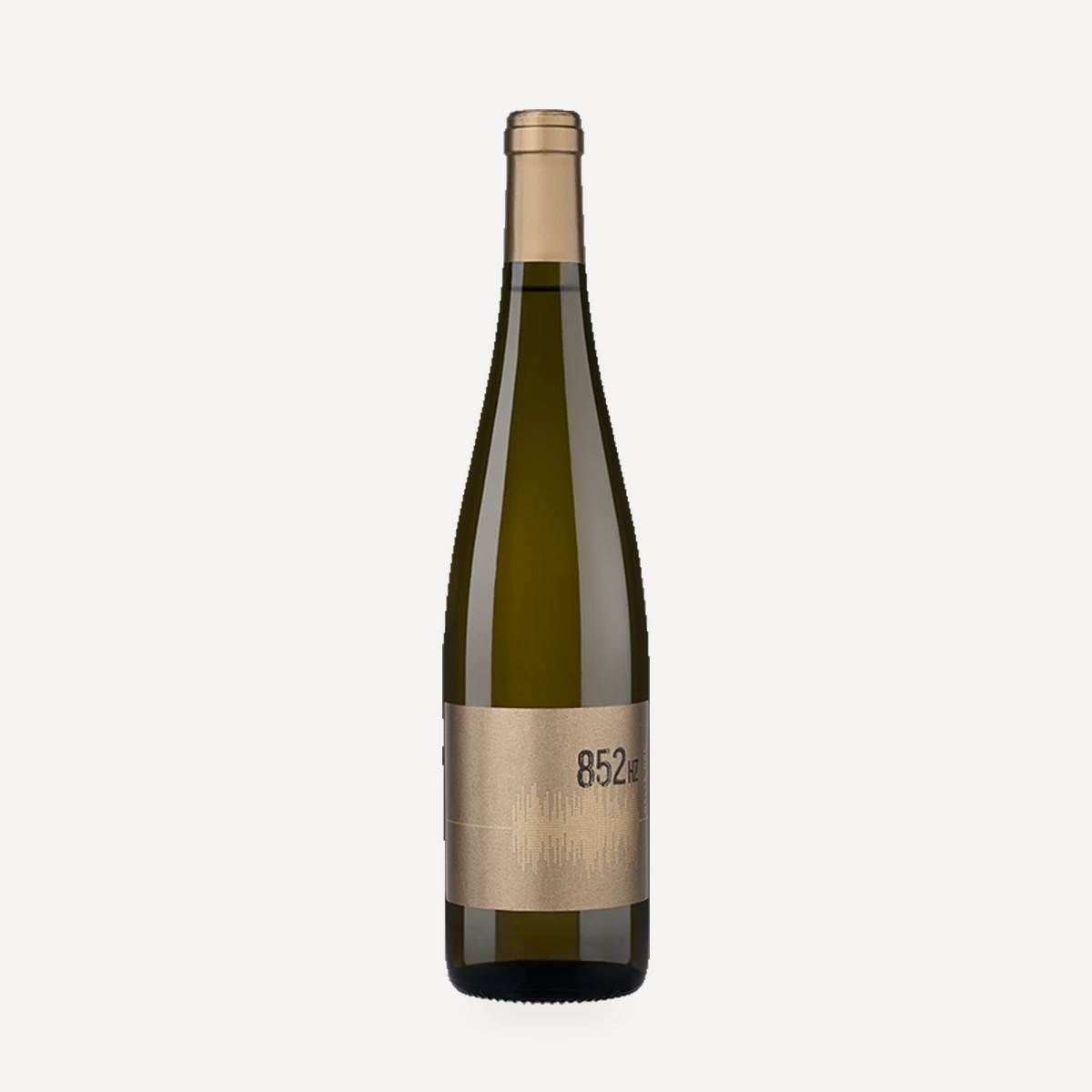
Dalle Ore also developed the Frequency Wines identified as 528 Hz, 639 Hz, 741 Hz and 852 Hz. This range is no longer in production. It was associated with the estate’s exploration of informational or “quantum” treatments in vineyards and fermentation vessels, alongside its biodynamic approach.
Terroir
Dalle Ore lies at La Bertolà in the hills of Trissino, in the province of Vicenza. The vineyards occupy hilly ground at approximately 300 metres above sea level. Their aspects vary between south, south-east and south-west, with the estate’s broader description emphasizing the importance of southern and south-eastern exposure.
The soils are volcanic and clay-rich, with basalt specifically identified in connection with Garganega. They are described as well textured and rich in minerals. The underlying parent rock forms the physical foundation of the farm in its biodynamic conception.
Woodland and meadows surround the vineyards, preserving their original habitat. The estate associates its microclimate with the slopes’ exposure, the geological structure of the soil, a persistent breeze and the ancient volcanic origin of the hills. The Lessini setting is also characterized by marked temperature fluctuations; together with the breeze and volcanic soils, these conditions are linked to freshness and mineral expression in the fruit.
Vinificazione
Dalle Ore follows organic cultivation together with biodynamic practices and a strict estate protocol called the Regola della Valle d’Agno, which draws upon older local agricultural principles.
Habitat and biodiversity
The vineyard remains within its original habitat and is surrounded by woodland and meadows. Under the environmental rule, no more than 80% of the land may be devoted to any form of specialized cultivation; at least 20% must remain meadow or woodland. The objective is to conserve the habitat and respect its flora and fauna.
Soil management and prohibited inputs
Synthetic fertilizers, herbicides and insecticides are excluded. This prohibition is intended to protect soil microflora, groundwater and beneficial insects. Mechanical soil work controls the grass cover and encourages roots to penetrate more deeply, with the stated aims of improving vine resistance, mineral uptake and the expressiveness of the fruit. The vineyards are not irrigated and depend on natural rainfall. Yields are deliberately controlled, with stated limits varying by planting from 3,500 to 8,500 kg/ha.
Biodynamic practices
The biodynamic program seeks closed material cycles, the avoidance of synthetic chemicals, cultivation of plants suited to the locality, preservation and enhancement of soil fertility through organic fertilization, stronger natural self-regulation and resistance to excessive agricultural specialization. Its practical elements include biodynamic preparations, composting manure produced on the farm, appropriate agronomic practices and attention to biological and cosmic rhythms.
Harvest
Grapes are picked by hand into 8 kg crates. Harvest timing varies by variety, from early September through late September. The cultivation rules place responsibility on human knowledge and experience as the connection between environment and soil, extending this responsibility across the entire production cycle.
All stages from vine to wine are carried out within the property. The guiding principle is minimum intervention, allowing the fruit to retain the character derived from its soils and place.
Manual harvesting into 8 kg crates is followed by methods adapted to the individual variety and intended expression. Recurring practices include gentle pressing for white and sparkling bases, skin fermentation or maceration where required, fermentation in stainless steel and the avoidance of selected yeasts. Red-wine production also includes spontaneous fermentation in stainless steel or fermentation in large oak vats, followed where appropriate by maturation in large oak casks.
The cellar works with several low-intervention finishing approaches, including static settling, lees maturation and bottling without filtration for selected lots. Sparkling production encompasses long Charmat, traditional-method bottle refermentation, sur lie refermentation with the wine’s own must, and bottle completion with retained sediment (col fondo).
Filosofia
Dalle Ore’s central aim is to preserve the connection between vineyard, fruit and finished wine. Individual plots are treated according to their own character, while vinification is guided by the principle that less intervention allows terroir and the resources accumulated by the fruit to remain legible.
The Regola della Valle d’Agno frames agriculture as a relationship between environment, soil and human responsibility. Knowledge and experience are understood as the link between the natural setting and its cultivation, and the grower accepts responsibility for applying these principles throughout production.
The estate’s biodynamic philosophy treats the farm as a living agricultural individuality. It distinguishes physical, vital, animic and spiritual dimensions of nature and seeks conditions in which plants, animals and other living beings can develop and coexist harmoniously. Parent rock, cultivated plants, domestic animals and the shaped landscape are regarded as interconnected parts of that individuality.
This position is presented as an alternative both to high-technology agriculture detached from nature and to the complete abandonment of cultivated land. Its intended path is the durable stimulation of soil vitality and humus formation, combined with organic fertilization, biodiversity, natural regulatory processes and respect for biological and cosmic rhythms.
The Frequency Wines project extended this outlook into “quantum” or informational agriculture. Its conceptual model treats consciousness, information, energy and matter as linked levels and uses fractal-analysis software with a holographic or white-noise generator. Treatments may be applied to vineyards and fermentation vessels. Within this framework, the farmer is conceived as the consciousness of the agricultural organism, a role compared with the organism concept used in biodynamics.
Vini
528 HZ
639 HZ
852 HZ
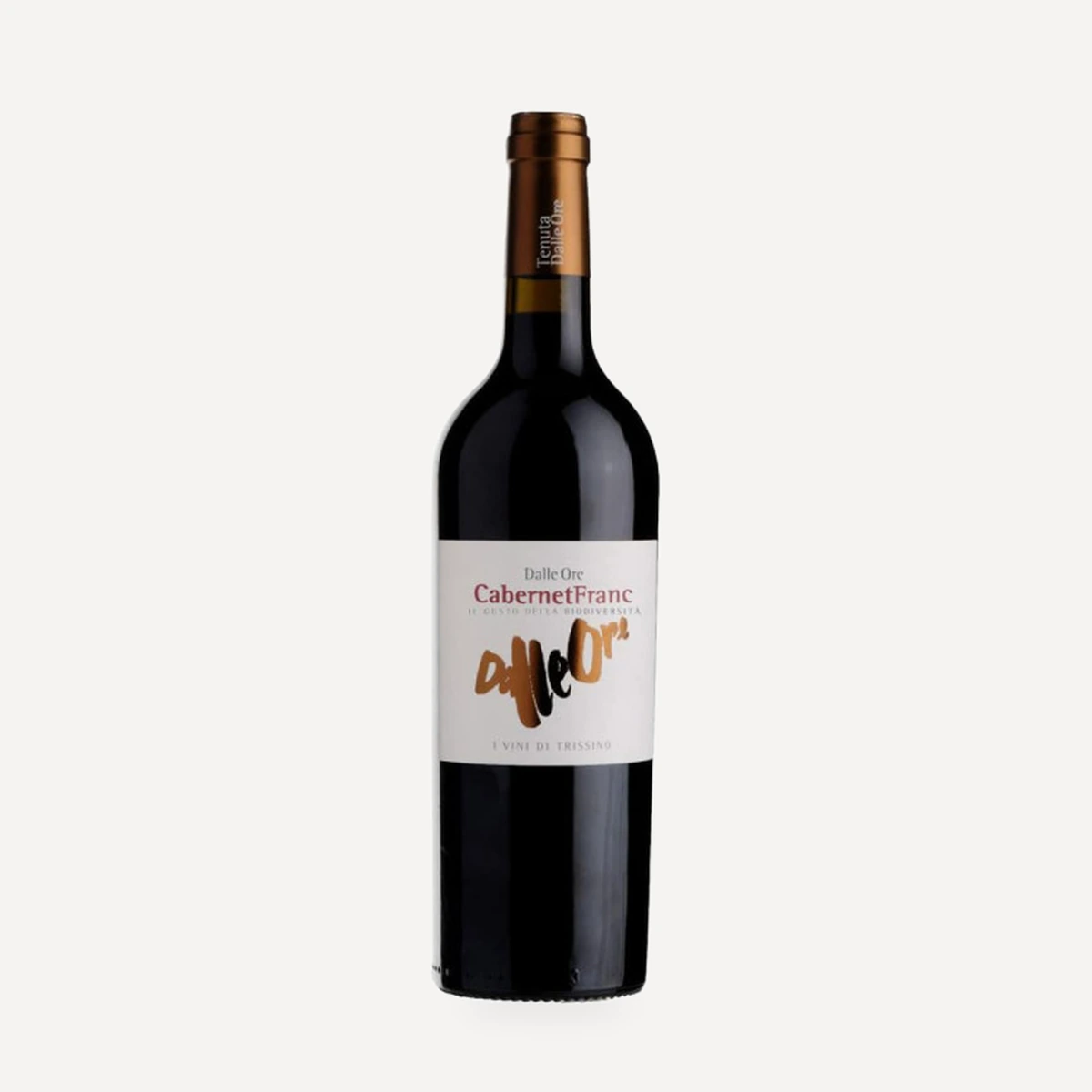
Cabernet Franc
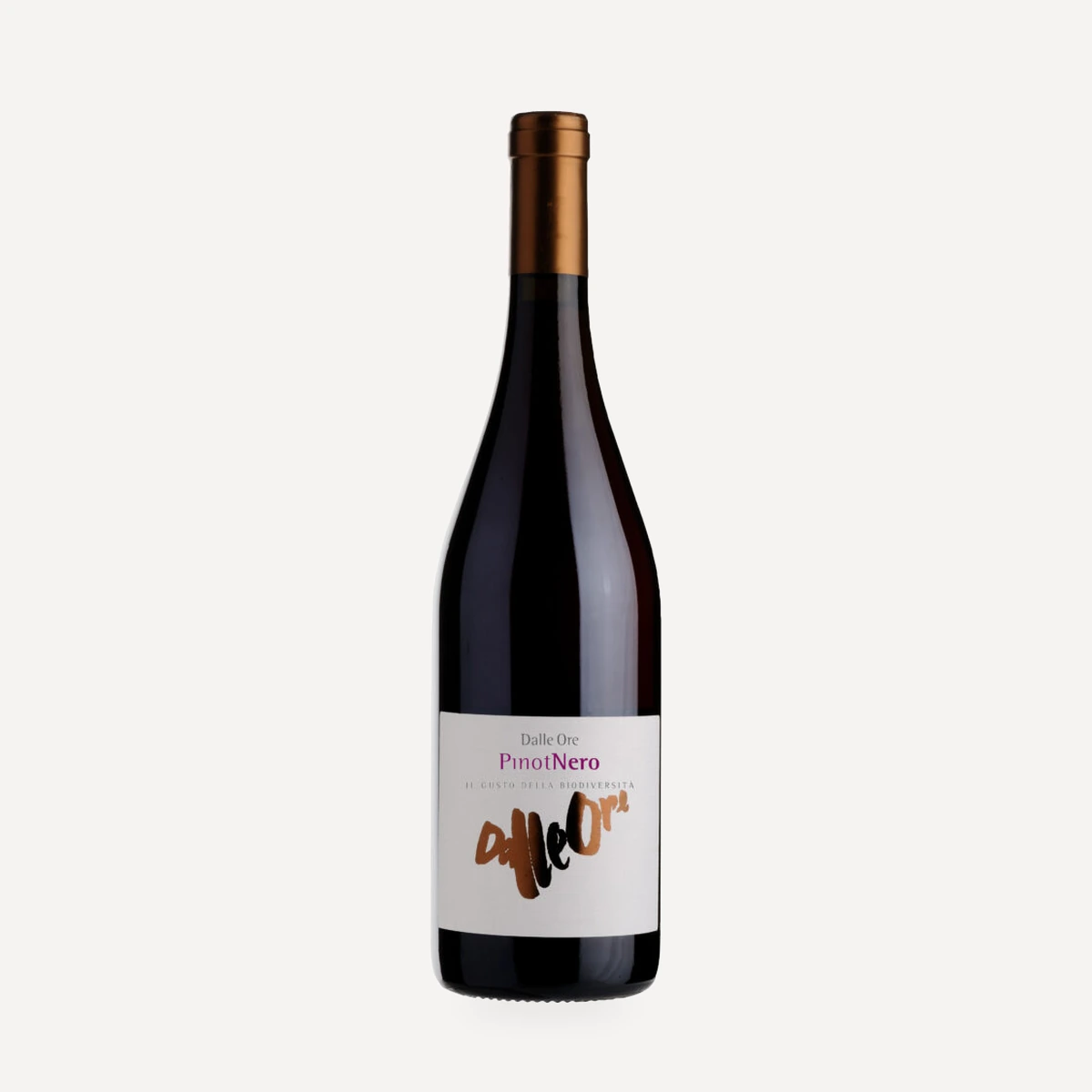
Pinot nero
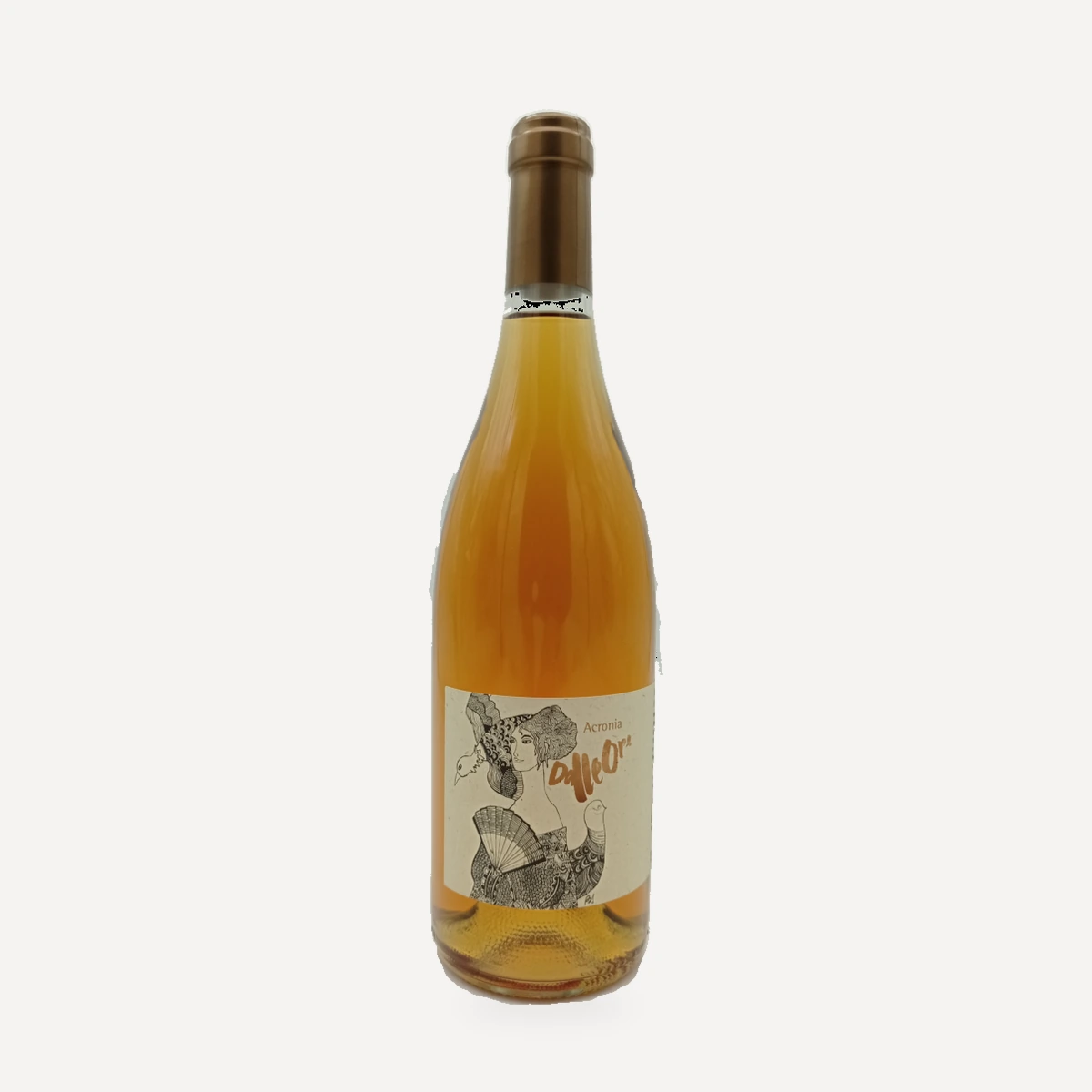
Acronia
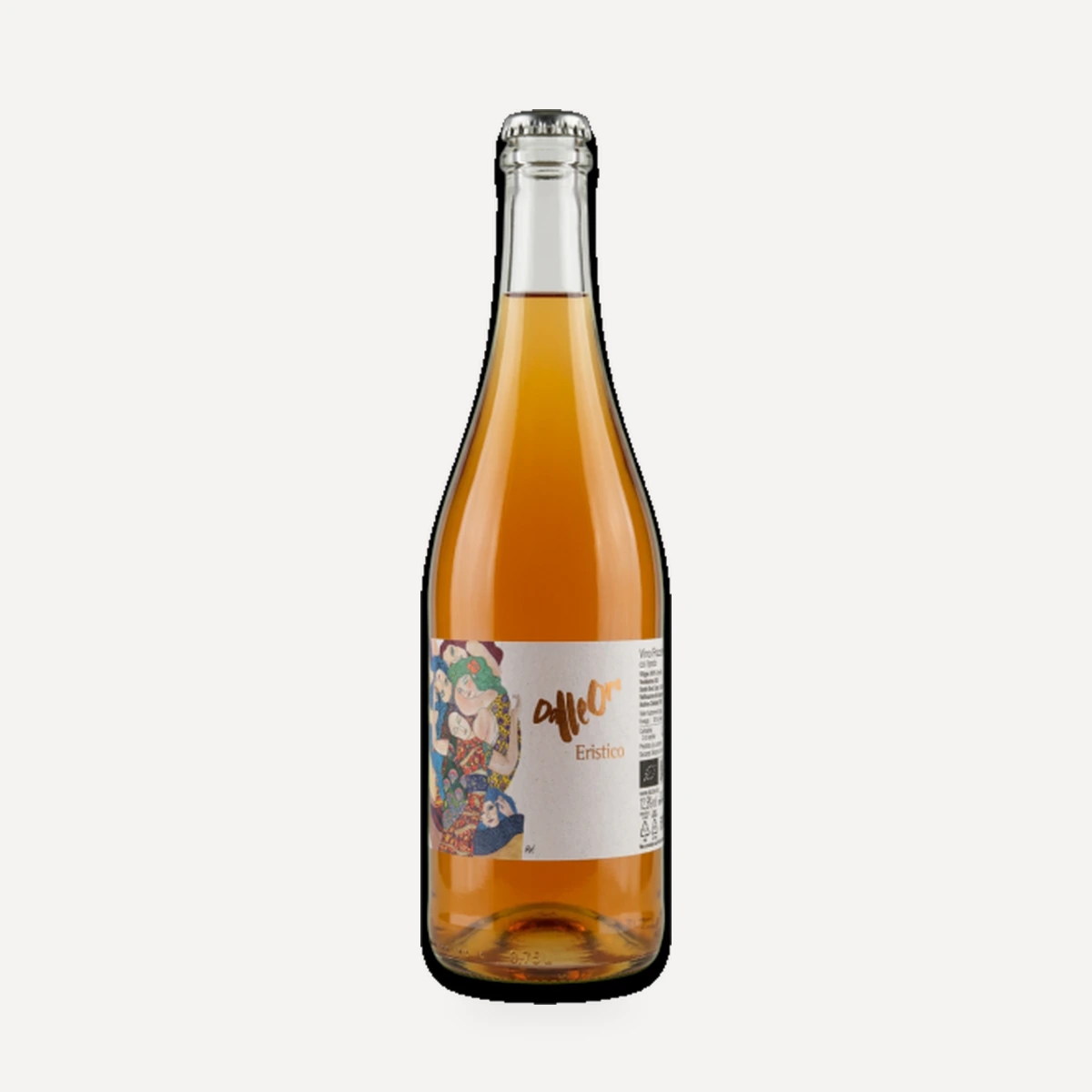
Eristico