Storia
The first vintage
The estate identifies 2007 as its first vintage. From that initial harvest onward, the aim was to bottle increasingly sustainable wines while progressively refining both vineyard and cellar methods.
2008: the beginning of the estate
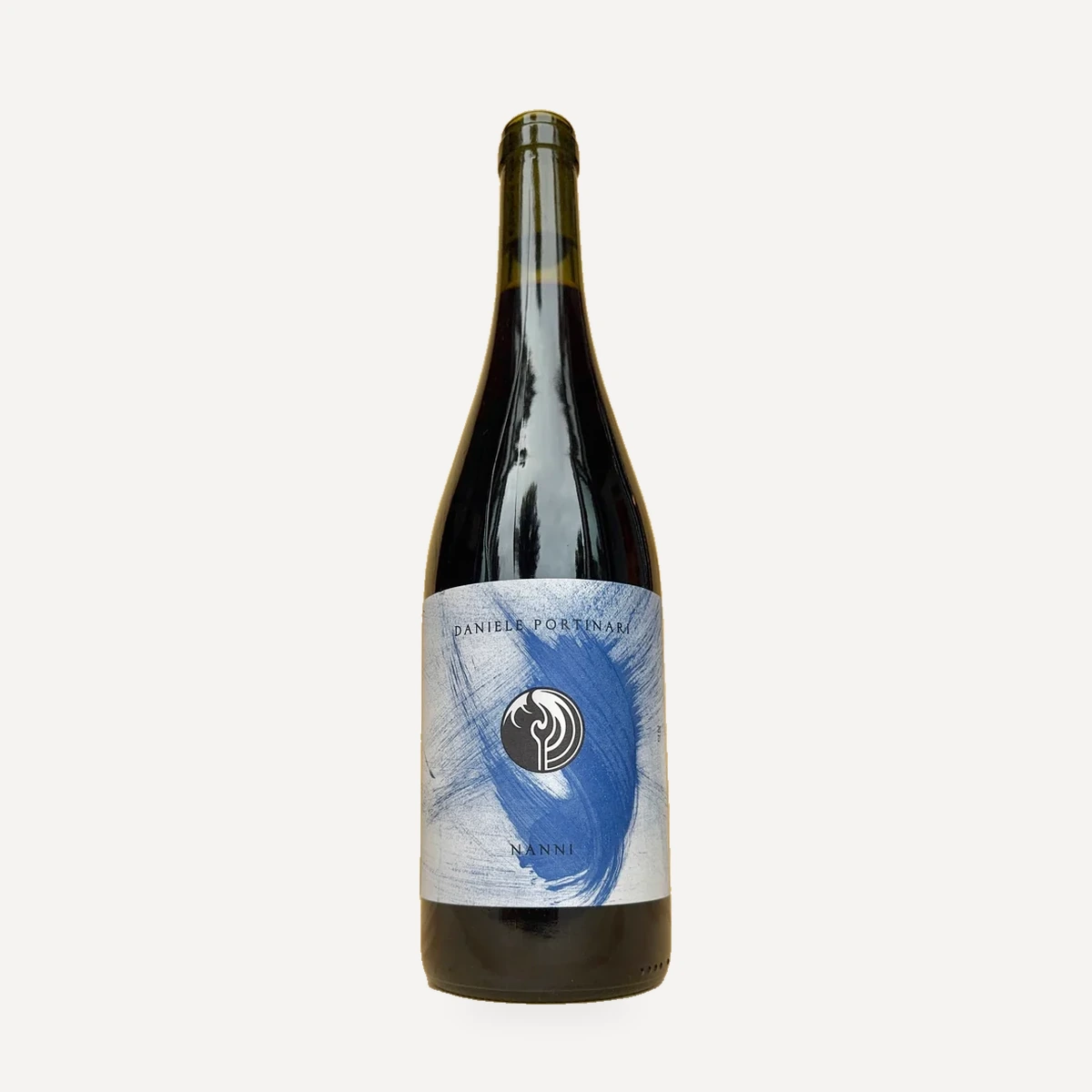
The estate’s story formally begins in 2008, when Daniele Portinari changed the direction of his life to devote himself fully to several hectares of vines belonging to his family. His father, Angelino, helped him begin making wine. Their first label was NANNI, a Bordeaux-style blend of Merlot and Cabernet Sauvignon.
Daniele Portinari also became a producer member of VinNatur in 2008. The association brought together approximately 170 estates committed to respecting their land, vines and natural cycles while limiting invasive or toxic chemical agents and reducing technological intervention through experimentation in both vineyard and cellar.
Expansion of the range
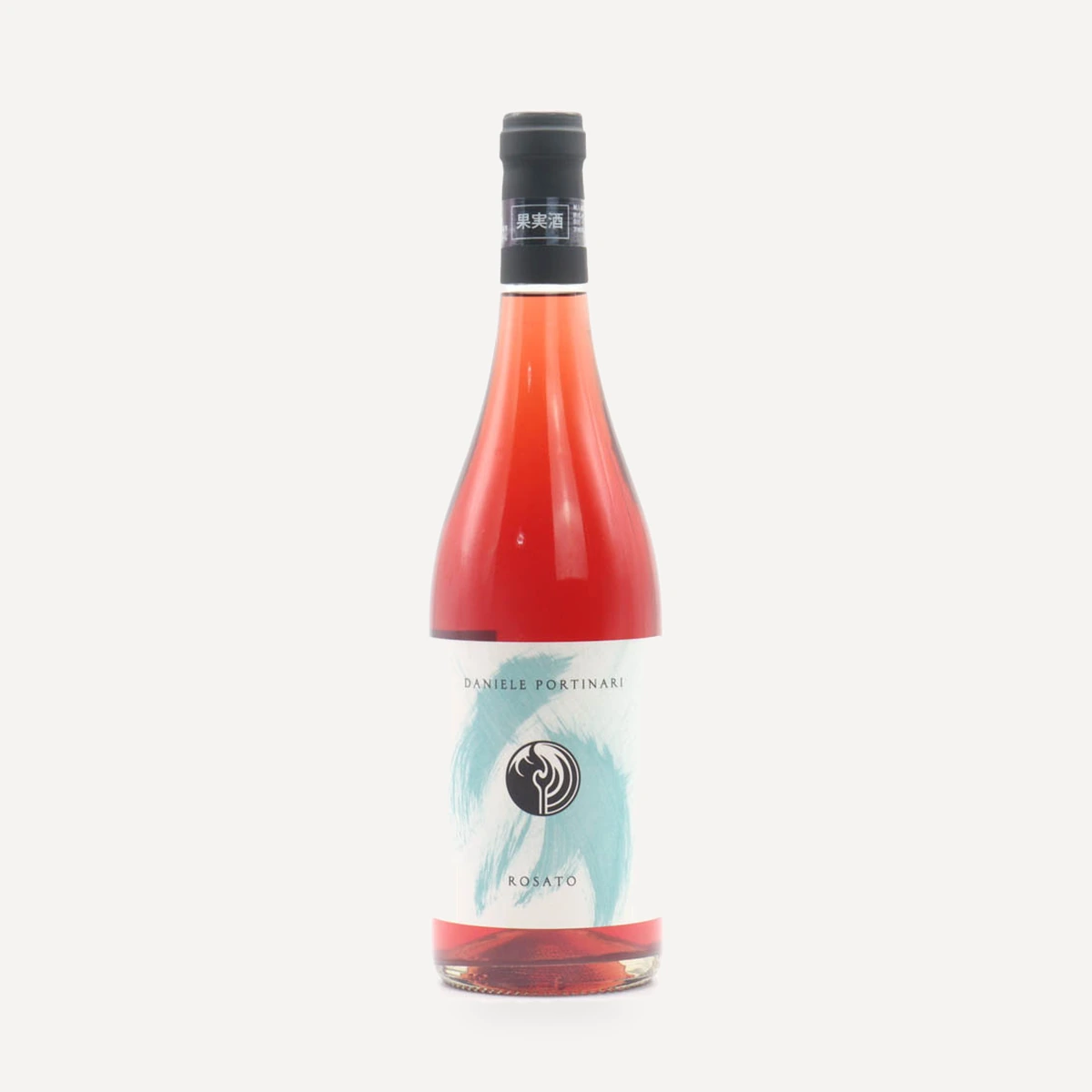
Additional wines followed NANNI over subsequent years. Garganega was introduced with the first harvest of a small, very young vineyard in 2013. Merlot was created in 2016 as a wine intended for production only in seasons when the grapes achieve optimal ripeness throughout the period from spring to harvest. Pietrorosso followed in 2018, conceived as a fresh, relatively low-alcohol wine for early drinking. Rosato was subsequently developed as a fresh, youthful interpretation of Tai Rosso.
The estate today
Daniele now runs the estate with the help of his son Giovanni, continuing the involvement of successive generations of the Portinari family. The range is described as comprising seven labels, each different in character but intended to represent the Colli Berici.
Terroir
Location and landscape
The estate operates at Alonte in the Province of Vicenza, within the Colli Berici. This territory is a group of hills whose geology includes calcareous sedimentary rocks of both volcanic and marine origin.
Soils
Over time, the parent rocks developed into red-clay soils containing abundant coarse mineral material. These skeletal soils provide the hills with strong natural drainage. Tai Rosso is particularly well adapted to the leanest and driest sites.
Climate
Rainfall is low, and the hills have a Mediterranean climate that differs markedly from the surrounding plains. The combination of low rainfall, warmth and well-drained ground supports grapes capable of producing intensely aromatic, structured wines.
Tai Rosso
Tai Rosso is regarded as the emblematic variety of the Colli Berici. Its genetic identity is shared with Cannonau in Sardinia, Grenache in France and Garnacha in Spain. Its presence in the Colli Berici has been documented for centuries. The variety is vigorous and requires particularly favorable exposure to light and heat to express itself fully; the dry, lean soils of the hills provide a fitting habitat.
Vinificazione
The vineyards are worked organically, with synthetic compounds excluded. Copper and sulfur are the only crop-protection materials identified. The overriding objective is to obtain healthy grapes through knowledgeable fieldwork and the least invasive intervention possible.
The approach gives primary importance to work in the vineyard: the quality and individuality of the finished wine are treated as consequences of how the vines and grapes are managed. As a VinNatur producer member, the estate aligns itself with respect for the territory, the vine and natural cycles, using experimentation to limit invasive and toxic chemical agents and reduce dependence on technology. Some grapes are gathered by hand or into crates where required by the individual cuvée.
The cellar approach is based on spontaneous fermentation with yeasts naturally present on the grapes and in the must. Selected yeasts are not used to direct or assist fermentation, allowing each vintage to retain its own character.
The wines are not subjected to corrective treatments, enrichment, fining or filtration, and the estate avoids other modifications that could materially alter them. This low-intervention cellar practice follows the same principle applied in the vineyard: healthy fruit and accumulated practical knowledge replace invasive treatment. Depending on the cuvée, the vessels employed include stainless-steel tanks and used oak barrels, but the unifying production principles are spontaneous fermentation and minimal alteration.
Filosofia
Natural wine is presented as a deliberate working choice rather than simply a cellar style. Daniele Portinari’s guiding belief is that good wine depends on keeping the entire chain—from vineyard to cellar—as healthy as possible.
The estate places knowledge ahead of invasive treatment. Its objective in the vineyard is healthy fruit obtained through organic cultivation and minimal intervention; in the cellar, the same principle leads to spontaneous fermentation, the rejection of selected yeasts and the avoidance of corrective or modifying processes.
Fieldwork is treated as the foundation of quality. The cellar is intended to preserve, rather than standardize, what comes from the grapes. Naturally occurring yeasts and the absence of fining, enrichment and filtration are meant to protect the individuality of each wine and allow differences between vintages to remain visible.
Membership in VinNatur reflects a broader commitment to the land, the vine and natural cycles, together with an experimental effort to reduce invasive chemical agents and unnecessary technology in both vineyard and cellar.
Vini
Nanni
Pietrobianco