Storia
Family vineyards before the estate
Davide Spillare grew up in Gambellara, surrounded by the hills and vineyards near his family home. His great-grandfather Cristiano and grandfather Antonio cultivated grapes but did not make wine independently, delivering their harvests to the village cooperative winery.
Interested in tractors and farm work from childhood, Davide went on to study agriculture. At the age of twenty, he decided to recover the family’s old vineyards, explore natural viticulture, and turn this project into his profession.
2007: the estate and its first wines
Davide established the estate on the family’s old land in 2007, when he was twenty. The first bottles were released in the same year. He chose natural winegrowing at a time when this approach still occupied a small niche. His encounter with grower Angiolino Maule was formative: Maule introduced him to the foundations of cultivation without herbicides or chemical fertilizers.
Davide’s grandfather Antonio initially doubted the new direction. Concerned that avoiding conventional inputs might cost the family its crop, Antonio insisted on chemical fertilization. Davide reassured him and, in one episode, scattered gravel in the vineyard while allowing his grandfather to believe that it was a chemical treatment. The vines were actually cultivated according to Davide’s natural principles, without chemical vineyard treatments. The successful crop helped convince the family that the approach could work.
Japan and international expansion
A visit from a Japanese importer became another turning point. When Antonio saw the importer arrive to taste the wines and understand how they were made, he finally accepted the path his grandson had chosen. Japan became the estate’s first foreign market. The wines subsequently reached specialist wine shops and Michelin-starred restaurants abroad.
International sales now account for approximately 80% of the estate’s wine. Markets named across Europe and North America include London, Paris, Denmark, Sweden, Canada, and the United States.
The present estate
Davide Spillare now independently manages 8 ha of owned vineyards within vineyard holdings described as approximately 10 ha overall. The range comprises six wines. The introduction of the estate’s second sparkling wine and first traditional-method bottling followed several years of research and trials, opening a further chapter in its production.
Terroir
The vineyards are in Gambellara, in the province of Vicenza, with the Colli Berici on one side and the Valchiampo and Valpolicella areas on the other. The territory is historically associated with white grapes. Its geology is volcanic in origin, and much of its soil contains a substantial clay component.
The holdings extend across both plain and hillside environments. Approximately 3 ha are described on the plain and 7 ha on the hills. The plain vineyards grow in rich, sandy soils, with some sites described more specifically as clay-sand. The hillside vineyards occupy clay-rich volcanic ground; some are steep, and their elevated positions provide good exposure to sunlight. The estate associates these hill soils with the pronounced mineral character of its wines.
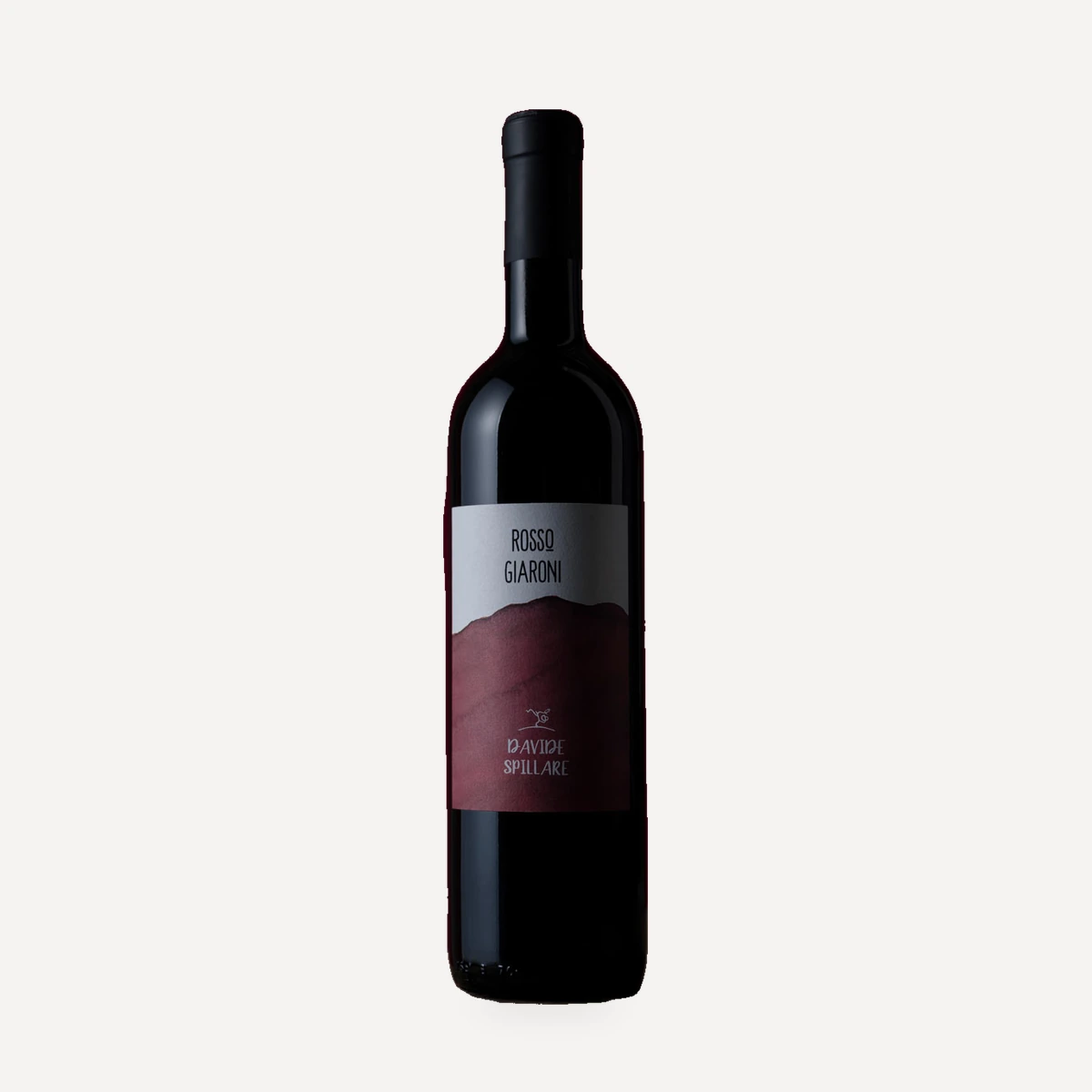
The Maso locality reaches 360 m above sea level. Rugoli is reached by a steep road rising from the winery toward the hill, while Giaroni is another separately named vineyard locality. Across these sites, soils range from sandy-clay on the plain to clay-volcanic on the hills.
Vinificazione
Davide Spillare follows a self-described natural cultivation model centered on reduced intervention and the production of less wine at higher quality. Herbicides, chemical fertilizers, and chemical vineyard treatments are excluded. No certification organization or formal organic certification status is identified.
The approach treats agricultural land as something held in trust for future generations. Care, personal effort, and accumulated knowledge are presented as the means of preserving the soil and, where possible, improving it. Davide maintains that restoring damaged ground can require at least fifteen years before the soil is healthy enough to support vines capable of producing high-quality fruit.
The vineyards are cultivated under both pergola veronese and Guyot systems. Yields differ sharply by terrain: around 80 quintals per hectare on the more productive plain and 30–40 quintals per hectare on the hills. Grapes are harvested by hand and subjected to strict selection before vinification. The estate controls the full sequence from vineyard management through harvest and cellar work.
Production is carried out in a restored section of the family’s stone house. The building has been adapted into a functional winery with one area for pressing, fermentation, and vinification and another reserved for tastings. Its barrel room contains barriques, oak vessels, and stainless-steel tanks; a 25 m² space within this area is used for private and importer tastings.
Davide Spillare manages the process from vineyard to harvest and vinification. Grapes are picked by hand and rigorously selected. The general cellar approach favors direct pressing, limited filtration, maturation in stainless steel, and selective use of small oak barrels. Spontaneous fermentation, open fermentation vessels, skin contact, and unfiltered bottling are employed within parts of the range, while both stainless steel and 15 hl oak vessels are used for maturation.
The guiding objective is to allow grapes to become wine with minimal interference in either vineyard or cellar while avoiding technical faults. Production encompasses direct-pressed still wines, skin-contact lots, bottle-refermented sparkling wine, and traditional-method sparkling wine. The latter was developed through several years of research and trials.
Filosofia
Davide Spillare’s philosophy begins with the idea that land is borrowed rather than possessed and must be returned intact or improved to those who follow. Care, sacrifice, and knowledge underpin this responsibility. The aim is not maximum volume, but a smaller quantity made with greater attention and quality.
In the vineyard, this position translates into natural cultivation without herbicides or chemical fertilizers. In the cellar, it becomes a commitment to minimal interference, restrained filtration, and methods intended to preserve the identity of the fruit and its place of origin.
Davide describes his objective as making truthful, artisanal wines that respect their territory without accepting technical defects as an inevitable feature of craftsmanship. The producer’s personality is also regarded as an inseparable element of each wine.
Garganega occupies the central place in this vision. Its versatility permits several approaches to vinification, while its ability to develop through extended bottle ageing is treated as an important strength. The volcanic hills and their perceived mineral expression provide the territorial signature the wines are intended to convey.
Vini
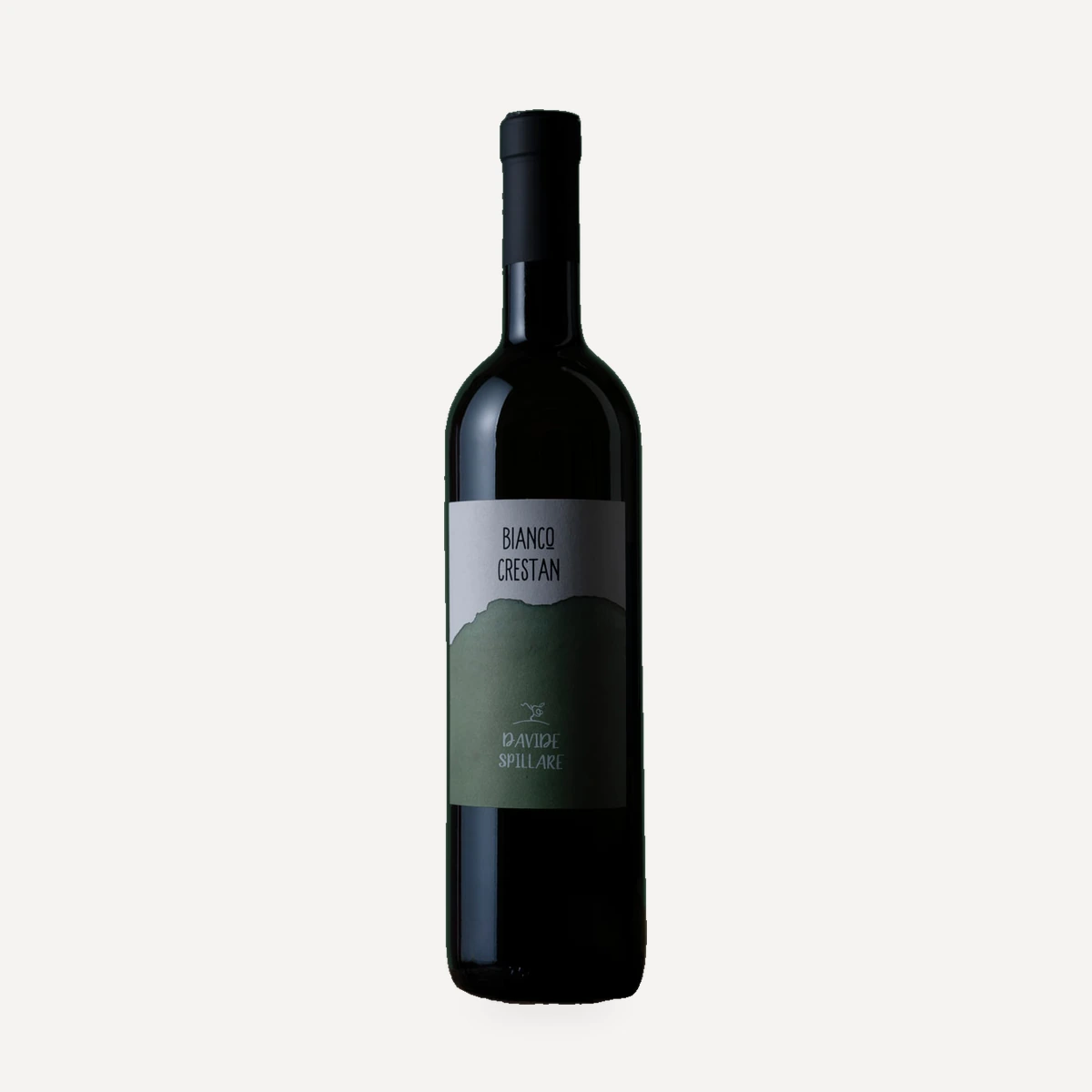
Bianco Crestan
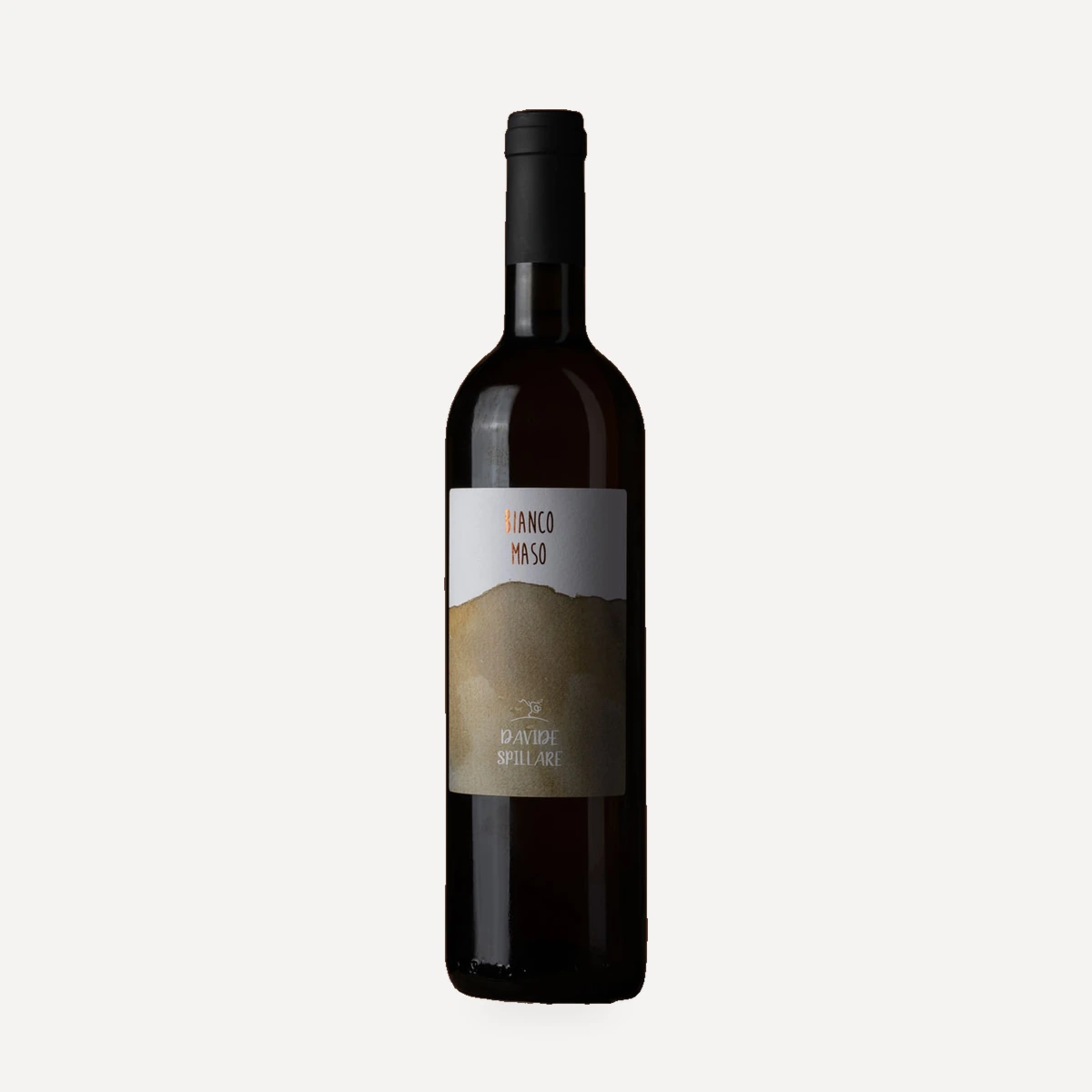
Bianco Maso
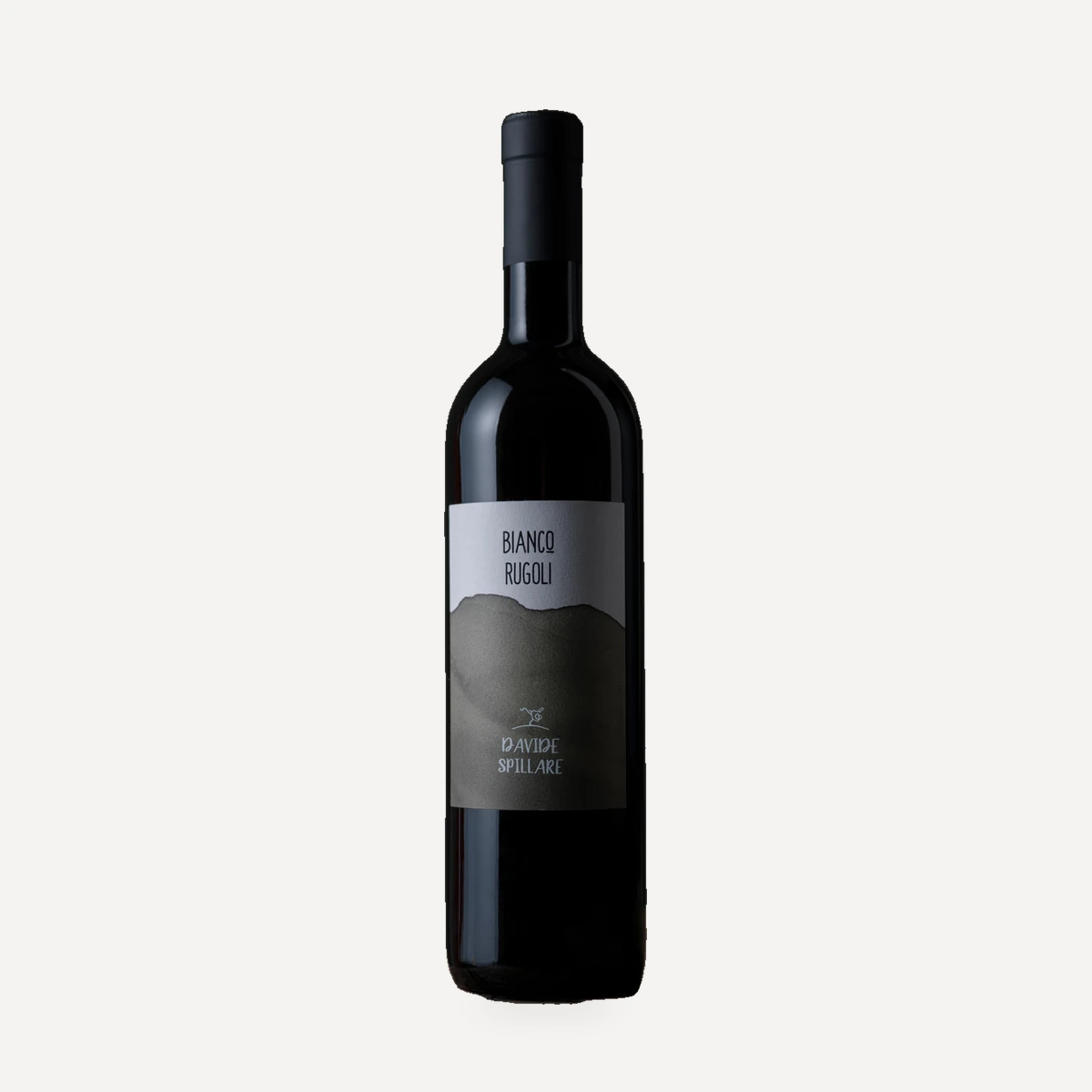
Bianco Rugoli
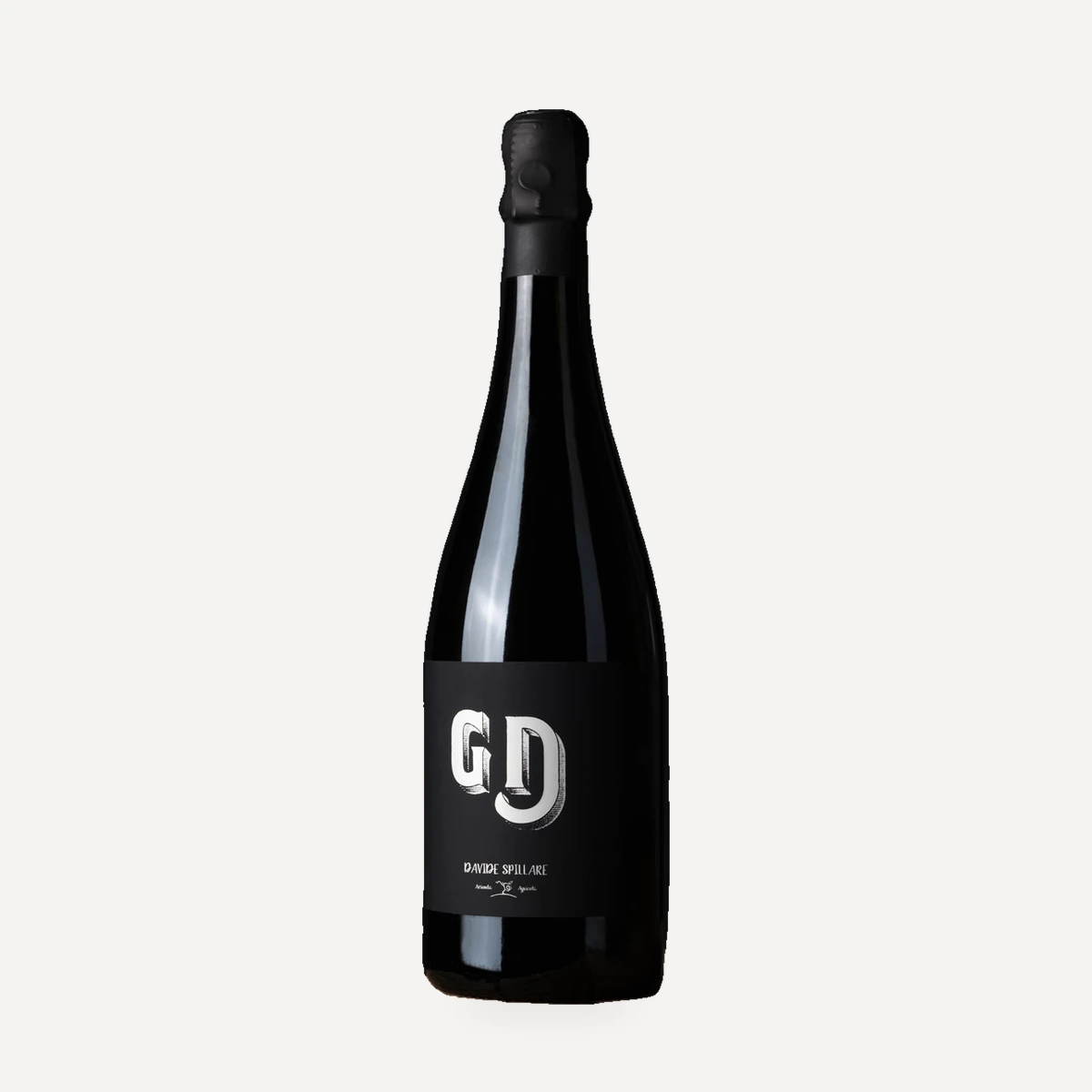
GD
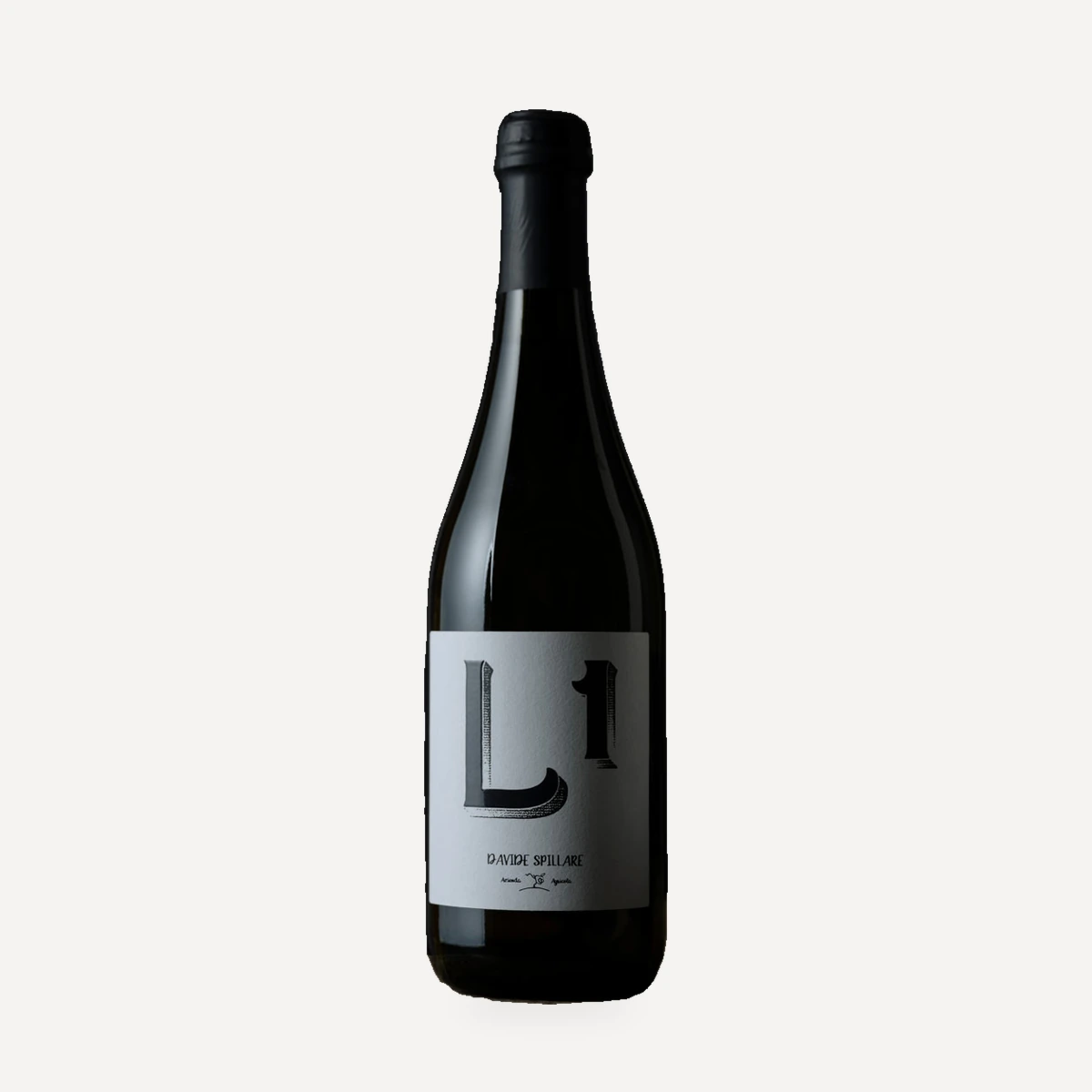
L1