Questo vino
Vineyard and terroir
The grapes grow in the estate’s vineyards near Orvieto, within the traditional Orvieto Classico production area, at 320 m above sea level. The vines were planted between 1984 and 2023 and are farmed organically. Southeast- and southwest-facing slopes provide ample sunlight, while frequent winds contribute to the local Mediterranean microclimate.
The source describes both sandy clay soils dating to the Pliocene and clay-and-marl soils from the Miocene. Marine fossils, including shells and oysters, occur throughout the soils and reflect the sea that covered the area millions of years ago.
Vinification
The entire winemaking process takes place in stainless-steel tanks to preserve freshness and the varieties’ bright character.
Tasting profile
Elegant and savoury, with an intense mineral aroma and a fresh, fruity palate.
Label / history
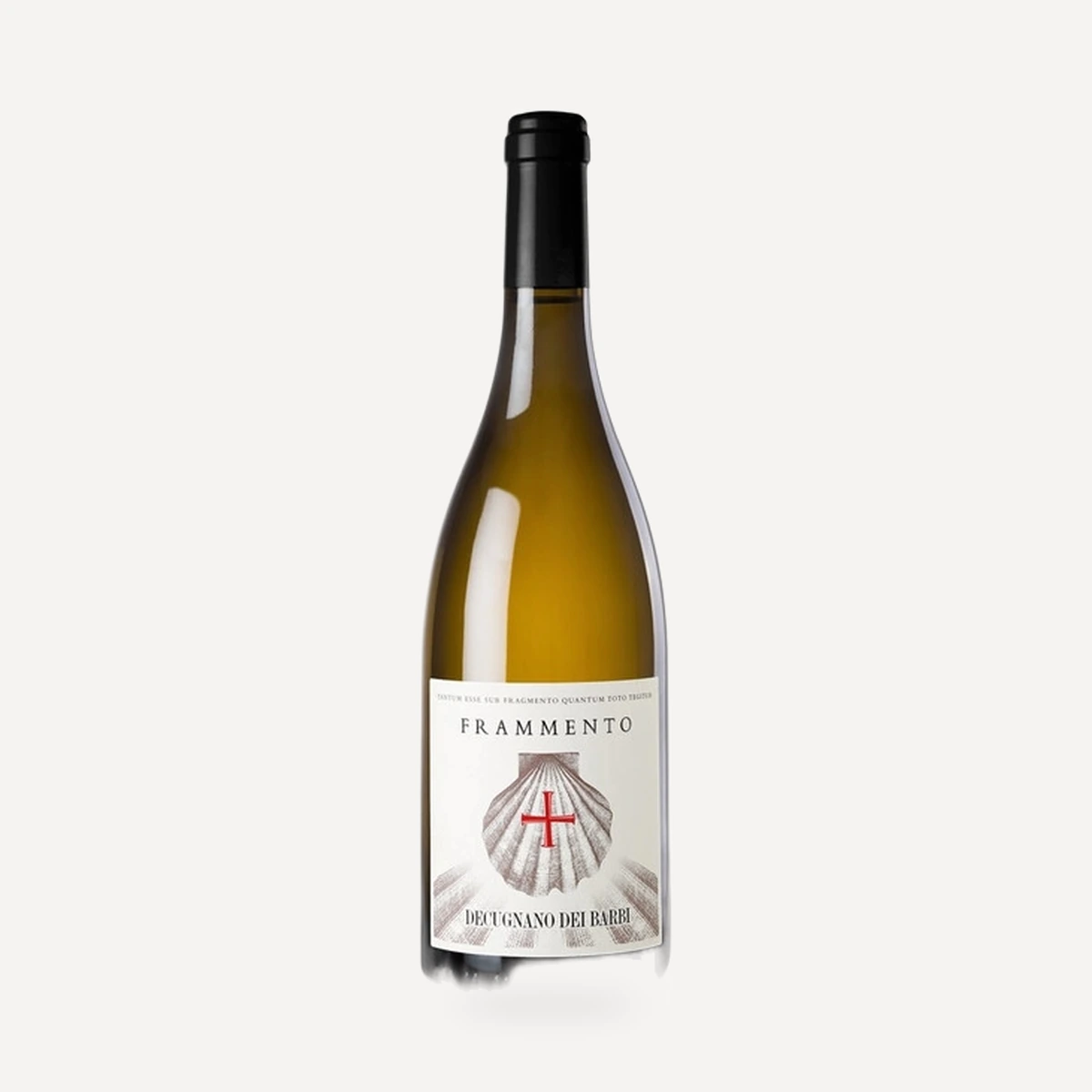
“Frammento” means “Fragments” in Italian and refers to the marine fossils found in the vineyard soils. The label depicts a shell and carries the Latin inscription “Tantum esse sub fragmento, quantum toto tegitur,” expressing the idea that a fragment—a sip of wine—can contain the complete character of its terroir.
The name Decugnano has been documented for at least eight centuries. A thirteenth-century record identifies the Catholic Church as the owner of the Santa Maria Decugnano vineyard, while archaeological evidence places local winegrowing in Etruscan times. Claudio Barbi acquired the vineyard in 1973, and the first Decugnano dei Barbi wines were released in 1978 after five years of work.