Storia
Medieval origins
In the 13th century, the Holy Roman Emperor granted the Bishop of Vicenza the right to collect tribute from the then-uncultivated Colli Berici. The bishop divided the territory into agricultural holdings known as masi, each measuring between 25 and 50 local campi, and entrusted them largely to German settlers considered particularly capable of clearing uncultivated land.
One of these holdings occupied the summit and steep sides of an isolated, sunlit hill about 300 metres above sea level, formed by an ancient volcanic vent and overlooking the Valle del Gazzo. Water was available from the nearby Fontana del Monte. The summit and slopes were planted principally with vines, alongside smaller areas of olive trees, cherry trees and vegetables.
German was spoken in the Colli Berici from the late 13th century until the 16th century. The holding became known as Rébene, meaning vineyard or vines in the old Cimbrian/German language. An old map naming the road to the hill “del Rebene” preserves evidence of this long viticultural association.
The Sorio bequest and growth of the hamlet
In 1672, the estate appeared in the will of the childless nobleman Francesco Sorio. He transferred it, together with other property, to a commissaria charged with administering the assets and using their proceeds to provide annual dowries for five young women from respectable families who lacked the necessary means.
Over subsequent centuries, the original settlement grew into a rural hamlet of three adjoining farmhouses with a stable and bread oven. Land-register records from the end of the 18th century document olive cultivation on the property.
Abandonment after the Second World War
Approximately 30 people still lived in the hamlet during the 1940s. In the early 1950s, following the Second World War, its residents moved to the cities and Rébene was abandoned. Roofless buildings disappeared beneath ivy, brambles and wild clematis. Old vines remained trained to field maples and ash trees—locally called Opi and Orni—but were overwhelmed by vegetation. Former vegetable terraces likewise became covered by scrub.
Recovery from 1990
In 1990, a young local man led Francesco Castegnaro to the abandoned property along a narrow, overgrown path. The hill’s exposure, landscape and surviving agricultural traces convinced him to restore Rébene to vine and olive cultivation while respecting its natural setting and historical memory.
Francesco began recovering the buildings, vineyards and centuries-old stone terraces. The former hamlet was restored as the centre of the agricultural estate and later provided space for hospitality. Traditional vineyards were replanted or recovered with Carmenère and Tai Rosso, accompanied by Cabernet Franc, Cabernet Sauvignon and a small amount of Garganega. Three hectares of olive trees were replanted on the steep terraces, principally with Rasara, Leccino, Pendolino and Coratina.
Organic farming and the present estate
Natural and organic methods became central to both cultivation and processing. Legal organic certification was obtained during the 2000s, and the current presentation dates certification from 2009. Biodynamic techniques are also used in the vineyards and olive groves.
The property now extends over 23 hectares. Its cultivated core lies around the restored hamlet and is isolated from neighbouring agriculture by broadleaf woodland. Del Rèbene produces organic wines and extra-virgin olive oil and operates agritourism accommodation and guided vineyard, olive-grove and cellar visits.
Terroir
Del Rèbene occupies a sunny, isolated hill above the Valle del Gazzo at approximately 300 metres above sea level. The hill originated from an ancient volcanic vent, while the wider Colli Berici arose about 60 million years ago through uplift of the former seabed under pressure from subterranean magma. Coralline deposits and marine origins contribute abundant carbonates to the area’s soils.
The estate’s slopes are steep and predominantly south-facing; olive terraces also face south to south-east and have an average gradient exceeding 40%. The vineyard soils are described as clay-rich, calcareous and of marine origin. White limestone is accompanied in places by friable iron-bearing stone.
The southern Colli Berici have a temperate, Mediterranean-like microclimate. Del Rèbene is dry, sunny and constantly ventilated, with marked day–night temperature changes associated with its elevation. The deep Valle del Gazzo channels morning and evening breezes through the property. These conditions promote full ripening of Carmenère, Tai Rosso and Cabernet Sauvignon and are associated with thick grape skins rich in tannins and anthocyanins.
The cultivated area is enclosed by mature broadleaf woodland, including hornbeam and downy oak. The nearest external crops are more than one kilometre away, creating substantial isolation from potential agricultural contamination. The hill and valley form a natural amphitheatre, and the Valle del Gazzo is included among Italy’s protected natural and scenic landscapes.
Vinificazione
Vineyards and olive groves are cultivated organically and are legally certified. The current estate presentation dates certification from 2009 under EC Regulation 834/2007. Biodynamic techniques supplement the organic regime.
The cultivated core is surrounded by old broadleaf woodland, while the nearest other agricultural holdings are more than one kilometre away. This physical isolation is intended to protect the vines and olives from contamination originating in neighbouring crops. Morning and evening air movement from the Valle del Gazzo, constant ventilation and the dry Mediterranean-like microclimate further favour low-intervention cultivation.
Vines are Guyot-trained on vertical trellises, at a density of 4,000–4,500 vines per hectare. Production is kept at approximately 50 quintals per hectare. Irrigation is available as emergency drip irrigation. Grapes used for the estate’s red wines are harvested by hand; cellar experiences likewise present the wines as products of natural methods.
Historic dry-stone retaining walls, locally known as masiere, support the steep agricultural terraces. Some have been reconstructed during the recovery of the abandoned estate. These terraces make cultivation possible on the property’s severe slopes and preserve an element of the historic Colli Berici landscape.
Wine is made in the estate cellar using a process presented as natural. Guided visits follow the production sequence from the Carmenère, Tai Rosso and Cabernet Franc vineyards into the cellar, where the individual stages are explained.
For the estate’s red-wine production, grapes are harvested manually. The documented cellar practice includes prompt destemming, gravity transfer into the fermentation vessel, spontaneous fermentation initiated with a pied de cuve prepared from estate grapes, and use of indigenous yeasts. Fermentations take place in glass-lined concrete tanks and are managed with daily pump-overs and punch-downs. Following draining and pressing, wines may be racked and matured in glass-lined concrete; the cellar also uses extended concrete ageing to preserve varietal character. Bottling is carried out at the estate.
The exact choices and ageing periods vary by wine and vintage. No single estate-wide specification is given for fermentation temperature, sulphur additions, clarification, filtration, malolactic conversion or bottle ageing.
Filosofia
Del Rèbene’s project is founded on returning an abandoned historic property to its agricultural vocation without separating cultivation from the memory of the place. The recovery of the hamlet, vines, olive trees and dry-stone terraces is treated as a single act of landscape preservation.
The estate seeks to give the traditional varieties Carmenère and Tai Rosso their fullest expression, while allowing the site’s altitude, calcareous marine soils, ventilation and temperature variation to shape the fruit with limited intervention. Organic farming, biodynamic techniques, woodland isolation and natural cellar methods form the practical basis of this approach.
Its stated quality principle extends beyond sensory performance: wine should also be sustainable and, wherever possible, organic, reflecting a responsibility to protect the environment. The same philosophy underpins the restoration of historic masiere, preservation of biodiversity and cultivation without routine conventional pesticides.
Wine, olive oil and hospitality are presented as interconnected expressions of the Colli Berici and their Cimbrian agricultural history rather than as separate activities.
Vini
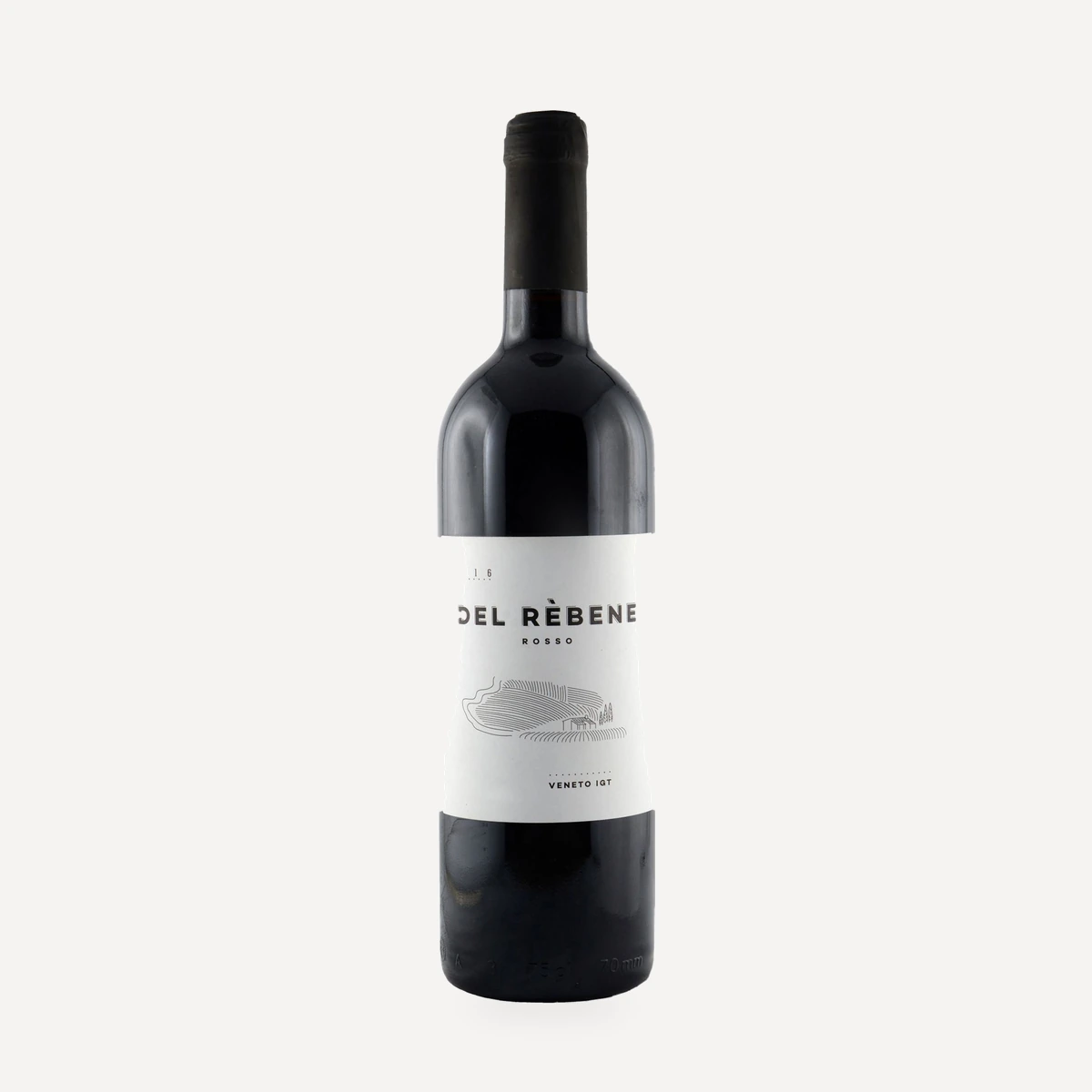
Carmenère Veneto IGT
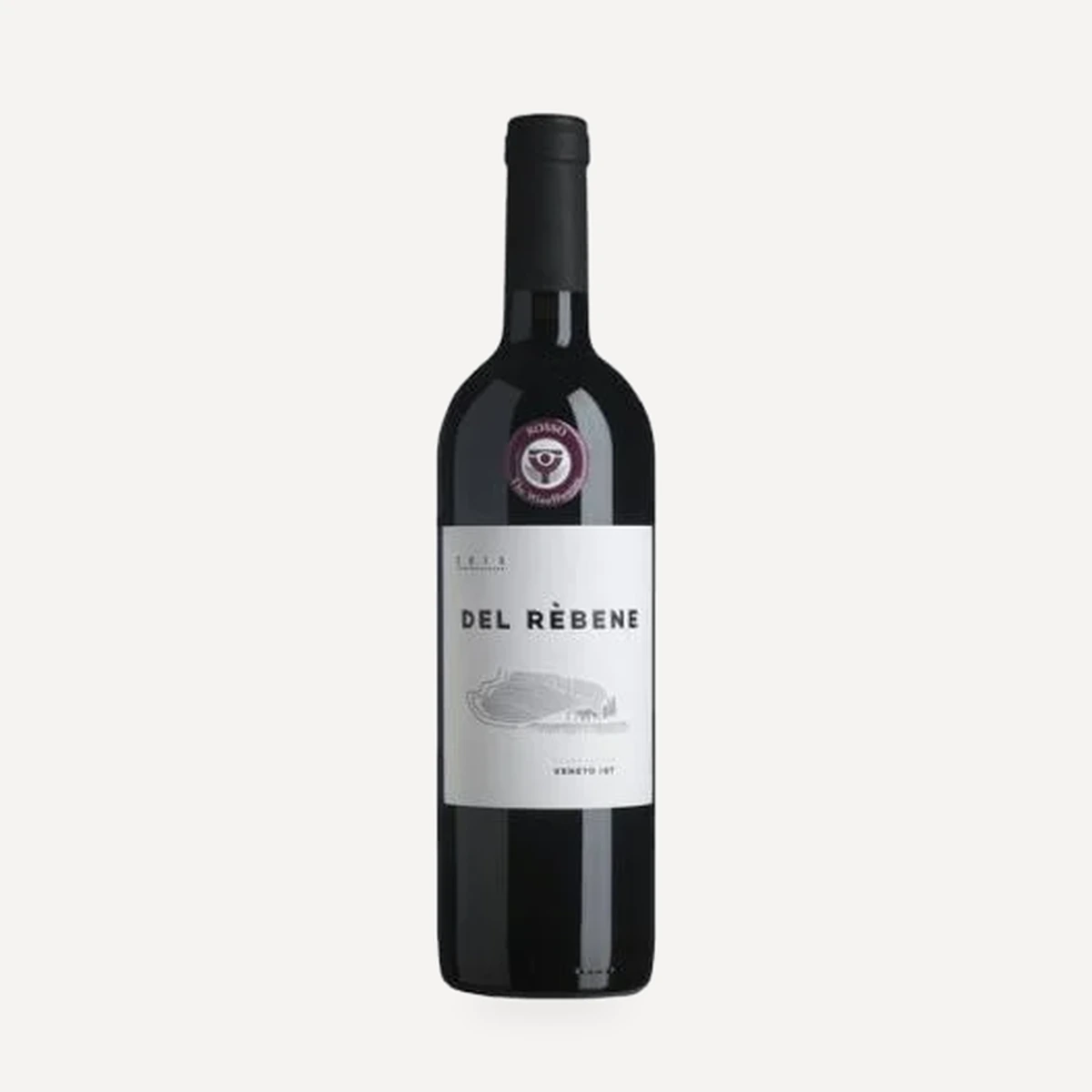
Special Vintage Del Rèbene, Rosso Veneto IGT
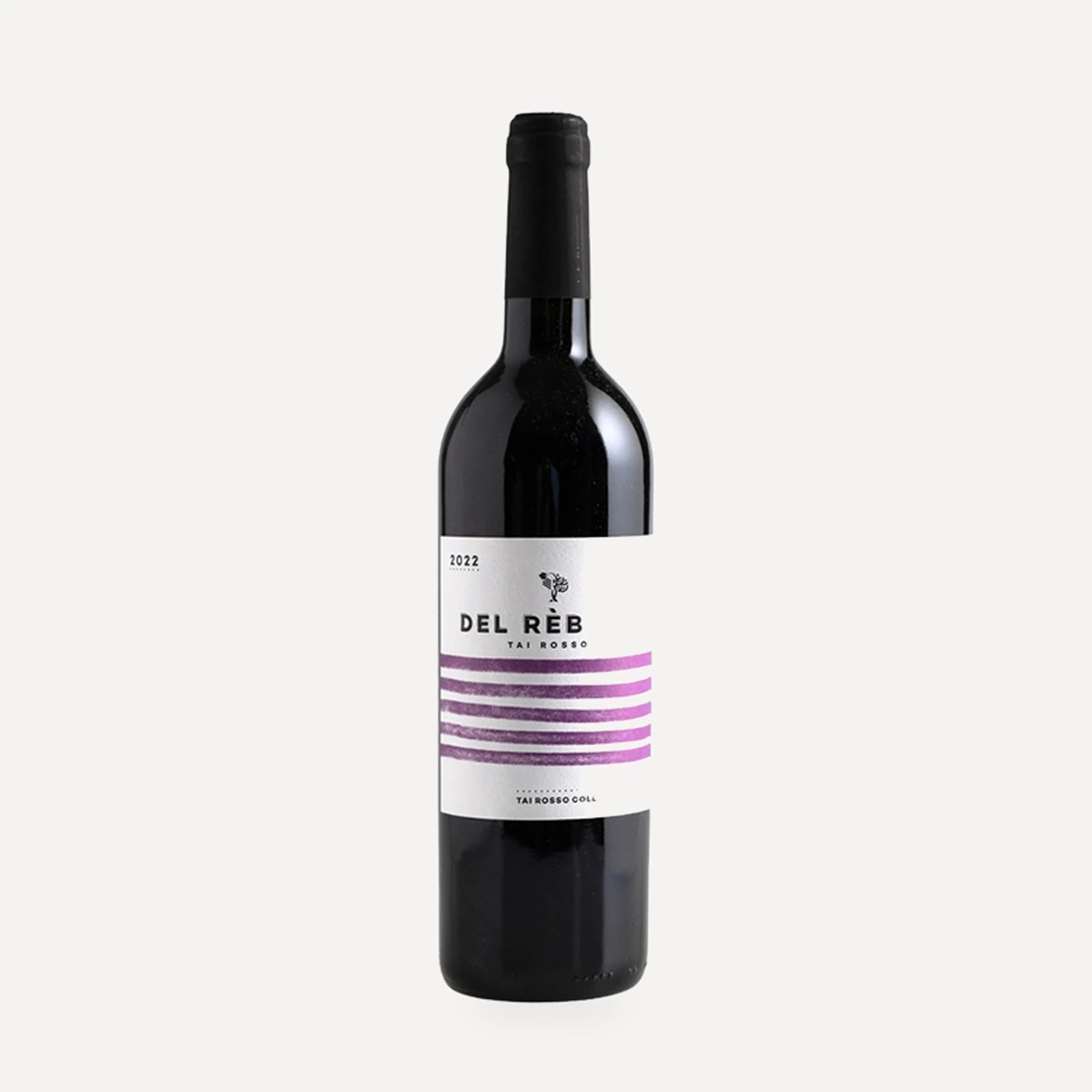
Tai Rosso Colli Berici DOC
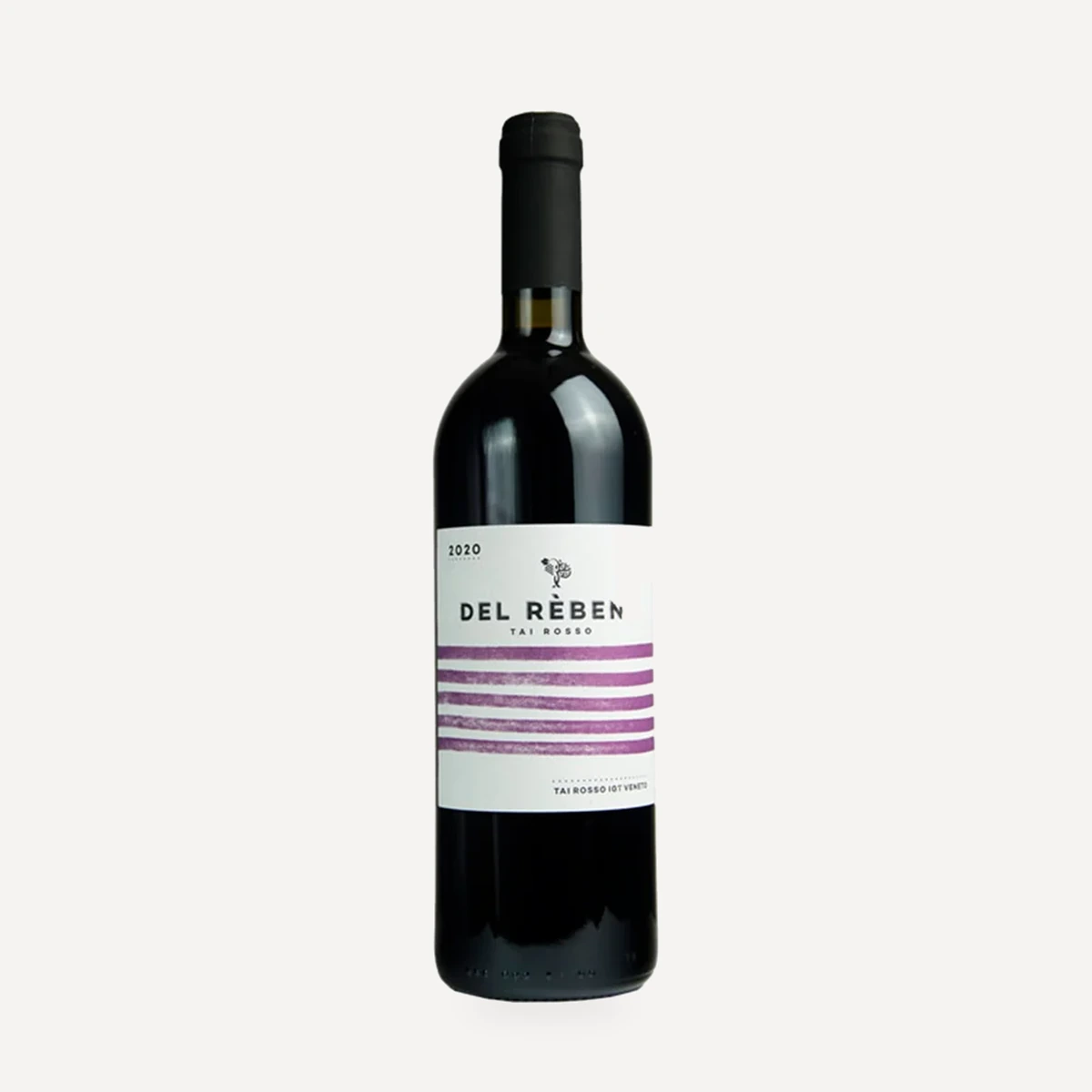
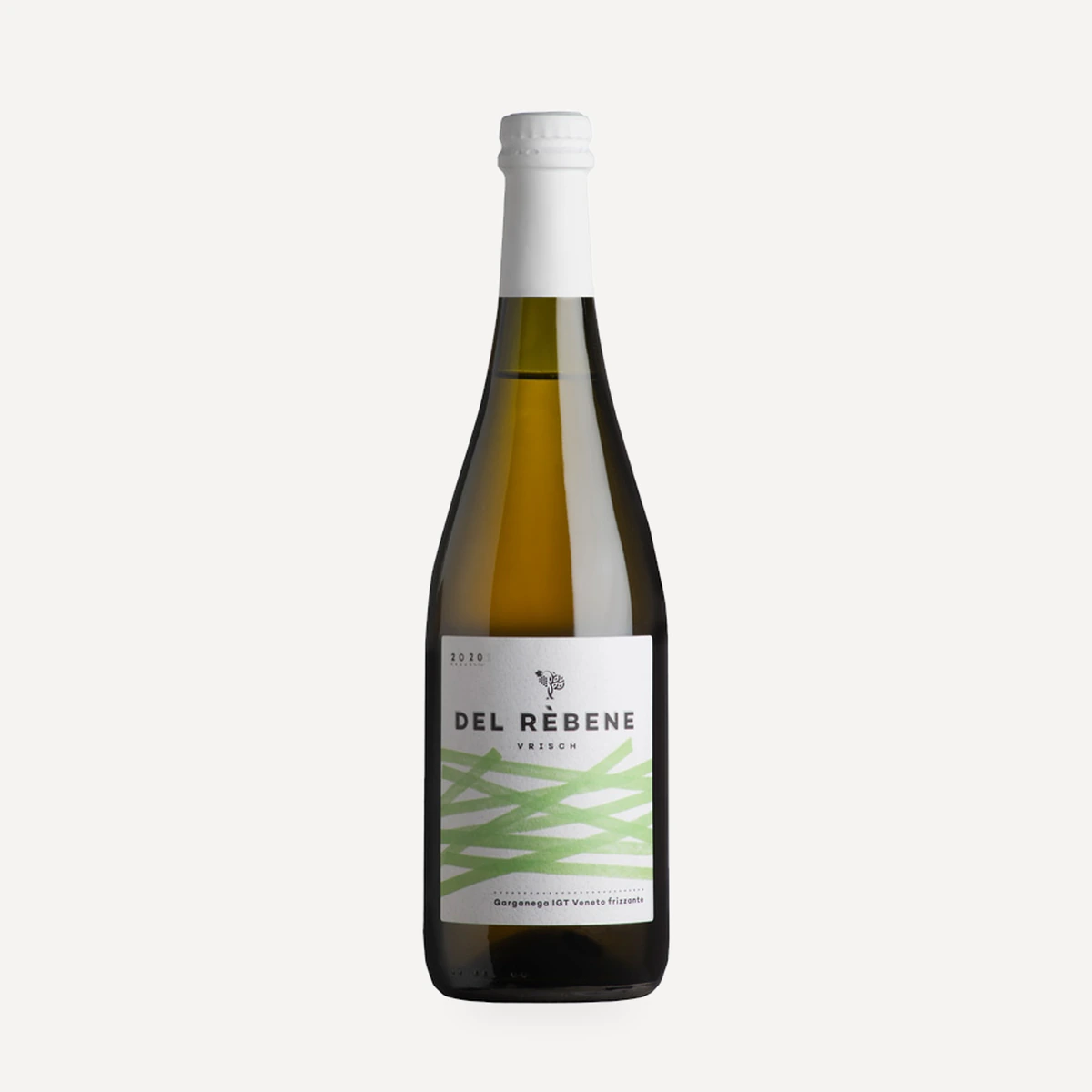
Tai Rosso Veneto IGT