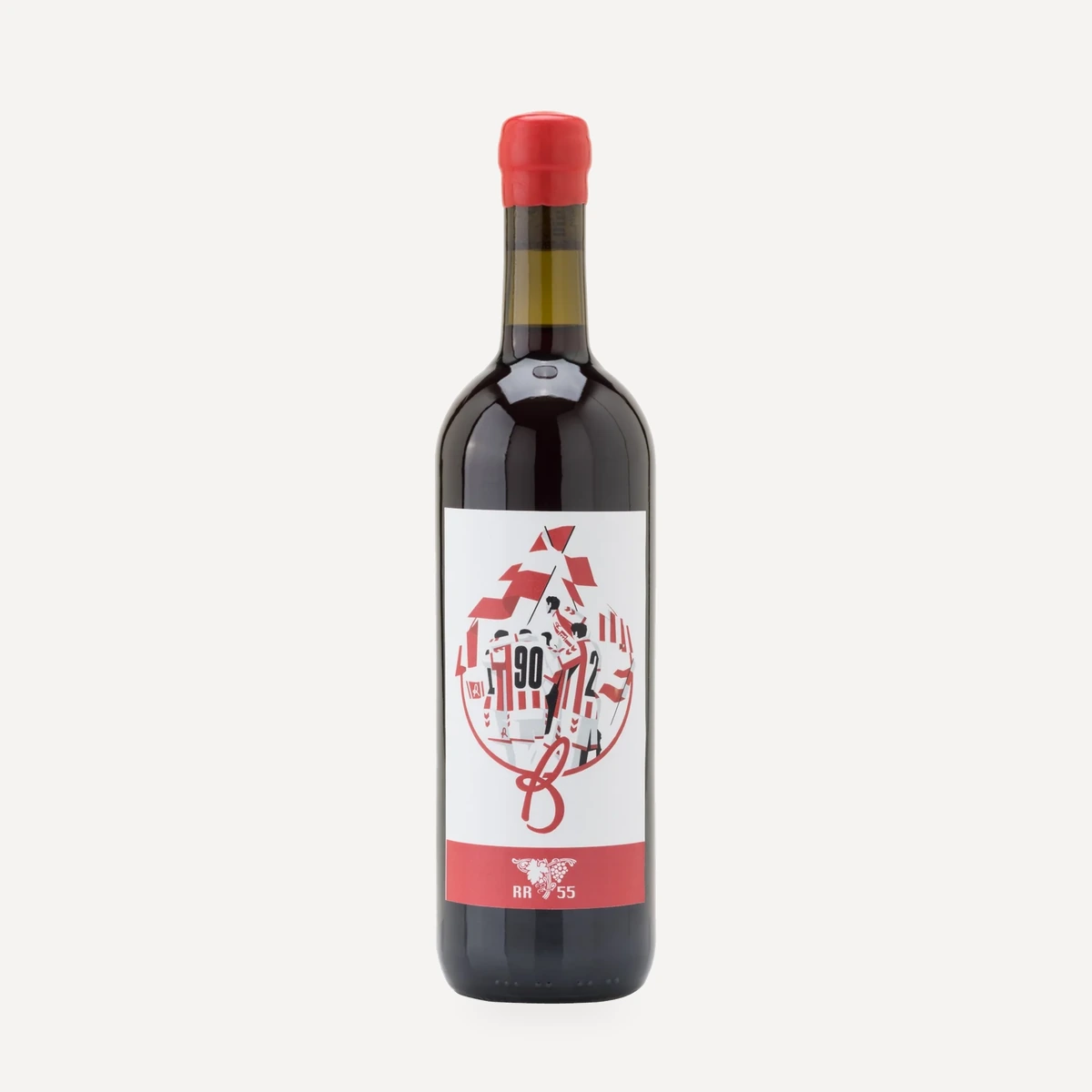
Storia
1993 — The creation of Diesel Farm
In 1993, Renzo Rosso acquired an estate of more than 100 hectares in the hills of Marostica, close to the historic centre. The property became Diesel Farm, fulfilling his ambition to establish a farm rooted in the rural world of his childhood. Rosso has described the acquisition as saving the land from a future of concrete development.
The estate’s hilly terrain and extensive surface subsequently developed into an integrated landscape of vineyards, olive groves, fruit trees, vegetable plots, woodland and pasture. Its animals are raised outdoors, while cultivation follows traditional practices combined with an emphasis on biodiversity. The woods, unpaved roads and surrounding countryside remain open to visitors, without gates, fences or formal boundaries.
1999 — The first bottle
Diesel Farm produced its first bottle in 1999. Oenologist Roberto Cipresso directed this initial winemaking phase.
Development of the estate and cellar
Diesel Farm continued to develop as an agricultural ecosystem rather than solely as a wine property. Studies, research and collaboration with specialists were used to improve the condition of the plants and soil and to build an environmentally sustainable farming model.
A traditionally conceived cellar was constructed among the hills of San Benedetto, a few kilometres from Bassano del Grappa. Its stone and brick environment provides the quiet, mild conditions and humidity used for prolonged maturation. Depending on the intended development, wines may remain for as long as ten years in steel, cement or oak vessels, or in bottle.
The estate subsequently opened its winery, barrel cellar, vineyards and landscape to guided visits and tastings. Cucina Diesel Farm was also created to connect the agricultural work of the property with seasonal dining based primarily on ingredients grown on its hills.
Terroir
Diesel Farm lies in the hills of Marostica, in the province of Vicenza and at the foot of the Prealps. The estate occupies five hills at approximately 300 metres above sea level and extends through a landscape of vineyards, woodland and pasture between Marostica and Bassano del Grappa.
The property is positioned 55 kilometres in a straight line from both the mountains and the sea. The meeting of maritime and mountain air currents creates its particular microclimate. Mild conditions and balanced humidity support the surrounding vegetation and also shape the cellar environment.
The wider ecosystem includes wild boar, roe deer, squirrels, bees, bumblebees and numerous wild bird species. Hawks have returned after a long absence, regarded within the estate as evidence of renewed habitat protection. Woodland, gently rising and falling dirt roads, open pasture, vineyards and olive groves form a continuous landscape without gates, fencing or formal borders.
Vinificazione
Viticulture is integrated into a mixed agricultural ecosystem that also includes olive trees, fruit trees, vegetables, woodland, pasture and free-ranging animals. Cultivation combines traditional agronomic practices with flowering green manure and a practice termed “dry framing.” Synthetic chemicals are avoided.
Biodiversity is treated as a central element of the farming system. The estate seeks to return organic matter to the soil through its cultivation practices and uses ongoing study, research and collaboration with agricultural specialists to improve plant and soil well-being. Seasonal rhythms are accepted without forcing productivity, flavour or preservation, and the landscape is allowed to change naturally through the year.
Grapes are harvested and pressed before the resulting wines enter prolonged cellar maturation. The property’s visitor programme includes walks through the vineyards focusing on vine-training systems and its broader agricultural approach.
Diesel Farm’s cellar was built according to a traditional conception, with stone and brick walls and a naturally quiet environment characterised by mild seasonal conditions and balanced humidity.
After harvest, grape bunches are pressed and the wines are allowed to rest. Production is described as artisanal. Wines are bottled and placed in the cellar for extended maturation; depending on the desired development, they may rest for as long as ten years in steel tanks, cement vessels, oak containers or bottle. The timing of release is determined by the wine reaching balance and developing its individual character.
The cellar includes a production area and a dedicated barrel cellar. The long maturation period is intended to allow aromas and character to evolve gradually rather than to accelerate development.
Filosofia
Diesel Farm’s philosophy is built around the idea that respect for nature is inseparable from respect for people. Renzo Rosso describes nature as something to be listened to: agricultural work should follow the seasons, accept what the land offers and avoid forcing preservation, productivity or flavour.
The estate presents itself as a conduit between the earth and the consumer, seeking to deliver agricultural products with no artificial manipulation. Its stated aim is to maintain the natural balance of the property through farming without synthetic chemicals, close attention to biodiversity and continuous work on soil and plant health.
Rosso connects Diesel Farm with his rural origins, his father’s teachings and the values of his childhood. This personal relationship with the land extends to the decision to preserve the estate from concrete development and keep its woods, roads and countryside freely accessible.
Wine is understood as time held in bottle. Seasonal conditions—including summer heat, winter cold, rain and frost—are absorbed by the earth, carried through the vines and retained in the grapes. Long cellar maturation then allows that accumulated character to develop gradually.
Vini
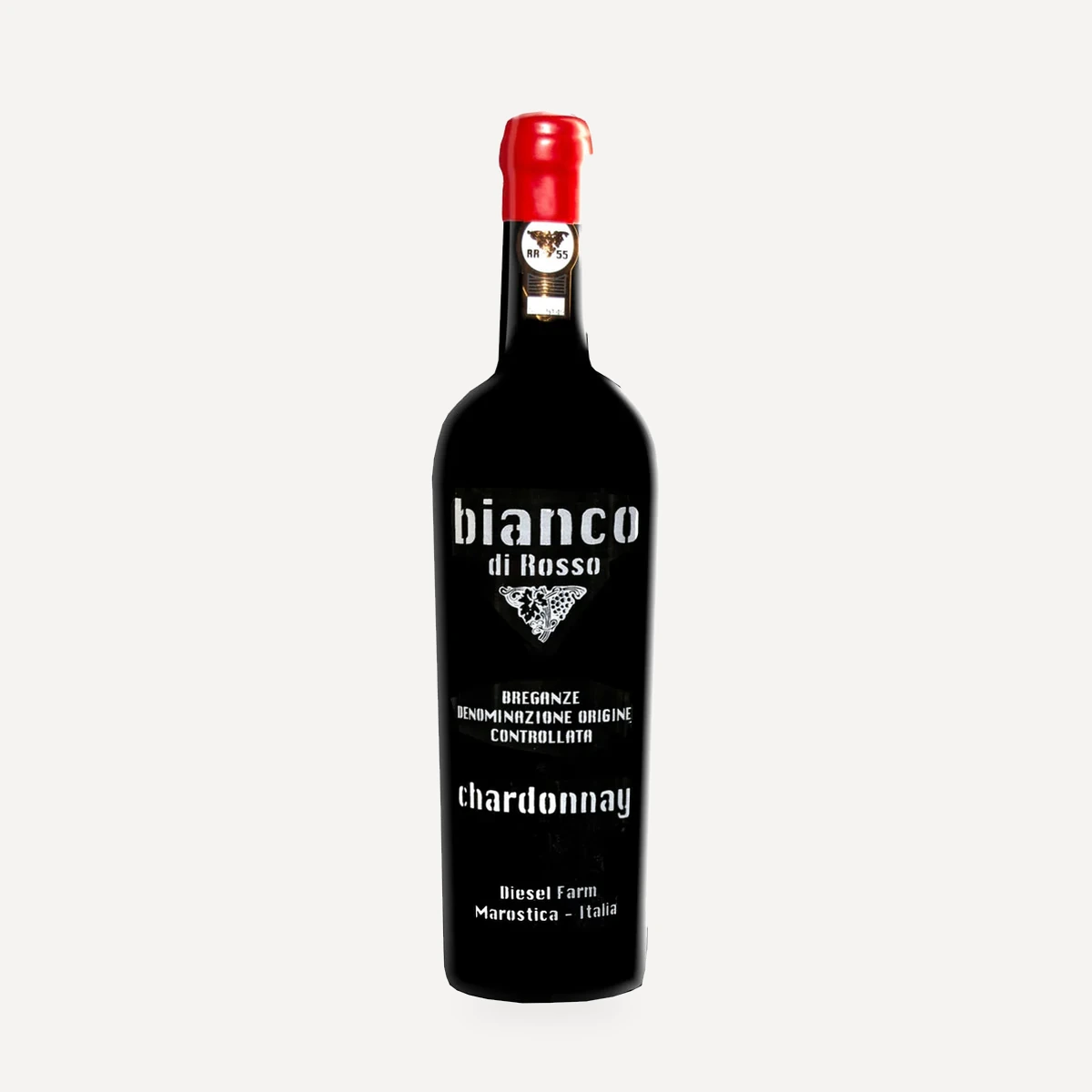
Bianco di Rosso
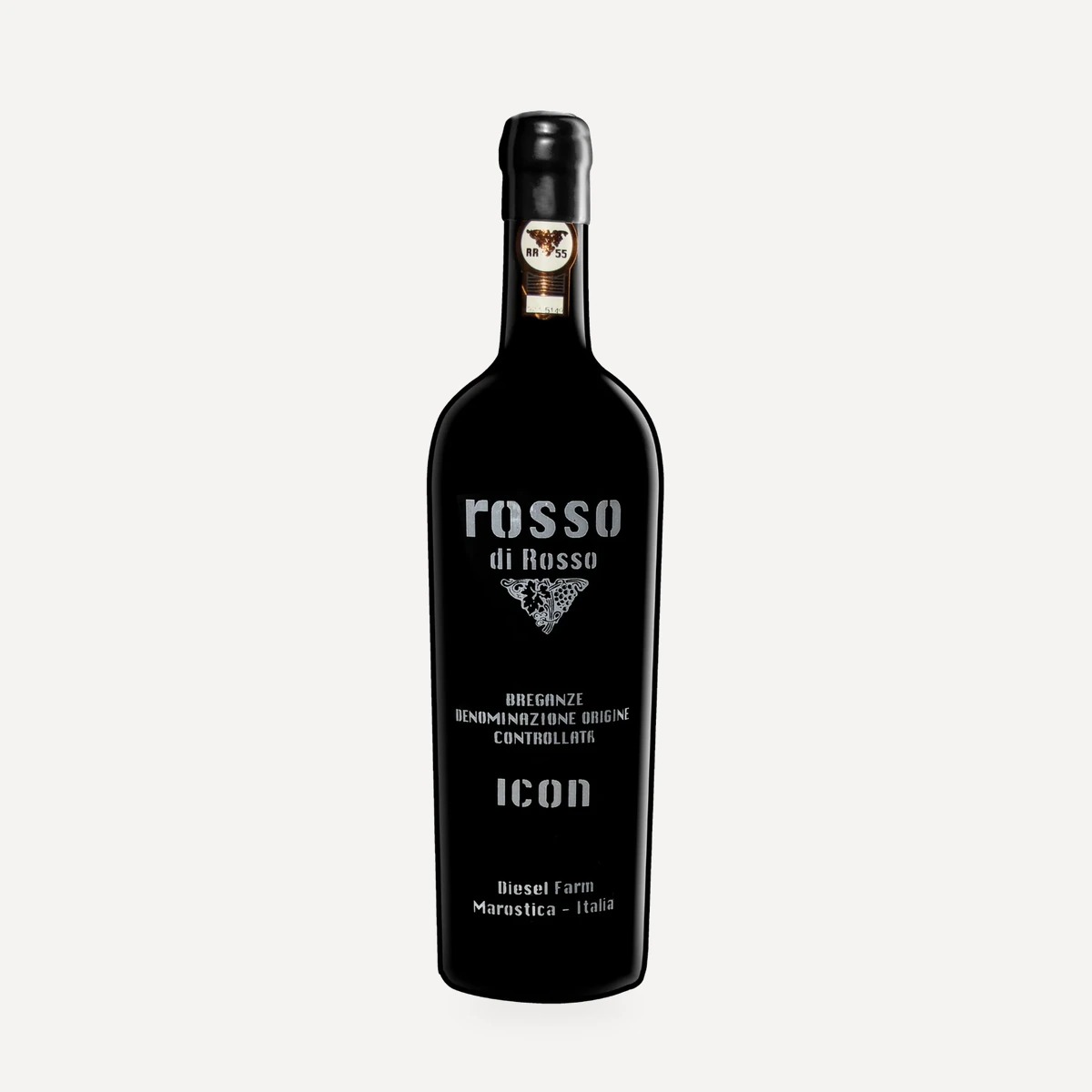
Icon
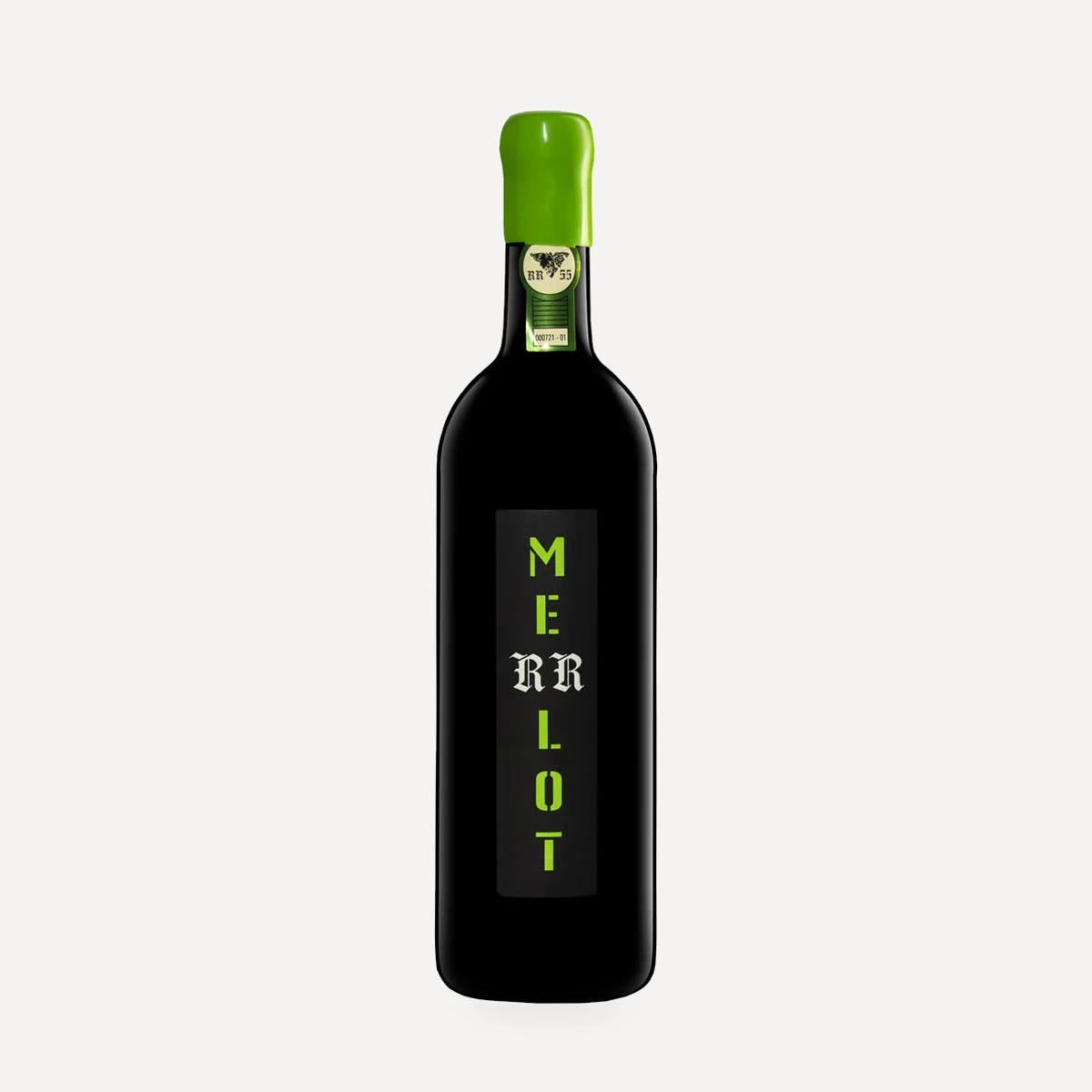
Merlot di Rosso
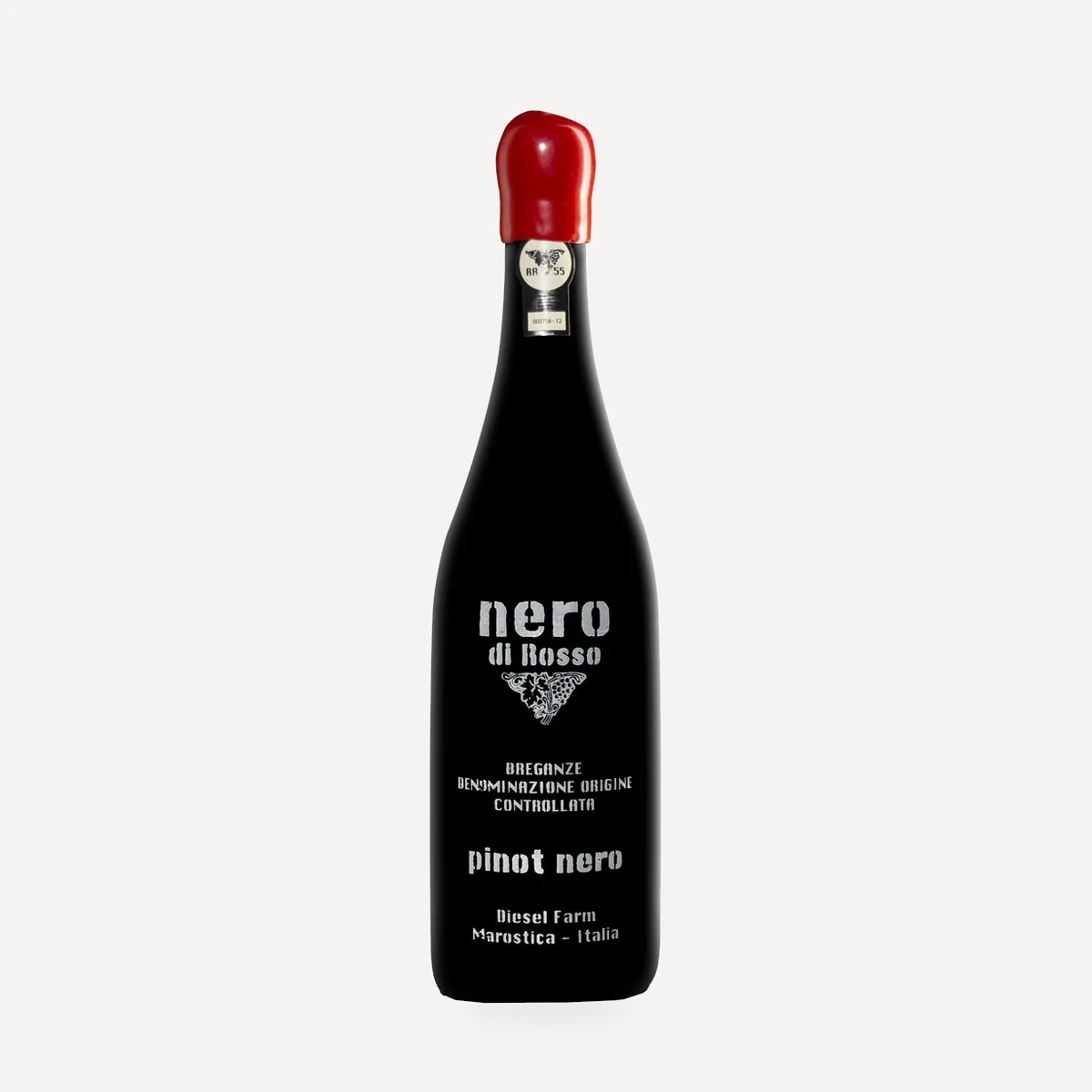
Nero di Rosso
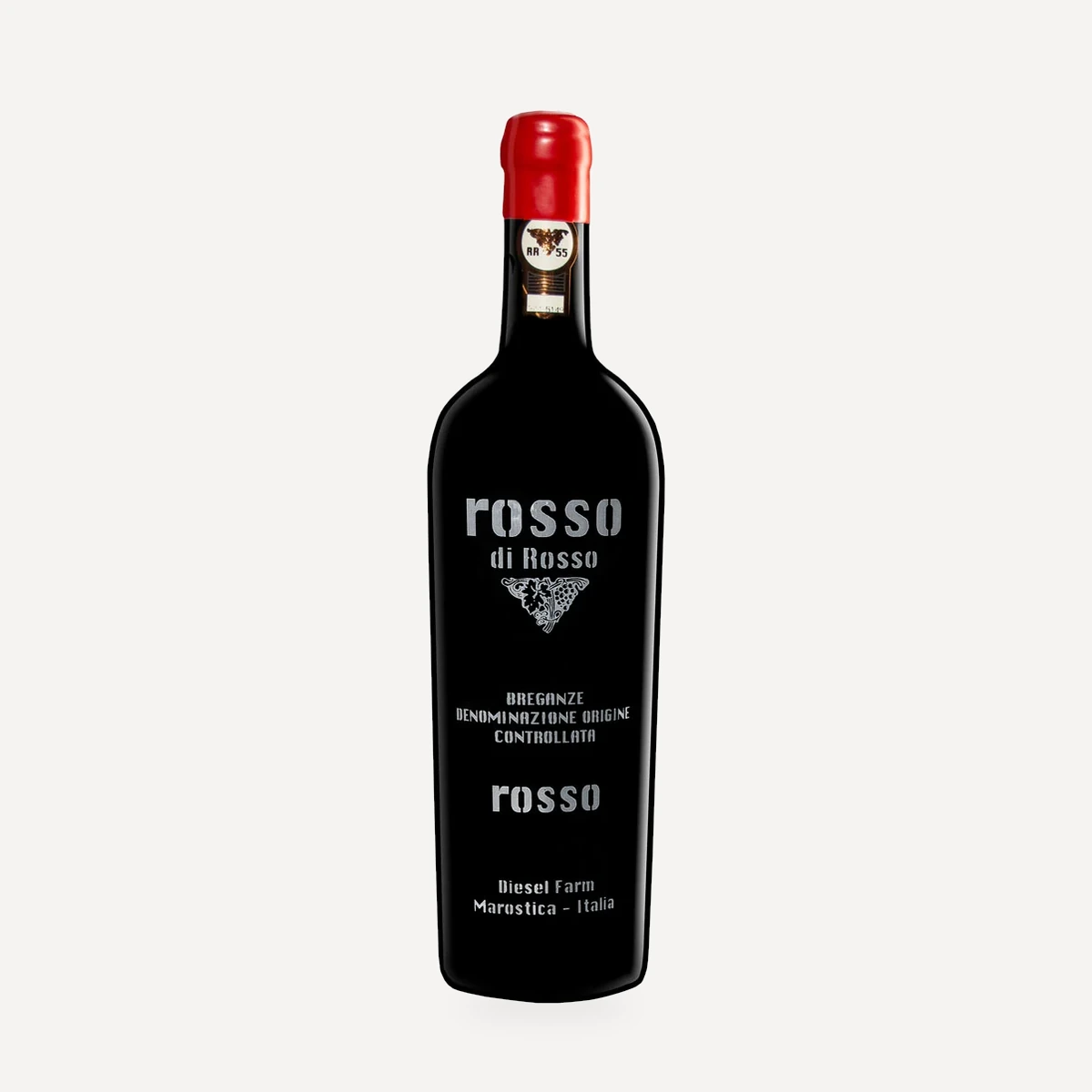
Rosso di Rosso
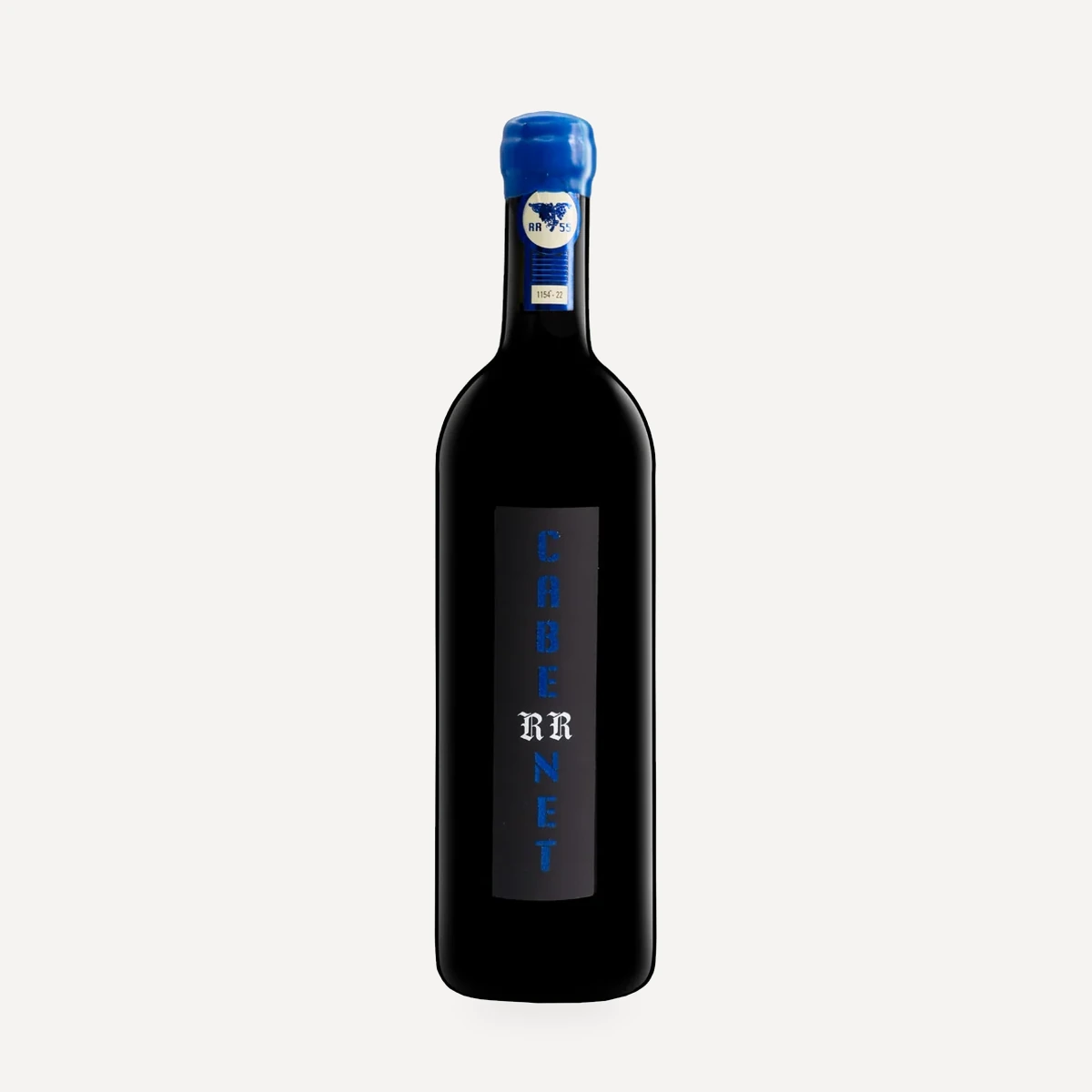
Cabernet di Rosso
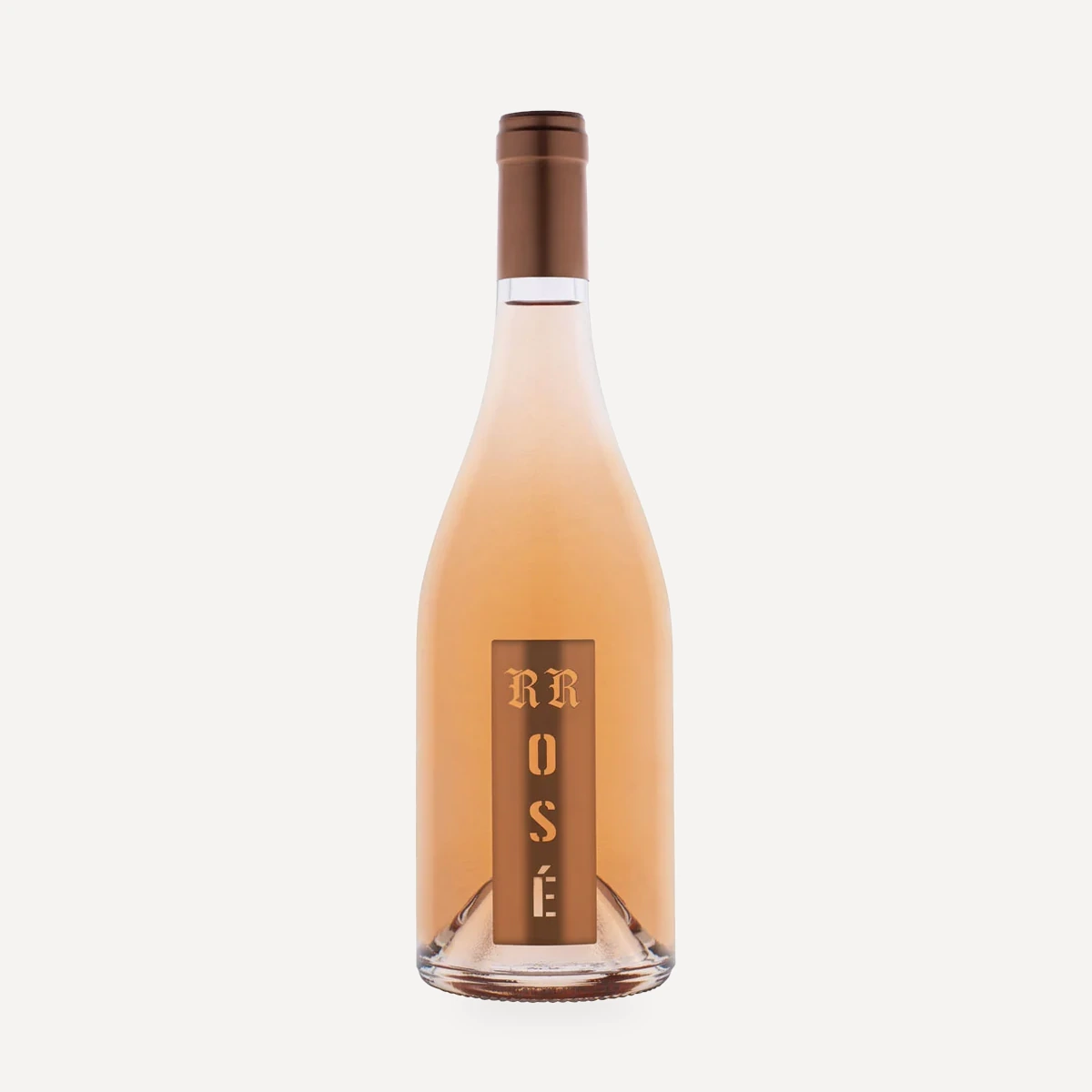
RRosé di Rosso
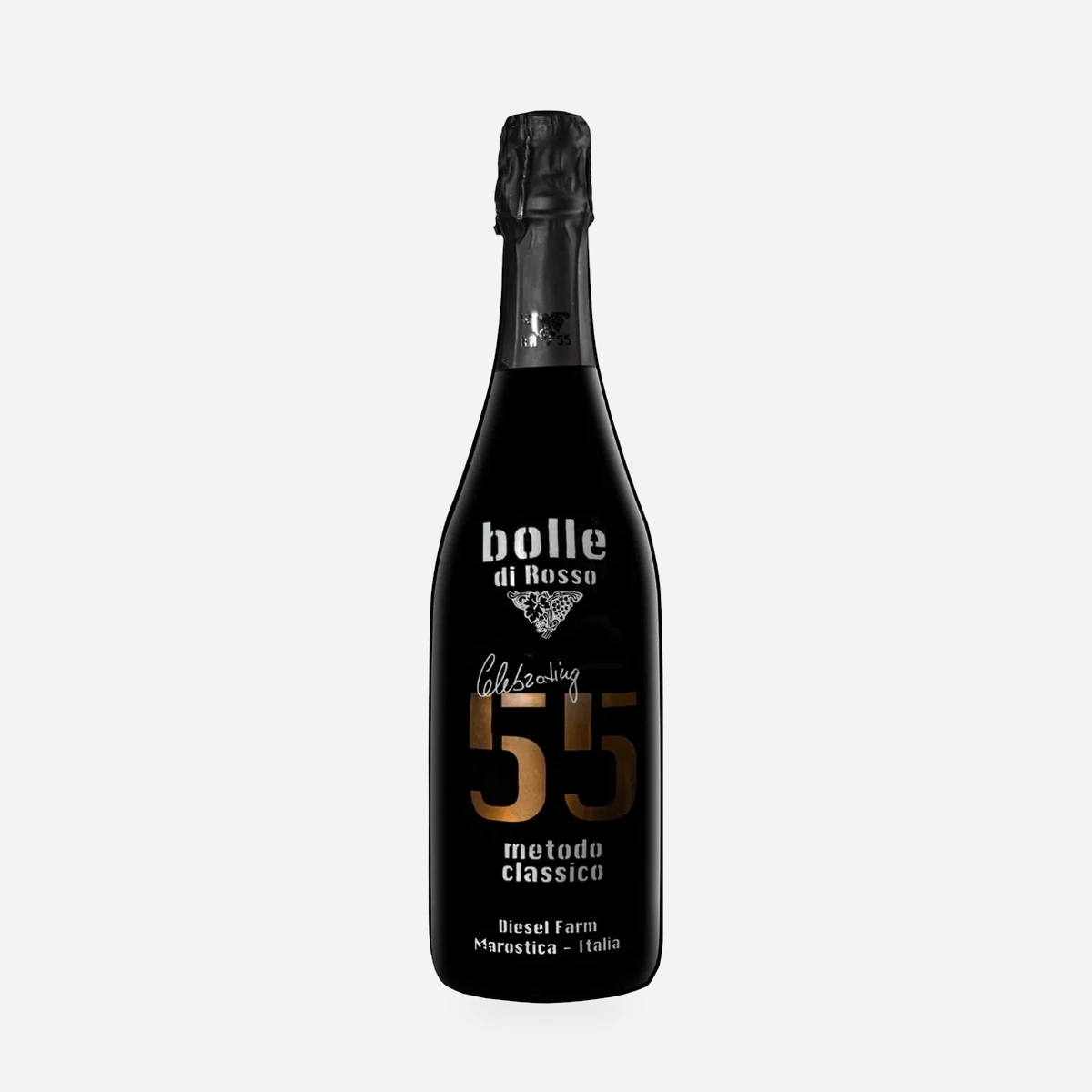
Celebrating 55 - Metodo Classico